A Winter-Themed Arctic Animal Activity for Toddlers & Preschoolers
Introduction
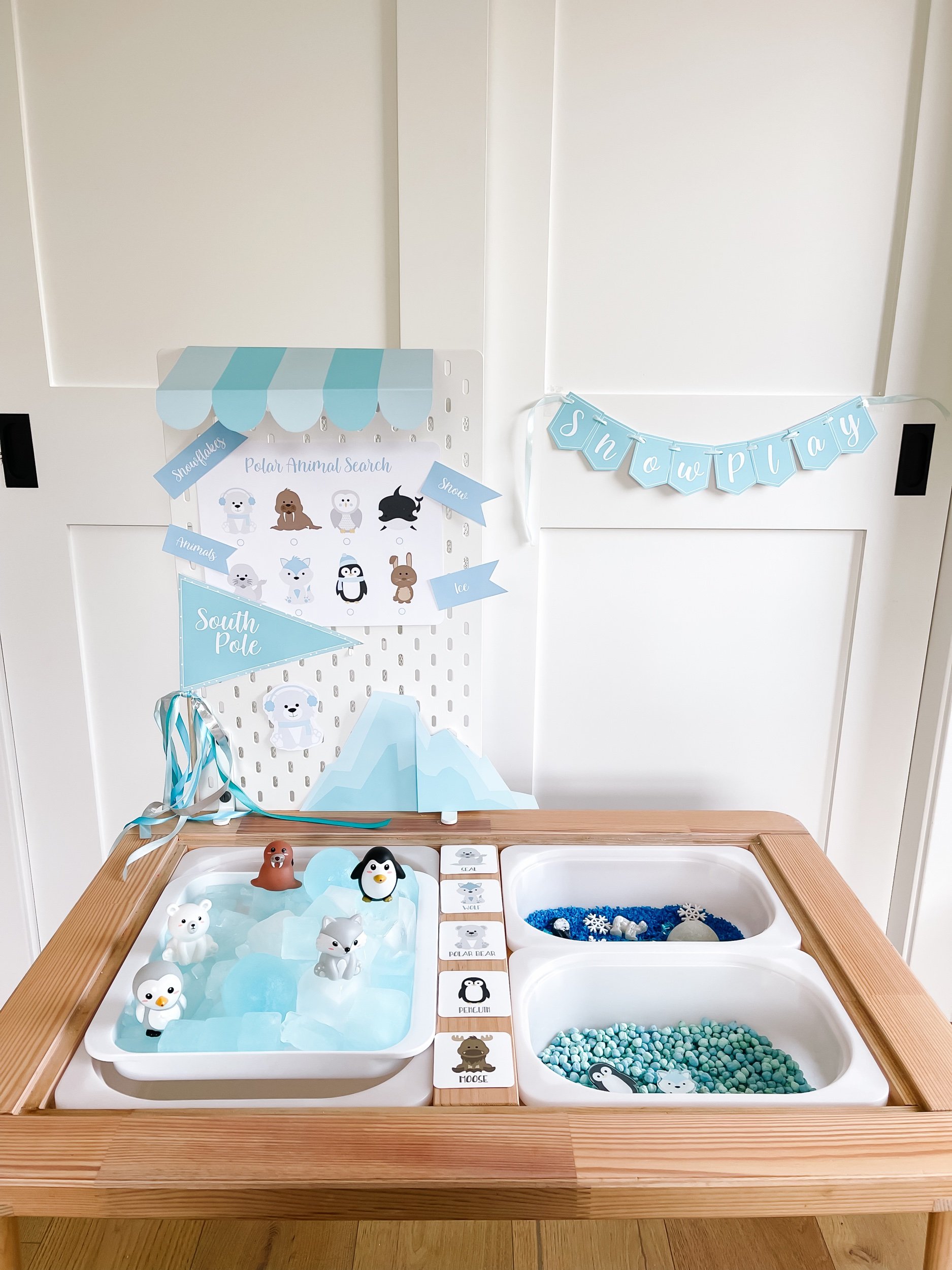
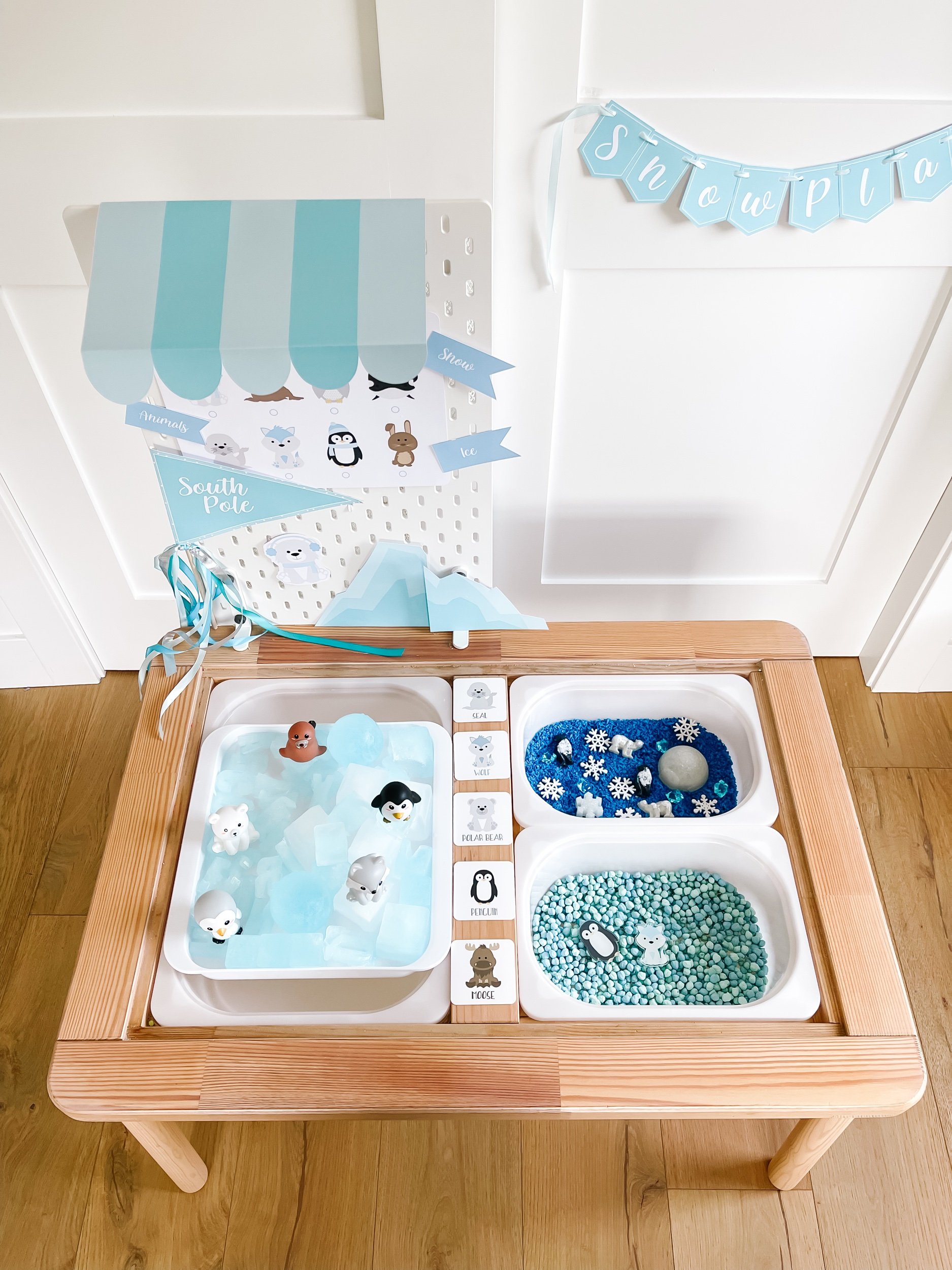
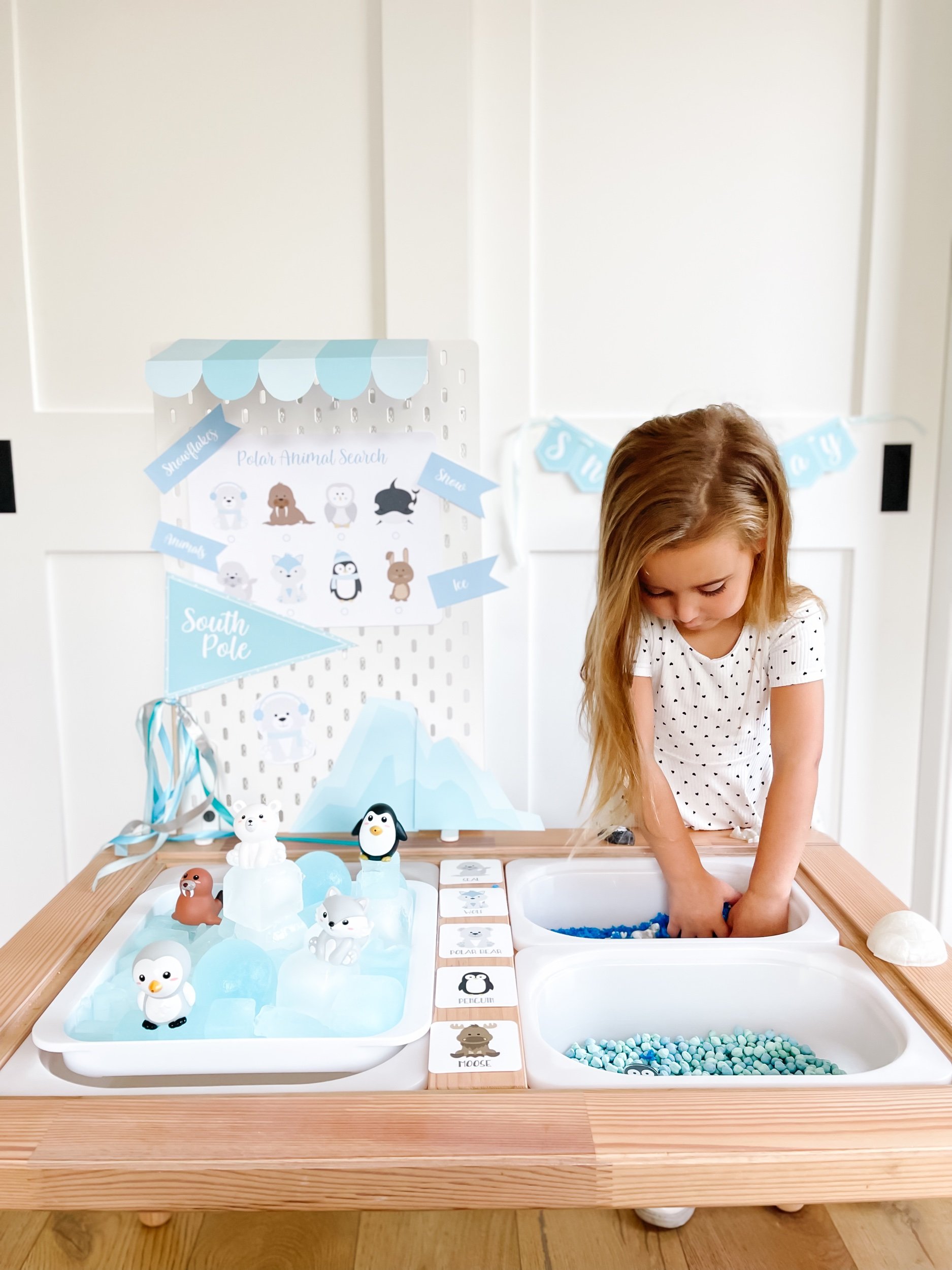
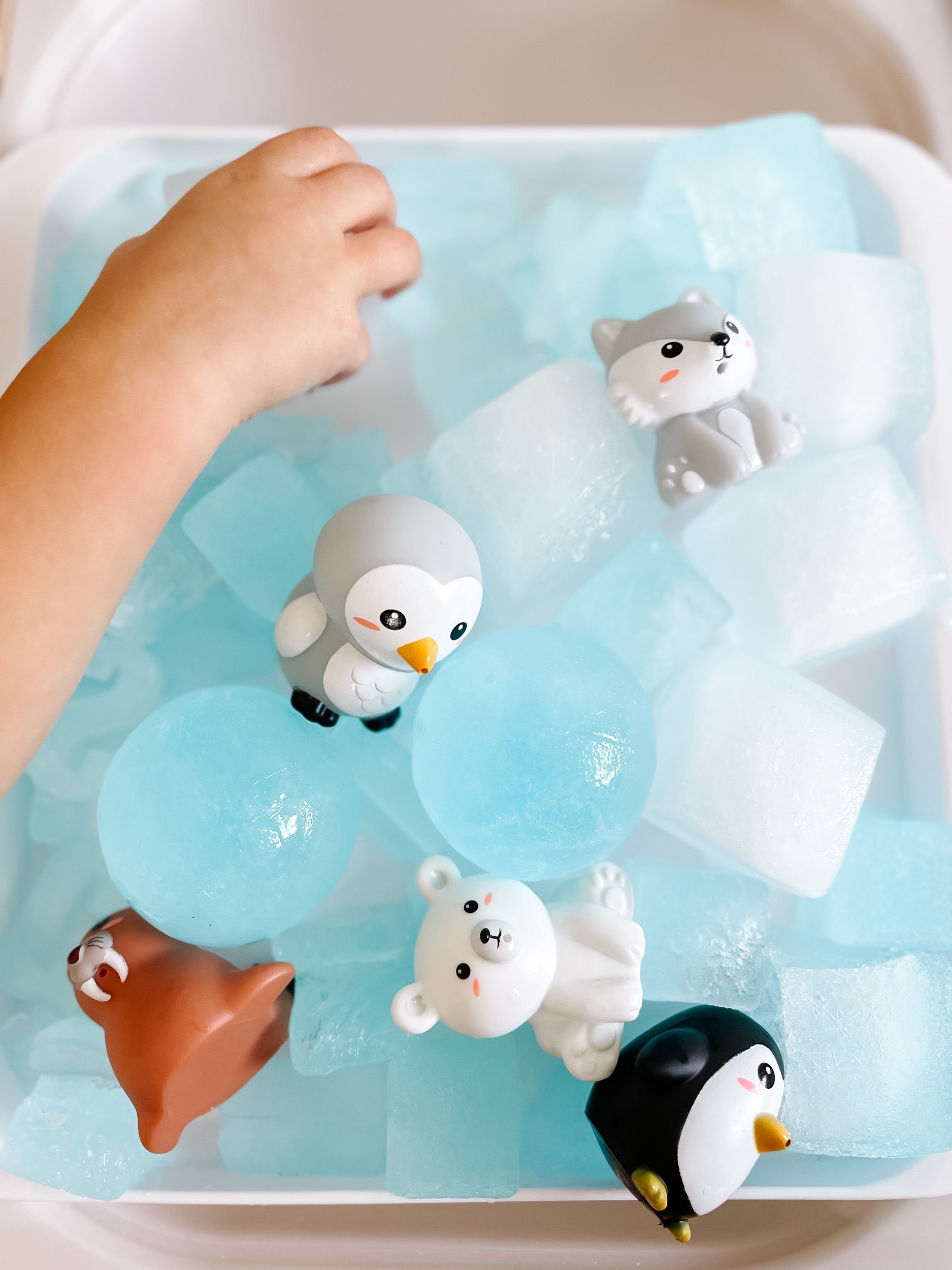
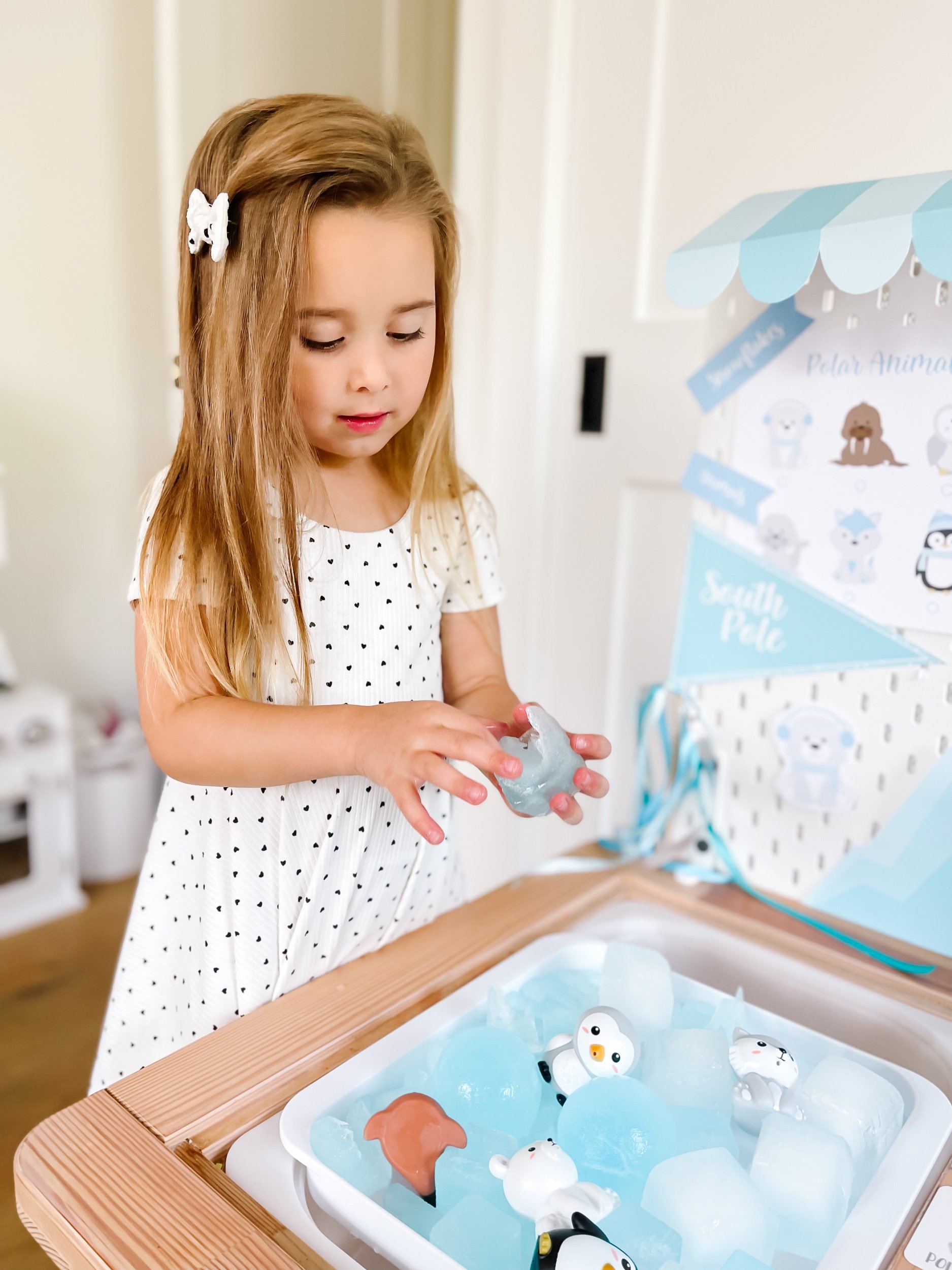
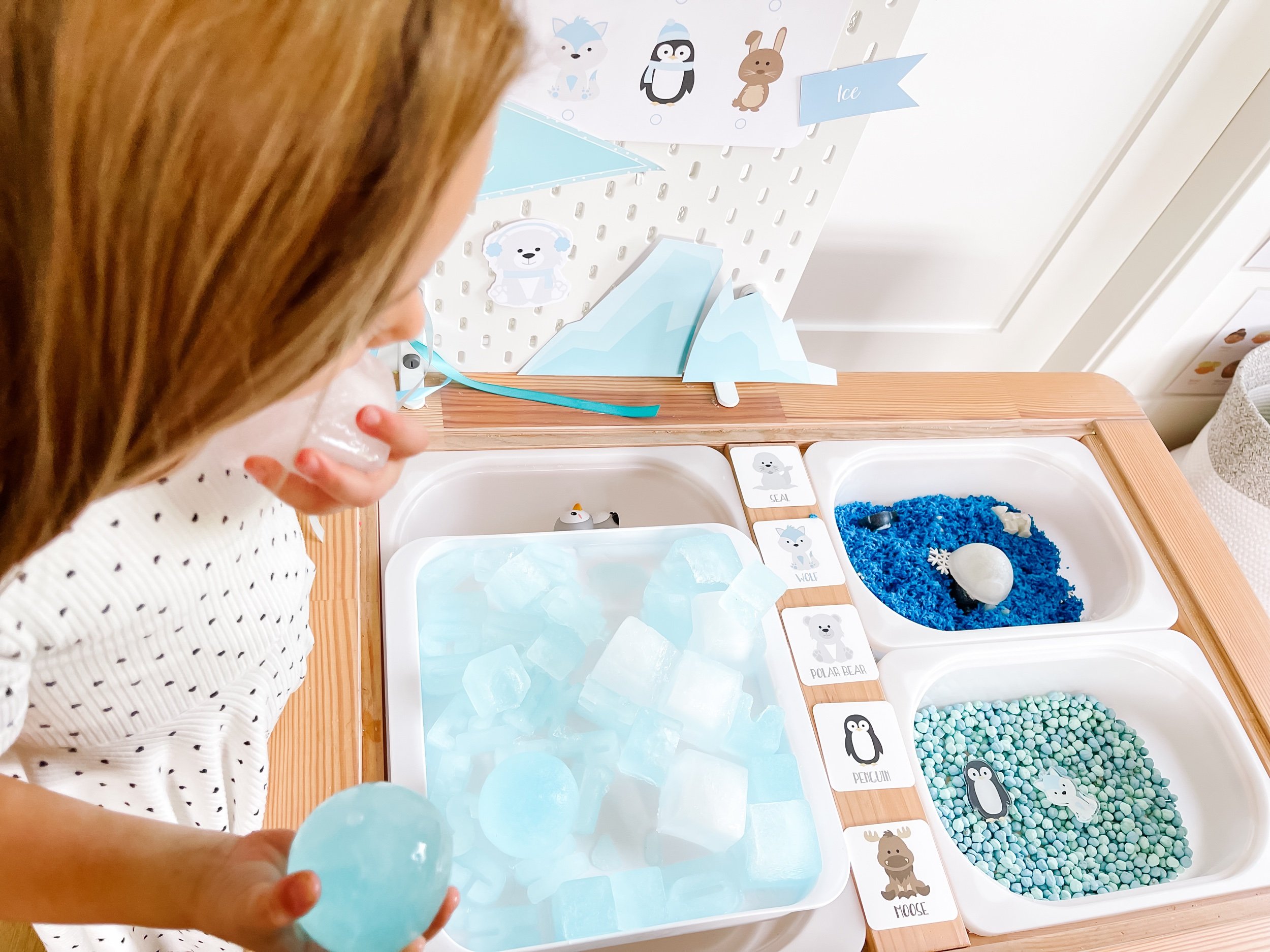
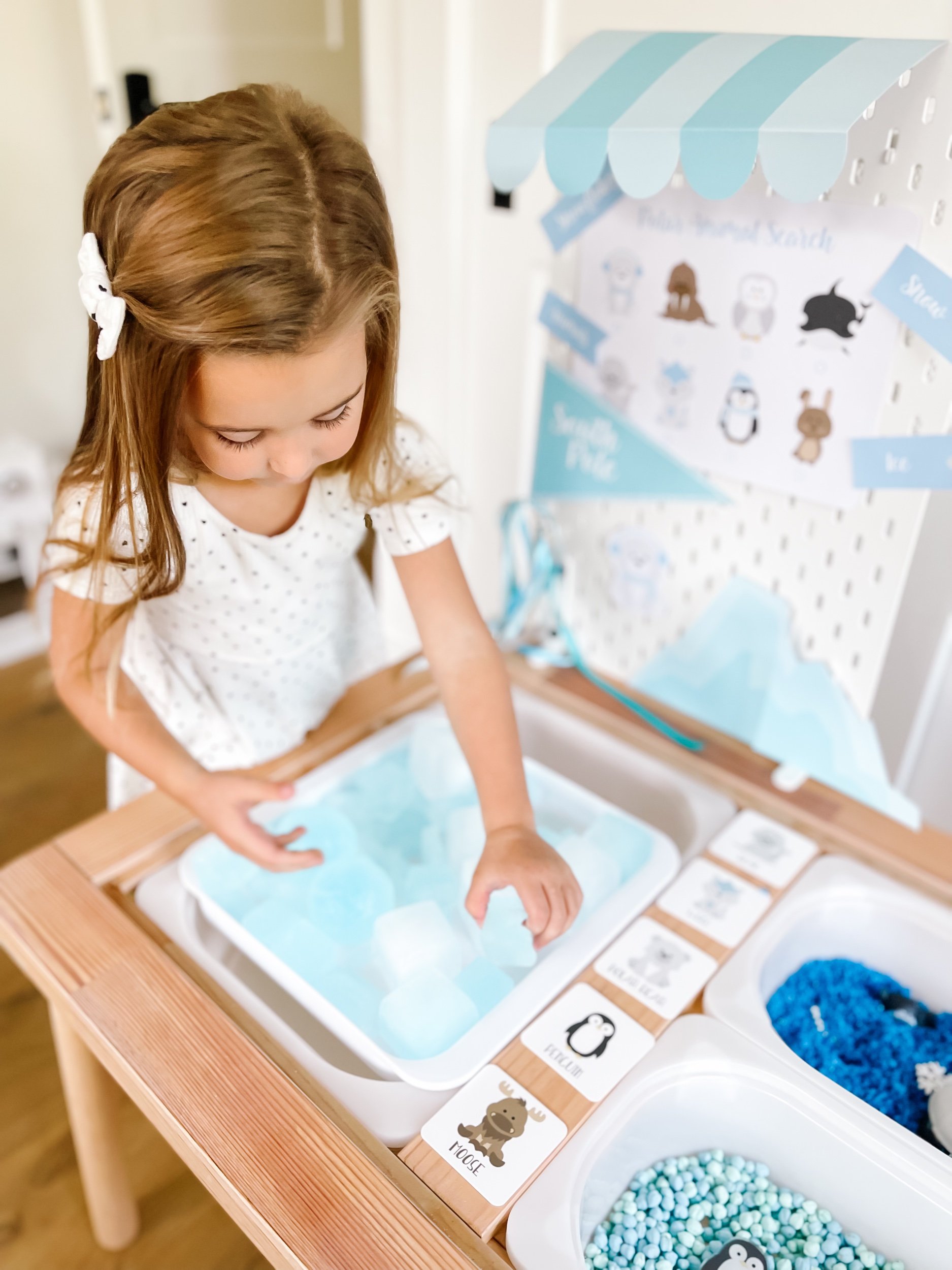
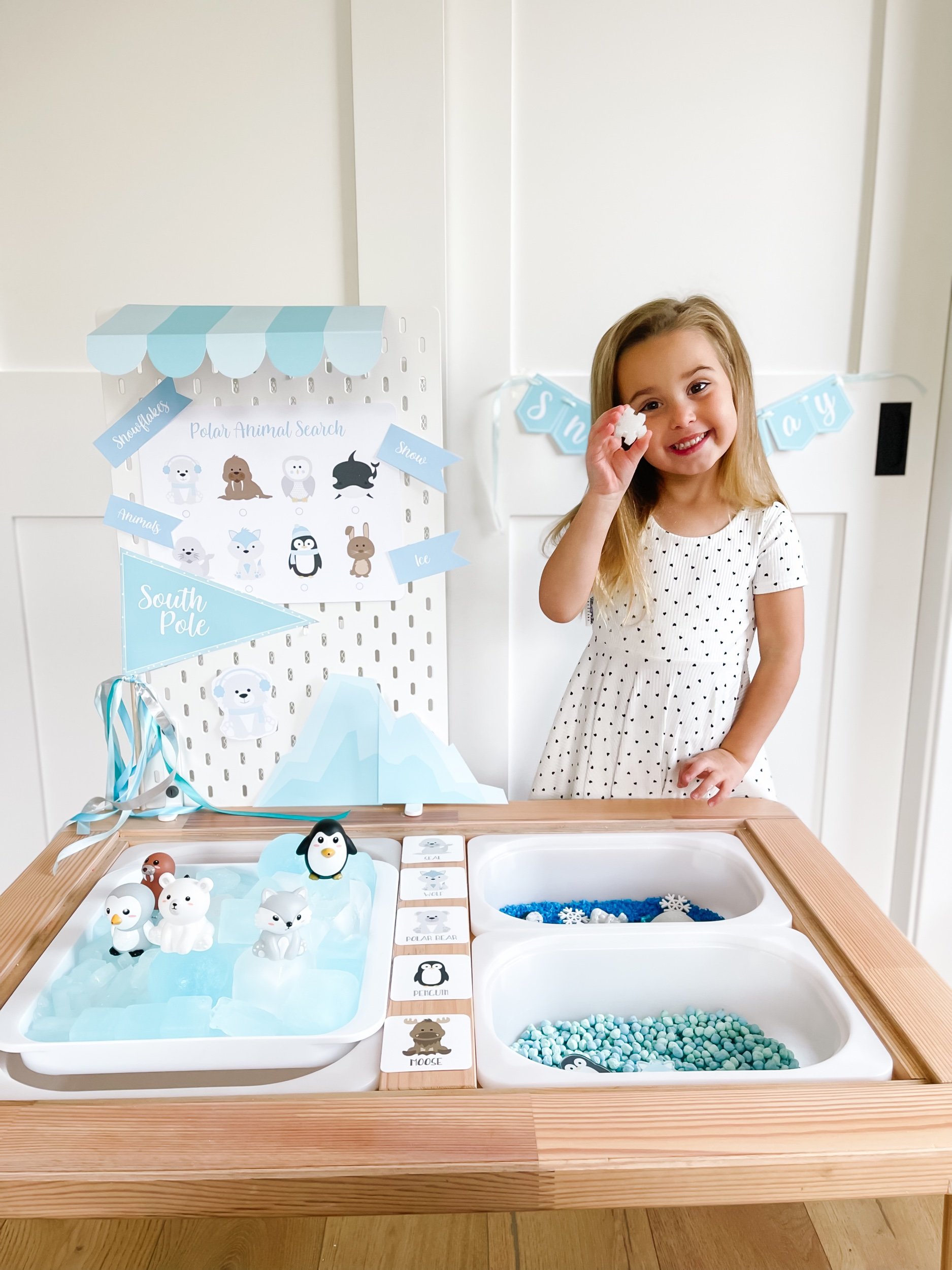
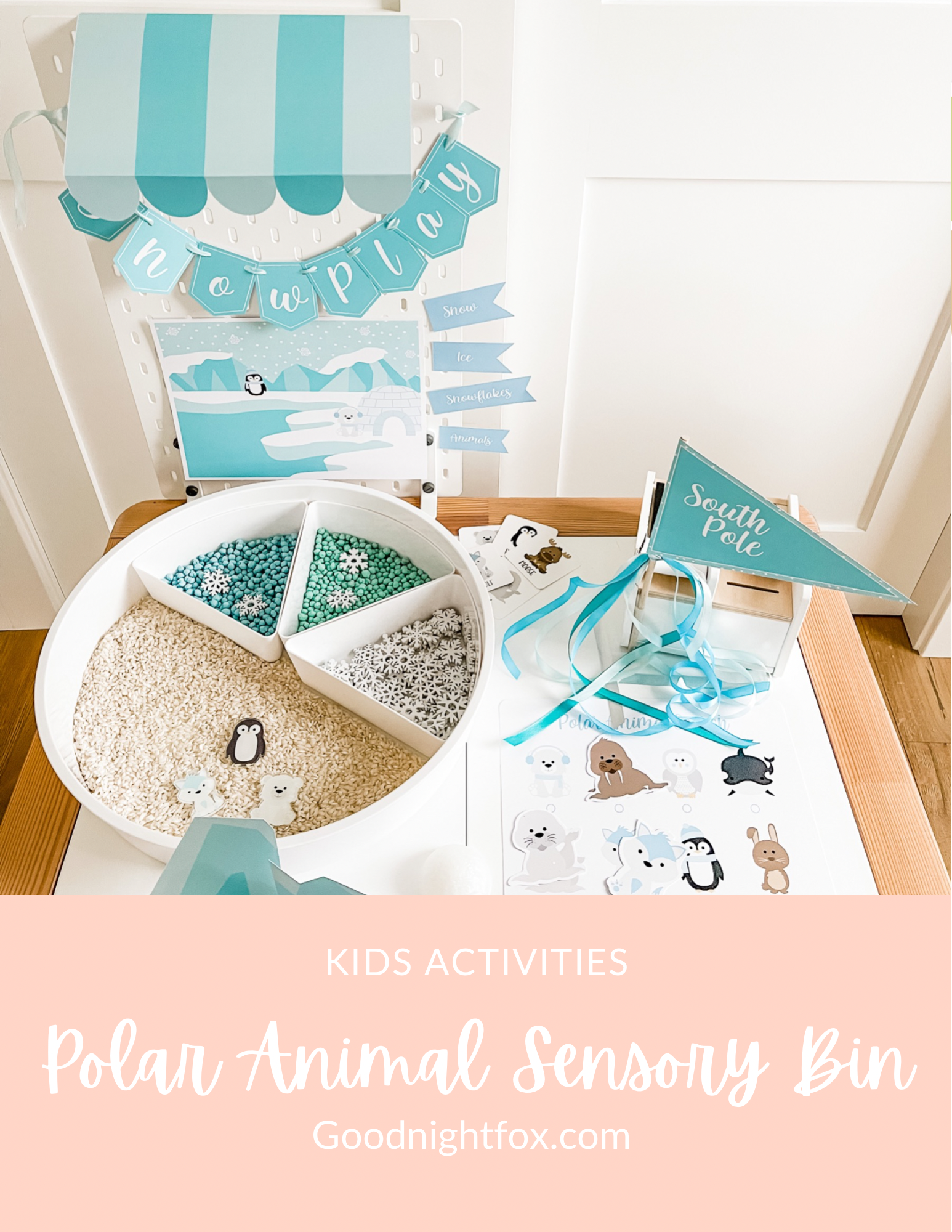
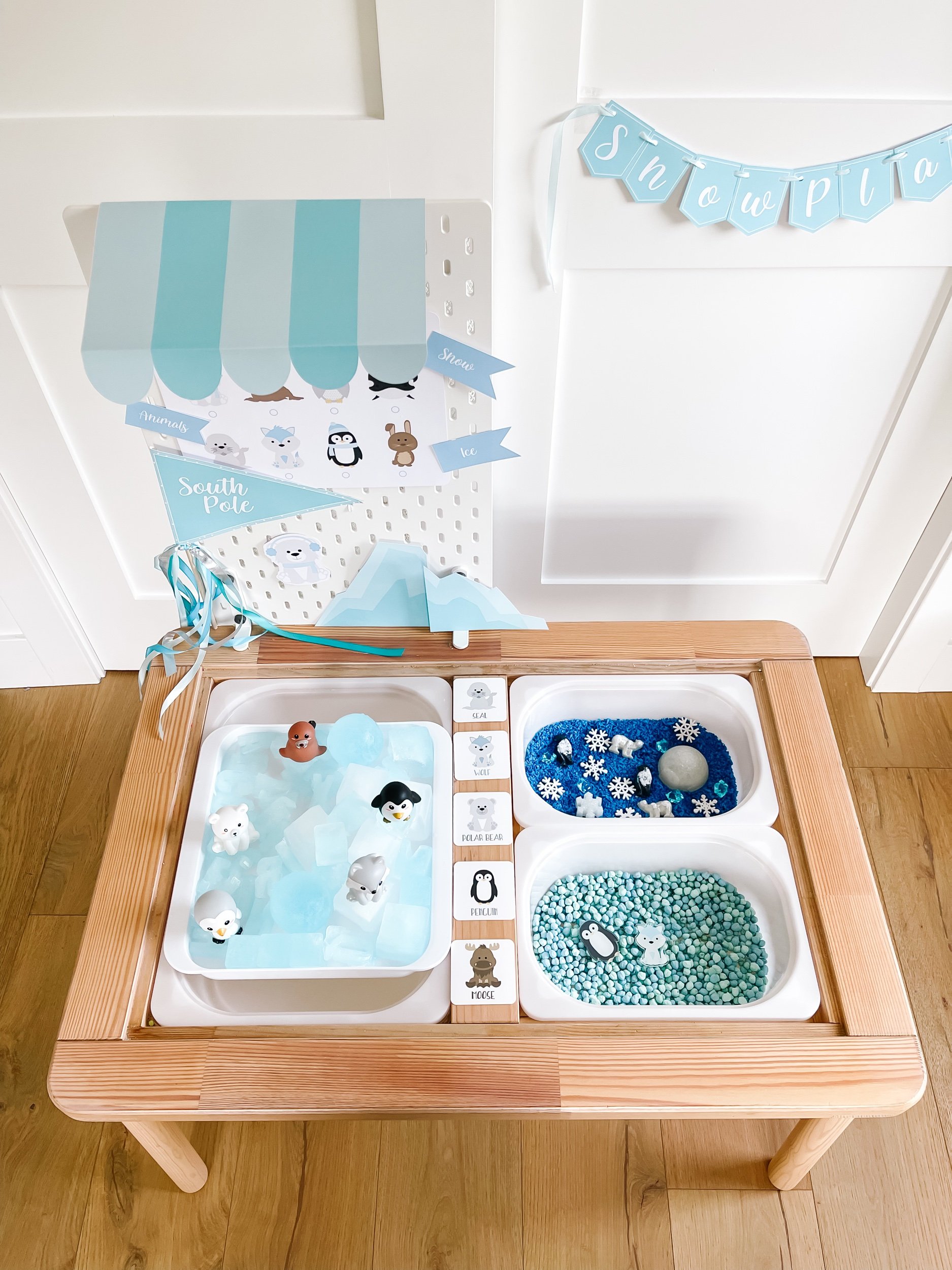
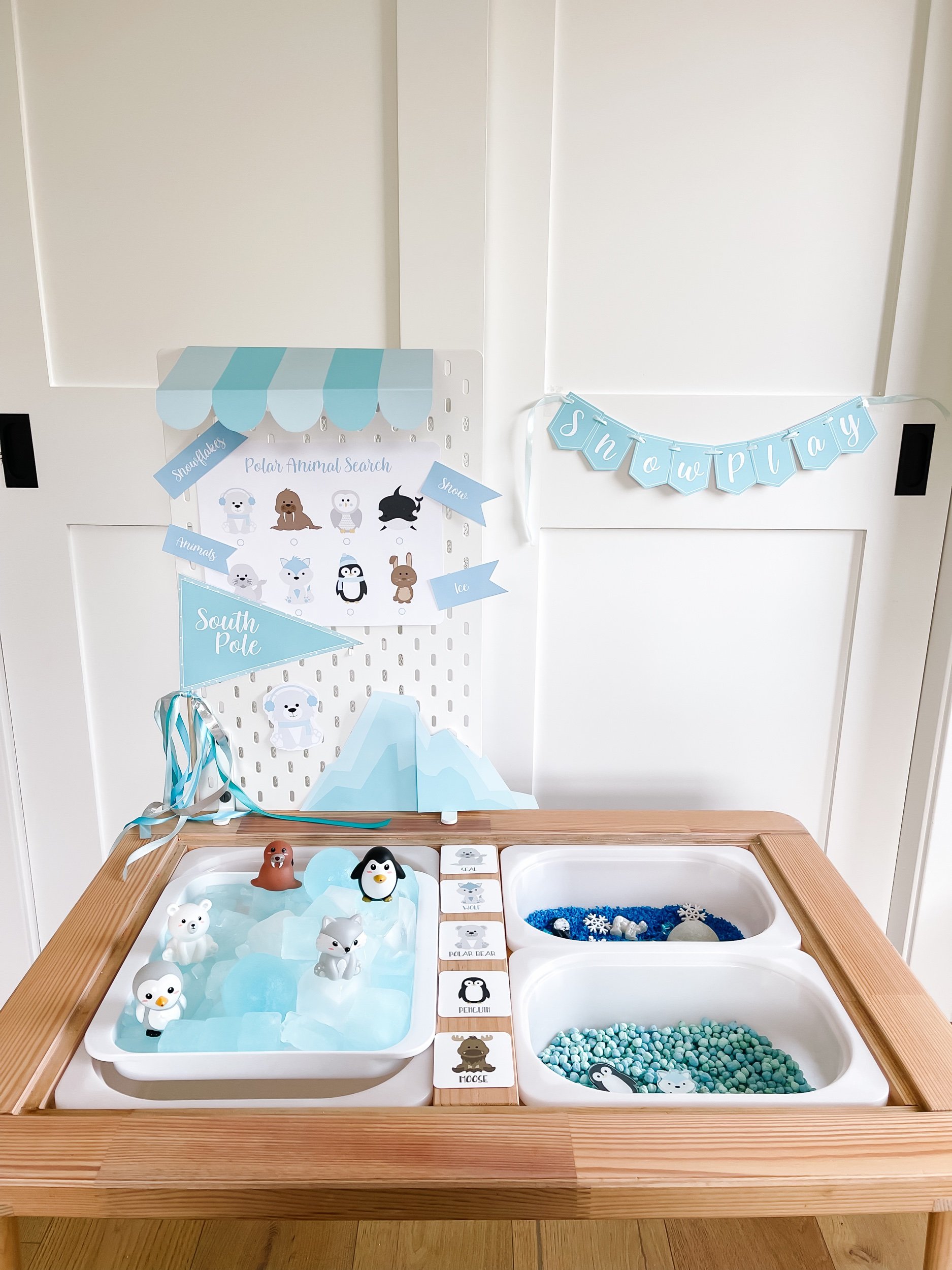
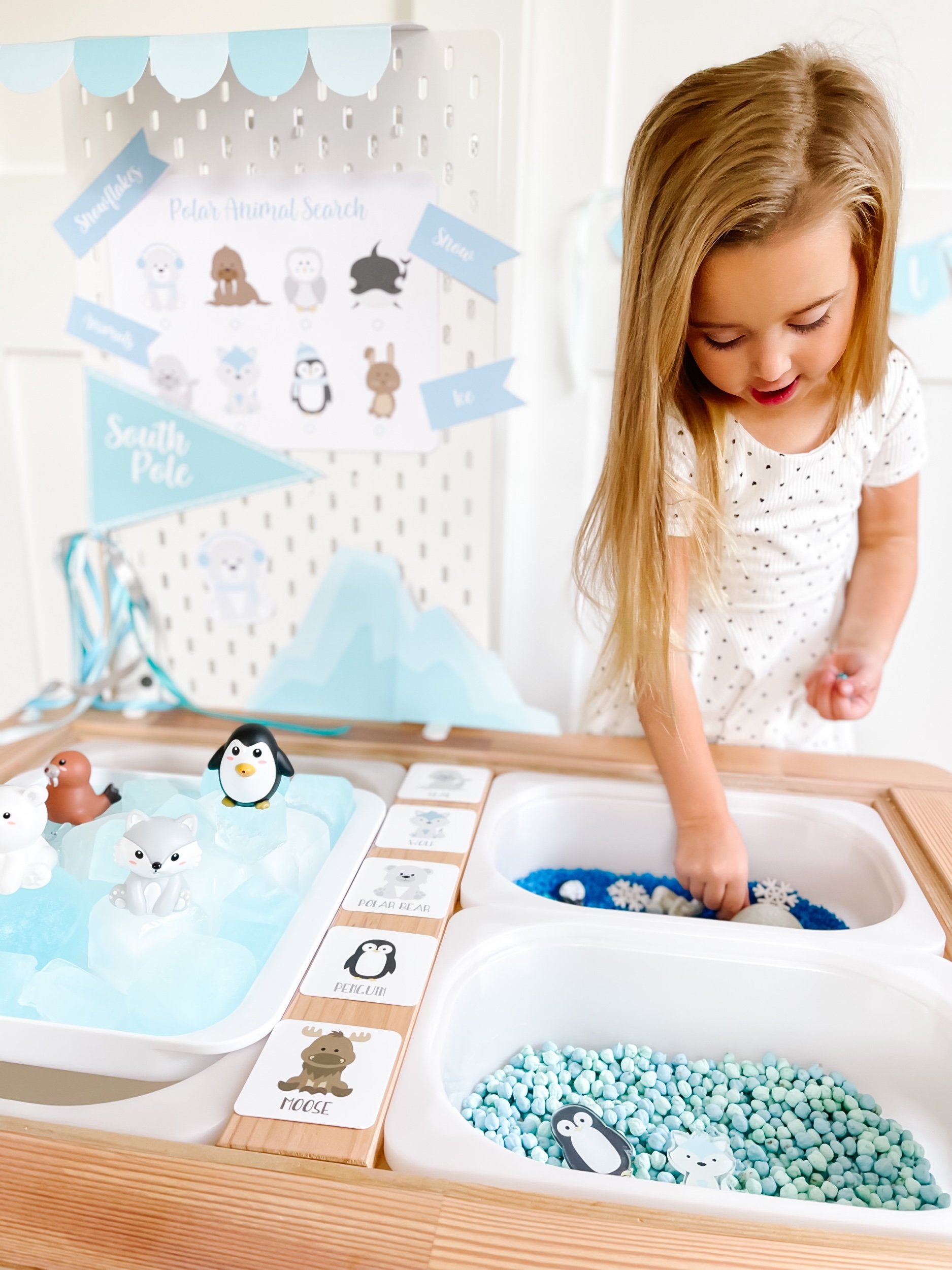
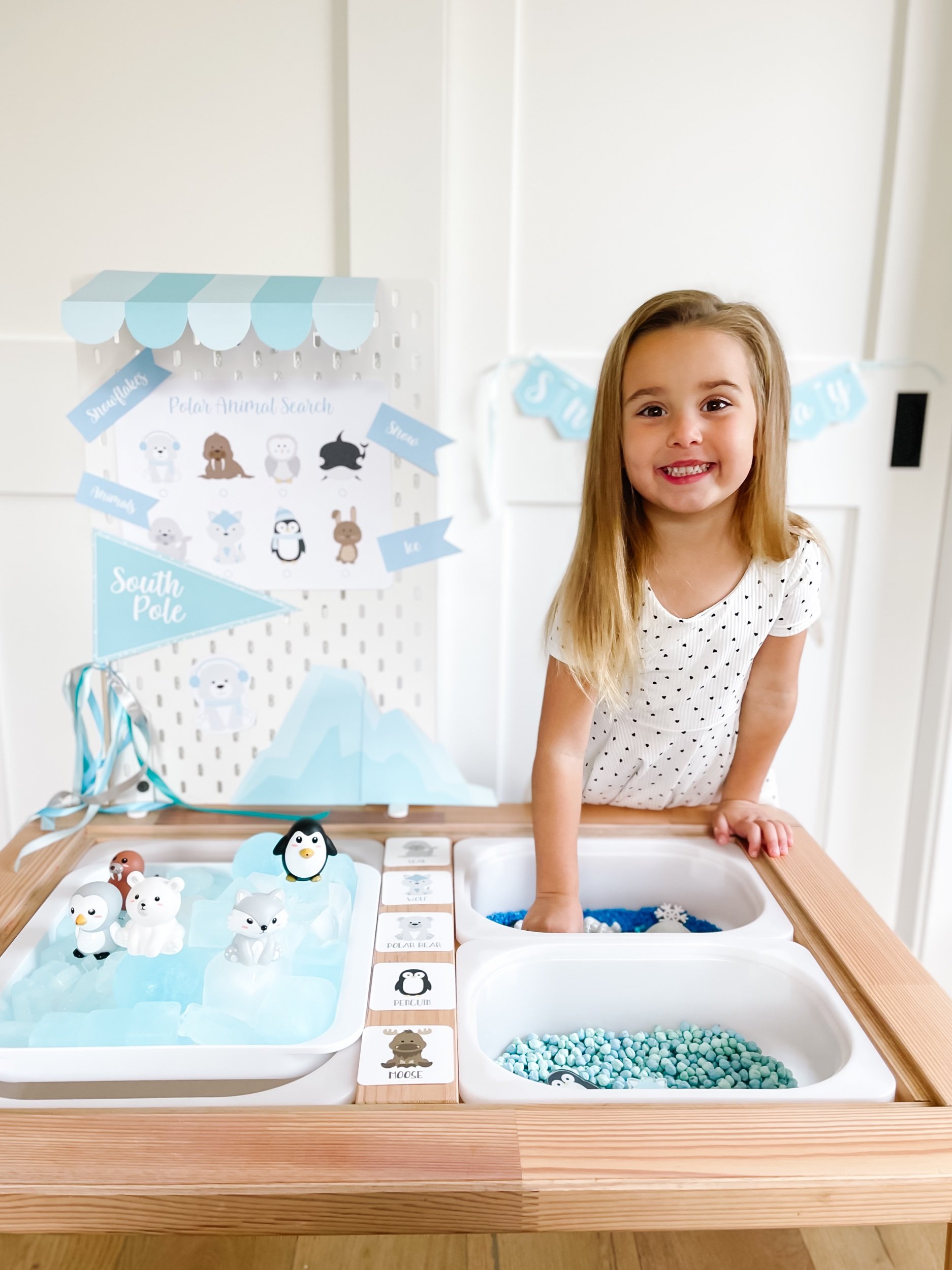
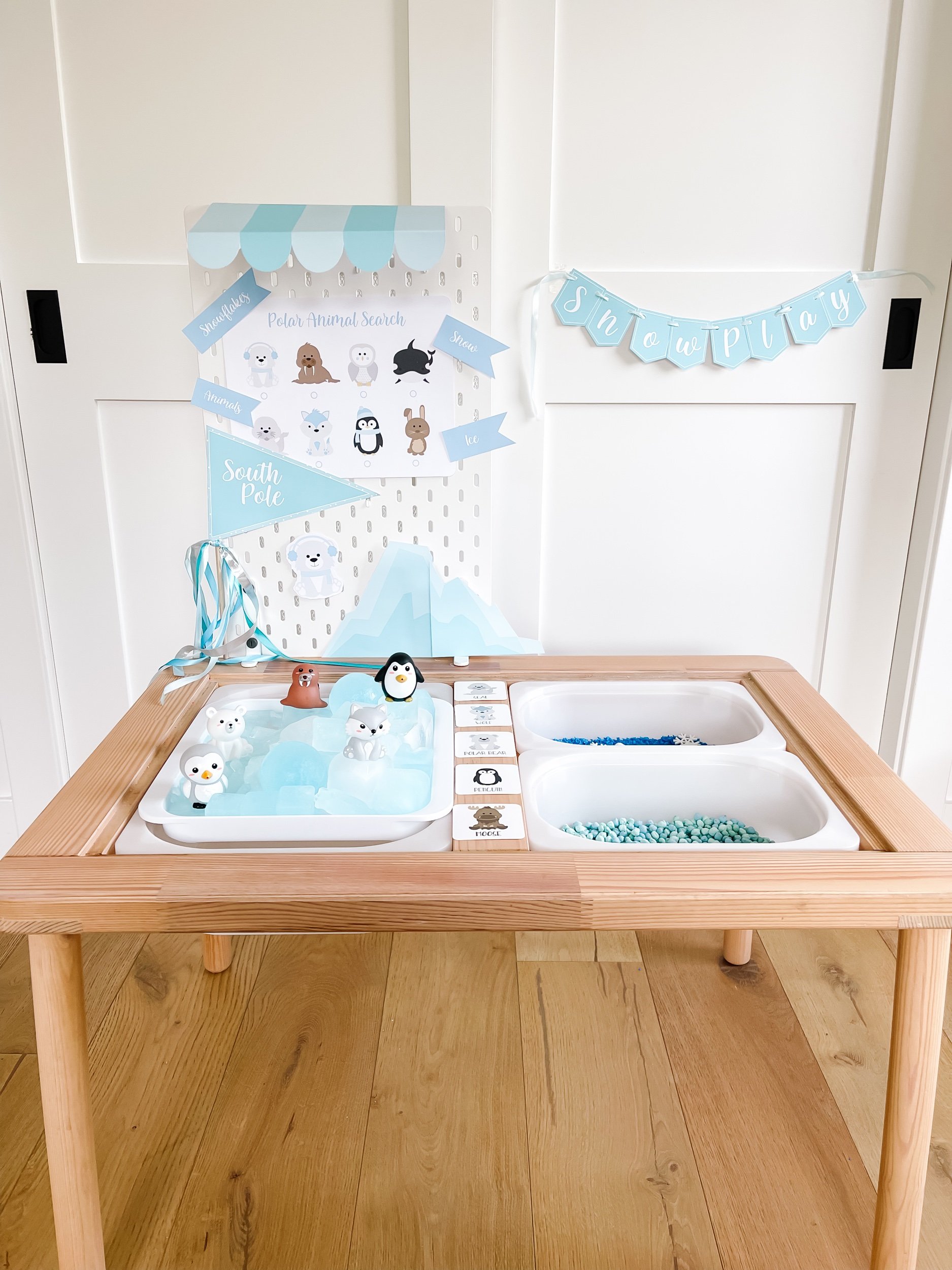
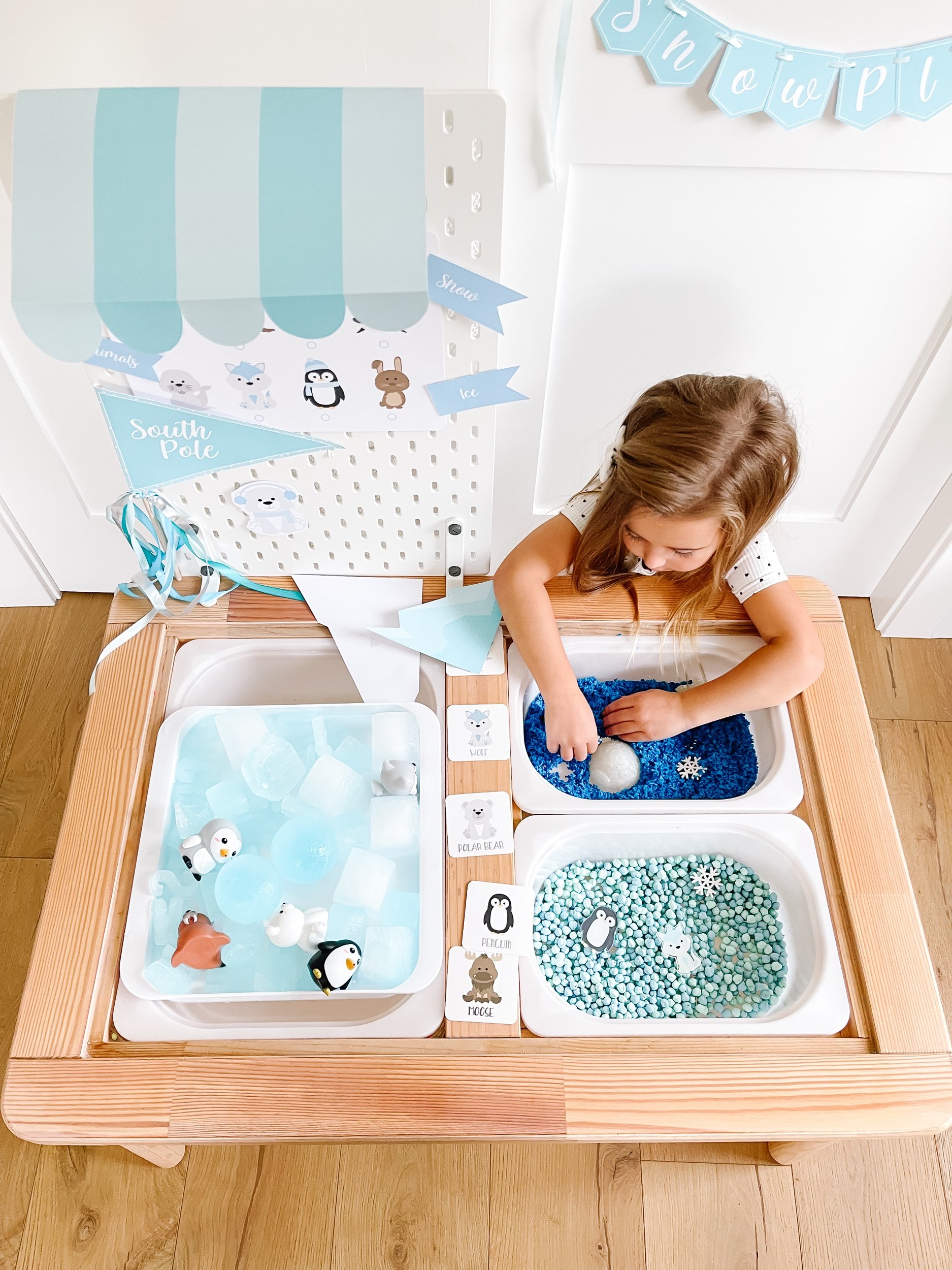
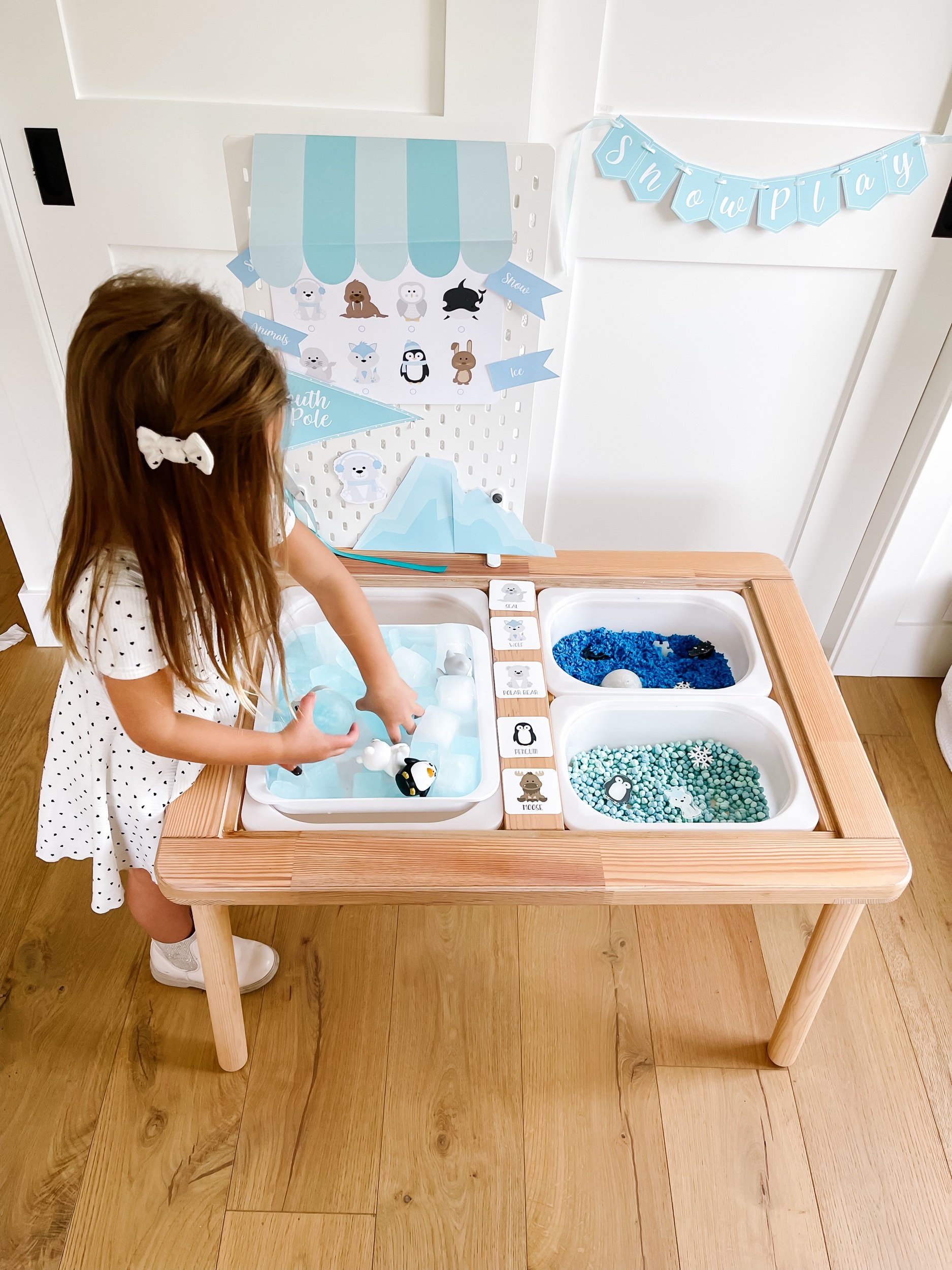
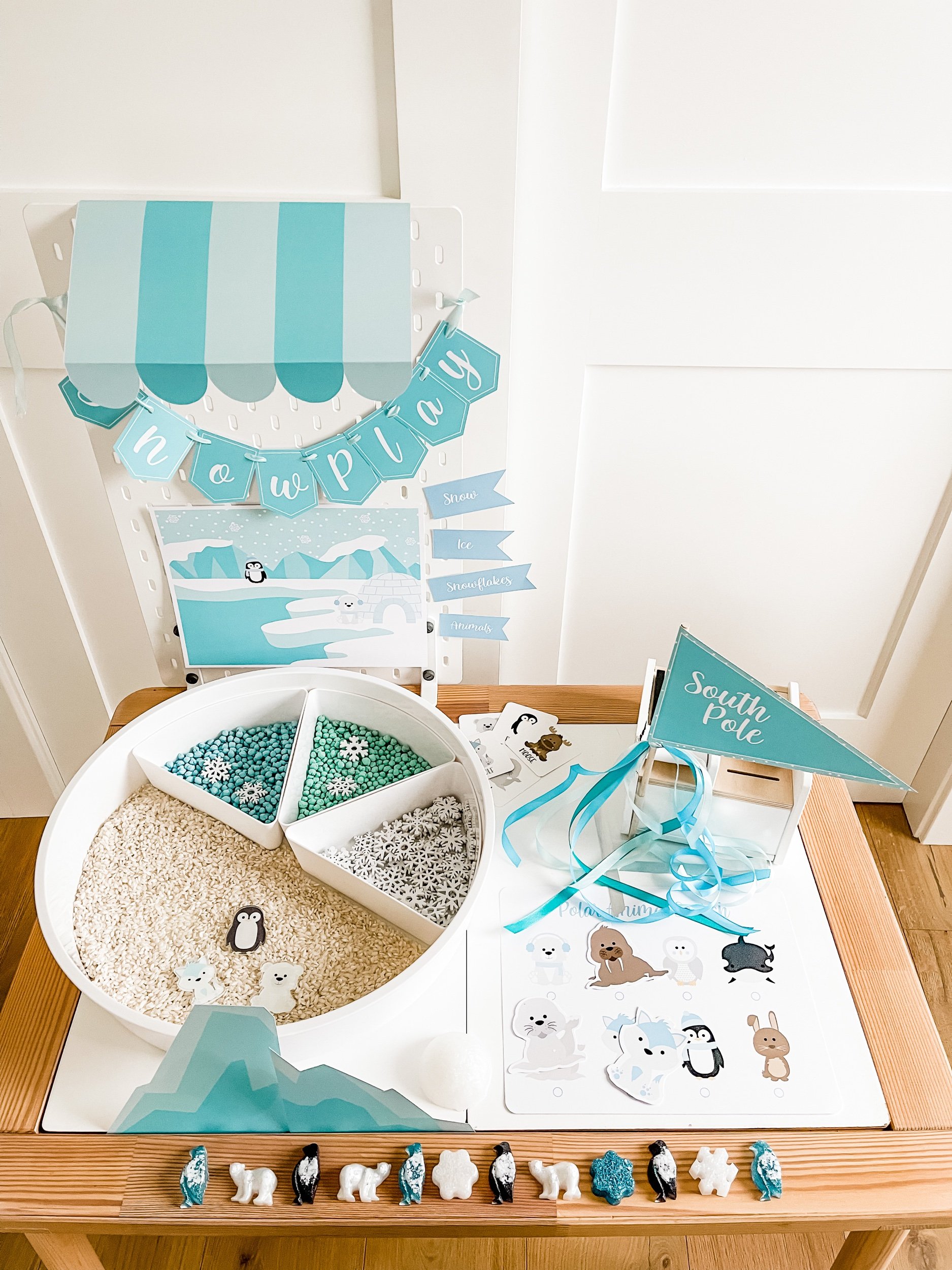
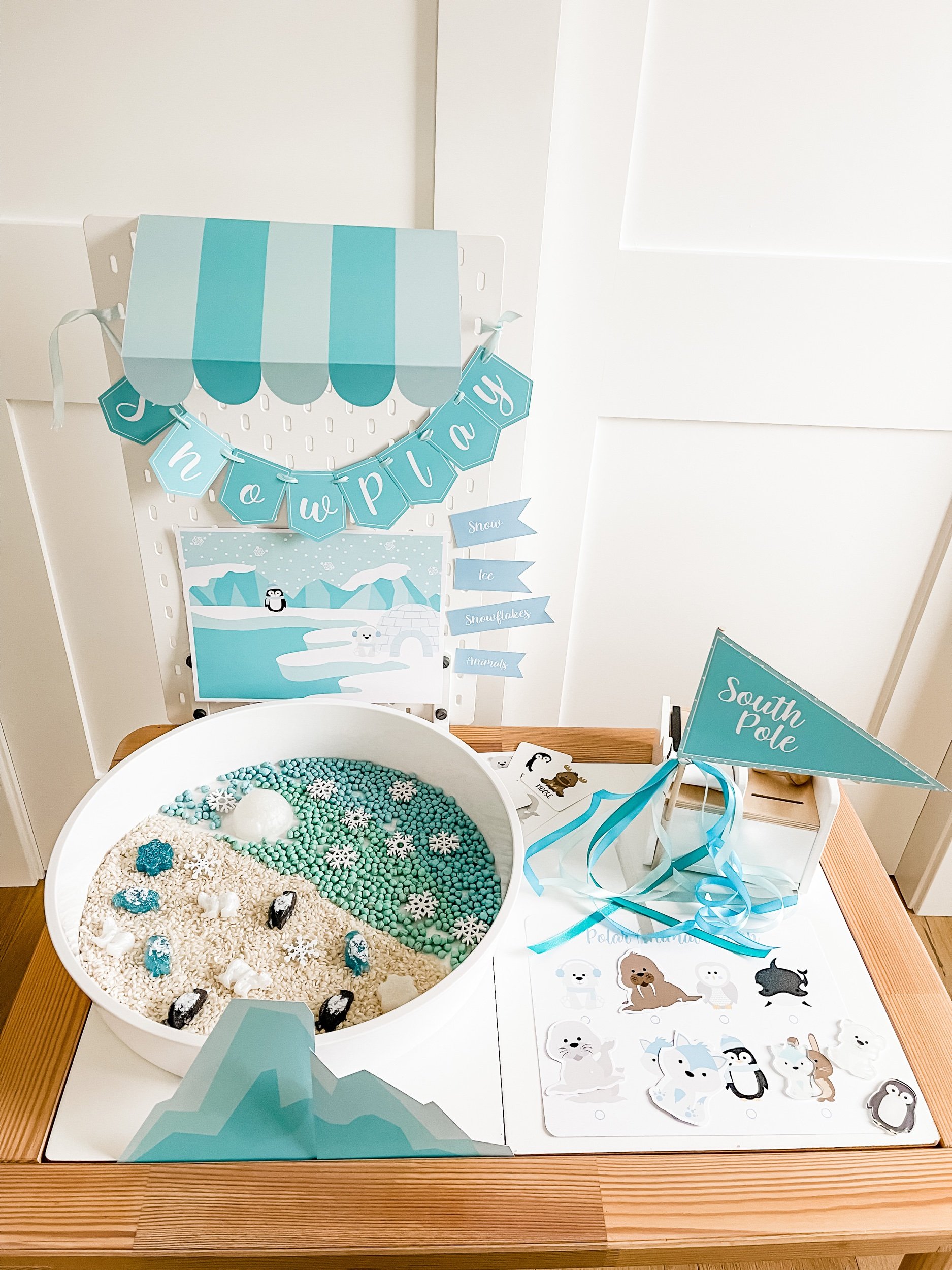
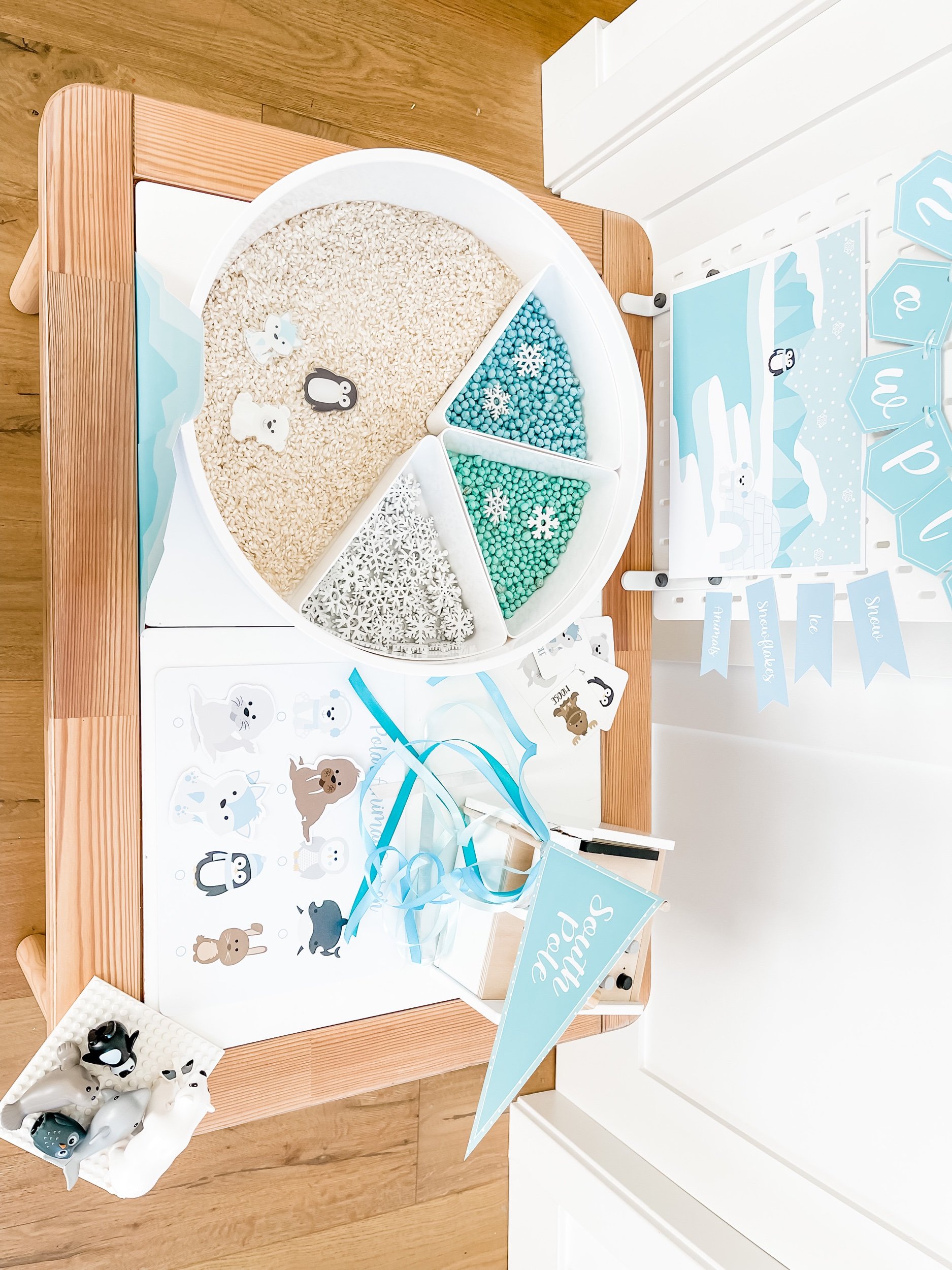
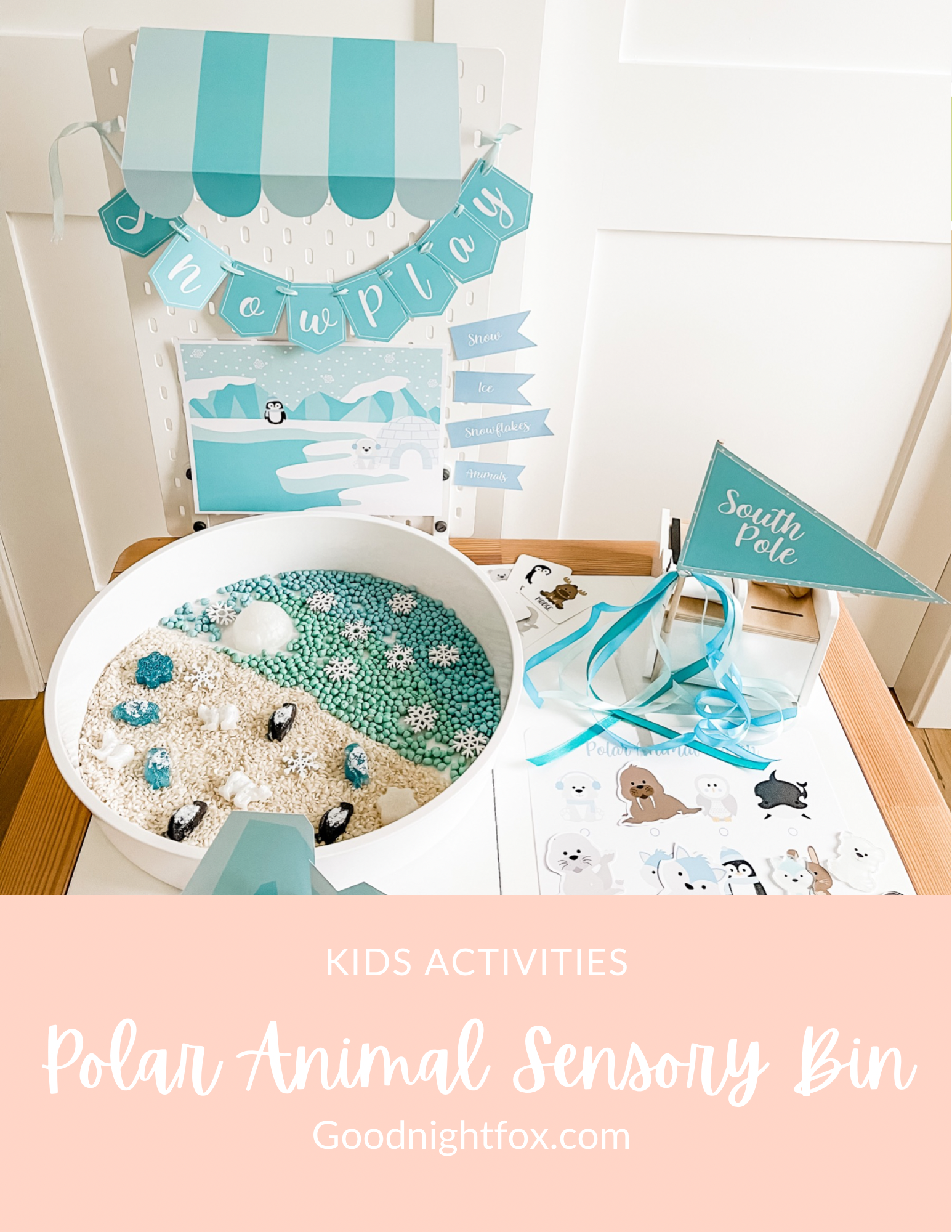
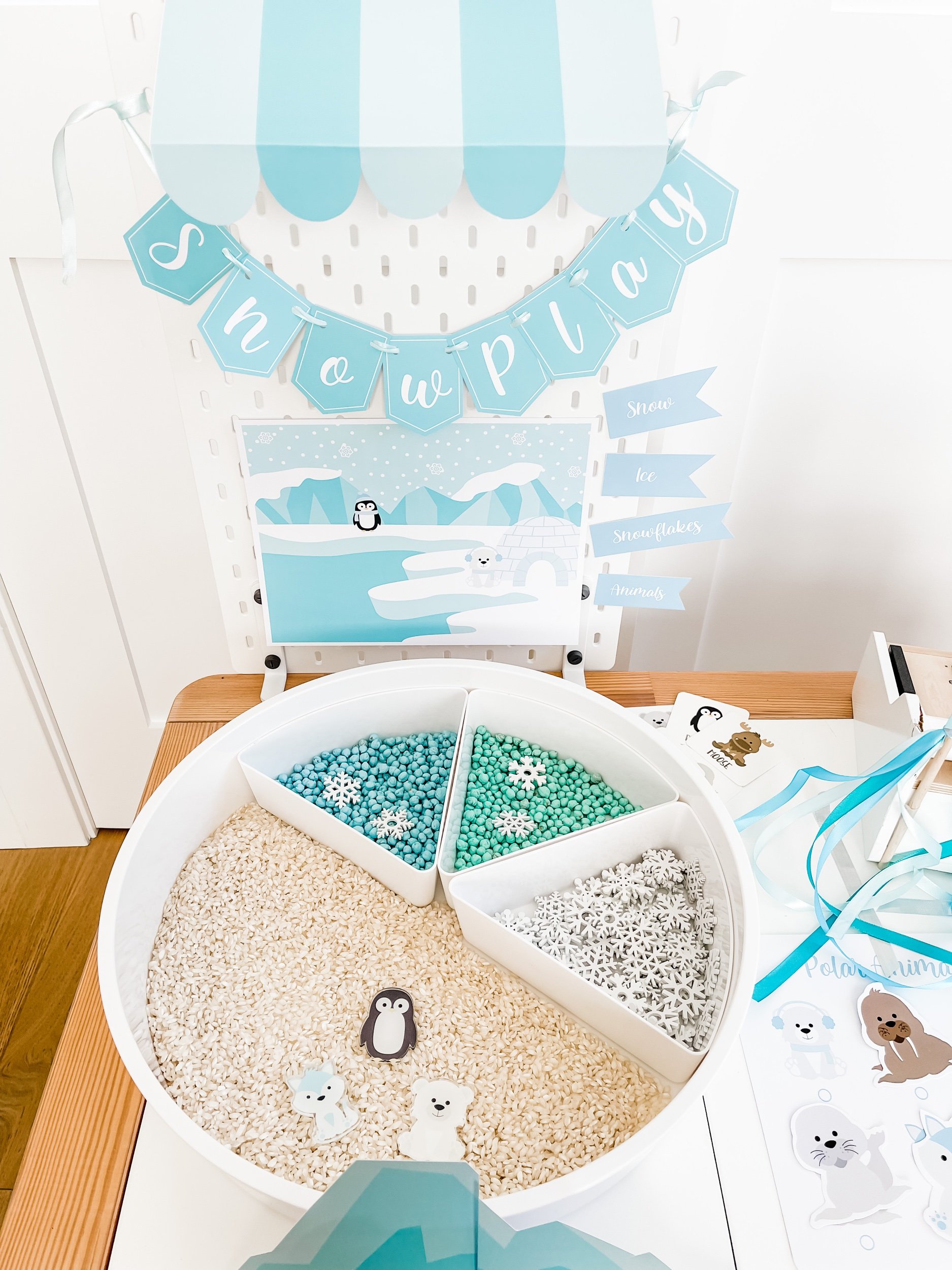
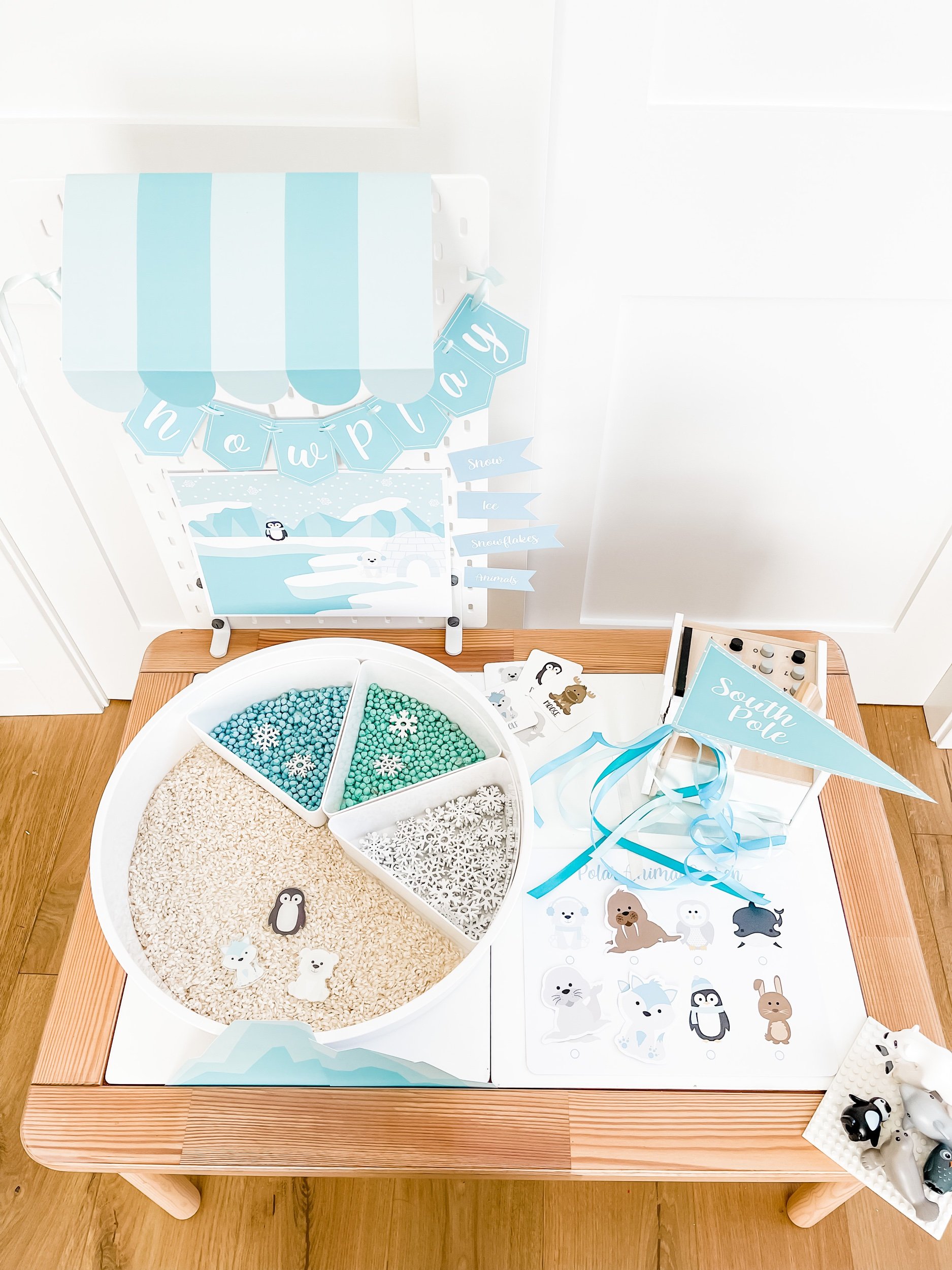
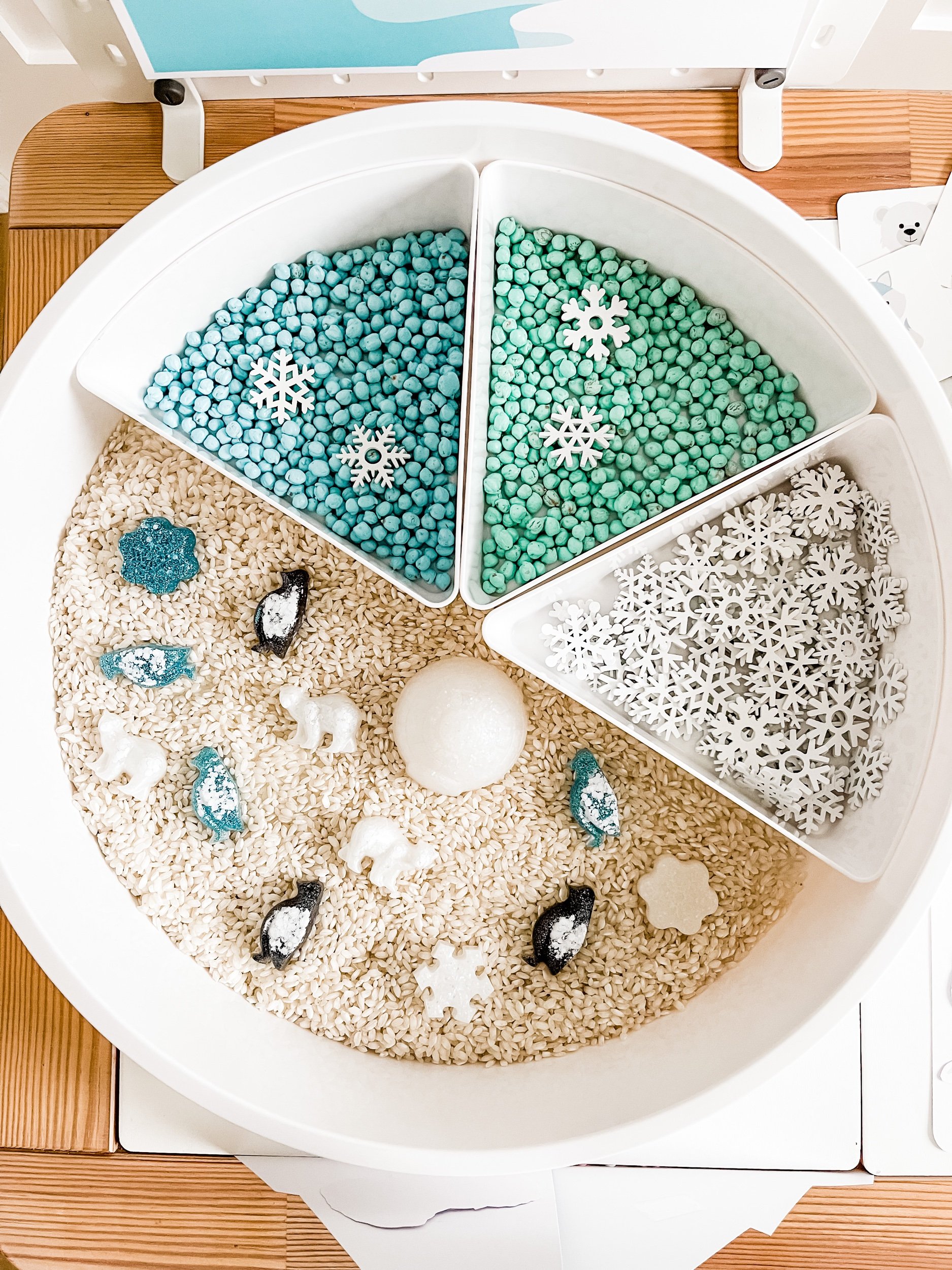
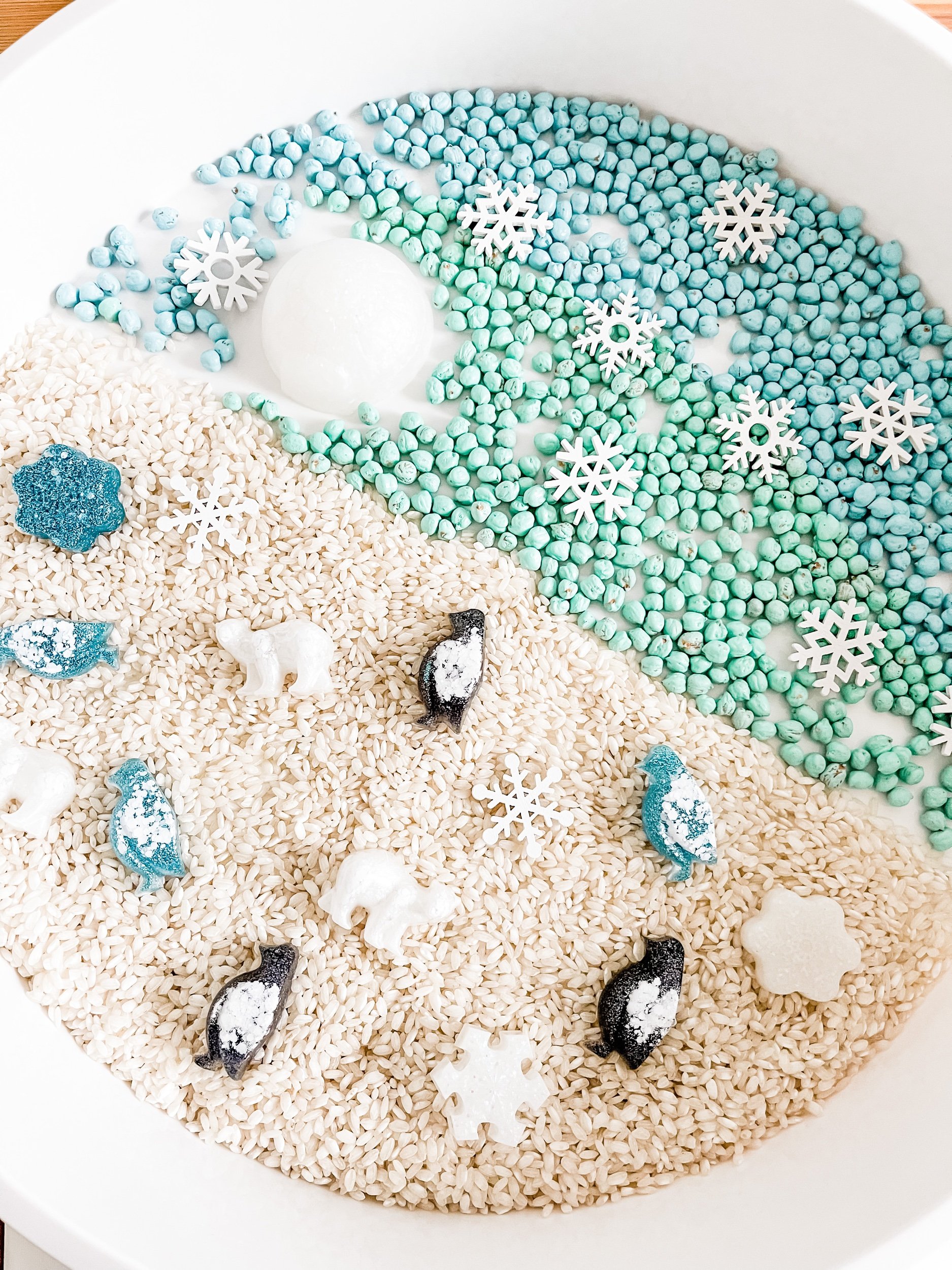
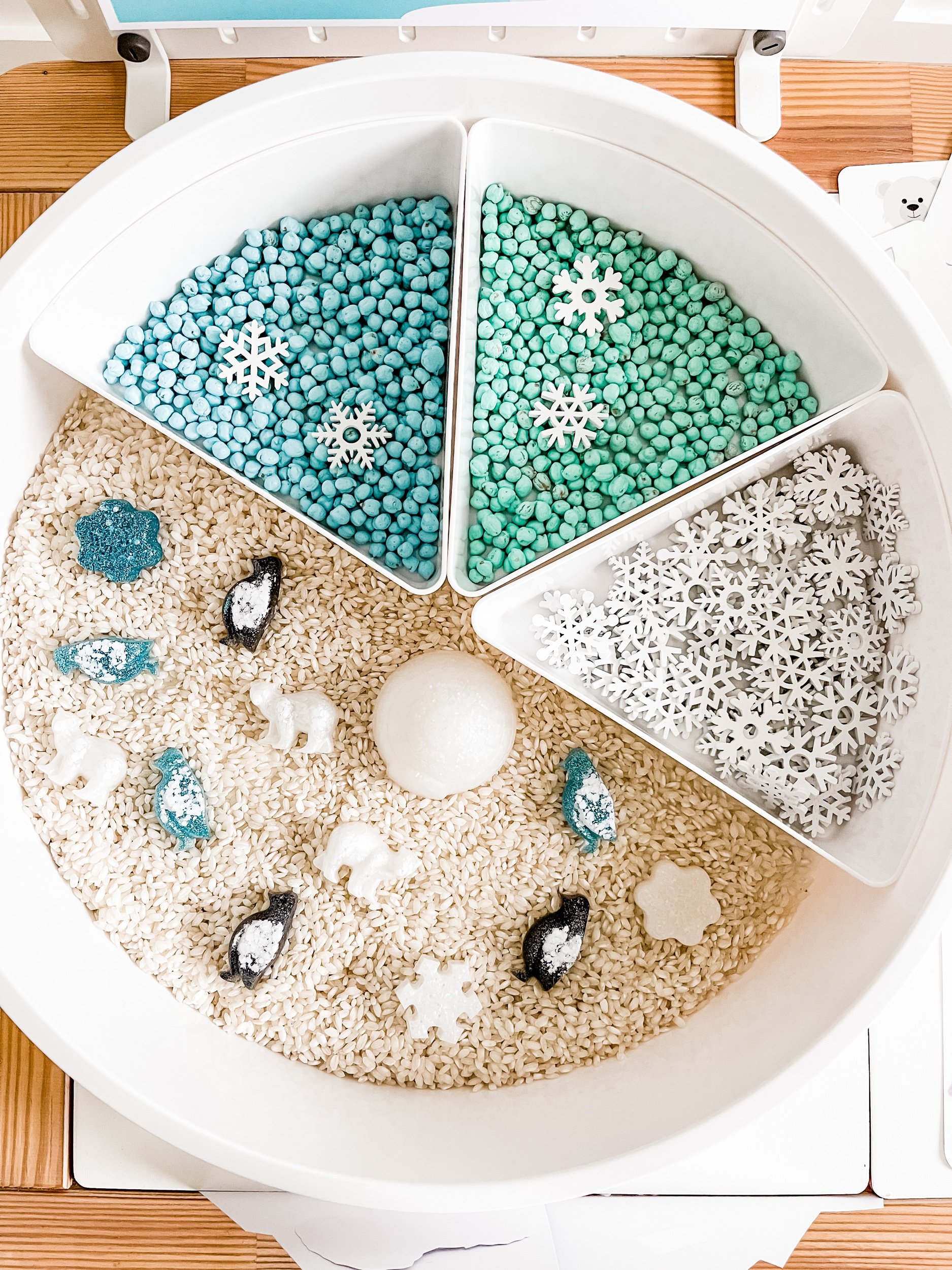
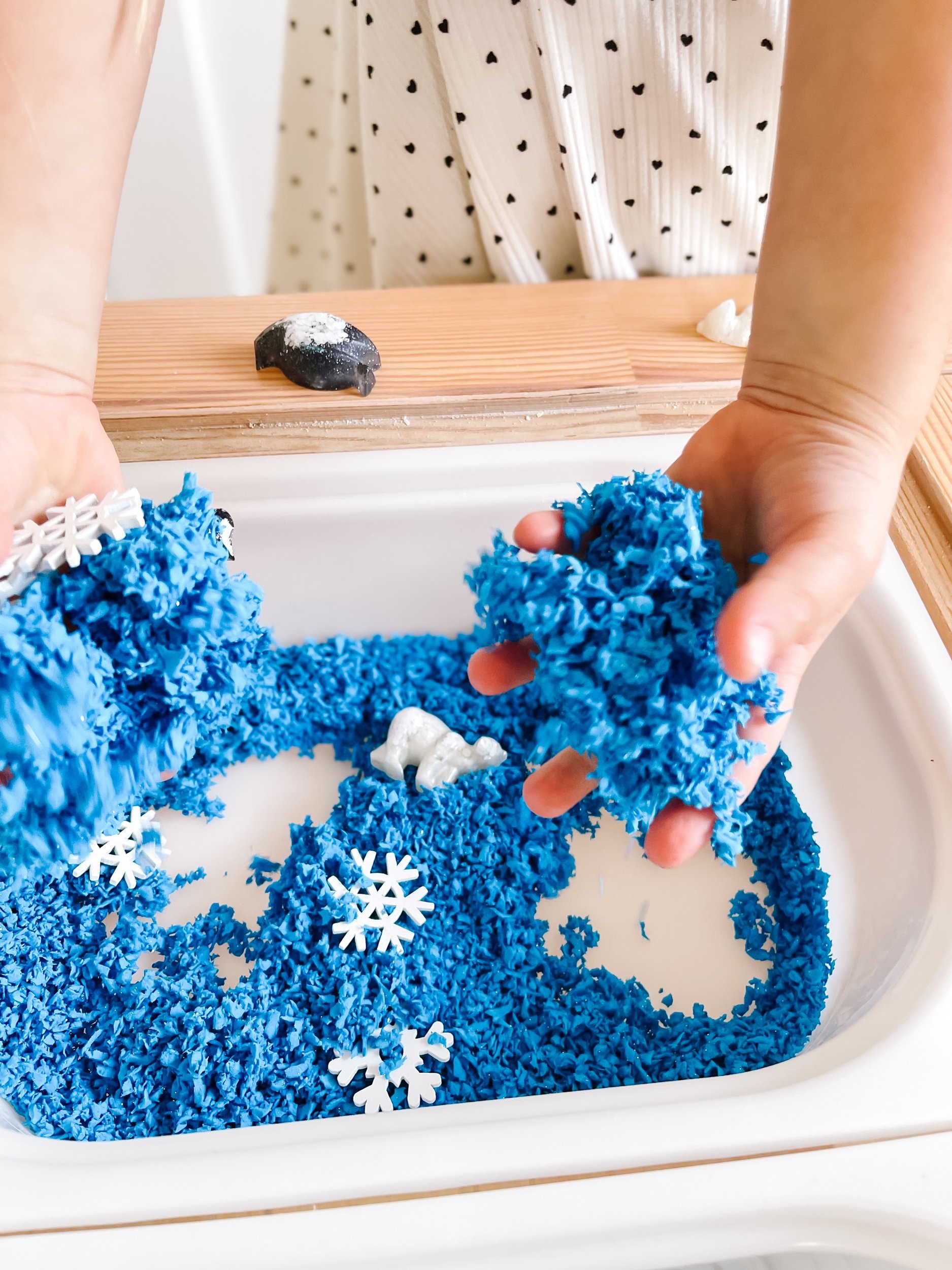
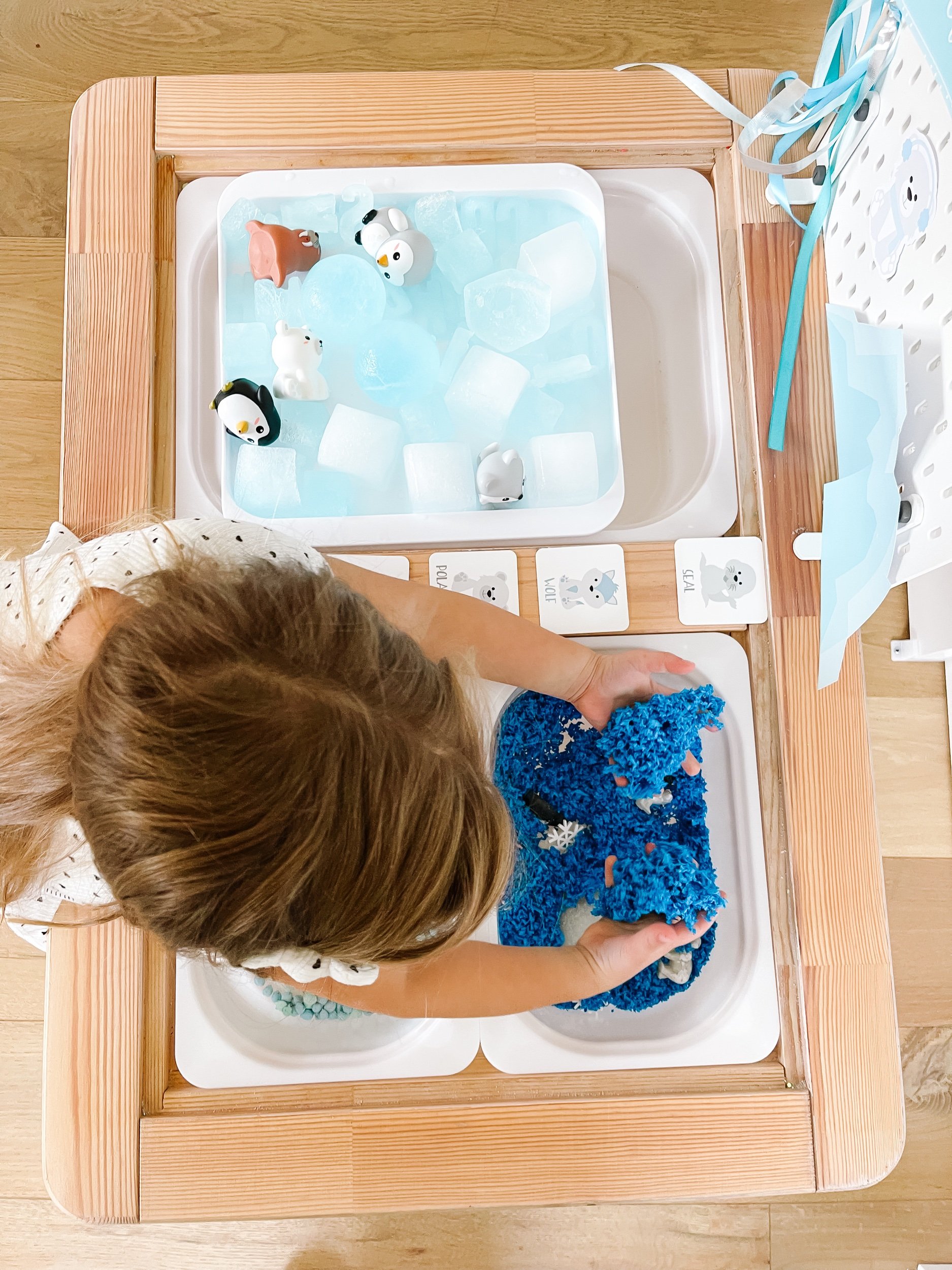
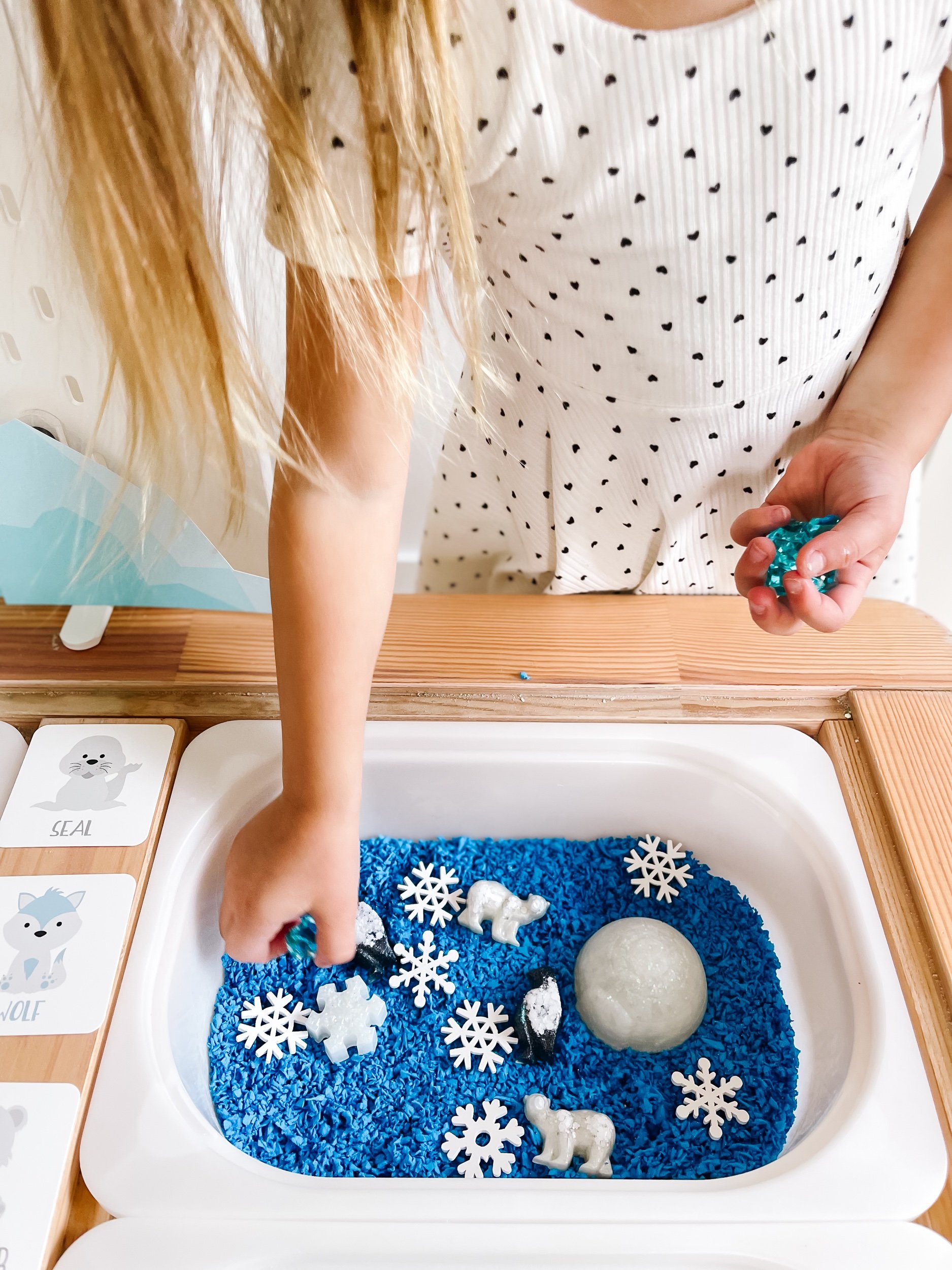
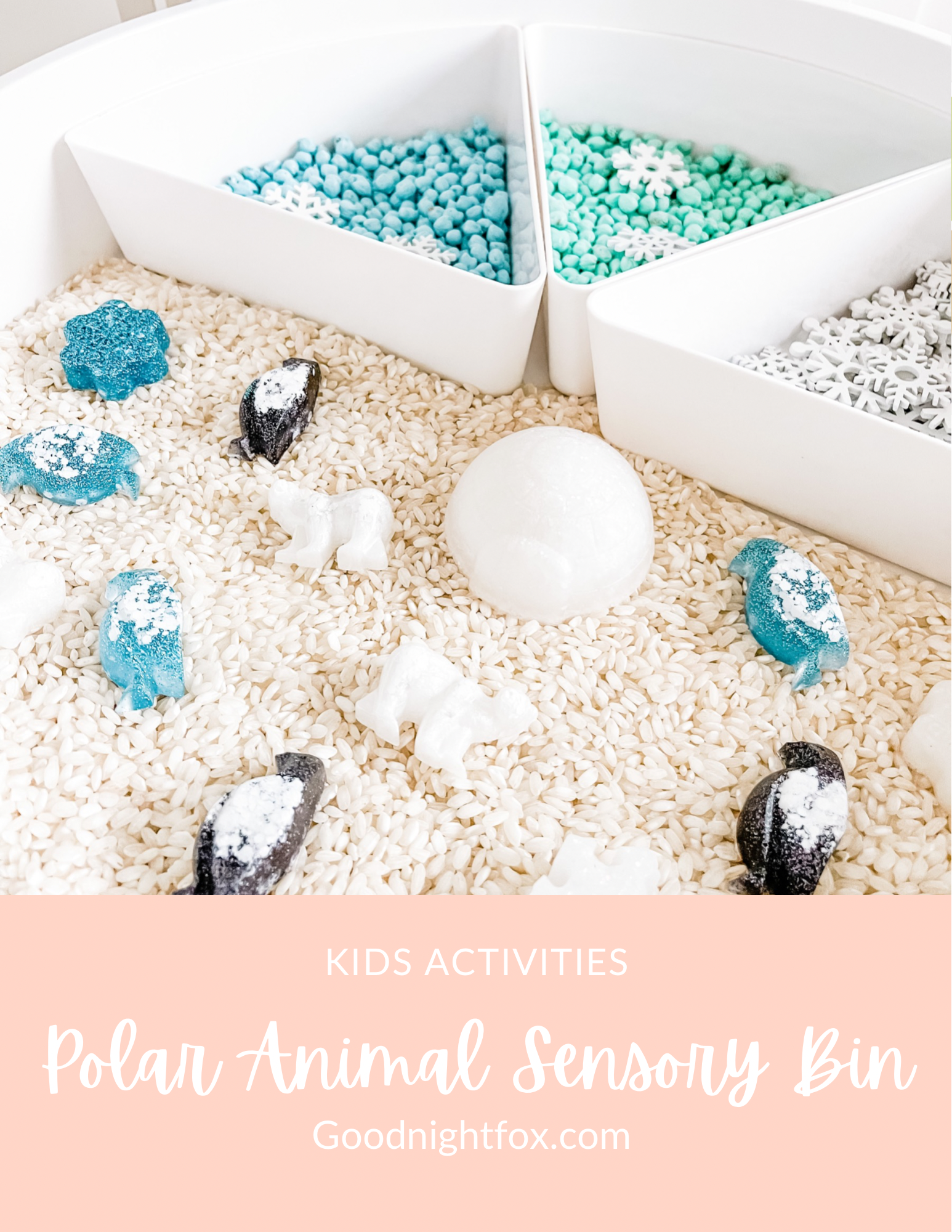
Bring the magic of winter indoors with this South Pole Sensory Bin, inspired by icy landscapes, Arctic animals, and the calming beauty of snow. This hands-on sensory activity invites toddlers and preschoolers to dig, scoop, pour, explore, and imagine life in a frosty polar world. Featuring a snowy sensory filler, resin animals, and printable décor pieces, this winter sensory setup is perfect for homeschool families, classroom centers, or cozy playtime at home.
Today, I’ll walk you through everything you need to recreate this bin: the materials, detailed learning objectives by age group, setup instructions for each bin, and a full week-long lesson plan to extend the learning beyond sensory play.
⭐ Materials Needed
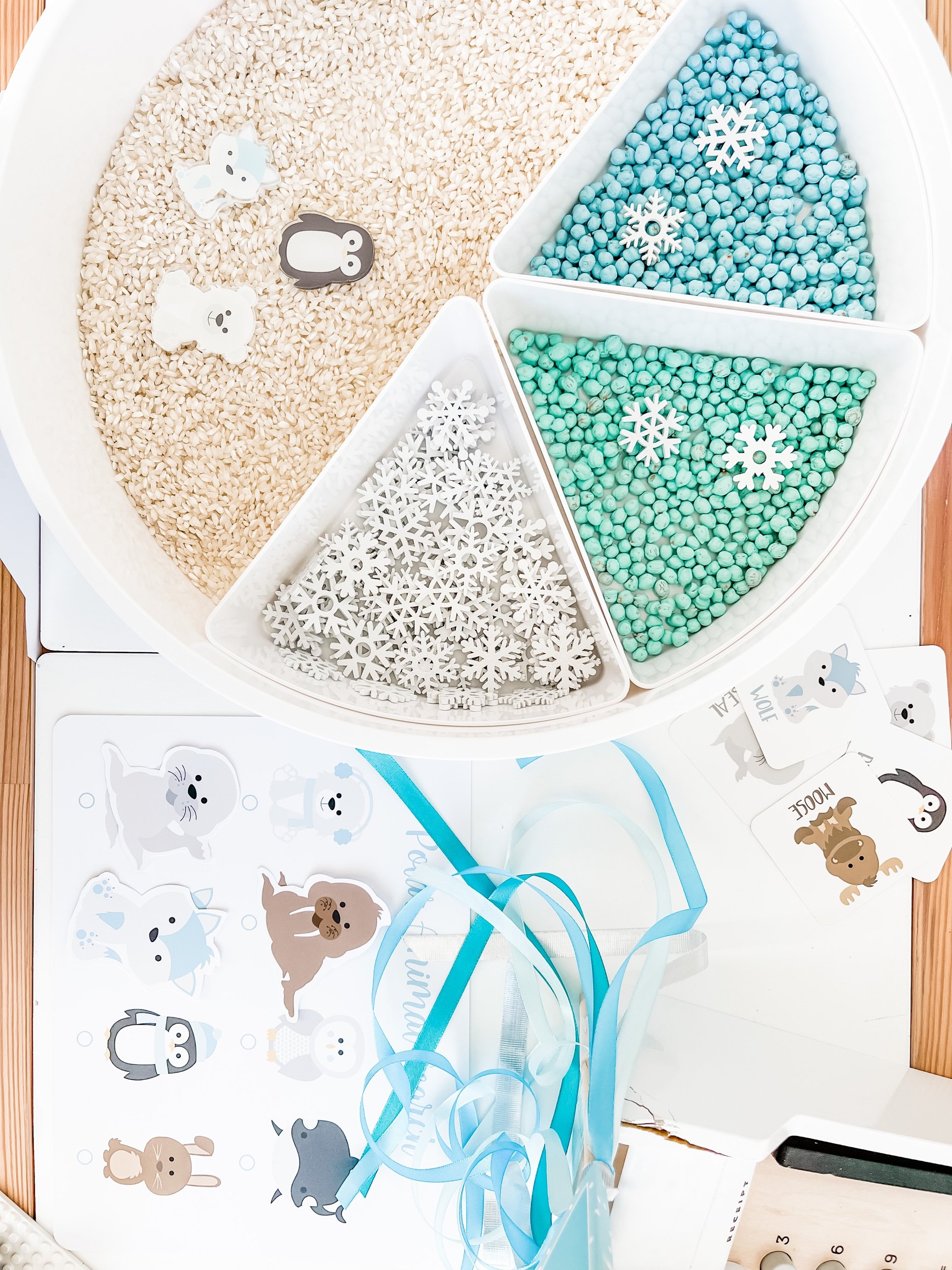
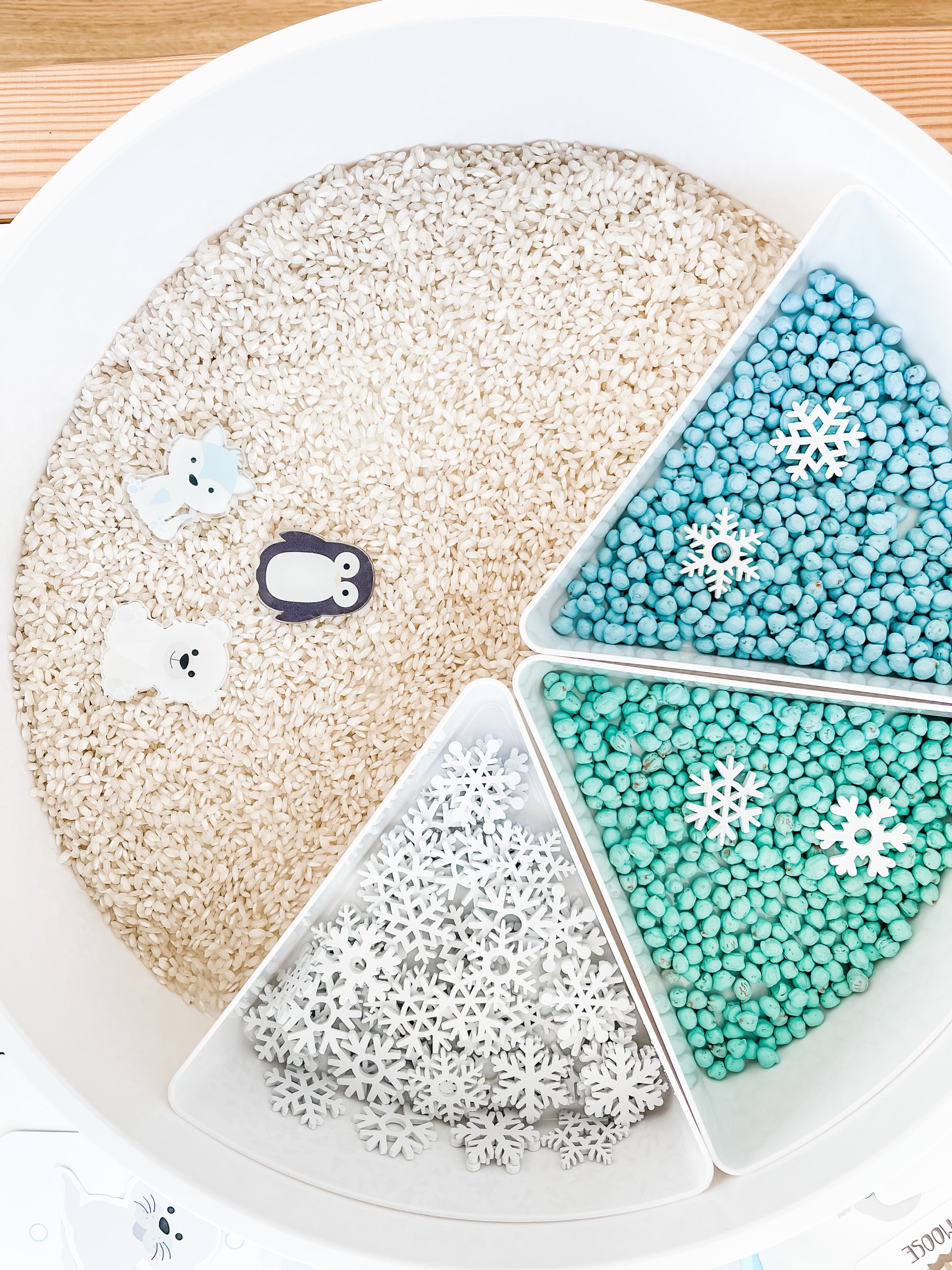
White sensory filler (white rice, kinetic sand, cotton snow, or faux snow)
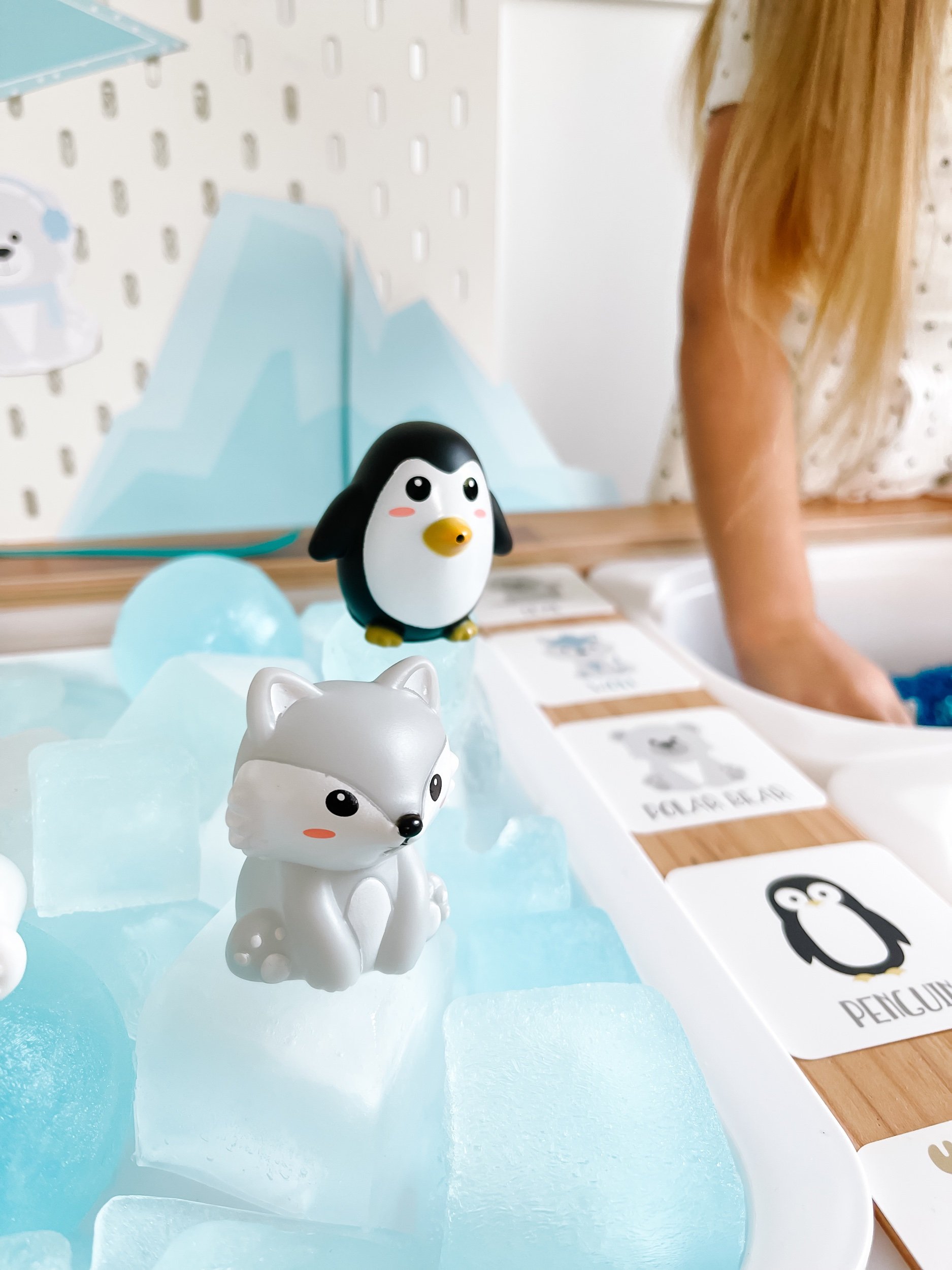
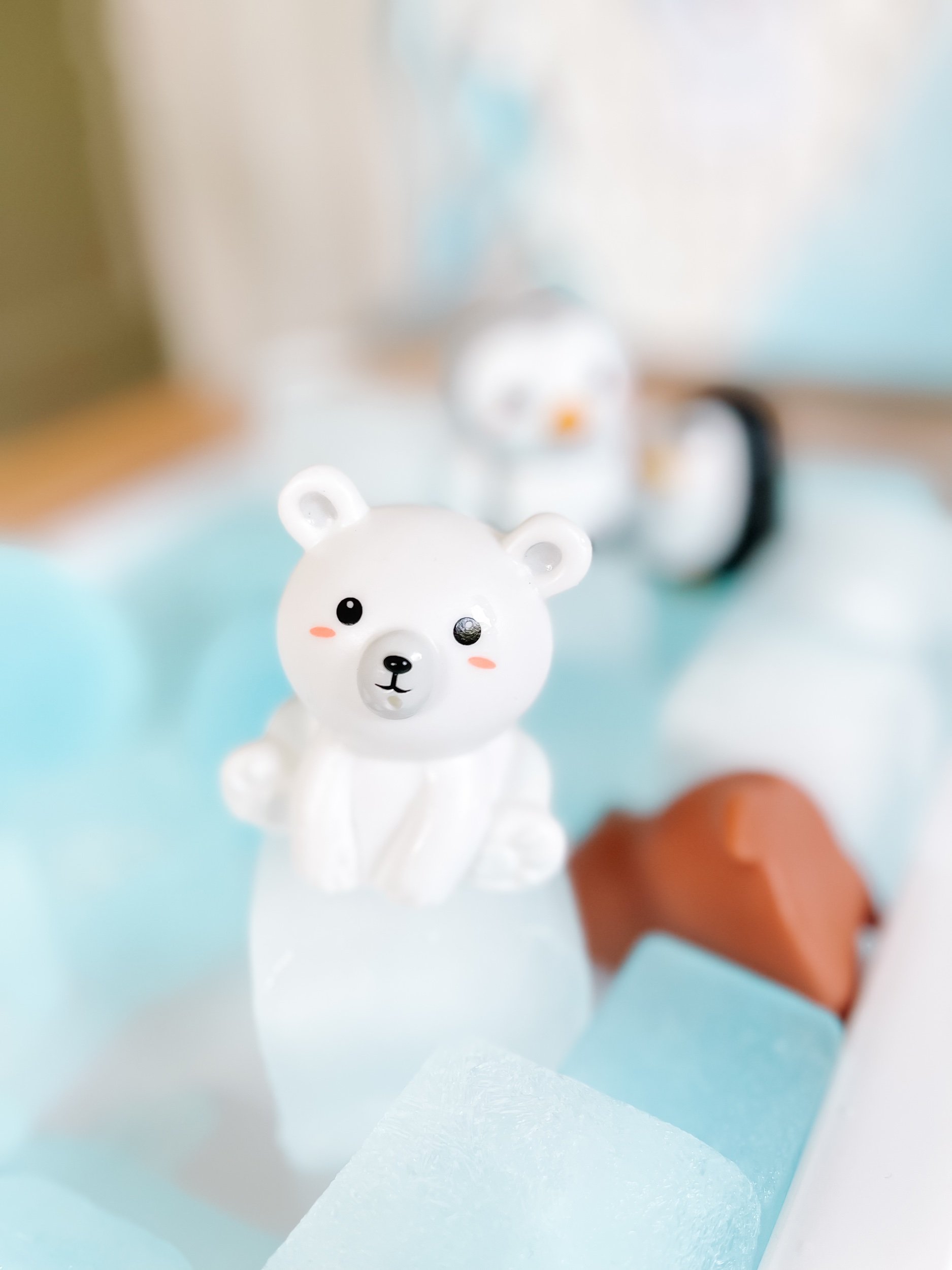
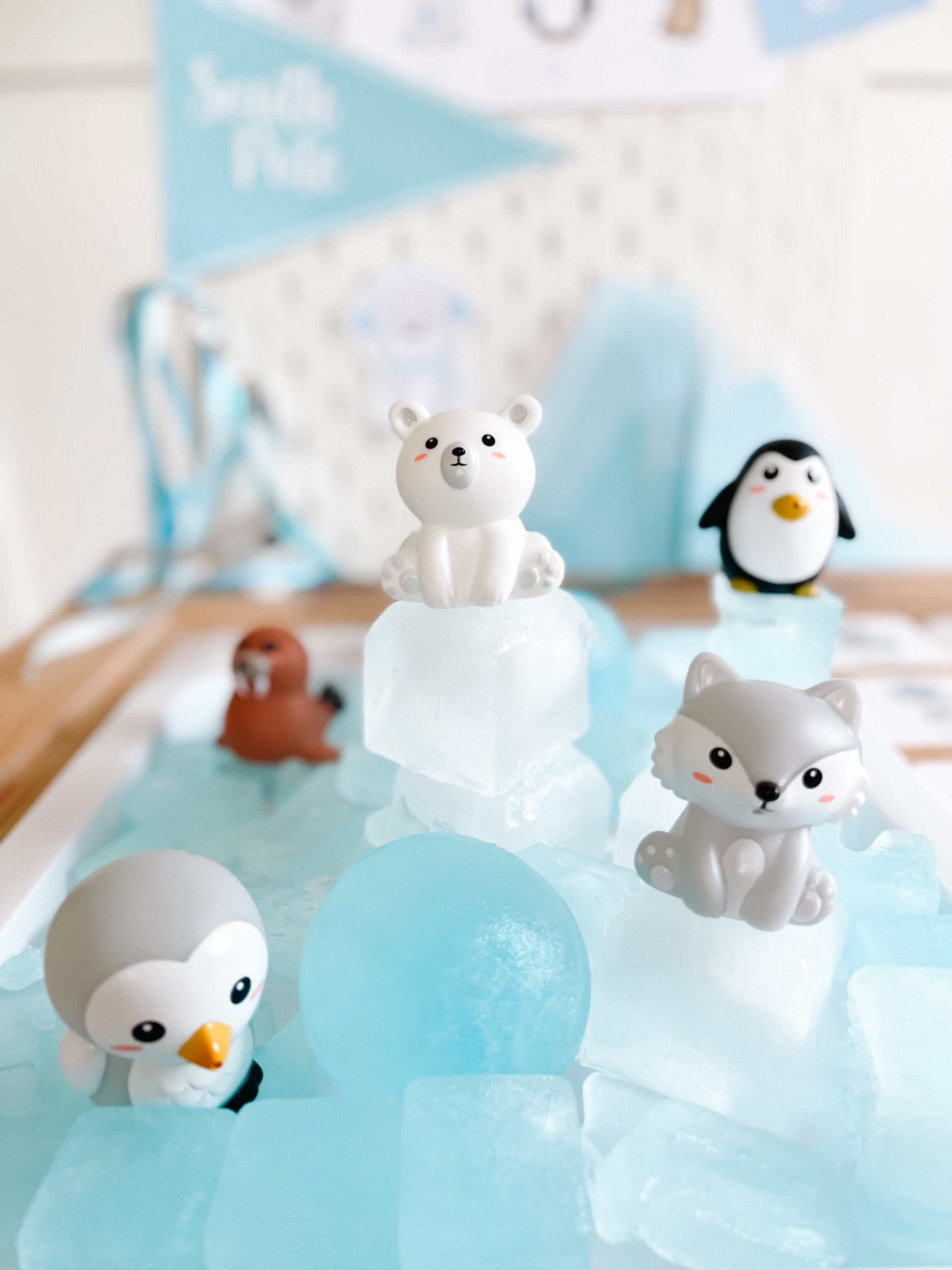
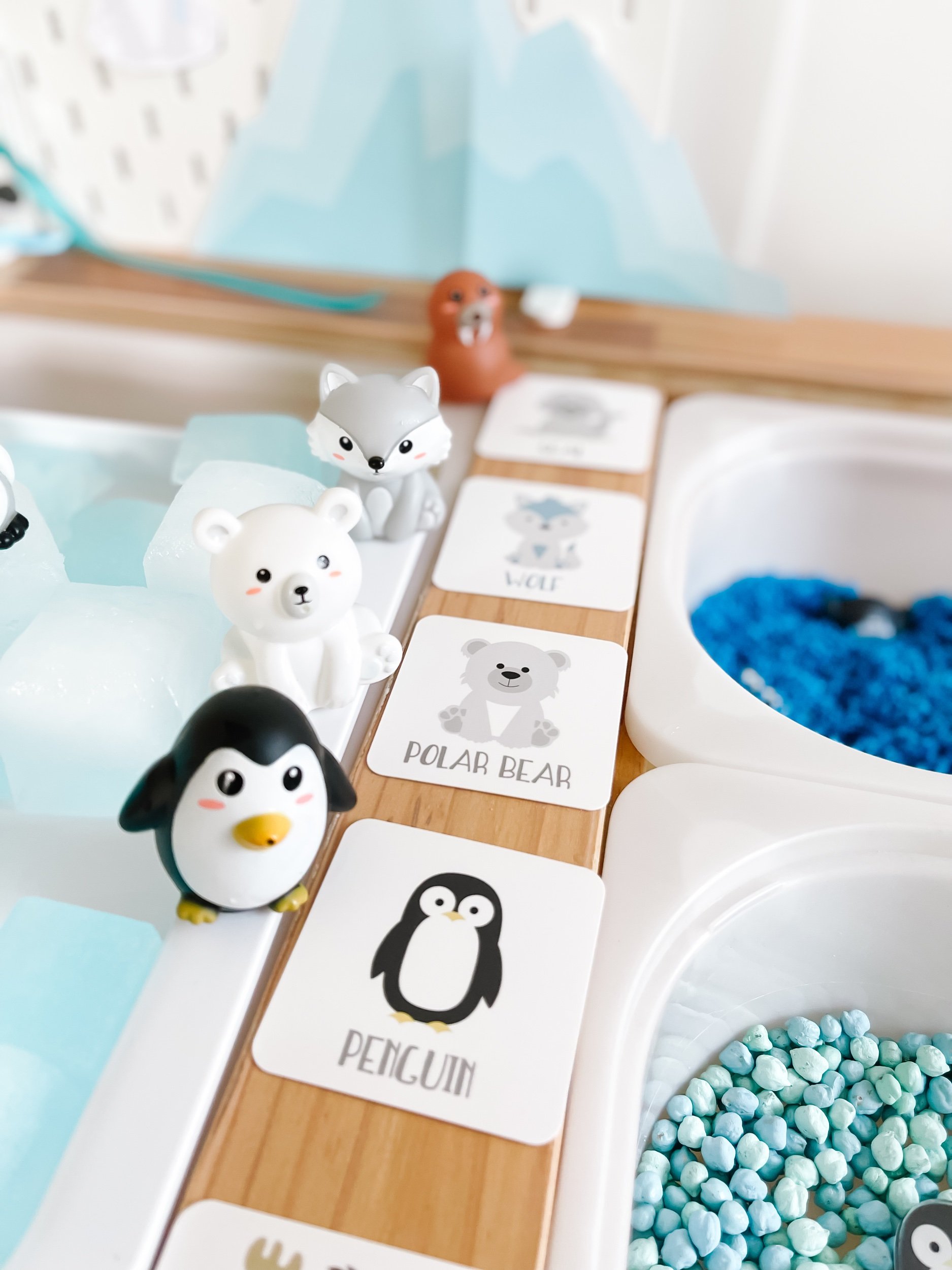
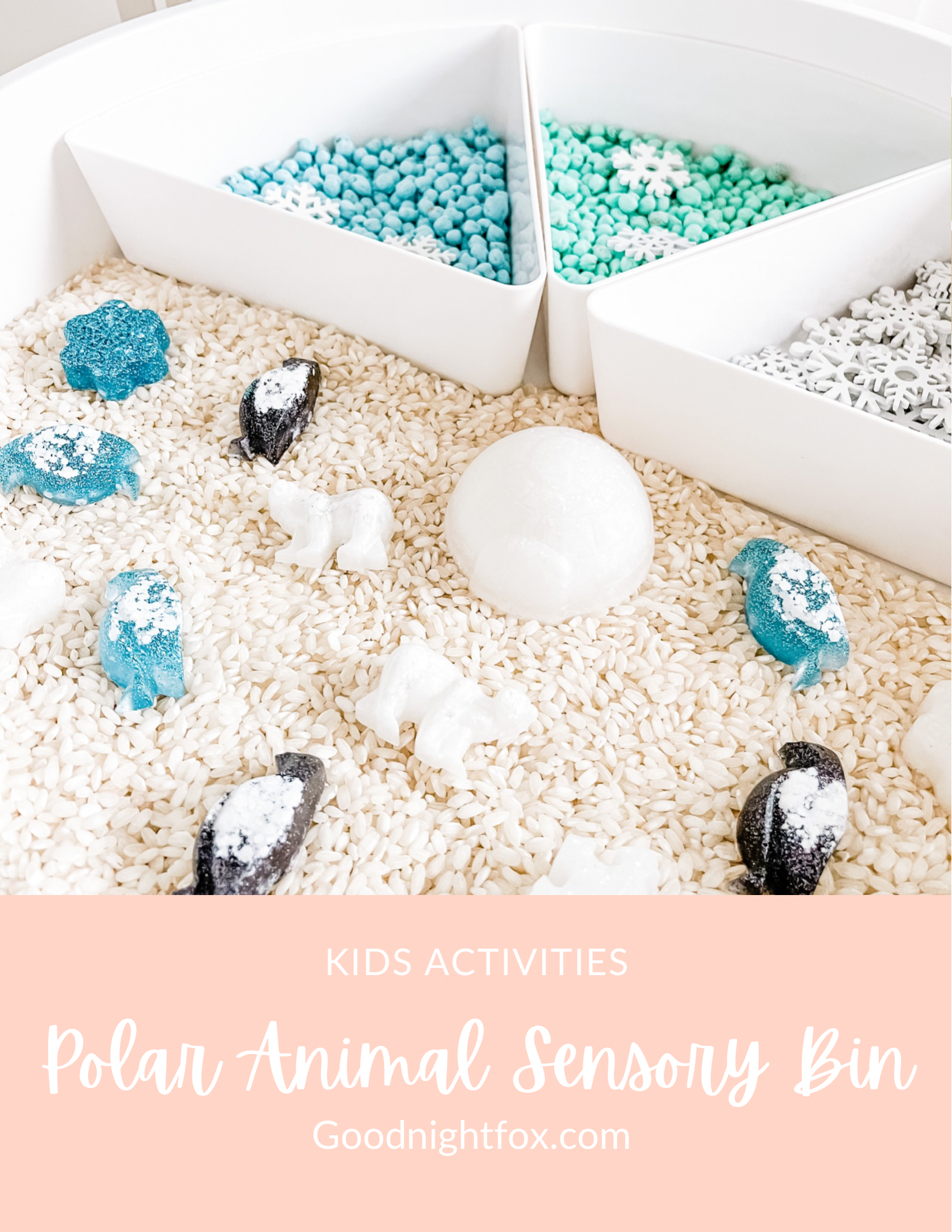
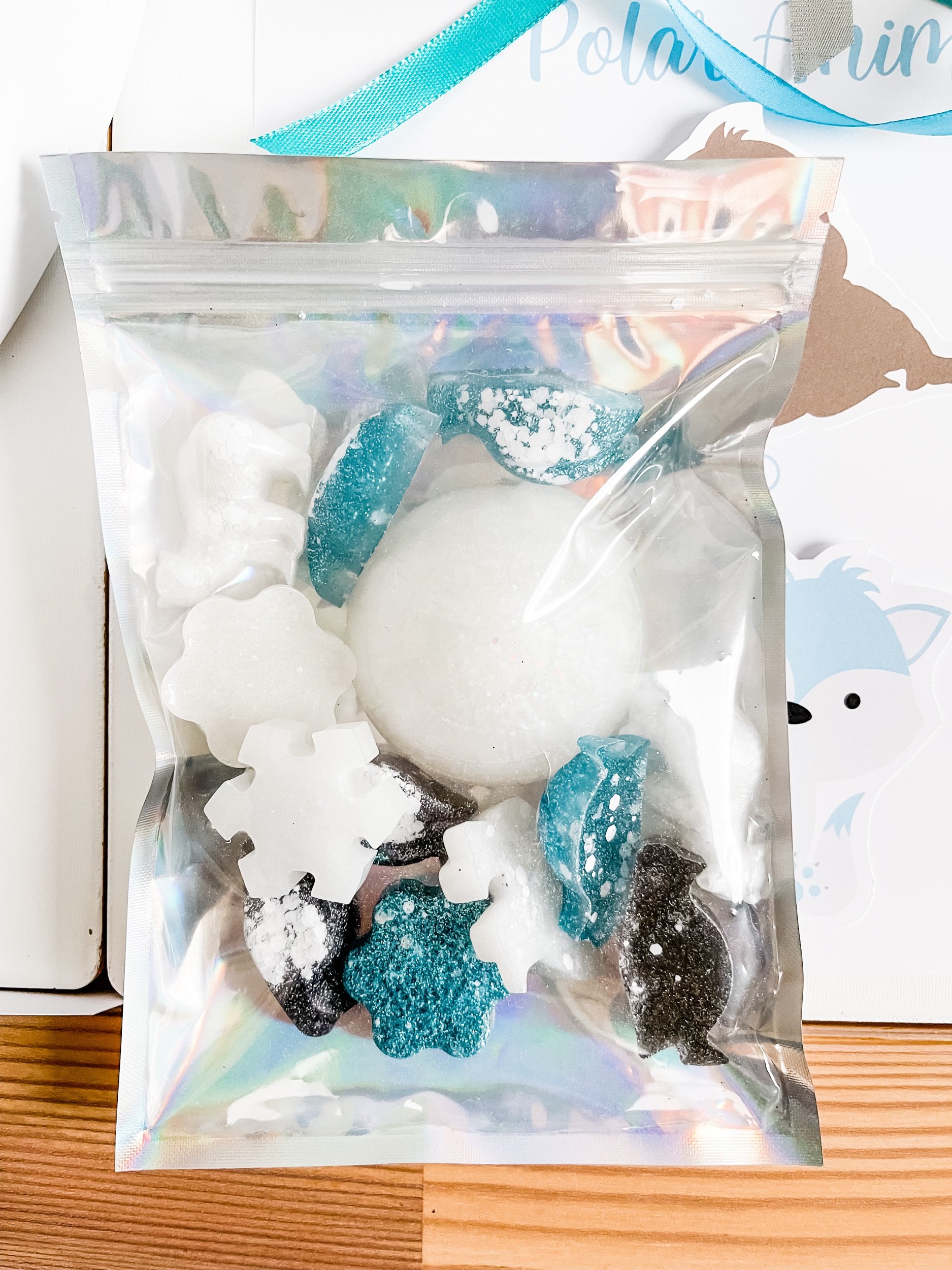
Resin or plastic Arctic animals (penguins, polar bears, whales, seals) by Little October House
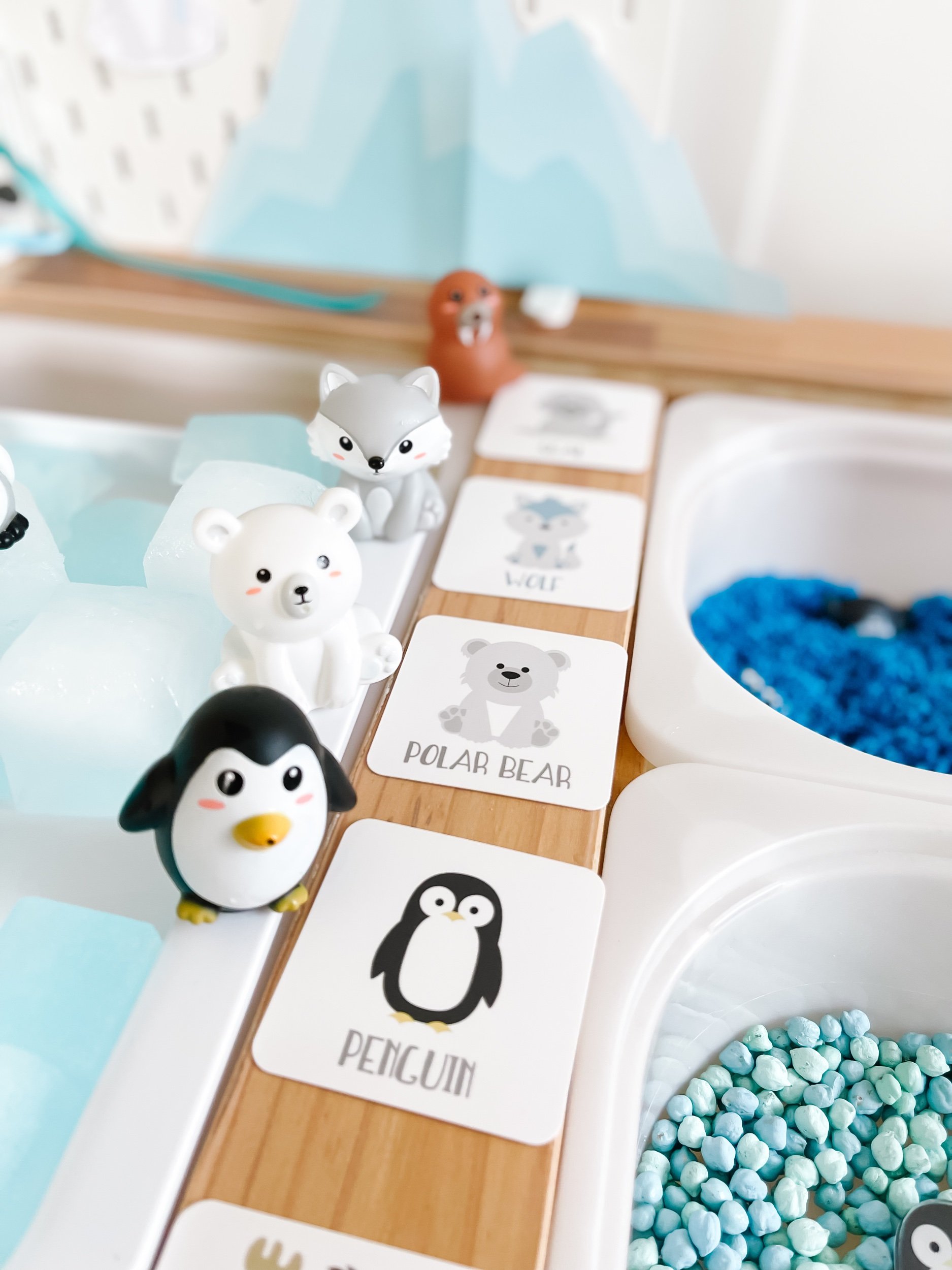
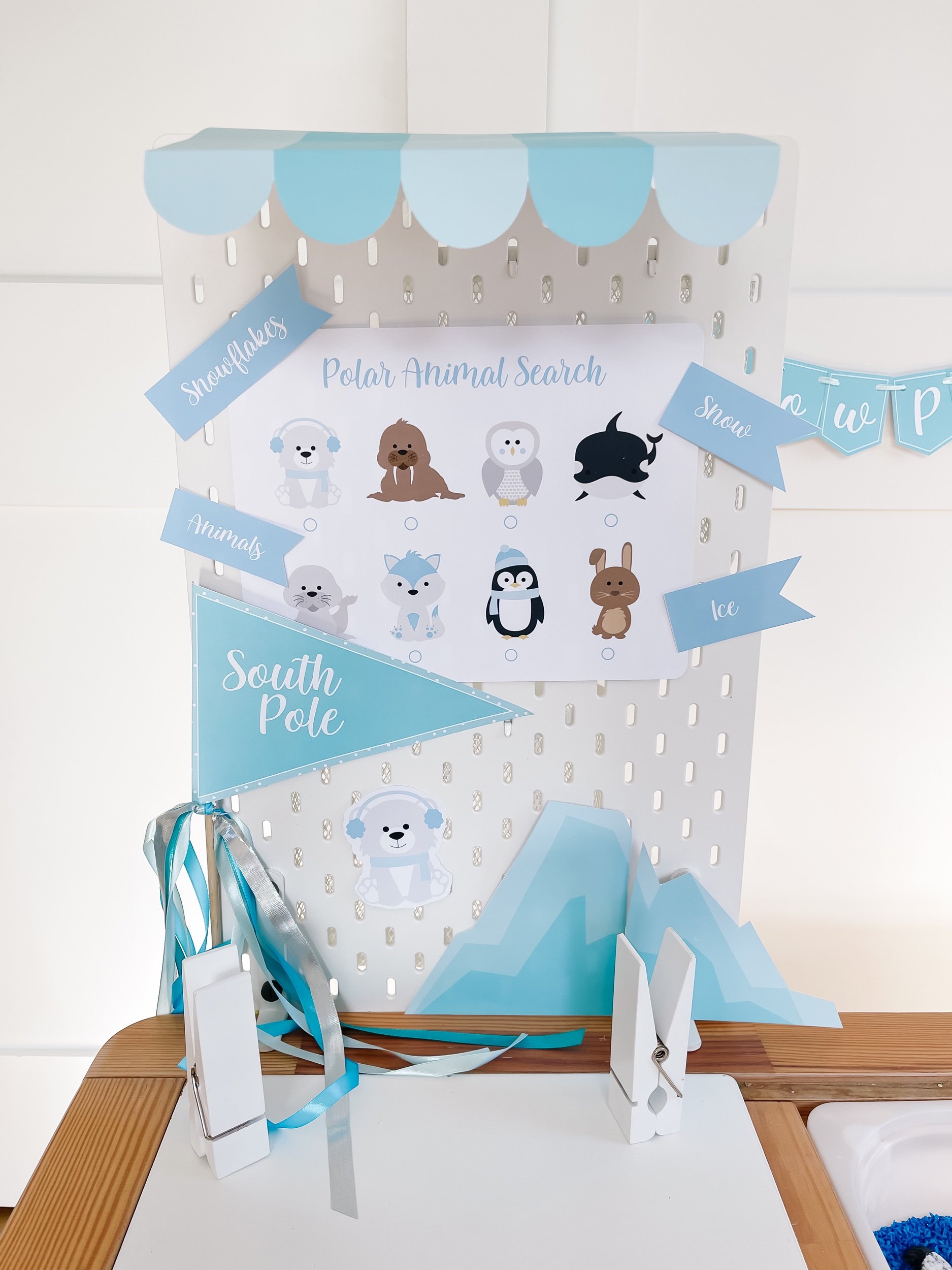
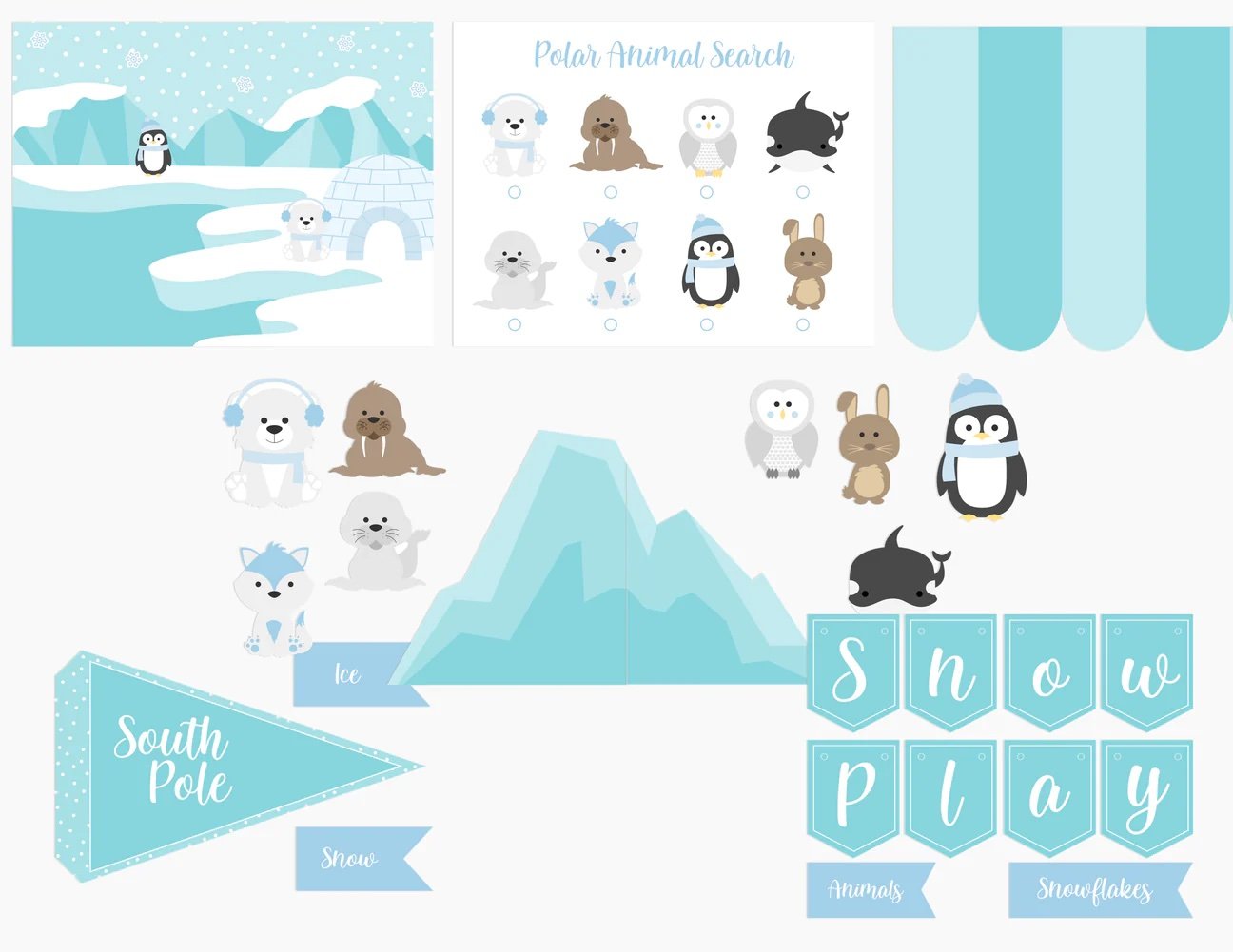
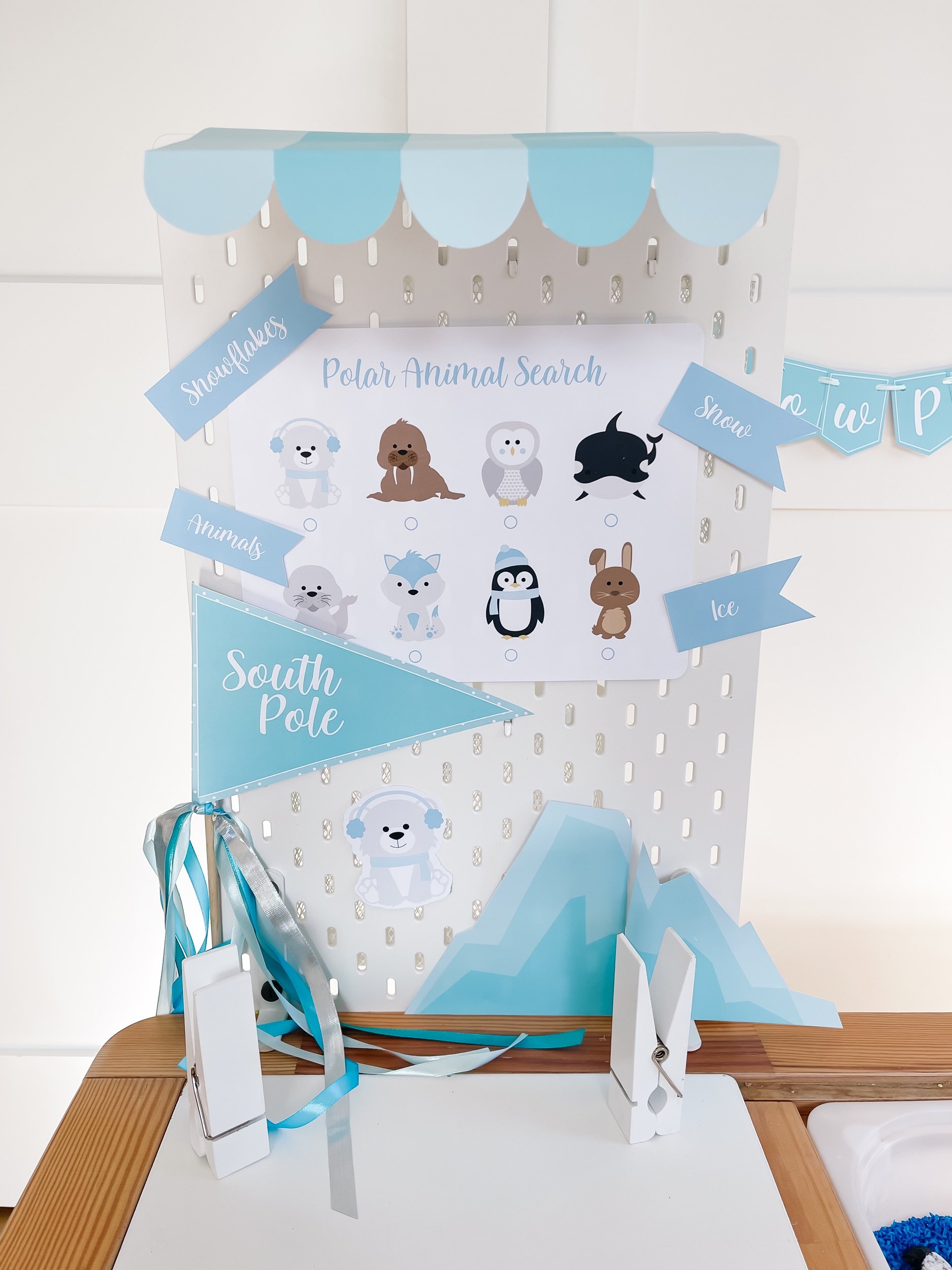
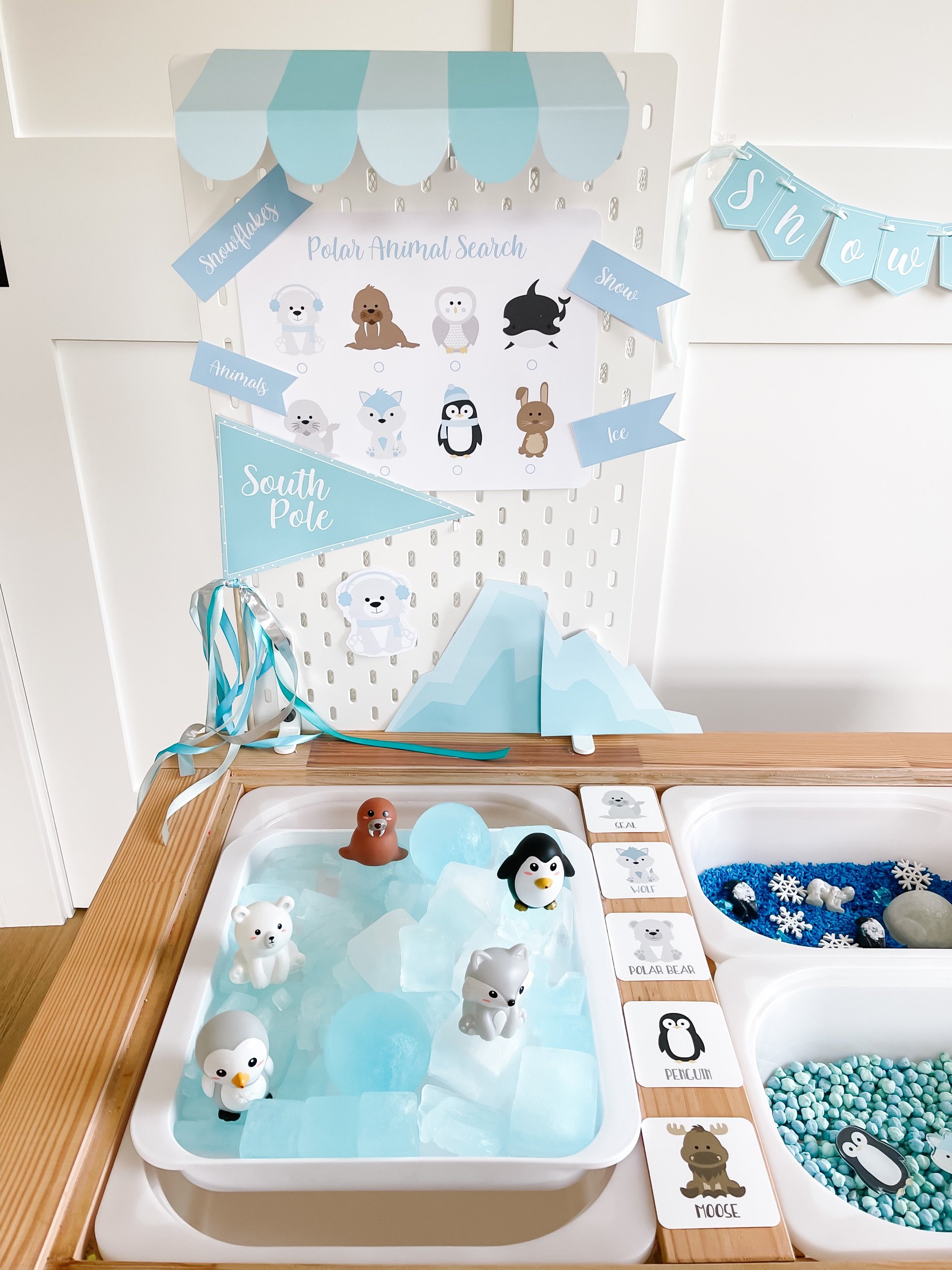
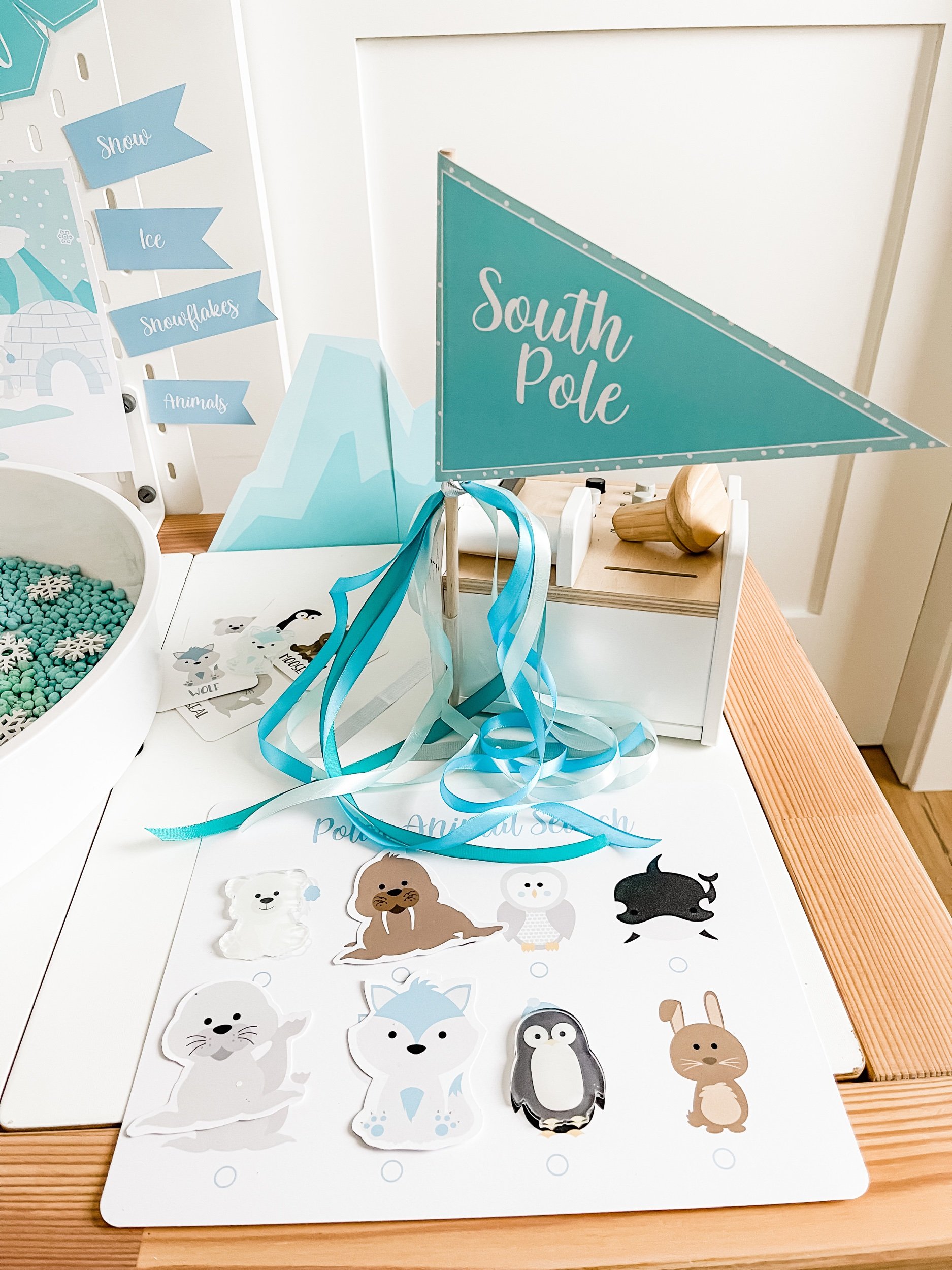
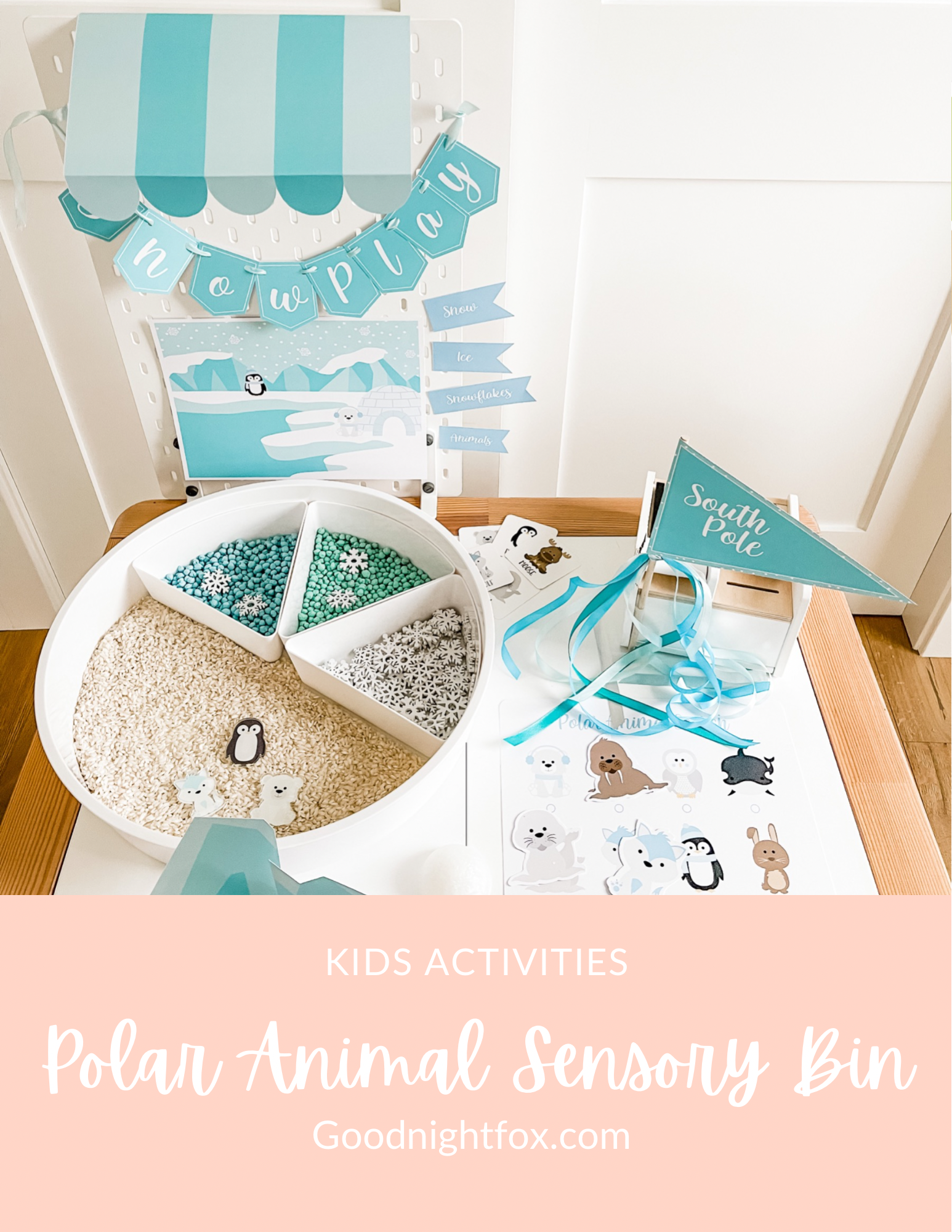
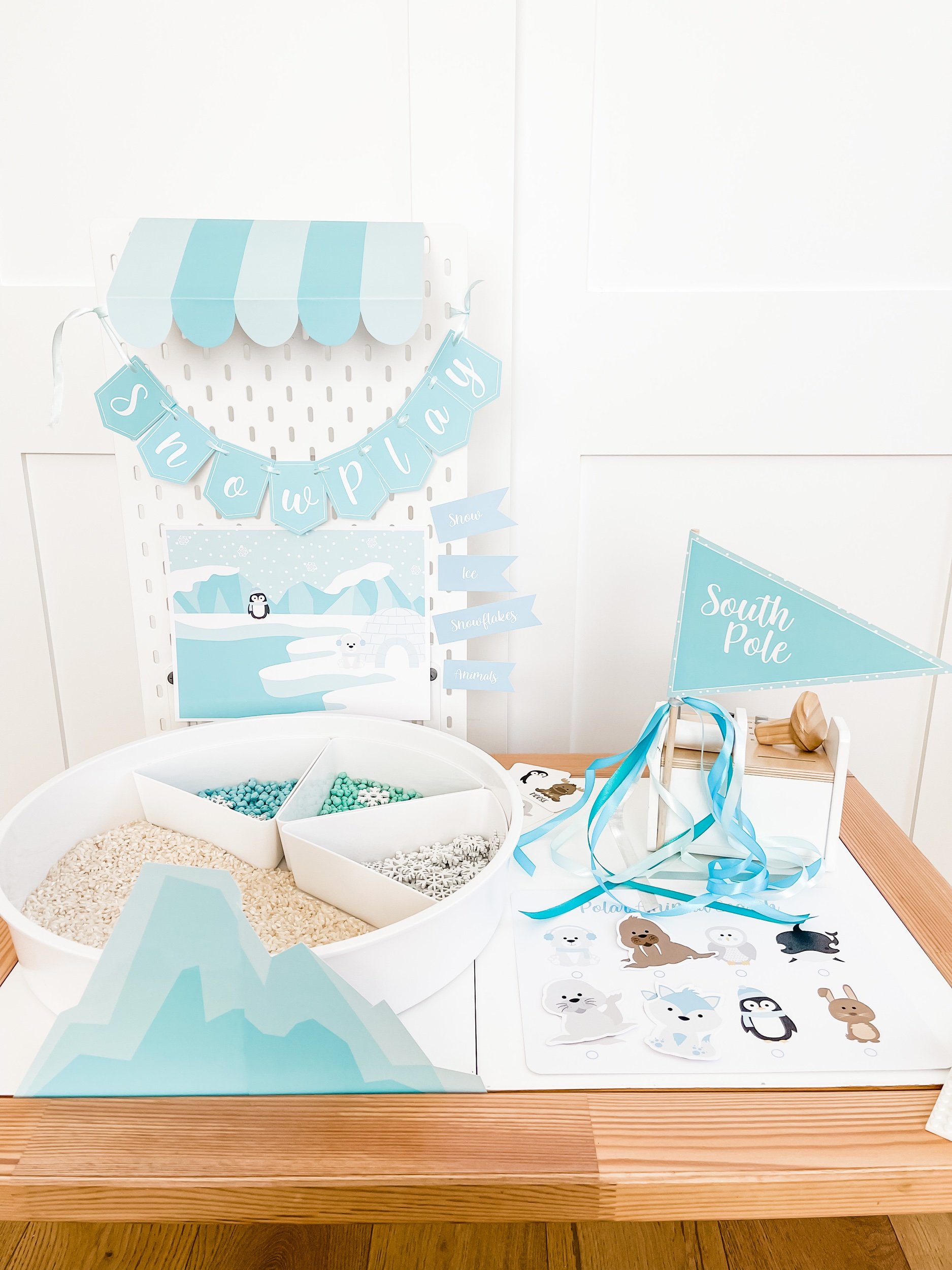
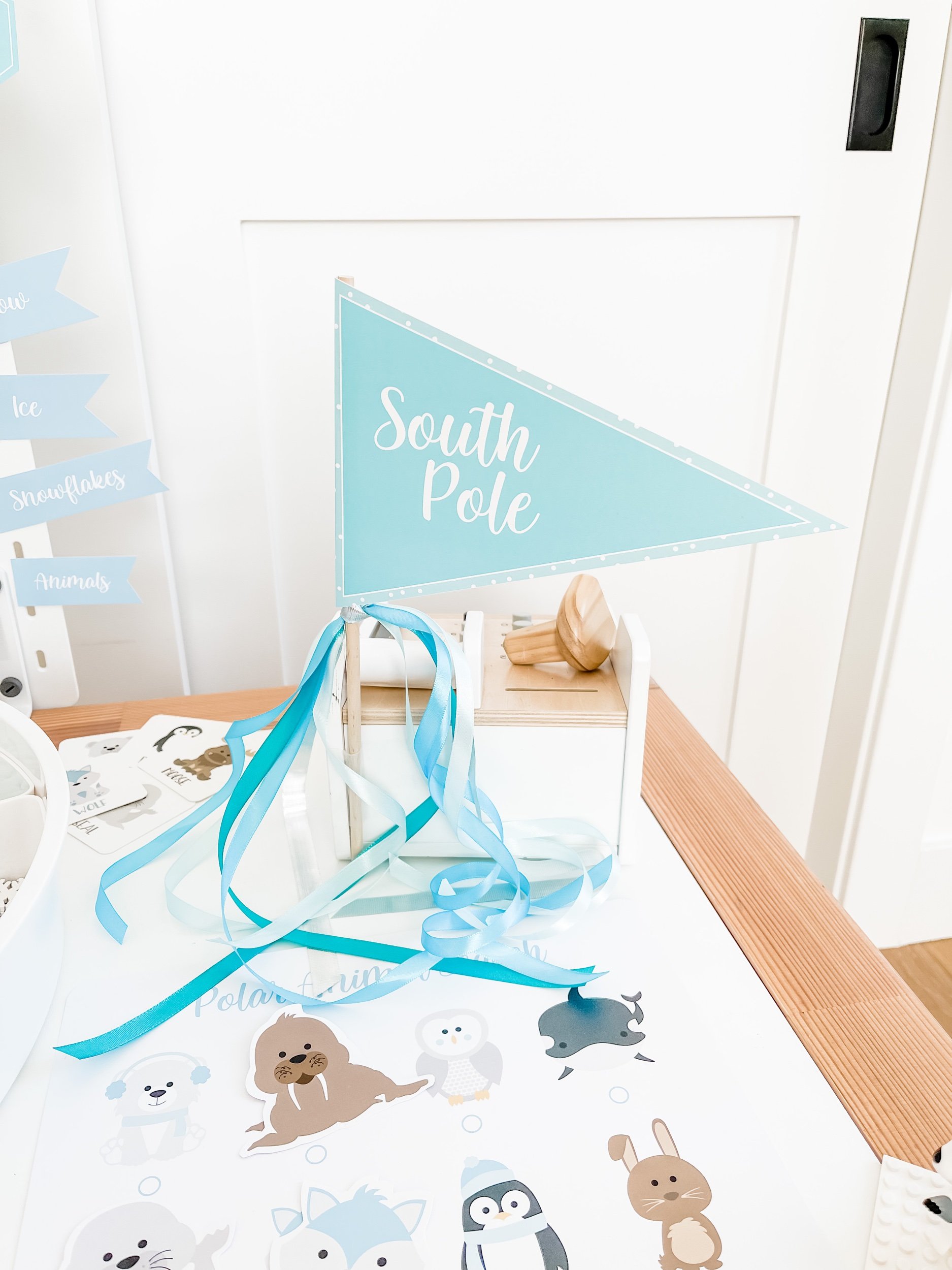
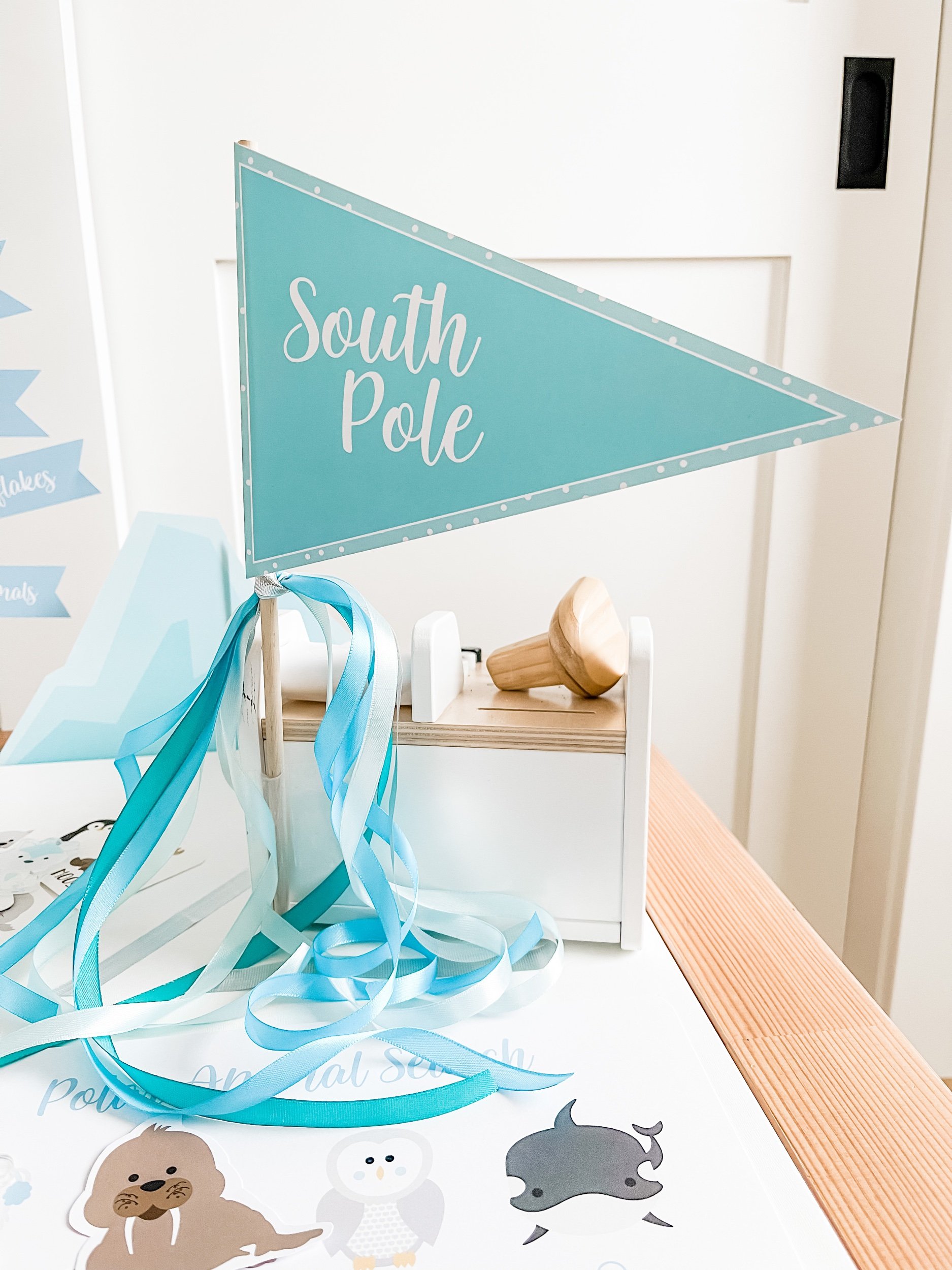
South Pole printable décor (signs, labels, scene cards)
White felt or blue felt (optional, for water or ice areas)
Sensory tray or shallow bin by Inspire My Play Tray
Optional: water beads, glitter “snow,” small rocks, clear acrylic ice cubes
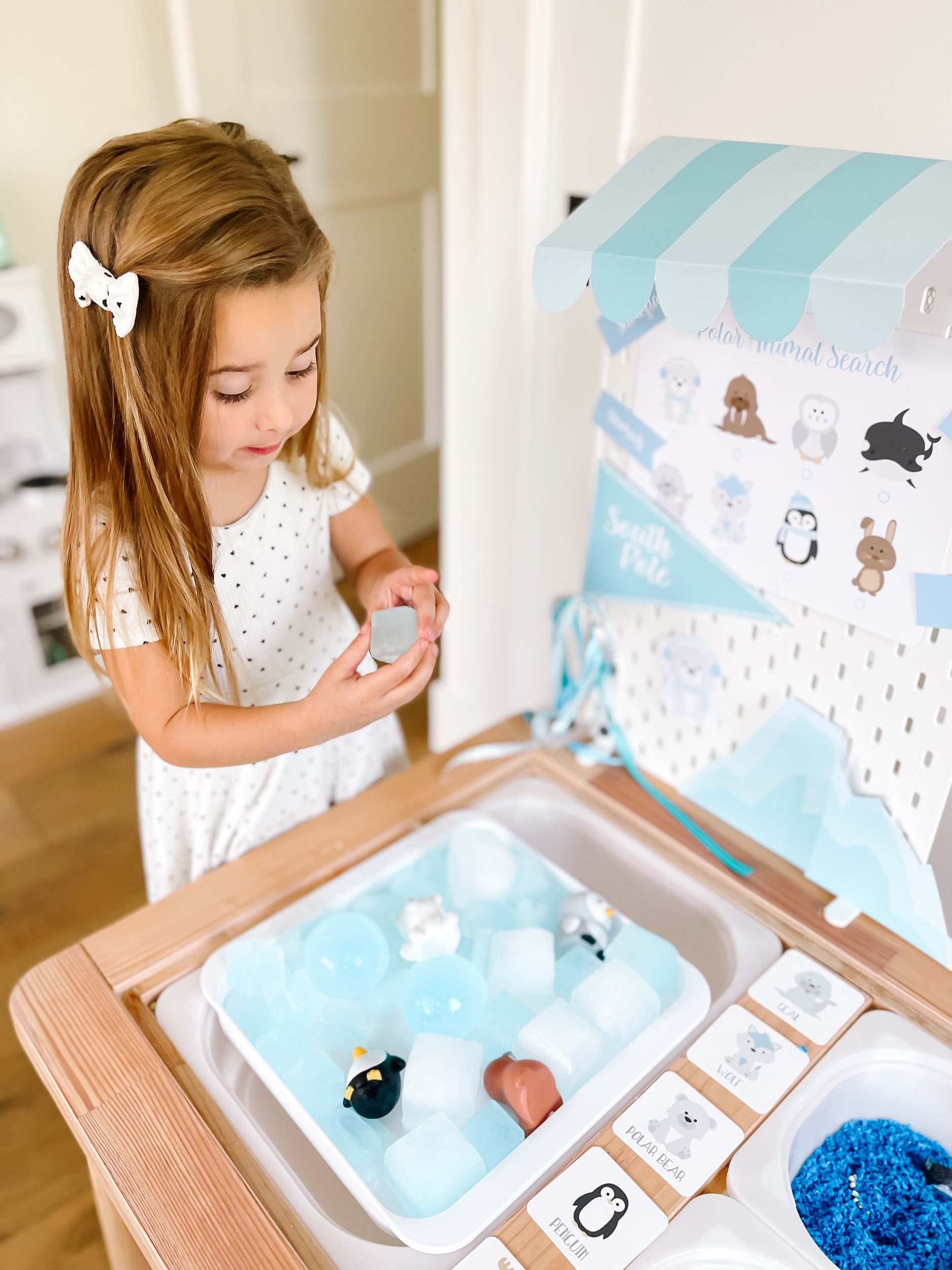
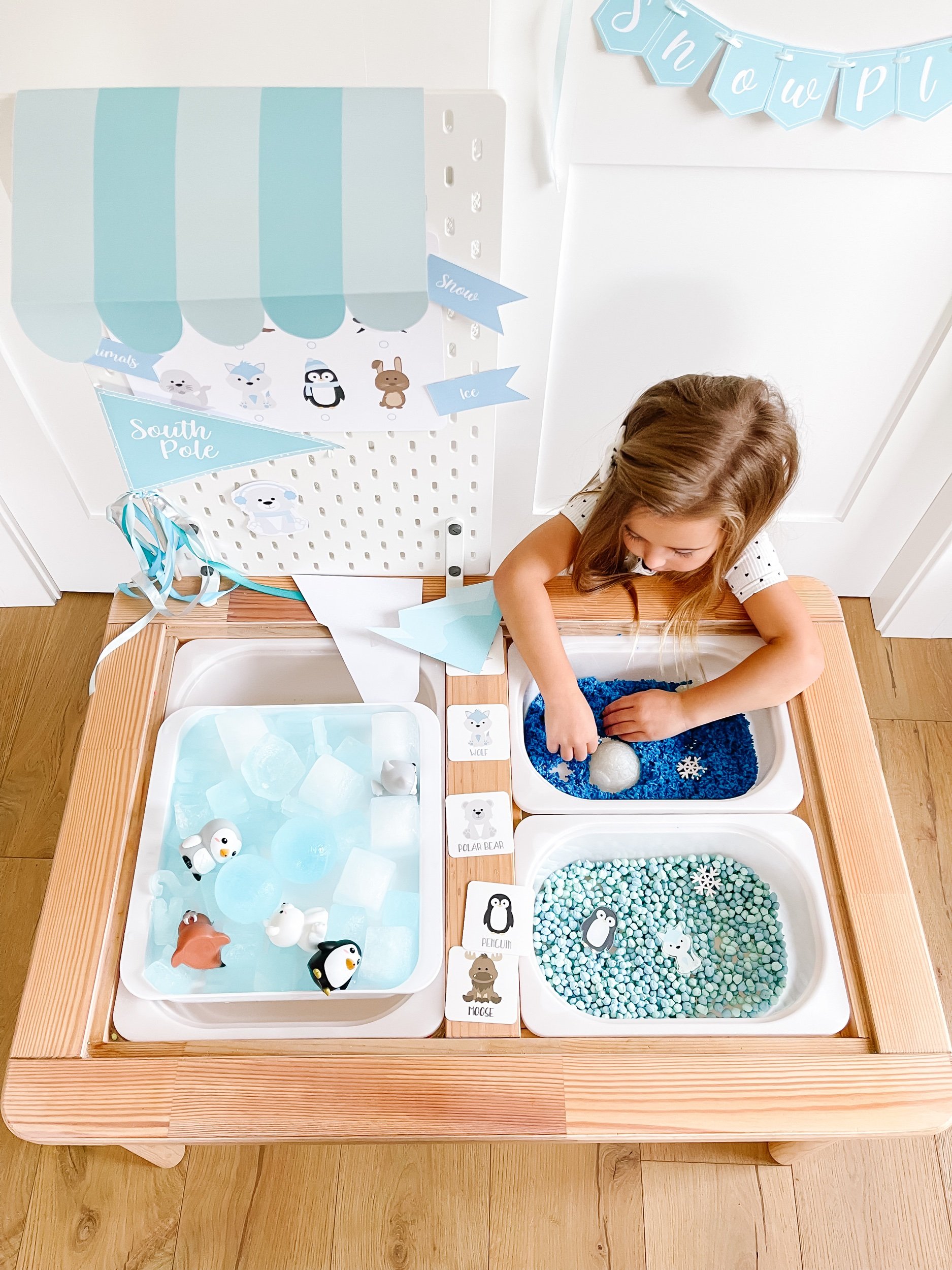
Those printables hang on the setup from my FLISAT beginner setup guide.
These combined materials help build a wintery, Arctic-animal world that’s inviting for little hands to explore.
🎓 Learning Objectives By Age Group
Age 0–6 months
Visual stimulation with high-contrast white and black elements
Early sensory exposure to soft vs. grainy textures
Encourages tummy time as babies reach toward the tray
Age 6–12 months
Strengthens bilateral hand coordination
Introduces early cause-and-effect (scooping, dropping, and patting “snow”)
Builds early vocabulary through labeling (“cold,” “snow,” “penguin”)
Age 12 months–2 years
Scooping and dumping to develop fine motor skills
Identifying animals and colors within the sensory tray
Simple imaginative play (helping the penguins “slide” or “swim”)
Age 3–4 years
Storytelling: creating adventures for the Arctic animals
Sorting and categorizing animals by type
Exploring early science concepts (habitats, temperature, ice)
Age 4–6 years
More advanced imaginative world-building
Using printables as part of dramatic play (signs, role cards)
Early geography discussions (South Pole vs. North Pole)
Problem-solving and pretend-play scenarios
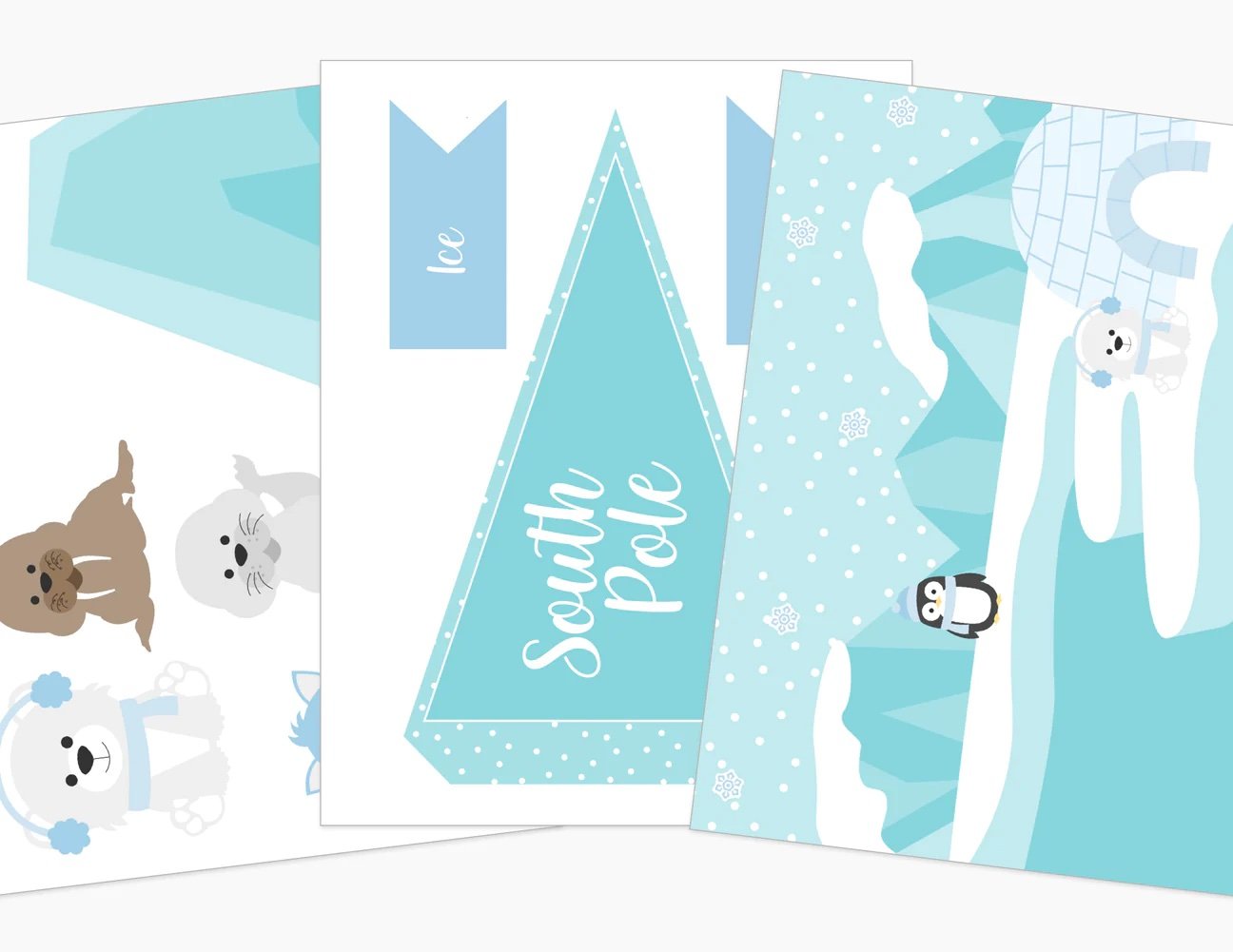
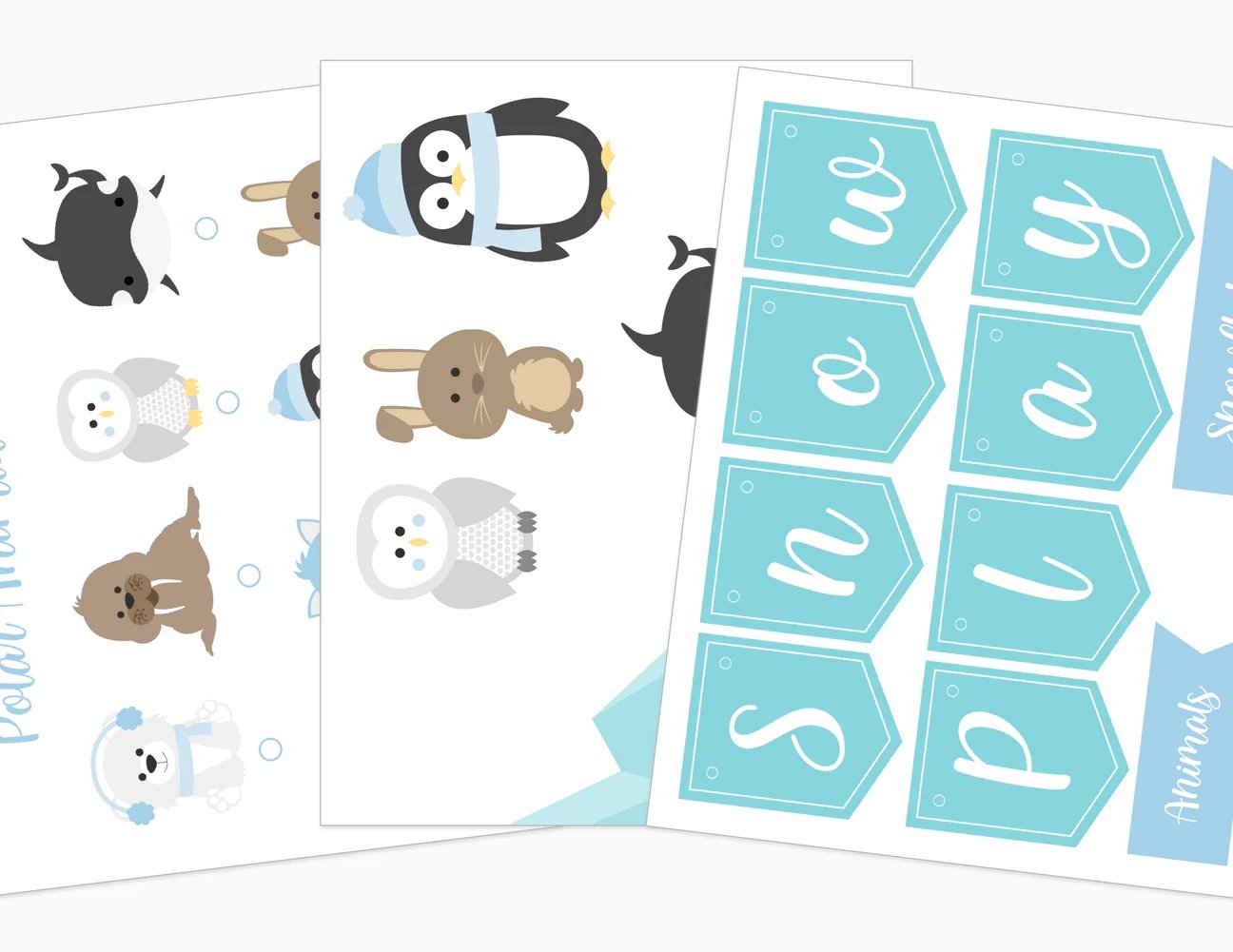
❄️ South Pole Sensory Theme Decor
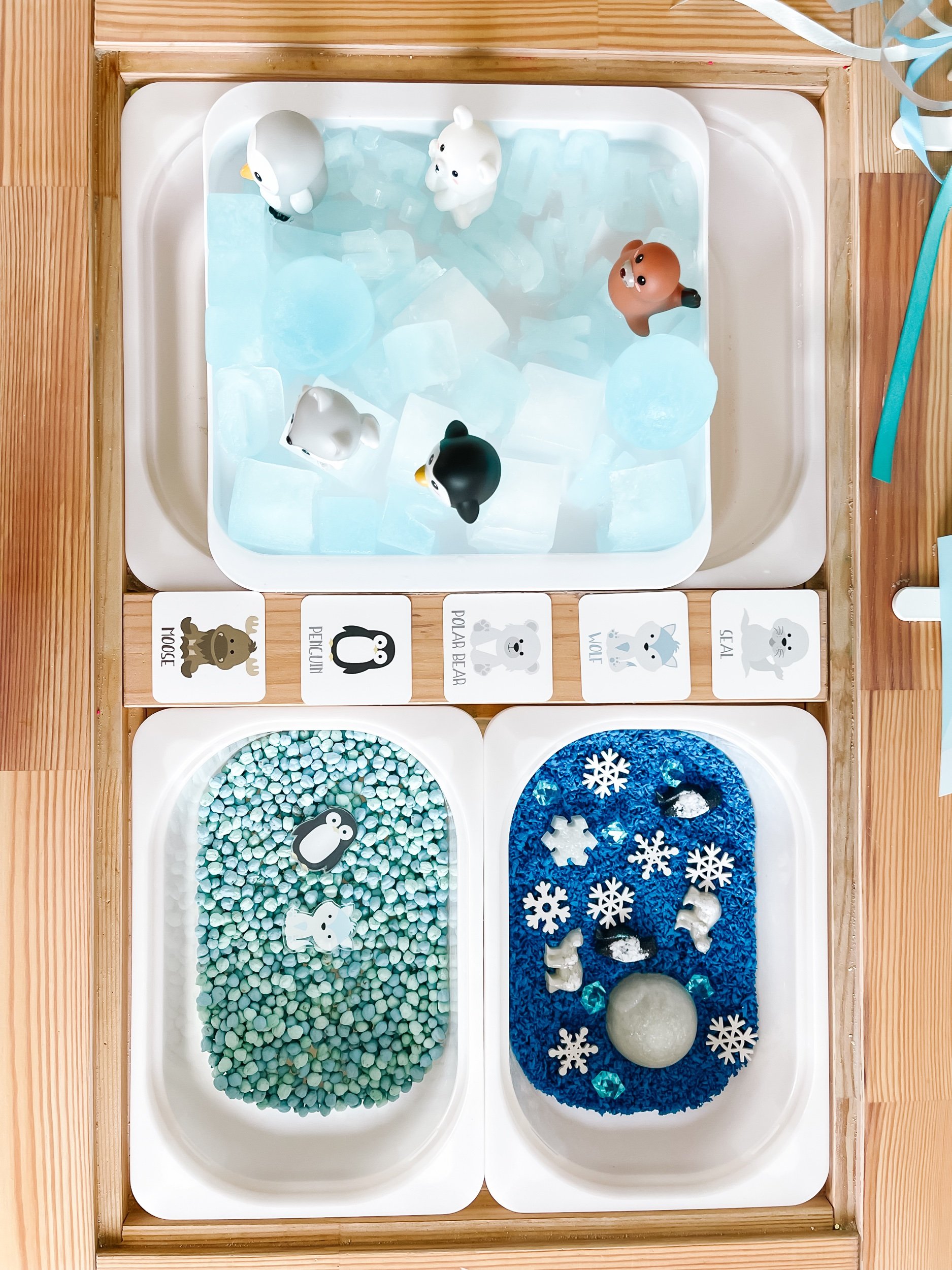
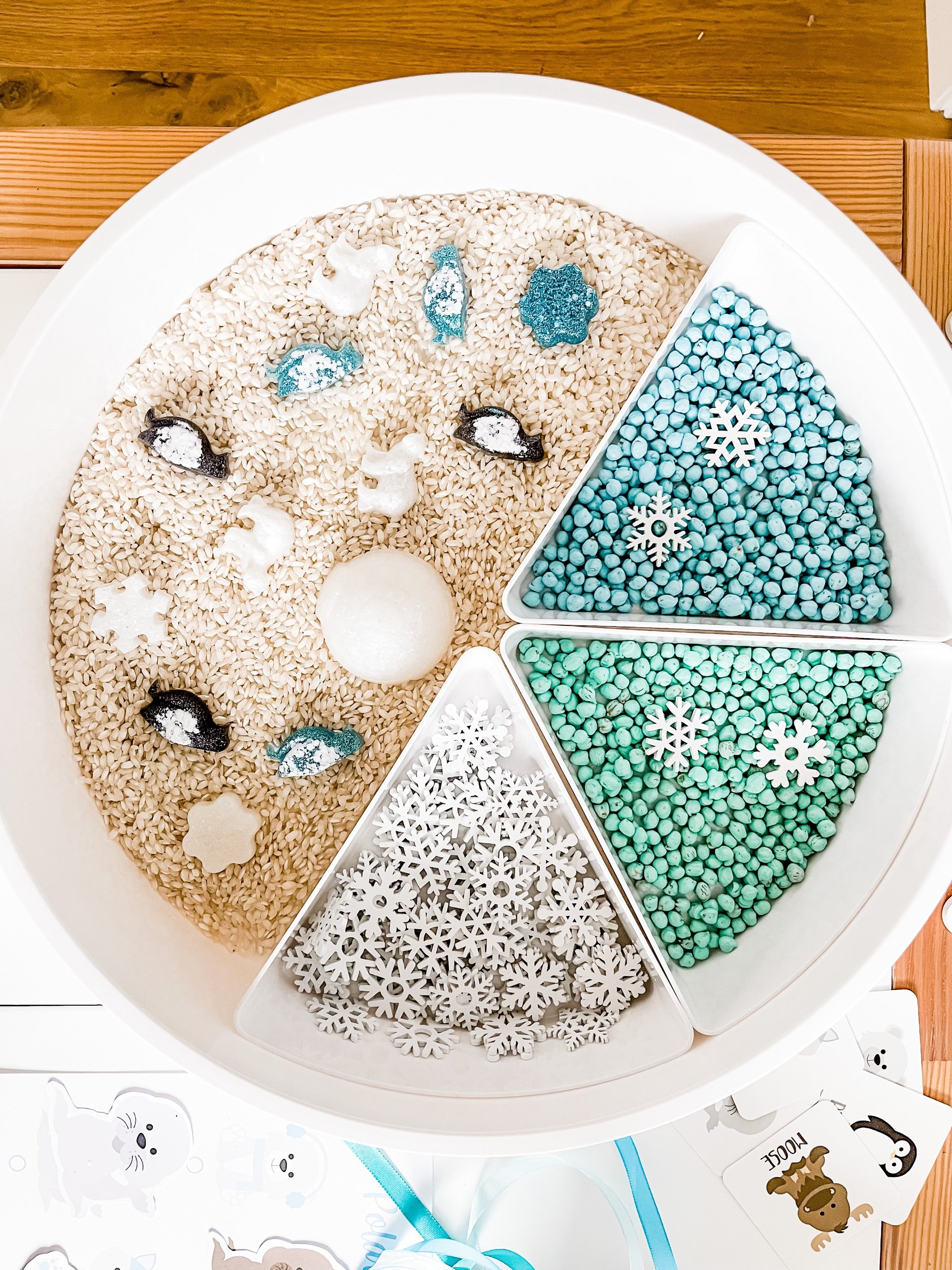
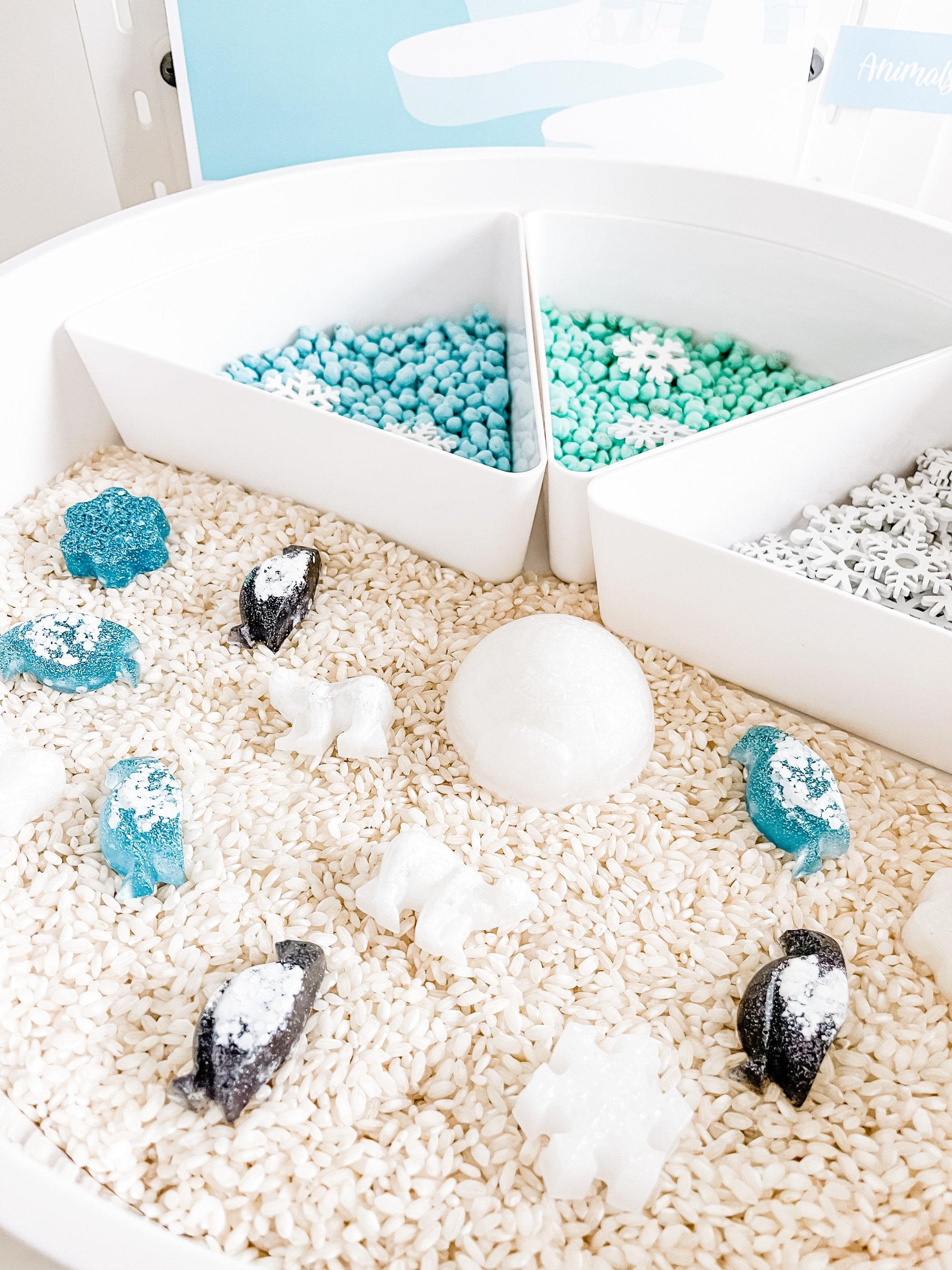
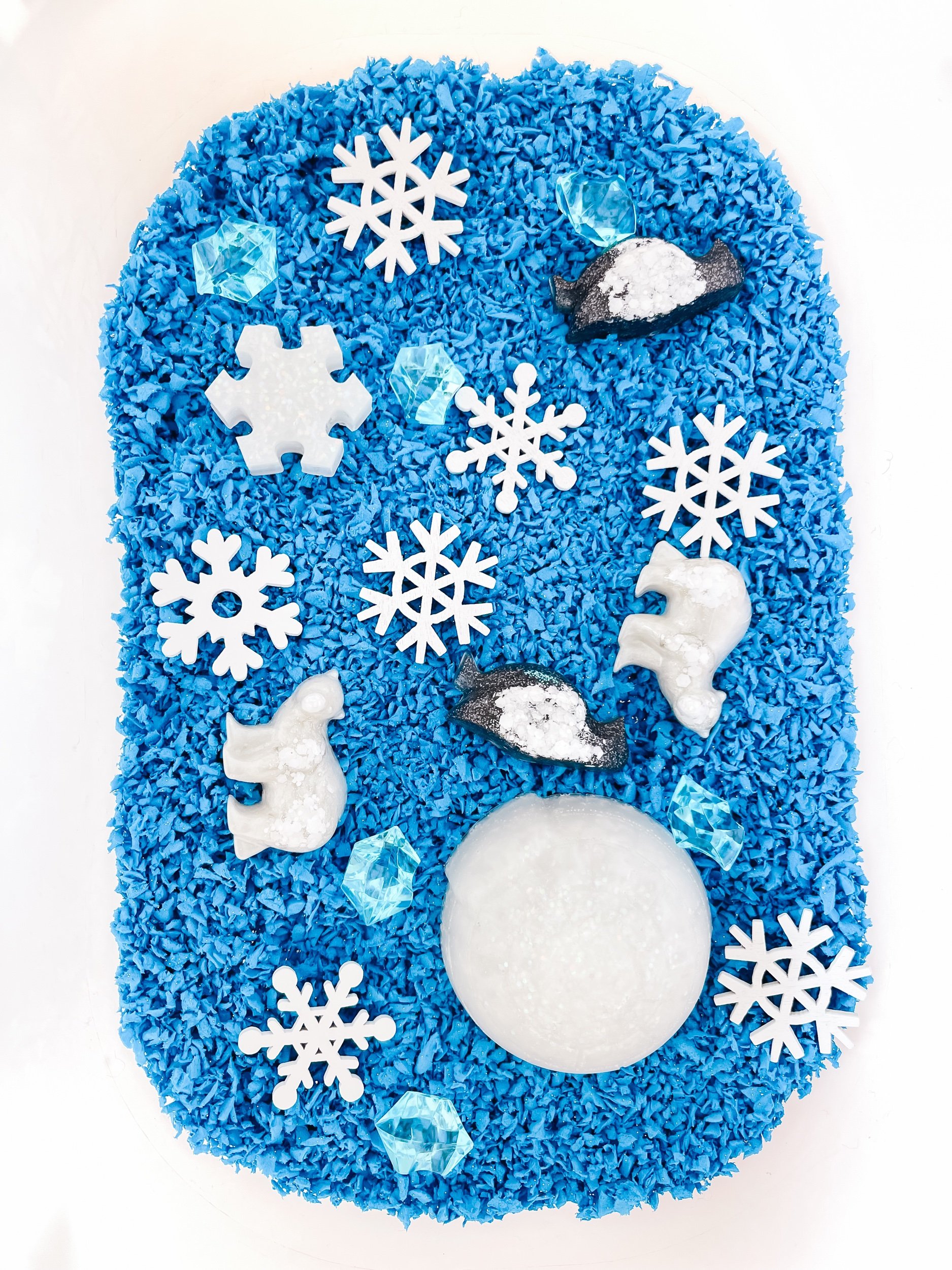
This sensory bin uses a calming and minimal winter palette: snowy whites, icy blues, and soft neutrals. Resin Arctic animals bring the scene to life, while printable labels and South Pole signs add an educational touch to help children understand the environment they’re exploring.
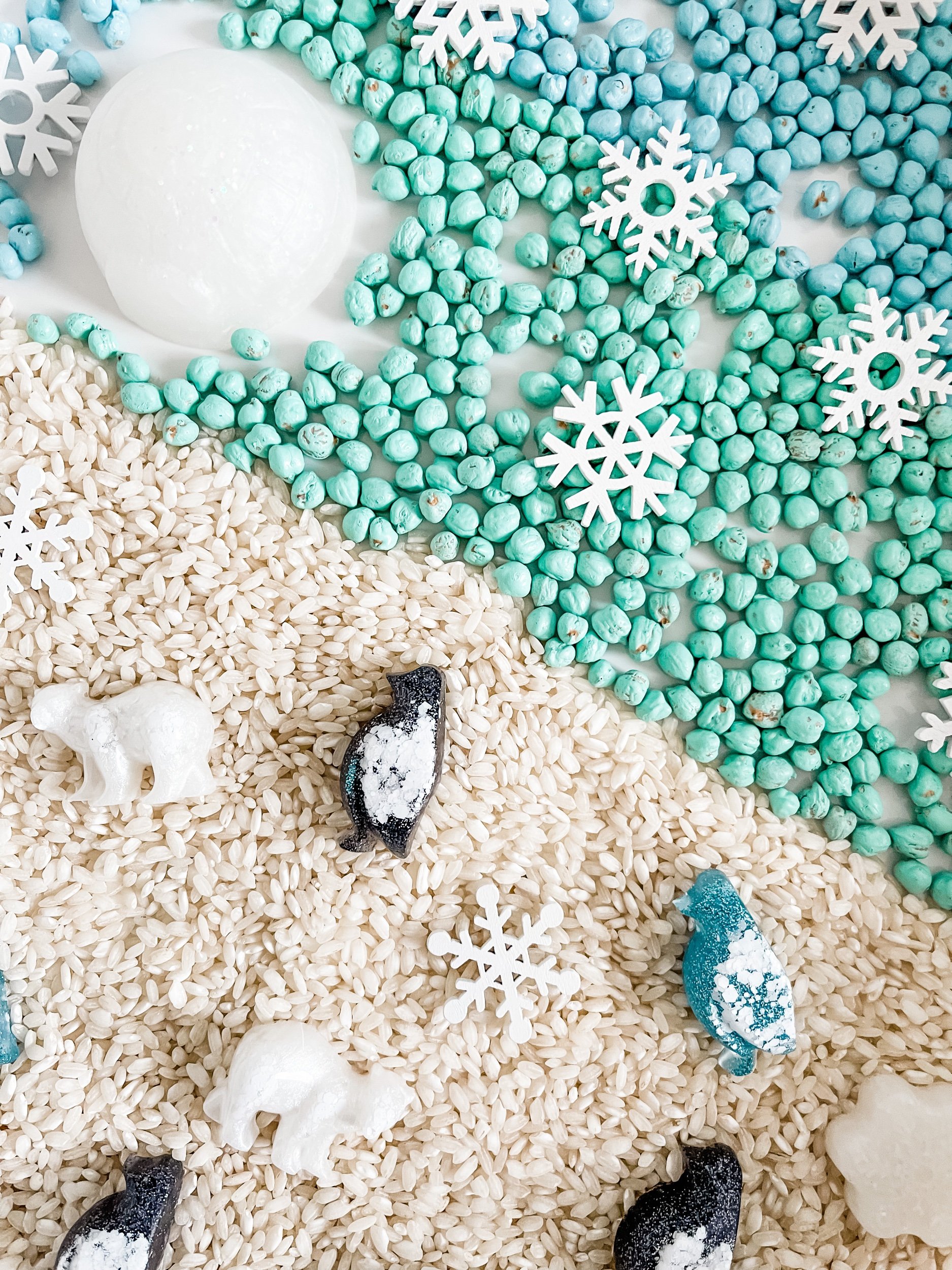
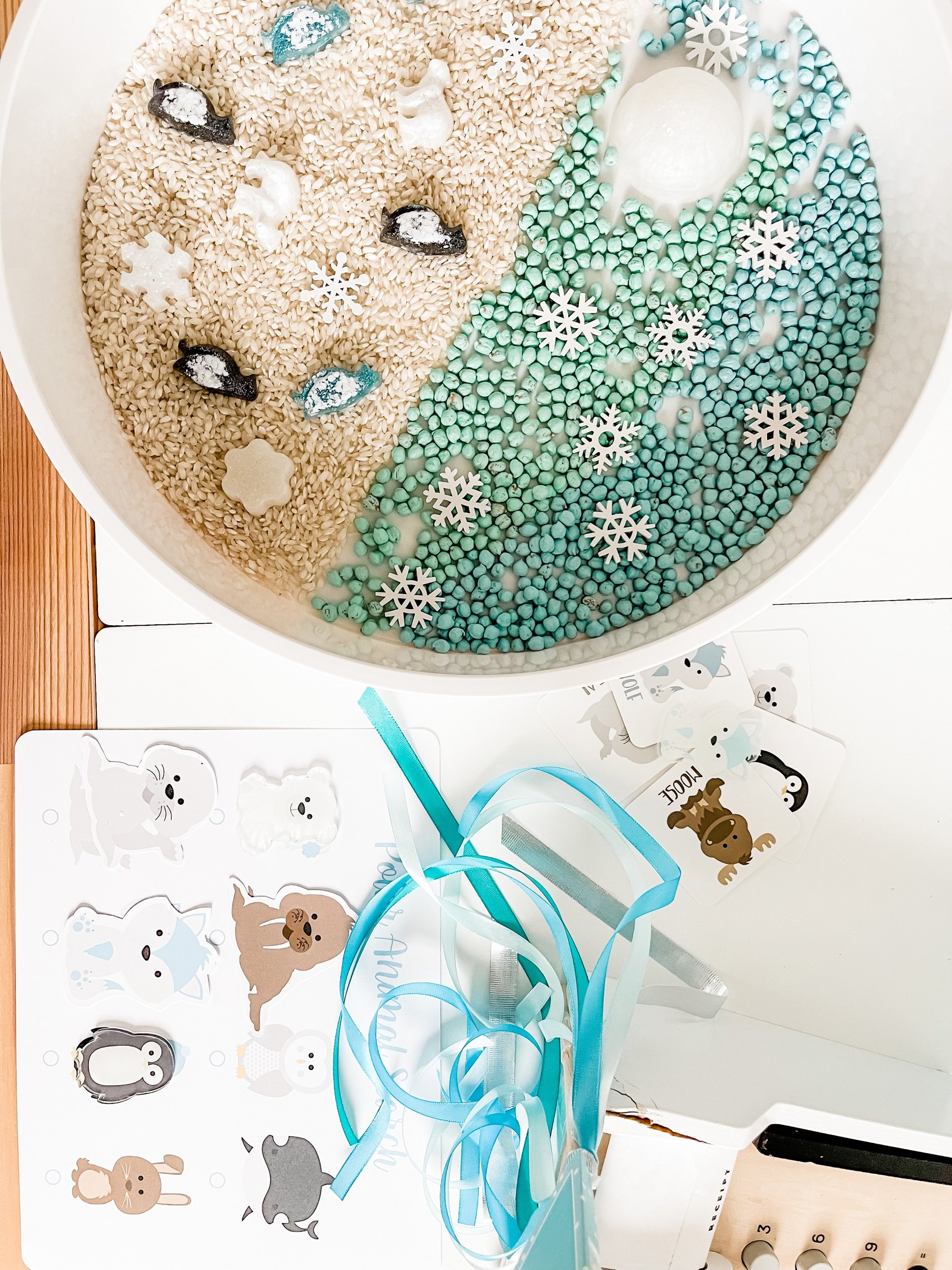
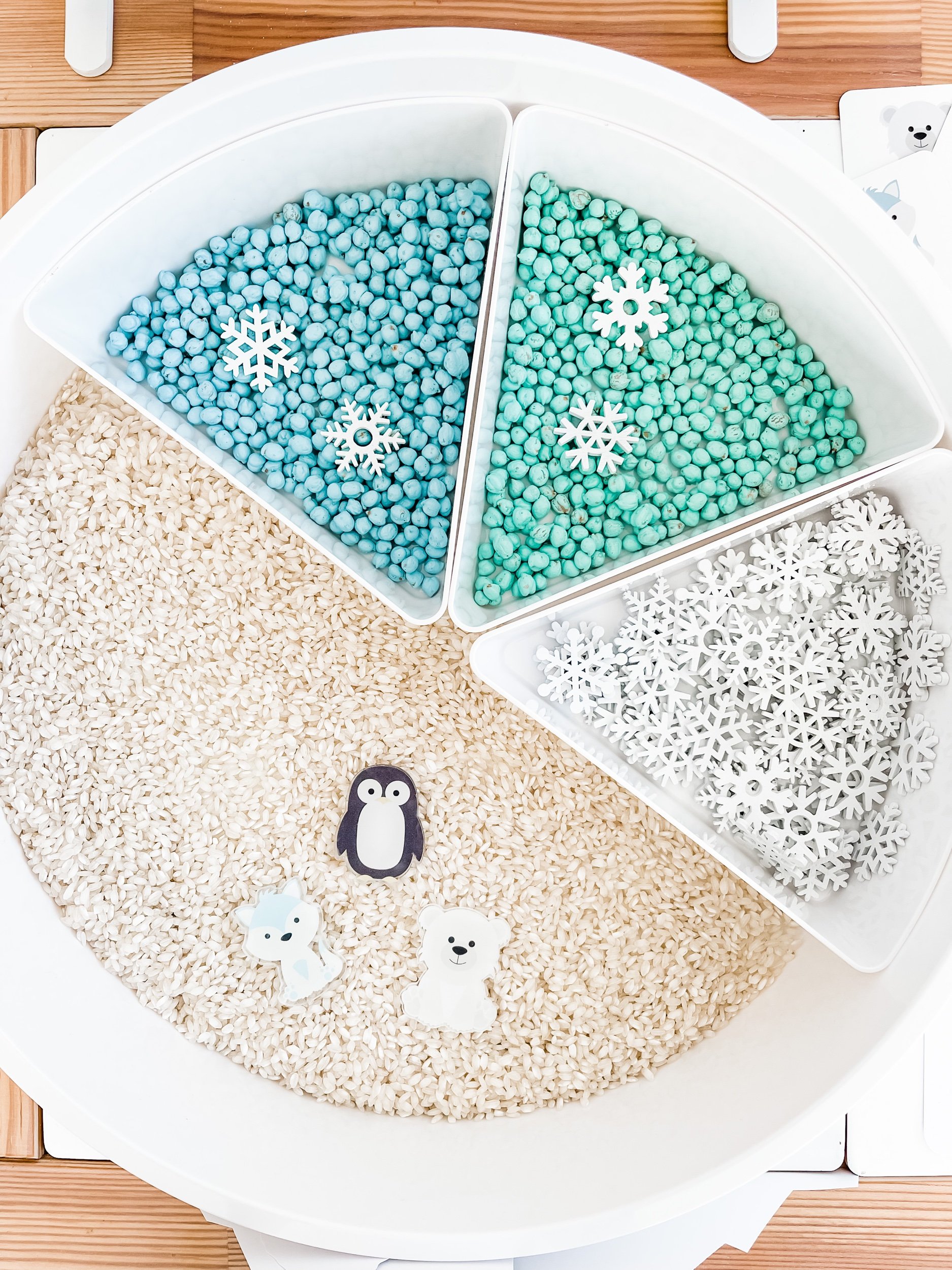
The snowy sensory filler mimics fresh powdery snow, while felt or acrylic “ice” pieces create dimension and defined play zones. Everything is arranged neatly inside a round sensory tray for easy setup and cleanup.
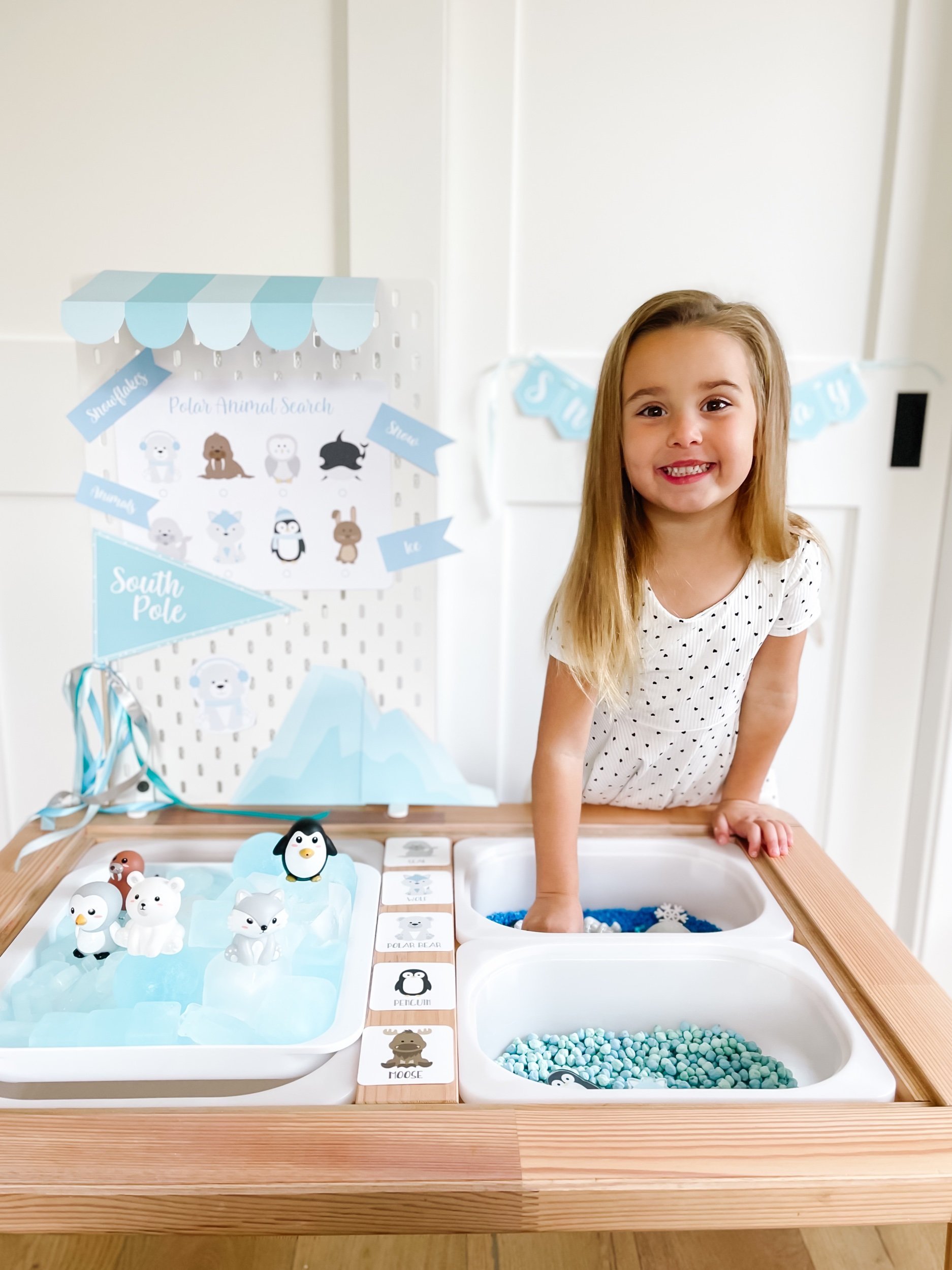
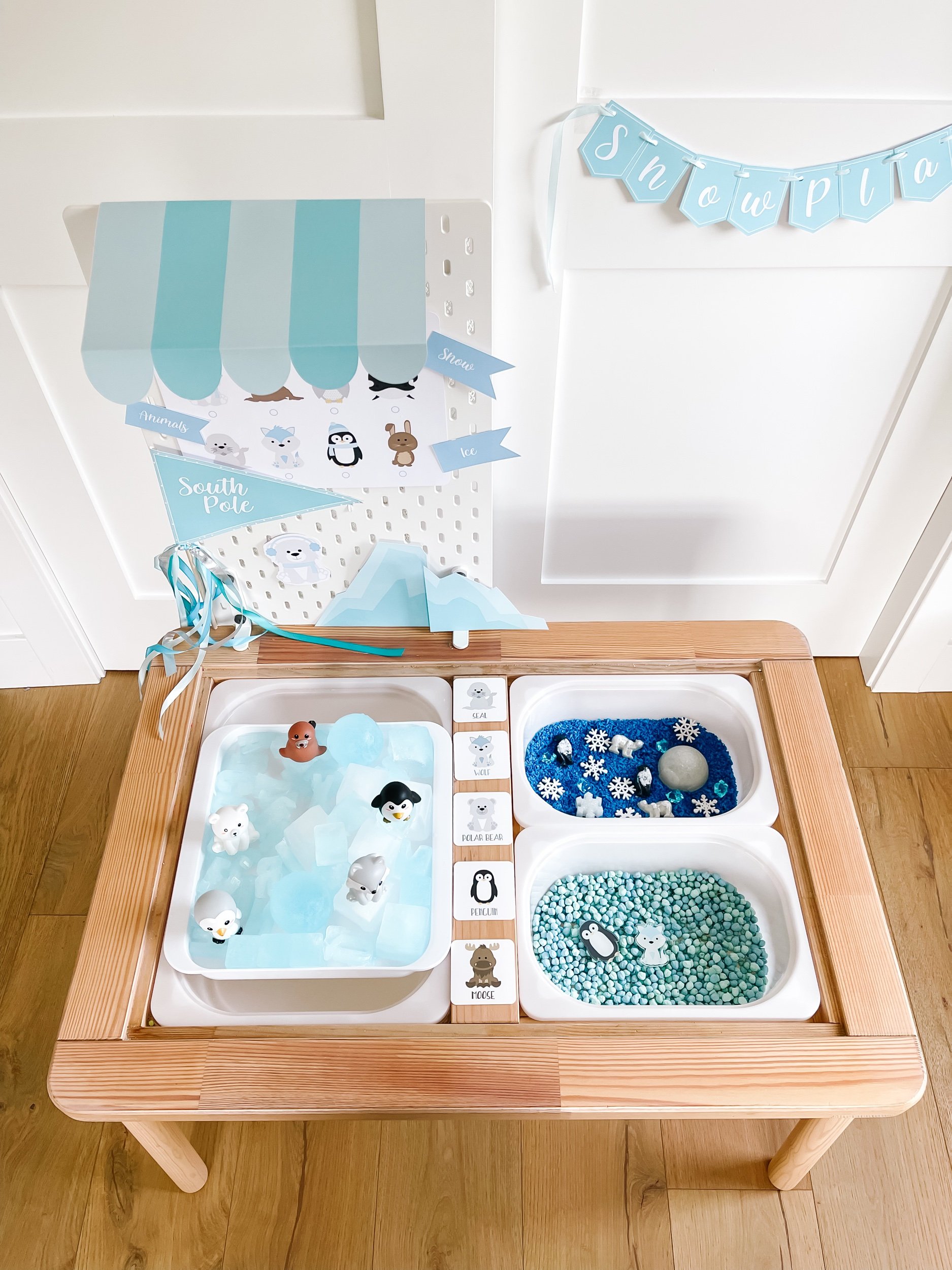
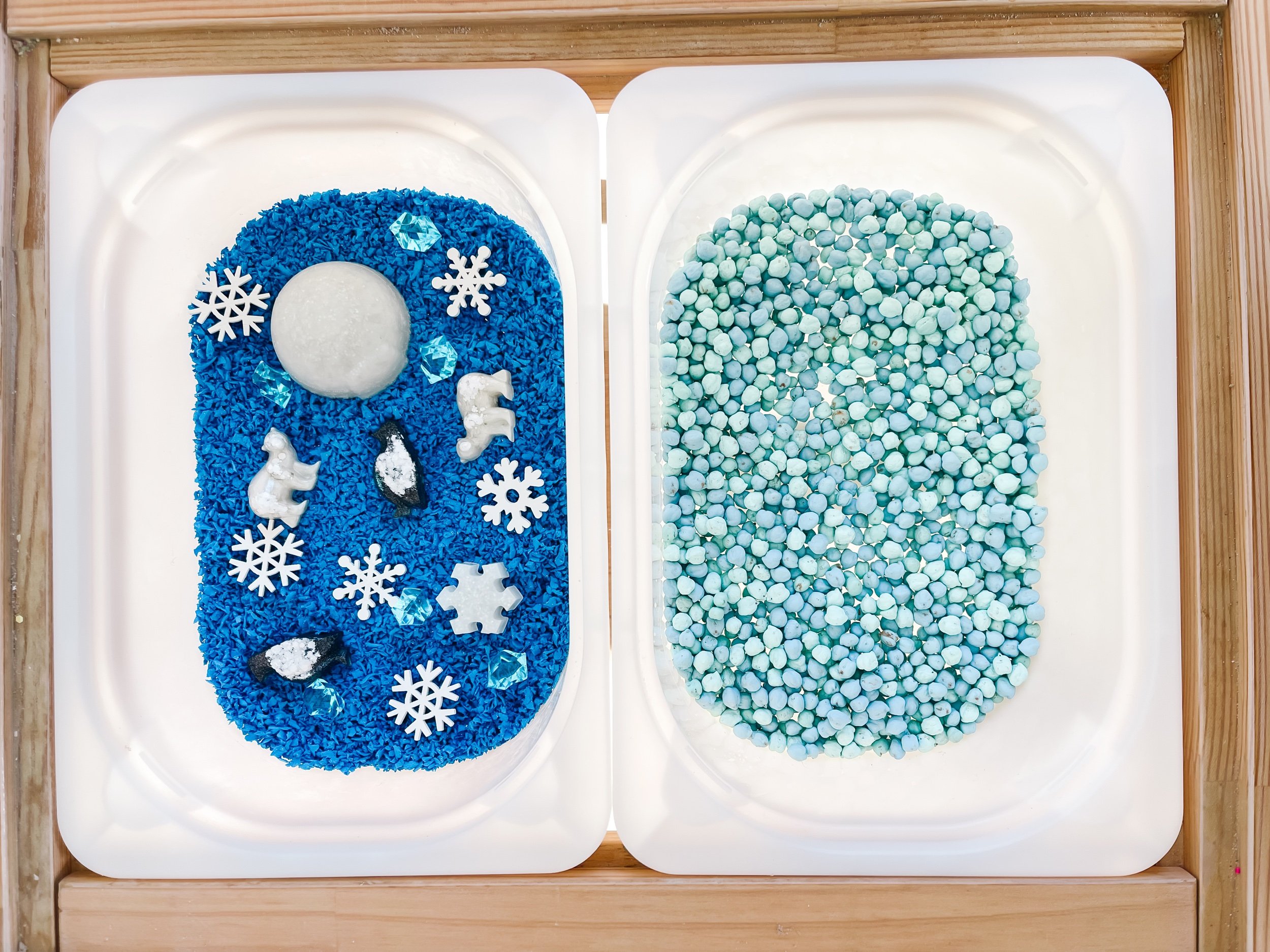
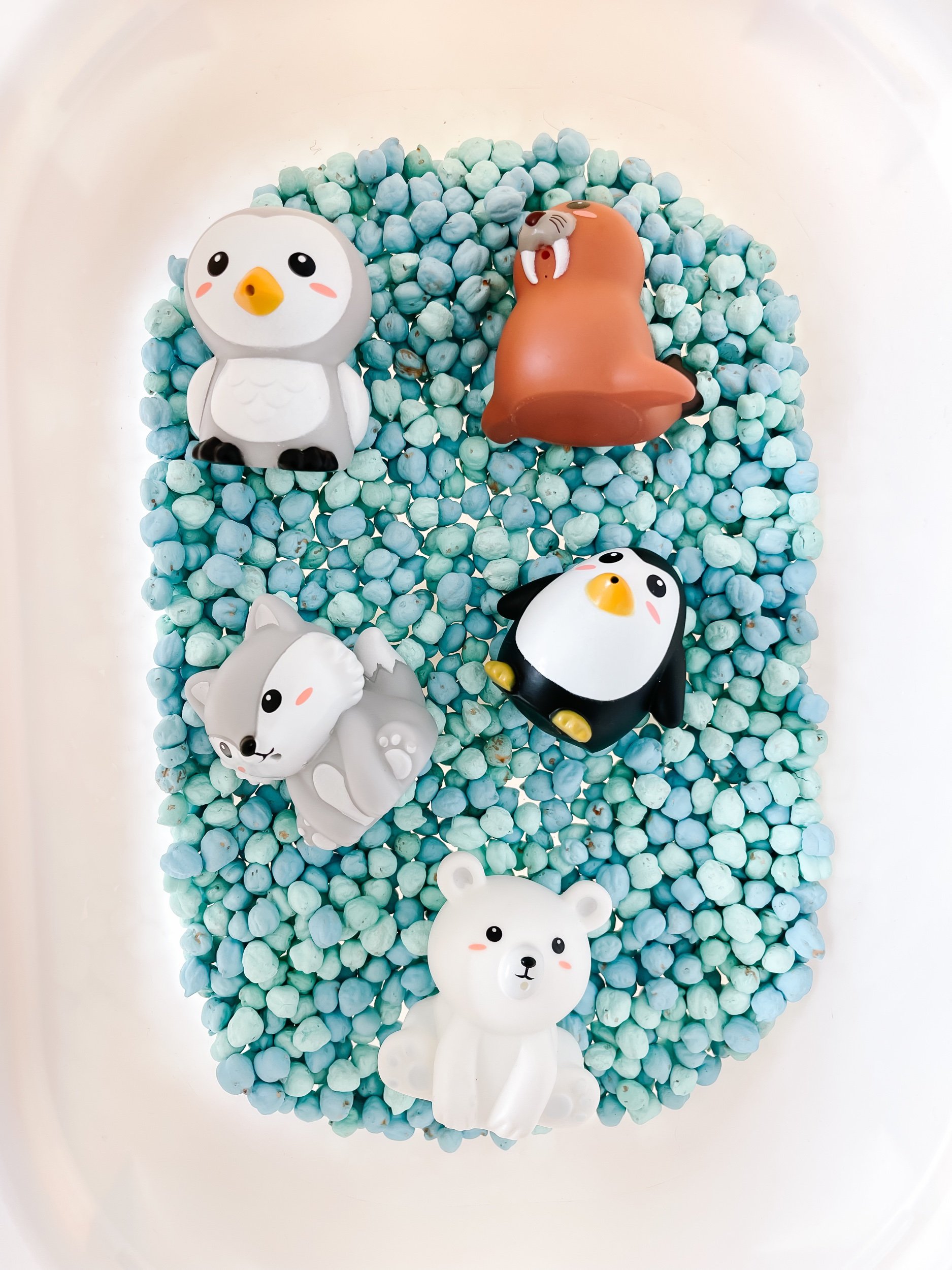
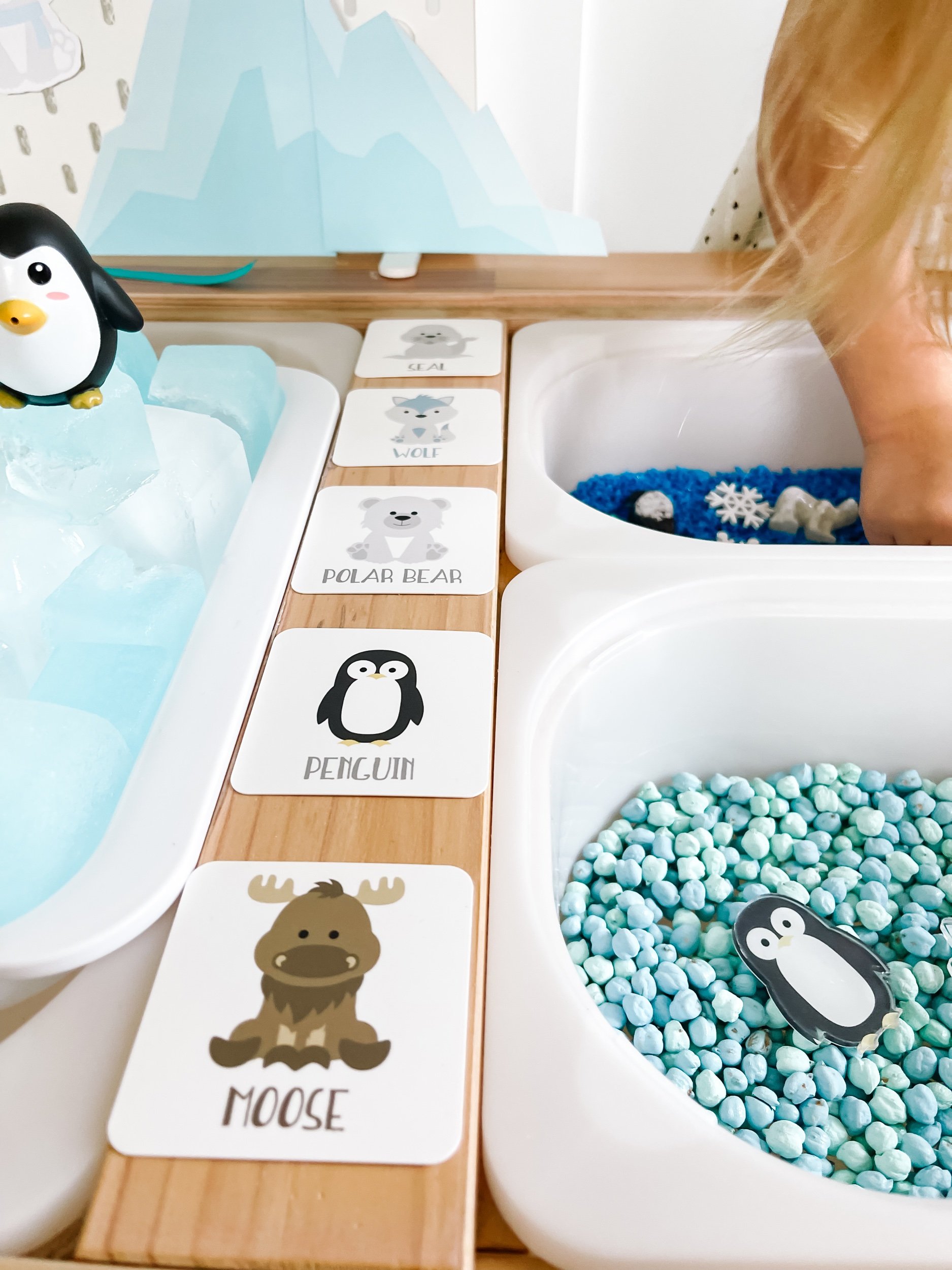
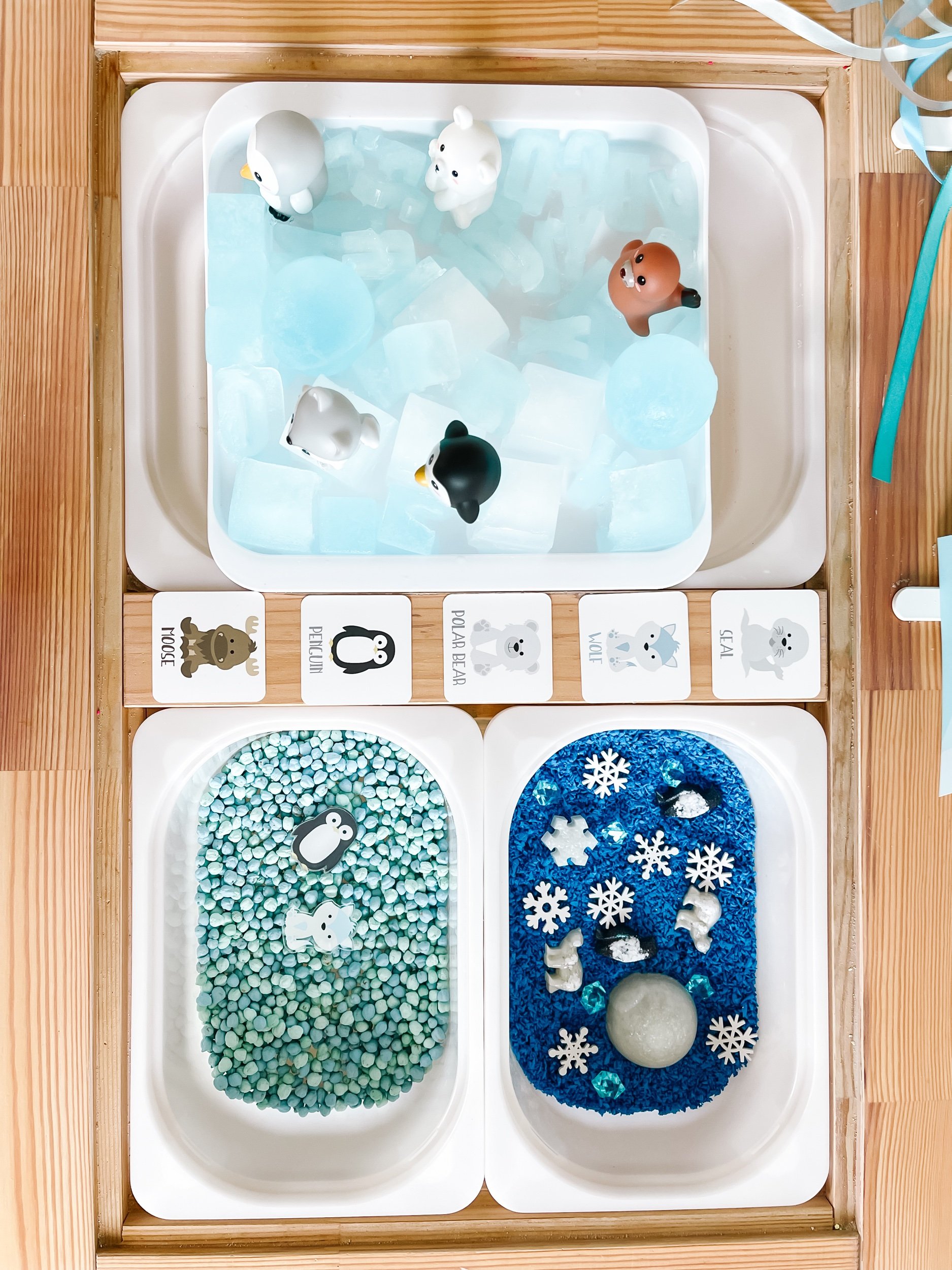
🐧 Sensory Bin 1: Snowy Arctic Landscape
Materials
White sensory filler (rice, faux snow, or cotton)
Penguins, polar bears, and seals
Blue felt water patch
Small scoops and tongs
Instructions
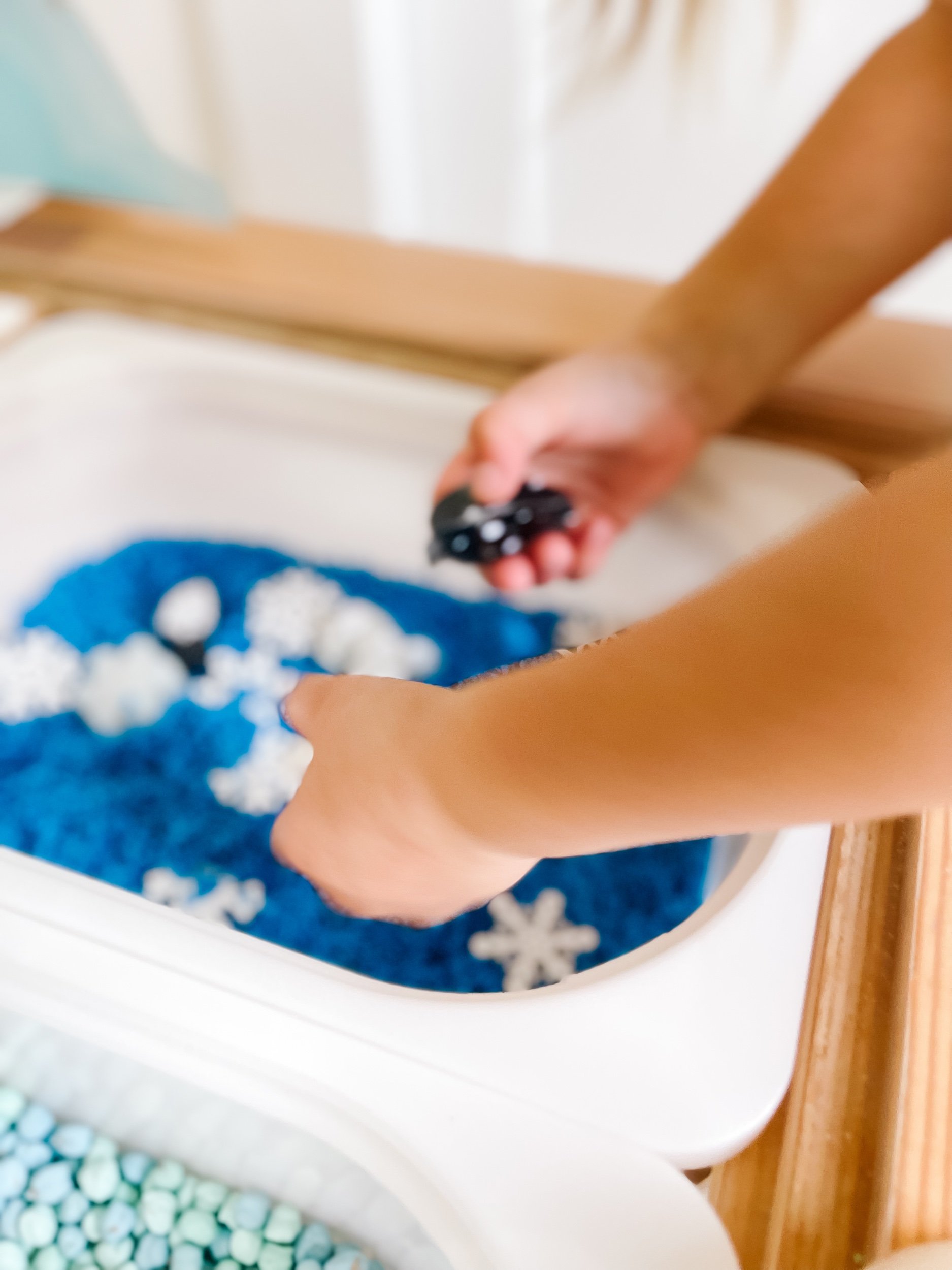
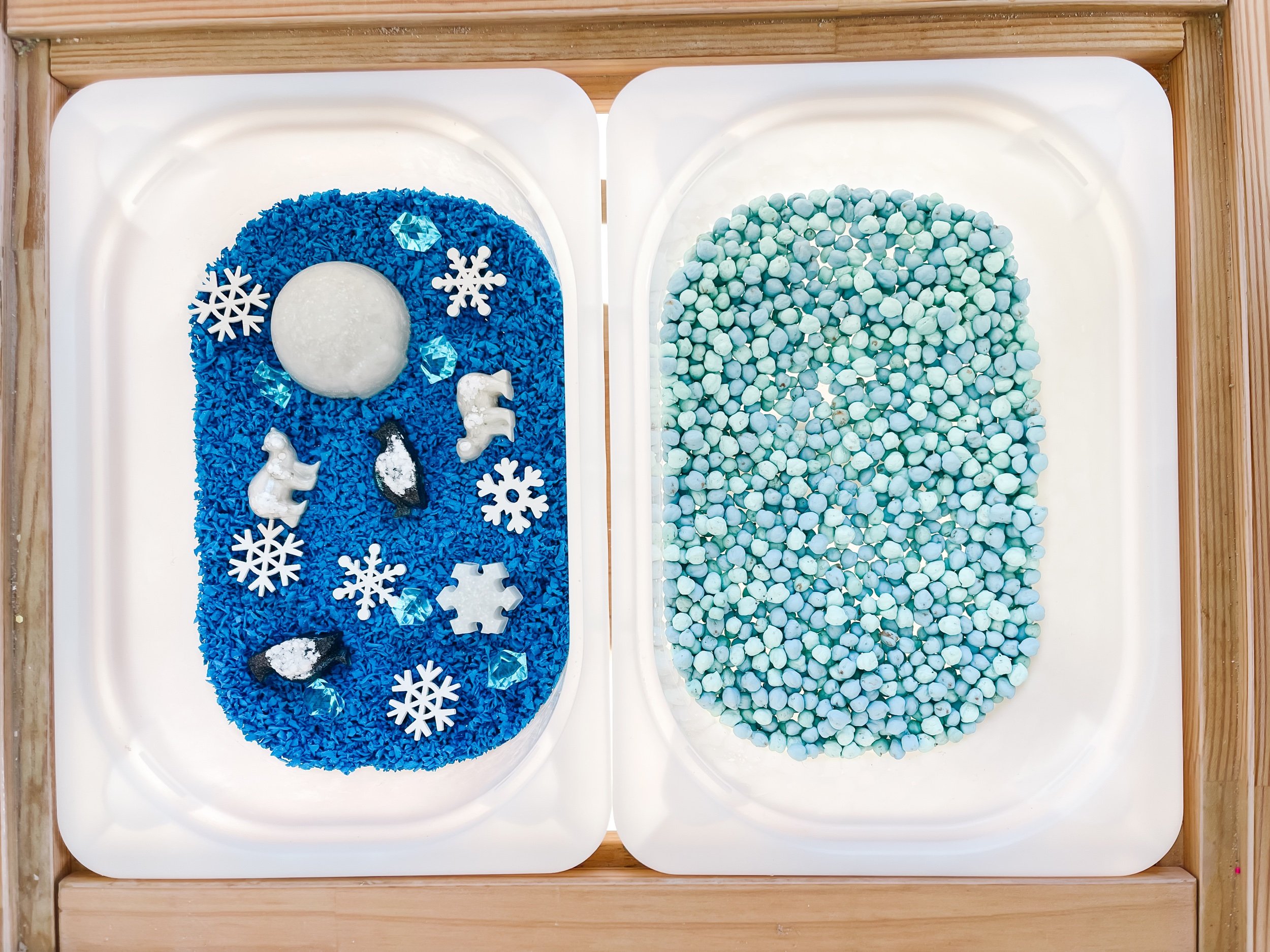
Fill the bin with your snowy white filler.
Add a small piece of blue felt to represent the frigid Arctic waters.
Scatter your Arctic animal figurines across the snow.
Place scoops, bowls, or tongs nearby for fine-motor exploration.
Encourage kids to move animals through the snow, bury them, or create pathways.
Learning Focus: Fine motor skills, imaginative play, animal vocabulary, winter-themed sensory exploration.
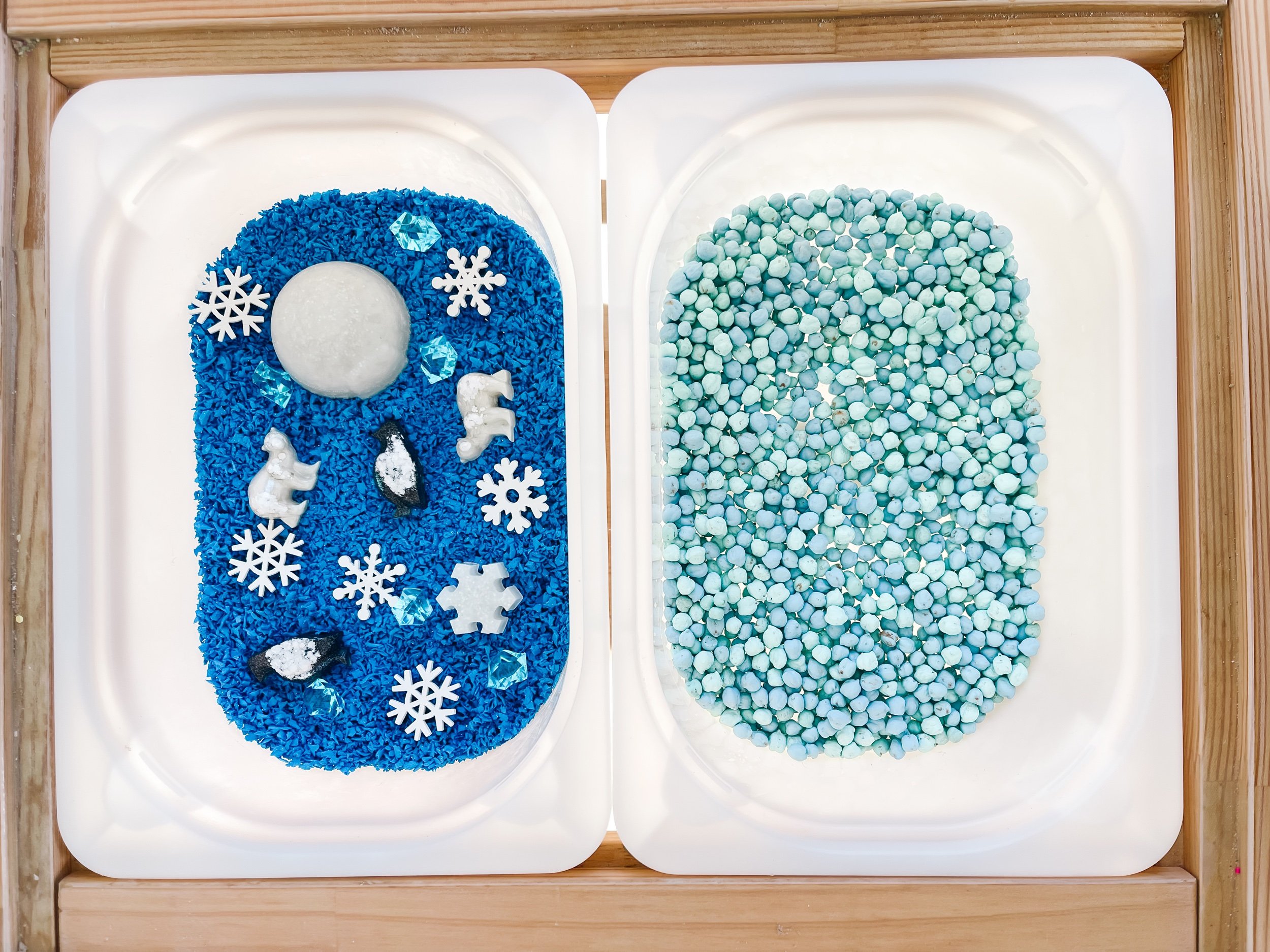
🧊 Sensory Bin 2: Ice Floes & Frozen Water
Materials
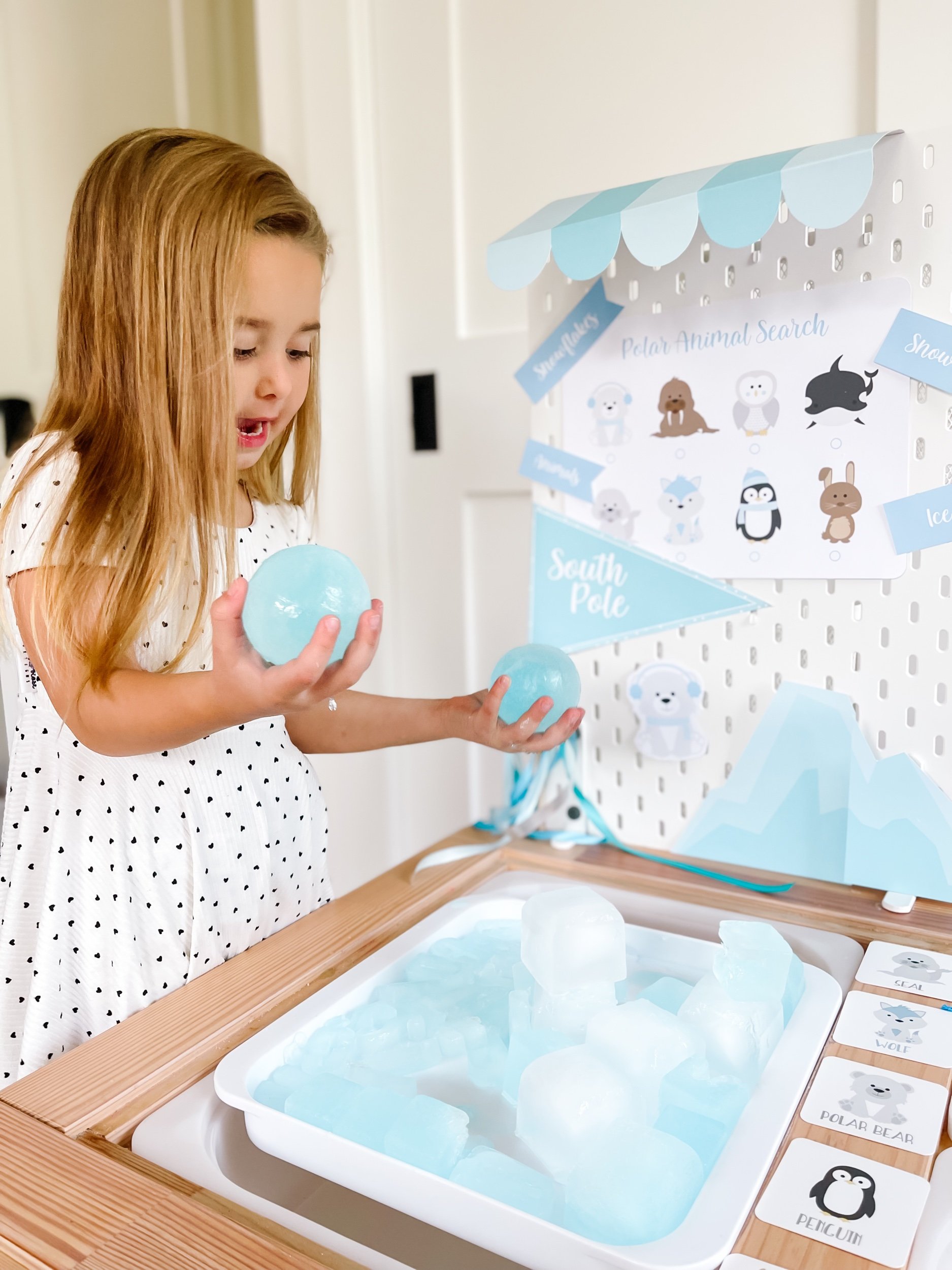
Clear acrylic ice cubes
Resin whales, seals, penguins
Blue sensory filler or water beads
Printable “Ice Floe” sign
Instructions
Create a base using blue filler or hydrated water beads to mimic icy Arctic water.
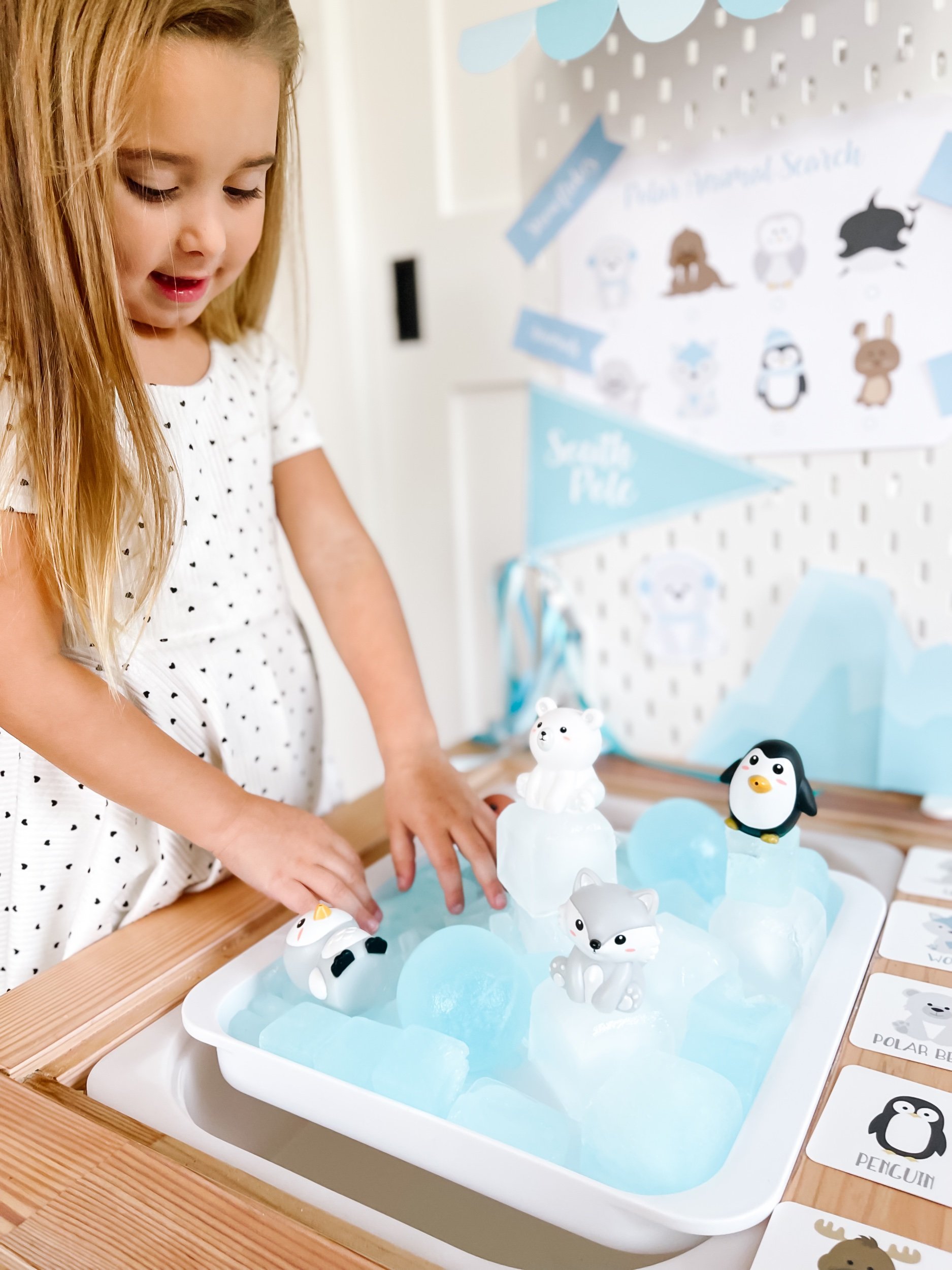
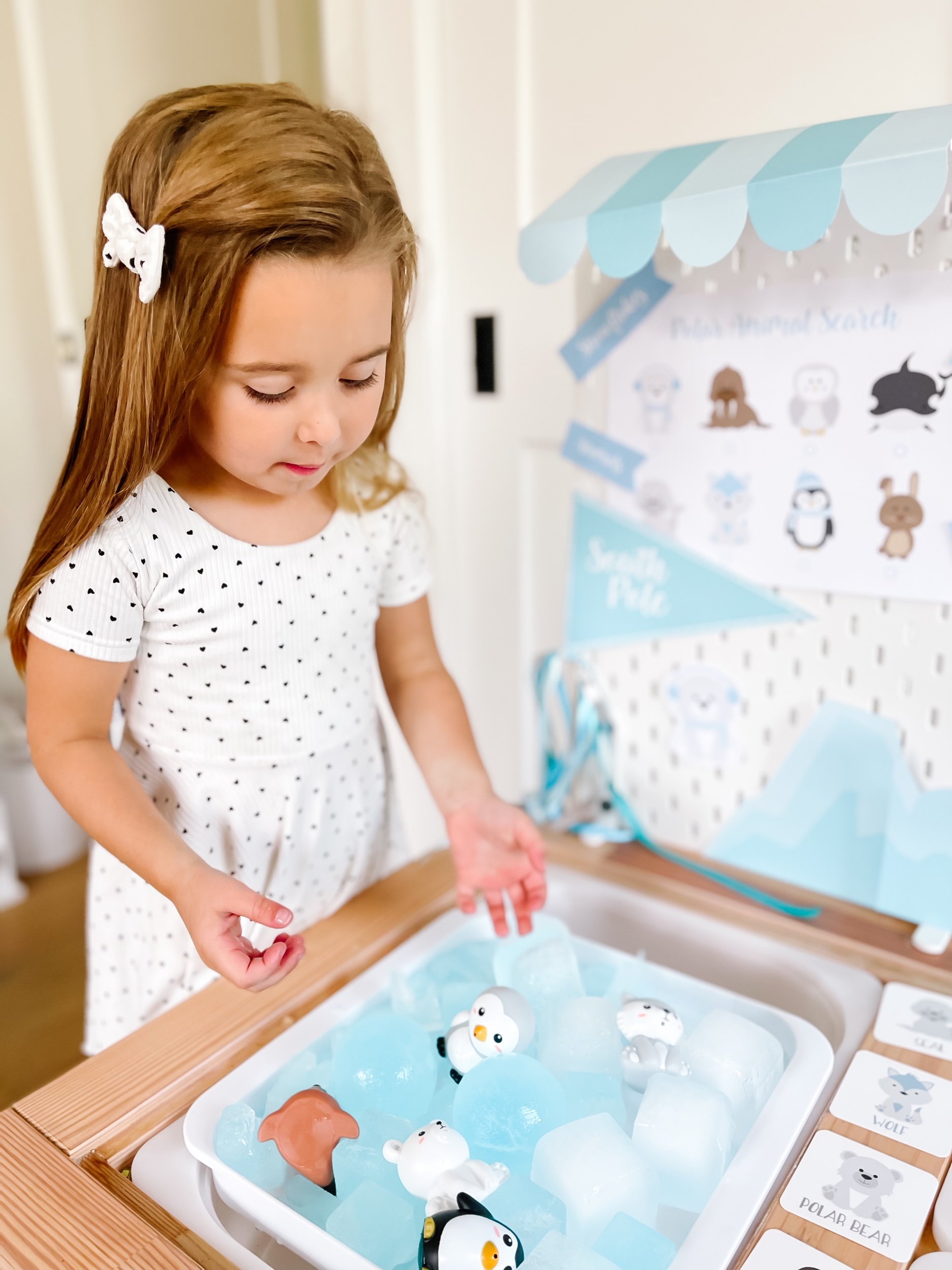
Add clear acrylic cubes to represent floating ice.
Place animal figurines on top of the ice floes.
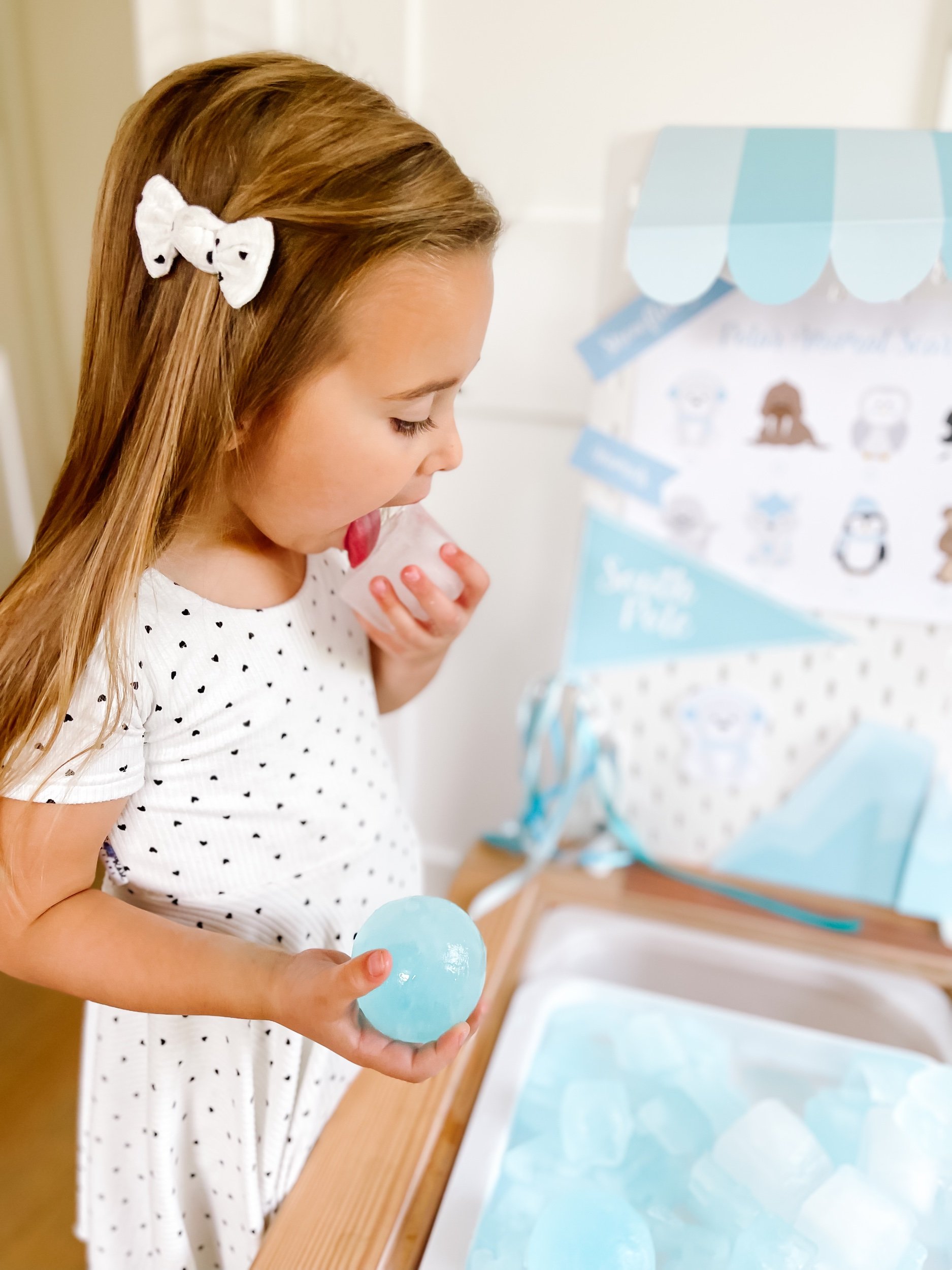
Kids can slide animals across the “ice,” drop cubes into water beads, or pretend the animals are swimming beneath the surface.
Learning Focus: Early science concepts (floating, sinking, habitat), storytelling, texture exploration.
🐋 Sensory Bin 3: Arctic Animal Rescue Play
Materials
Cotton snow or kinetic sand
Small cups or bowls for “animal rescue stations”
Printables for labeling areas (“Snow Cave,” “Penguin Nest”)
Resin animals and small rocks
Instructions
Spread your snowy filler across the bin.
Use bowls or cups as designated habitats or rescue centers.
Hide animals partially under the snow for children to “rescue.”
Add rocks or small pieces of felt to create landscape variations.
Invite children to role-play as Arctic helpers.
Learning Focus: Problem-solving, empathy, dramatic play, environmental vocabulary.
✨ Benefits of Sensory Play
Encourages focused, calming independent play
Strengthens fine-motor skills through scooping, pouring, pinching
Supports language development through labeling and storytelling
Builds creativity and confidence through pretend play
Introduces early science and geography concepts
Helps with sensory regulation and emotional grounding
Offers a hands-on learning experience for all developmental stages

📚 Extend the Learning With My Homeschool Curriculum
If you want to take this sensory play theme even further, my GoodnightFox Homeschool Curriculum includes a full week-long lesson plan, printable worksheets, themed activities, and structured daily learning for ages 0–6.
Each theme includes:
A complete weekly schedule
Eight hands-on activities per day
Printable worksheets
Vocabulary lists
Craft ideas
Fine-motor and early literacy activities
STEM-based play extensions
This is the perfect next step for homeschool families who want to build a full week of learning around this sensory bin.
❄️ Vocabulary Words (25)
Arctic
South Pole
Penguin
Polar bear
Seal
Whale
Ice floe
Glacier
Snow
Freeze
Habitat
Ocean
Blizzard
Frost
Icy
Winter
Rescue
Explorer
Tundra
Melt
Cold
Slide
Flipper
Fluffy
Drift
💡 Tips for Setting Up Your Own South Pole Sensory Bin
If you’d like to recreate or adapt this sensory bin at home, here are some practical tips inspired by the blog’s spirit:
Choose a bin or tray — Use a shallow plastic bin, tray, or sensory table to contain materials and make cleanup easier.
Pick a sensory base — White, pale fillers (like white rice, coarse salt, cotton, shredded paper, or “snow” material) give a winter vibe. Consider mixing textures (soft + grainy) to enrich sensory experience.
Include Arctic animal figures — Use small toy animals (penguins, polar bears, whales, seals) to bring the Arctic to life. Resin or plastic figures work well.
Add thematic printables or labels — If possible, print simple signs — e.g., “South Pole,” “Ice,” “Penguin Home,” “Polar Bear Ocean” — helps frame the play as a cohesive “story environment.”
Offer tools for interaction — Scoops, small cups, tongs or spoons encourage fine-motor exploration, pouring, burying, discovering.
Encourage storytelling & conversation — Ask questions: “Where does the polar bear live?” “What sound might a penguin make?” — use this as a chance to build vocabulary and imagination.
Rotate fillers or elements occasionally — Try adding “icy water beads,” blue felt for “arctic water,” cotton “ice floes,” or even glitter for “snowflakes” to keep play fresh and engaging.
🌟 Why “South Pole” Sensory Play Matters — Beyond the Bin
A themed sensory bin like this isn’t just a toy — it’s a multi-sensory learning tool. By combining texture exploration, imaginative play, and early science/animal learning, it supports several developmental areas.
Sensory development & regulation: Touching different textures helps children process sensory input, which is important for emotional regulation and focus.
Language & cognitive growth: Naming animals, describing textures, narrating stories — all build vocabulary, memory, and narrative skills.
Fine motor & coordination: Scooping, grabbing, digging — great for hand-eye coordination and preparing for writing and self-care skills.
Creative thinking & play-based learning: Encourages curiosity, experimentation, and storytelling — foundational for later learning and social/emotional skills.
In short: a simple bin becomes a wintery Arctic world full of learning and wonder — and it’s perfect for cozy days at home.
If you like — I can draft a full ready-to-post blog article for you (with SEO-optimized headings, intro/outro, meta description, and relevant keywords) based on this — would you like me to build that out now?