
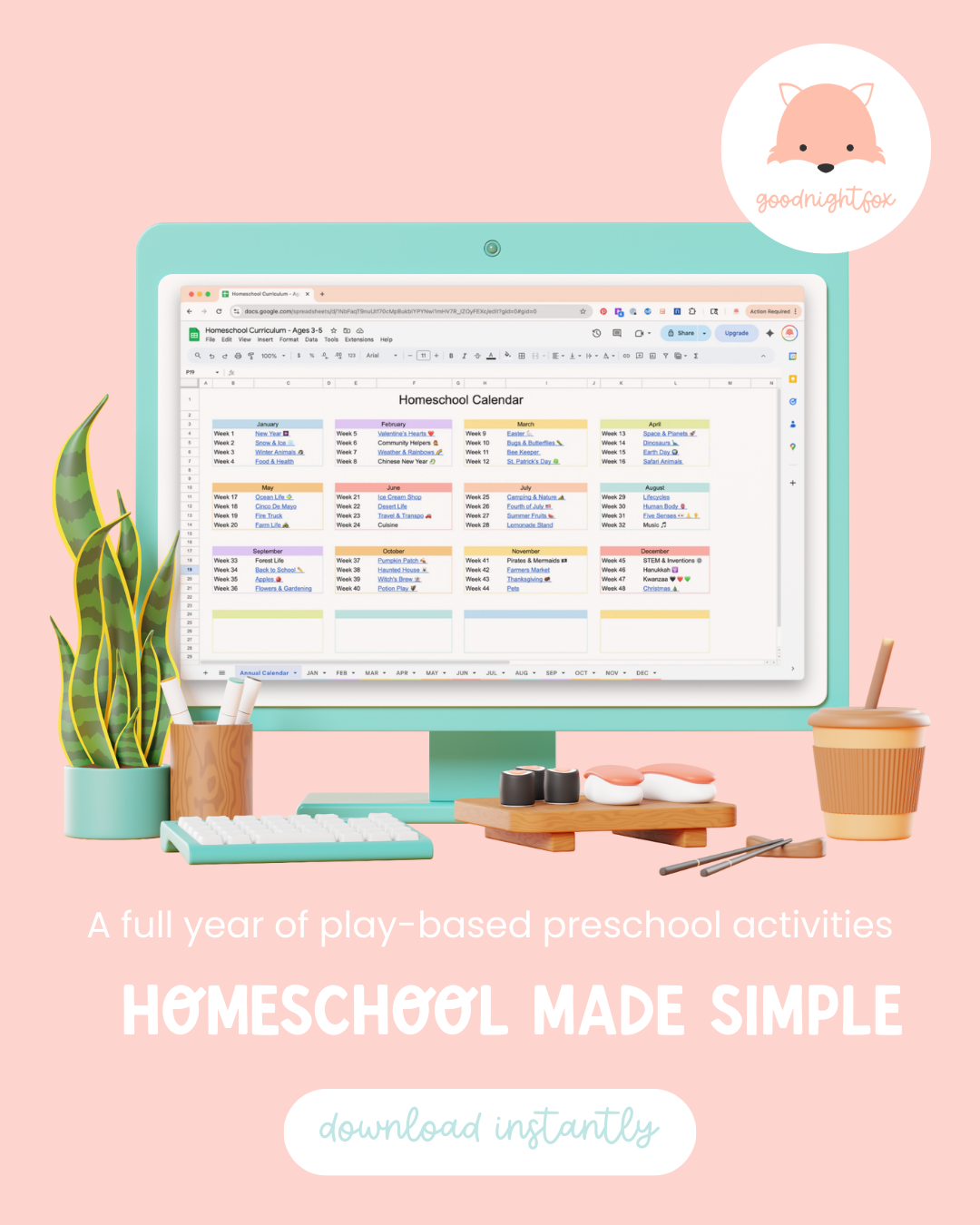
Creating a daily homeschool rhythm for preschool doesn’t have to feel overwhelming. In this post, you’ll learn how to build a flexible homeschool schedule for ages 3–5 using play-based learning, simple routines, and a repeatable daily flow that actually works in real life. This approach supports early literacy, math, sensory play, and creativity—without rigid time blocks or burnout. Perfect for homeschool parents looking for an easy, low-stress daily routine.
If homeschooling has ever felt overwhelming, chaotic, or like you’re constantly “behind,” you’re not doing it wrong — you’re just missing a rhythm, not a rigid schedule.
A daily homeschool rhythm gives your day structure without pressure. It creates predictability for your child while giving you flexibility as a parent — especially important in the preschool years when attention spans are short and curiosity changes by the minute.
In this post, I’ll walk you through how to build a simple, realistic homeschool rhythm that actually works for real life (snacks, meltdowns, and all).
What Is a Homeschool Rhythm (and Why It Works Better Than a Schedule)?
A schedule tells you exactly what to do at a specific time.
A rhythm tells you what comes next — without locking you into the clock.
For young children, rhythms work better because they:
Reduce power struggles
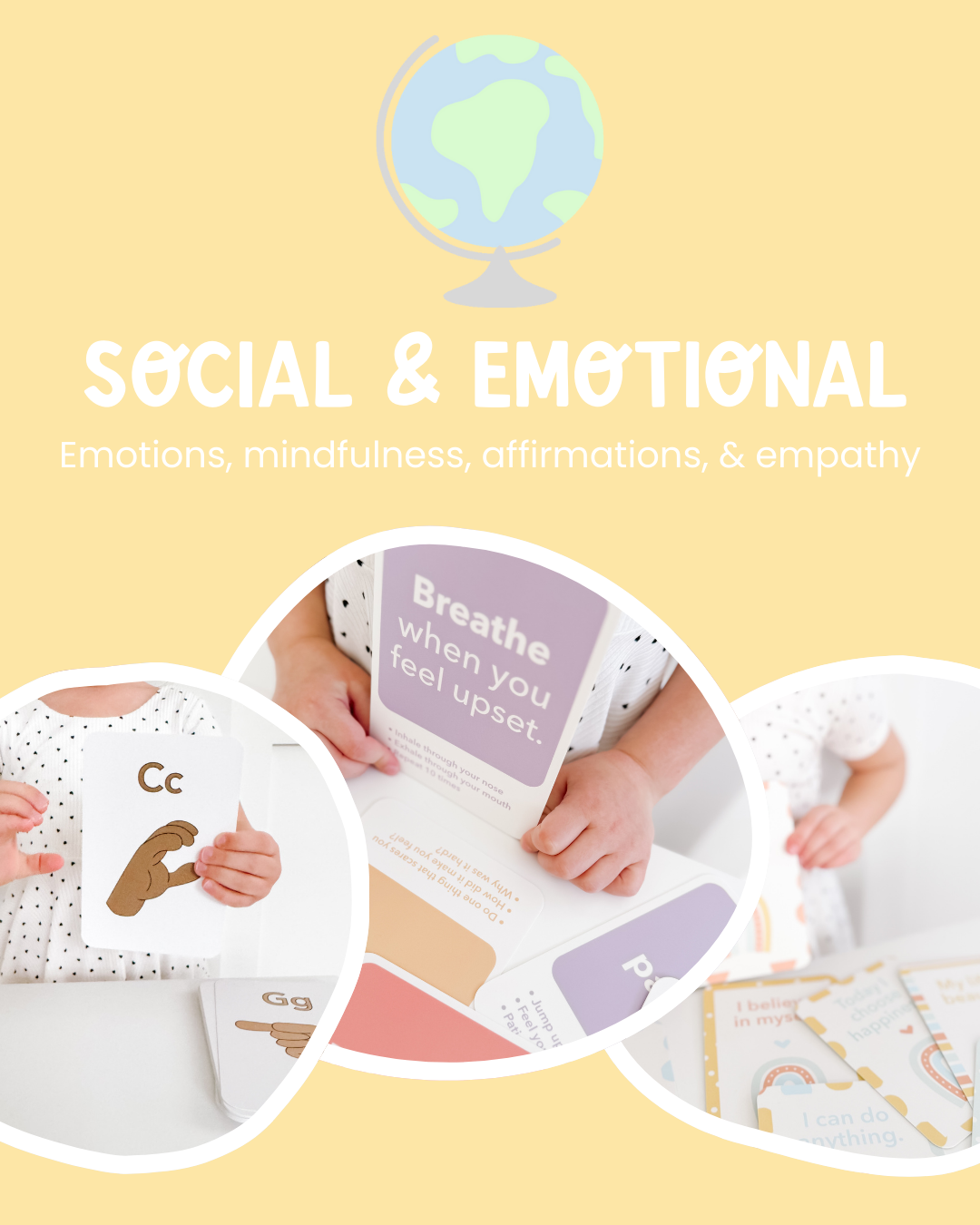
Support emotional regulation
Build independence and confidence
Allow learning through play
Adapt easily to energy levels and moods
Instead of “Math at 9:00, Reading at 9:30,” a rhythm sounds like:
“We do math in the morning, literacy later in the day, and creative play every afternoon.”
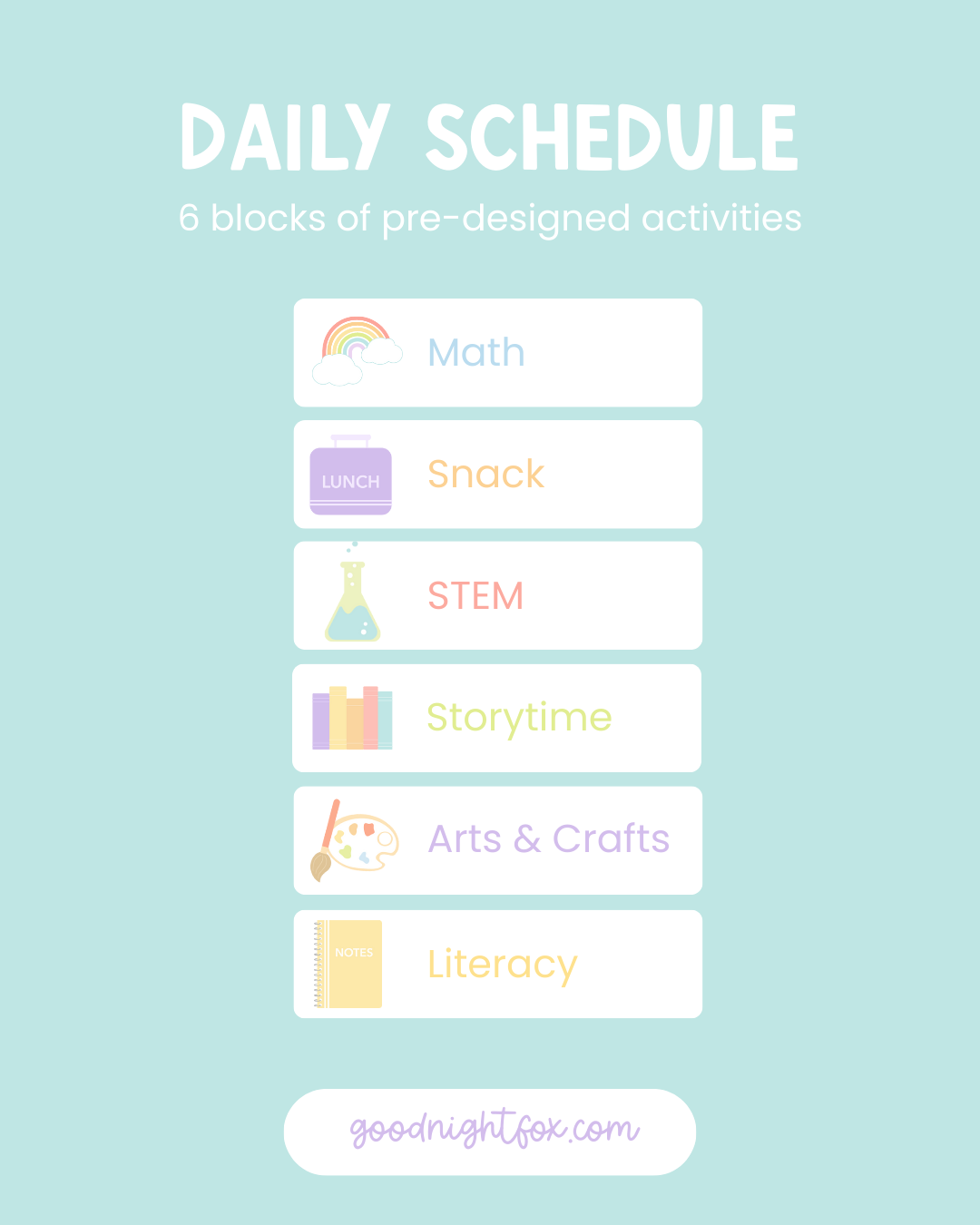
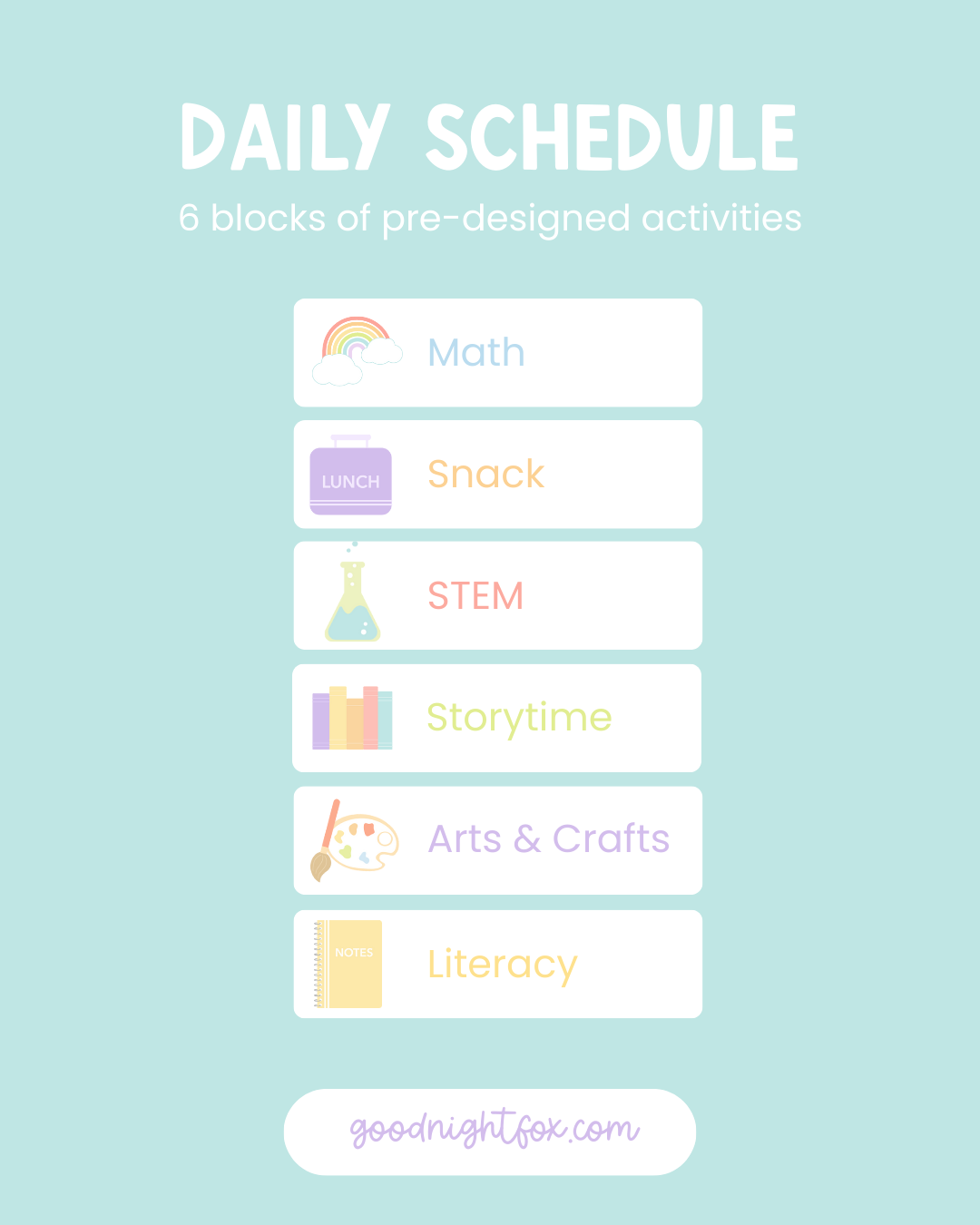
The 6-Block Daily Homeschool Rhythm (Preschool-Friendly)
This rhythm is designed specifically for ages 3–5, with short, engaging learning blocks and plenty of movement and play.
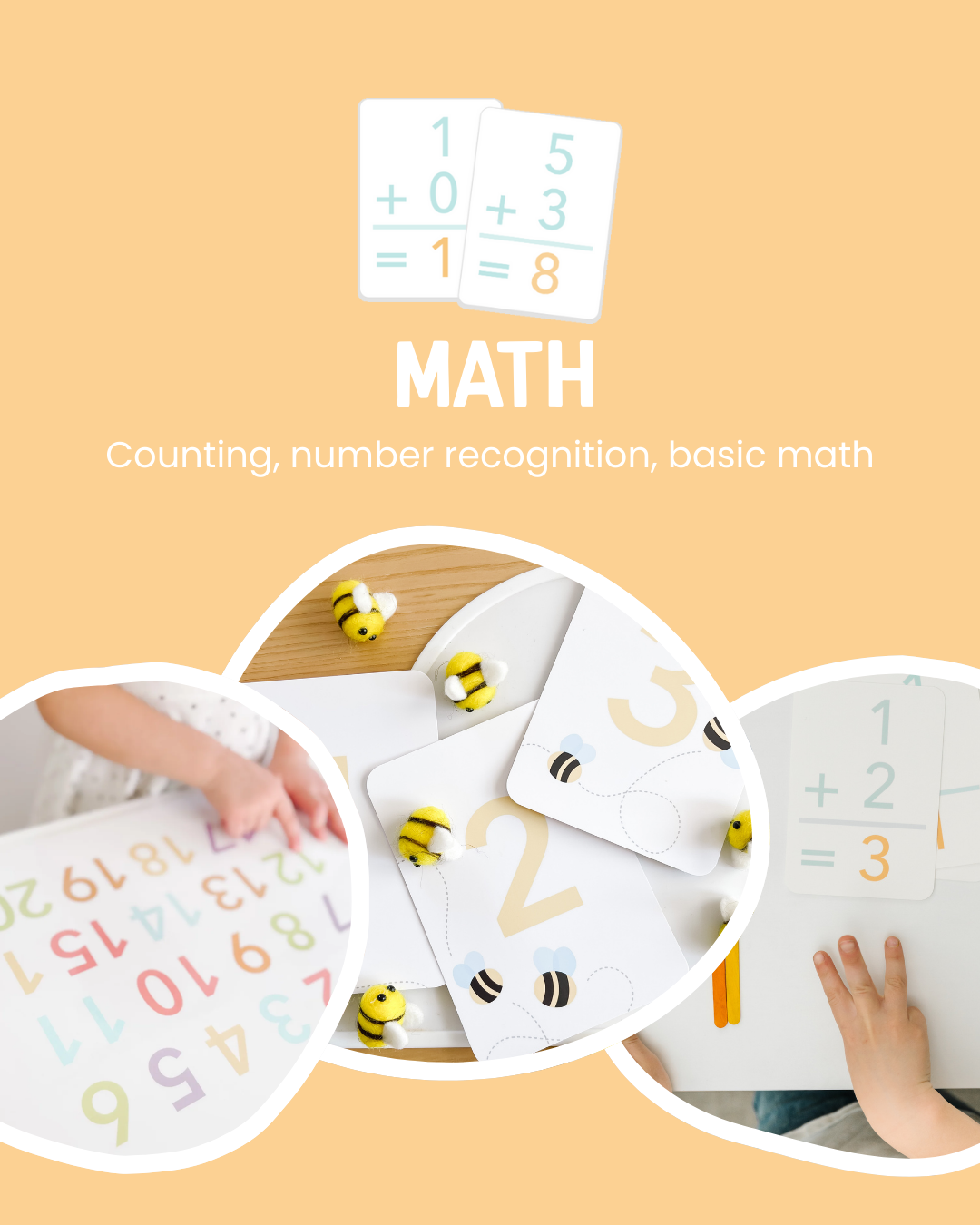
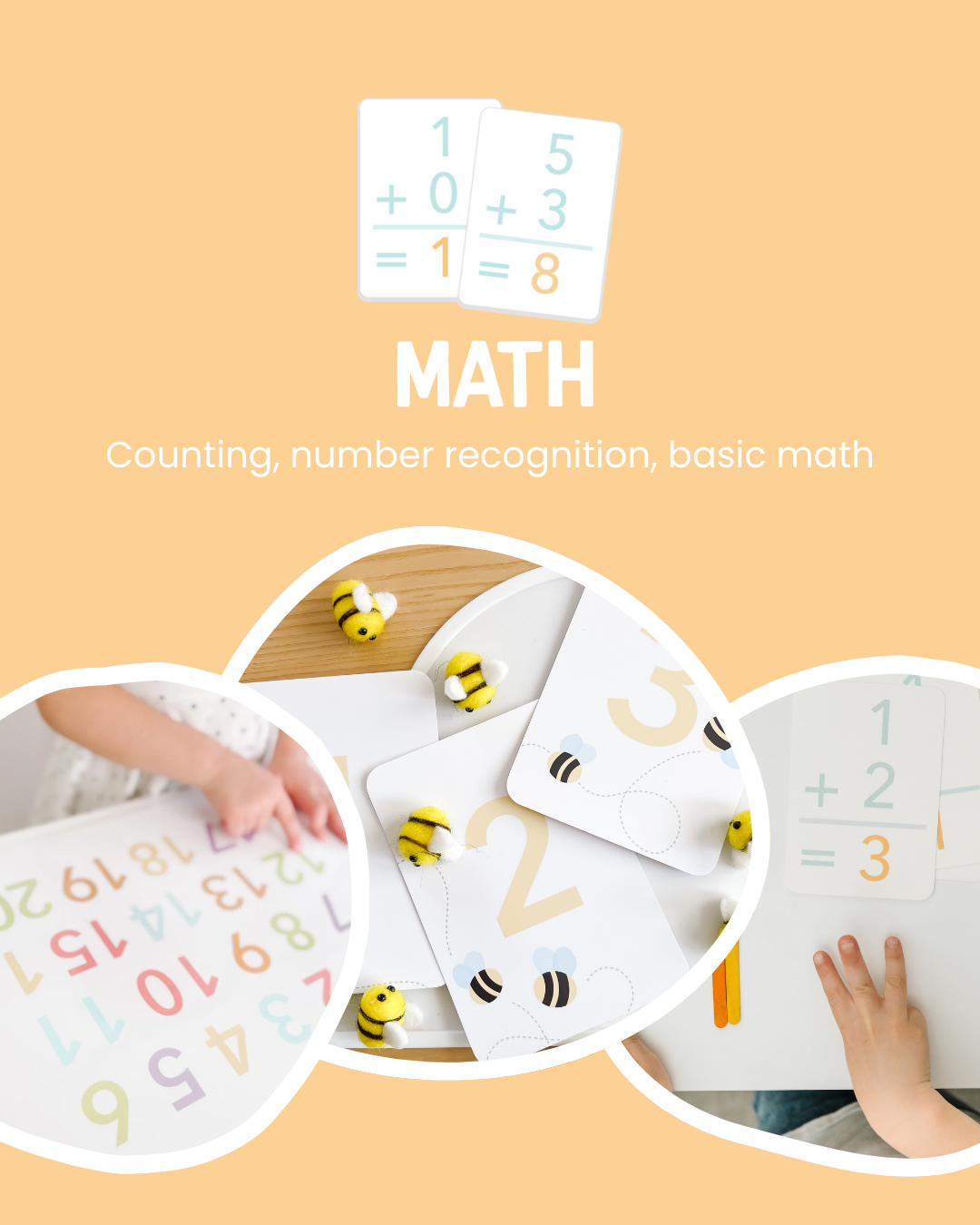
1. Morning Block (Math)
This is when attention is highest, making it the perfect time for:
Counting games
Number recognition
Simple patterns
Shape sorting
Hands-on math manipulatives
Keep it playful and short — 10–15 minutes is plenty.
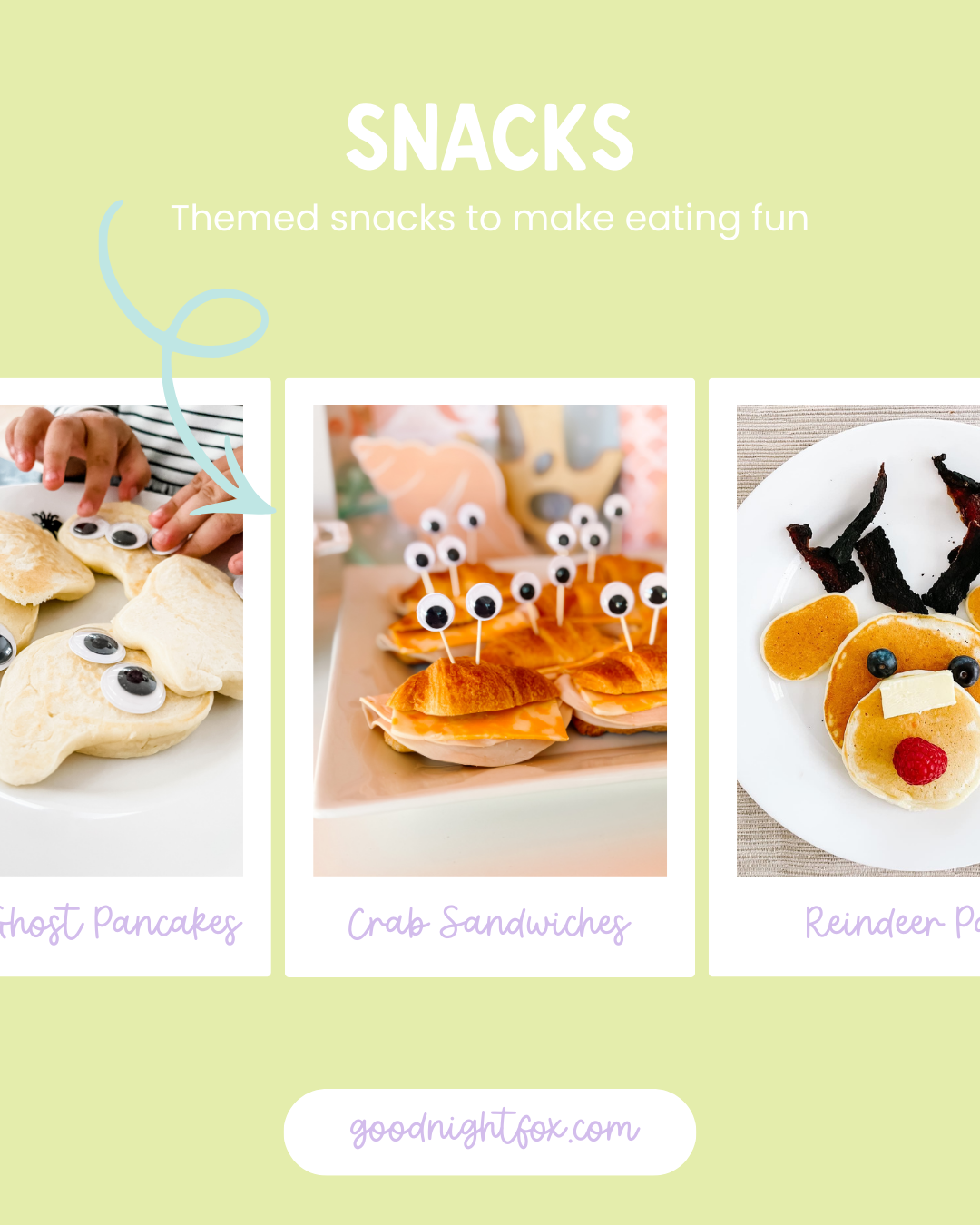
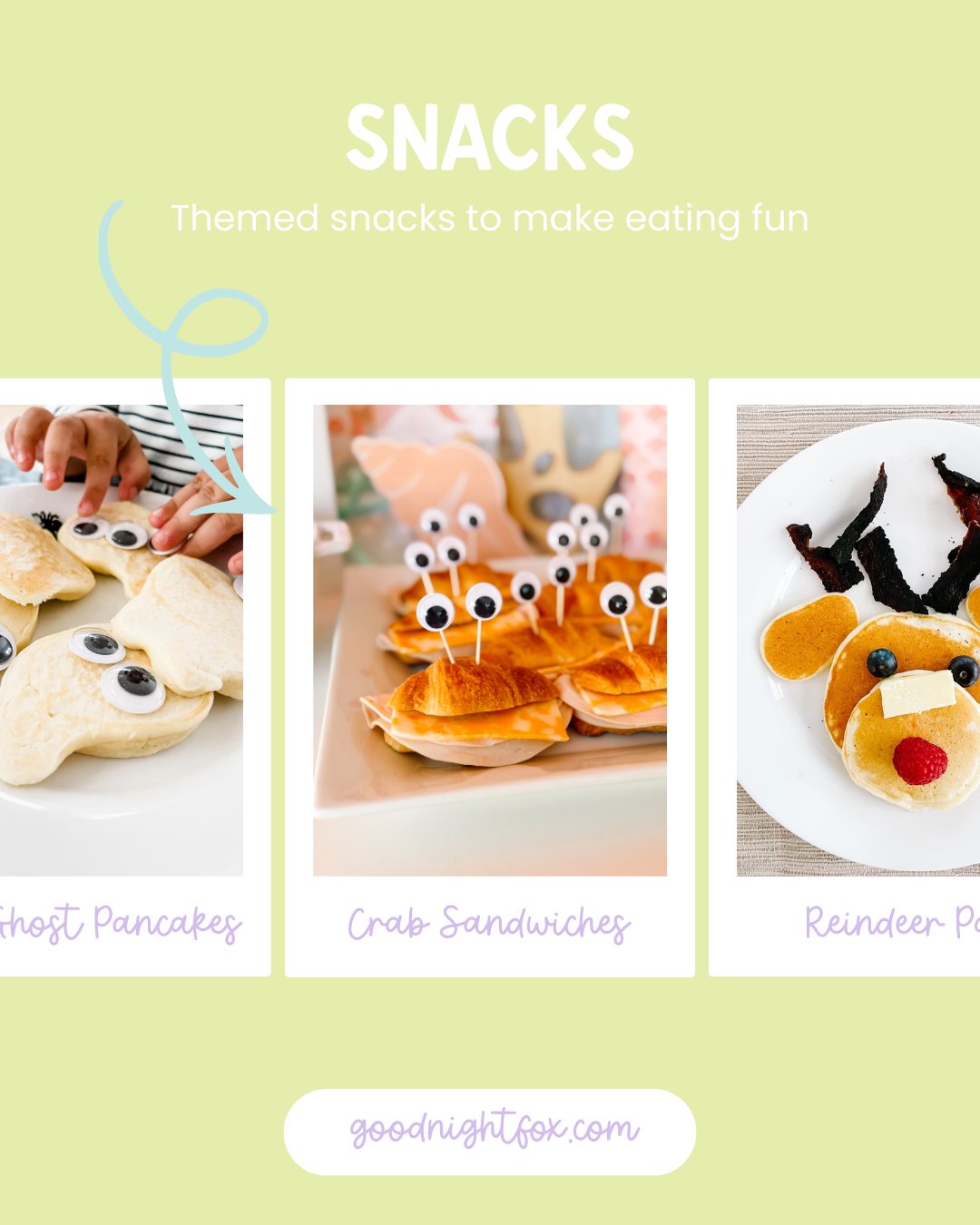
2. Snack or Meal
Snack time is learning time too!
Use this block to:
Practice independence
Talk about colors, shapes, or quantities
Encourage conversation and connection
No worksheets required — just real life.
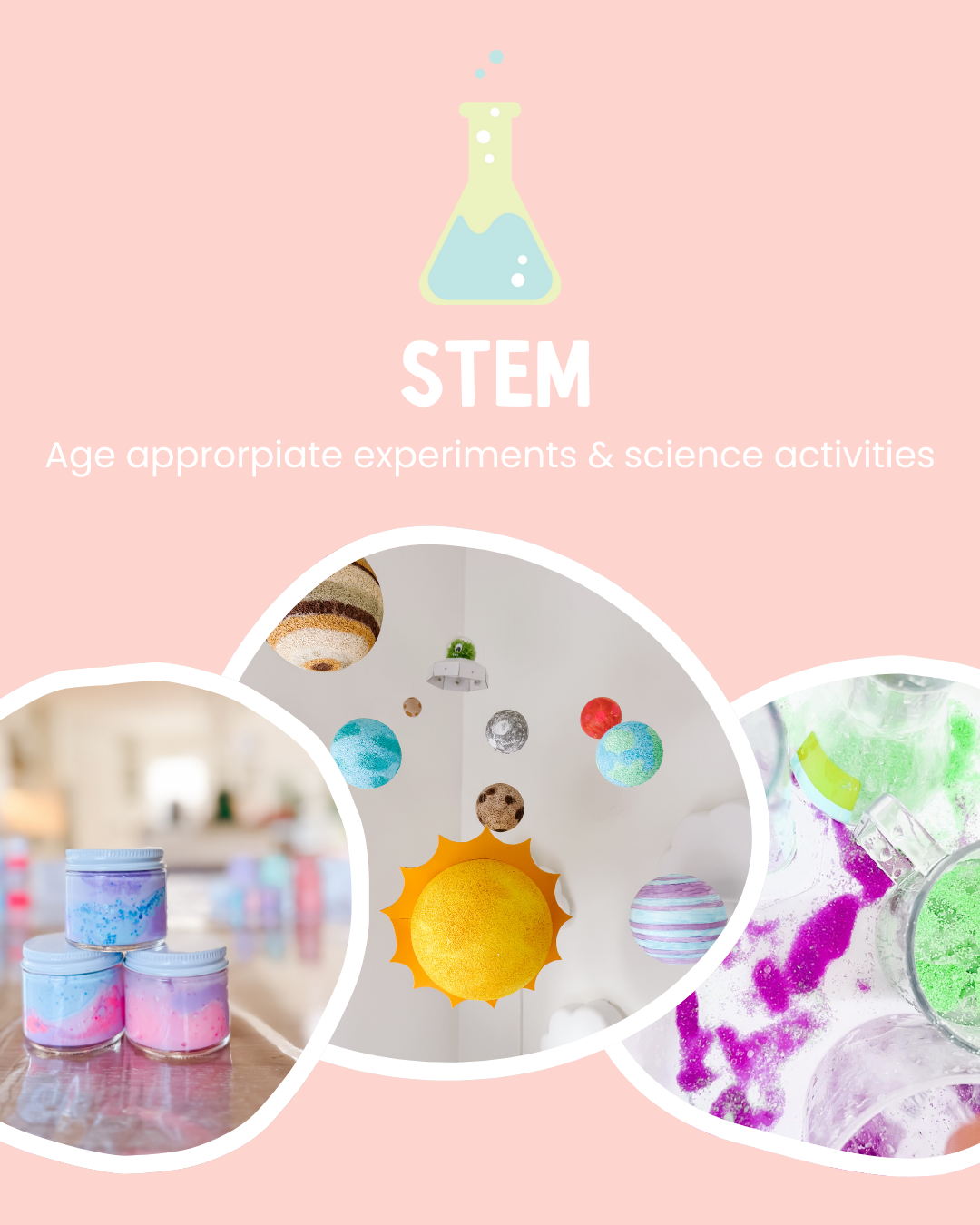
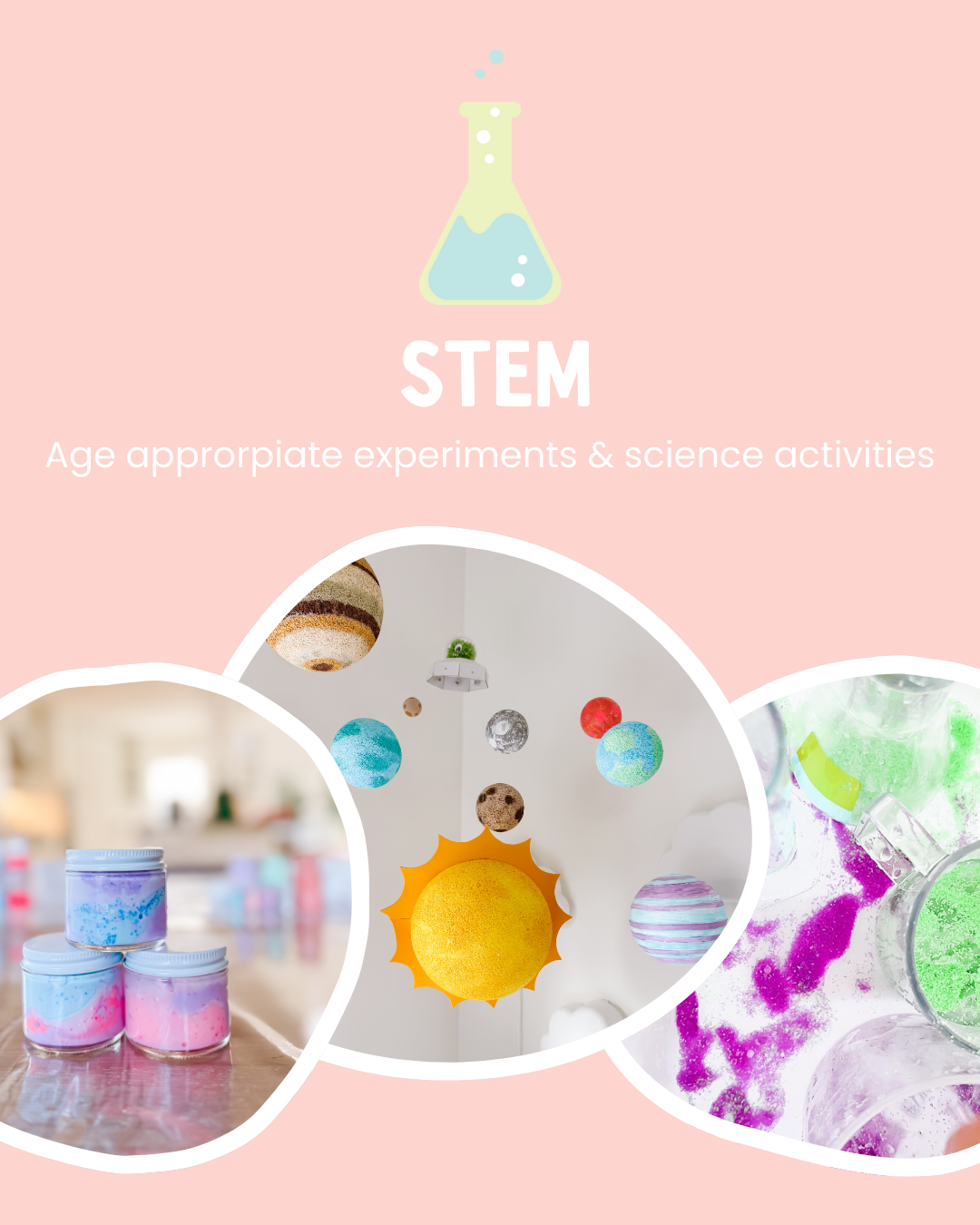
3. Midday Block (Sensory or Science)
This is the heart of play-based learning:
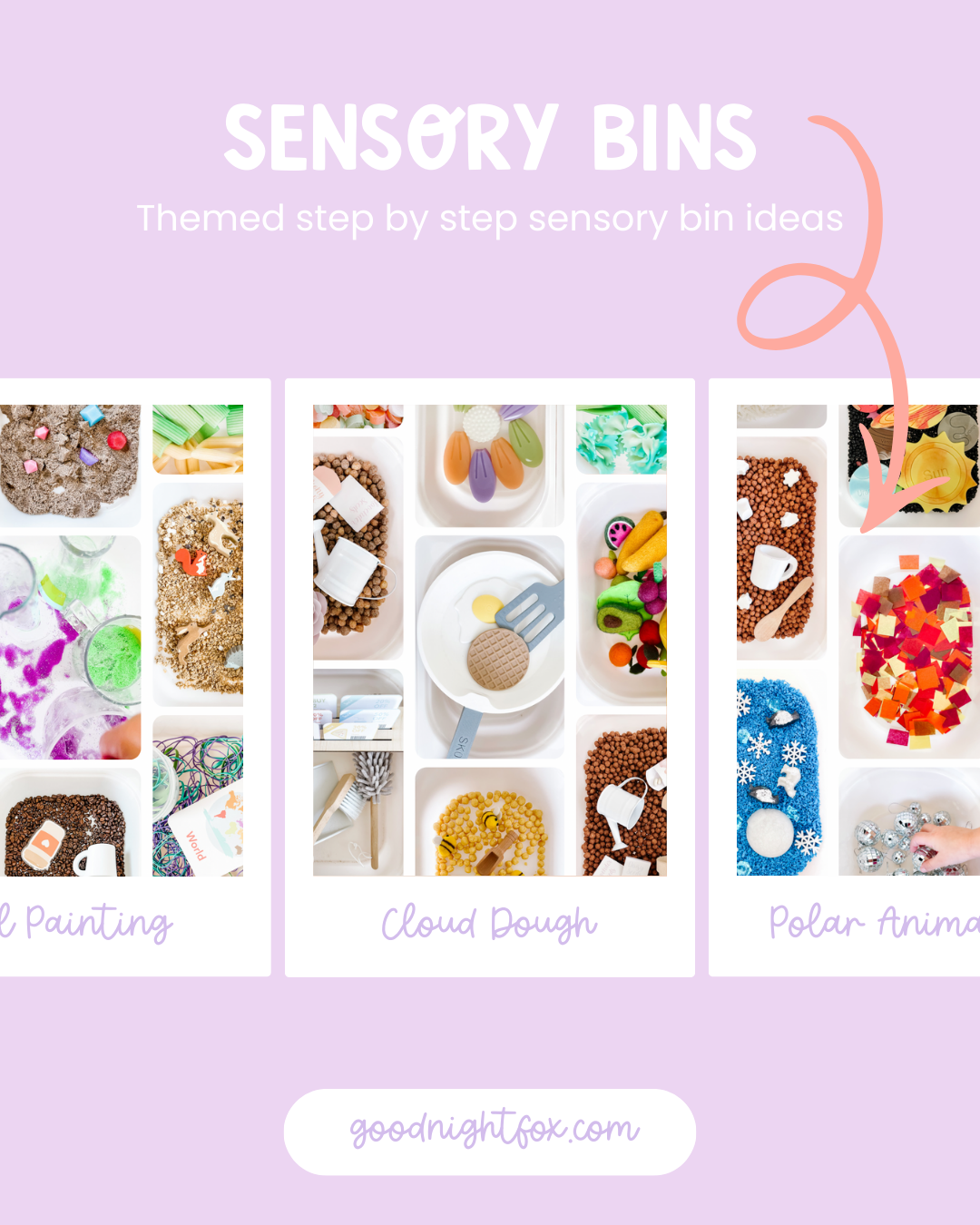
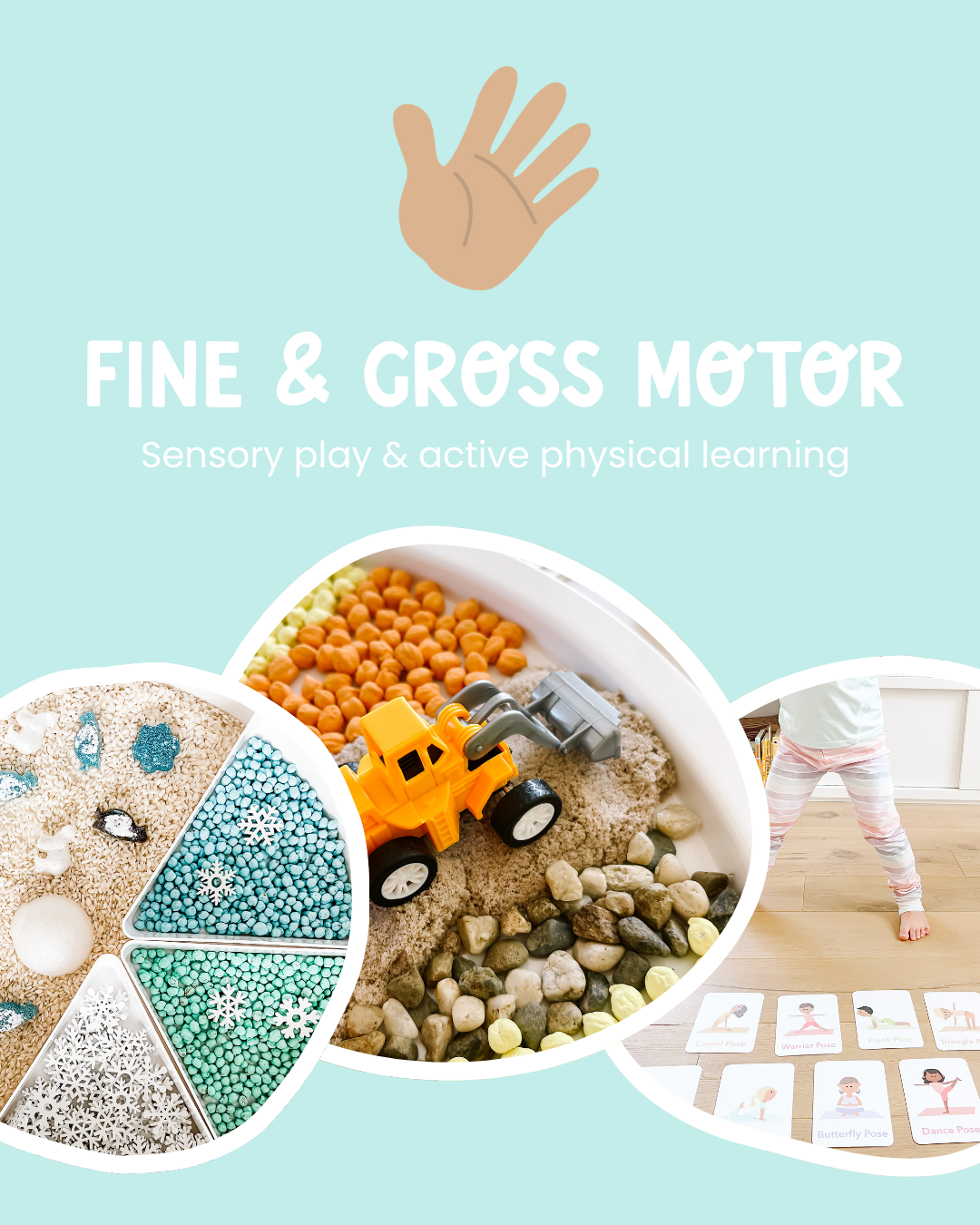
Sensory bins
Simple science experiments
Water play
Dough, rice, beans, or themed trays
Sensory play helps children regulate emotions, build focus, and engage deeply with learning.
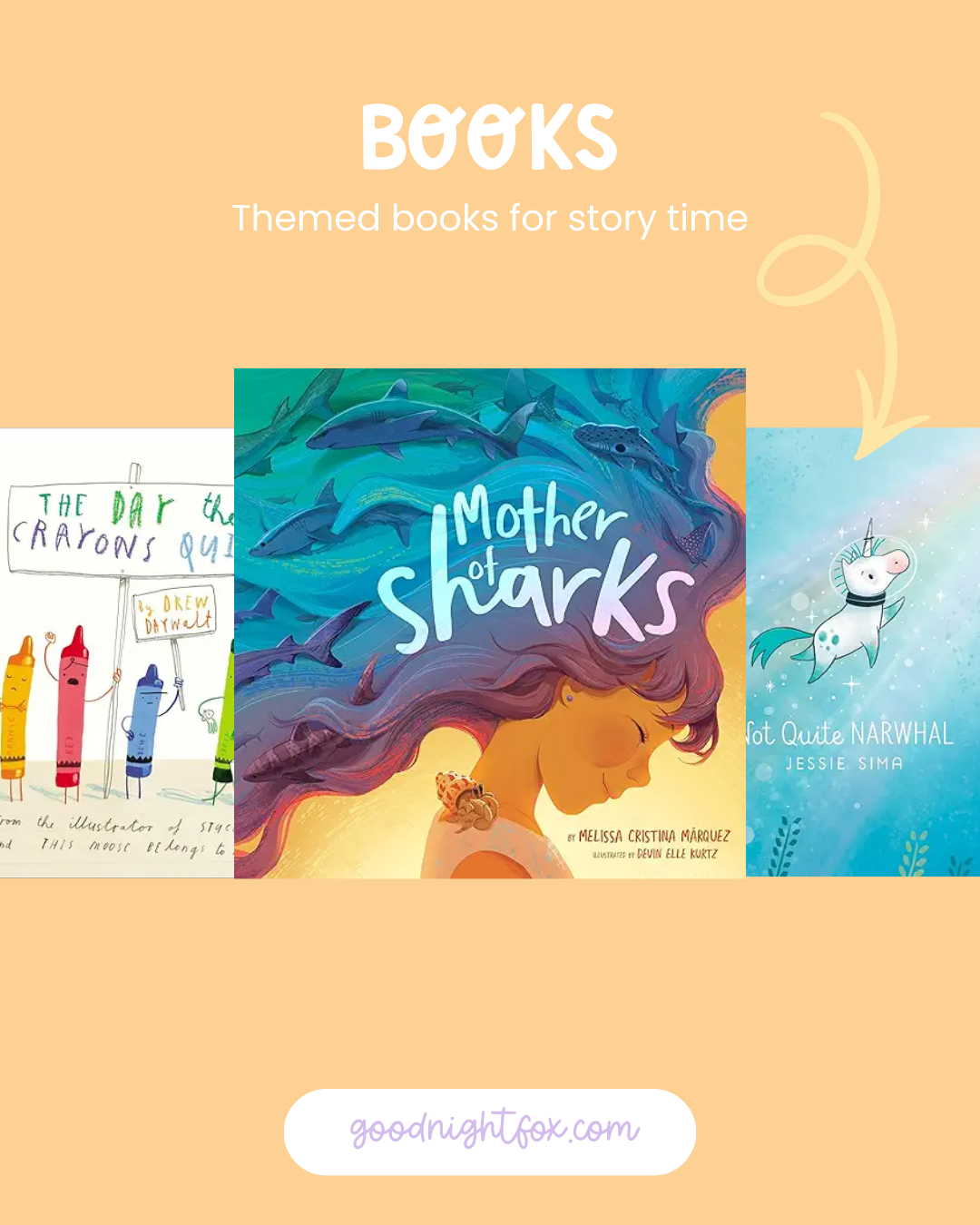
4. Storytime
Storytime resets the nervous system and builds language skills.
Read aloud
Ask simple questions
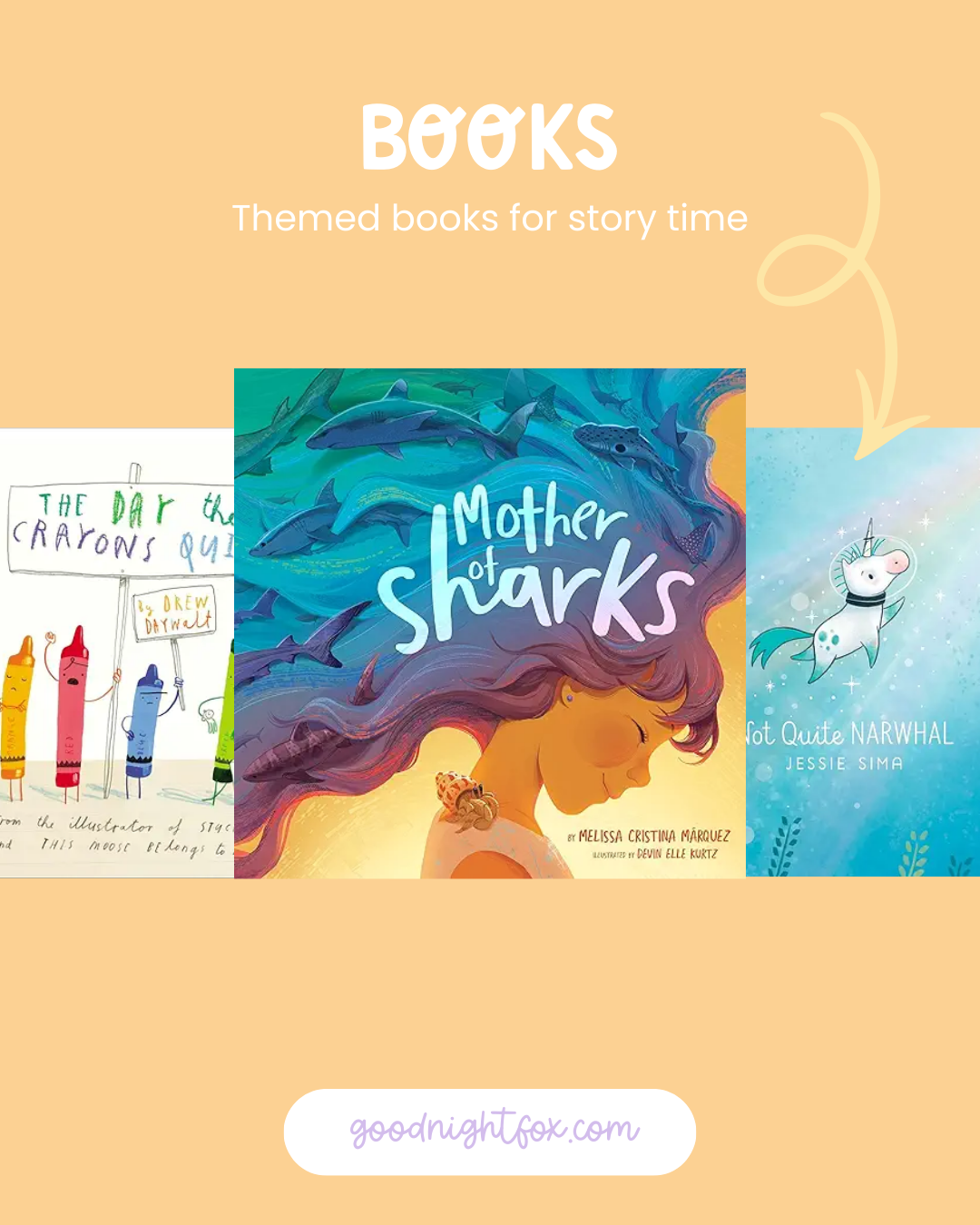
Connect stories to your weekly theme
This is also a great transition into quieter activities.
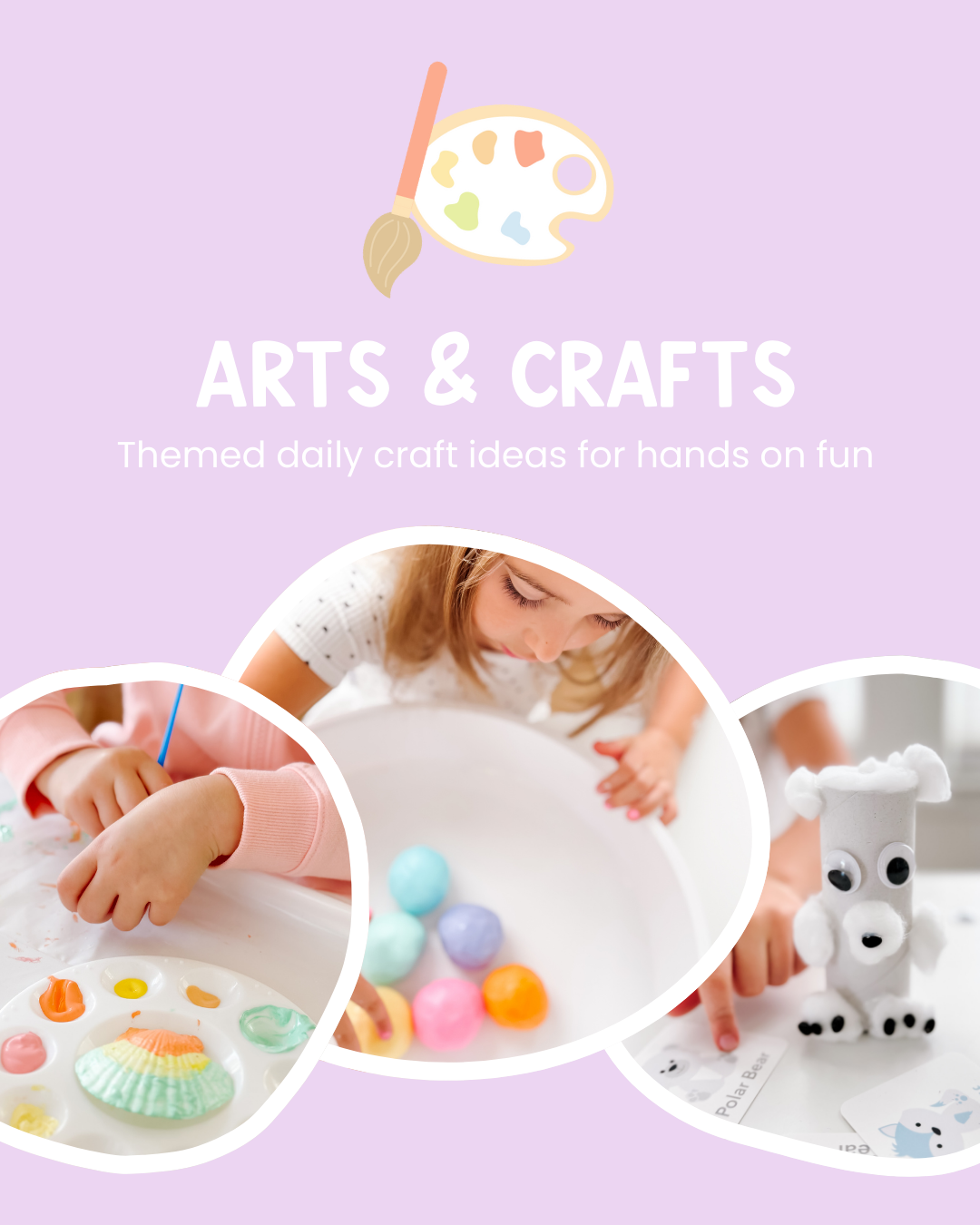
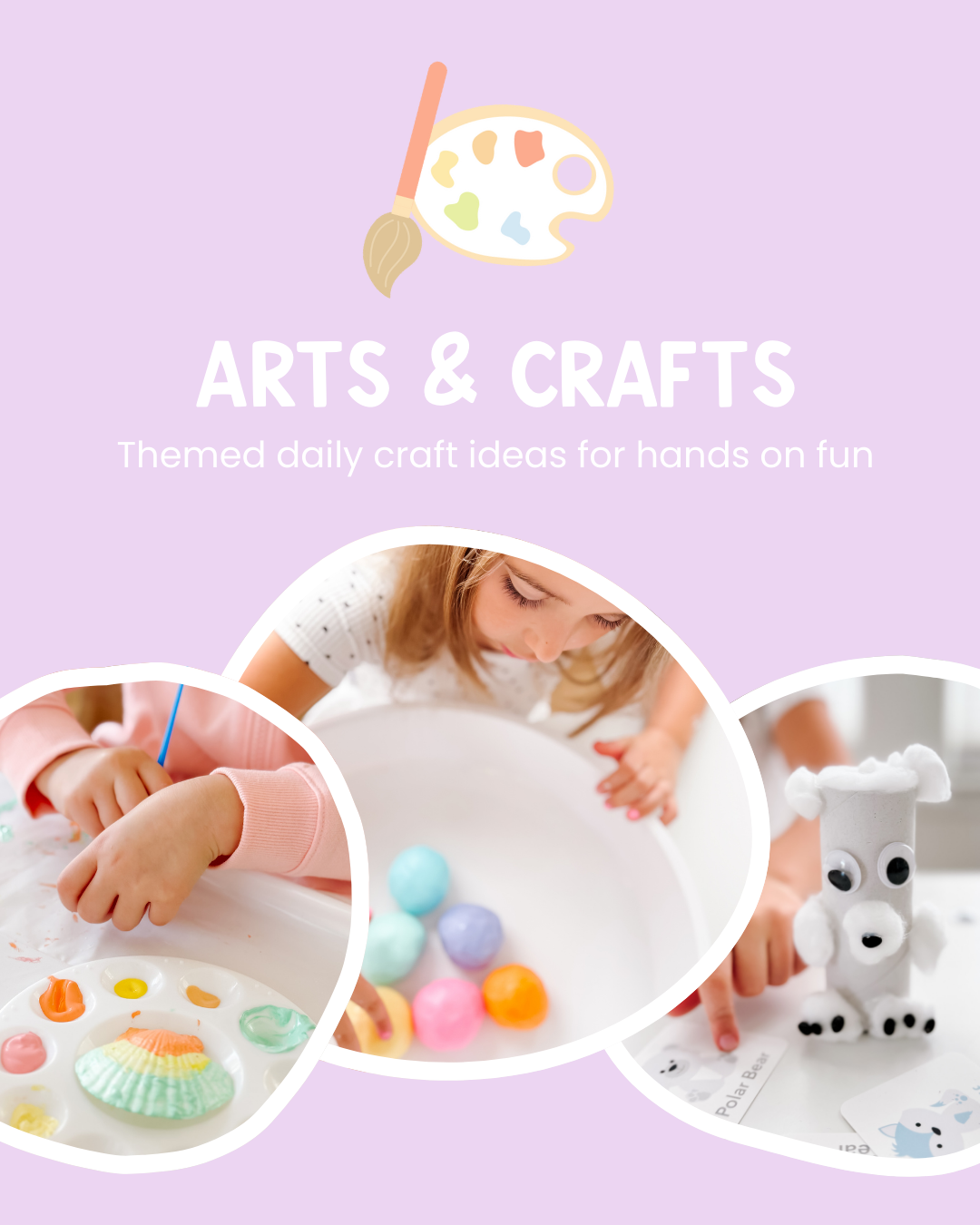
5. Afternoon Block (Arts & Crafts)
Creative time allows children to process what they’ve learned:
Painting
Cutting and gluing
Open-ended art
Themed crafts
The goal isn’t a perfect project — it’s exploration and fine motor development.
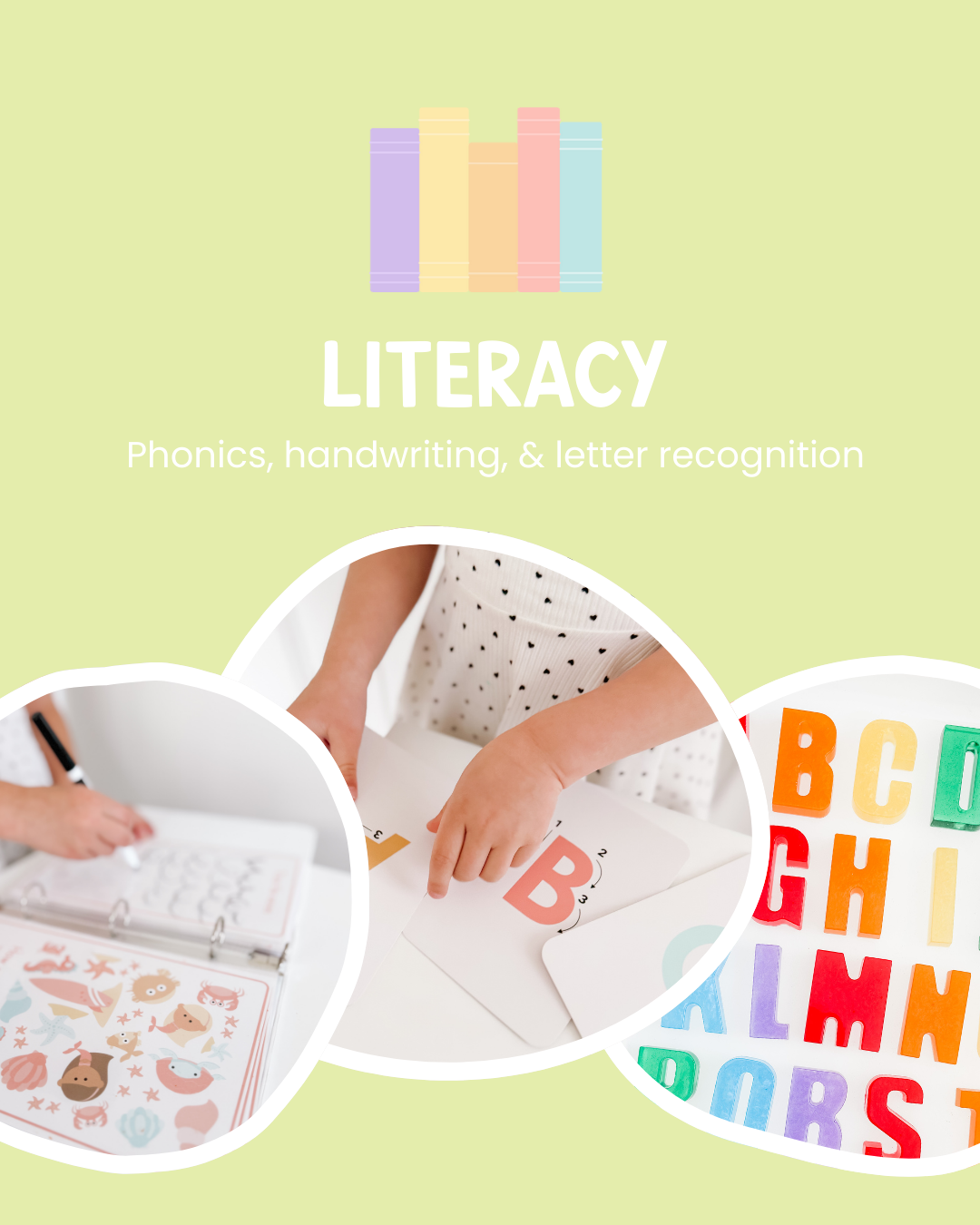
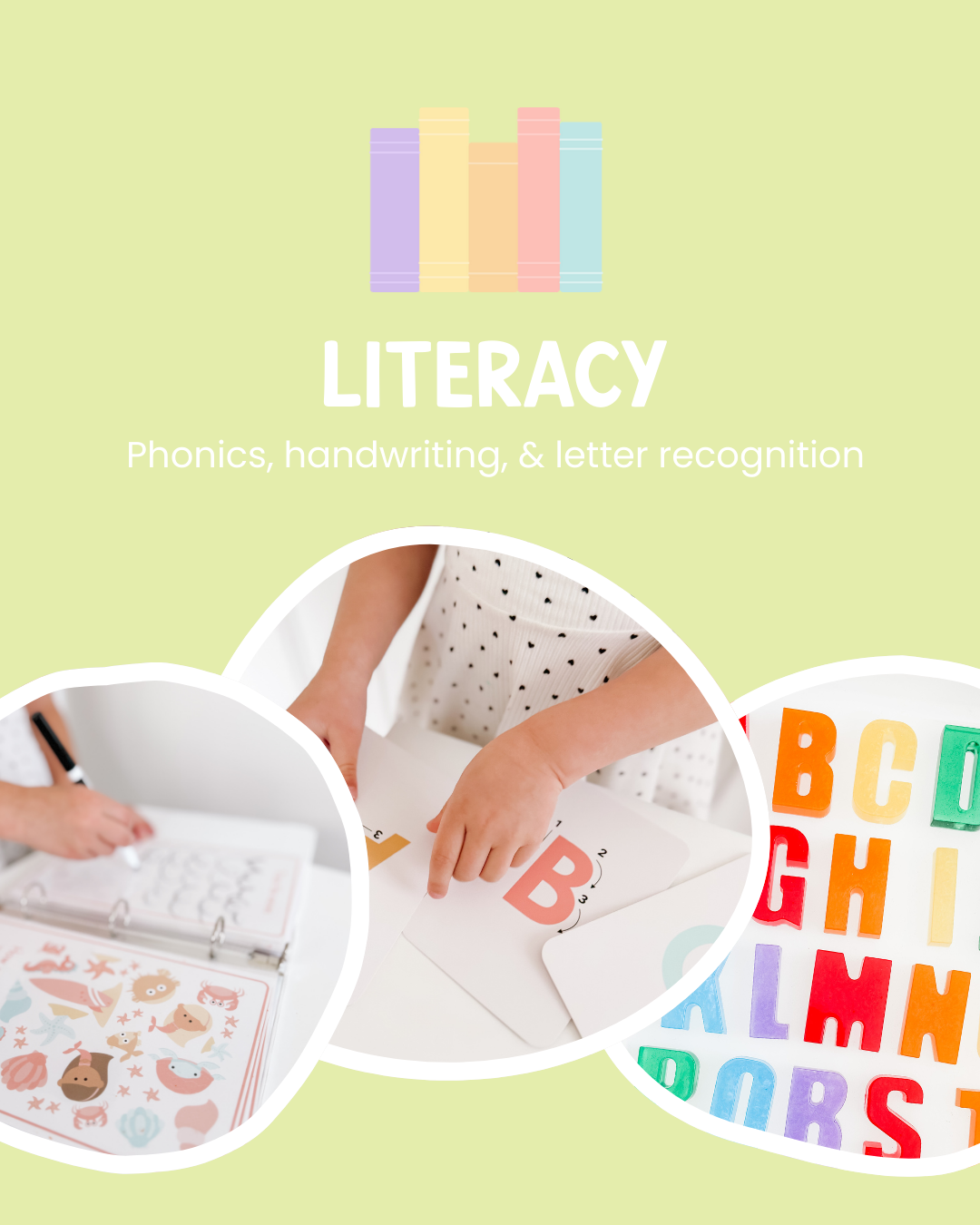
6. Late Afternoon Block (Literacy)
Save literacy for later in the day when it can be:
Low pressure
Short
Familiar
Ideas include:
Letter recognition
Phonics games
Tracing
Matching activities
Think exposure, not mastery.
Why This Rhythm Reduces Stress (for You and Your Child)
✔️ No rushing
✔️ No guilt if something gets skipped
✔️ Built-in flexibility
✔️ Predictable flow for kids
✔️ Easy to repeat daily
Children thrive when they know what comes next — even if the activities change.
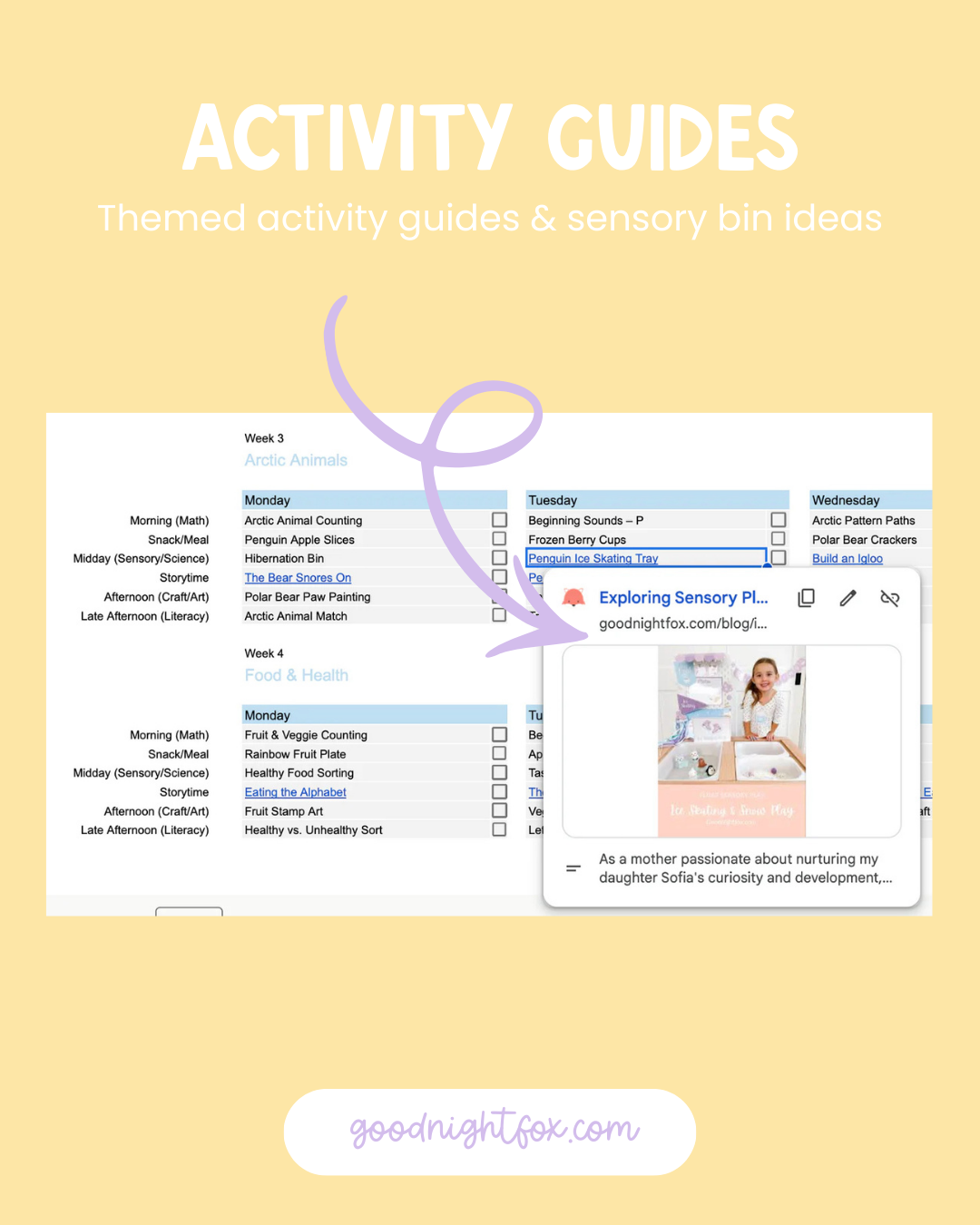
Editable daily homeschool planner sheet designed for preschool and pre-K homeschooling. This page allows parents to customize activities while still following a predictable daily rhythm. Includes space for math, snack time, sensory or science activities, storytime, crafts, and literacy. Designed to reduce overwhelm and help families build a calm, consistent homeschool routine.
How Themes Make This Even Easier
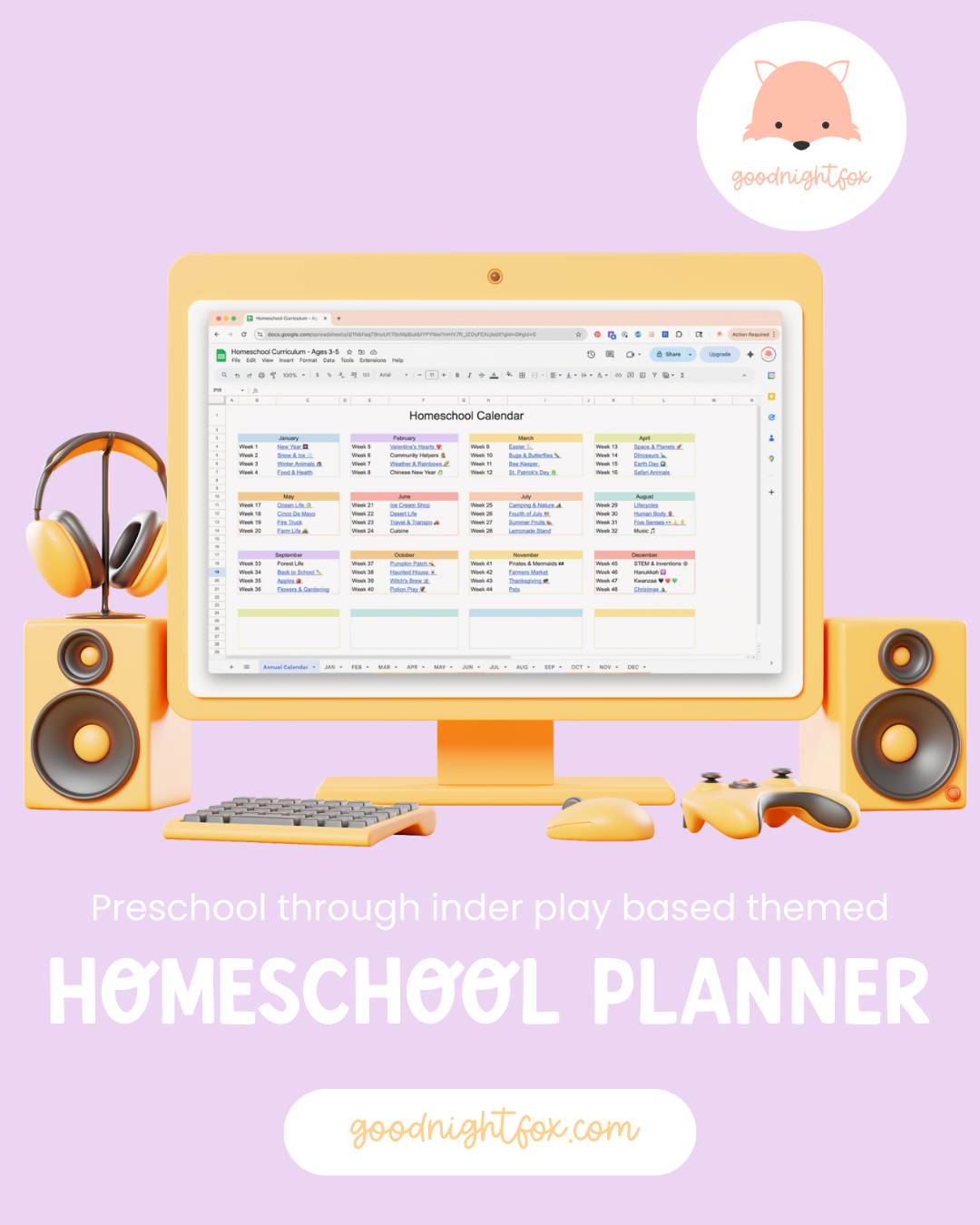
When you pair your rhythm with weekly themes, planning becomes almost effortless.
For example:
One theme per week
Same daily rhythm
Different activities within each block
This is exactly why I designed my Preschool Homeschool Planner — to take the guesswork out of planning while still leaving room for creativity and play.
The Biggest Mistake Parents Make with Homeschooling
Trying to do too much.
Preschool learning happens through:
Repetition
Play
Conversation
Exploration
If your child is engaged, curious, and connected — you’re doing enough.
Want This Done for You?
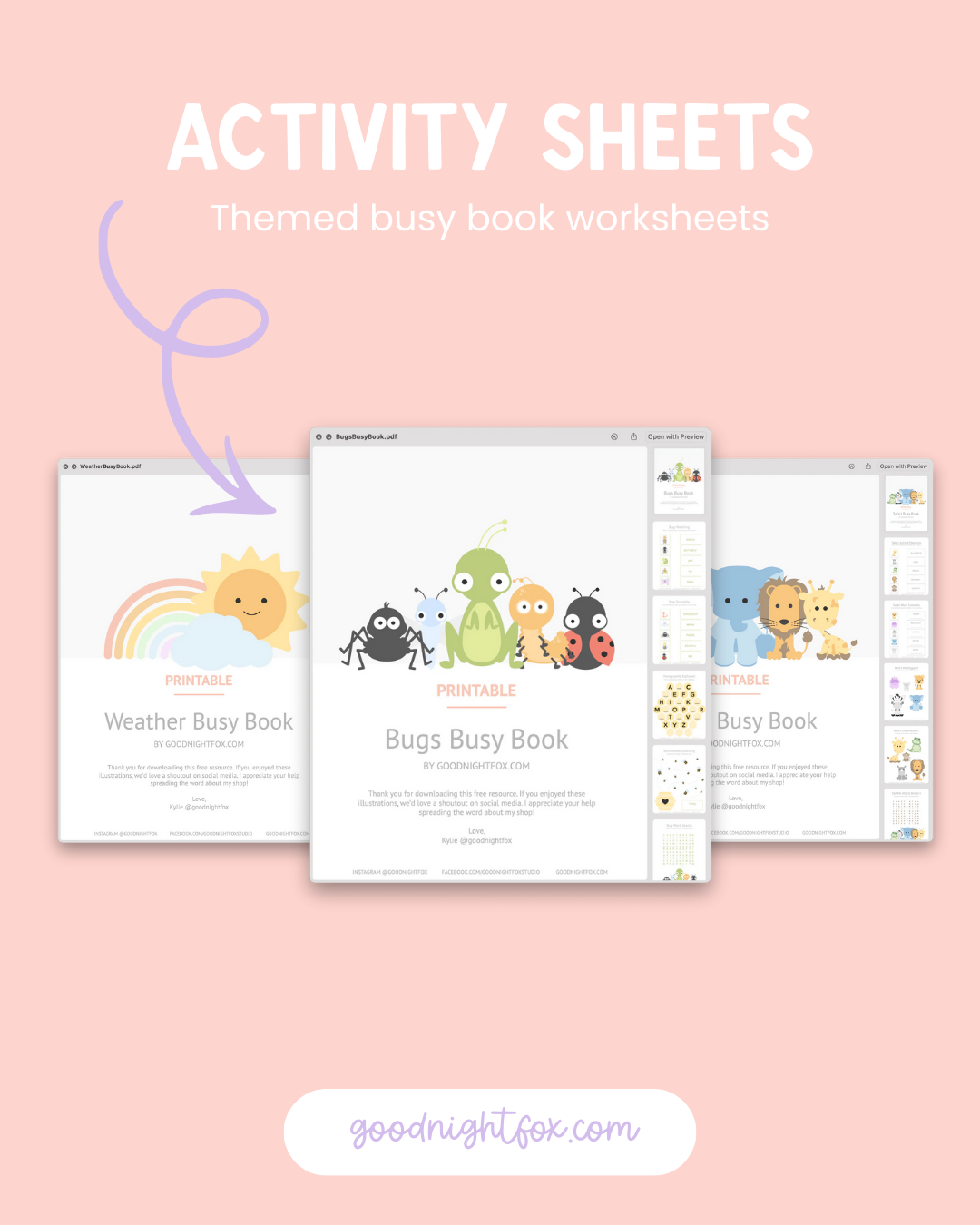
My Preschool Homeschool Planner (Ages 3–5) is built around this exact rhythm:
Daily 6-block schedule
Weekly themed plans
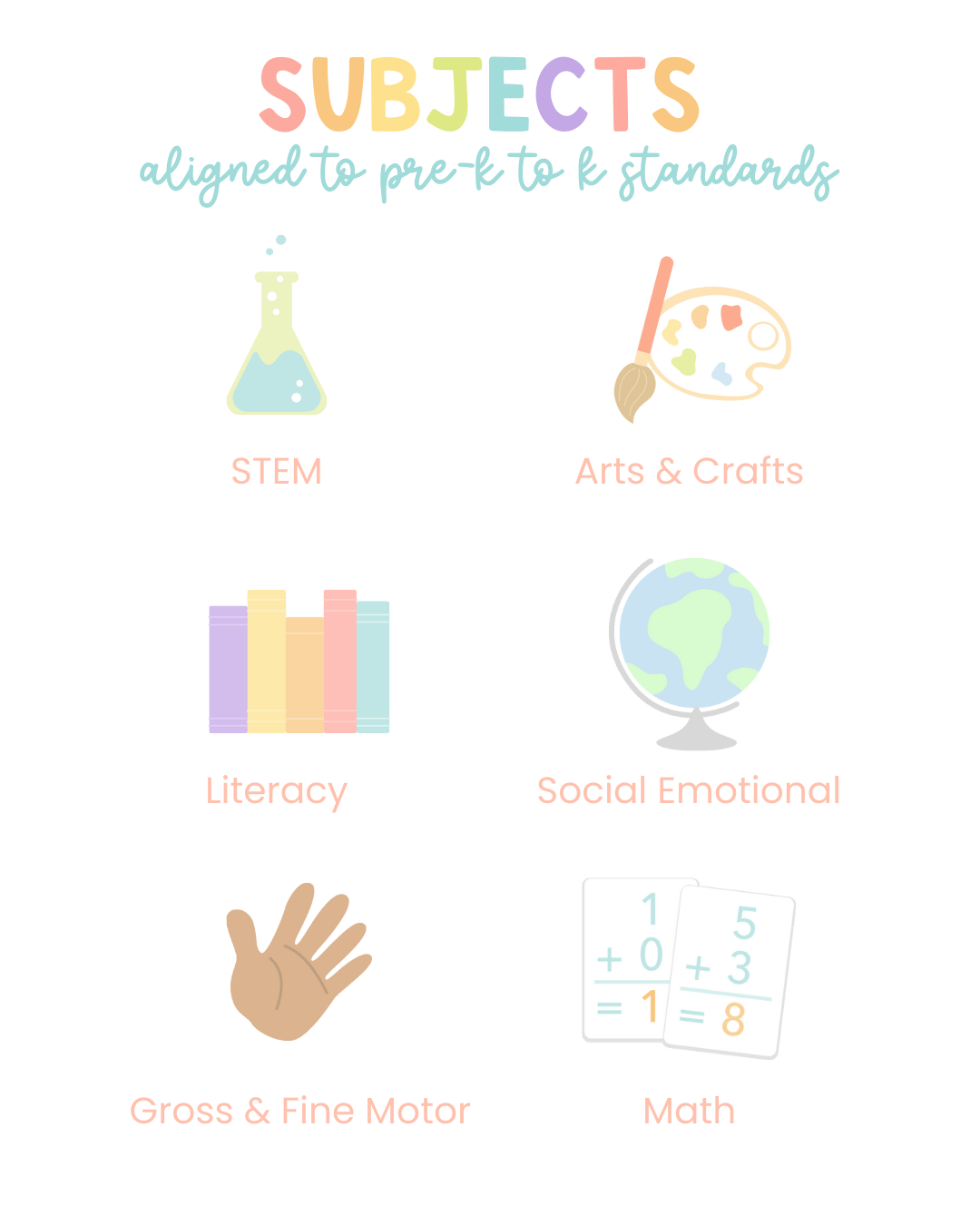
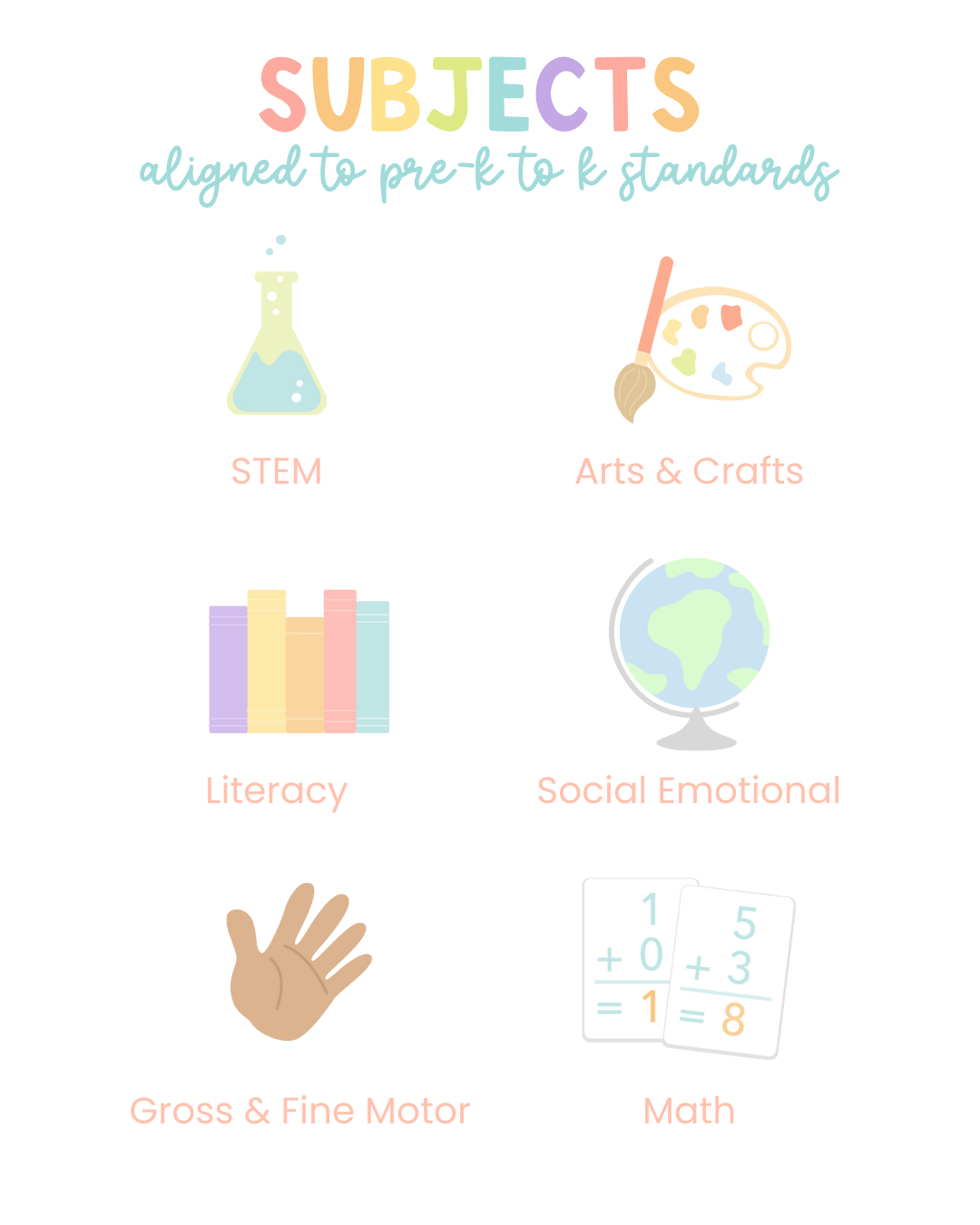
Literacy, math, sensory, STEM, art & more
Organized in Google Sheets for easy use
It’s designed to be:
Simple
Flexible
Play-based
Stress-free
✨ Perfect for parents who want structure without overwhelm.
Final Reminder
You don’t need a perfect homeschool day.
You need a rhythm that supports your child, your home, and your energy.
Start simple. Stay flexible. And trust that learning is happening — even on the messy days 🤍