
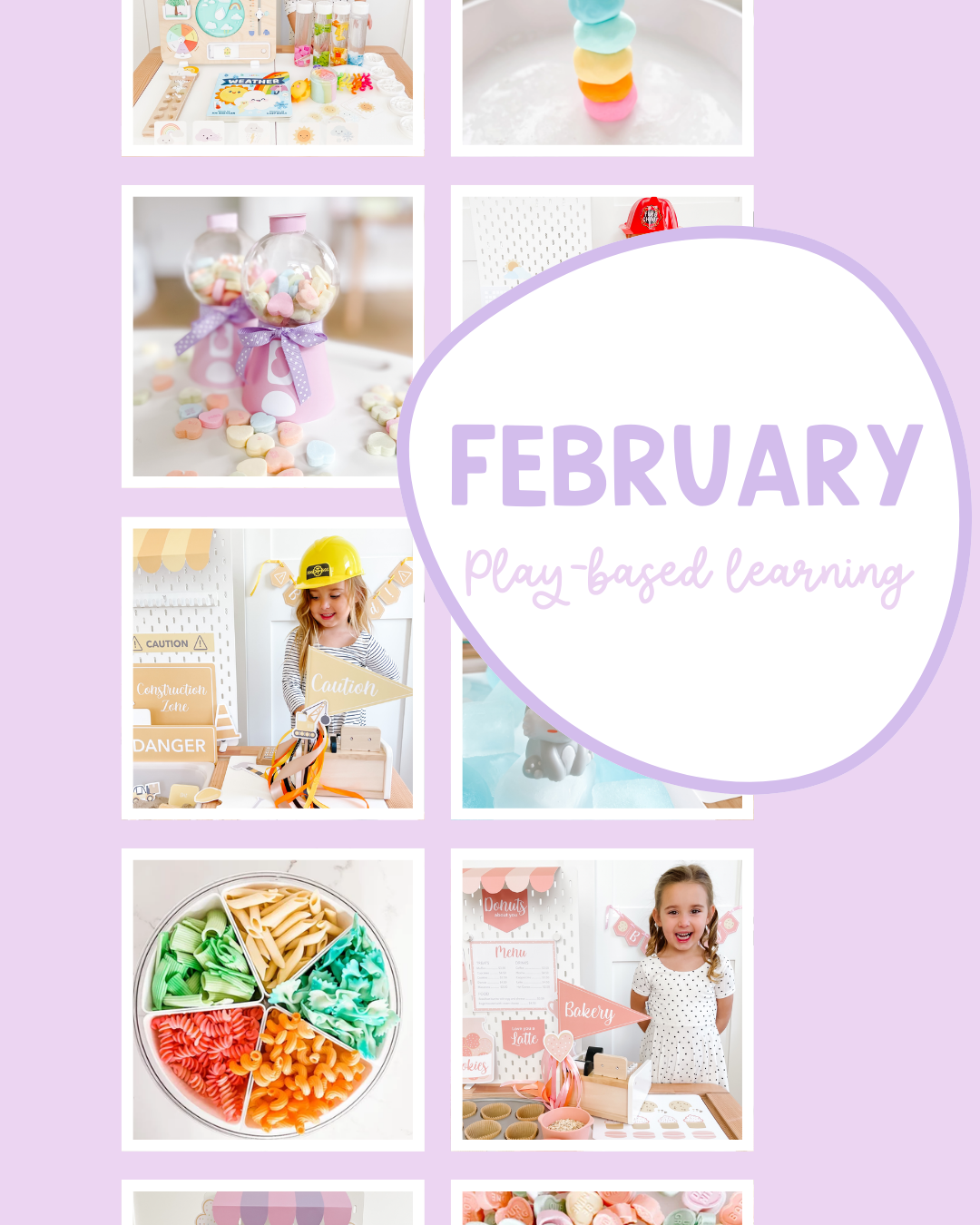
February is a month filled with connection, creativity, and curiosity. With themes like love and kindness, community helpers, weather and rainbows, and cultural celebrations, it’s an ideal time to lean into play-based learning that blends sensory play, arts and crafts, early literacy, math, and pretend play.
This February guide pulls together weekly play-based learning themes, inspired directly by our homeschool planner, to help parents and caregivers create meaningful learning moments without overplanning.

Free Starter Activity Pack
Join thousands of parents who get printable activities, sensory play ideas, and play-based learning inspiration delivered to their inbox. Start with a free printable starter activity pack you can use today.
Download the Starter Activity PackWhat We’re Learning in February
This month’s play-based learning focuses on:
Social-emotional learning and kindness
Early math and literacy through hands-on play
Dramatic play and real-world connections
Weather exploration and pattern recognition
Cultural awareness and celebration
Best for: toddlers (1–3) and preschoolers (3–5)
Prep level: low to moderate
Style: indoor-friendly, flexible, and routine-based
February Play Themes
Week One: Love & Valentine’s
Week Two: Community Helpers
Week Three: Weather & Rainbows
Week Four: Lunar New Year
Weekly February Play-Based Learning Themes
Week 5: Valentine’s Day & Love
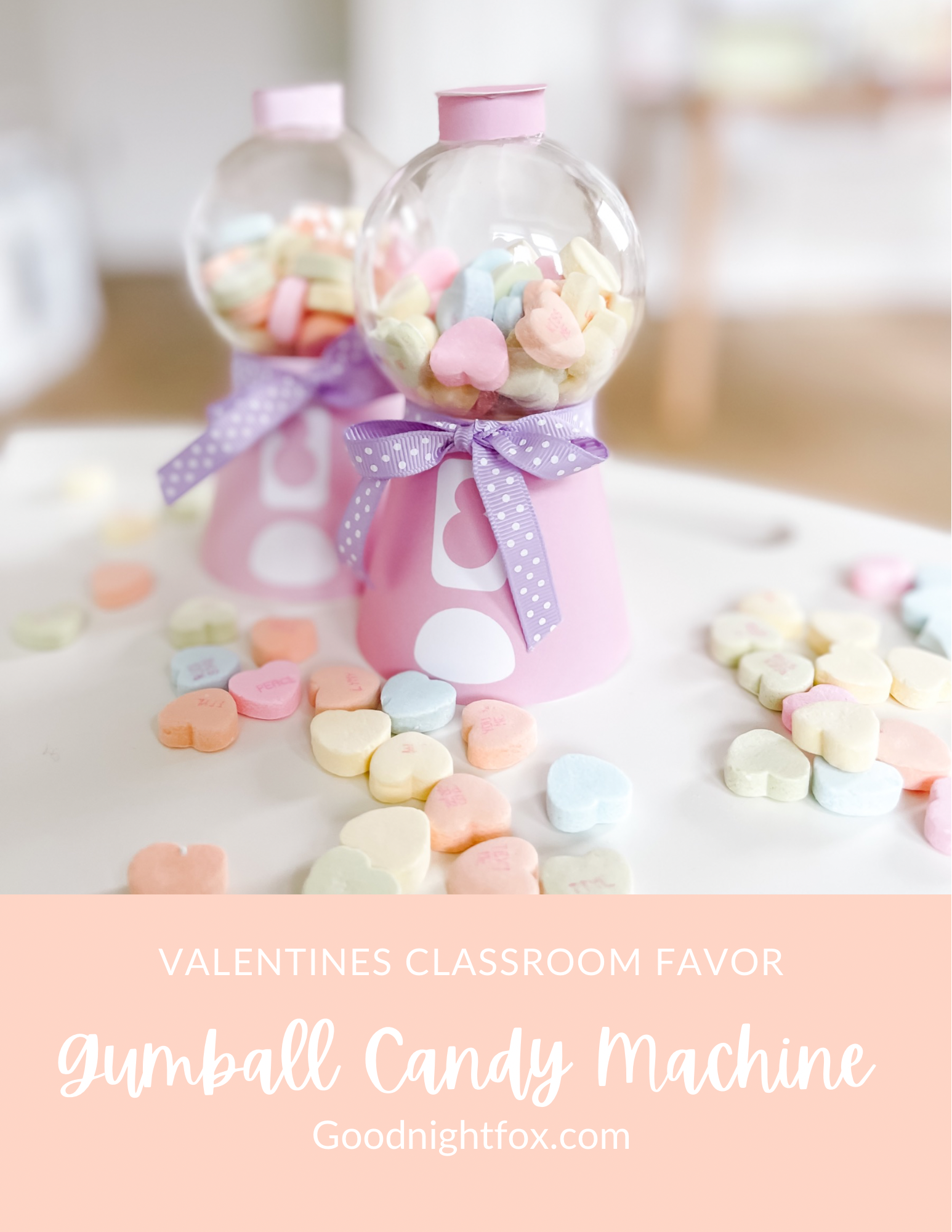
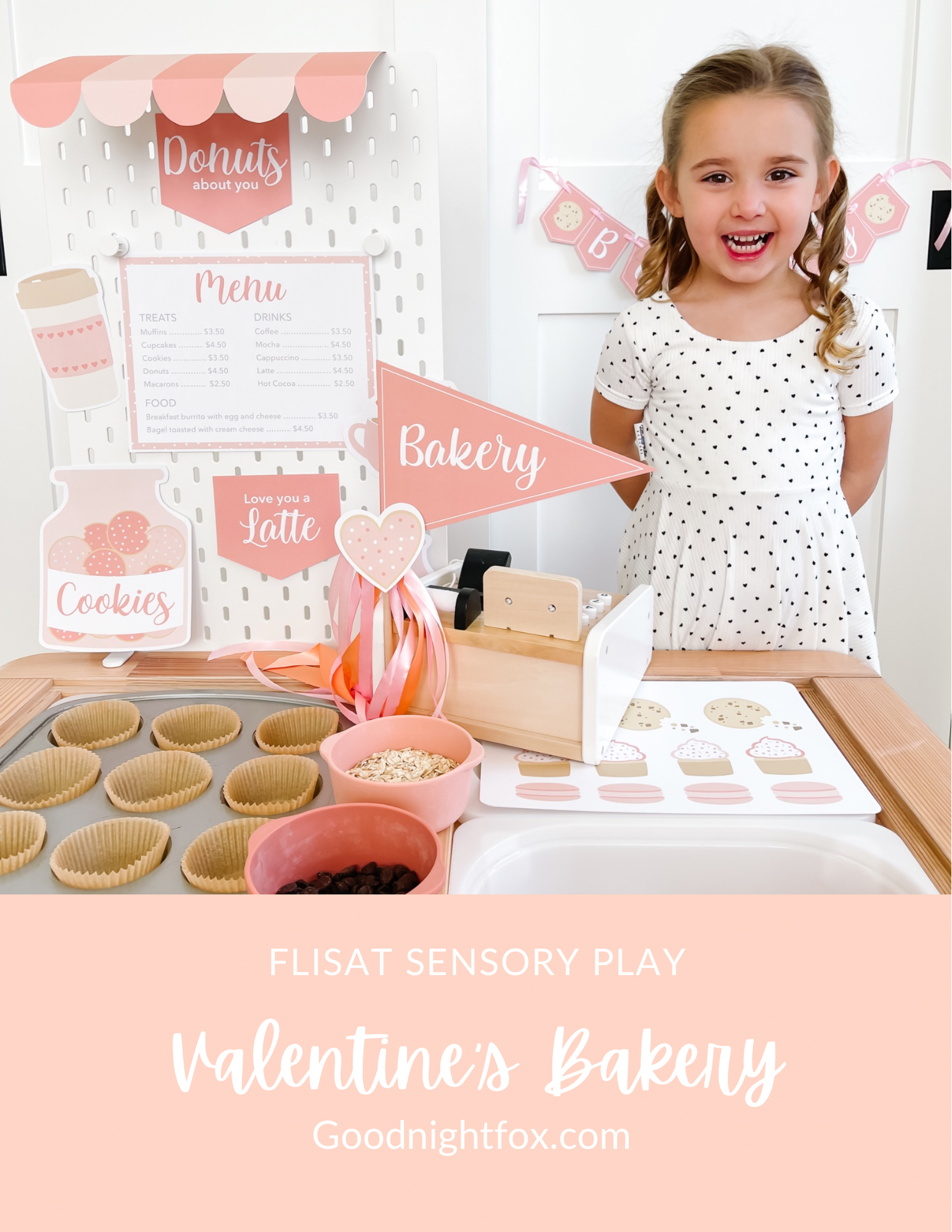
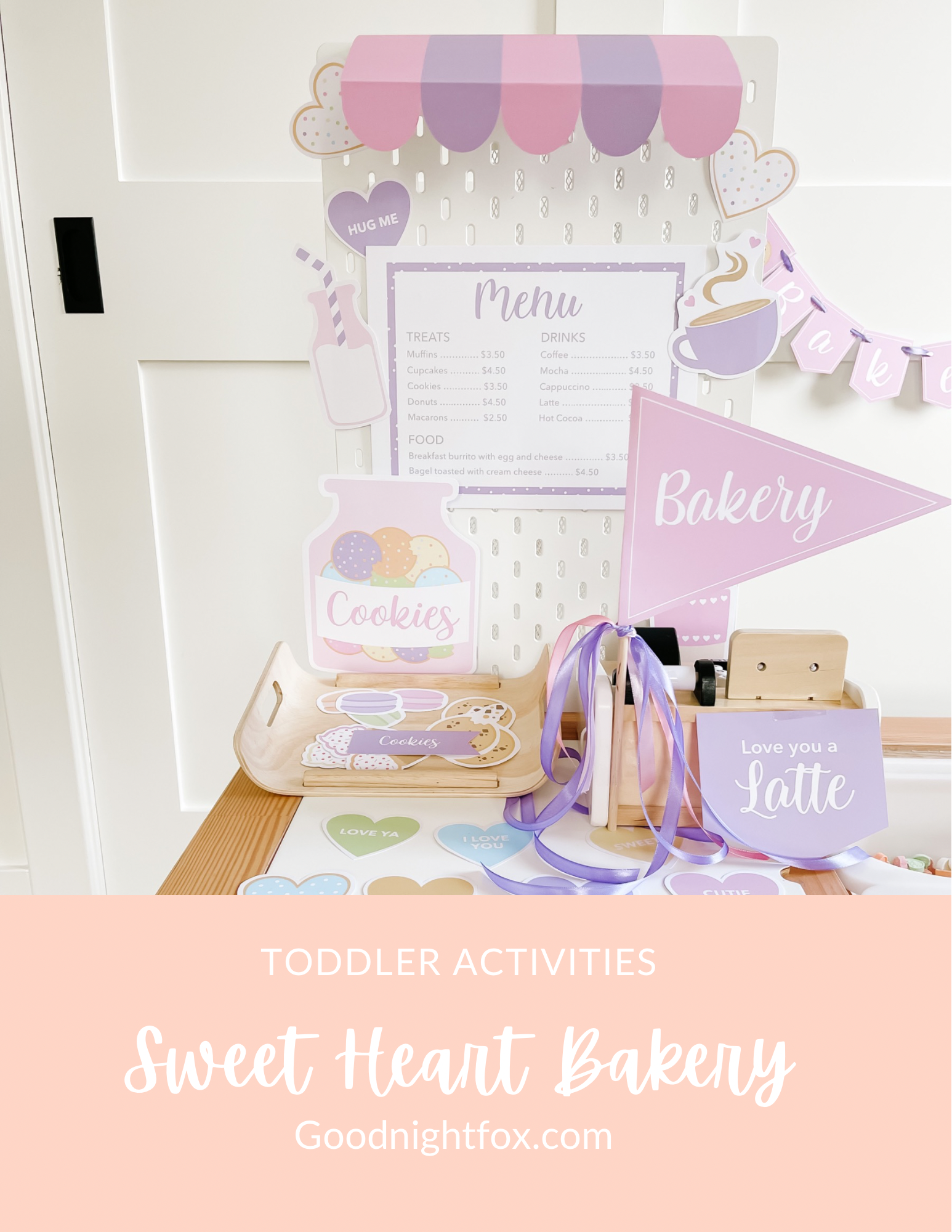
This week centers on love, friendship, and emotional awareness, using hearts, colors, and connection as playful learning tools.
Play-Based Activities
Heart counting and numbered heart matching
Patterned hearts and color sorting
Valentine-themed vocabulary play
Beginning sounds with heart visuals
Arts & Crafts
Heart stamping and thumbprint heart art
Marbled heart painting
Tissue paper hearts
Storytime Pairings
Skill Focus
Counting and number recognition
Color words
Emotional vocabulary
Fine motor control
Related Content
Week 6: Community Helpers
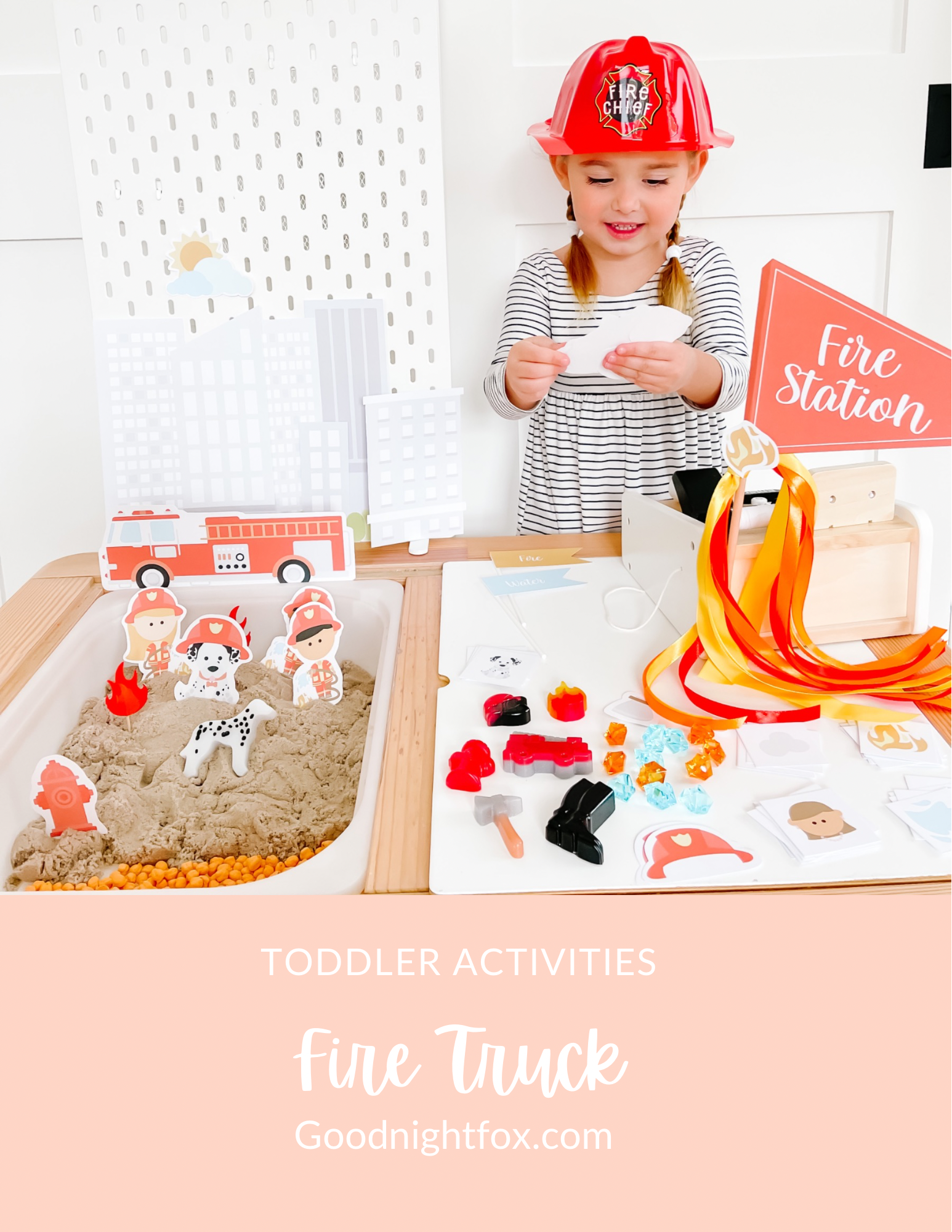
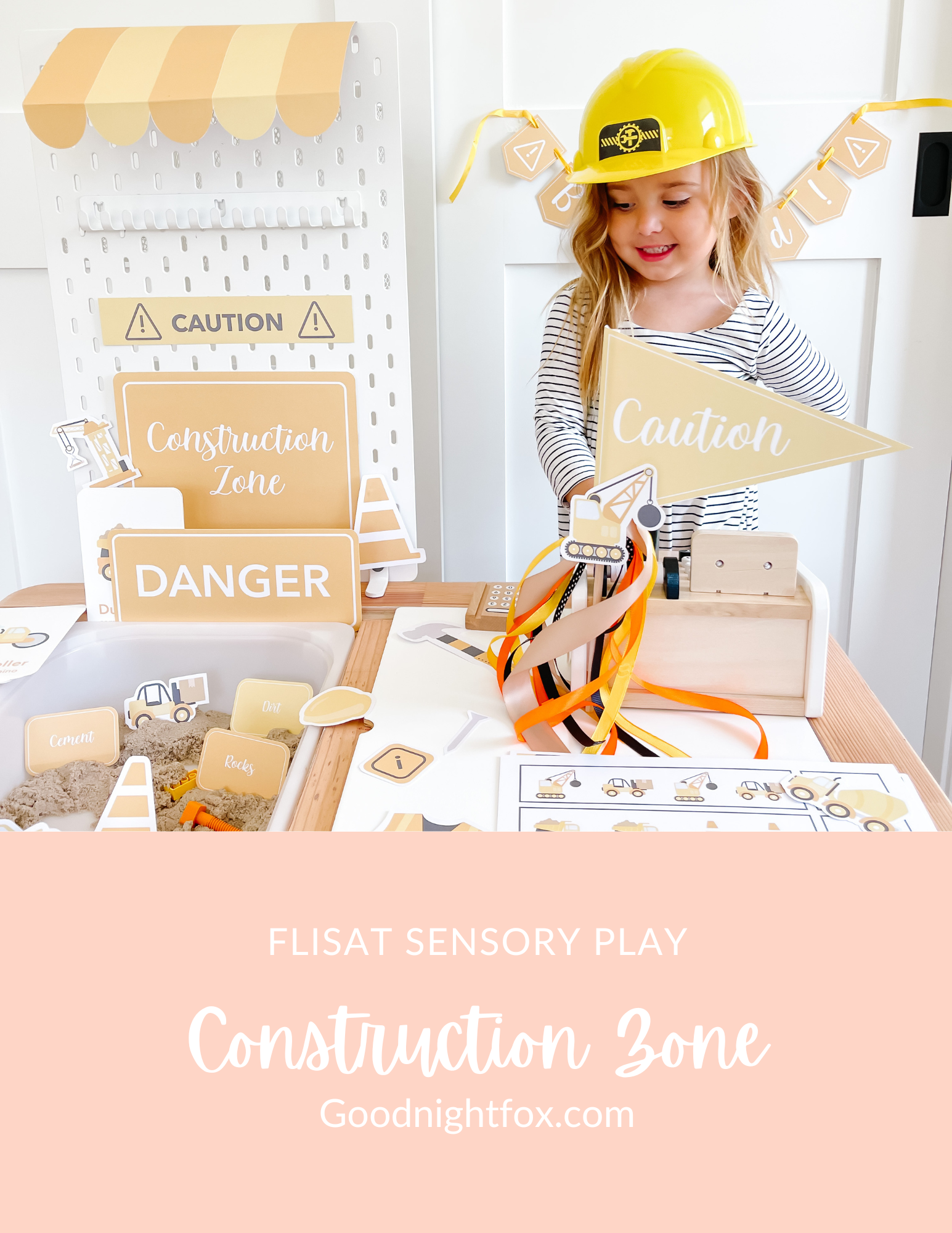
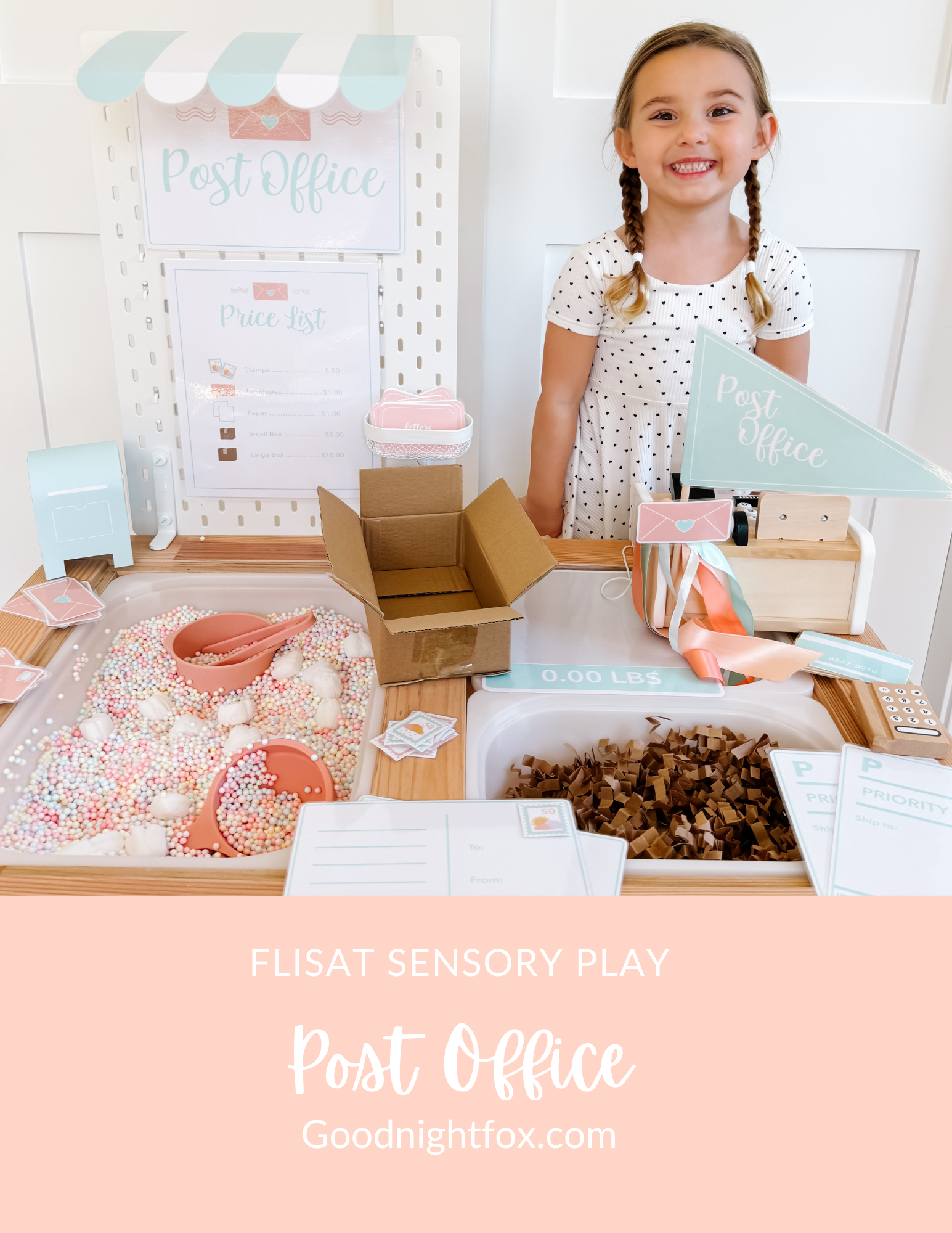
This week introduces children to the people who help us every day through dramatic play, storytelling, and hands-on building.
Play-Based Activities
Tool counting and measurement play
Shape searches using signs and symbols
Sensory bins inspired by firefighters and construction workers
Matching helpers to their tools
Arts & Crafts
Build-a-badge craft
Paper fire trucks
Tool belt or hard-hat inspired art
Storytime Pairings
Skill Focus
Sorting and categorizing
Vocabulary development
Problem-solving
Pretend and cooperative play
Sensory Play Setups
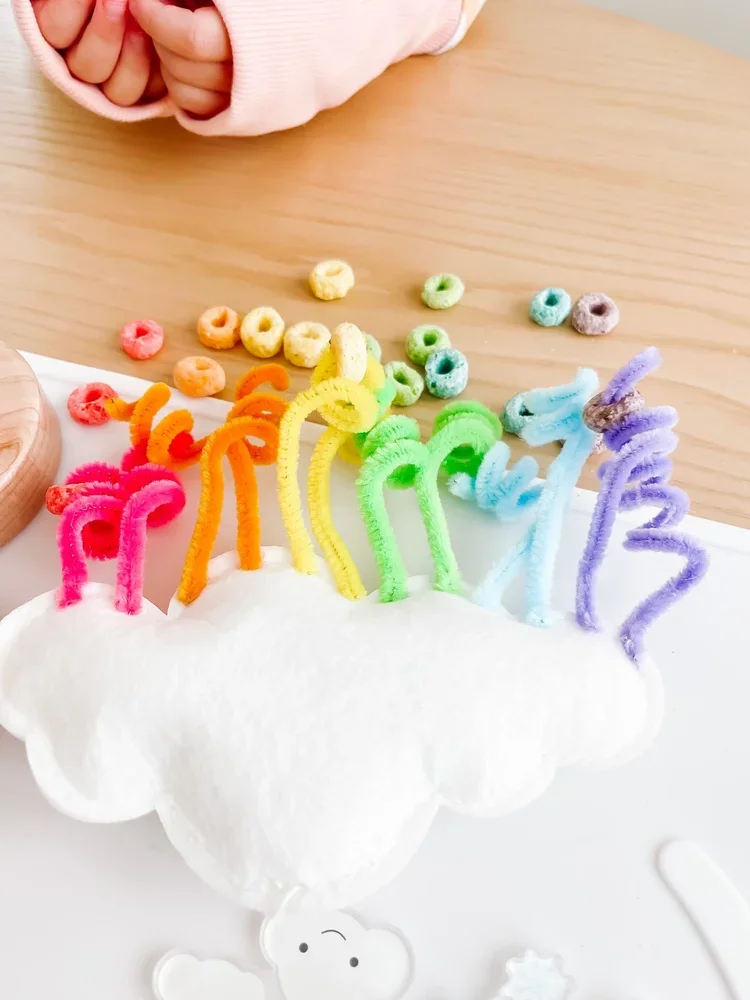
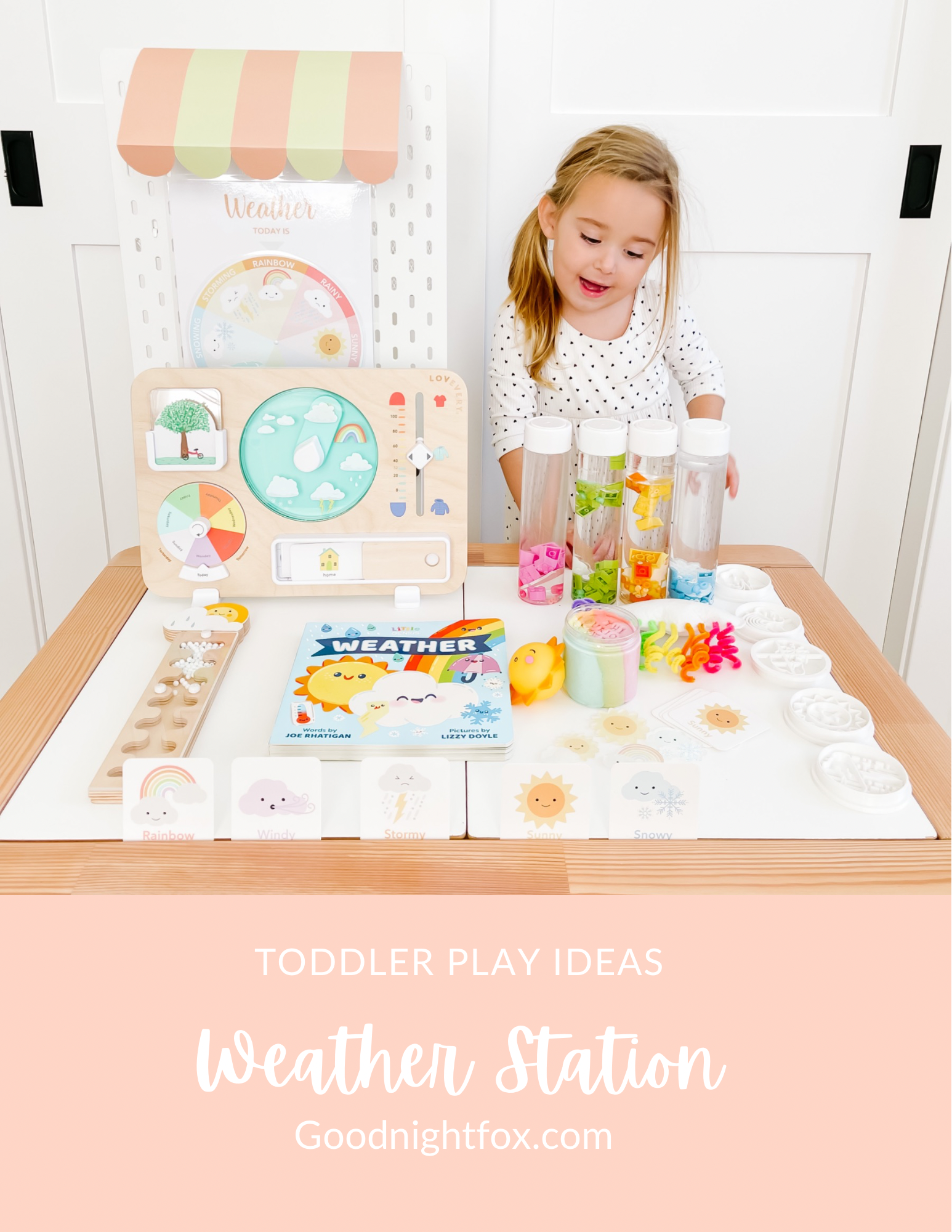
Week 7: Weather & Rainbows
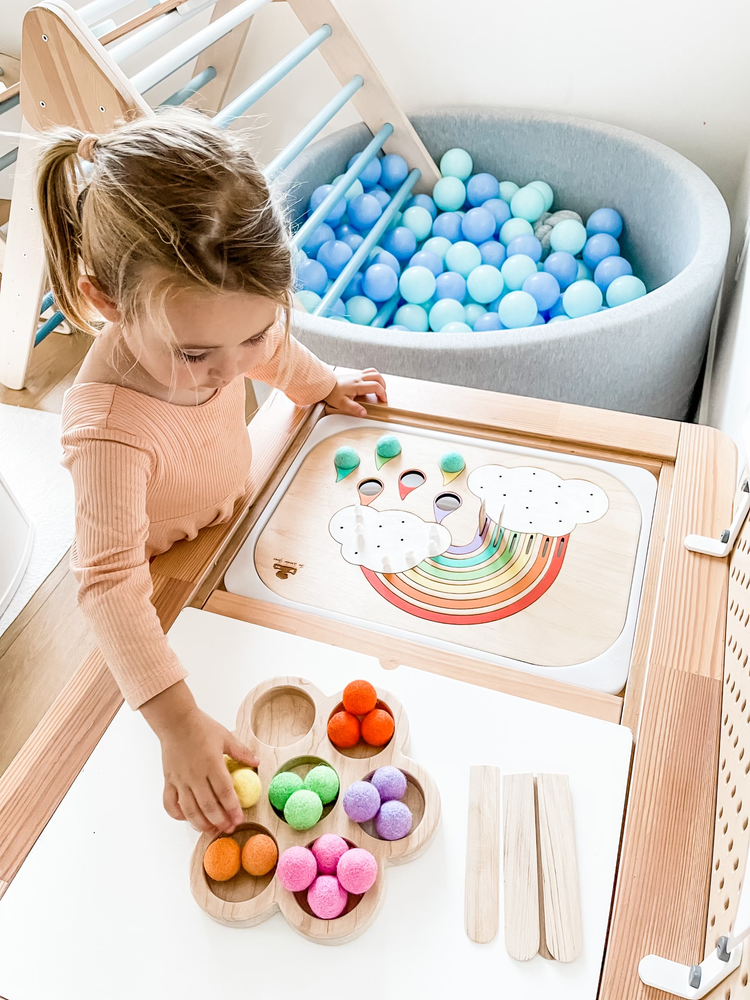
This week blends science, sensory play, and art, encouraging children to observe, predict, and create.
Play-Based Activities
Weather graphing
Counting raindrops and rainbow patterns
Sensory bins inspired by rain and clouds
Simple STEM builds like rain shelters
Arts & Crafts
Rainbow marshmallow dough
Rain cloud art
Paper plate sunshine crafts
Storytime Pairings
Skill Focus
Pattern recognition
Counting and sequencing
Cause-and-effect
Creative expression
Sensory Play Setups
Week 8: Chinese New Year
This week introduces cultural learning through play, focusing on traditions, symbols, and celebration.
Play-Based Activities
Dragon counting and number order play
Zodiac animal matching
Sensory rice bins with red and gold elements
STEM dragon breath experiments
Arts & Crafts
Paper lanterns
Tissue paper dragons
Cherry blossom art
Storytime Pairings
Skill Focus
Cultural awareness
Sequencing and memory
Fine motor development
Vocabulary expansion
Related Content
Featured Play-Based Activity for February
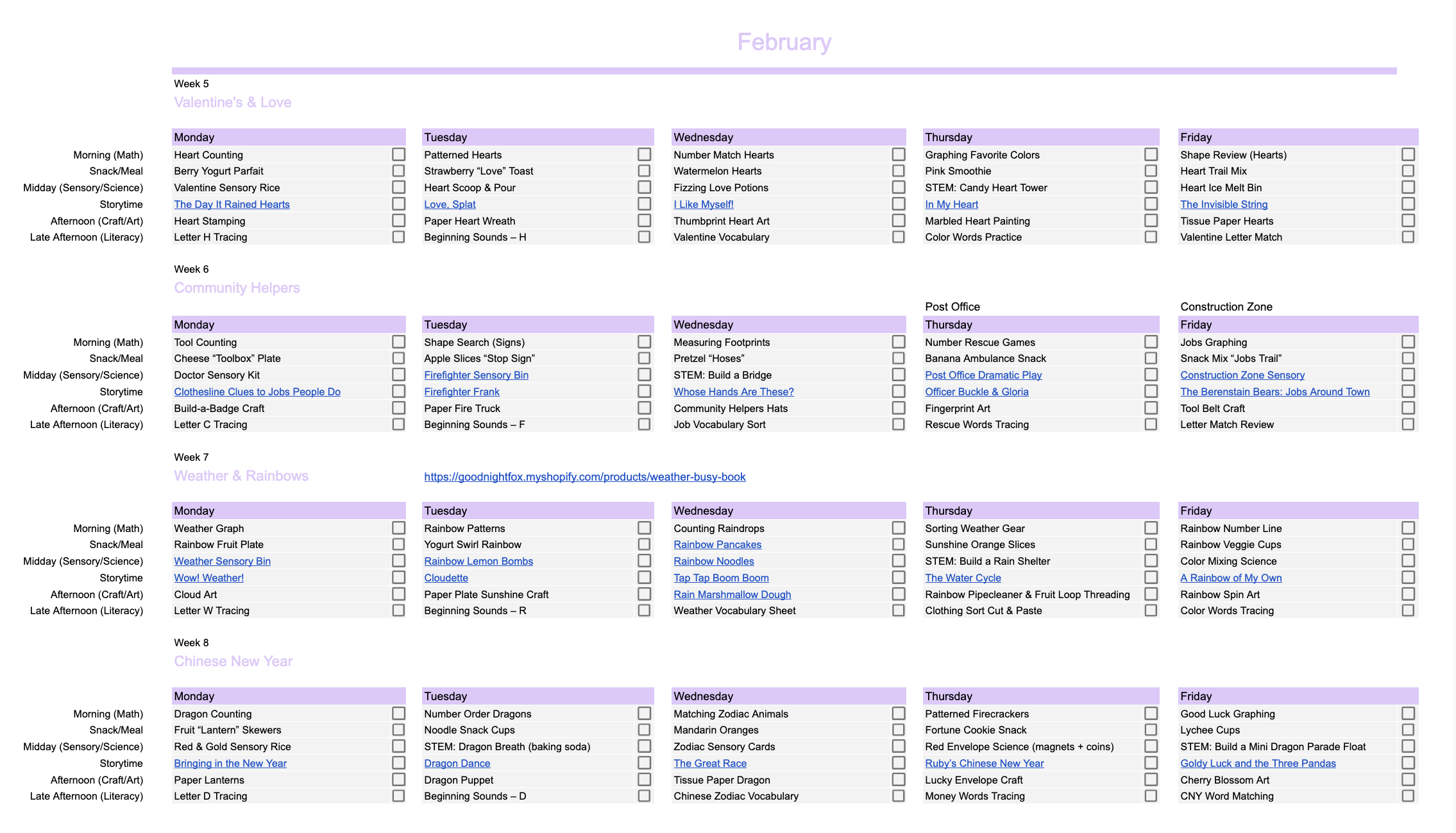
Matching and pattern play shows up across every February theme — from hearts and rainbows to tools and zodiac animals. These activities are easy to adapt, require minimal prep, and work beautifully across age ranges.
They’re also a core part of the GoodnightFox homeschool planner, where activities intentionally build skills week by week without feeling repetitive.
How February Fits Into a Play-Based Homeschool Rhythm
February follows a predictable, flexible rhythm that supports both learning and regulation:
Morning: math or literacy play
Midday: sensory, science, or dramatic play
Afternoon: arts and crafts
Late afternoon: calm matching, tracing, or storytelling
This rhythm allows children to move, create, and rest while staying engaged — and it mirrors the daily structure inside the GoodnightFox Homeschool Planner.
Why Play-Based Learning Works
Play-based learning supports:
Deeper engagement and longer attention spans
Emotional and social development
Strong early literacy and math foundations
Independence and confidence
By combining sensory experiences, art, storytelling, and pretend play, children learn naturally — without pressure or worksheets.
Materials You’ll Use This Month
Most February activities rely on simple, reusable materials:
Counting manipulatives
Scoops, trays, and containers
Paper, paint, glue, scissors
Sensory fillers (rice, beans, pasta)
Small figurines and loose parts
These materials work across multiple weeks and themes.
Related Play-Based Learning Posts
Save This February Play Guide for Later
Bookmark or pin this February play-based learning guide so you can easily return to each week’s ideas as the month unfolds.
For the Full Reading List: