Montessori Playroom: 5 Easy Steps to a Calmer Play Space

Montessori Playroom: 5 Easy Steps to a Calmer Play Space

Fewer toys, calmer colors, more independent play — here's how to give your play space the Montessori treatment in one weekend.

Best forAges 1–6
TimeOne weekend
CostFree to start
SkillsIndependent play + focus

A Montessori-inspired play area encourages children to use their imagination through active play with open-ended toys. And if you love a calm, minimalist aesthetic, the idea of focusing on one toy at a time can really help declutter and organize your space. Here are 5 easy steps toward a brighter, calmer play space.
Montessori-inspired playroom with purple accents

Step 1: Remove passive toys

It can be hard for you, let alone your kiddos, to part with beloved toys. But focus on removing passive toys (usually the plastic ones with flashing lights and sounds) because they encourage toddlers to sit back and watch.

In step 3, we'll replace these with engaging active toys that inspire imaginative, interactive play.

Decluttered toy shelf with a few wooden toys

Step 2: Choose a color palette

Most playrooms use a bright rainbow palette, which is super fun and upbeat. If you want something a little more soothing, try a refined palette of just a few soft pastel colors. Cool colors (like blues and purples) have a calming effect; warm colors (like oranges and yellows) feel energizing. Steer clear of really bright saturated colors — they can be overwhelming and overstimulating.

Check out my Pinterest boards for more color palette inspiration!

Playroom with soft mint color palette

Step 3: Refresh toys

Now that you have a color scheme in mind, it's time to refresh those toys. Tip: a neutral backdrop (grey walls, white shelves) lets you swap the color palette as your kiddos get older, so you're never stuck with one theme.

The toys (and wall art) bring the color and vibrancy. If you already have wooden toys and you're up for a DIY challenge, repaint them! Otherwise, look for open-ended wooden toys in muted tones — blocks, stackers, and simple vehicles get played with far longer than anything with batteries.

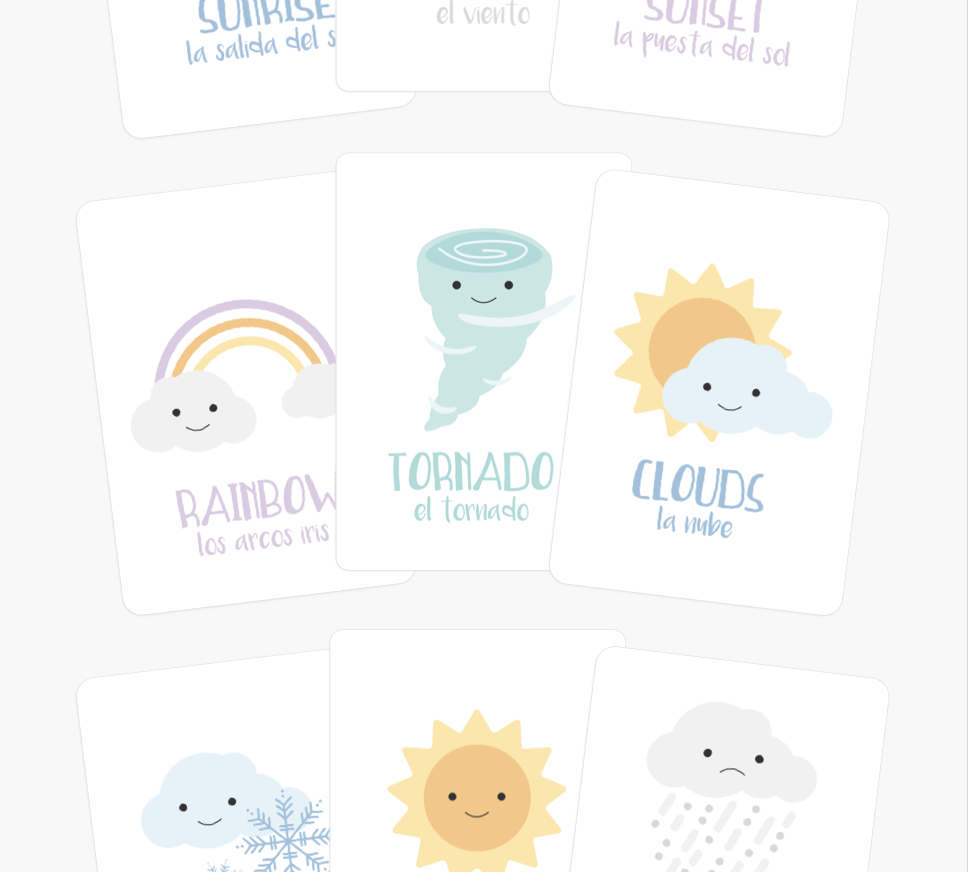
Our own Goodnight Fox flashcards earn their shelf space too: the routines and emotions cards double as playroom wall art and actually get used every day.

Playroom shelf with navy accents and wooden toys

Step 4: Organize and display toys

Now it's time to artfully display each toy on the shelf. Beware of overcrowding! We want toddlers to focus and explore one object at a time, so consider displaying one toy per shelf. You'll have more toys than shelves, of course — group the rest and store them in tasteful bins or drawers, then rotate every week or two. Rotation makes old toys feel brand new.

Low, open shelving works best — an IKEA Kallax or any simple cube shelf at toddler height lets little ones see everything and put it all back.

Organized playroom shelf with yellow accents

Step 5: Accessorize (minimally!)

To pull the space together, you need more than the book and toy shelf (though that's a great start!). Based on your color palette, choose a few key accents. One or two from each category is plenty:

  • Accent piece: a pouf or small chair in one of your room colors
  • Wall art: playroom prints or posters that tie the colors together — our calming corner posters pull double duty here
  • A rug: defines the play space's boundaries and adds an instant pop of color
  • A cozy corner: even a small calm-down nook with a cushion and a few books gives big feelings somewhere to land — see our calming corner setup
Finished Montessori playroom with minimal accessories

Tips & tricks

Get started without buying anything new

  • Hide the loud stuff: if your toddler adores a noisy toy, don't banish it — make it a special-occasion toy that appears for short bursts.
  • Organize books by color: pick the books whose bindings match your palette and arrange lightest to darkest. Hide the rest for instant cohesion.
  • Add a blanket: a throw in your theme color, draped over a chair or folded on a low shelf, brings a quick pop of color.
  • Rotate, don't purge: box up half the toys and swap them monthly. Less out at once means deeper play — and "new" toys for free.

What is a Montessori playroom?

A play space set up around Montessori principles: child-sized, uncluttered, with open-ended toys displayed simply so kids can choose, focus, and play independently.

How many toys should be out at once?

Fewer than you think — one toy per shelf, with the rest stored and rotated. If your child flits between toys without settling, that's your sign to put more away.

Do I need to buy all new furniture?

No. Start by decluttering and rearranging what you have. A low shelf or cube unit at toddler height is the single most useful piece if you buy one thing.

5 Reasons Why Flashcards Are The Best Toddler Gift

Nowadays, everyone is looking for the best alternatives to the brightly colored, flashing lights, noise-making children’s toys that quickly become junk around the house or garage sale items within a few years. From Montessori style wooden toys and games to gifting experiences instead of toys, everyone is on the hunt for wholesome alternatives to the traditional toy store run two days before you need that birthday party gift. And of course, there’s always the fallback of ordering a great children’s book on Amazon :). But what about good old fashioned flashcards?! Here are 5 reasons why I think flashcards should be at the top of your shopping list if you’re looking for a great gift for a toddler.

1. They’re education wrapped in fun

toddler-education.JPG
FullSizeRender.jpeg

Babies are never too young to start learning the alphabet, recognizing shapes and colors or even making neural connections by looking at black and white images. Flash cards can literally be used to teach anything and they’re the perfect way to get shot-attention spans to concentrate on one thing at a time.

2. They’re great on the go

IMG_2149.JPG

You can take flashcards anywhere and as long as they’re super thick and durable like these ones, they make the perfect entertainment. Reaching for that cellphone to entertain your toddler in line? Grab a compact set of flashcards instead. Kiddos can look at the images, practice words and colors, all while you’re running errands. Most flashcards even come with a binder ring so that you can keep them all together without carrying around the box or bag that they came in! Imagine taking on-the-go education to the extreme with Whitney and her family who homeschool’s on the road.

3. They make great nursery or playroom decor

IMG_3654.JPG

If you’re not taking them out and about, flashcards make the most adorable nursery or playroom decor. You can use them for practical purposes like hanging above a changing table to keep little minds occupied during diaper duty. Or you can use them as an adorable border around the room, hanging mosaic, or even and inexpensive alternative to framed prints. You can easily decorate a room with just one set!

4. They grow with your child!

IMG_3456.JPG

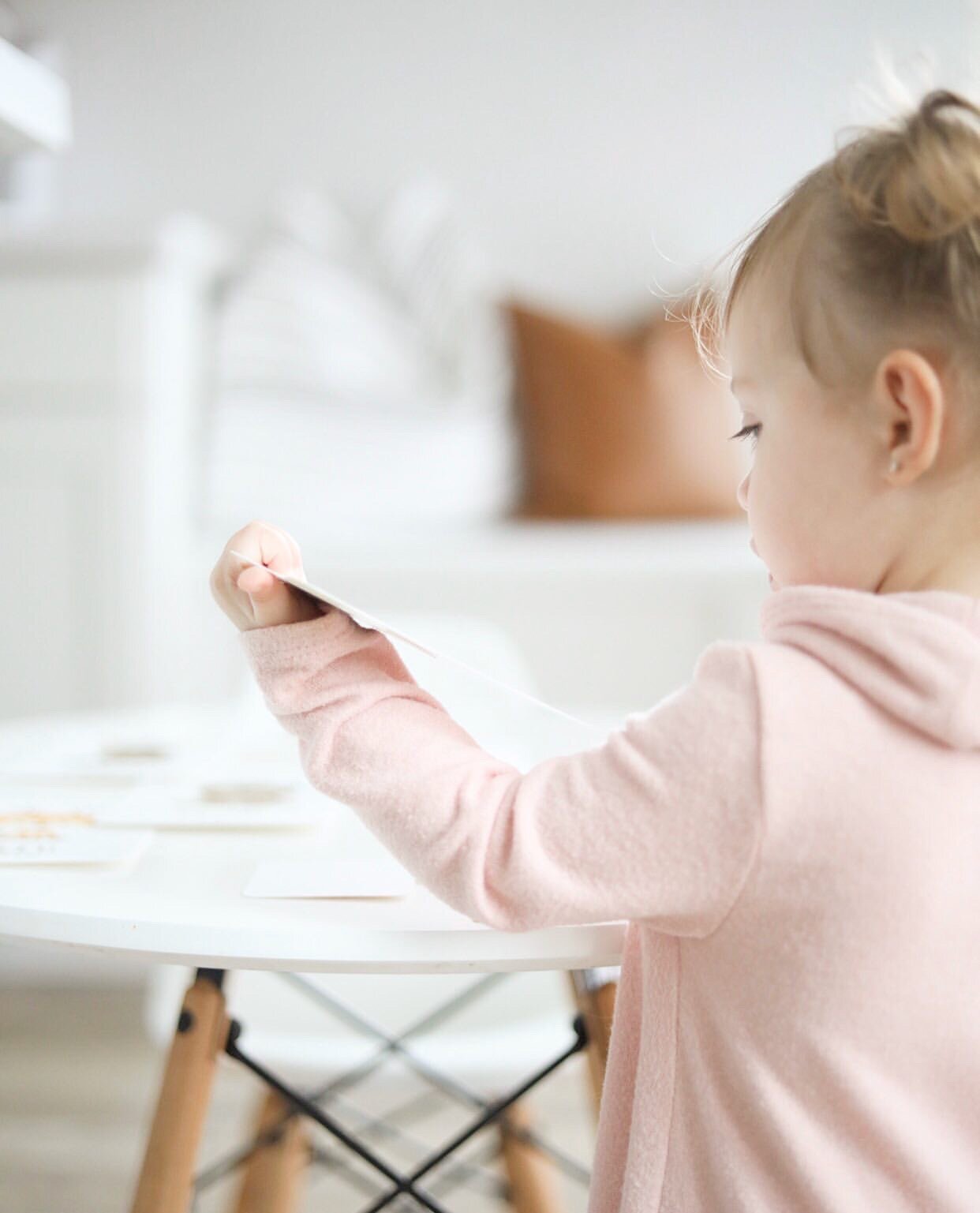
You’re never too old (or too young) for flashcards! Babies can use them as something to look at on the floor during tummy time. Or you can hold them up during bottle feeds or activity time! Toddlers get a kick out of laying them out or flipping through them with mom or dad and trying to identify objects and words. And as they grow and learn, concepts can become more challenging. Or you can even start asking kids to not only identify the object, but spell the word, spell it backwards, or identify it after only a few seconds of seeing it. If you get a little creative, you can easily make the same set of flashcards span years of learning and development!

5. Great for bilingual language learners

Whether you have a bilingual household or you’re just trying to introduce new languages at an early age, flashcards can be a great way to expose children to the sounds and syllables of multiple languages. And they’re a great reminder for mom and dad to be teaching basic words in alternative languages! Investing in multiple language development is critical in a child’s early years, so what better way to do it than a good set of multilingual flashcards!

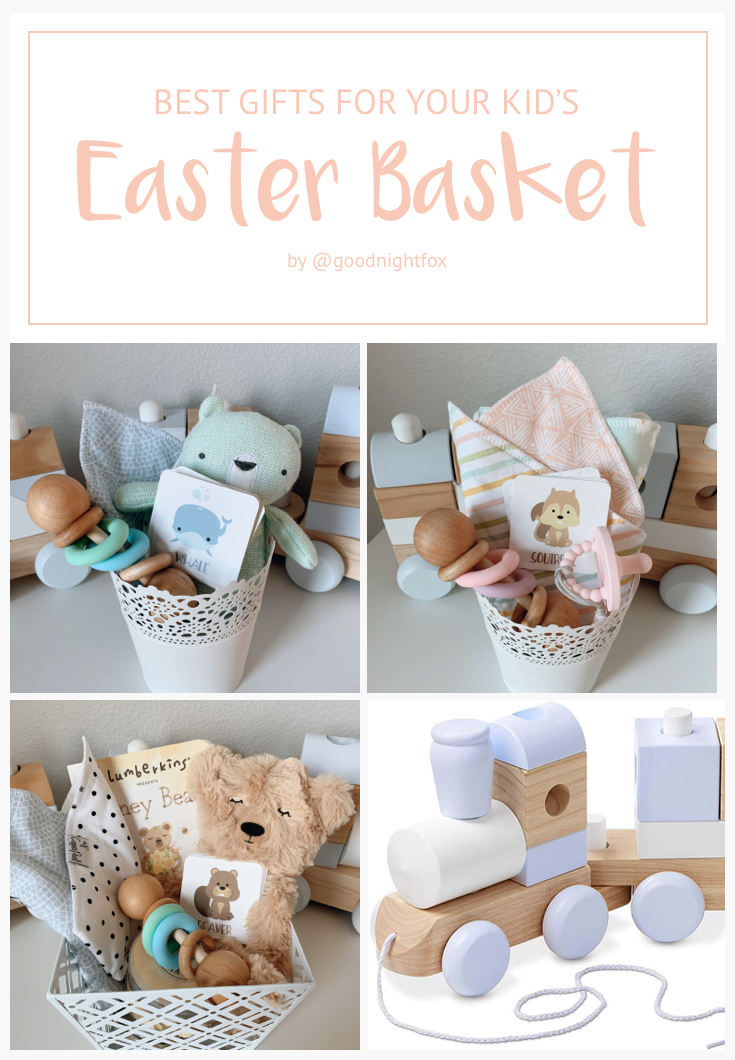
So there you have it! Flashcards are probably the last gift on any child’s mind, but they’re such a great activity to introduce of love of learning and play at an early age. So if you’re looking for a toddler Easter gift or you have a first birthday party coming up, consider including a set of these flashcards in your Montessori inspired toddler gift basket.

DIY Winter Onederland Birthday Party Theme

winter-onederland.png

I absolutely love party planning and party decor! It’s so much fun and so rewarding to look back at photos and see those bright smiles amongst the beautiful party decorations. And what could be more fun for a Winter Baby than a Winter Onederland theme?! Check out the list below for some awesome inspiration for your kiddo’s party.

winter-onederland-inspo copy 7.png