• Activity ideas by age
    • Seasonal activities
    • Materials & fillers
    • Getting Started
    • Taste Safe
    • All activity ideas
  • Shop
  • Freebies
  • About
Menu

Goodnight Fox

1974 San Luis Ave
Mountain View
16502243796
Dramatic & Sensory Play for Early Learners

Your Custom Text Here

Goodnight Fox

  • Activities
    • Activity ideas by age
    • Seasonal activities
    • Materials & fillers
    • Getting Started
    • Taste Safe
    • All activity ideas
  • Shop
  • Freebies
  • About

Create One Magical Ice Cream Shop Afternoon

July 10, 2024 Kylie Tuosto

Some days with little kids feel long. The snacks. The messes. The “what should we do now?” moments. The afternoons that stretch on forever. That’s exactly why I love creating simple play worlds at home. You don’t need a perfect setup. You don’t need a full curriculum. You don’t even need a lot of prep. Sometimes all it takes is a few play recipes, a scoop of Play-Doh, and a little imagination to turn an ordinary afternoon into something your child talks about for days.

Today we’re opening an ice cream shop. This ice cream-themed play setup is perfect for toddlers, preschoolers, kindergarteners, homeschool families, and anyone who wants an easy screen-free activity that feels playful, creative, and special.


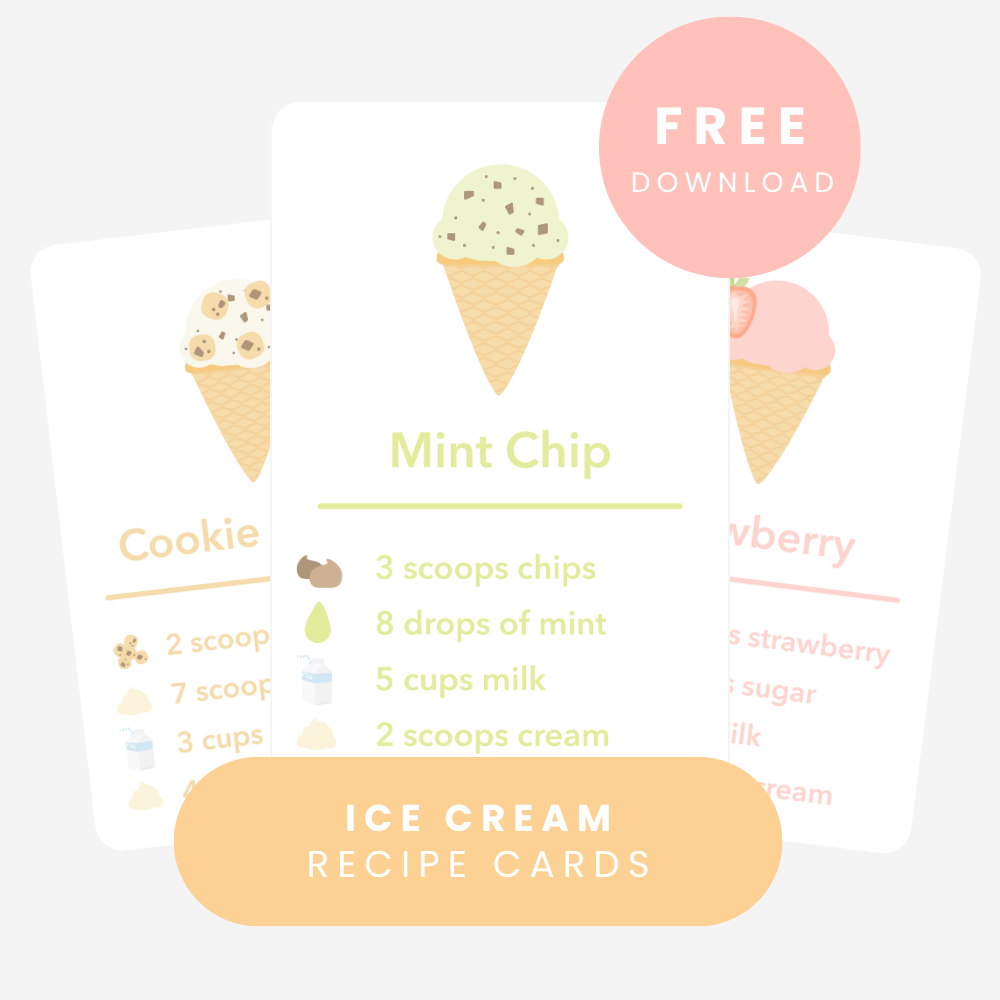
Free Download Ice Cream Recipe Cards for Sensory Play, Mud Kitchen, Play Kitchen Toddler Screen-Free Play Based Learning

Download the Free Ice Cream Play Recipe Pack

Start with the easiest version: the recipe cards.

The free Ice Cream Play Recipe Pack gives your child five simple pretend recipes they can “make” using Play-Doh, sensory materials, loose parts, pom poms, beads, acrylic pieces, or anything you already have at home.

Use them for: Mud kitchen play, Sensory bins, Play-Doh invitations, Pretend play cafés, Summer activities, Preschool centers, Fine motor practice, and Dramatic play setups

Download Free Ice Cream Magic

What You’ll Need

You can keep this very simple.

For a quick ice cream play afternoon, gather:

  • Play-Doh or sensory dough

  • Small bowls or cups

  • Scoops or spoons

  • Pom poms, beads, or pretend sprinkles

  • Muffin tins or trays

  • Mini cones, cups, or cupcake liners

  • The free Ice Cream Play Recipe Cards

Optional extras:

  • Ice cream acrylic charms

  • Resin fruit pieces

  • Pretend money

  • Order forms

  • Menus

  • Small signs

  • Clear sensory bottles

  • Rainbow sprinkles or filler pieces

The goal is not perfection. The goal is to make the invitation simple enough that your child can start playing right away.

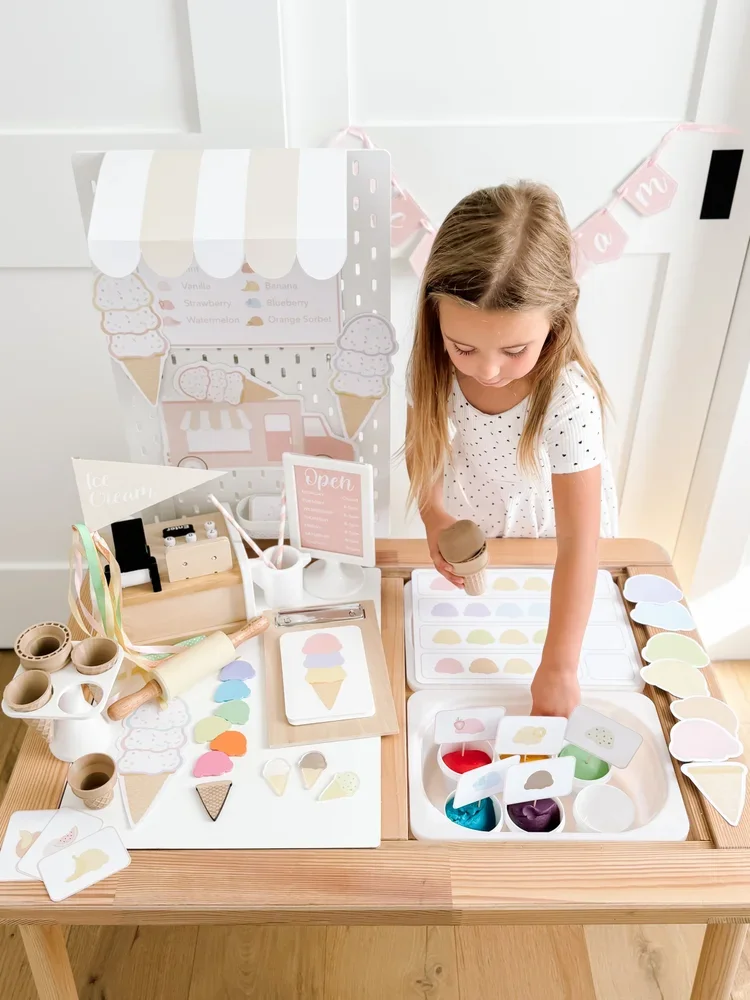
IMG_1888.jpg IMG_1862_jpg.jpg IMG_1885_jpg.jpg IMG_1868_jpg.jpg IMG_1870.jpg IMG_1871.jpg IMG_1873_jpg.jpg IMG_1876_jpg.jpg

Activity 1: Ice Cream Play-Doh Parlor

This is the easiest way to begin.

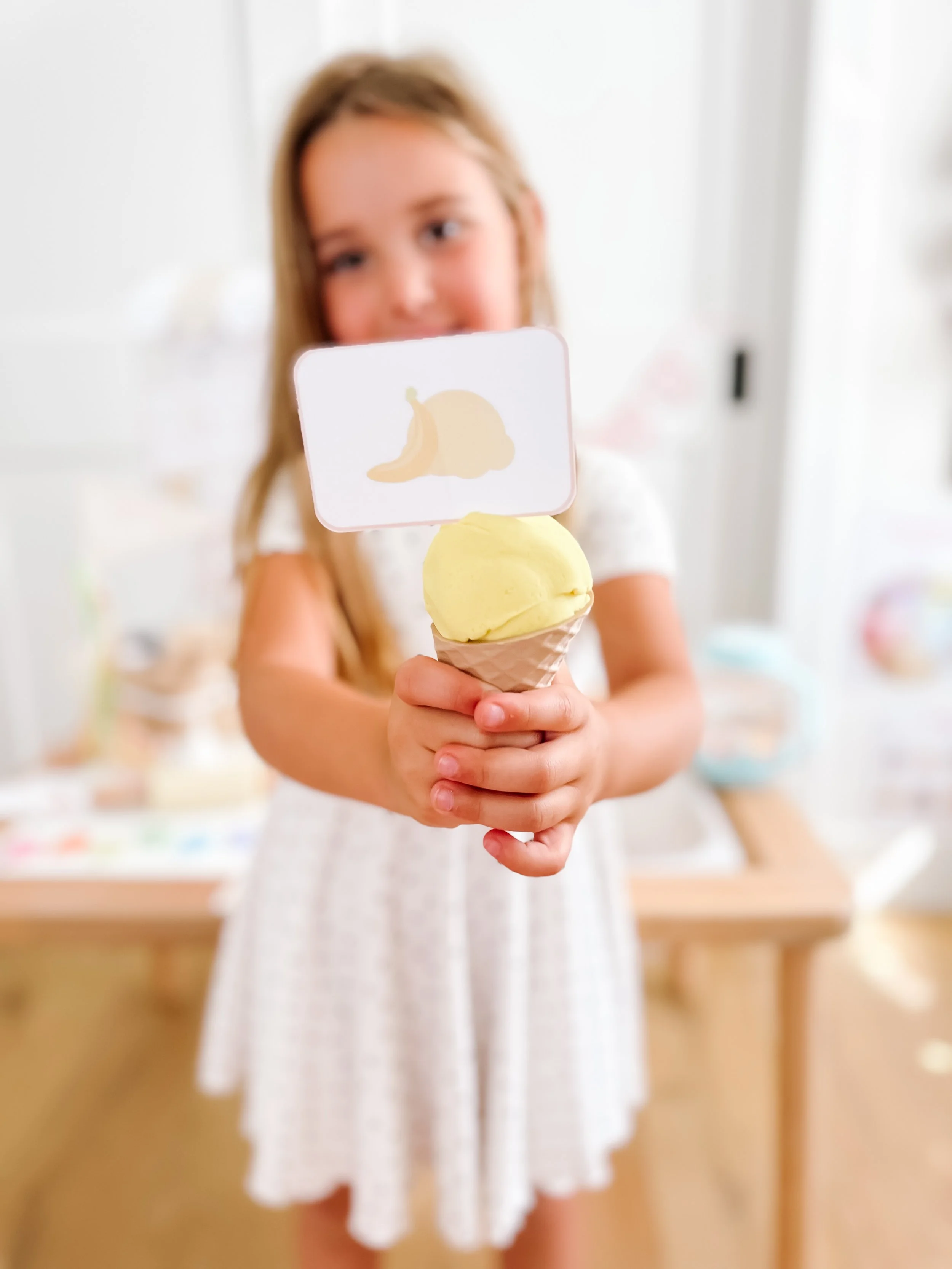
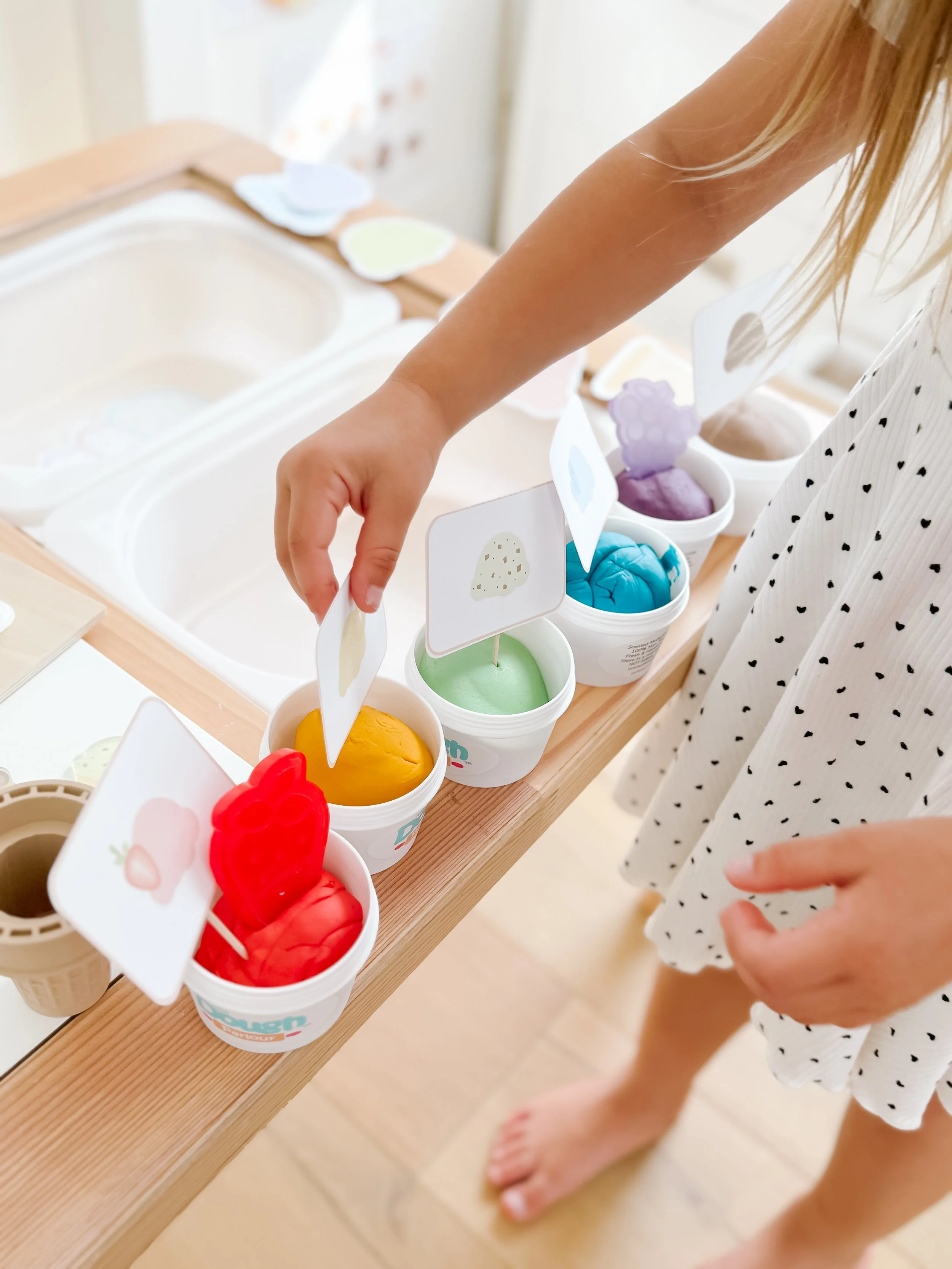
Set out different colors of Play-Doh and invite your child to make scoops, cones, sundaes, and milkshakes. Add small toppings like pom poms, beads, fruit pieces, or sprinkles so they can decorate each creation.

Place the recipe cards nearby and let your child choose what to make first.

They might make:

  • Strawberry Sundae

  • Chocolate Cone

  • Banana Split

  • Rainbow Scoop

  • Sprinkle Cup

This activity is wonderful for fine motor skills because children naturally roll, squish, pinch, scoop, stack, and press as they play.

It also builds language skills as they describe flavors, take orders, and tell stories about their ice cream shop.


Learning Through Play

While your child plays, they practice:

  • Fine motor strength

  • Hand-eye coordination

  • Creative storytelling

  • Color recognition

  • Sequencing

  • Vocabulary

  • Independent play


IMG_1945_jpg.jpg IMG_1948_jpg.jpg IMG_1950_jpg.jpg IMG_1955_jpg.jpg IMG_1960_jpg.jpg IMG_1967.jpg IMG_1968_jpg.jpg IMG_1969_jpg.jpg IMG_1970_jpg.jpg IMG_1998_jpg.jpg IMG_2005_jpg.jpg

Activity 2: Ice Cream Sensory Bottle

If your child loves calm sensory play, try making an ice cream-themed sensory bottle.

Add small ice cream acrylic pieces, rainbow sprinkles, glitter, beads, or other small filler materials to a clear bottle. Fill with water or another sensory bottle base, secure the lid tightly, and let your child shake, tilt, and observe.

This is especially helpful for children who enjoy visual sensory play or need a calming activity after more energetic pretend play.

Materials

  • Clear sensory bottle

  • Ice cream acrylics or small themed pieces

  • Rainbow sprinkles or filler

  • Water

  • Super glue for sealing the lid

Instructions

  1. Start with a clean, empty sensory bottle.

  2. Add the ice cream pieces and filler.

  3. Fill with water.

  4. Secure and seal the lid.

  5. Invite your child to shake, turn, and explore.


IMG_1808_jpg.jpg IMG_1812_jpg.jpg IMG_1826_jpg.jpg IMG_1828_jpg.jpg IMG_1829_jpg.jpg IMG_1837_jpg.jpg

Activity 3: Ice Cream Scoops + Matching Cards

For a simple math and matching extension, set up ice cream scoops with matching cards or pattern prompts.

Children can match colors, stack scoops, follow patterns, or build the ice cream shown on each card.

This is an easy way to turn pretend play into early math practice without making it feel like a worksheet.

Skills Practiced

  • Color matching

  • Pattern recognition

  • Counting

  • Visual discrimination

  • Fine motor coordination

  • Problem solving


Turn It Into an Ice Cream Shop

Once your child has made a few ice cream recipes, they may naturally want to serve them.

That’s where the pretend play magic begins.

You can turn this simple recipe activity into a full ice cream shop by adding:

  • Shop signs

  • Menus

  • Order forms

  • Price tags

  • Pretend money

  • Employee badges

  • Flavor labels

  • Customer role play cards

This is where children start practicing real-world language:

“What would you like?”

“That will be two dollars.”

“Would you like sprinkles?”

“Here’s your receipt.”

Pretend play gives children a chance to rehearse social skills, build confidence, and explore the world around them in a playful way.

IMG_1799.jpg IMG_1800.jpg IMG_1801.jpg

Continue the Adventure: Build the Full Ice Cream Shop

If your child loved making ice cream recipes, the next step is opening the full Ice Cream Shop.

The Ice Cream Shop Play World includes everything you need to turn your table, shelf, or play kitchen into a sweet little pretend play shop.

Inside the full set, you’ll find:

  • Ice cream shop signs

  • Menus

  • Order forms

  • Flavor labels

  • Pretend play decorations

  • Dramatic play props

  • Printable pieces for setting up your shop

It’s perfect for:

  • Preschool dramatic play

  • Homeschool theme weeks

  • Summer play

  • Birthday party activities

  • Classroom centers

  • Playroom setups

Build the full Ice Cream Shop

IMG_2051.jpg IMG_2057_jpg.jpg IMG_2056_jpg.jpg IMG_2058_jpg.jpg IMG_2059_jpg.jpg IMG_2060_jpg.jpg IMG_2168.JPEG IMG_2174.jpg IMG_2176.jpg

Make It a Full Ice Cream Week

If you want to stretch the activity beyond one afternoon, turn it into a full week of play.

Monday: Make Ice Cream Recipes

Use the free recipe cards with Play-Doh or sensory dough.

Tuesday: Open the Ice Cream Shop

Add menus, signs, order forms, and pretend money.

Wednesday: Practice Ice Cream Math

Count scoops, match colors, build patterns, and compare flavors.

Thursday: Read Ice Cream Books

Pair the setup with your favorite ice cream-themed picture books.

Friday: Host an Ice Cream Party

Invite stuffed animals, siblings, or friends to order from the shop.

This is the GoodnightFox way: one small idea becomes a whole week of screen-free learning through play.

IMG_1905_jpg.jpg IMG_1907_jpg.jpg IMG_1913_jpg.jpg IMG_1938_jpg.jpg IMG_1940_jpg.jpg IMG_1942_jpg.jpg IMG_1943_jpg.jpg

Ice Cream Vocabulary Words

Use these words during play to build language and early literacy skills:

  1. Scoop

  2. Cone

  3. Sprinkle

  4. Topping

  5. Parlor

  6. Flavor

  7. Creamy

  8. Sweet

  9. Treat

  10. Dessert

  11. Frozen

  12. Texture

  13. Melt

  14. Mix

  15. Serve

  16. Colorful

  17. Layer

  18. Stack

  19. Customer

  20. Order

  21. Menu

  22. Price

  23. Receipt

  24. Create

  25. Imagine


IMG_2016_jpg.jpg IMG_2050.jpg IMG_2023_jpg.jpg IMG_2033_jpg.jpg IMG_2039_jpg.jpg IMG_2041_jpg.jpg IMG_2042_jpg.jpg IMG_2048_jpg.jpg

Why This Activity Works

The best toddler and preschool activities are the ones that feel simple to the parent and magical to the child.

This ice cream setup works because it combines:

  • Sensory play

  • Pretend play

  • Fine motor practice

  • Early math

  • Language development

  • Social-emotional learning

  • Independent play

And because it starts with something familiar and joyful — ice cream — children immediately understand what to do.

They scoop.

They serve.

They decorate.

They pretend.

They play.


IMG_1839_jpg.jpg IMG_1841_jpg.jpg IMG_1845_jpg.jpg IMG_1846.jpg IMG_1850_jpg.jpg IMG_1851_jpg.jpg IMG_1852.jpg IMG_1855_jpg.jpg

Ready for Your Ice Cream Afternoon?

Start with the free Ice Cream Play Recipe Pack.

Print the cards, gather a few simple materials, and invite your child to create their own ice cream treats.

You don’t need a perfect setup.

You just need one sweet little invitation to play.

Free Ice Cream Play Pack

IMG_1802_jpg.jpg IMG_1804_jpg.jpg IMG_1805_jpg.jpg IMG_1806_jpg.jpg IMG_1807_jpg.jpg

Where Should We Go Next?

If your child loved Ice Cream Shop, they may also enjoy these GoodnightFox Play Worlds:

  • Lemonade Stand

  • Bakery

  • Pizza Shop

  • Farmer’s Market

  • Camping

  • Dinosaur Dig

Each Play World is designed to help you create a magical afternoon of screen-free learning through play.

Because childhood doesn’t need to be complicated to be memorable.

IMG_1858_jpg.jpg IMG_1859_jpg.jpg

Tags ice cream, summer activity for kids, summer ice cream shop, dramatic play for kids, free printable activities, free printable worksheets, free printables for kids
2 Comments

Farmer's Market Printable Dramatic Play Kit: Sparking Imagination and Learning

June 23, 2024 Kylie Tuosto

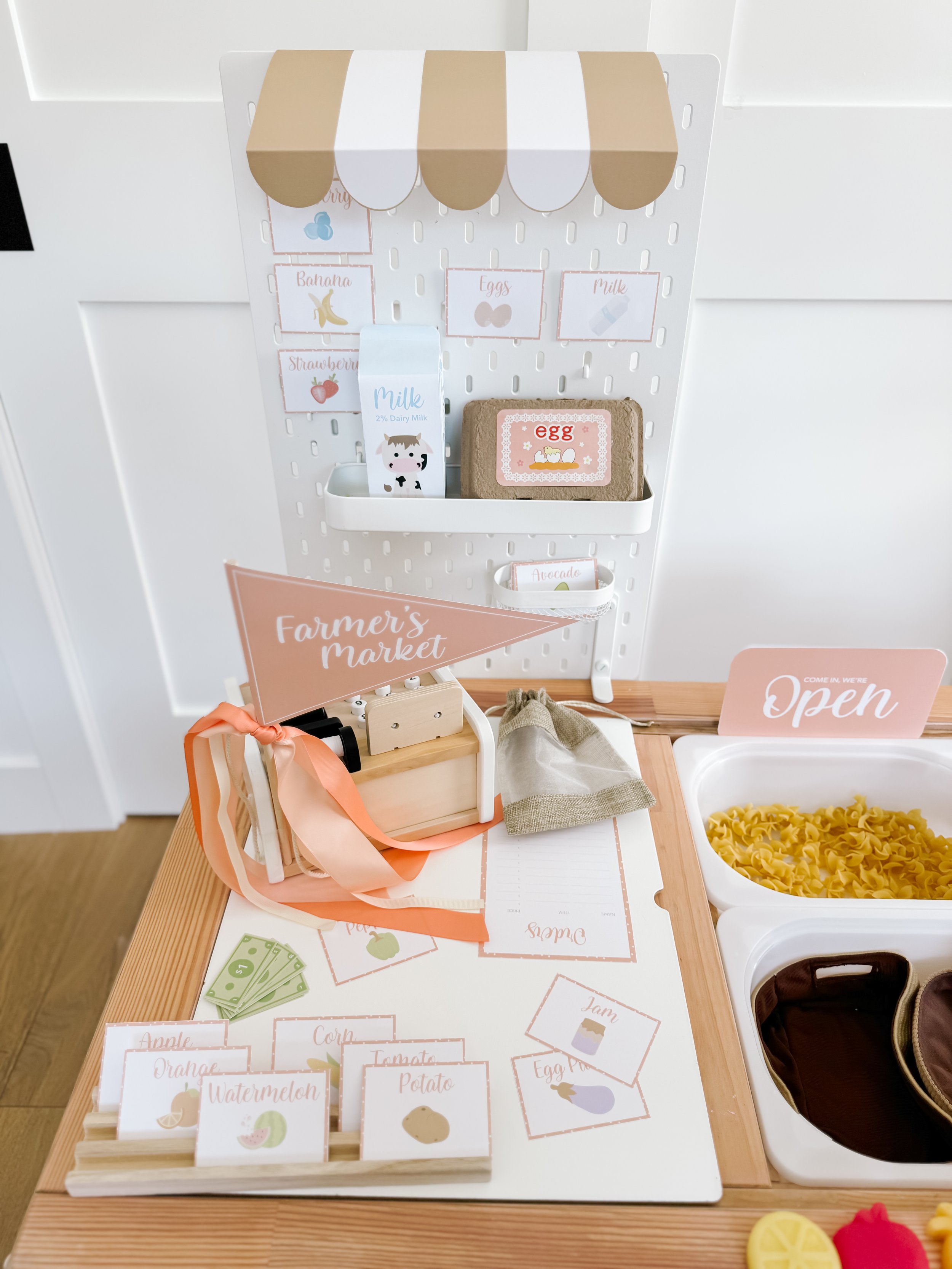
Are you looking to add a touch of creativity and education to your child's playtime? Introducing the Farmer's Market Printable Dramatic Play Kit! This kit includes an awning, flag, open sign, bunting banner, and food labels to set the stage for a fun and interactive pretend play experience.

Download & print
IMG_8926_jpg.jpg IMG_8912_jpg.jpg IMG_8910.jpg IMG_8919_jpg.jpg IMG_8918_jpg.jpg IMG_8911_jpg.jpg IMG_8913_jpg.jpg IMG_8914_jpg.jpg

Sensory Activity Bins:

IMG_8924_jpg.jpg IMG_8921_jpg.jpg IMG_8906.jpg IMG_8922_jpg.jpg IMG_8916.jpg IMG_8907.jpg IMG_8908.jpg IMG_8909.jpg

Silicone Fruit and Veggies Bin:

Fill this bin with realistic-looking silicone fruits and vegetables from @nugg_butts to spark tactile sensations and encourage imaginative play.

IMG_8893_jpg.jpg IMG_8899_jpg.jpg

Pasta & Grains Bin:

Utilize egg noodles as a taste-safe filler in this sensory bin to introduce different textures and promote sensory exploration through touch.

IMG_8881_jpg.jpg IMG_8891_jpg.jpg

Cash Register Checkout:

Enhance cognitive skills by incorporating a cash register into the play, where children can role-play as vendors or customers, practicing basic math and social interaction.

IMG_8893_jpg.jpg IMG_8894.jpg IMG_8896.jpg IMG_8897_jpg.jpg IMG_8899_jpg.jpg IMG_8903_jpg.jpg IMG_8905_jpg.jpg

Benefits of Sensory Play:

Engaging in sensory activities like those provided in this Farmer's Market kit can benefit children in various ways, including improving fine motor skills, enhancing cognitive development, fostering creativity, and aiding in language and social skills development.

Download & print

Vocabulary List (25 words):

  1. Fruit

  2. Vegetable

  3. Market

  4. Stall

  5. Customer

  6. Vendor

  7. Cash

  8. Register

  9. Scale

  10. Price

  11. Buy

  12. Sell

  13. Bunting

  14. Banner

  15. Checkout

  16. Open

  17. Sign

  18. Awning

  19. Produce

  20. Grocery

  21. Basket

  22. Shopping

  23. Play

  24. Role

  25. Pretend

Unleash your child's imagination and educational potential with the Farmer's Market Printable Dramatic Play Kit, designed to make learning fun and interactive through sensory-rich activities.

Tags farmer's market, dramatic play, market stand, grocery, shopping, kids activities, summer kids ideas, camping crafts for kids, printable paper toys templates, summer activities for preschoolers, welcome back to school bulletin boards
2 Comments

DIY Lemonade Stand For Kids

June 22, 2024 Kylie Tuosto

Summer Fun with Our Lemonade Stand Printable Play Setup

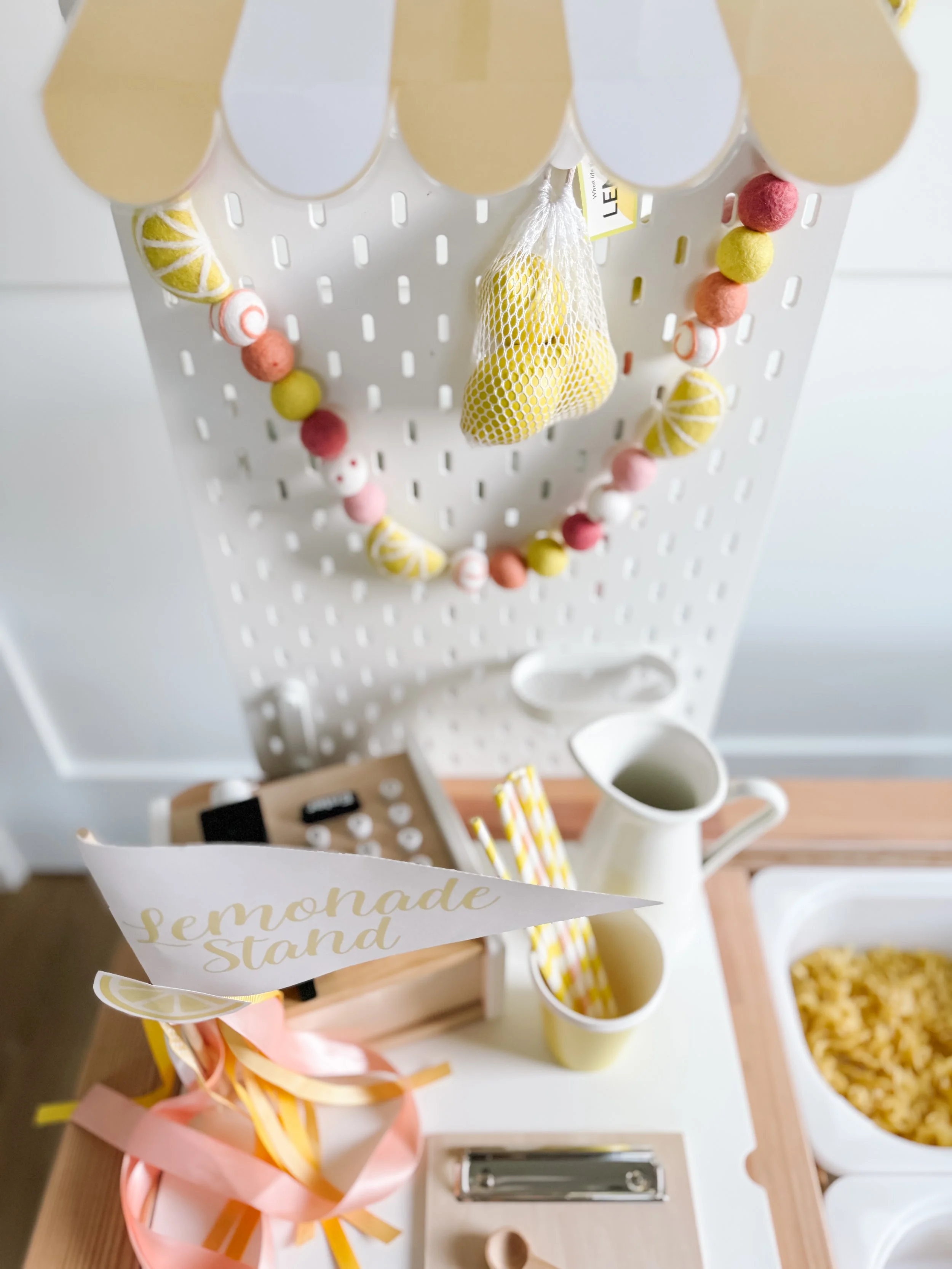
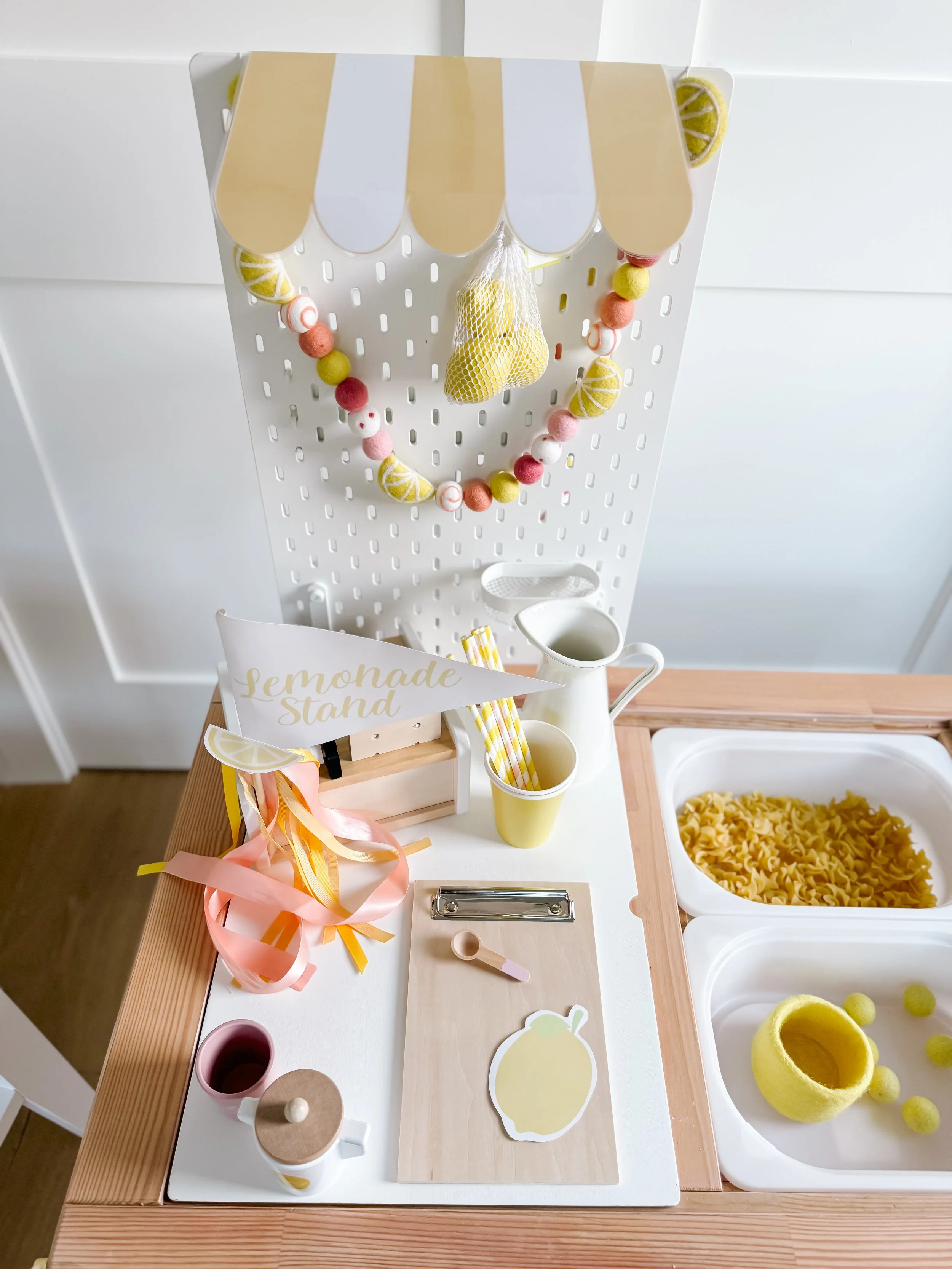
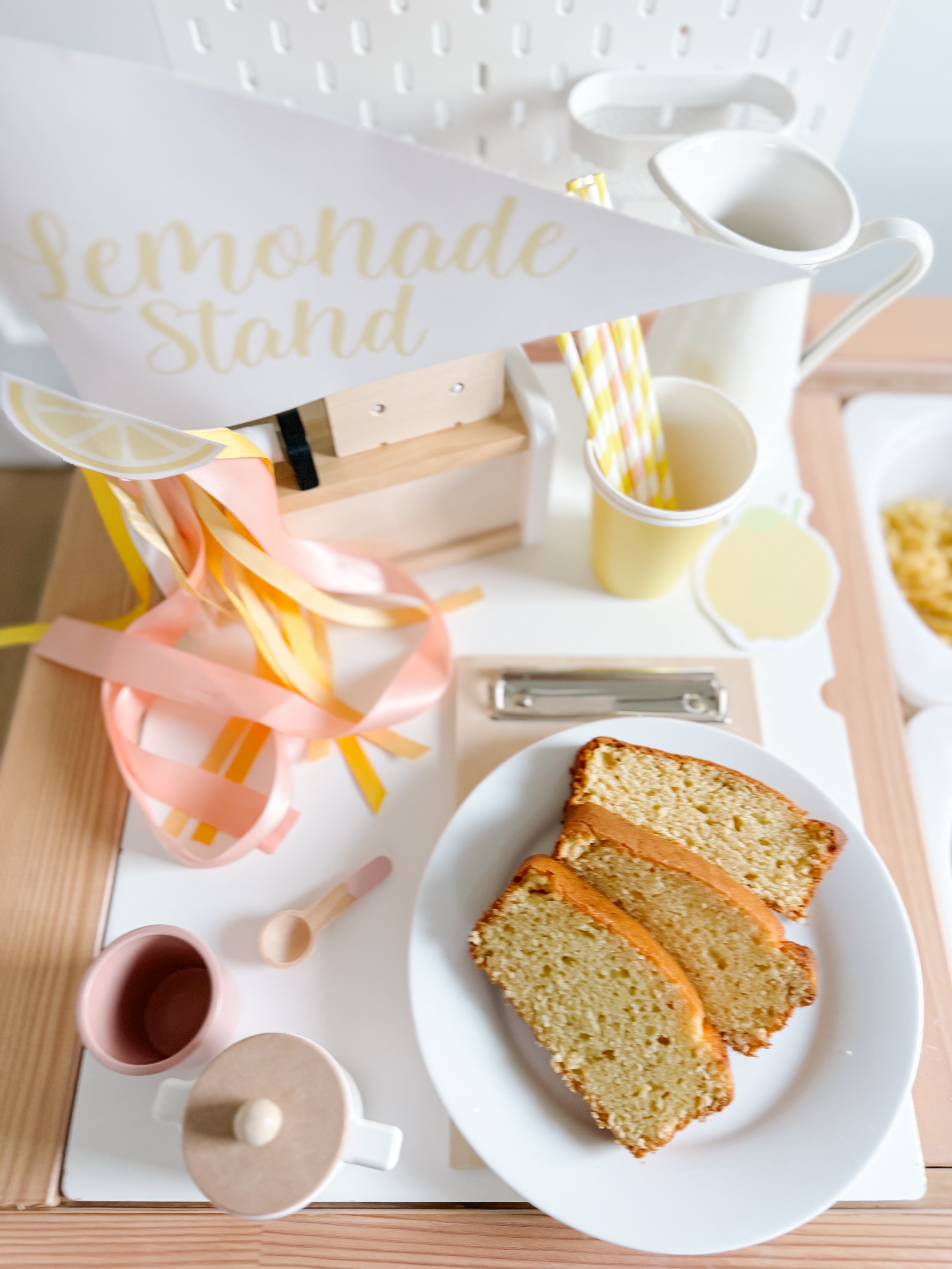
Welcome back to our blog, where we bring you the best in sensory play ideas! Today, we're excited to share our Lemonade Stand Printable Play Setup – a perfect activity for hot summer days that combines imaginative play with sensory exploration. This setup is designed to engage your little ones with a variety of textures, colors, and interactive elements. Let's dive into the details of this fun and educational play setup!

Download & Print

Supplies list:

  • Lemonade garland from @Littlebooksandnooks

  • Lemonade books / reading list from @littlebooksandnooks

  • Printable Lemonade stand kit from @Goodnightfox

  • Yellow paper cups

  • Pink and yellow paper straws

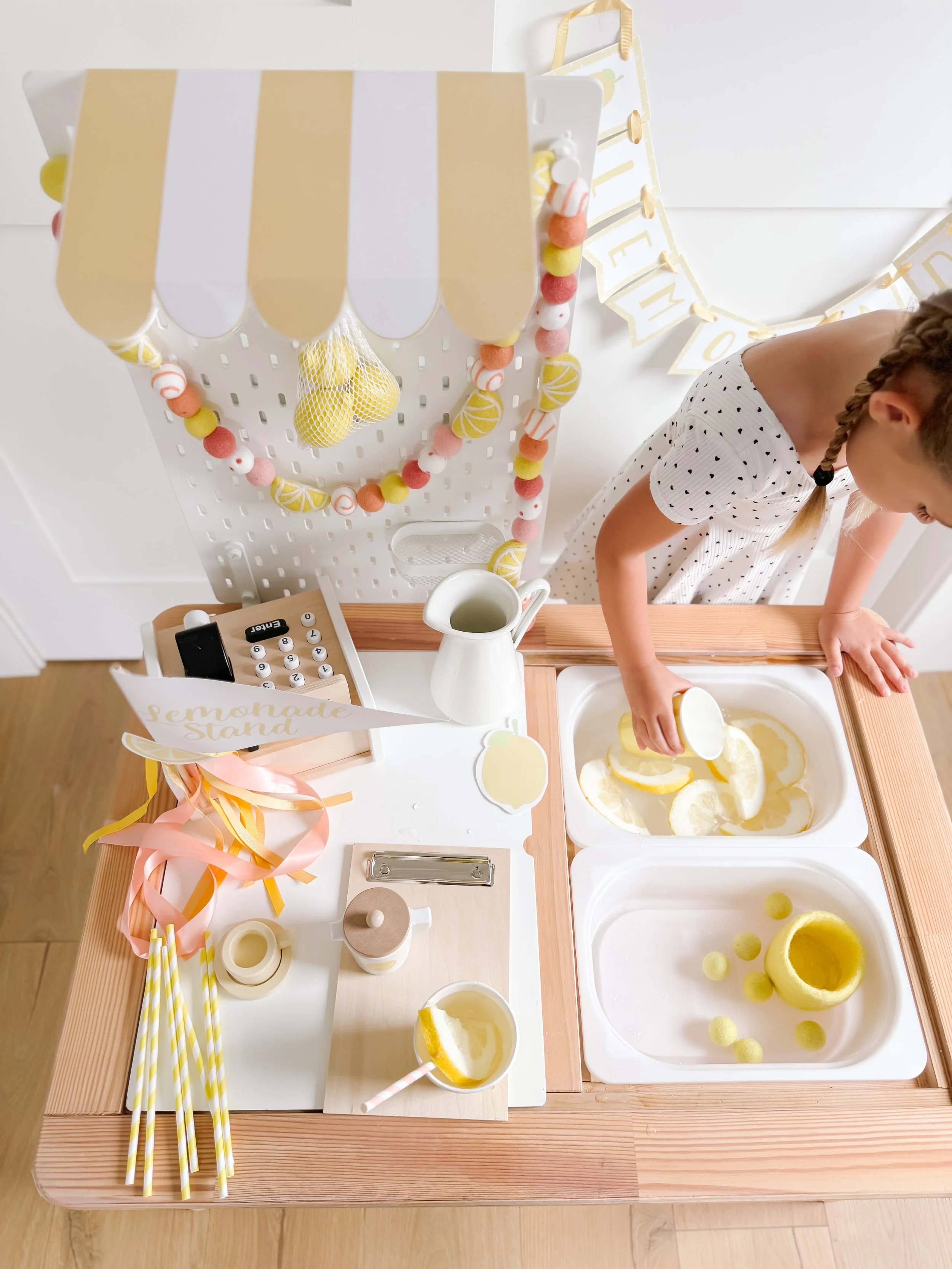
Sensory Bin 1: Sliced Lemons in Ice Water

Our first sensory bin is all about cool, refreshing fun. Fill a shallow bin with ice water and add in some plastic or real sliced lemons. The cold water and the vibrant yellow lemons create a stimulating sensory experience. Kids will love feeling the icy water and the smooth texture of the lemon slices. This bin is perfect for discussing concepts like temperature, texture, and even a bit of basic science as the ice melts!

IMG_9812_jpg.jpg IMG_9813_jpg.jpg IMG_9814_jpg.jpg

Sensory Bin 2: Yellow Wool Balls for Sorting, Straws, and Cups

The second sensory bin focuses on fine motor skills and sorting. Fill the bin with yellow wool balls, which mimic the look of lemons. Provide your child with cups and straws, and encourage them to sort the wool balls into the cups or use the straws to scoop them up. This activity not only enhances fine motor skills but also introduces basic math concepts like counting and sorting by size or color.

Sensory Bin 3: Play Cash Register

No lemonade stand is complete without a play cash register! Set up a small area with a toy cash register, play money, and a few pretend lemons. This bin helps children understand basic money concepts, practice their counting skills, and engage in role-playing as they "sell" their lemonade. It's a great way to incorporate social skills and imaginative play into the sensory experience.

Printable Play Setup:

To tie everything together, we've created a set of lemonade stand printables that include signs, menus, and price tags. These printables add an extra layer of realism to your child's play and help them develop literacy and numeracy skills. Download and print our lemonade stand kit to get started!

IMG_9709_jpg.jpg
IMG_9710_jpg.jpg
IMG_9711_jpg.jpg
IMG_9712_jpg.jpg
IMG_9713_jpg.jpg
IMG_9777.jpg
IMG_9785_jpg.jpg
IMG_9788_jpg.jpg
IMG_9792_jpg.jpg
IMG_9795_jpg.jpg
IMG_9798_jpg.jpg
IMG_9799_jpg.jpg
IMG_9803_jpg.jpg
IMG_9806_jpg.jpg
IMG_9807.jpg
IMG_9808_jpg.jpg
IMG_9809_jpg.jpg

Vocabulary List:

Here are 25 vocabulary words to practice with your child during lemonade stand play:

  1. 1. Lemon

  2. 2. Ice

  3. 3. Water

  4. 4. Slice

  5. 5. Cup

  6. 6. Straw

  7. 7. Sour

  8. 8. Sweet

  9. 9. Refreshing

  10. 10. Cold

  11. 11. Sell

  12. 12. Buy

  13. 13. Money

  14. 14. Price

  15. 15. Register

  16. 16. Change

  17. 17. Count

  18. 18. Menu

  19. 19. Customer

  20. 20. Vendor

  21. 21. Stand

  22. 22. Sign

  23. 23. Mix

  24. 24. Pour

  25. 25. Sip

Benefits of Dramatic and Sensory Play:

Dramatic and sensory play offers numerous benefits for children’s development:

  • Cognitive Development: Helps children learn about their environment and the world around them. Concepts like counting money, making change, and understanding prices are foundational math skills.

  • Language Skills: Enhances vocabulary and communication skills as children engage in role-playing and storytelling.

  • Social Skills: Promotes cooperation, negotiation, and problem-solving as children interact with others in their pretend roles.

  • Fine Motor Skills: Improves hand-eye coordination and dexterity through activities like pouring, mixing, and handling small items.

  • Creativity and Imagination: Encourages creative thinking and imaginative play, allowing children to explore different scenarios and outcomes.

  • Emotional Development: Helps children express their feelings and practice empathy by taking on different roles and perspectives.

Our Lemonade Stand Printable Play Setup is a fantastic way to combine sensory play with learning and creativity. From the refreshing ice water with lemon slices to the sorting activities with wool balls and the interactive play cash register, this setup offers a variety of engaging experiences for your child. Download our printables today and set up your own lemonade stand for hours of summer fun!

#LemonadeStandPlay #SensoryPlay #KidsActivities #SummerFun #HandsonLearning #EducationalPlay #CreativePlay #MontessoriInspired #EarlyLearning #LearningThroughPlay #SensoryBins #ImaginativePlay #RolePlay #FineMotorSkills #PrintablePlay #DIYPlaySetup #KidsCrafts #HomeschoolingIdeas #PlayToLearn #ParentingTips #PreschoolActivities #InteractiveLearning #MathForKids #LiteracySkills #FunLearning

Stay tuned for more exciting play setups and ideas!

IMG_9818_jpg.jpg IMG_9821_jpg.jpg IMG_9824_jpg.jpg IMG_9826_jpg.jpg IMG_9827_jpg.jpg IMG_9833_jpg.jpg IMG_9838.jpg IMG_9844_jpg.jpg IMG_9848_jpg.jpg IMG_9849_jpg.jpg IMG_9850_jpg.jpg IMG_9852_jpg.jpg IMG_9853_jpg.jpg IMG_9858_jpg.jpg IMG_9869_jpg.jpg IMG_9880_jpg.jpg IMG_9882_jpg.jpg IMG_9883_jpg.jpg IMG_9886_jpg.jpg IMG_9887.jpg IMG_9888.jpg

Kid's DIY Lemonade Stand Printable Play

1 Comment

Daisy & PICNIC Themed Sensory Play: Fun and Educational Activities for Preschoolers

June 10, 2024 Kylie Tuosto

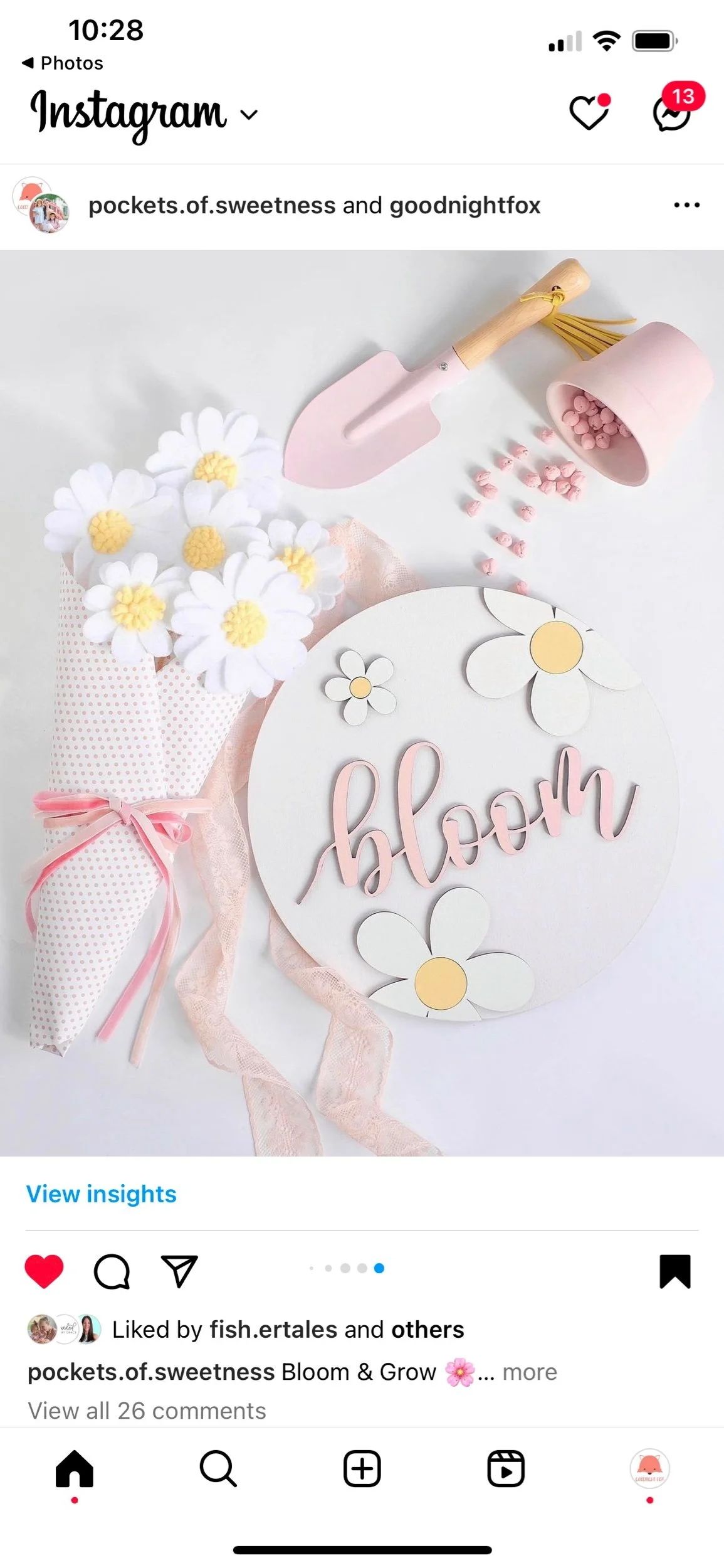
A daisy-themed sensory play setup is a wonderful way to introduce preschoolers to nature, gardening, and the world of flowers and bees. Sensory play not only entertains young children but also supports their cognitive, emotional, and physical development. In this post, we will explore the benefits of sensory play and provide detailed instructions for creating three daisy-themed sensory bins: a picnic sensory bin, a bee hive sensory bin, and a flower bin. These activities incorporate relevant learning topics and offer endless fun for preschoolers.

Download Picnic Printables
Download Daisy Printables

Benefits of Sensory Play for Preschoolers

Sensory play is crucial for preschoolers as it:

  • Enhances cognitive development: Engaging with different textures, smells, and materials helps children learn about the world around them and promotes problem-solving skills.

  • Improves fine motor skills: Handling small objects and manipulating materials boosts hand-eye coordination and dexterity.

  • Encourages language development: As children describe their sensory experiences, they expand their vocabulary and communication skills.

  • Supports emotional regulation: Sensory play can be soothing and help children manage their emotions and stress.

  • Promotes social interaction: Playing in sensory bins with peers fosters cooperation, sharing, and social bonding.

IMG_4953.jpeg IMG_4954.jpeg IMG_4955.jpeg

3 Daisy-Themed Sensory Bins for Preschoolers

1. Picnic Sensory Bin

Materials Needed:

  • - Green shredded paper or green-dyed rice (to represent grass)

  • - Mini picnic basket

  • - Small play food items (sandwiches, fruits, snacks)

  • - Mini plates and cups

  • - Toy ants and ladybugs

Instructions:

1. Setup:

  • - Fill a large bin with green shredded paper or green-dyed rice to mimic grass.

  • - Place the mini picnic basket in the bin.

  • - Add small play food items, mini plates, and cups.

  • - Scatter toy ants and ladybugs around the bin.

2. Interactive Play:

  • - Encourage children to set up a picnic using the play food, plates, and cups.

  • - Use the toy ants and ladybugs to discuss insects that might visit a picnic.

Learning Topics:

  • - Discuss the concept of a picnic and outdoor activities.

  • - Talk about different types of food and their nutritional benefits.

  • - Introduce the idea of insects and their role in nature.

58A10C04-A539-4721-8EED-E7F905845F79 (1).jpeg C2F585D1-E573-4234-A2ED-2C993E7FB2C8 (1).jpeg

2. Bee Hive Sensory Bin

Materials Needed:

  • - Yellow and black pom-poms (to represent bees)

  • - Honeycomb-shaped ice cube trays or bubble wrap

  • - Toy bees

  • - Small jars or containers (to represent honey pots)

  • - Flower petals or silk flowers

Instructions:

1. Setup:

  • - Fill a large bin with yellow and black pom-poms to represent bees.

  • - Place honeycomb-shaped ice cube trays or bubble wrap in the bin.

  • - Add toy bees and small jars or containers for honey pots.

  • - Scatter flower petals or silk flowers around the bin.

2. **Interactive Play**:

  • - Encourage children to move the pom-pom bees around the honeycomb trays.

  • - Use the jars to "collect" honey from the honeycomb.

  • - Discuss the role of bees in pollination and honey production.

Learning Topics:

  • - Talk about bees and their importance in nature.

  • - Discuss the process of pollination and how honey is made.

  • - Introduce concepts of cooperation and teamwork as bees work together.

IMG_4957.jpeg IMG_4958.jpeg IMG_4959.jpeg IMG_4960.jpeg IMG_4961.jpeg IMG_4962.jpeg IMG_4963.jpeg

3. Flower Sensory Bin

Materials Needed:

  • - Artificial daisies and other flowers

  • - Green playdough or floral foam

  • - Small gardening tools (toy spades, rakes)

  • - Mini watering cans

  • - Flower pots

Instructions:

1. Setup:

  • - Fill a large bin with artificial daisies and other flowers.

  • - Add green playdough or floral foam to create a base for planting.

  • - Provide small gardening tools and mini watering cans.

  • - Include flower pots for planting the flowers.

2. Interactive Play:

  • - Encourage children to use the gardening tools to plant the flowers in the playdough or floral foam.

  • - Use the mini watering cans for pretend watering of the plants.

  • - Discuss the parts of a flower and the basics of gardening.

Learning Topics:

  • - Talk about different types of flowers and their parts (stem, petals, leaves).

  • - Discuss the basics of gardening and plant care.

  • - Introduce the concept of growth and how plants develop.

A daisy-themed sensory play setup is a perfect way to engage preschoolers in a fun and educational activity. These themed sensory bins not only provide endless entertainment but also promote important developmental skills. By creating these sensory bins, you can introduce young children to the wonders of nature, gardening, and the important roles that insects play in our ecosystem. These hands-on experiences will help foster a love of the natural world and create lasting memories.

Daisy Picnic Play Vocabulary List for Preschoolers

  1. 1. Sensory Play

  2. 2. Picnic

  3. 3. Grass

  4. 4. Basket

  5. 5. Food

  6. 6. Plates

  7. 7. Ants

  8. 8. Ladybugs

  9. 9. Bee

  10. 10. Hive

  11. 11. Honeycomb

  12. 12. Honey

  13. 13. Pollination

  14. 14. Flowers

  15. 15. Daisies

  16. 16. Petals

  17. 17. Gardening

  18. 18. Planting

  19. 19. Watering

  20. 20. Growth

  21. 21. Insects

  22. 22. Nature

  23. 23. Ecosystem

  24. 24. Outdoor Activities

  25. 25. Playdough

Engage your preschoolers in these exciting daisy-themed sensory play activities and watch them learn and grow while having fun!

IMG_4953.jpeg
IMG_4959.jpeg
IMG_4954.jpeg
C2F585D1-E573-4234-A2ED-2C993E7FB2C8.jpeg
IMG_4962.jpeg
IMG_4963.jpeg
58A10C04-A539-4721-8EED-E7F905845F79.jpeg
IMG_4957.jpeg
IMG_4955.jpeg
C2F585D1-E573-4234-A2ED-2C993E7FB2C8.jpeg
58A10C04-A539-4721-8EED-E7F905845F79.jpeg
IMG_4958.jpeg
IMG_4960.jpeg
IMG_4961.jpeg
Tags daisy themed play setup, bumblebee play setup

4th of July Sensory Play: Fun and Educational Activities for Preschoolers

June 9, 2024 Kylie Tuosto

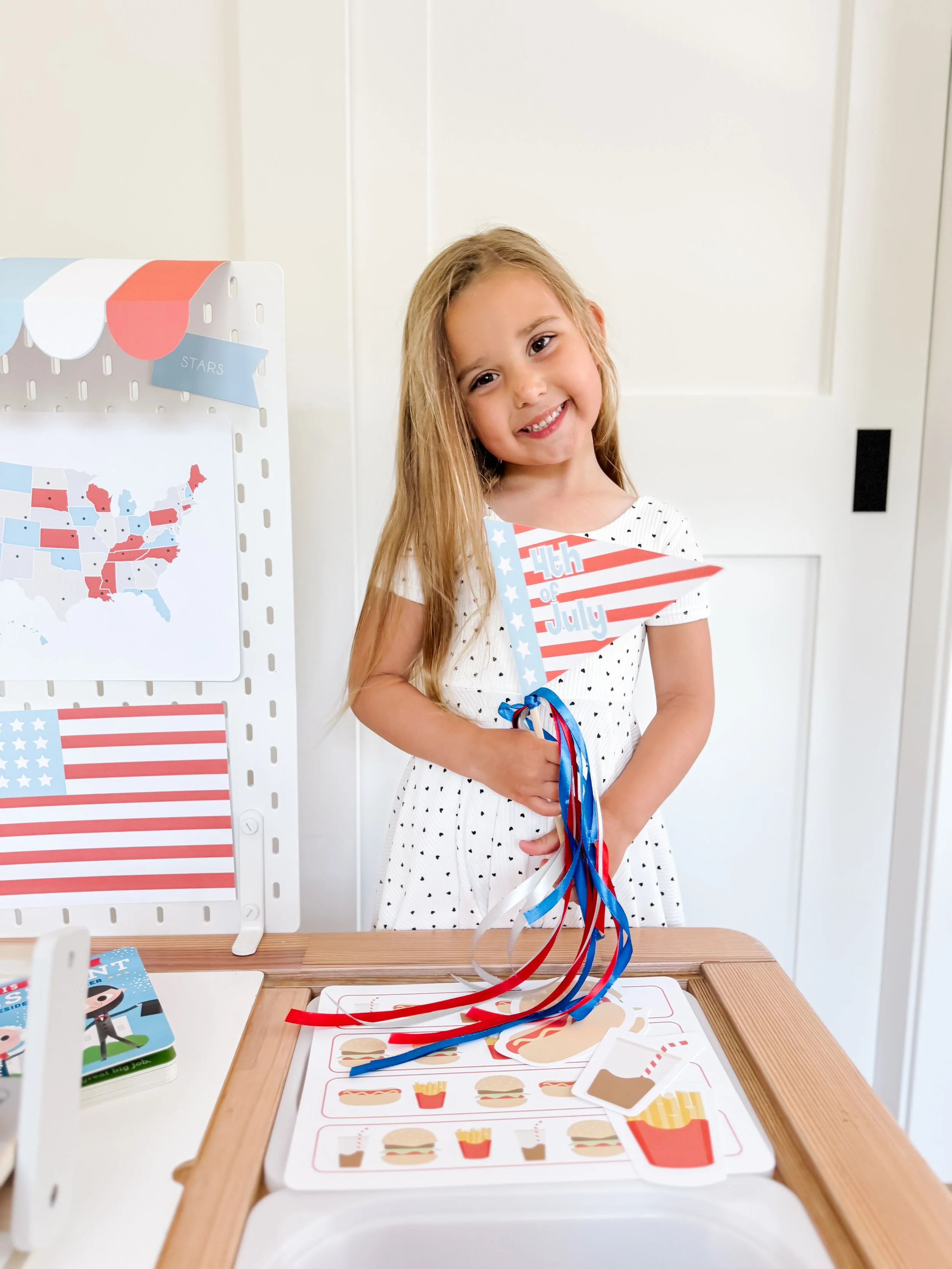
The 4th of July is a fantastic opportunity to engage preschoolers in sensory play that is both fun and educational. Sensory play not only entertains young children but also supports their cognitive, emotional, and physical development. In this post, we will explore the benefits of sensory play and provide detailed instructions for creating three themed sensory bins: a BBQ cookout bin, a red, white, and blue sushi rice bin, and an edible American flag bin. These activities incorporate relevant learning topics such as U.S. history and patriotic symbols, making them perfect for celebrating Independence Day.


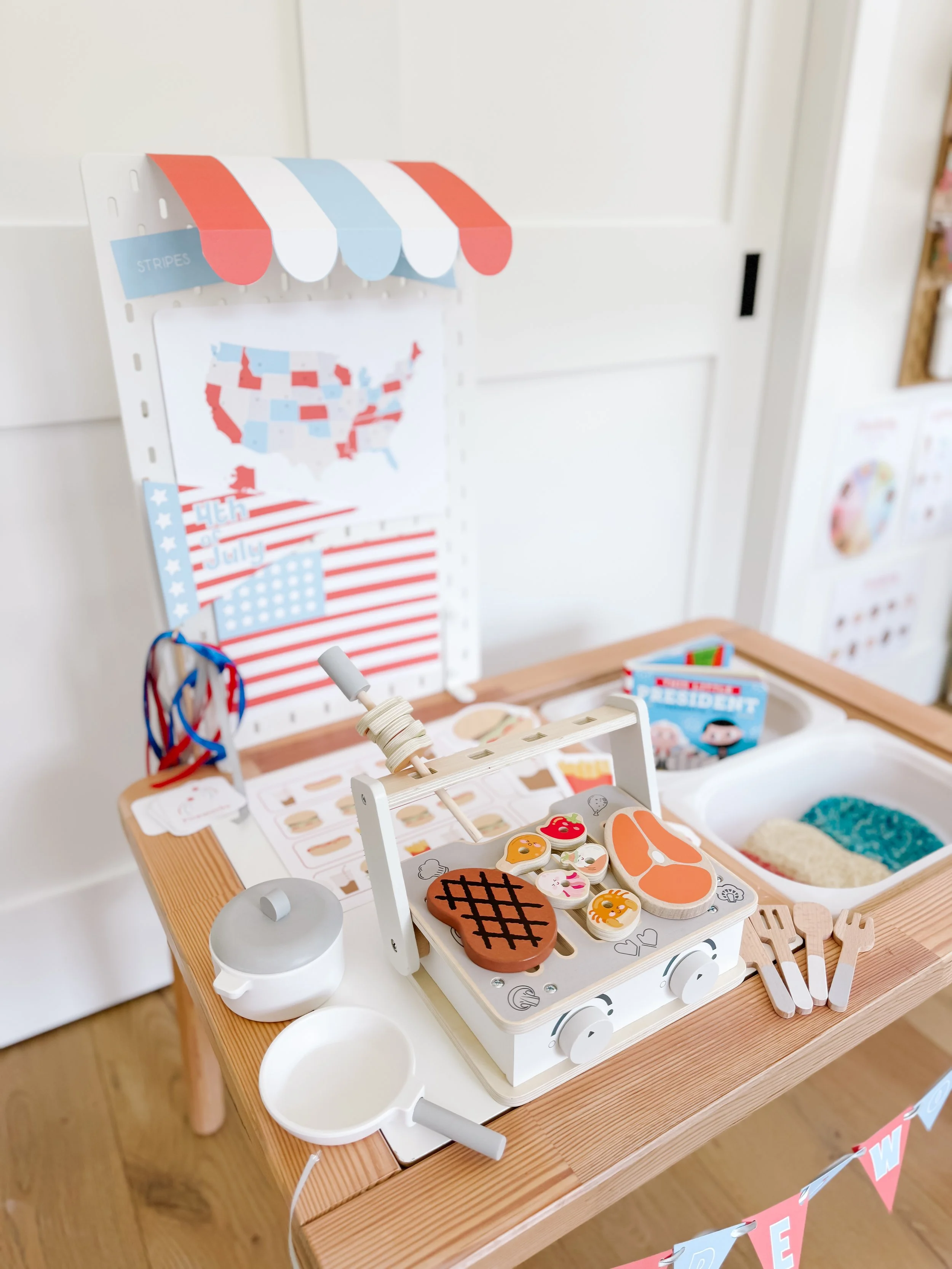
Are you looking for a unique and engaging way to celebrate the 4th of July with your little ones? Look no further! Our 4th of July Printable Sensory and Dramatic Play Kit is designed to spark creativity and excitement while promoting sensory exploration. In this blog post, we'll dive into three fun sensory bins you can create that are 4th of July themed. We'll also introduce the printables included in the kit, such as the awning, American flag, United States map, cookout food, and themed concept cards. Let's embark on a sensory and dramatic play adventure that your children will love!

Download & Print

IMG_8659_jpg.jpg IMG_8602_jpg.jpg IMG_8598.jpg IMG_8599.jpg IMG_8600.jpg IMG_8601.jpg IMG_8603_jpg.jpg IMG_8604_jpg.jpg IMG_8605_jpg.jpg

Benefits of Sensory Play for Preschoolers

Sensory play is crucial for preschoolers as it:

  • Enhances cognitive development: Engaging with different textures, smells, and materials helps children learn about the world around them and promotes problem-solving skills.

  • Improves fine motor skills: Handling small objects and manipulating materials boosts hand-eye coordination and dexterity.

  • Encourages language development: As children describe their sensory experiences, they expand their vocabulary and communication skills.

  • Supports emotional regulation: Sensory play can be soothing and help children manage their emotions and stress.

  • Promotes social interaction: Playing in sensory bins with peers fosters cooperation, sharing, and social bonding.

3 Patriotic Independence Day Sensory Bins for Preschoolers

IMG_8602_jpg.jpg IMG_8603_jpg.jpg IMG_8604_jpg.jpg IMG_8605_jpg.jpg

1. BBQ Cookout Bin

Materials Needed:

  • Play kitchen BBQ set

  • Plastic hot dogs, hamburgers, and buns

  • Toy spatulas, tongs, and plates

  • Fake grass or green felt for the "lawn"

  • Small American flags

Instructions:

  1. Setup: Arrange the play kitchen BBQ set on one side of a large bin.

  2. Add Accessories: Place the plastic hot dogs, hamburgers, buns, spatulas, and tongs around the BBQ set.

  3. Create the Scene: Lay the fake grass or green felt to mimic a picnic area.

  4. Decorate: Insert small American flags into the "lawn" for a festive touch.

Learning Topics:

  • Discuss traditional American foods.

  • Talk about summer and outdoor activities.

  • Introduce the concept of a cookout and how it is part of the 4th of July celebrations.

IMG_8606_jpg.jpg IMG_8610_jpg.jpg IMG_8609_jpg.jpg

2. Red, White, and Blue Sushi Rice Bin

Materials Needed:

  • 3 cups of white rice

  • Red and blue food coloring

  • Vinegar

  • Ziplock bags

  • Plastic stars and stripes

  • Scoops and small containers

Instructions:

  1. Dyeing the Rice: Divide the rice into three equal parts. Place each portion in a separate Ziplock bag. Add a few drops of red food coloring and a teaspoon of vinegar to one bag, blue food coloring and vinegar to another, and leave the third part white. Seal the bags and shake until the rice is evenly colored. Spread the rice on parchment paper to dry for a few hours.

  2. Setting Up the Bin: Once the rice is dry, layer the red, white, and blue rice in a large sensory bin. Add plastic stars and stripes for additional texture and visual interest. Provide scoops and small containers for scooping and pouring.

Learning Topics:

  • Explore the colors of the American flag.

  • Discuss the significance of Independence Day.

  • Introduce basic concepts of measurement and volume through scooping and pouring.

IMG_8620.jpg IMG_8621.jpg IMG_8626_jpg.jpg IMG_8636_jpg.jpg IMG_8638_jpg.jpg

3. Edible American Flag Bin

Materials Needed:

  • Fresh blueberries

  • Shredded coconut

  • Fresh raspberries

  • Large tray

  • Small bowls

Instructions:

  1. Prepare the Tray: Use a large tray to create the base of the American flag. Arrange the blueberries in a square in the top left corner to represent the stars. Create alternating stripes using shredded coconut and raspberries.

  2. Interactive Play: Place small bowls of blueberries, raspberries, and shredded coconut around the bin. Allow children to create their own versions of the American flag or simply enjoy exploring the textures and tastes.

Learning Topics:

  • Talk about the American flag and its symbolism.

  • Discuss healthy eating and the benefits of fruits.

  • Encourage creativity and pattern recognition.

4th of July sensory play activities offer a unique blend of fun and education, providing preschoolers with hands-on experiences that stimulate their senses and promote learning. By creating themed sensory bins, you can introduce young children to important concepts related to Independence Day, such as U.S. history, patriotic symbols, and traditional celebrations. These activities not only engage children in meaningful play but also help develop essential skills that support their overall growth and development.

IMG_8611_jpg.jpg IMG_8612_jpg.jpg IMG_8598.jpg

25 4th of July Vocabulary words for Preschoolers:

  1. Independence Day

  2. America

  3. Flag

  4. Stars

  5. Stripes

  6. President

  7. Patriotism

  8. BBQ

  9. Cookout

  10. Hot dogs

  11. Hamburgers

  12. Picnic

  13. Celebration

  14. Fireworks

  15. Liberty

  16. Freedom

  17. History

  18. July

  19. Red

  20. White

  21. Blue

  22. Imperialism

  23. Declaration of Independence

  24. Thomas Jefferson

  25. George Washington

IMG_8659_jpg.jpg

Engage your preschoolers in these exciting 4th of July sensory play activities and watch them learn and grow while celebrating this important national holiday!


4th of July Independence Day Themed Reading List for Preschoolers:

  • Little Presidents

  • American Legends Alphabet

  • Little Places America Is…

  • You’re my little firecracker

Dive into Mermaid and Sea Animal Ocean Sensory Play: A Flisat Table Adventure

June 3, 2024 Kylie Tuosto

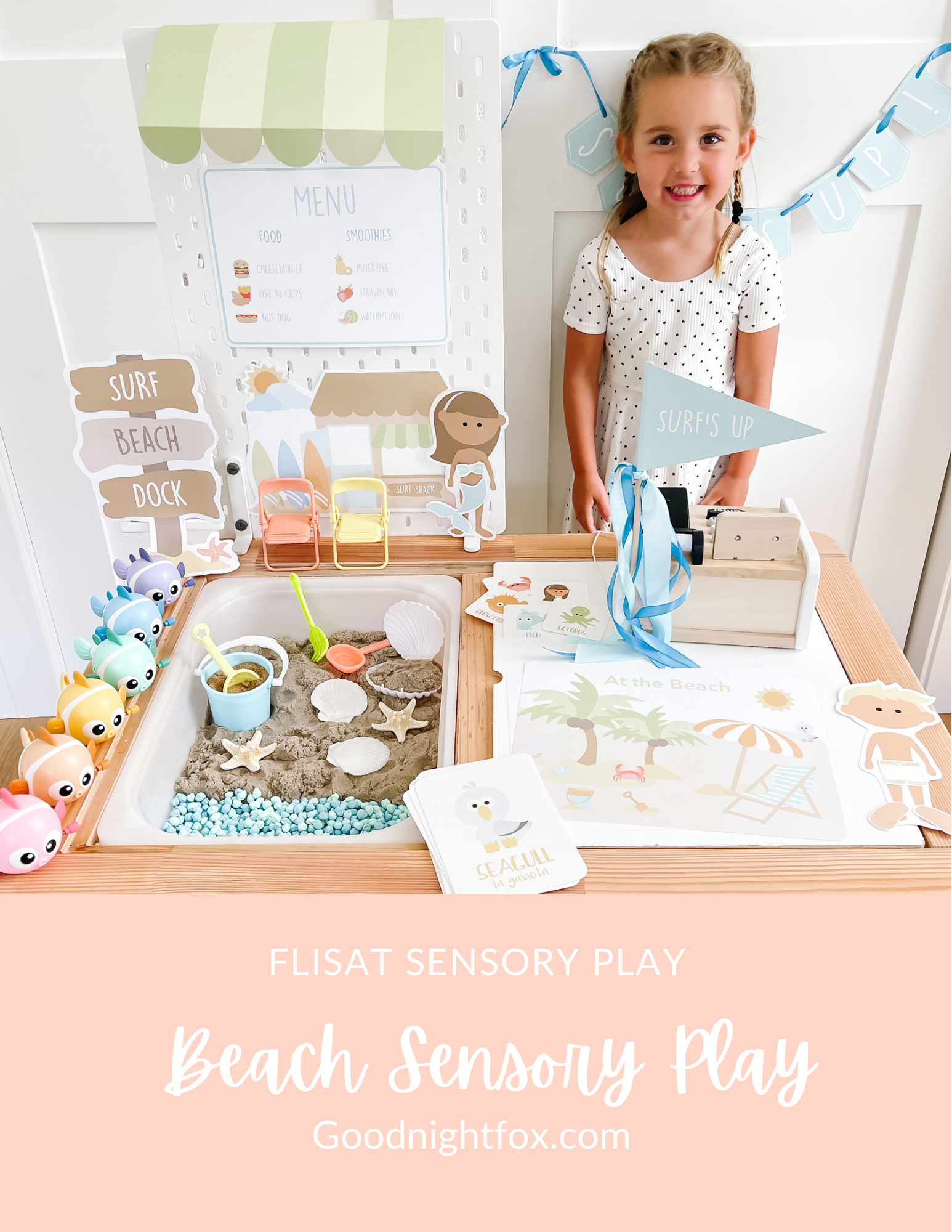
Sensory play is a wonderful way to engage children in hands-on learning, stimulating their senses and fostering creativity. It provides an opportunity for children to explore, experiment, and discover new textures, colors, and shapes. This blog post will guide you through three exciting sensory play trays for the IKEA Flisat table, each designed to transport your child to an enchanting underwater world filled with mermaids and sea creatures. Don’t forget to snag the Surf Shack Printables so that you can bring this fabulous ocean theme to life for Ocean Week!


IMG_1019.jpg IMG_1029.jpg IMG_1045.jpg IMG_1017.jpg IMG_1018.jpg IMG_1020.jpg IMG_1023.jpg IMG_1044.jpg IMG_0032_jpg.jpg IMG_1046.jpg

Flisat Table Bin 1: Mermaid Insert

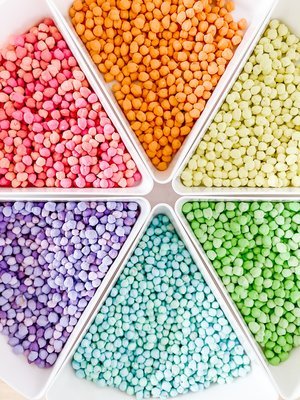
Our first sensory tray features the Mermaid Insert from WonderYearsPlay. This activity insert is perfect for filling with rice or chickpeas, creating a colorful and tactile experience. We used rainbow-painted chickpeas from @curiouswren to add a magical touch to our mermaid world. To recreate this setup, here’s what you’ll need:

  • Mermaid Flisat Table insert (Use code GOODNIGHTFOX to save!)

  • Colored chickpeas

  • Plastic fish toys

  • Bucket & shovel beach kit

  • Mermaid match game

  • Play shells

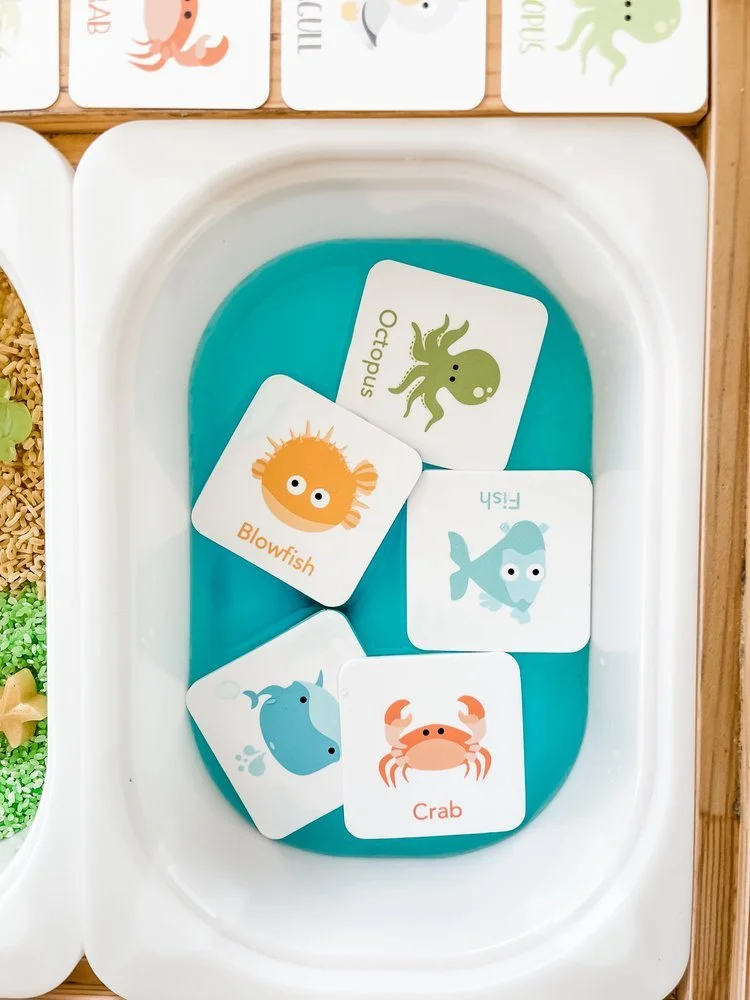
  • Sea animal waterproof cards

Here’s how you can create your own colored rice or chickpeas at home:

How to make colored rice for flisat table sensory play:

  1. Measure out the desired amount of rice.

  2. In a zip-lock bag, add rice and a few drops of food coloring.

  3. Add a teaspoon of vinegar to help the color adhere to the rice.

  4. Seal the bag and shake until the rice is evenly coated with color.

  5. Spread the rice out on a baking sheet to dry.

How to make colored chickpeas for flisat table sensory play:

  1. Place chickpeas in a zip-lock bag.

  2. Add a few drops of acrylic paint to the bag.

  3. Seal the bag and shake until the chickpeas are coated in paint.

  4. Spread the chickpeas out on a baking sheet to dry.

These colorful fillers create a vibrant and interactive environment for your child to explore, matching and sorting different mermaids by color.


IMG_4706.jpeg IMG_4707.jpeg IMG_4711.jpeg IMG_4713.jpeg IMG_4731.jpeg IMG_4749.jpeg

Flisat Table Bin 2: Coral Reef Tray

The Coral Reef Tray uses magnetic sand as a base filler, providing a unique texture that mimics the ocean floor. To create the coral reef, use dried pasta noodles of different shapes and sizes, painted in various colors with acrylic paint. Here’s how to prepare the pasta:

  1. Select different pasta shapes such as bow ties, rotini, and shells.

  2. Lay the pasta out on a protected surface.

  3. Paint each shape with acrylic paint in bright coral colors like pink, orange, and yellow.

  4. Let the pasta dry completely before adding it to the tray.

Arrange the painted pasta on top of the magnetic sand to create a vibrant coral reef, and add small sea animal figures to enhance the underwater adventure.


Flisat Table Bin 3: Taste Safe Beach Small World Play

Our final sensory tray is a taste-safe Jello beach, perfect for younger children. This tray combines crushed graham crackers for sand with blue jello for the ocean, creating an immersive and edible play experience. Here’s how to set it up:

  1. Crush graham crackers to create a sandy texture.

  2. Prepare blue jello according to the package instructions and pour it into a shallow tray.

  3. Once the jello has set, add the crushed graham crackers to one side of the tray to represent the beach.

  4. Place small ocean animal figures into the jello for children to dig out.

  5. For added fun, use whipped cream to create white foamy water on the beach.

This tray allows children to enjoy sensory play while also exploring new tastes and textures in a safe way.


IMG_0210.jpg IMG_0218.jpg IMG_0219.jpg IMG_0235_jpg.jpg IMG_0249.jpg IMG_0253_jpg.jpg IMG_0261_jpg.jpg IMG_0262.jpg

The Benefits of Sensory Play

Sensory play is an invaluable tool for early childhood development. It helps to build fine motor skills, enhances cognitive growth, and promotes language development. Through activities like these mermaid and sea animal trays, children can learn about the ocean, develop their imagination, and engage in meaningful play.


Mermaid and Ocean Vocabulary for Preschoolers:

  1. Mermaid

  2. Ocean

  3. Coral

  4. Reef

  5. 5. Fish

  6. Seaweed

  7. Shell

  8. Starfish

  9. Crab

  10. Dolphin

  11. Whale

  12. Jellyfish

  13. Octopus

  14. Seagull

  15. Beach

  16. Sand

  17. Wave

  18. Boat

  19. Tide

  20. Current

  21. Anchor

  22. Buoy

  23. Sailor

  24. Lagoon

  25. Harbor

By incorporating these words into your sensory play activities, you can help your child expand their vocabulary while having fun. Dive into these mermaid and sea animal sensory trays and watch your child’s creativity and learning soar!

Tags mermaid, ocean, sea animals, sensory play table for kids, mermaid themed sensory play, immersive play, dramatic play, surf shack sensory play, ocean sensory play
1 Comment

Exploring Sensory Play with a Cinco De Mayo Taco Truck Theme for Kids

May 5, 2024 Kylie Tuosto

Exploring Sensory Play with a Cinco De Mayo Taco Truck Theme for Kids

Sensory play offers numerous benefits for children's overall development. Engaging in sensory activities helps stimulate children's senses, improve motor skills, encourage cognitive development, and enhance creativity.

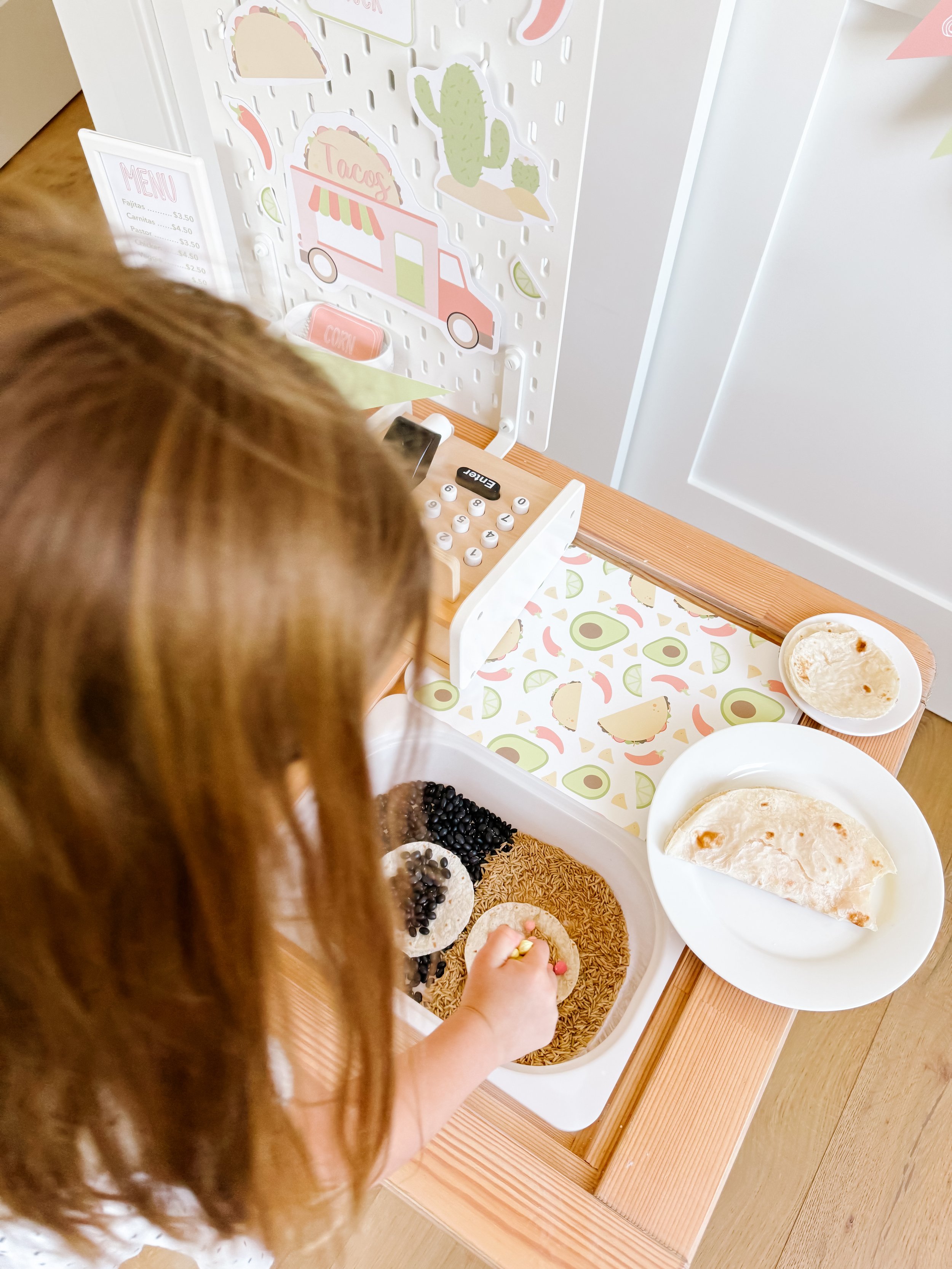
To create a fun and educational sensory play experience inspired by Cinco De Mayo, set up a colorful taco-making activity using different sensory materials. Use pink, green, and yellow colored chickpeas to represent peppers and corn, flour tortillas as taco shells, and uncooked black beans and white rice for rice and beans fillings.

Enhance the sensory experience with an adorable pink and green themed taco truck decor, perfect for the IKEA Flisat table. This setup not only engages children in imaginative play but also encourages them to explore different textures, colors, and shapes.

After setting up the taco truck station, guide the children through building their tacos using the sensory materials provided. Let them explore the different textures and colors as they create their unique taco masterpieces.

Here are 25 vocabulary words that parents can introduce to their children during this sensory play lesson:

  1. Pepper

  2. Corn

  3. Flour tortilla

  4. Black beans

  5. White rice

  6. Filling

  7. Ingredients

  8. Texture

  9. Colorful

  10. Sensory

  11. Creativity

  12. Motor skills

  13. Cognitive

  14. Development

  15. Exploration

  16. Shapes

  17. Imaginative

  18. Play

  19. Taco truck

  20. Decor

  21. Theme

  22. Table

  23. Experience

  24. Station

  25. Masterpiece

Engaging children in sensory play activities like the Cinco De Mayo Taco Truck theme not only provides them with a fun learning experience but also nurtures their creativity and cognitive skills. Encourage your child to explore, create, and learn through this exciting sensory play adventure!

Tags taco truck, sensory play, cinco de mayo crafts for kids, cinco de mayo taco truck, taco truck dramatic play, printable play, free printables
Comment

Pamper and Play: Spa Day Sensory Fun for Preschoolers

May 3, 2024 Kylie Tuosto
Spa Day Dramatic Printable Play Flisat Table Sensory Activity for Mother's Day

Pamper and Play: Spa Day Sensory Fun for Preschoolers

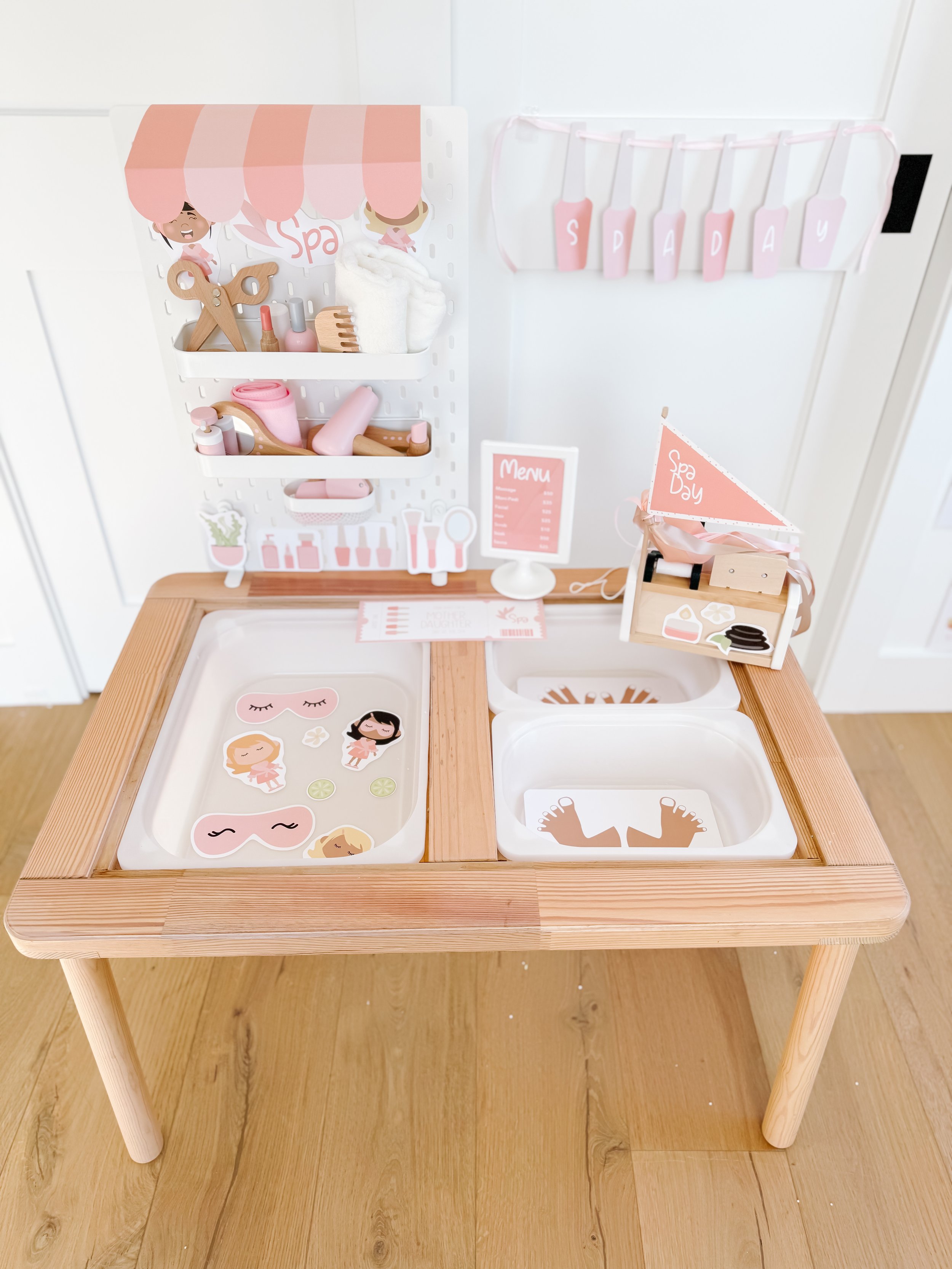
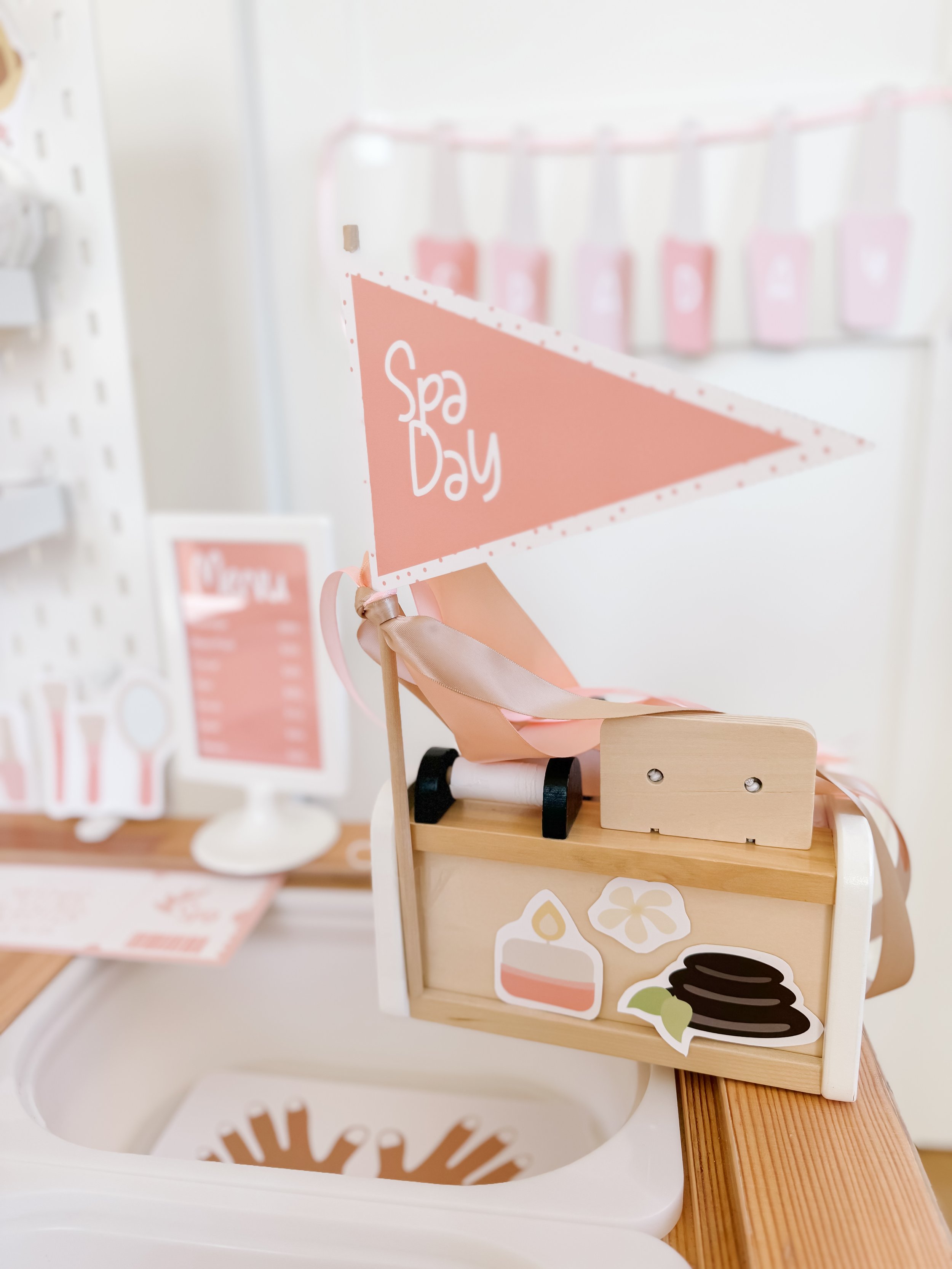
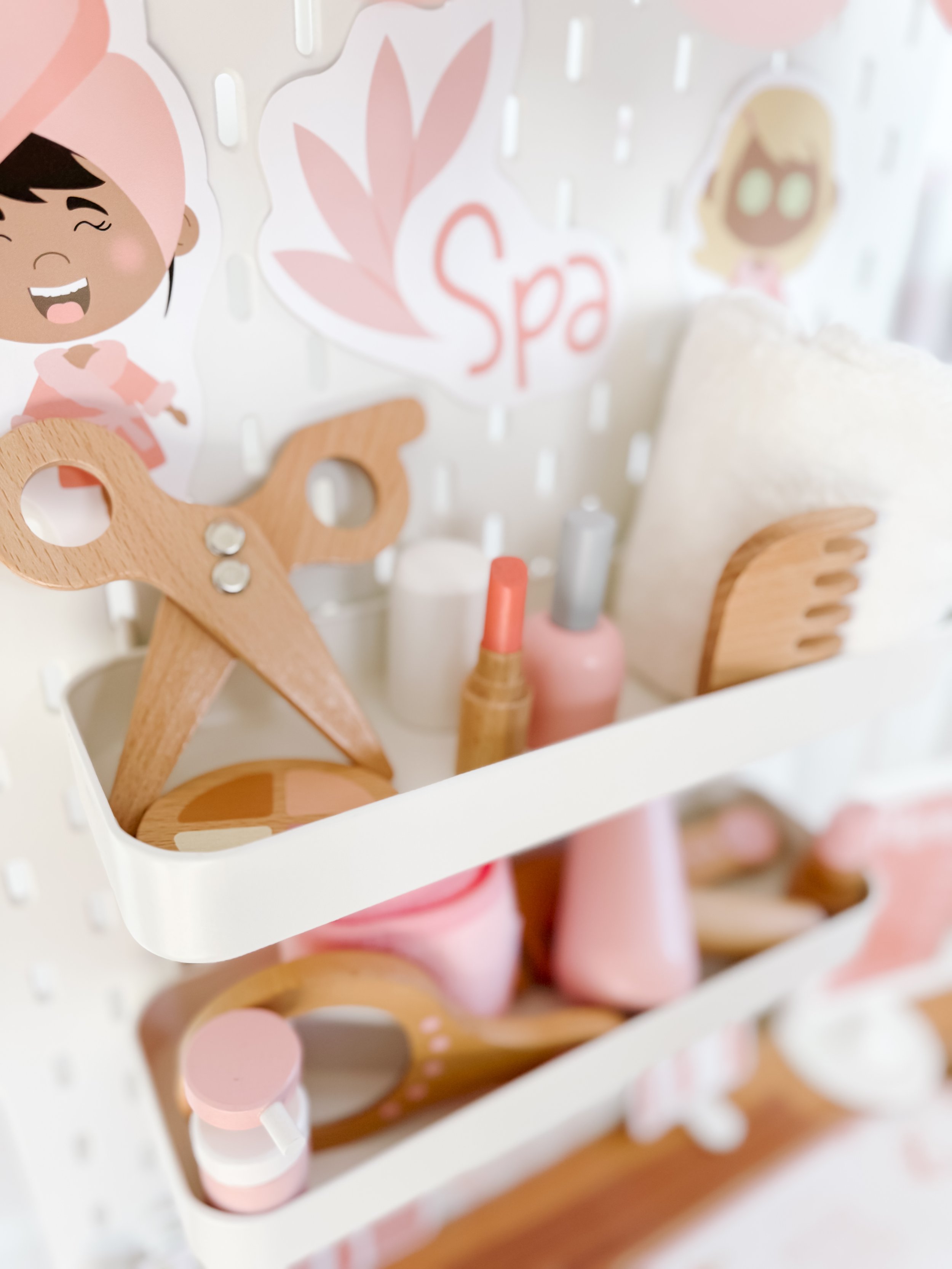
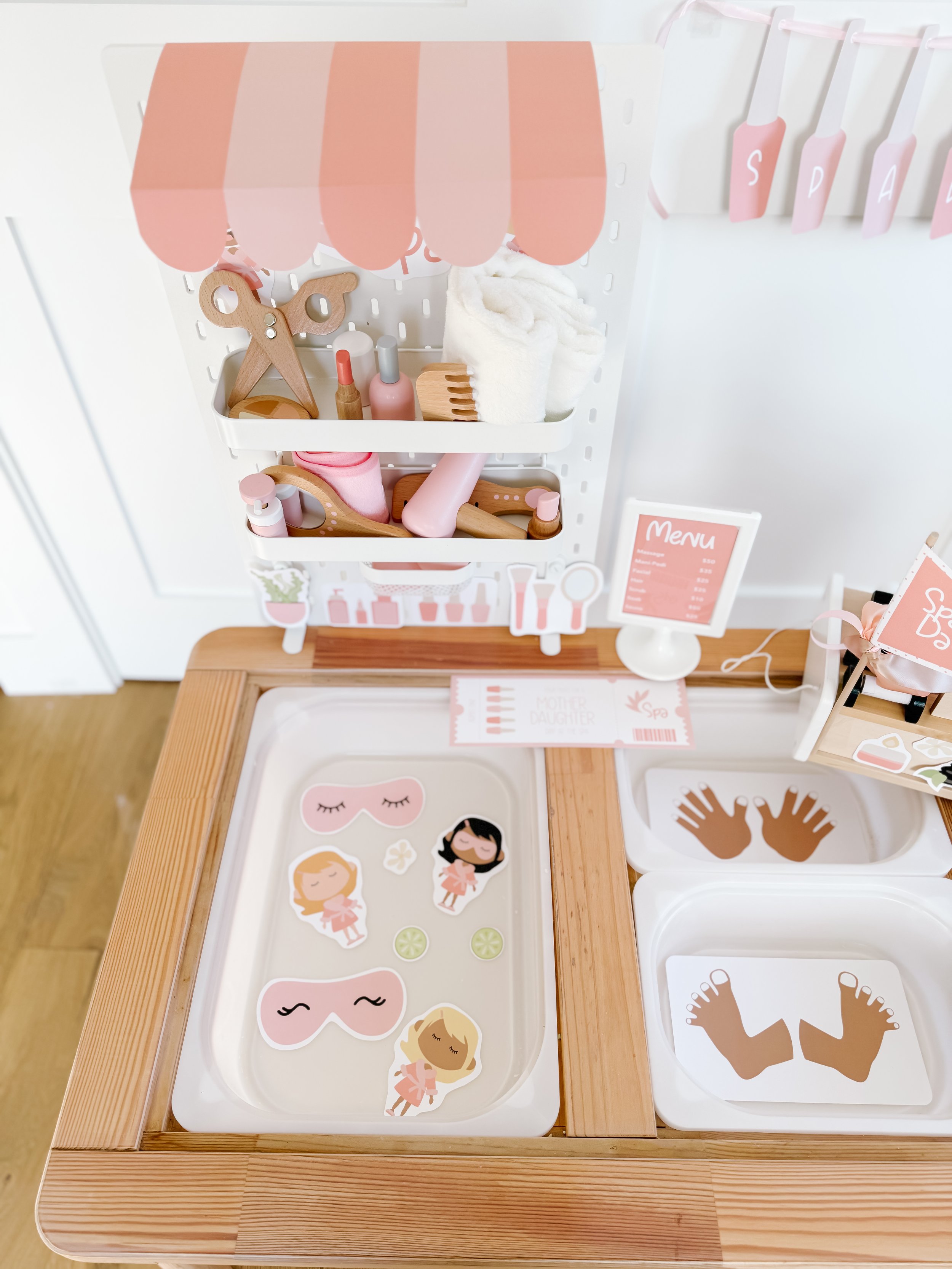
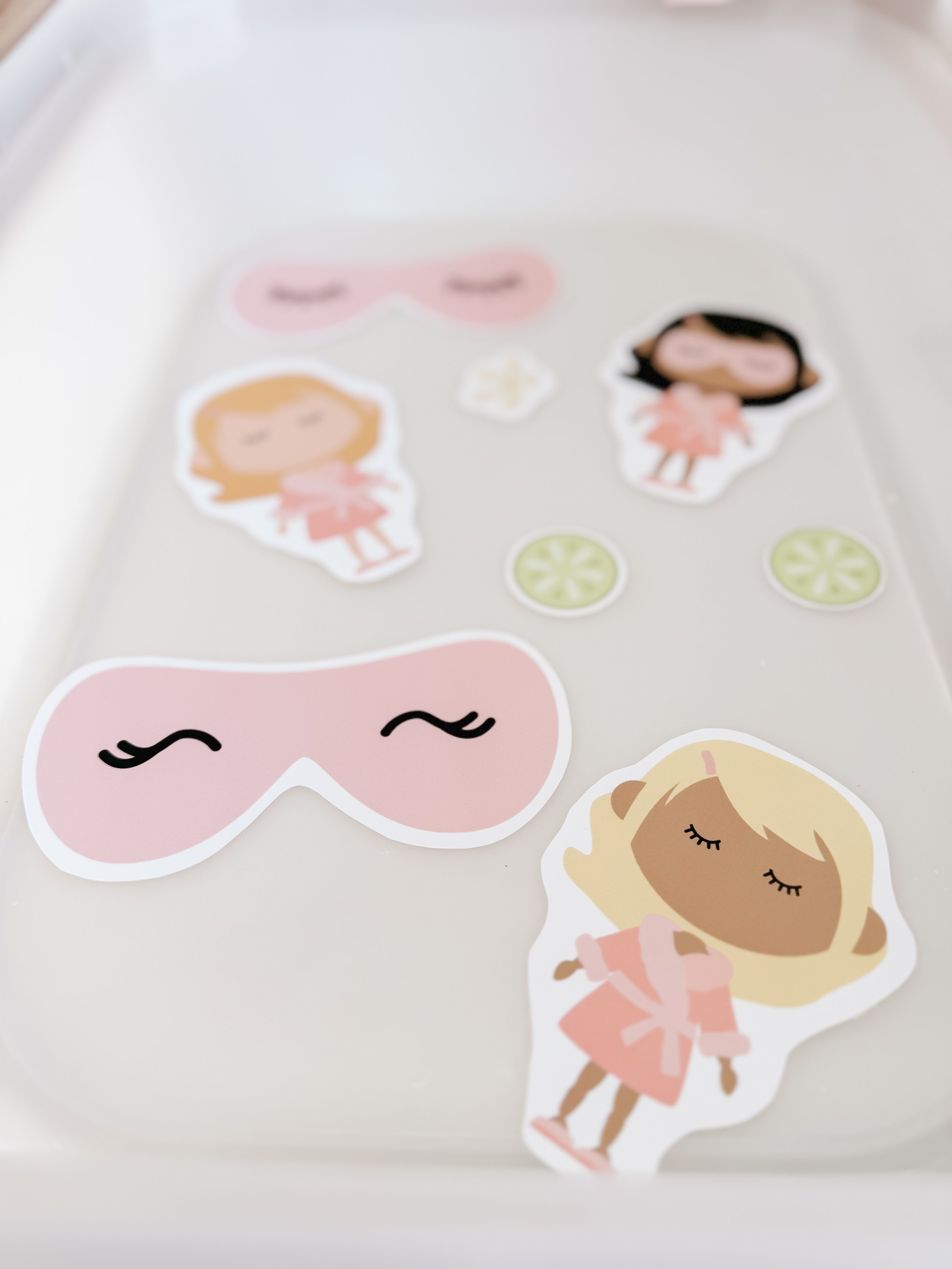
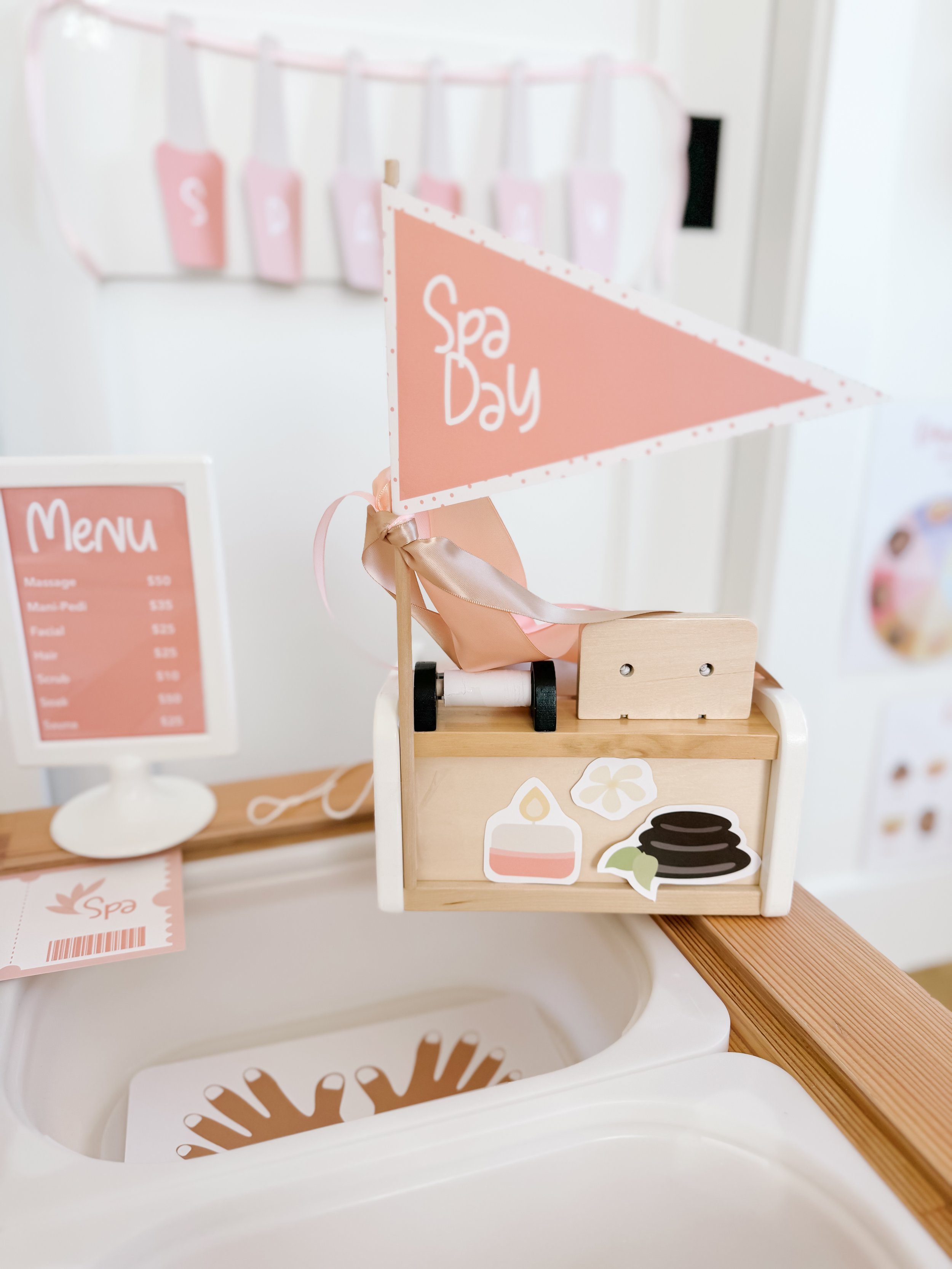
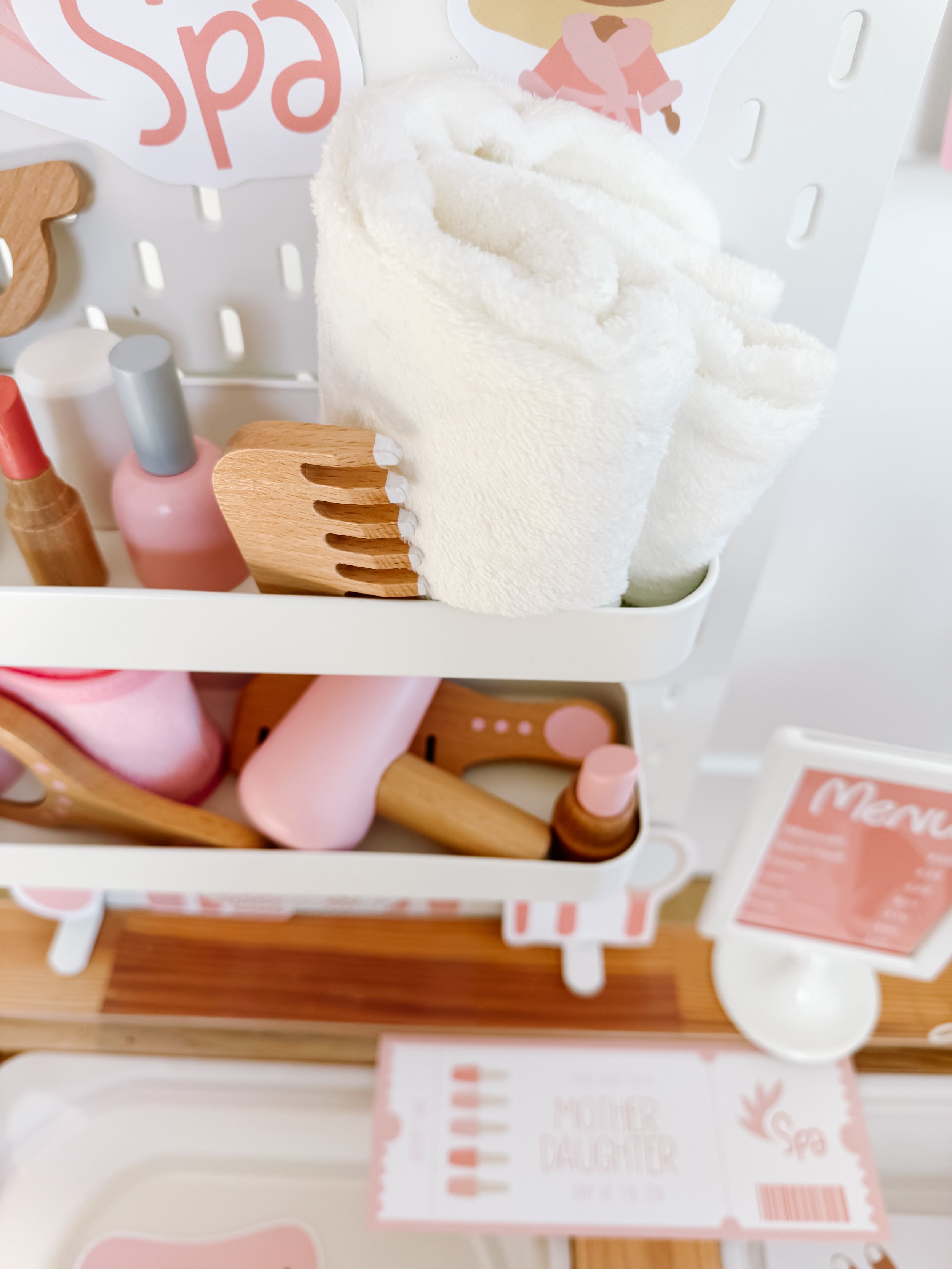
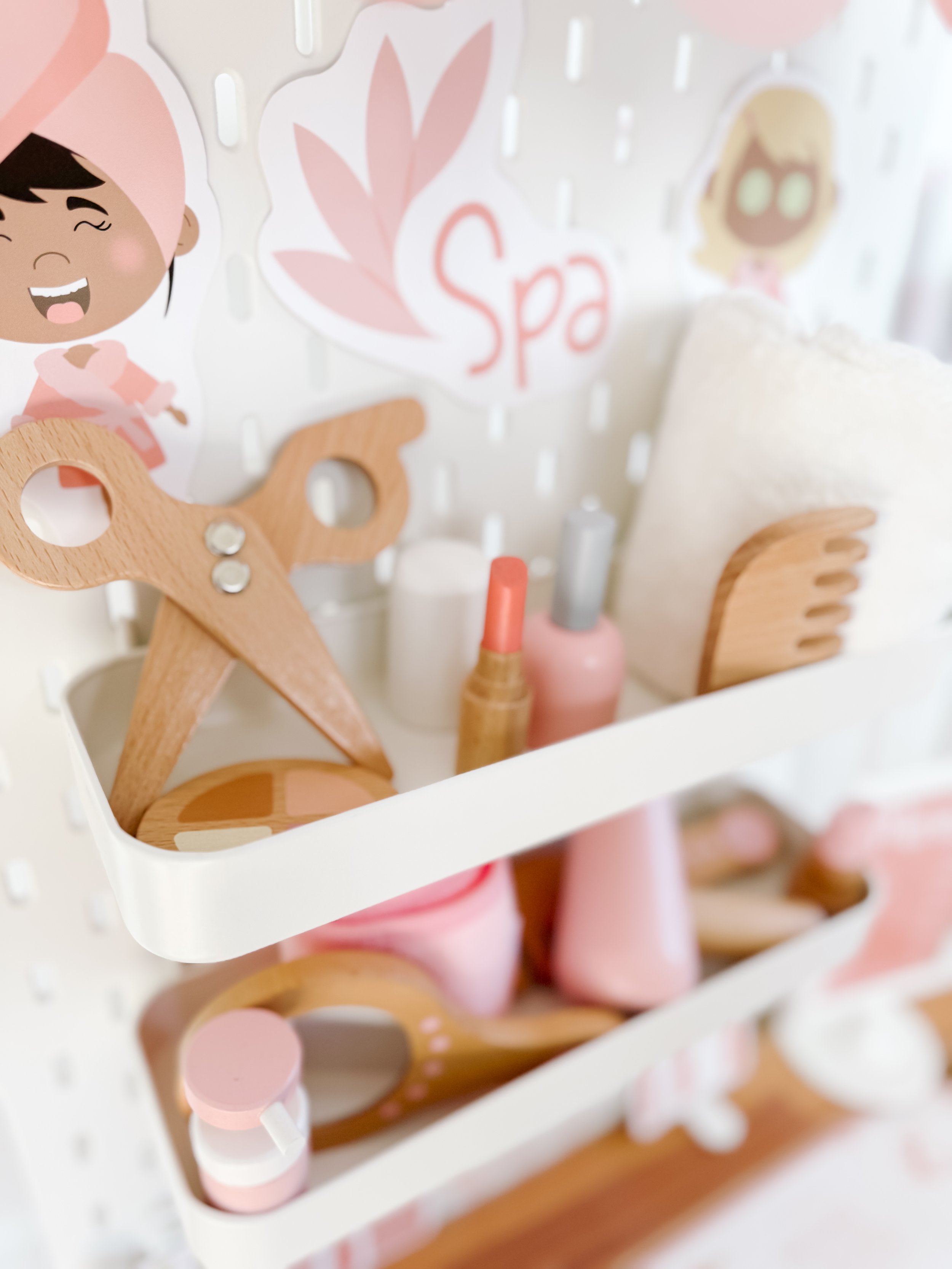
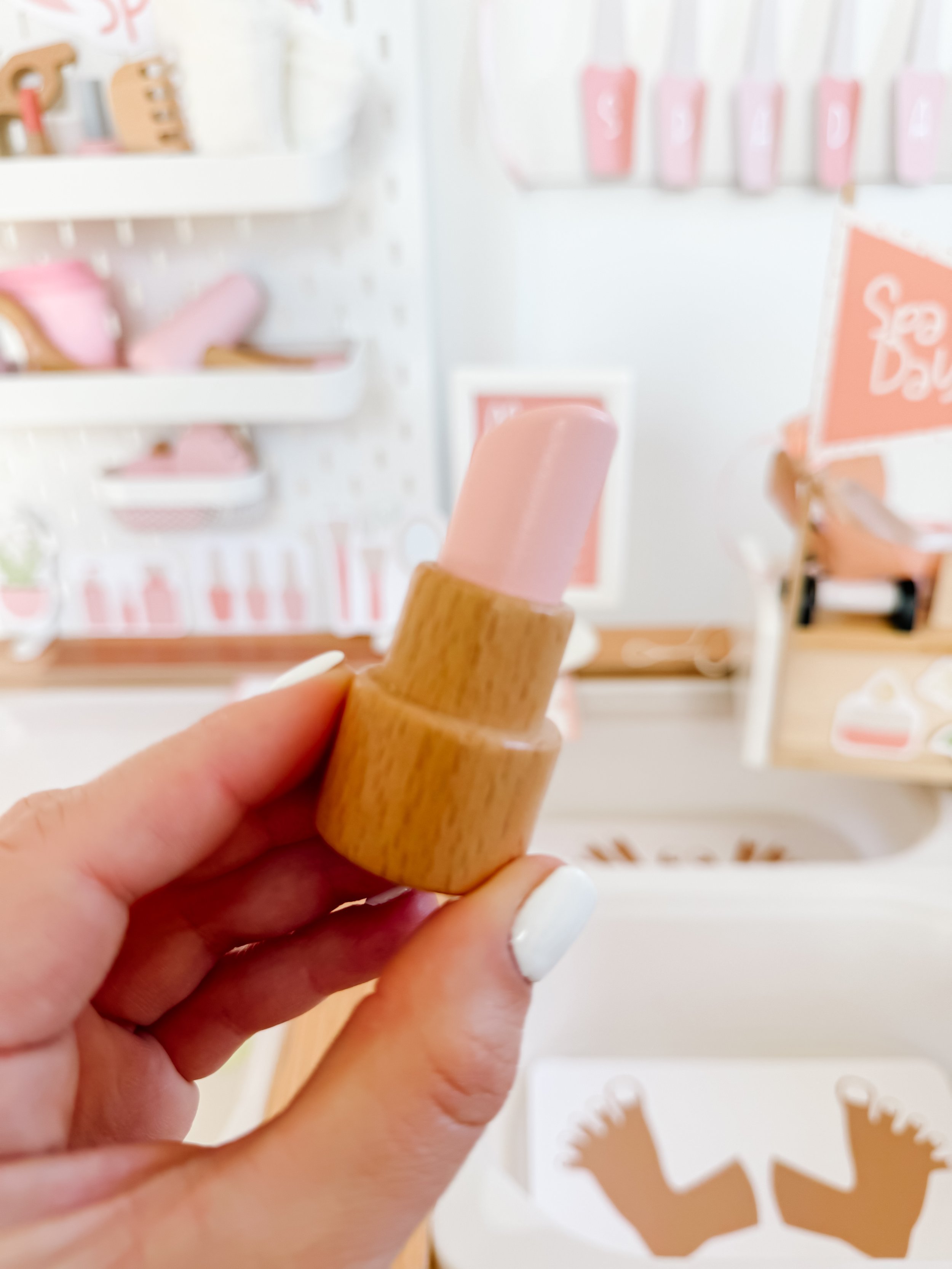
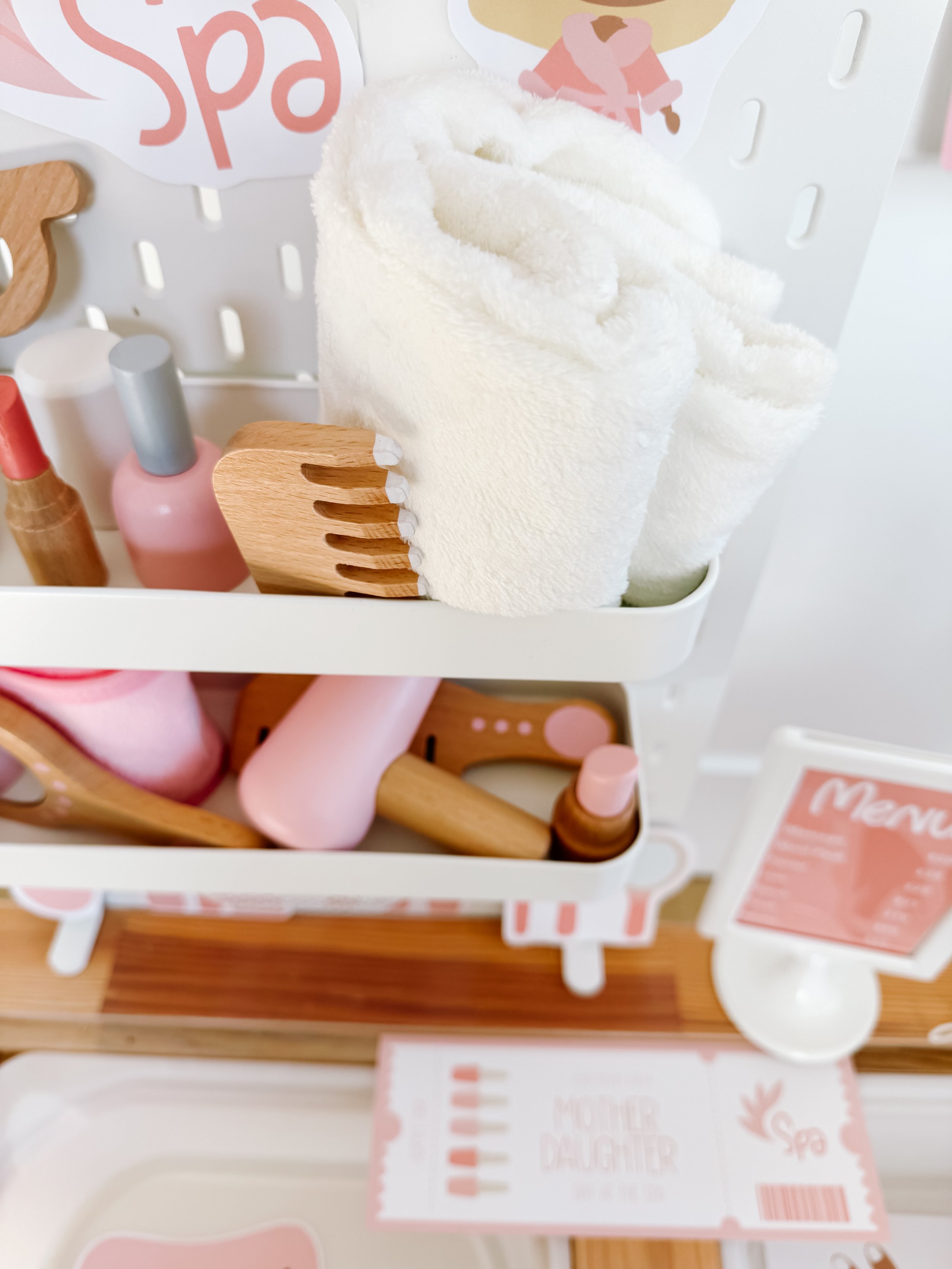
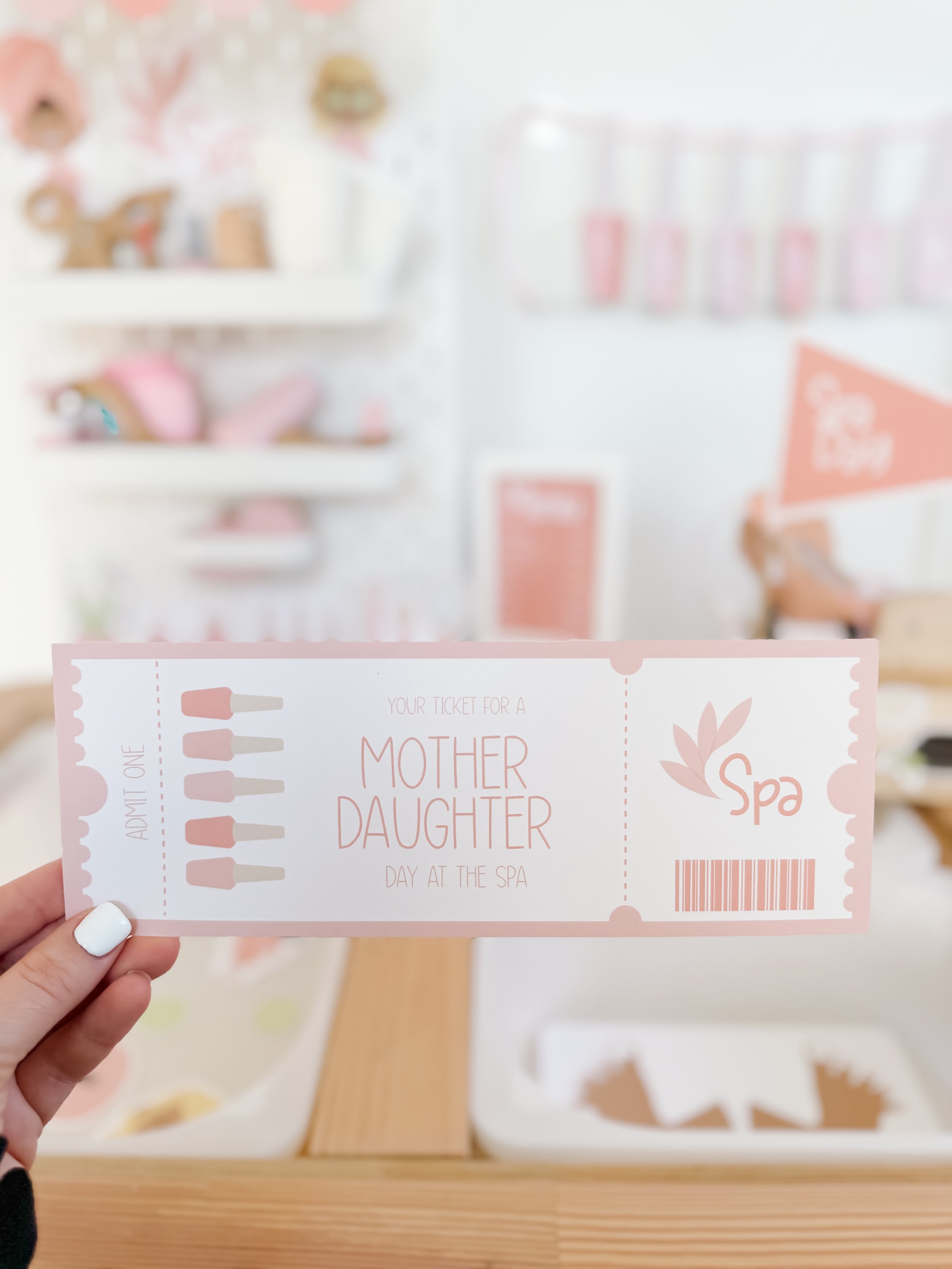
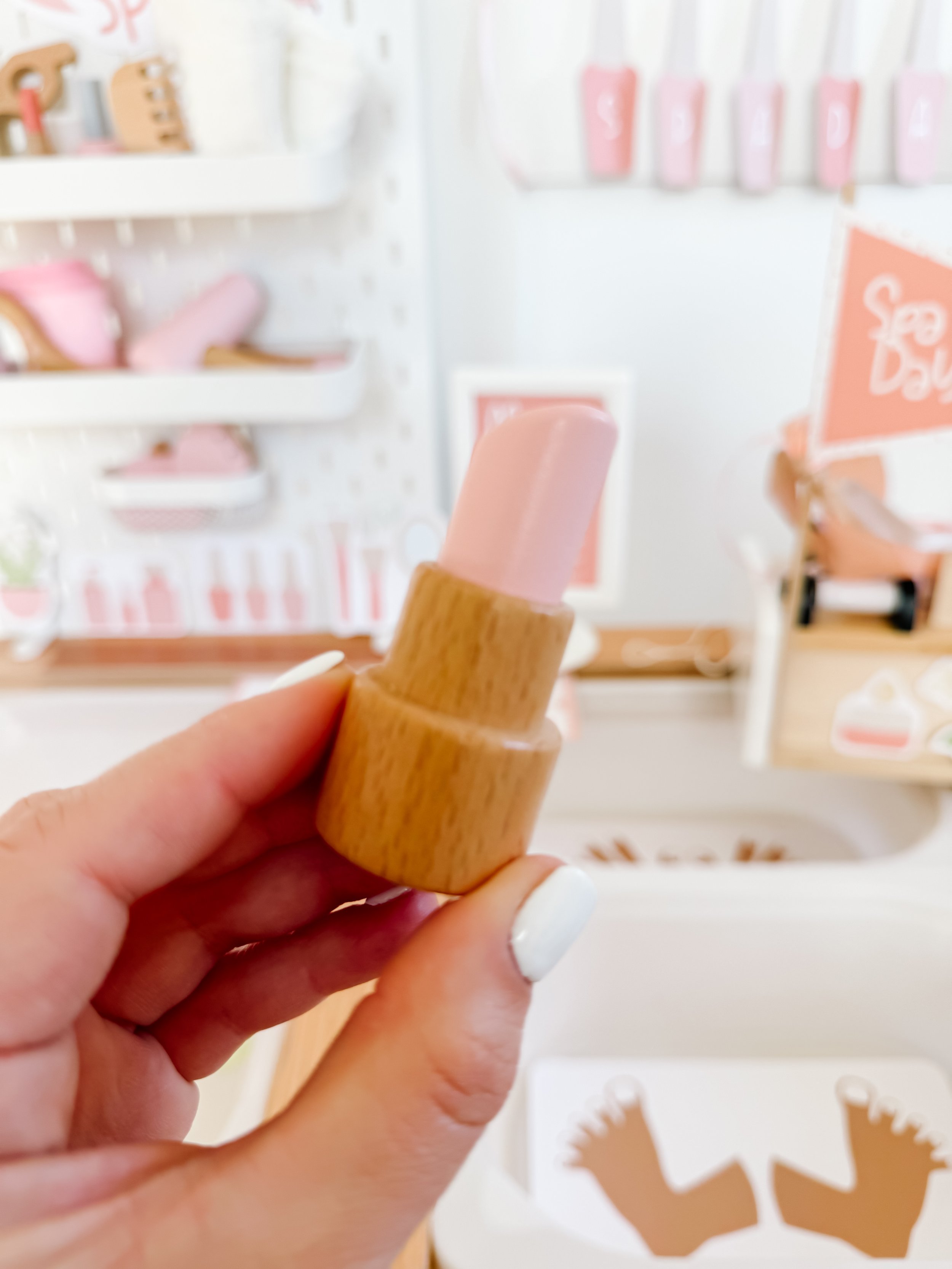
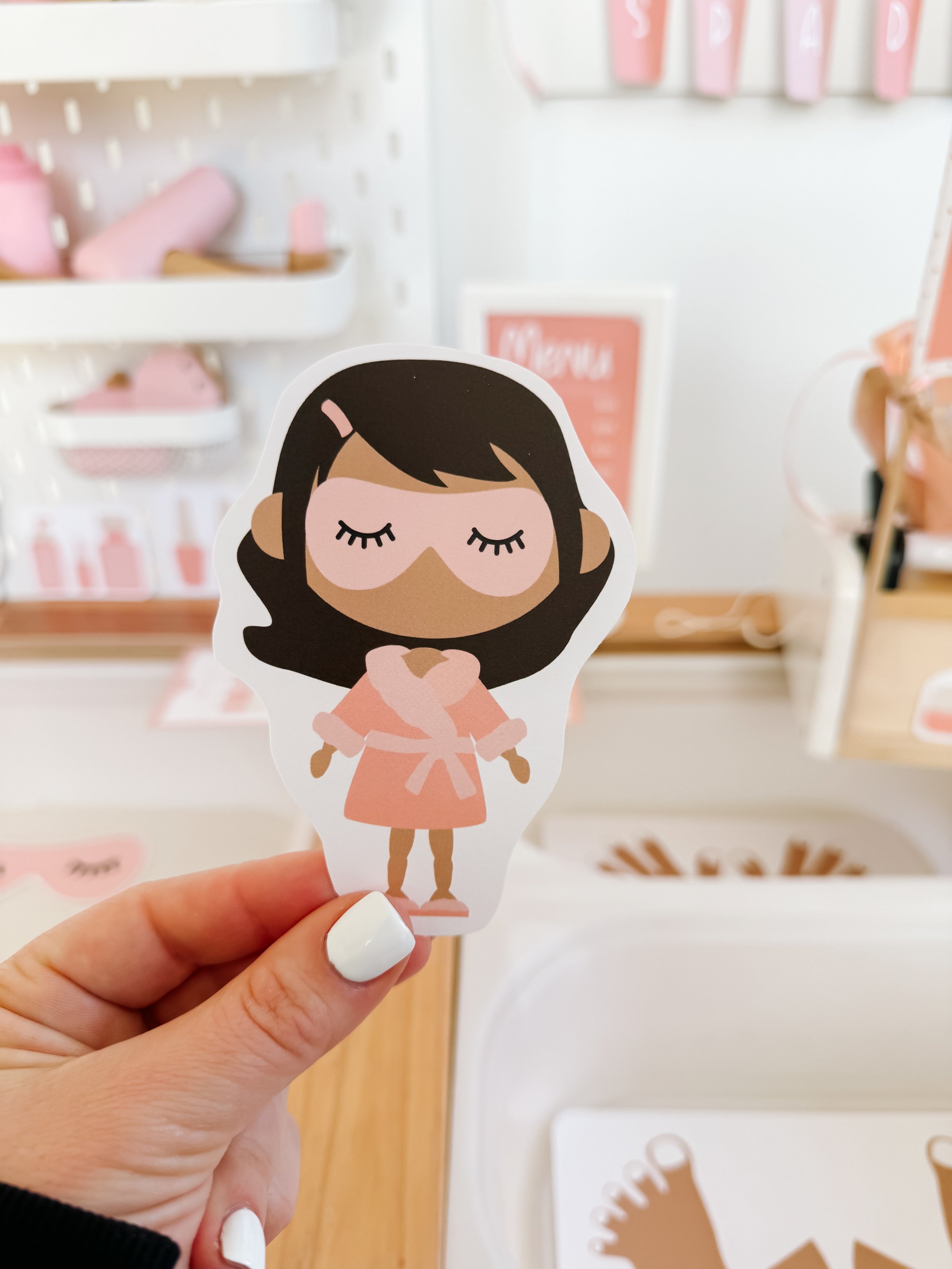
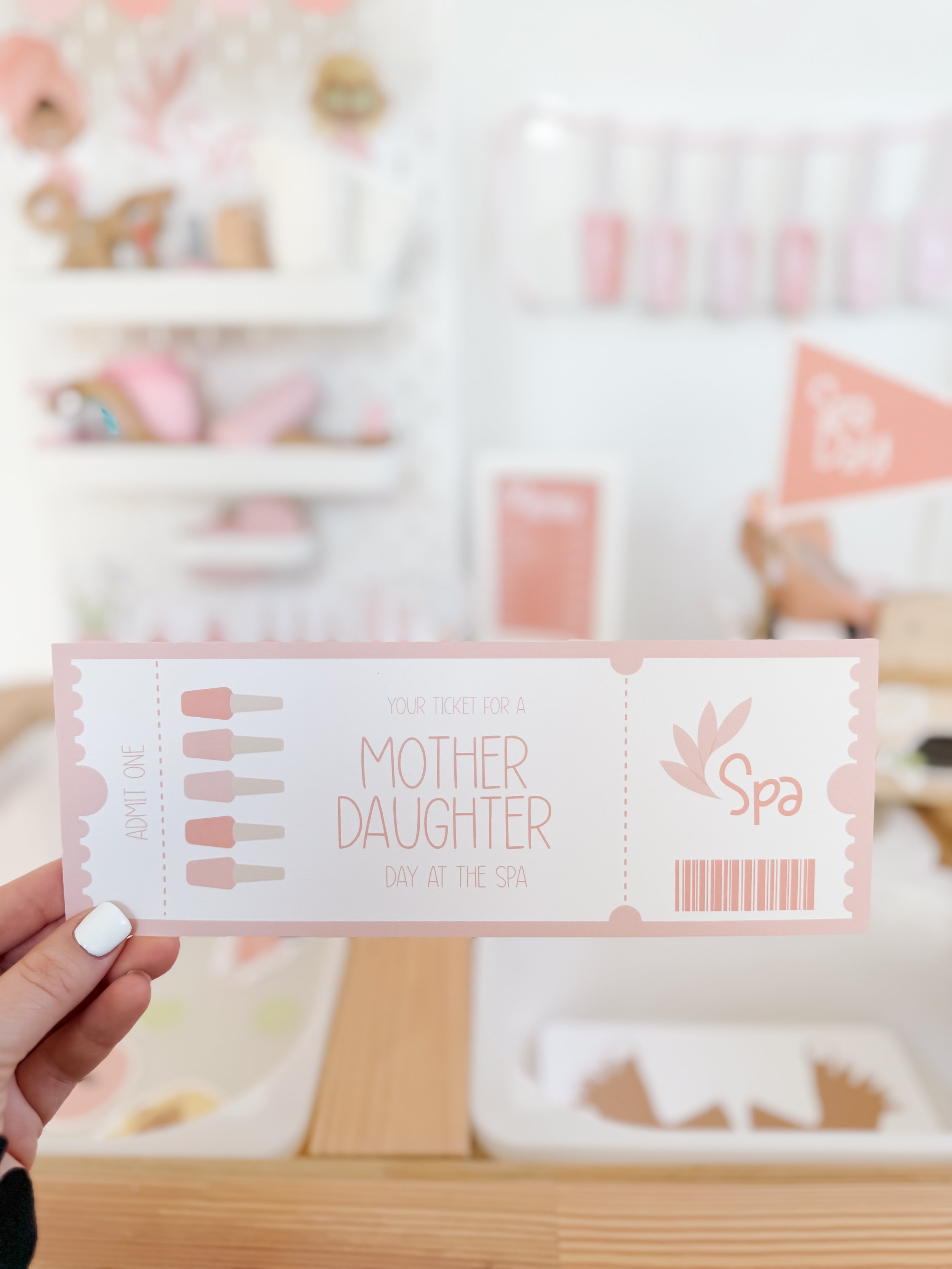
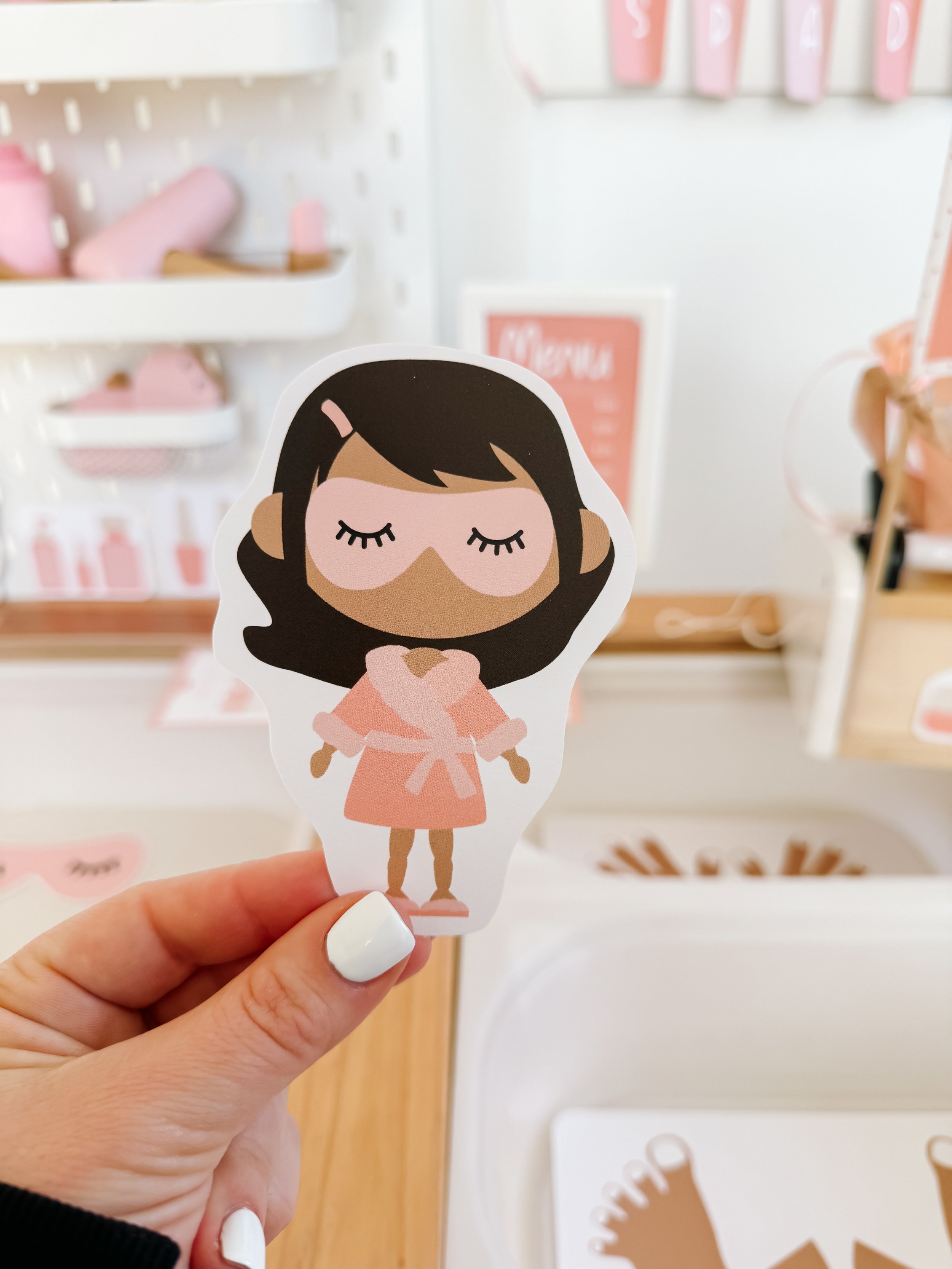
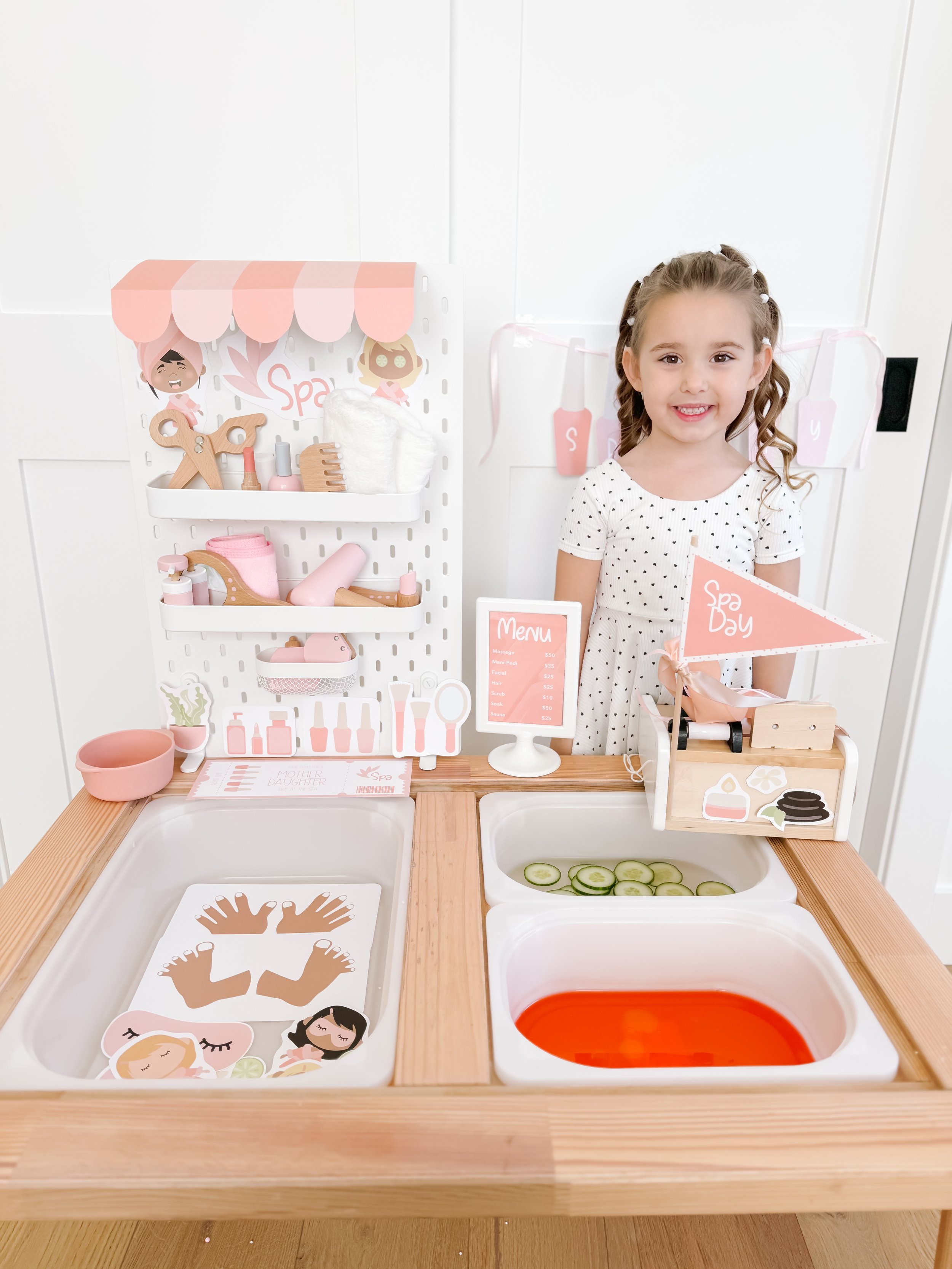
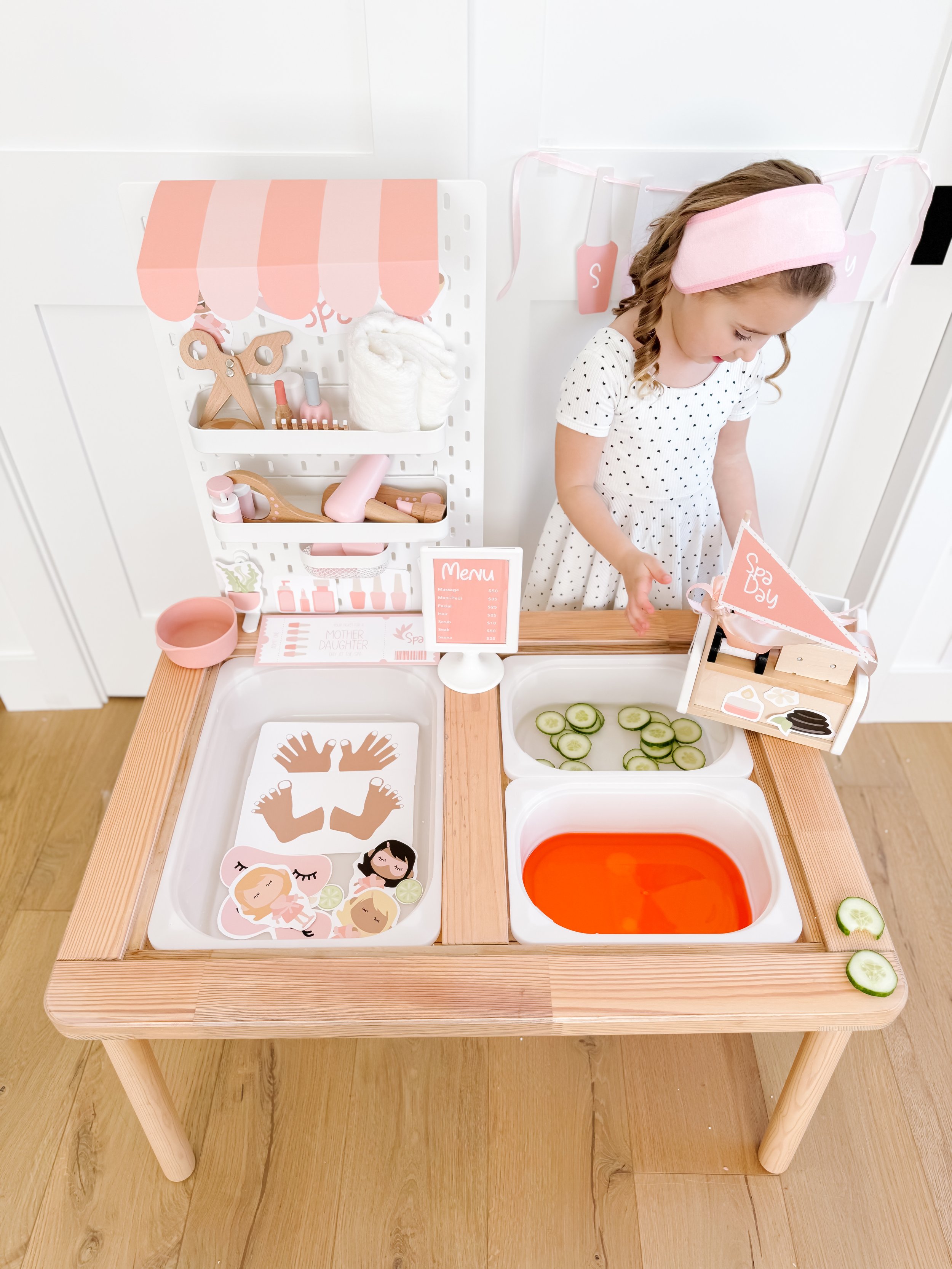
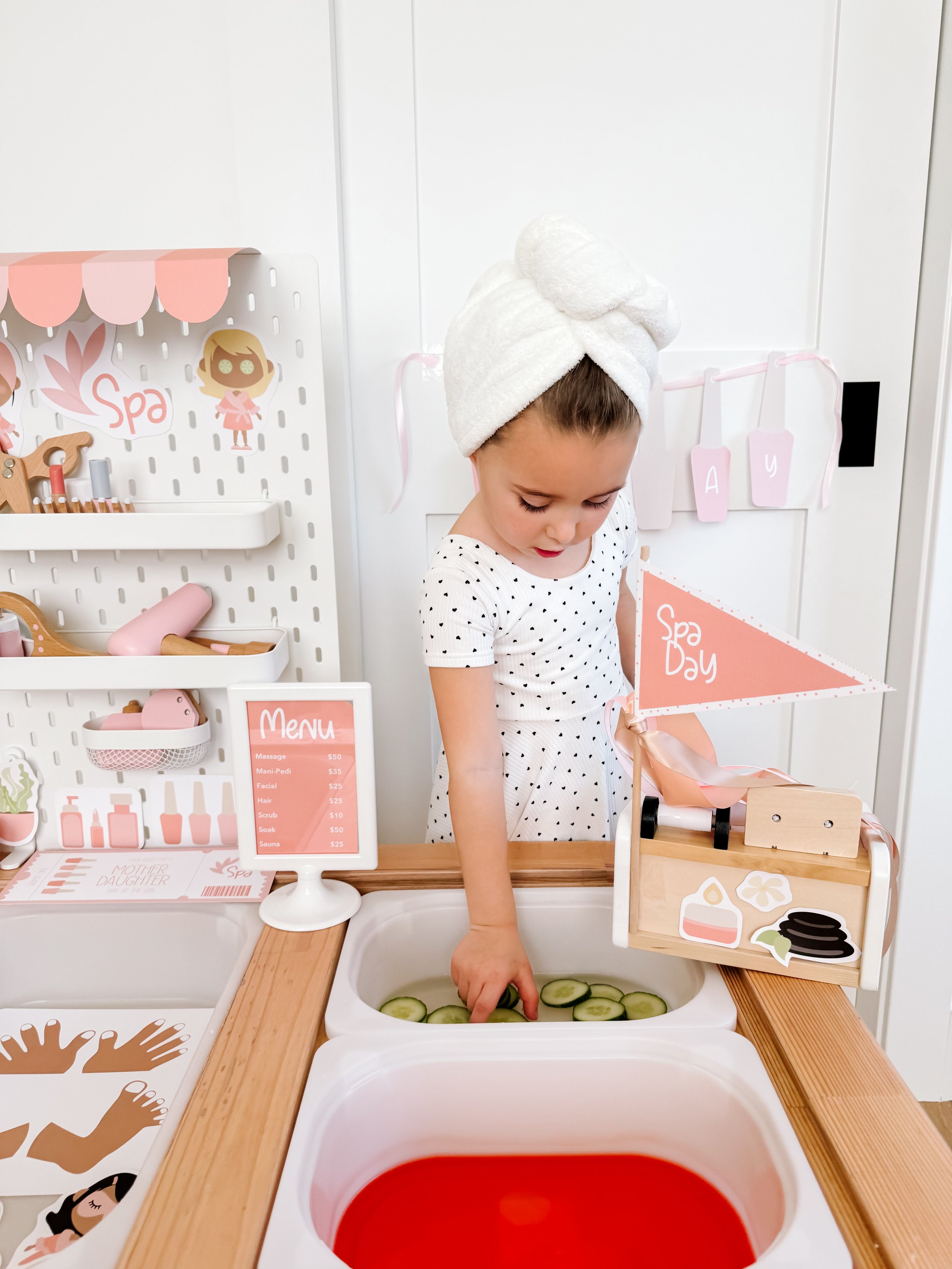
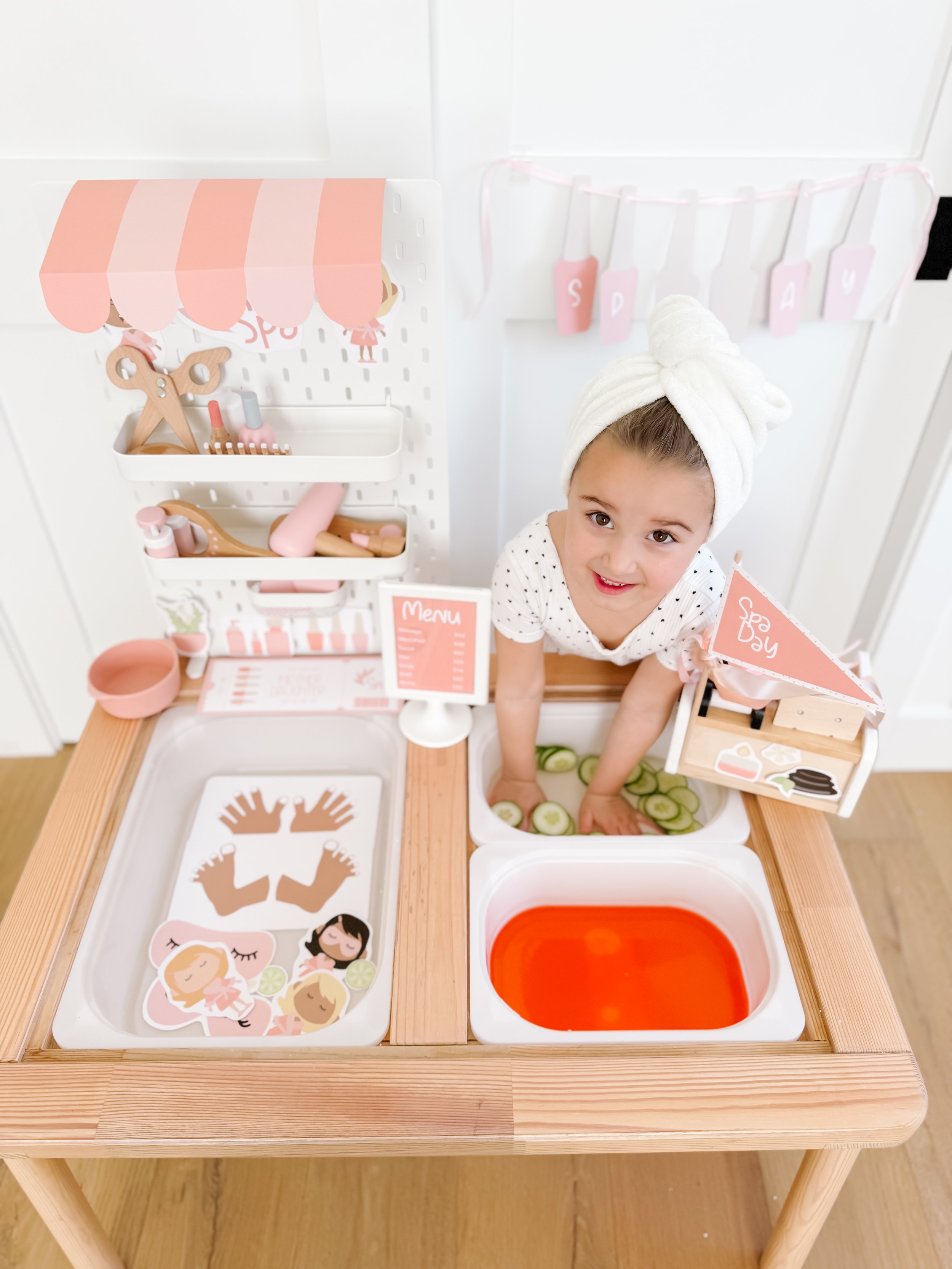
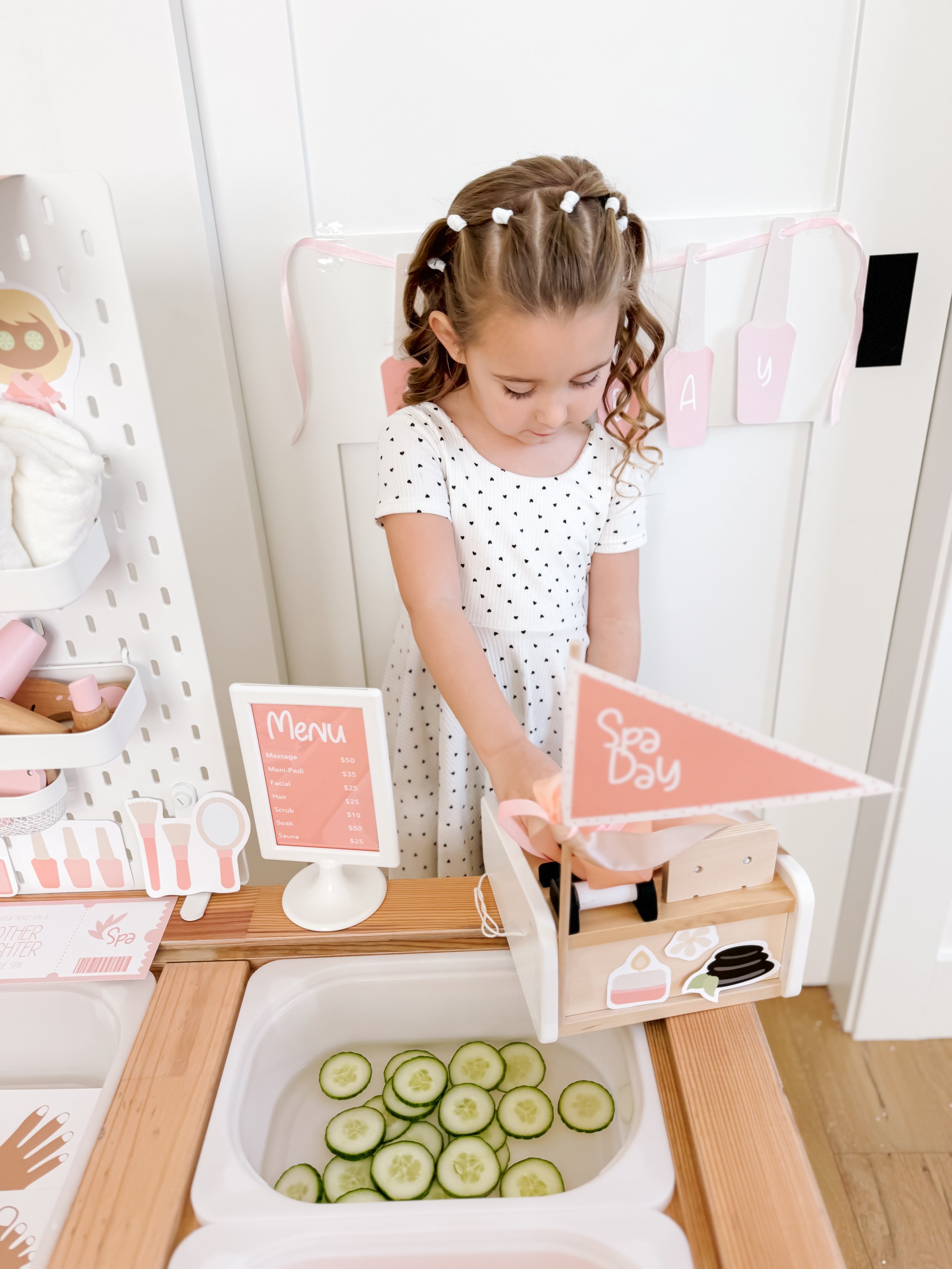
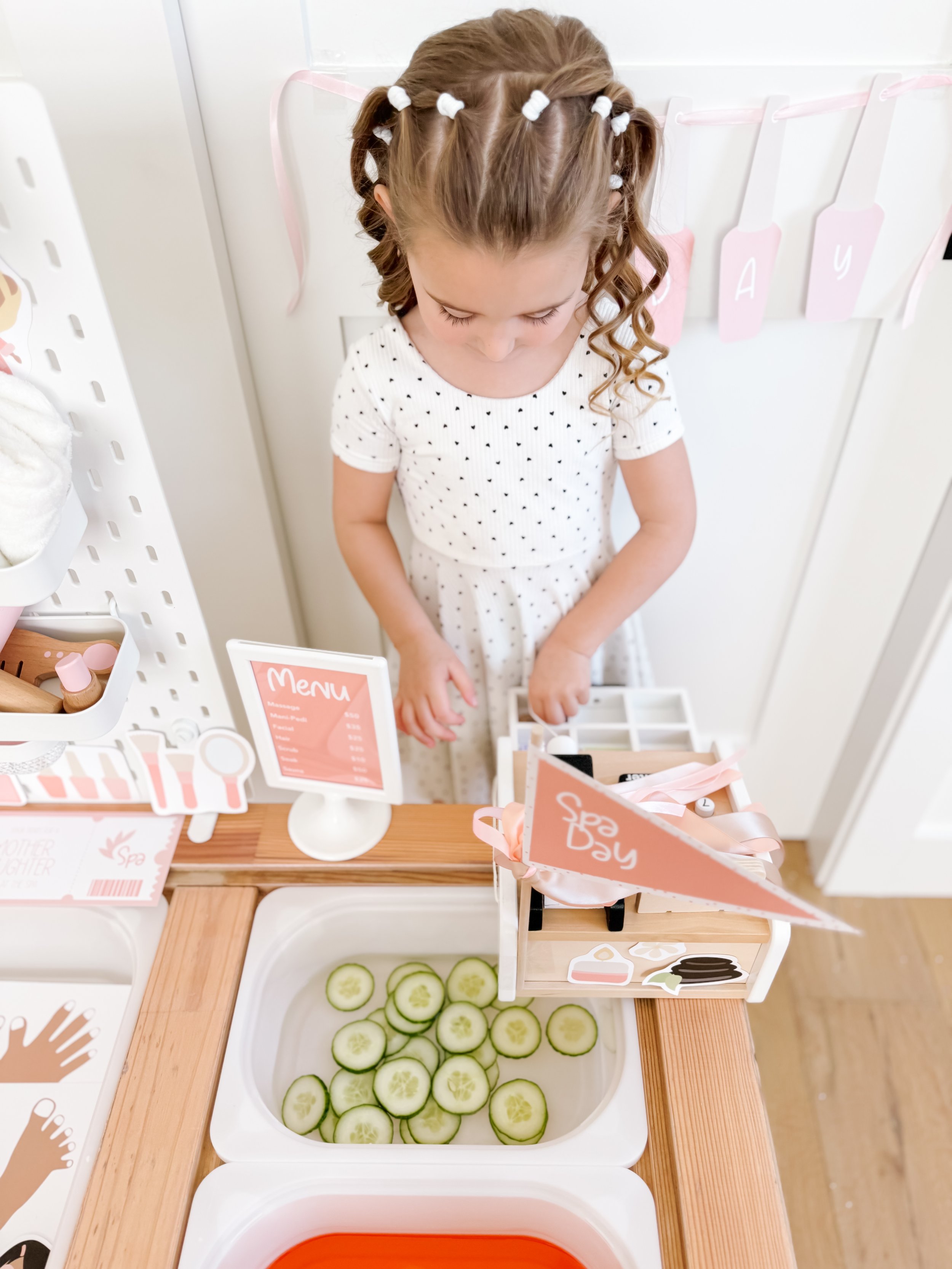
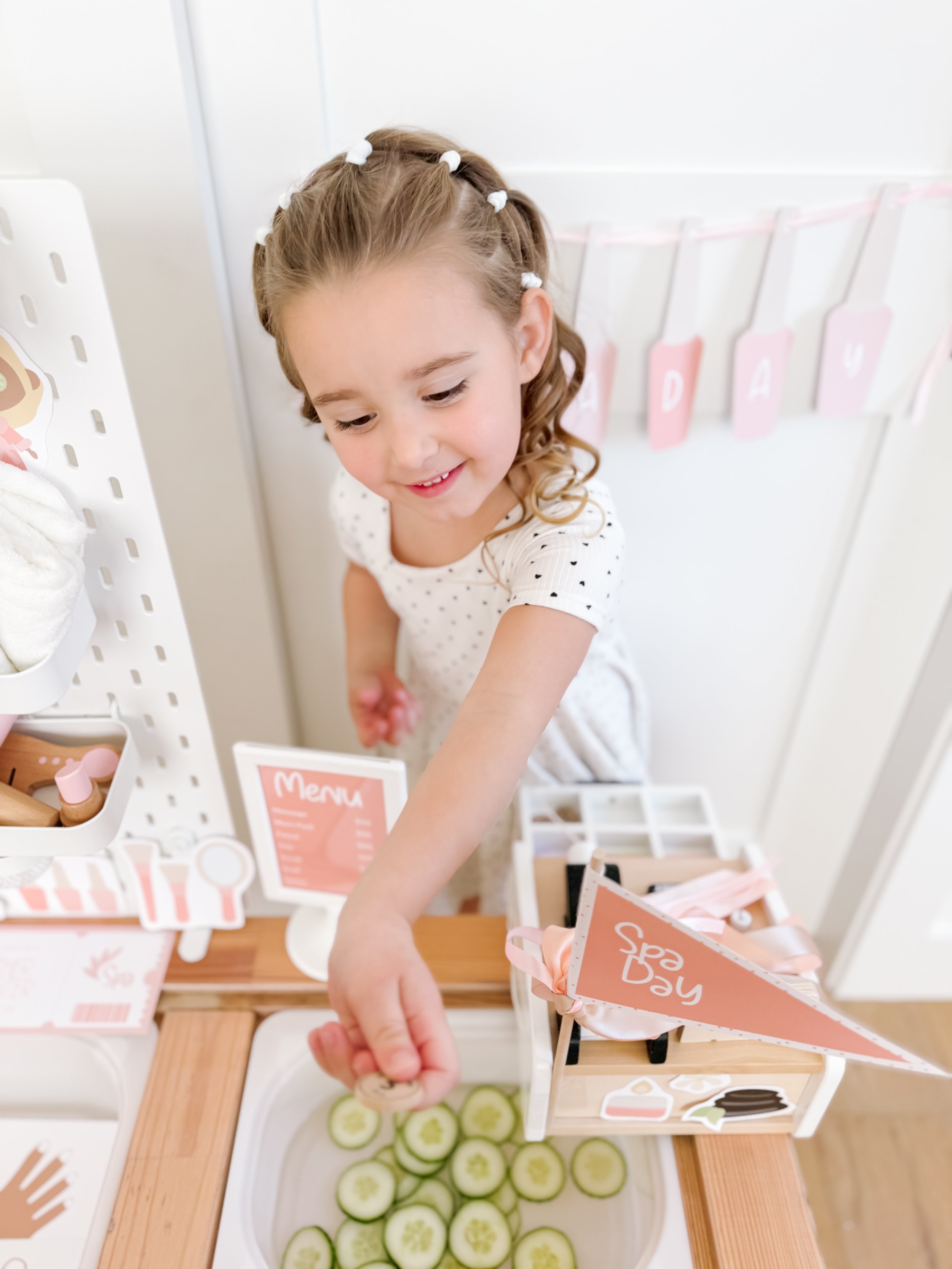
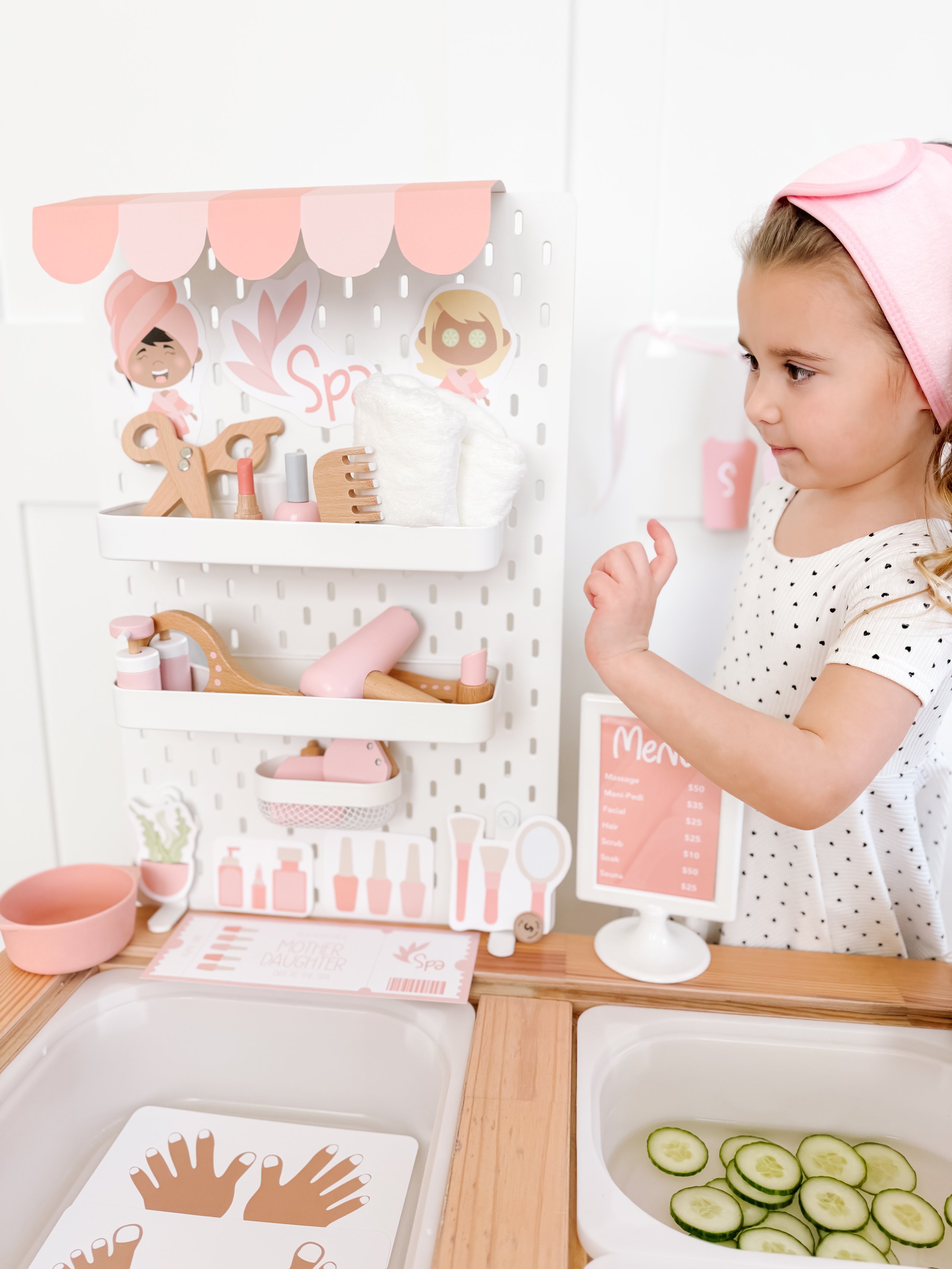
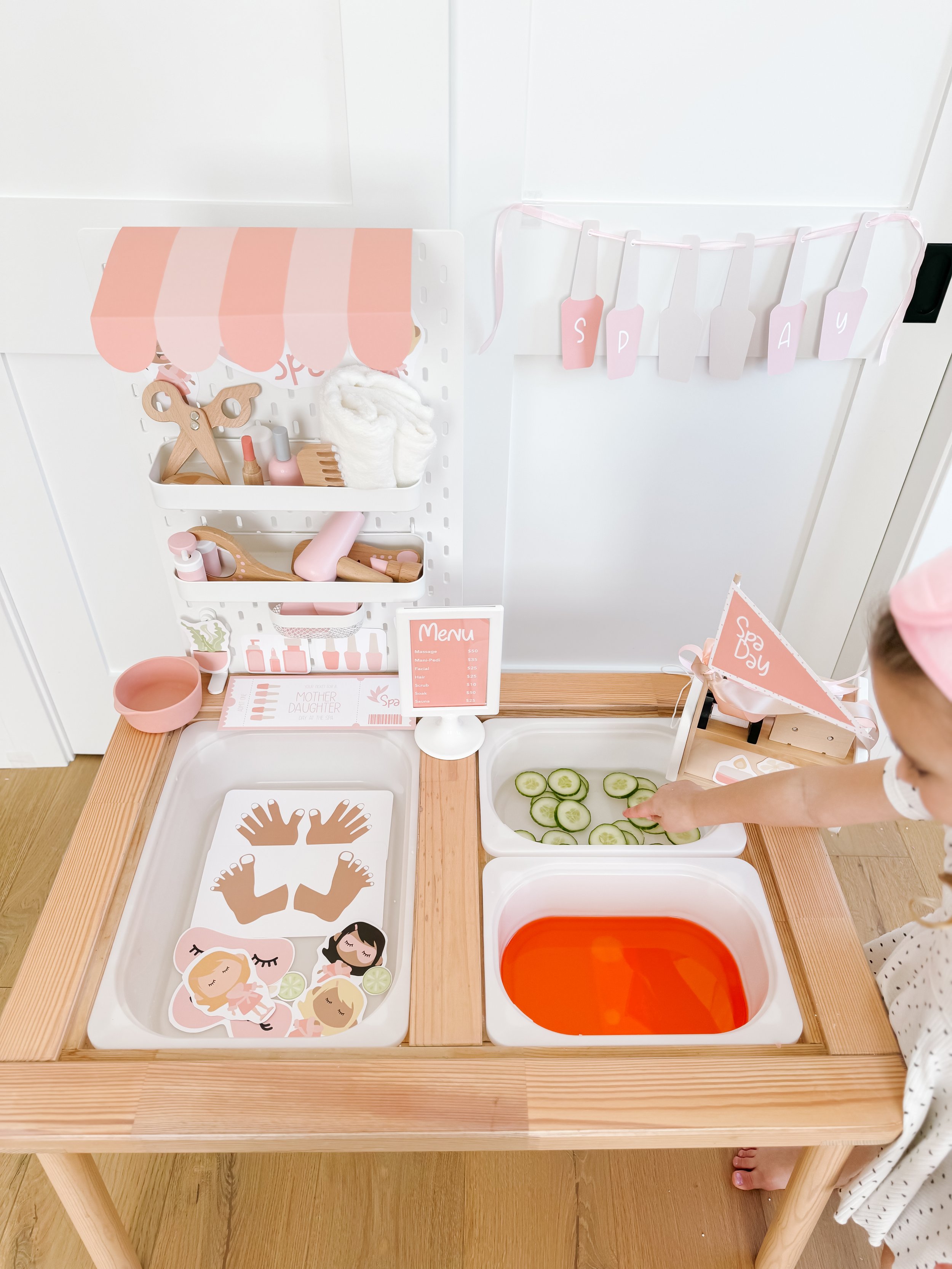
Celebrate Mother’s Day in style with a spa day sensory play setup that will transport you and your little ones into a world of relaxation and imagination. With printable decor and simple activities, you can create the perfect spa experience right at home.

Download & Print
IMG_0035_jpg.jpg IMG_0038_jpg.jpg IMG_0040_jpg.jpg IMG_0036_jpg.jpg IMG_0039_jpg.jpg IMG_0037_jpg.jpg IMG_0039_jpg.jpg IMG_0042.jpg IMG_0040_jpg.jpg IMG_0045.jpg IMG_0042.jpg IMG_0046_jpg.jpg IMG_0045.jpg IMG_0047.jpg IMG_0046_jpg.jpg IMG_0047.jpg

1. Painting Nails:

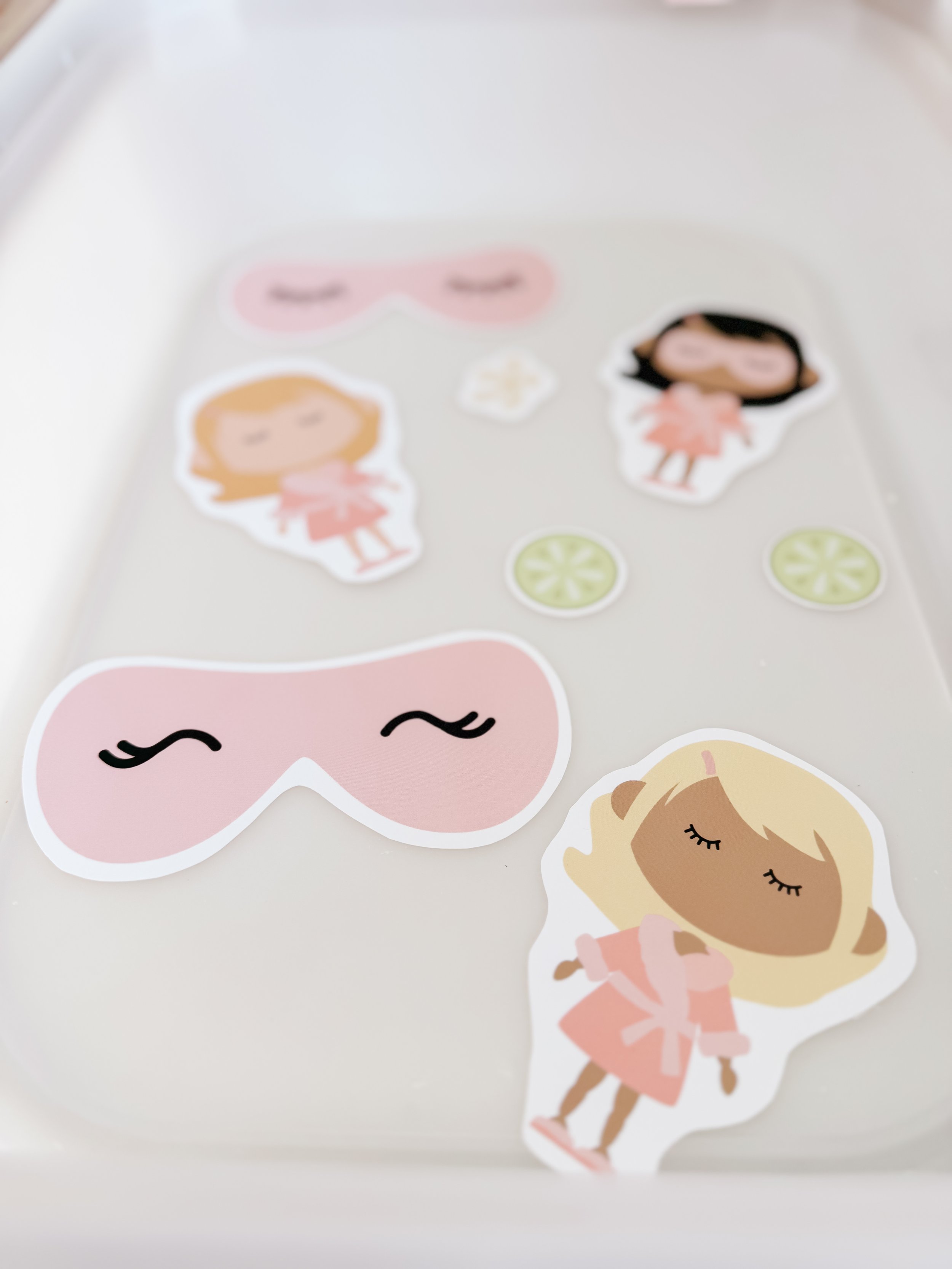
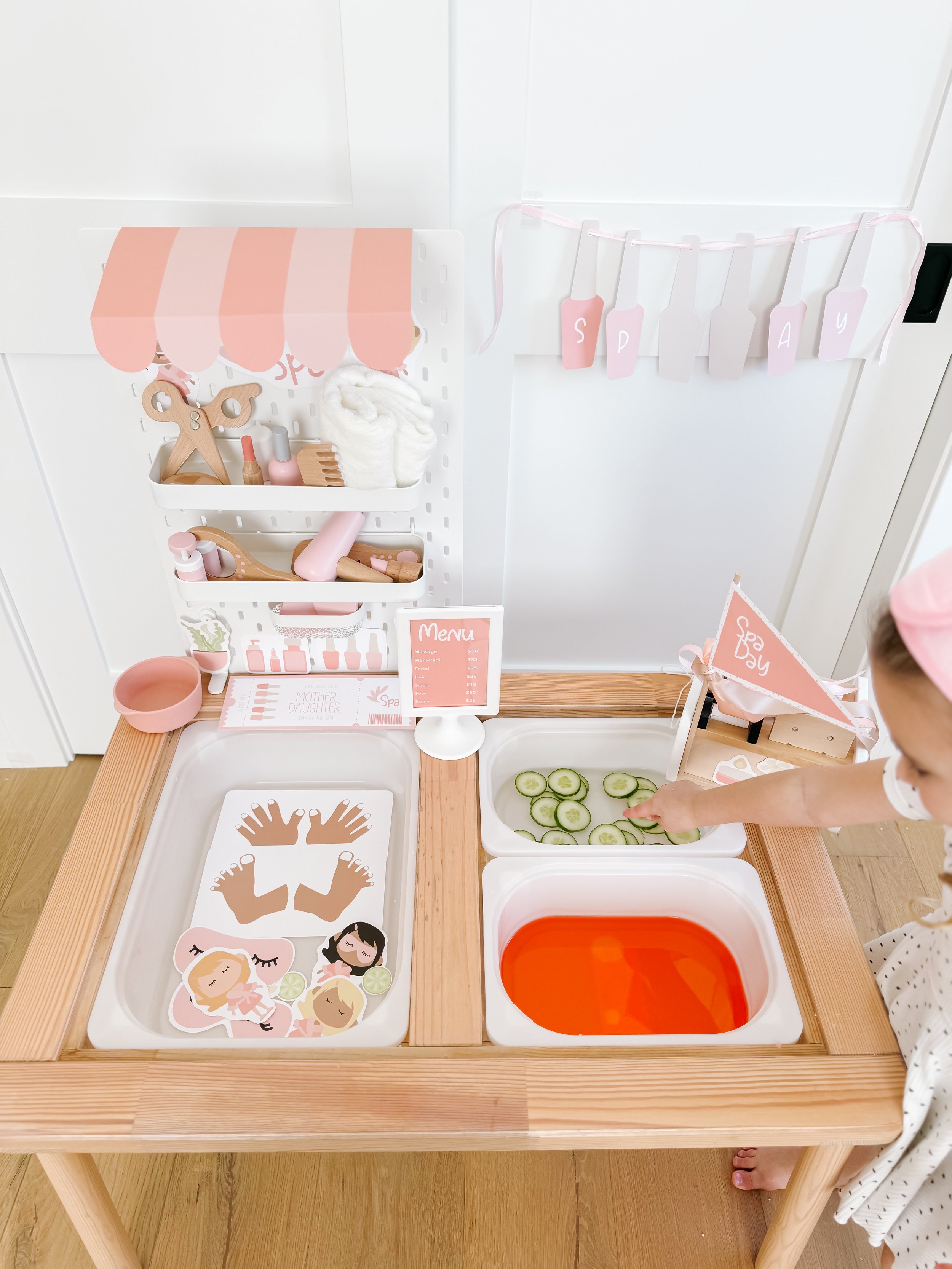
Transform ordinary play into a glamorous spa session by providing printable fingers and toes for your little ones to paint. Laminate the printables for durability, then let them unleash their creativity with markers or washable paint. This activity not only enhances fine motor skills but also encourages self-expression and imagination.

IMG_0055.jpg IMG_0060_jpg.jpg IMG_0086_jpg.jpg IMG_0089_jpg.jpg IMG_0120_jpg.jpg IMG_0126.jpg IMG_0136_jpg.jpg

2. Spa Wax:

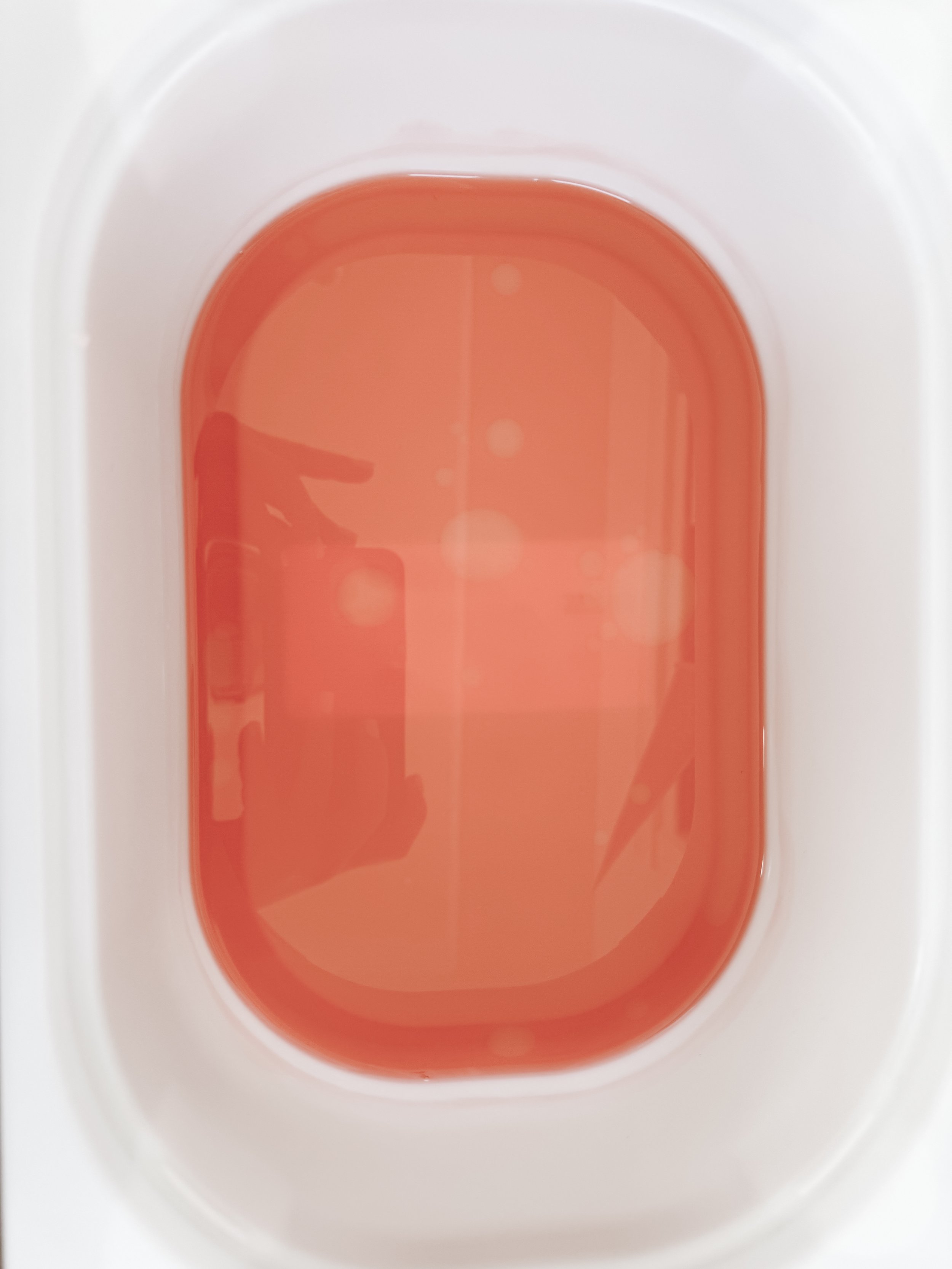
Take sensory play to the next level with a spa wax station. Melt wax and pour it into a Flisat Trofast bin, allowing kids to squish and play as the wax hardens. This tactile experience promotes sensory exploration and provides a soothing sensation as the wax cools. Plus, it's a fantastic opportunity for imaginative play, as children can pretend to be at a real spa.

IMG_0052.jpg IMG_0062_jpg.jpg IMG_0064_jpg.jpg IMG_0065_jpg.jpg IMG_0074_jpg.jpg IMG_0086_jpg.jpg IMG_0100_jpg.jpg

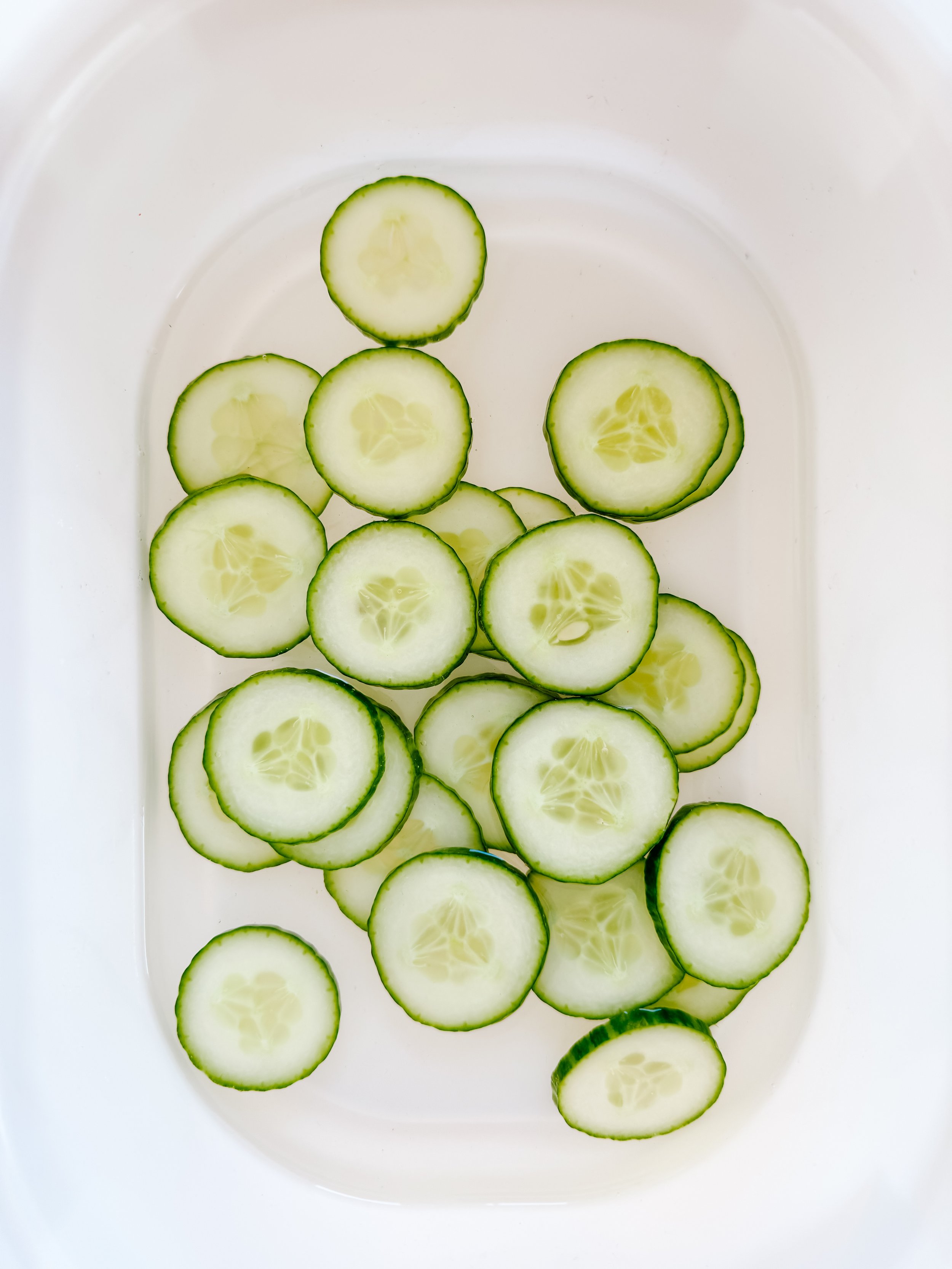
3. Cucumber Water:

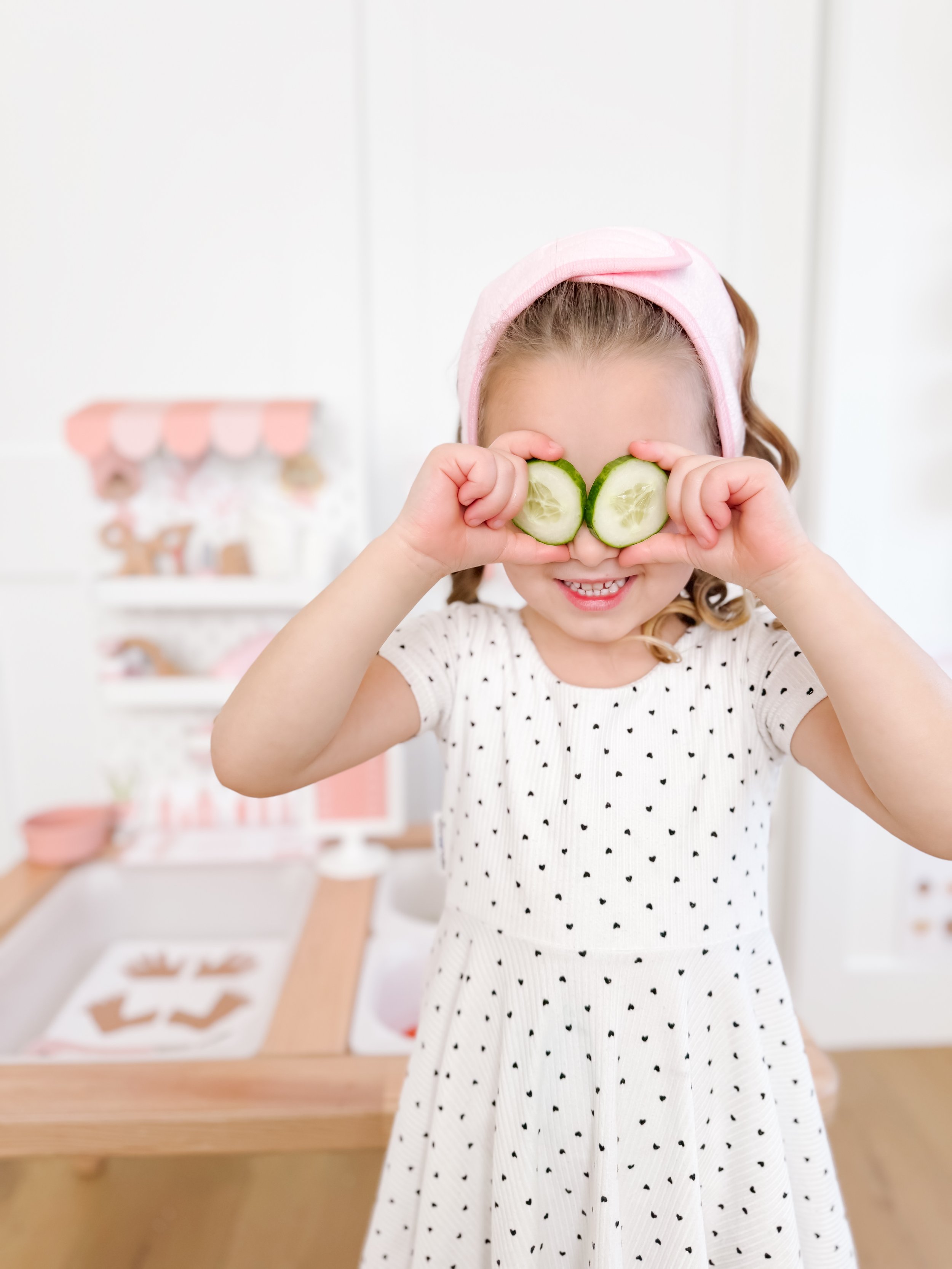
Quench your thirst for fun with a taste-safe sensory activity. Fill a bin with sliced cucumbers and water to create a refreshing cucumber water sensory bin. Not only does this activity stimulate the senses with its crisp texture and cool sensation, but it also introduces toddlers to new tastes and encourages healthy eating habits.

Sensory play and dramatic play are essential components of early childhood development, offering numerous benefits for toddlers. By engaging in activities like painting nails, spa wax play, and exploring cucumber water sensory bins, children develop crucial skills such as fine motor skills, creativity, and sensory awareness. Incorporating these activities into your playtime routine fosters imagination, exploration, and bonding between parents and children.


Vocabulary Words for Toddlers:

1. Nail

2. Spa

3. Relaxation

4. Imagination

5. Sensory

6. Fine motor skills

7. Creativity

8. Squish

9. Wax

10. Bin

11. Cool

12. Refreshing

13. Taste-safe

14. Thirst

15. Texture

16. Pretend play

17. Soothing

18. Exploration

19. Healthy

20. Cucumber

21. Water

22. Fun

23. Glamorous

24. Express

25. Bonding

Tags spa day, mother's day sensory play, sensory play, unique sensory bin fillers, pink spa day, spa day printables, printable spa graphics, spa themed birthday party for kids
Comment

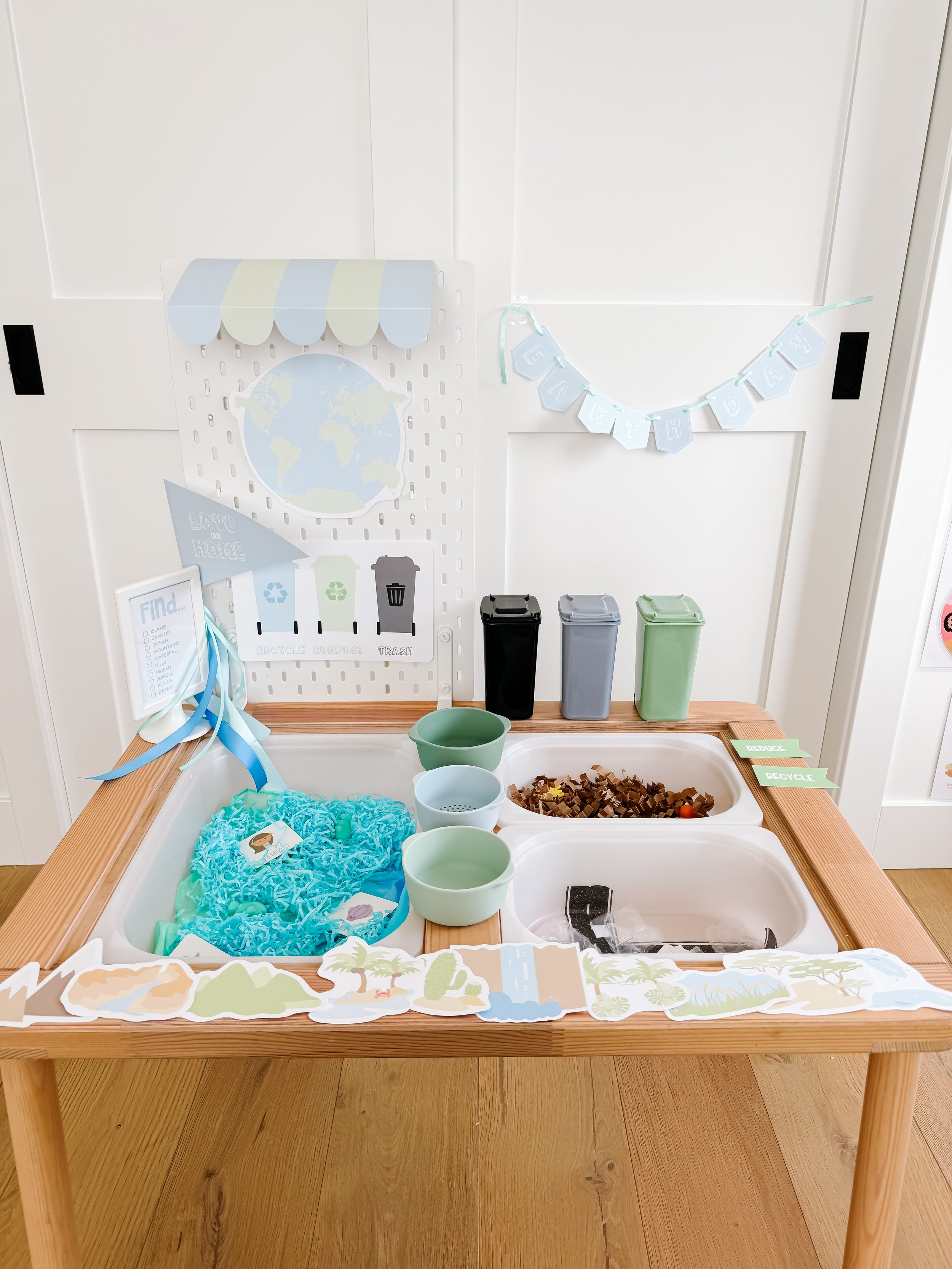
Sensory Play for Earth Day: 3 Creative Activities for Toddlers to Learn About the Environment

March 29, 2024 Kylie Tuosto

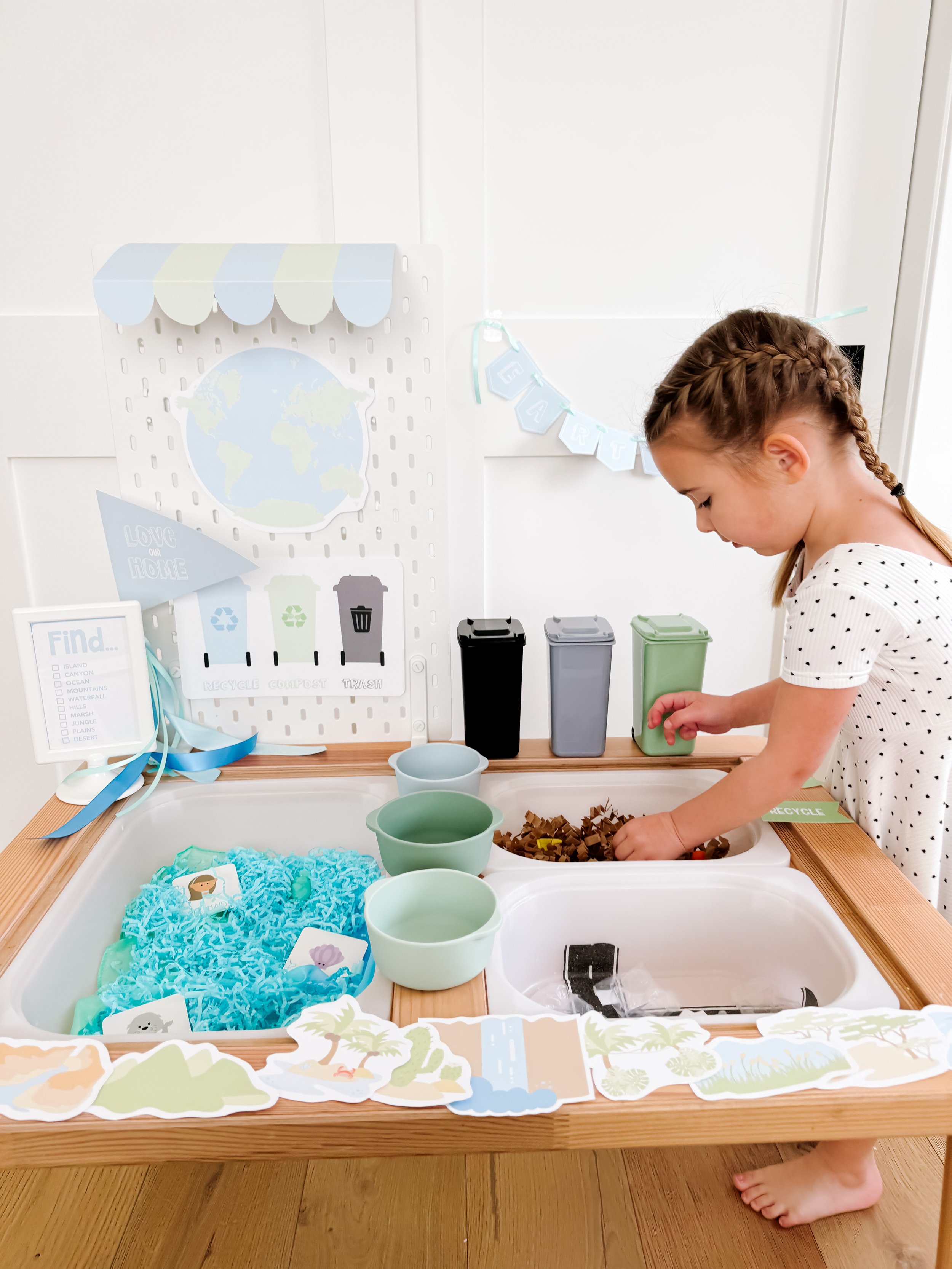
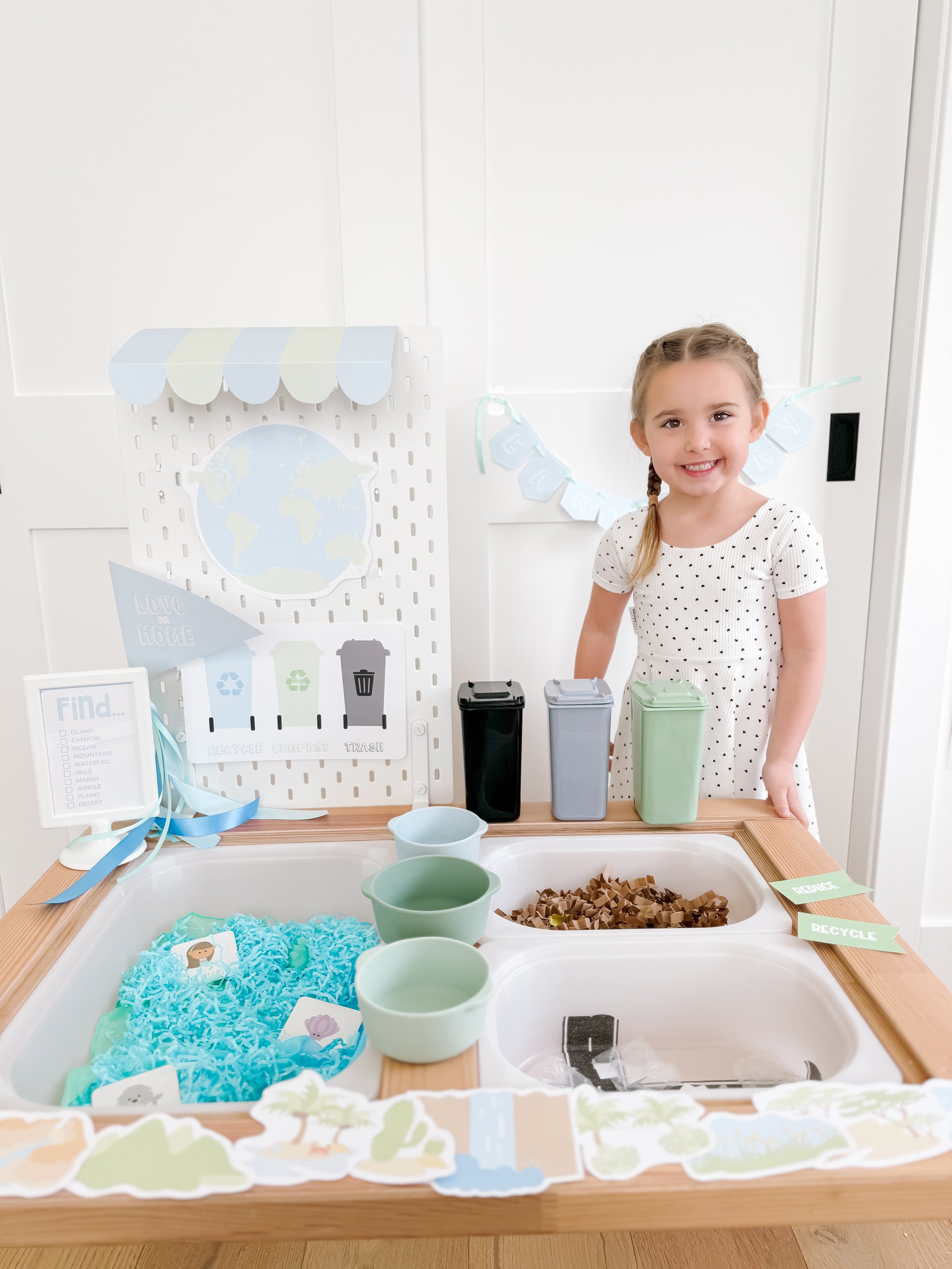
Earth Day is an excellent opportunity to teach preschoolers about the importance of taking care of our planet. Engaging youngsters in sensory play activities is a wonderful way to introduce them to basic principles of recycling, sustainability, and renewable resources. In this blog post, we will explore the numerous benefits of sensory play for preschoolers and present three creative sensory bin activities to help toddlers learn experientially about the earth and the environment.


IMG_1682.jpg IMG_1683_jpg.jpg IMG_1685_jpg.jpg

The Benefits of Sensory Play for Preschoolers

Sensory play involves any activity that stimulates a child's senses—sight, hearing, touch, taste, and smell. This type of play is not only enjoyable but also incredibly beneficial for a child's development. Here are some key advantages of sensory play for preschoolers:
1. Cognitive Development: Sensory play provides numerous opportunities for little ones to explore, discover, and problem-solve. As children engage their senses, they develop critical thinking and decision-making skills.
2. Language and Communication Skills: Engaging in sensory play encourages children to describe what they see, hear, feel, taste, and smell, fostering language development and enhancing communication skills.
3. Motor Skills Development: Activities like pouring, scooping, and manipulating objects in a sensory bin allow children to refine their fine motor skills and hand-eye coordination as they grasp, squeeze, and manipulate objects.
4. Sensory Integration: Sensory play helps children integrate information from their senses to make sense of the world around them. Exposure to different textures, sounds, and scents provides opportunities for sensory exploration and understanding.


IMG_1629_jpg.jpg IMG_1637.jpg IMG_1648_jpg.jpg IMG_1649_jpg.jpg IMG_1651_jpg.jpg IMG_1656_jpg.jpg

The Importance of Environmental Education

Before jumping into the sensory play activities, it's crucial to emphasize the importance of teaching children about environmental conservation from an early age. By instilling basic principles of recycling, sustainability, and renewable resources, we can cultivate a generation that is environmentally conscious and actively cares for the earth. Here are some reasons why educating kids about the environment is vital:
1. Long-Term Sustainability: Teaching children about environmental responsibility fosters a deep understanding of the importance of preserving natural resources and ensures a sustainable future.
2. Empathy and Compassion: Learning about the environment encourages empathy and compassion, enabling children to recognize their role in preserving the earth for future generations.
3. Critical Thinking and Problem-Solving: Understanding environmental challenges sparks critical thinking skills and problem-solving abilities necessary to find innovative solutions to complex issues in the future.


Screenshot 2023-11-27 at 4.43.38 PM.png

Printable Activity & Decor Kit

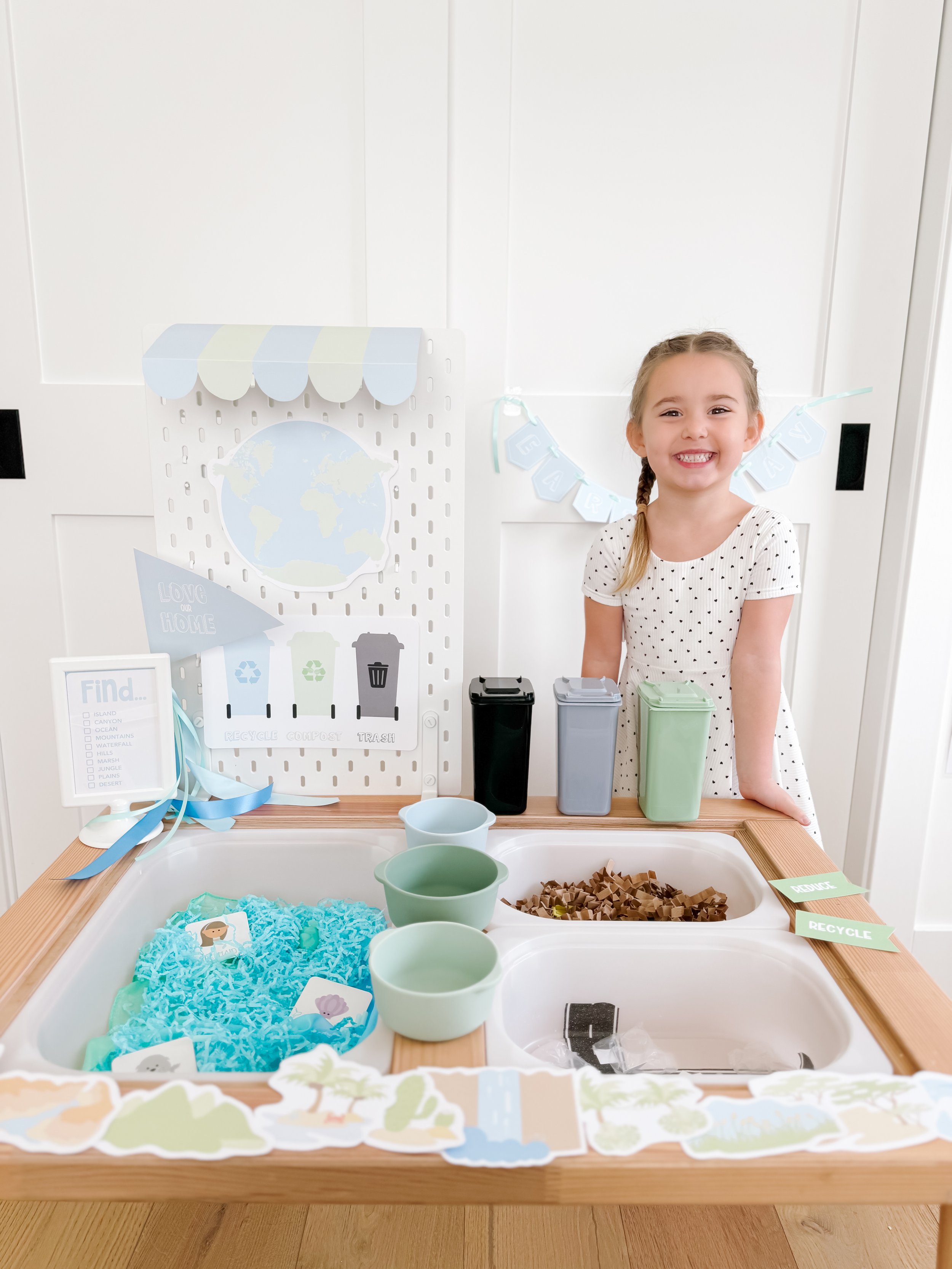
Our Earth Day Printable Activity Kit is just what you need. Packed with engaging activities and beautiful decor, this kit will bring the spirit of Earth Day to life in your home or classroom.

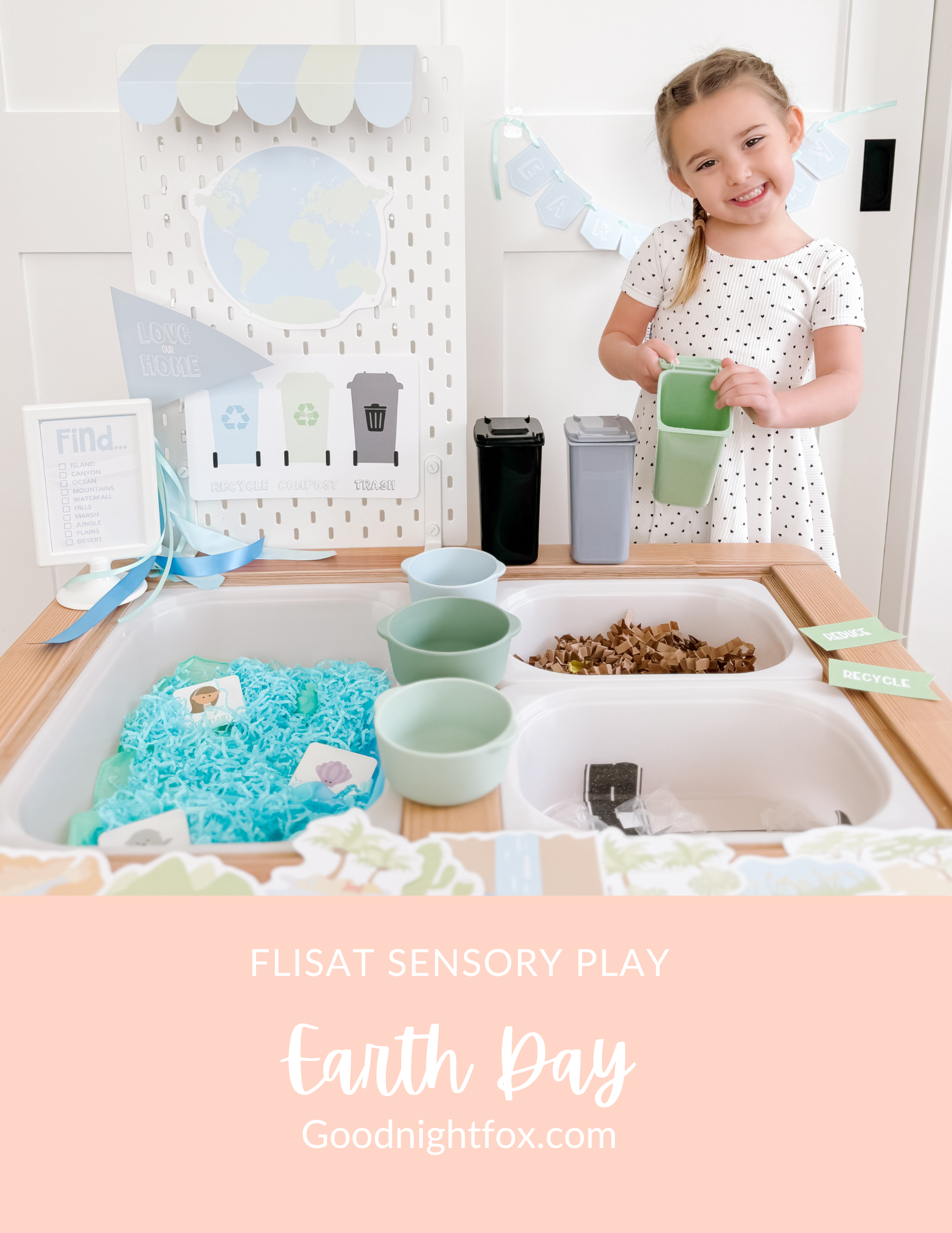
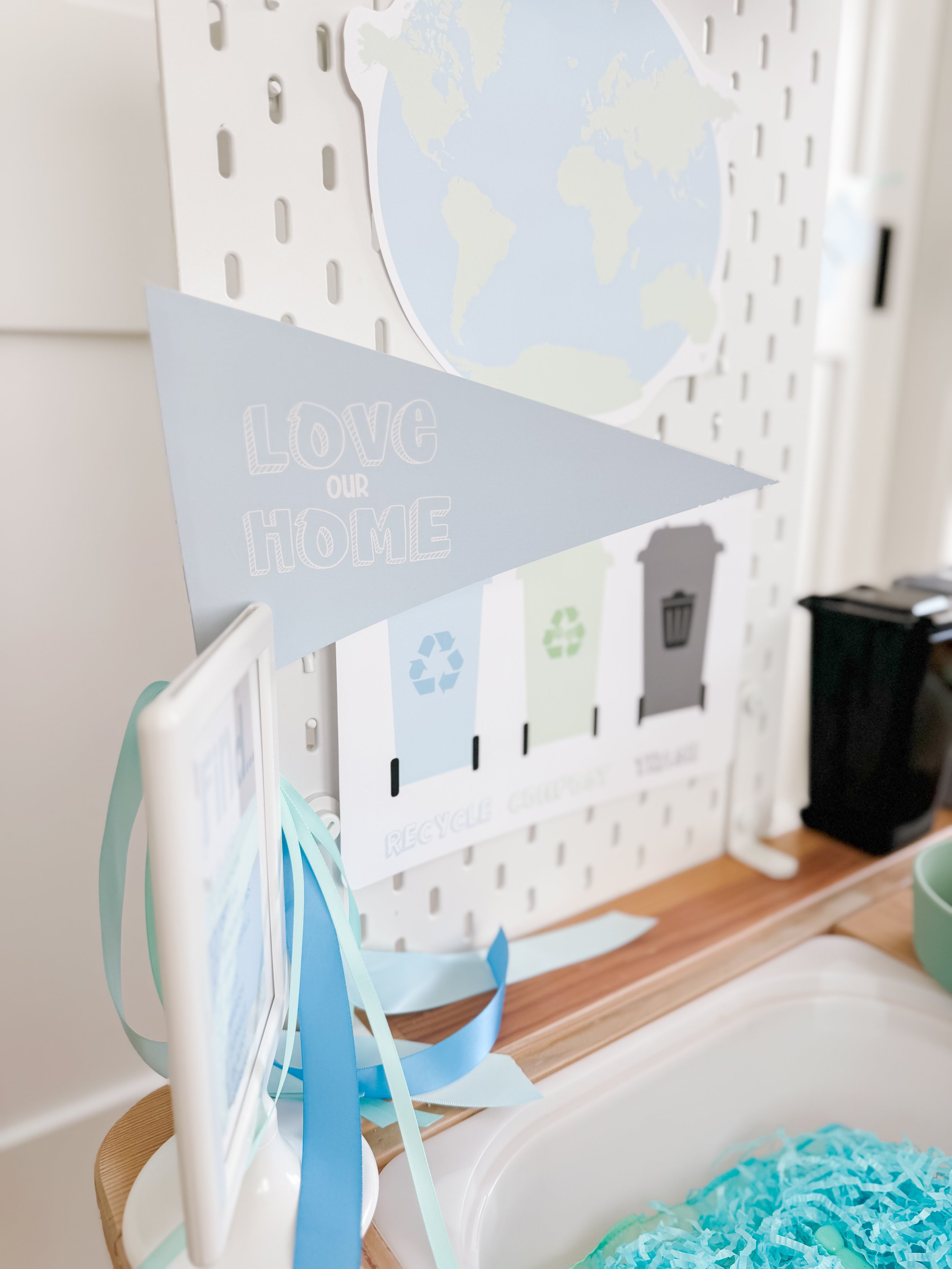
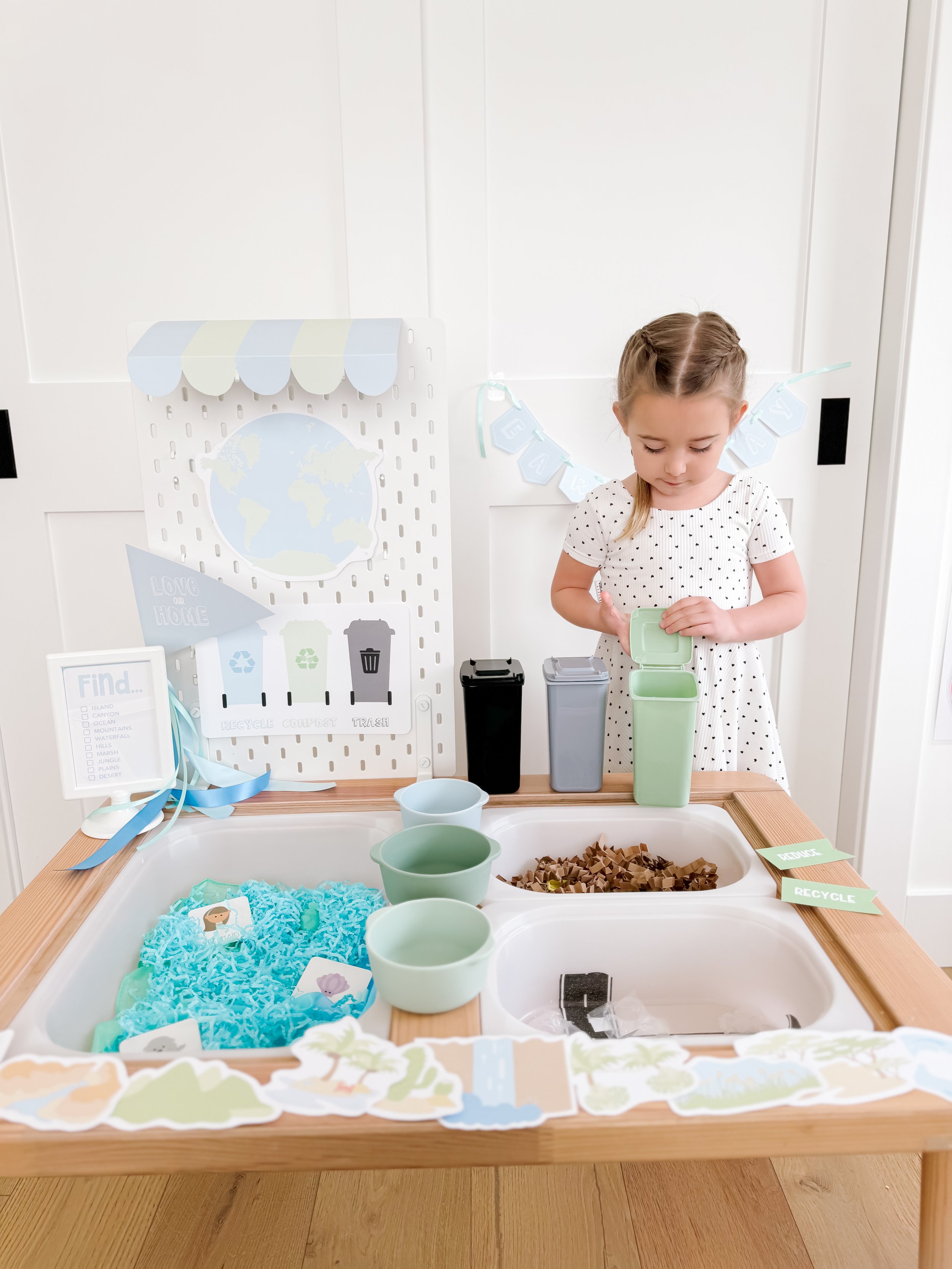
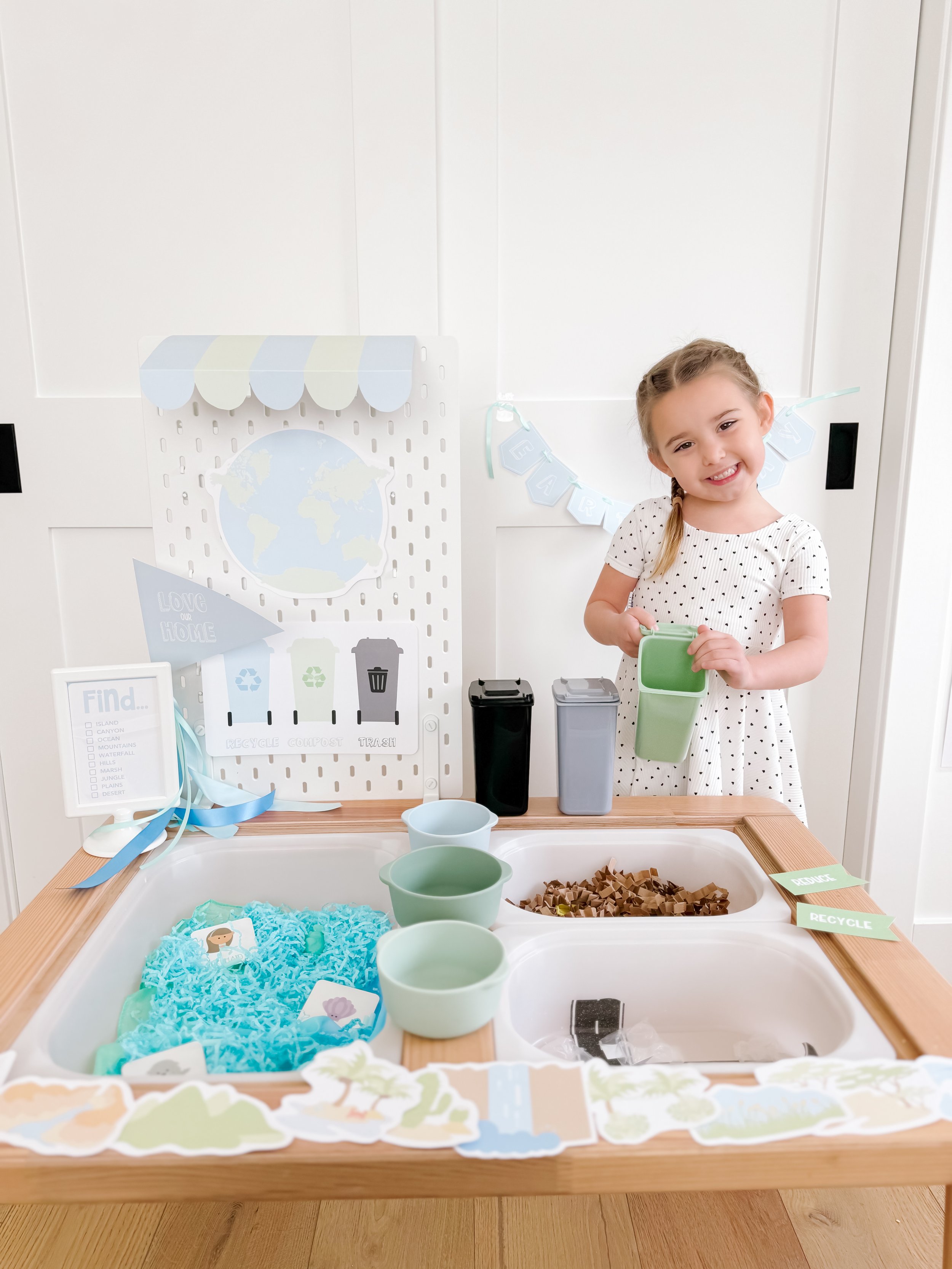
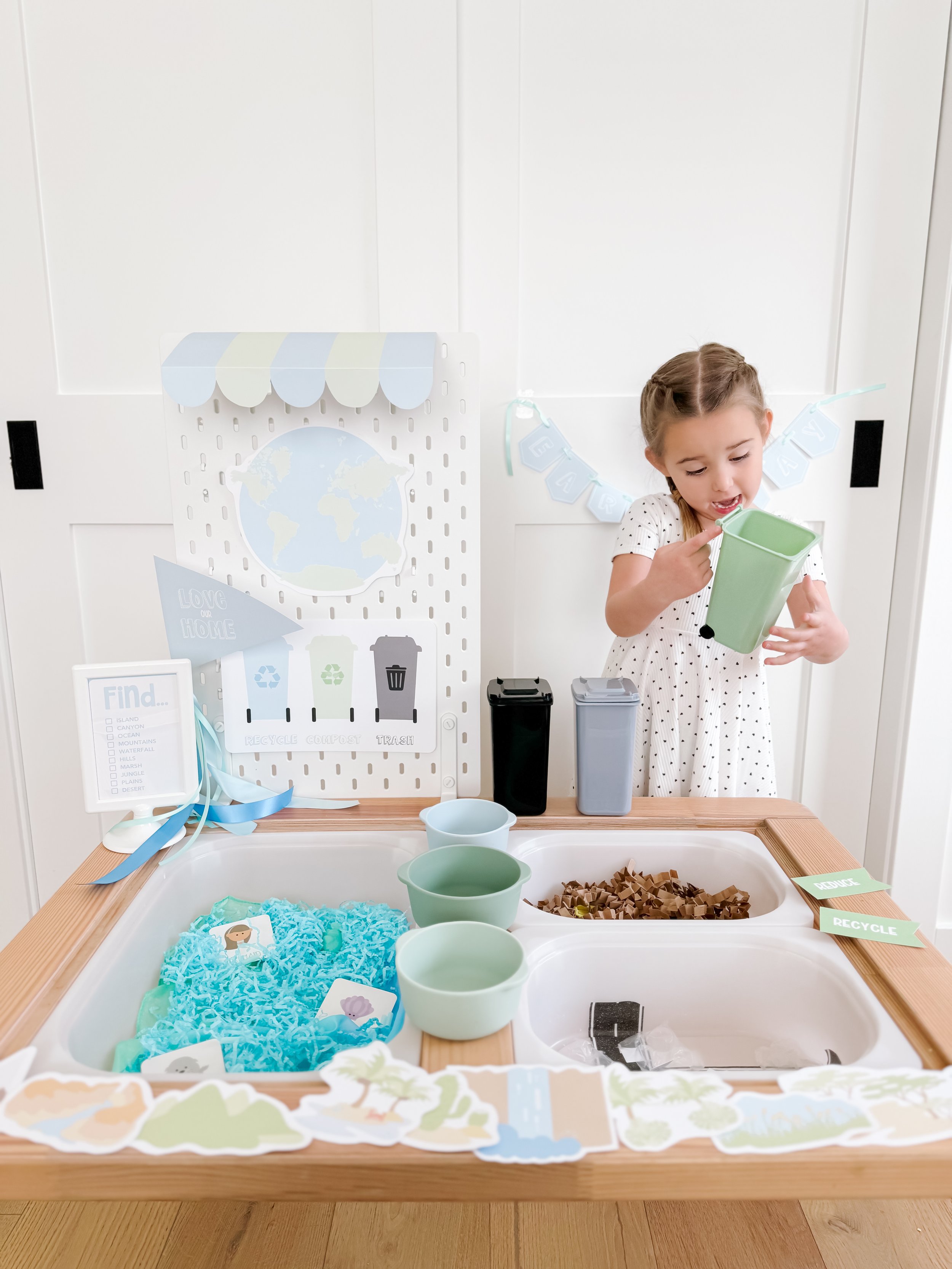
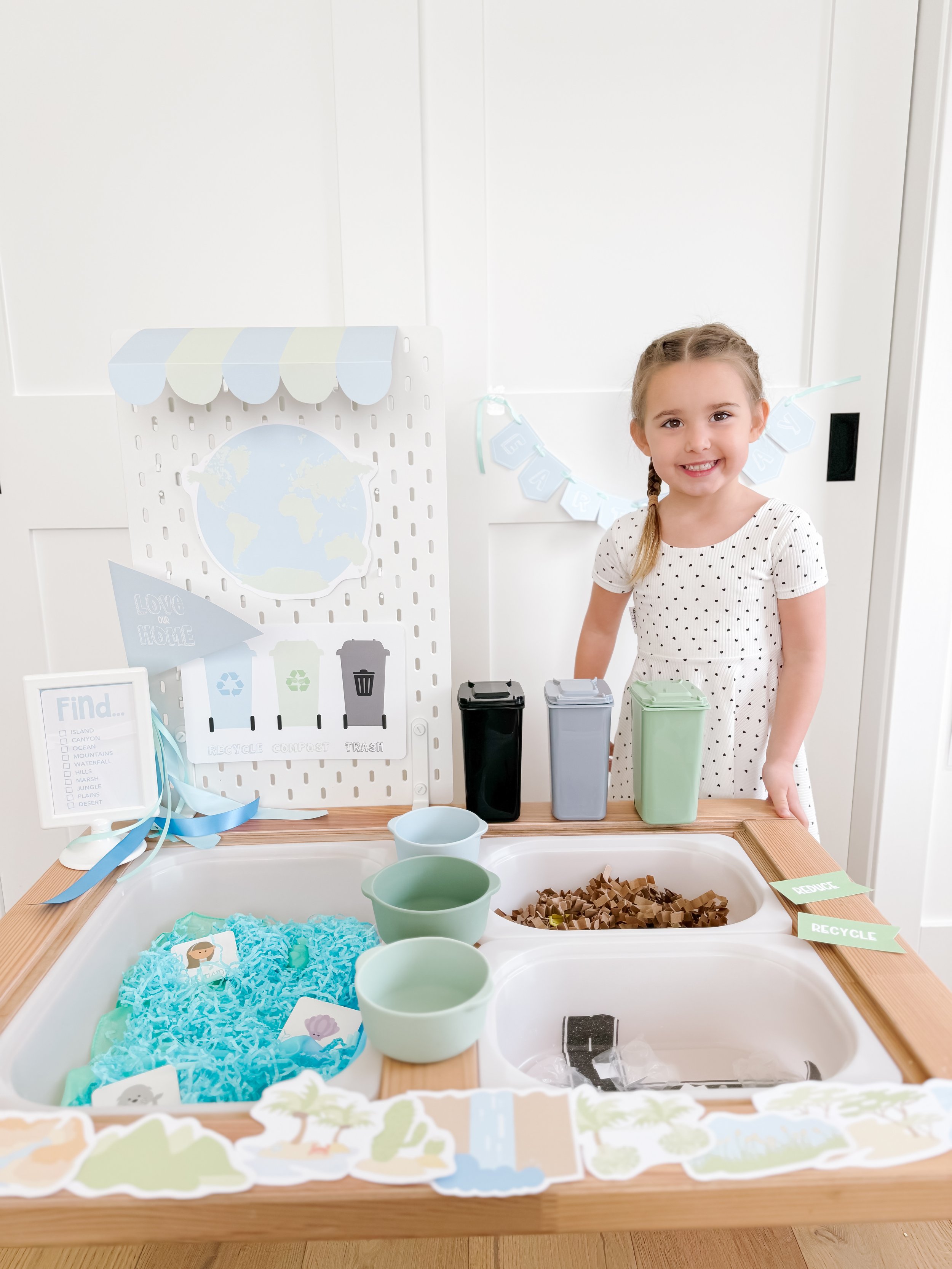
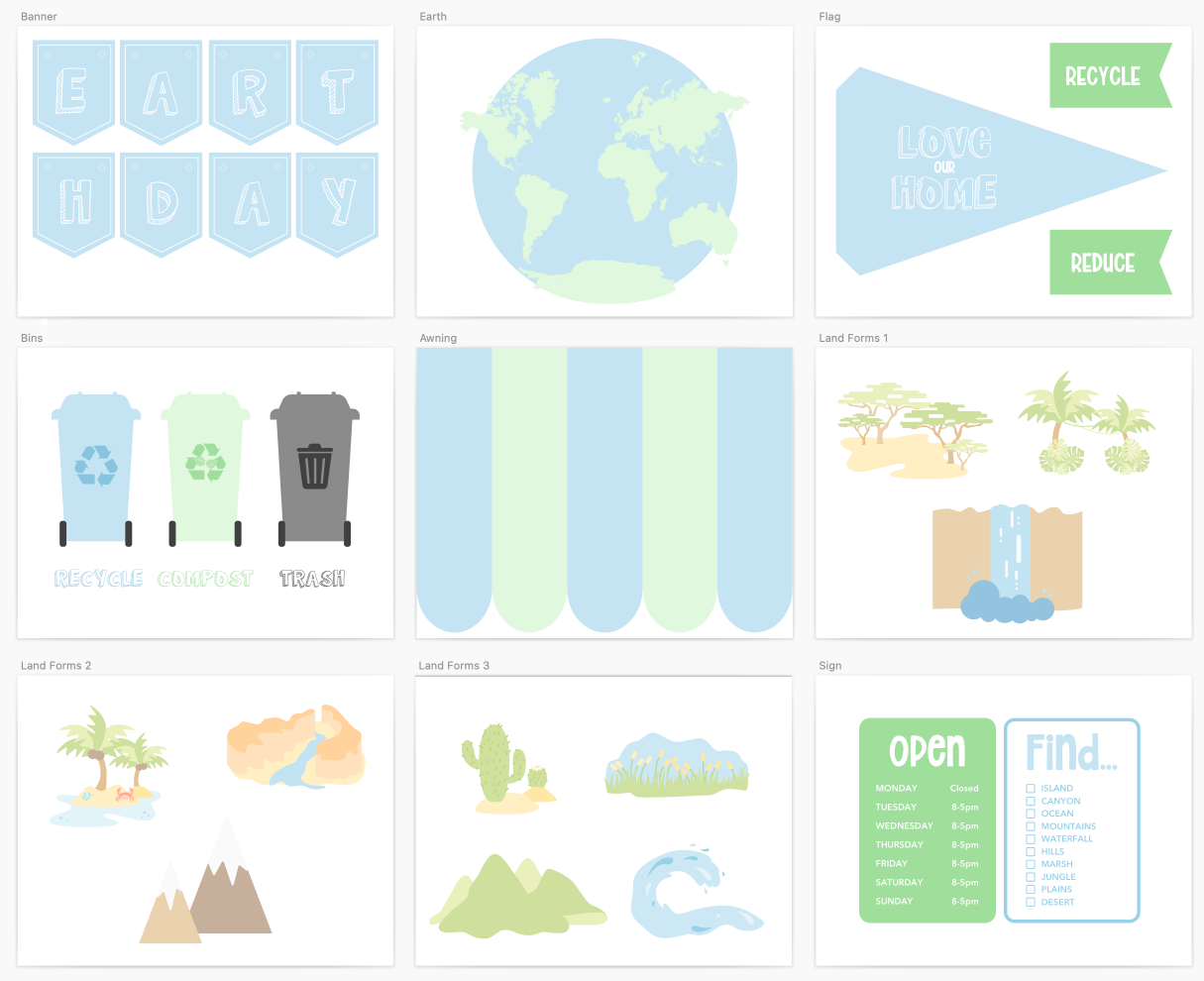
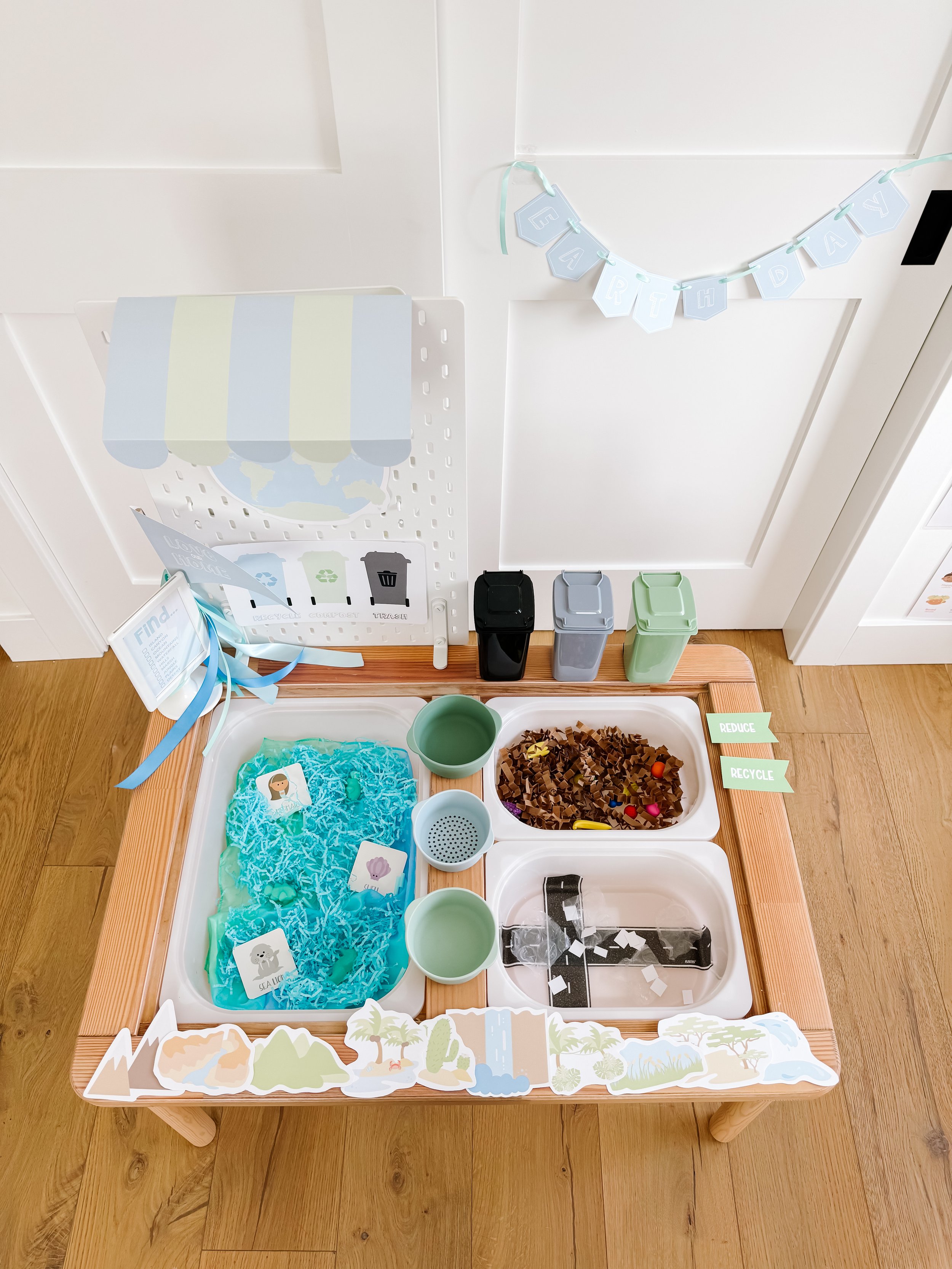
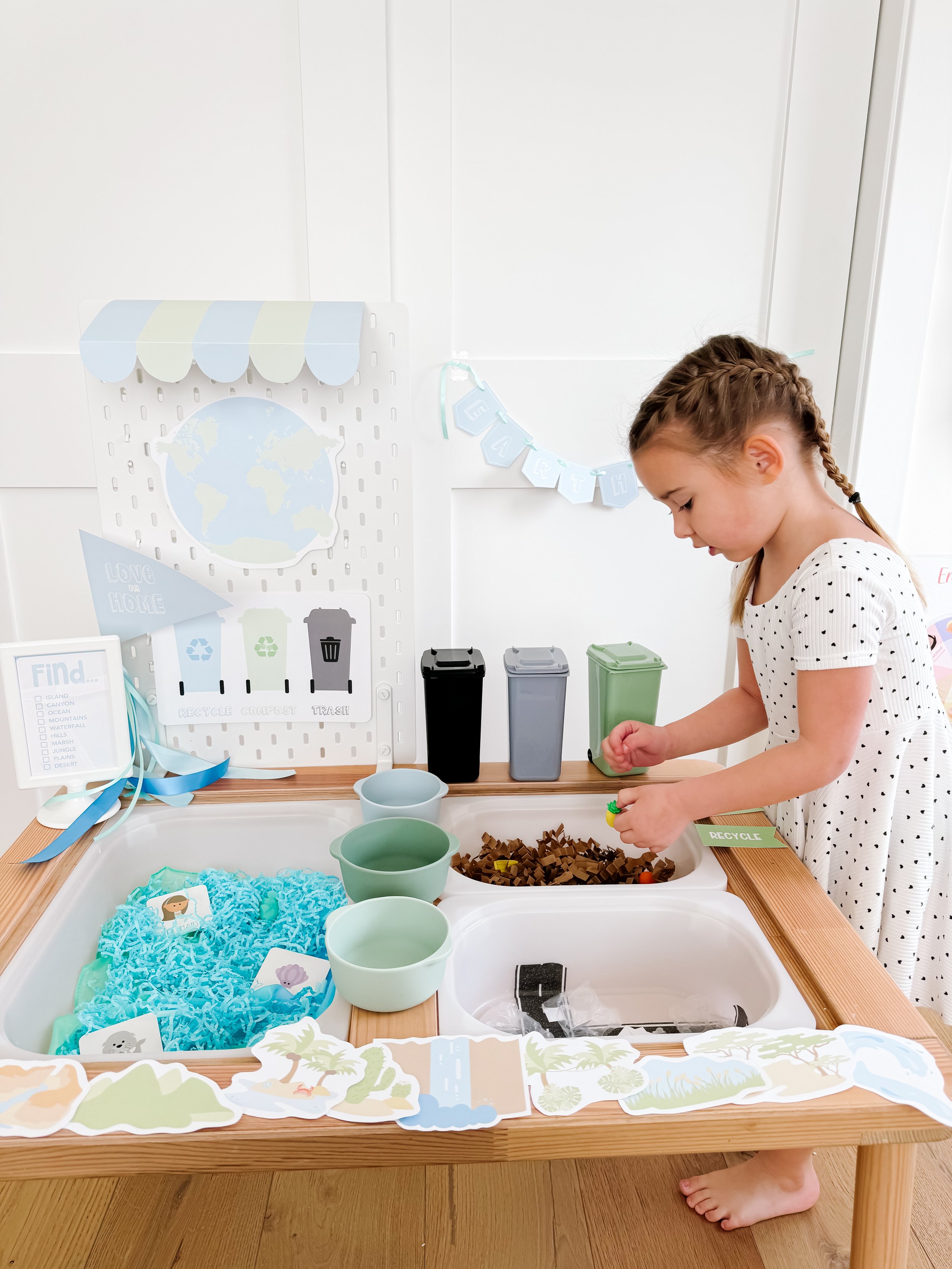
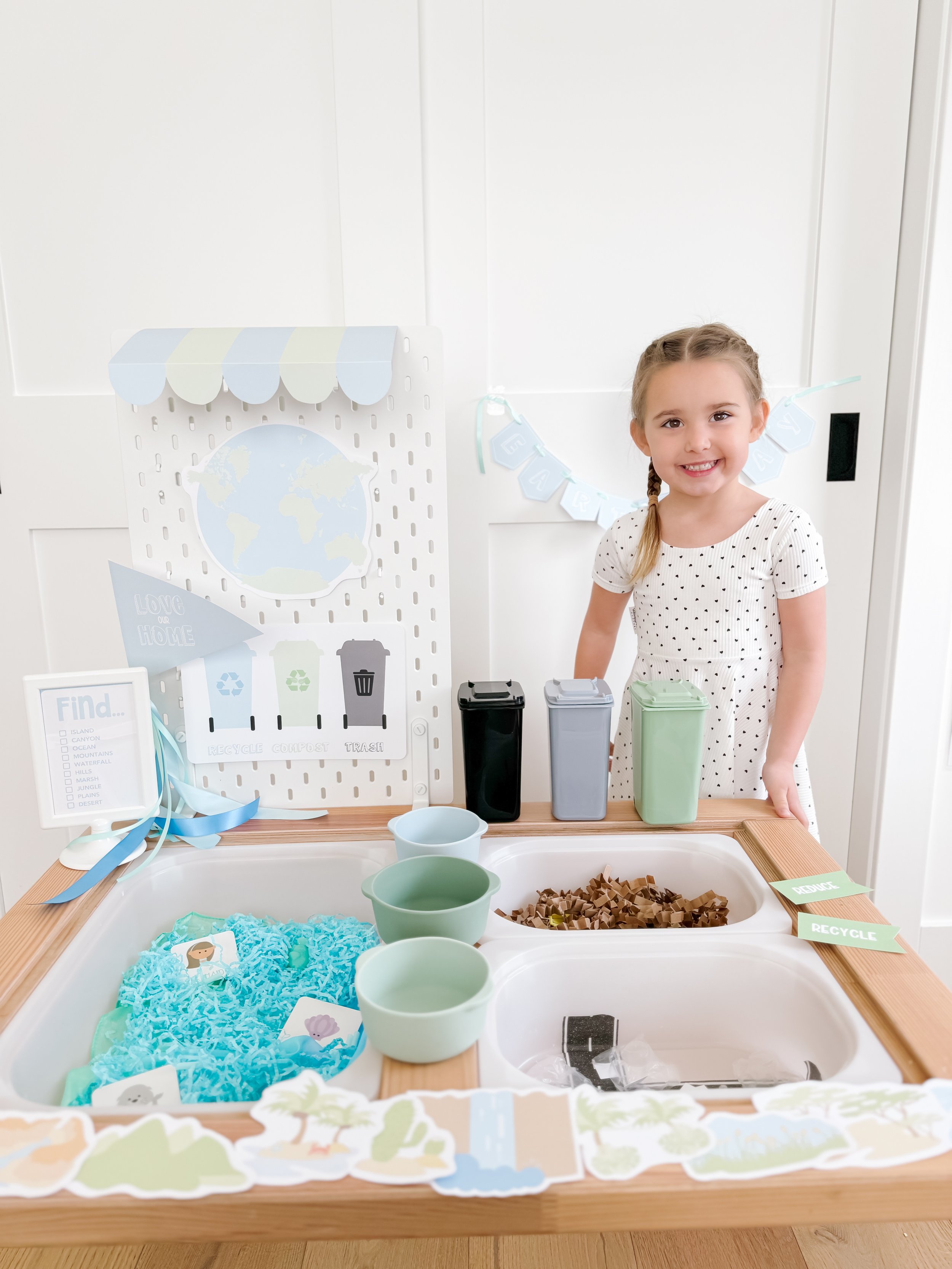
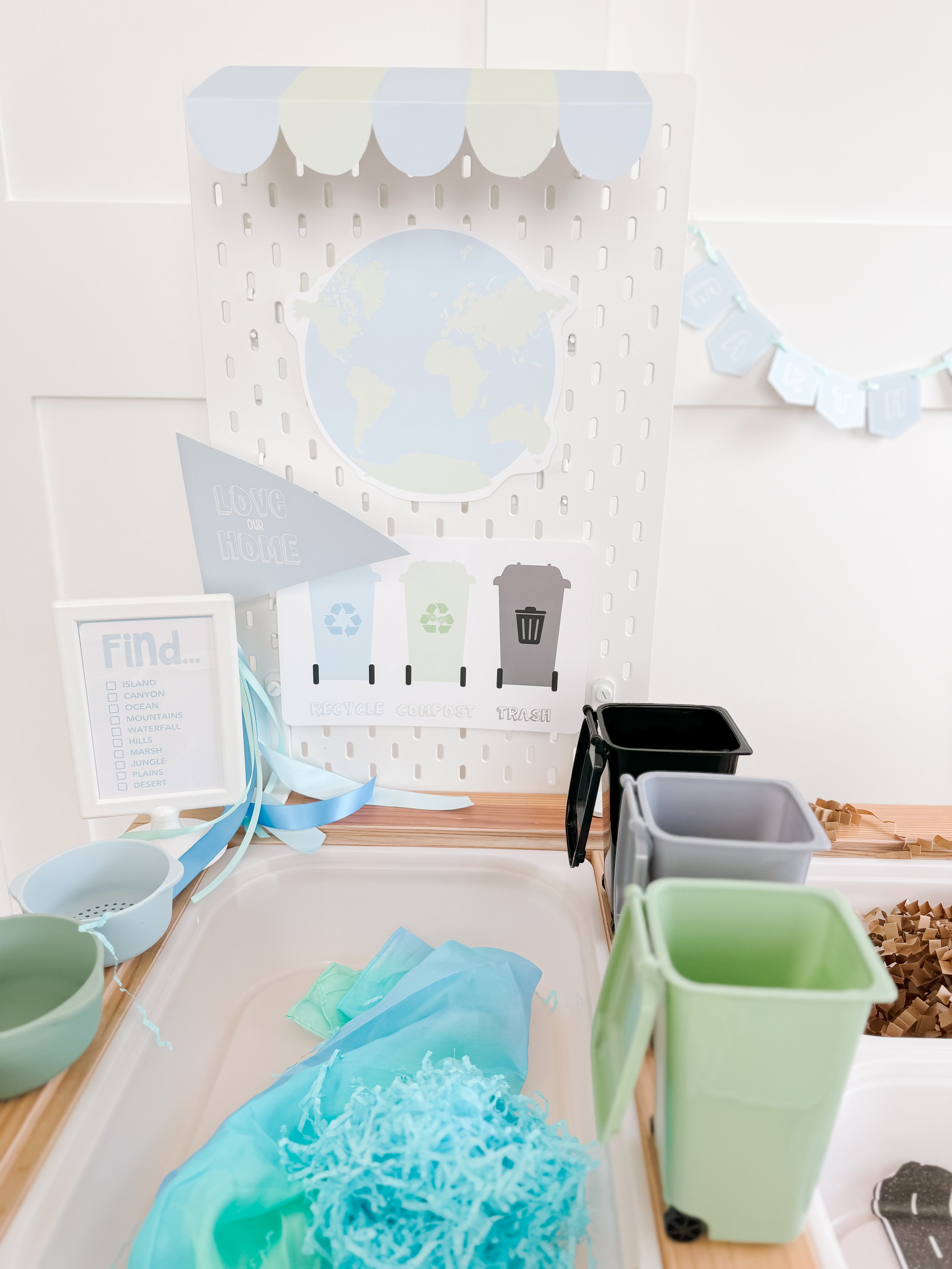
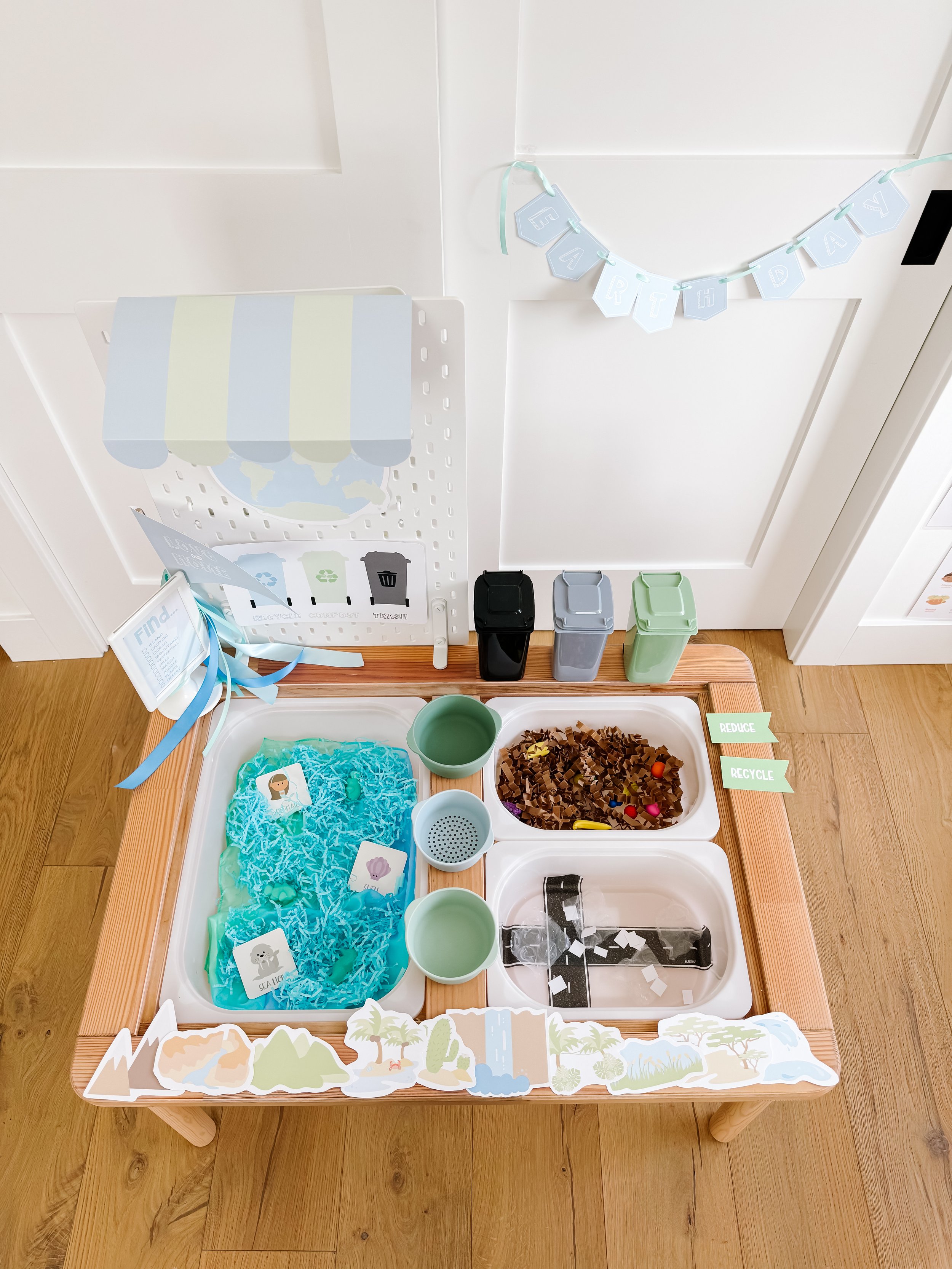
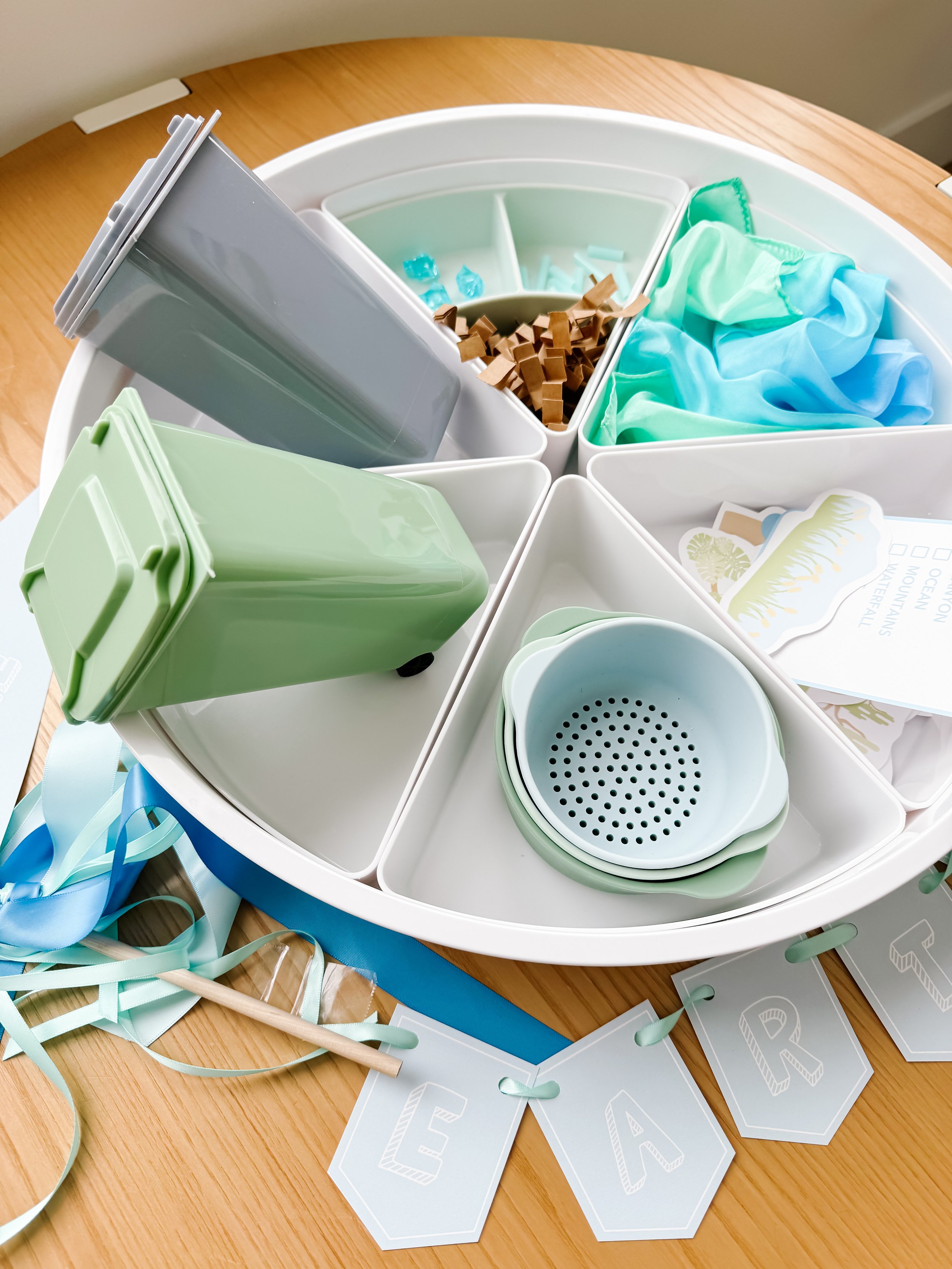
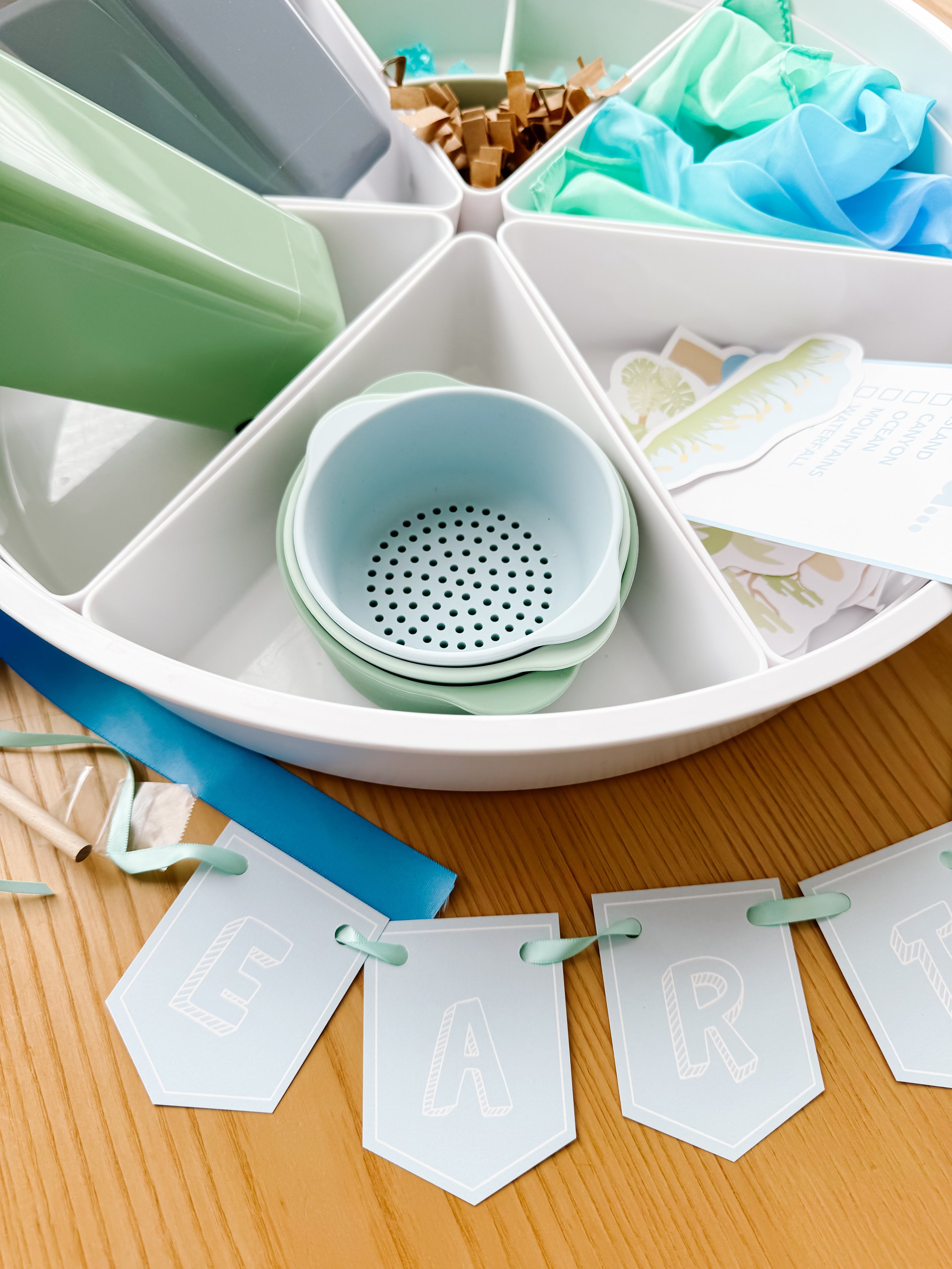
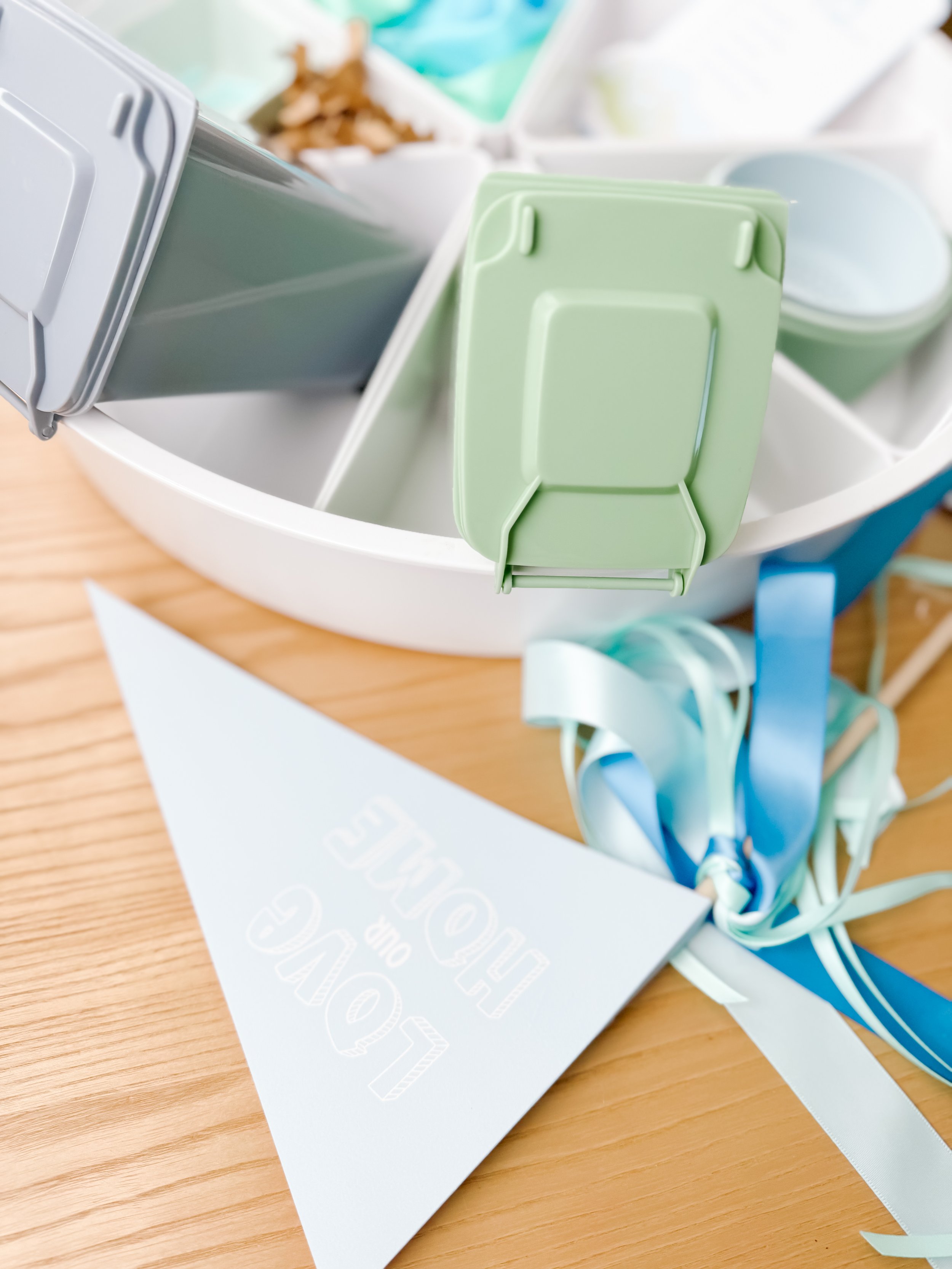
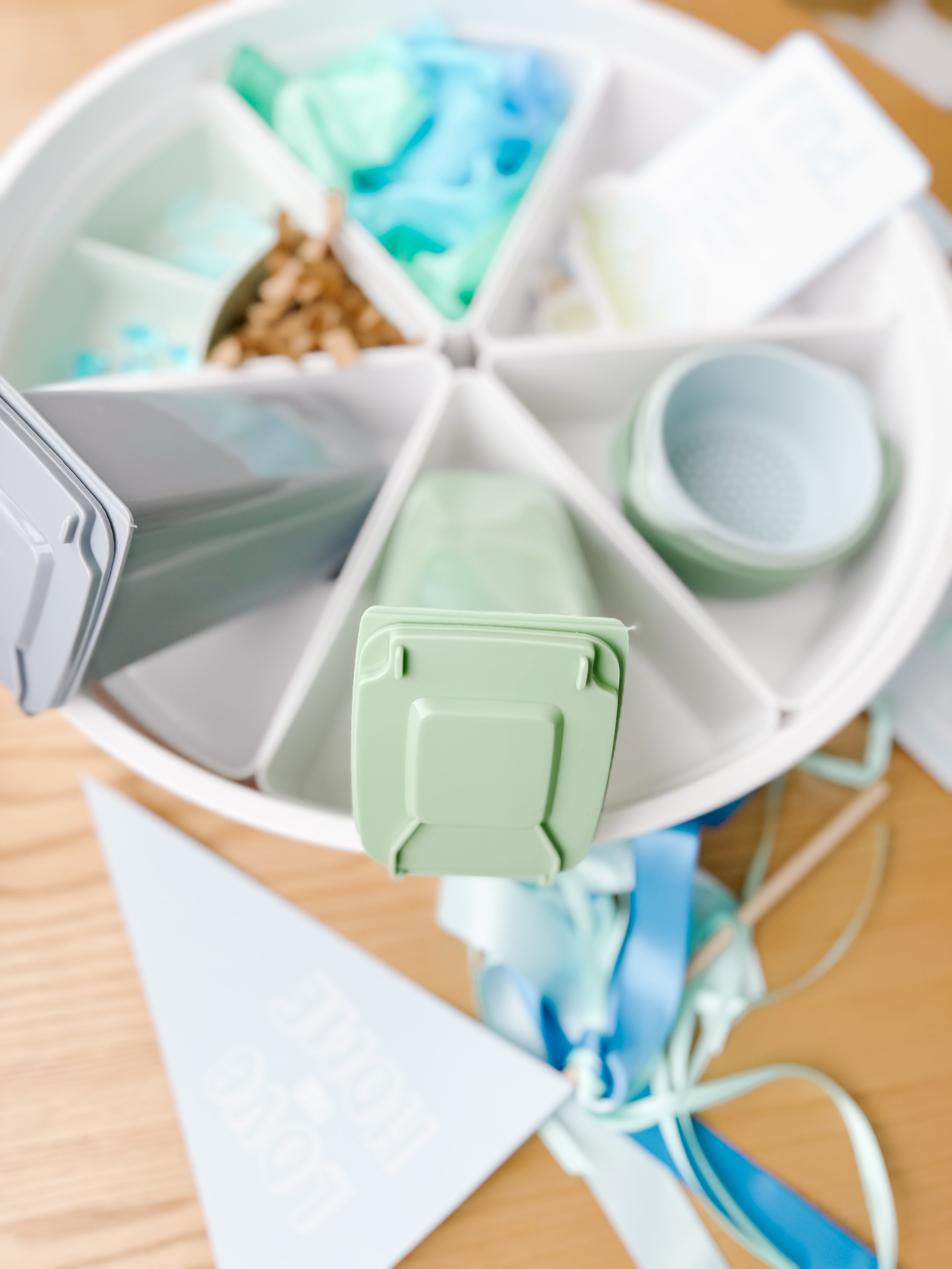
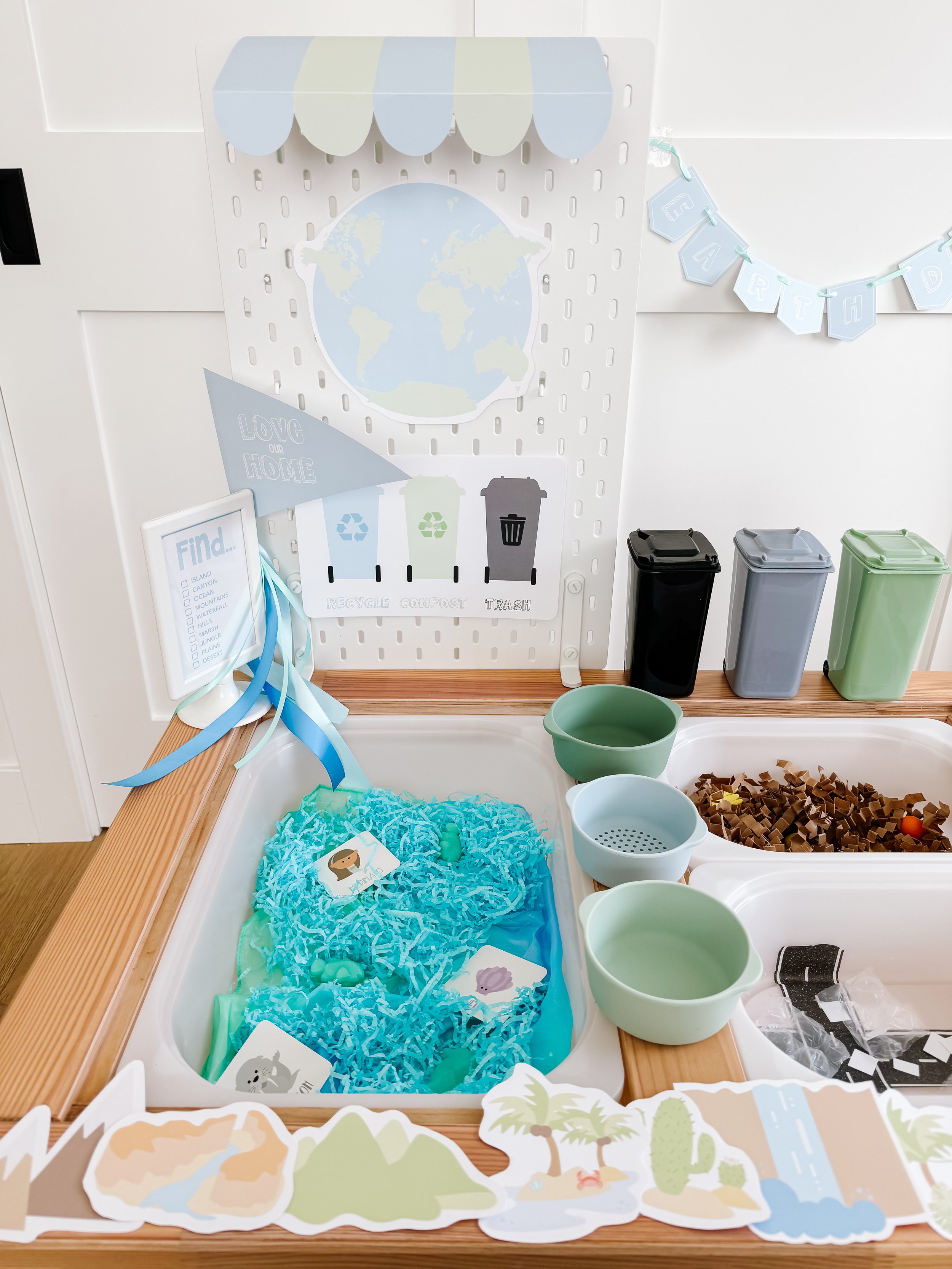
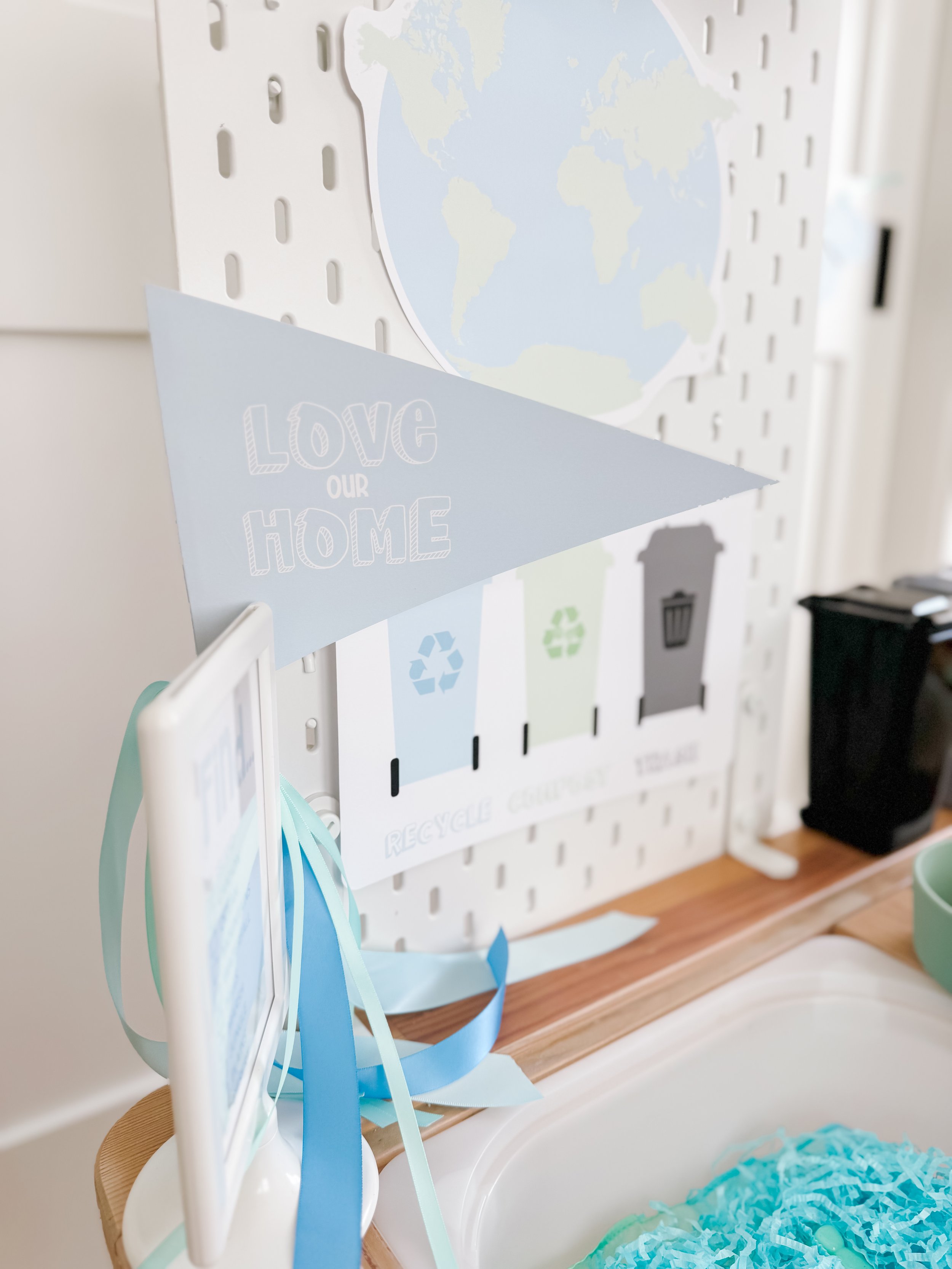
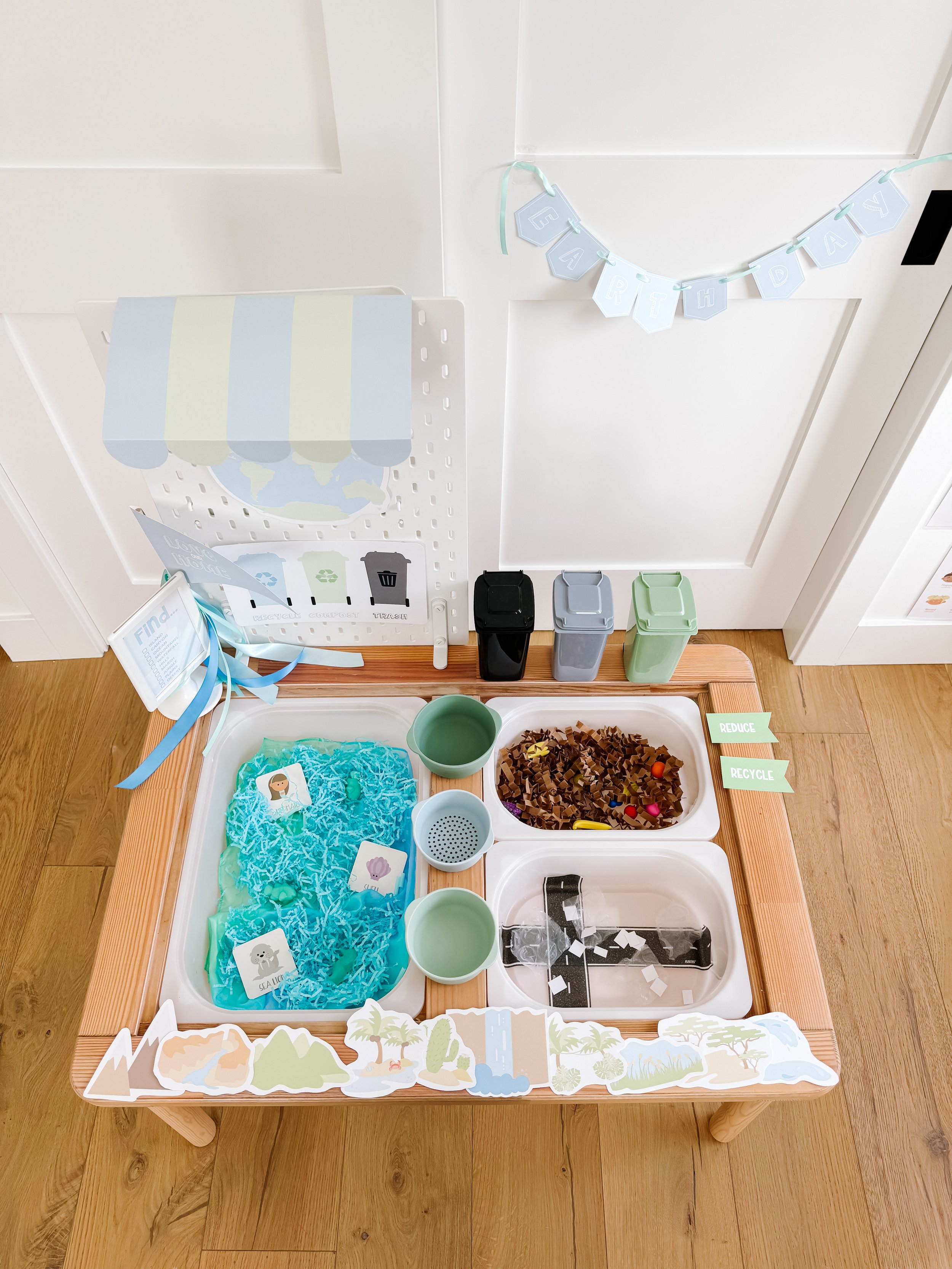
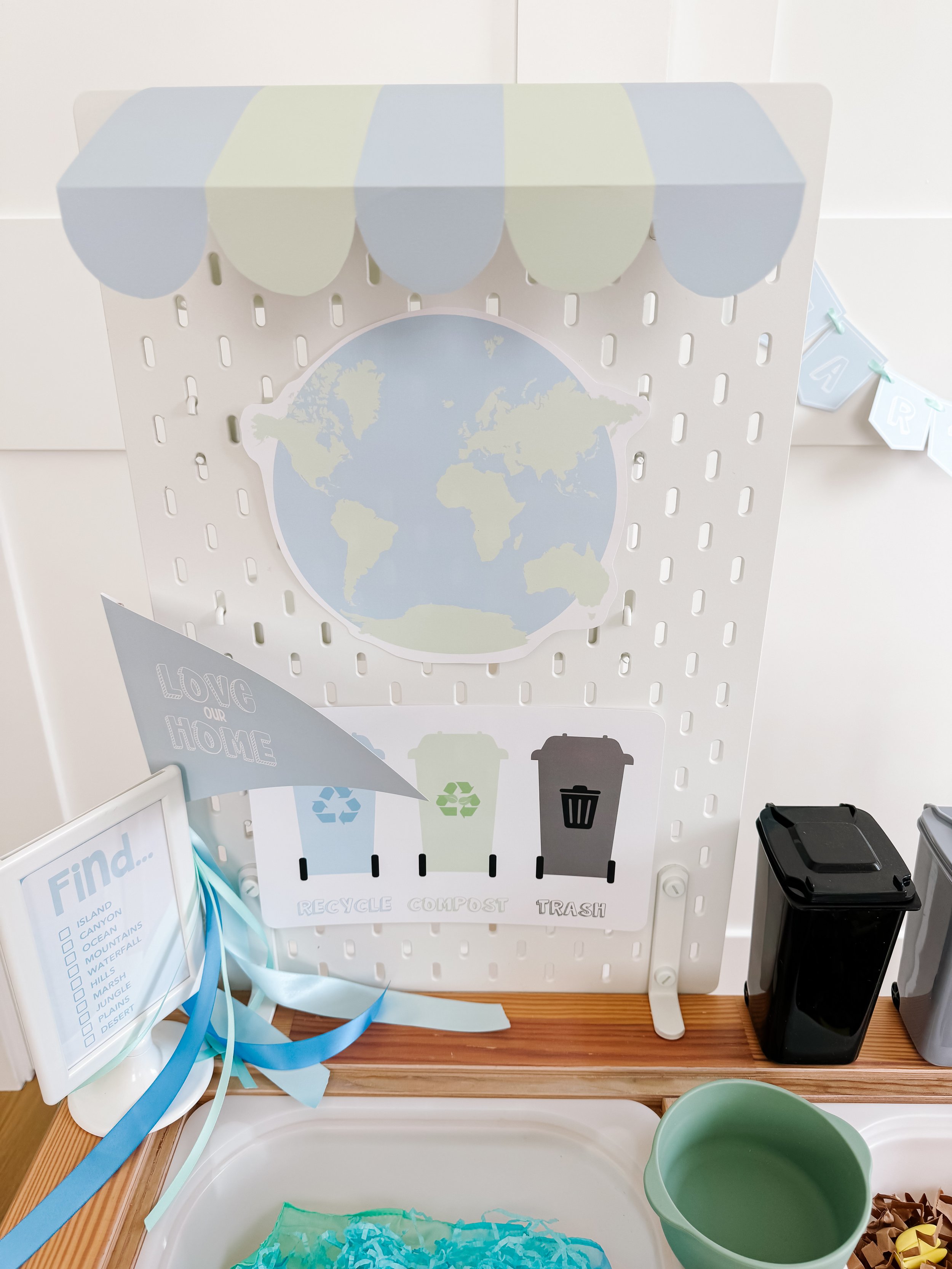
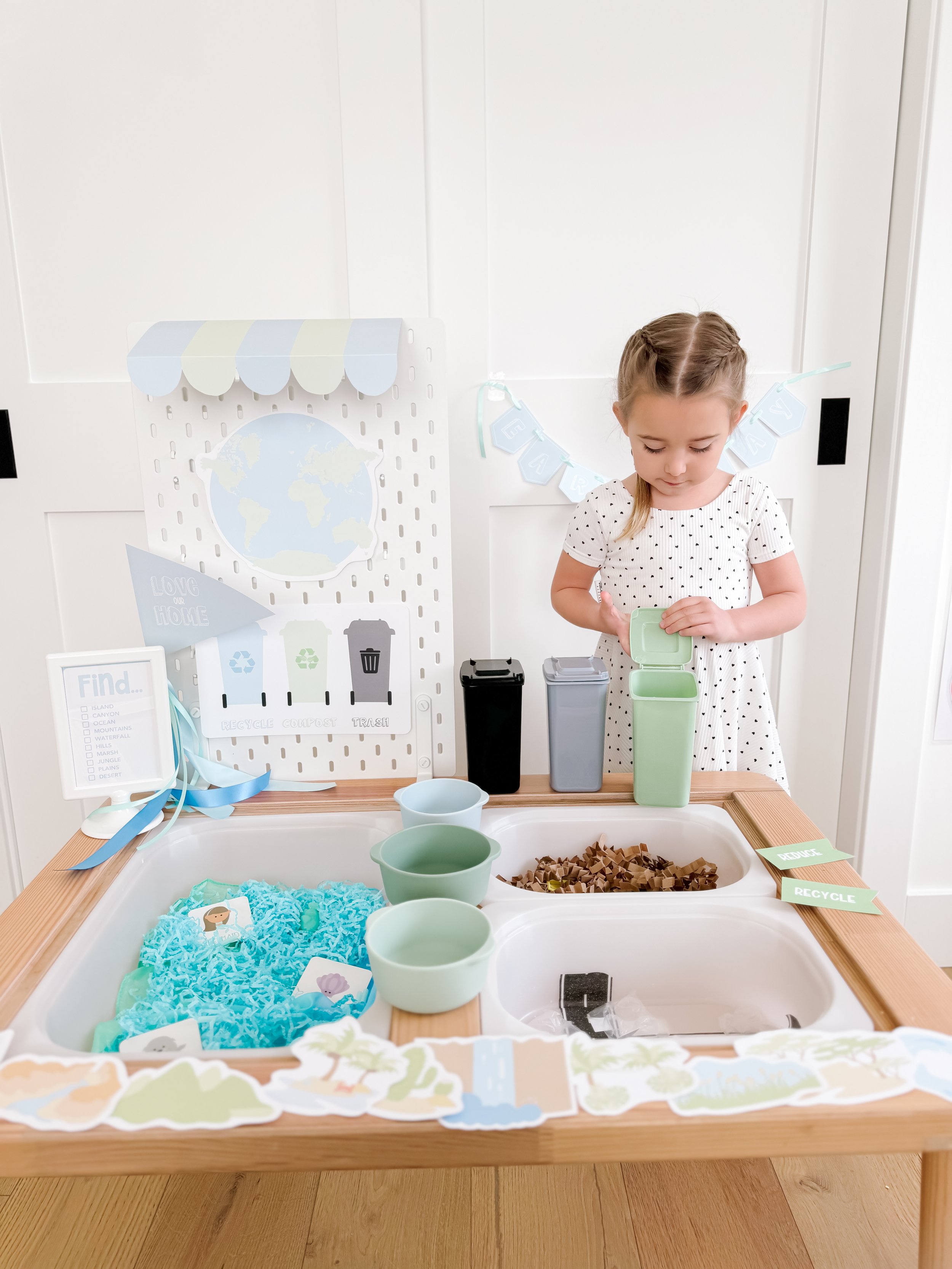
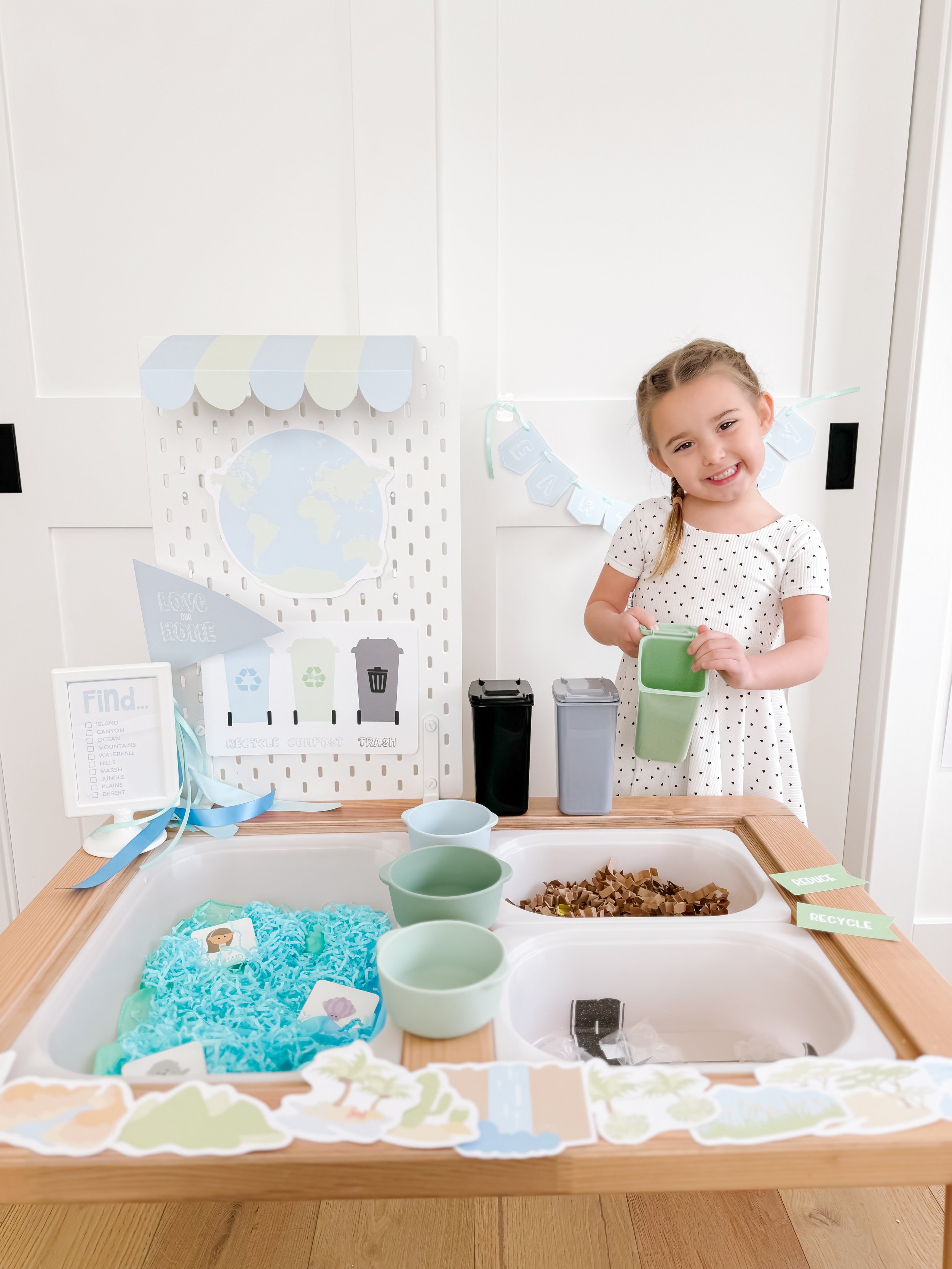
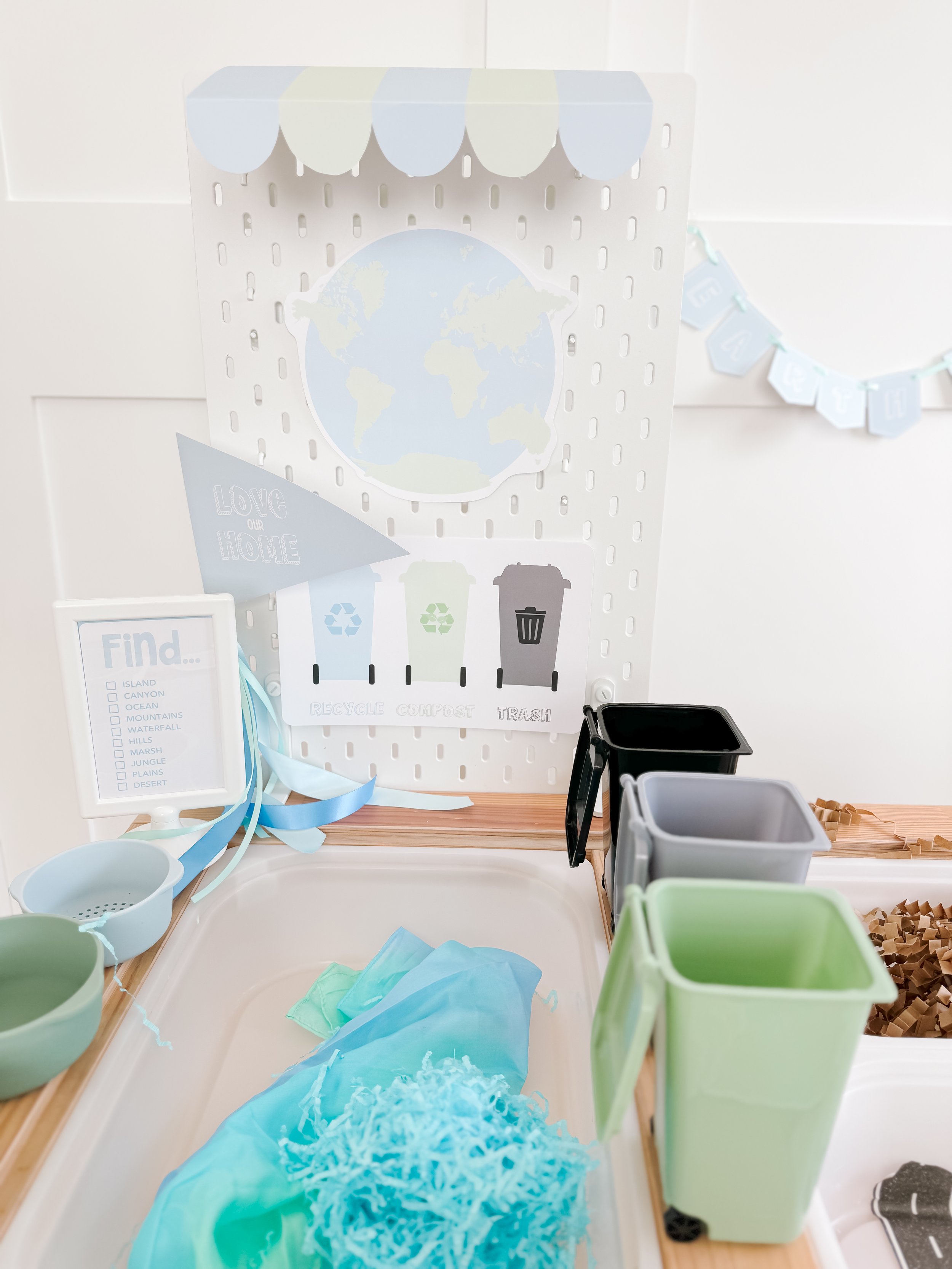
Setting the right atmosphere is essential for any celebration, and our kit includes everything you need to create an inviting and festive Earth Day environment. Hang up the colorful awning above your activity station, adding a touch of vibrancy and excitement to the space. And don't forget the eye-catching banner that proudly displays the words "Love Our Earth!" It's sure to grab everyone's attention and get them into the Earth Day spirit. To complete the decor, our kit even includes a special Earth Day flag for you to display. Wave it around to let everyone know that you are committed to protecting our planet.

Download & Print
IMG_1625.jpg IMG_1635.jpg IMG_1641.jpg IMG_1642_jpg.jpg IMG_1677.jpg IMG_1679_jpg.jpg

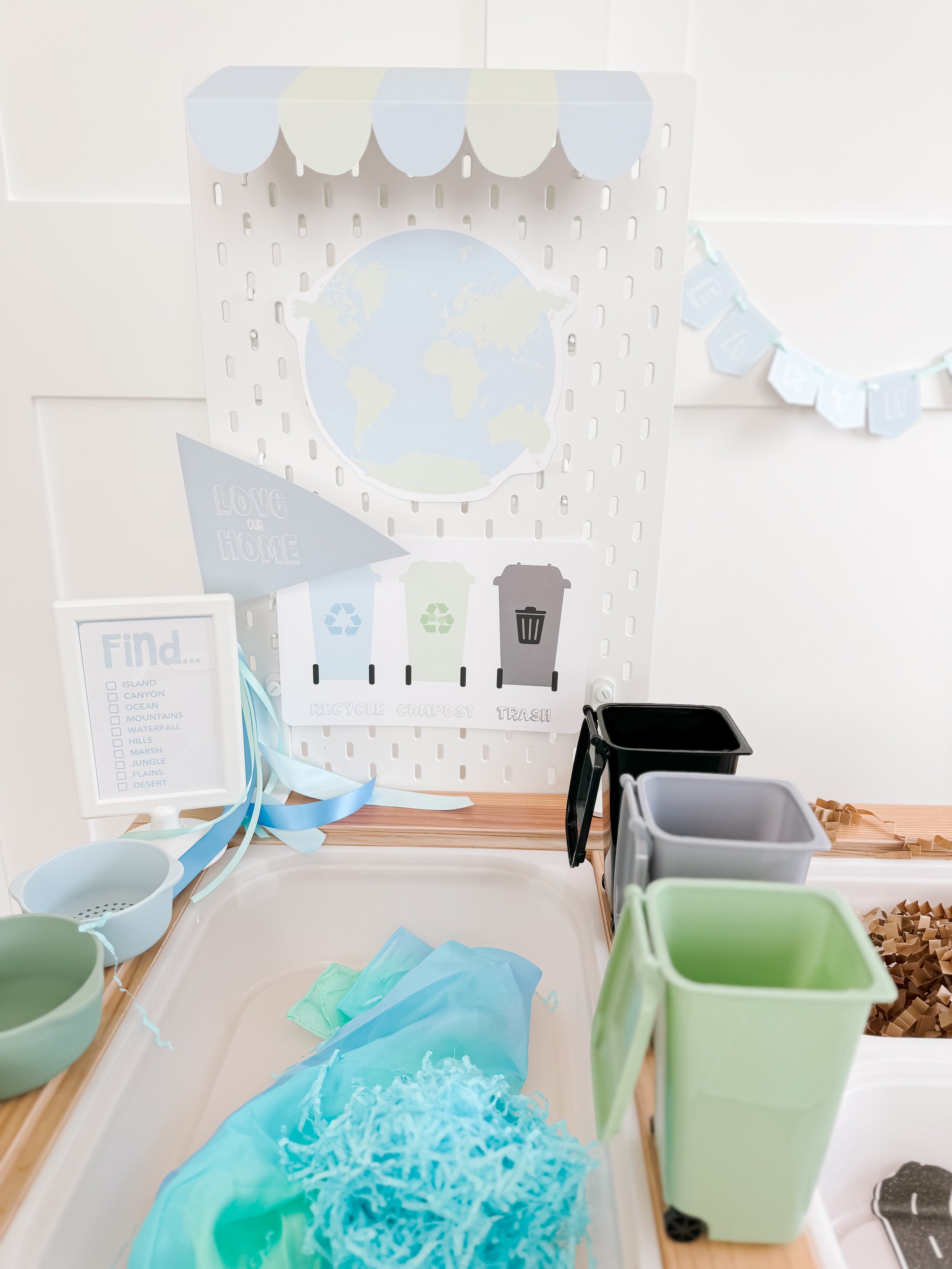
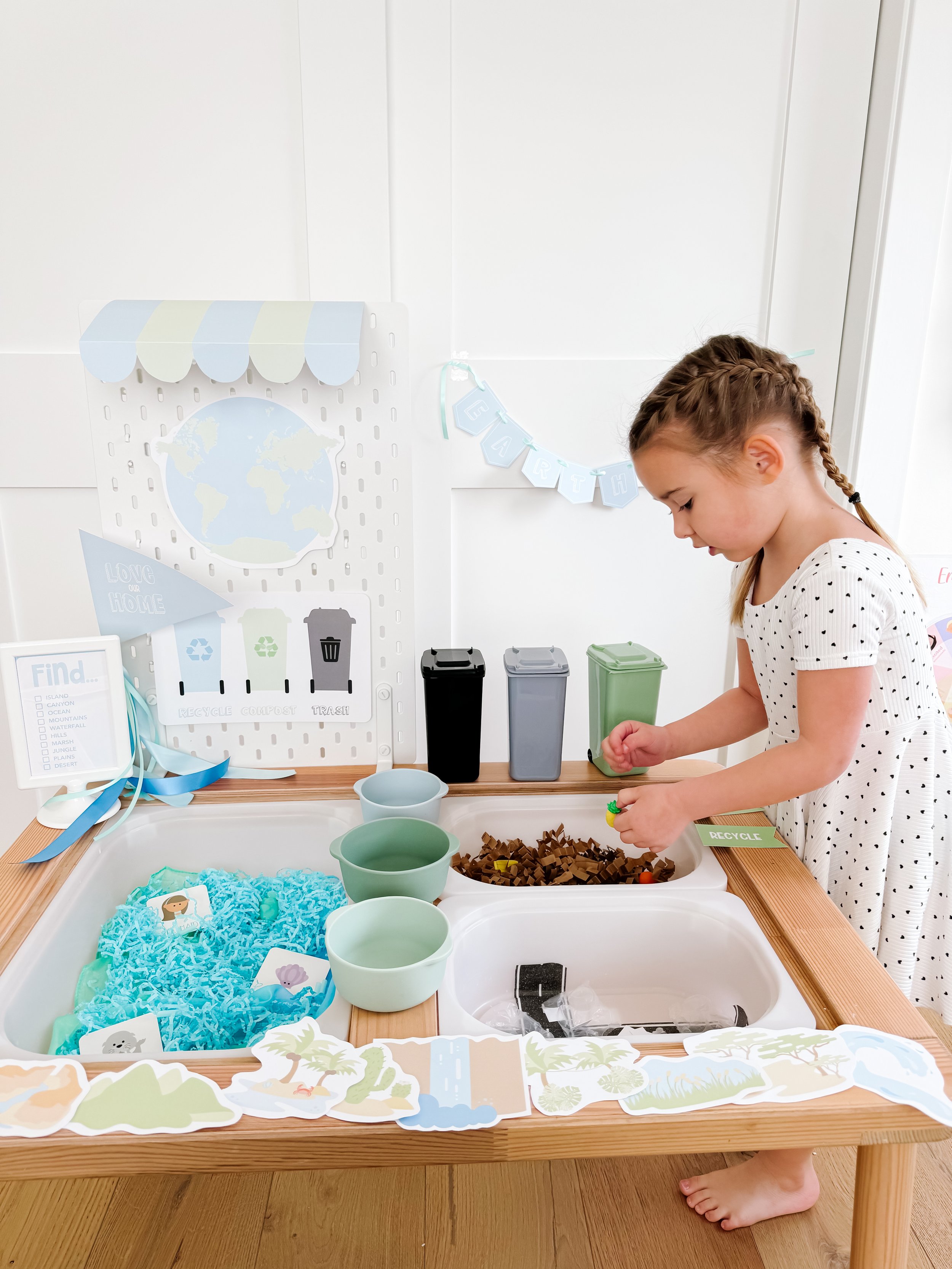
Activity 1: Trash Bin Sorting

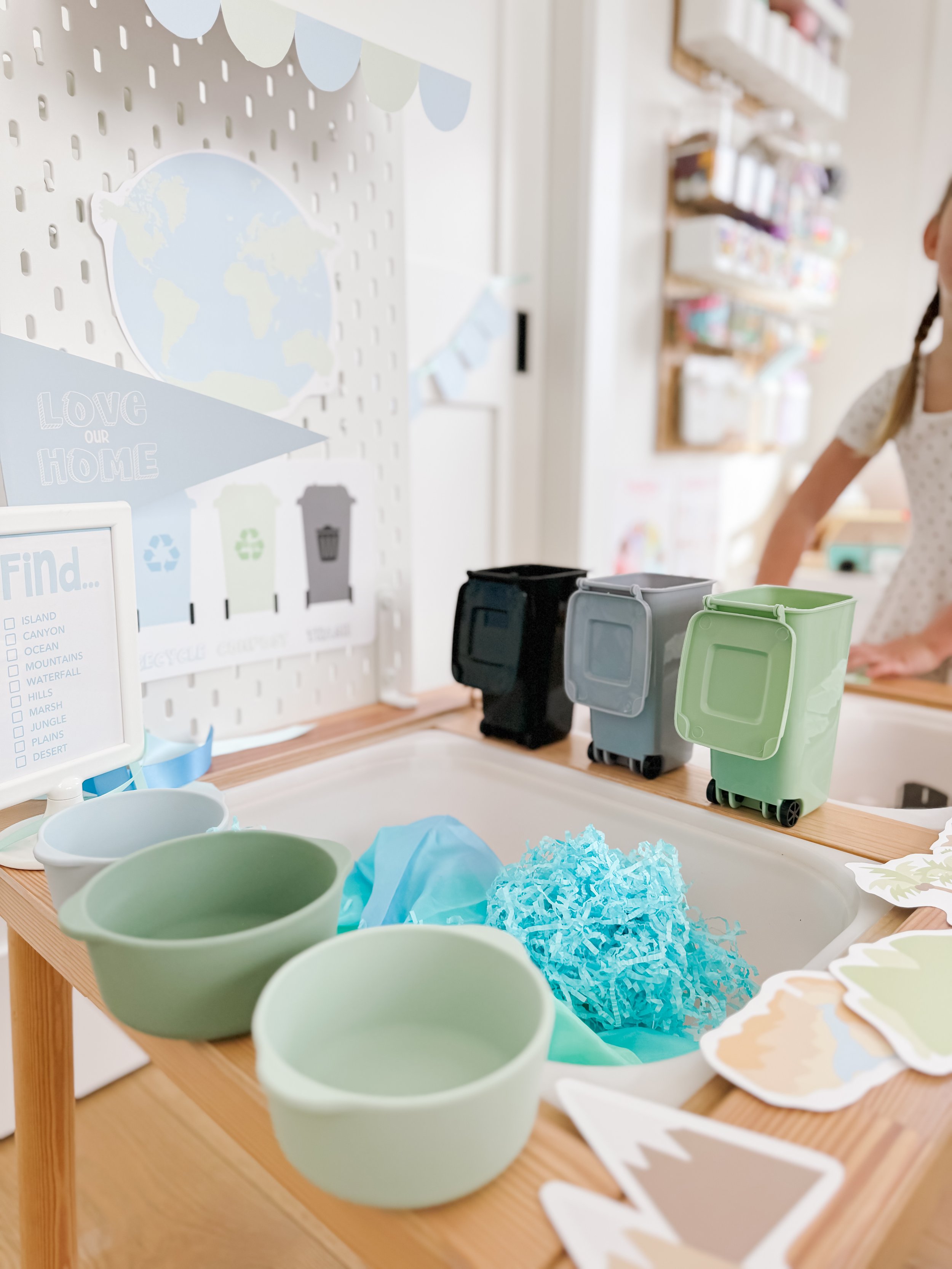
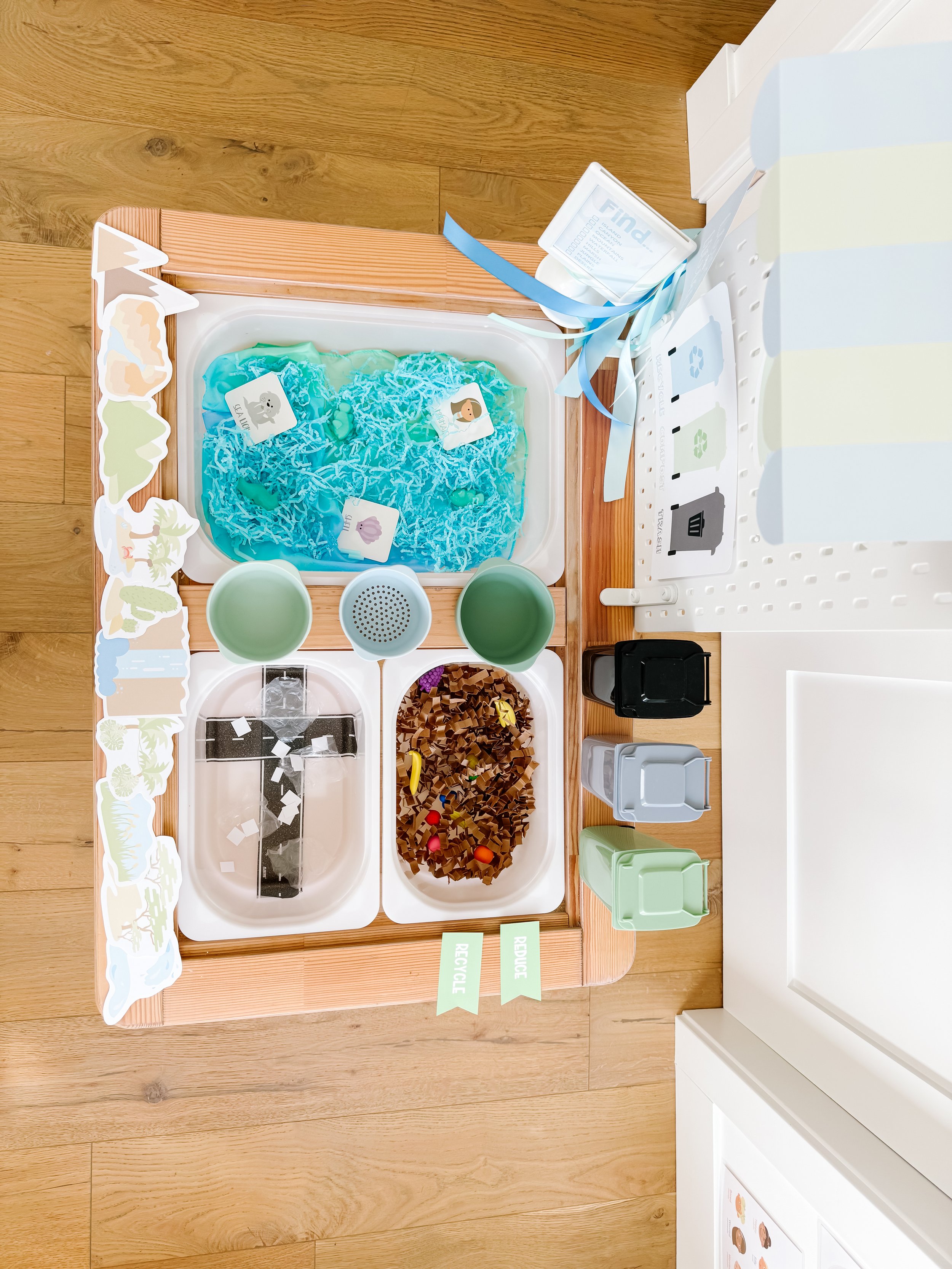
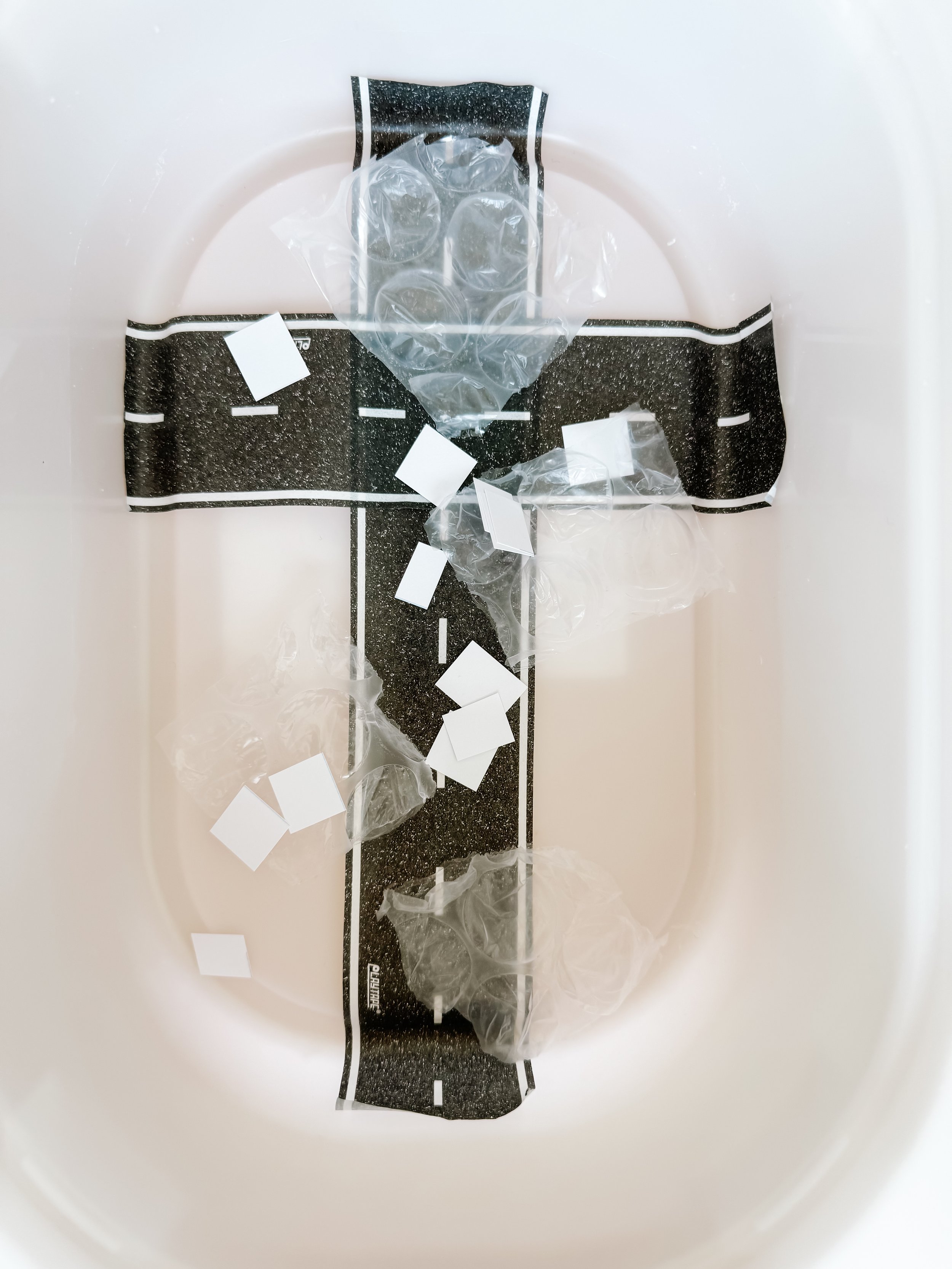
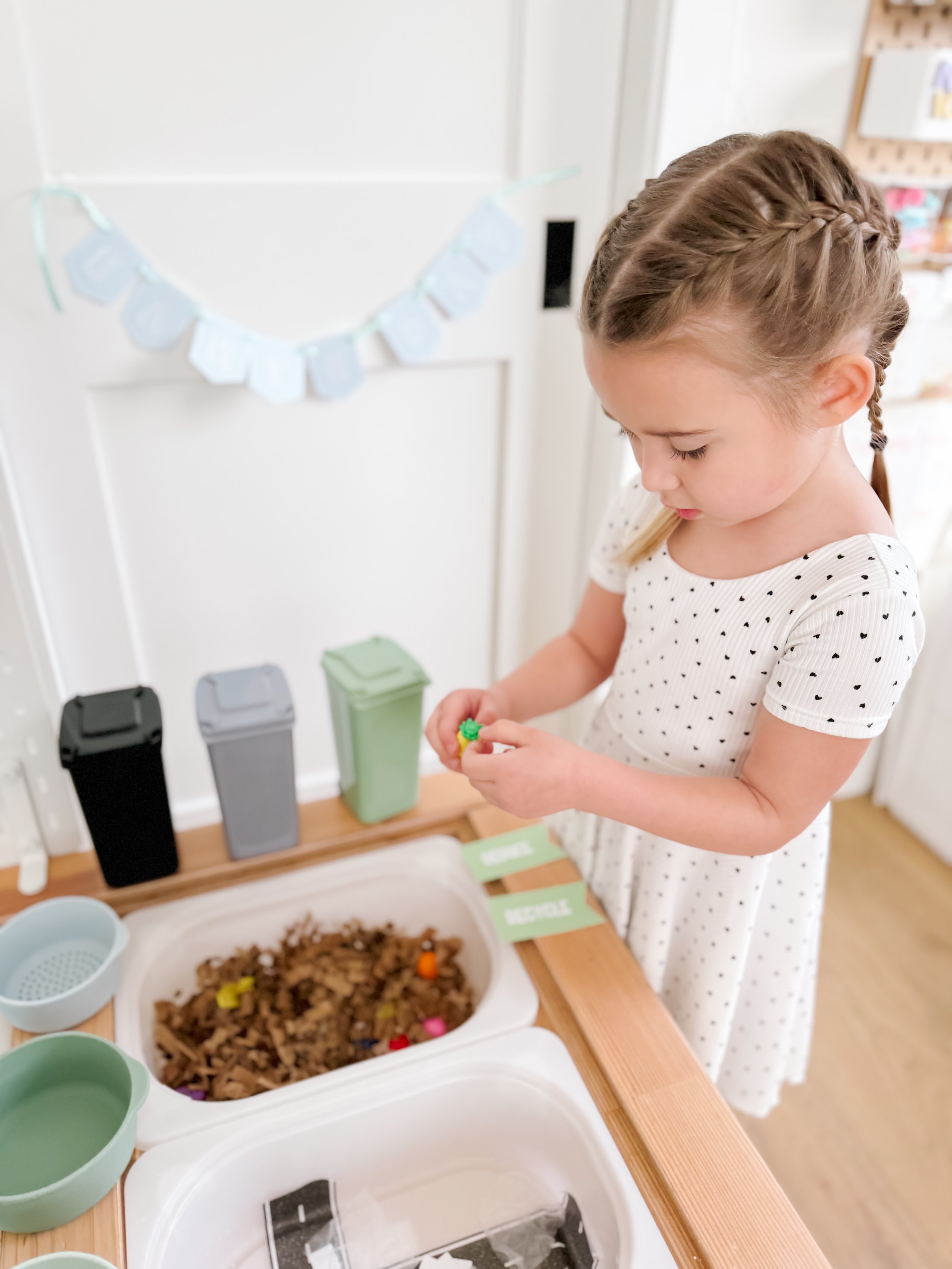
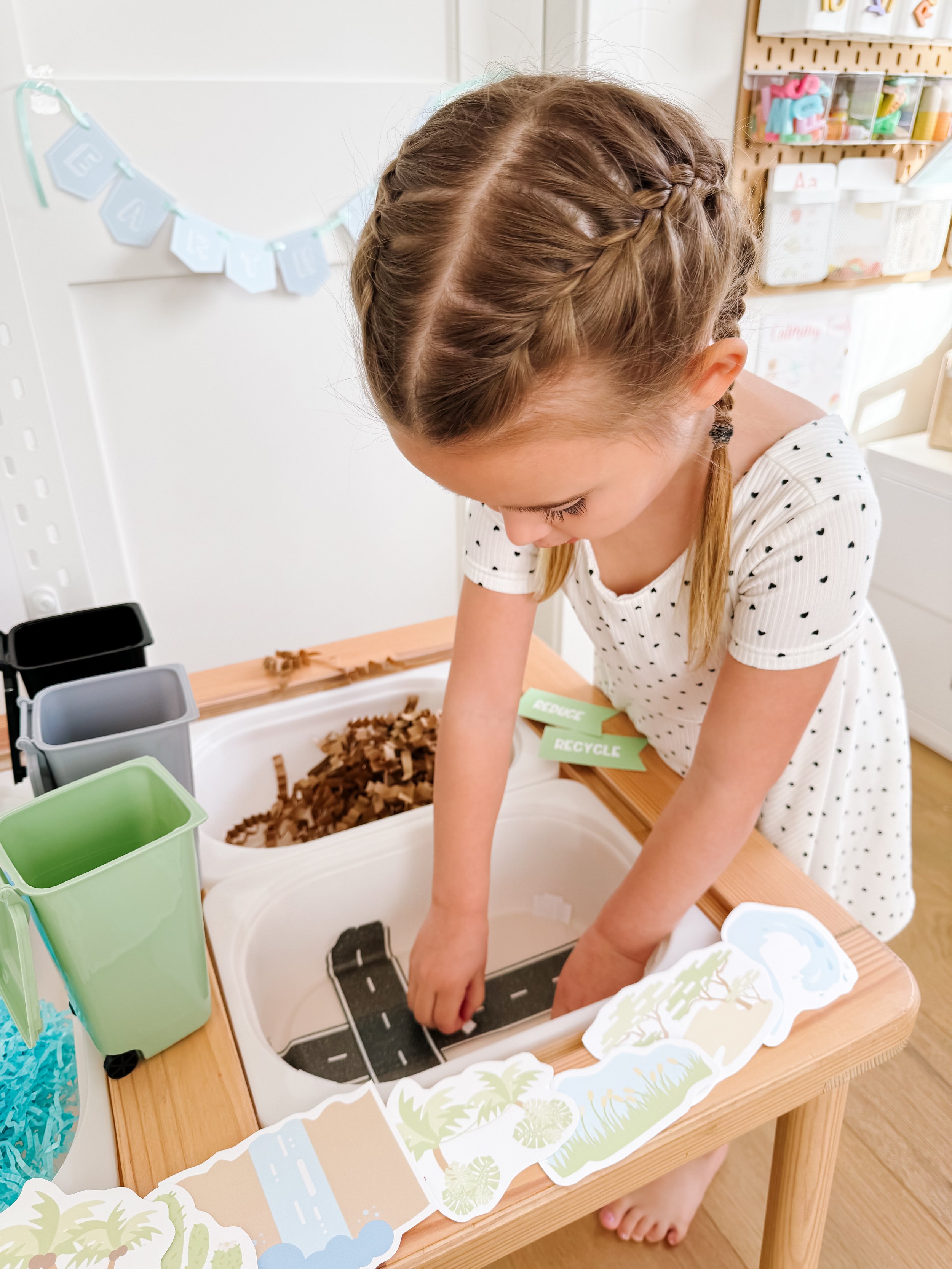
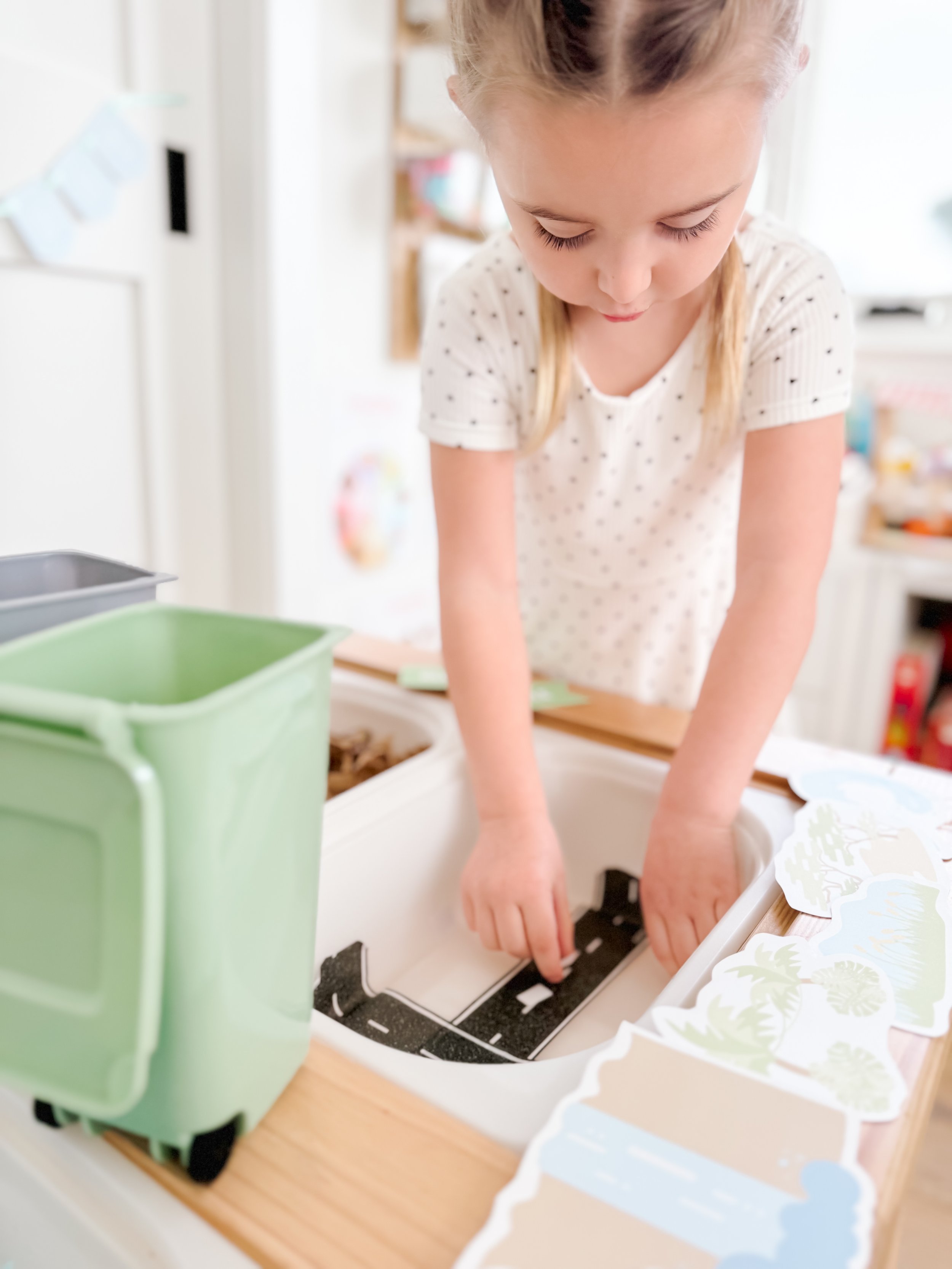
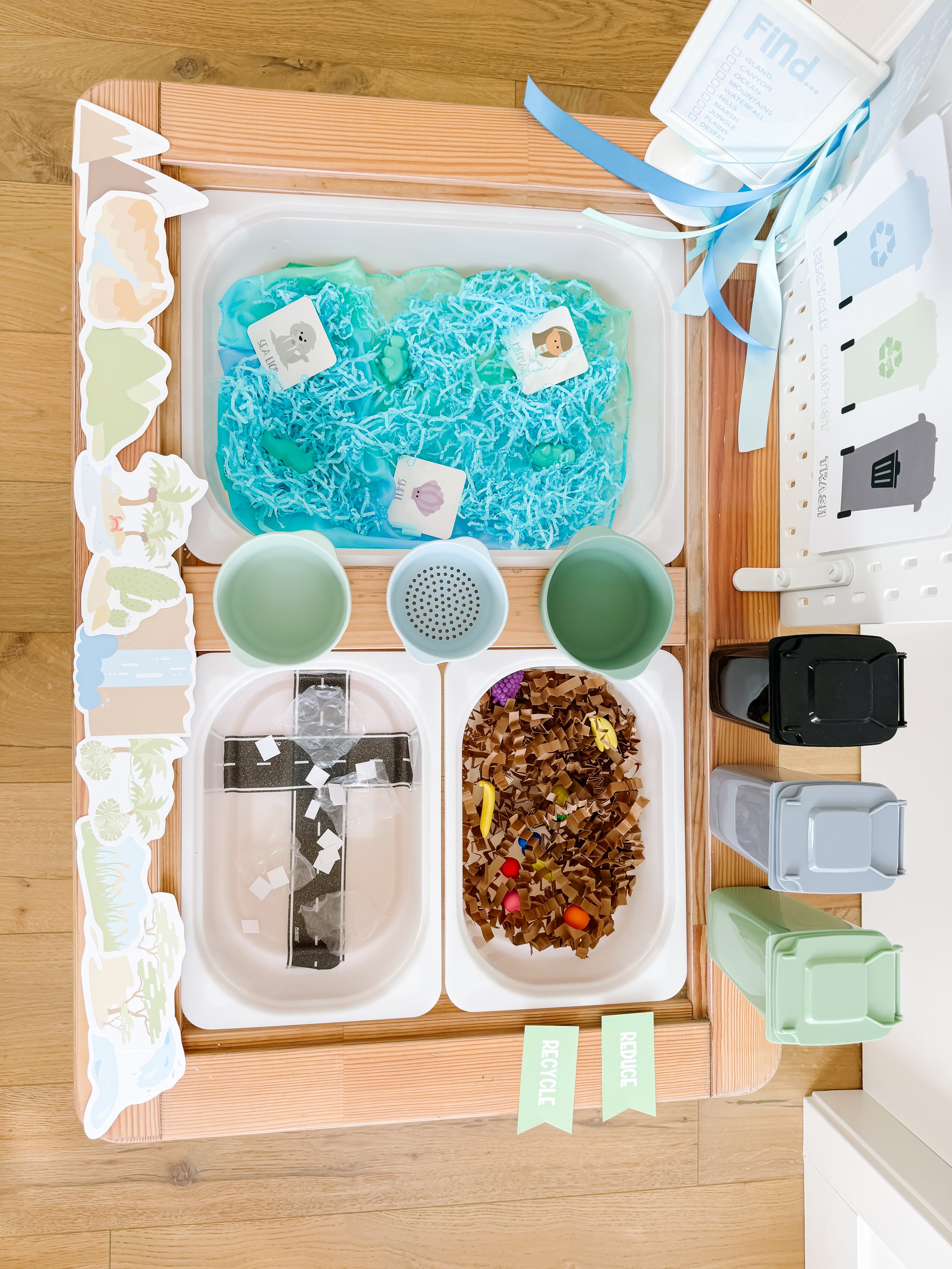
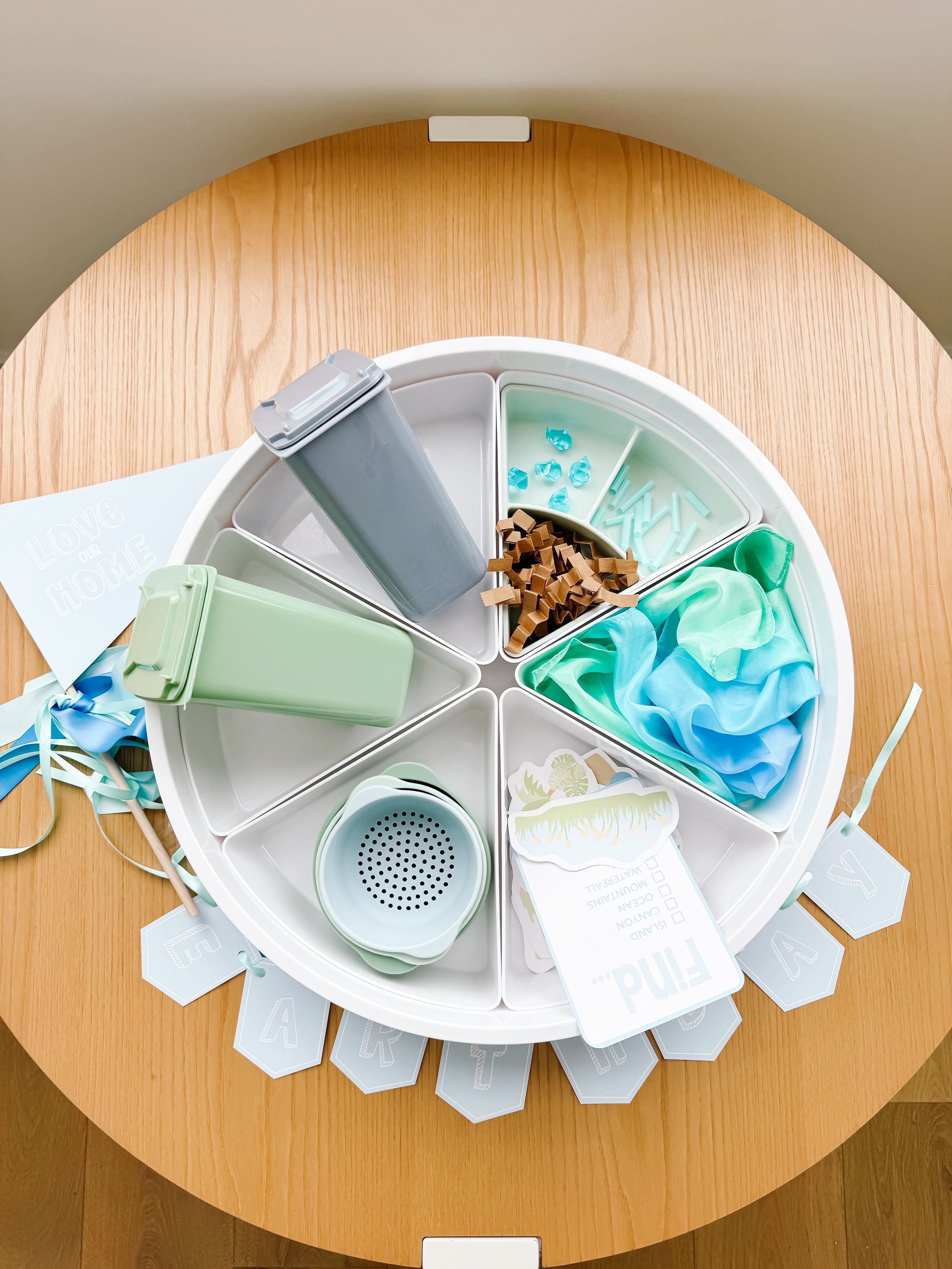
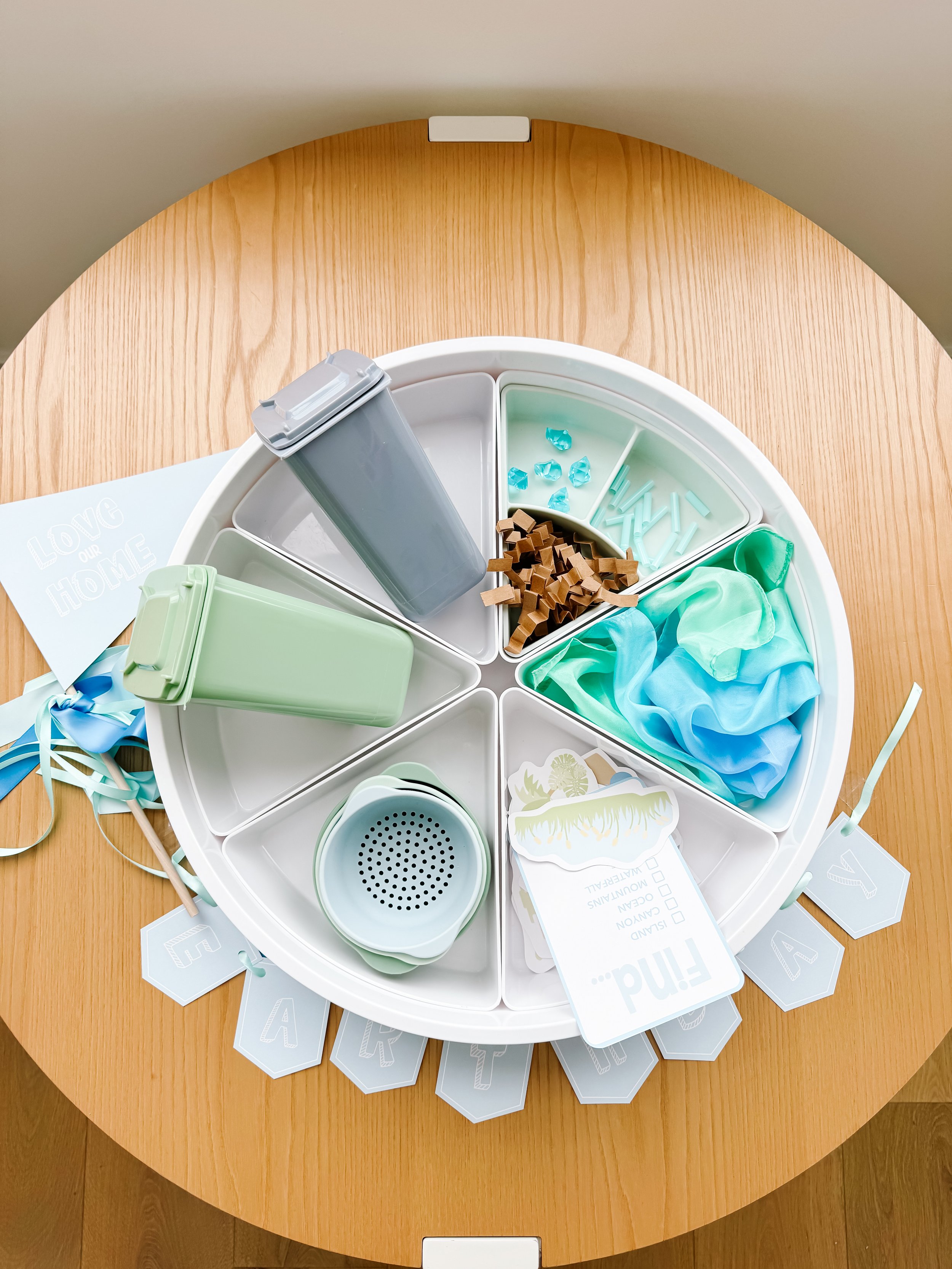
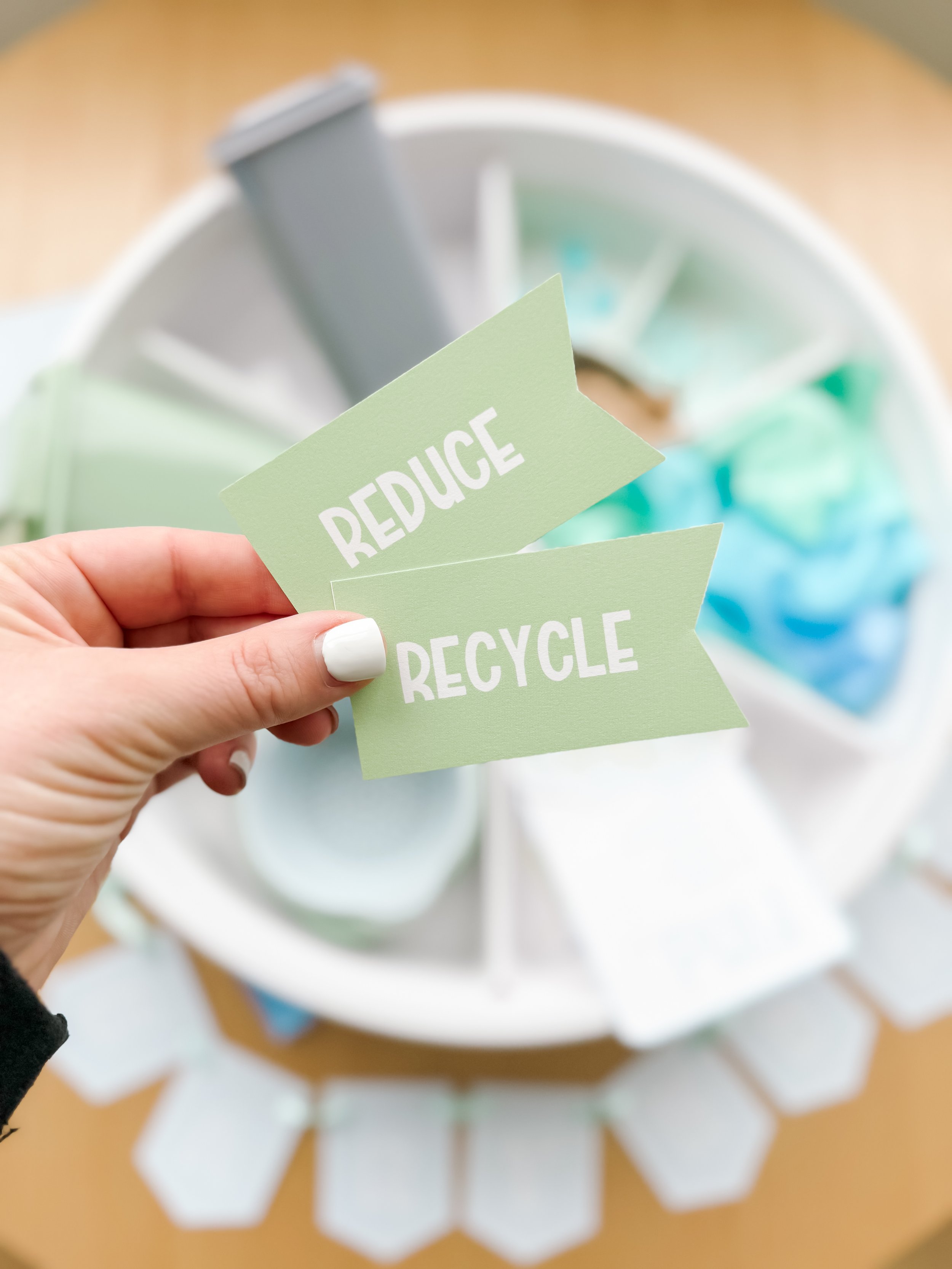
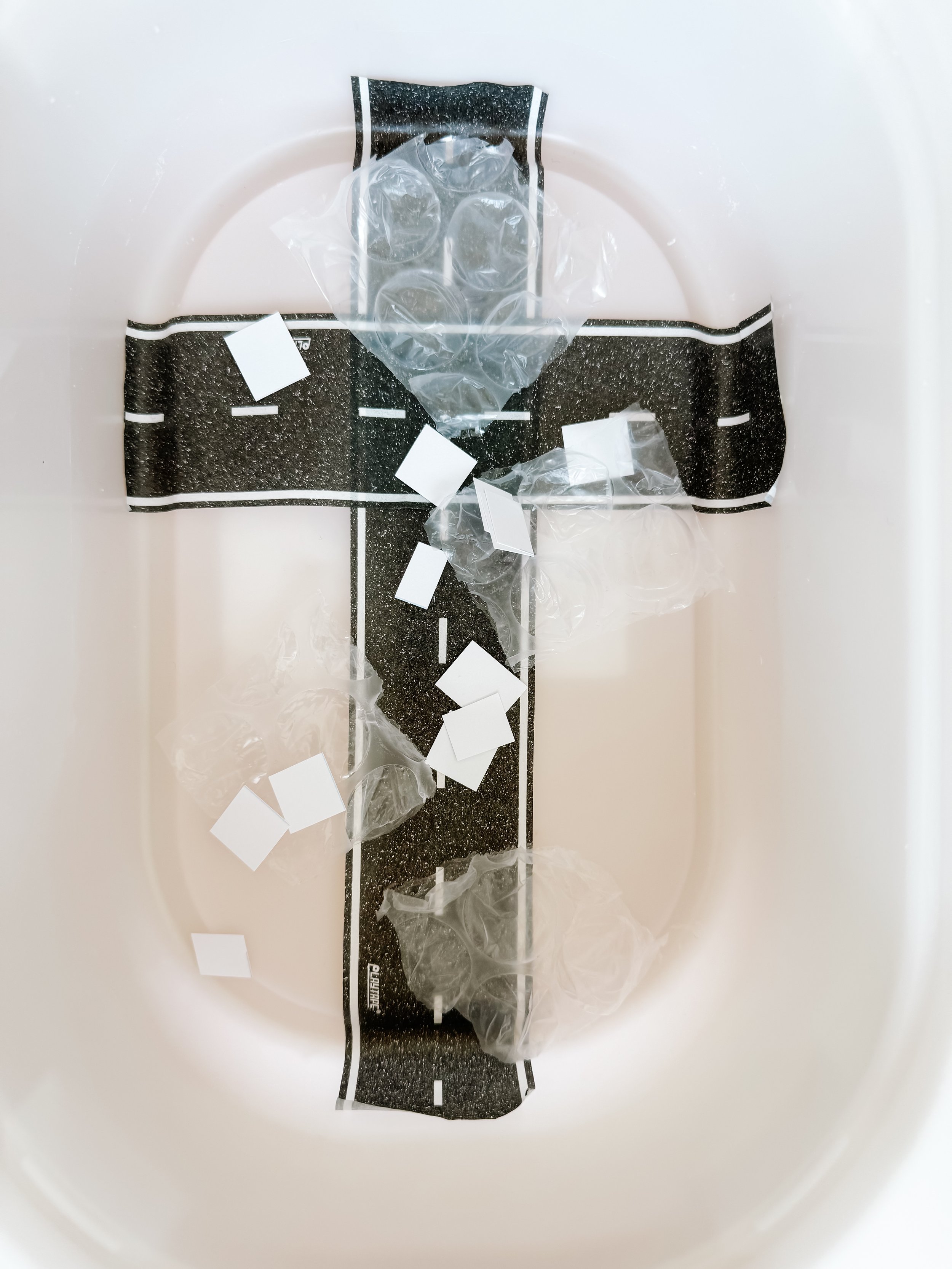
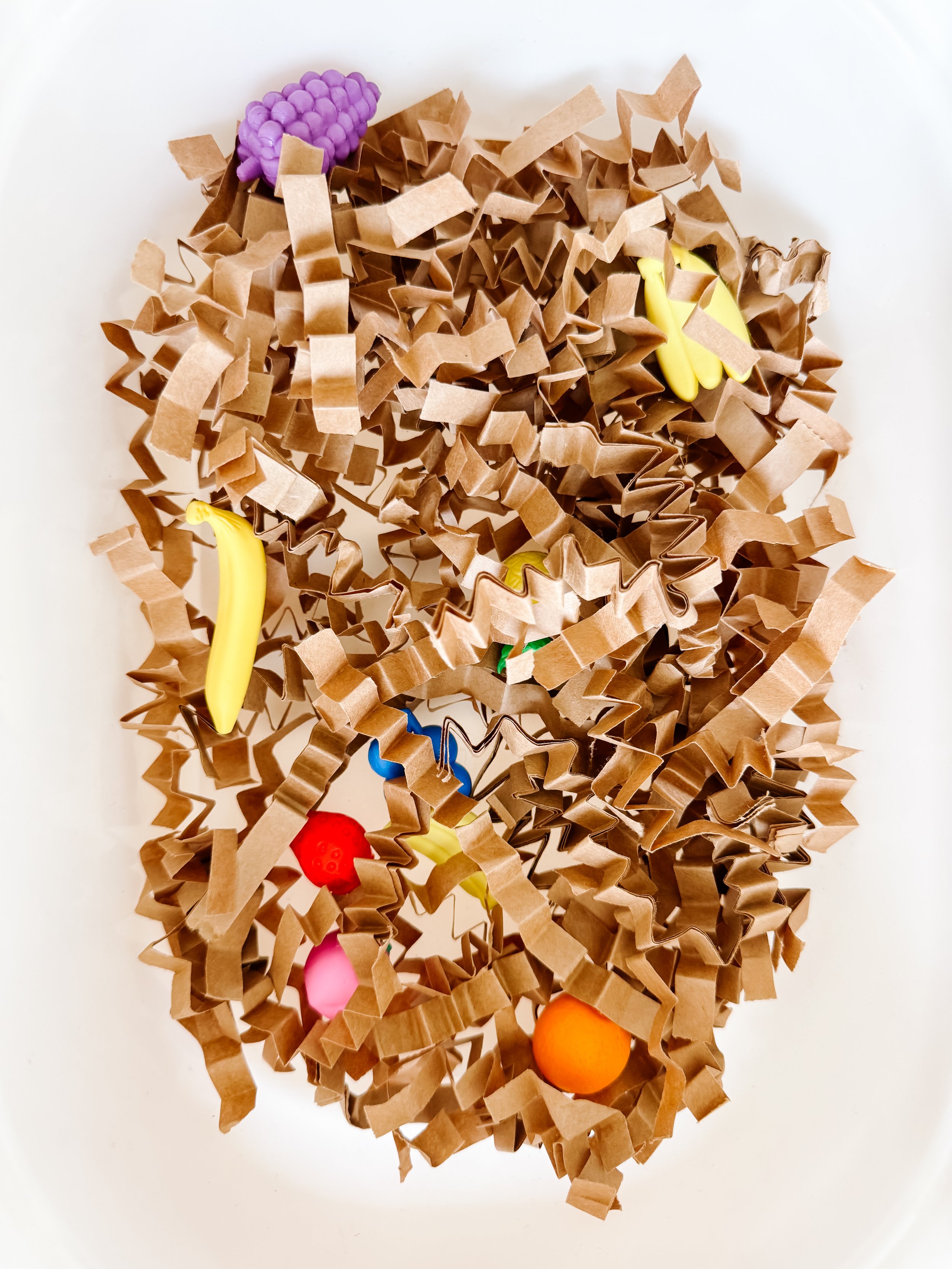
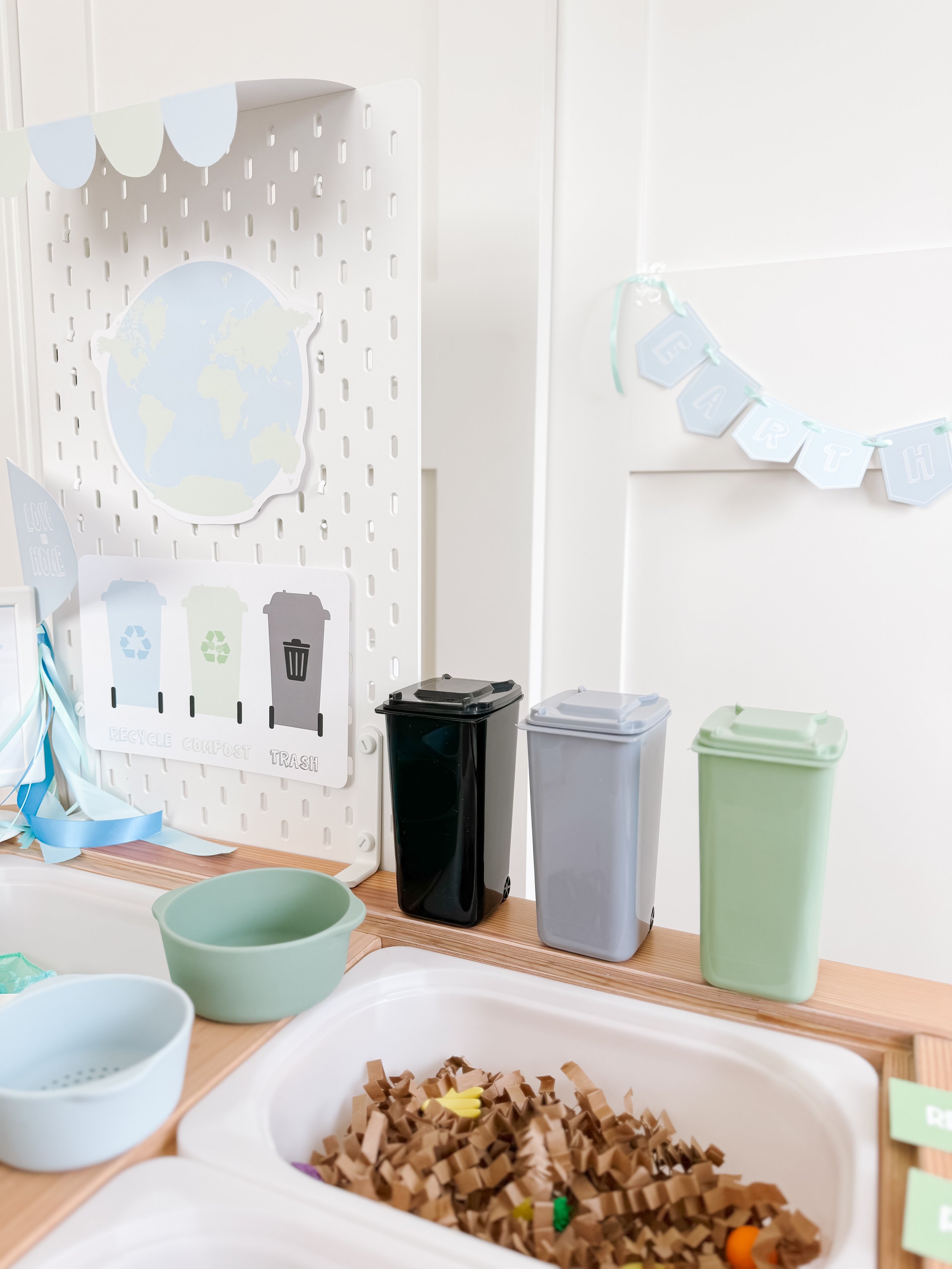
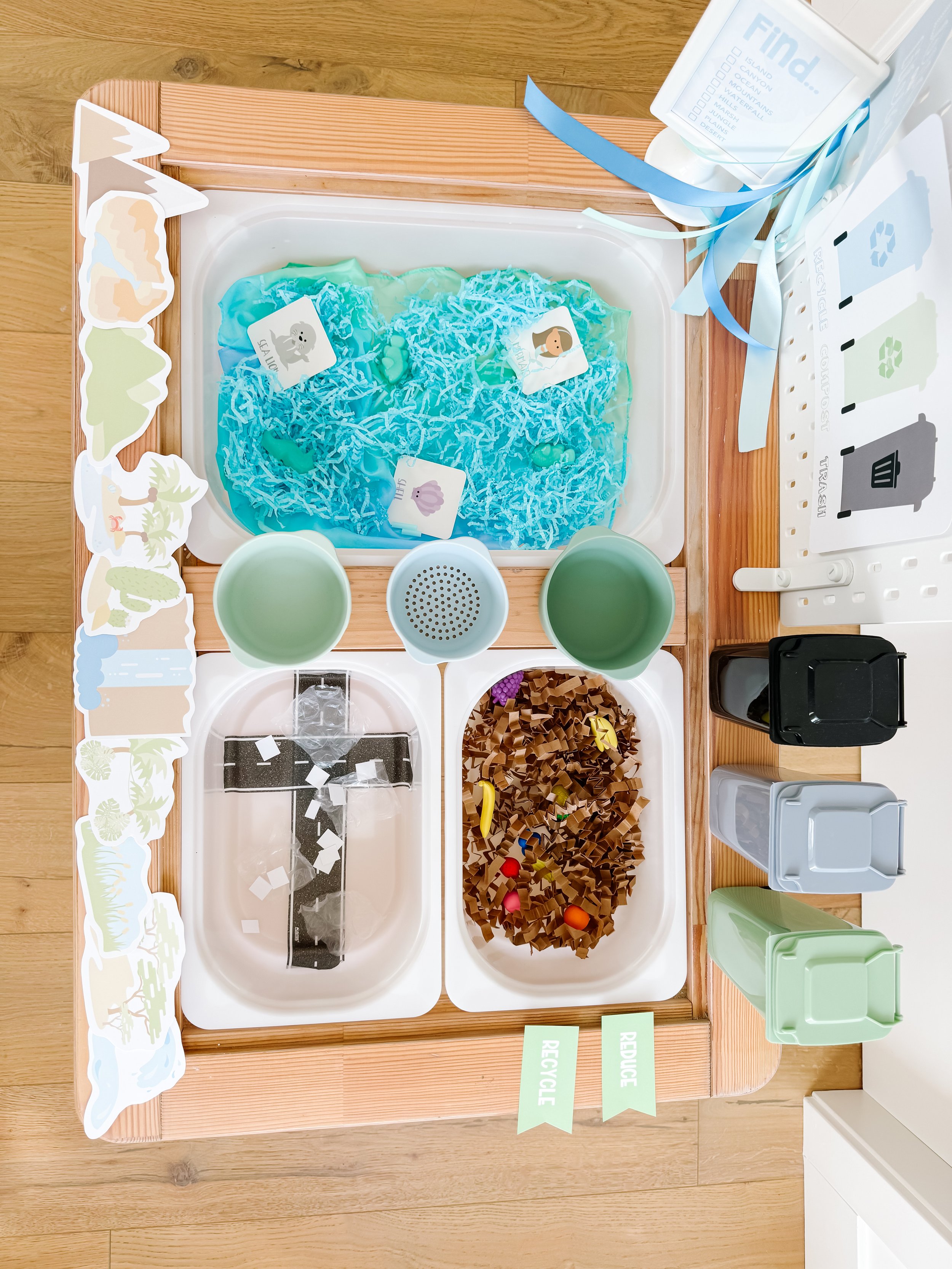
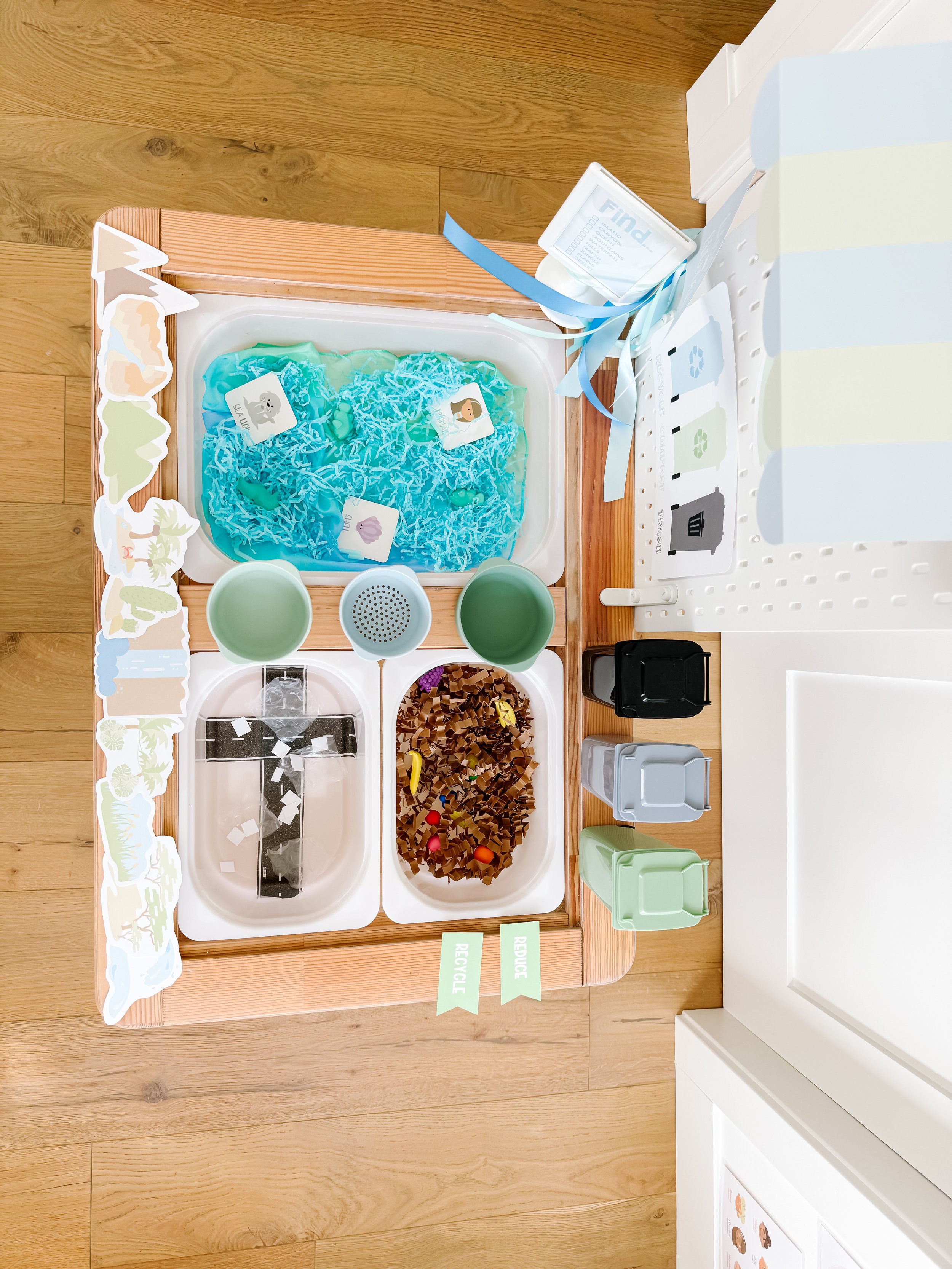
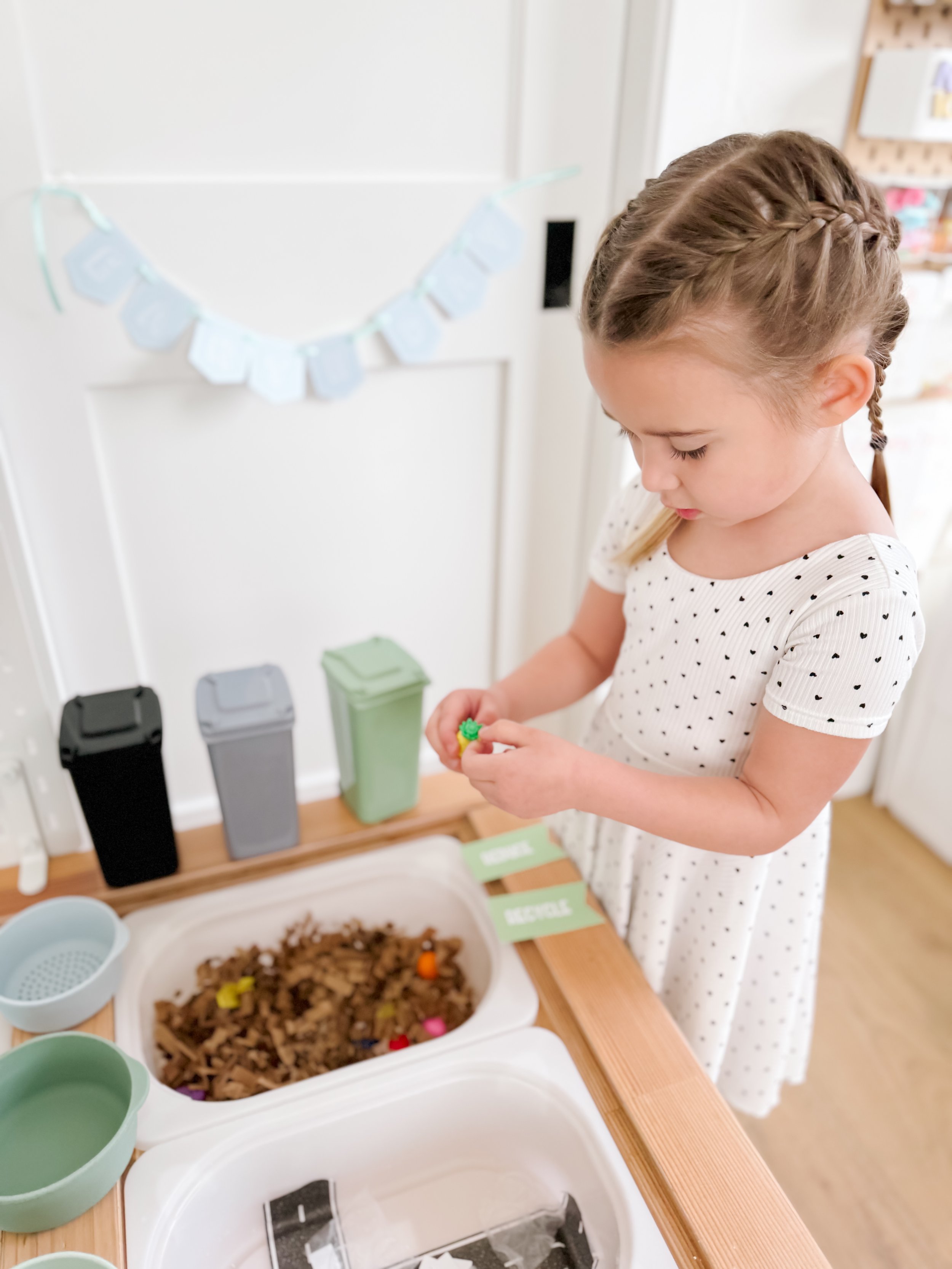
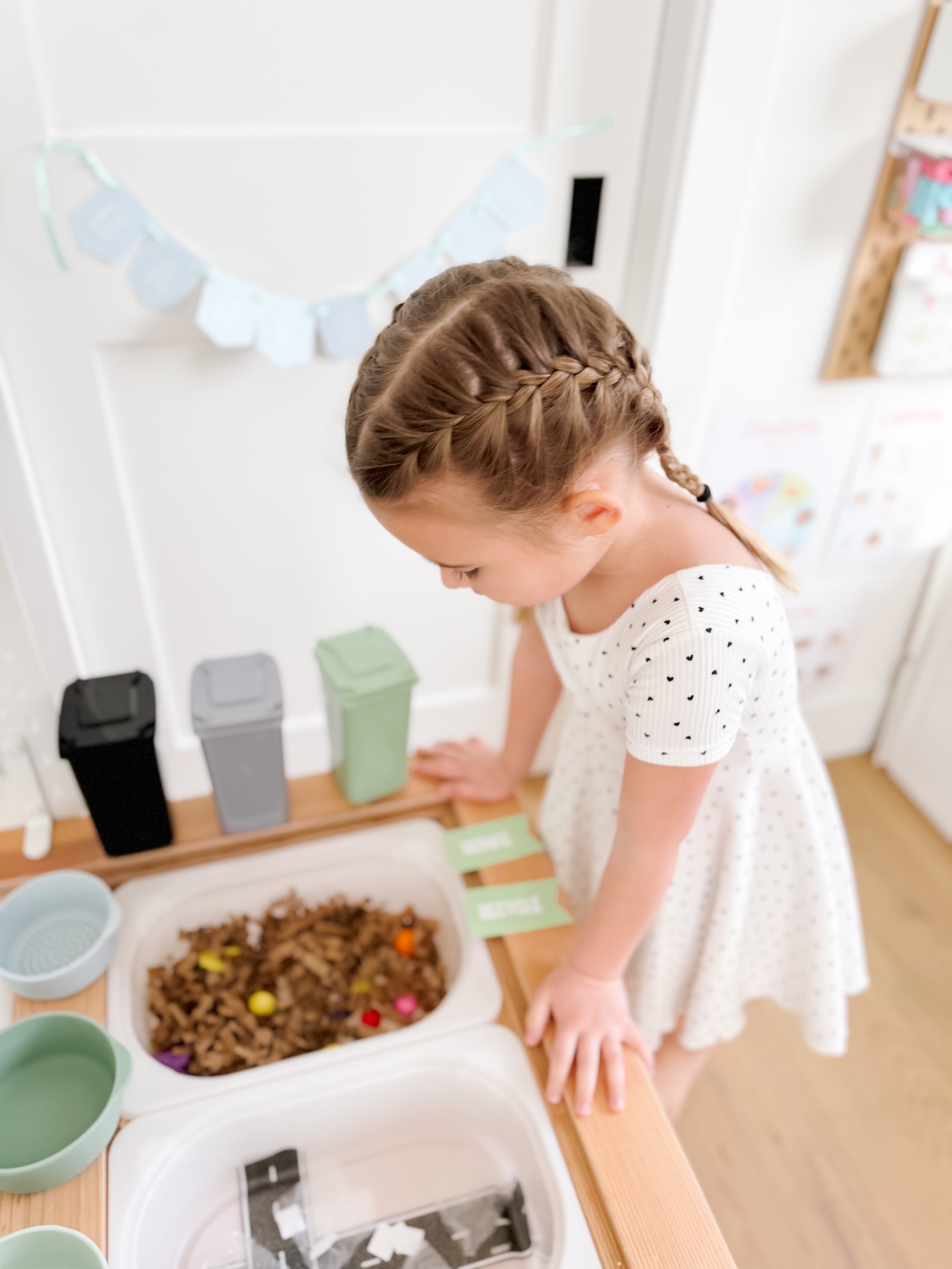
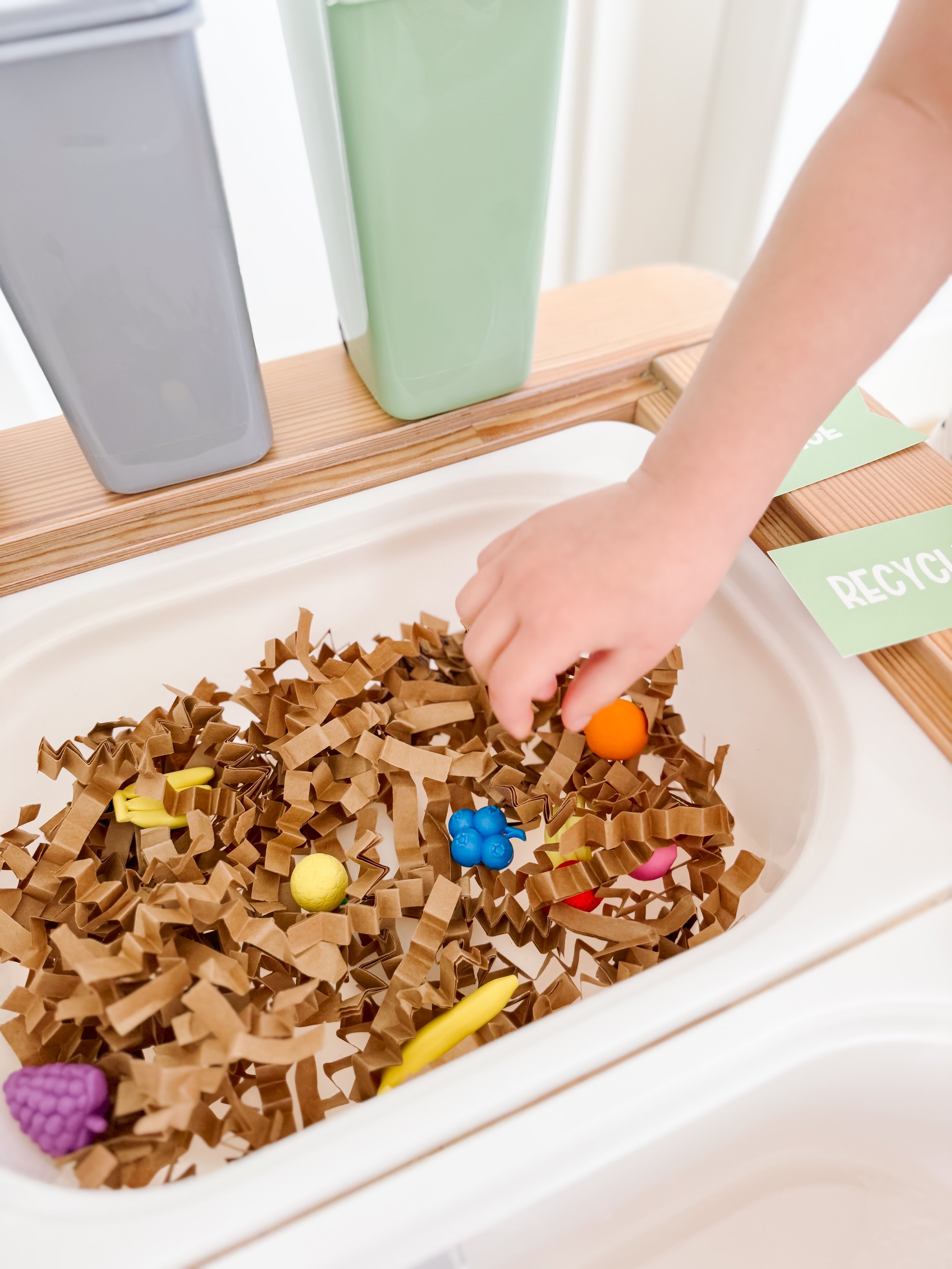
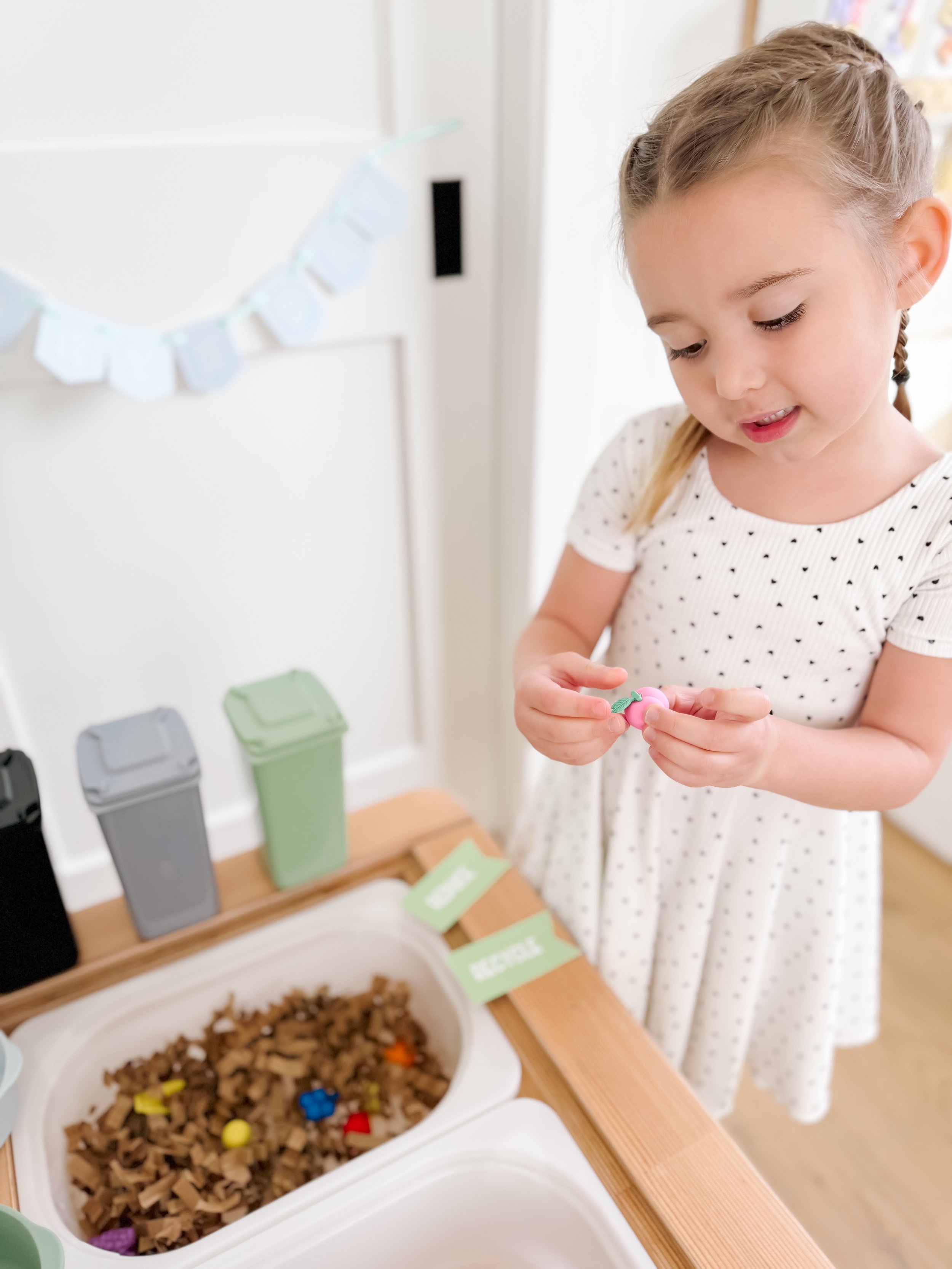
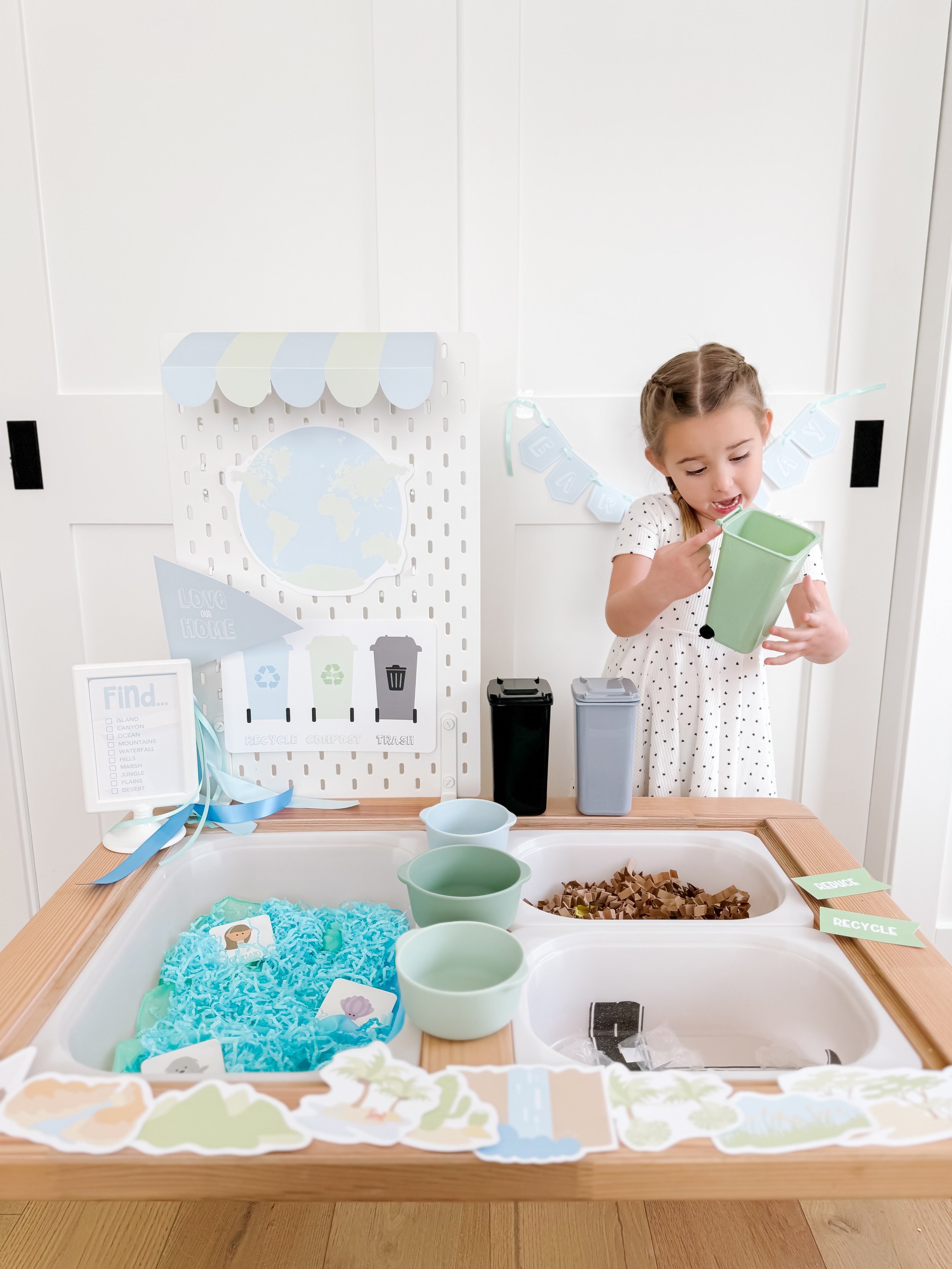
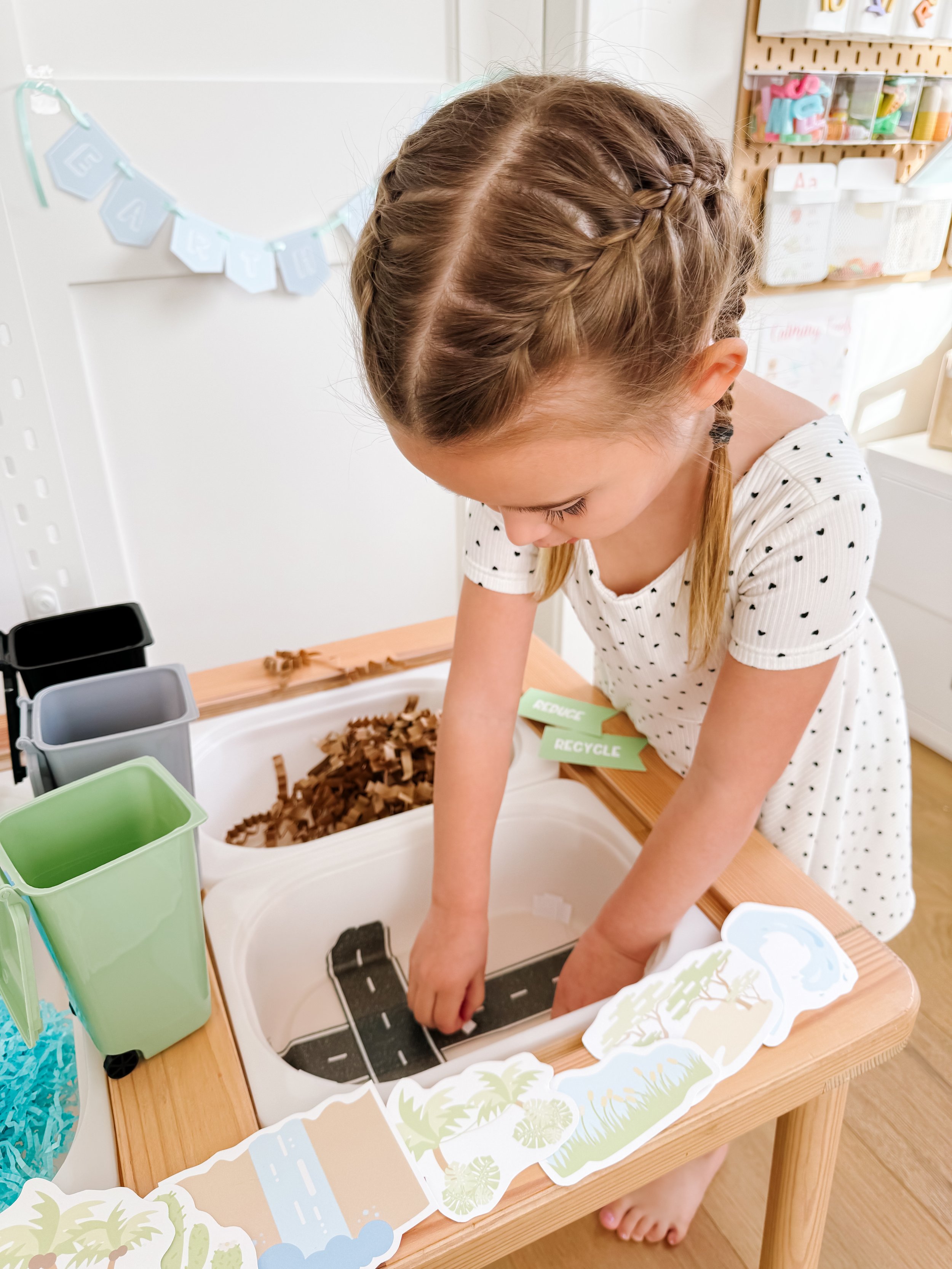
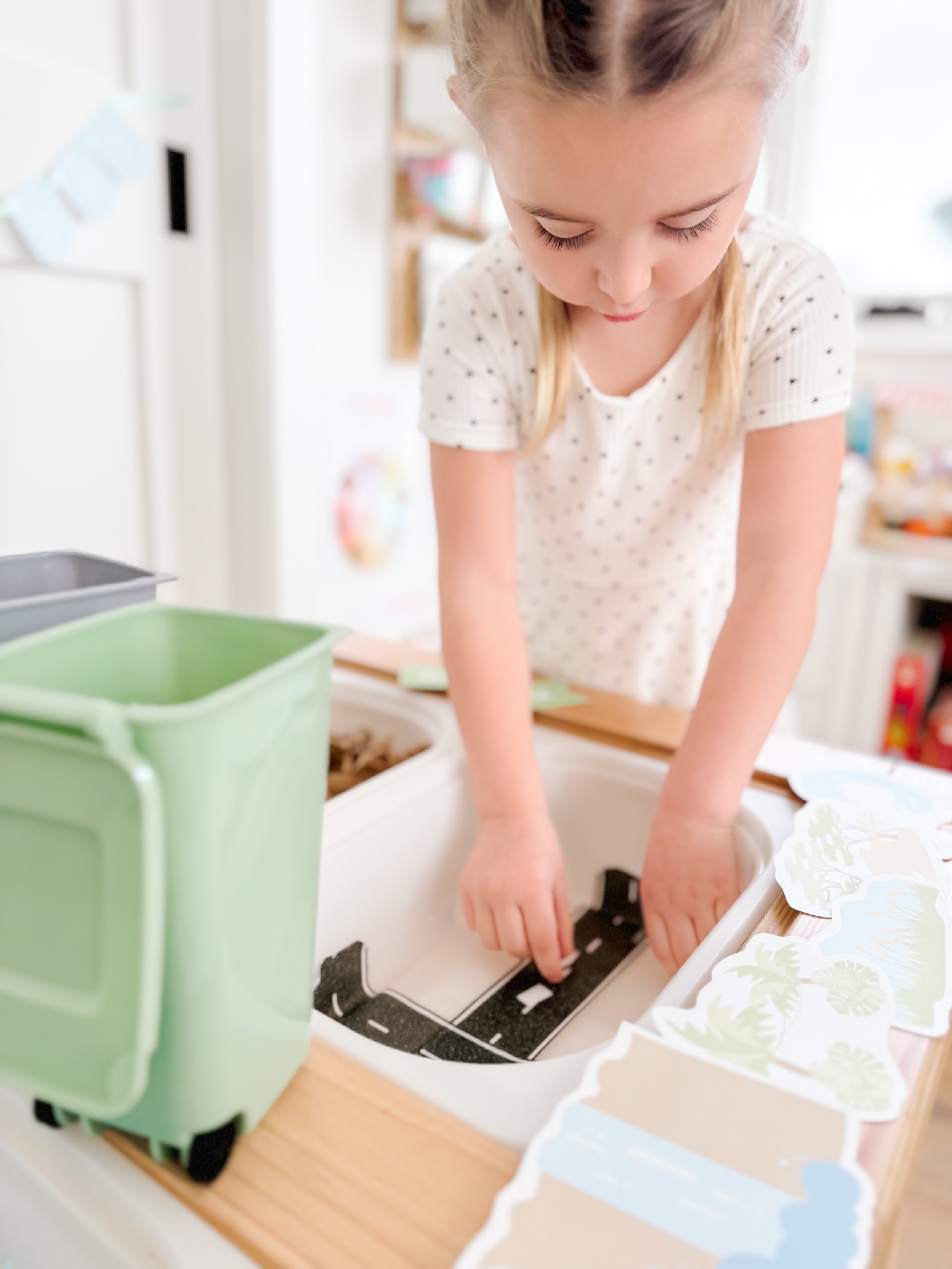
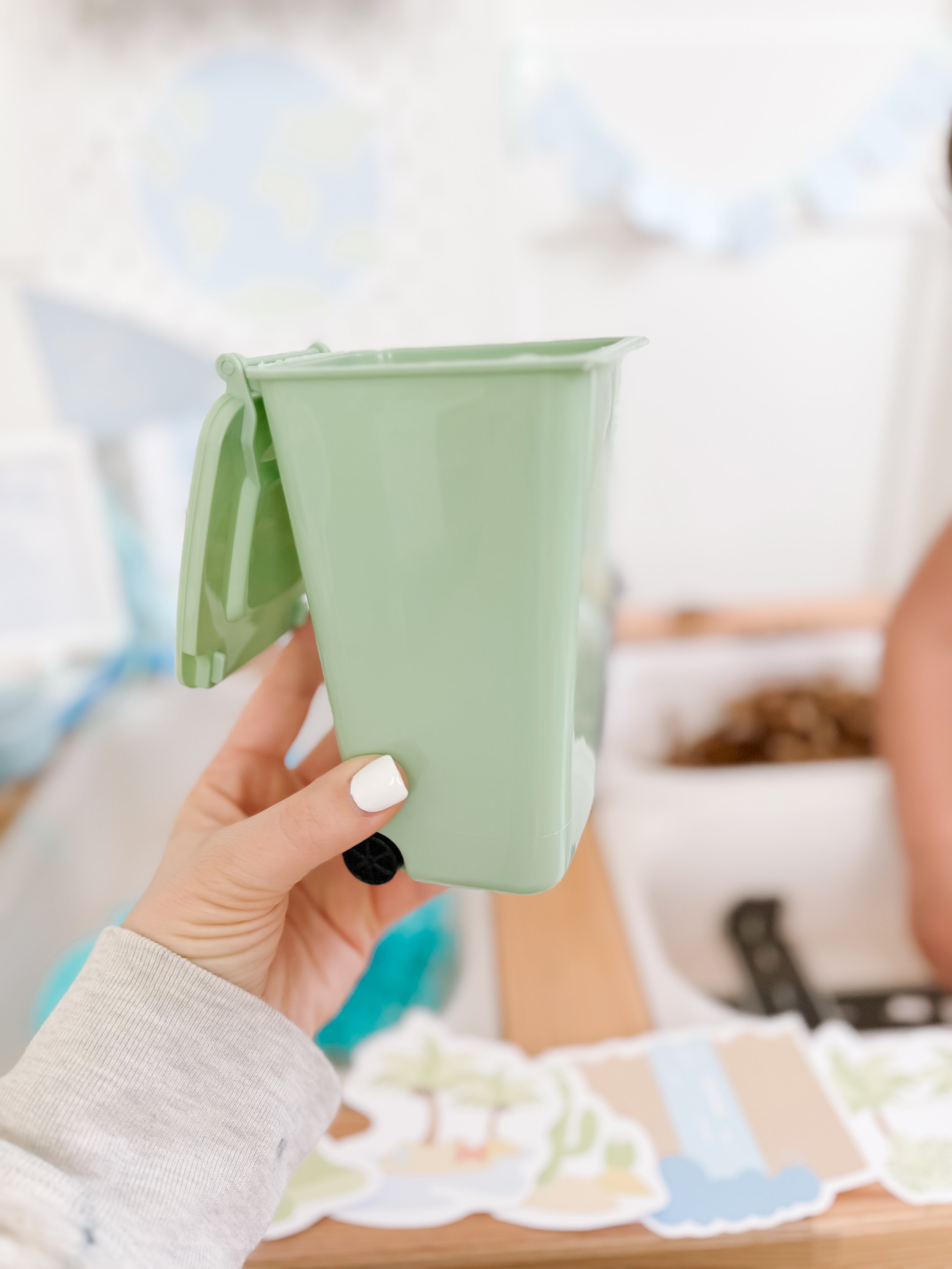
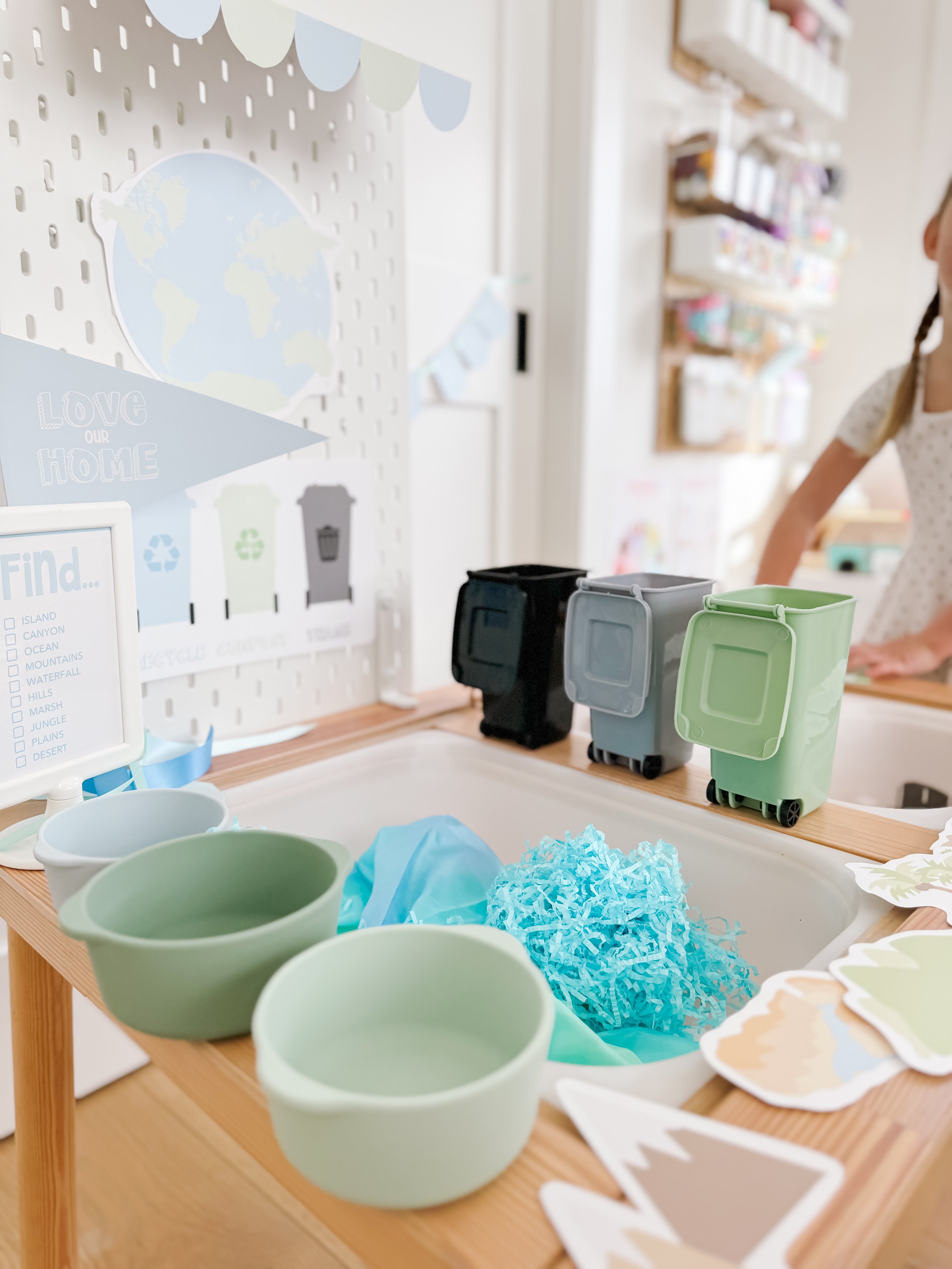
Teaching children about the importance of waste management is crucial for a sustainable future. That's why our Earth Day Printable Activity Kit includes a fun and interactive Trash Bin Sorting activity. Using the provided trash can images, children can cut out and sort different types of waste into the appropriate recycling, compost, or landfill bins. This activity not only educates them about responsible waste disposal but also reinforces the importance of reducing, reusing, and recycling. For the sensory filler we used road tape to create the scene and then we littered it with cut up plastic bags, cut up card board pieces, and crinkled napkins. We also used small slices of banana peel to represent compost waste. Then we used our wooden pinchers to grab the trash and sort it into the relevant trash bins.

IMG_1627.jpg IMG_1636.jpg IMG_1656_jpg.jpg IMG_1685_jpg.jpg IMG_2327.jpg

Activity 2: CLEAN OUR OCEANS

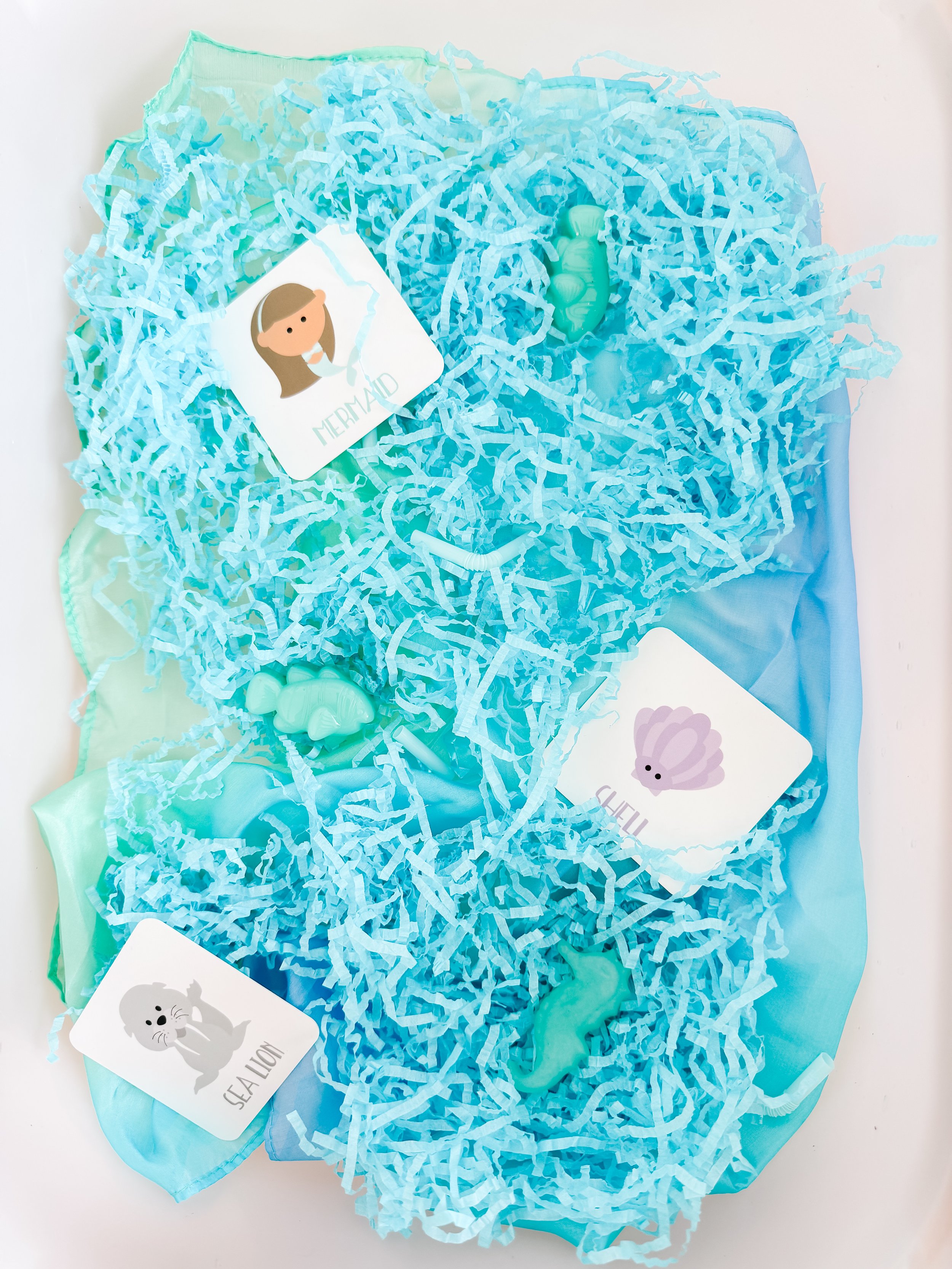
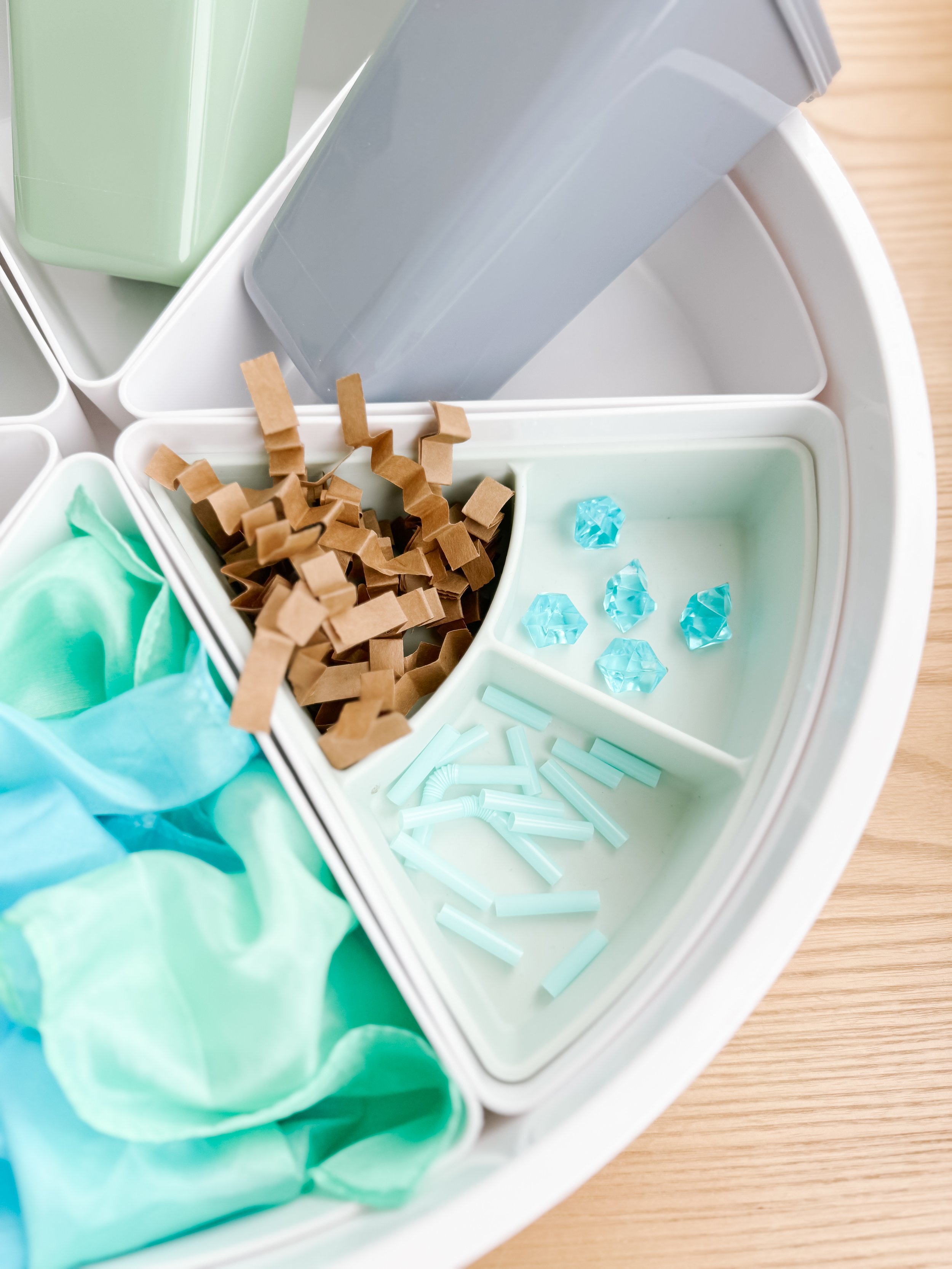
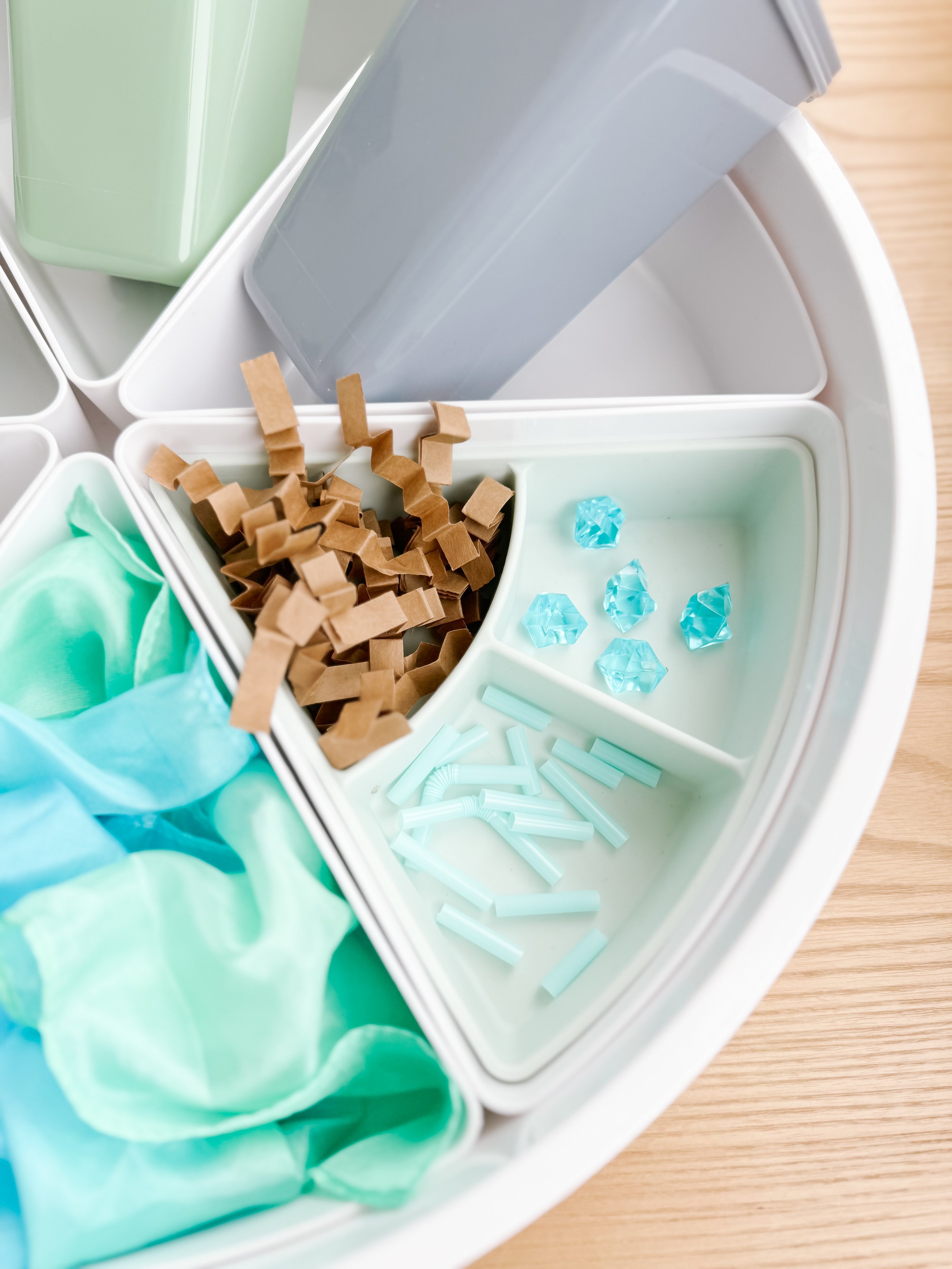
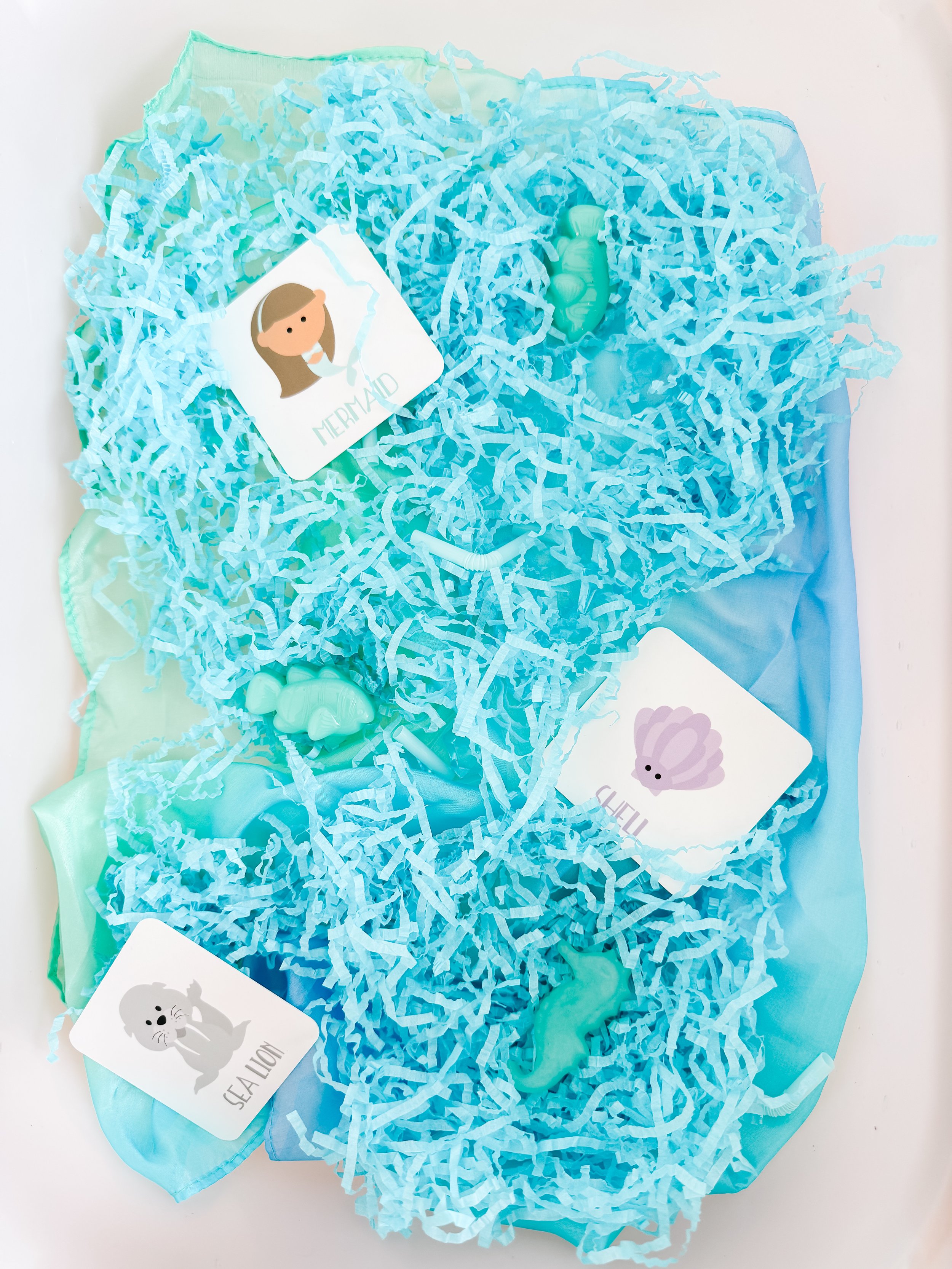
It’s important to not only take care of our streets and our community, but also to take care of our oceans. For this bin, we used our blue/green Sarah Silk’s play silk as the bottom and shredded blue paper as our filler. We went with a dry bin for this one, but it can also work with water or blue jello for an extra texture experience. Once you have the base, add plastics and trash to litter the ocean. We used cut up plastic straws and included some of our Ocean Animal friends from GoodnightFox and some Tender Leaf toys as well.

IMG_2337_jpg.jpg IMG_1681.jpg IMG_1635.jpg IMG_2336_jpg.jpg

Activity 3: Identifying Land Forms

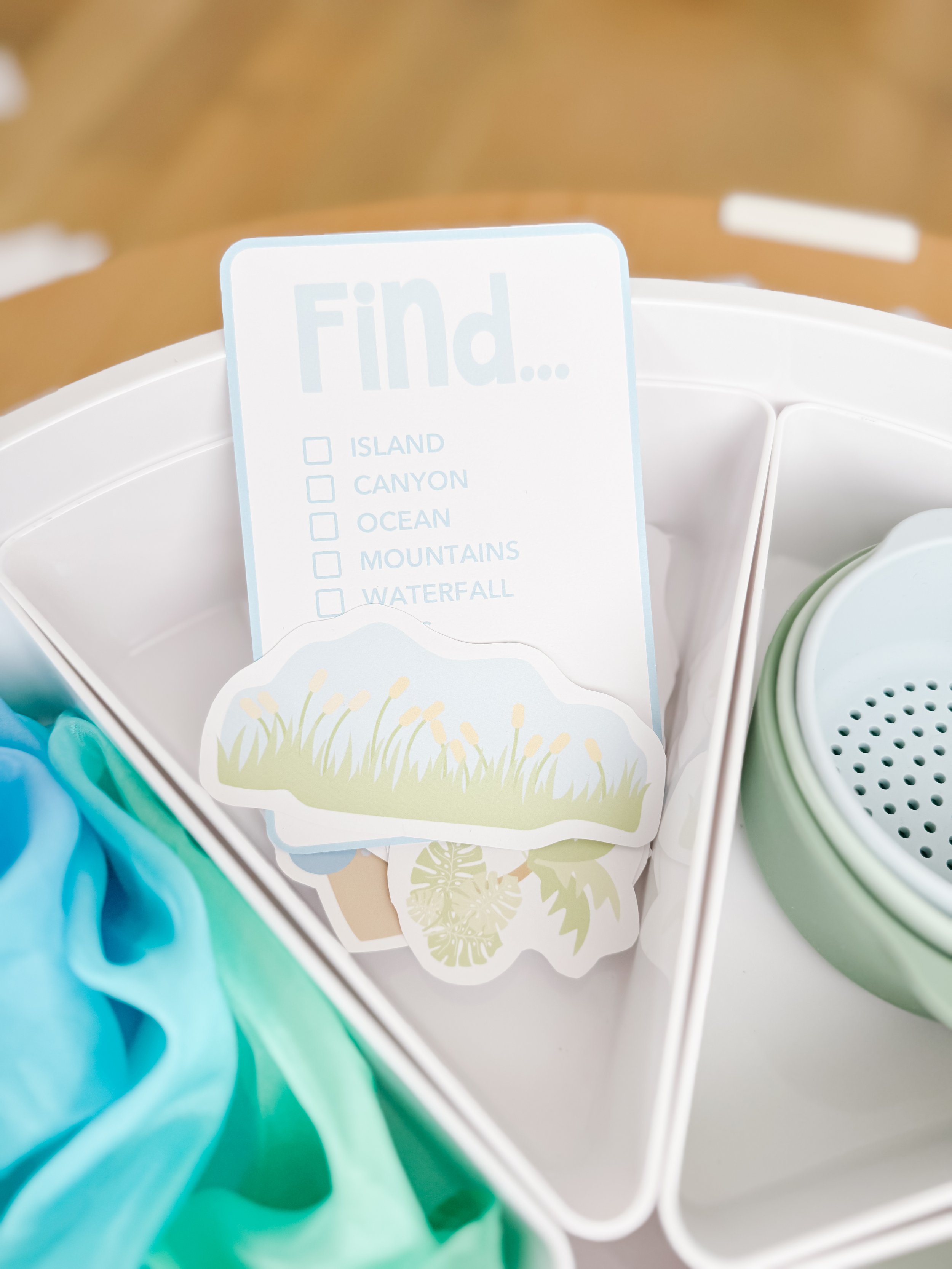
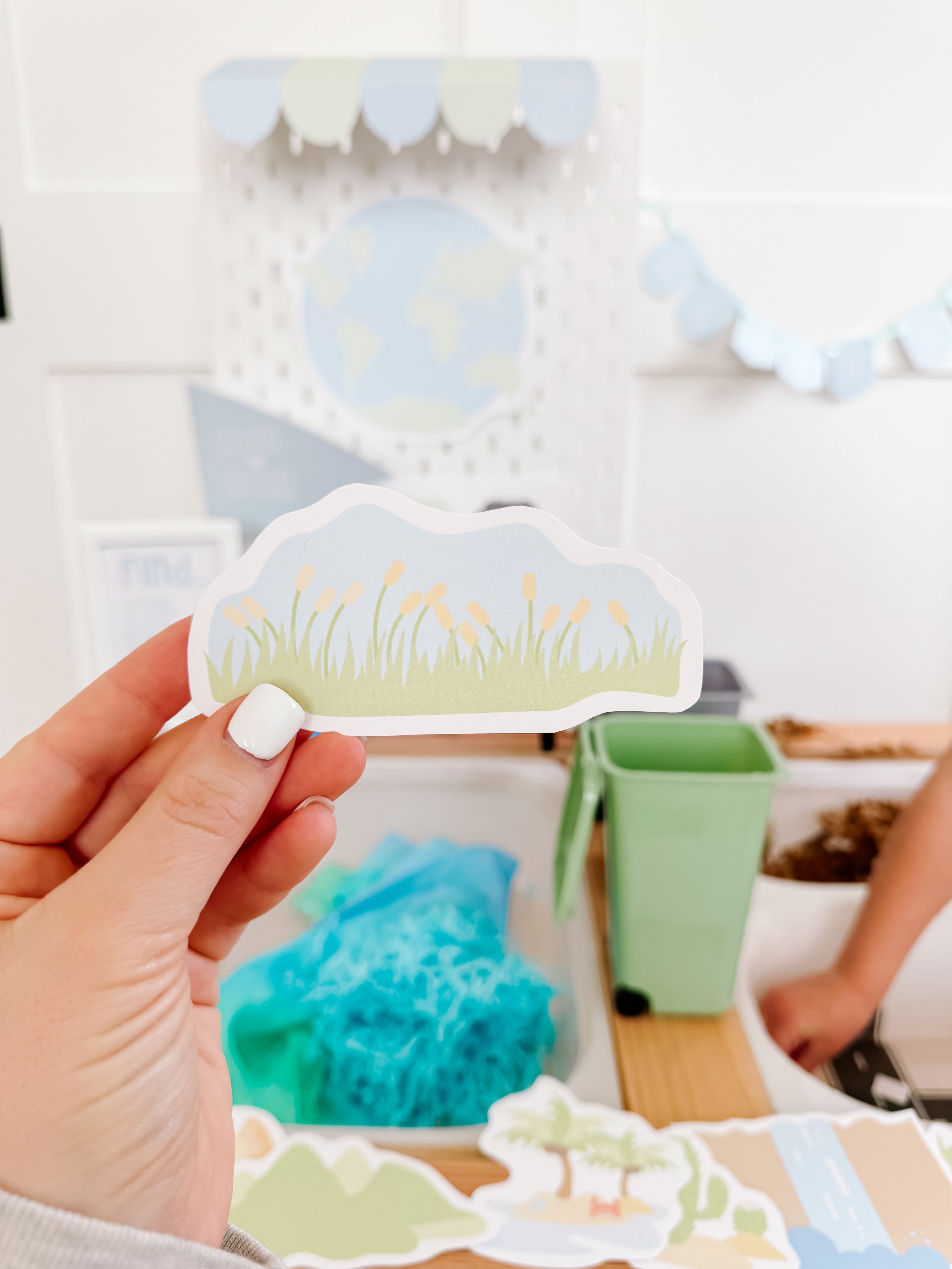
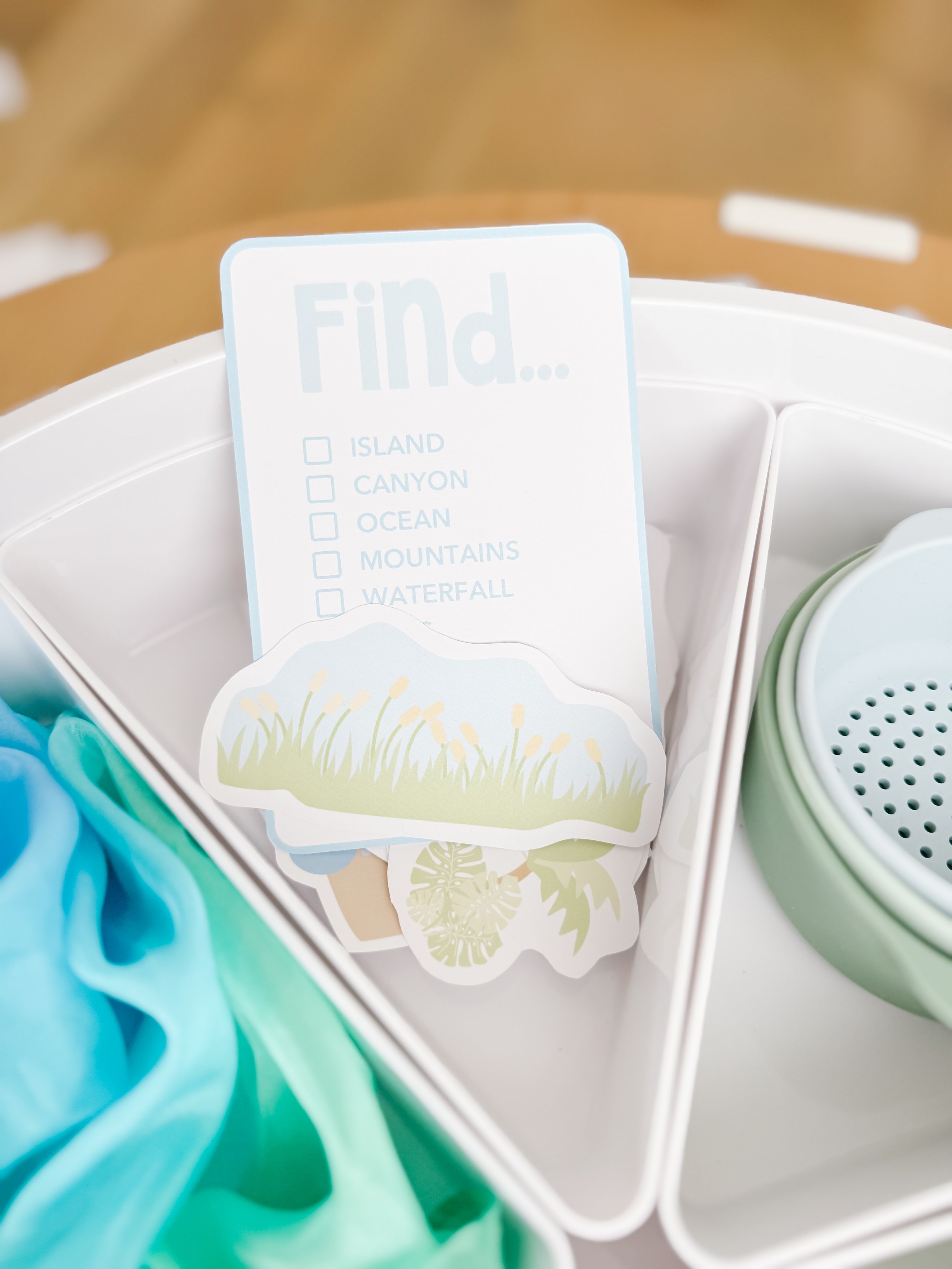
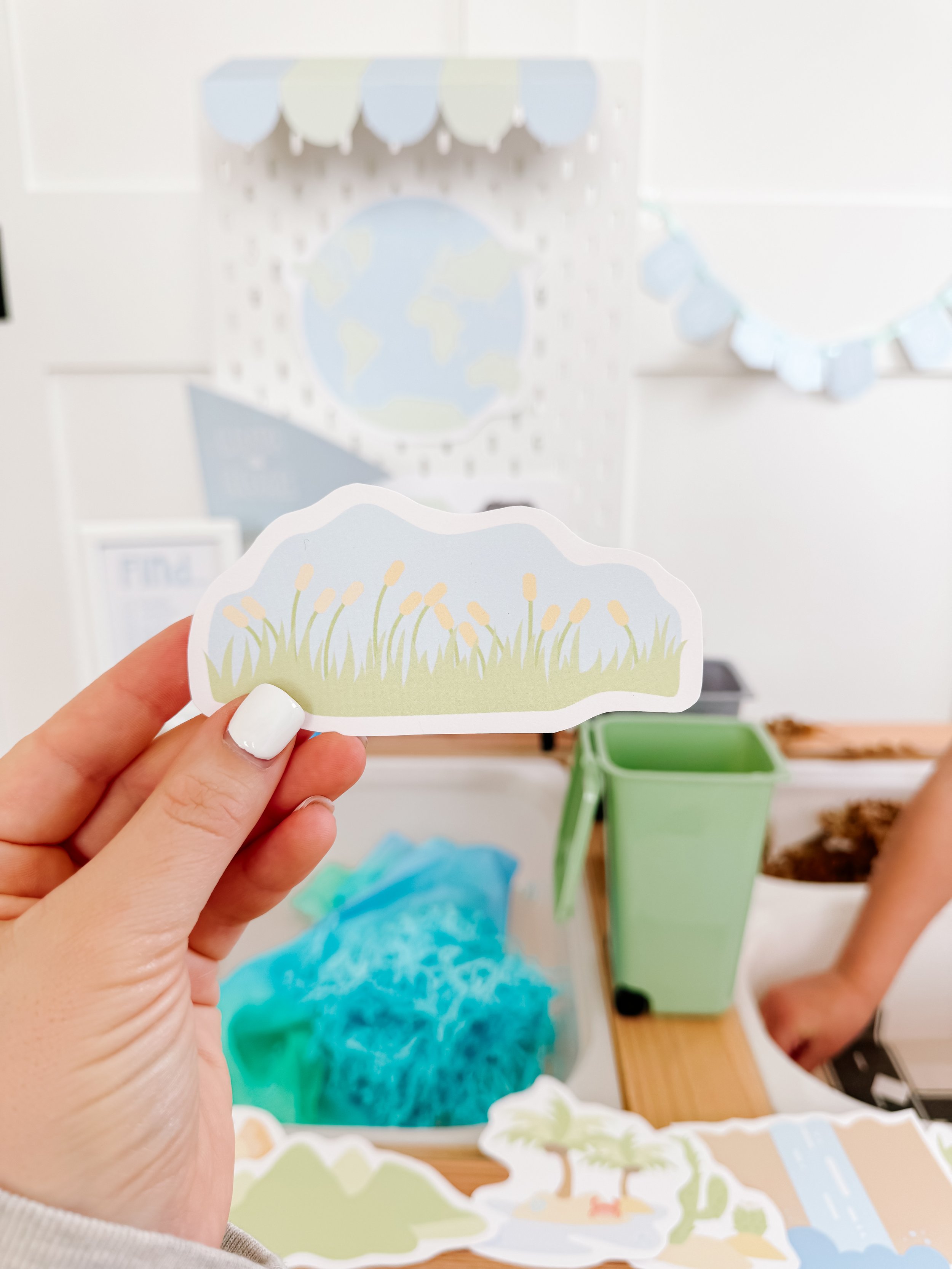
Understanding our planet's diverse landforms is not only educational but also fascinating. In this activity, children will learn about various landforms such as mountains, valleys, rivers, deserts, jungles, safaris and more. Using the printable worksheets, they can match images of landforms with their corresponding names, enhancing their knowledge while having fun at the same time. You can utilize this activity to spark discussions about the importance of preserving and respecting these natural wonders. You can also use any animal toys you have to match the animals with their natural habitats. We dumped all of our Tender Leaf toy animals into a bin and matched them to the land forms and Sofia had an absolute blast with it.


IMG_2327.jpg
IMG_2328.jpg
IMG_2329.jpg
IMG_2330_jpg.jpg
IMG_2331_jpg.jpg
IMG_2332_jpg.jpg
IMG_2333_jpg.jpg
IMG_2334_jpg.jpg
IMG_2335_jpg.jpg
IMG_2336_jpg.jpg
IMG_2337_jpg.jpg
IMG_2338_jpg.jpg
IMG_2339_jpg.jpg

With the Earth Day Printable Activity Kit, learning about ecological responsibility and appreciating the beauty of our planet becomes exciting and enjoyable for children of all ages. Start preparing for Earth Day today by downloading our kit and get ready to have an unforgettable learning experience celebrating this remarkable planet we call home.


IMG_1623.jpg
IMG_1624.jpg
IMG_1625.jpg
IMG_1626.jpg
IMG_1627.jpg
IMG_1629_jpg.jpg
IMG_1630_jpg.jpg
IMG_1635.jpg
IMG_1636.jpg
IMG_1637.jpg
IMG_1638.jpg
IMG_1640.jpg
IMG_1641.jpg
IMG_1642_jpg.jpg
IMG_1644_jpg.jpg
IMG_1645_jpg.jpg
IMG_1647_jpg.jpg
IMG_1648_jpg.jpg
IMG_1649_jpg.jpg
IMG_1651_jpg.jpg
IMG_1656_jpg.jpg
IMG_1659_jpg.jpg
IMG_1677.jpg
IMG_1679_jpg.jpg
IMG_1680_jpg.jpg
IMG_1681.jpg
IMG_1682.jpg
IMG_1683_jpg.jpg
IMG_1685_jpg.jpg

More Experiential Learning Ideas

For even more Earth day fun sensory play ideas, check out the list below!

1. Ocean Adventure Bin

Materials needed:

  • A large plastic container or sensory bin

  • Blue food coloring

  • Sand

  • Seashells

  • Plastic sea creatures

  • Pebbles

  • Small net or toy fishing pole

Instructions:
1. Fill the sensory bin halfway with sand.
2. Mix a few drops of blue food coloring with water and pour it onto the sand to create a vibrant, ocean-like color.
3. Add seashells, plastic sea creatures, and pebbles to the bin.
4. Encourage your child to explore the sensory bin using their hands, the net, or toy fishing pole.
5. Discuss concepts like marine life, water conservation, and protecting oceans while they play.

2. Garden Sensory Bin

Materials needed:

  • A shallow plastic container or sensory bin

  • Soil or planting mix

  • Small gardening tools (e.g., mini shovel, rake, watering can)

  • Fake or real flowers

  • Plastic insects or bugs

Instructions:
1. Fill the sensory bin with soil or planting mix.
2. Place fake or real flowers into the soil.
3. Add plastic insects or bugs to the bin.
4. Provide your child with small gardening tools and encourage them to dig, plant, and water the flowers.
5. Discuss the importance of plants, insects, and the role they play in maintaining a healthy environment.

3. Recycling Sort Sensory Bin

Materials needed:

  • A divided tray or plastic container with separate compartments

  • Recyclable items such as plastic bottles, paper, cans, and cardboard

  • Different symbols or pictures representing recycling categories (e.g., paper, plastic, metal)

Instructions:
1. Arrange the recyclable items in the divided tray or separate compartments.
2. Introduce the different symbols or pictures representing recycling categories.
3. Guide your child and encourage them to sort each item into the corresponding category.
4. Discuss the significance of recycling, the importance of reducing waste, and its positive impact on the environment.
By engaging in these sensory bin activities, preschoolers will explore the wonders of


Vocabulary Words for Preschoolers to Learn about the Environment for Earth Day

1. Earth: Our planet, where we live.
2. Environment: Everything around us, including plants, animals, and nature.
3. Conservation: Taking care of and protecting our environment.
4. Recycling: Turning used materials into new things.
5. Reduce: Using less of something to create less waste.
6. Reuse: Using something again instead of throwing it away.
7. Composting: Turning food scraps and yard waste into nutrient-rich soil.
8. Water: The clear liquid that we need to survive and is found in rivers, lakes, and oceans.
9. Air: The invisible mixture of gases that we breathe.
10. Pollution: Harmful substances that make the air, water, or land dirty.
11. Renewable Energy: Energy that is made from resources that won't run out, such as wind and sunlight.
12. Conservationist: Someone who works to protect nature and the environment.
13. Plant: A living thing that grows in the ground and uses sunlight to make its food.
14. Animal: A living thing that can move around and needs food, water, and shelter to survive.
15. Habitat: The natural home or environment where an animal or plant lives.
16. Forest: A large area covered with many trees and plants.
17. Ocean: A large body of saltwater that covers most of the Earth's surface.
18. Ecosystem: A community of living organisms and their interactions with their environment.
19. Biodiversity: The variety and types of plants and animals that exist in an ecosystem.
20. Compost Bin: A container used to collect and make compost from food scraps and organic waste.
21. Solar Power: Energy that comes from the sun and is used to generate electricity.
22. Wind Energy: Power that is harnessed from the wind to create electricity.
23. Conservation Area: A protected place where plants and animals can live safely.
24. Earth Day: A day dedicated to learning and taking action to protect the environment.
25. Nature: The natural world around us, including plants, animals, and landscapes.
Remember, preschoolers may be unfamiliar with some of these words, so it's essential to explain and reinforce their meanings in age-appropriate ways. Happy Earth Day!

Tags earth day, sensory play, flisat inspiration, play table ideas, earth day ideas, earth day activities for kids, how to participate in earth day, trash sorting activity, earth day printables, earth day downloads, land form learning, sorting activities for preschoolers
8 Comments

Lifecycles Sensory Play Activity

March 24, 2024 Kylie Tuosto
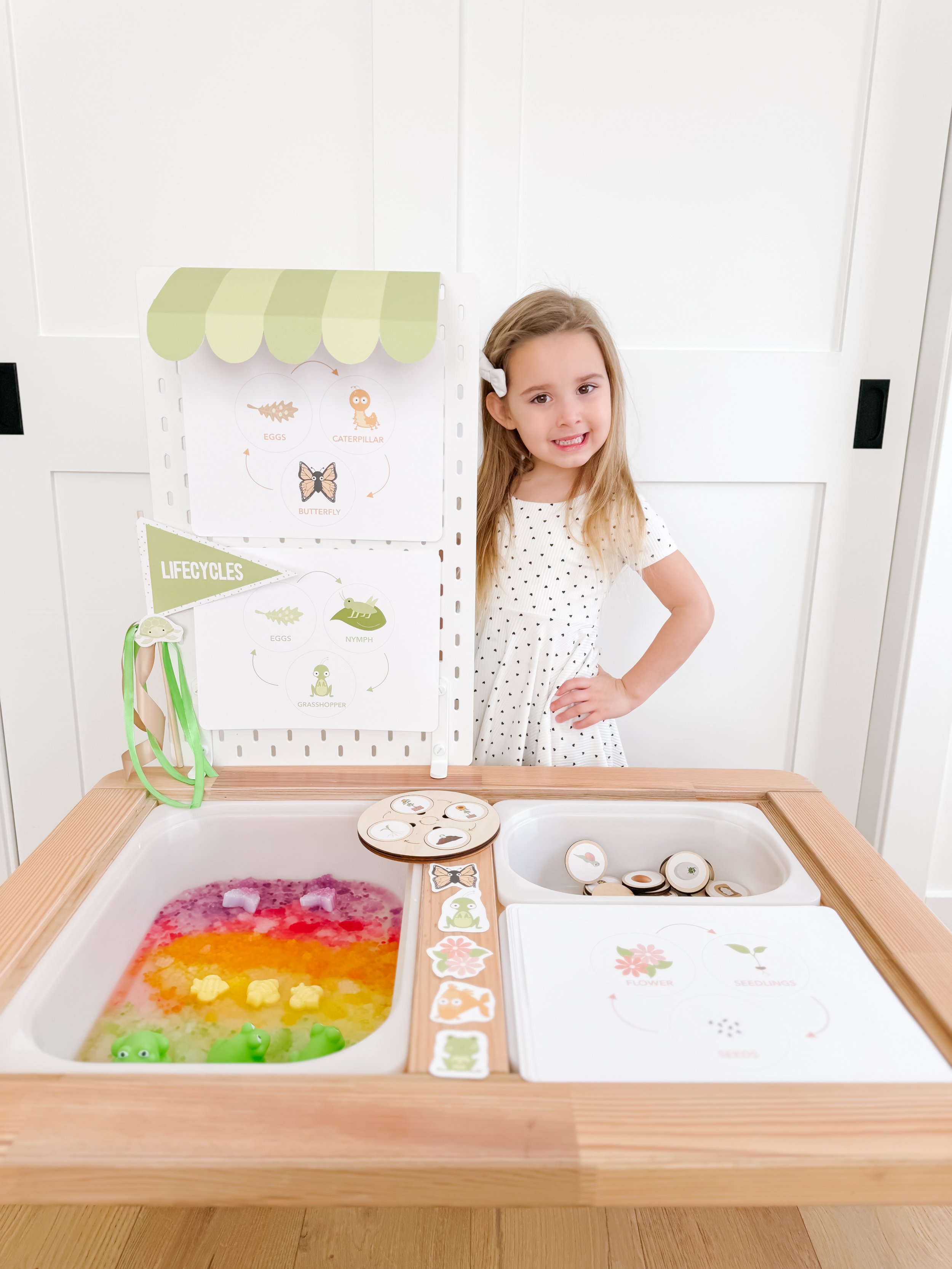
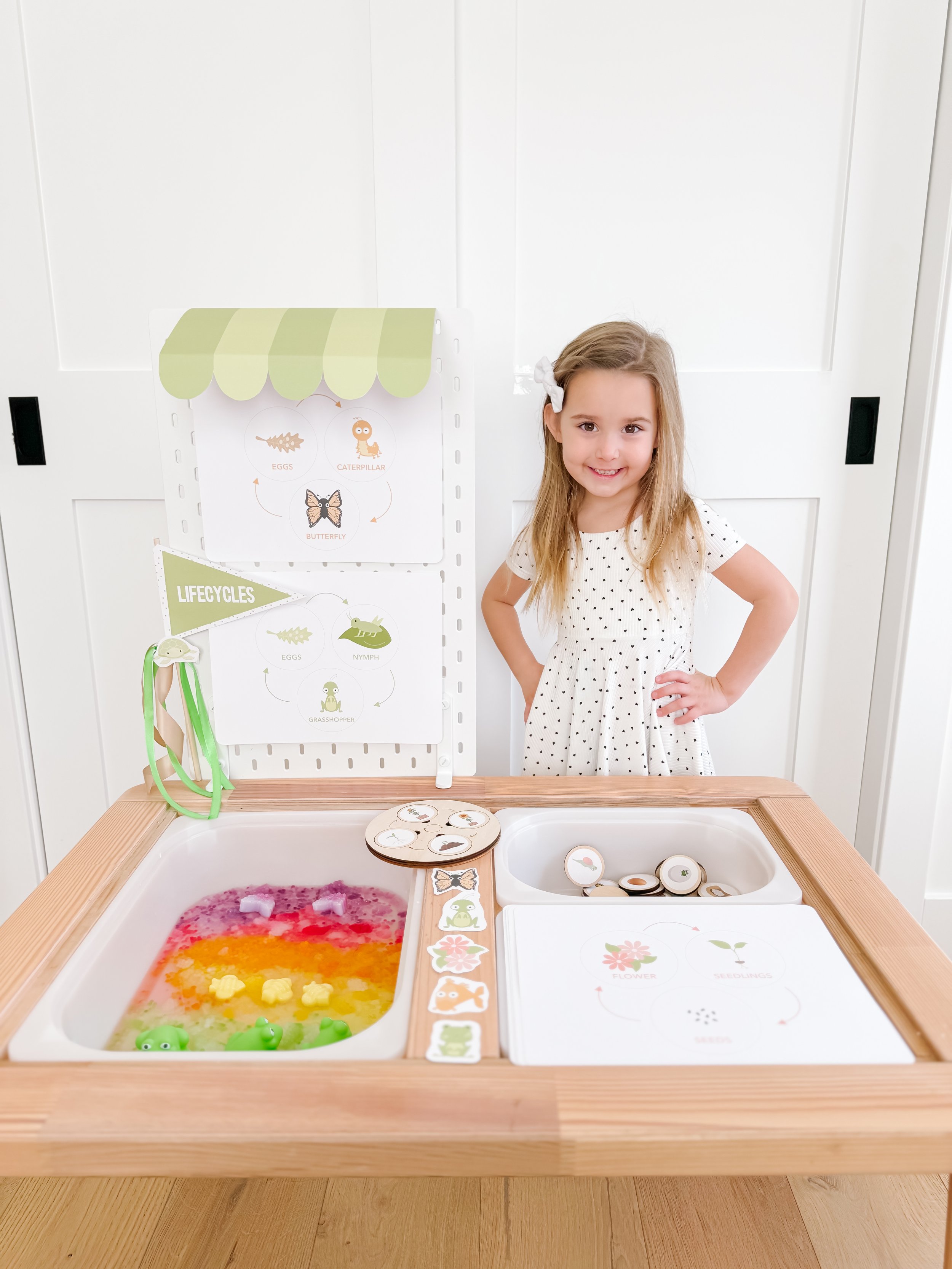
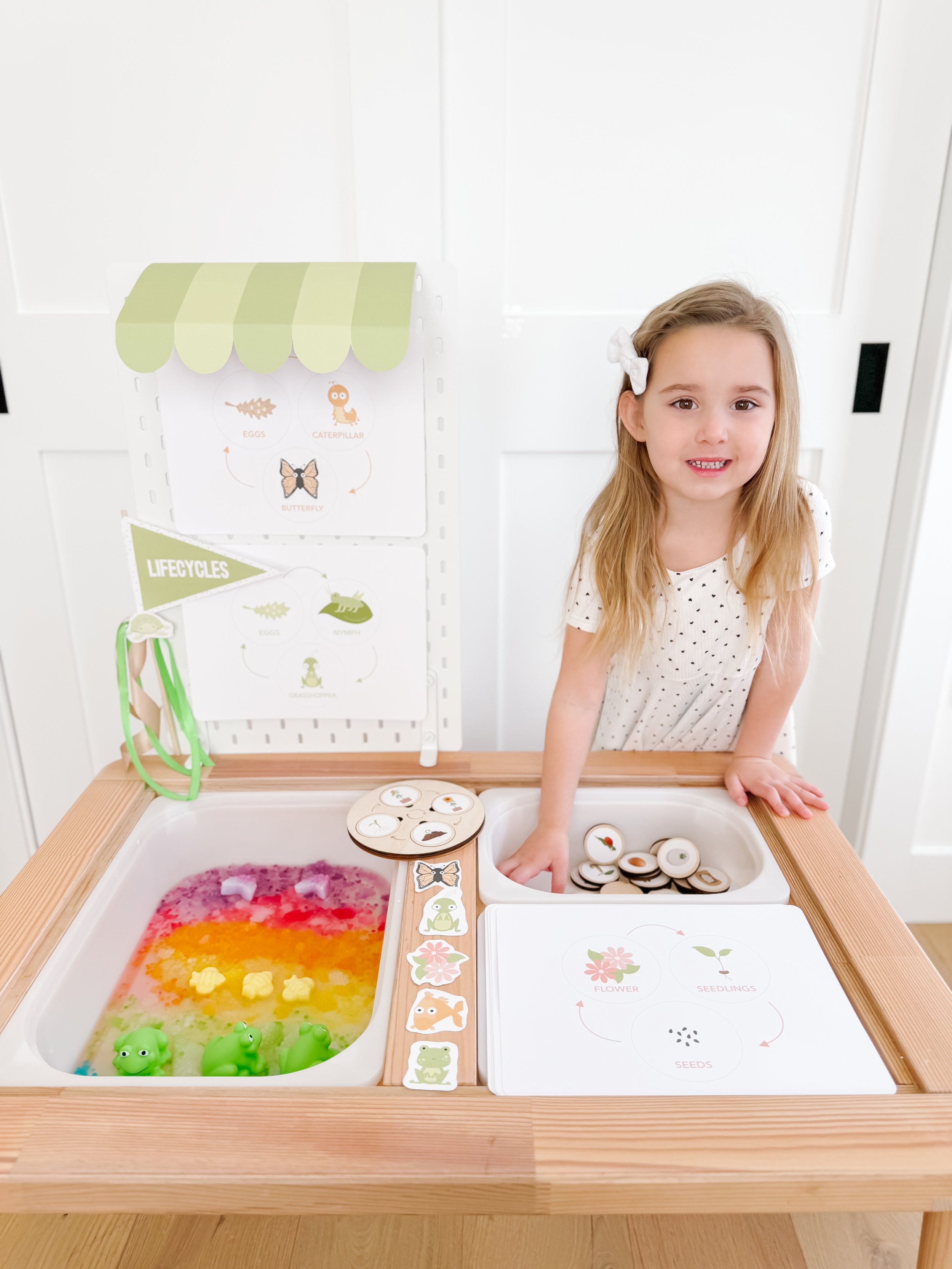
Lifecycles Flisat Sensory Table Play Inspiration

Discover the Fascinating World of Lifecycles with Our Sensory Play Kit

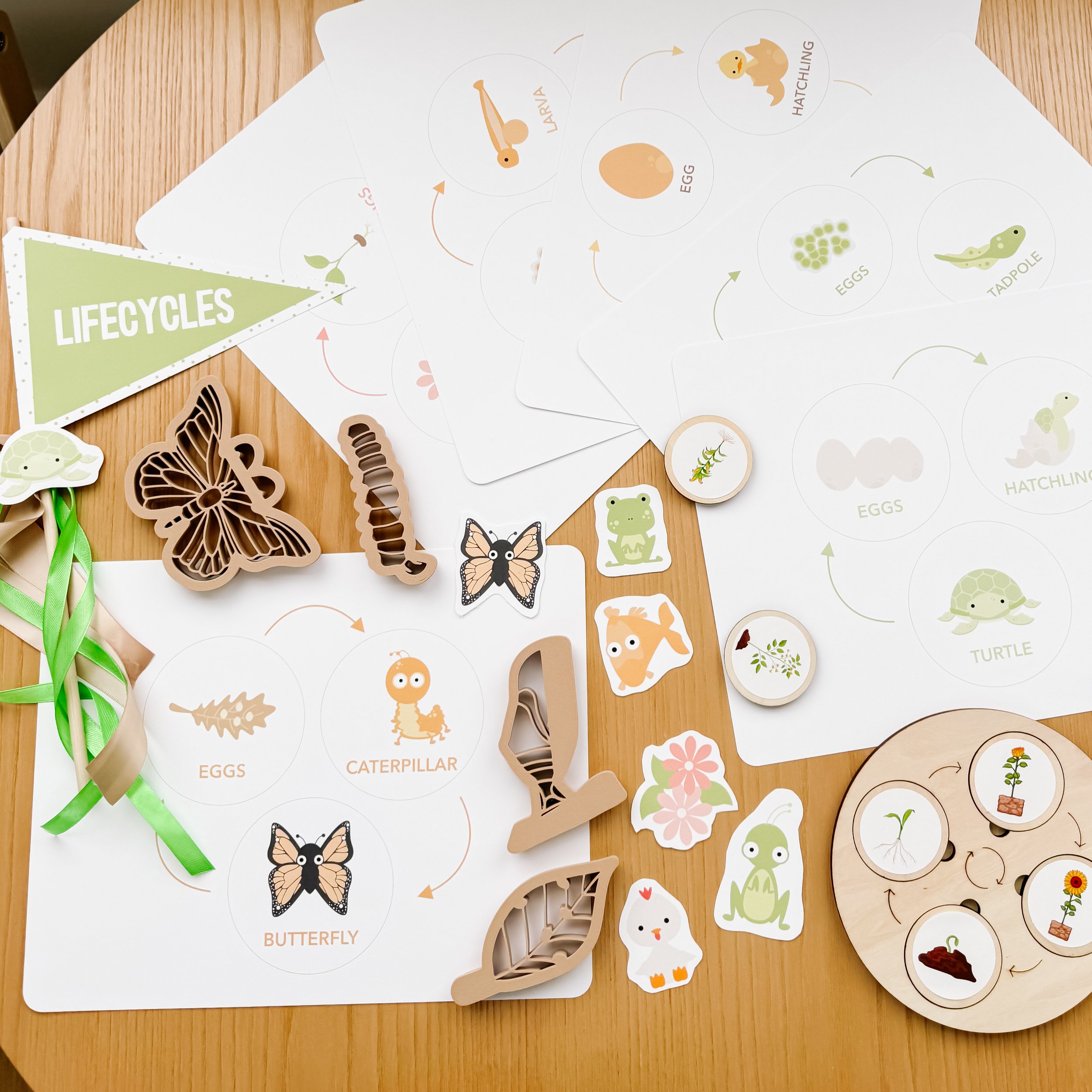
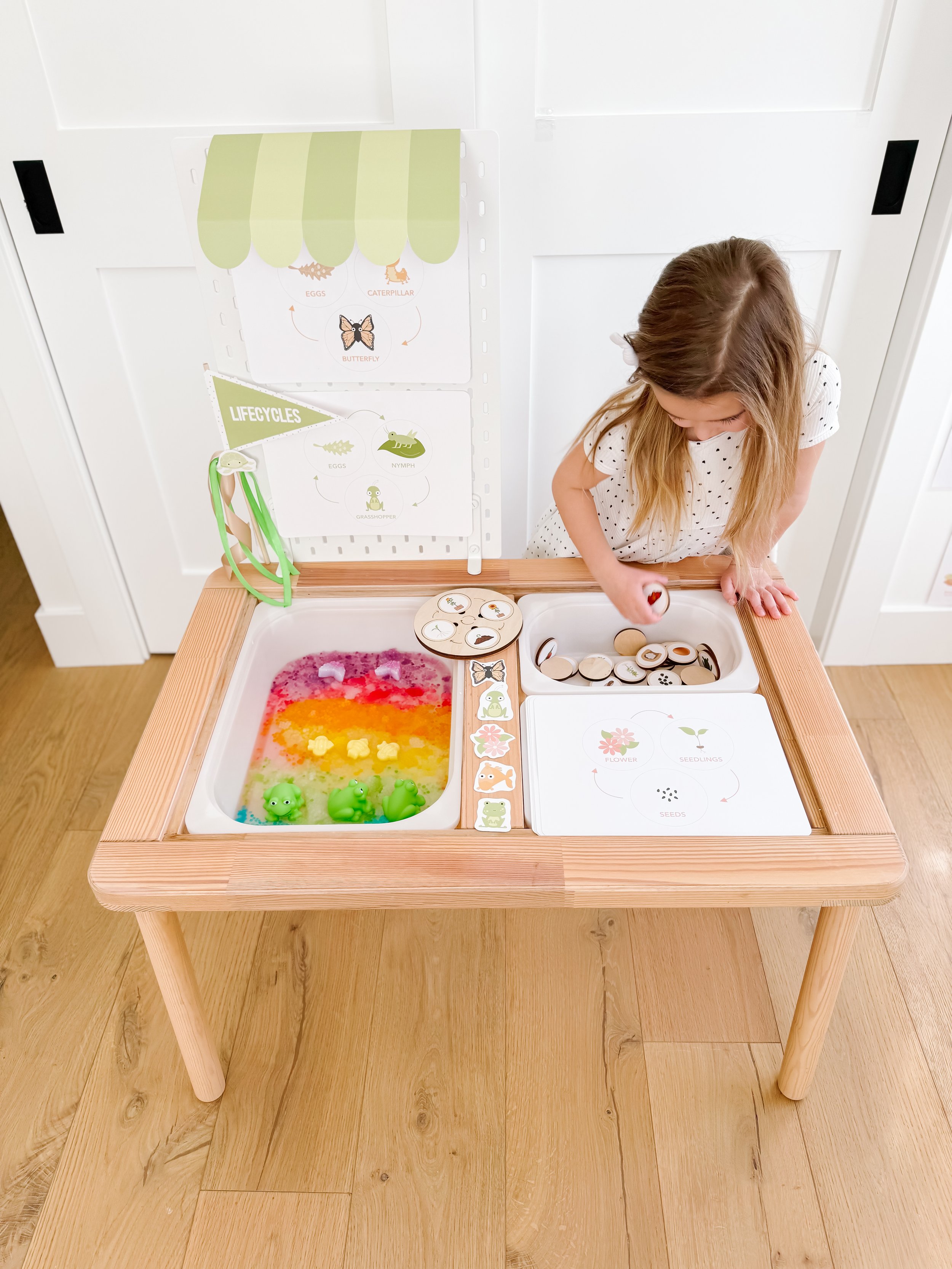
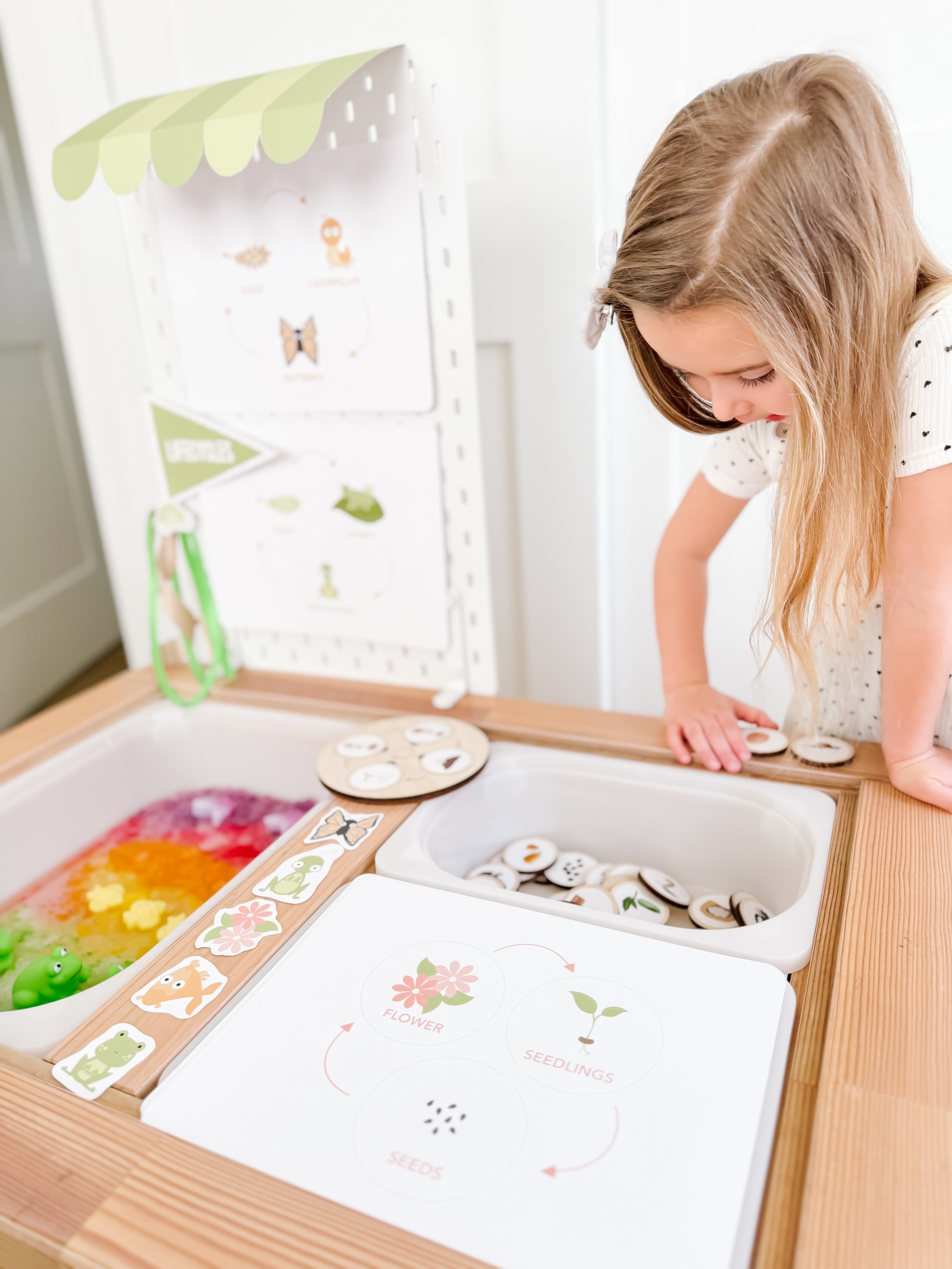
Welcome to Goodnight Fox! Today, we are thrilled to present our newest addition to the sensory play family: the Lifecycles Sensory Play Kit. In this blog post, we will take a closer look at this exciting printable activity kit, the benefits of learning about lifecycles, and three fun sensory play activities that perfectly complement this learning module. Let's dive in!

Download & Print
IMG_0577_jpg.jpg IMG_0578.jpg IMG_0582_jpg.jpg IMG_0583_jpg.jpg IMG_0586_jpg.jpg IMG_0591_jpg.jpg

Introducing the Lifecycles Sensory Play Kit

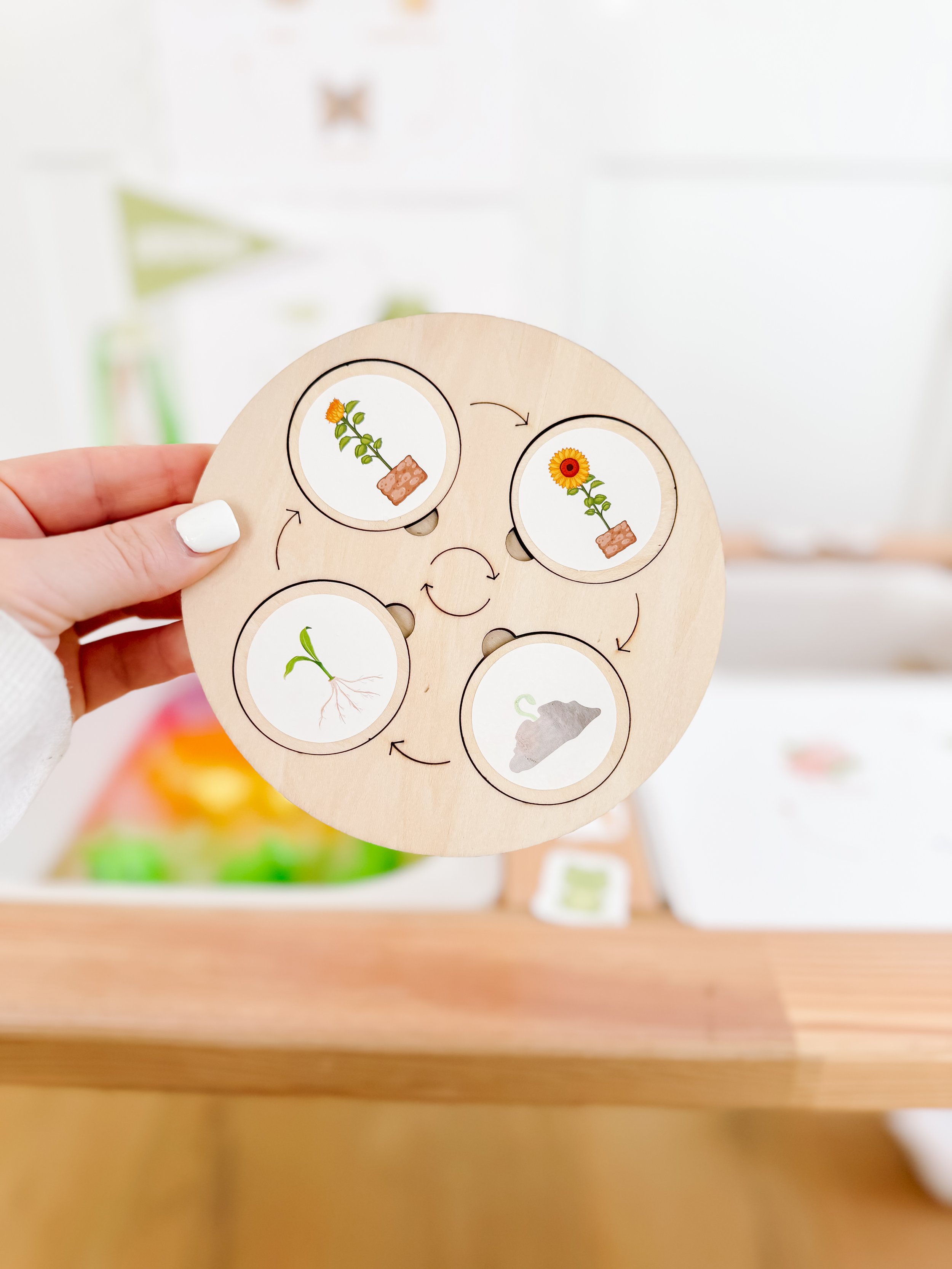
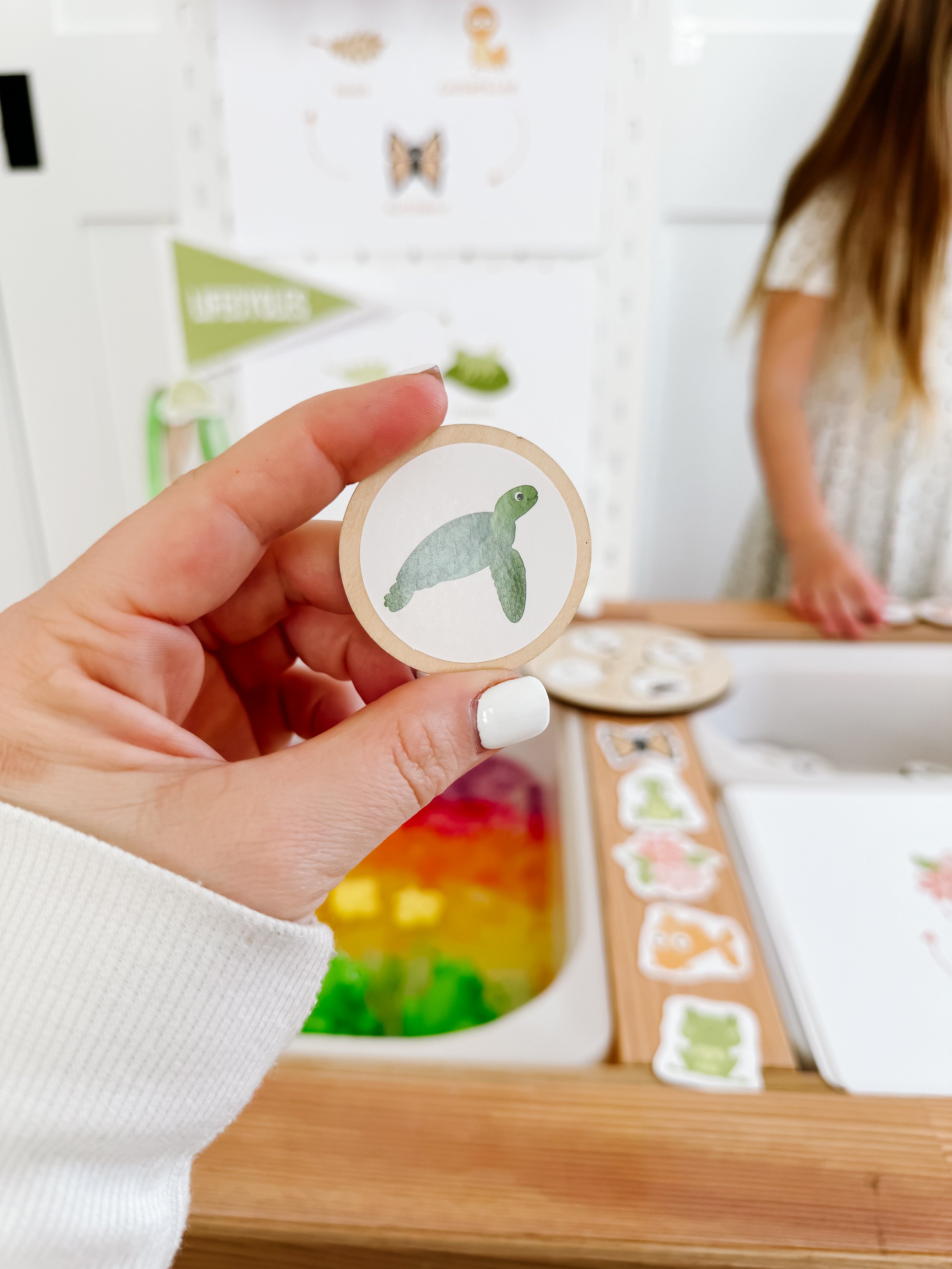
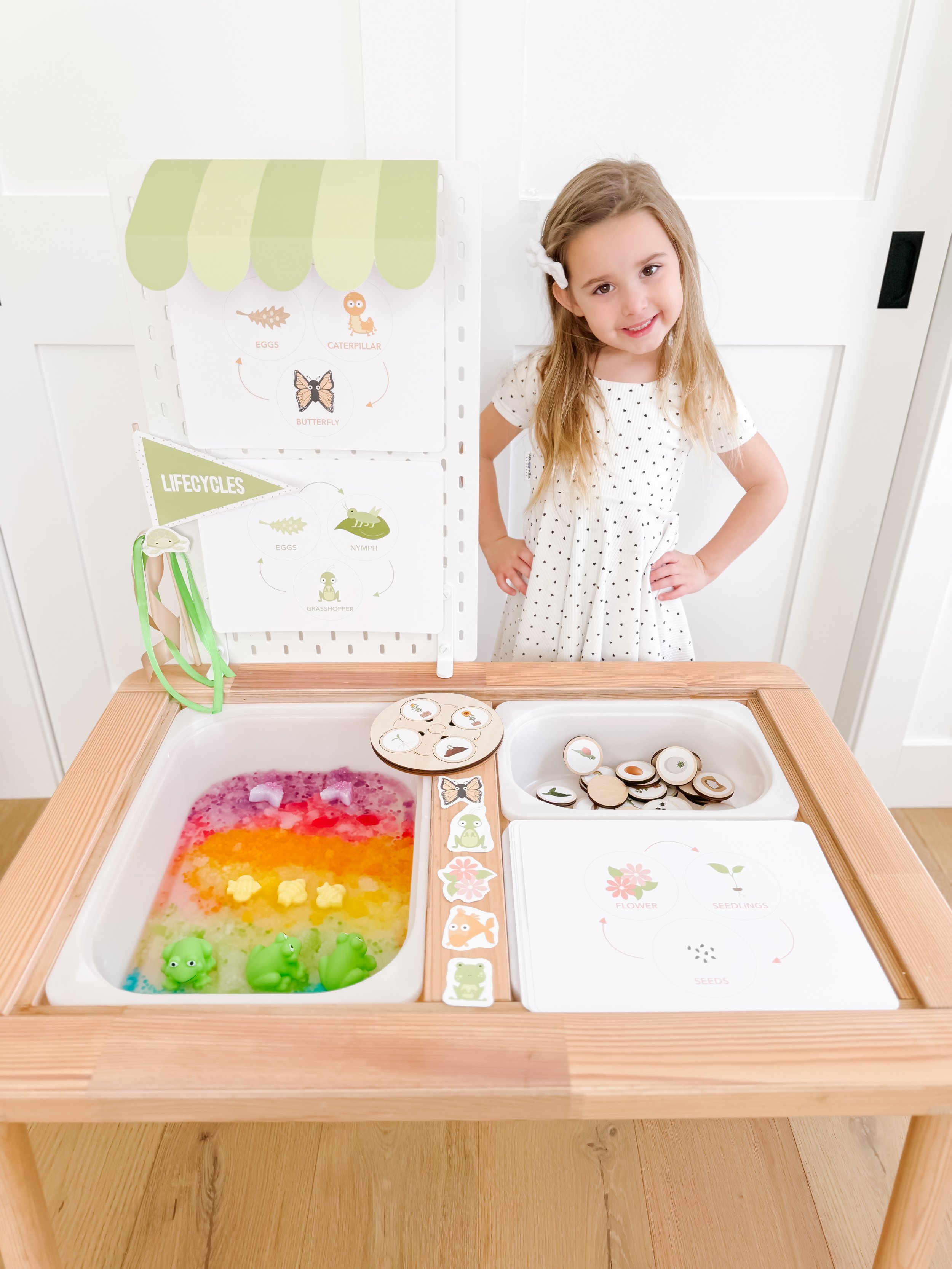
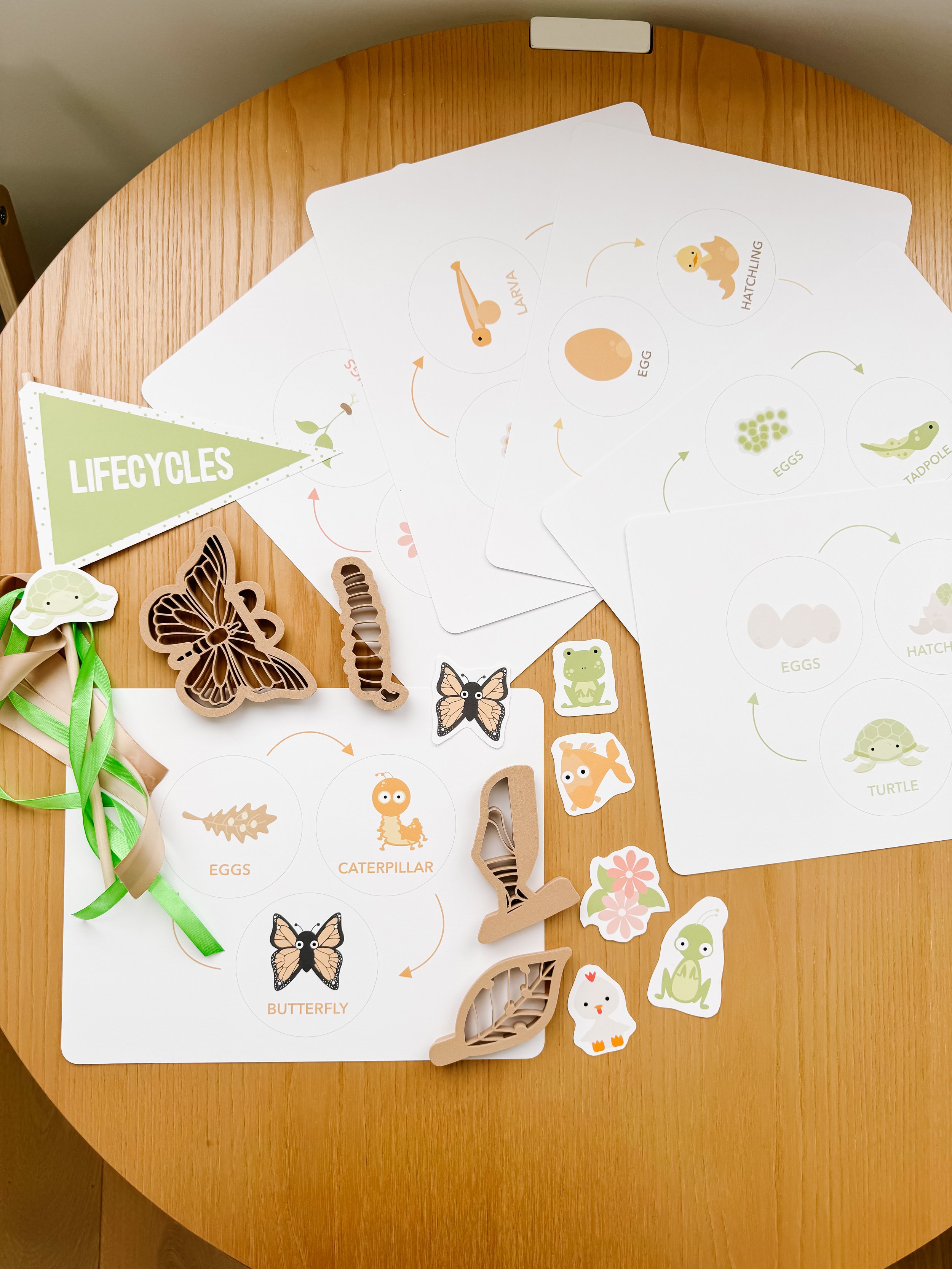
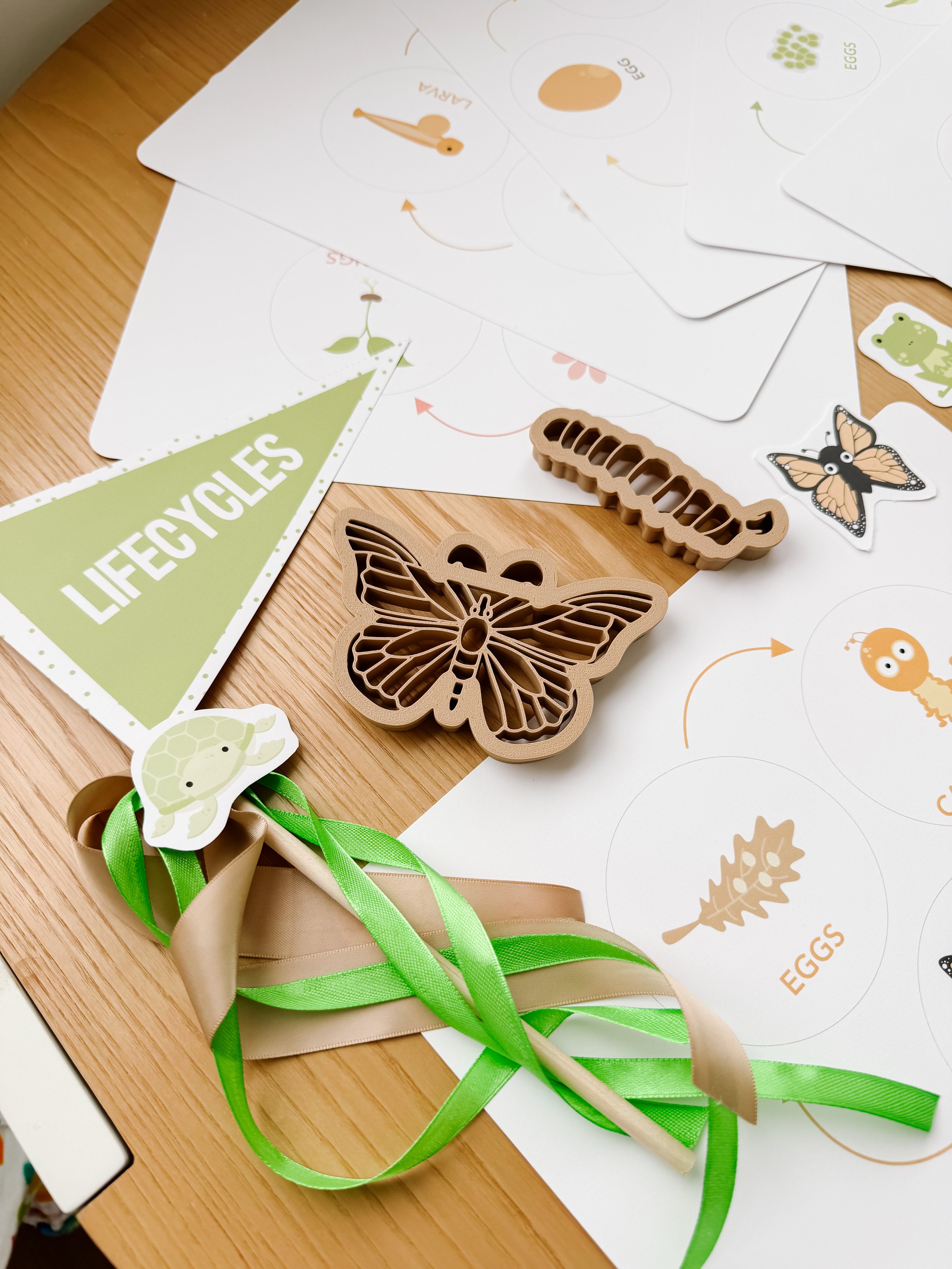
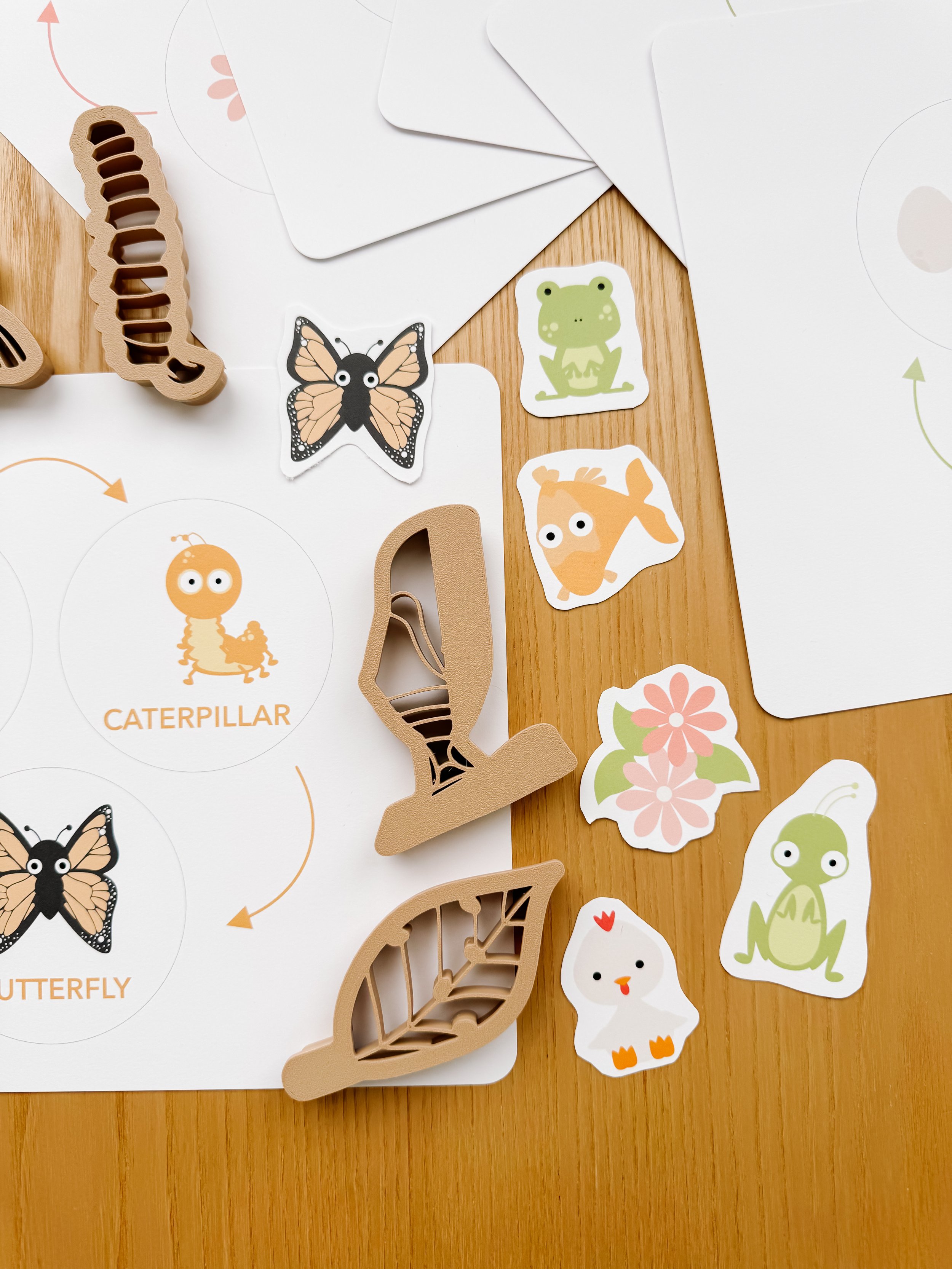
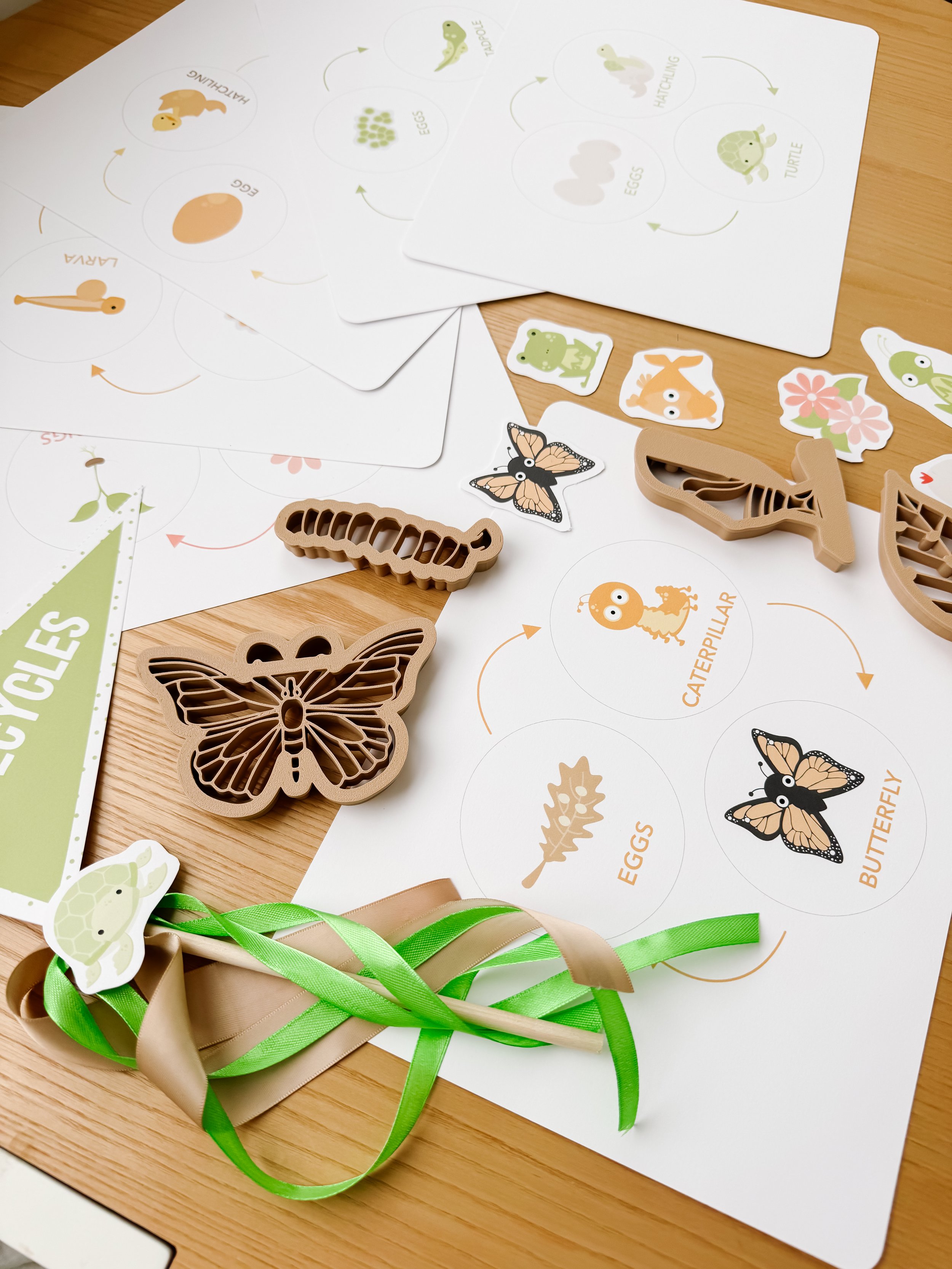
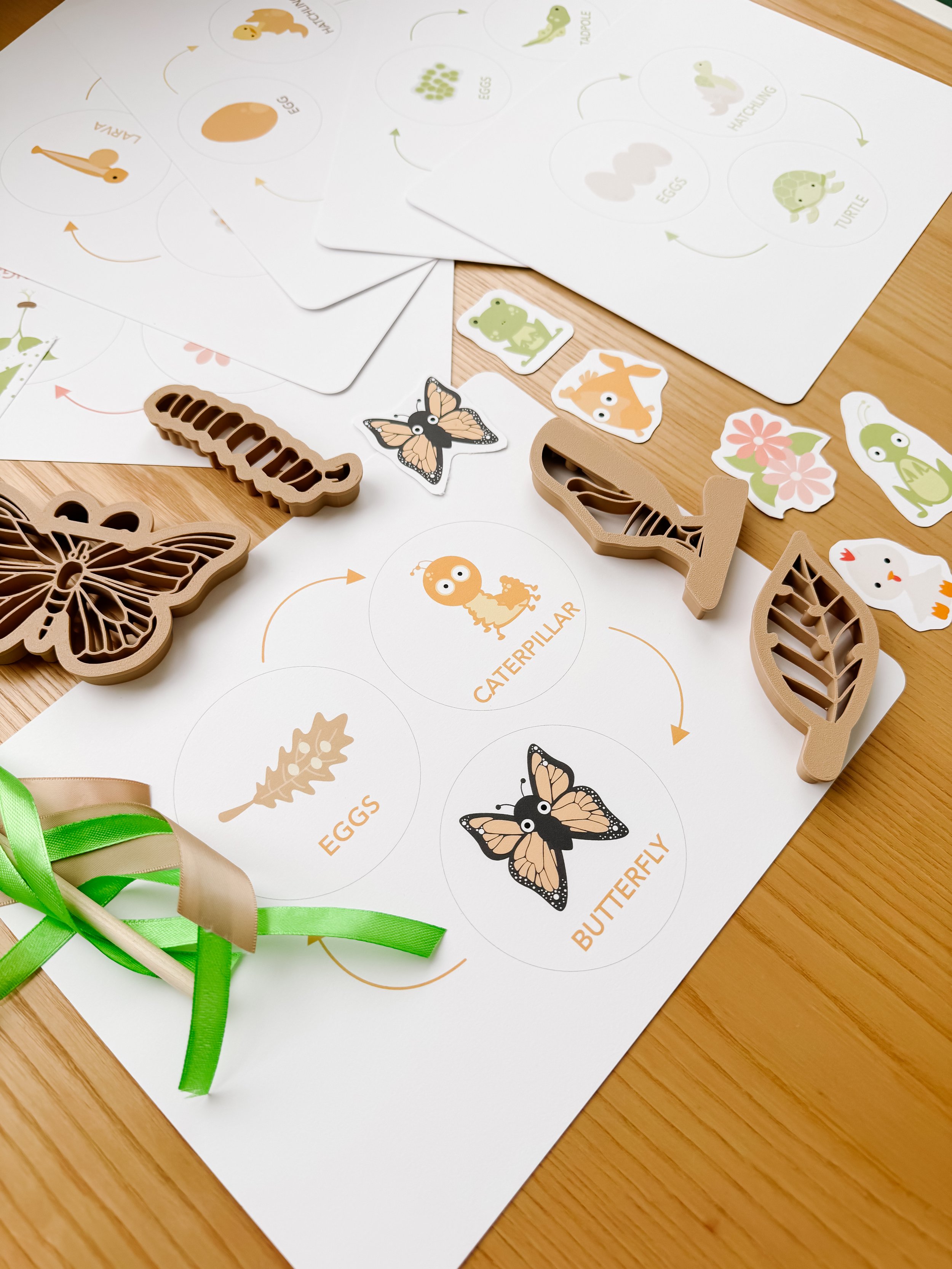
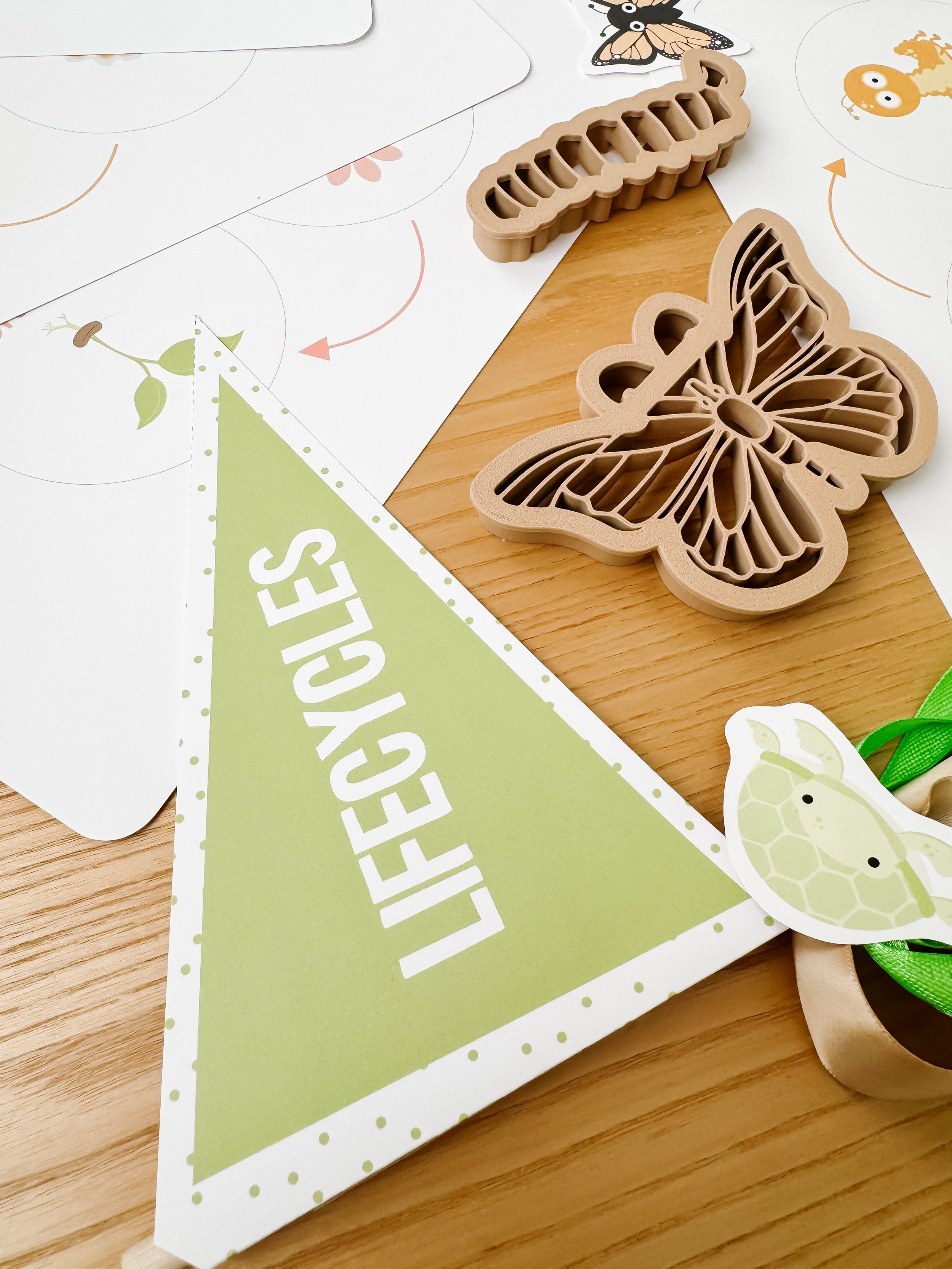
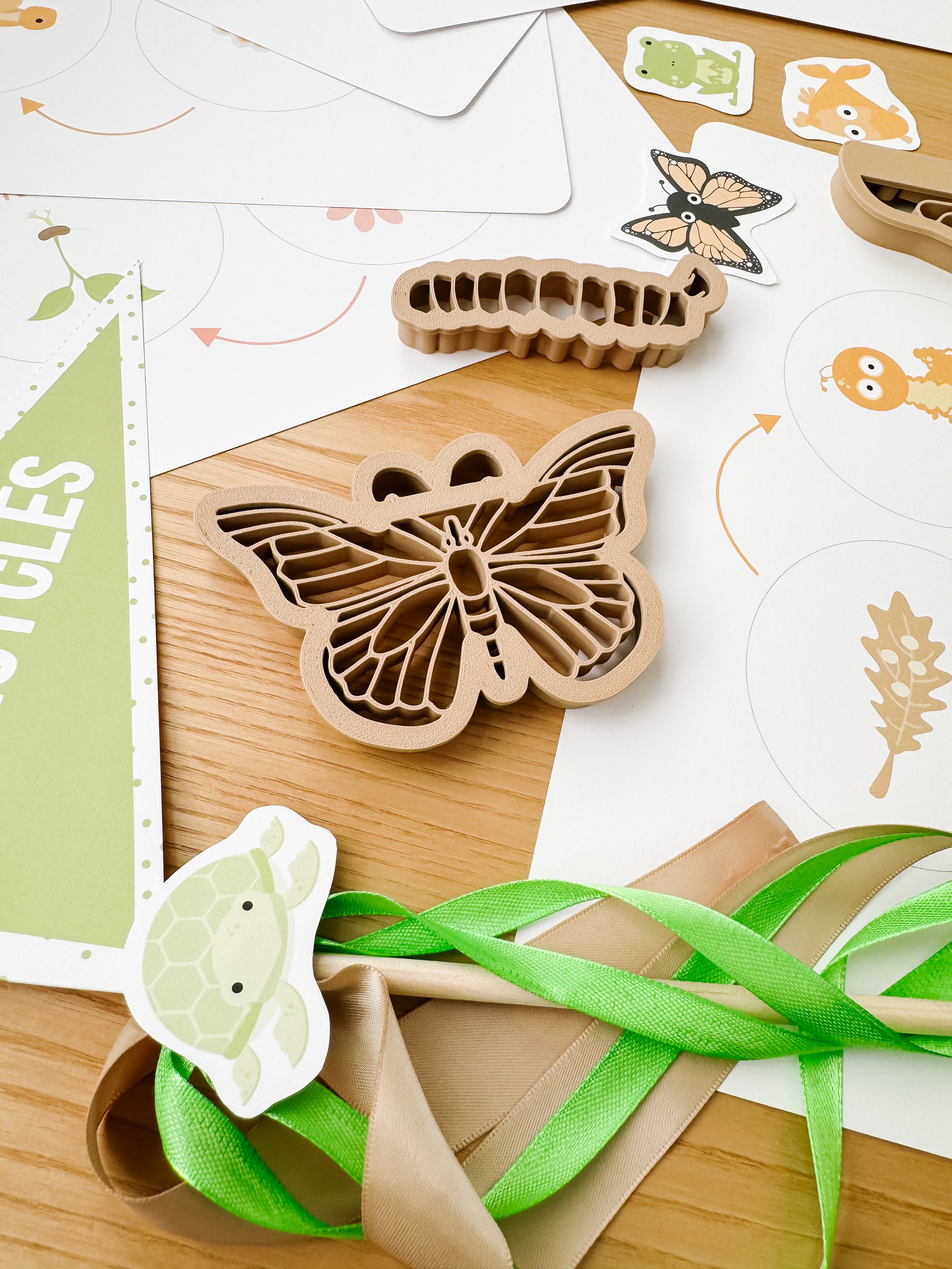
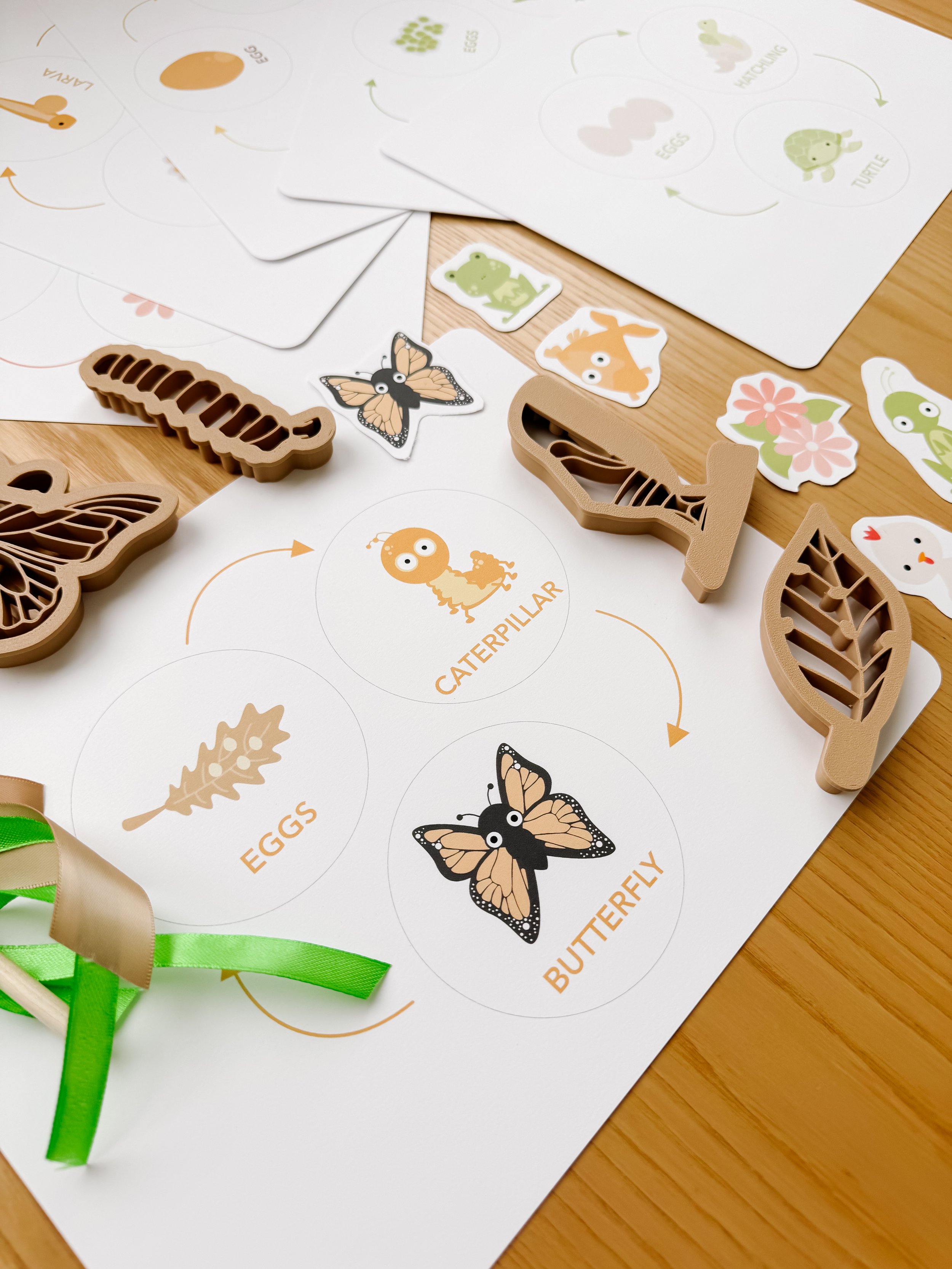
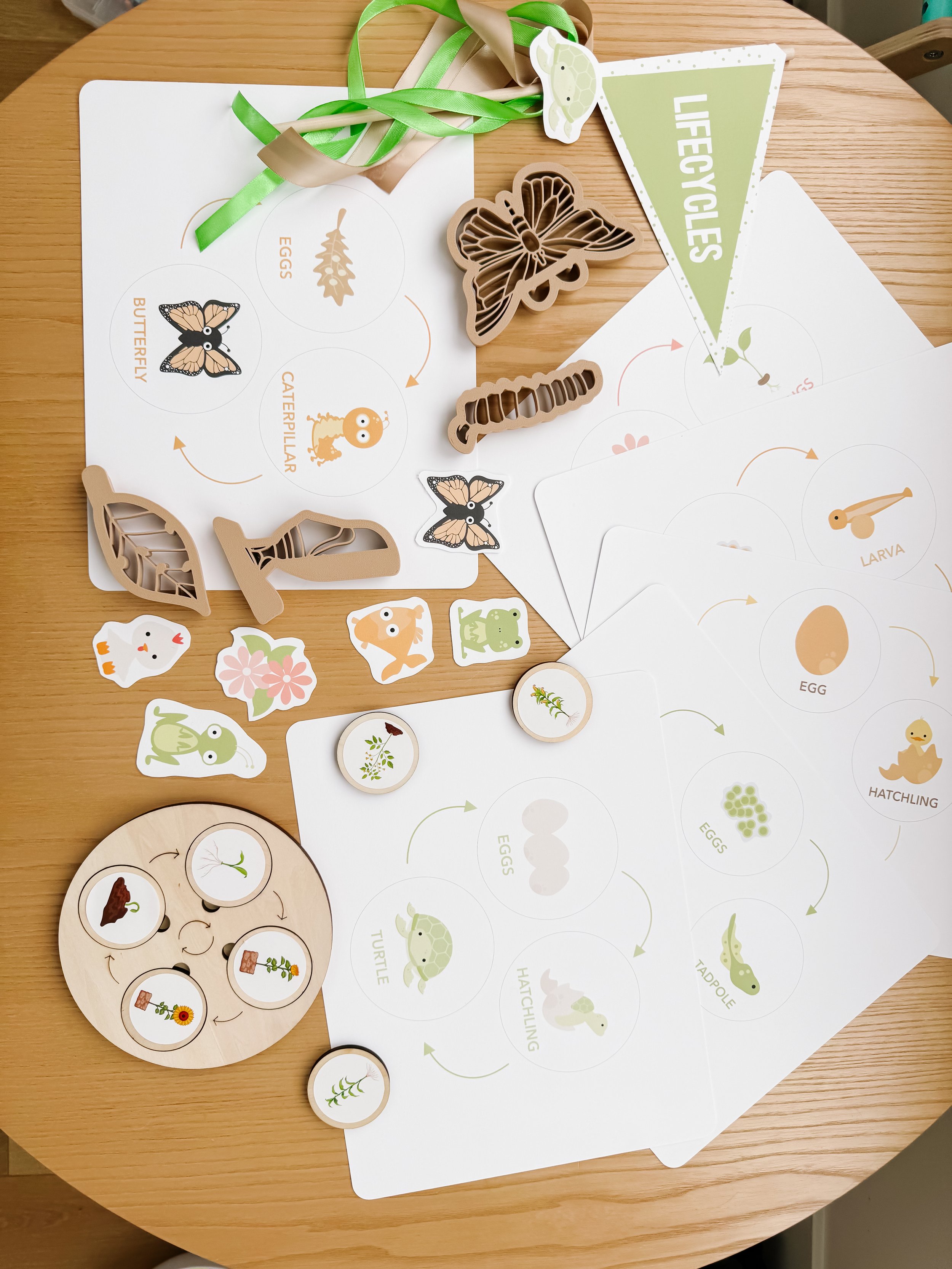
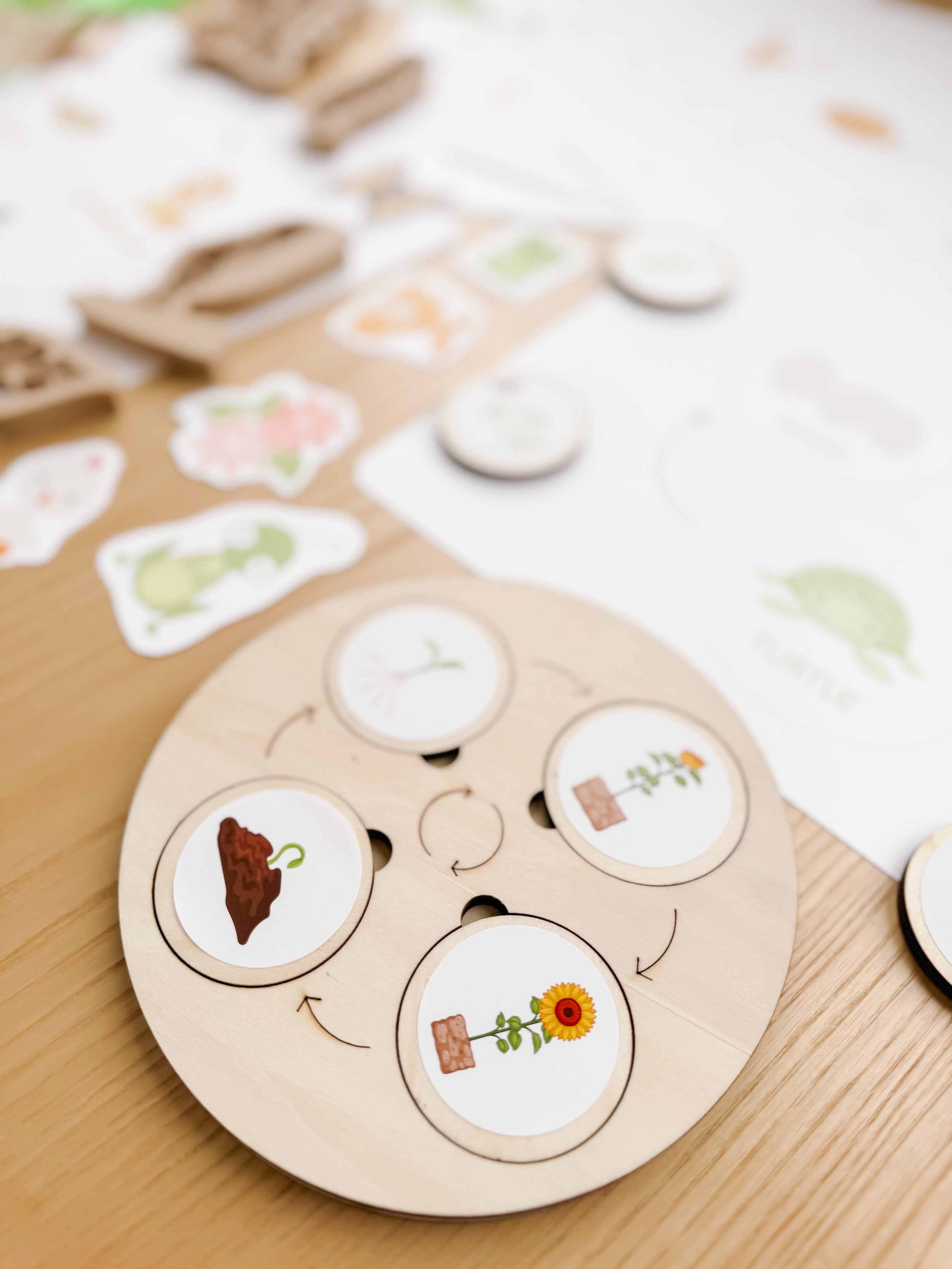
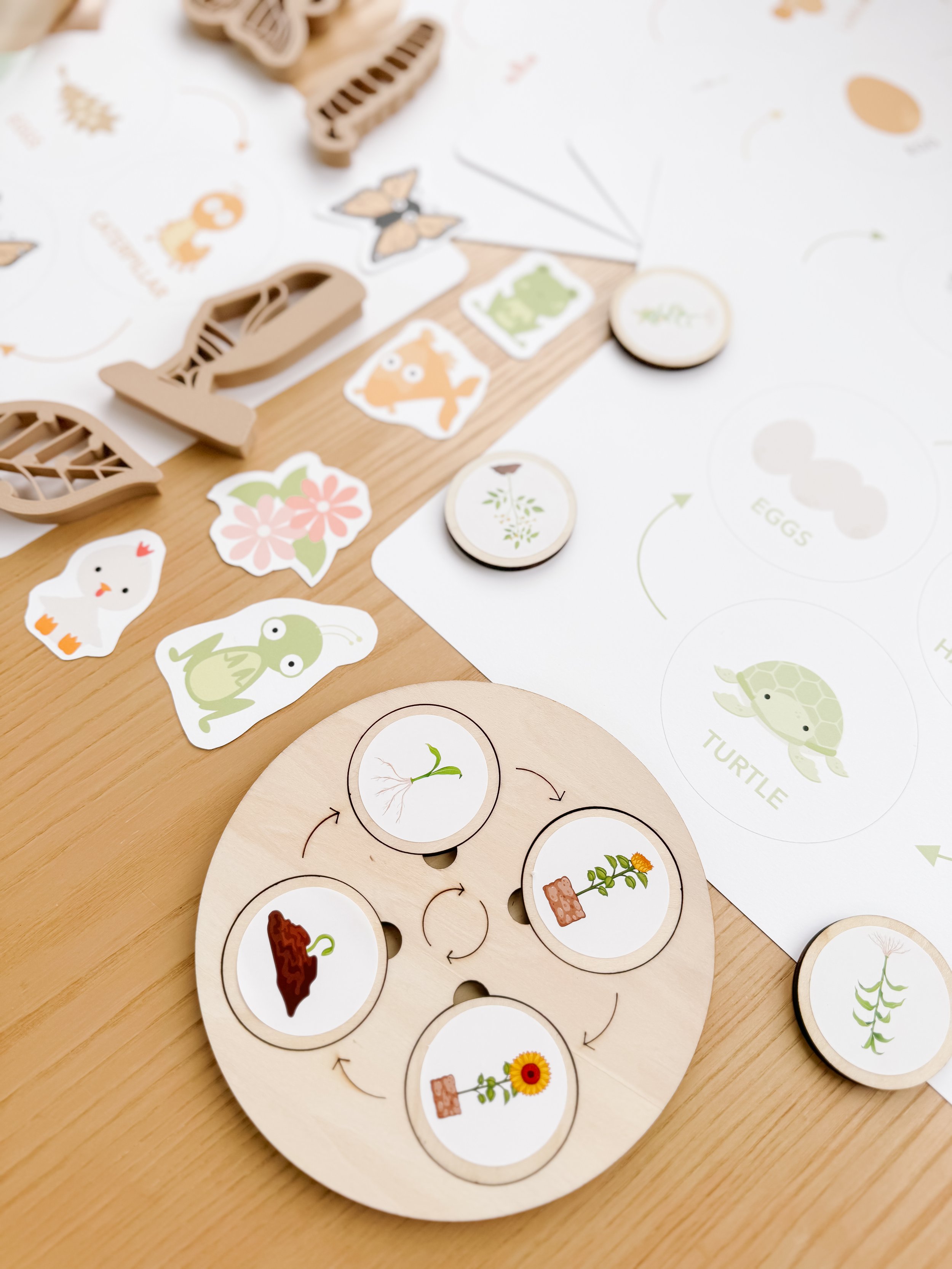
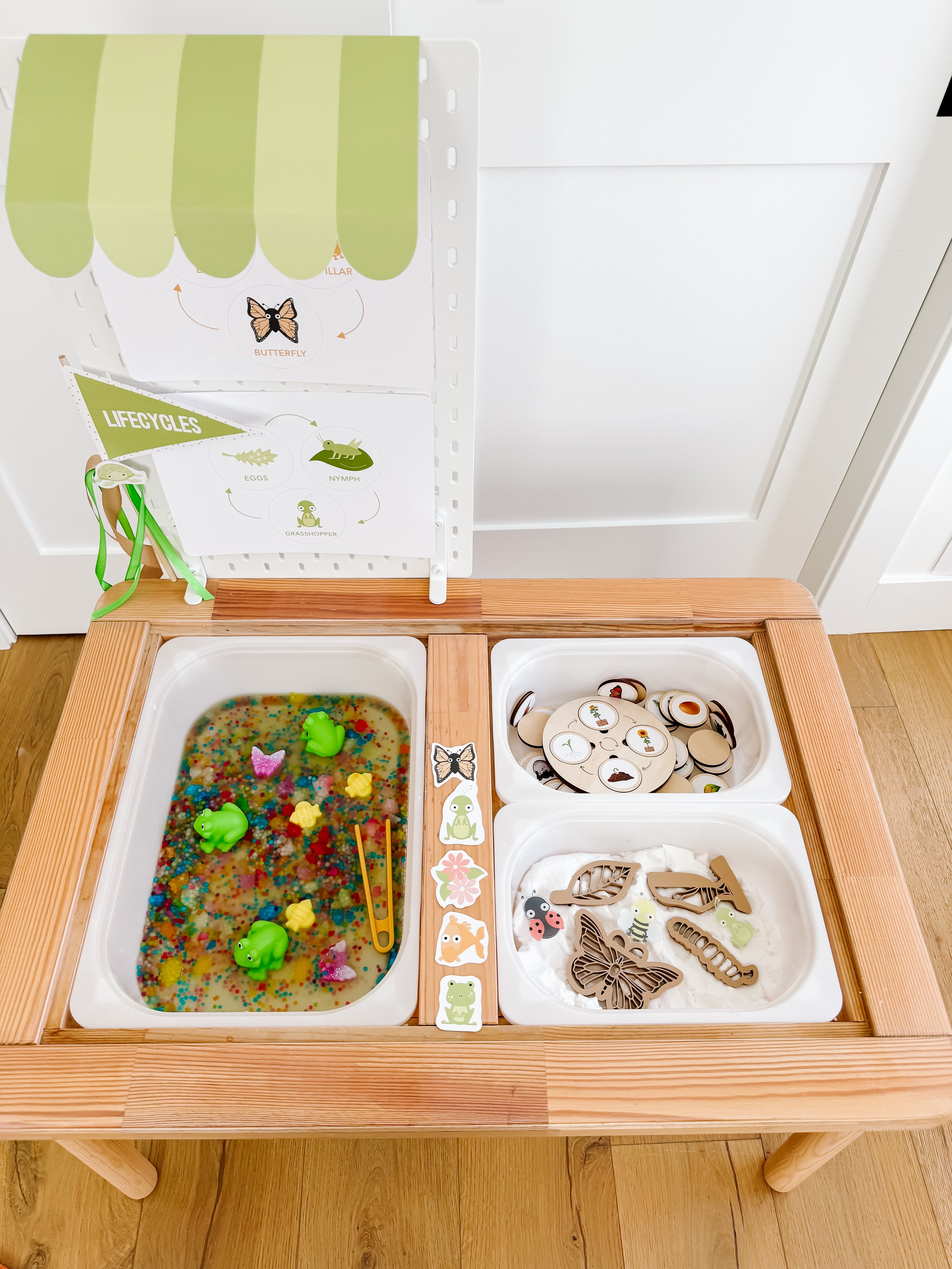
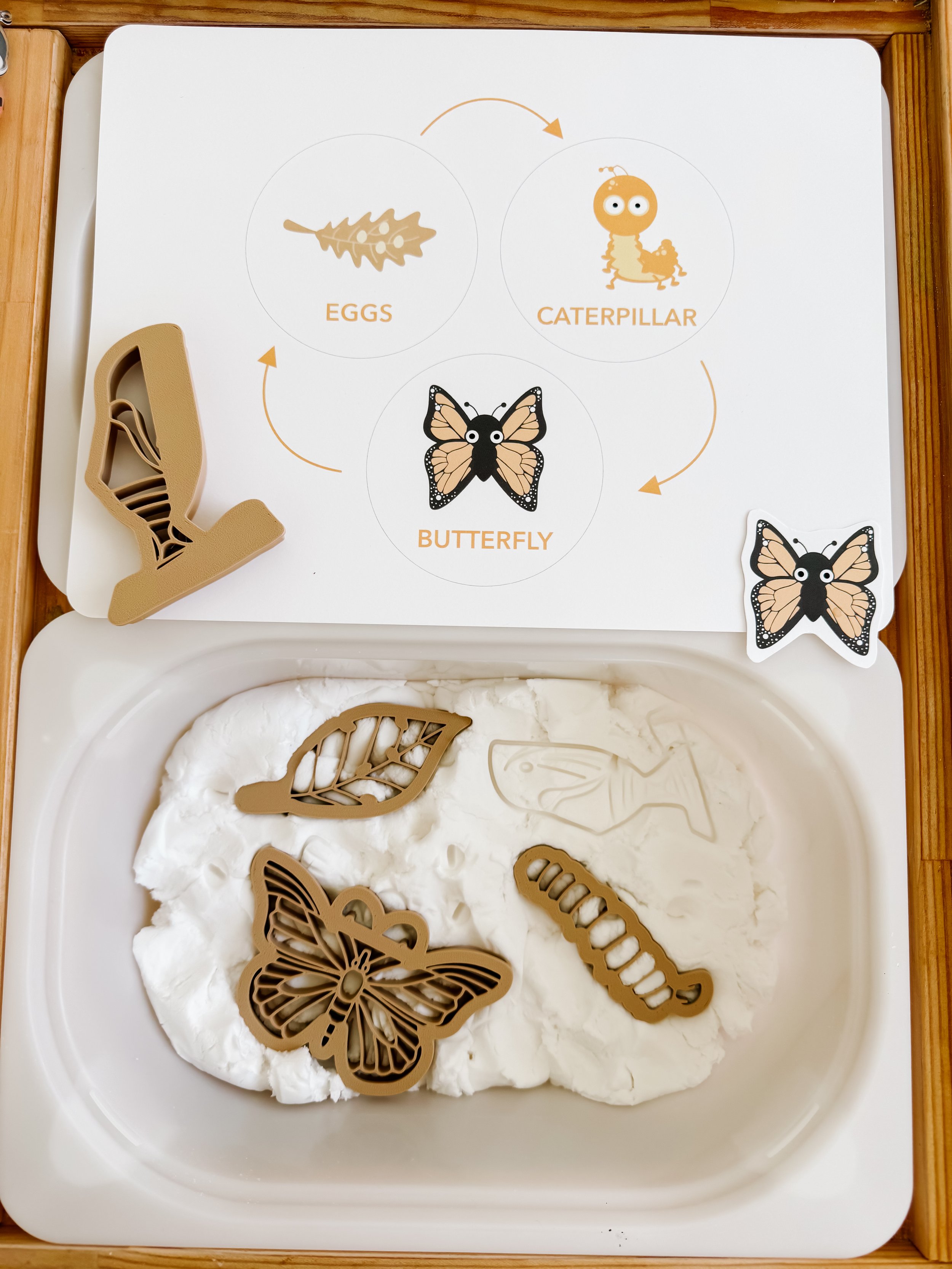
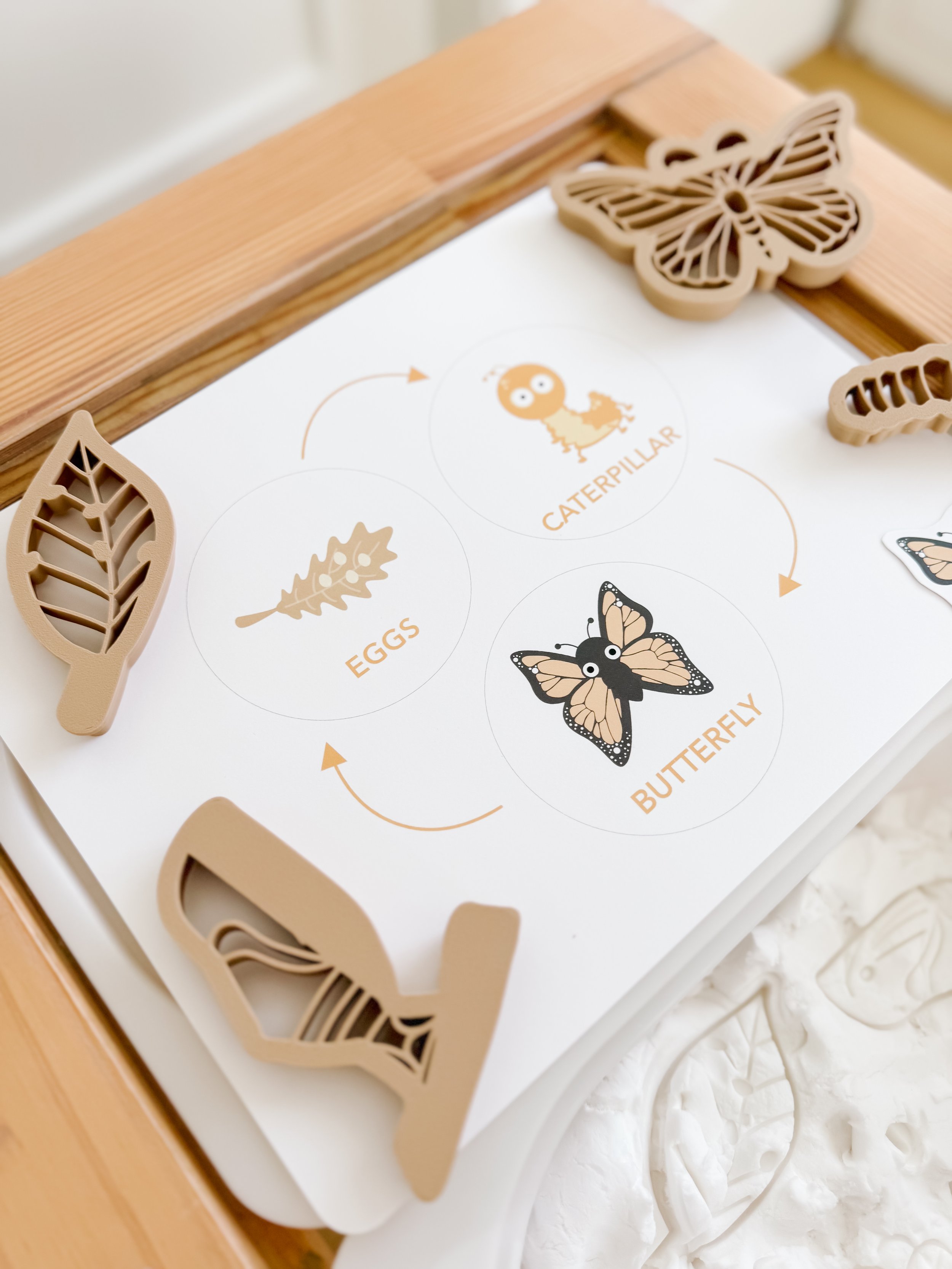
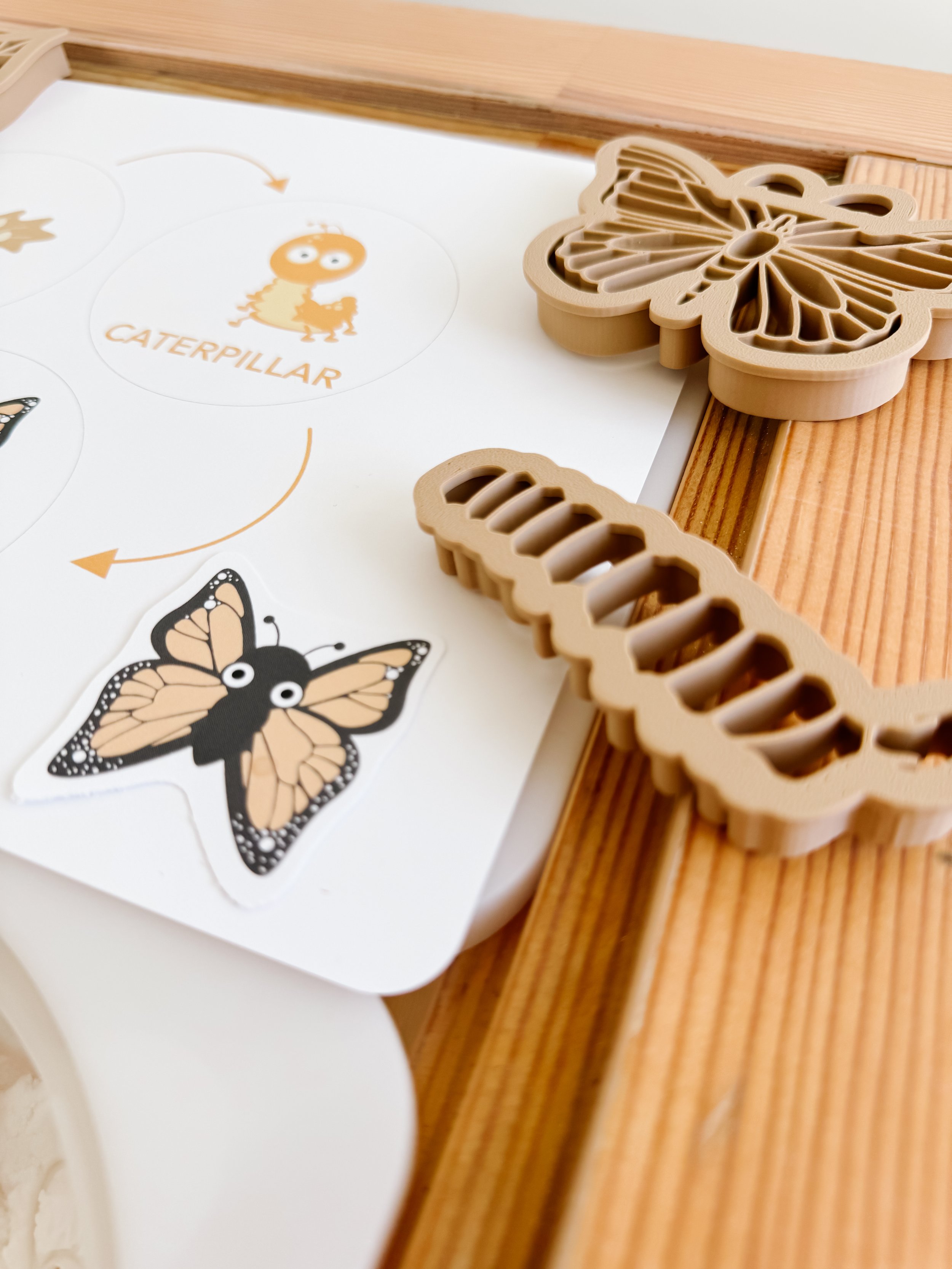
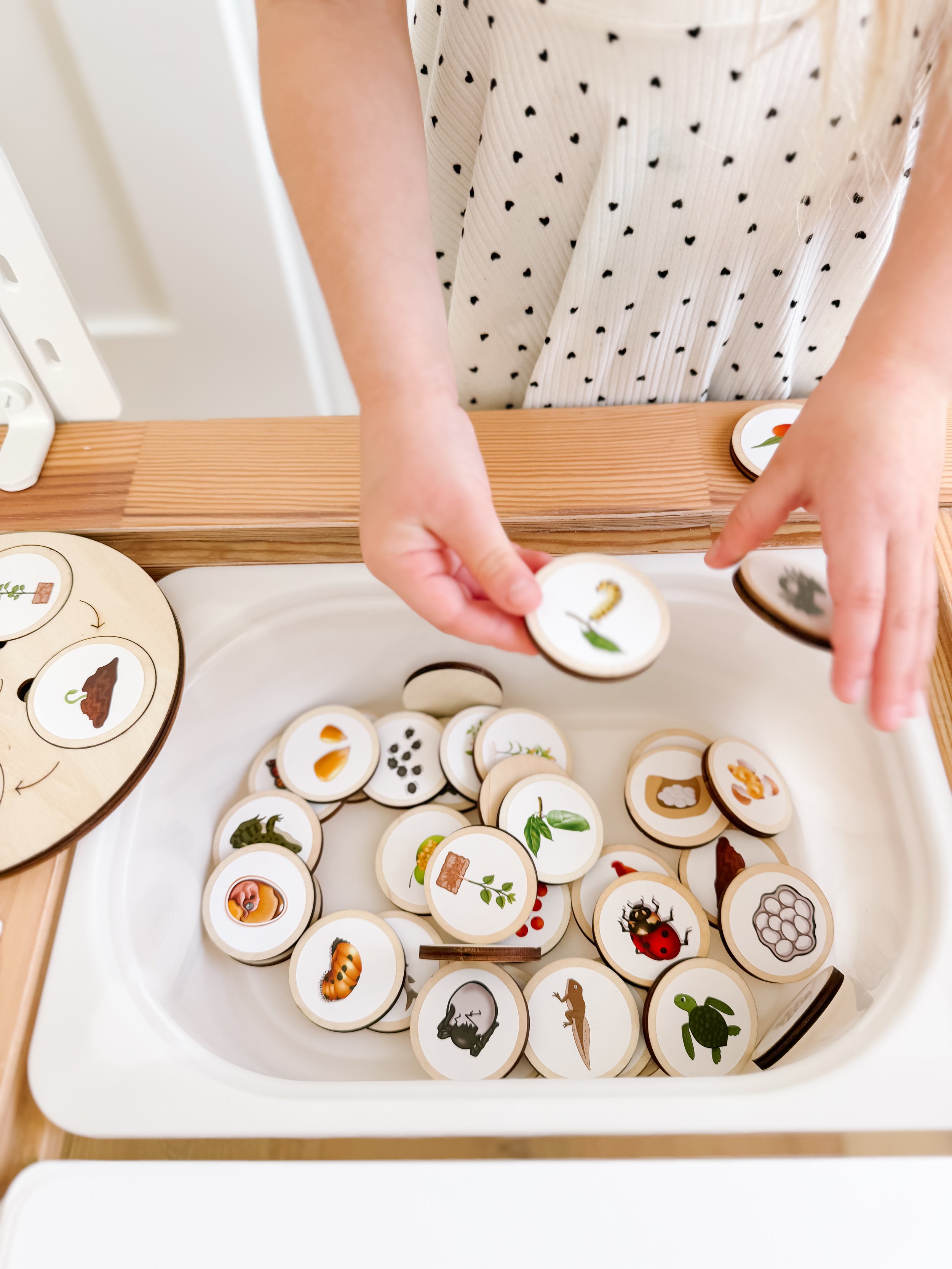
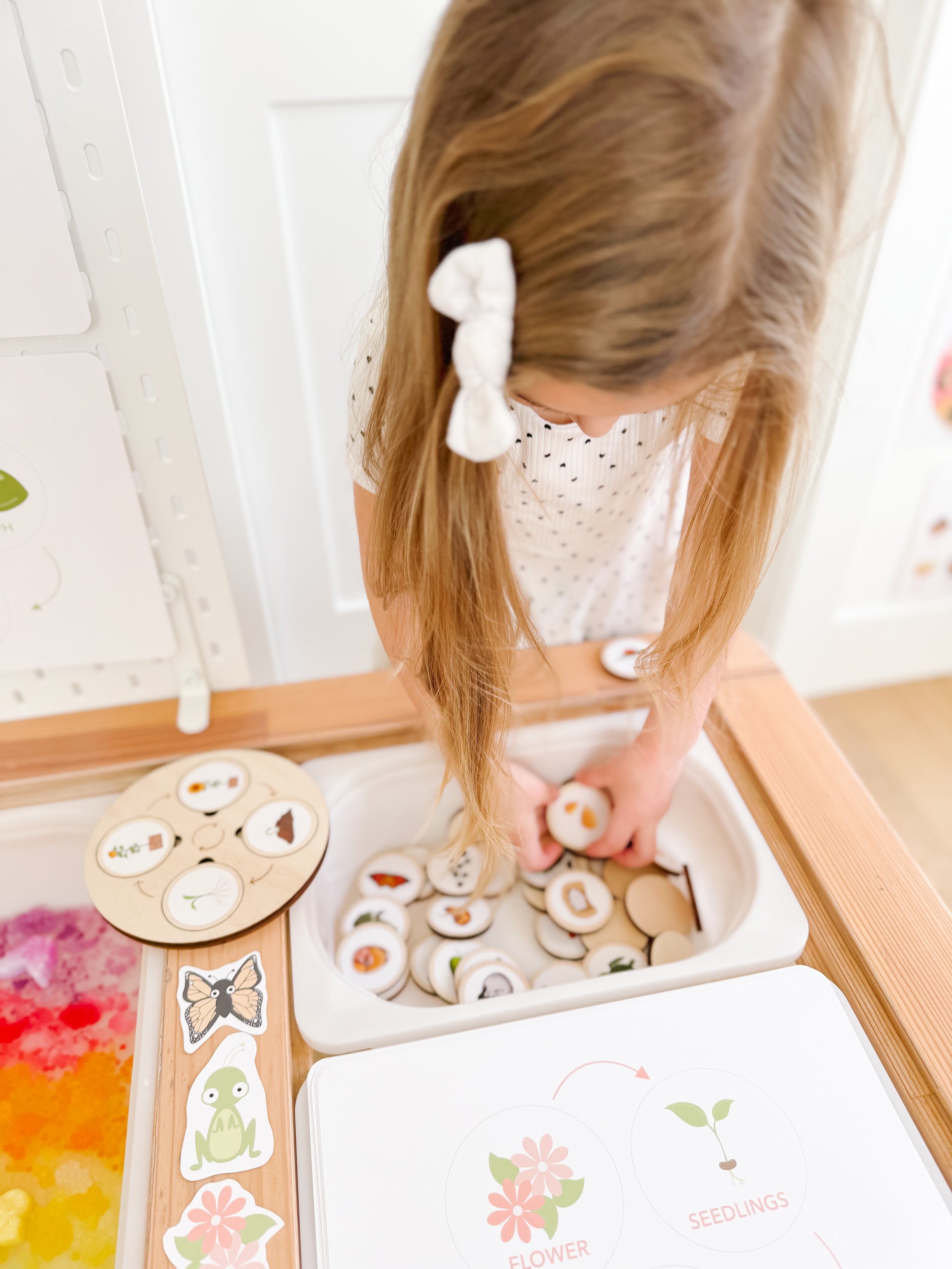
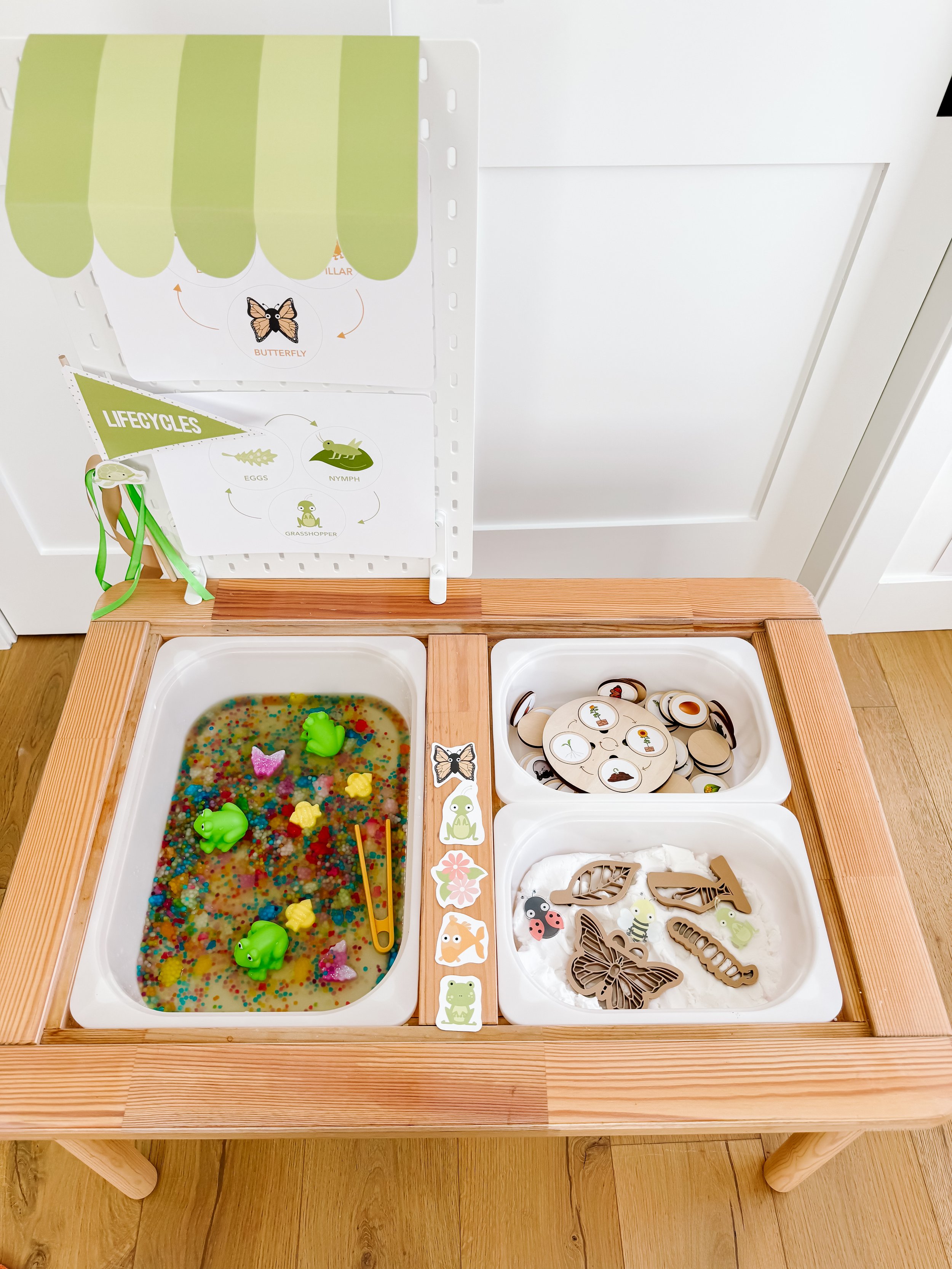
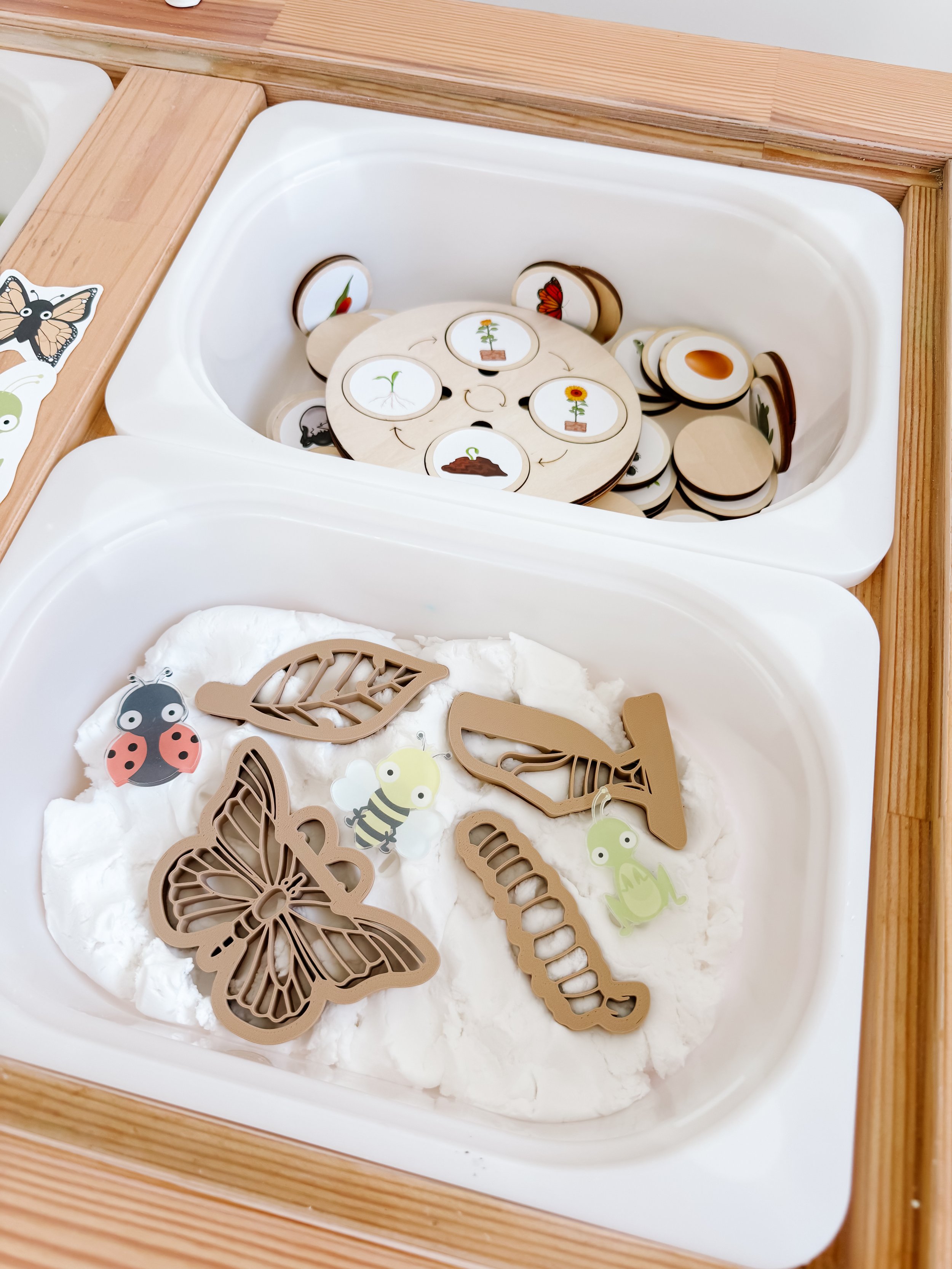
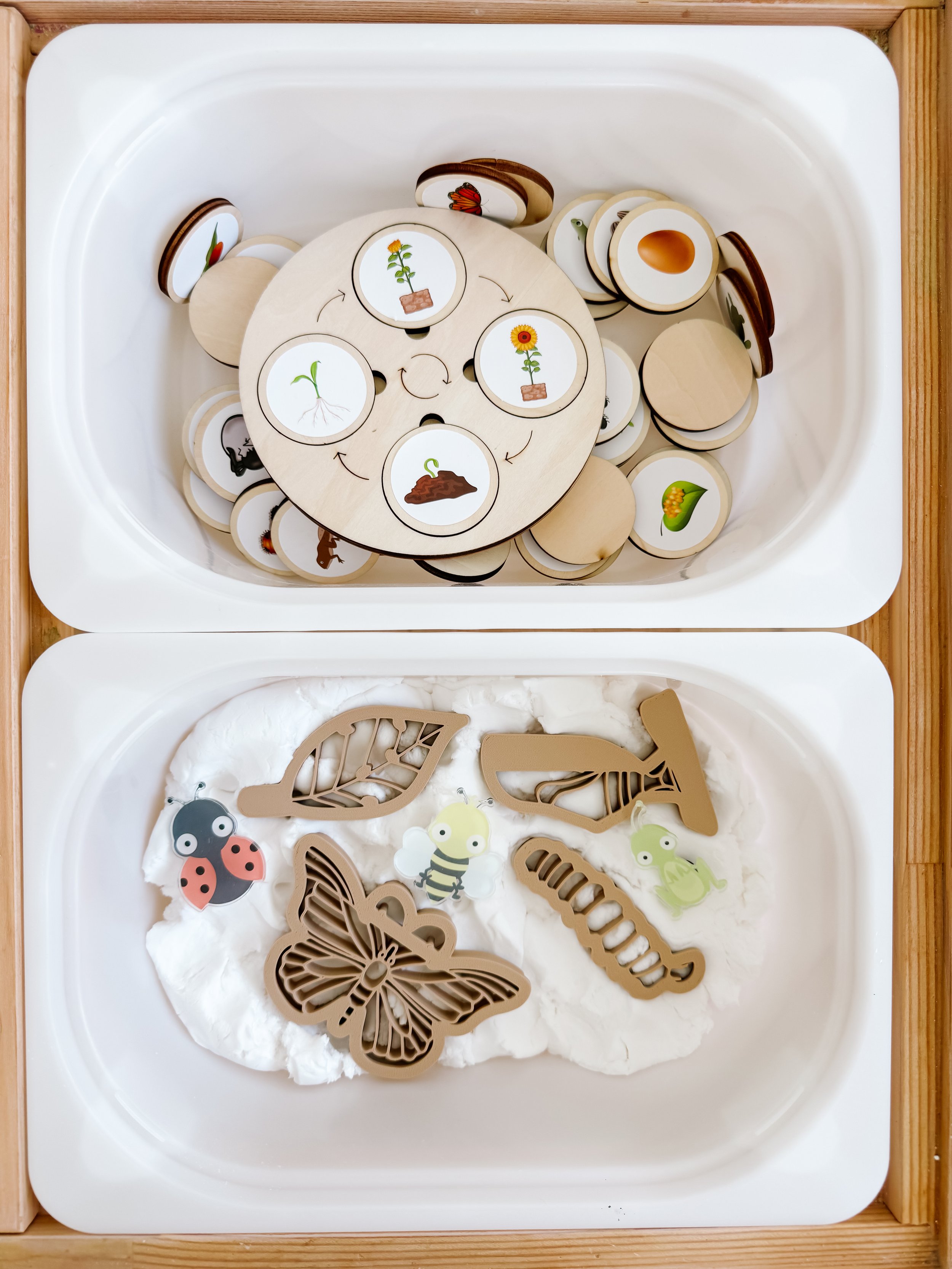
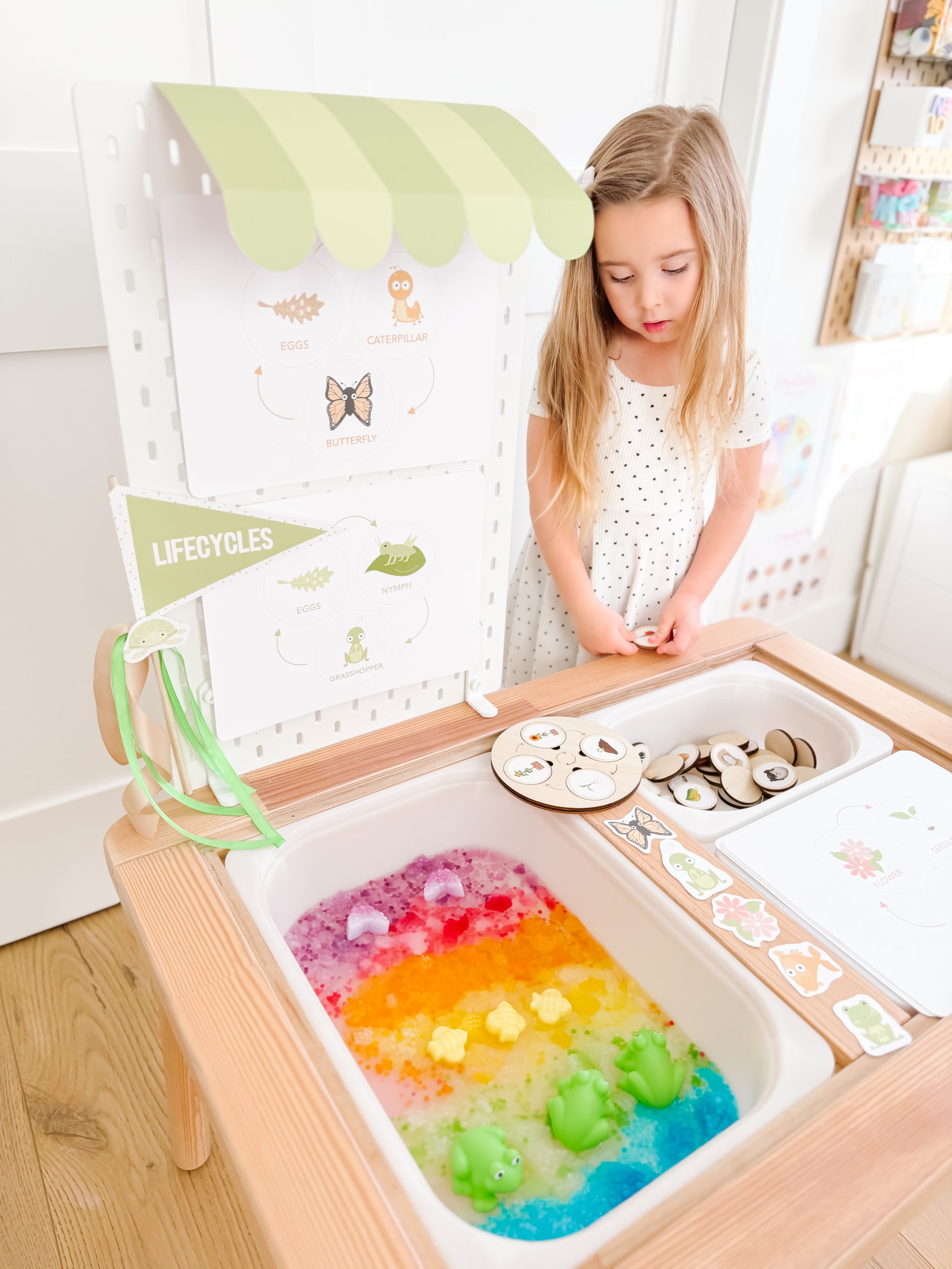
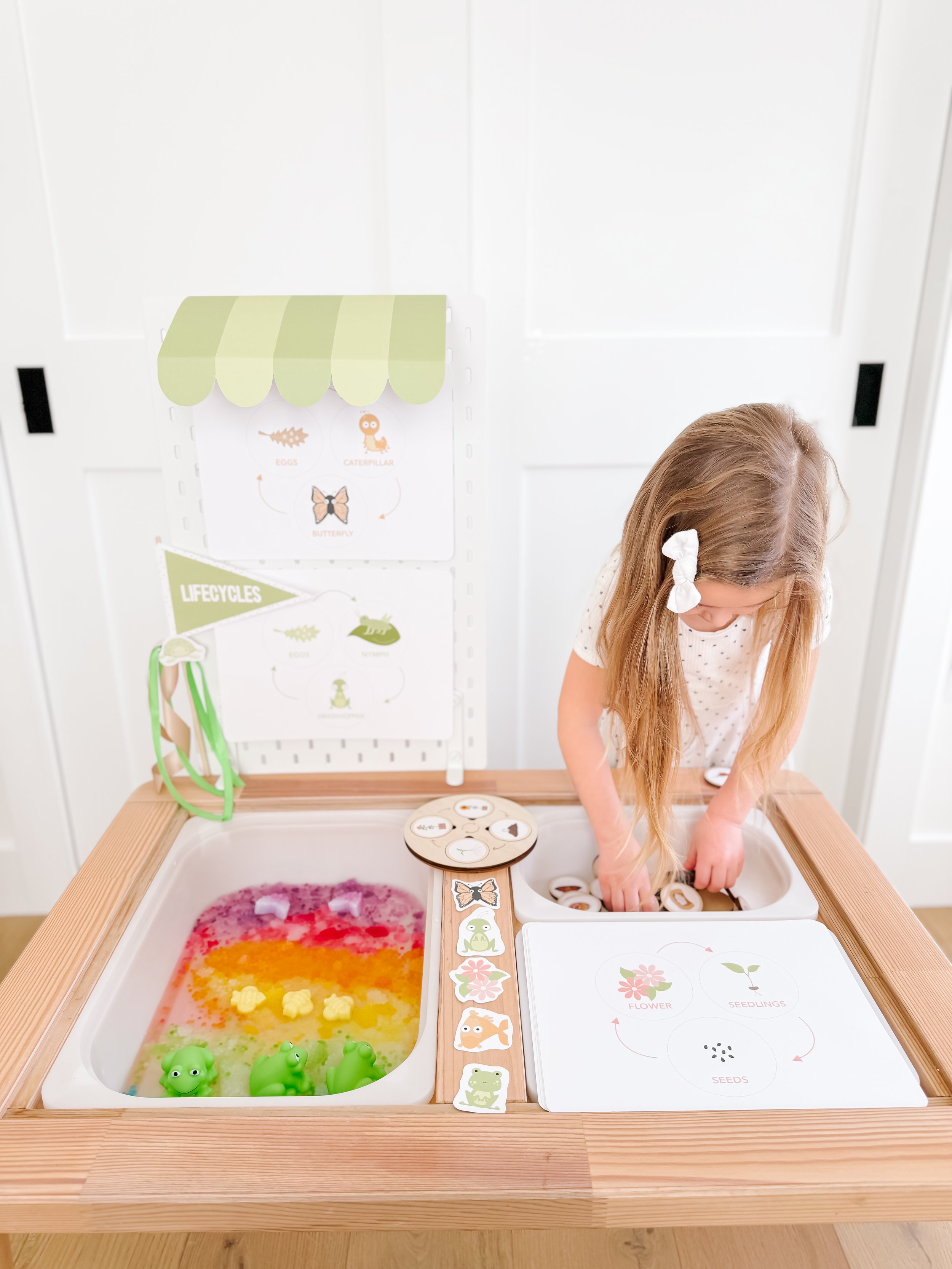
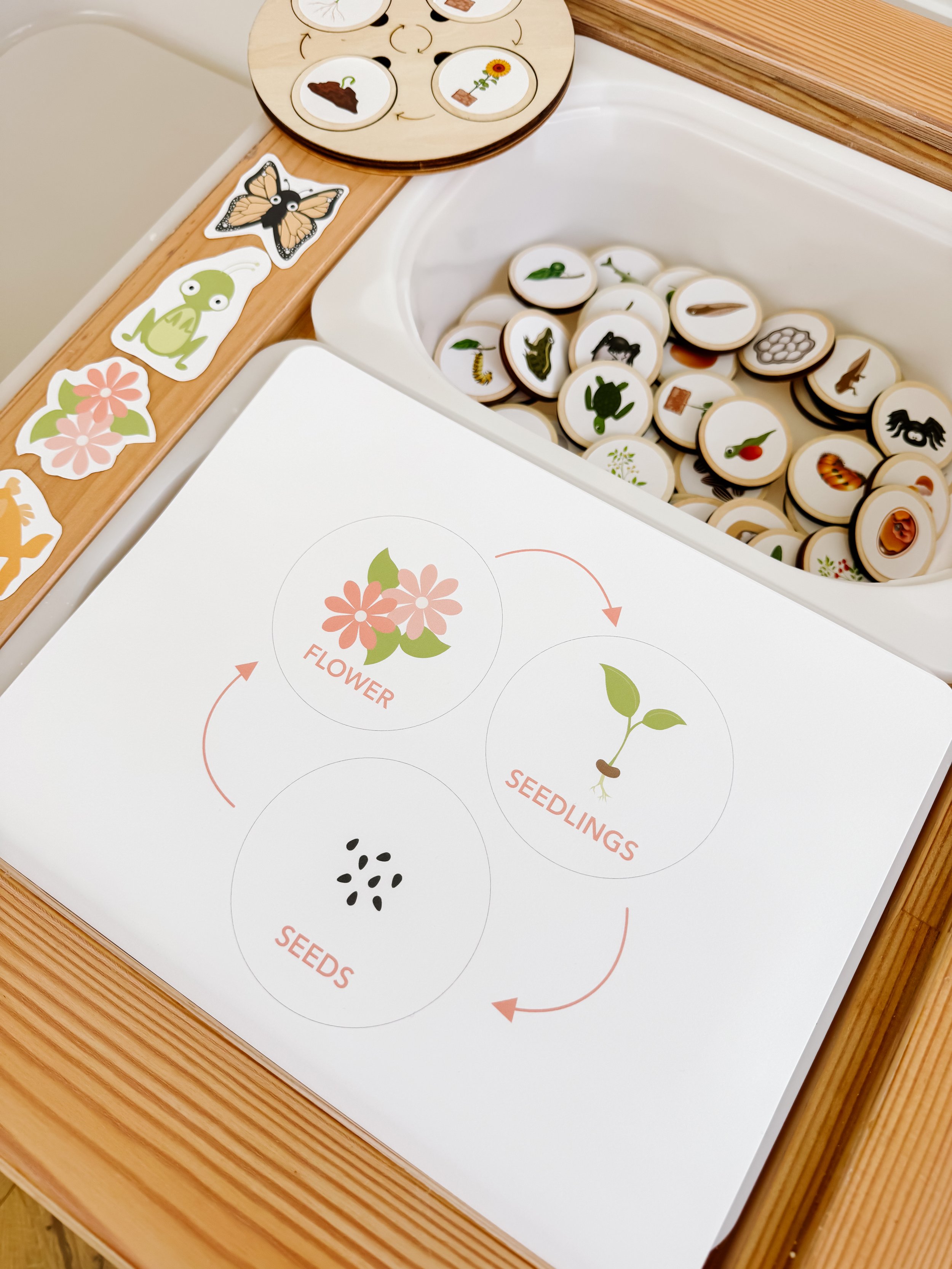
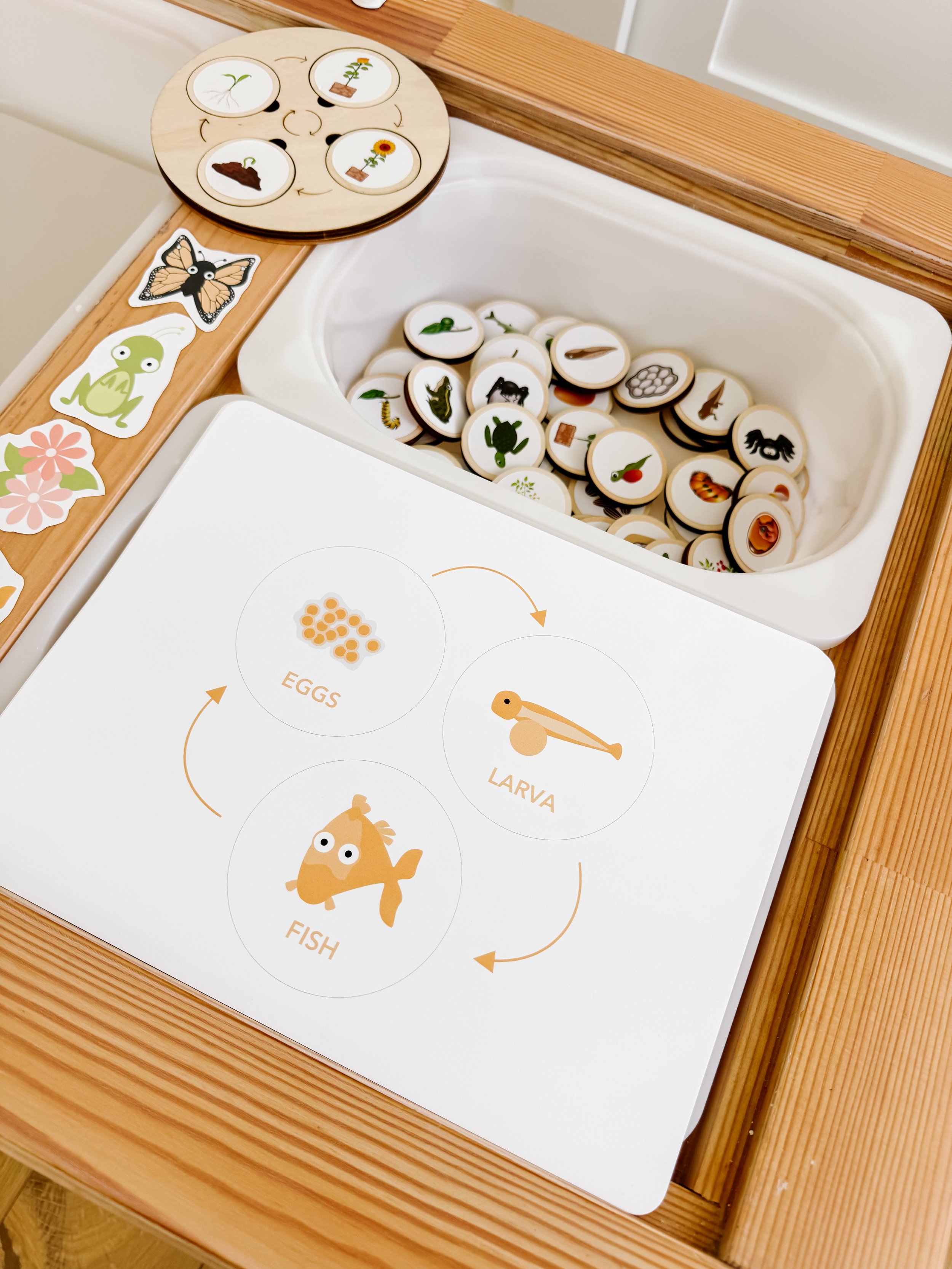
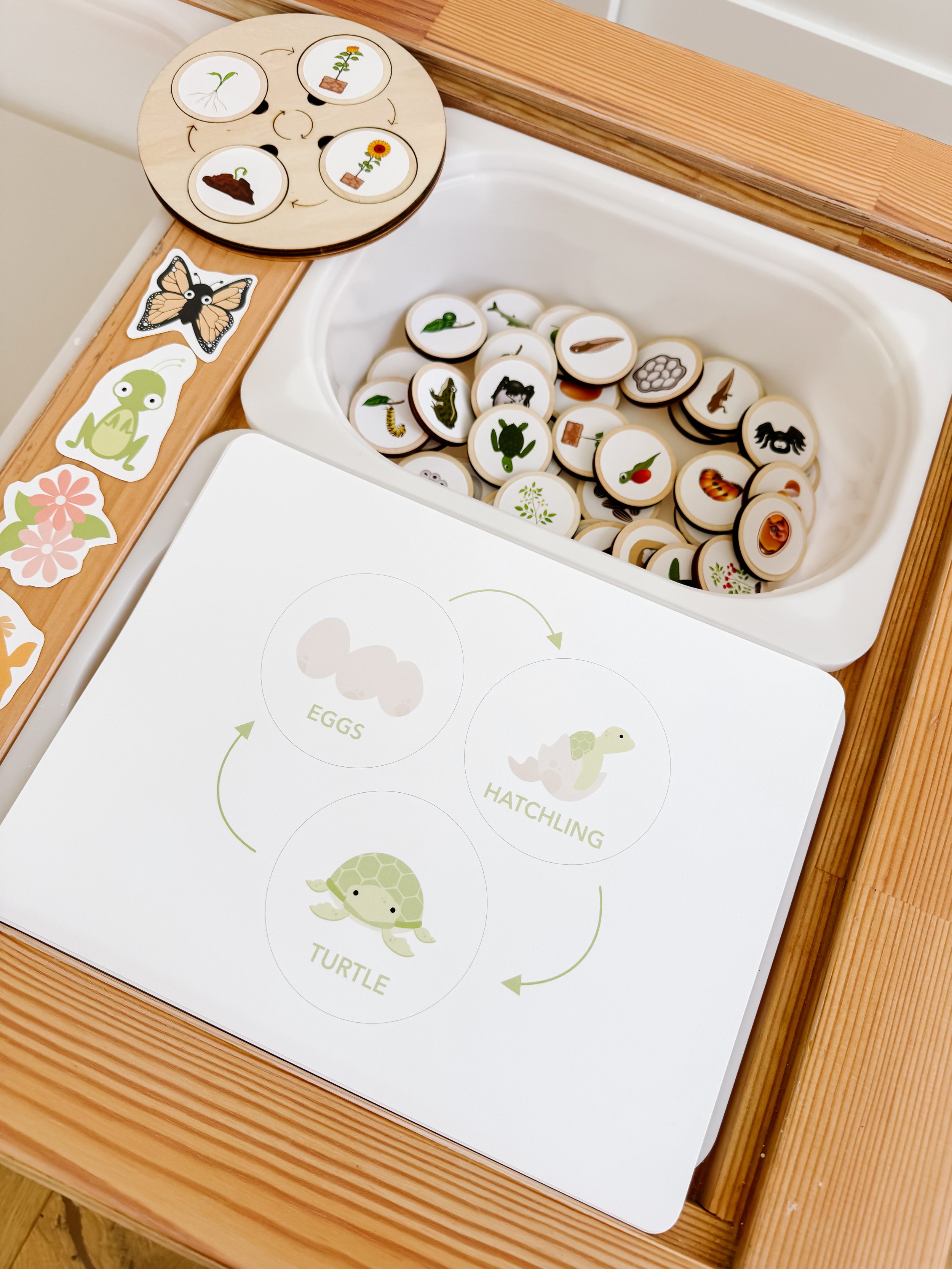
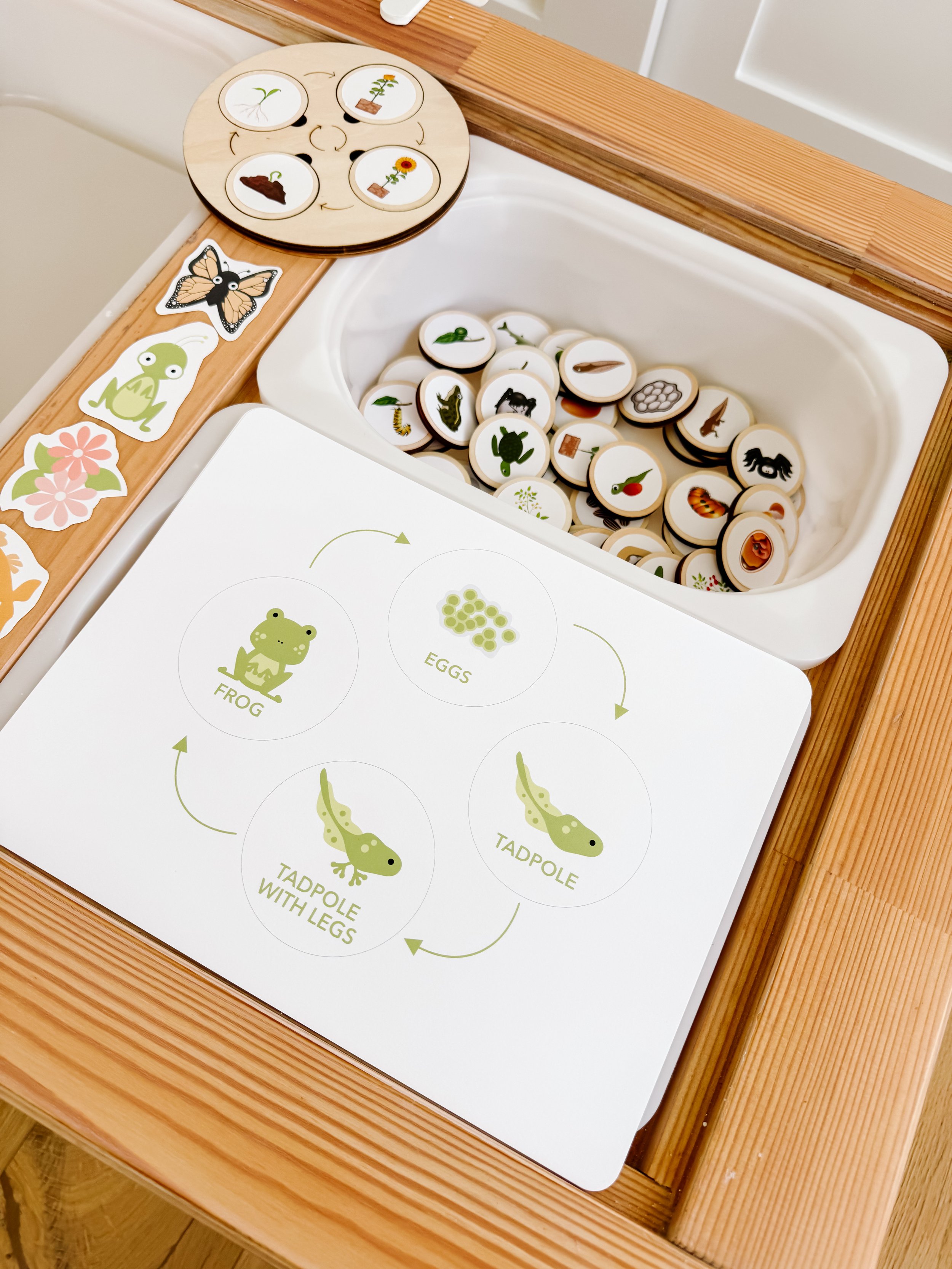
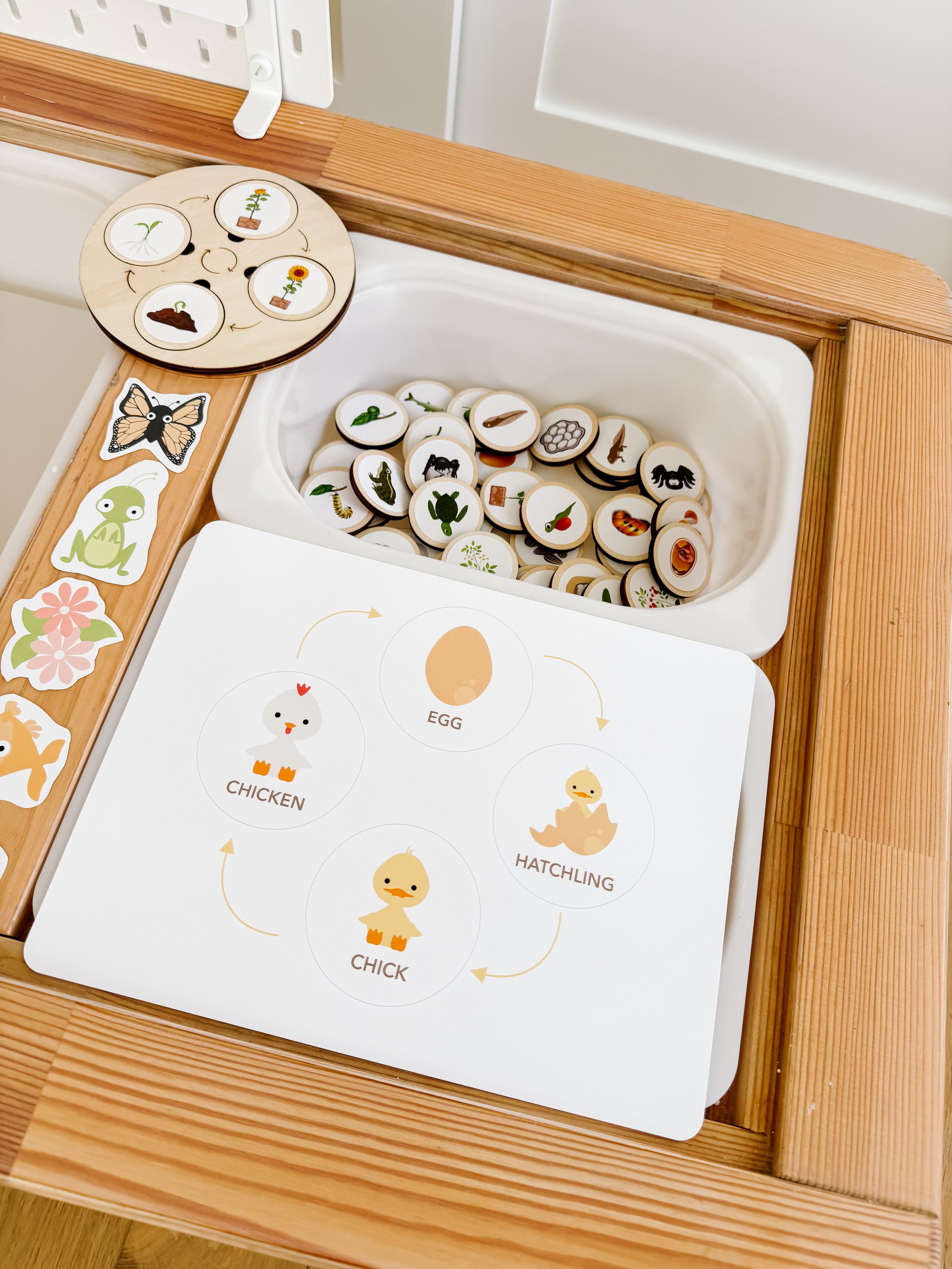
Our Lifecycles Sensory Play Kit is designed to engage young minds in a hands-on exploration of the fascinating world of lifecycles. Ideal for children aged 3 to 6, this kit comes with visual lifecycle charts of a chicken, frog, turtle, grasshopper, flower, fish, and butterfly. These bright and colorful charts bring each lifecycle to life, making learning a truly enjoyable experience.

IMG_0635.jpg IMG_0636.jpg IMG_0637.jpg IMG_0638.jpg IMG_0639.jpg IMG_0640.jpg IMG_0641.jpg IMG_0642.jpg IMG_0643.jpg IMG_0644.jpg IMG_0645_jpg.jpg IMG_0646_jpg.jpg

The Benefits of Learning about Lifecycles

Understanding lifecycles is not only educational but also fosters a deeper appreciation for nature and the world around us. Here are a few benefits that make learning about lifecycles an enriching experience for young children:
1. Enhanced Scientific Knowledge: By studying lifecycles, children gain a basic understanding of how living things grow and change over time. This knowledge forms the foundation for future scientific learning.
2. Critical Thinking Skills: Exploring different lifecycles helps children develop essential critical thinking skills such as observation, comparison, and problem-solving. These skills contribute to their cognitive development and analytical abilities.
3. Connection with Nature: Learning about lifecycles allows children to develop a connection with the natural world. It fosters empathy, curiosity, and a sense of wonder, encouraging them to become responsible stewards of the environment.

Fun Sensory Play Activities for Lifecycles

Pairing sensory play with learning creates an immersive and engaging experience for children, maximizing their educational outcomes. Here are three fun sensory play activities that perfectly complement our Lifecycles Sensory Play Kit:

IMG_0575_jpg.jpg IMG_0576.jpg IMG_0597_jpg.jpg IMG_0621_jpg.jpg IMG_0625.jpg


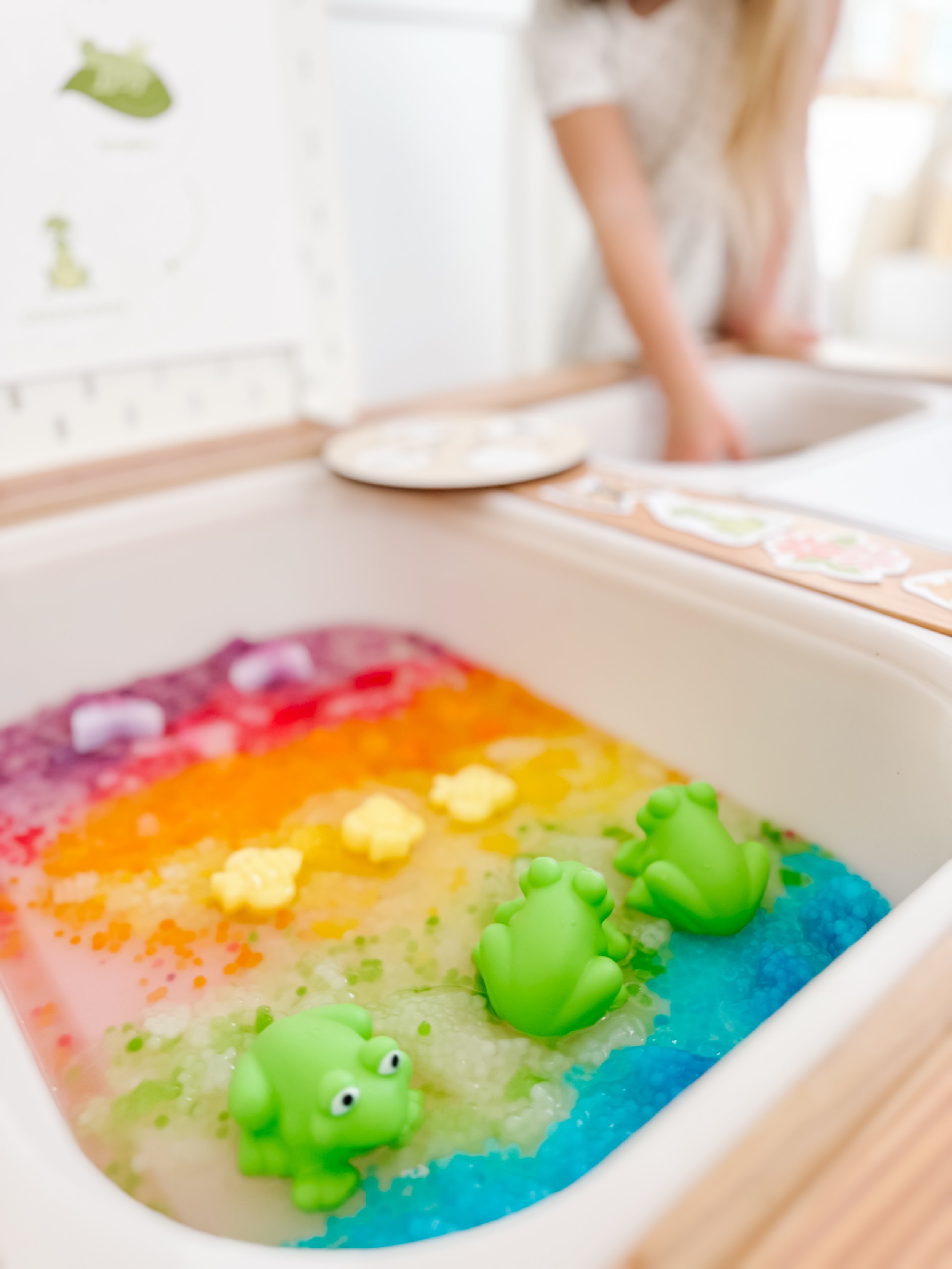
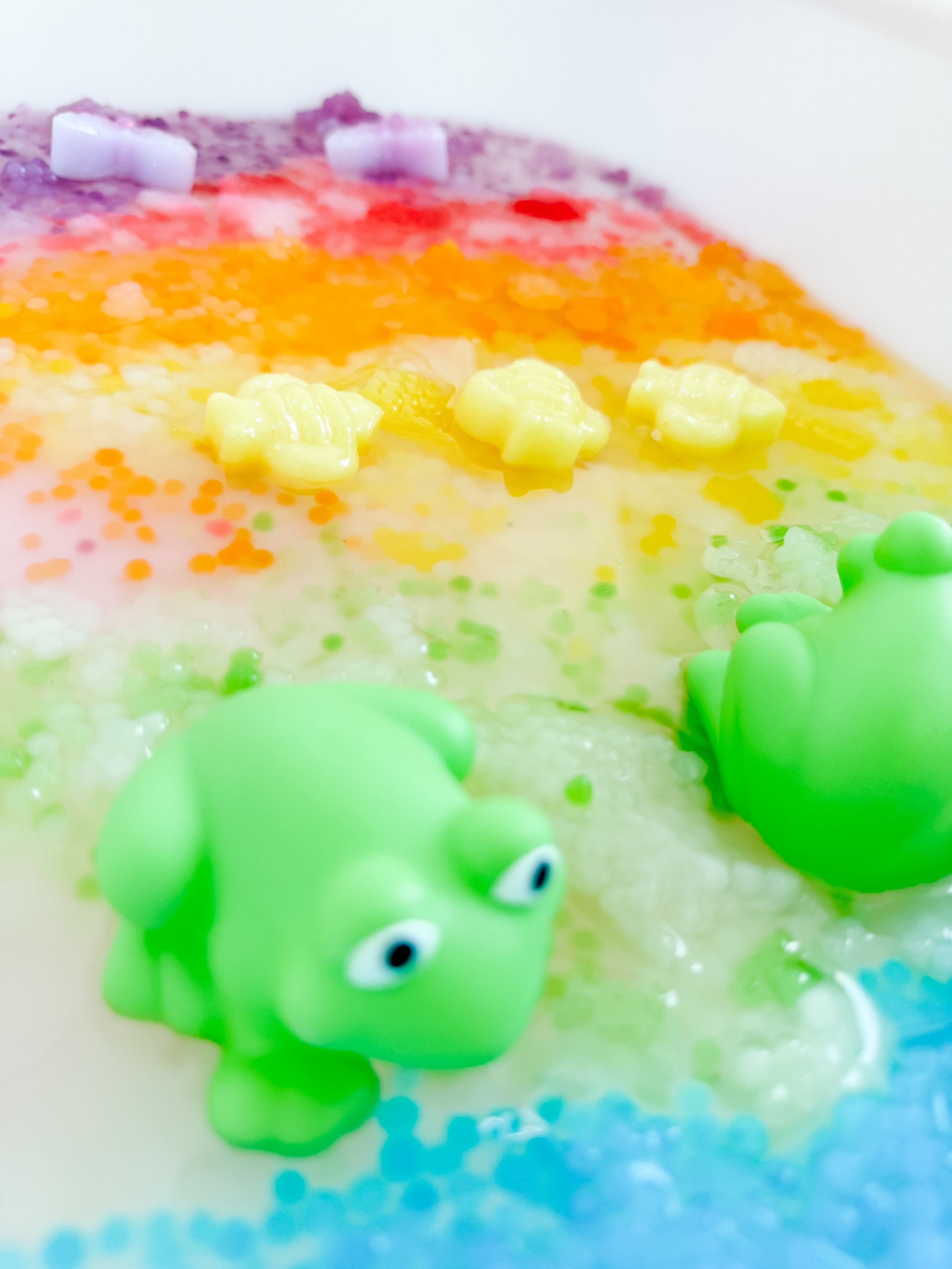
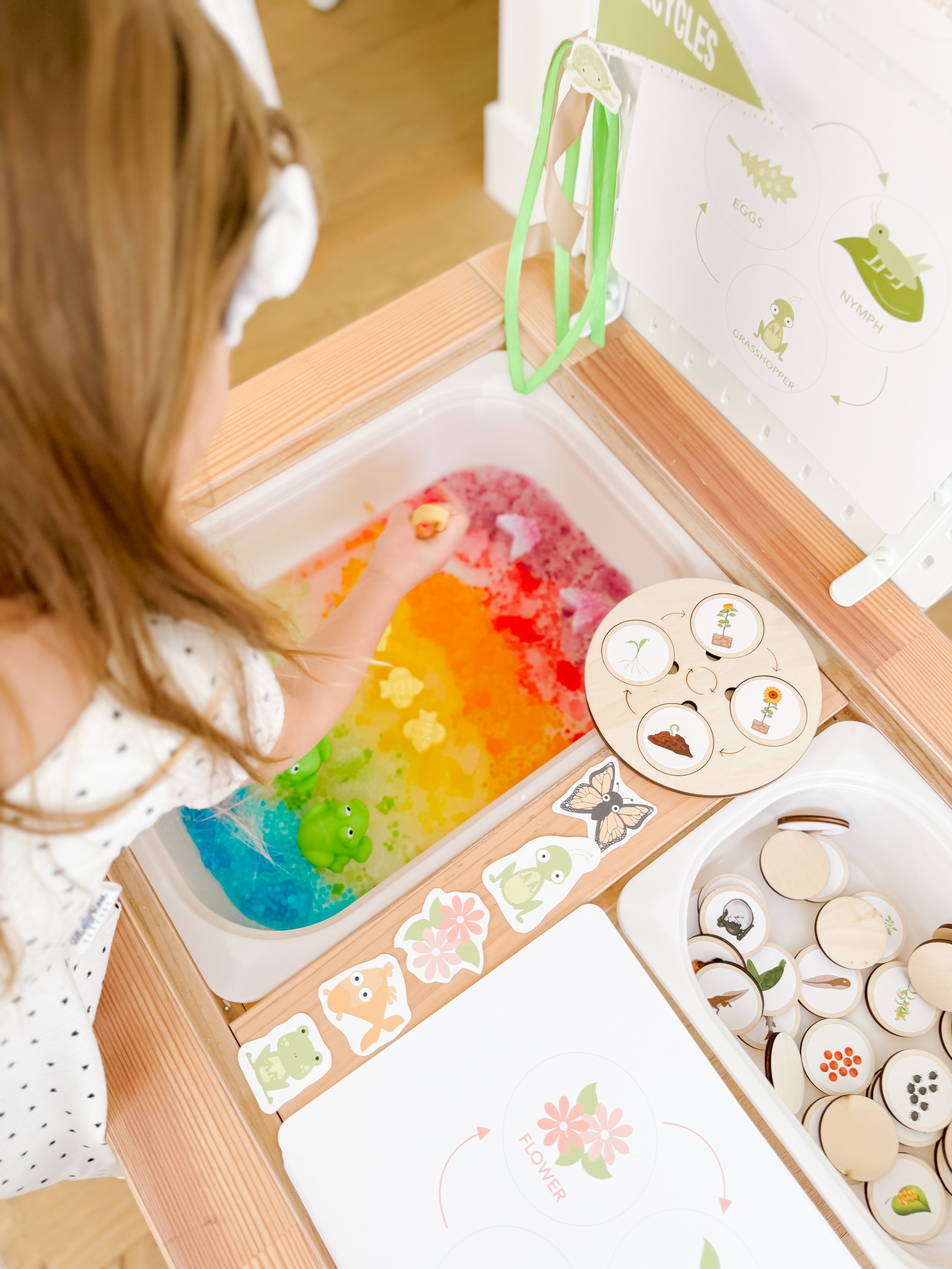
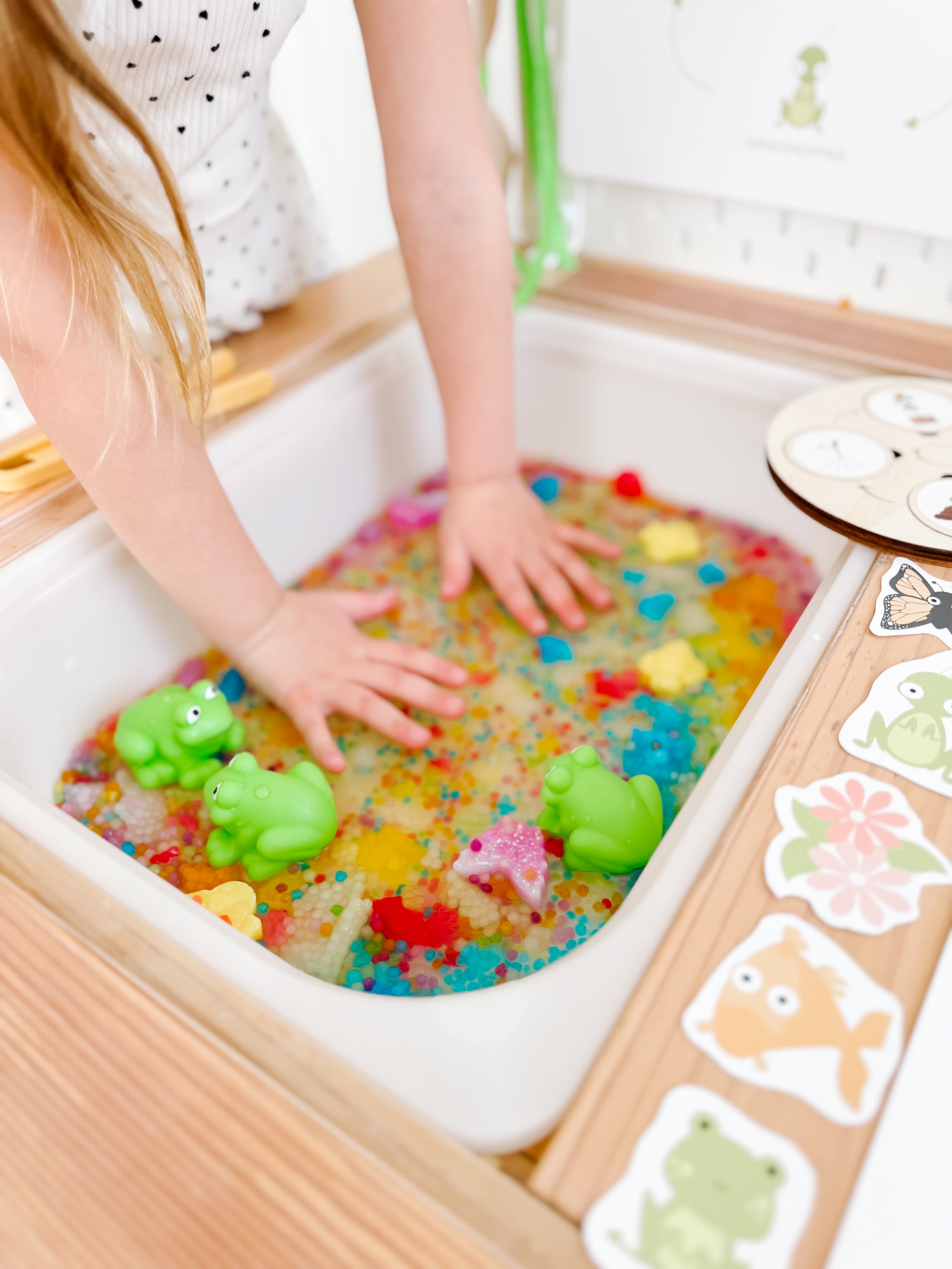
1. Sensory Bin: Pond Life Adventure

  • Fill a large container with water to create a mini pond.

  • Add sensory bin fillers such as blue dyed rice or water beads to represent the water.

  • Place toy frogs, turtles, and fish in the pond.

  • Encourage children to explore the lifecycles of frogs and turtles by creating imaginary scenarios in their pond habitat.

IMG_0628.jpg IMG_0629.jpg IMG_0631_jpg.jpg IMG_0633.jpg IMG_0634.jpg

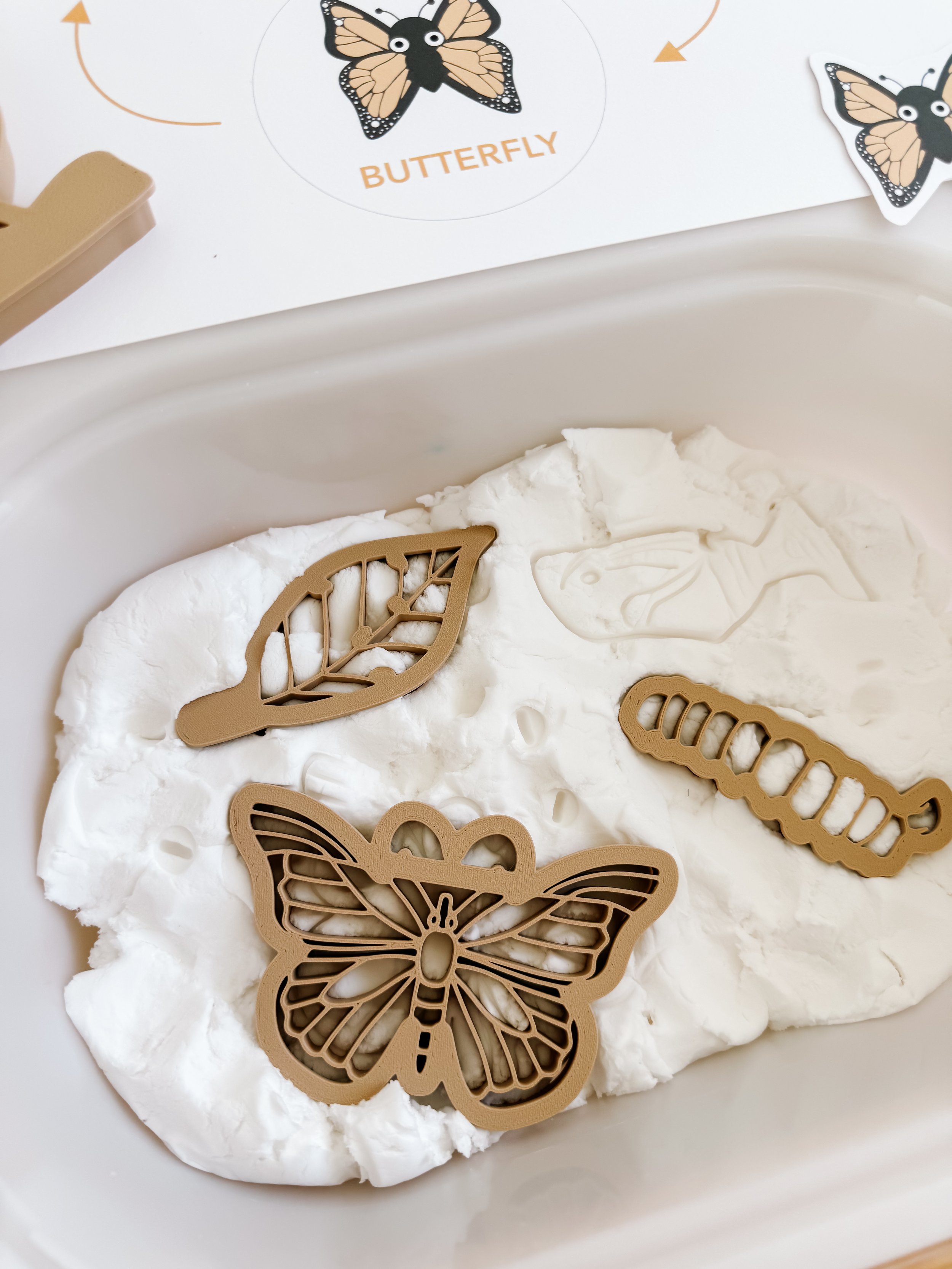
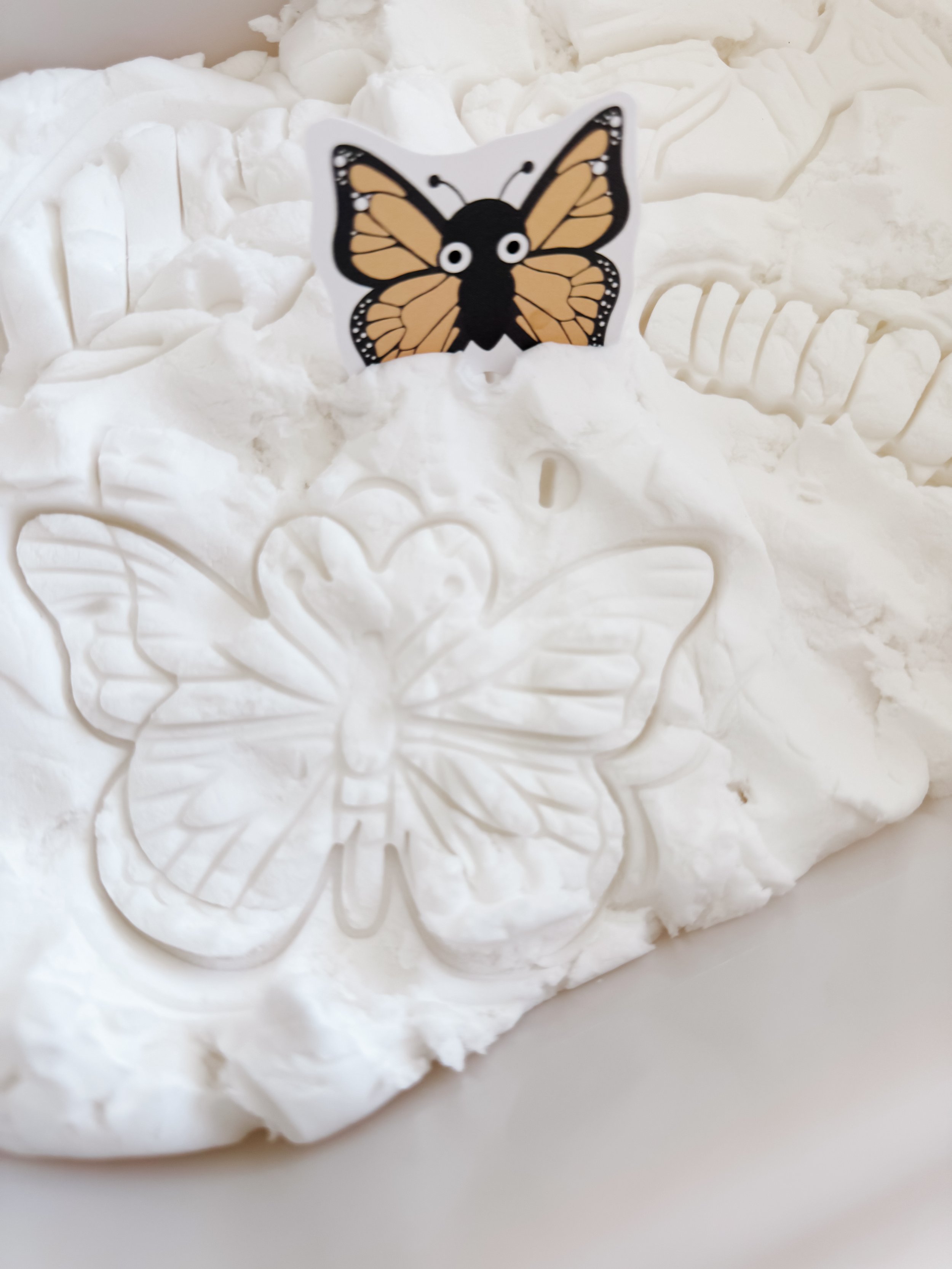
2. Sensory Bin: Butterfly Garden

  • Fill a shallow container with sensory materials like green shredded paper or sand to represent the garden.

  • Include flowers and butterflies from the lifecycle charts in the kit.

  • Let children use their imagination to play out the lifecycle of a butterfly, pretending to be caterpillars munching on leaves or fluttering around as colorful butterflies.

IMG_0571_jpg.jpg IMG_0567_jpg.jpg IMG_0625.jpg IMG_0626.jpg IMG_0627.jpg IMG_0562_jpg.jpg IMG_0566_jpg.jpg IMG_0594_jpg.jpg IMG_0574_jpg.jpg

3. Sensory Bin: Chicken Adventure

  • Fill a sensory bin with dry corn kernels to represent the soil and nesting materials.

  • Place toy chickens and eggs in the bin.

  • Encourage children to explore the lifecycle of chickens by pretending to care for them, gather eggs, and build nests.

Remember, sensory play activities offer a unique sensory experience that enhances cognitive development, fine motor skills, and creativity.

IMG_0528.jpg
IMG_0529.jpg
IMG_0530.jpg
IMG_0531.jpg
IMG_0532.jpg

Vocabulary Words for Ages 3-6 Module on Lifecycles:
Definition and Example Sentences:
1. Cycle - A series of events that repeat in a specific order. Example: "The butterfly goes through a lifecycle cycle from egg to adult."
2. Life - The state of being alive. Example: "All living things go through a process called life."
3. Growth - The process of getting bigger and developing physically or mentally. Example: "The plant goes through a gradual growth from a tiny seed to a big tree."
4. Change - To become different or undergo alteration. Example: "The caterpillar changes and becomes a butterfly."
5. Transformation - A complete or significant change in form or appearance. Example: "The tadpole's transformation into a frog is fascinating."
6. Develop - To grow or progress into a more advanced or mature state. Example: "The baby bird develops feathers and learns to fly."
7. Birth - The process of being born or coming into existence. Example: "The baby animal is born from its mother."
8. Hatch - To break open the shell from inside and come out. Example: "The baby chick hatches from the egg."
9. Larva - The earliest stage of an insect or amphibian with a distinct shape and different from its adult form. Example: "The caterpillar is the larva stage of a butterfly."
10. Pupa - The stage of an insect's lifecycle between the larva and adult forms. Example: "The caterpillar makes a cocoon and turns into a pupa."
11. Metamorphosis - A complete transformation or change in appearance. Example: "Butterflies and frogs go through a process called metamorphosis."
12. Egg - The round or oval object containing a developing baby animal. Example: "Birds lay eggs in nests."
13. Seed - A small, hard object from which a new plant grows. Example: "Plants produce seeds to grow into new plants."
14. Cocoon - A protective covering made by some insects during their pupa stage. Example: "Silkworms spin a cocoon around themselves."
15. Chrysalis - The hard case or shell in which a pupa turns into an adult insect. Example: "The chrysalis protects the developing butterfly inside it."
16. Sprout - To begin to grow into a plant from a seed. Example: "After planting the seeds, little sprouts started appearing."
17. Pollinate - The transfer of pollen from the male part of a flower to the female part, aiding in fertilization. Example: "Bees help in pollinating flowers while collecting nectar."
18. Migrate - To move from one place to another, usually due to seasonal changes. Example: "Birds migrate to warmer regions during winter."
19. Nectar - The sweet liquid found in flowers that attracts insects and birds. Example: "Butterflies drink nectar from flowers using their long tongues."
20. Habitat - The natural environment where an organism lives and finds what it needs to survive. Example: "Fish live in water, as it is their natural habitat."
21. Predator - An animal that hunts and feeds on other animals. Example: "The lion is a fierce predator and hunts its prey."
22. Prey - An animal that is hunted and eaten by other animals. Example: "The rabbit is a prey animal for the fox."
23. Crawl - To move forward on hands and knees or with the body close to the ground. Example: "The baby turtle crawls towards the sea after hatching."
24. Fly - To move through the air with wings. Example: "Birds and insects such as butterflies can fly."
25. Adulthood - The stage of life when an organism is fully grown and mature. Example: "After going through its lifecycle, the frog reaches adulthood."

In Conclusion

The Lifecycles Sensory Play Kit is a fantastic educational tool that combines learning with fun-filled sensory play activities. By understanding lifecycles, children expand their scientific knowledge, develop critical thinking skills, and connect with the natural world around them. Take your child on an exciting journey through various lifecycles with our sensory bin activities. Watch as they grow and learn while engaging all their senses. Happy exploring!

Tags learning lifecycles, animal lifecycles, plant lifecycles, lifecycle of a chicken, lifecycle of a frog, lifecycle of a turtle, lifecycle of a flower, lifecycle of a fish, lifecycle of a butterfly
4 Comments
← Newer Posts Older Posts →

Get Featured

Have a shop that specializes in baby gifts? I'd love to feature your shop and products in one of my weekly roundups. Email me at goodnightfoxstudio@gmail.com.

Have a small shop?

Check out GoodnightFox wholesale we’d love to have you carry the GoodnightFox brand.

Free Letter of the Week Guide

Sign up with your email address to get a weekly Letter Guide A-Z for 26 weeks of sensory play inspiration.

You’ll also get access to free printables, new products and promotions.

Thank you! Check your email for your free 26-Letter of the Week activity guide printable poster.


Free Printable Activities

Check out our free printable library of resources. From activity books, dramatic play kits, memory games, flashcards and more, you can try the entire goodnightFox collection free.


GOODNIGHTFOX

Play-based learning resources that help toddlers learn through play. Sensory play ideas, free printables, and hands-on learning tools designed for busy parents and curious little learners.

Get Free Printables →

EXPLORE

  • Start Here

  • Toddler Activities by Age

  • Seasonal Toddler Activities

  • Sensory Play Ideas

All Activity Ideas →

SHOP

  • Flashcards

  • Learning Kits

  • Memory Games

  • Dramatic Play

  • Playschool Planner

Shop All →

ABOUT

  • Our Story

  • Contact

  • FAQ

  • Privacy Policy

  • Terms & Conditions

  • Wholesale

  • Newsletter

© 2026 GoodnightFox
Play-Based Learning for Toddlers