
Phonics Activities for Toddlers: 7 Play-Based Ideas
Letter sounds stick best through play. These seven phonics activities turn the ABCs into sensory bins, blending games, and picture-alphabet fun — no worksheets required.
Why play-based phonics works
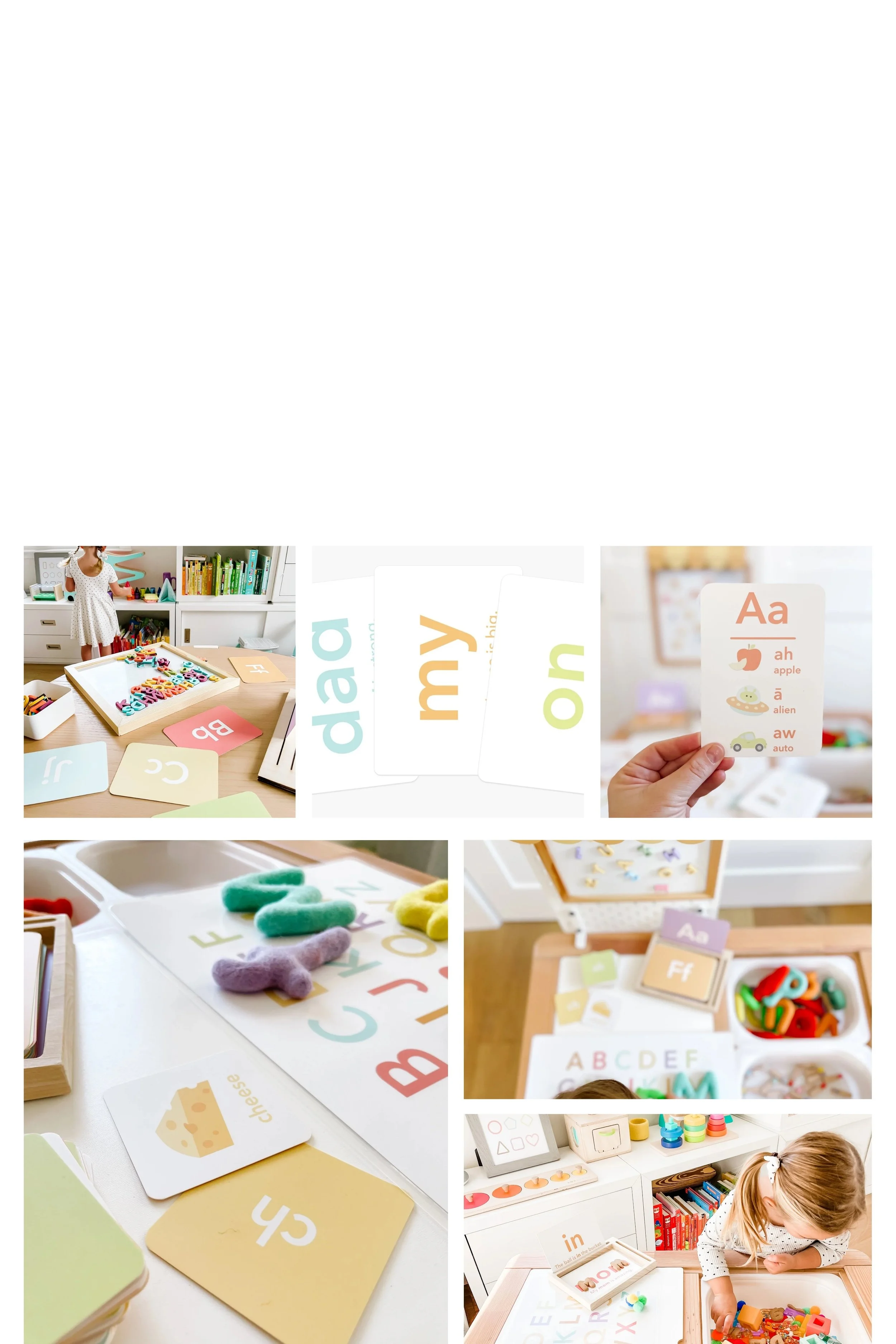
Toddlers learn letter sounds best when their hands are busy. A child digging letters out of a sensory bin or building words on a magnetic board is practicing phonics without a single flashcard drill — the play is the lesson. Start with the guide below, then pick the activities that match what your little one already loves.
7 phonics activities for toddlers
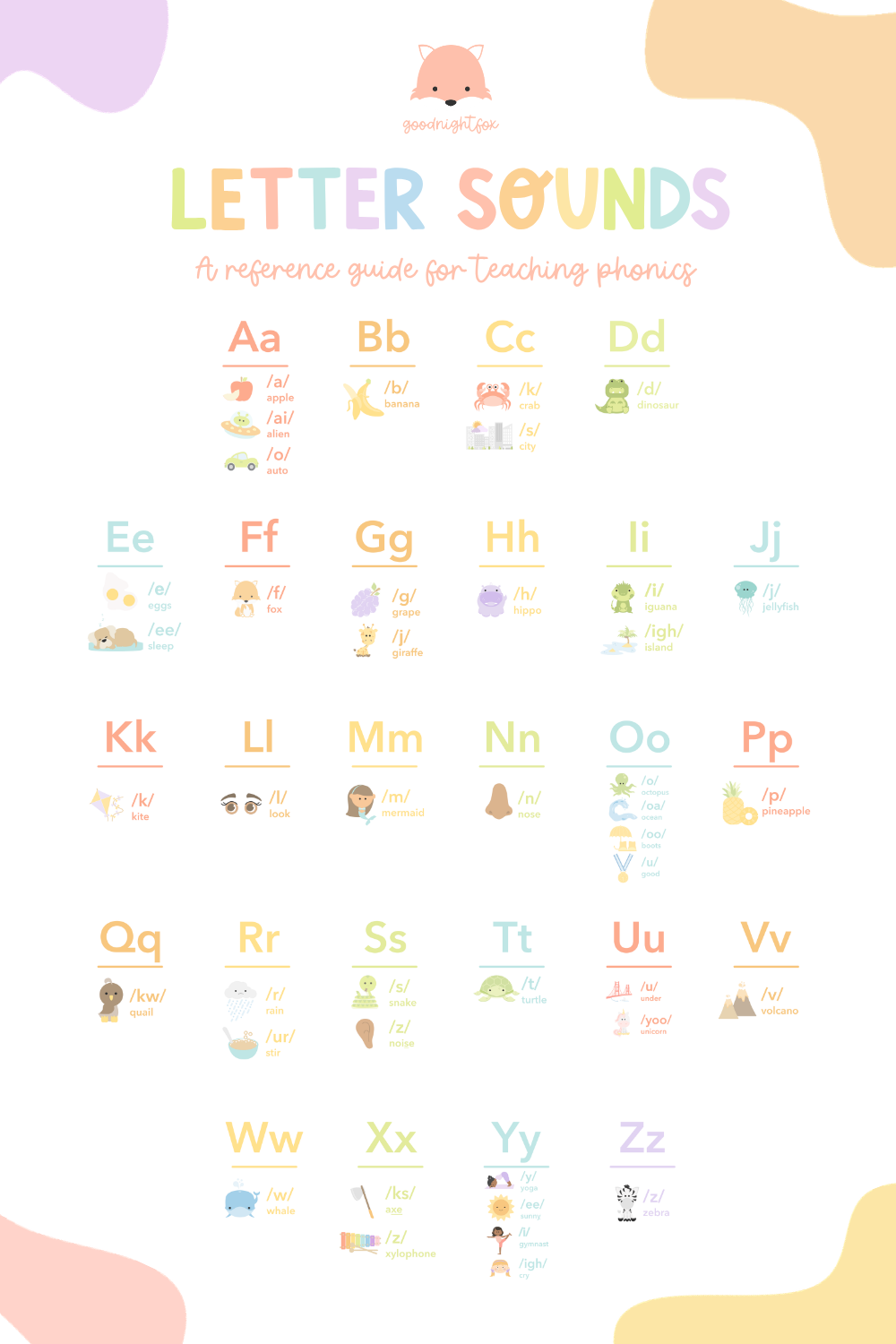
Start Here: Phonics for Toddlers Guide
The beginner's roadmap to teaching letter sounds through play — includes a free printable letter sounds cheat sheet for the fridge.
Free printable Getting started
Read the guide
Magnetic Letter Board Blending
Build and blend simple words on a magnetic letter board — hands-on phonics practice that feels like play, not work.
Blending Hands-on
Try letter board blending
Sight Words the Phonics Way
Why a phonics-based approach is the best way to teach sight words to toddlers — and exactly how to start.
Sight words Parent guide
Read the approach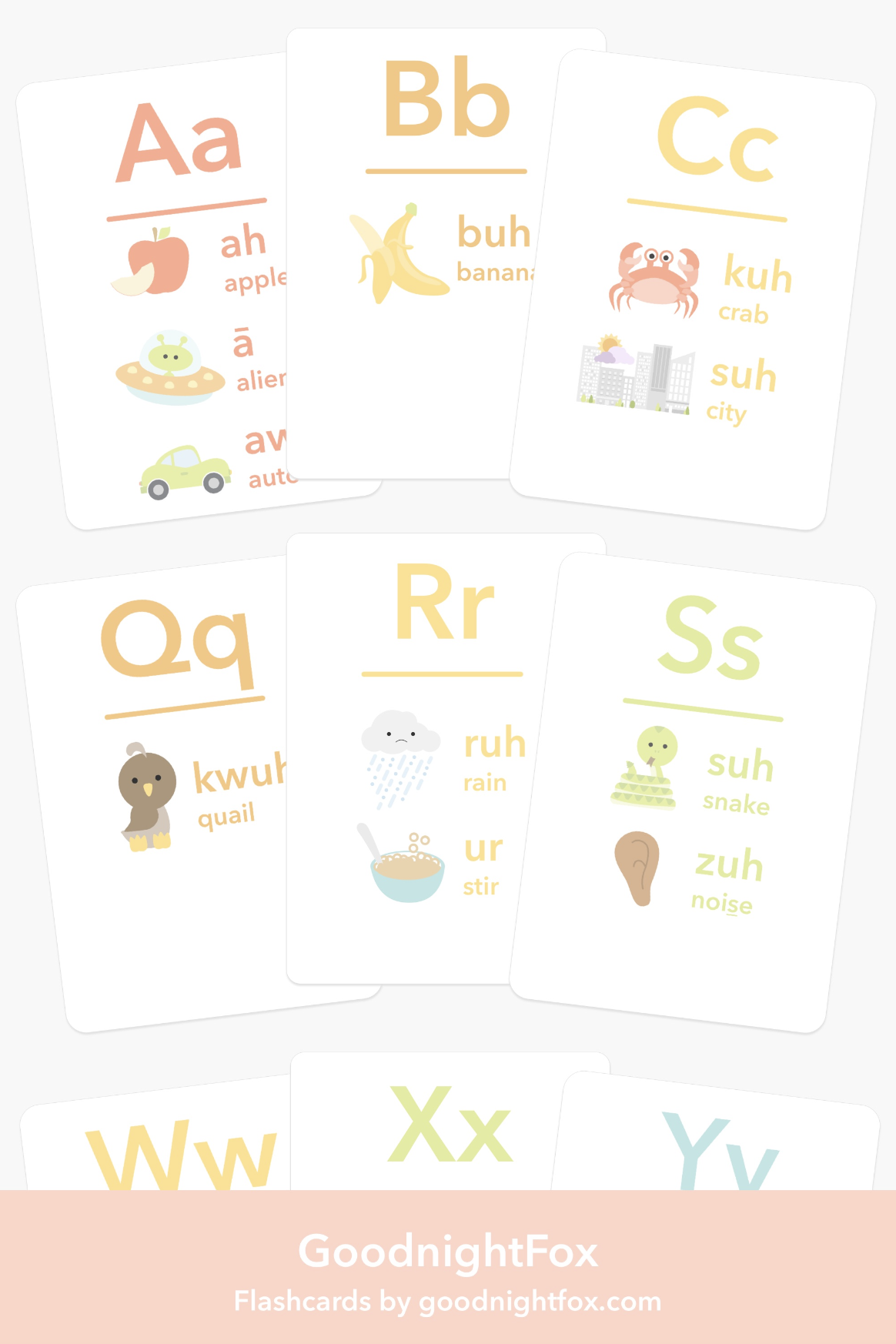
How to Teach Your Toddler to Read
Our step-by-step journey to early literacy, with letter-recognition and phonics games like jump-to-card and word building.
Early reading Games
Read our journey
14+ Alphabet Sensory Activities
Fourteen-plus sensory bins and trays that build letter recognition — including a dedicated phonics section on letter–sound relationships.
Sensory bins Alphabet
See the activities
Back-to-School Letter Practice
A back-to-school sensory setup pairing alphabet erasers with a matching letter placemat for playful letter practice.
Sensory play Letter recognition
See the setup
Why Picture Alphabets Work
Pairing letters with memorable animal pictures gives kids a visual hook for each sound — the same idea behind picture-based flashcards.
Brain science Picture alphabets
Read the scienceTake the play further

Letter Sounds Phonics Flashcards
Pair each letter with its sound and a playful picture cue — perfect for quick daily practice alongside the activities above.
See the flashcardsParent tip
Teach letter sounds before letter names ("mmm" before "em") — it's the sounds that unlock reading. And keep sessions short: ten playful minutes beat thirty forced ones. If your toddler wanders off, the activity wasn't a failure — it was just done.
Phonics FAQ
When should I start teaching phonics?
Most toddlers show interest in letters between ages 2 and 3. Follow their lead — if they're pointing at letters and asking "what's that?", they're ready for playful letter-sound exposure.
Should I teach letter names or letter sounds first?
Sounds first. Knowing that "s" says "sss" is what actually unlocks blending and reading; letter names can come later and often pick themselves up along the way.
What if my toddler won't sit still for phonics?
That's completely normal — and a sign to make it more physical, not more structured. Sensory bins, jumping games, and magnetic boards all teach phonics to kids in motion.
Do I need special materials to teach phonics?
No. Magnetic letters, a sensory bin filler, and things you already own cover most of these activities. Flashcards (like the letter sounds set above) are a nice supplement for quick daily practice, not a requirement.
Looking for more learning play ideas?
Browse the full collection of literacy activities, sensory play, and crafts on the blog.
Browse all activities