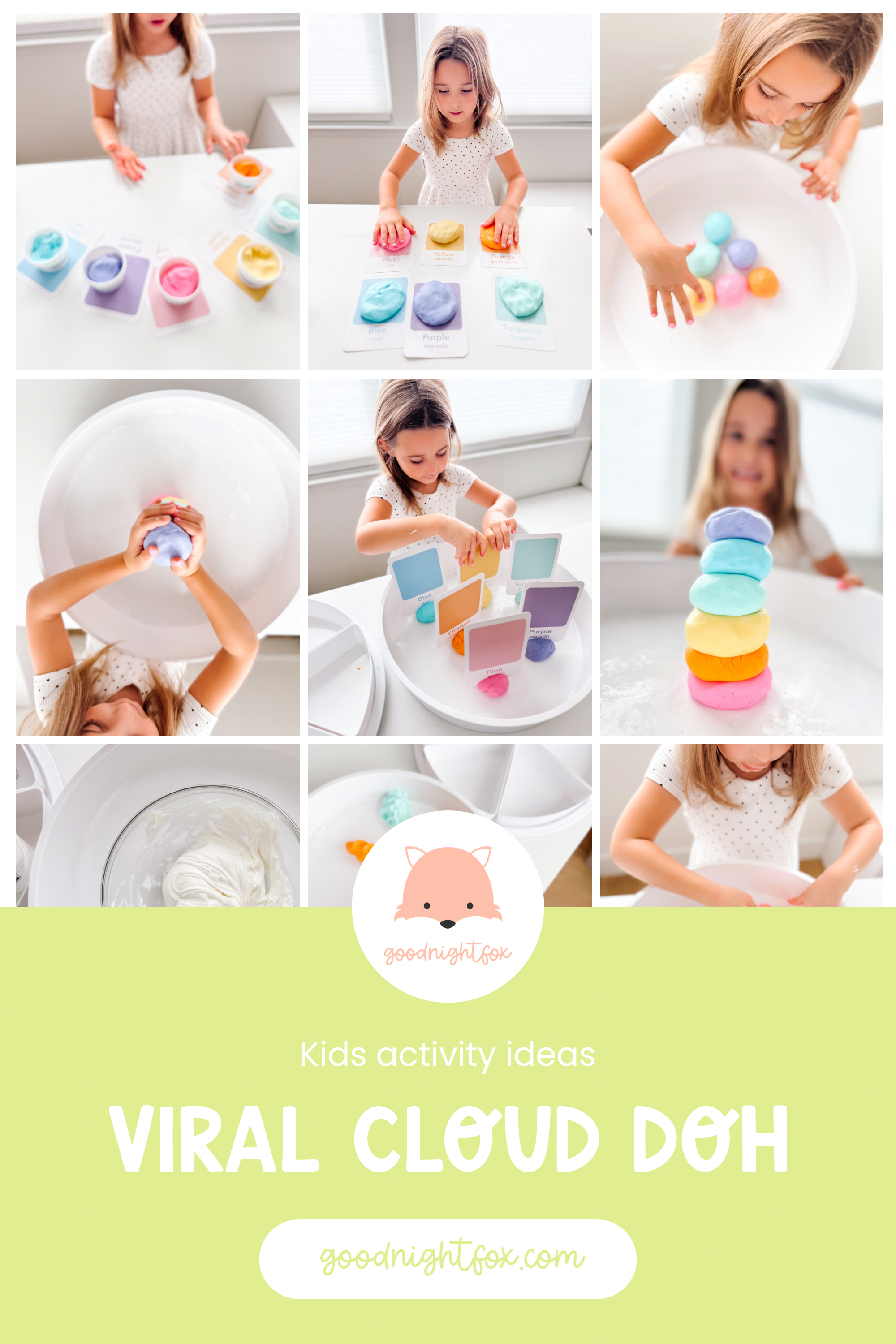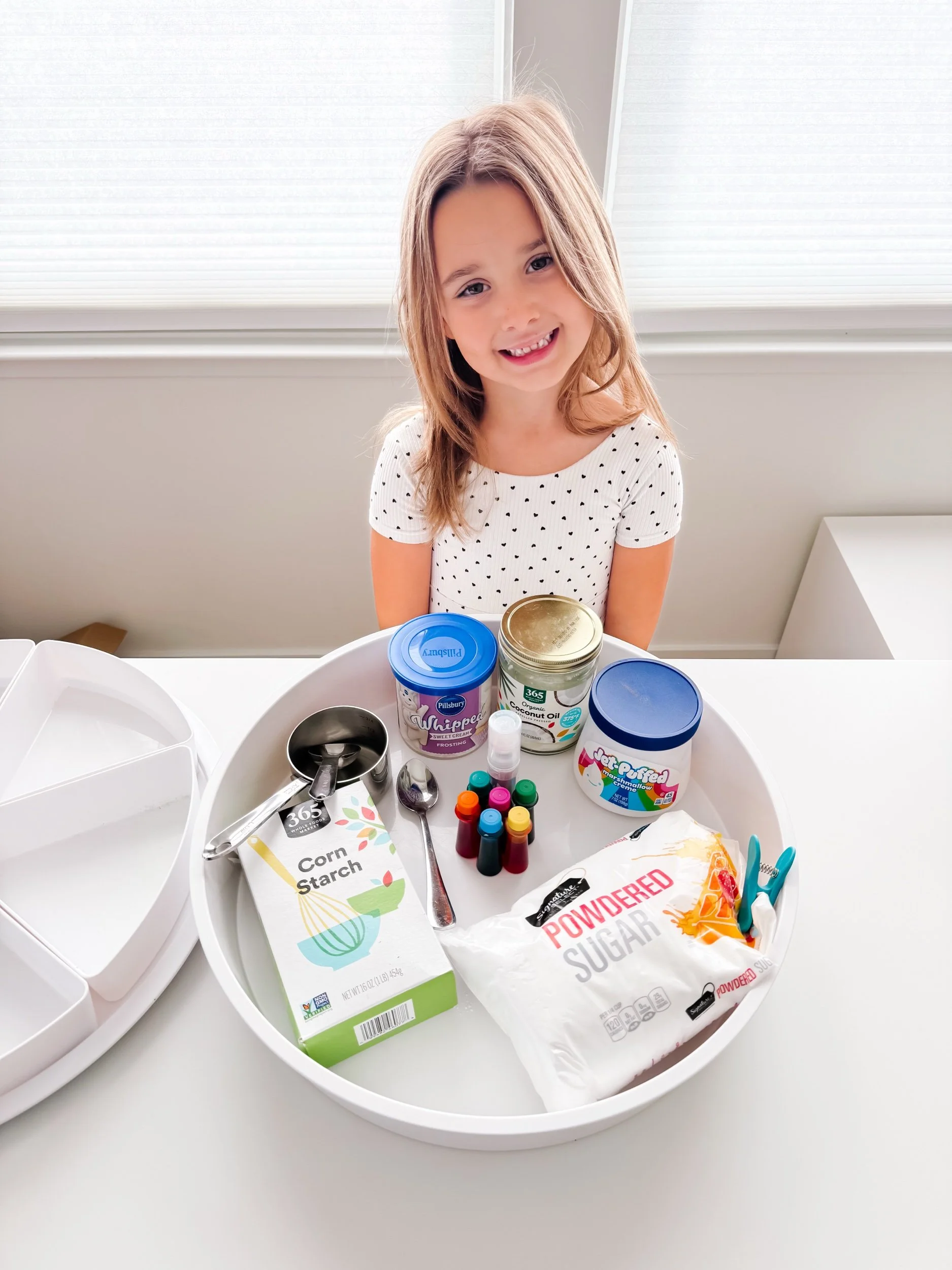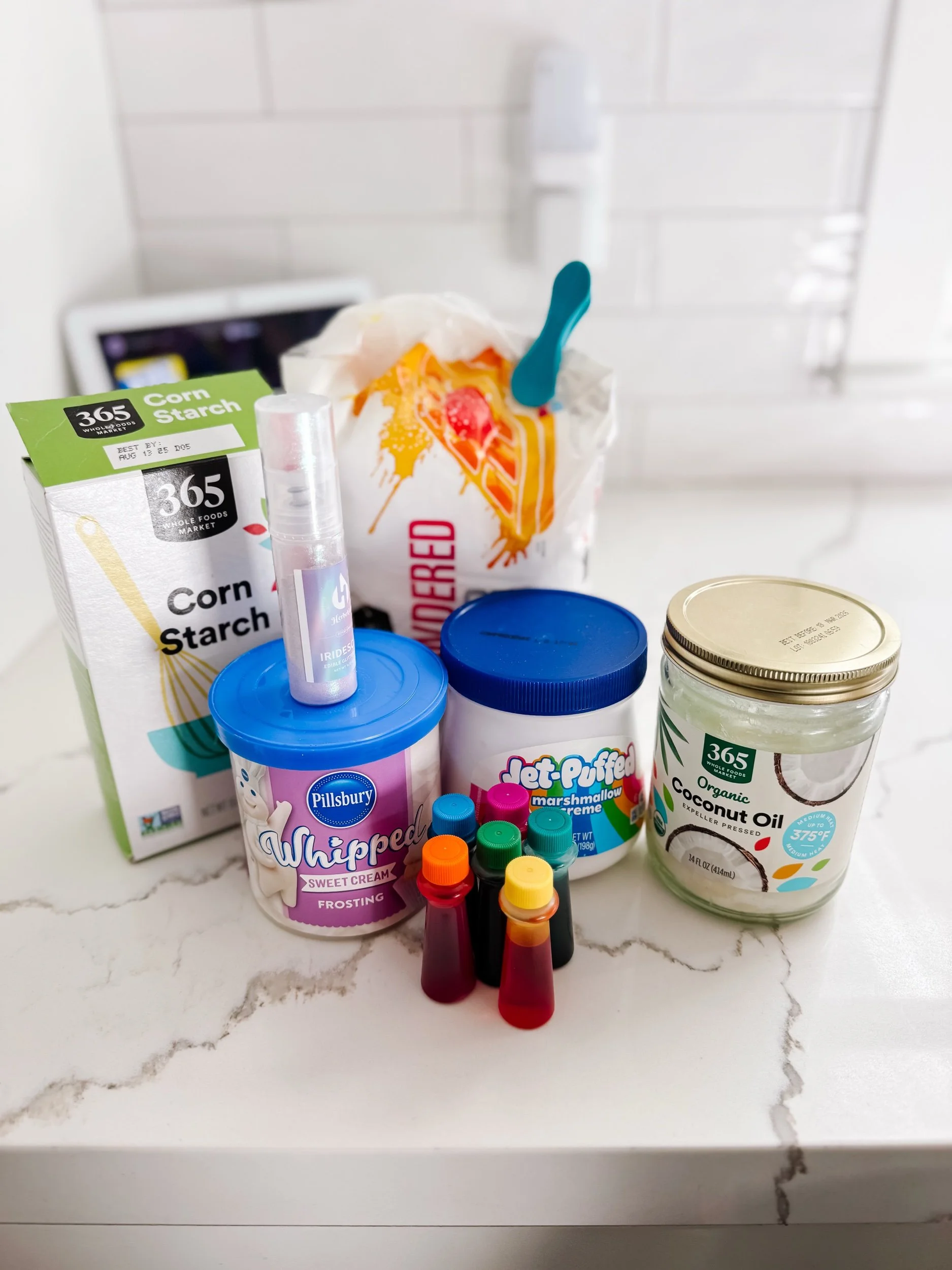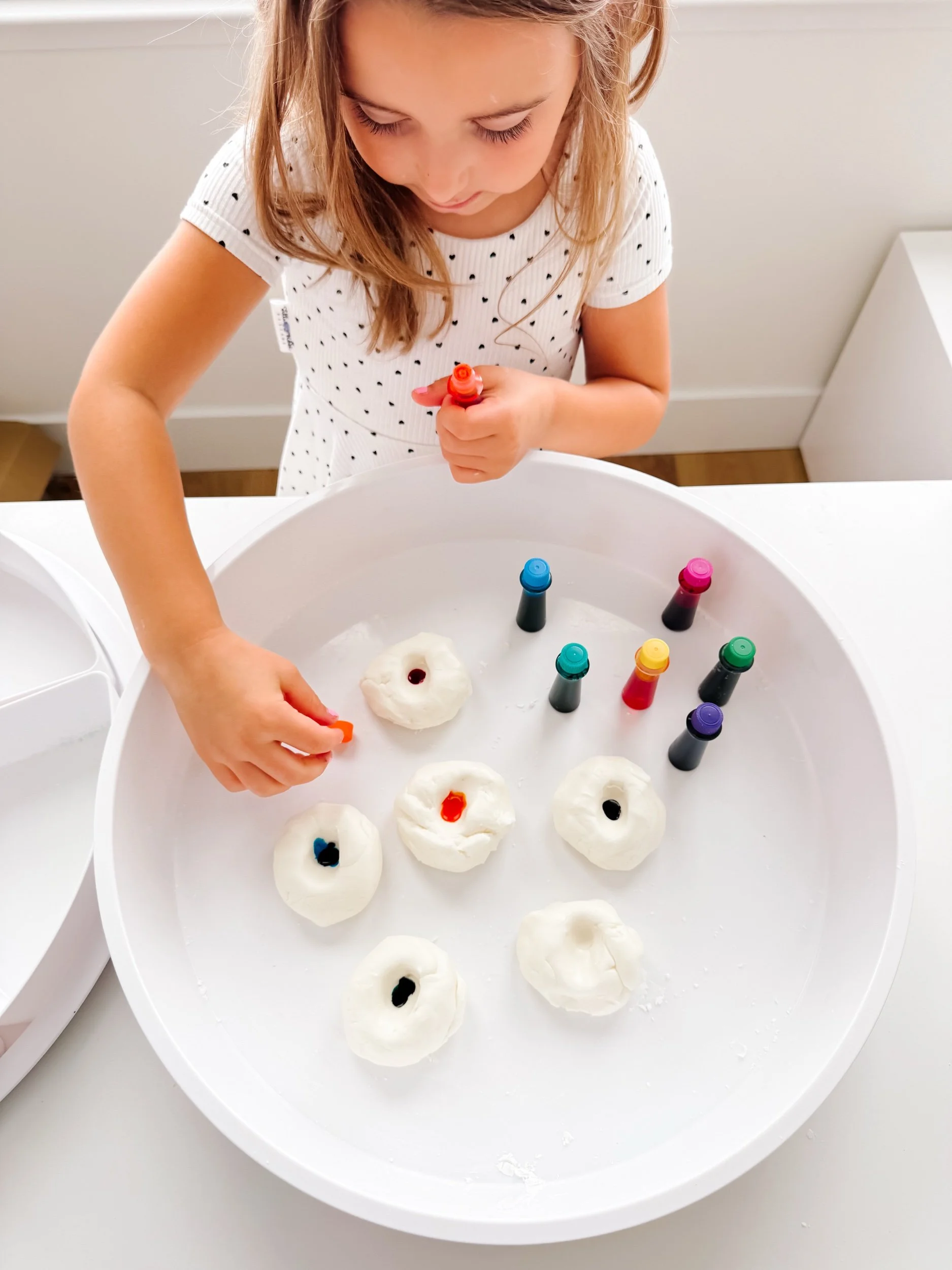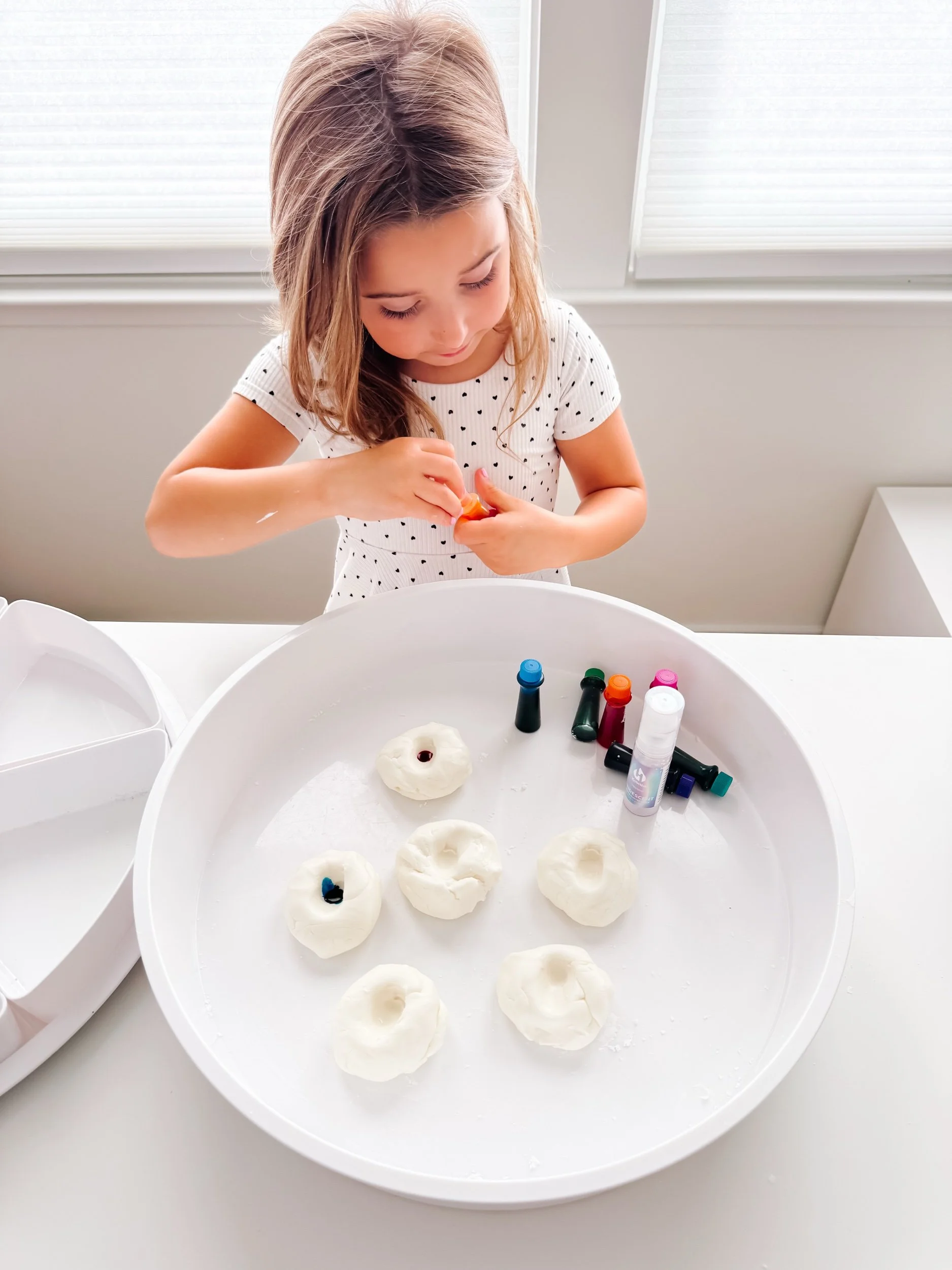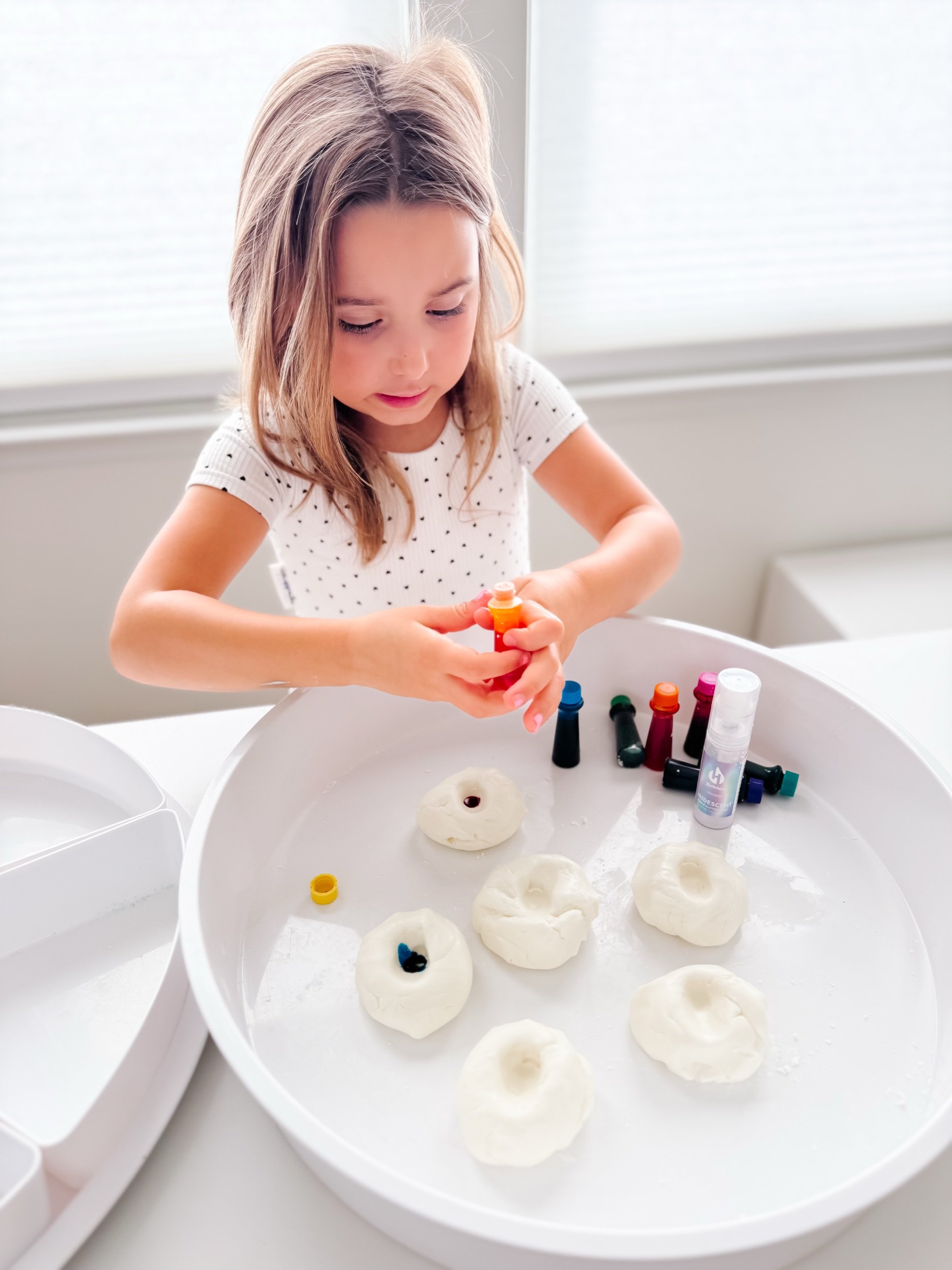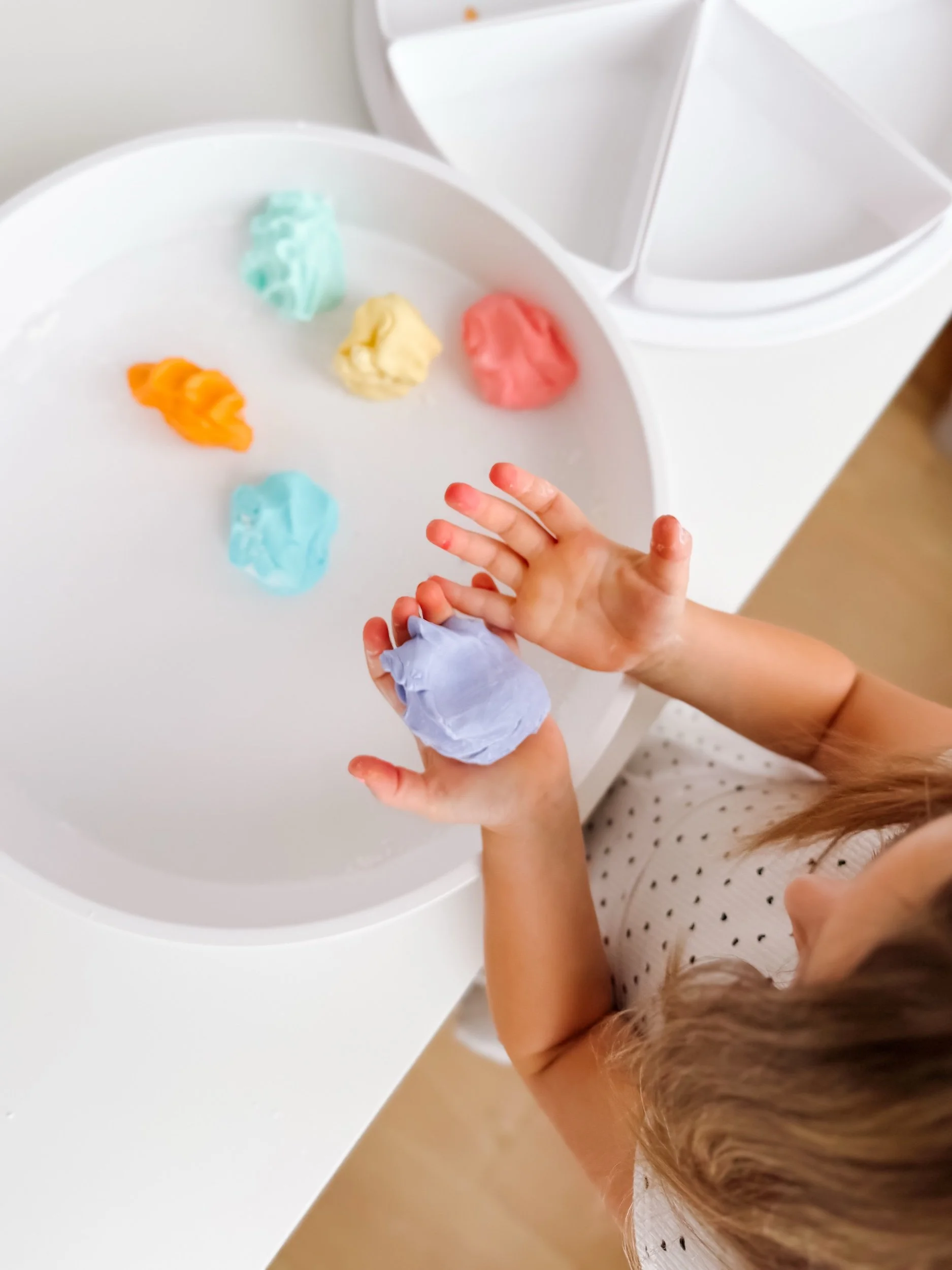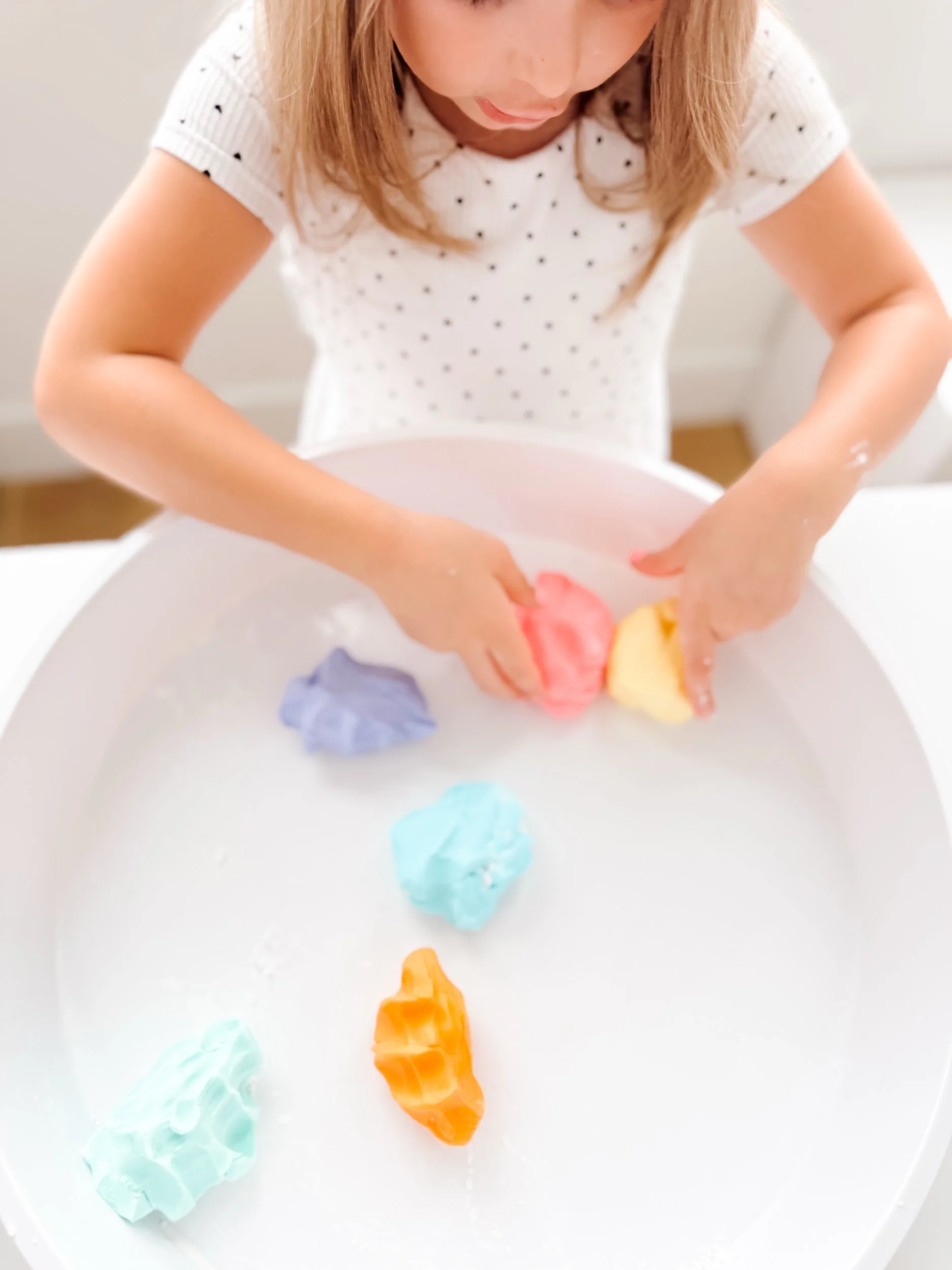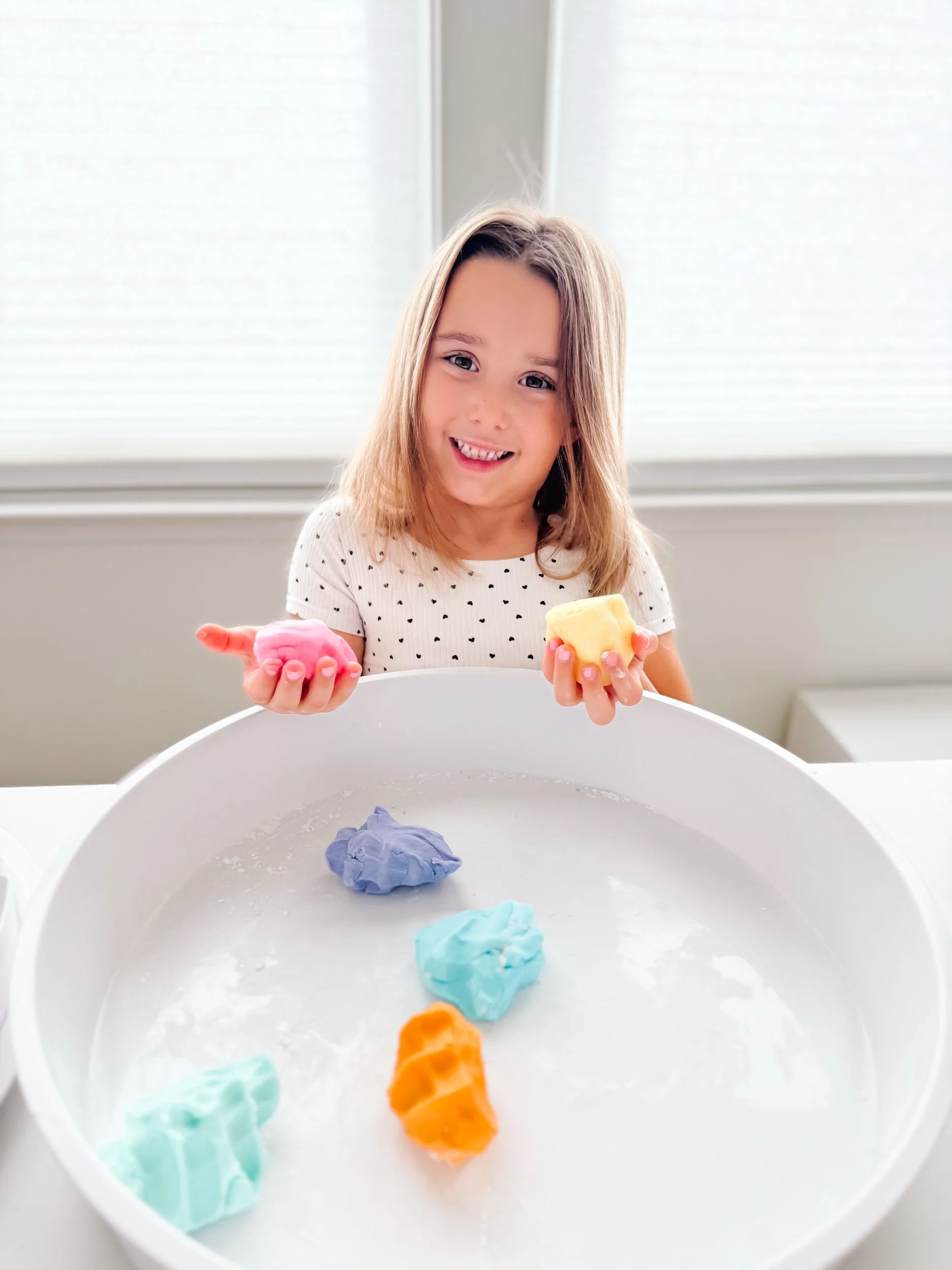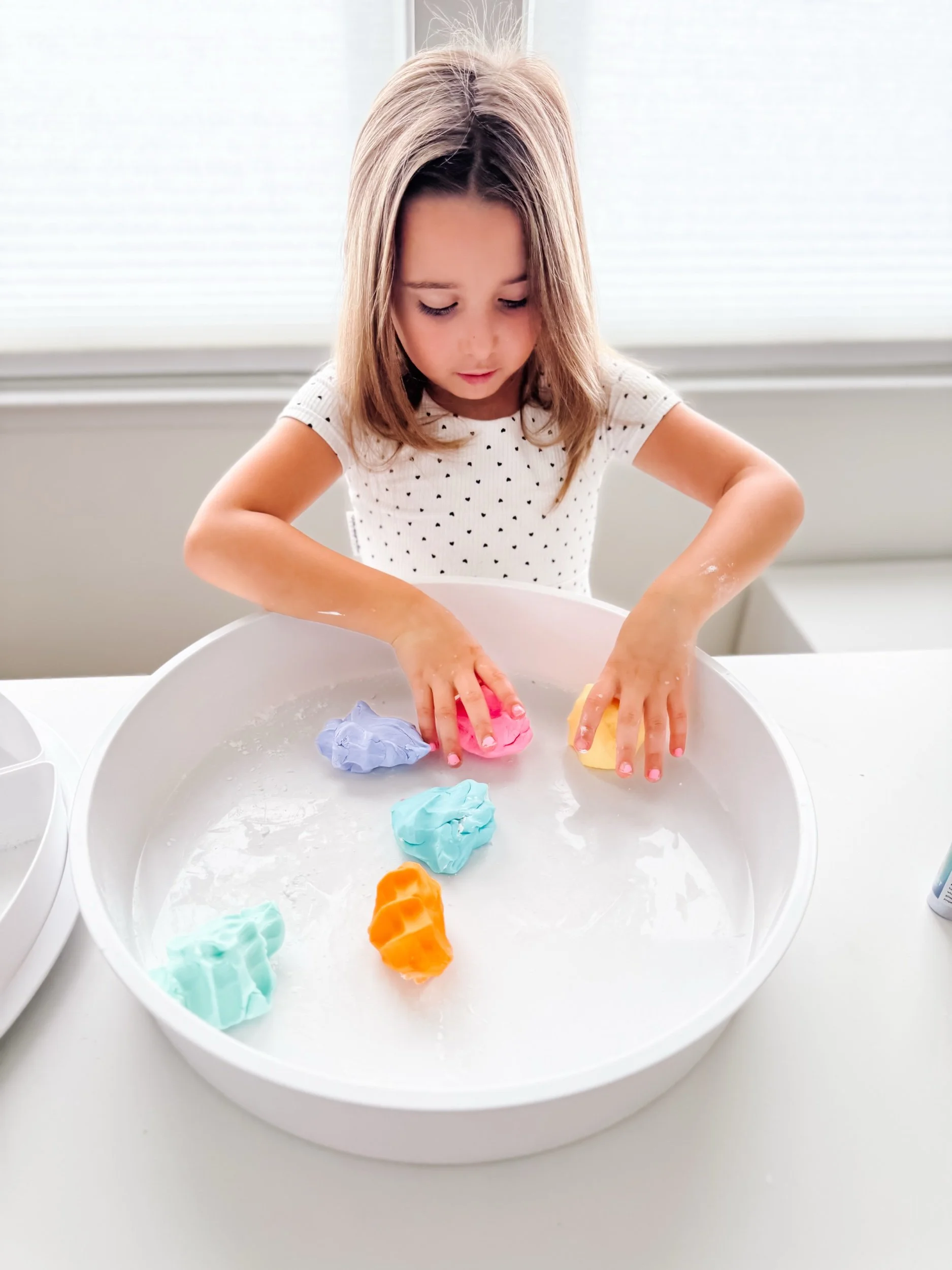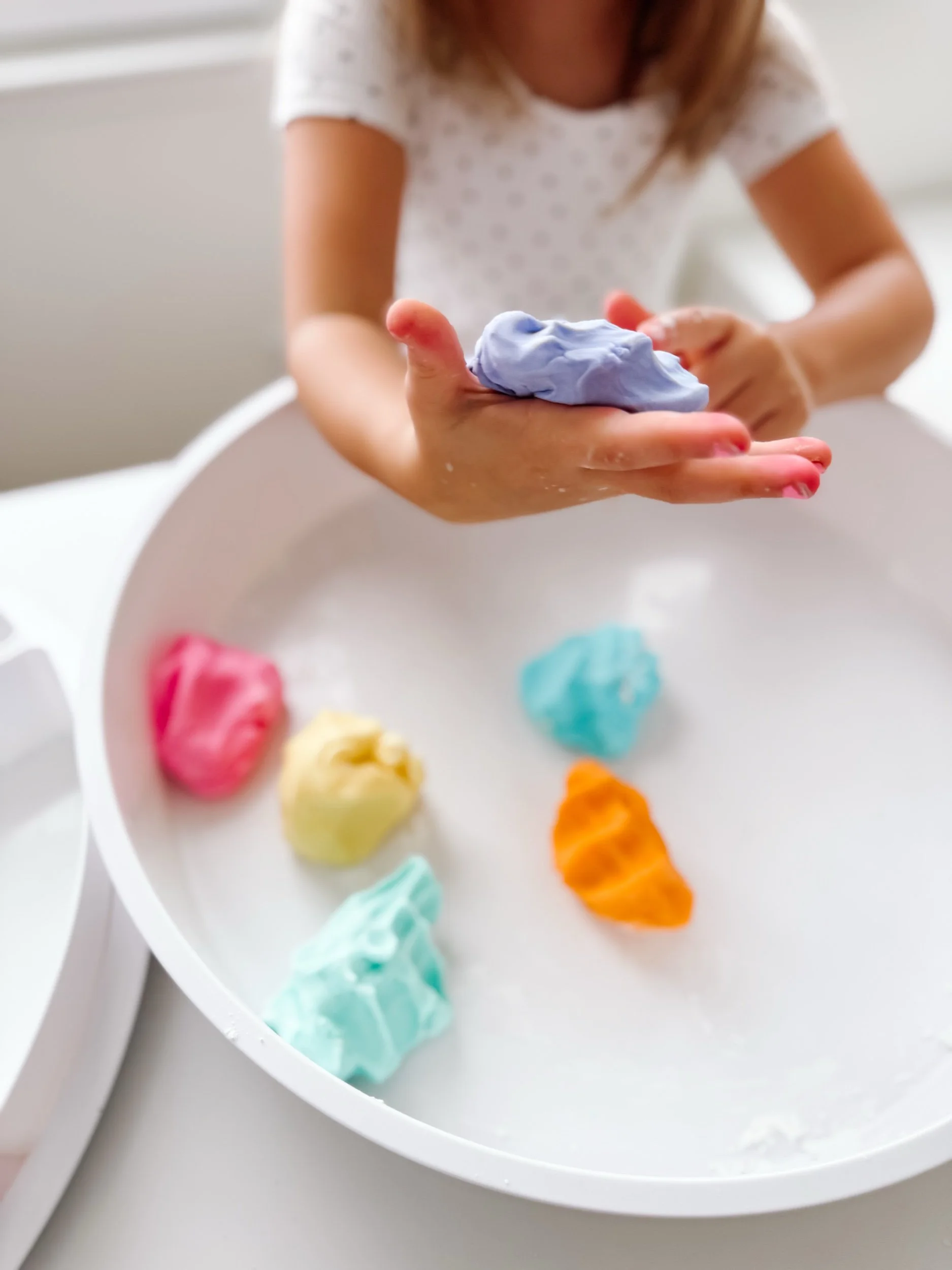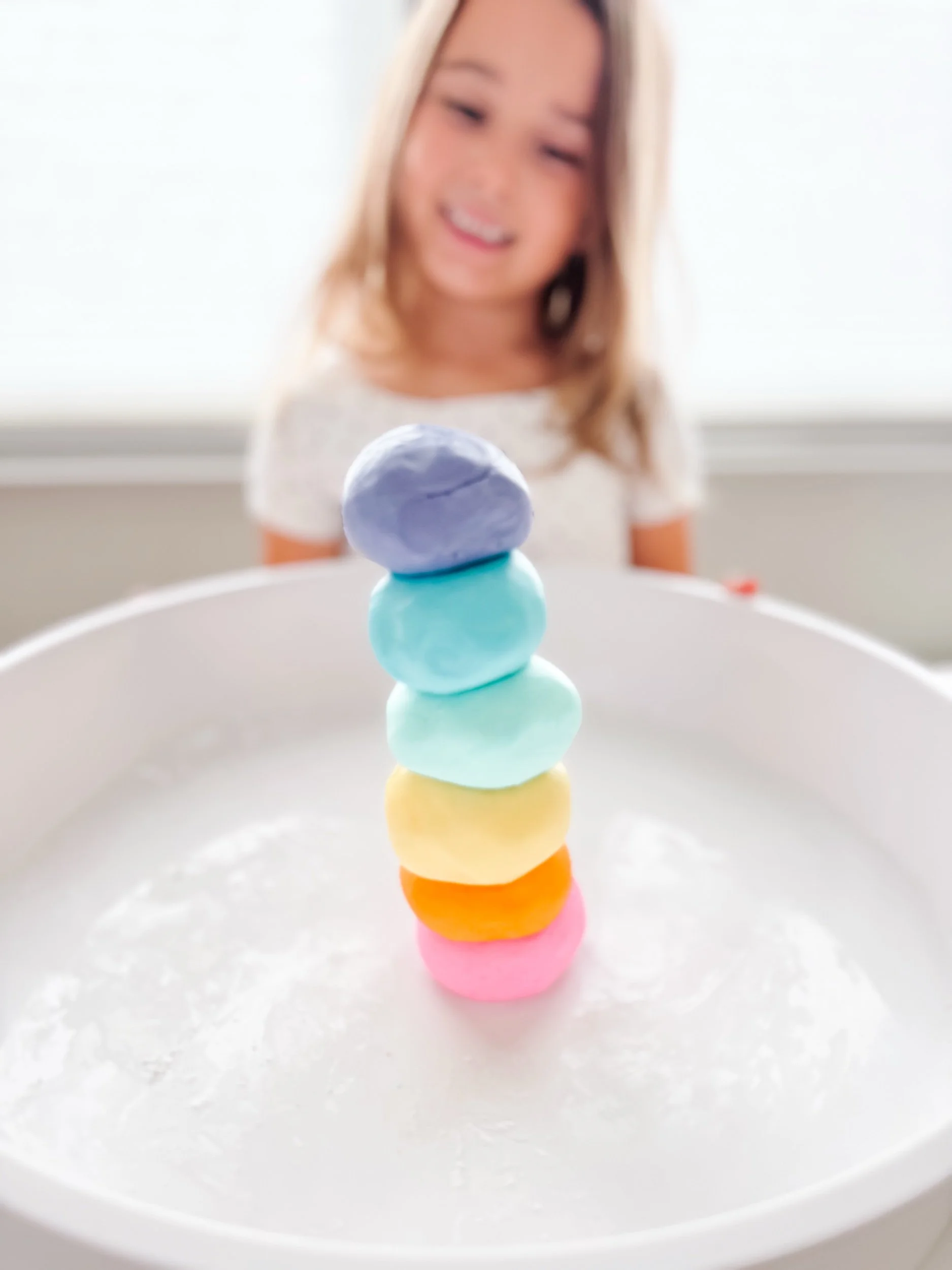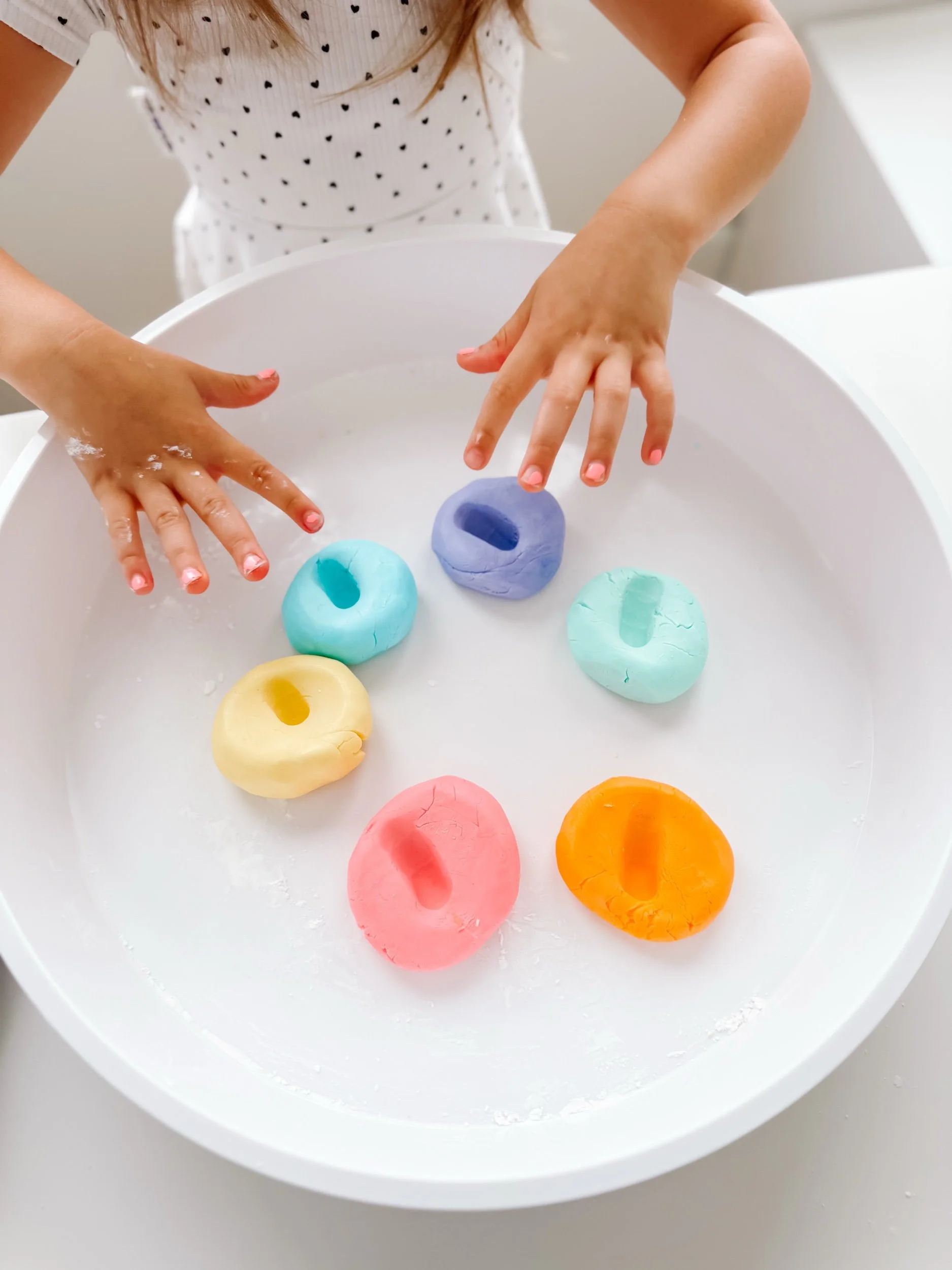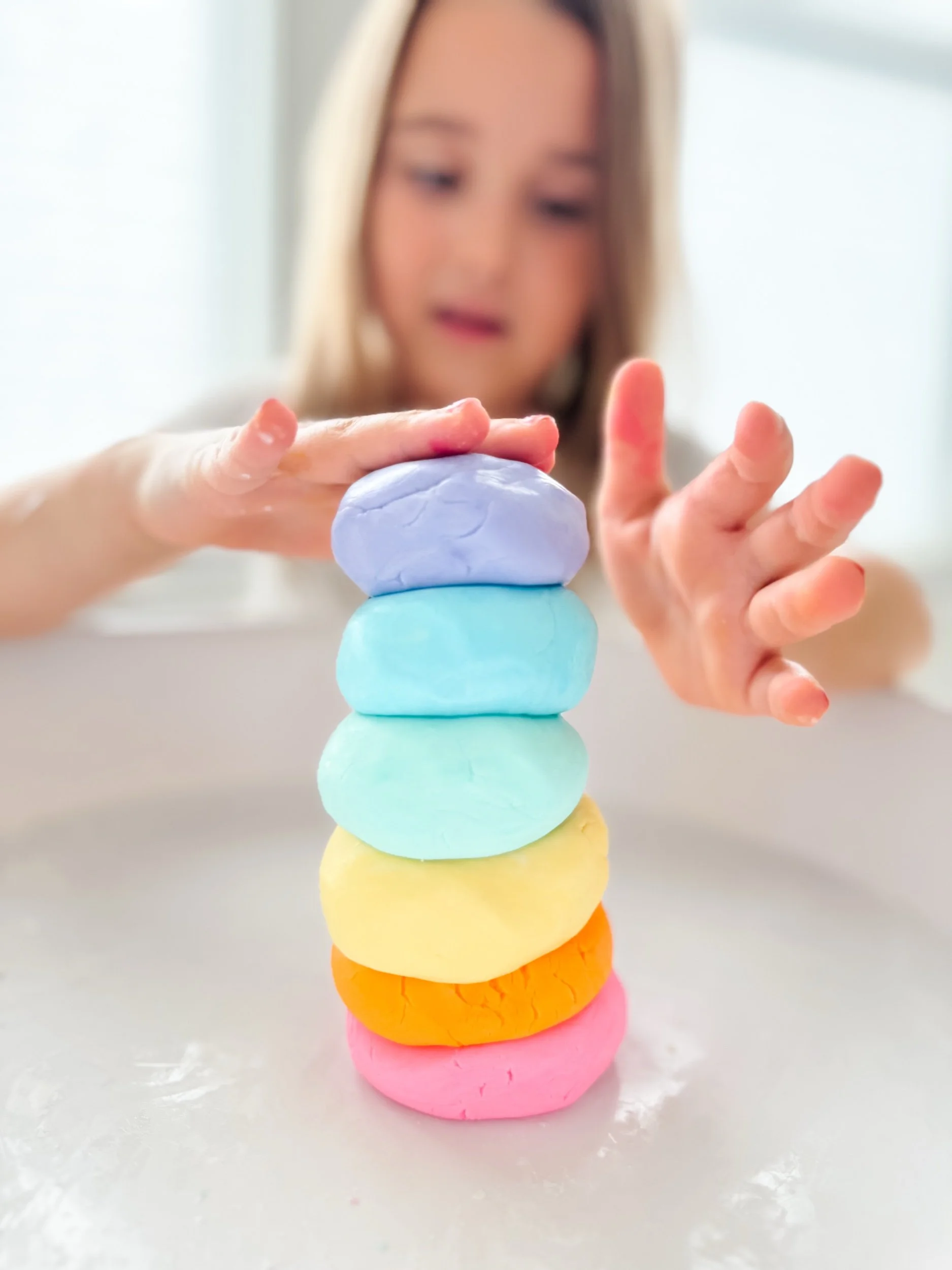
Play is not just entertainment — it is how young children learn best. From tummy time to school readiness, sensory play builds the foundation for language, motor skills, creativity, and confidence.
If you’ve ever wondered what toddlers should be learning and how to support it through play, this guide walks you through exactly what to focus on at every stage.
Save this guide and come back to it often — because every stage builds on the last.
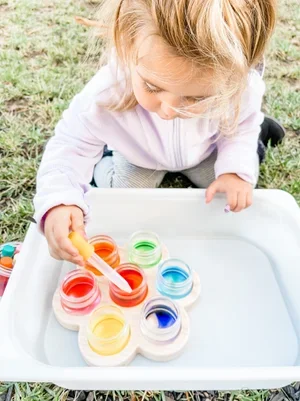
Why Play-Based Learning Works
Children learn through:
exploring
touching
moving
experimenting
pretending
Play activates multiple areas of the brain at once, making it one of the most powerful forms of early childhood education.
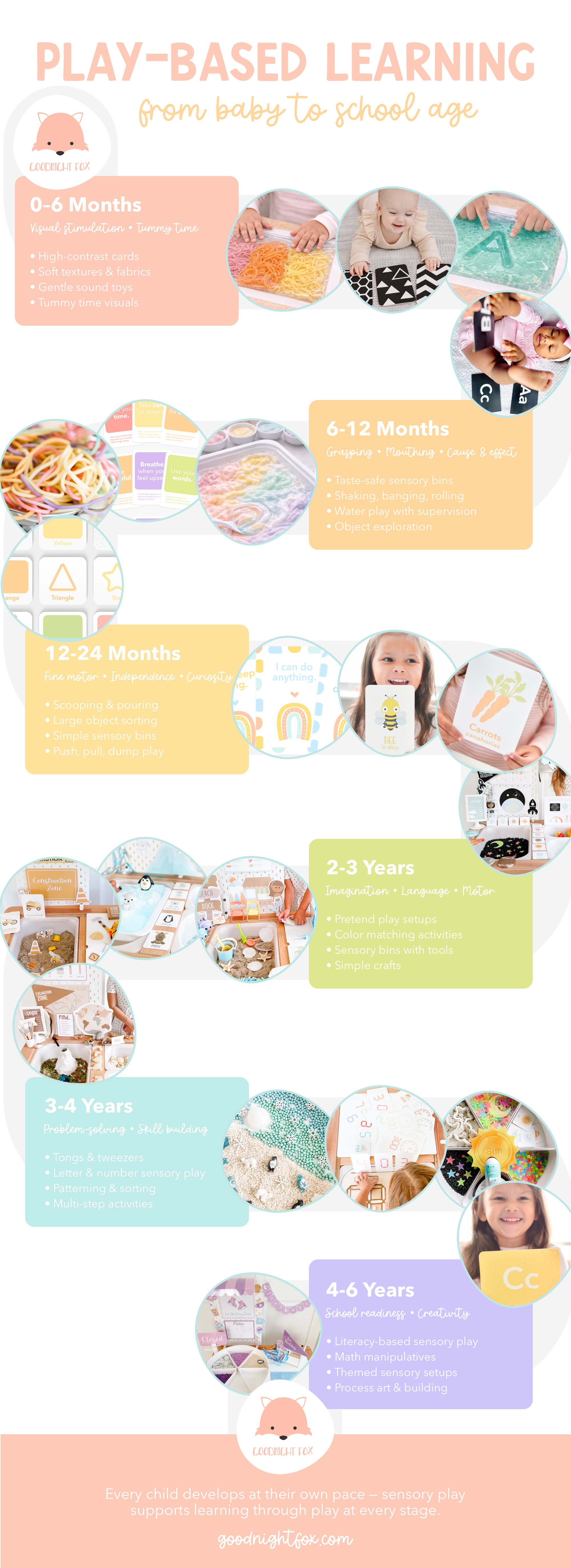
This roadmap shows how sensory play ideas for toddlers evolve as children grow from babyhood to school age.
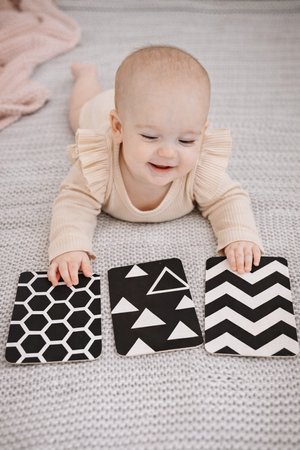
0–6 Months
Focus: Visual stimulation • Tummy time
During the first months of life, babies are learning to:
focus their eyes
track movement
strengthen neck and core muscles
explore textures and sounds
Best Activities
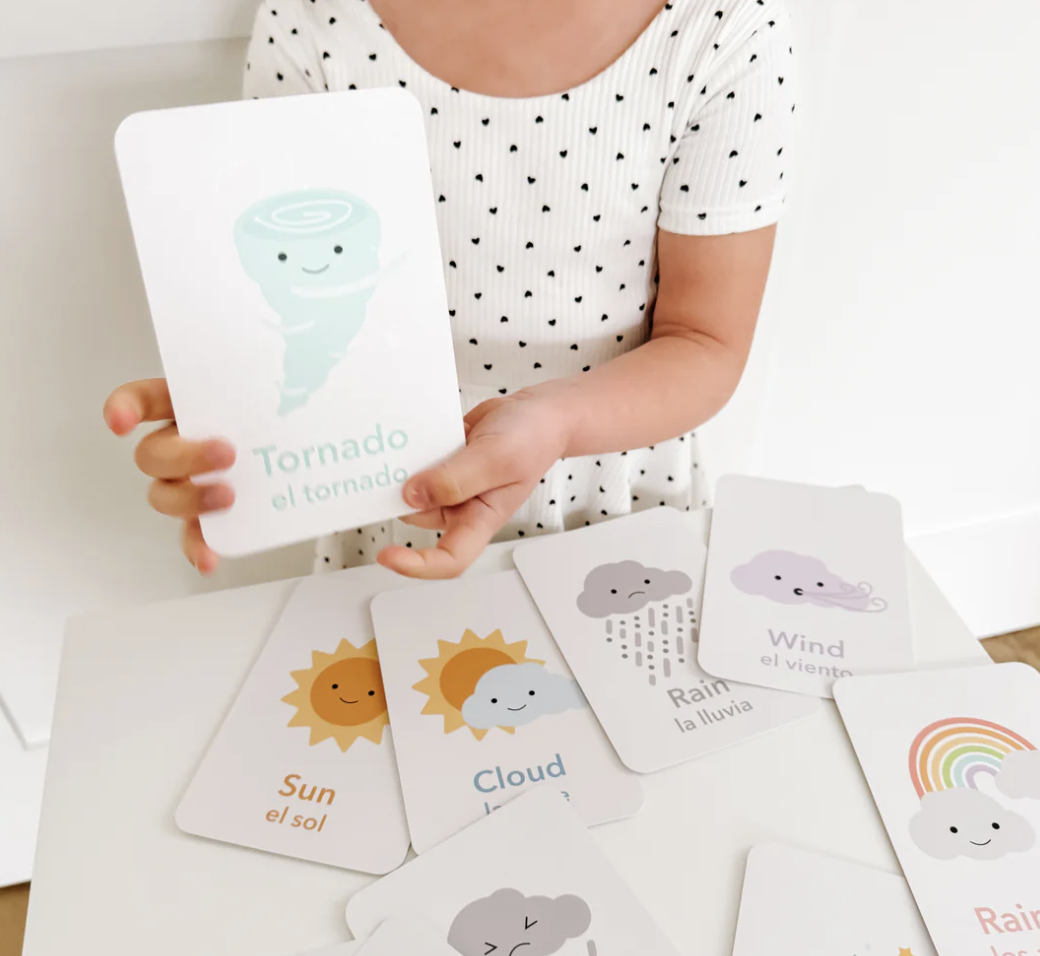
High-contrast cards
Soft textures and fabrics
Gentle sound toys
Tummy-time visuals
These early experiences lay the groundwork for later motor skills and early learning.
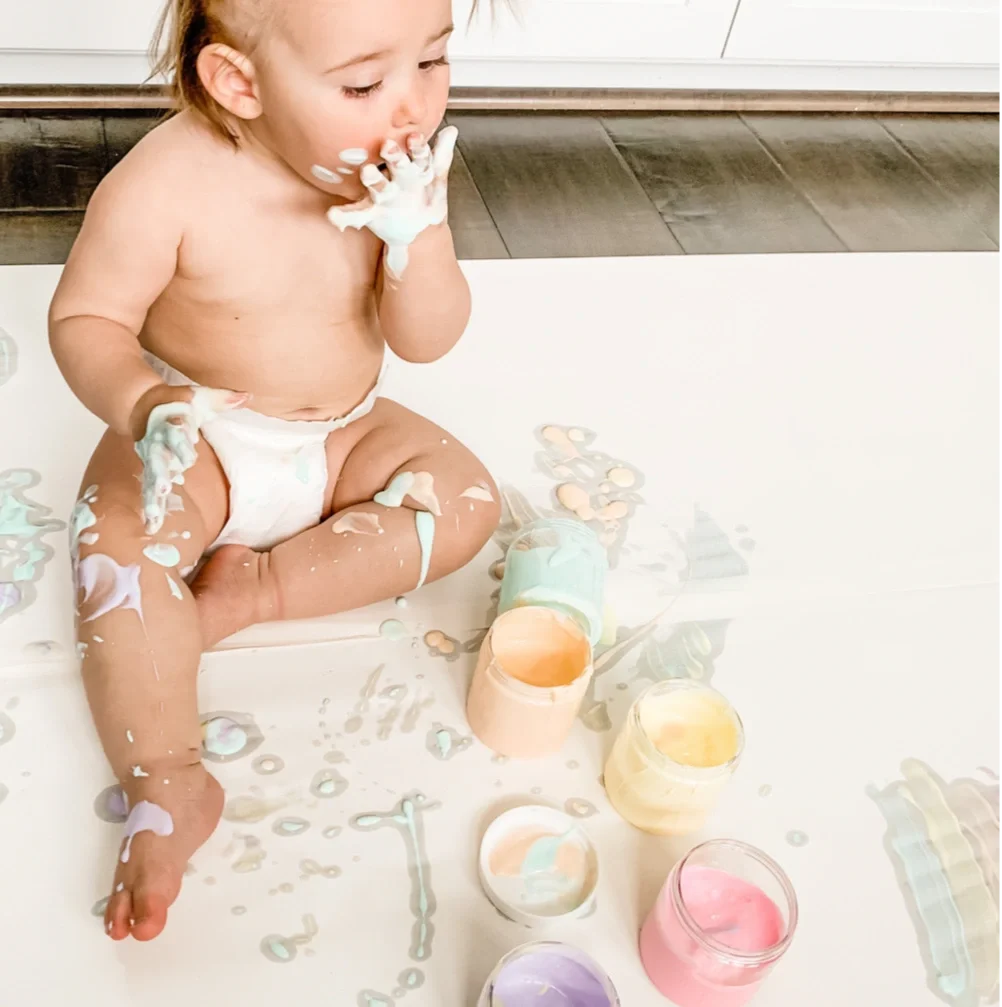
6–12 Months
Focus: Grasping • Mouthing • Cause & effect
Babies begin learning:
how their actions create reactions
how to grasp and release objects
how to explore safely with their mouths
Best Activities
Taste-safe sensory bins
Shaking, banging, rolling toys
Water sensory play with supervision
Object exploration
This stage is perfect for taste-safe sensory play and water sensory play for toddlers.
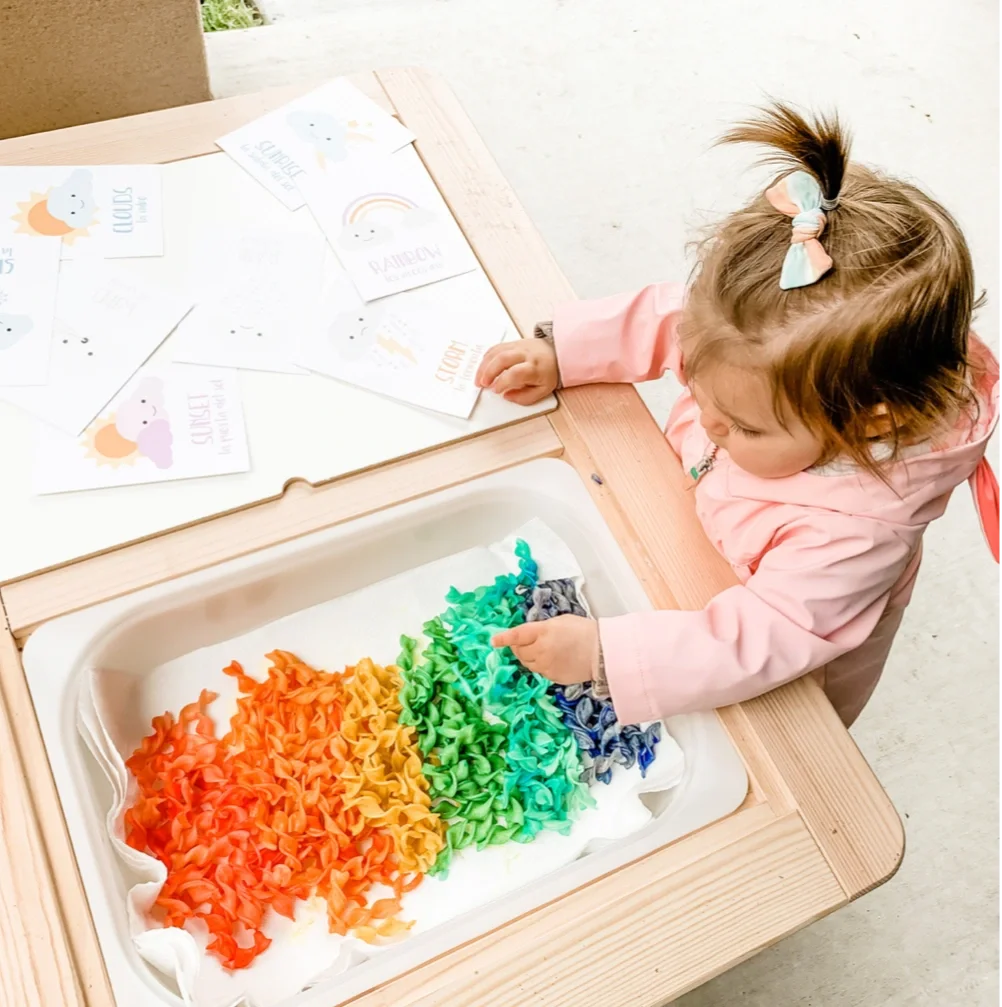
12–24 Months
Focus: Fine motor • Independence • Curiosity
Toddlers now want to do everything themselves.
They begin developing:
hand strength
coordination
early problem solving
curiosity about how things work
Best Activities
Scooping and pouring
Large object sorting
Simple toddler sensory bin ideas
Push, pull, and dump play
This is the stage where easy sensory play setups become a daily lifesaver.
2–3 Years
Focus: Imagination • Language • Motor skills
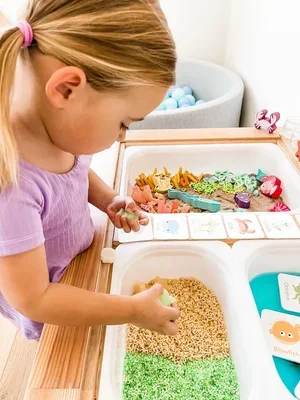
Pretend play explodes at this stage.
Children begin:
storytelling
role playing
color matching
simple crafts
Best Activities
Pretend play setups
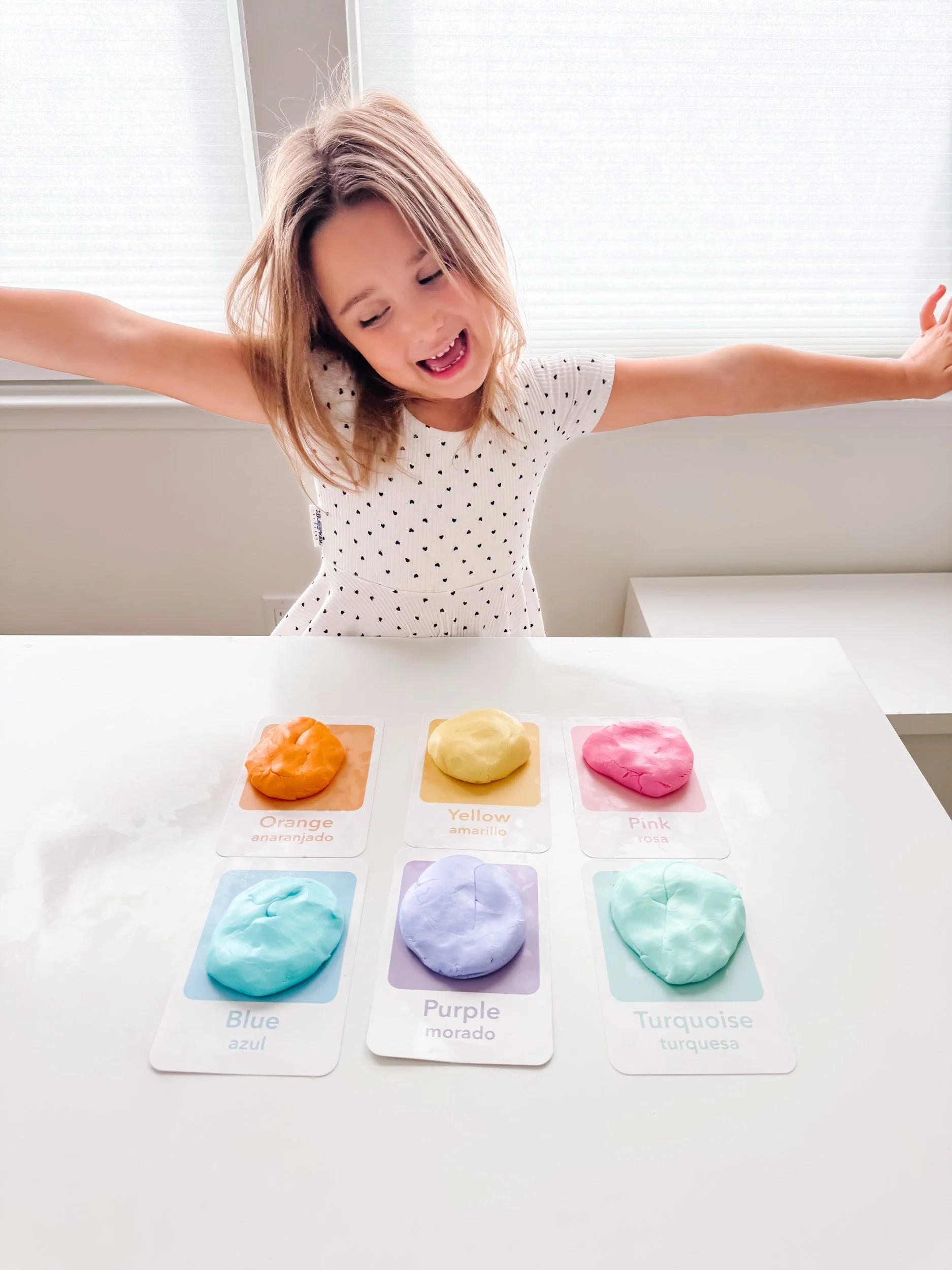
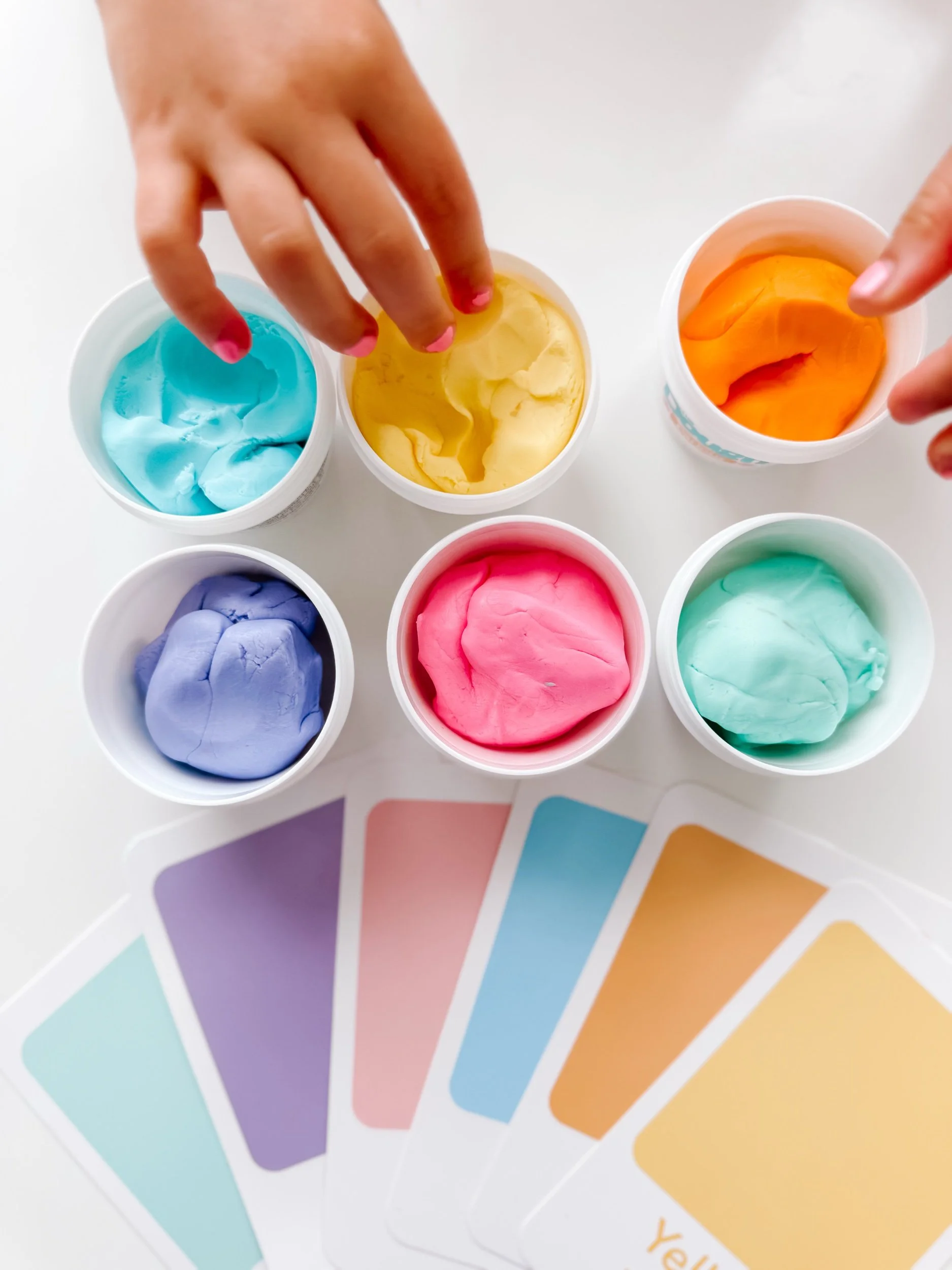
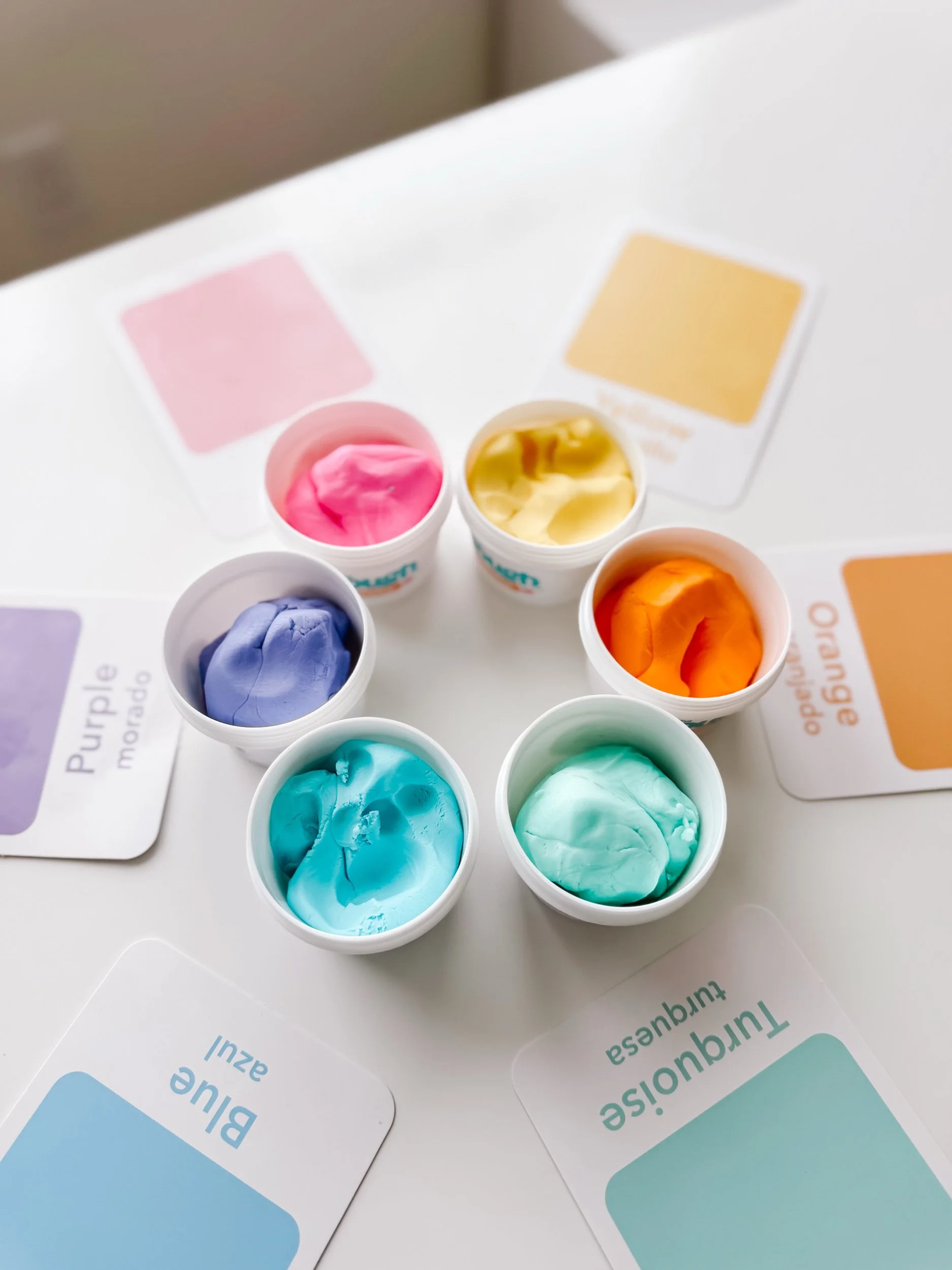
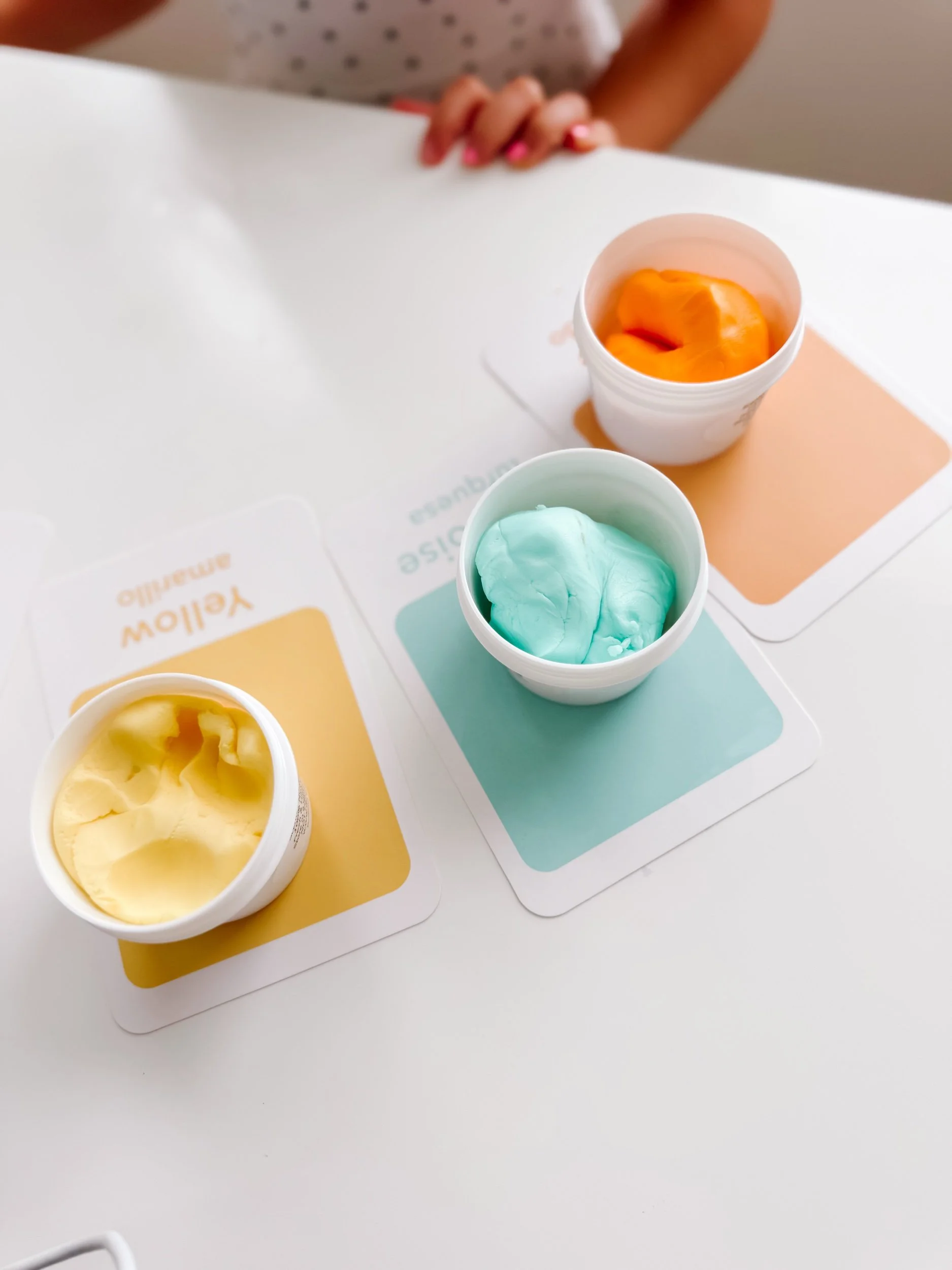
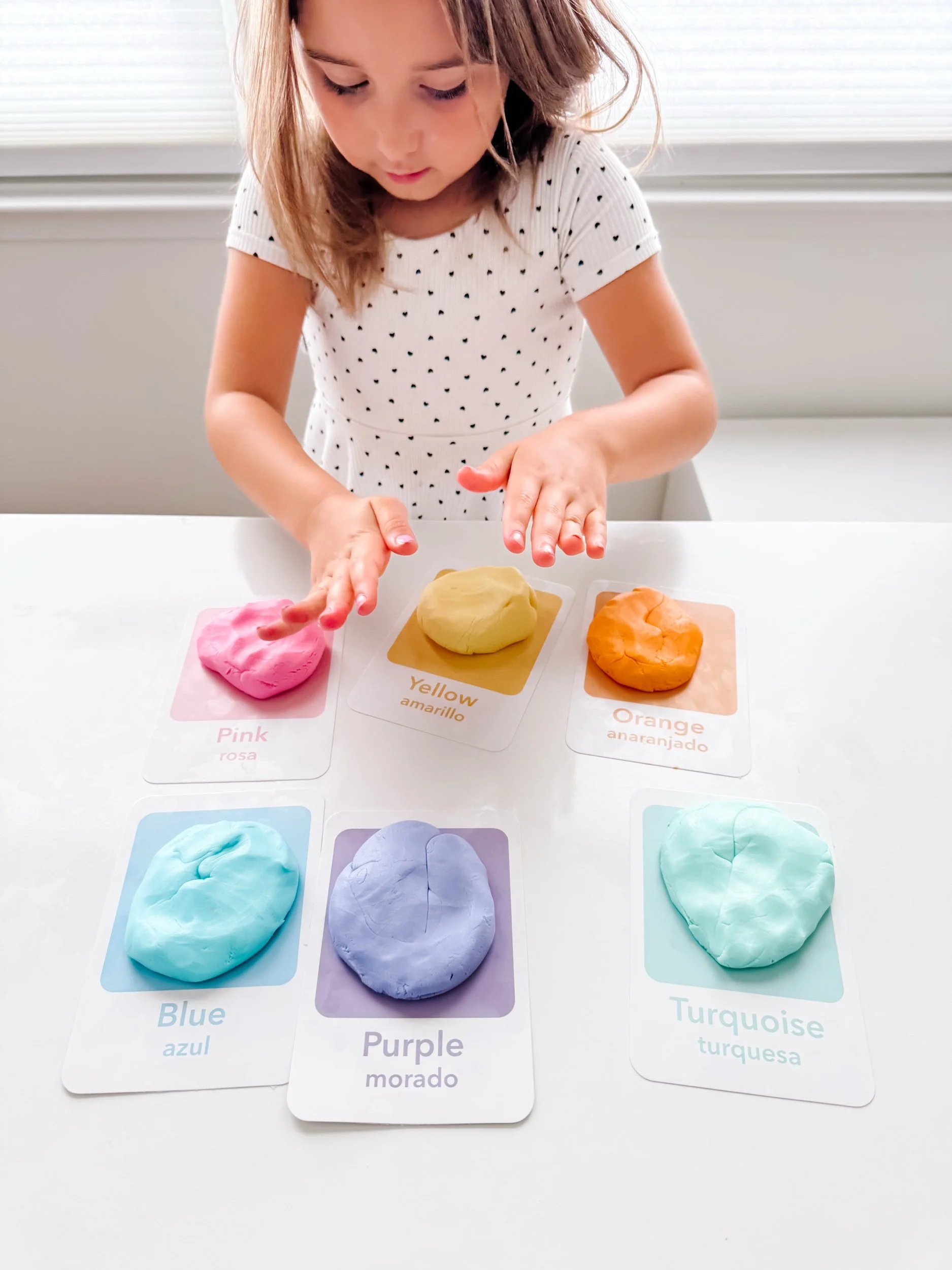
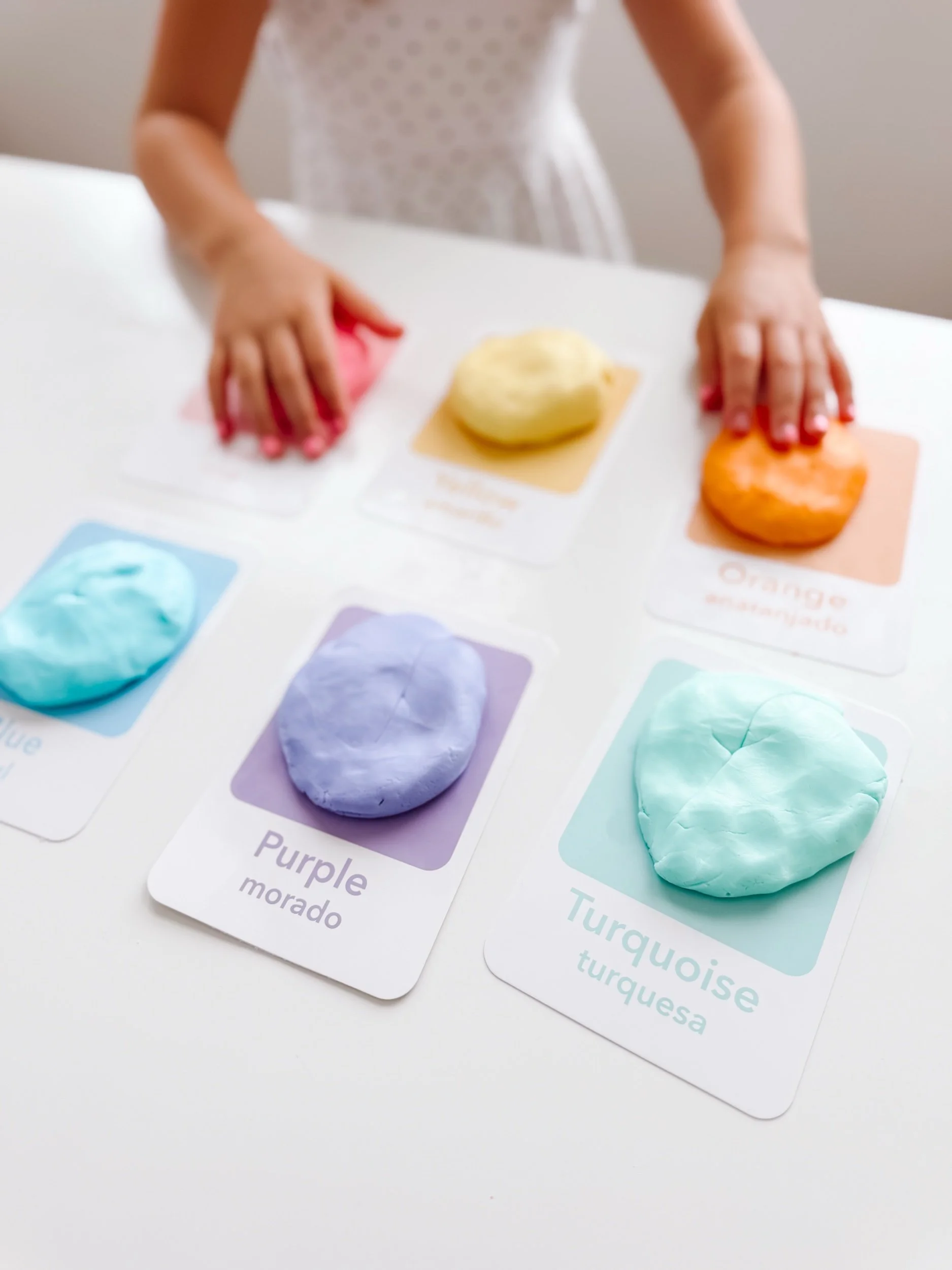
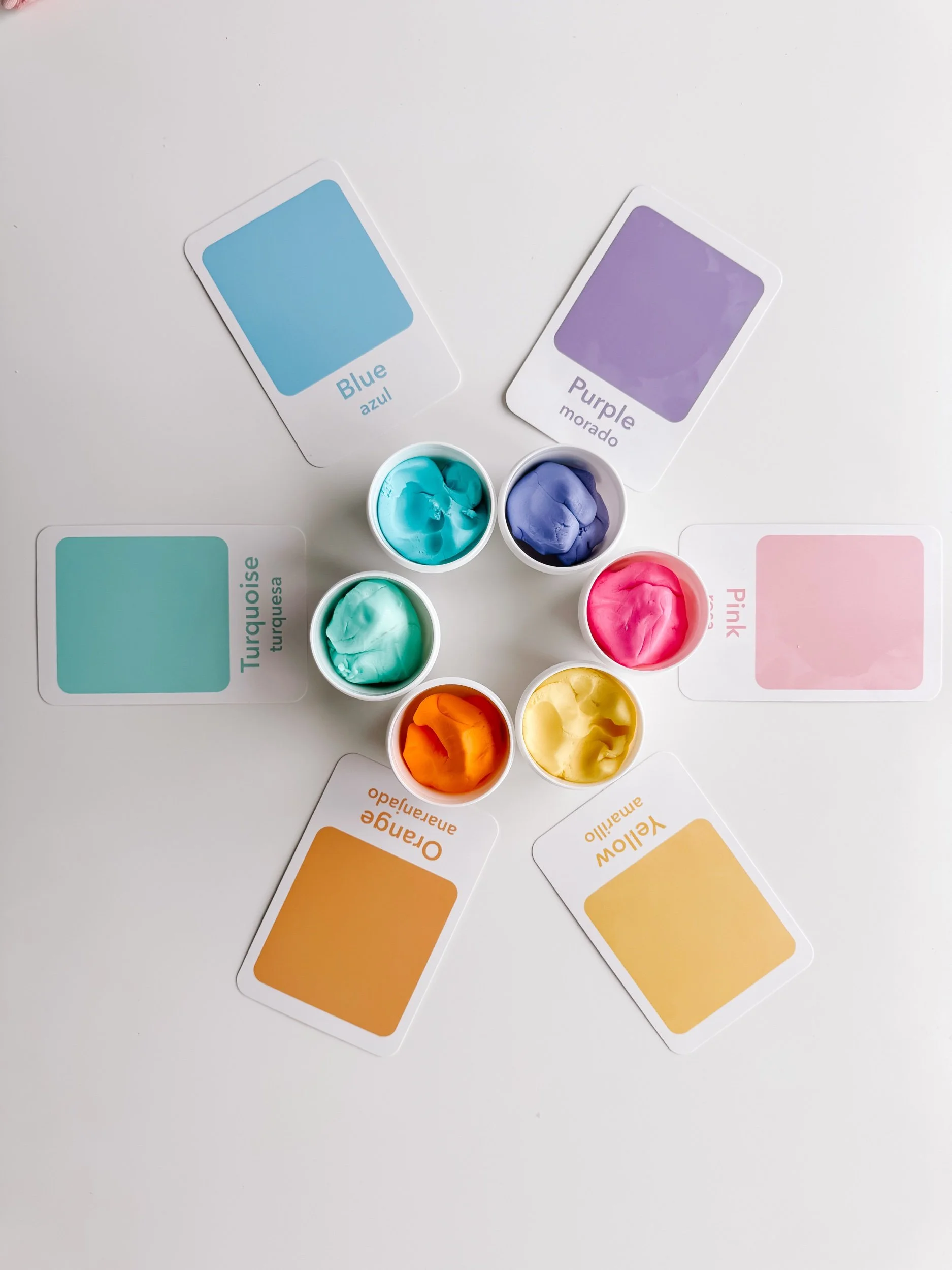
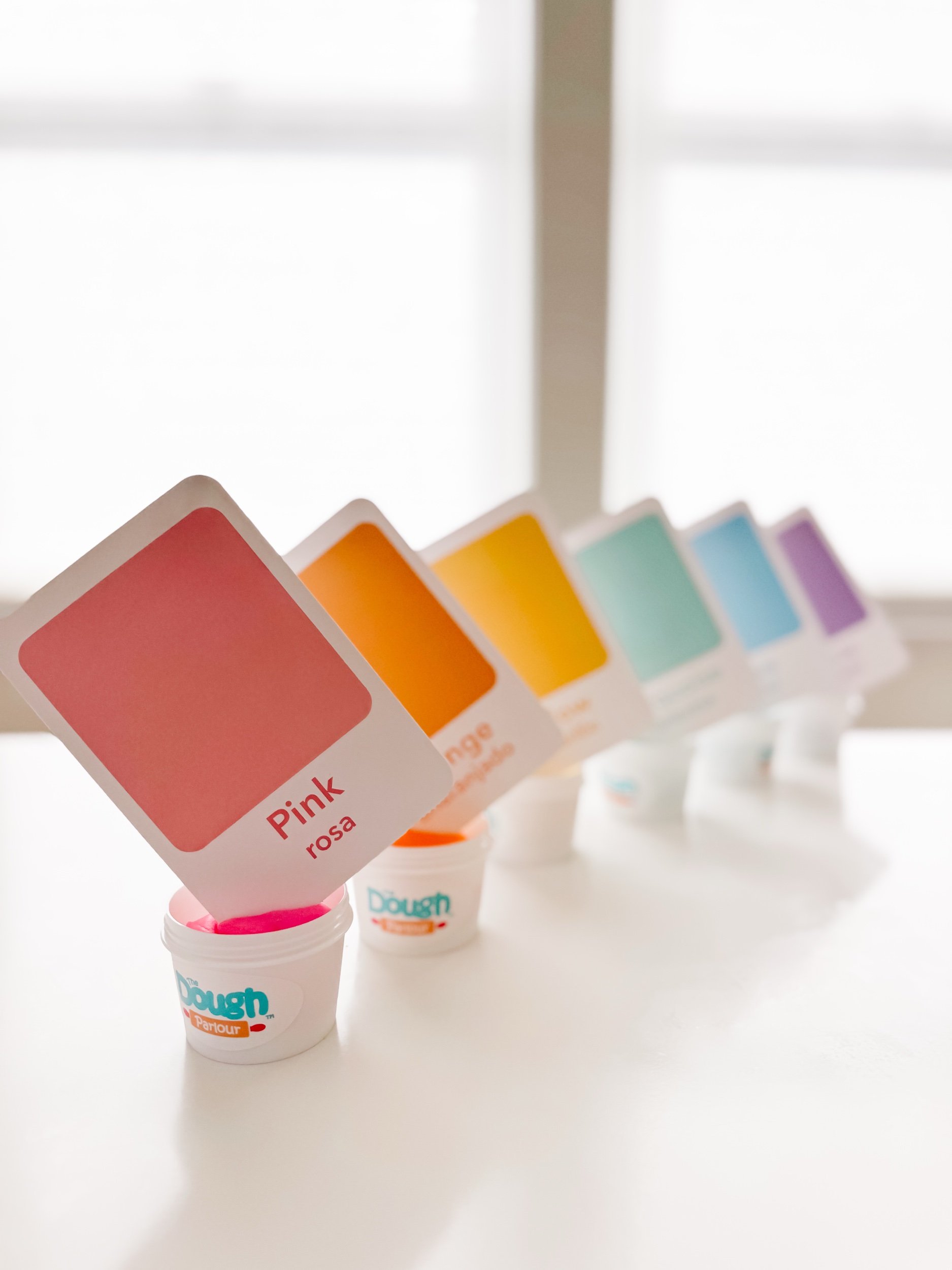
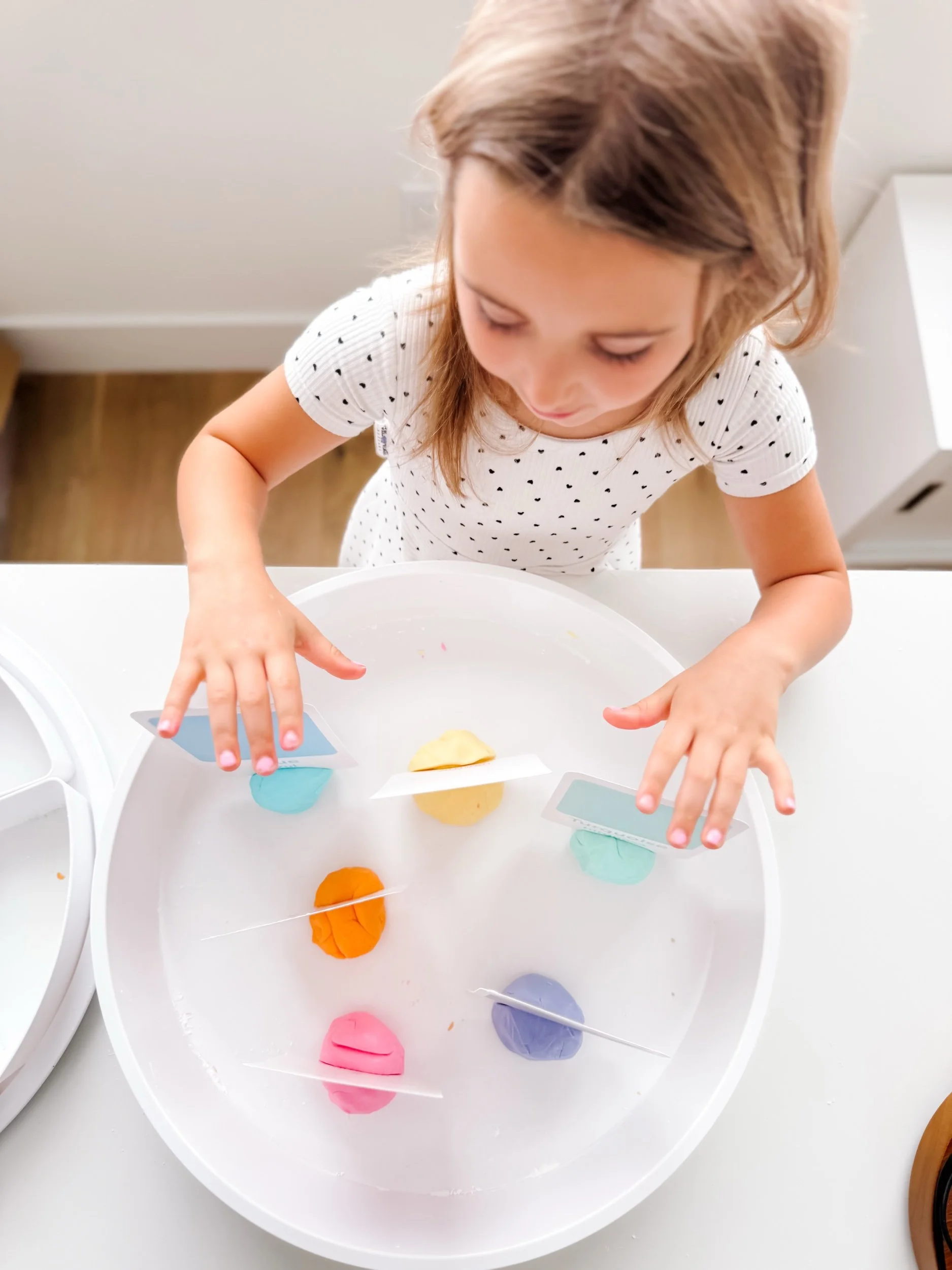
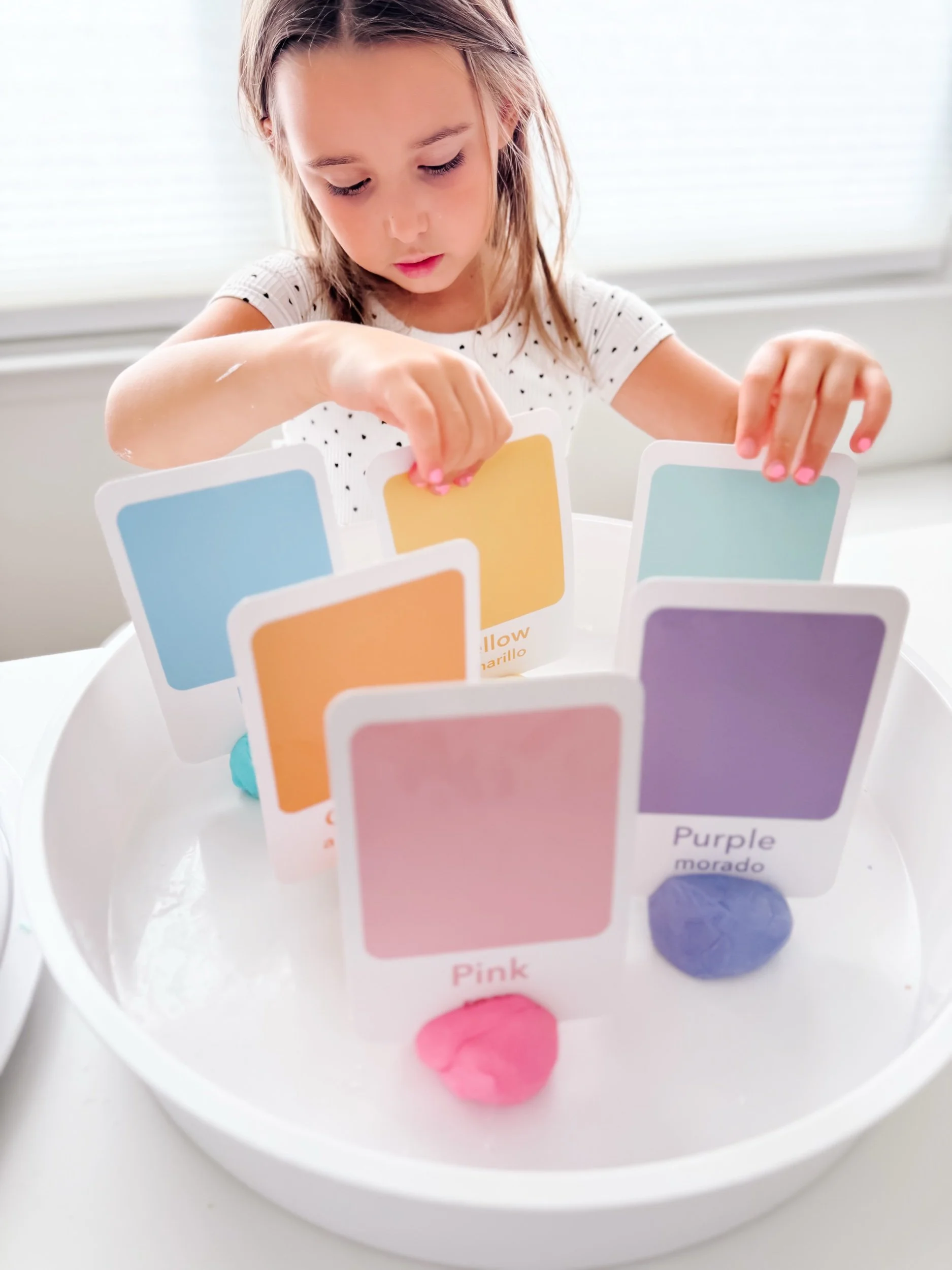
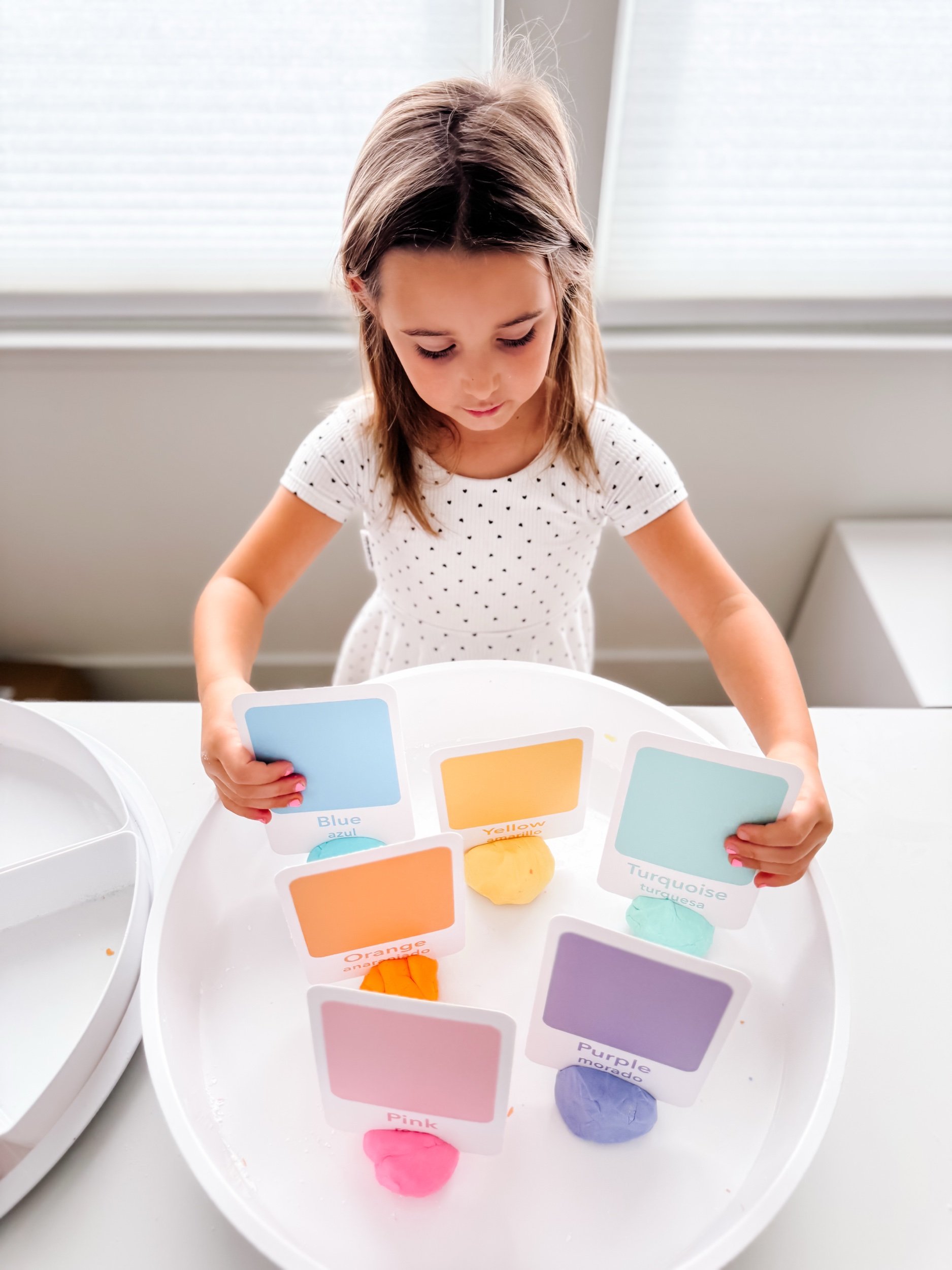
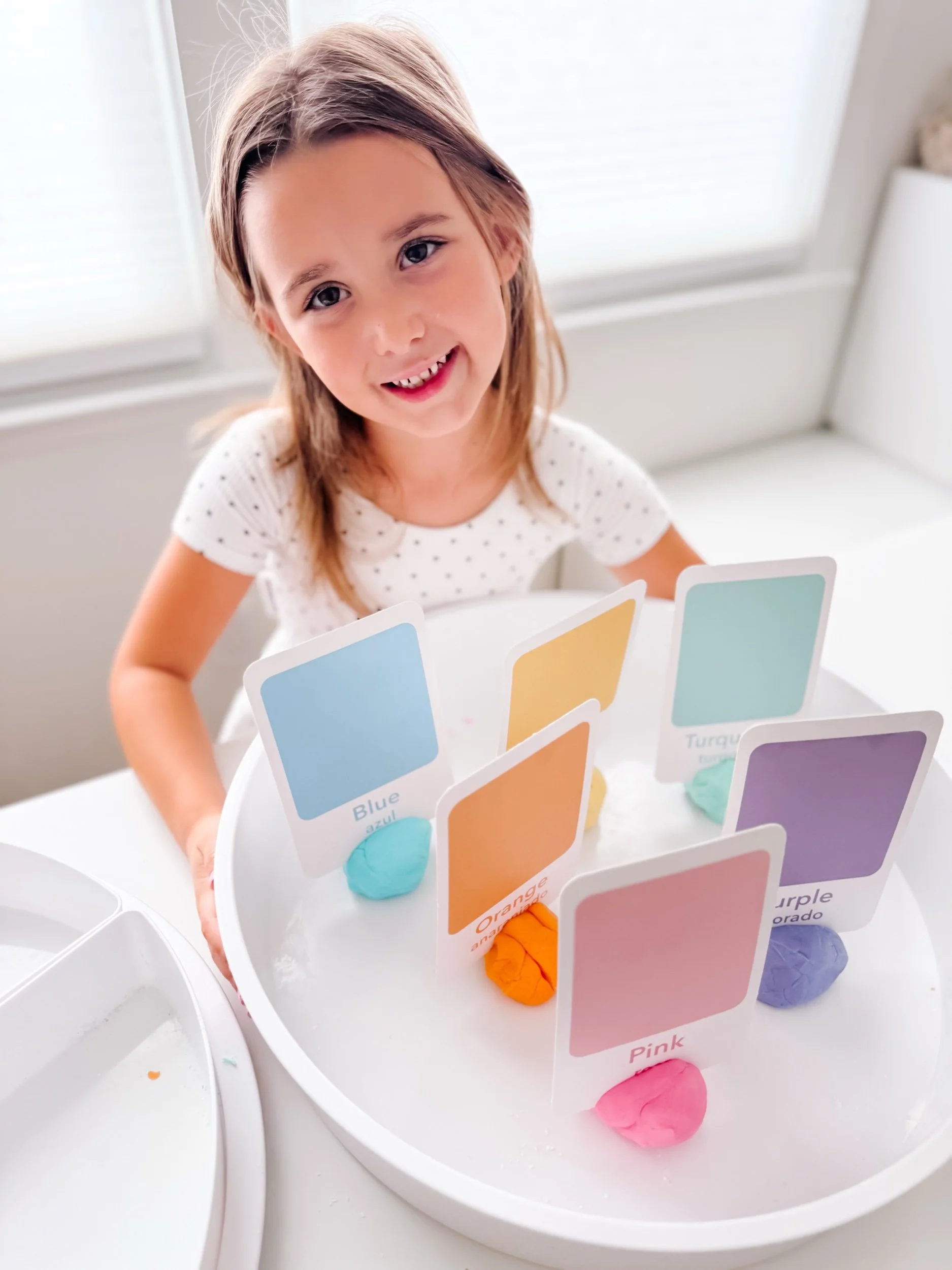
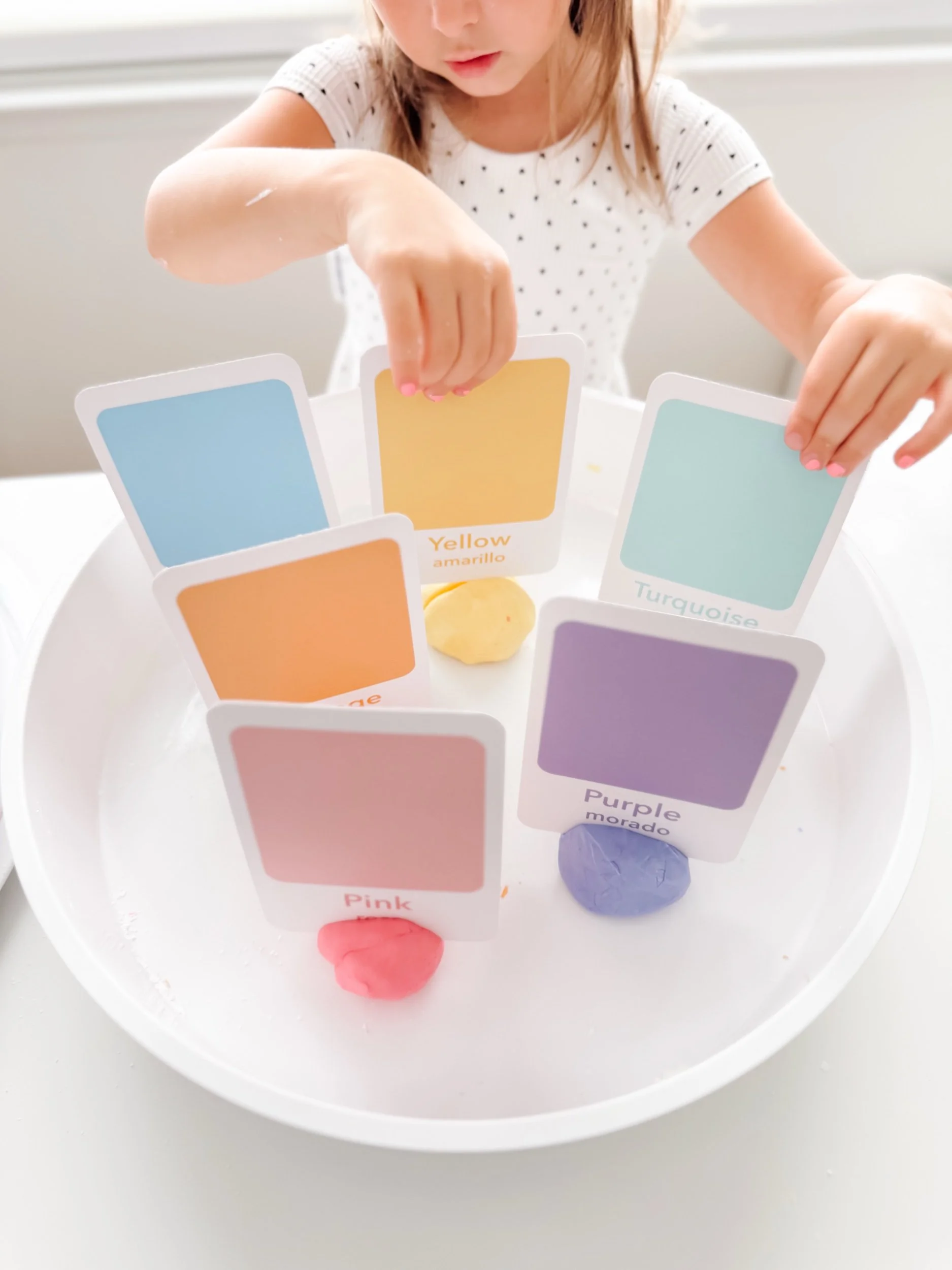
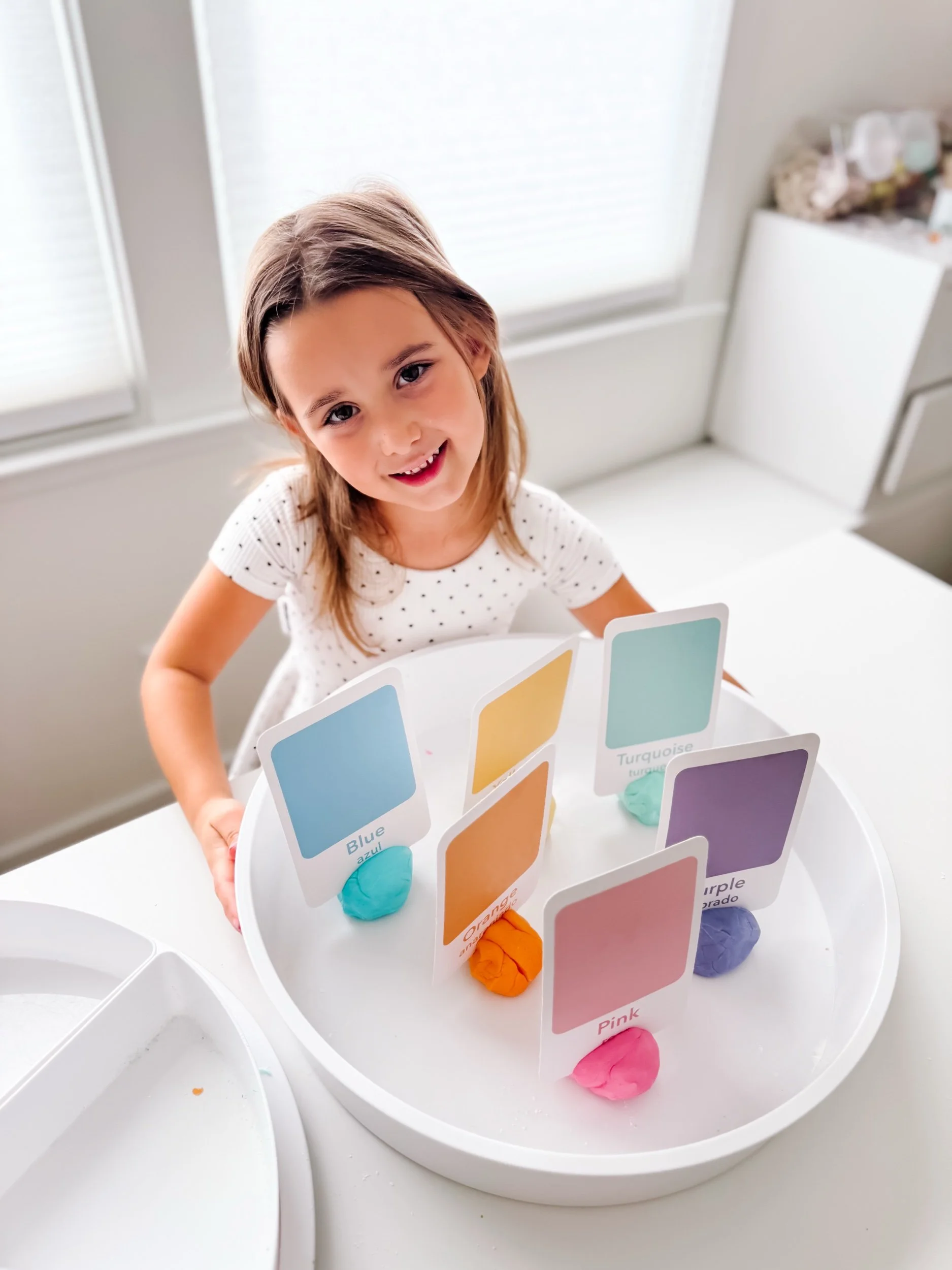
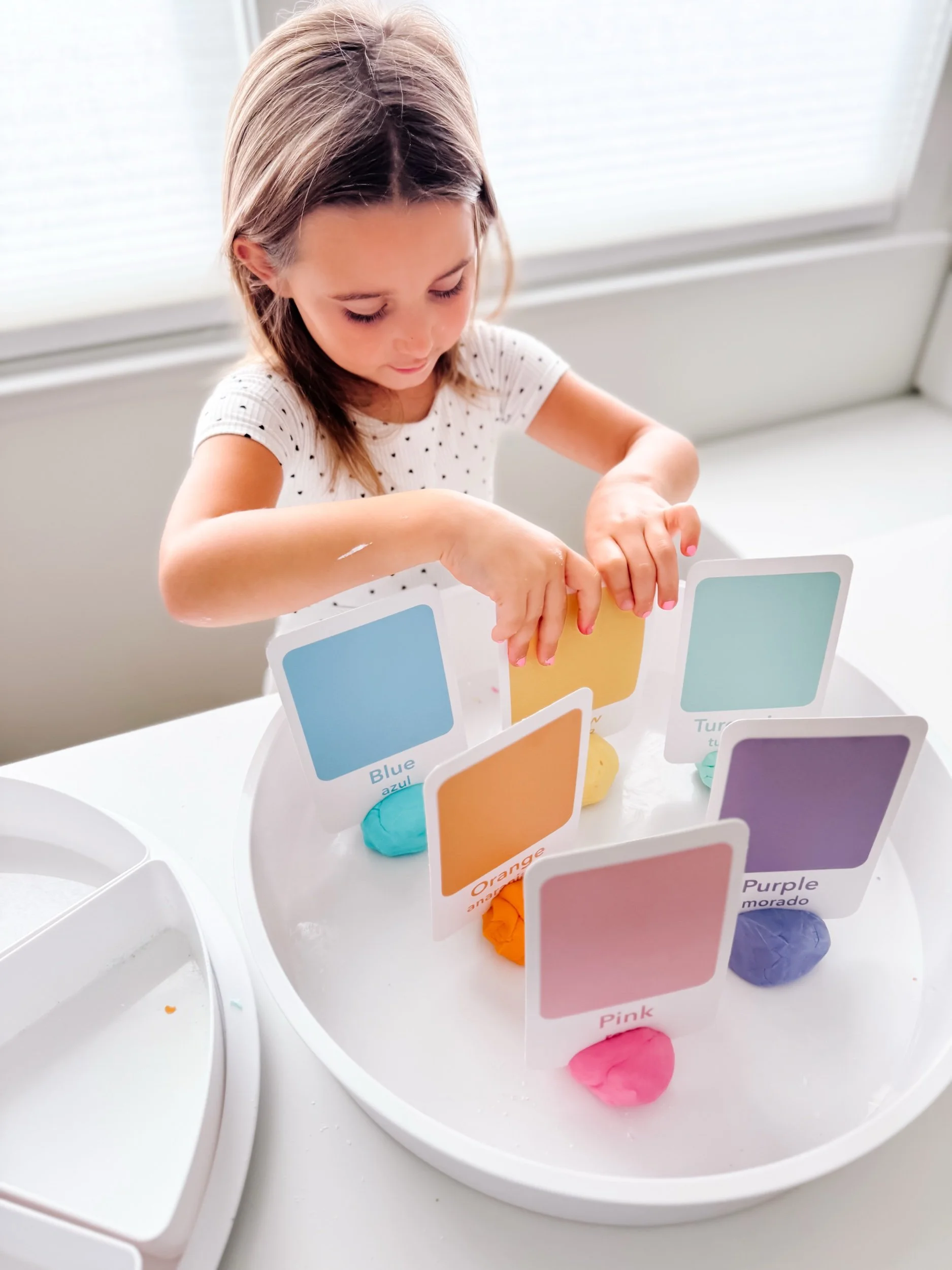
Color matching activities
Sensory bins with tools
Simple crafts
This is the golden age of themed sensory play ideas for toddlers.
3–4 Years
Focus: Problem solving • Skill building
Preschoolers are ready for more structured play that builds:
problem solving
patience
planning
early academic skills
Best Activities
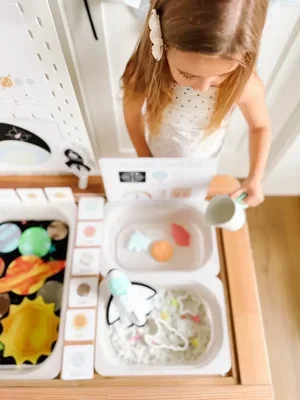
Tongs and tweezers
Letter and number sensory play
Patterning and sorting
Multi-step activities
This is where fine motor skill activities for toddlers really shine.
4–6 Years
Focus: School readiness • Creativity
Children begin preparing for classroom learning through play.
They are ready for:
early literacy
math manipulatives
creative building
longer projects
Best Activities
Literacy-based sensory play
Math manipulatives
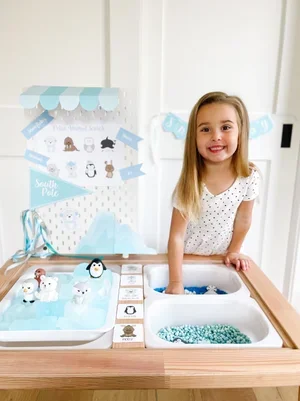
Themed sensory setups
Process art and building
This stage bridges play and early academics beautifully.
How to Use This Roadmap at Home
You don’t need a classroom or expensive toys.
Most DIY sensory activities for toddlers can be created using:
containers
scoops
rice or pasta
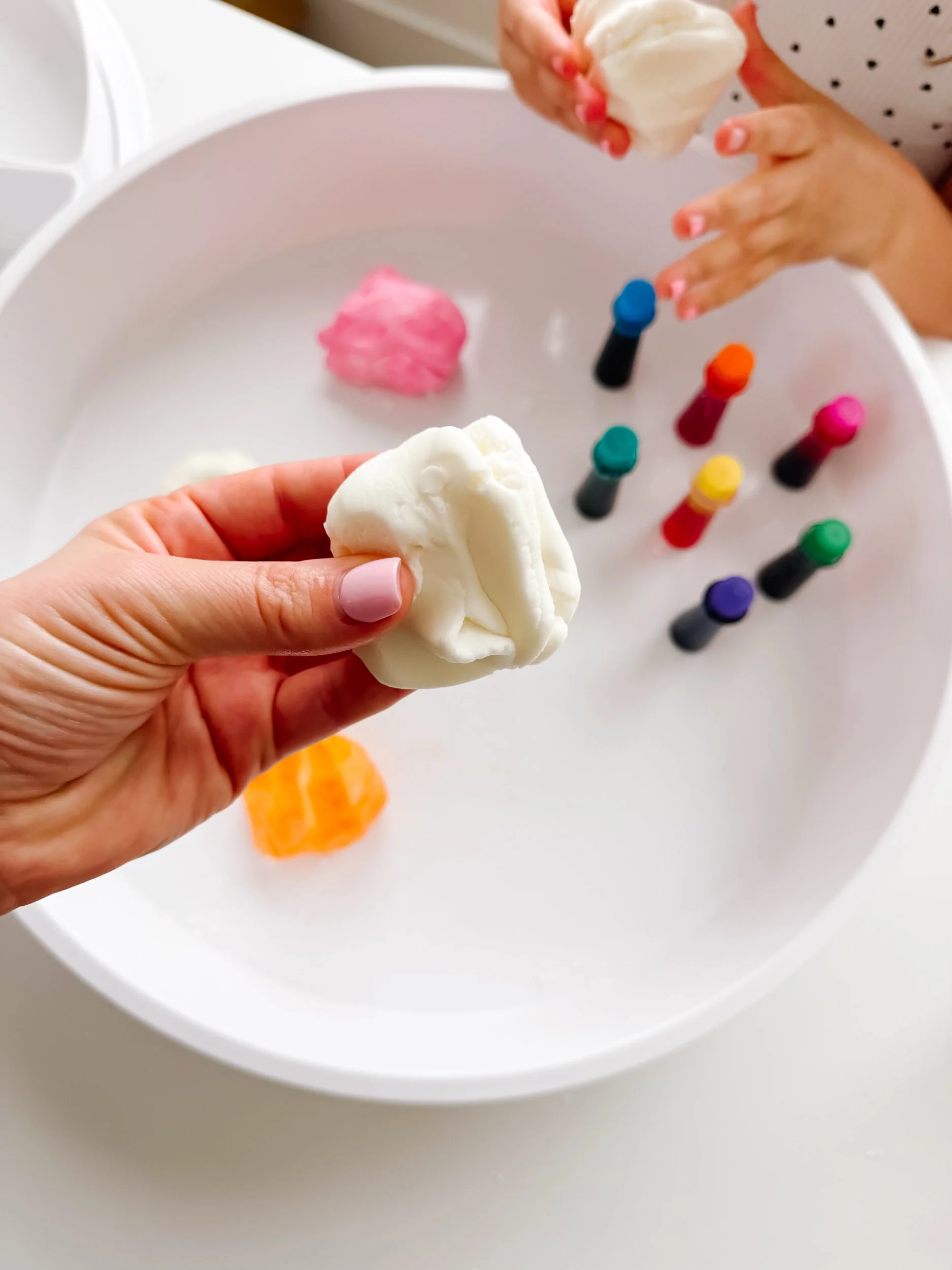
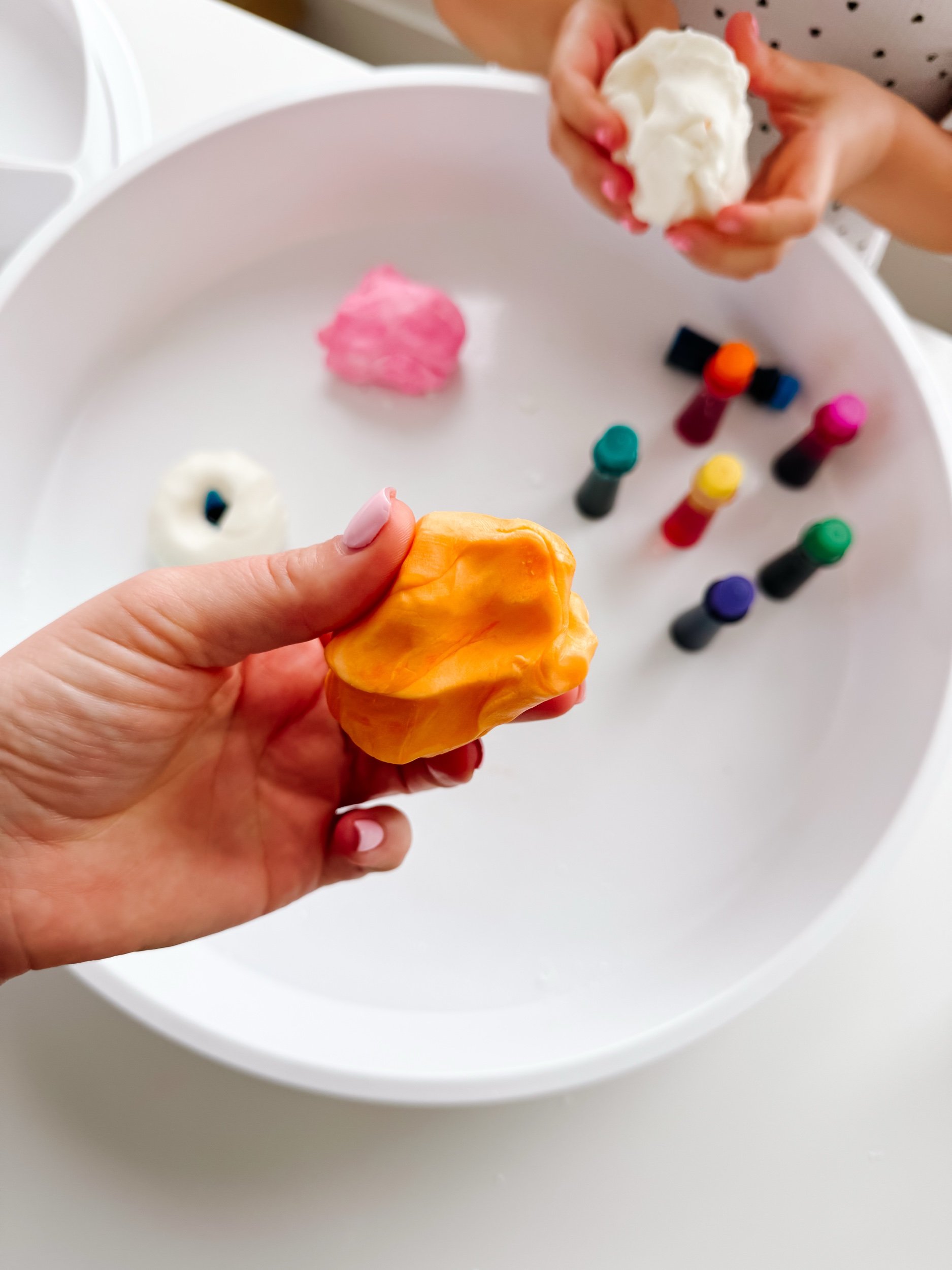
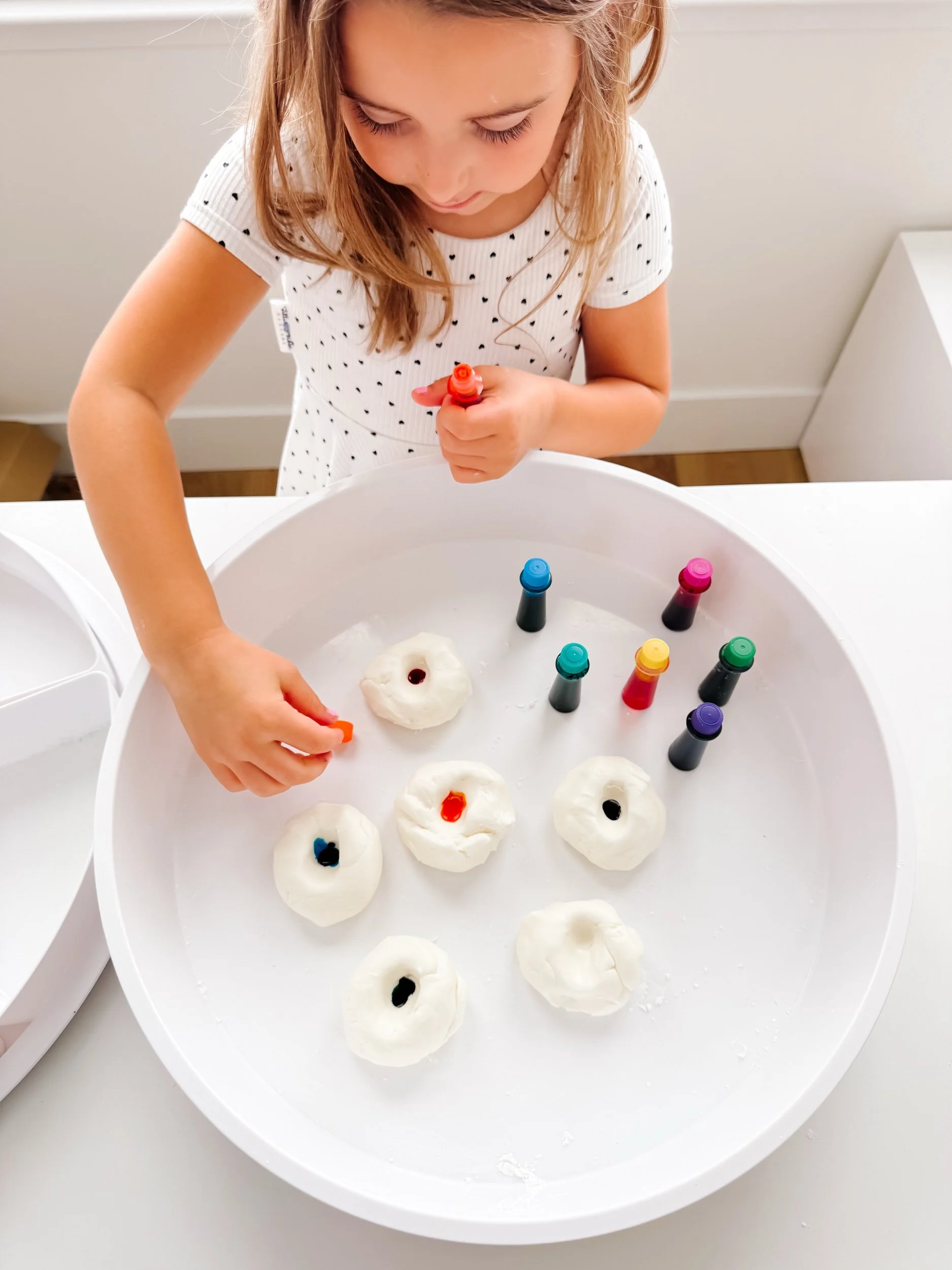
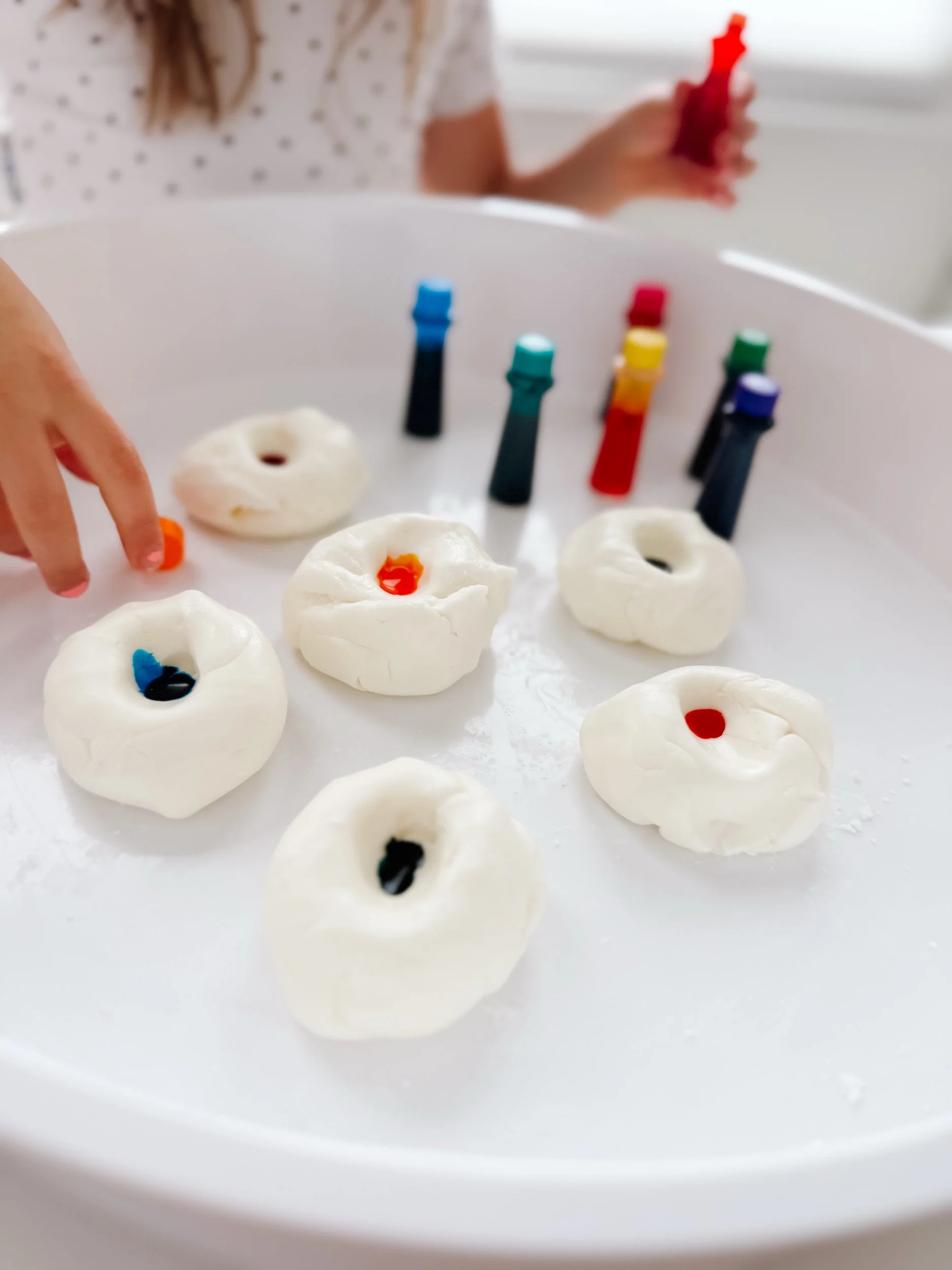
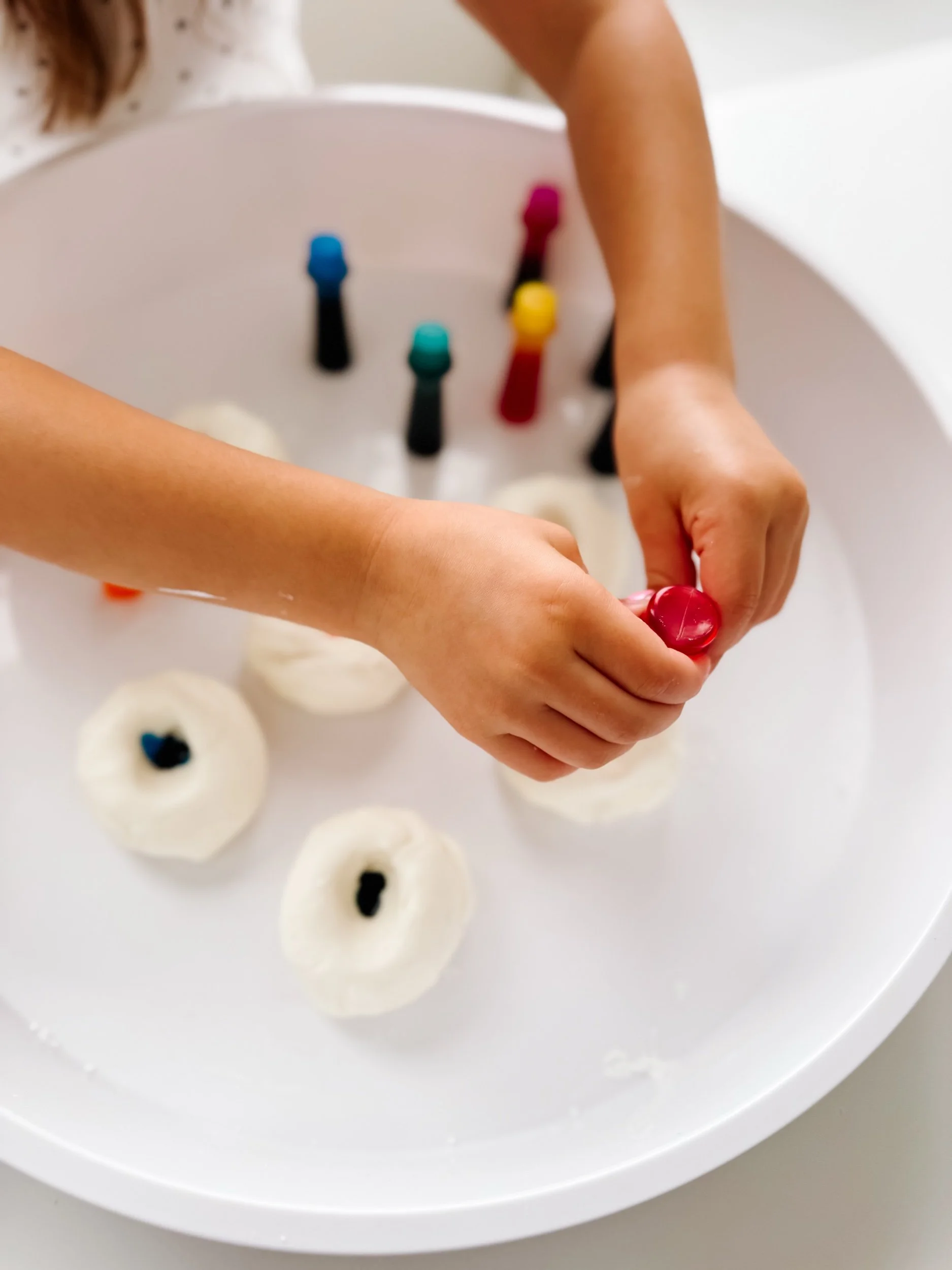
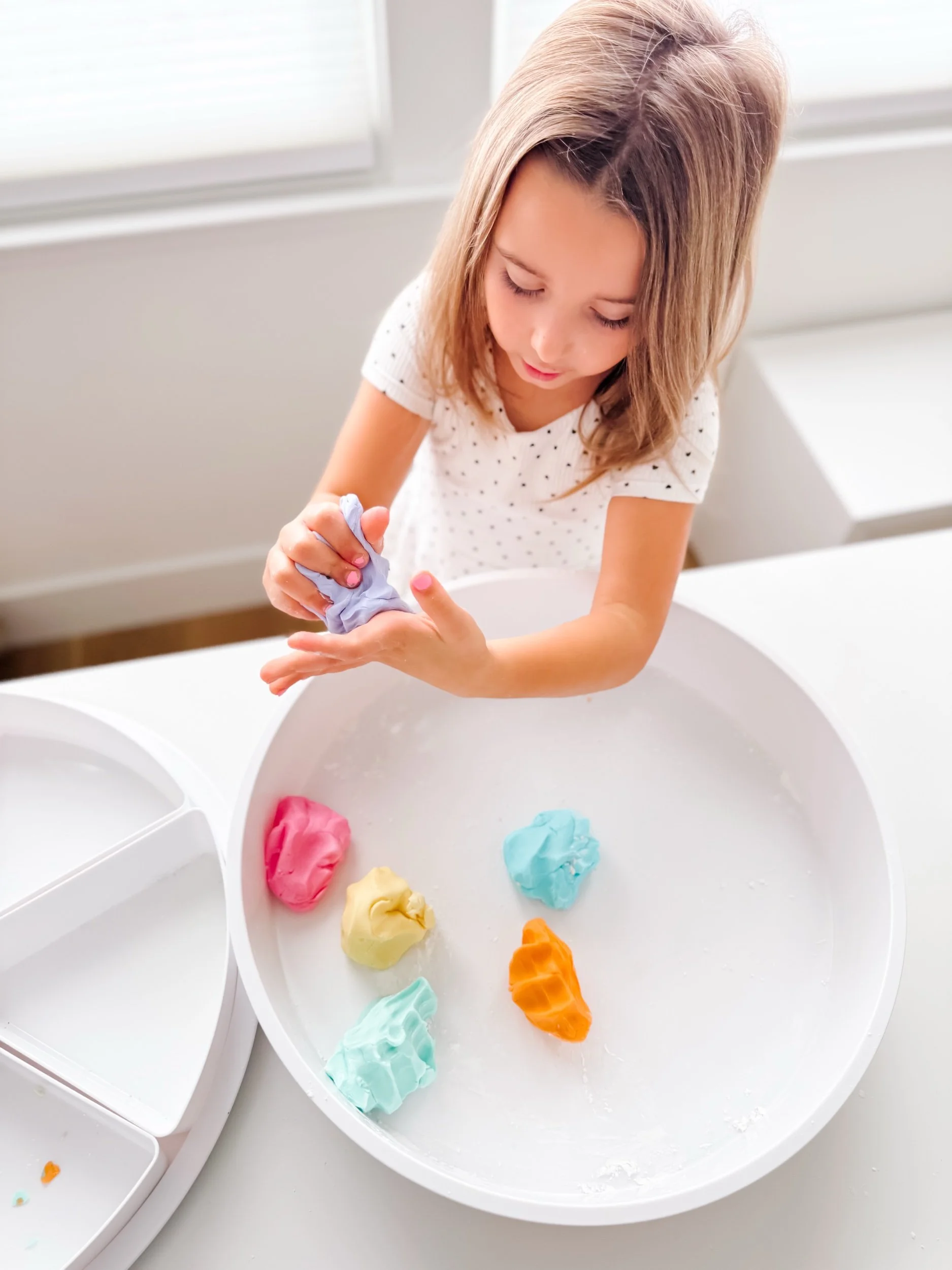
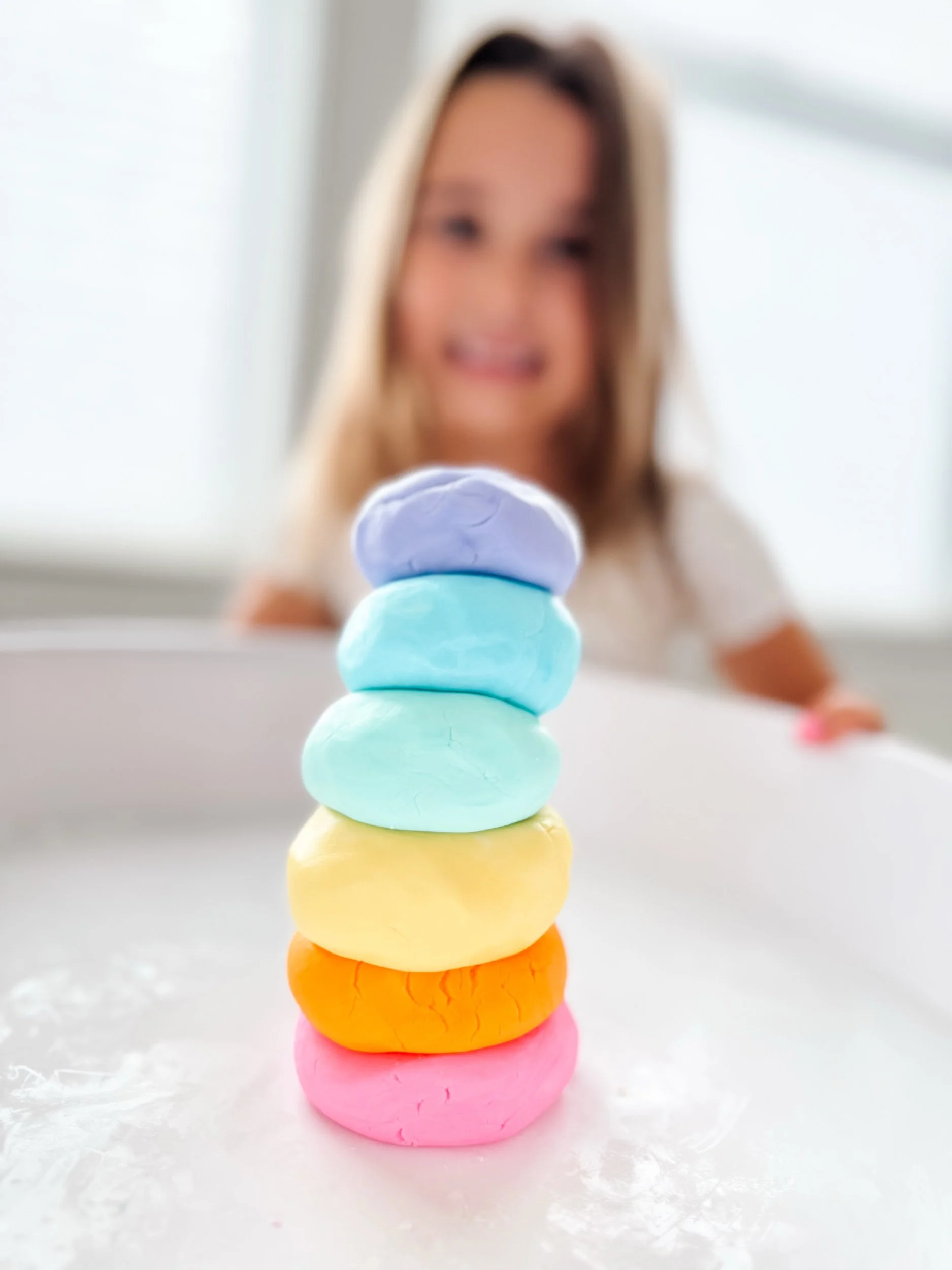
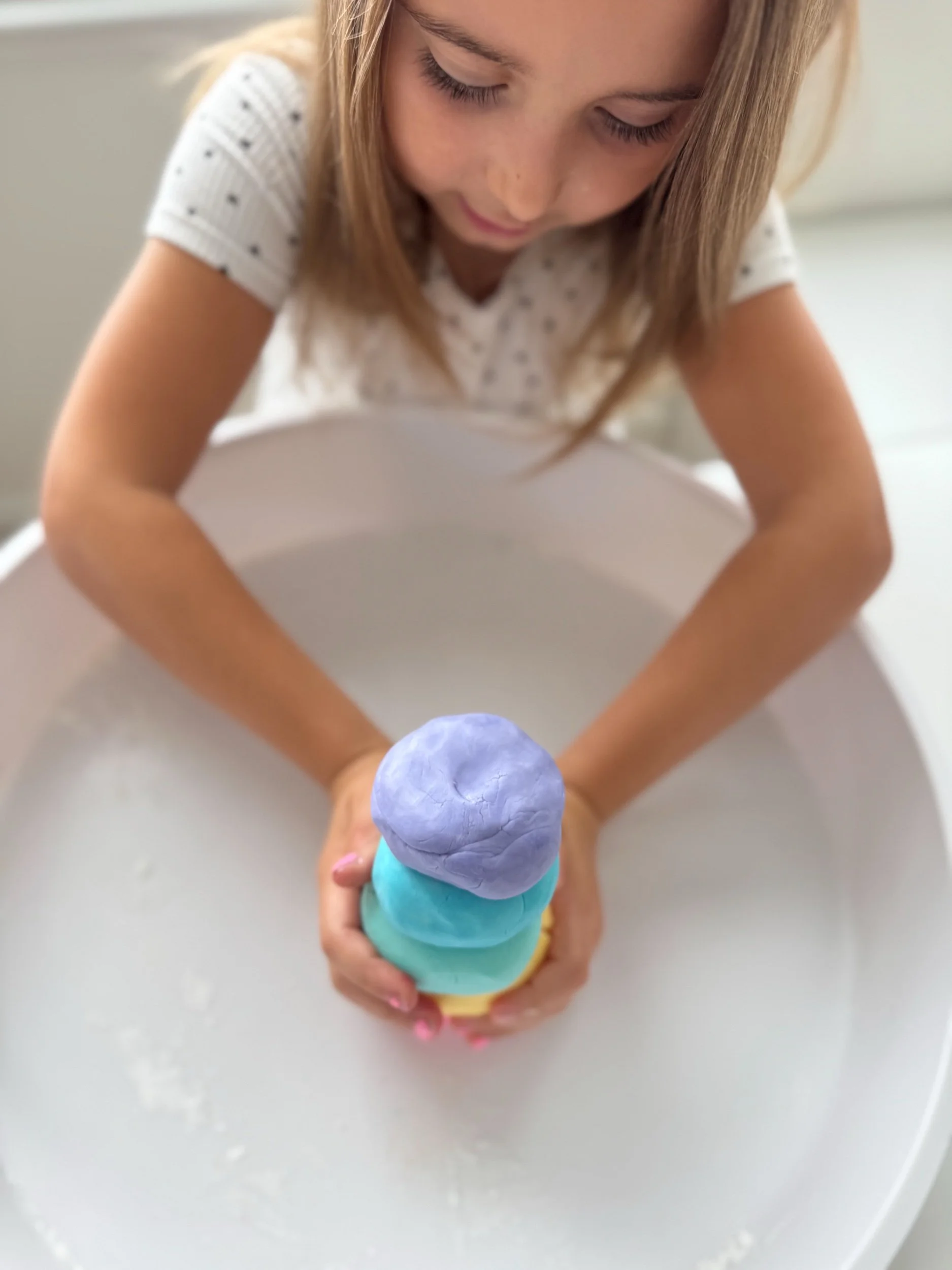
play dough
household items
Play-based learning can be:
affordable sensory play setups
toddler activities with minimal prep
sensory play on a budget
Even 15–20 minutes a day makes a huge difference.
The Benefits of Sensory Play
Sensory play supports:
Brain development
Multi-sensory experiences build neural connections.
Language growth
Children naturally talk about what they feel and see.
Fine motor skills
Scooping, pouring, pinching, and grasping strengthen hands.
Emotional regulation
Sensory play is one of the best calm-down activities for toddlers.
Independence and confidence
Kids learn by doing.
Final Thoughts
Every child develops at their own pace. This roadmap is not a checklist — it’s a guide to help you support learning through joyful, hands-on play.
If you ever feel unsure what activity to try next, come back to this roadmap and pick a simple activity for your child’s stage.
Play is powerful.
Play is learning.
Play is childhood.