
Toddler Speech Delay Activities: 10 At-Home Ways to Encourage Talking
If your toddler understands everything but isn't talking yet, you're not alone — and there's so much you can do at home. These 10 play-based toddler speech delay activities fit into your normal day, no special training required.
Why making talking fun worked for us
I'll be honest with you: my daughter didn't have a speech delay — she started talking early. And I'm convinced a big reason why is that we turned talking into the best game in the house. Narrating everything, being gloriously silly with animal sounds, pausing mid-song so she could shout the missing word — talking was never a lesson, it was play.
If you're here because you're worried about your toddler's speech, I understand — the worry is real, and I've watched mom friends carry it. Here's what I want you to know: it's incredibly common, and the everyday moments you already share with your child are the most powerful place to build language. These toddler speech delay activities aren't drills or flashcard marathons. They're small shifts in how you play, talk, and go about your day — the same strategies speech-language pathologists coach parents to use at home.
What does a speech delay look like in toddlers?
Every child develops on their own timeline, but in general, a speech delay means a child's spoken language is behind what's typical for their age — even though their understanding (receptive language) may be right on track. You might notice:
- Using gestures and pointing more than words to communicate
- Saying fewer words than peers the same age
- Not yet combining two words together by around age two
- Getting frustrated when you can't understand what they want
Important: I'm a mom, not a speech therapist. If you have concerns about your child's speech, talk to your pediatrician — they can refer you for a hearing screening and a speech-language evaluation. Early support makes a real difference, and there's no downside to asking. The activities below are wonderful for all toddlers building language, whether or not a delay is ever diagnosed.
10 toddler speech delay activities to try at home
1. Narrate your day out loud
Speech therapists call this "self-talk," and it's one of the simplest language builders there is. Just describe what you're doing as you do it: "I'm peeling the banana. Peel, peel… now I'm cutting it. One slice, two slices!" Your toddler hears vocabulary connected to real actions, dozens of times a day, with zero pressure to perform.
2. Offer choices instead of guessing
It's faster to hand your child what they want before they ask — but that removes their reason to communicate. Instead, hold up two options: "Do you want the apple or the banana?" Even if they just point at first, you've created a moment of communication. Then model the word back: "Banana! You chose the banana."
3. Create "communication temptations"
Put a favorite toy slightly out of reach — somewhere they can see it but can't grab it alone. When they look, point, or fuss, that's your opening to model the word: "Car! You want the car!" You're manufacturing joyful reasons to talk, several times a day.
4. Practice animal sounds with picture cards
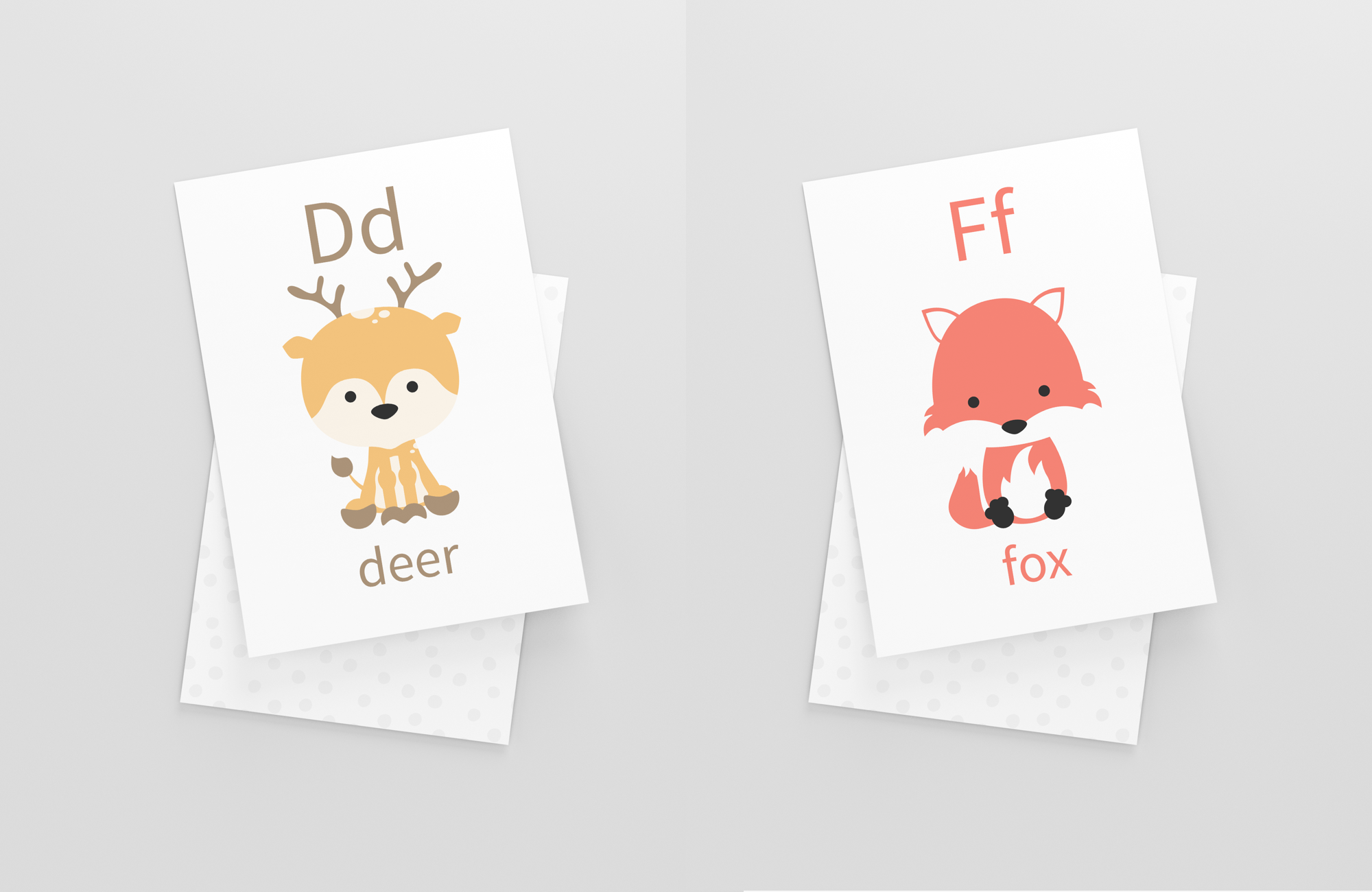
Animal sounds are often a toddler's very first "words" — moo, woof, roar — because they're fun to say and easy to imitate. Hold up an animal card, make the sound with big exaggerated expression, and wait. That pause matters: count silently to five in your head to give them time to try. We played this game constantly when she was little, a few cards at a time, a few times a day — short and silly beat long and serious every time.
5. Try mirror play
Sit with your toddler in front of a mirror and make faces and sounds together. Watching their own mouth move helps them connect what speech feels like with what it sounds like. Stick out tongues, pop lips, say "ma-ma-ma" and "ba-ba-ba" — keep it goofy.
6. Sing songs — and then stop
Songs with repetitive phrases are language gold. Sing a favorite like "Wheels on the Bus," then pause before a key word and let your child fill it in: "The wheels on the bus go round and…" That expectant pause is an invitation, not a test. Celebrate any attempt — a sound, a gesture, a grin.
7. Read with intent, not just the words
Don't just read the story straight through. Point at pictures and talk about them: "Look at the big yellow bus! Vroom vroom!" Ask simple questions, even if they can't answer yet: "Where's the doggy?" Books with repetitive phrases or lift-the-flap surprises give toddlers natural reasons to participate.
8. Play imitation games
Before words come sentences, and before sentences comes back-and-forth interaction. Roll a ball to each other, take turns clapping, copy each other's silly faces. These turn-taking games teach the rhythm of conversation — I do something, you do something — which is the foundation talking is built on.
9. Teach a few simple signs
Signs like more, all done, and help give a frustrated toddler a way to be understood right now, which reduces meltdowns while spoken words catch up. Using signs doesn't delay speech — it gives language a bridge to cross.
10. Turn down the background noise
This one's easy to miss. When the TV or music is on, your voice competes with it — and your toddler talks to you less because you're talking to them less. During play and mealtimes, turn the background noise off. Quiet space invites conversation.
Bonus tip: turn flashcards into a full-body game
Language sticks better when the whole body is in on it. Try flashcard hide-and-seek: tuck a few animal cards around the room and let your toddler hunt them down — every find is a chance to name the animal and roar, moo, or woof like it. Or lay the cards face-up on the floor and call out, "Can you jump to the animal that says moo?" Hopping, stomping, and pouncing to the right card burns off energy while cementing the word-sound connection. We invented versions of this game on the fly when she was little — and the sillier it got, the more she talked.
When to talk to your pediatrician
Trust your gut. Consider asking for a referral if your toddler:
- Isn't using any words by 16 months, or isn't combining two words by 24 months
- Seems not to hear or respond to sounds and voices
- Has lost words or skills they previously had
- Doesn't point, wave, or use gestures to communicate by 12–15 months
Many school districts offer free speech and language screenings for preschool-age children, and a hearing check is always a sensible first step — even mild hearing issues can slow language down. Seeking an evaluation isn't overreacting; it's good parenting.
Do flashcards actually help with speech delays?
They can, when used the right way. The trick is keeping it playful and pressure-free: show the card, say the word clearly, make the sound fun, and wait to see if your child tries. Short sessions — just a few minutes, a few times a day — work far better than long drills. Picture cards are also one of the tools speech therapists themselves use, because pairing a clear image with a spoken word strengthens the connection.
Will using sign language delay my toddler's speech?
No — research consistently shows signs support language development rather than replacing it. Signs reduce frustration by giving toddlers a way to communicate now, and most children naturally drop signs as spoken words take over.
How long should I try home activities before seeking help?
You don't have to choose one or the other. Start the home activities today and talk to your pediatrician about your concerns — evaluations often have waitlists, so getting on the schedule early costs you nothing.
My toddler understands everything but won't talk. Is that normal?
Understanding words (receptive language) almost always develops before speaking them (expressive language), so this pattern is very common. Still, mention it to your pediatrician so they can track it with you — that's what they're there for.
Our favorite tool for first words
When she was little, we kept a small stack of animal cards in the kitchen for those in-between moments — waiting for pasta to boil, sitting in the high chair. Big, clear photos were the key: no clutter, just the animal, so all her attention went to the word and the sound. If you want the same setup, our First Words Animals cards were made exactly for this.