I’ve been seeing so much monster rice crispies inspiration that I was dying to make some cute little monster faces. But all I had handy was a box of pumpkin muffin mix so we just decided to improvise!




Your Custom Text Here
I’ve been seeing so much monster rice crispies inspiration that I was dying to make some cute little monster faces. But all I had handy was a box of pumpkin muffin mix so we just decided to improvise!


Tired of the typical fall sensory bins? Need to slice it up with something simple yet fun? Check out these creative ideas for new sensory table fun that’s fit for fall. Pin this post to save all of these ideas for later!

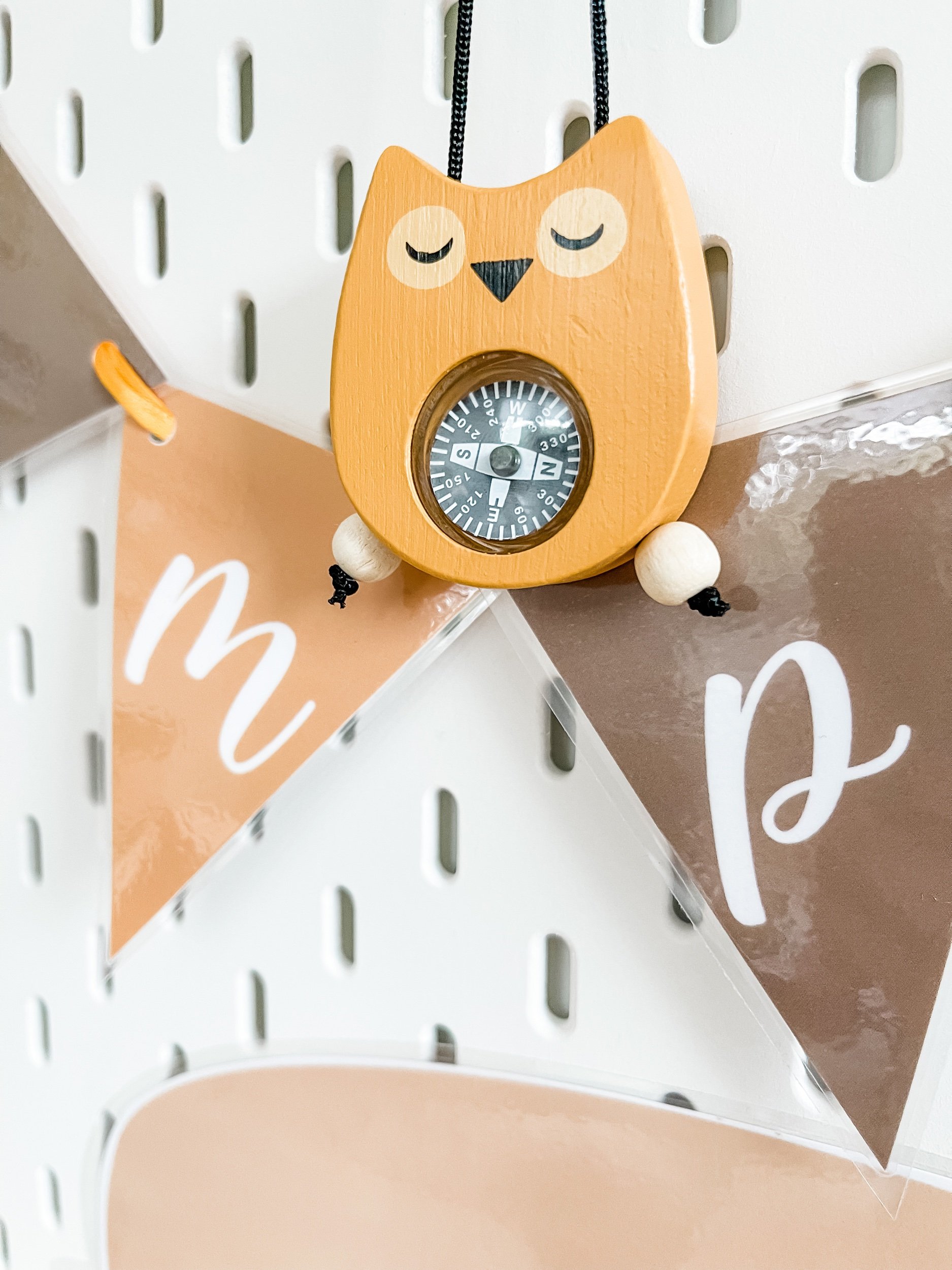
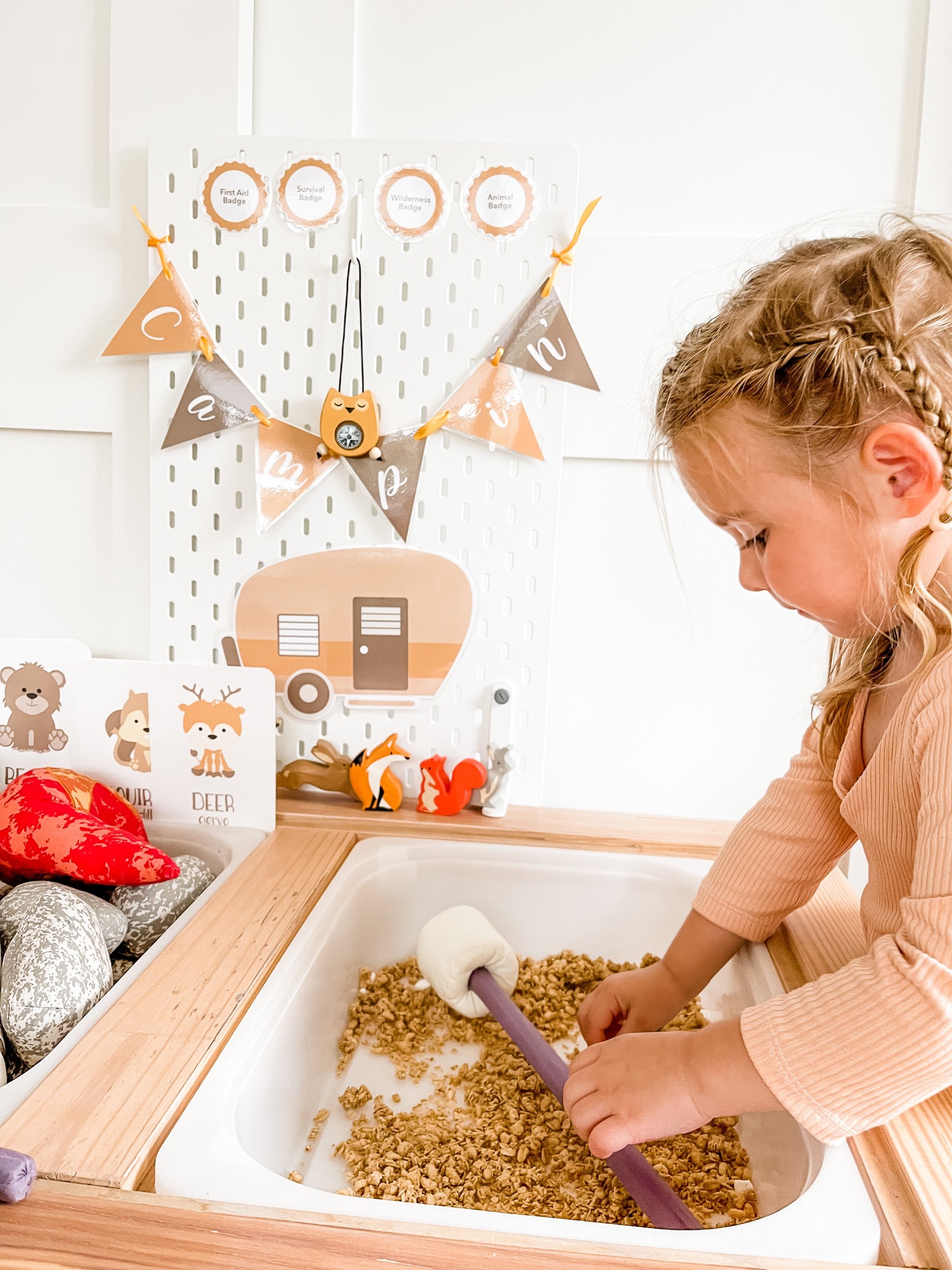
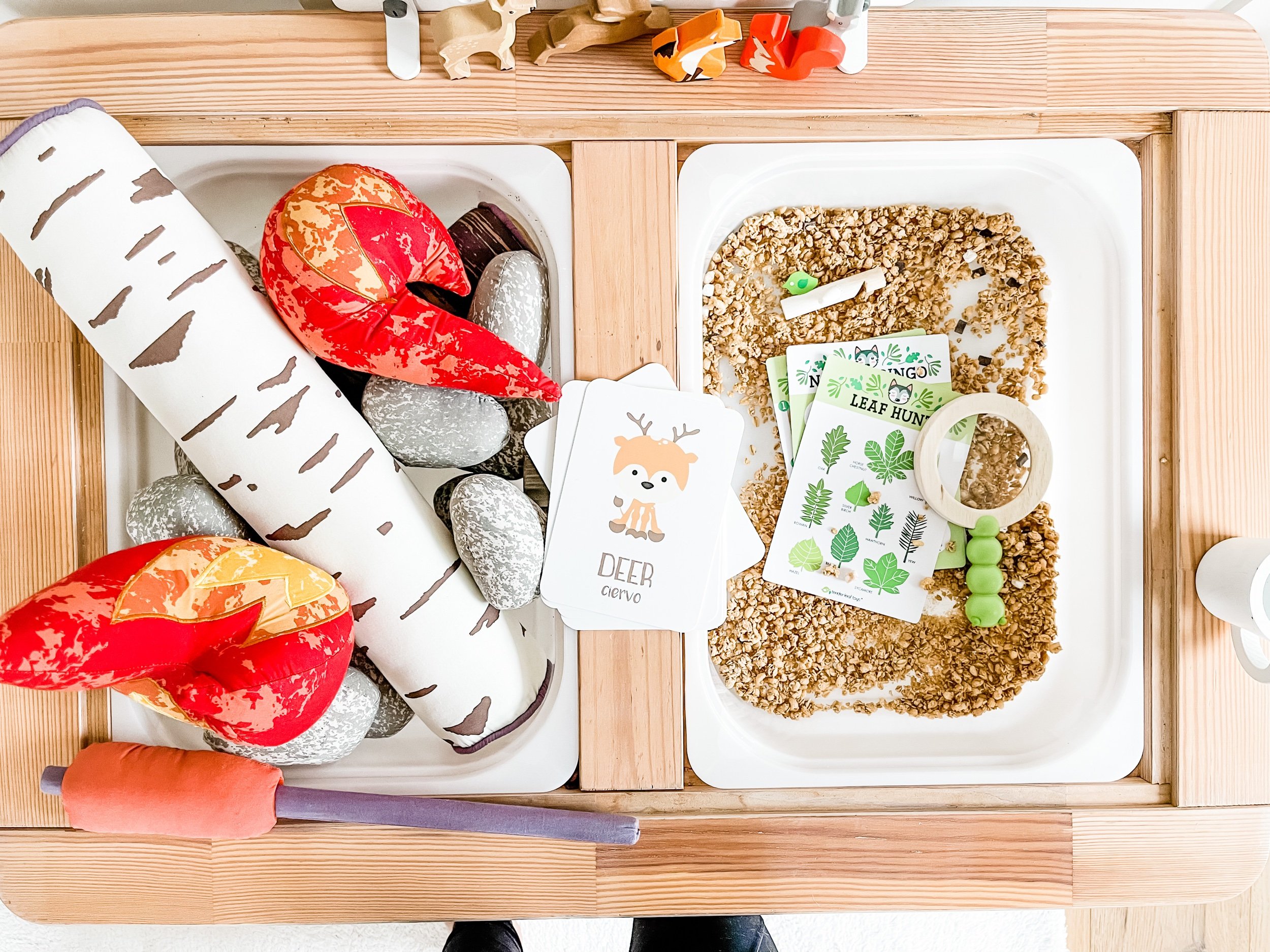
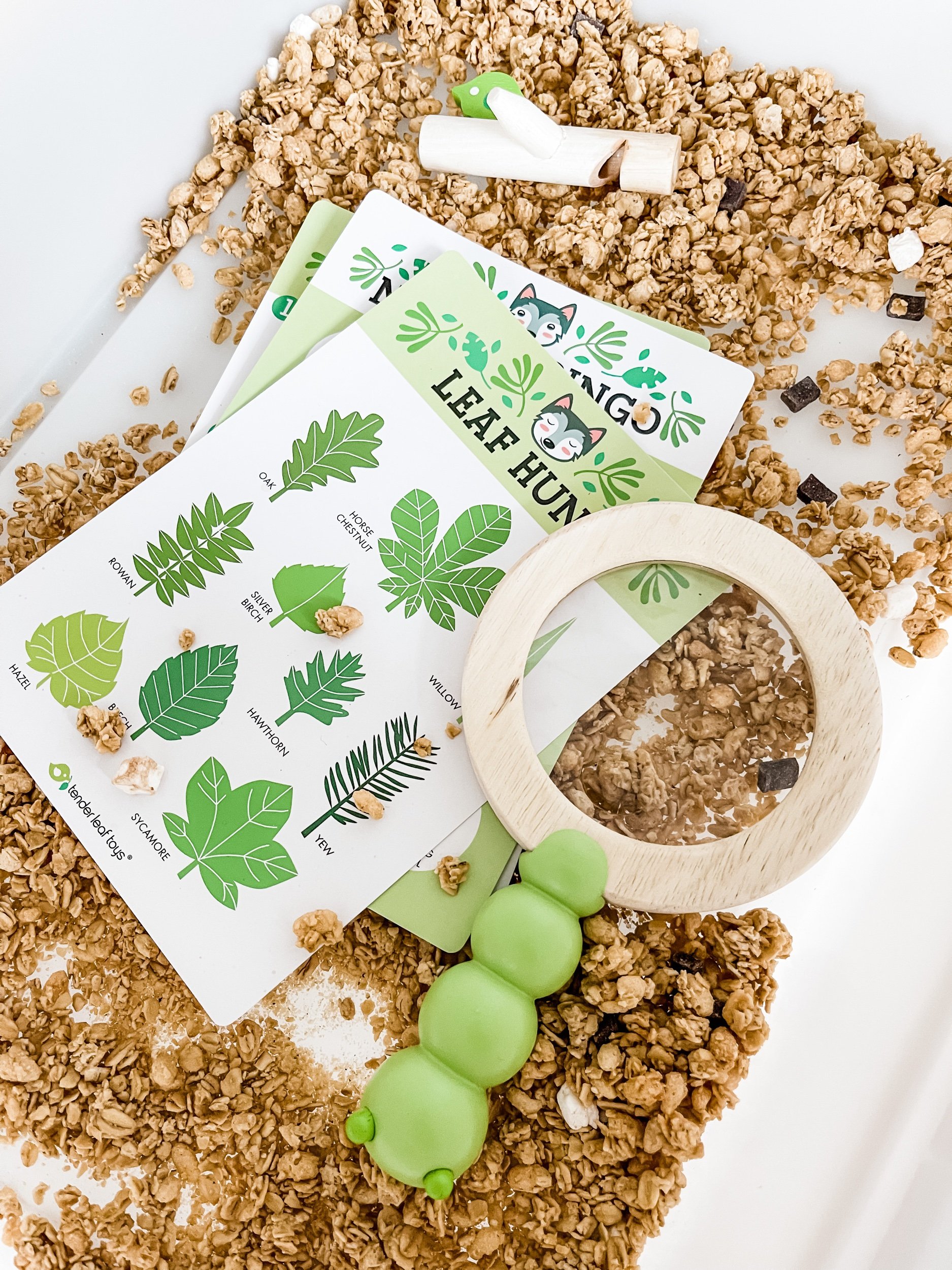
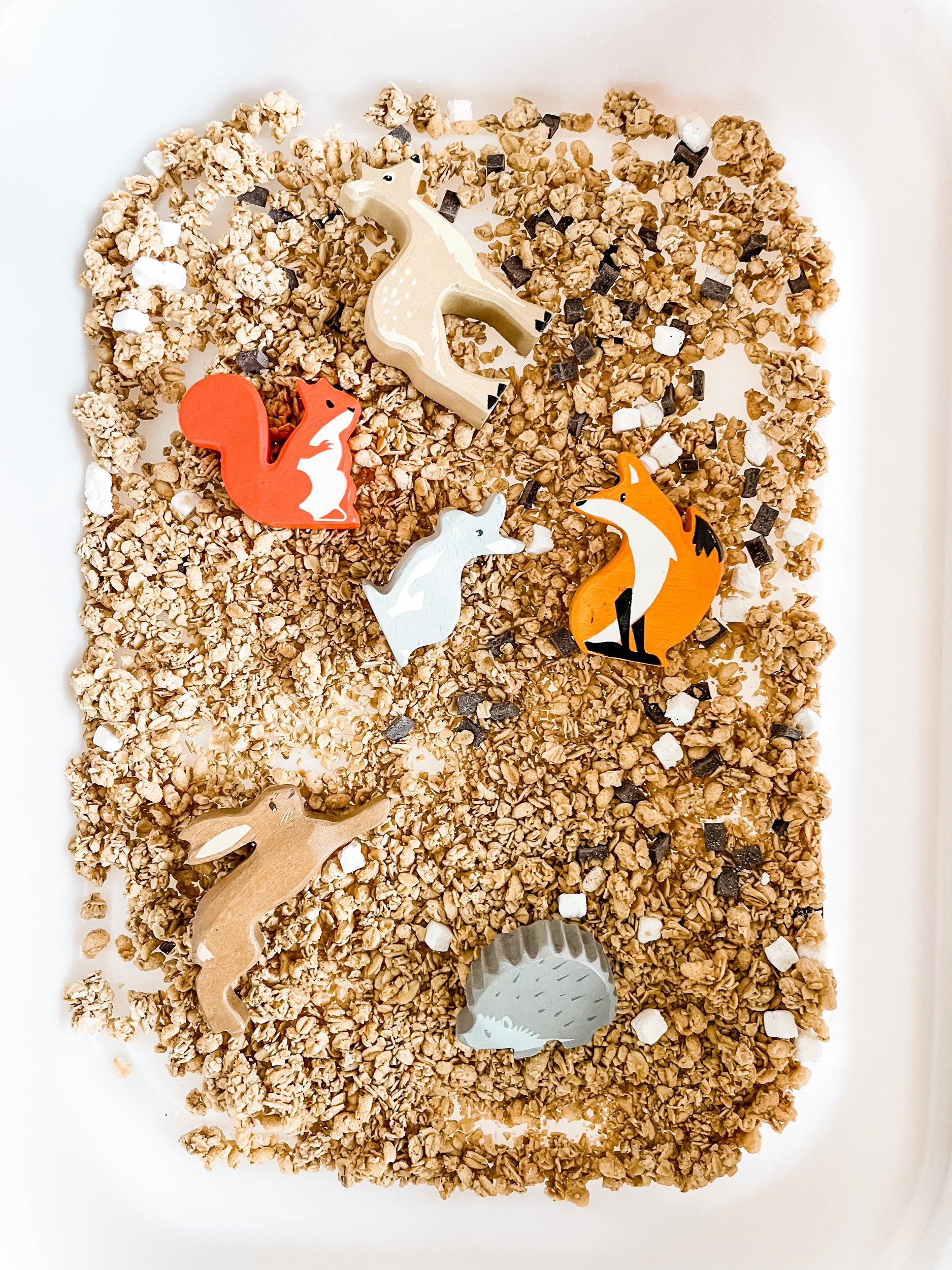
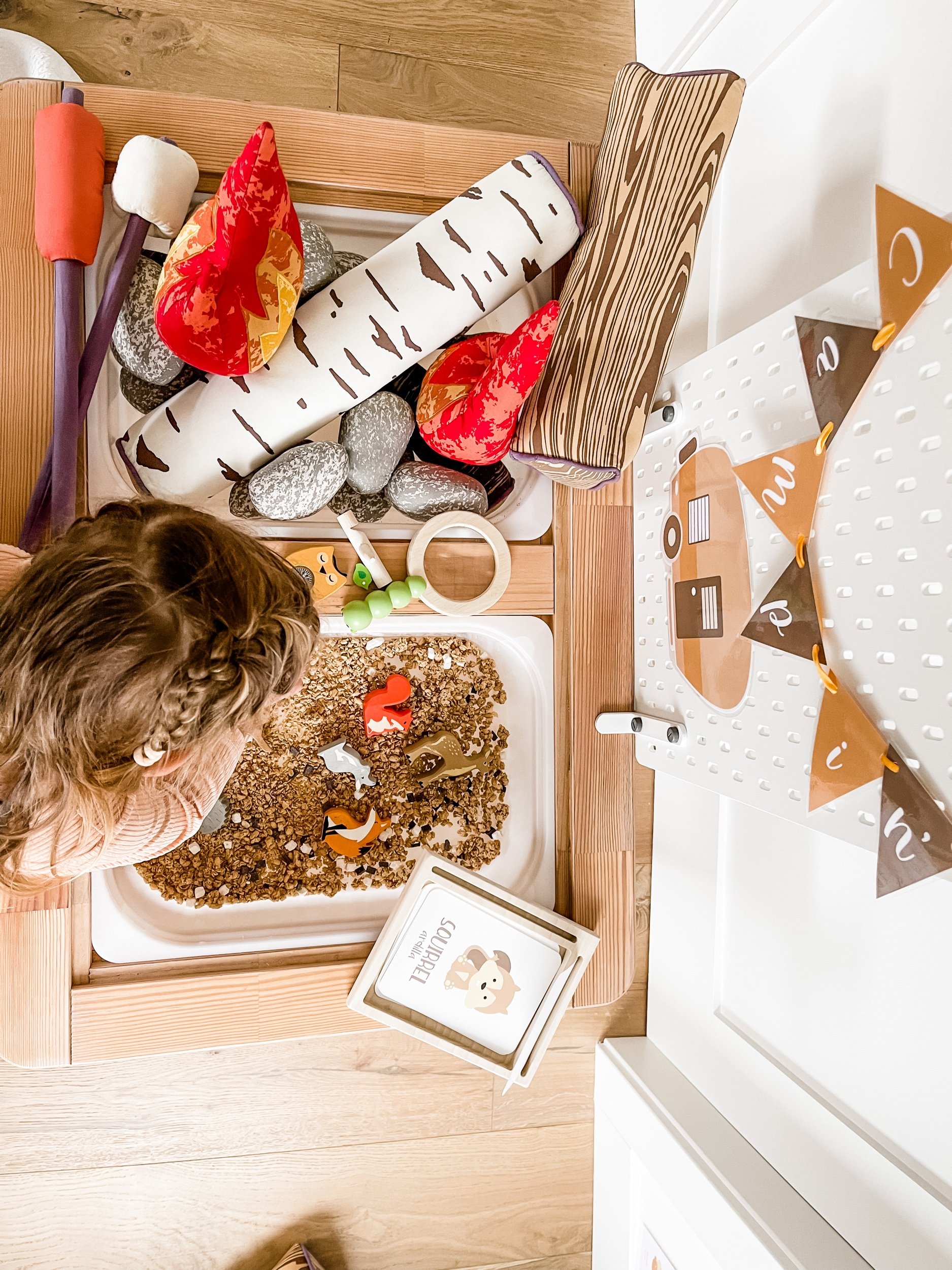
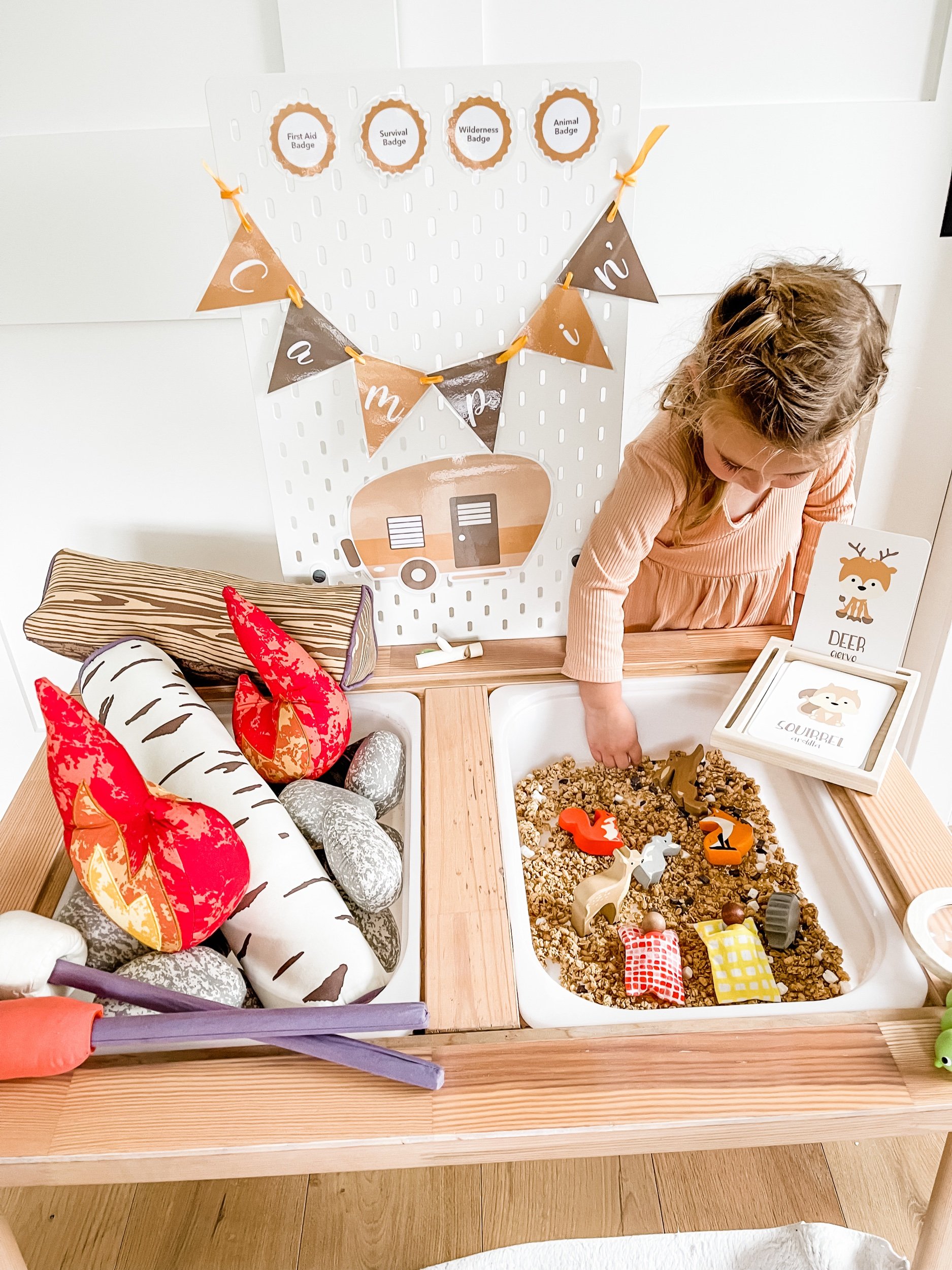
First up we have this awesome fall themed camping setup complete with camping printables from Goodnightfoxstudio.etsy.com, camping adventure toys from @tenderleaftoys, and a pretend play campfire kit from @crateandkids. Sofie loves to snack and play so we paired this setup with some yummy s’mores granola which was a total hit.

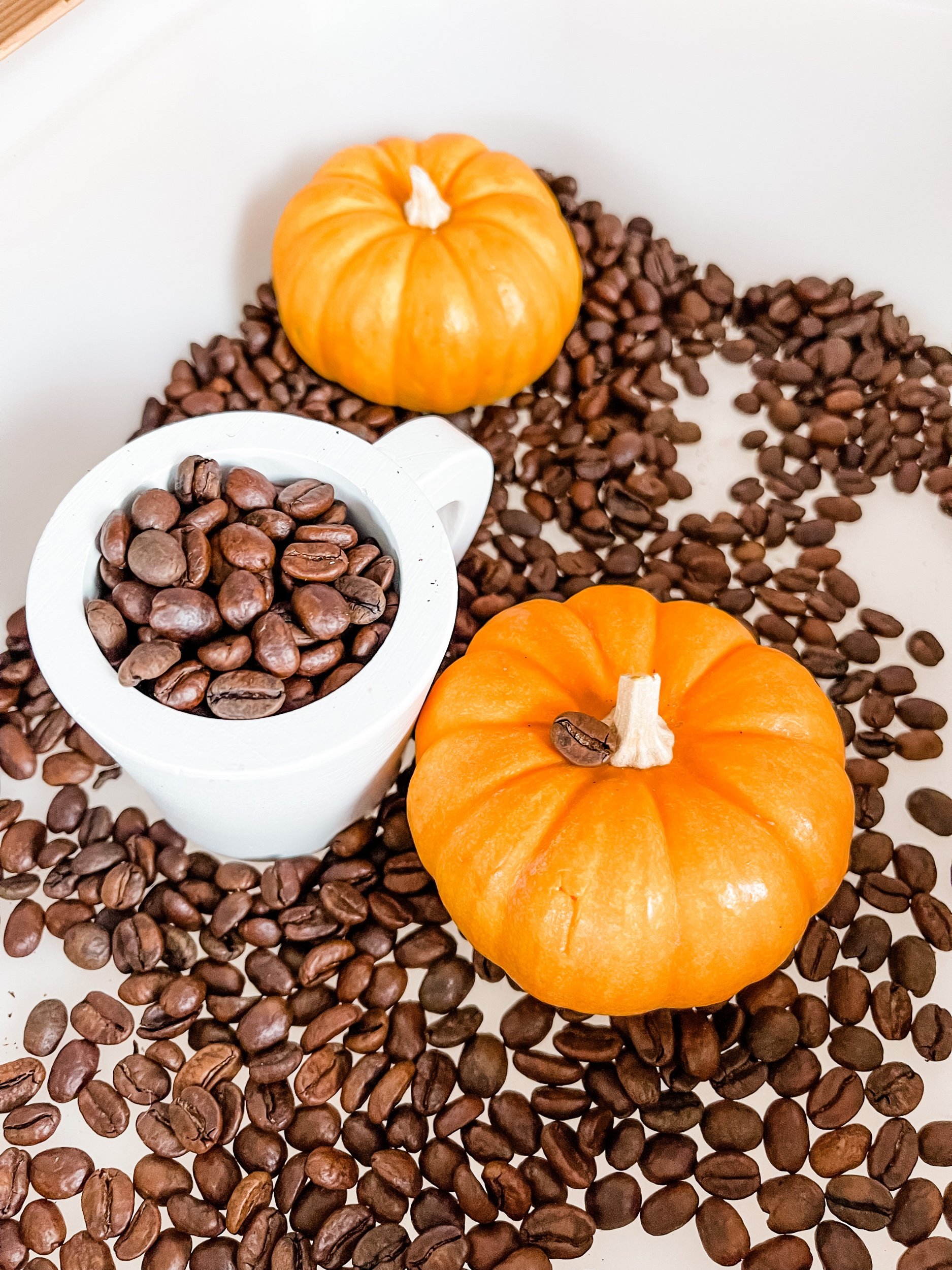
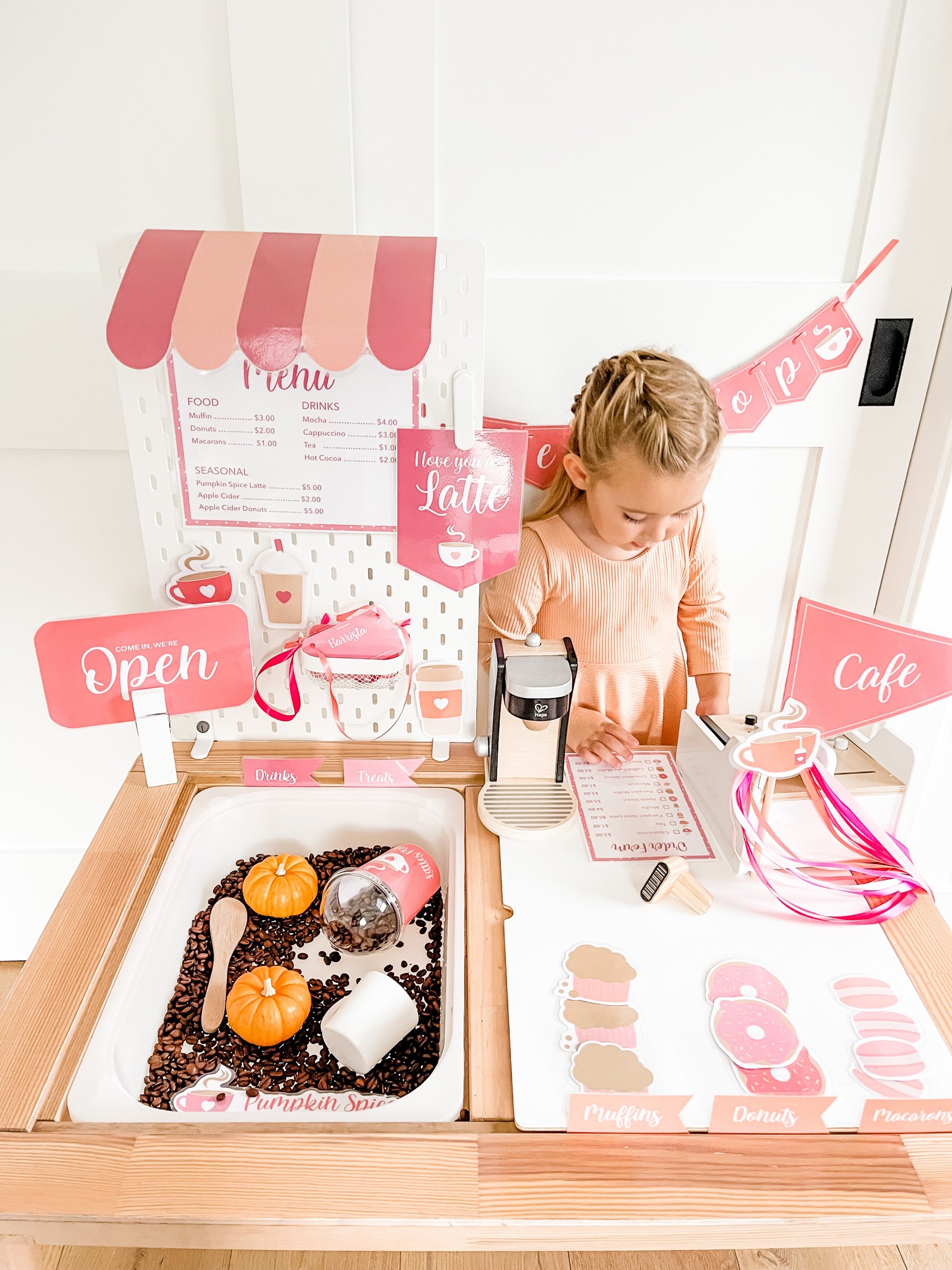
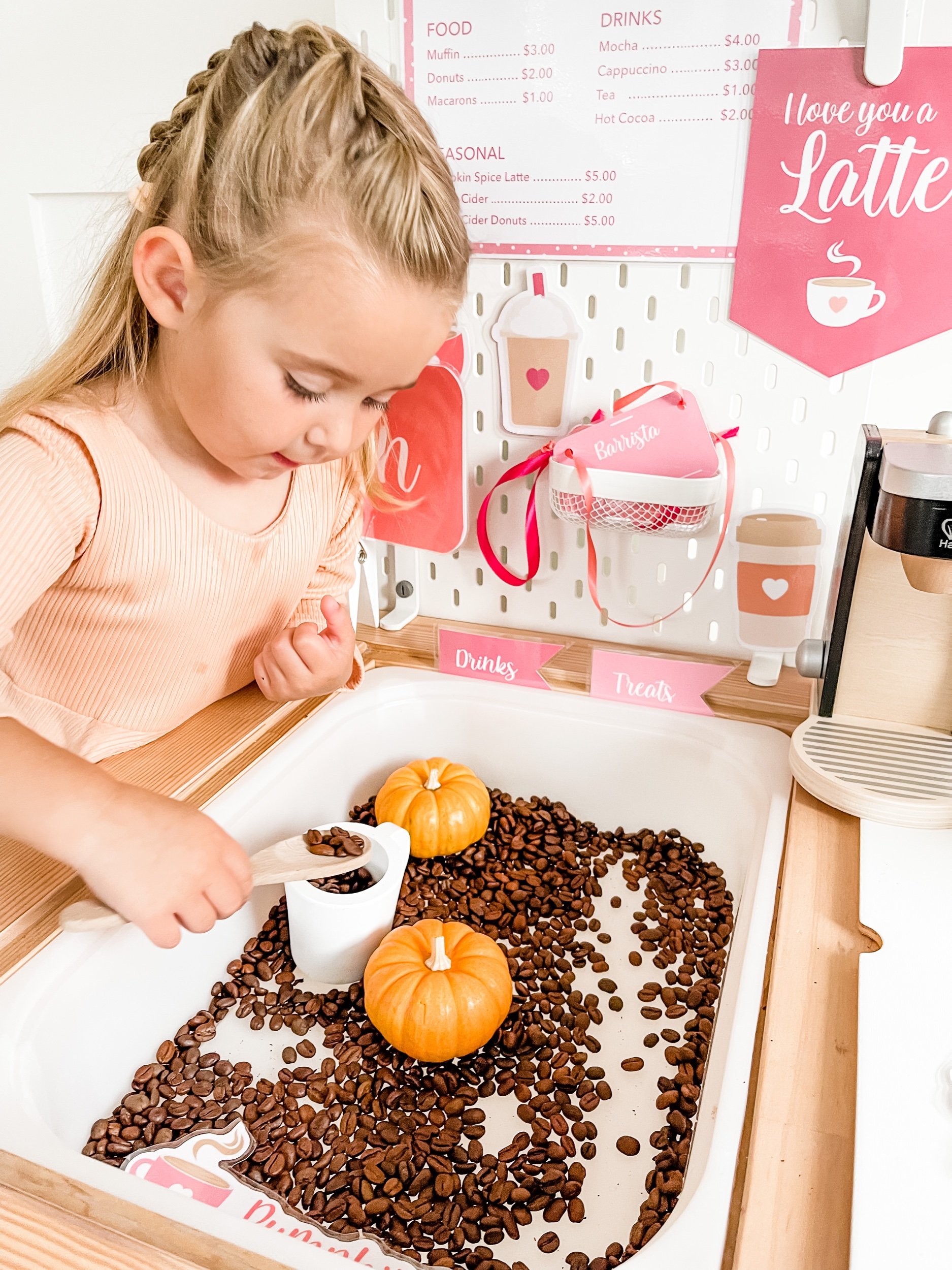
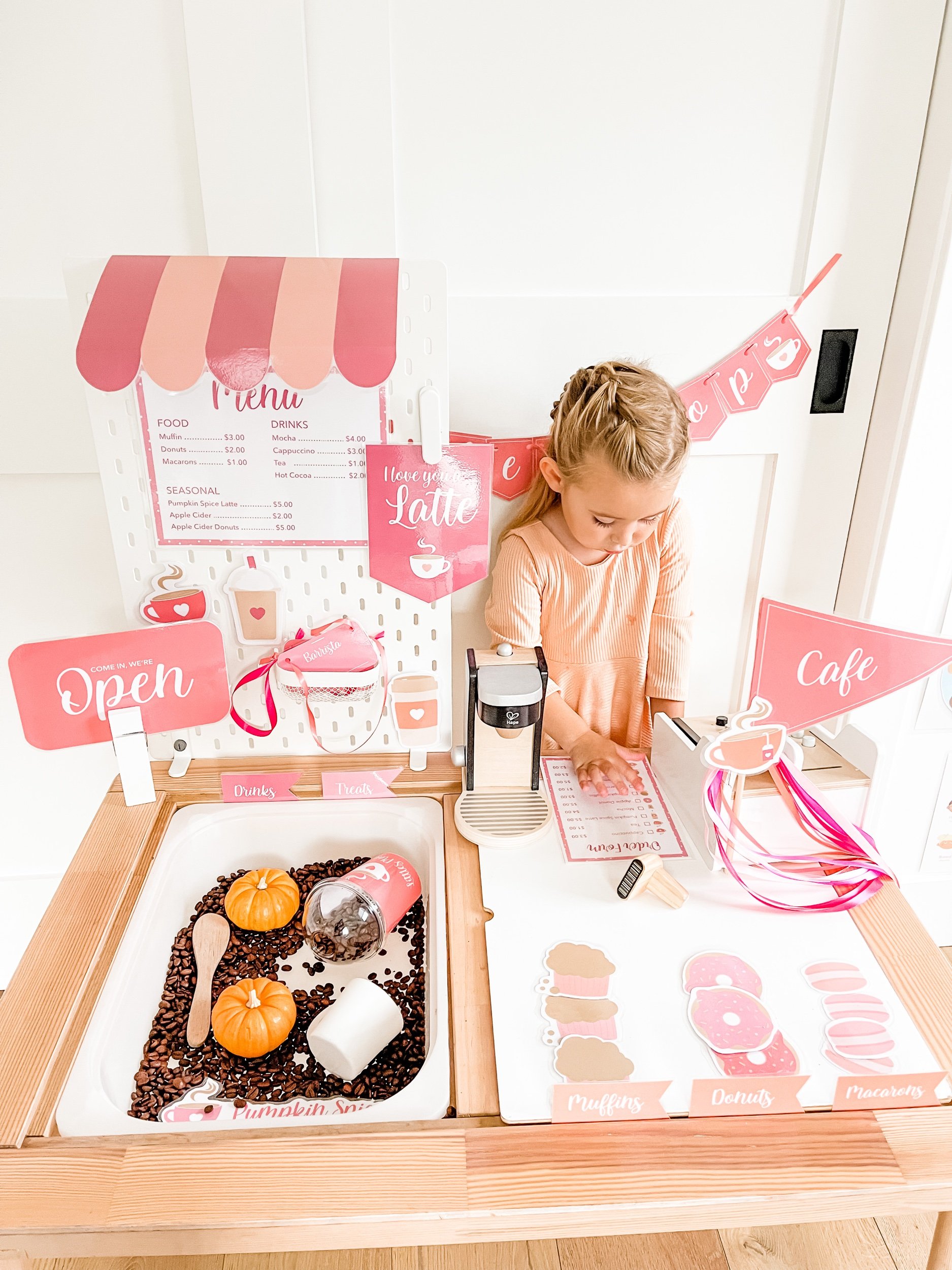
Next up we have this awesome pumpkin spice coffee shop setup perfect for all the fall vibes. Plus the smell of the coffee beans really made it a hit for mom too!

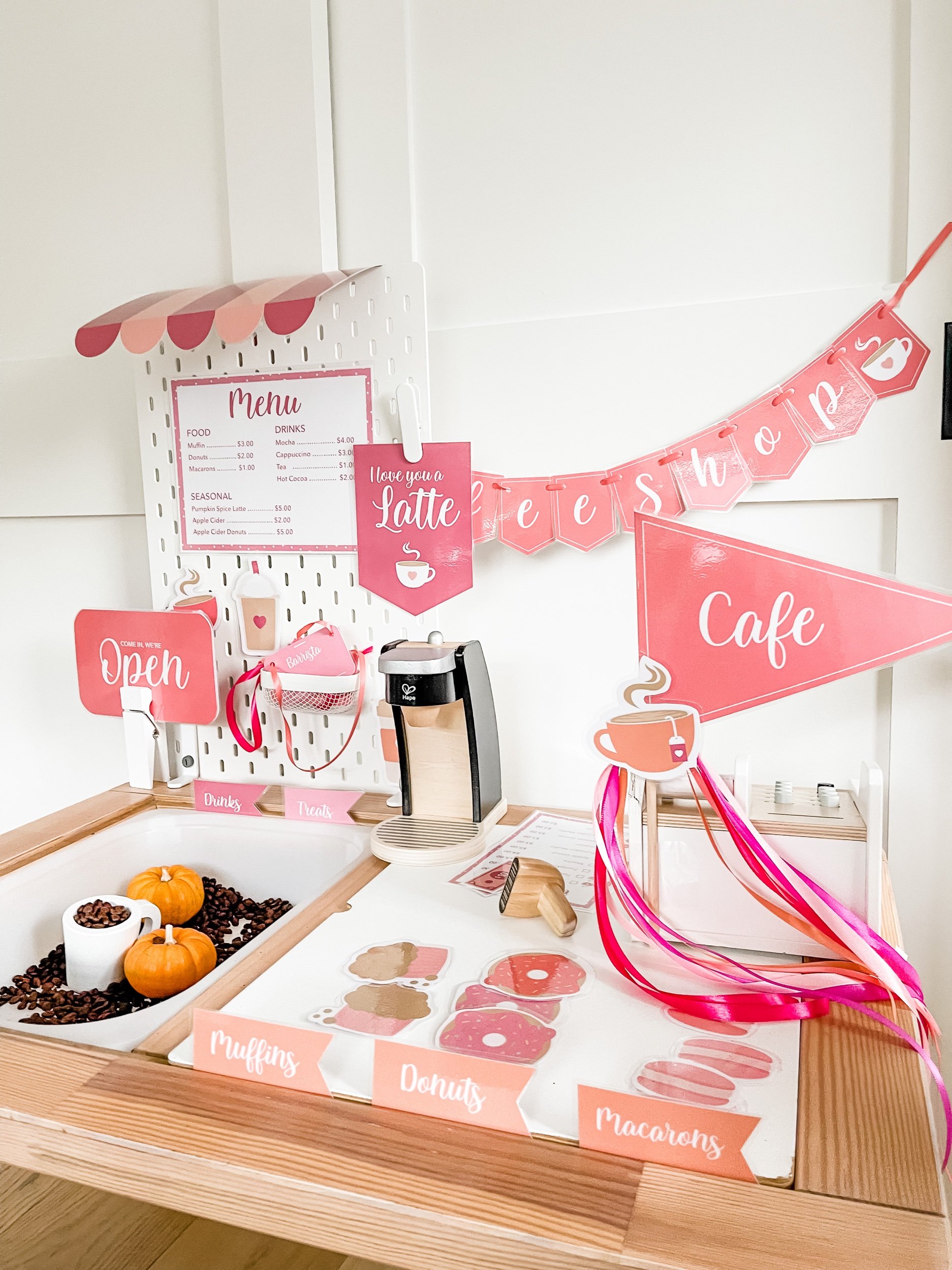
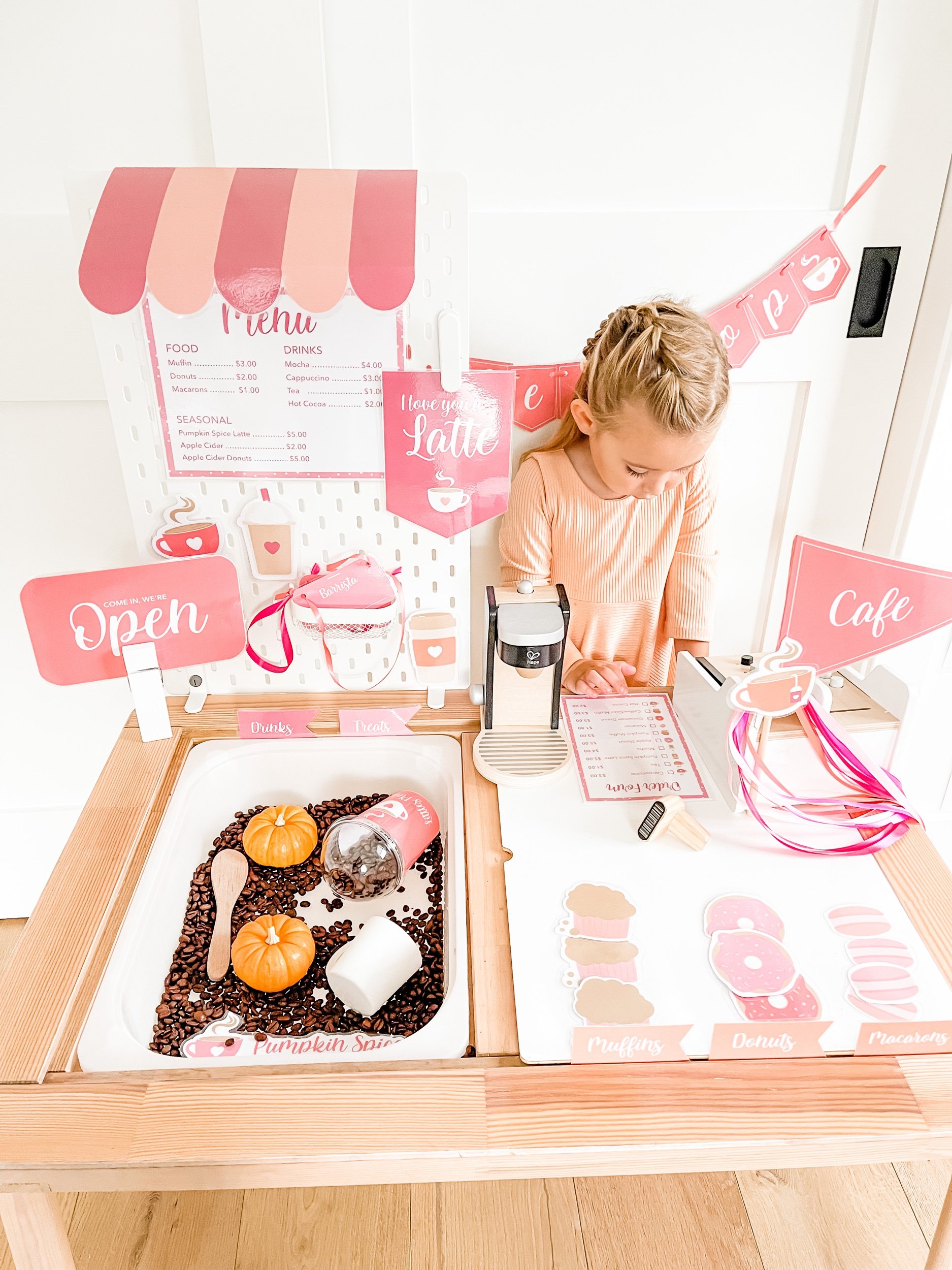
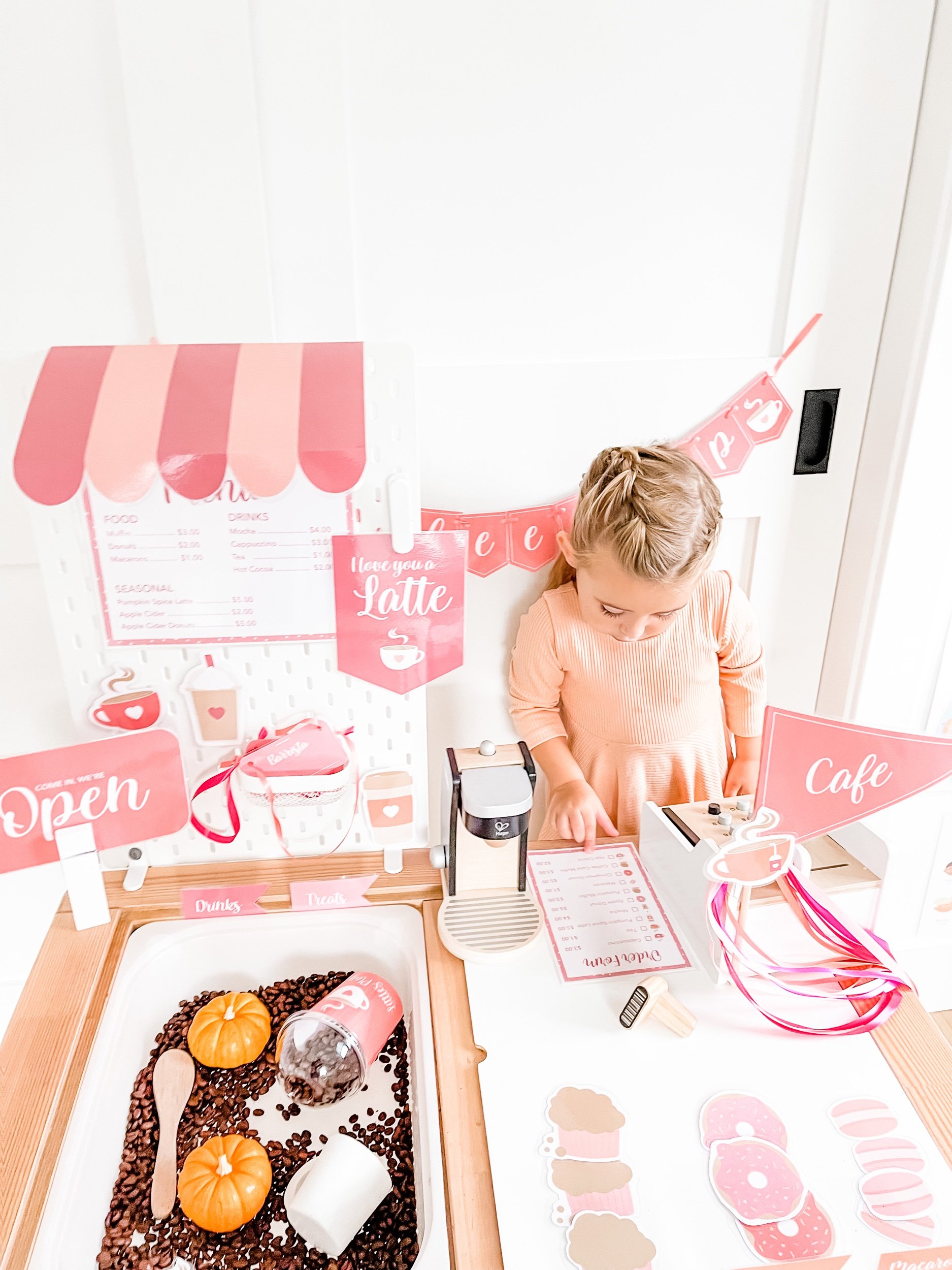
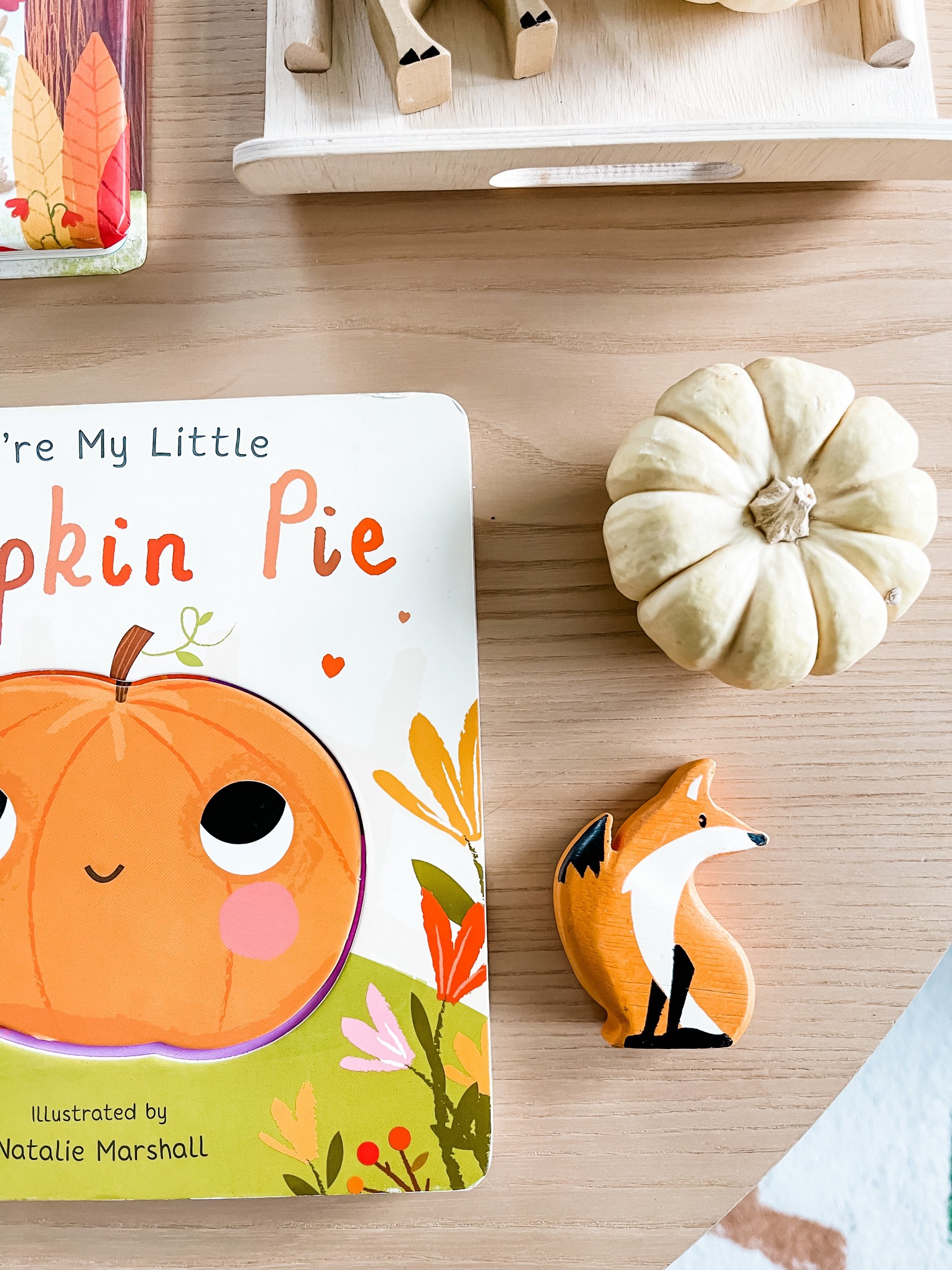
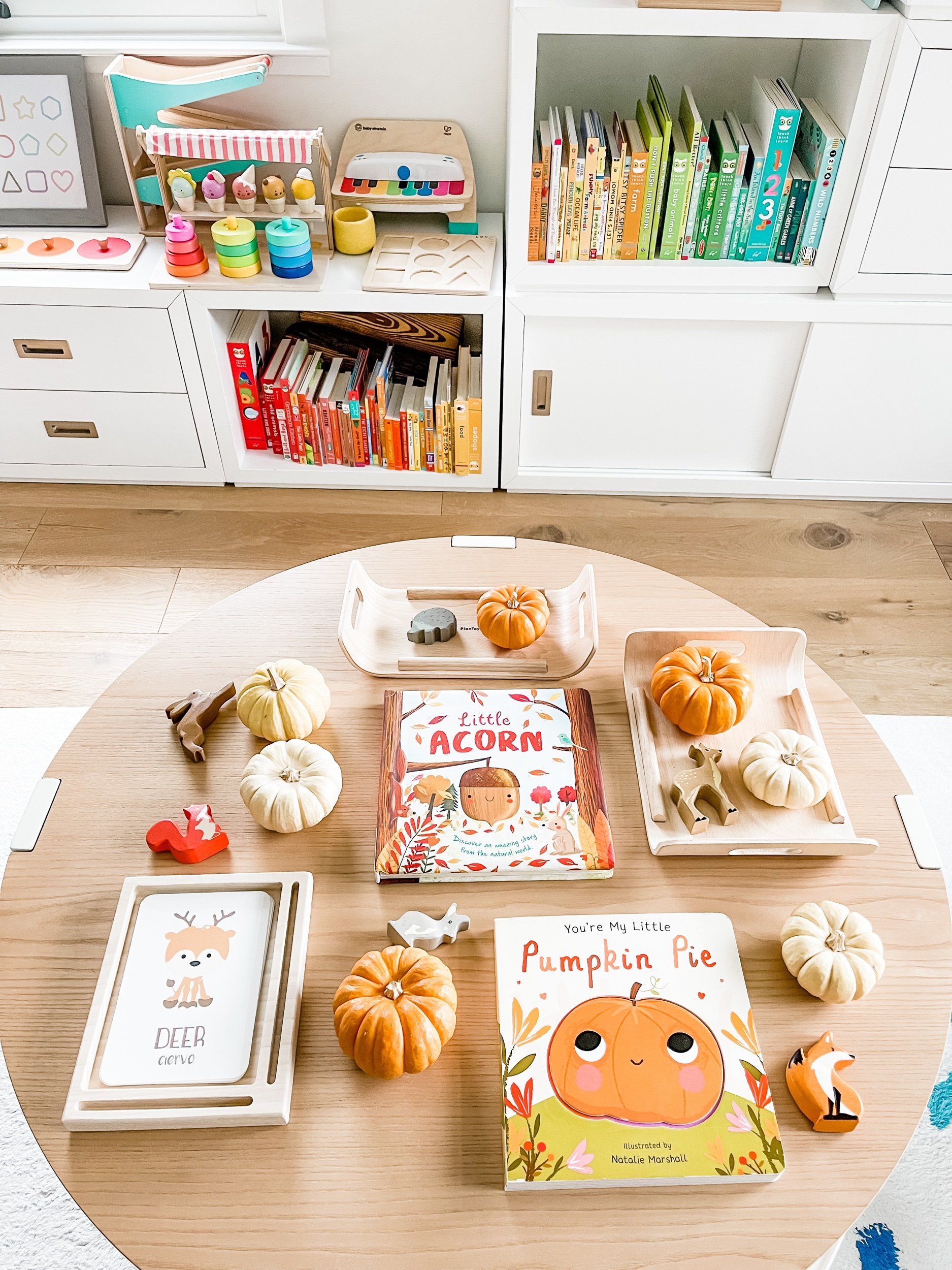
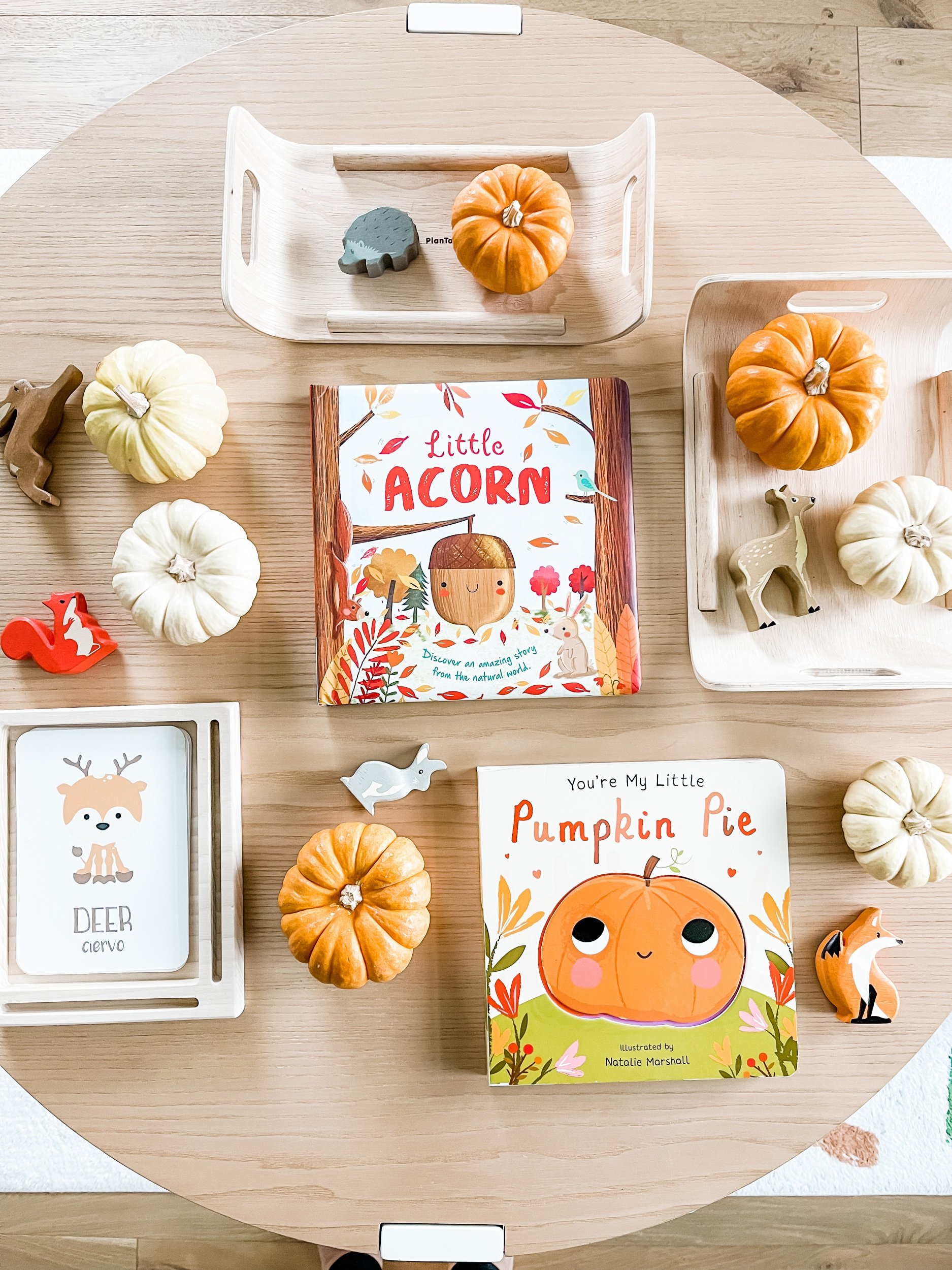
This one was a super last minute invitation to play that I set up when Sofie woke up early from her nap. Because obviously #momlife we simply can’t make gorgeous setups everyday. the good news is Sofie loves to read books on my lap and tinker with small objects so this was still a great fall activity. For this setup we used the Little Acorn board book and the Pumpkin Pie board book.

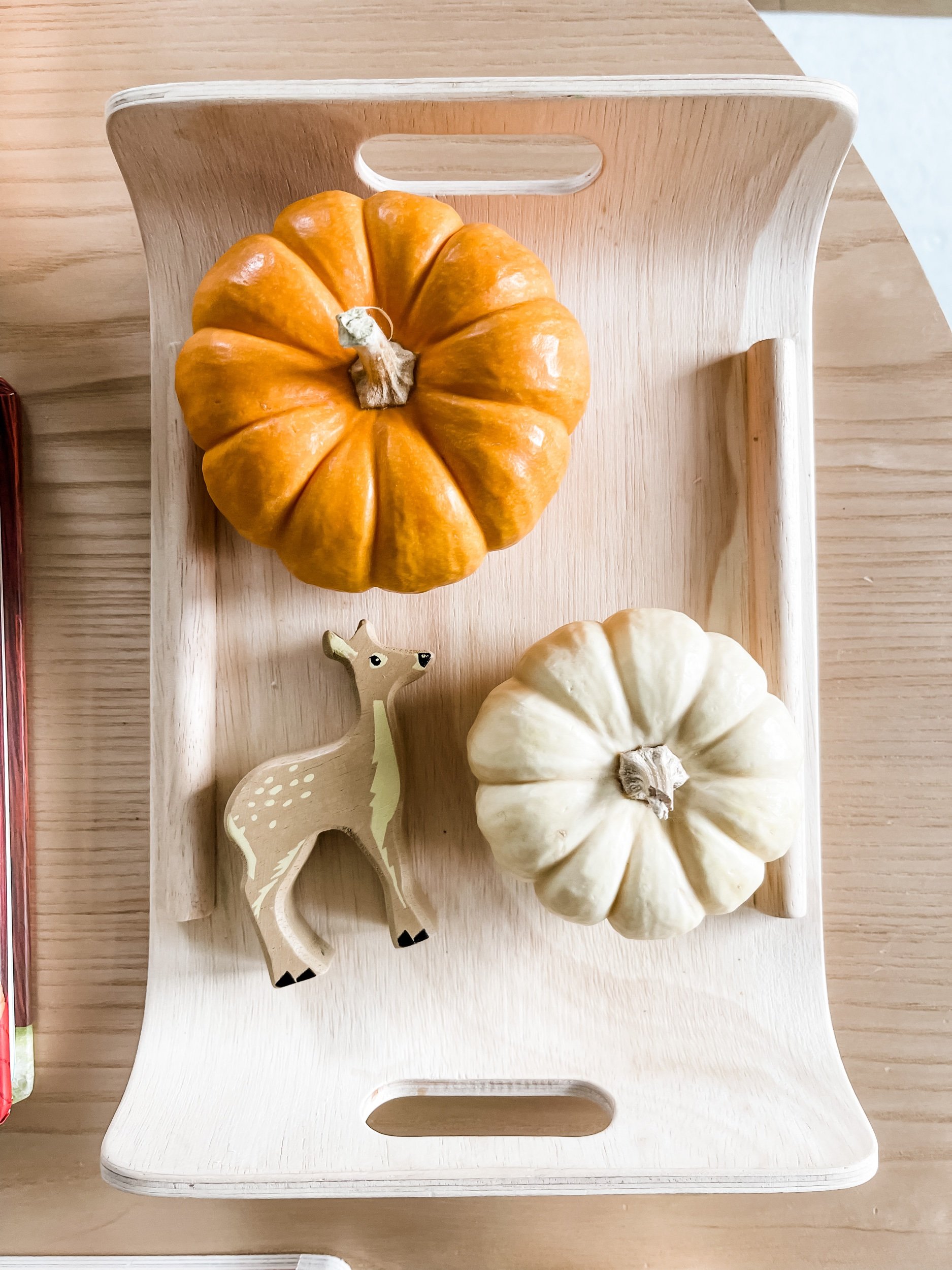
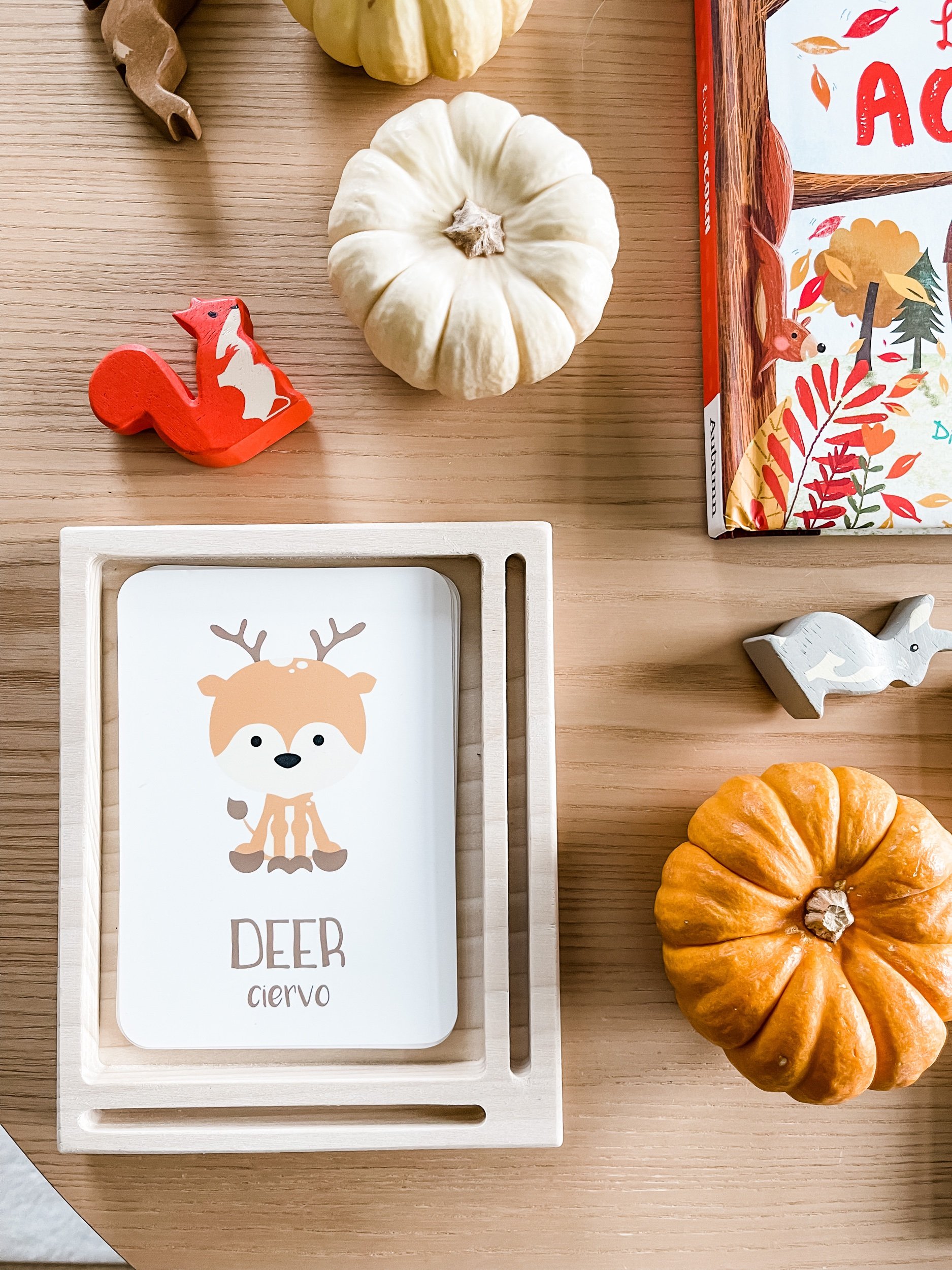
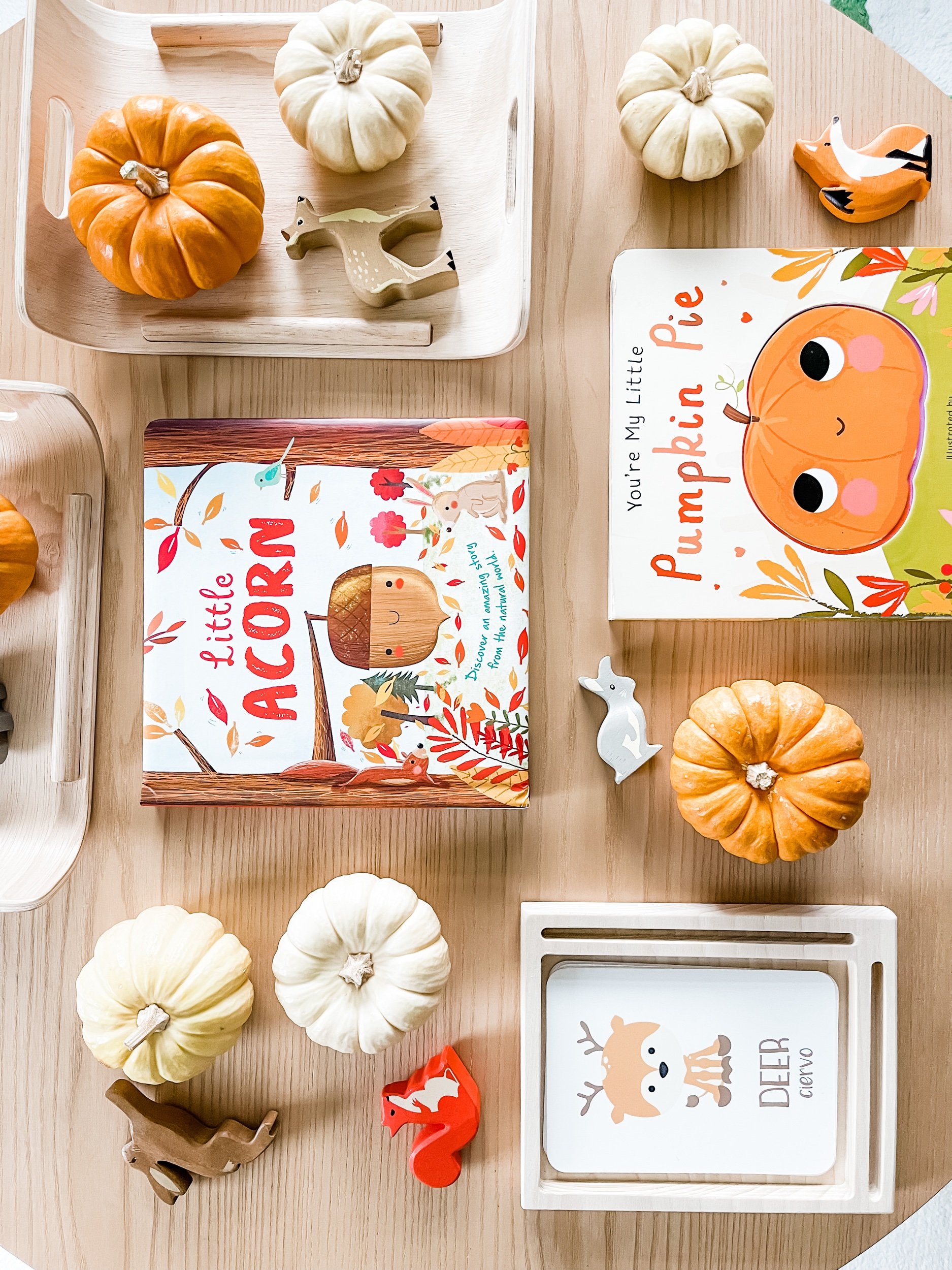
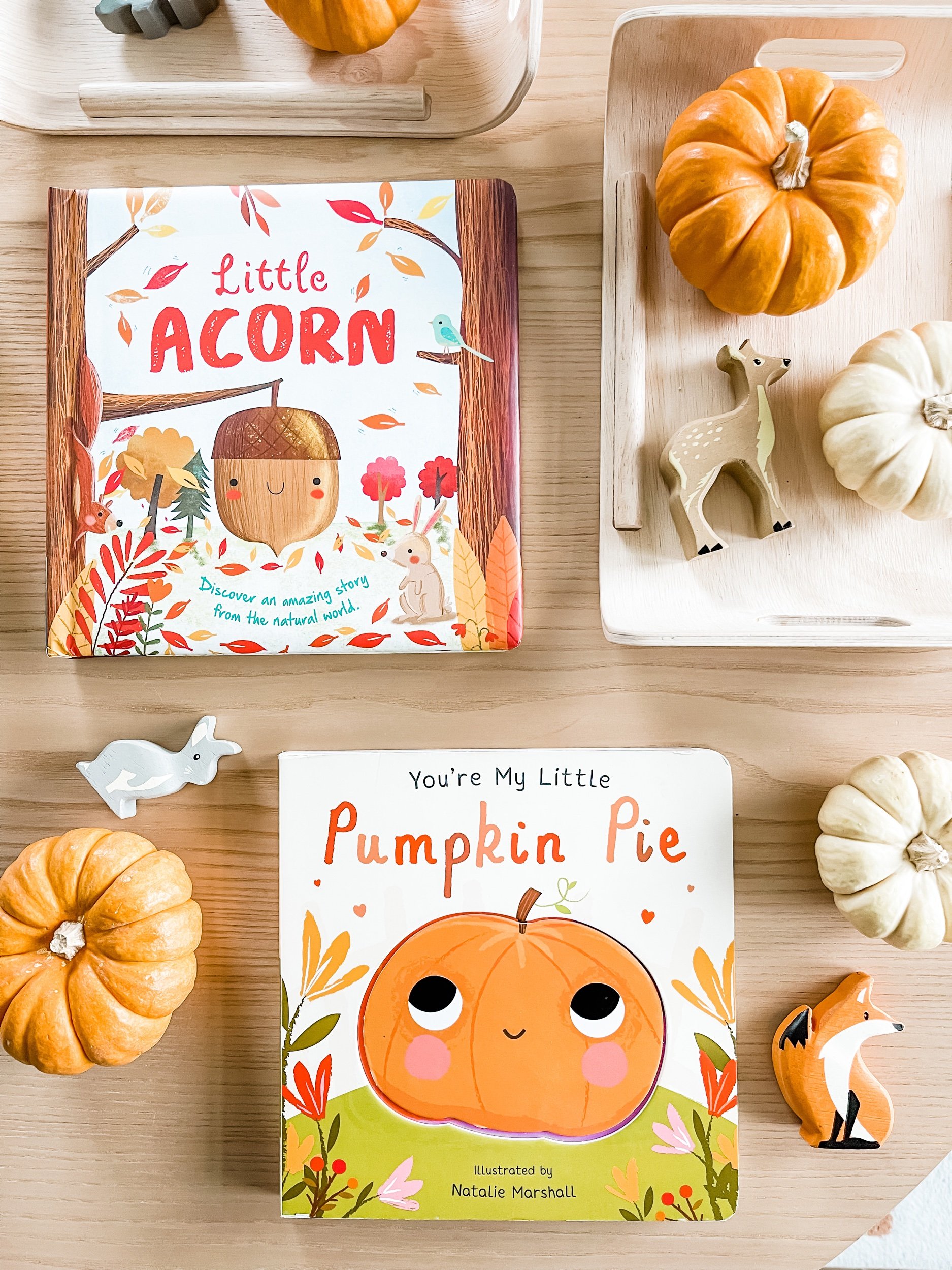
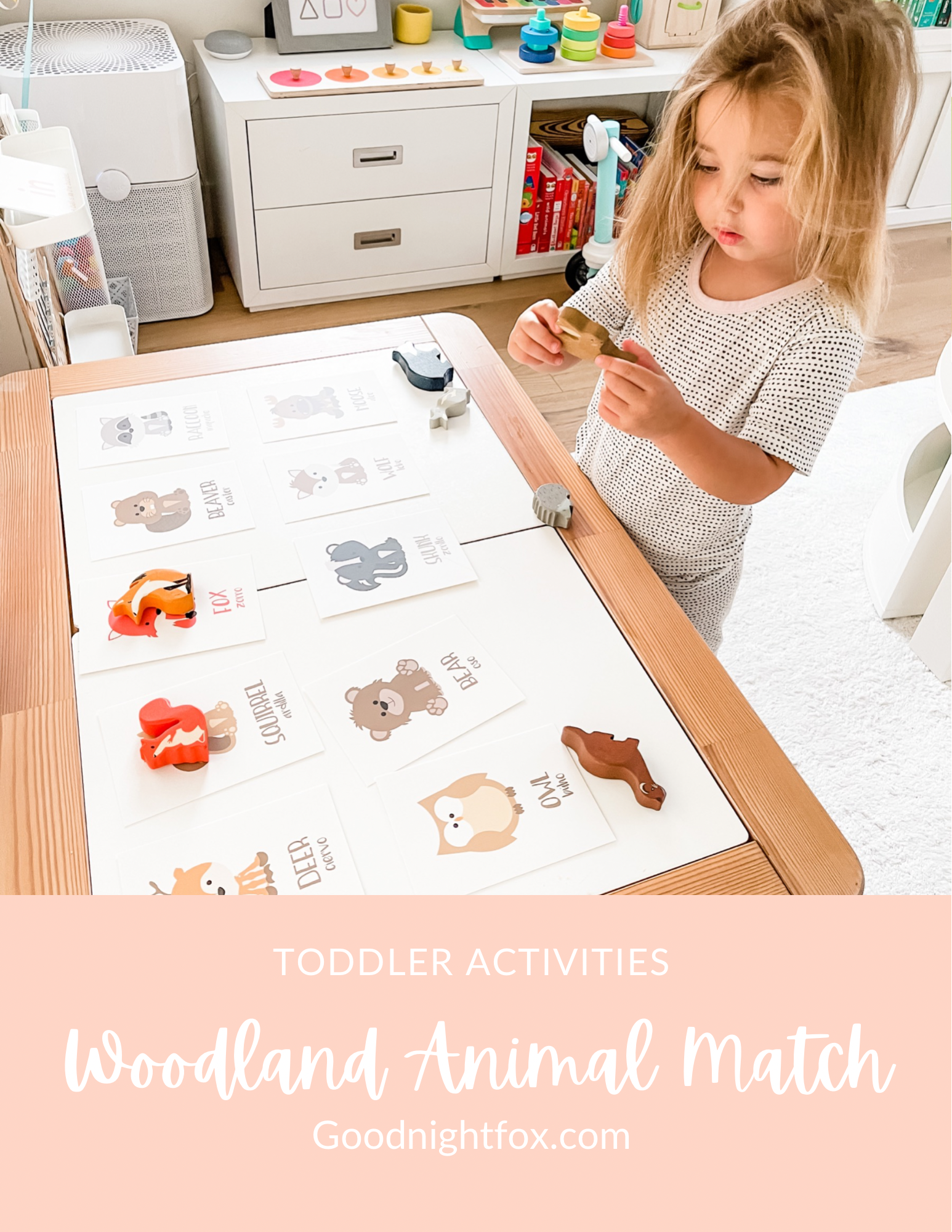
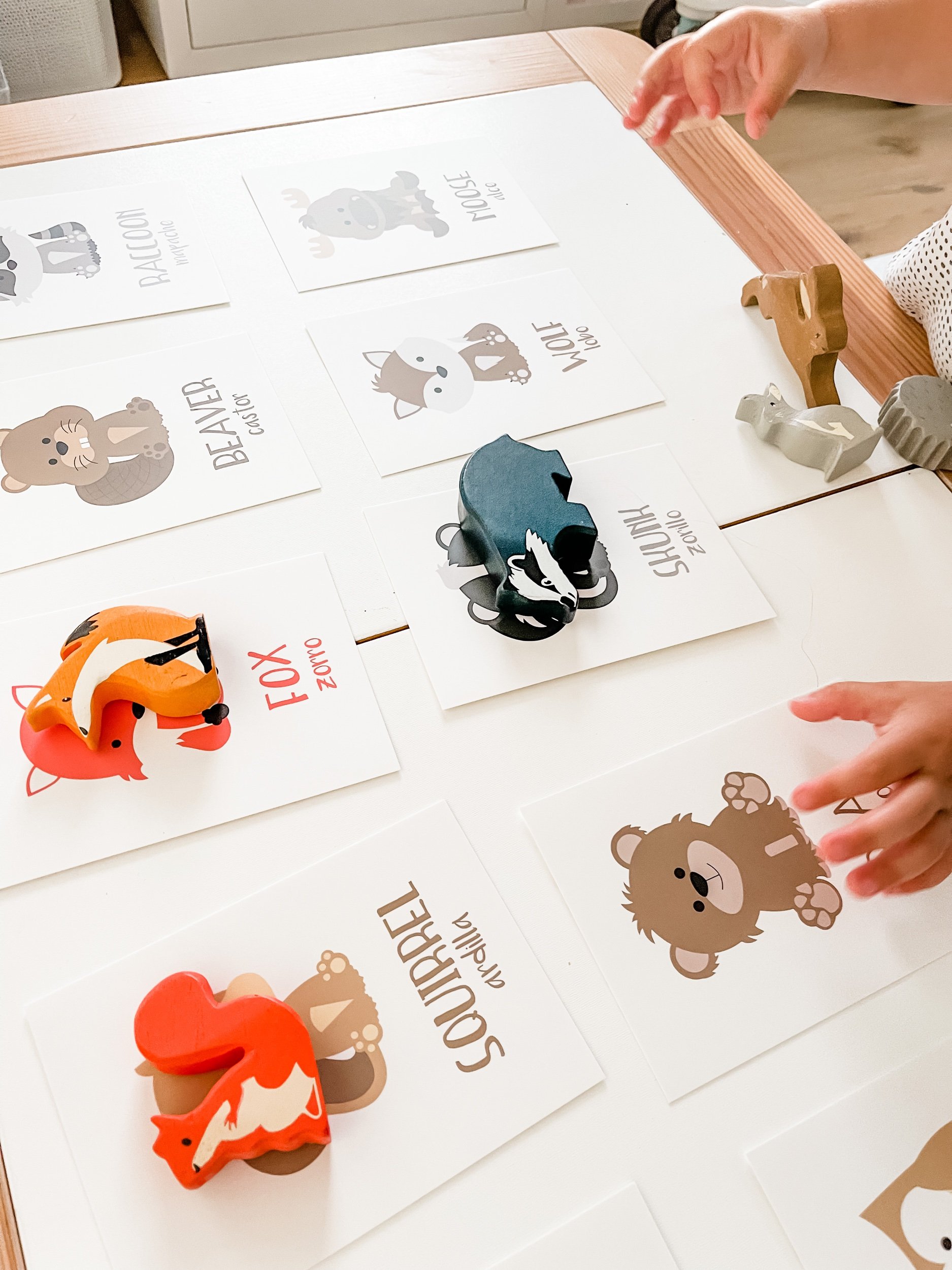
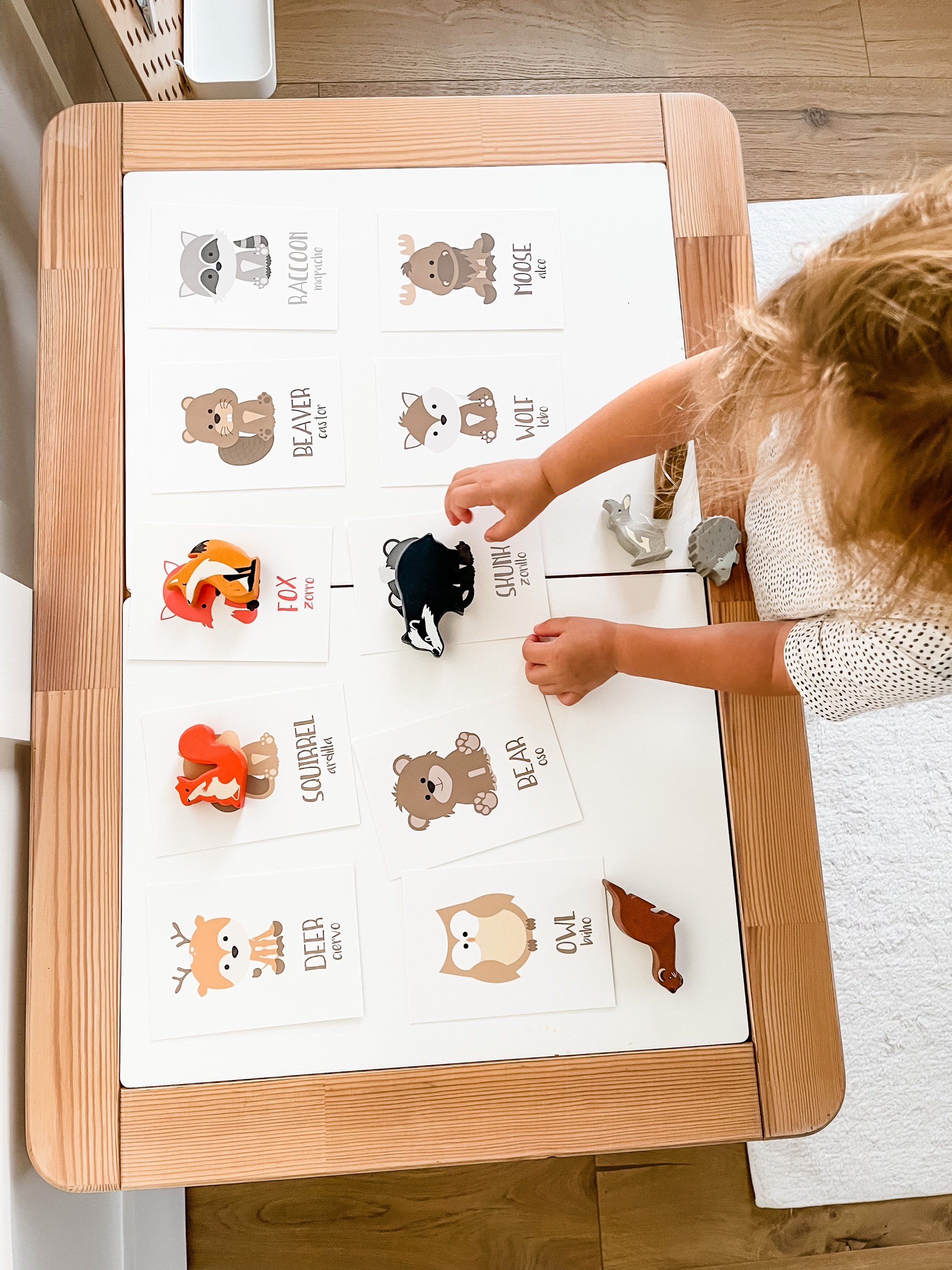
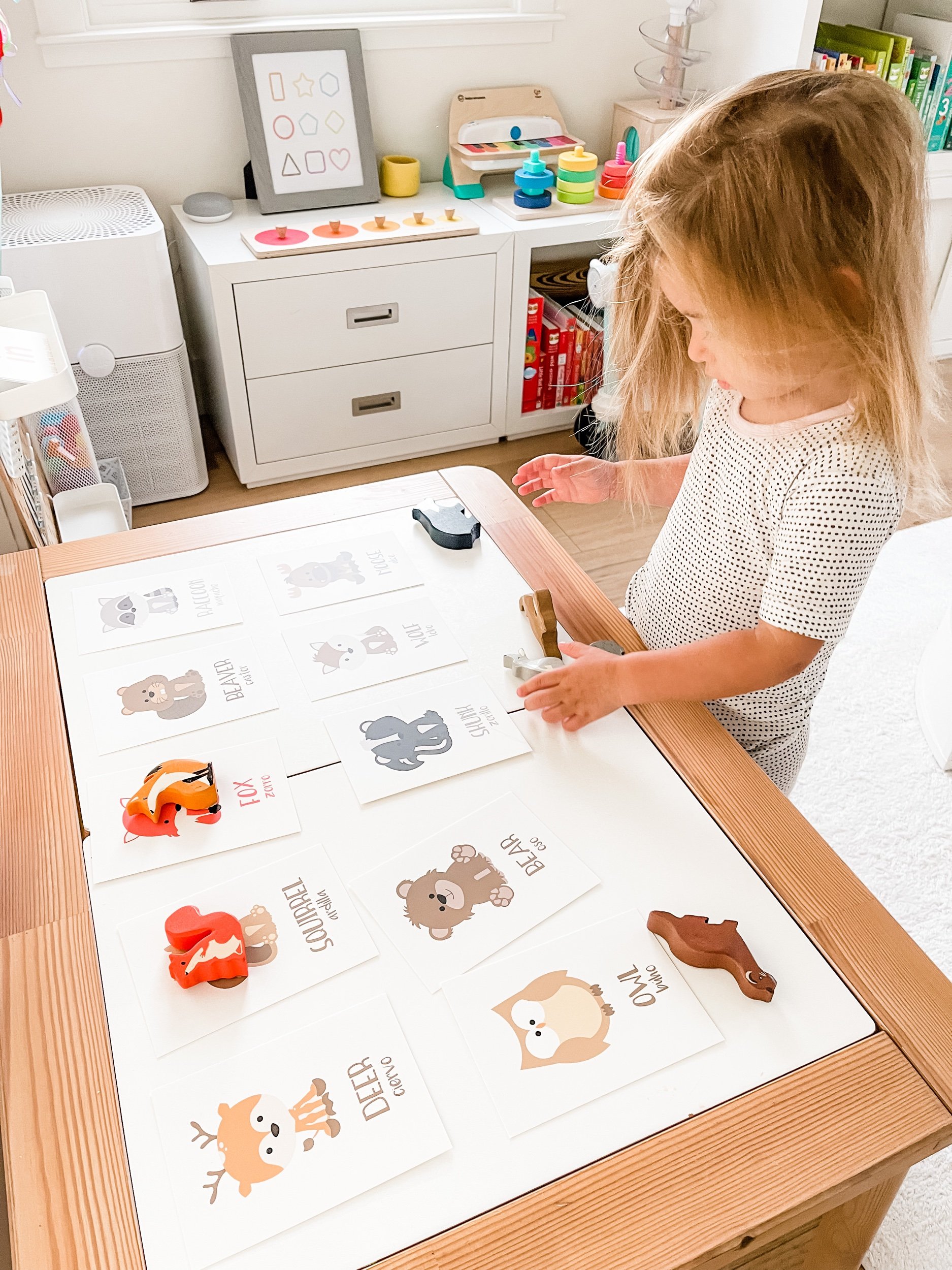
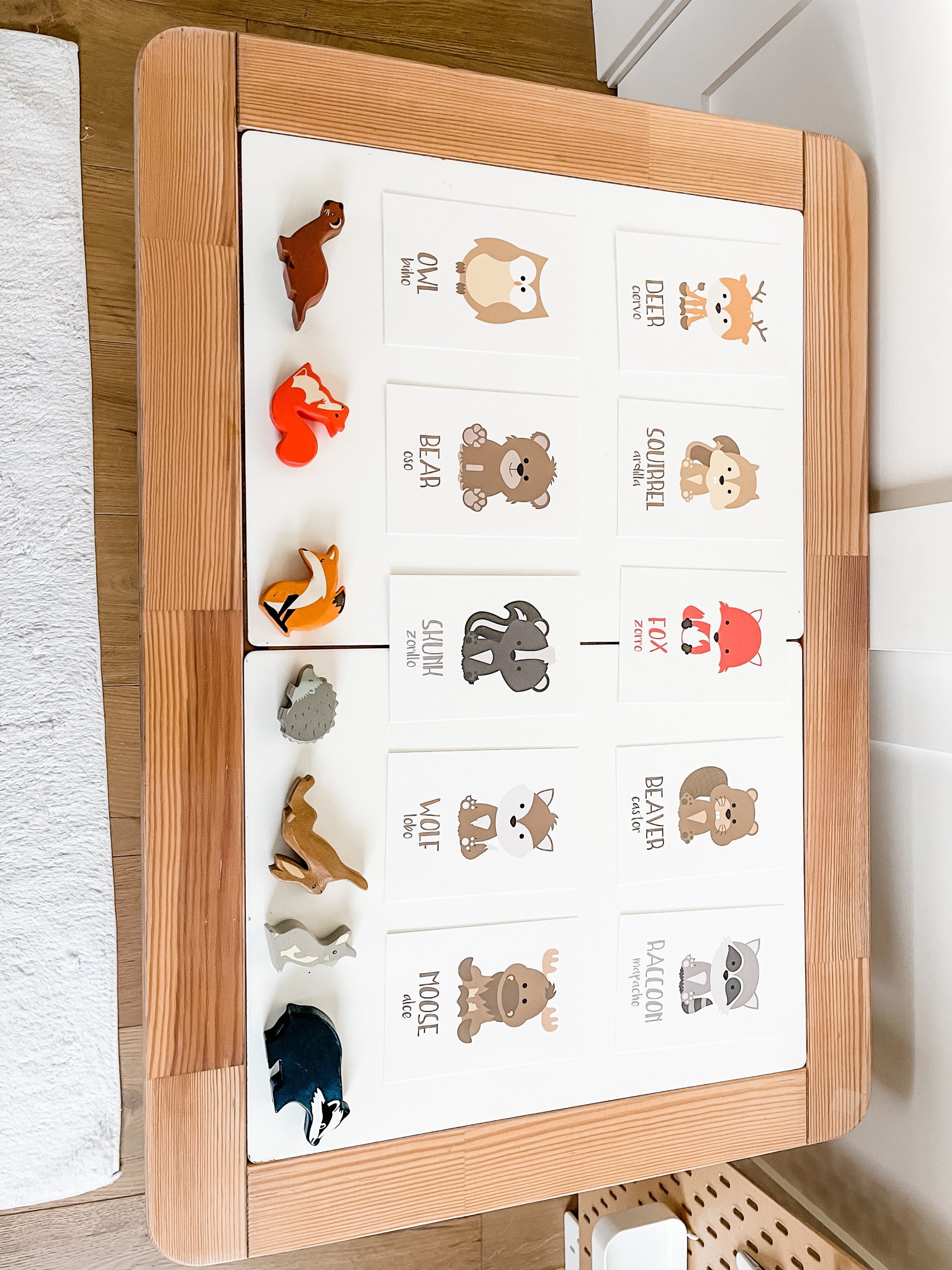
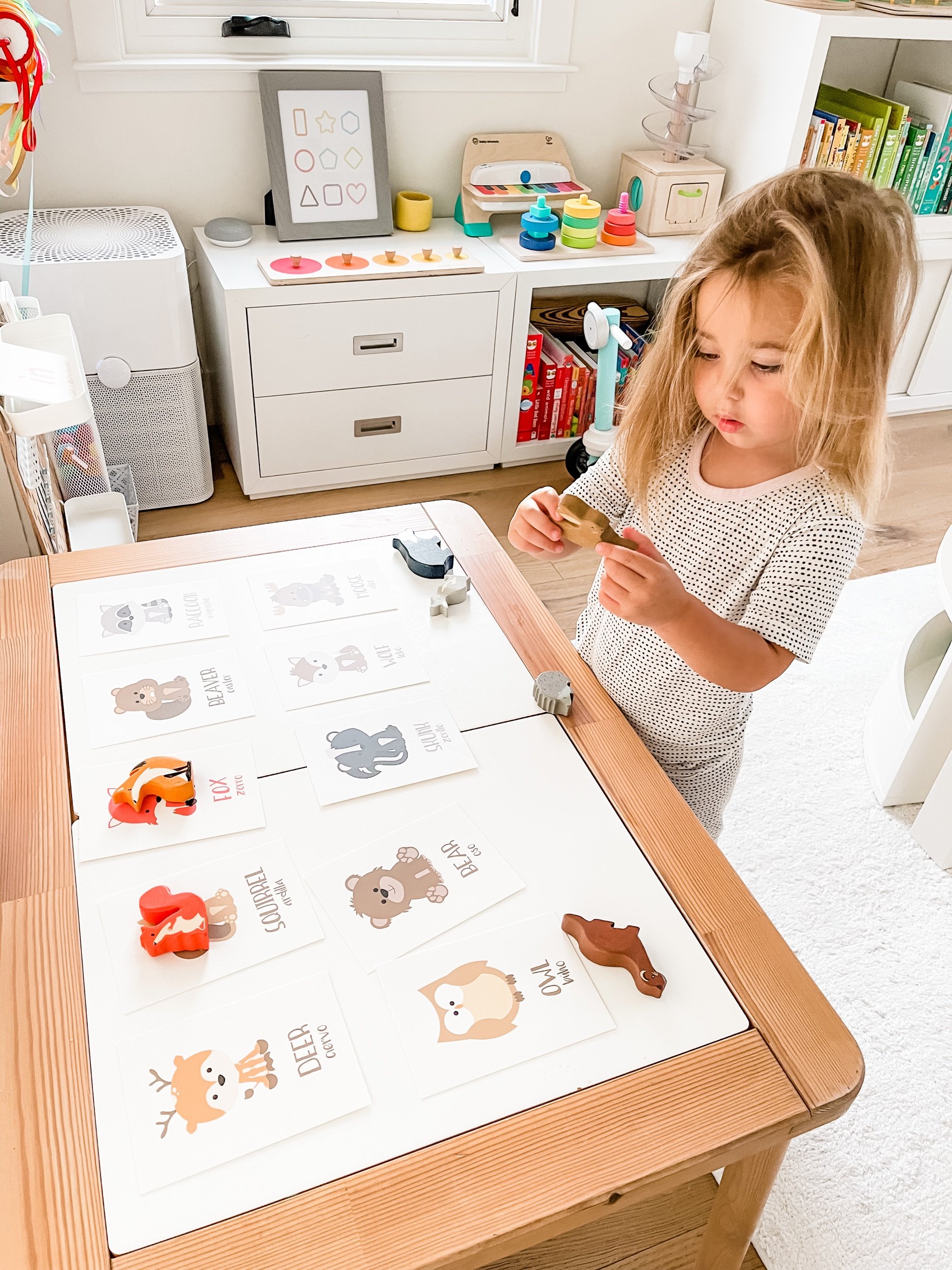
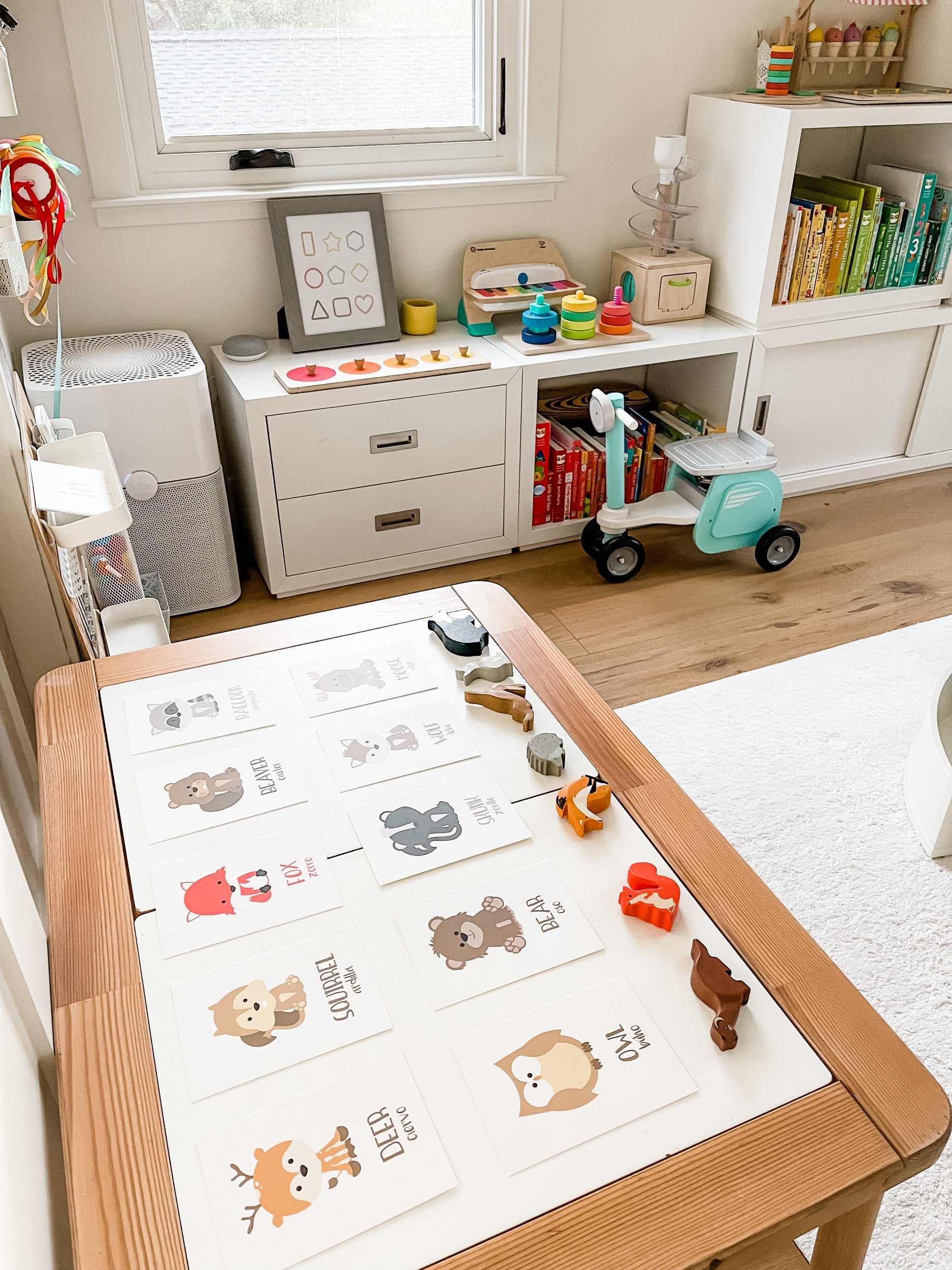
This was another easy one. We took our Tender Leaf Toys Woodland animals and paired them up with our Woodland Animal Learning cards. It was so fun to watch Sofie match the animals and also make up little stories about each one.
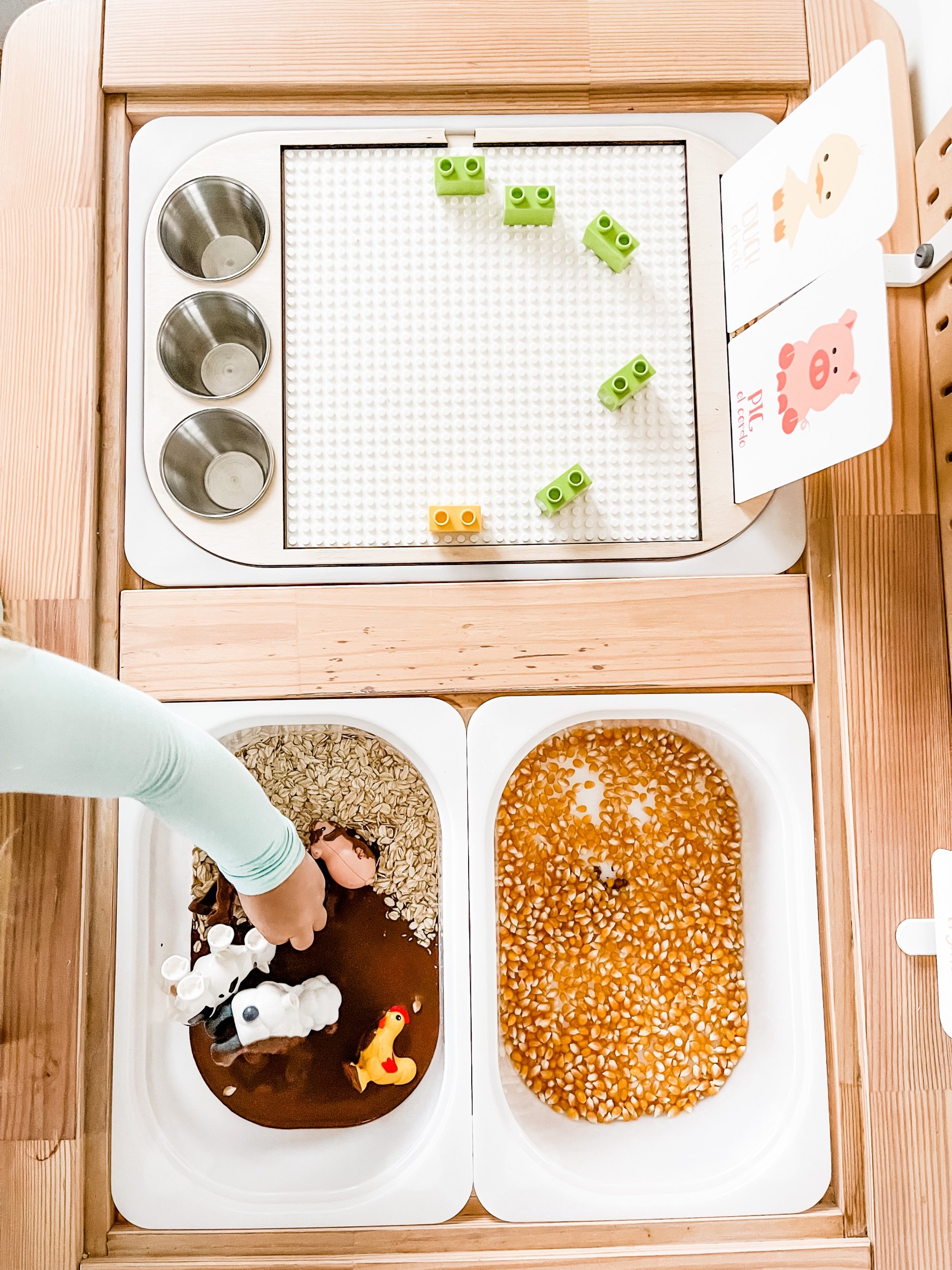
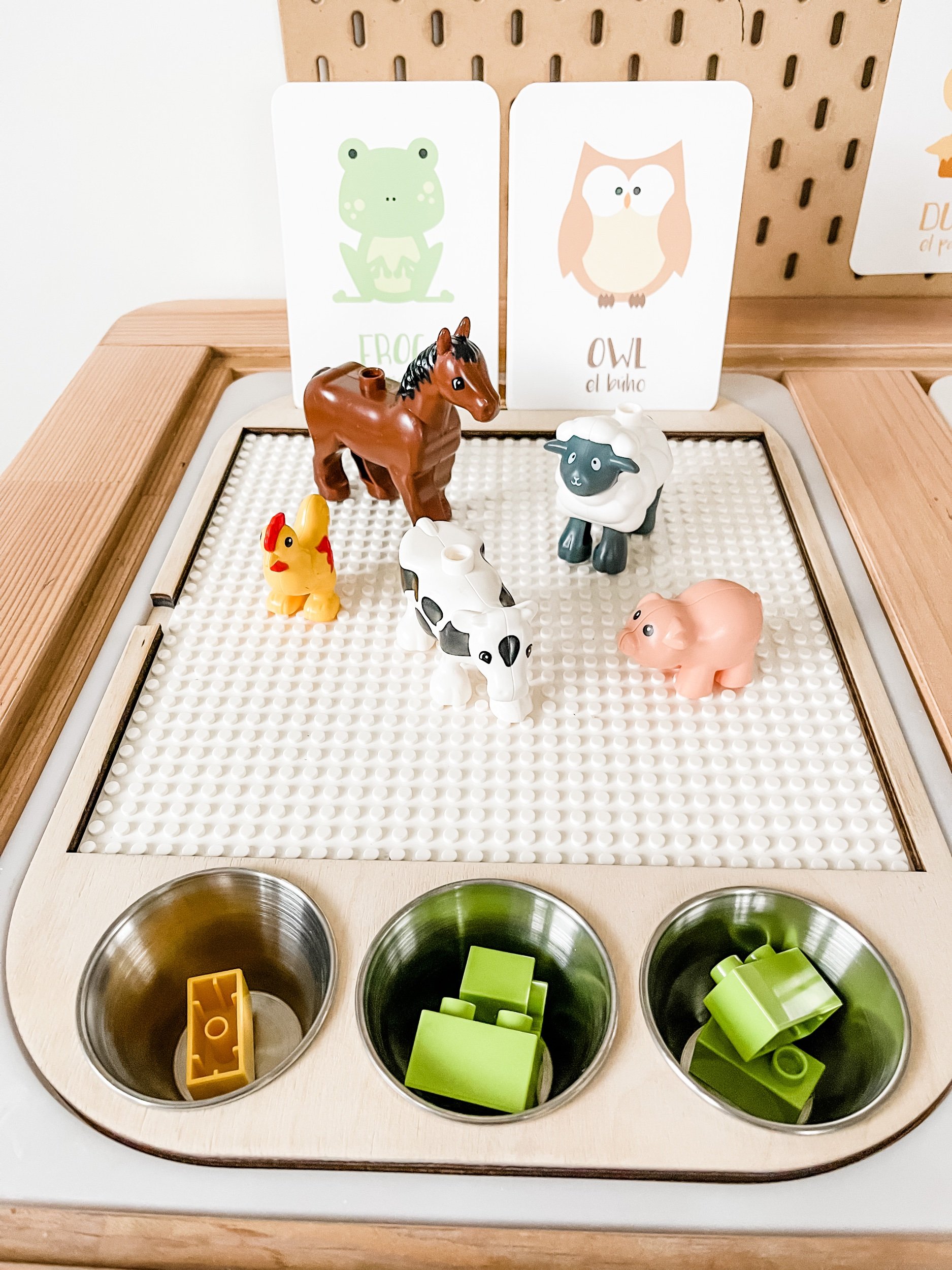
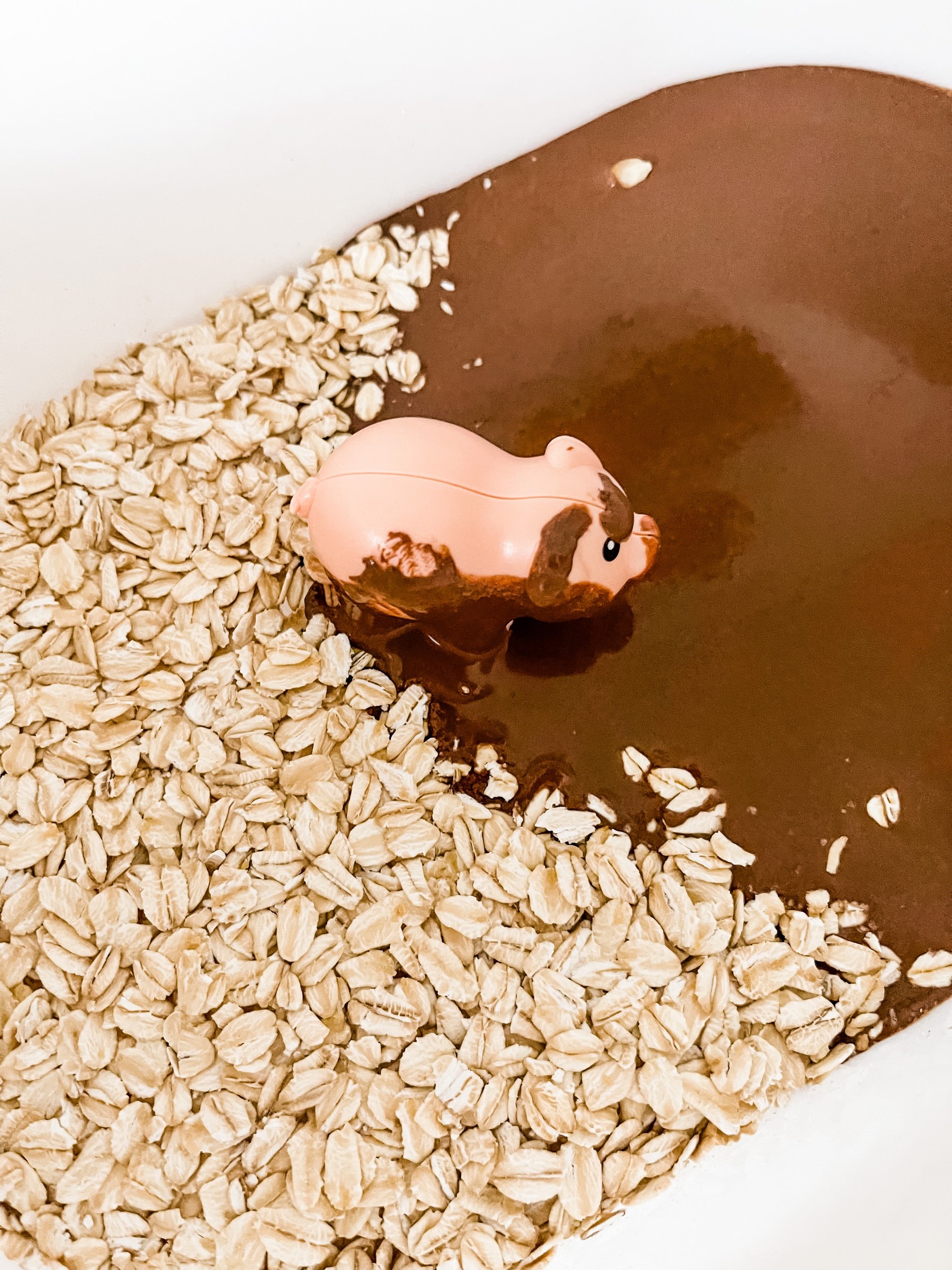
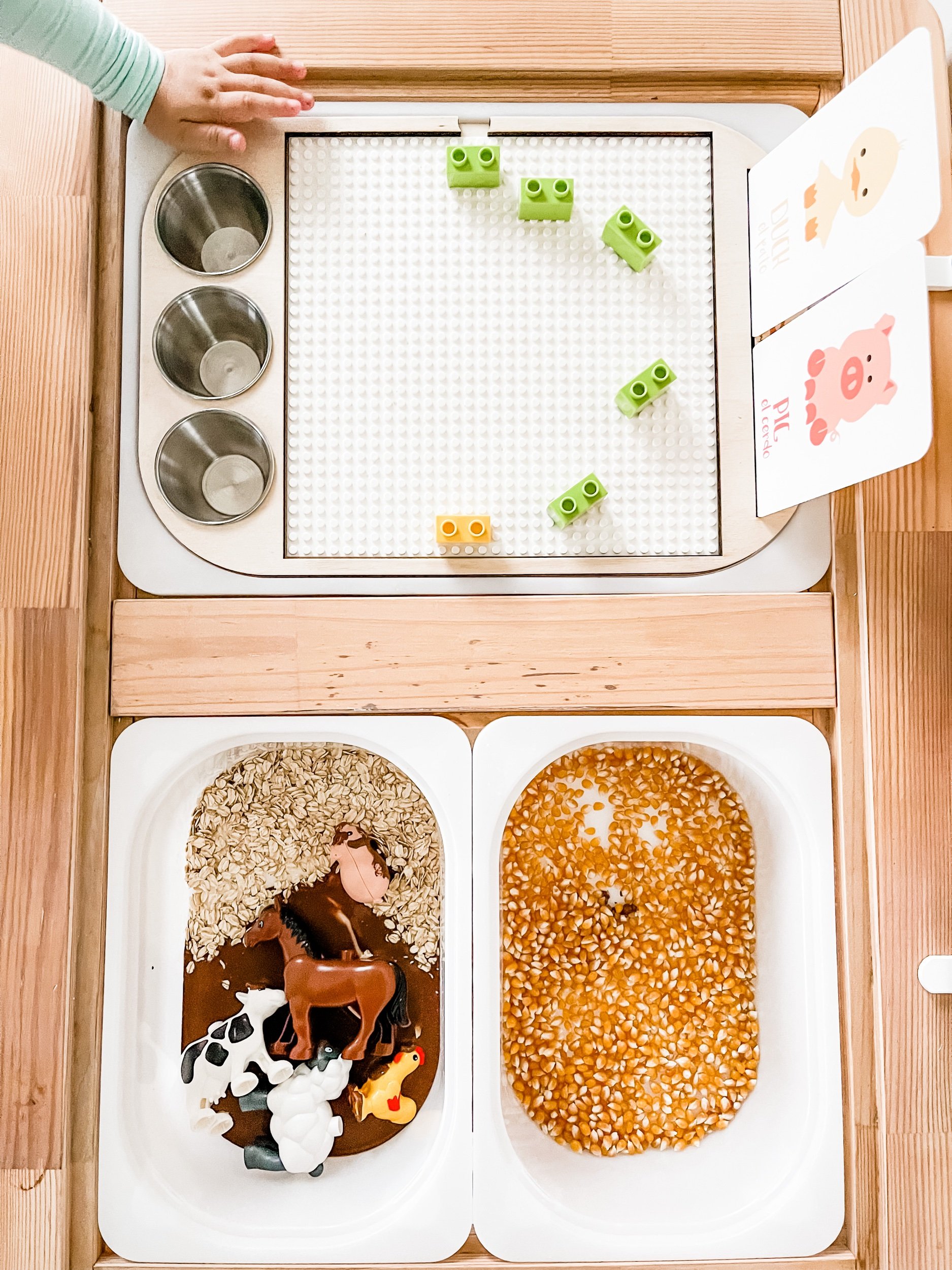
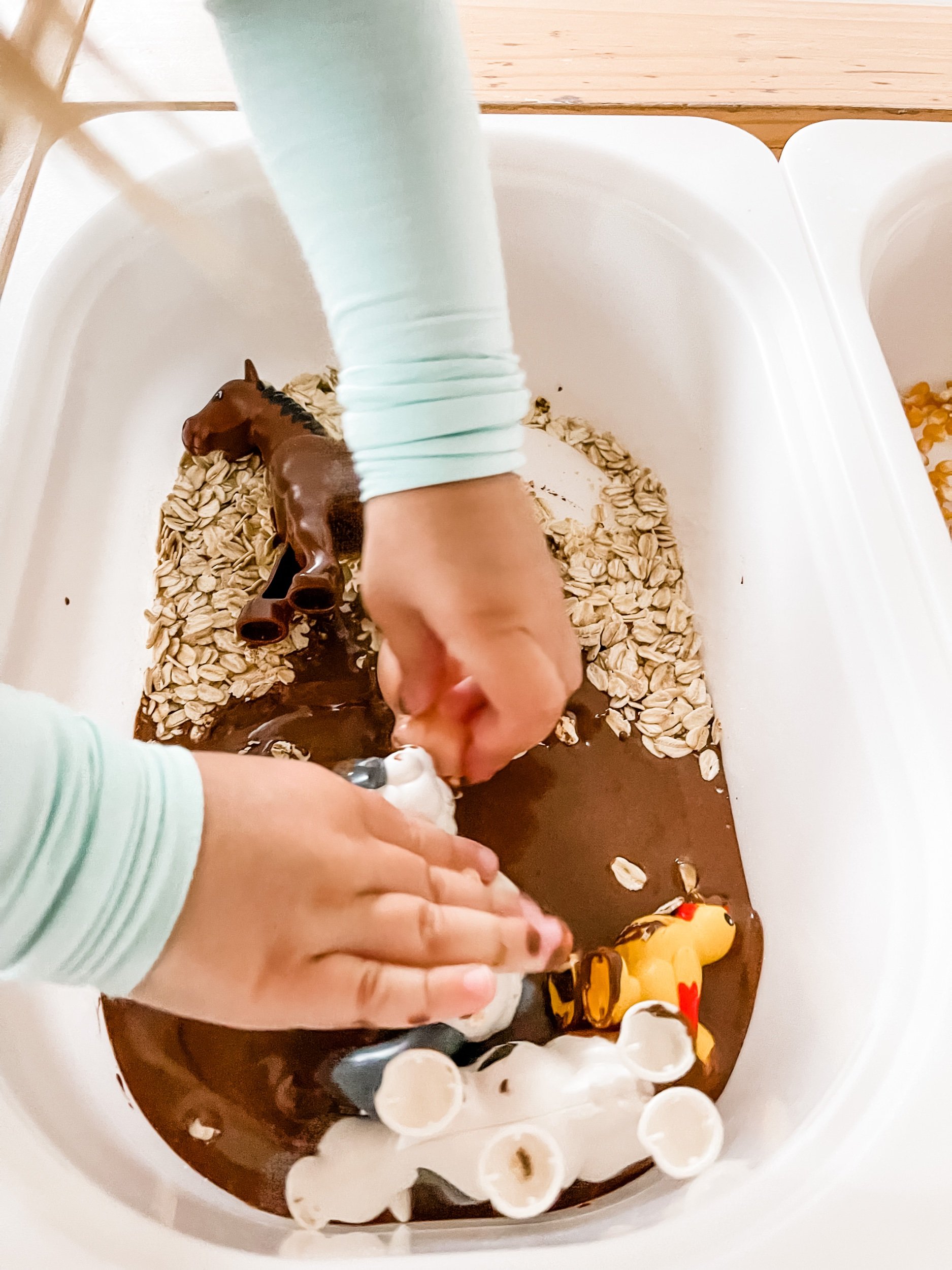
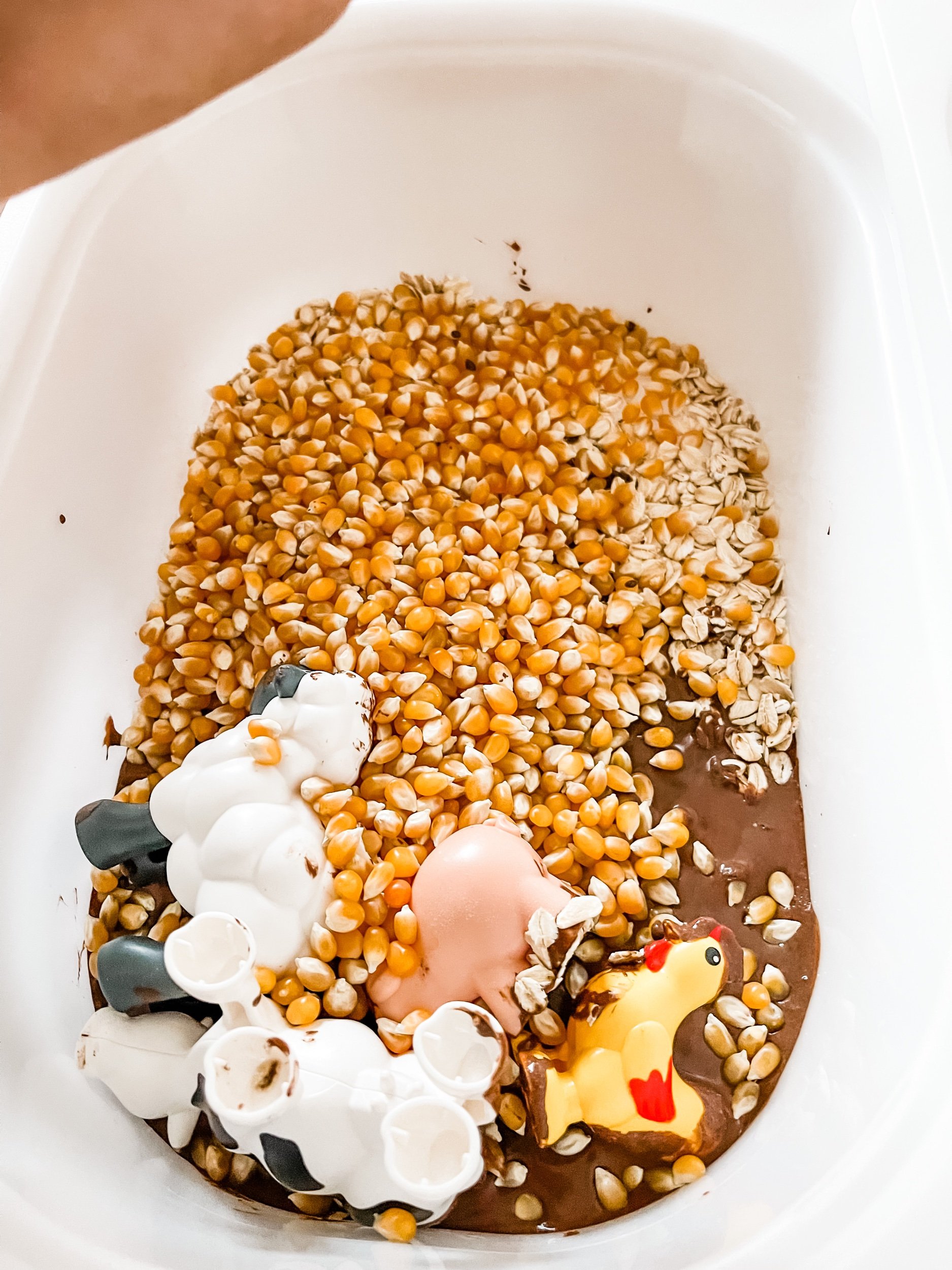
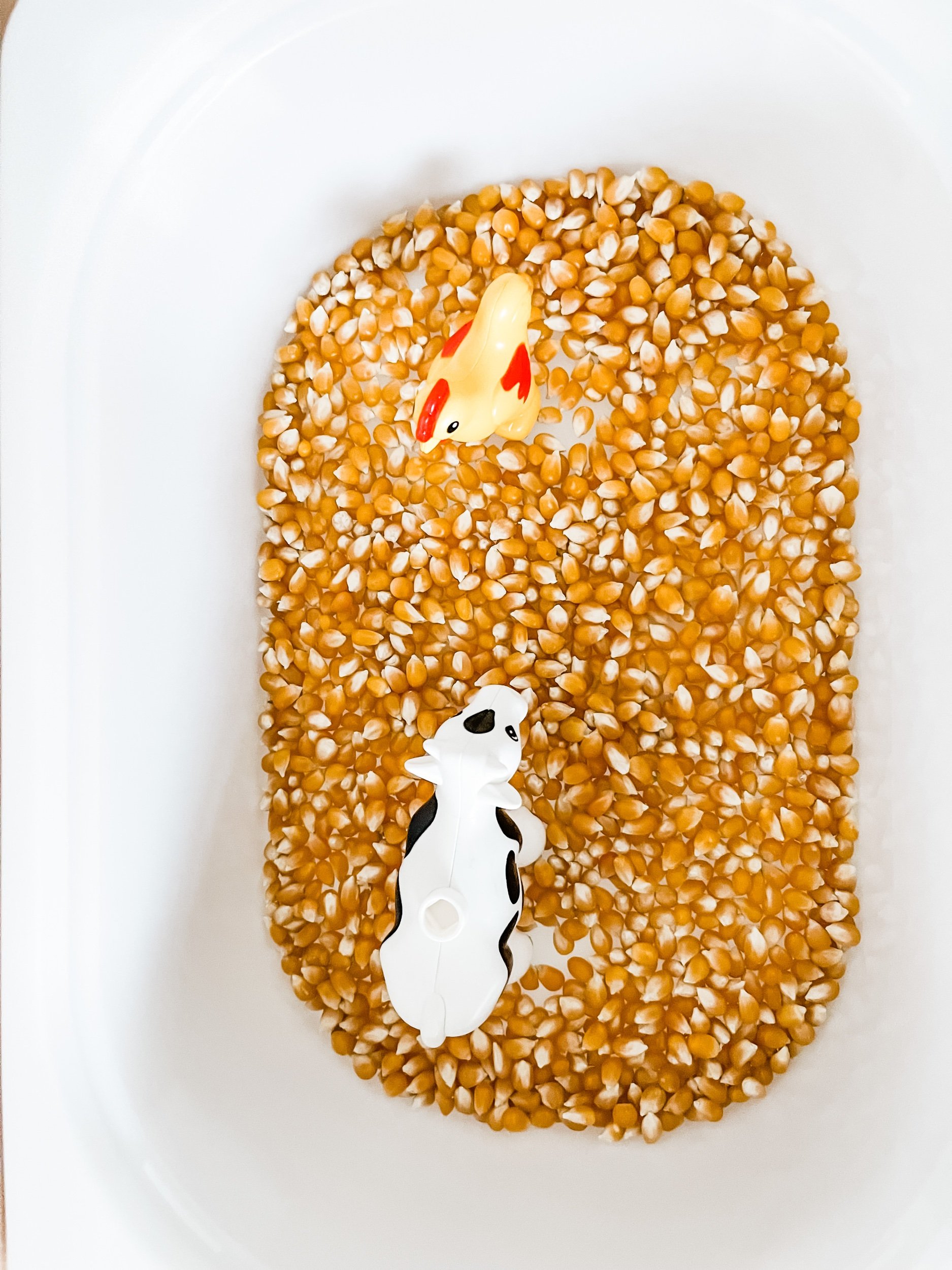
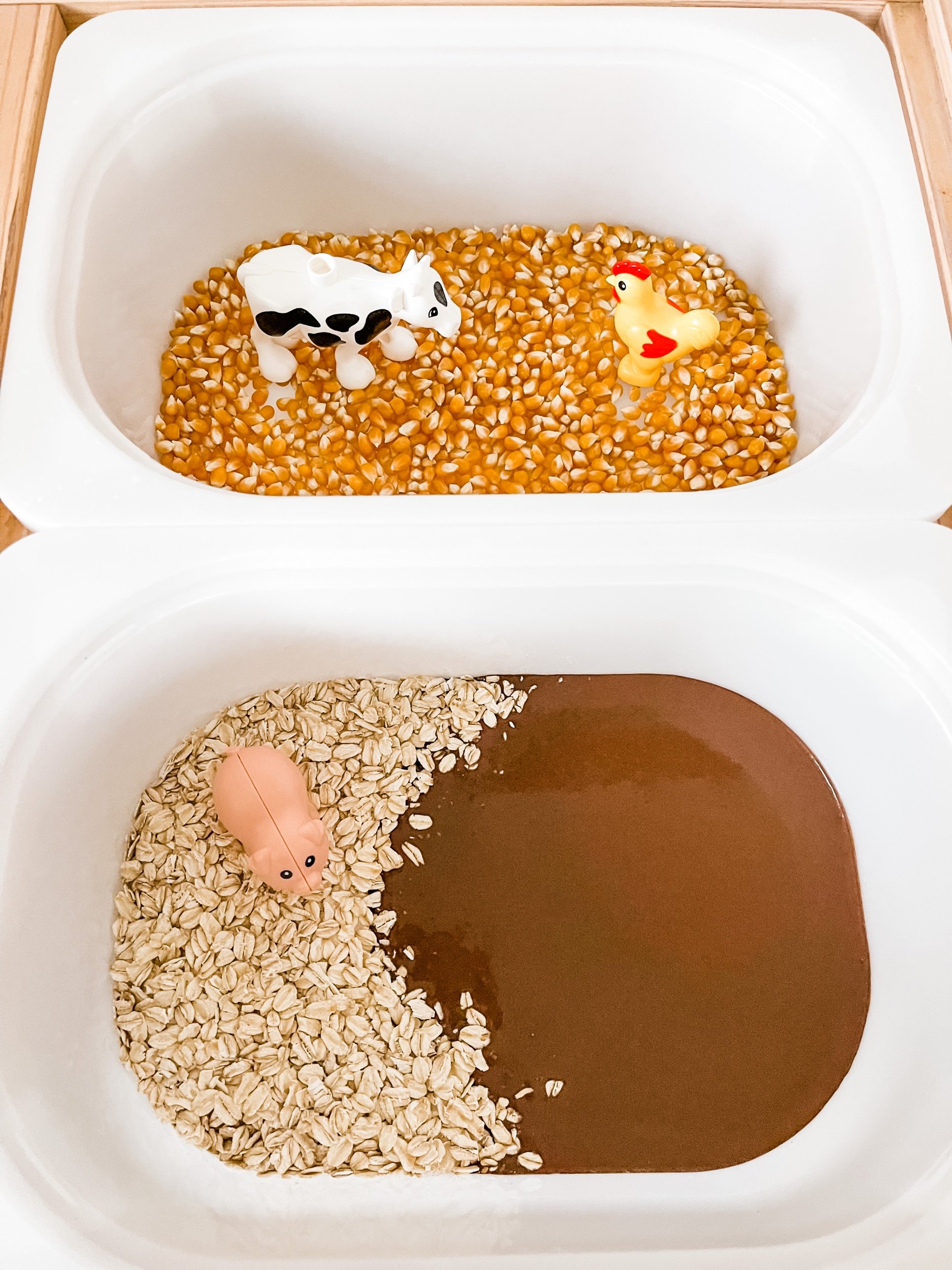
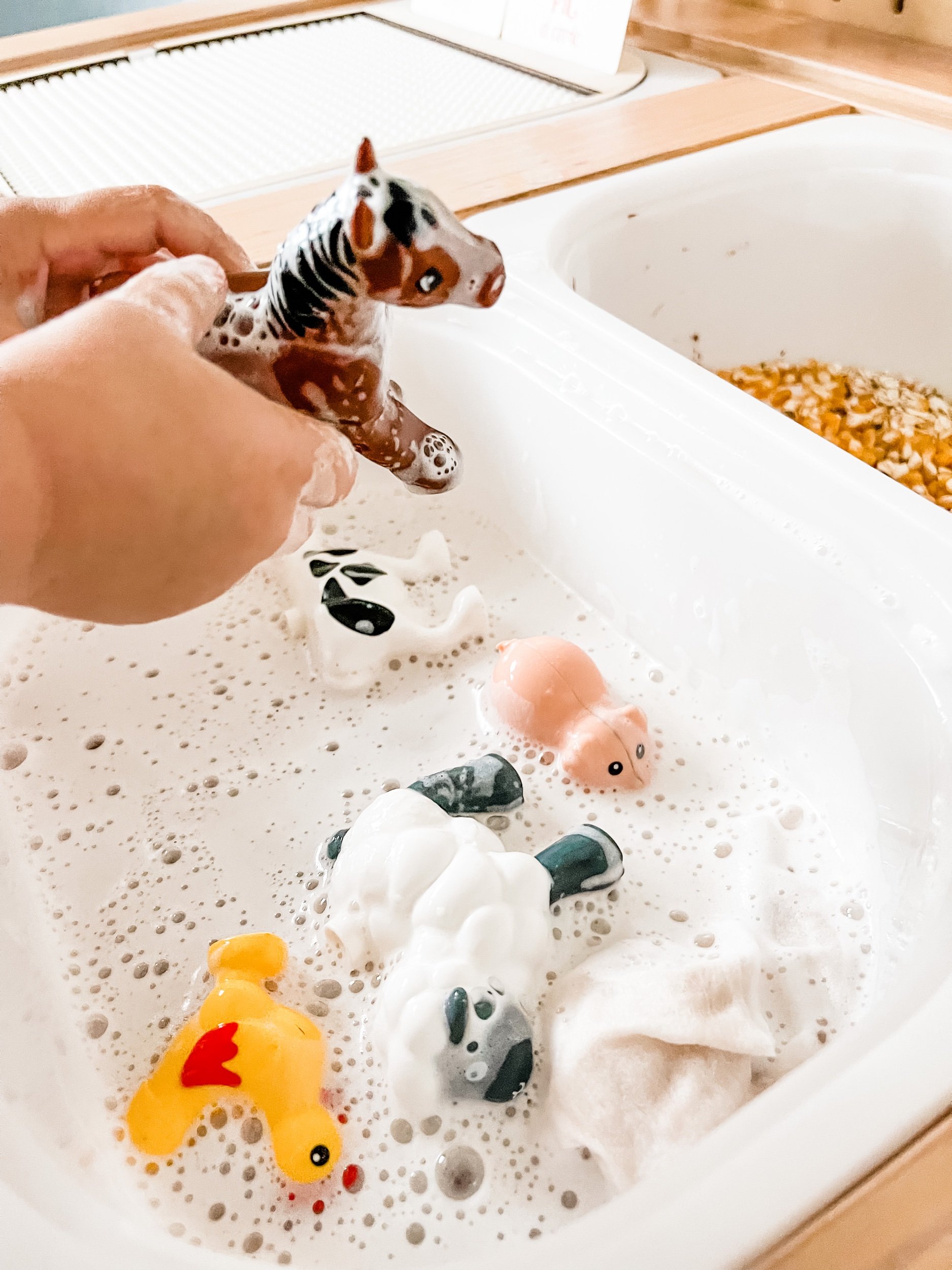
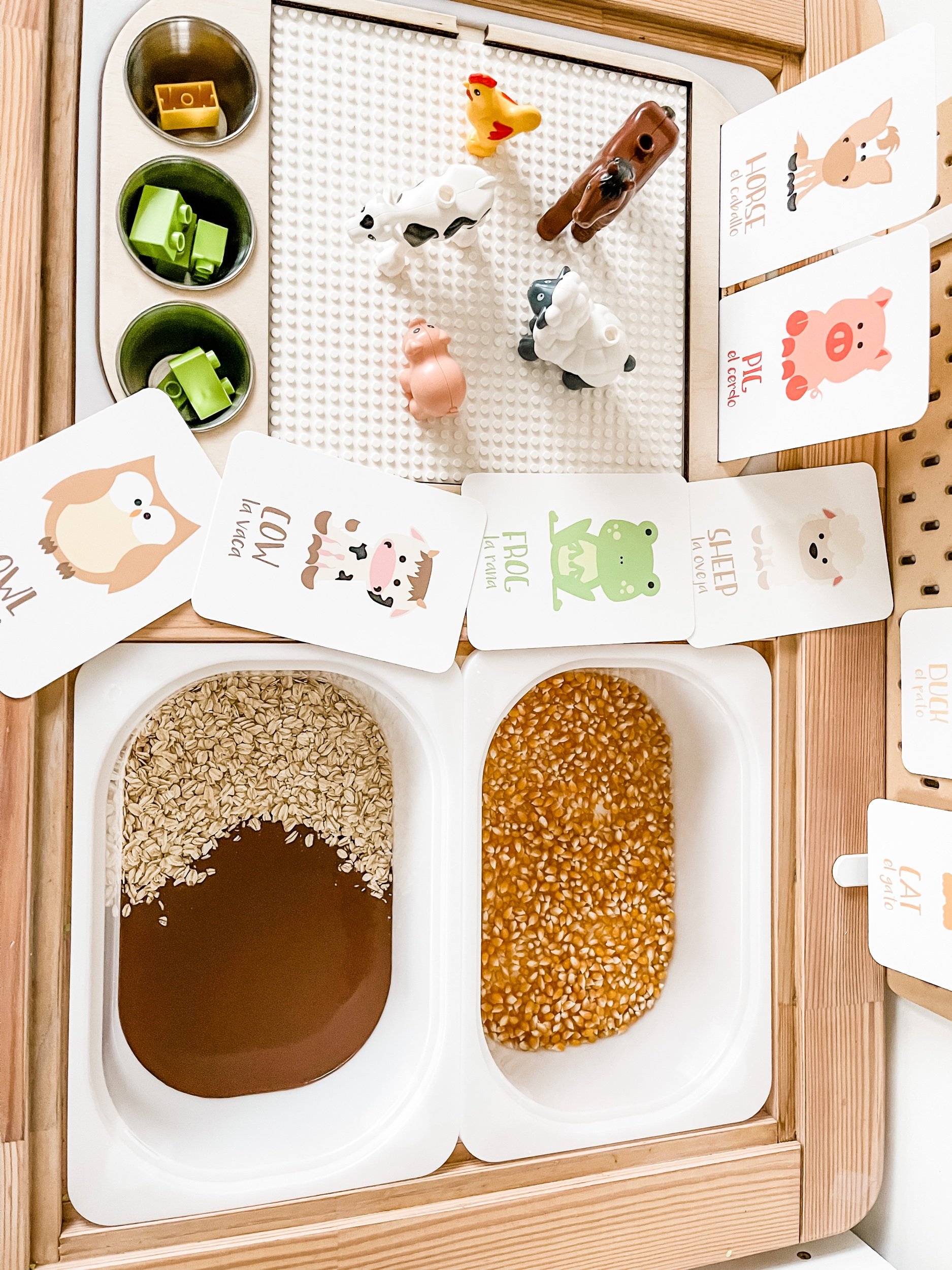
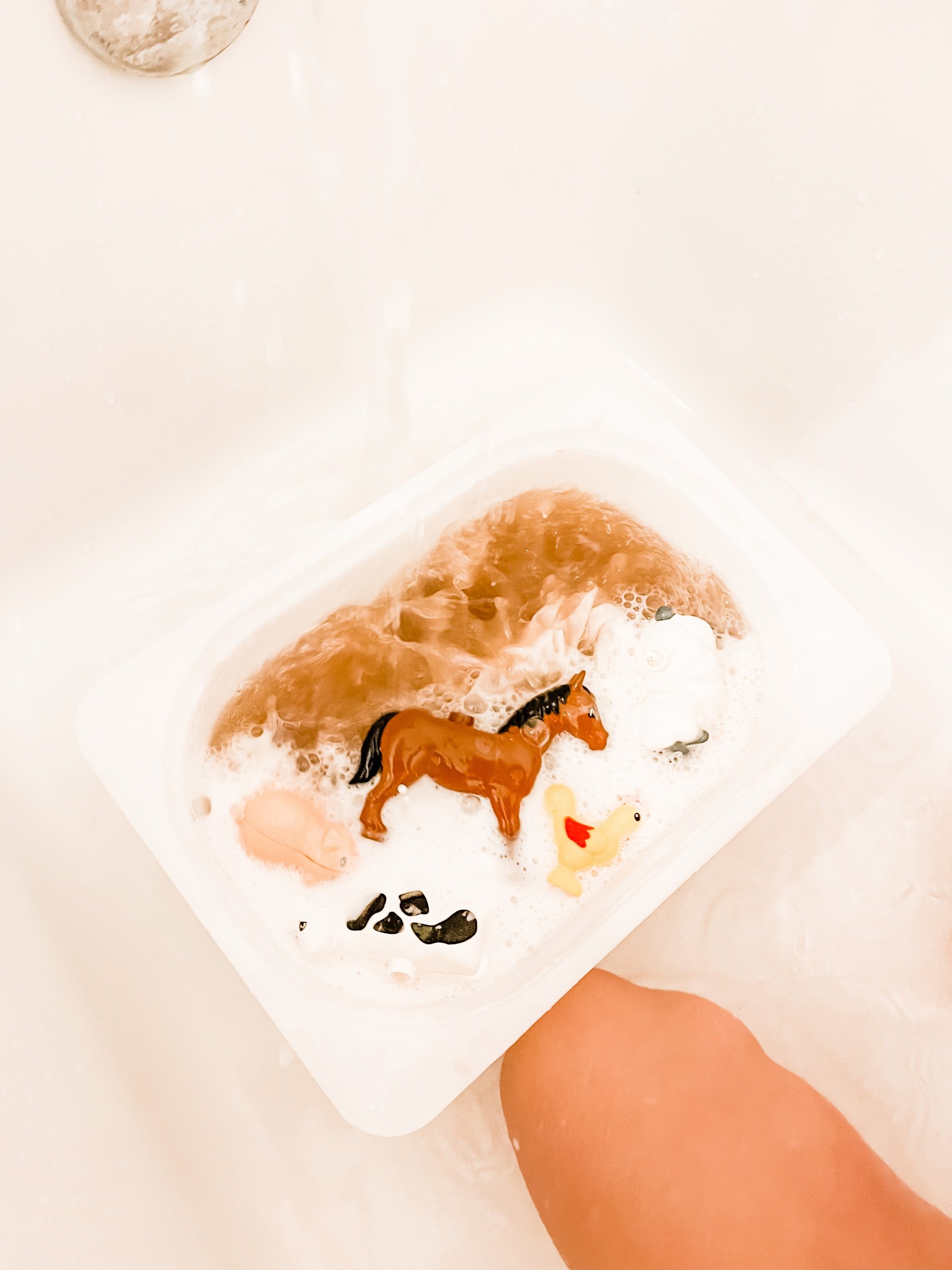
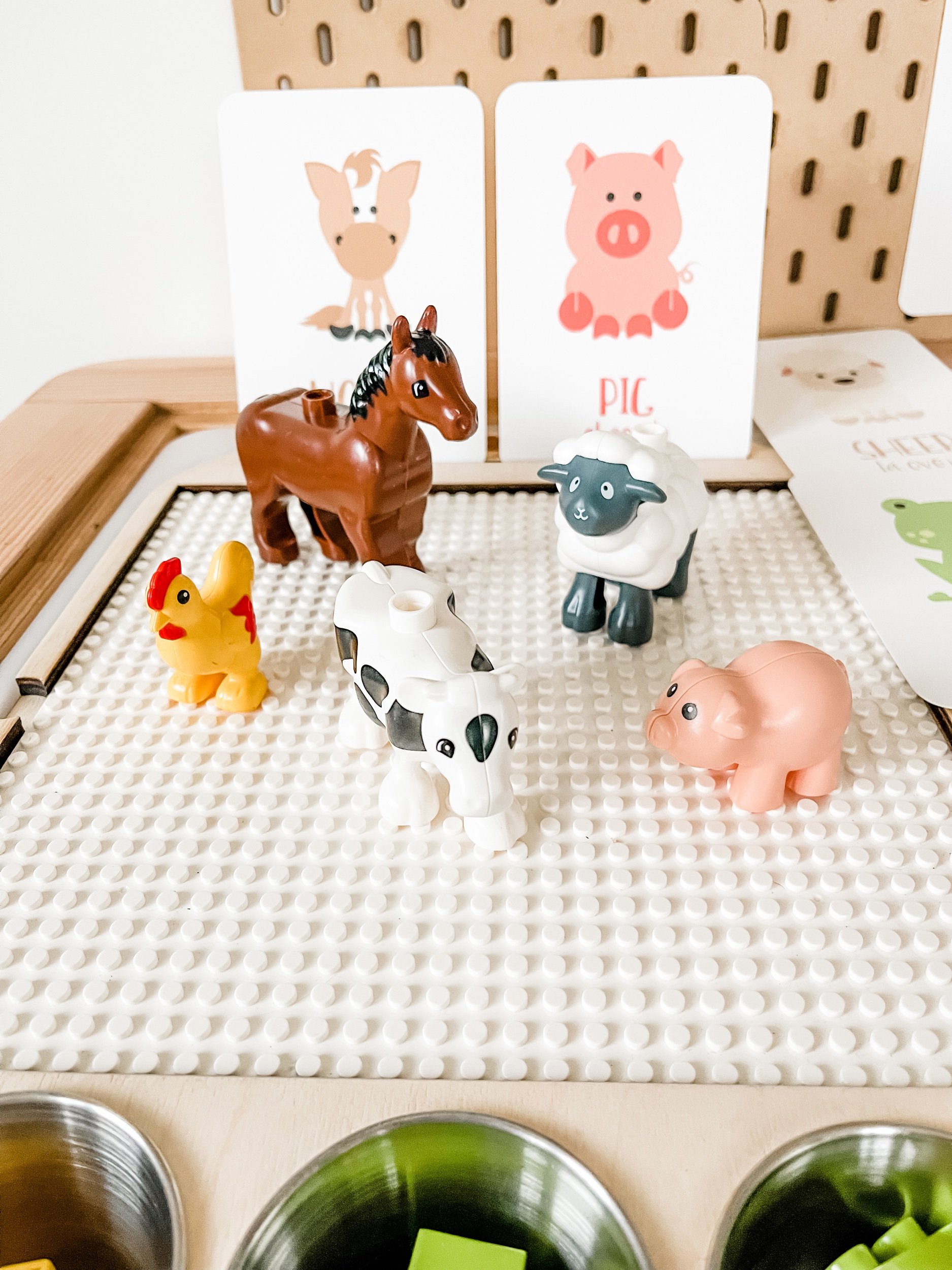
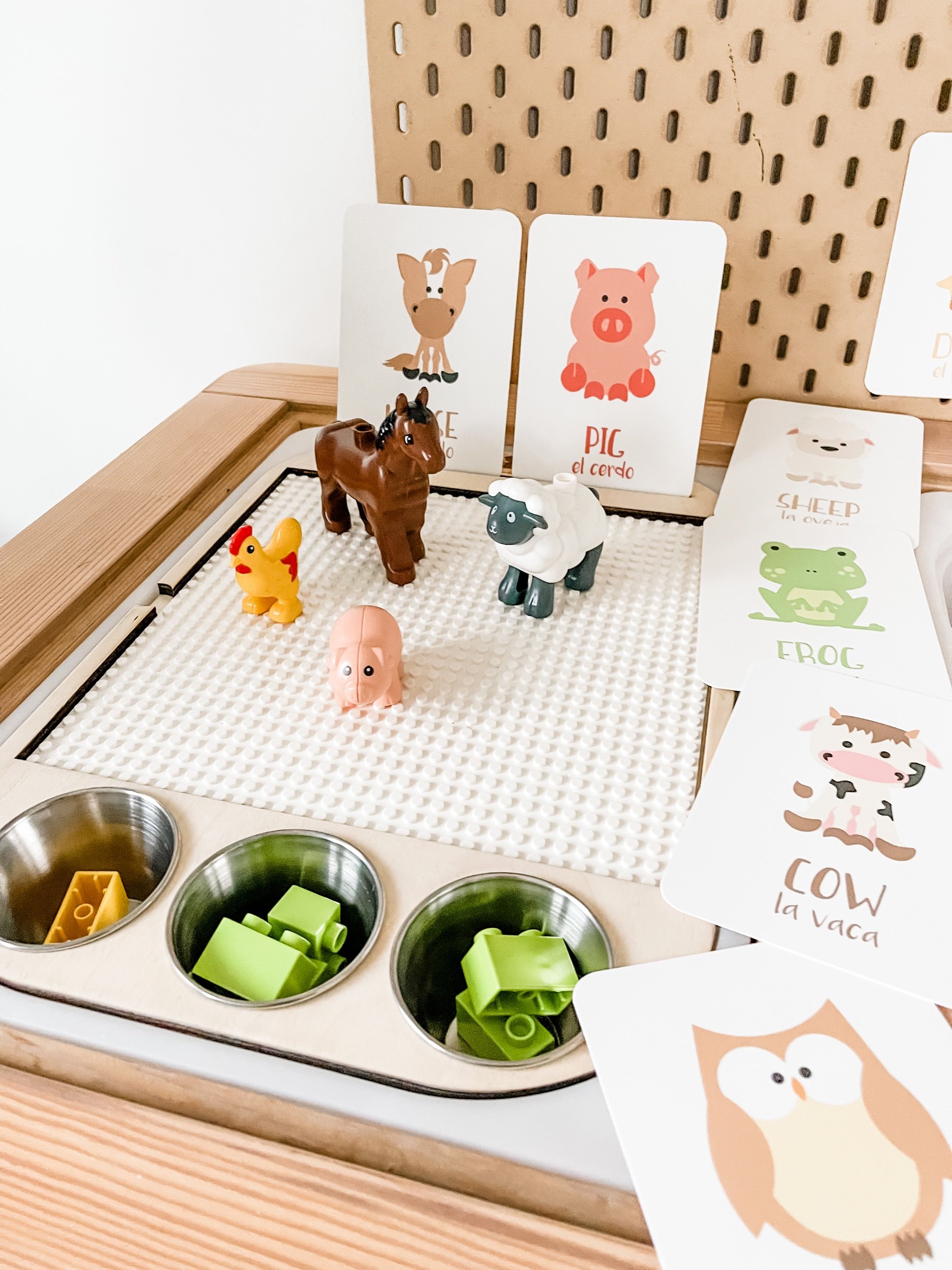
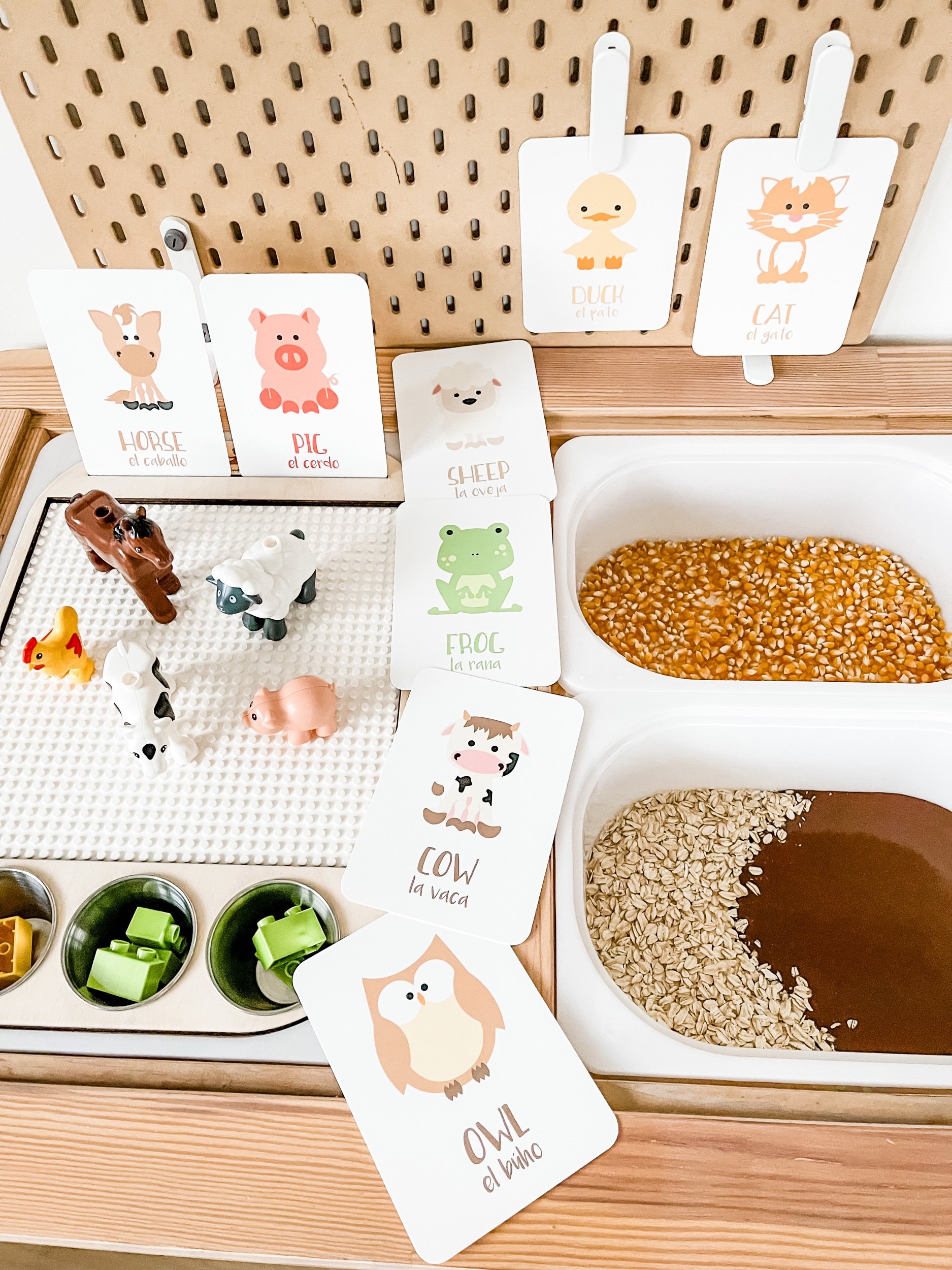
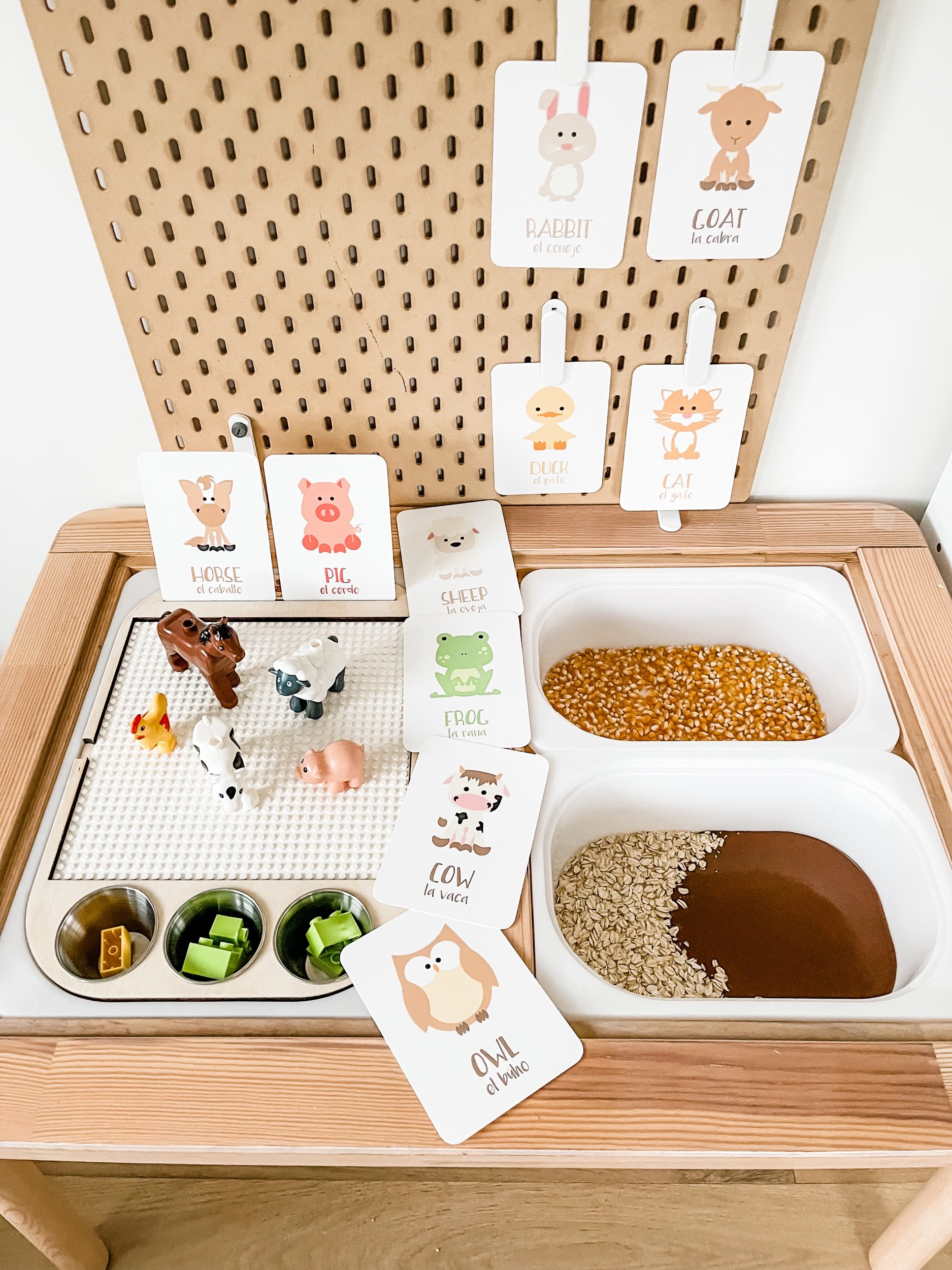
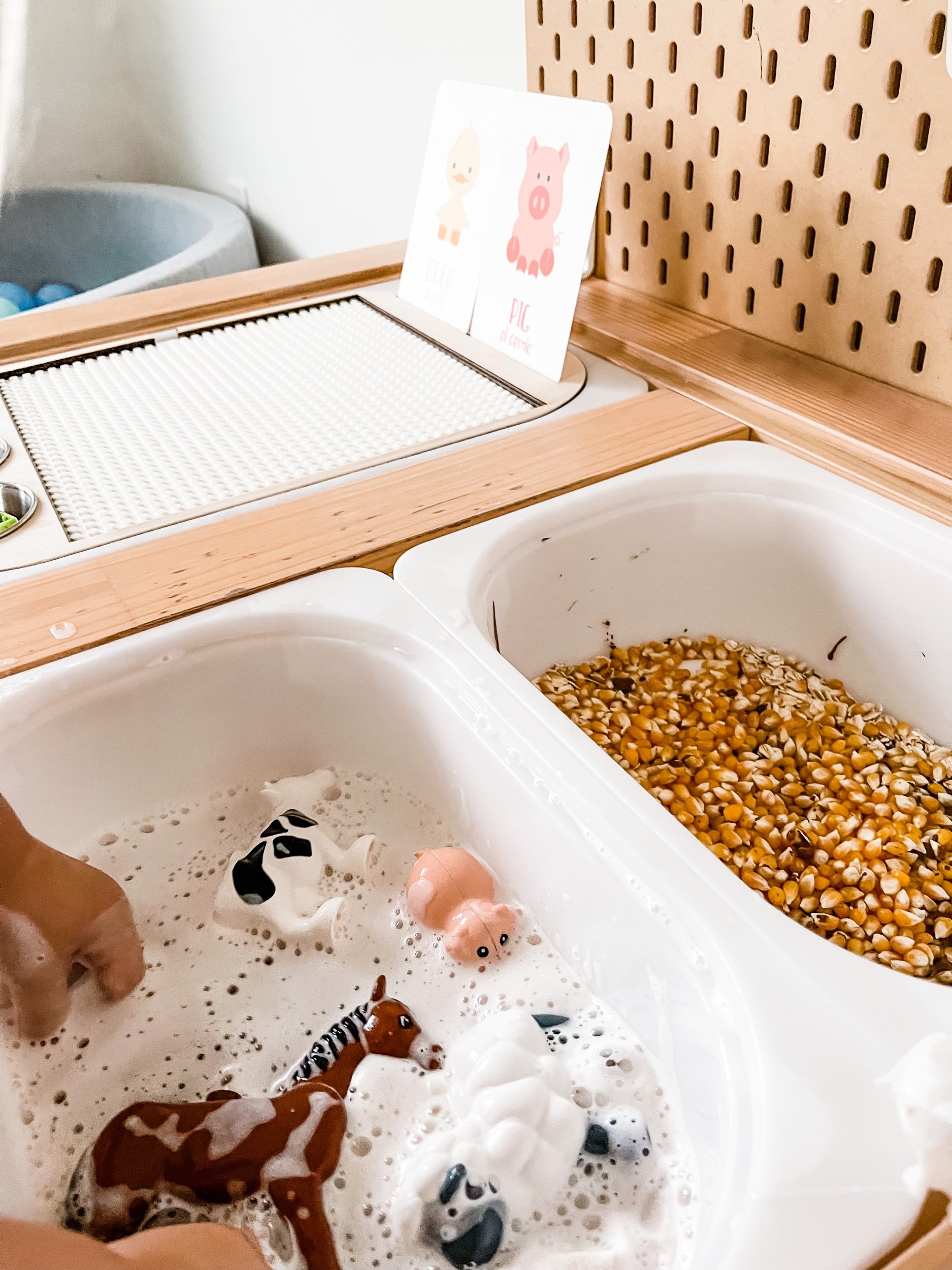
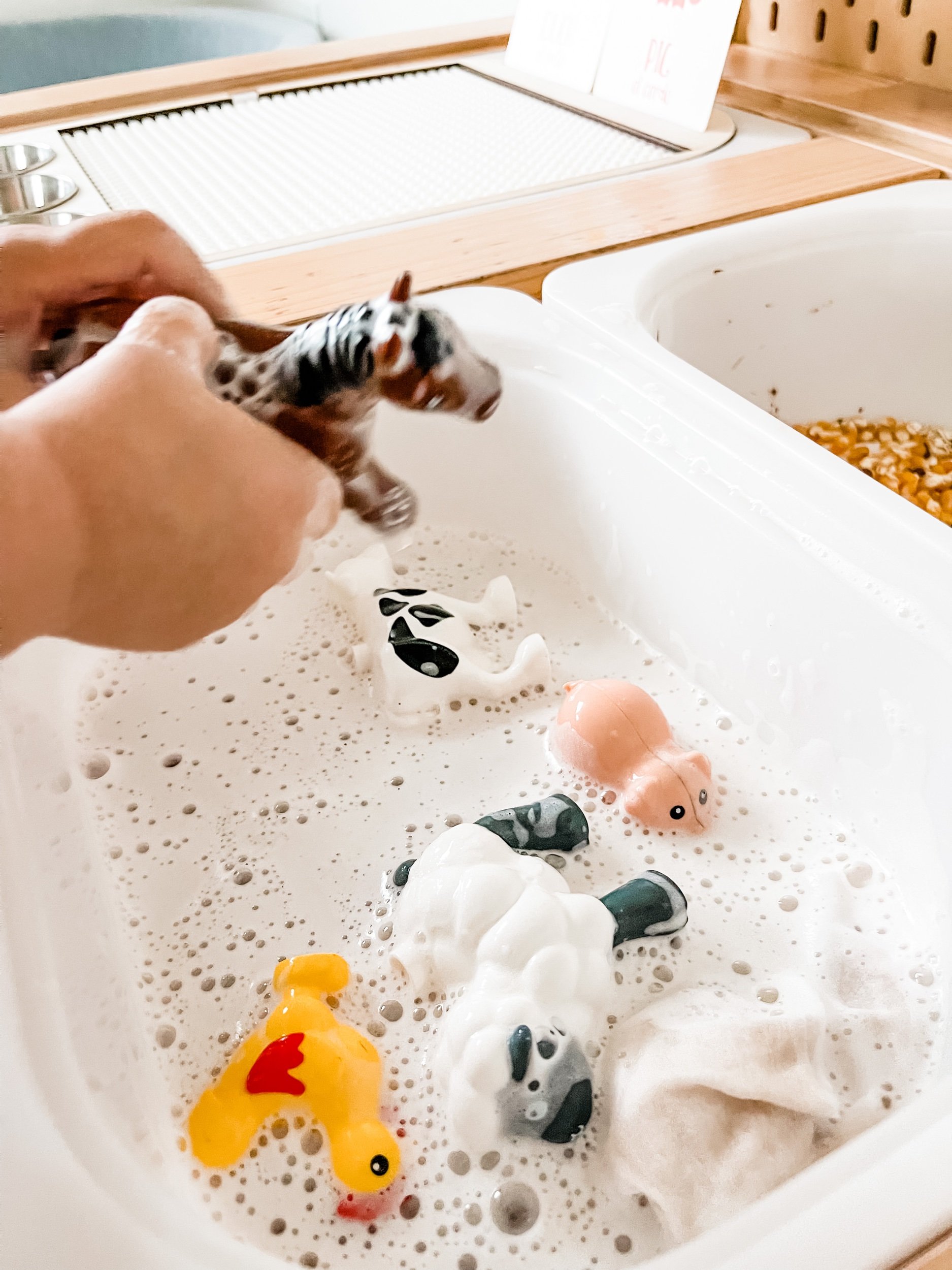
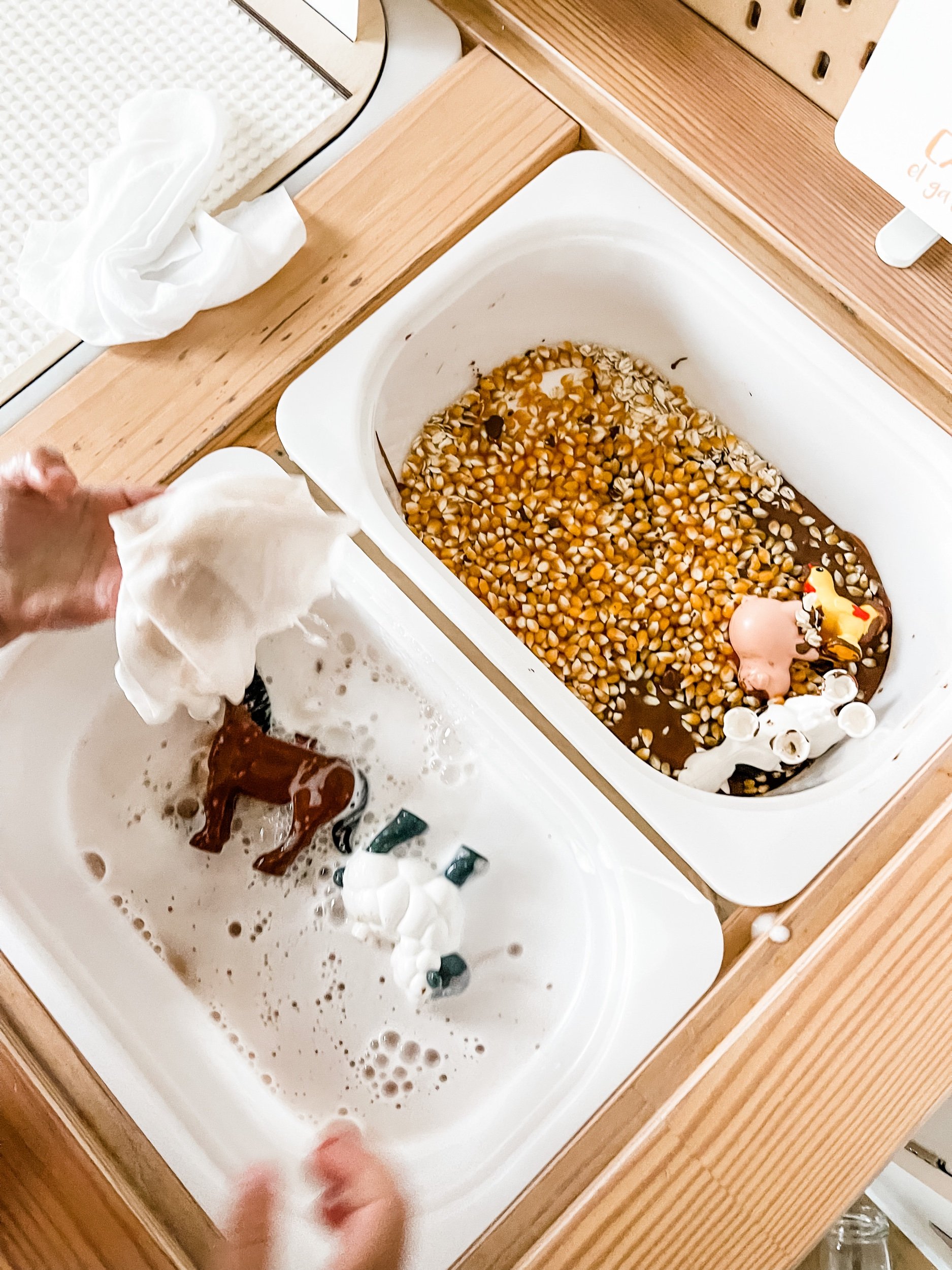
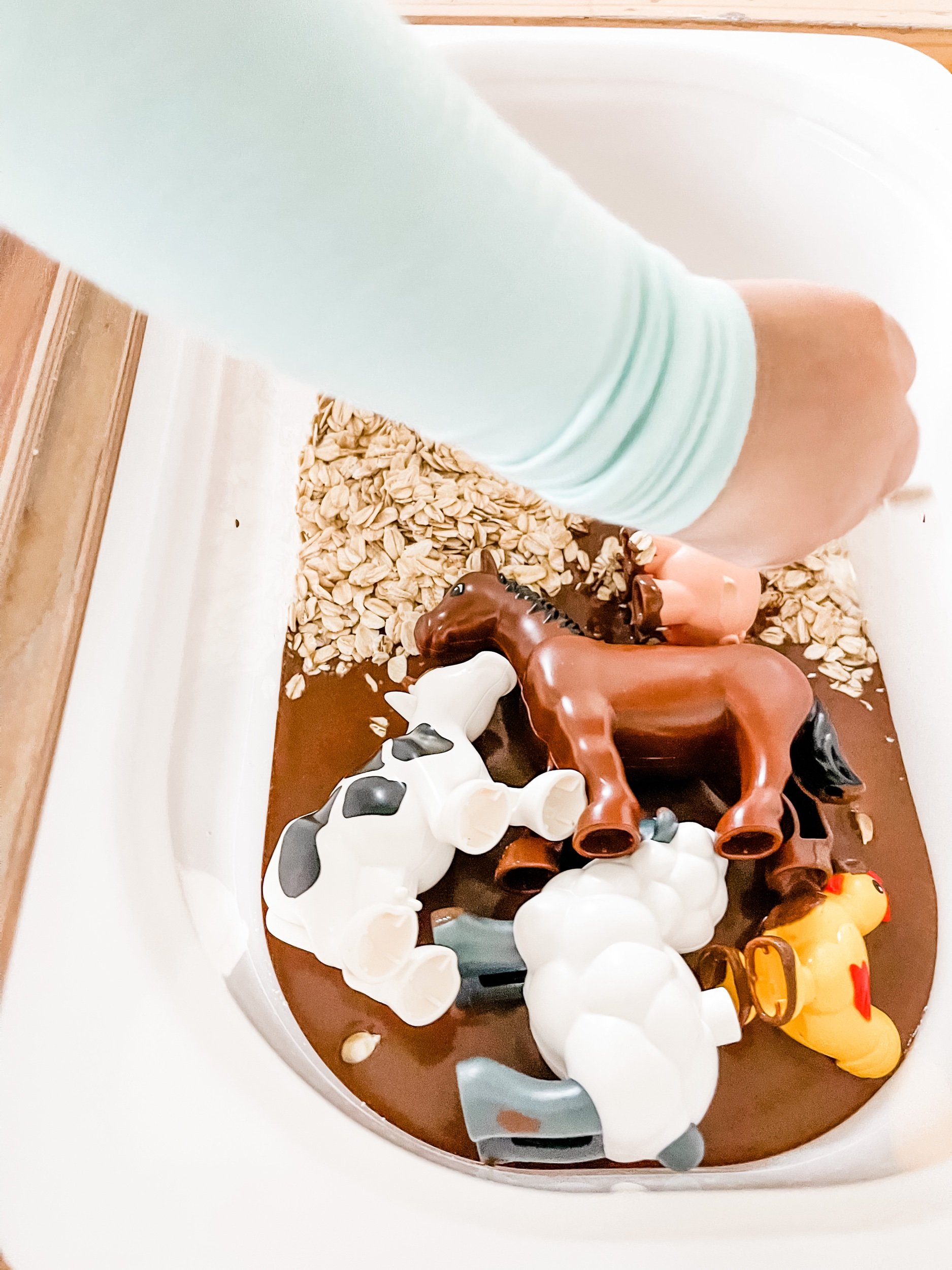
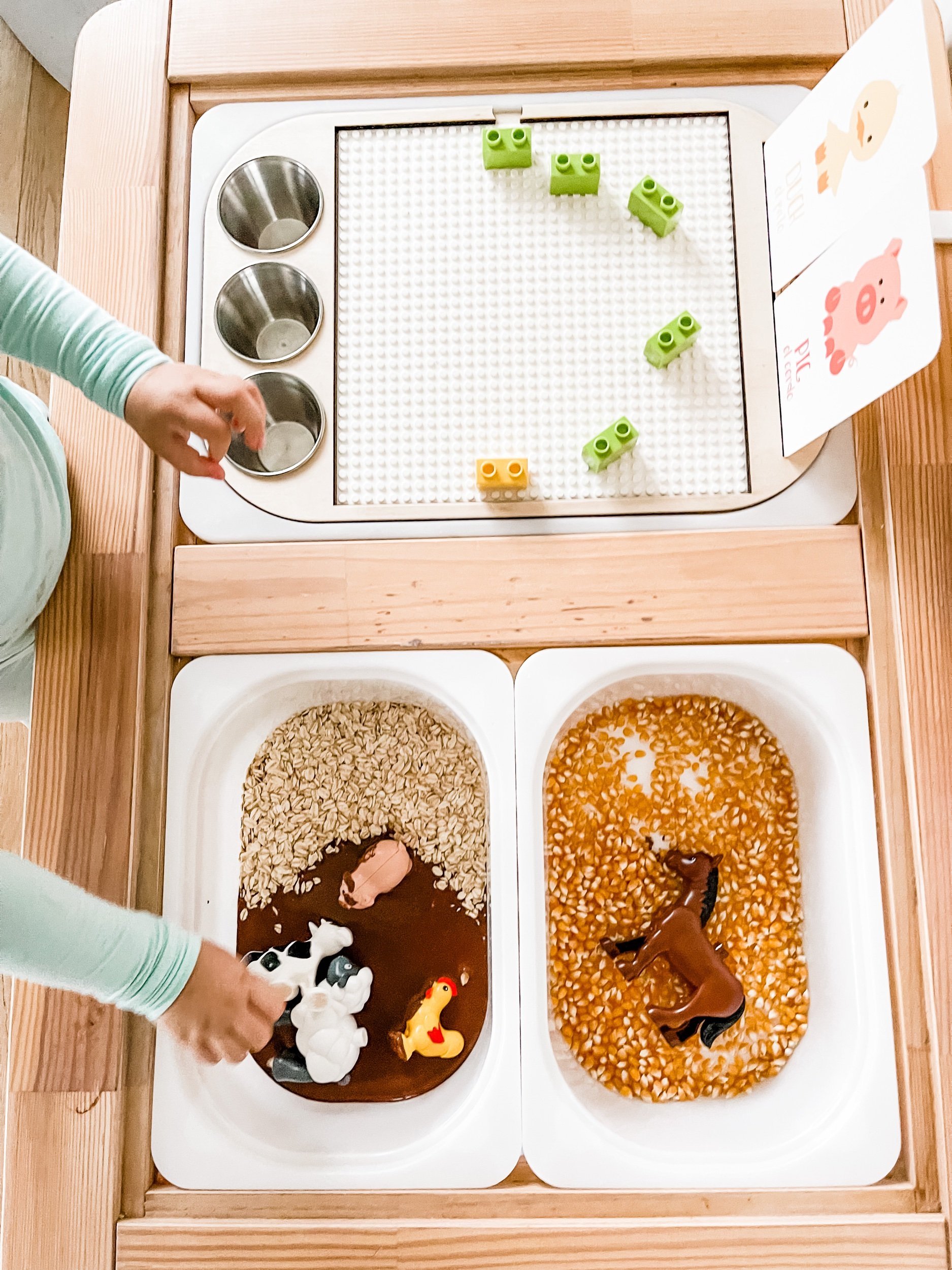
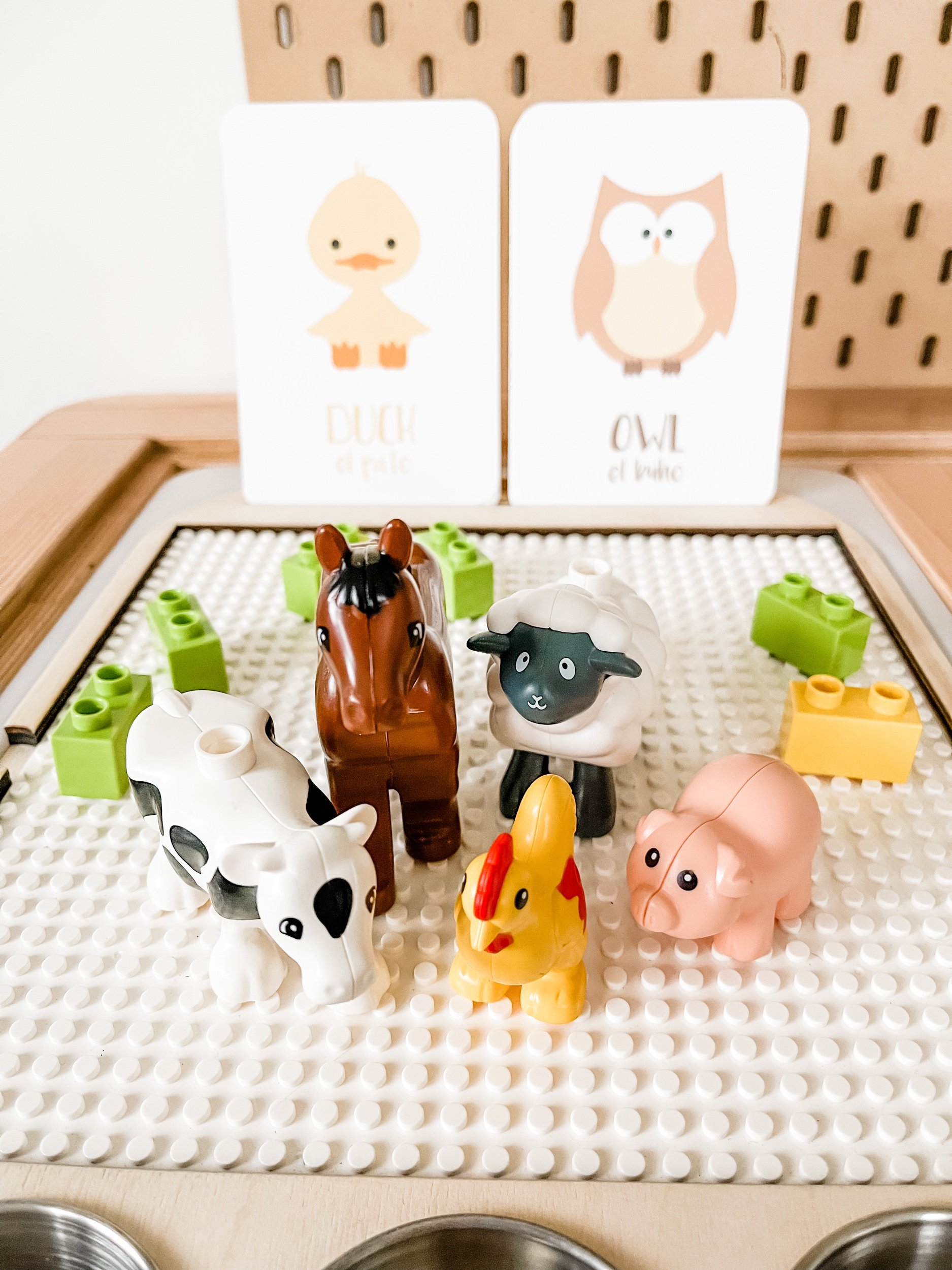
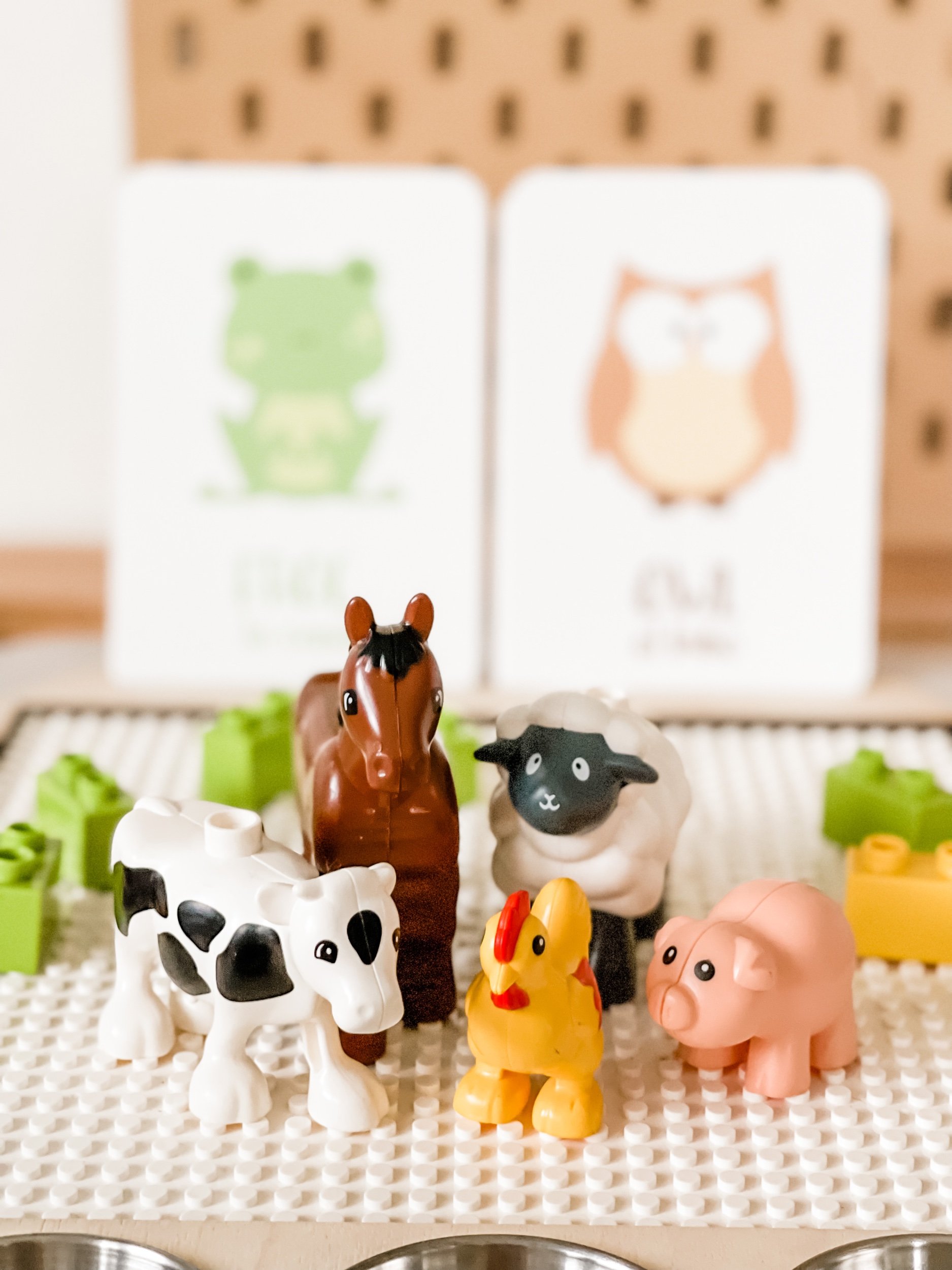
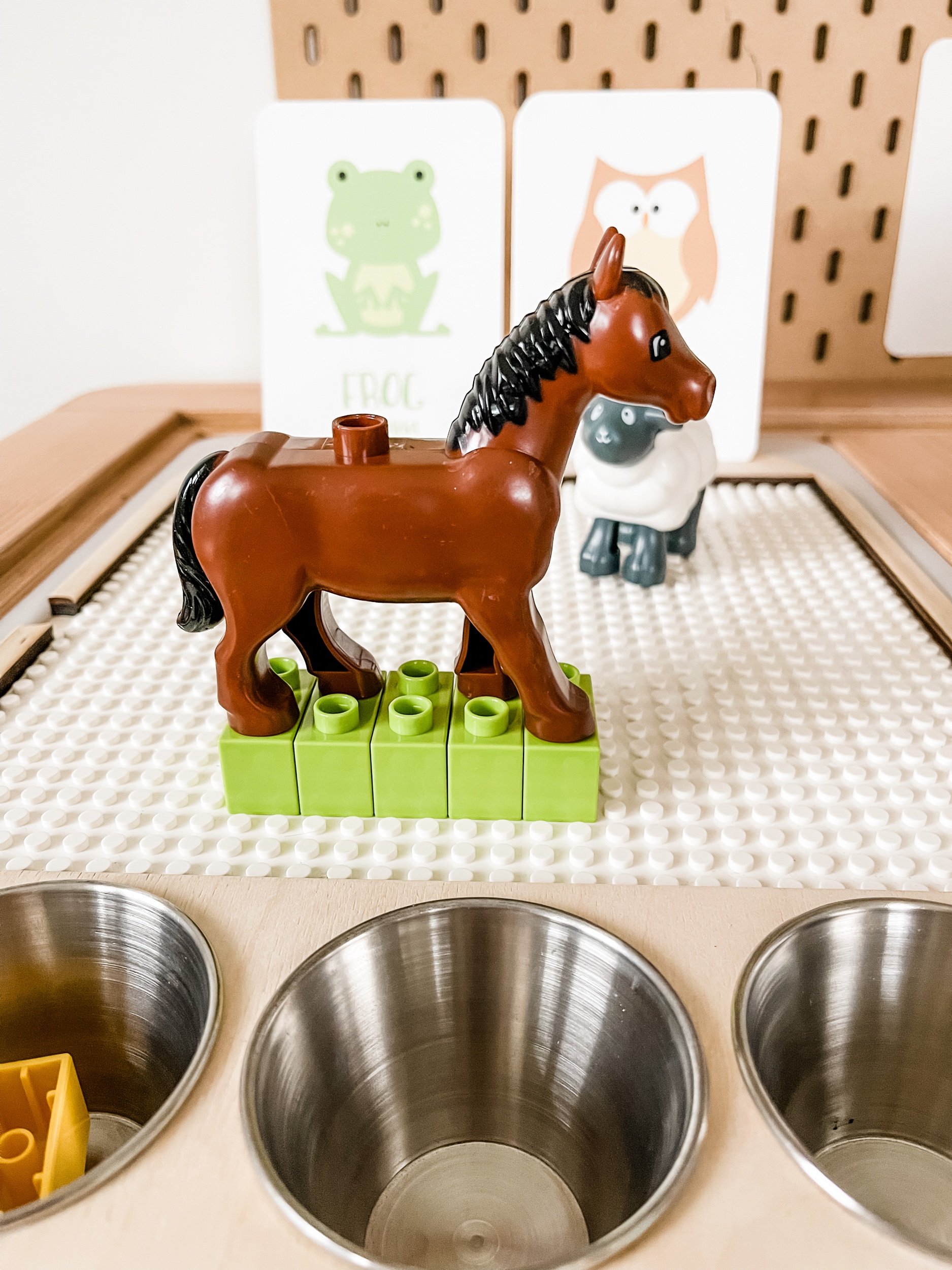
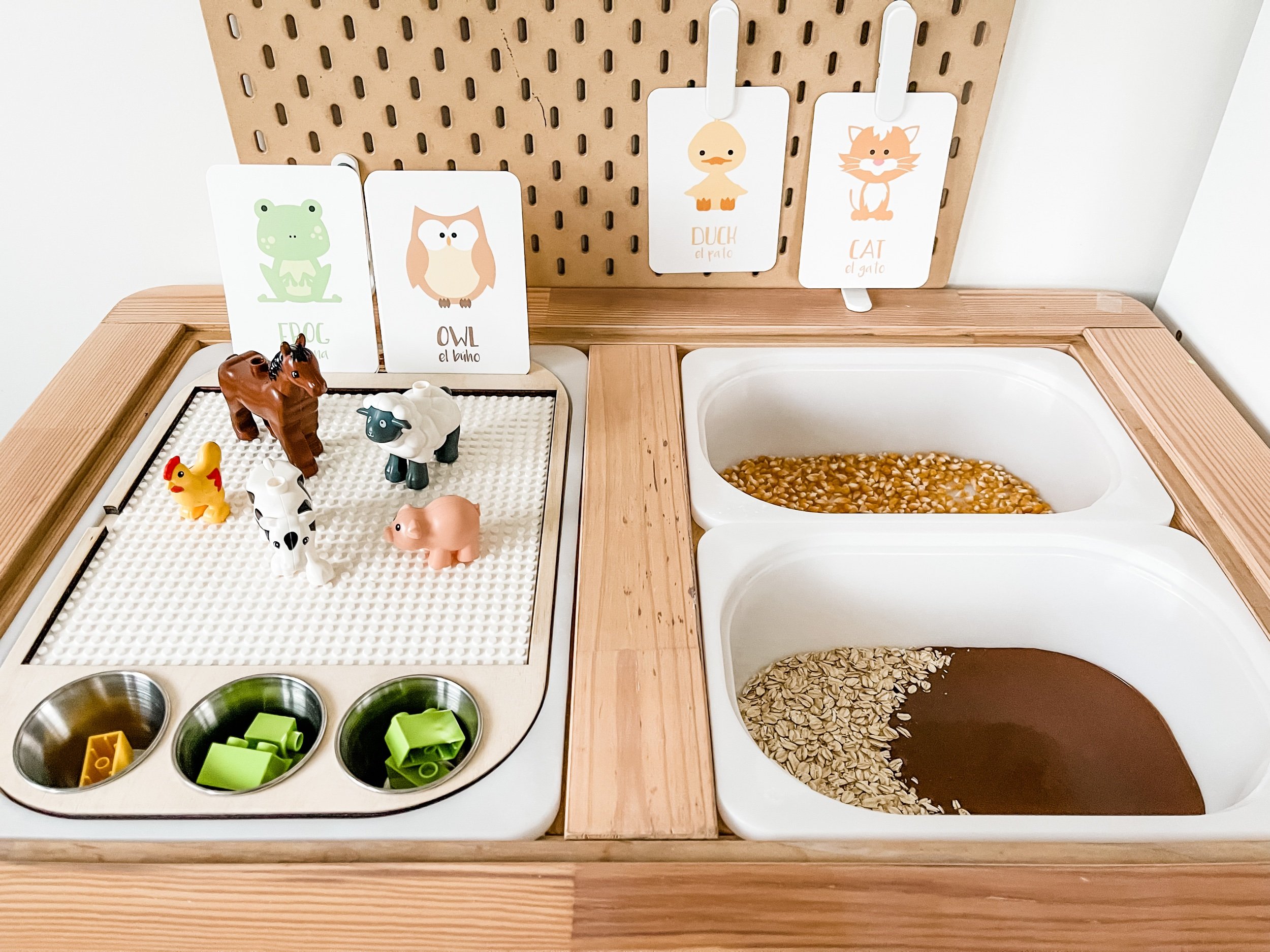
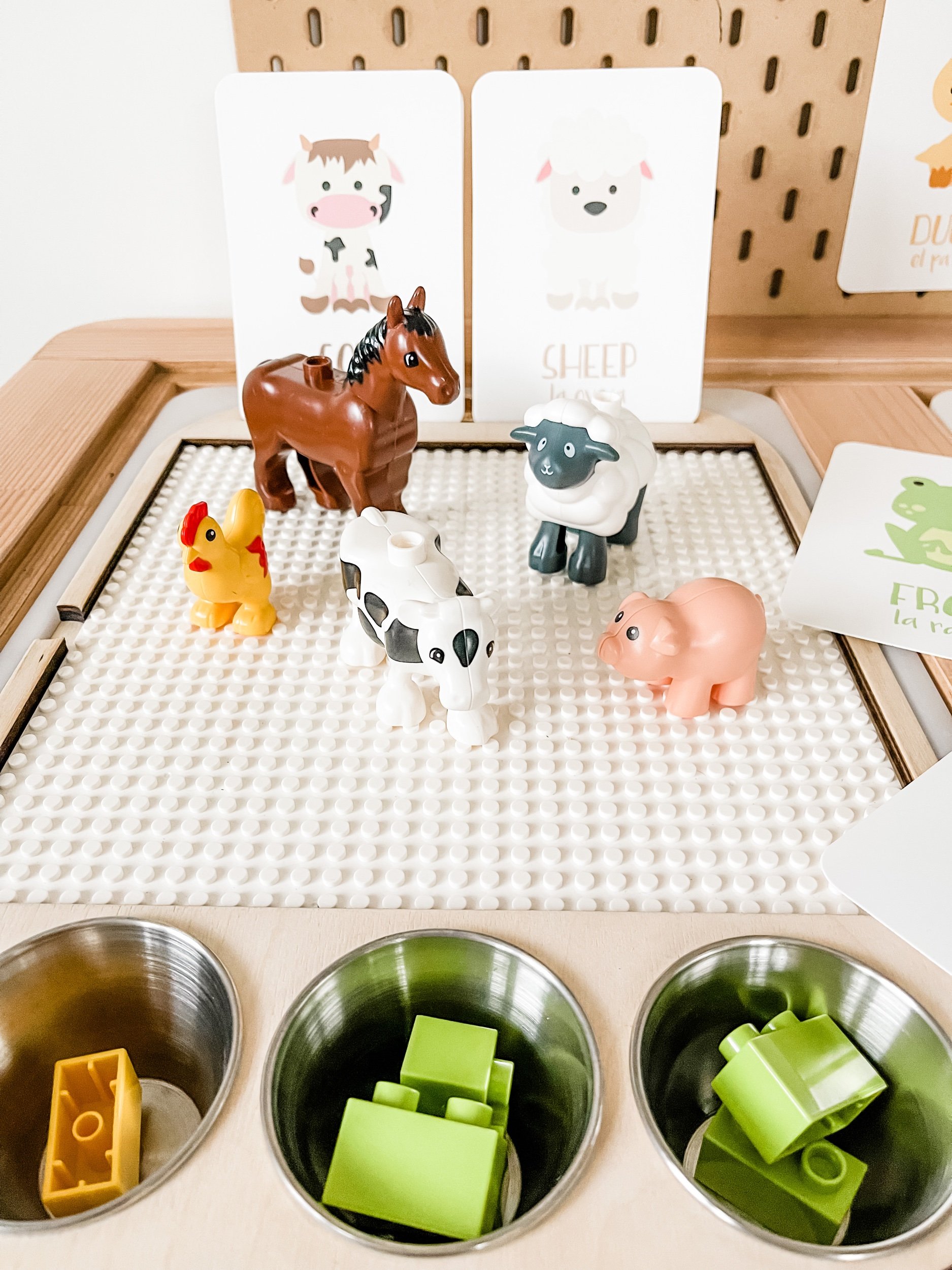
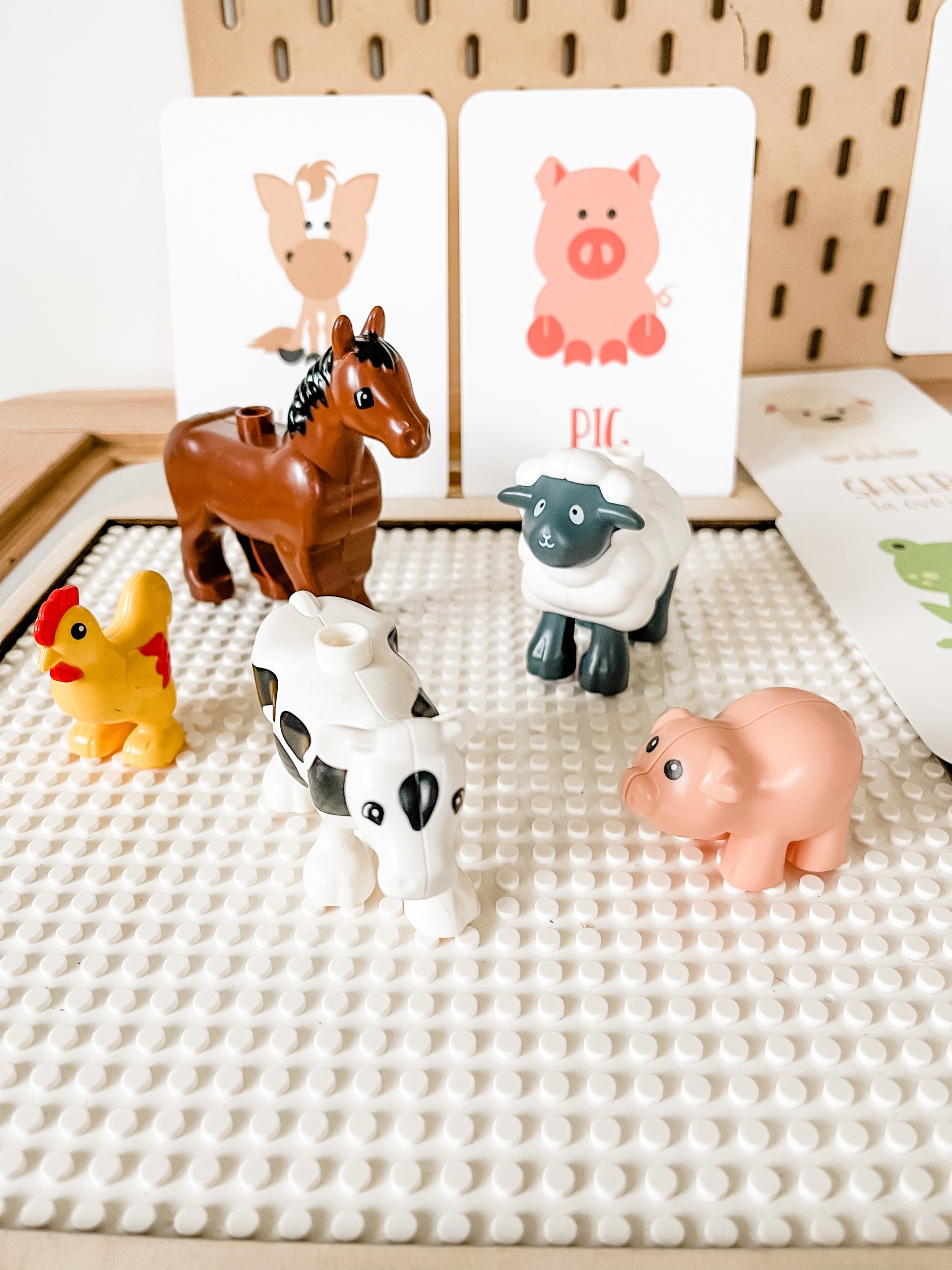
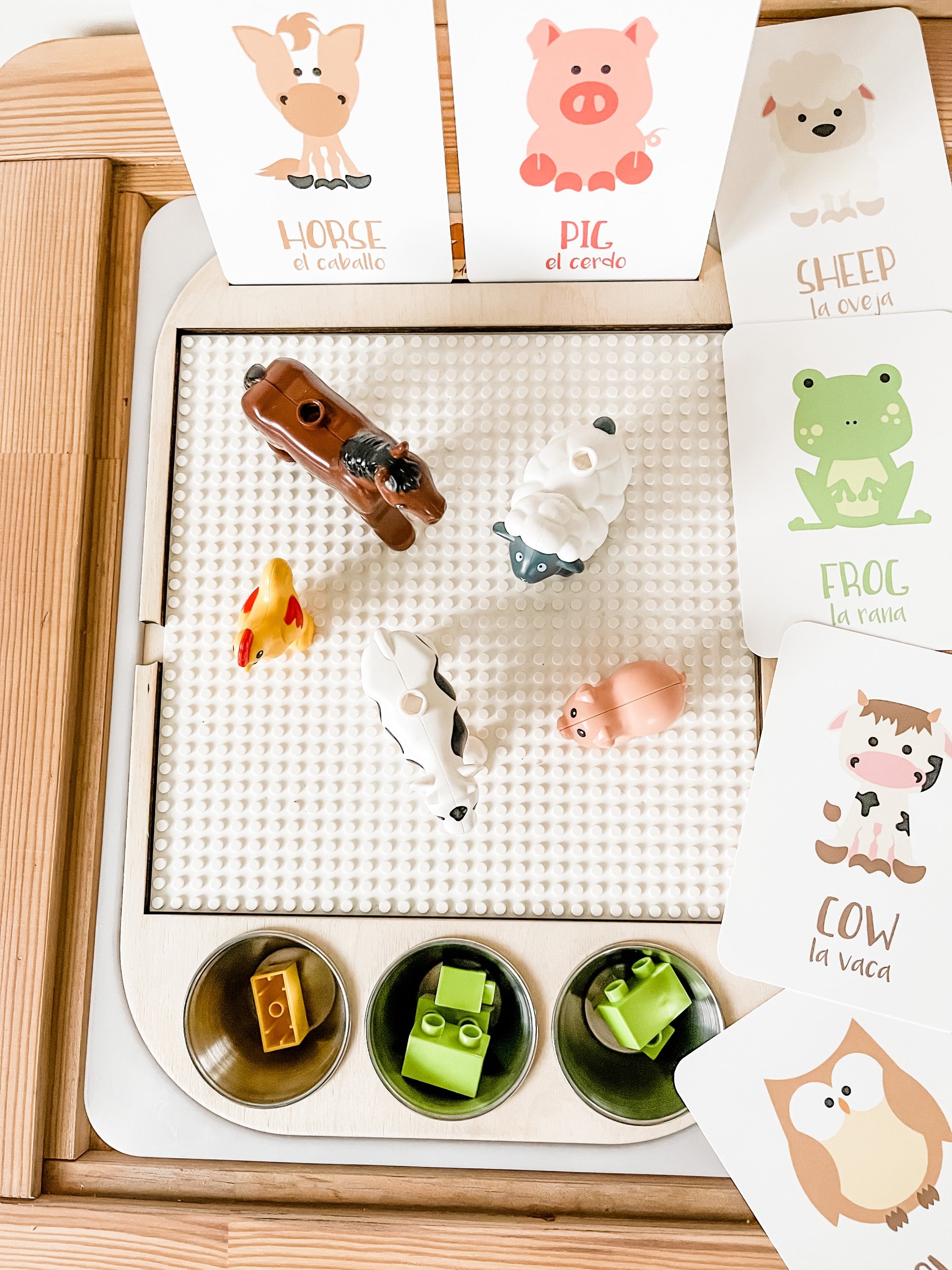
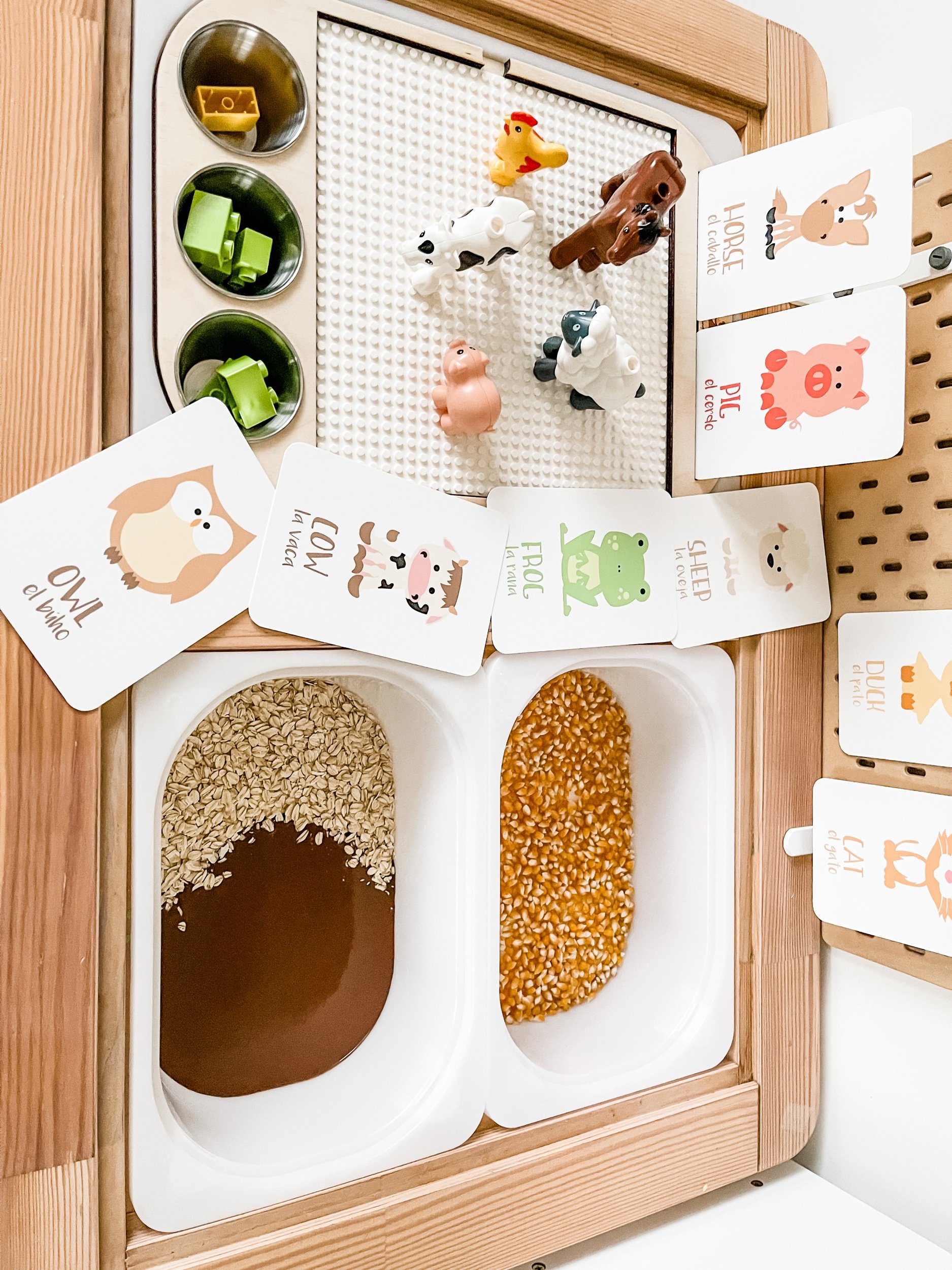
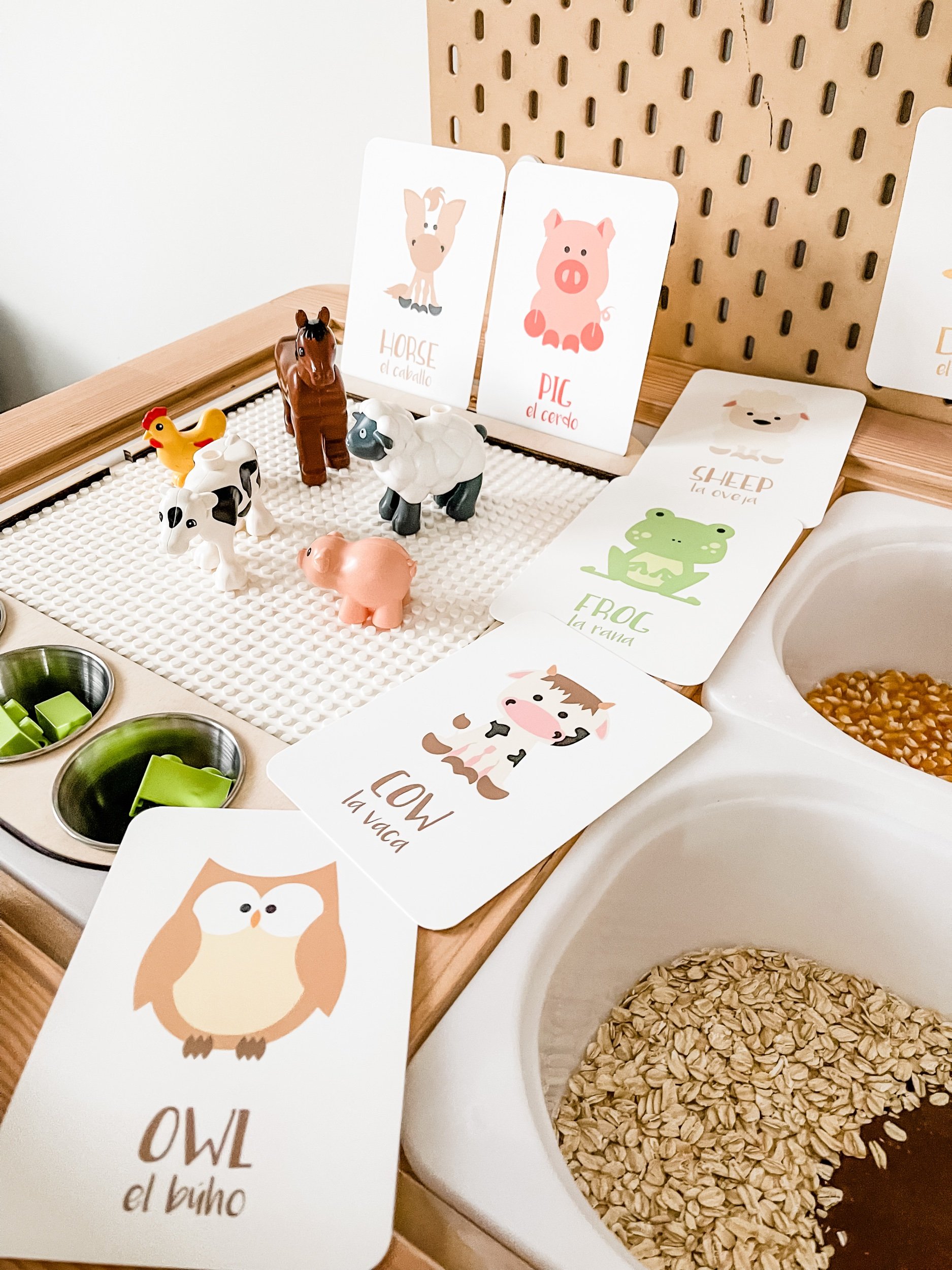
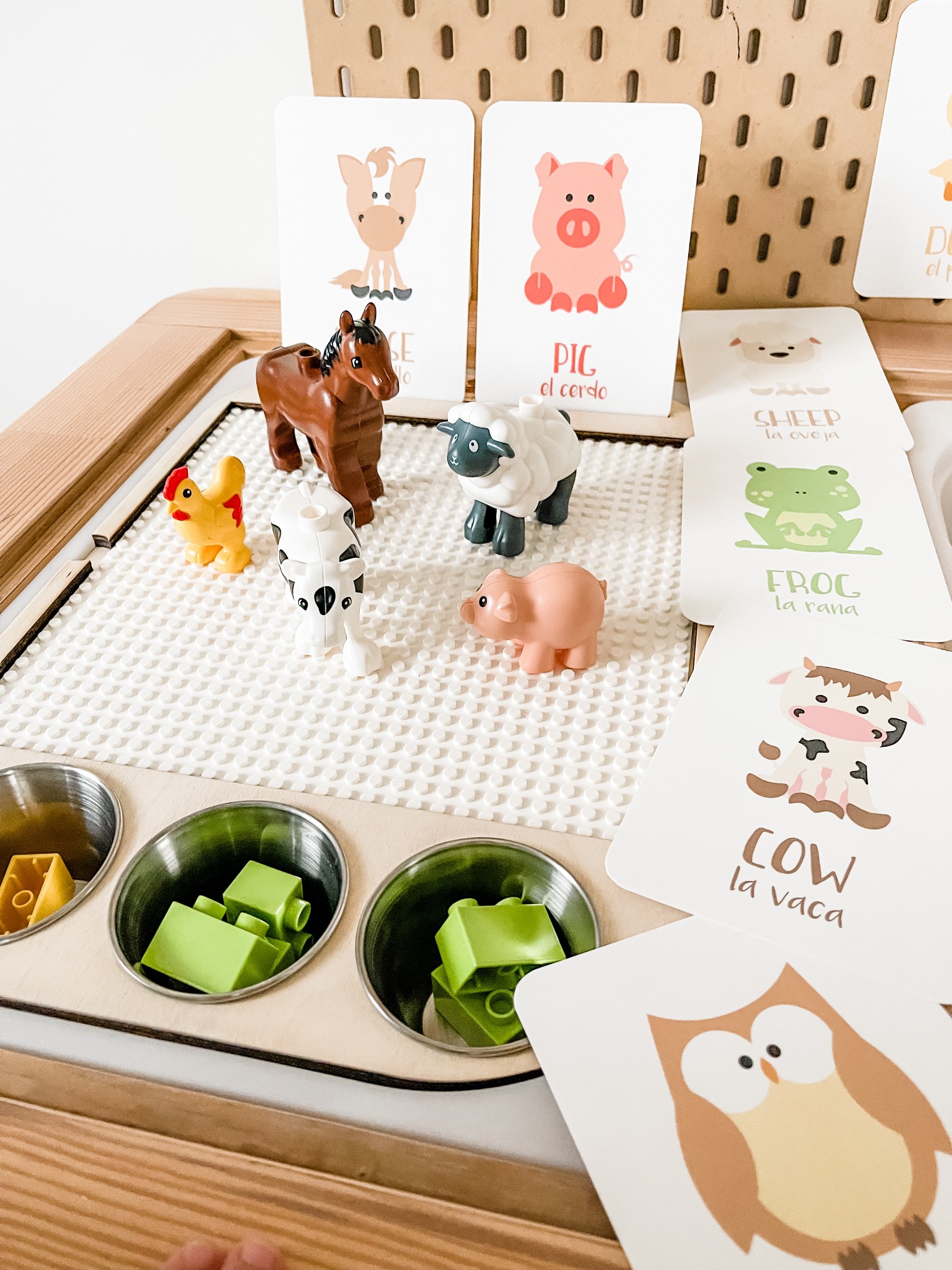
And last but not least, this farm animal Lego setup was an absolute blast. This one was definitely messy and we ended up covered in fake mud! I used a mixture of cacao powder, water and cornstarch to make it edible but not tasty. Oatmeal and corn of course for the farm. And then paired it with Duplo Farm Animals and Farm Animal Matching Cards.

As parents and educators, we know that young children learn best through hands-on, engaging activities. Sensory play, in particular, has been proven to be an effective way for young children to explore and learn about the world around them. By incorporating a travel theme into sensory play, we can not only make learning fun, but also introduce children to different cultures and ways of life.
According to experts, sensory play can have many benefits for young children's development. It can help with language development, fine motor skills, and problem-solving abilities. Sensory play also encourages creativity and imagination, as children are able to create their own stories and scenarios using the materials provided.
One way to incorporate a travel theme into sensory play is through the use of flashcards. My World Travel themed flashcards feature images of different landmarks and cultural symbols from around the world. Children can use these flashcards to create their own pretend passports and explore different countries through imaginative play.
Another great way to explore different cultures through play is through a dramatic play kit. My Travel Agency dramatic play kit allows children to set up their own pretend travel agency and plan trips to different destinations around the world. This activity can help children learn about different modes of transportation, currency, and customs.
Incorporating a travel theme into sensory play not only makes learning fun, but it also helps children to develop an understanding and appreciation for different cultures. Research has shown that exposure to other cultures can promote tolerance and empathy in young children.
In conclusion, incorporating a travel theme into sensory play through the use of flashcards and dramatic play kits can enhance learning and development for preschoolers. By purchasing my World Travel themed flashcards and Travel Agency dramatic play kit, you can provide your child with an exciting and educational way to explore the world.


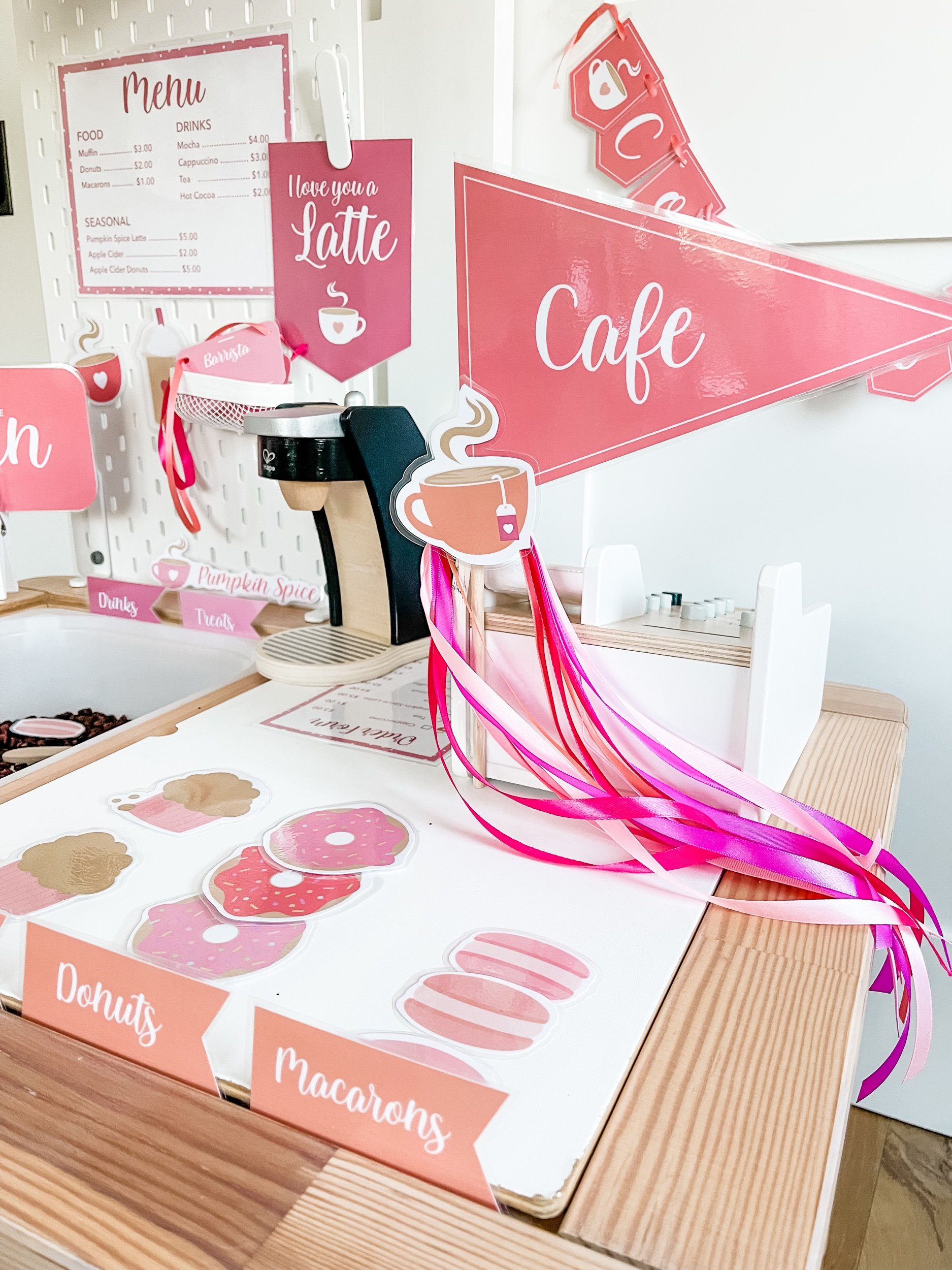
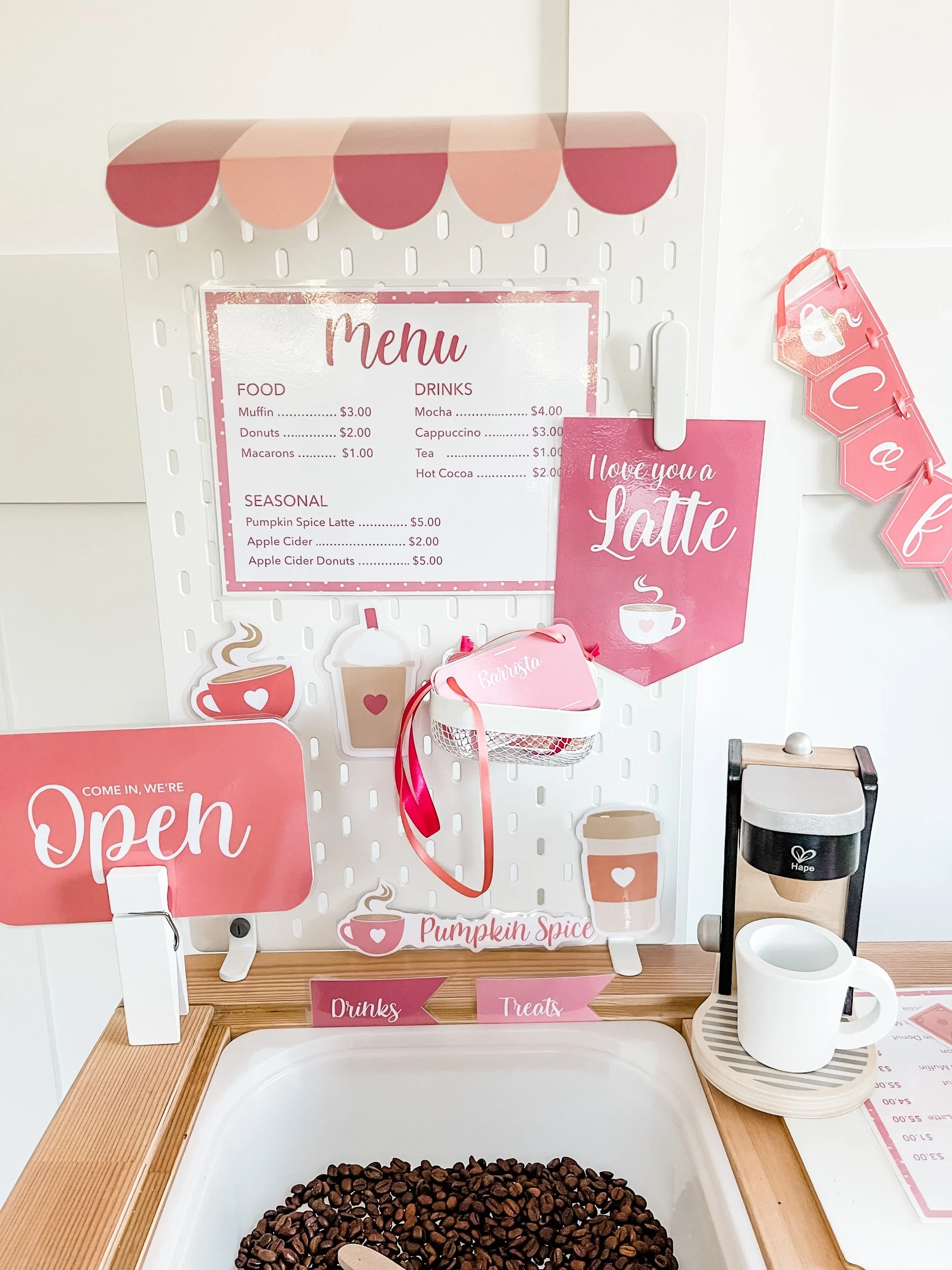
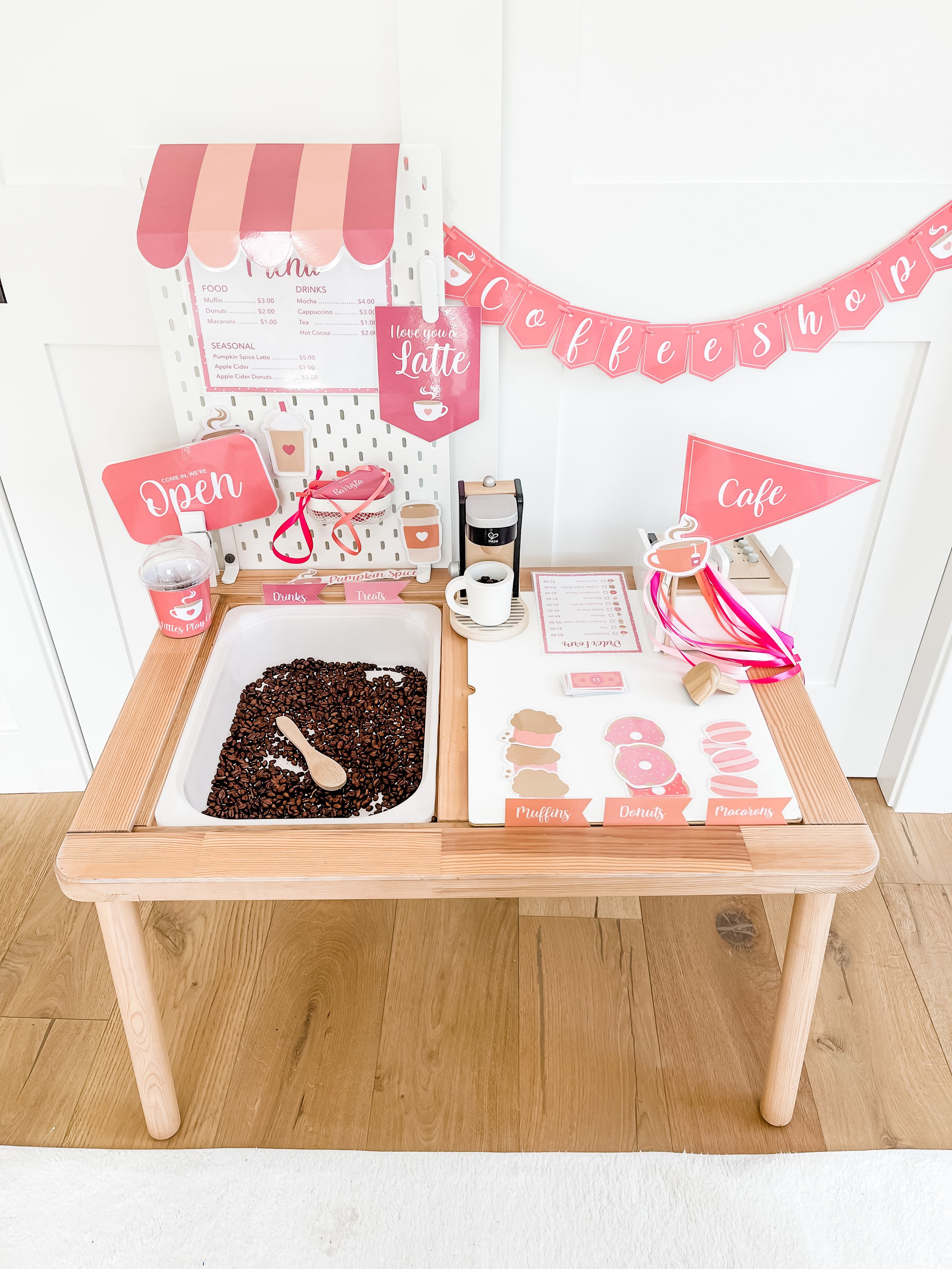
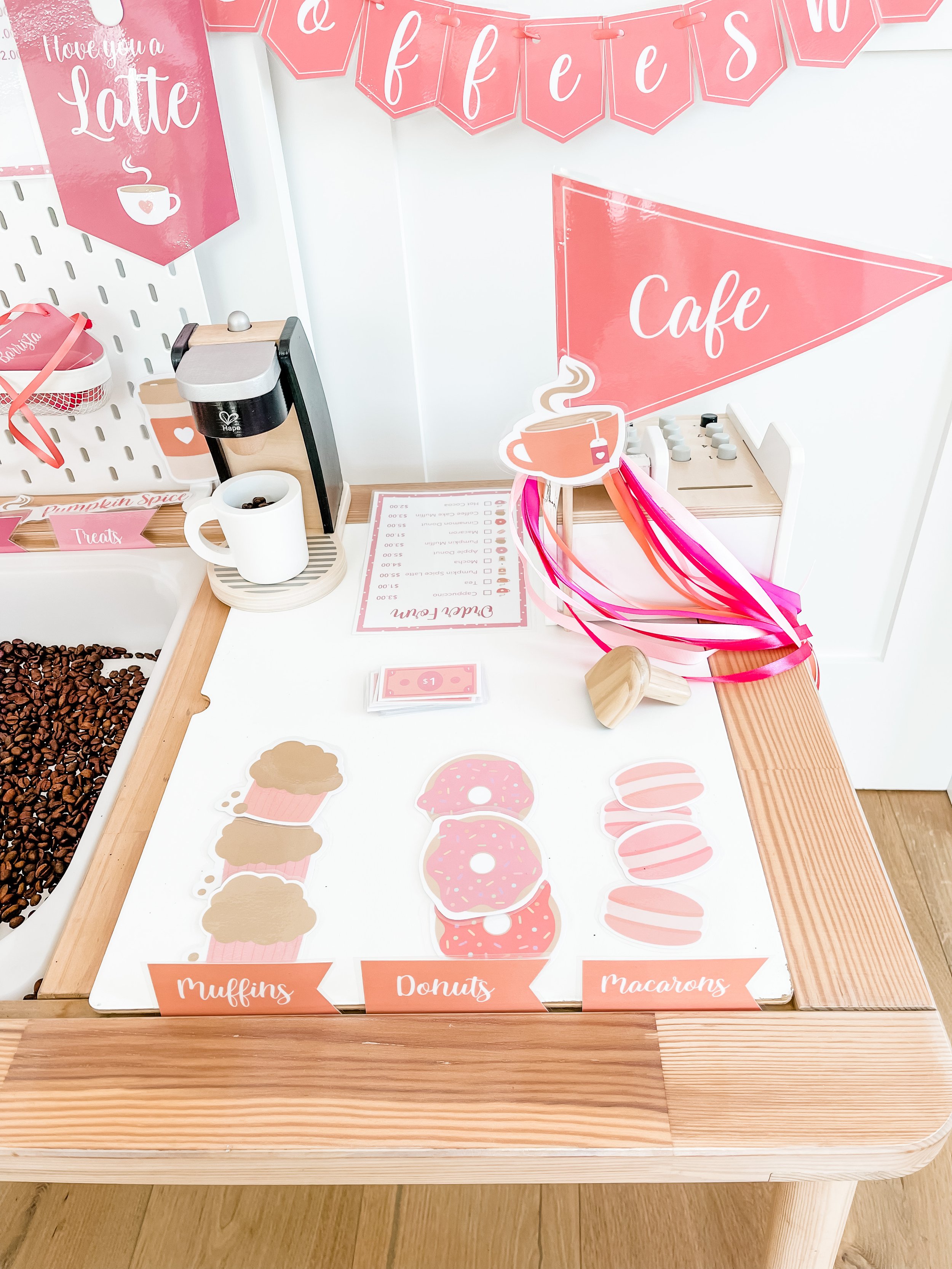
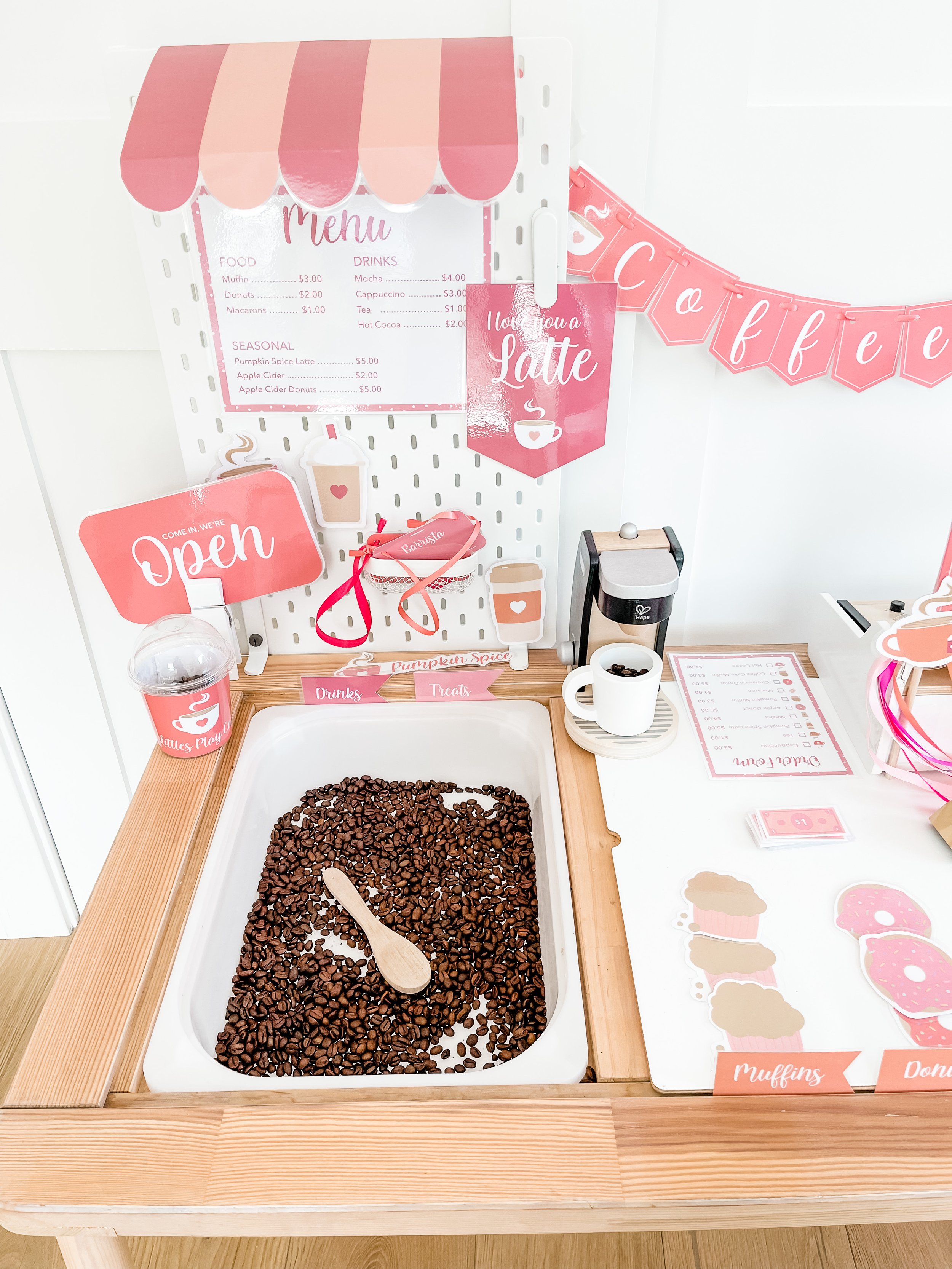
Sofie had a blast with this fall themed Cafe dramatic play kit! We’re getting into the fall season with this pumpkin spice themed cafe and coffee shop. These printables made it super easy to make this adorable little shop. Along with some coffee beans, cash register from @crateandkids and espresso machine from @hapetoys this setup truly was the most adorable to date. Sofie loved practicing serving her customers, scooping coffee beans, and filling up the cups. She even served decaf which is mommas favorite! We practiced taking orders checking off items with the order form and writing her name on the little barista badge. Imaginative okay offers so many opportunities to learn new words and engage in new ways. We practiced phrases like “come again soon” and “thanks for the tip!” And of course counting money and providing change. There are so many fun ways to learn in the pretend environment that prepare her for the same real life environment. I can’t wait to keep making more setups and facilitating her early preschool learning skills.








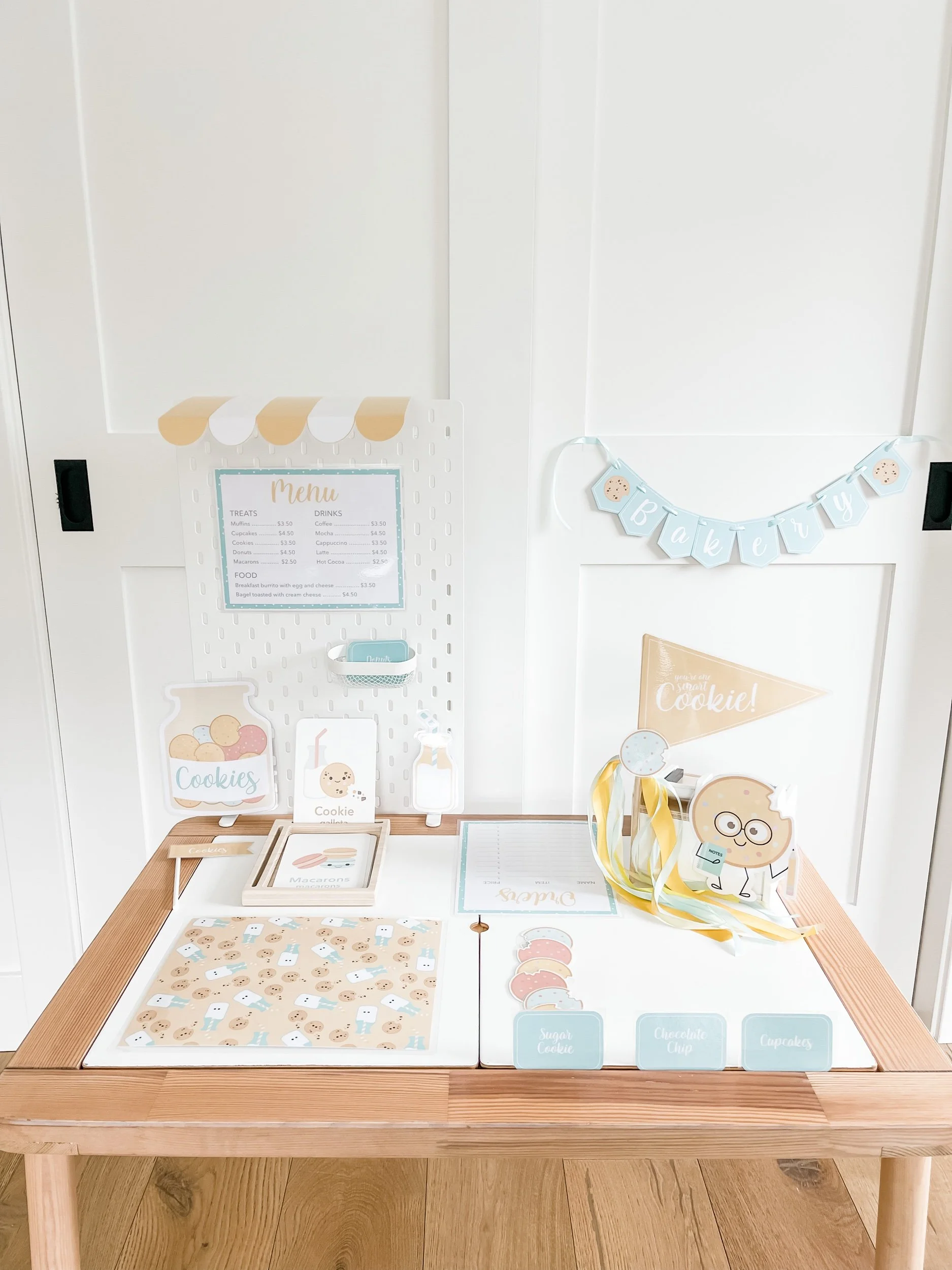
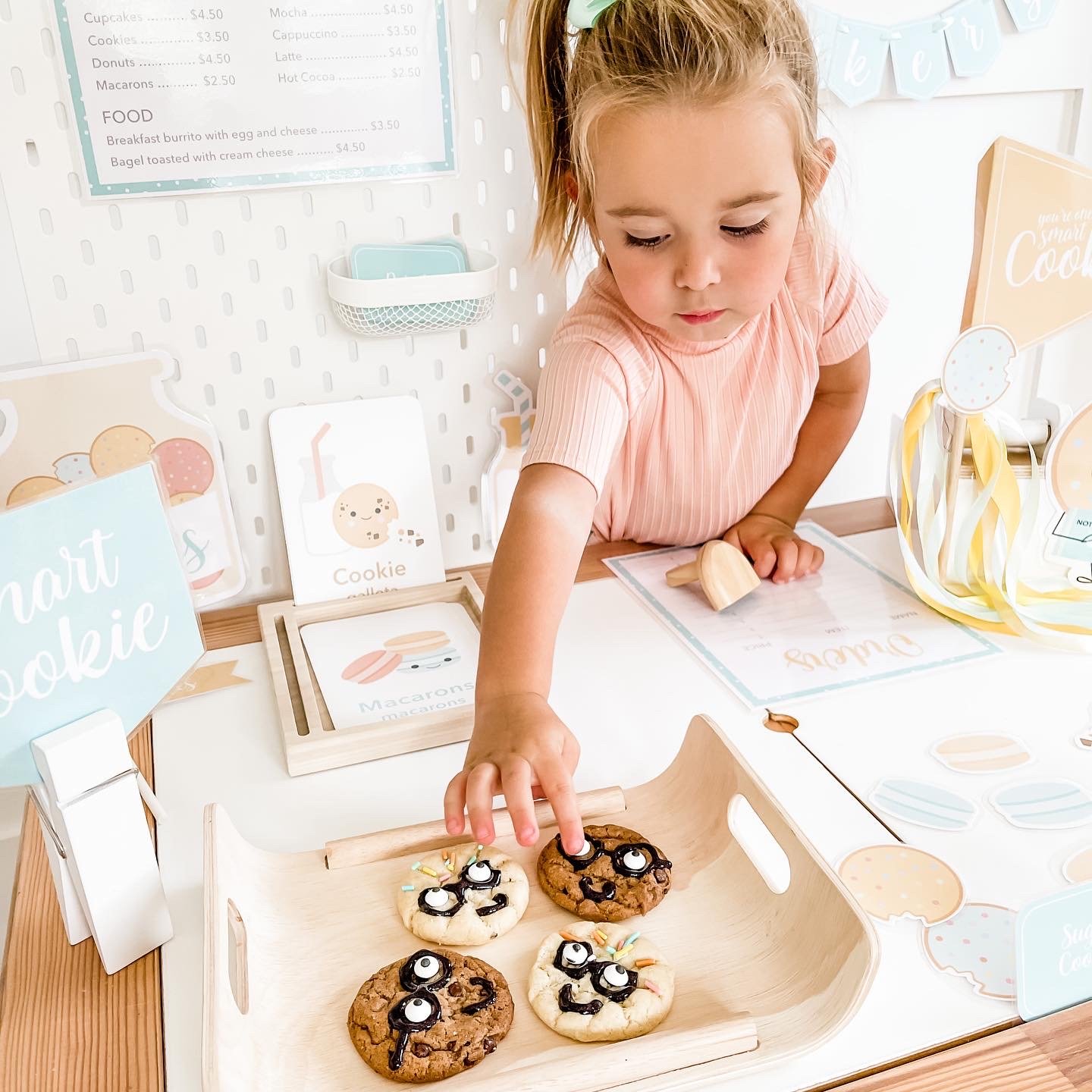
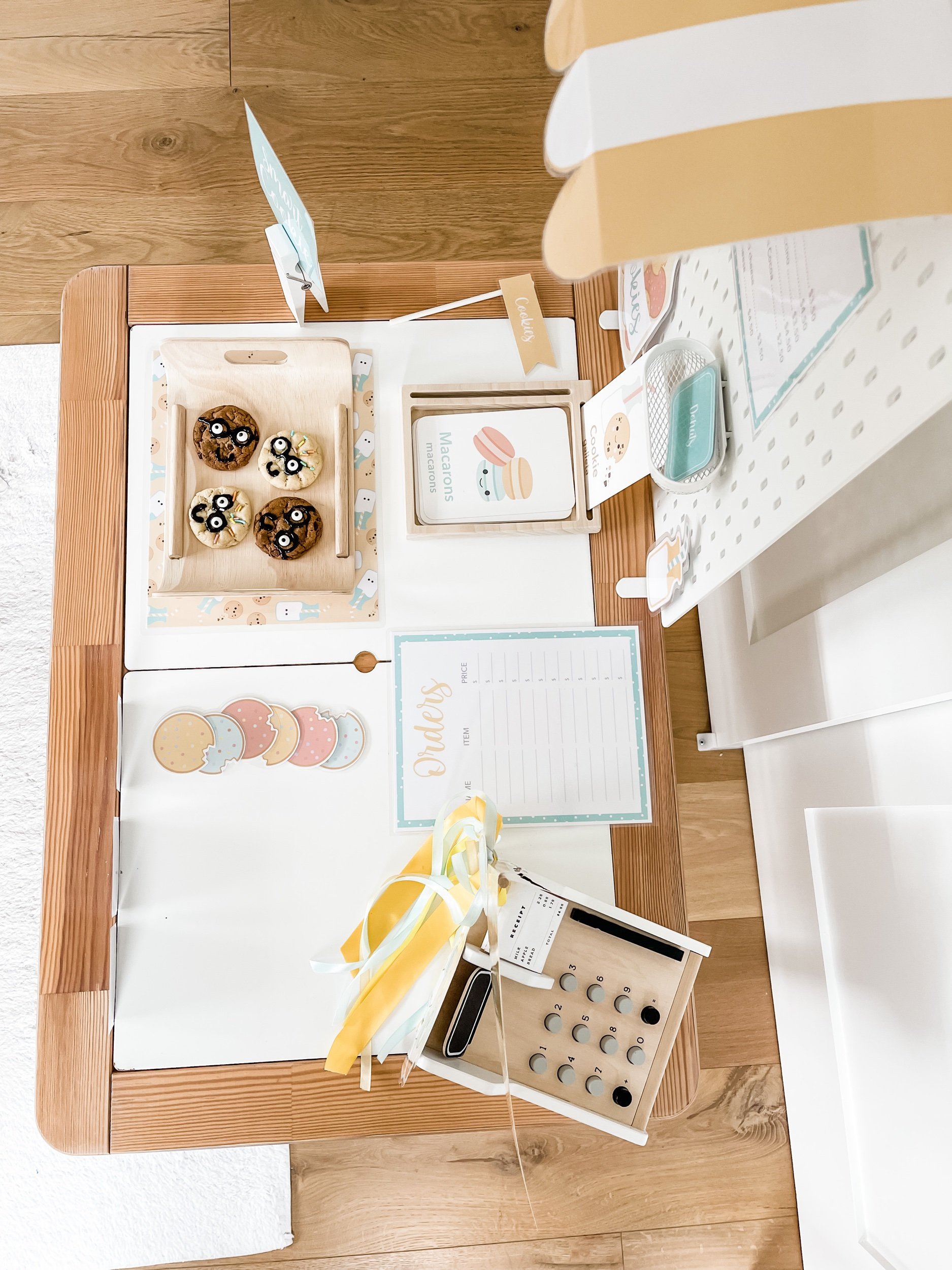
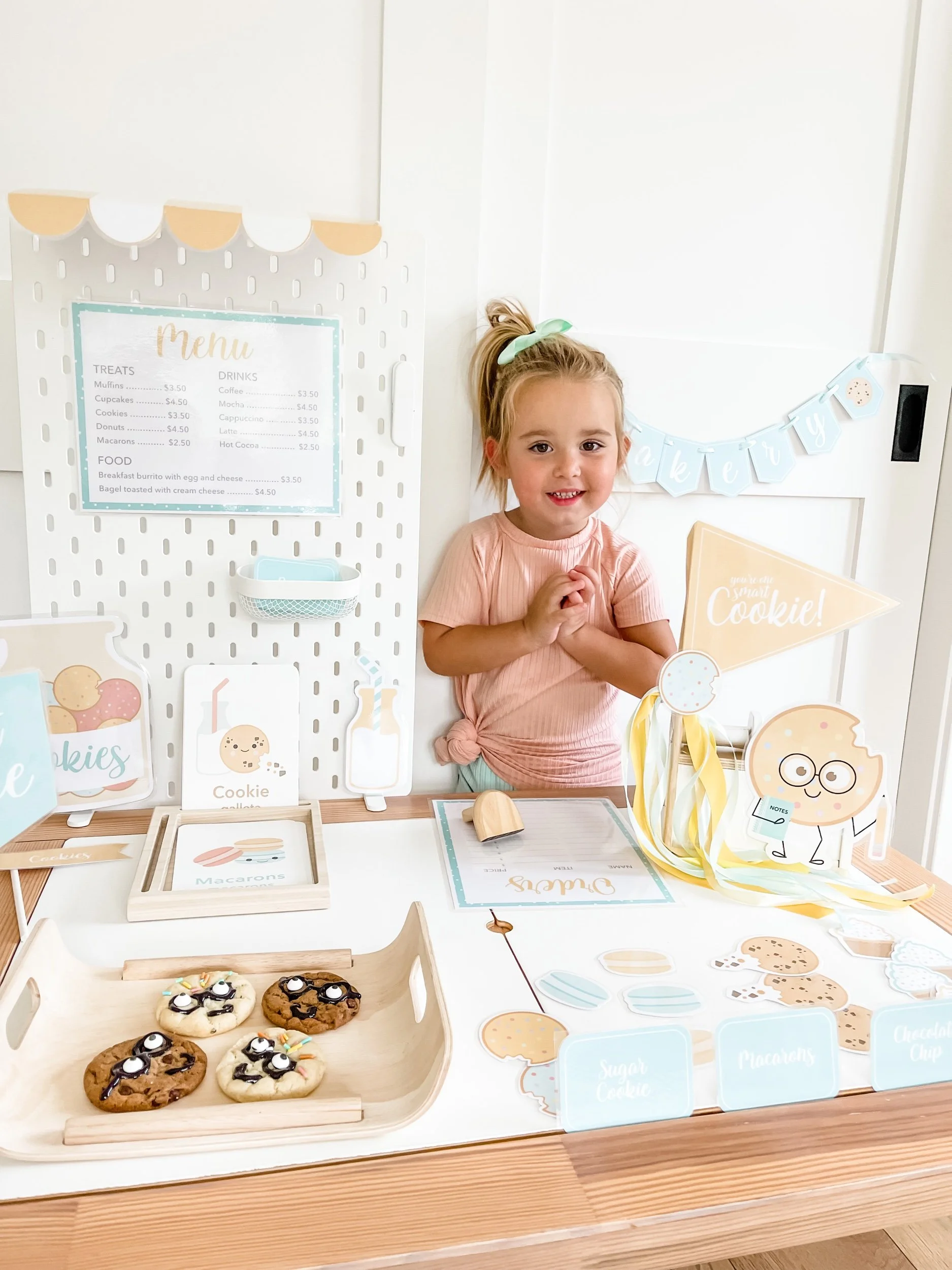
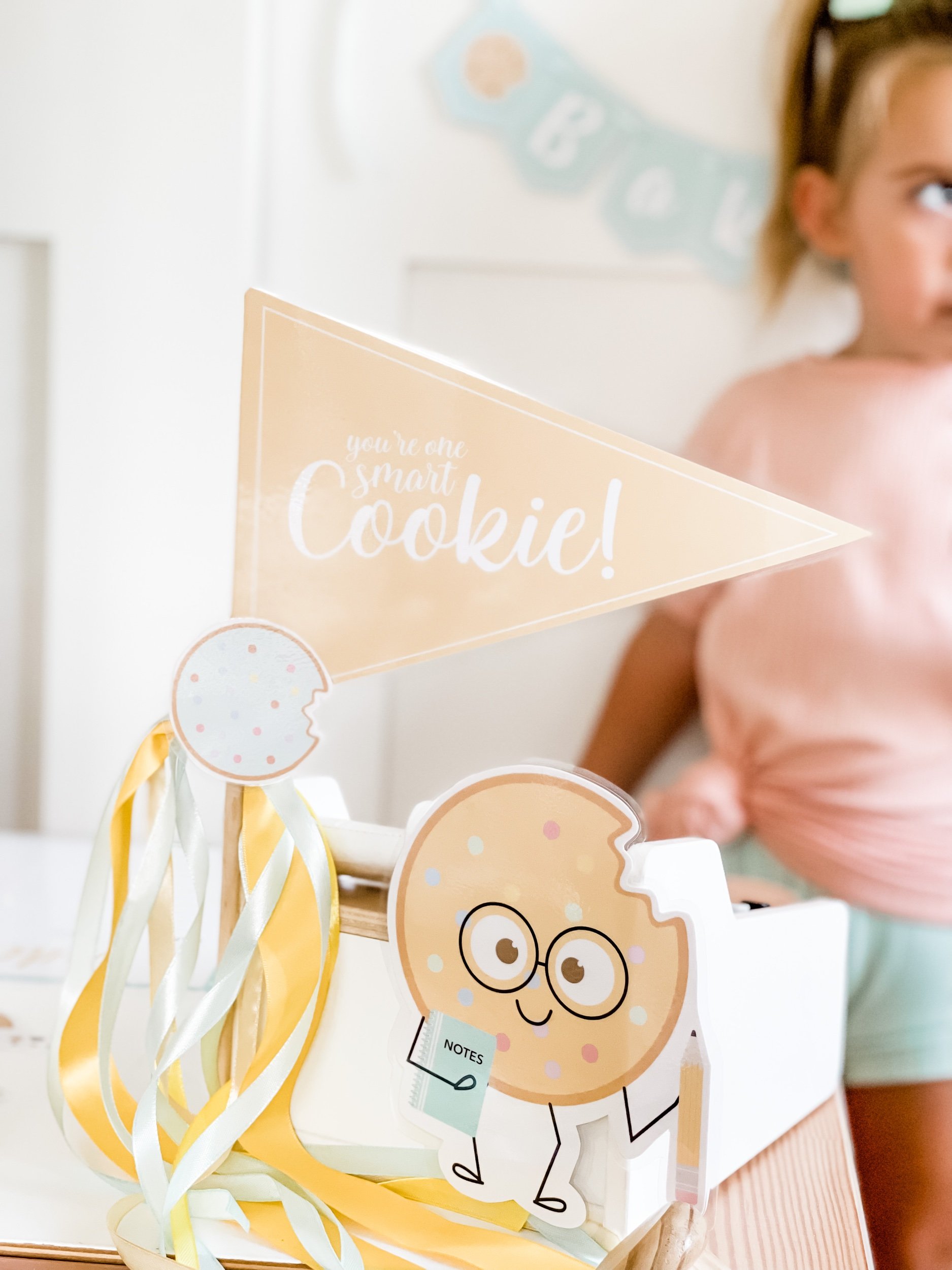
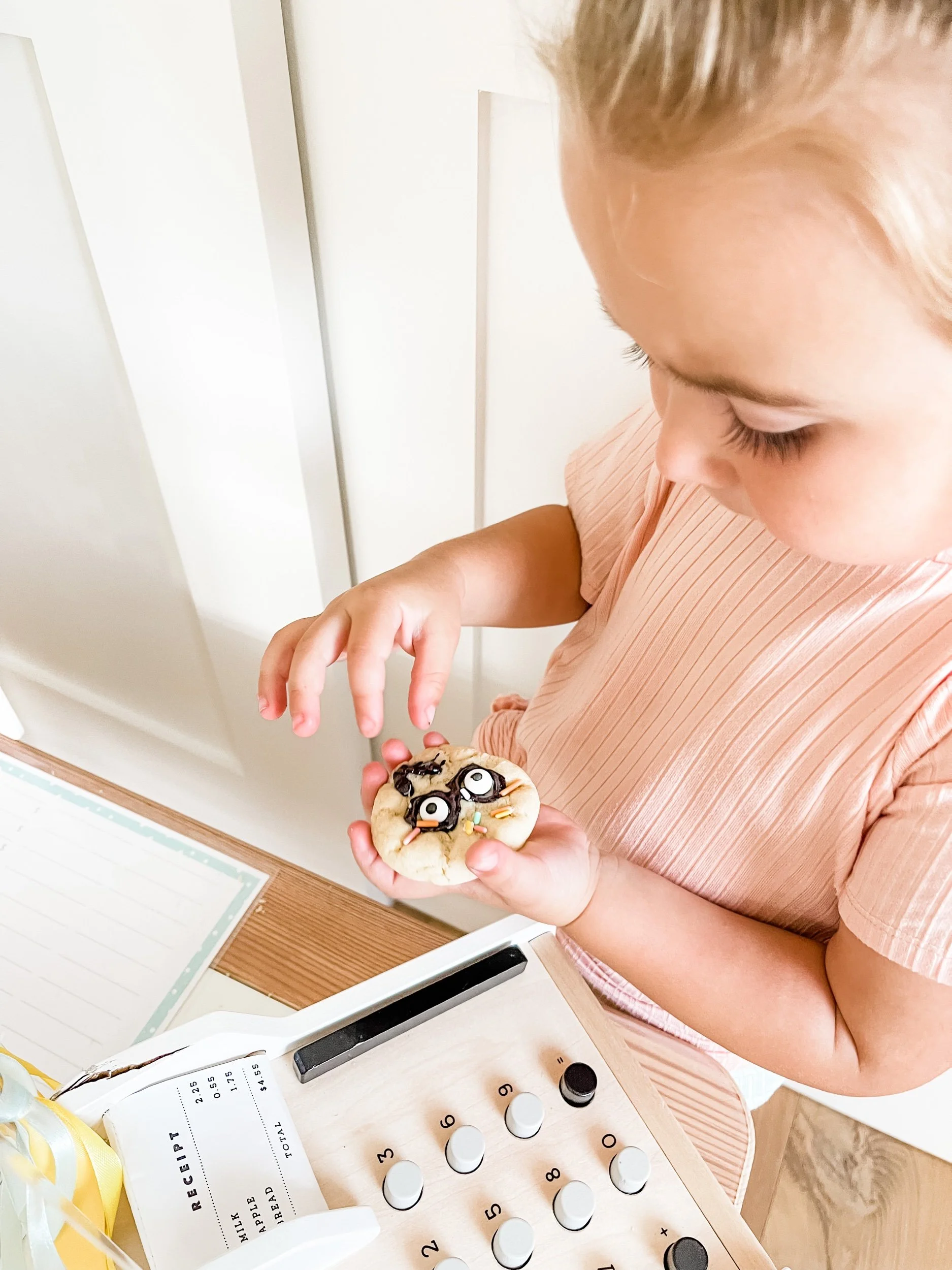
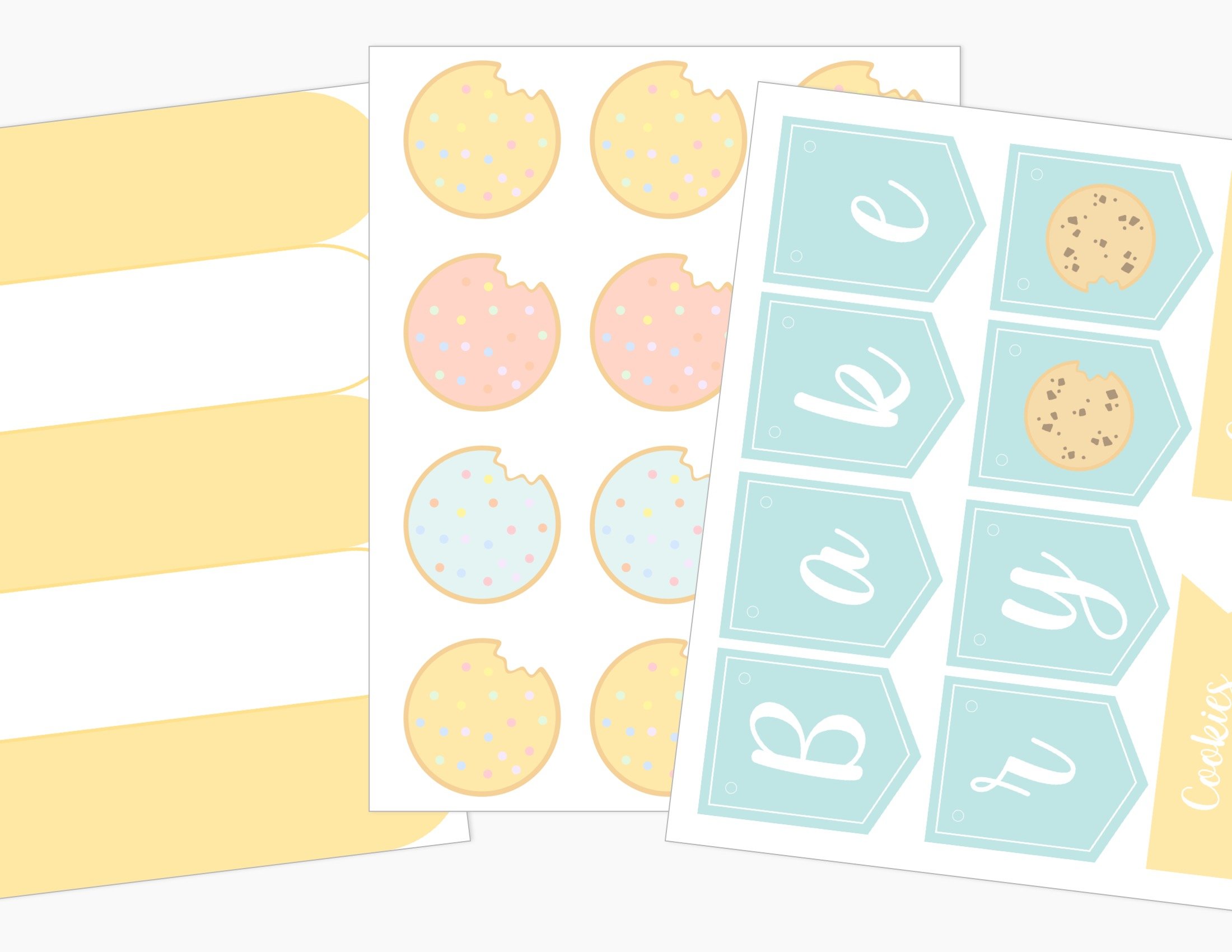
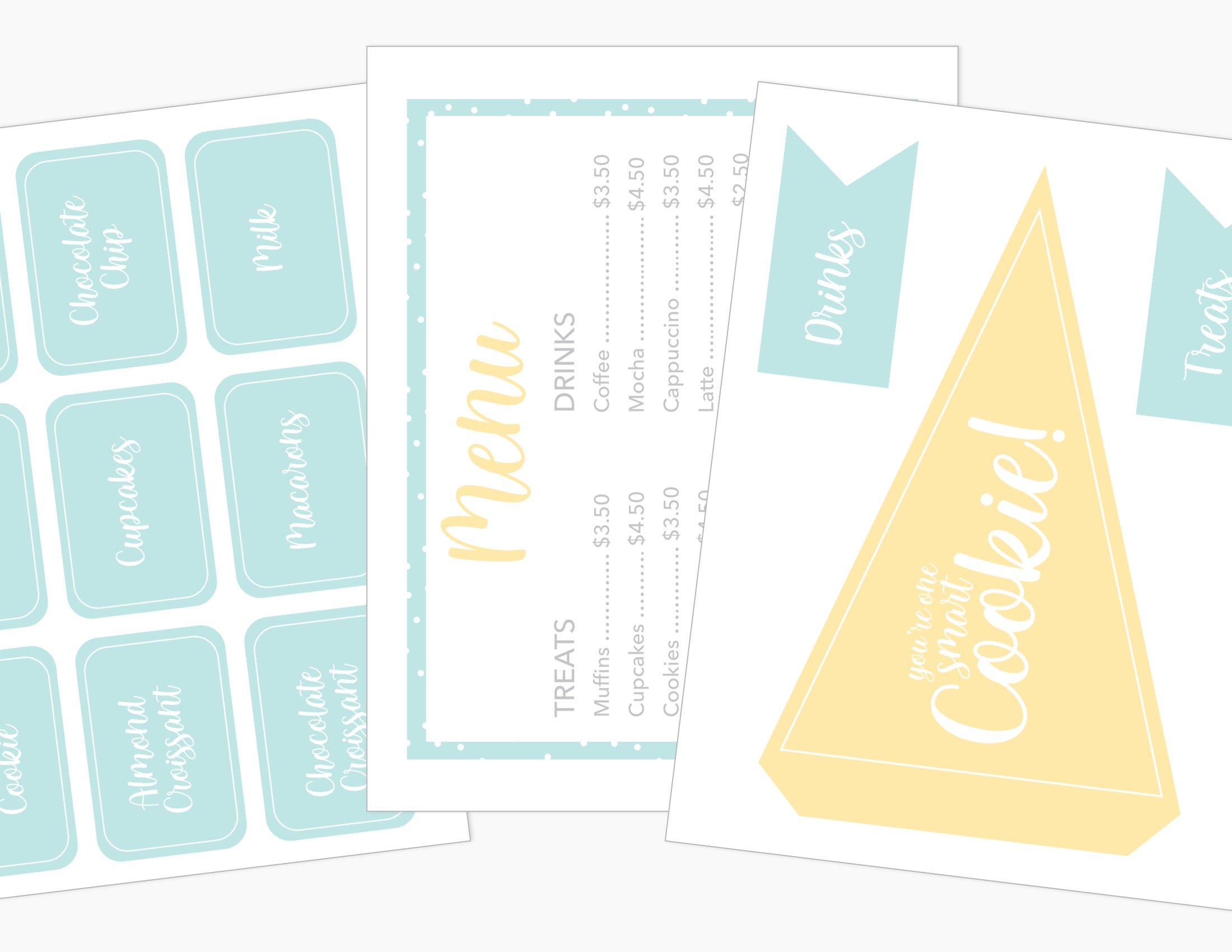
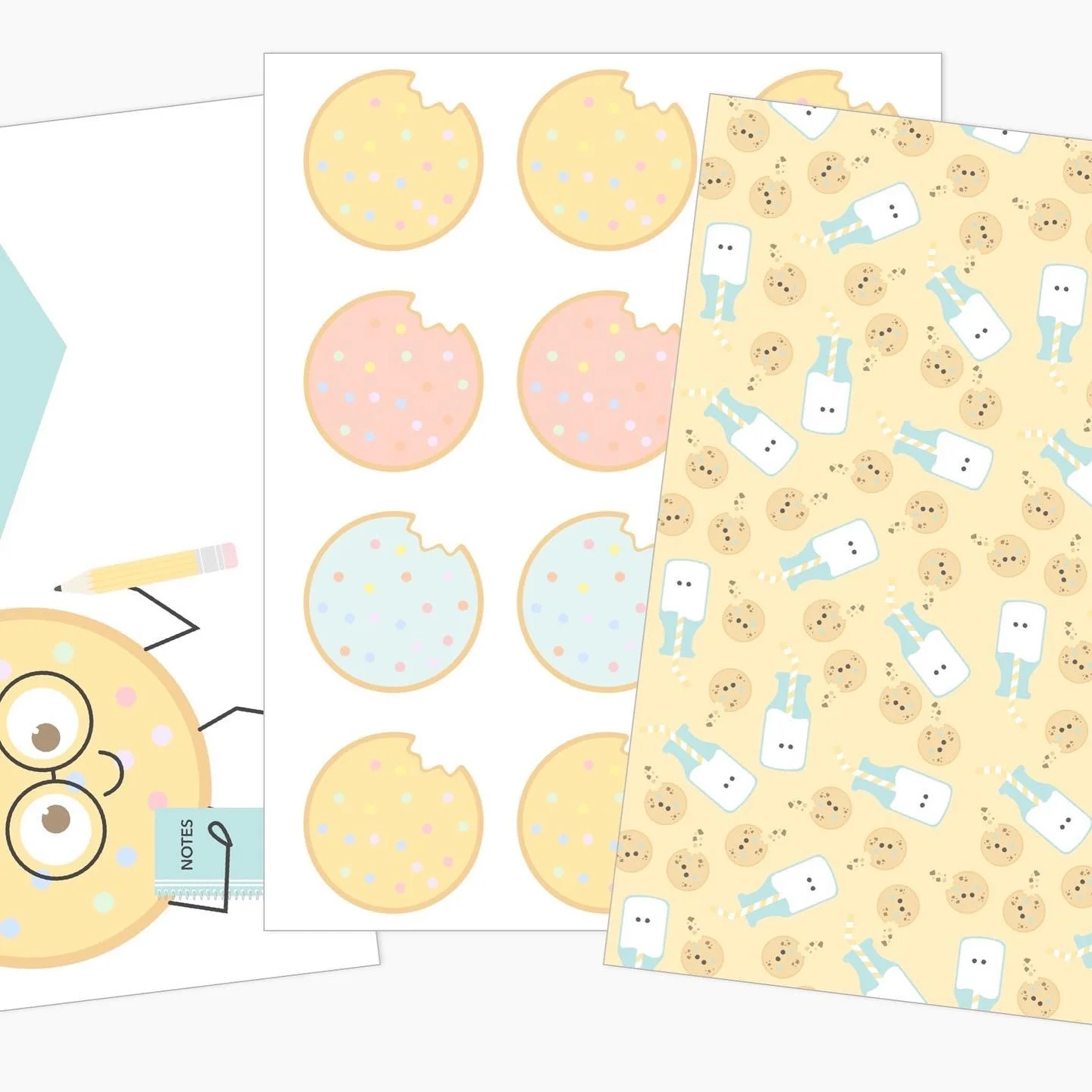
Kick off the back-to-school season with a fun and educational sensory play setup! Our Smart Cookie Dramatic Play inspires creativity, fine motor skills, and pretend play while getting toddlers excited about learning. Designed with three sensory bins and dramatic play elements, this setup encourages hands-on exploration, imaginative thinking, and early literacy skills.
Sugar cookie dough or Play-Doh
Cookie cutters, rolling pins, and baking trays
Cheerios, Panda Puffs, or similar cereal
Bakery-themed dramatic play printables (cash register, menus, and signage)
Pretend money
Measuring cups, spoons, and tongs
Toy cookies, cupcakes, or resin bakery goods
Aprons and chef hats
Age 0-6mo: Tactile exploration (supervised with taste-safe materials)
Age 6mo-12mo: Scooping, grasping, and exploring textures
Age 12mo-2yr: Pretend play and color sorting
Age 3yr-4yr: Fine motor skill development through rolling, cutting, and pattern-making
Age 4yr-6yr: Role-playing bakery scenarios, counting, and literacy skills








Homemade or store-bought sugar cookie dough
Cookie cutters and rolling pins
Small baking trays or plates
Sprinkles (real or pretend)
Children can roll out dough, cut shapes using cookie cutters, and decorate their “cookies” with sprinkles. Older children can use wooden knives to practice safe cutting techniques, and toddlers can focus on squishing and rolling to build fine motor strength.
Cheerios and Panda Puffs cereals
A laminated “pencil outline” template
Small containers or bowls
Tweezers, tongs, or scoops
Activity Instructions:
Fill a bin with Cheerios and Panda Puffs, and provide pencil-shaped templates for children to outline with cereal. Older kids can use tongs to carefully place each piece, while younger ones can scoop and pour the cereal into the shape. This activity is great for improving pincer grip and early geometry skills.
Pretend baked goods (toy cookies, cupcakes, etc.)
Cash register and play money
Measuring cups, spoons, and tongs
Aprons and chef hats
Activity Instructions:
Children can take turns being the bakery shop owner and customers. They’ll practice counting pretend money, using dramatic play printables to “take orders,” and serving up baked goods. Add tools like measuring cups and spoons for children to “mix” their own creations.
Looking to extend the Smart Cookie theme? Try these fun alternatives:
Chocolate chip cereal or small chocolate pebbles
Beige-colored dried beans for “dough”
Have children use tongs to pick out the “chocolate chips” and sort them into bowls. For extra fun, provide muffin tins to create “mini cookies.”
Taste-safe edible cookie dough
Colorful sprinkles and mini chocolate chips
Toddlers can squish and mold the edible dough while decorating with mix-ins. Encourage creative shapes like stars or hearts!
Shaving cream or whipped soap (non-toxic alternatives)
Small craft spatulas
Children can “ice” paper cookie cutouts, adding pretend sprinkles and stickers to decorate their creations.
Small magnetic letters or alphabet beads
Kinetic sand as “cookie dough”
Hide letters in the sand and have kids “bake” cookies by matching the letters to a baking tray or cookie outline printable.
Fine Motor Skills: Scooping, rolling, and cutting activities strengthen little hands.
Early Math & Literacy: Counting, sorting, and role-play encourage early academic skills.
Creativity: Designing and decorating cookies inspires imagination.
Social Skills: Pretend play builds teamwork, communication, and cooperation.
Week-Long Lesson Plan: Smart Cookie Dramatic Play ThemeEach day includes eight structured activities designed to engage toddlers and preschoolers with sensory play, fine motor skills, literacy, math, and creative exploration. These activities are perfect for homeschool moms looking to fill their days with educational fun inspired by the Smart Cookie theme.
Morning Sensory Play: Sugar cookie dough sensory bin with rolling pins and cookie cutters.
Math Activity: Count and sort pretend cookies by size and shape.
Literacy Activity: Practice writing letters in flattened dough with fingers or craft sticks.
Creative Art: Make a “cookie collage” by decorating paper cutouts of cookies with crayons and stickers.
Storytime: Read If You Give a Mouse a Cookie and discuss what happens in the story.
Cooking Activity: Pretend to follow a recipe using measuring cups and spoons.
Physical Activity: Bake-themed movement game (e.g., “Roll like a rolling pin,” “Jump like popcorn”).
Quiet Time: Practice tracing cookie-themed printables or coloring pages.
Morning Sensory Play: Create pencil shapes using Cheerios and Panda Puffs.
Math Activity: Count the pieces of cereal needed to outline the pencil.
Literacy Activity: Trace letters or numbers inside the cereal outline using washable markers.
Fine Motor Practice: Use tweezers or tongs to move cereal into pencil shapes.
Science Activity: Explore textures and compare the crunchiness of Cheerios and Panda Puffs.
Creative Art: Paint a giant cardboard “pencil” to hang as a decoration.
Storytime: Read The Pencil by Allan Ahlberg and discuss how pencils are used.
Cooking Activity: Make a simple snack mix using Cheerios, Panda Puffs, and dried fruit.
Morning Sensory Play: Bakery shop setup with pretend money and play baked goods.
Math Activity: Count play money and “purchase” cookies using price tags.
Literacy Activity: Write a bakery menu or create order cards with simple words and drawings.
Role-Playing Activity: Take turns being the baker and customers.
Fine Motor Practice: Use tongs to serve cookies and cupcakes to “customers.”
Art Activity: Design and decorate paper cookies using crayons, glitter, and stickers.
Physical Activity: Play “Baker Says,” a themed version of Simon Says.
Quiet Time: Listen to a baking-themed audiobook or relaxing baking sounds.
Morning Sensory Play: Sort “chocolate chips” (brown pom-poms or cereal) from a cookie dough filler (dried beans or sand).
Math Activity: Create patterns with cookies (e.g., big-small-big or circle-square-circle).
Science Activity: Compare different sensory fillers by weight, texture, and color.
Literacy Activity: Practice spelling simple words like “cookie” or “bake” using magnetic letters.
Creative Art: Make a “cookie jar” craft with paper and markers.
Cooking Activity: Measure ingredients to create no-bake energy balls as “cookies.”
Fine Motor Practice: Use tongs to move “chocolate chips” into muffin tins.
Storytime: Read Mr. Cookie Baker by Monica Wellington and discuss the role of bakers.
Morning Sensory Play: Decorate paper cookie cutouts with pretend icing (shaving cream or whipped soap).
Fine Motor Practice: Use small spatulas to “spread” the pretend icing.
Math Activity: Count how many “sprinkles” (pom-poms or beads) go on each cookie.
Literacy Activity: Write short “orders” for cookies using simple words or stamps.
Creative Art: Paint or color a cookie bakery sign for your pretend play station.
Science Activity: Mix food coloring into shaving cream and observe color changes.
Physical Activity: Set up a scavenger hunt to find hidden cookie cutouts around the house.
Cooking Activity: Bake real cookies together, focusing on measuring and mixing.
Morning Sensory Play: Engage with all three sensory bins: sugar cookie dough, Cheerios pencil craft, and bakery pretend play.
Math Activity: Count how many cookies can fit on a pretend baking tray.
Fine Motor Practice: Sort pretend sprinkles by color using tweezers or fingers.
Creative Art: Design your dream bakery on a large piece of paper.
Role-Playing Activity: Host a cookie shop where family members can order and “buy” cookies.
Science Activity: Compare hot and cold materials while touching different baking tools.
Physical Activity: Play “Cookie Relay” by racing to deliver cookies across the room.
Quiet Time: Listen to a baking-themed story or relaxing music.
Morning Sensory Play: Revisit your favorite bin from the week and add new tools (e.g., cookie molds or additional fillers).
Math Activity: Sort cookies by type or size and tally them.
Creative Art: Draw a picture of your favorite cookie and write a short story about it.
Science Activity: Observe how different baking tools feel when placed in water or sand.
Fine Motor Practice: Build a cookie stack tower using Play-Doh or stacking toys.
Cooking Activity: Decorate pre-baked cookies with icing and sprinkles.
Role-Playing Activity: Pretend to deliver cookies to friends or family members.
Storytime: Read The Cookie Fiasco by Dan Santat and discuss the characters’ problem-solving.
This detailed plan ensures a full day of Smart Cookie activities, keeping homeschool moms organized while inspiring fun and learning!
Each day includes eight structured activities designed to engage toddlers and preschoolers with sensory play, fine motor skills, literacy, math, and creative exploration. These activities are perfect for homeschool moms looking to fill their days with educational fun inspired by the Smart Cookie theme.
1. Dough
2. Cookie
3. Bake
4. Sprinkle
5. Dough roller
6. Chef
7. Recipe
8. Mix
9. Measure
10. Tray
11. Icing
12. Shape
13. Oven
14. Bakery
15. Ingredient
16. Money
17. Pretend
18. Shop
19. Sell
20. Play
Ready to bake up some fun? Explore our Smart Cookie Dramatic Play printables on GoodnightFox.com, and don’t forget to share your setups using #learningthroughplaytrays!










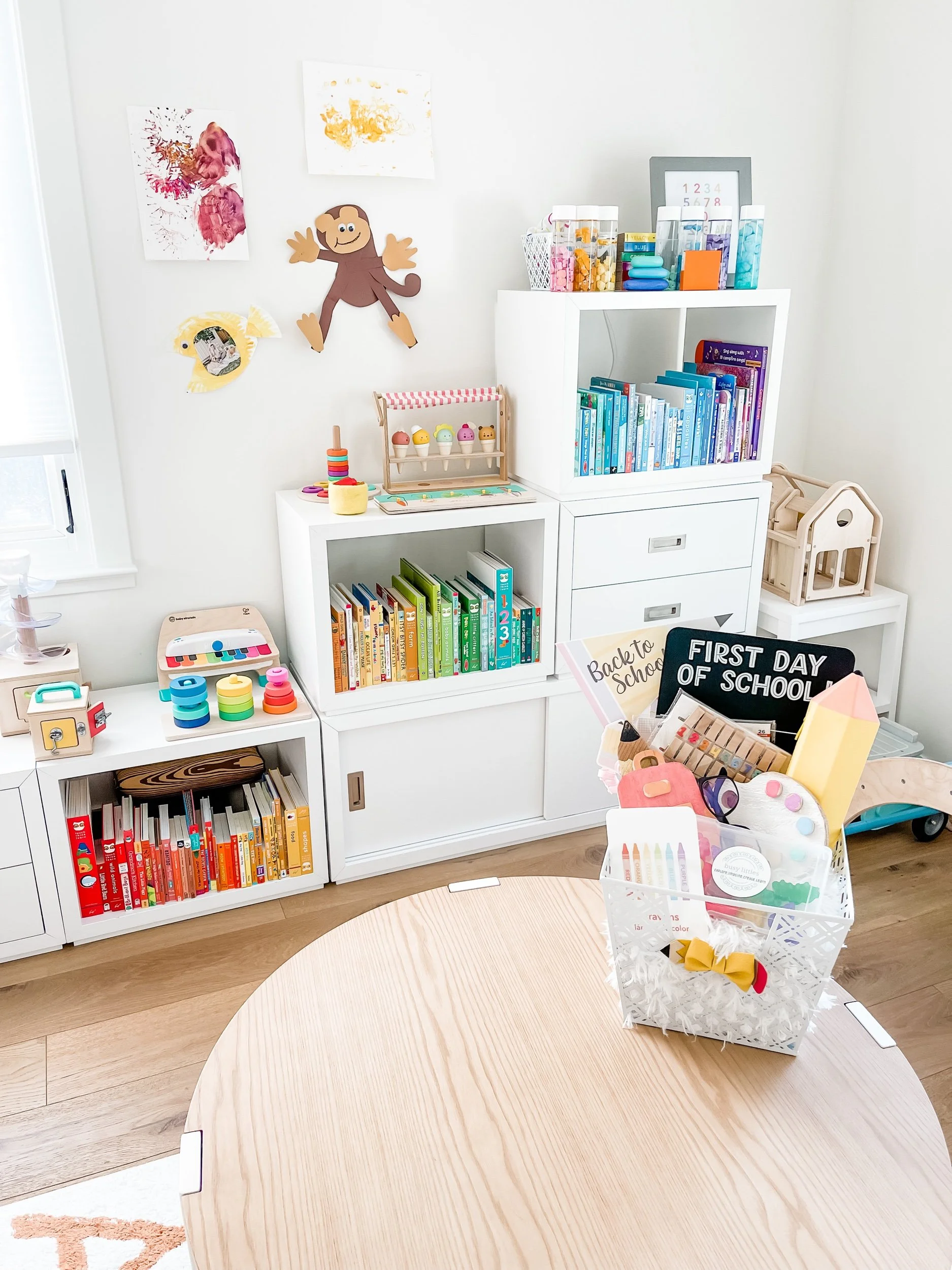
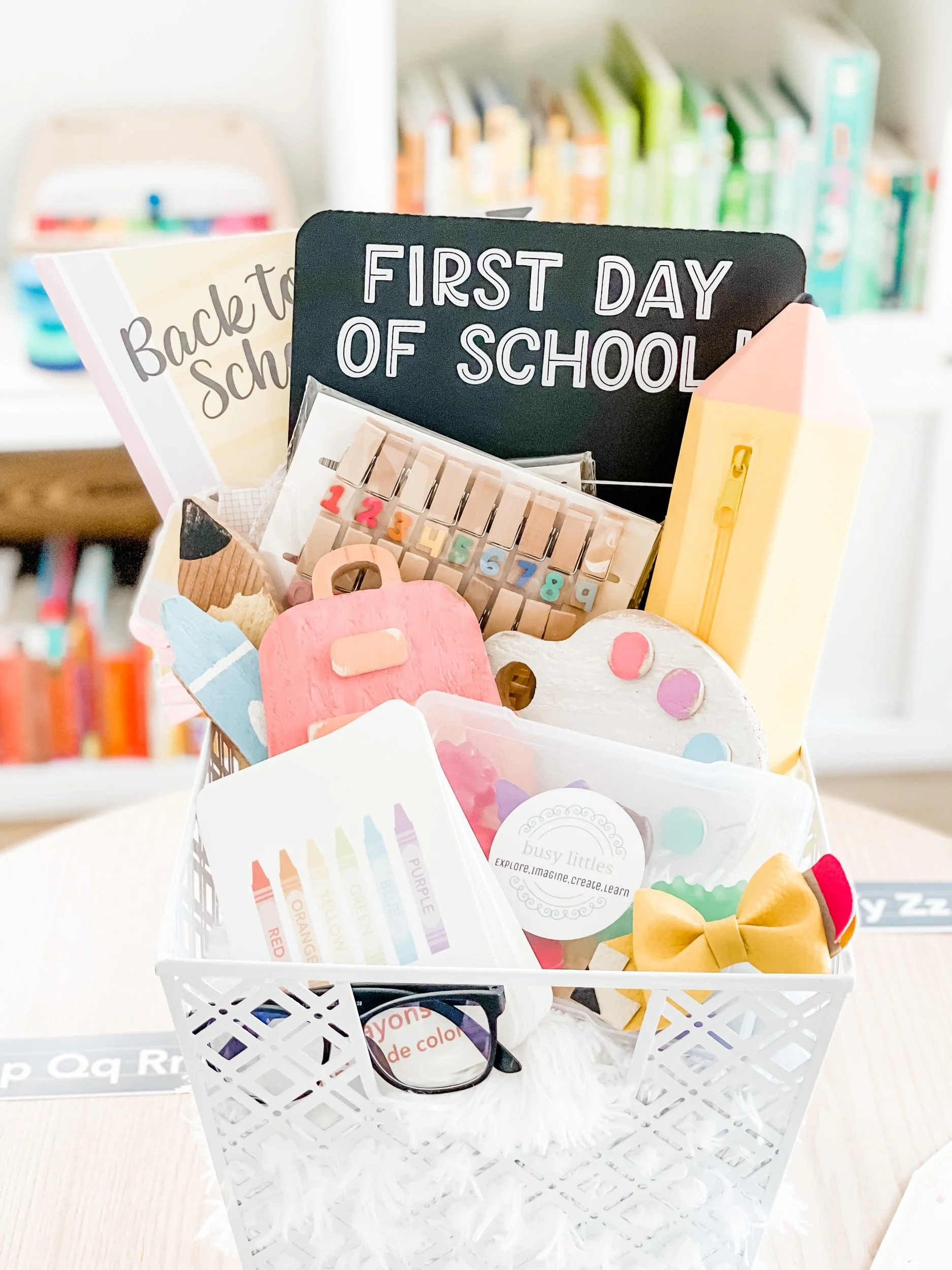
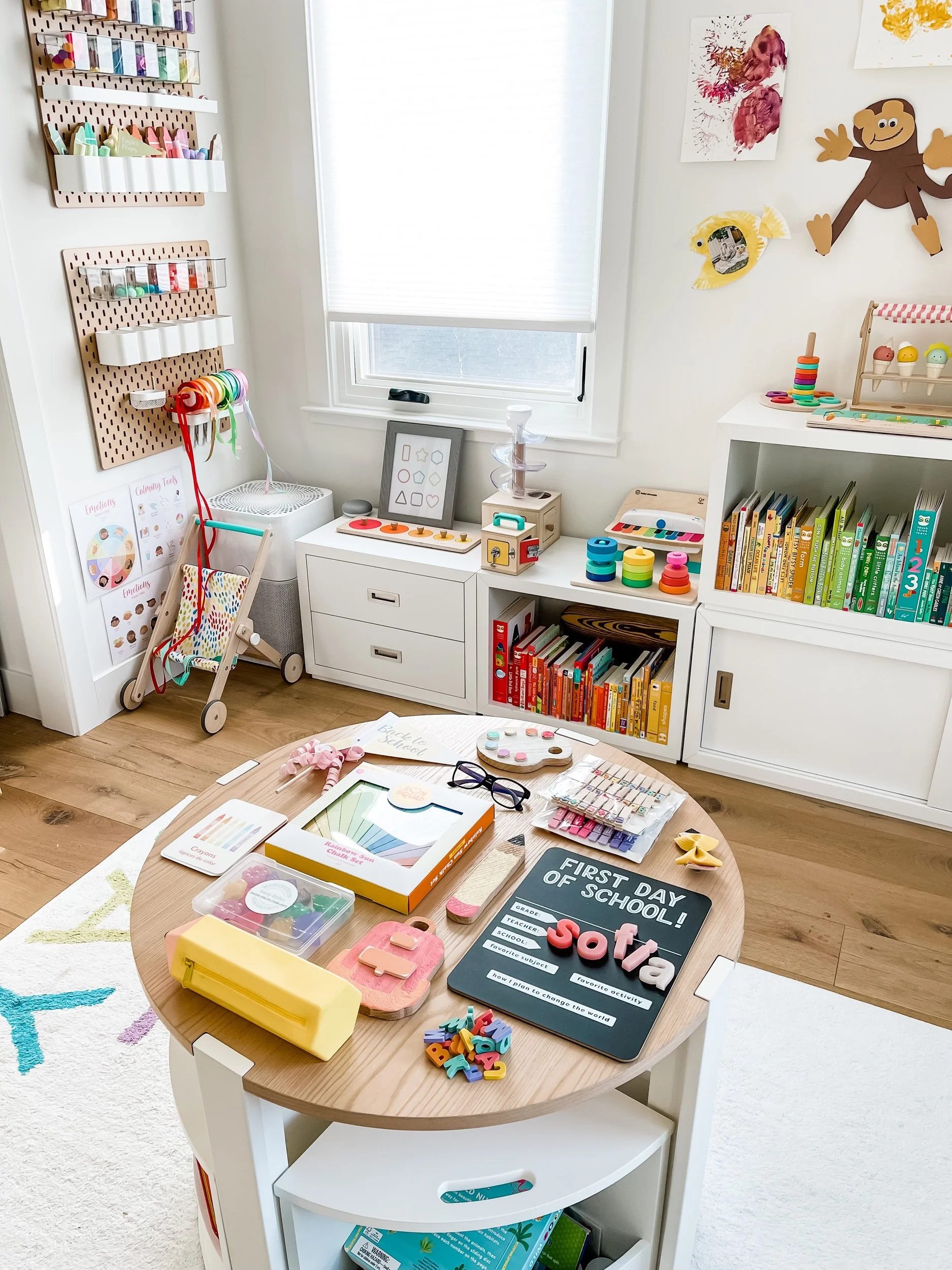
This year it was so much fun to gather goodies for Sofie’s Back to School basket because she was actually going to school! We found so many fun little surprises and learning materials she absolutely loved it.
Black Board from @target
Wood Pencil, Paint Palette, Backpack from @oak.and.co
Pencil Bow
Back to School Flag from @goodnightfox
Alphabet Clothes Pins from @target
Number Clothes Pins from @target
Letters & Numbers Erasers from @target
Resin Bugs Kit from @_busy littles
Sunshine Chalk from @target
Blue Light Glasses from @target
School Supplies flashcards from @goodnightfox






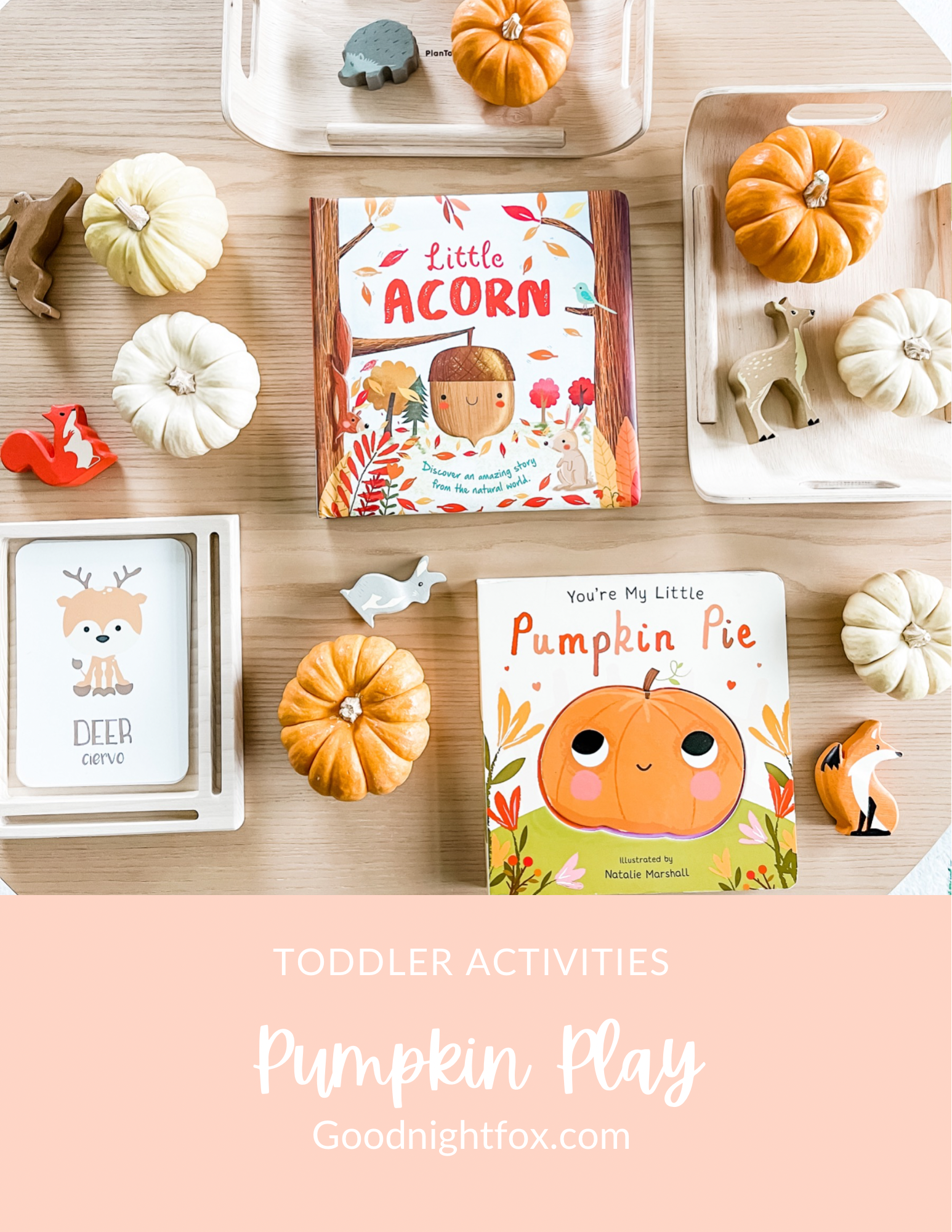
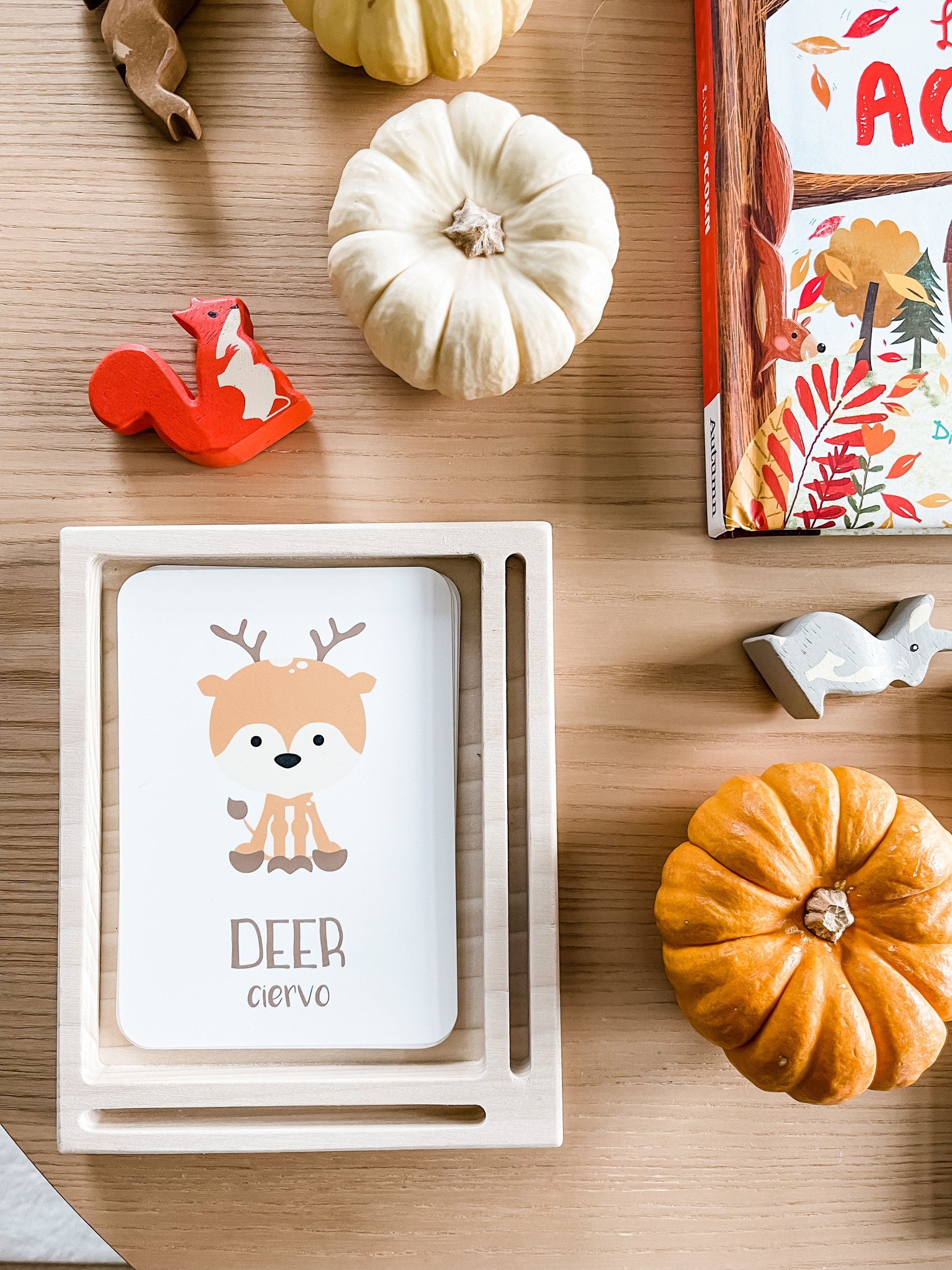
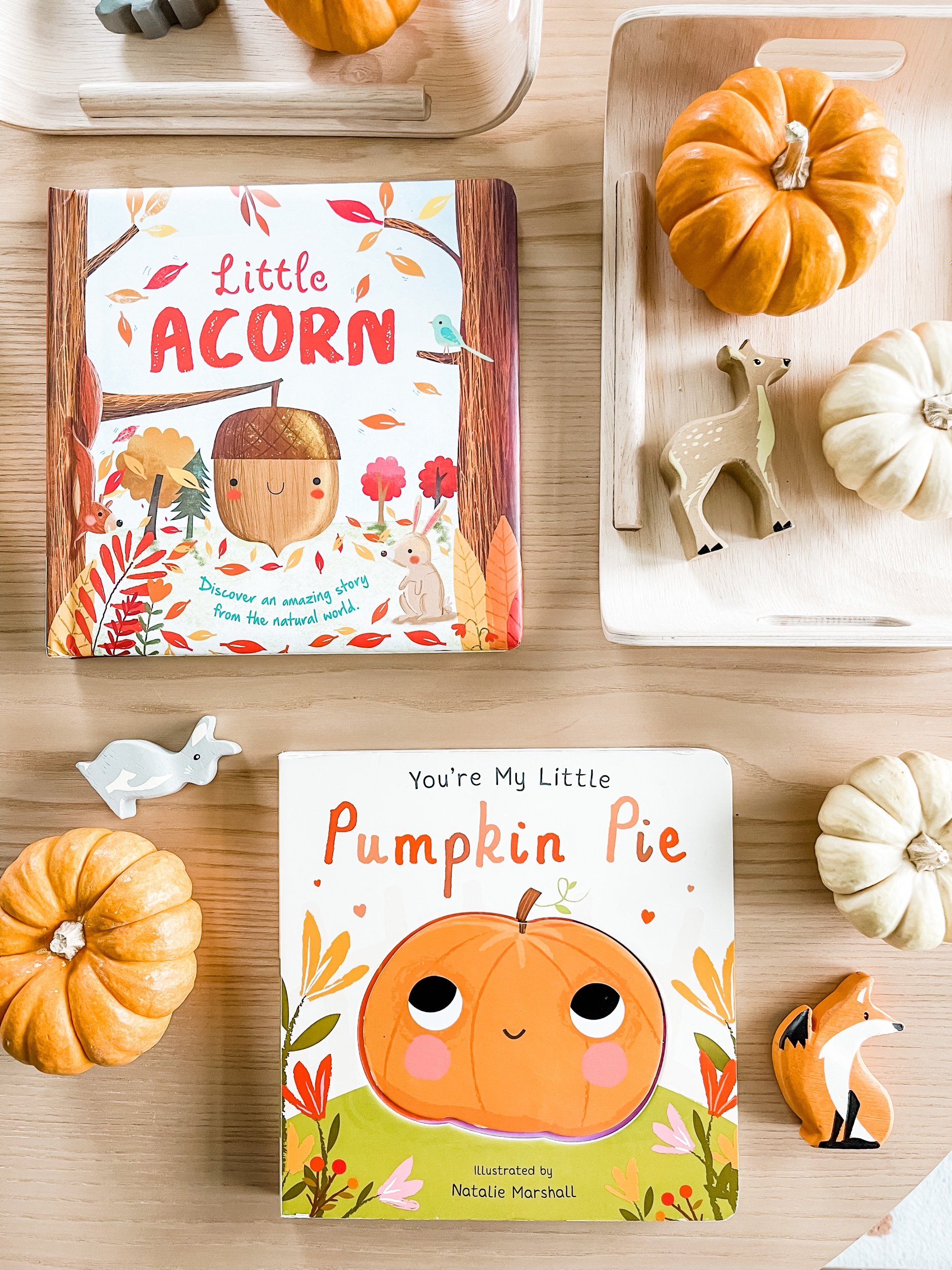
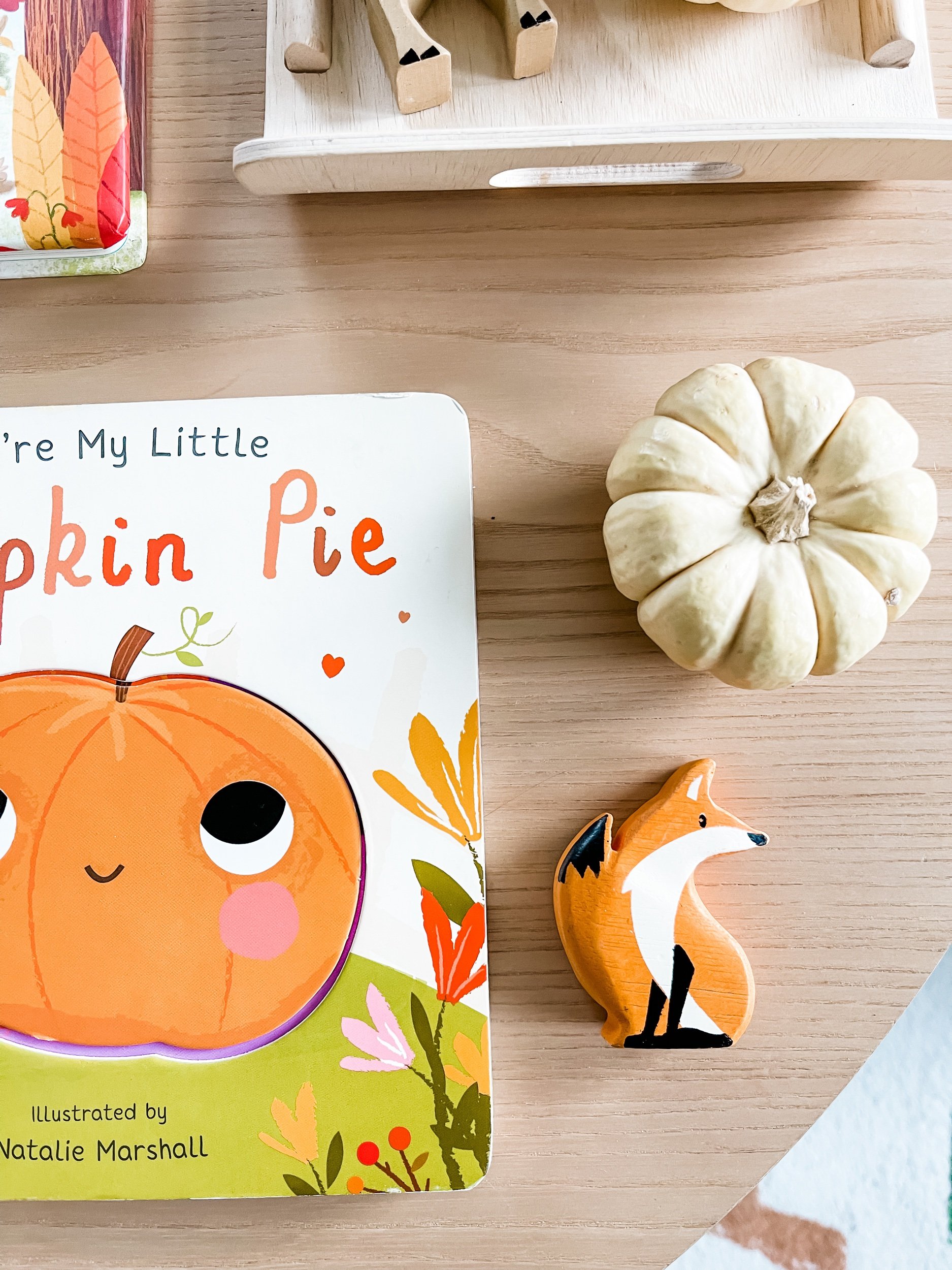
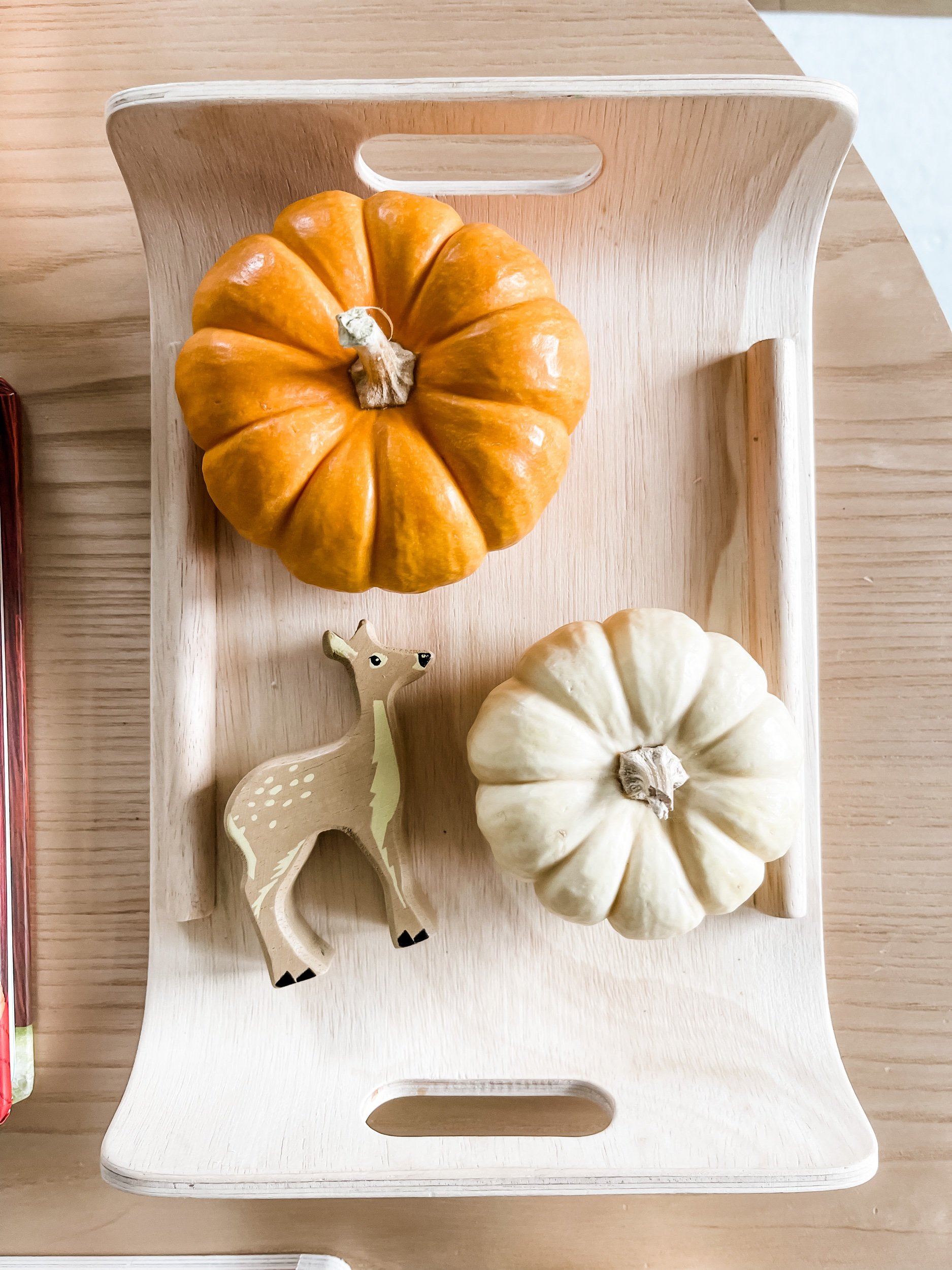
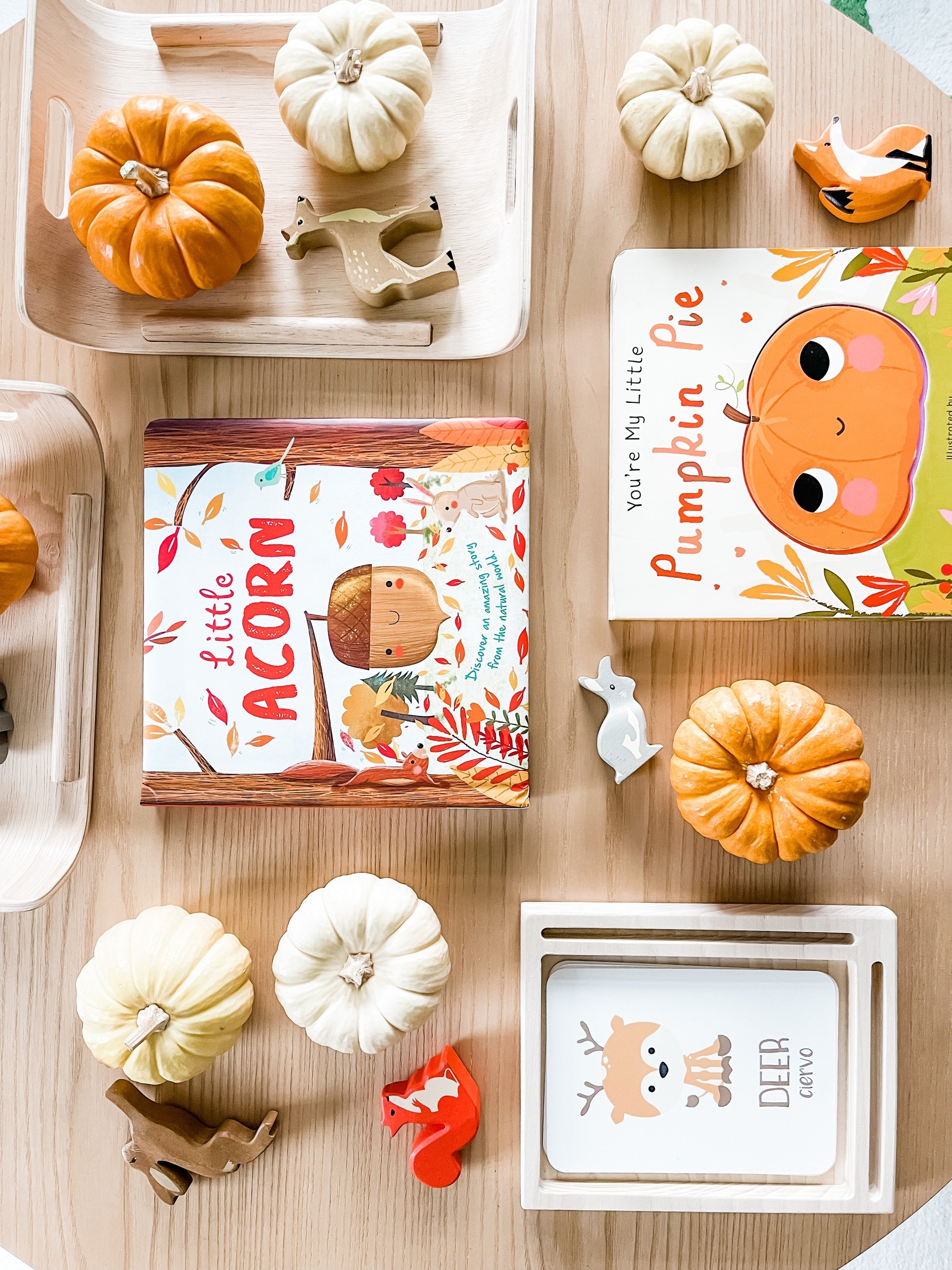
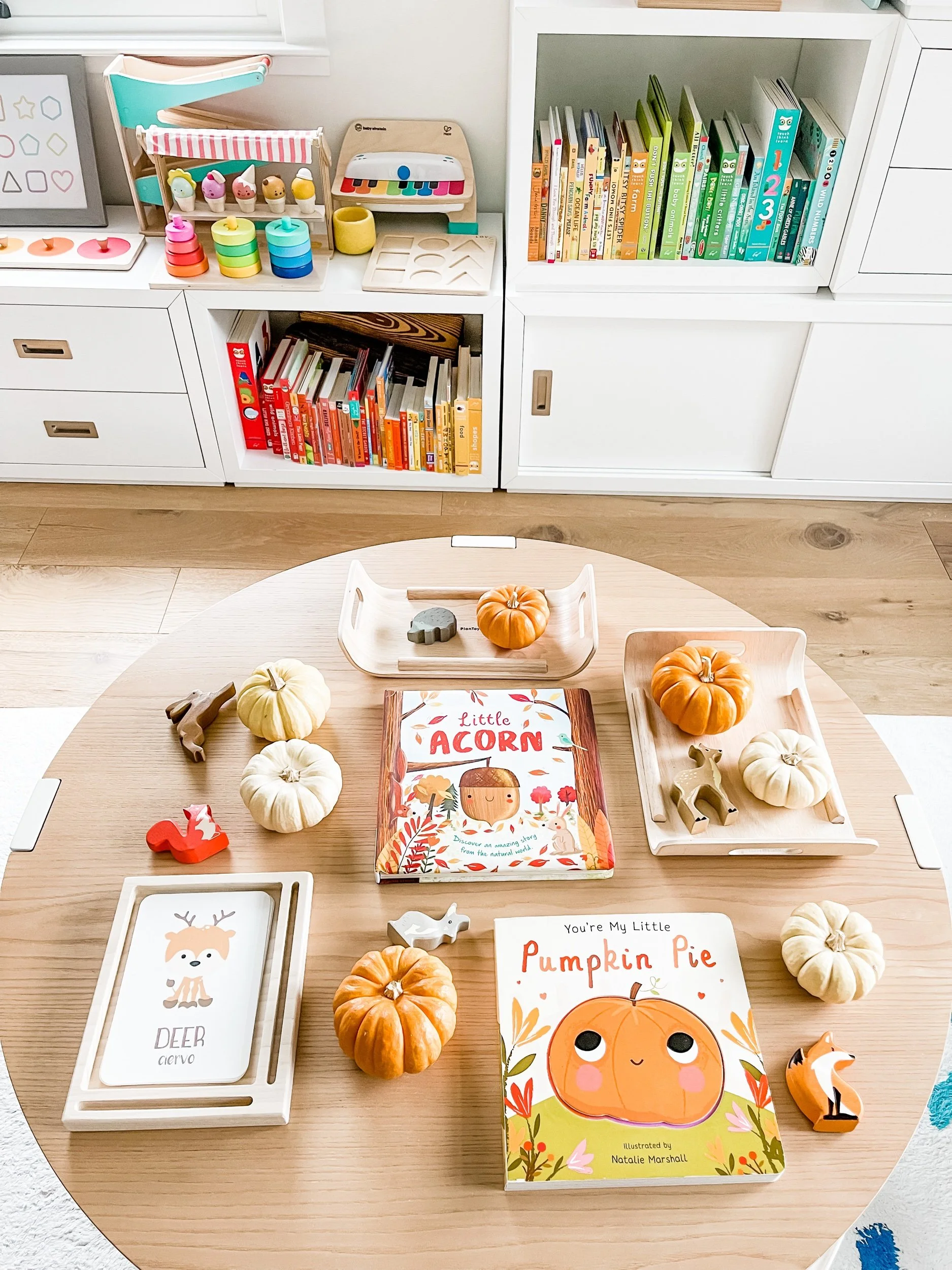
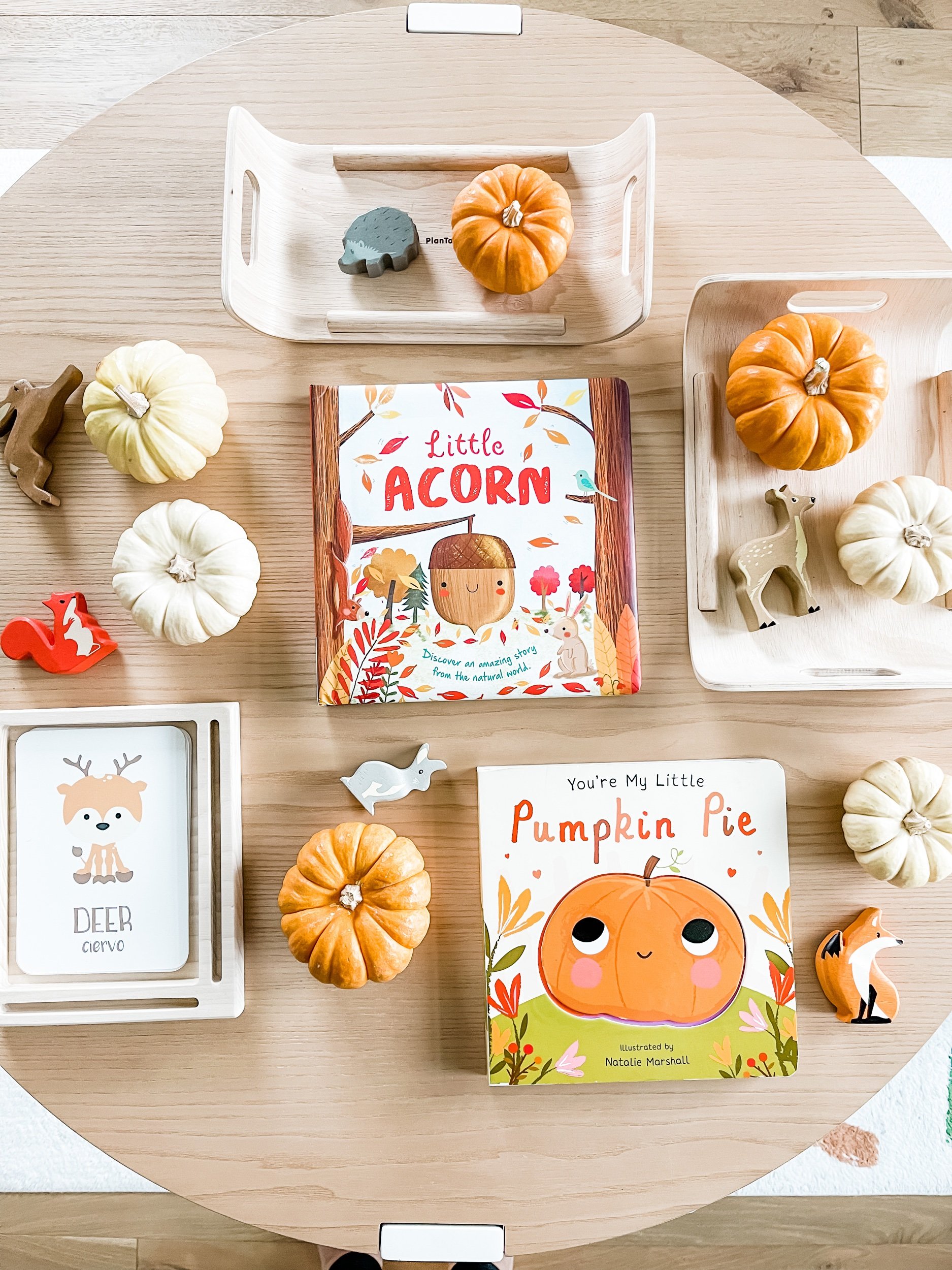
Grab some pumpkins and join us for this simple play setup featuring our woodland animals sensory kit.
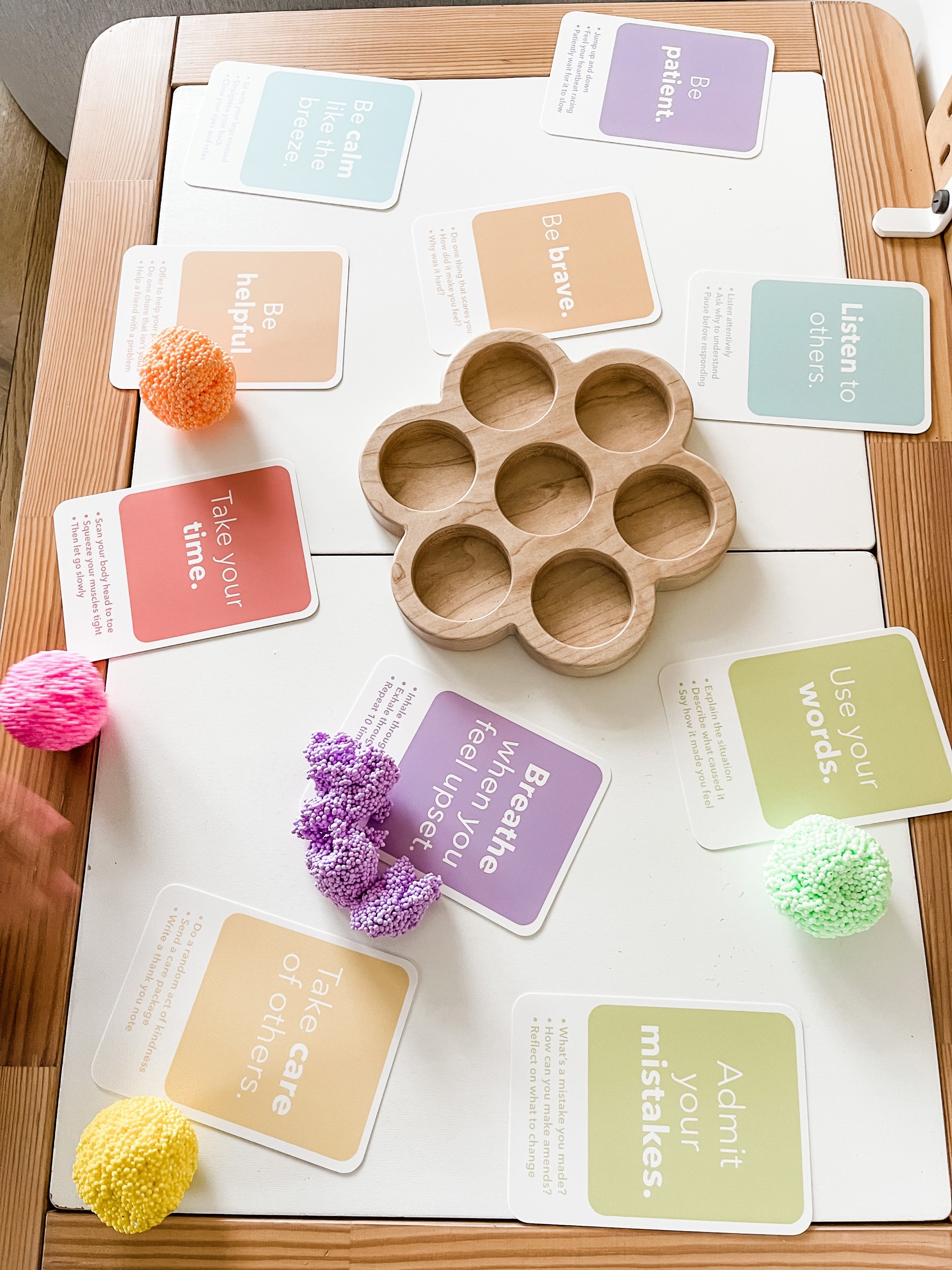
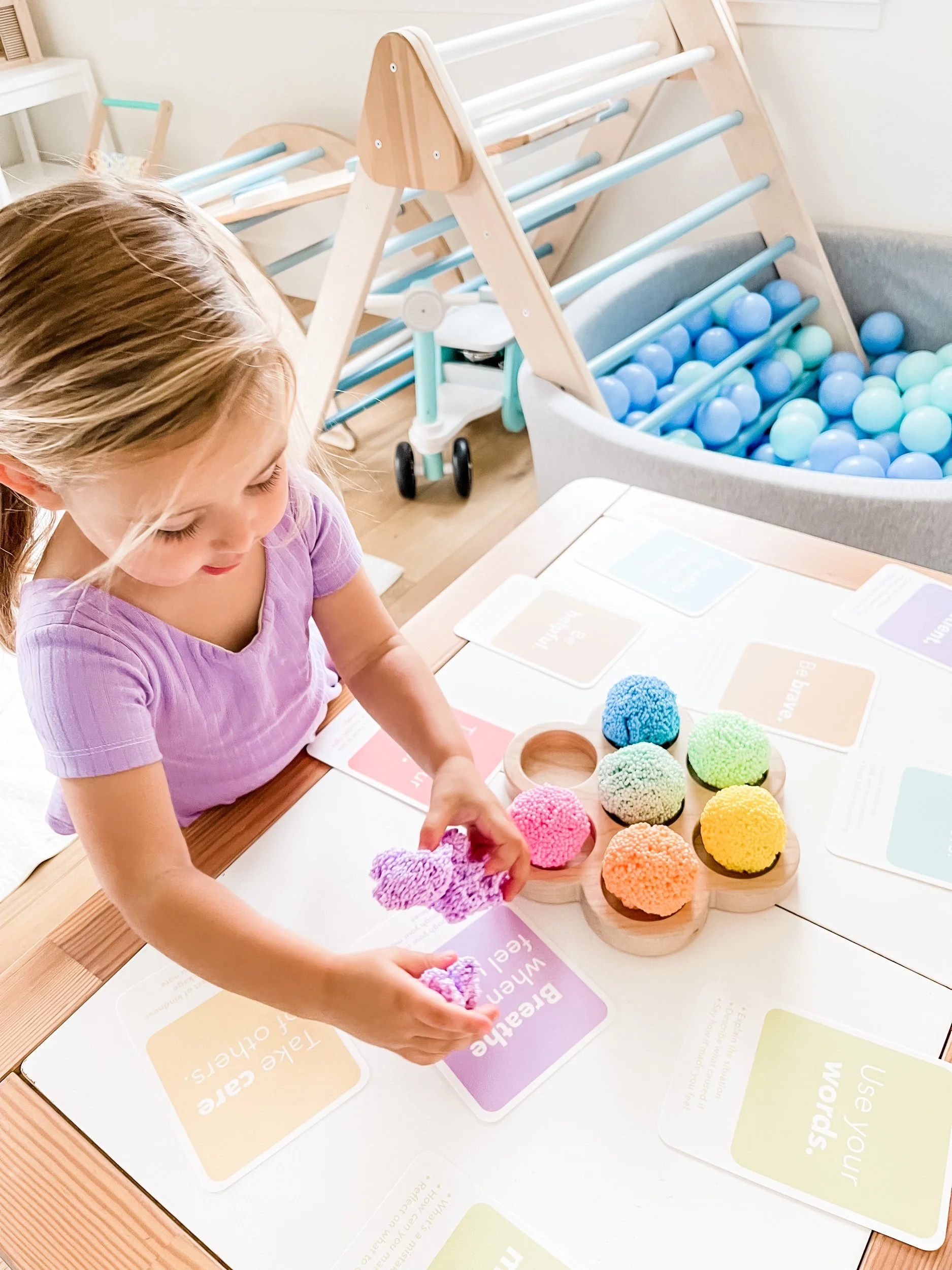
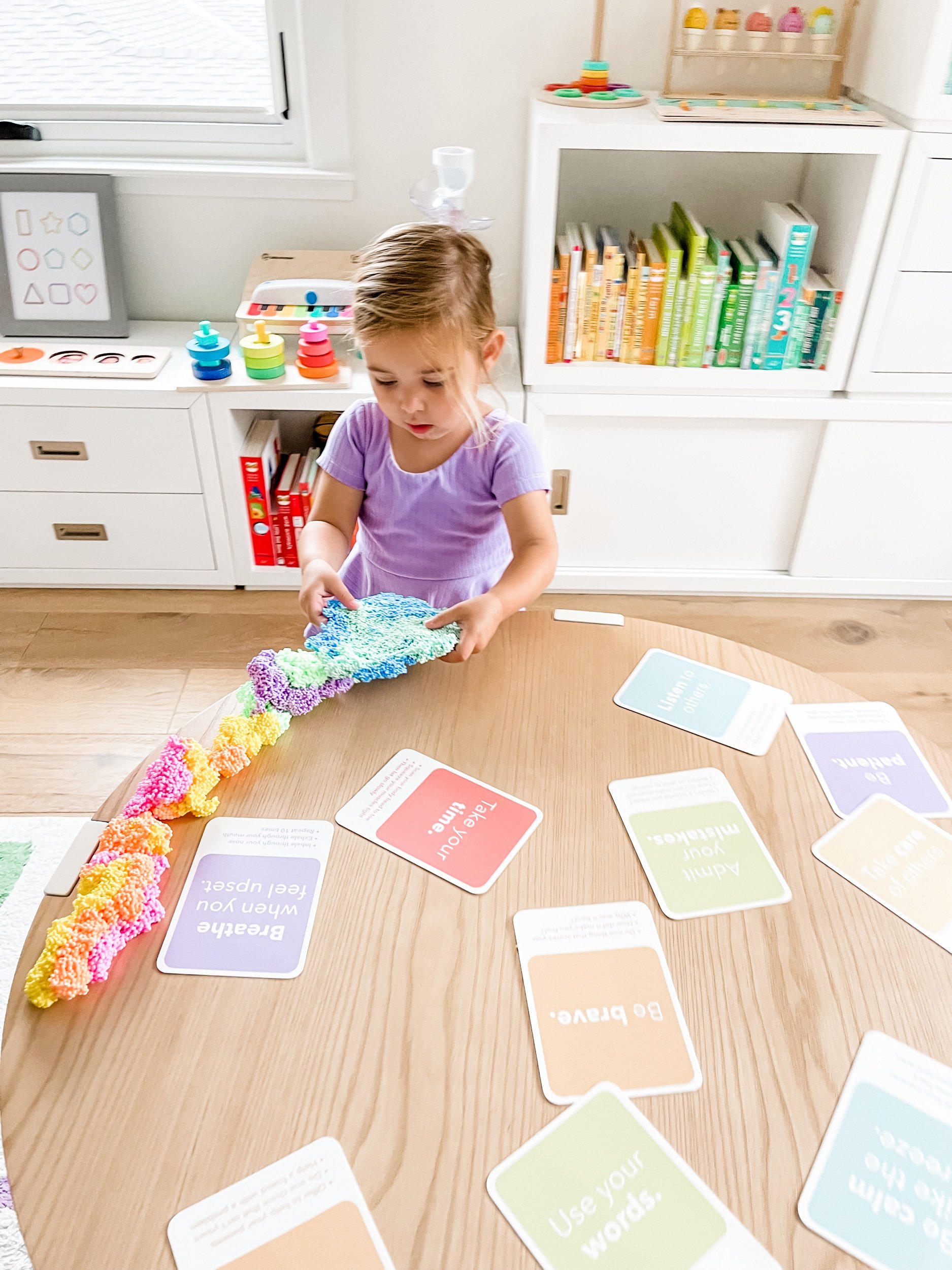
Playing with play foam is a fun and engaging activity for toddlers, but it also has many benefits beyond just entertainment. One of the most important benefits is the relaxation and mindfulness that it can provide for little ones.
As toddlers grow and develop, they can often become overwhelmed by the world around them. Play foam can provide a calming and soothing experience that can help them to relax and focus on the present moment. The tactile sensation of squeezing and shaping the foam can be particularly soothing for children who may be anxious or easily agitated.
Additionally, playing with play foam can help to improve a child's fine motor skills and hand-eye coordination. Squeezing, shaping, and cutting the foam all require the use of small muscles in the hands and fingers, which can help to strengthen and develop these skills.
Another benefit of play foam is that it is a great tool for teaching mindfulness and self-regulation. Mindfulness is the ability to focus on the present moment without judgment, and it is an important skill for children to learn at a young age. When playing with play foam, children can learn to focus on the sensation of squeezing and shaping the foam, which can help them to develop mindfulness skills.
To further enhance the benefits of play foam for your child, consider incorporating mindfulness flashcards for toddlers into your playtime routine. These flashcards feature fun and engaging illustrations and prompts that can help children to focus on the present moment and practice mindfulness. They are an excellent way to encourage children to take a break from screens and engage in more hands-on activities.
In conclusion, play foam is a fun and engaging activity for toddlers that offers many benefits. It can provide a relaxing and calming experience, improve fine motor skills and hand-eye coordination, and teach mindfulness and self-regulation. Consider incorporating mindfulness flashcards for toddlers into your playtime routine to further enhance the benefits of play foam for your child.







Monday: Introduction to Mindfulness
Introduce the concept of mindfulness to the class by explaining that it is the ability to focus on the present moment and be aware of our thoughts and feelings.
Have the children sit in a circle and guide them through a simple breathing exercise, such as counting to five while inhaling and exhaling.
Encourage the children to notice how their body feels after the exercise and discuss any observations they have.
Tuesday: Mindful Listening
Have the children sit in a circle and play soft background music.
Ask the children to close their eyes and listen to the music, encouraging them to focus on the different instruments and sounds they can hear.
After a few minutes, ask the children to share any observations they have made about the music.
Wednesday: Mindful Eating
Have the children bring in a piece of fruit or a snack.
Encourage the children to take a moment to look at and smell their food before taking a bite.
Ask the children to pay attention to the taste, texture, and sensation of eating the food and to take small bites.
Discuss any observations the children have made about their food.
Thursday: Mindful Movement
Have the children sit in a circle and guide them through a simple yoga flow, such as "tree pose" or "downward-facing dog."
Encourage the children to focus on their breath and the sensation of their body moving.
After the yoga flow, have the children sit in silence for a few minutes and encourage them to notice how their body feels.
Friday: Mindful Reflection
Have the children sit in a circle and ask them to think back on the week and reflect on any mindfulness practices they enjoyed or found challenging.
Encourage the children to share their reflections with the class and discuss ways they can incorporate mindfulness into their daily lives.
Note: It is important to keep in mind that preschoolers have a short attention span, so keep the activities short and simple. Also, make sure to adapt the activities to the children's level and abilities.
For even more great mindfulness activities ideas, checkout out this post.

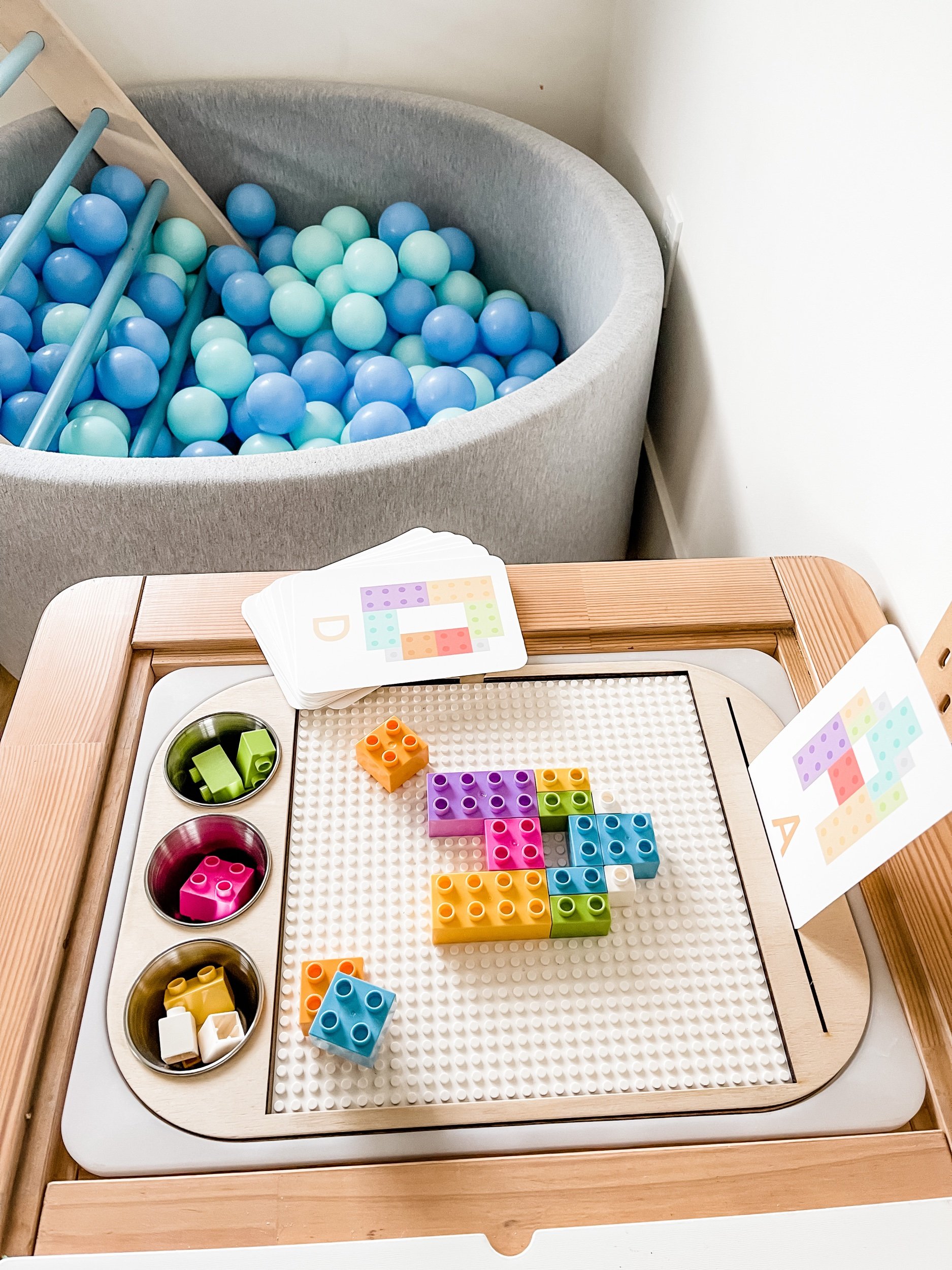
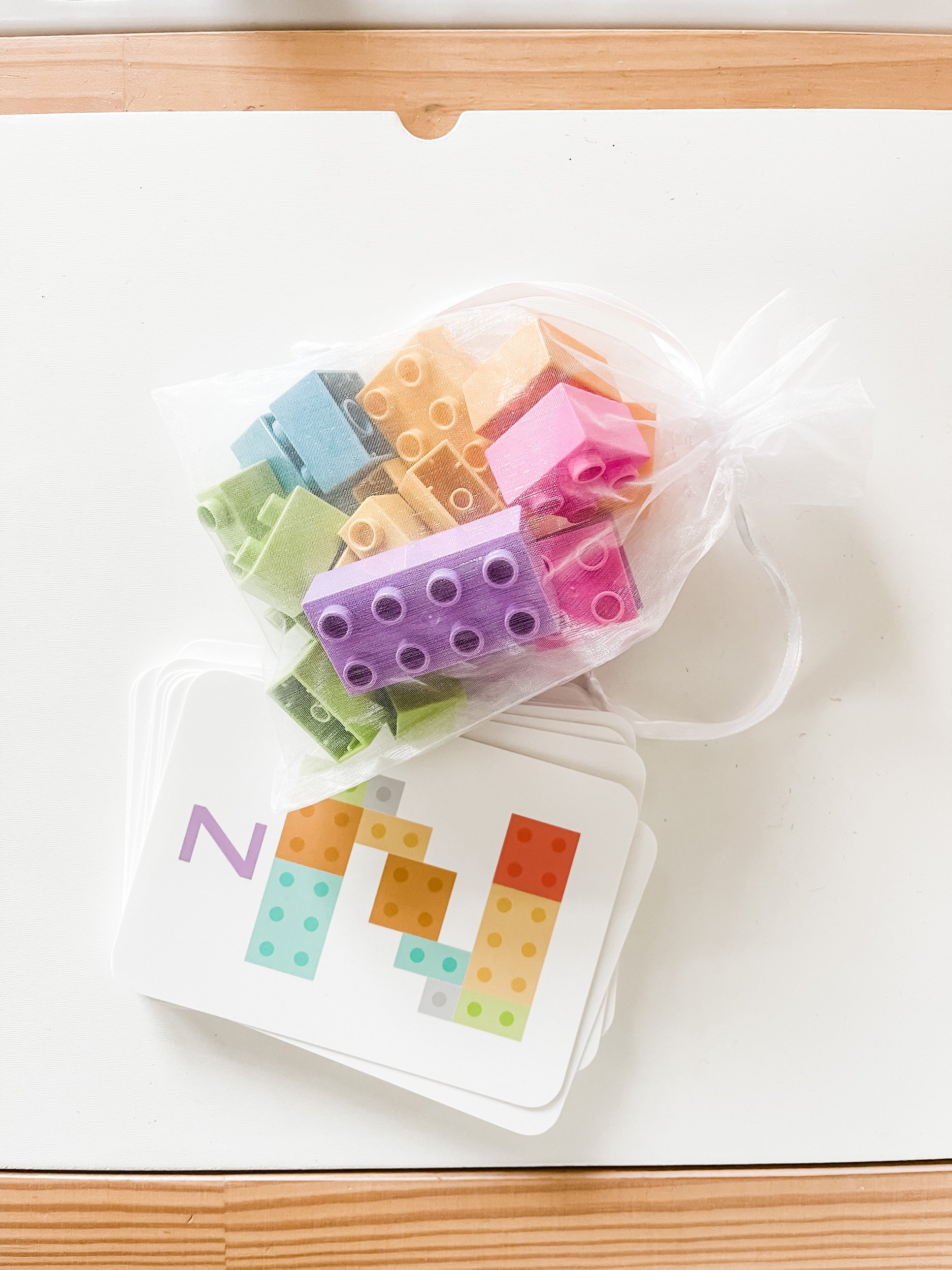
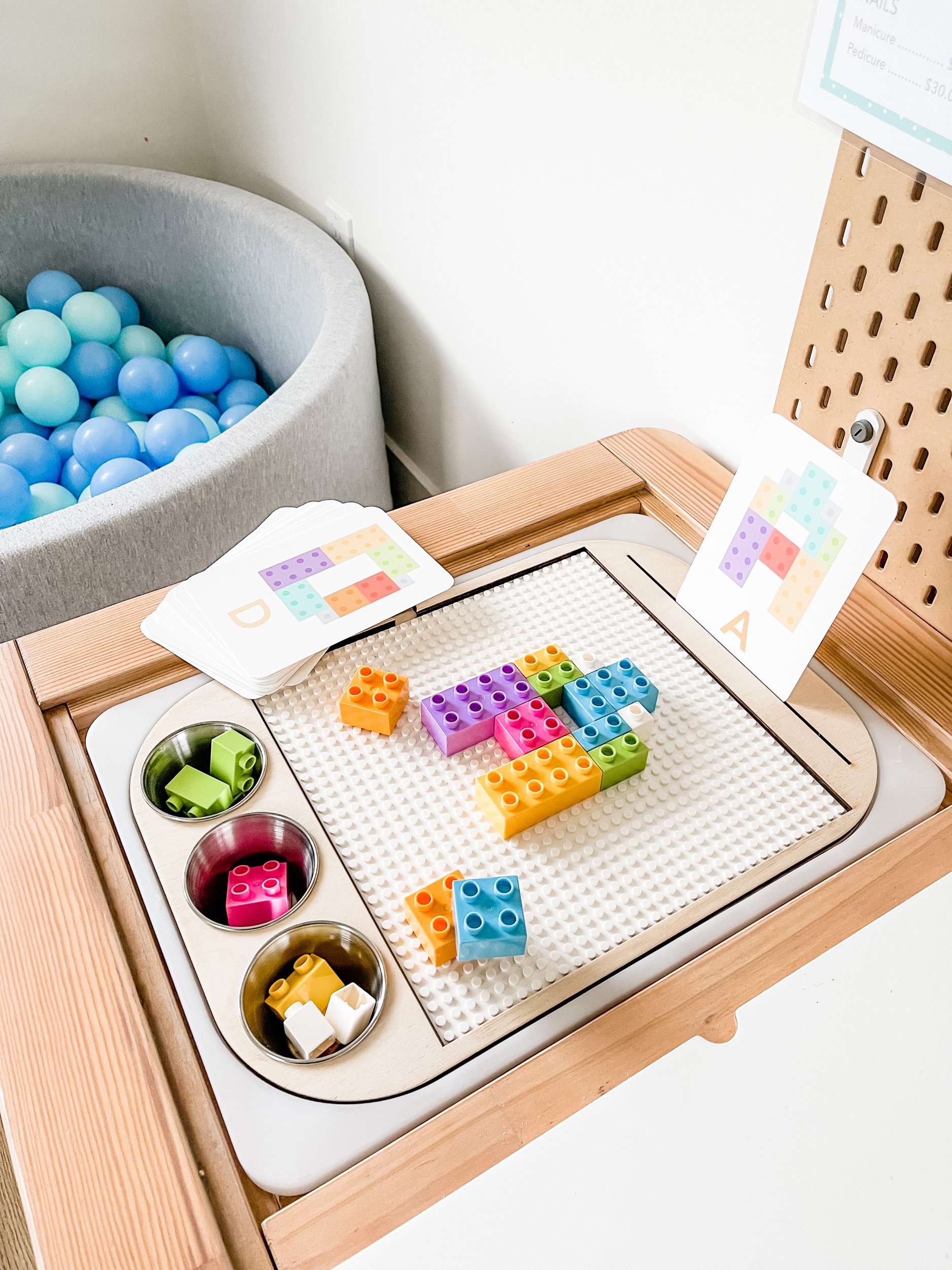
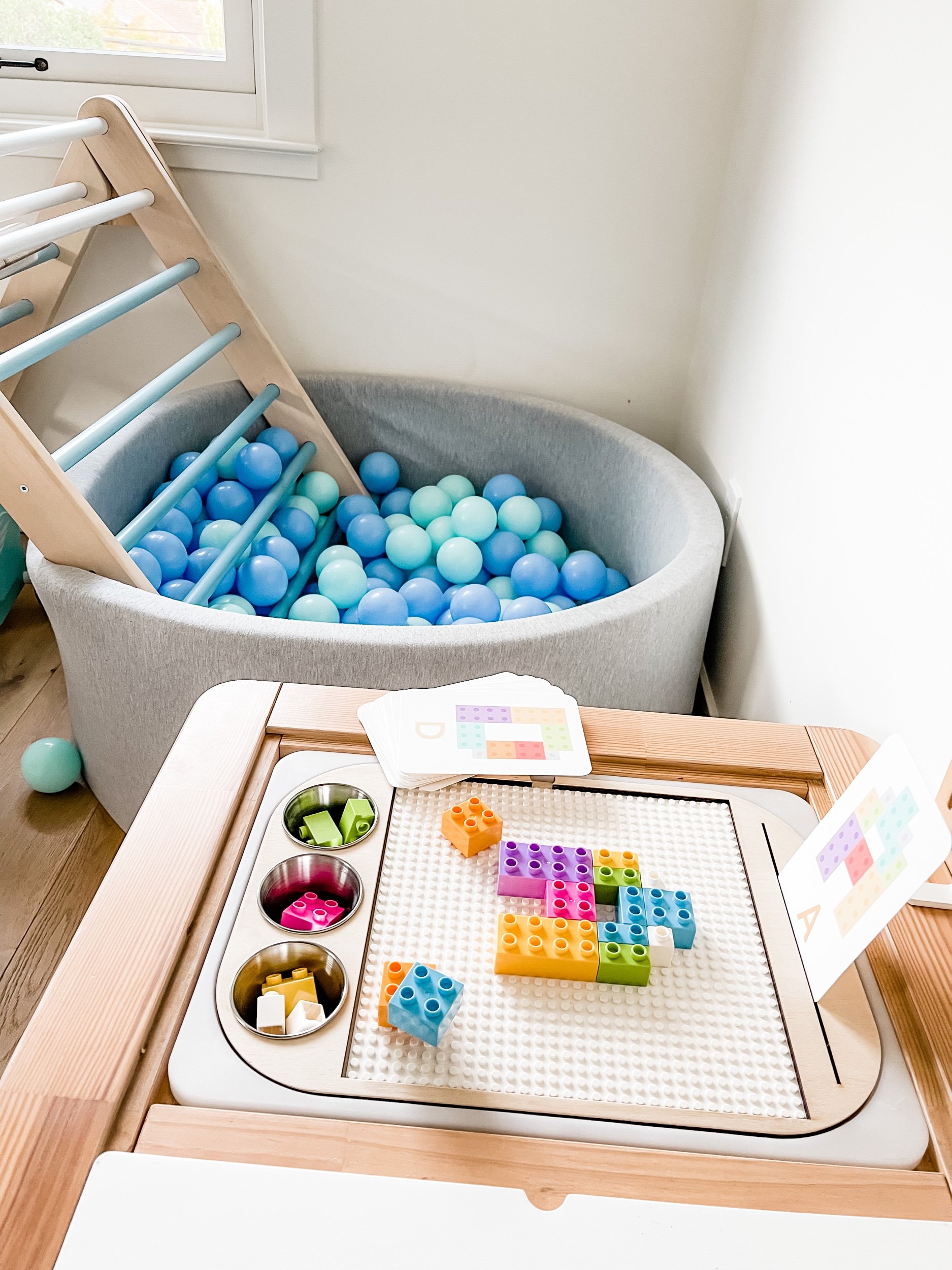
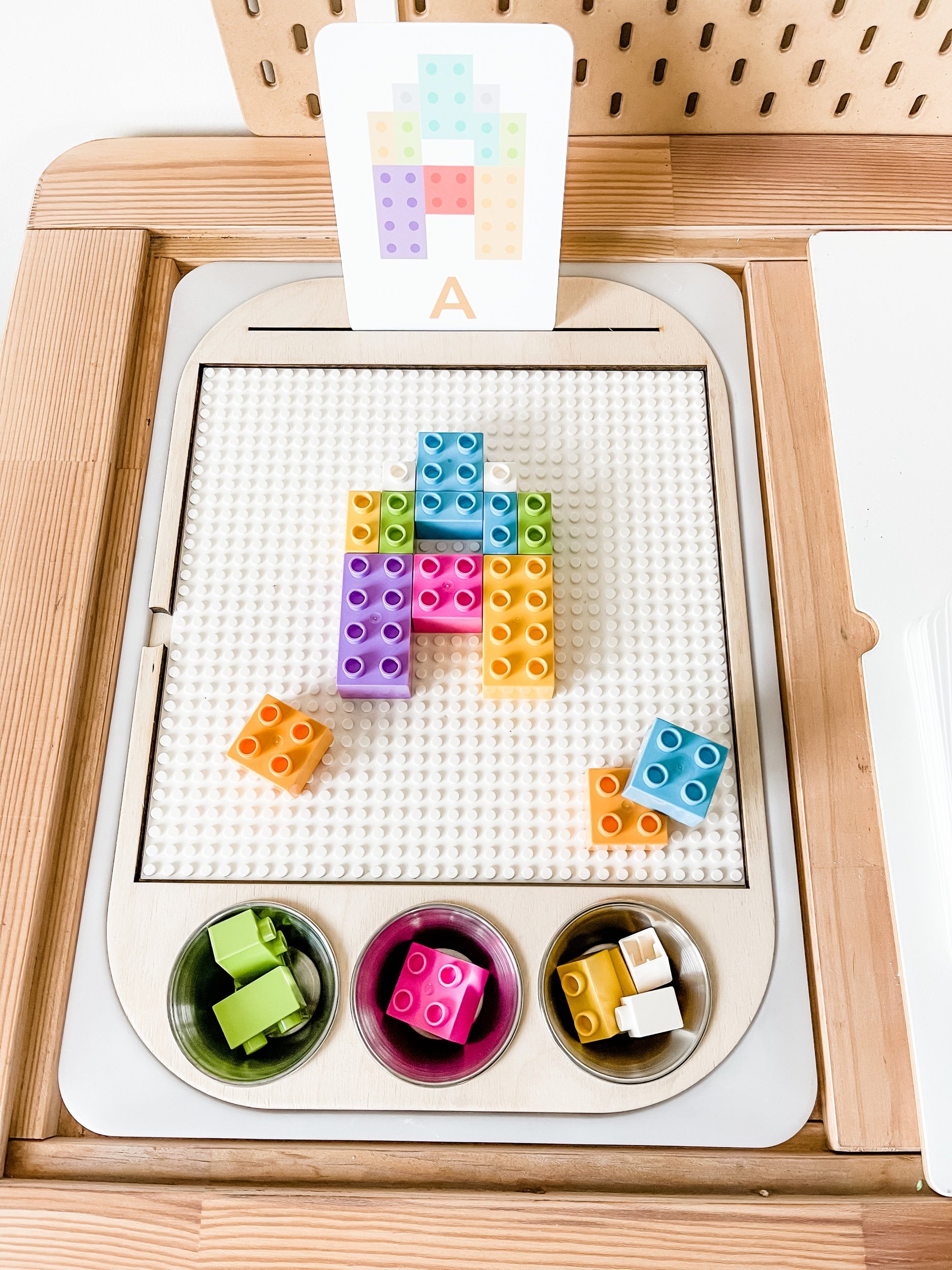
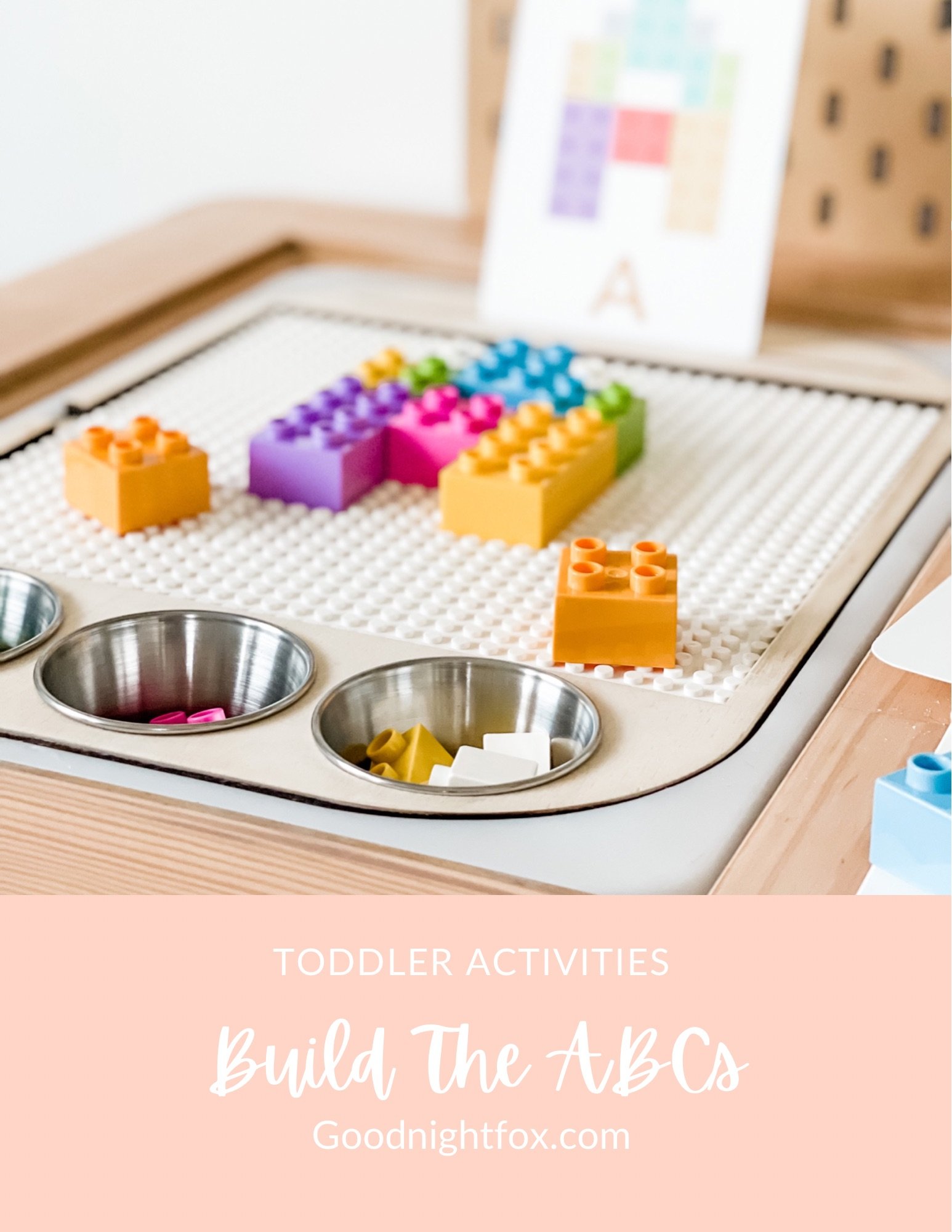
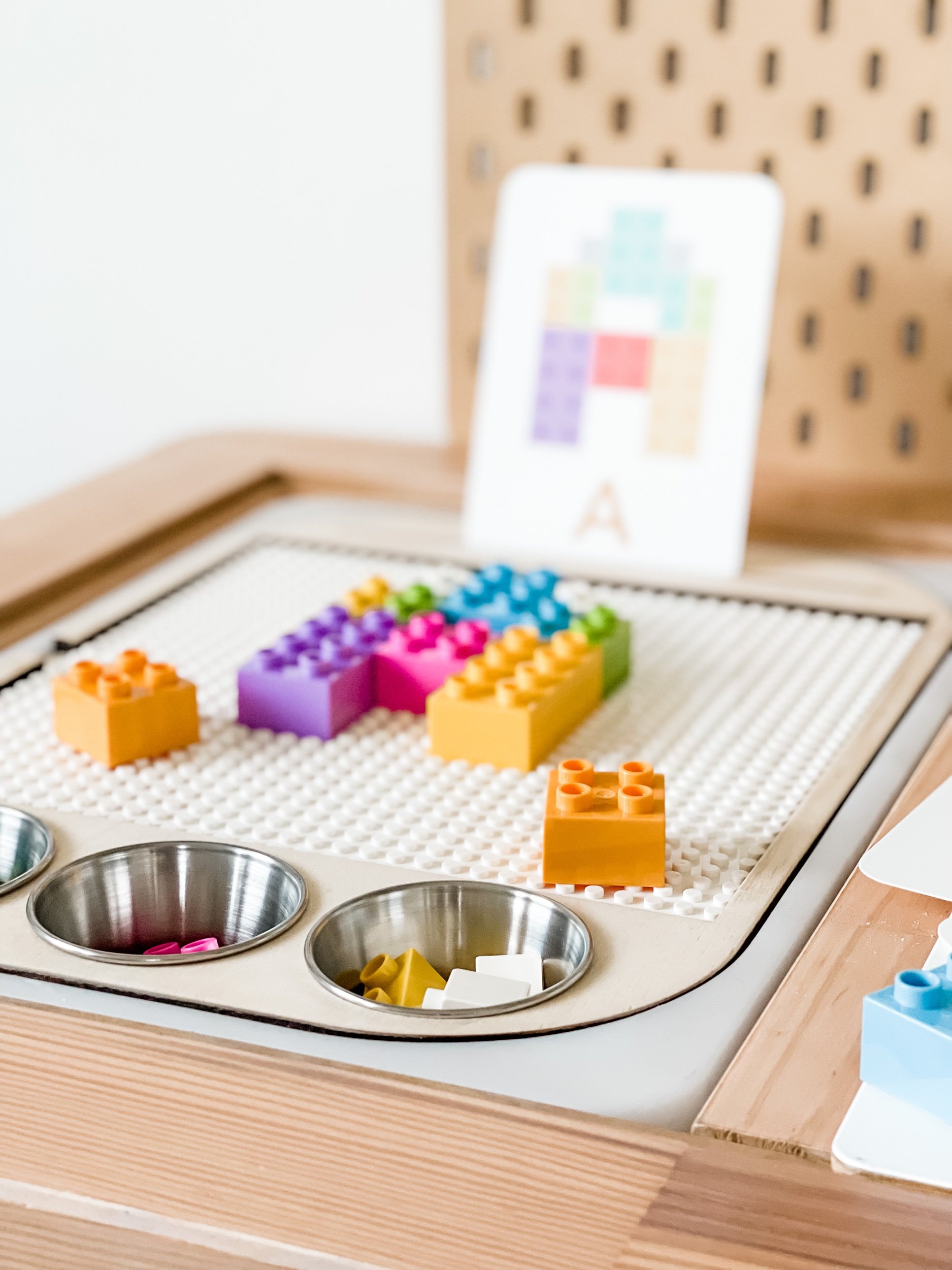
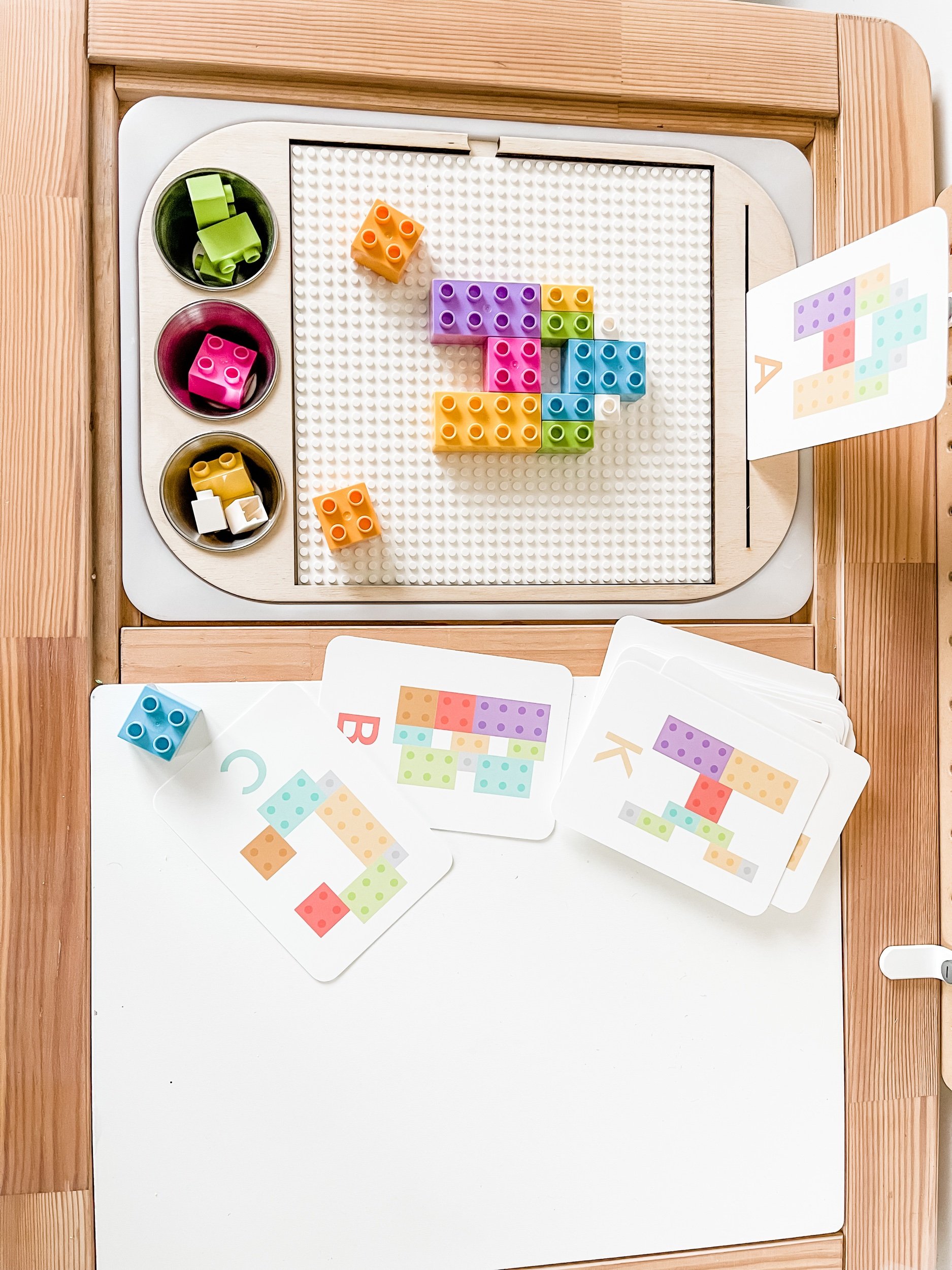
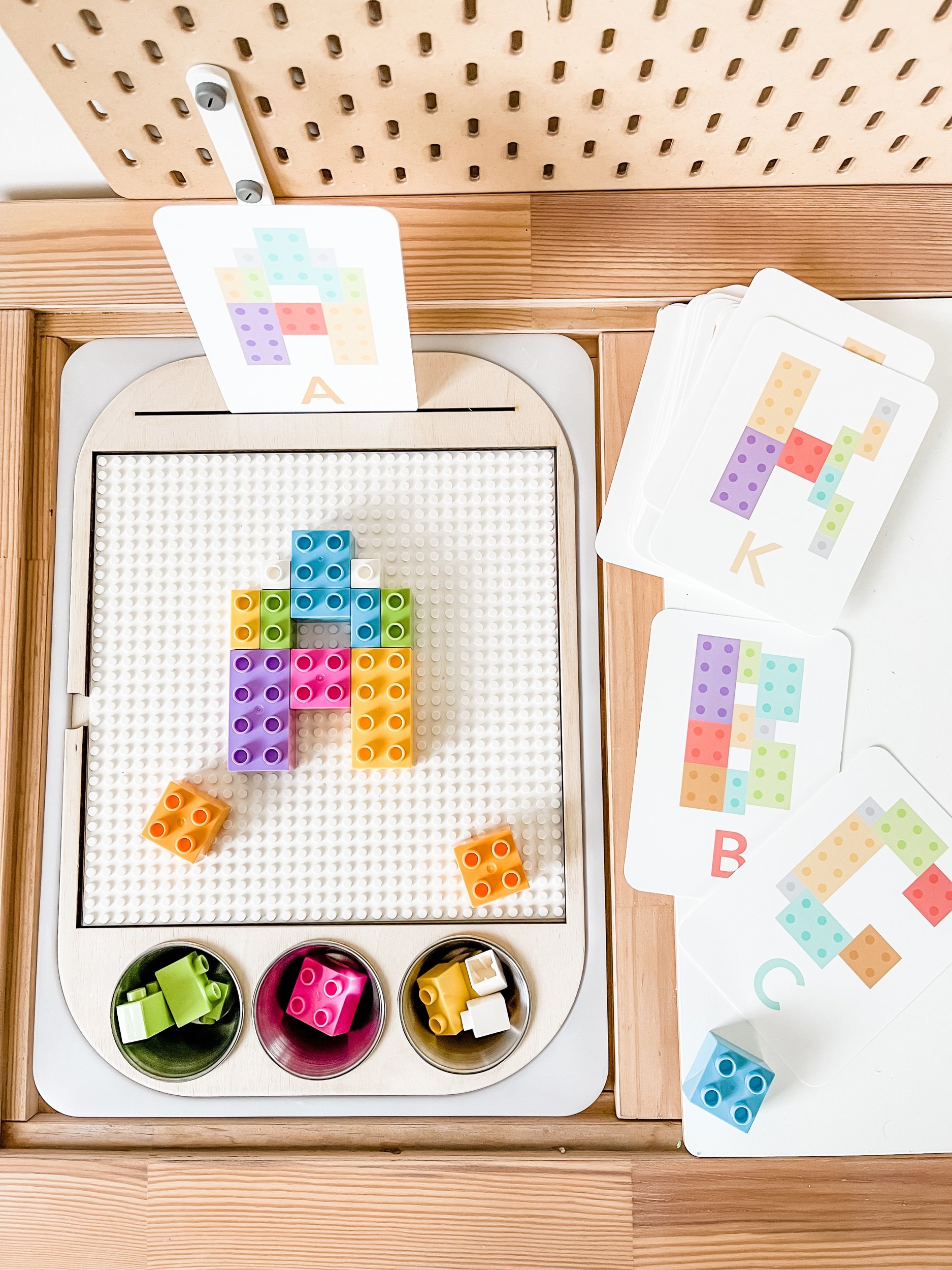
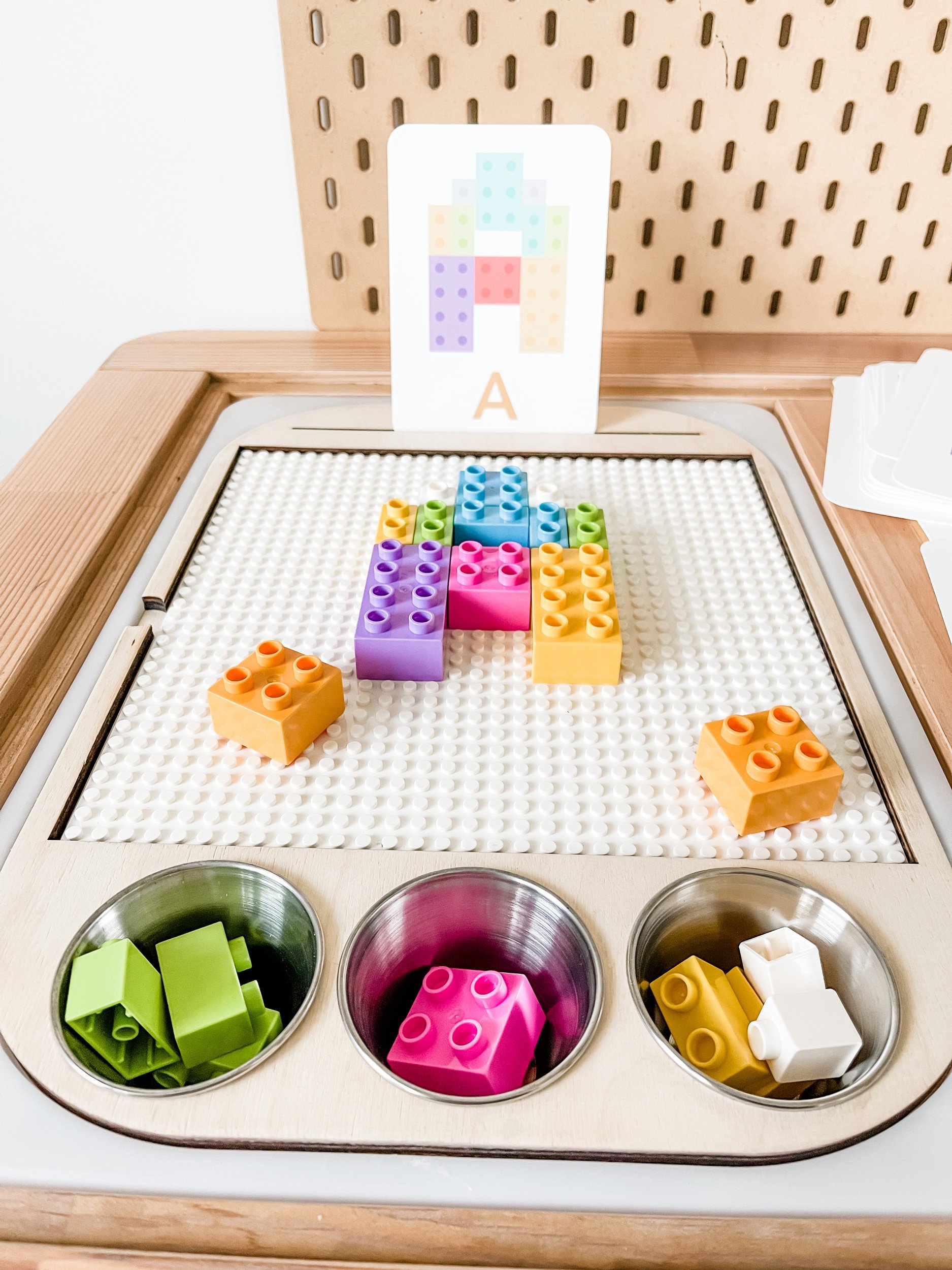
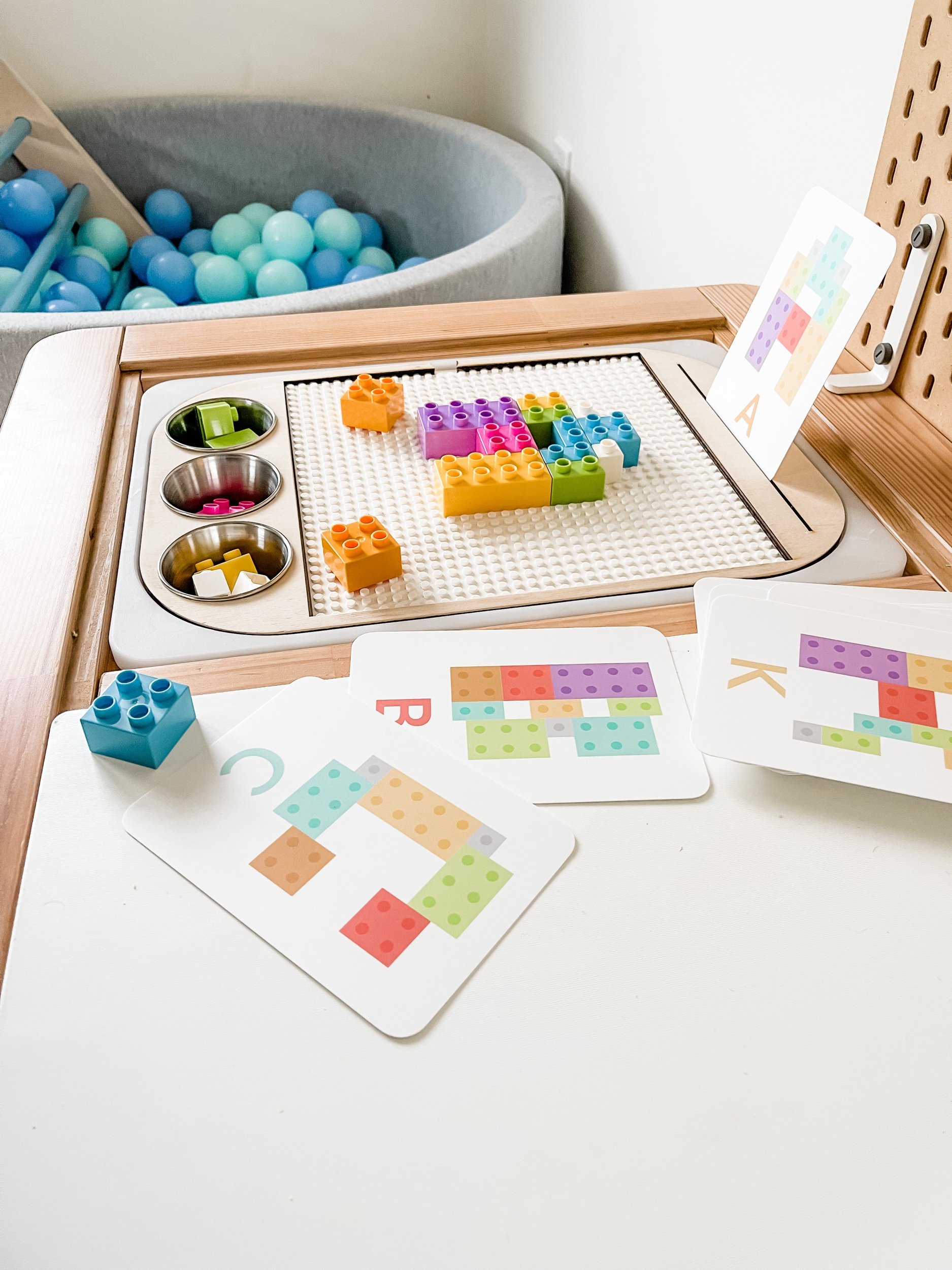
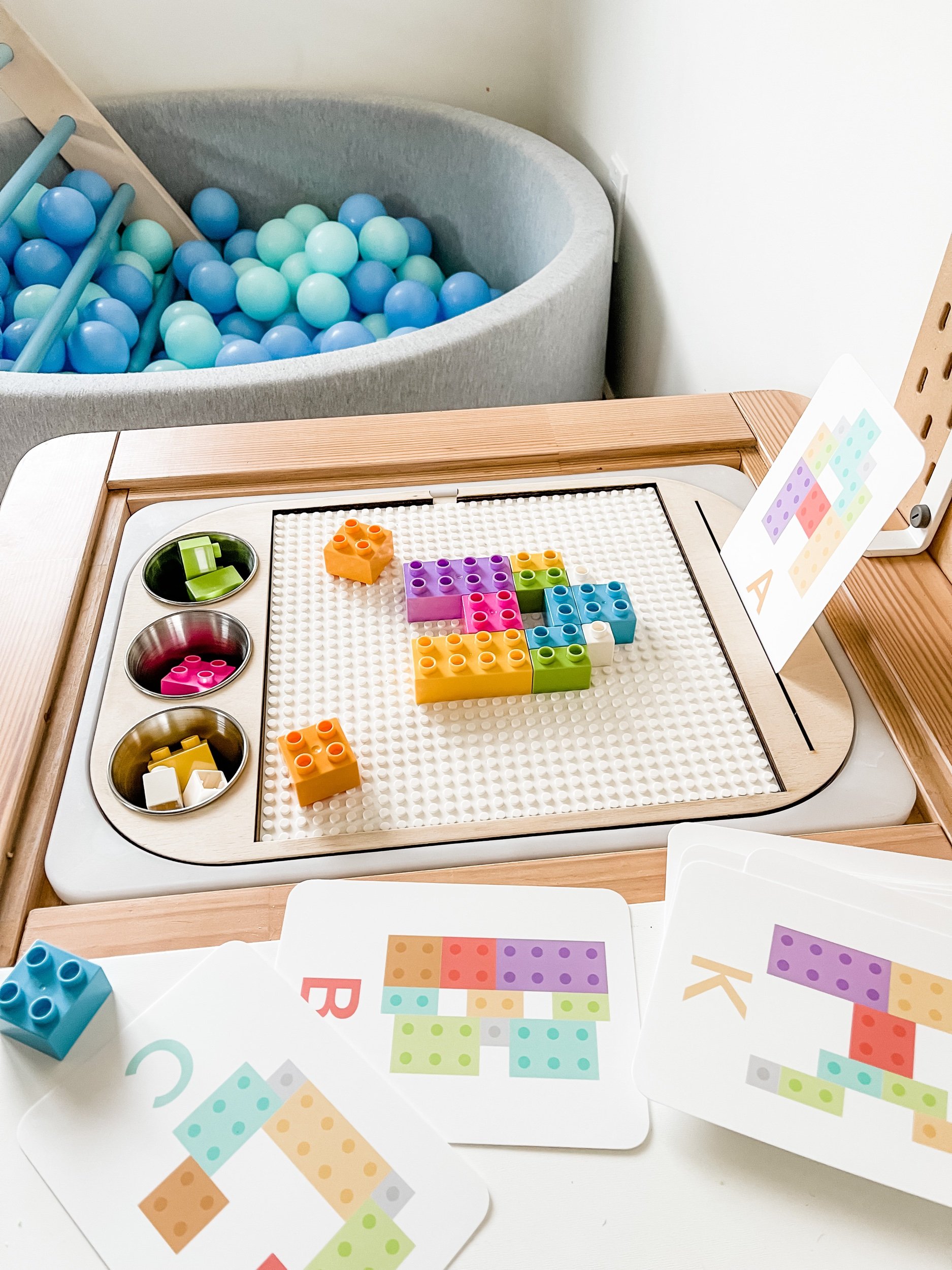
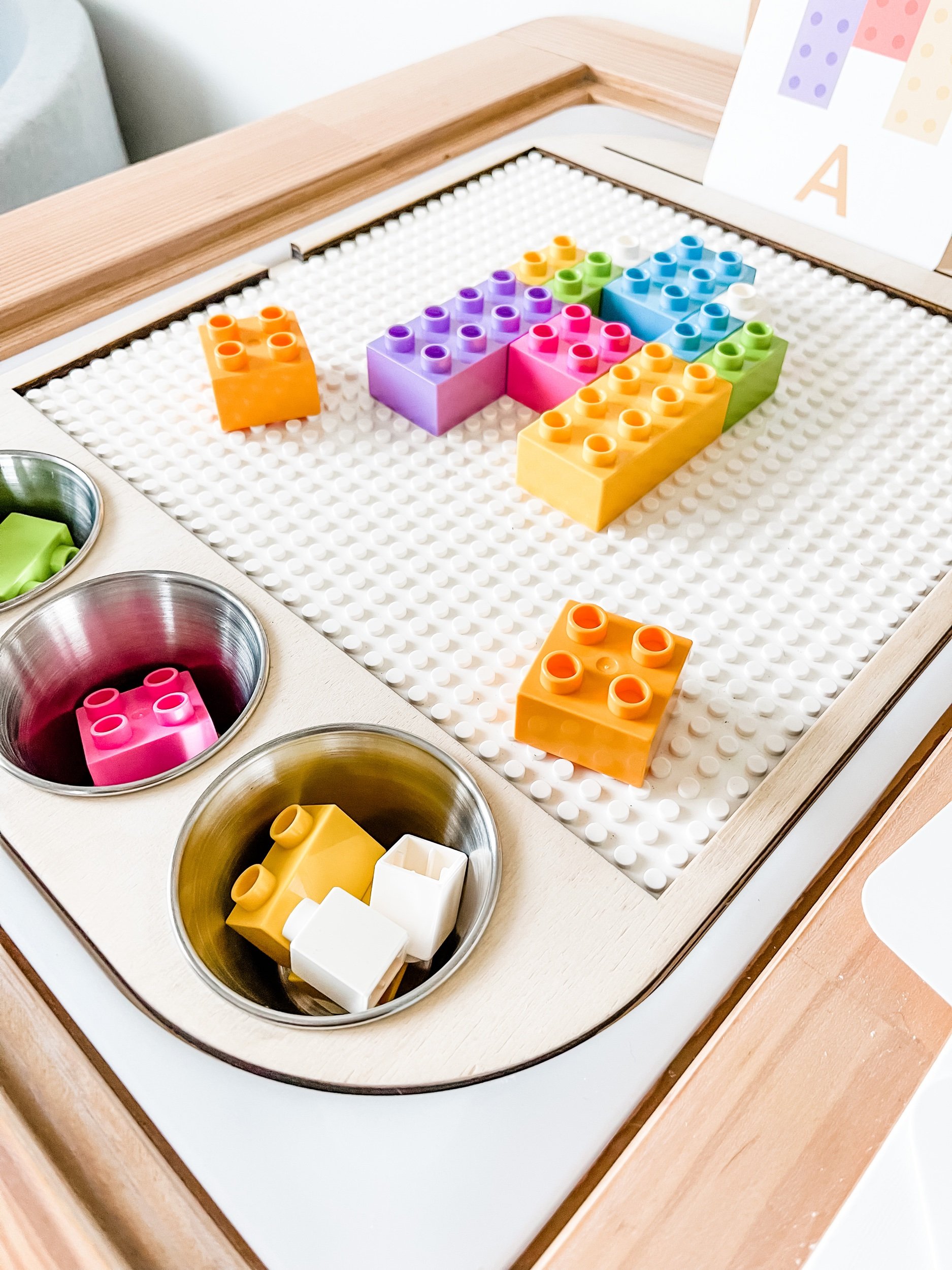
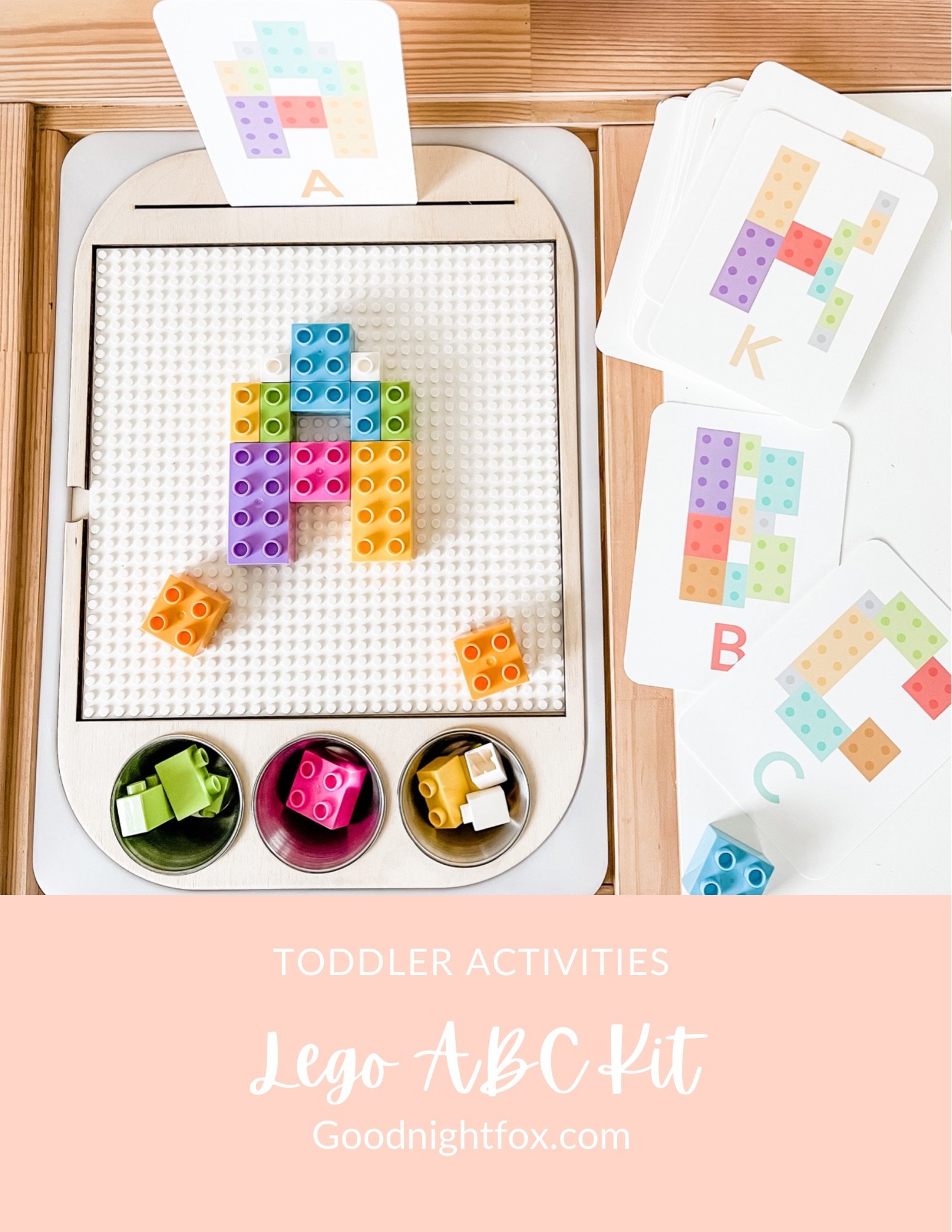
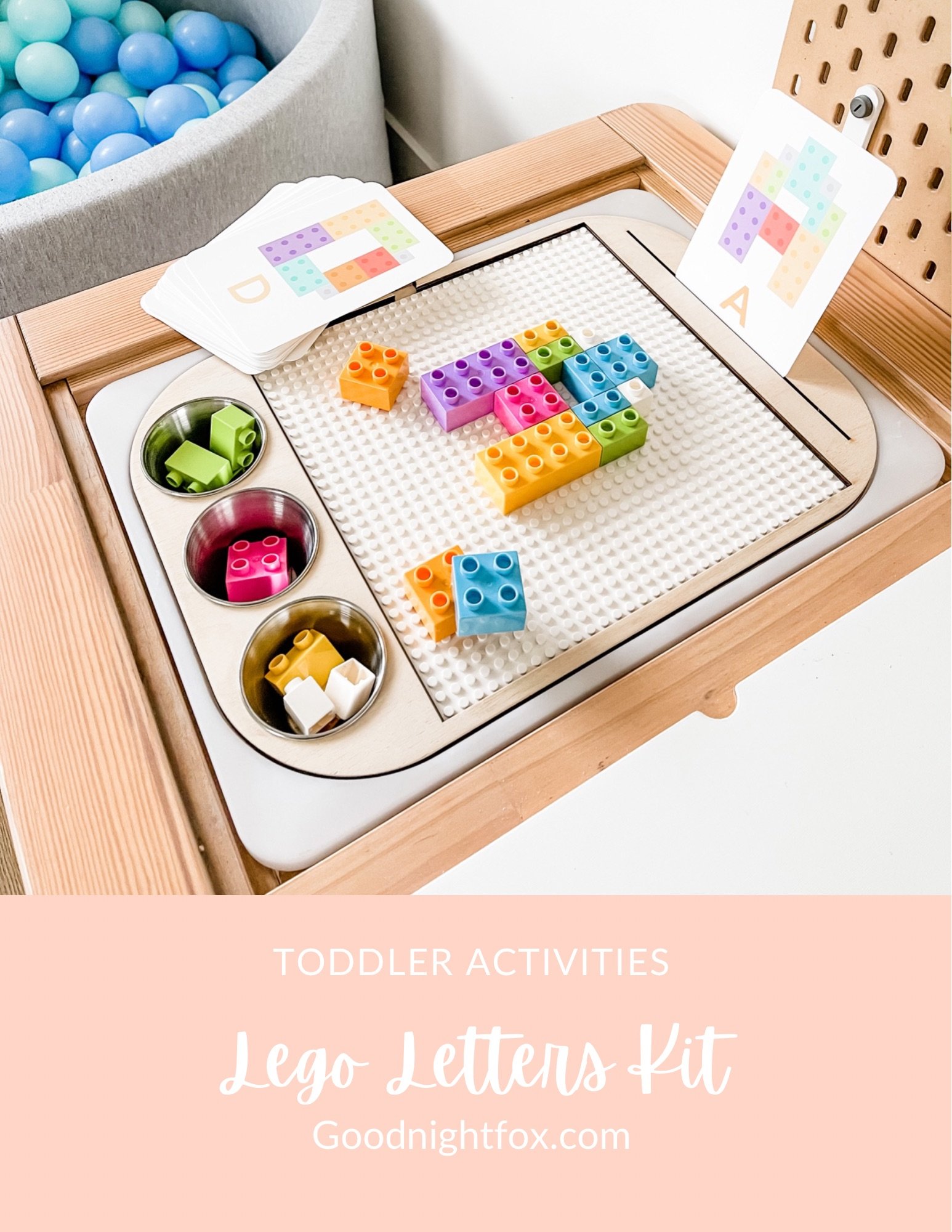
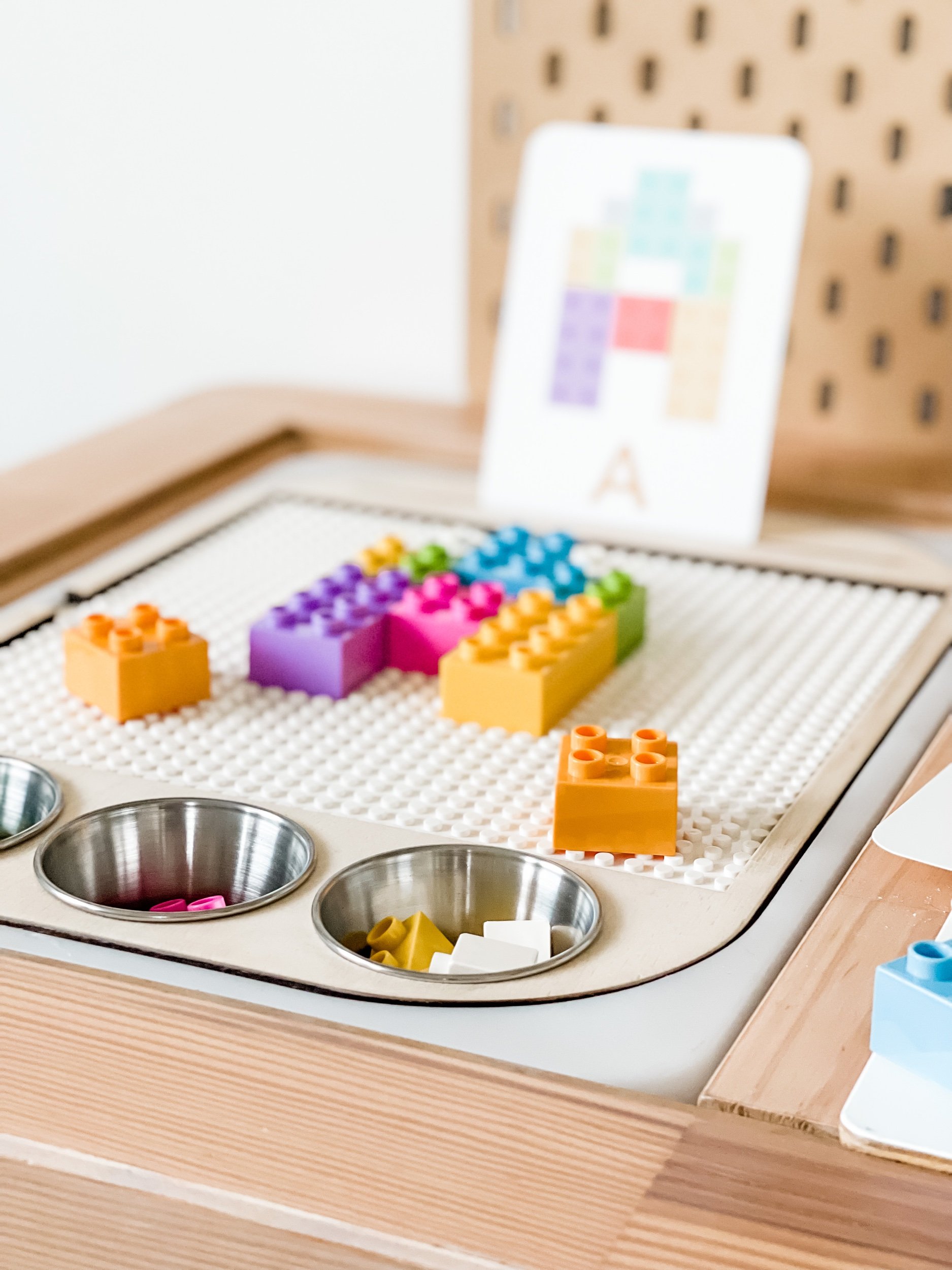
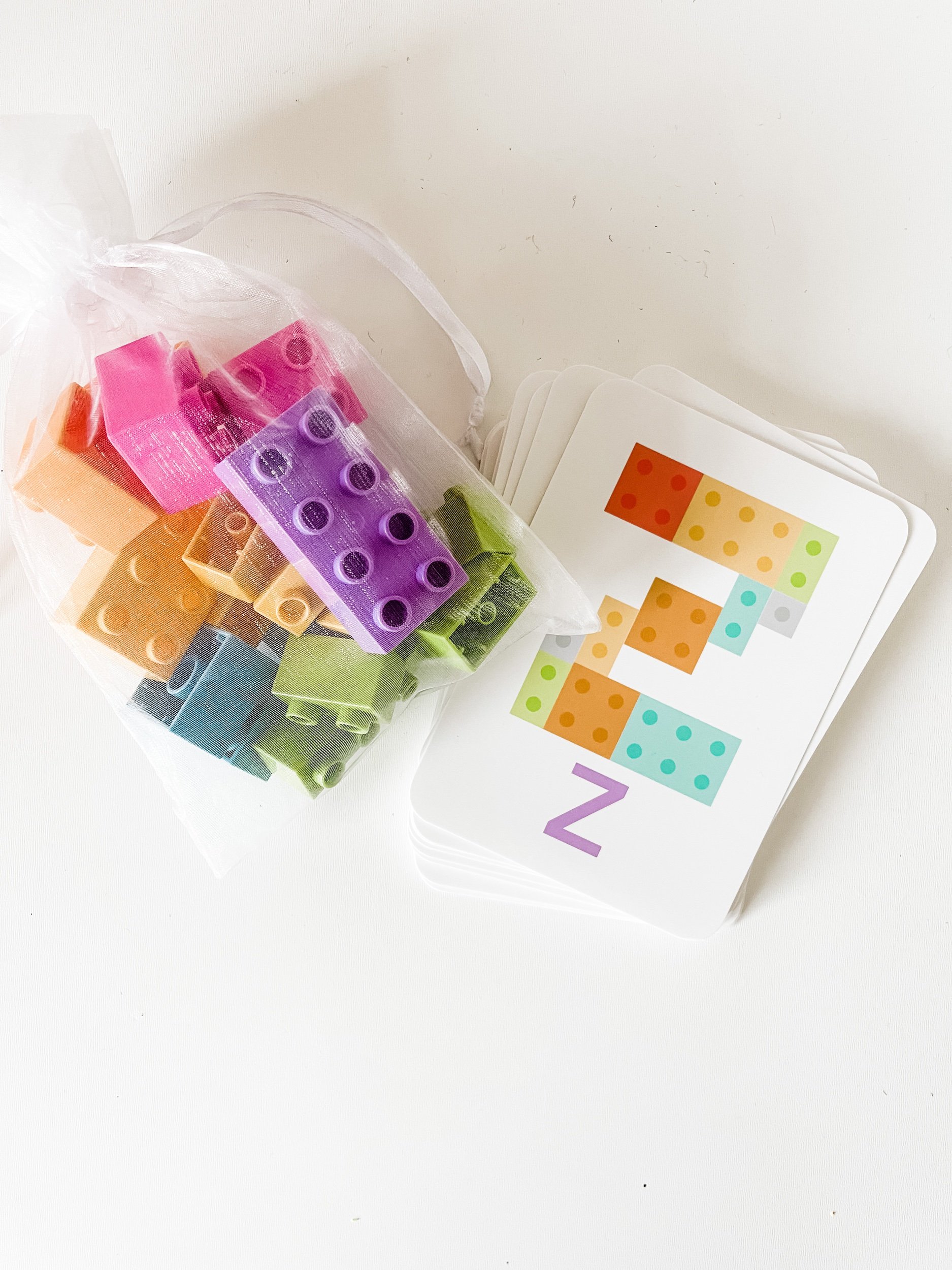
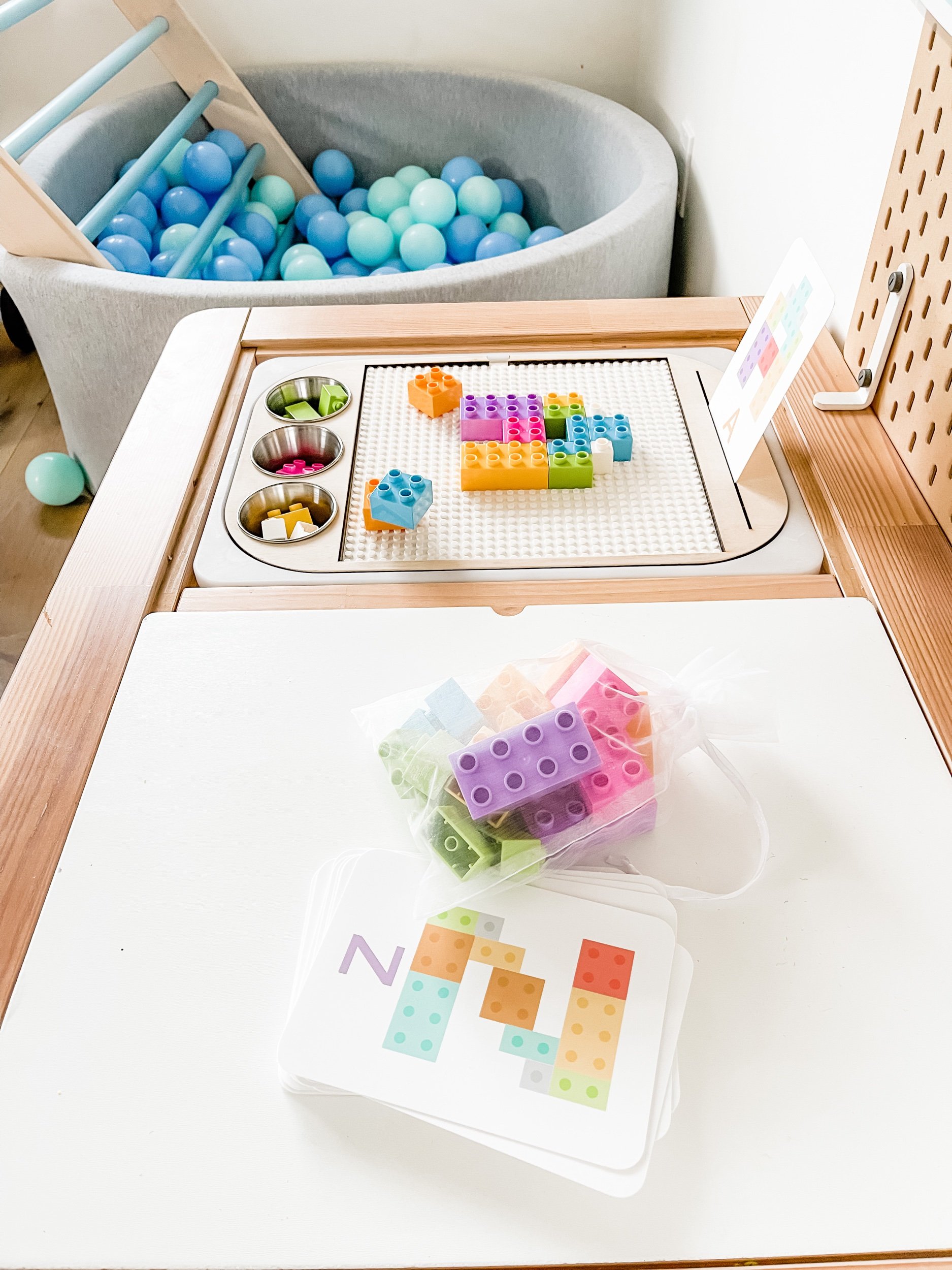
If you’re in the alphabet learning stages or even just the early building phases, this Lego Alphabet Kit is an absolute must have. And with the holiday season coming up, your kiddos are sure to love unwrapping this one. This set comes in both standard lego sizes for ages 5-8 and duplo size (2 times the size bricks) for your littler ones 1-4 who still like to mouth small objects. You can pair these up with base plates and build at your Flisat table, or you can take them on the go with the on-the-go kit. We took this set with us on the long flight to Pittsburgh and it kept Sofie in her chair, entertained for 30min.
Enjoy building and learning at the same time with this awesome kit!


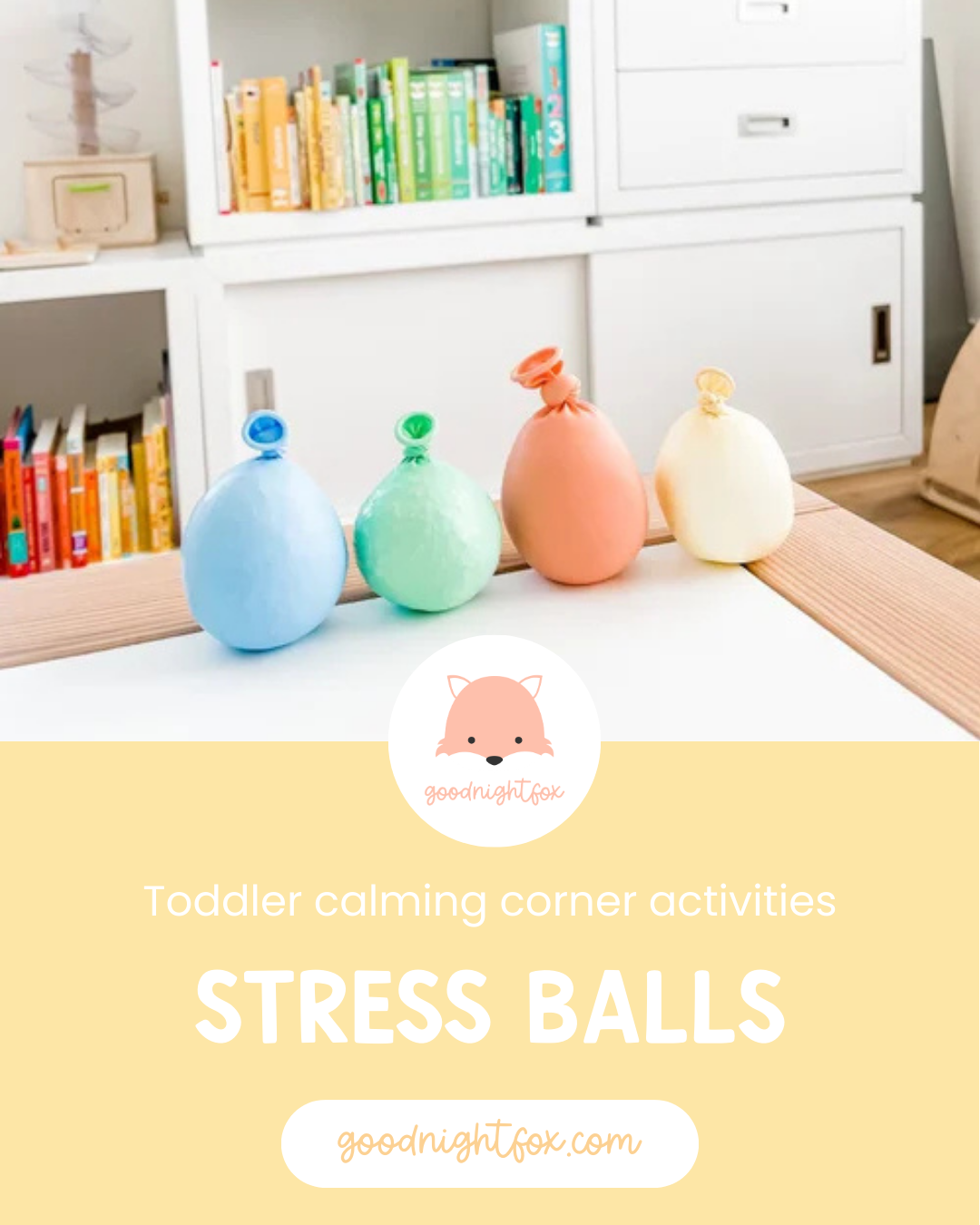
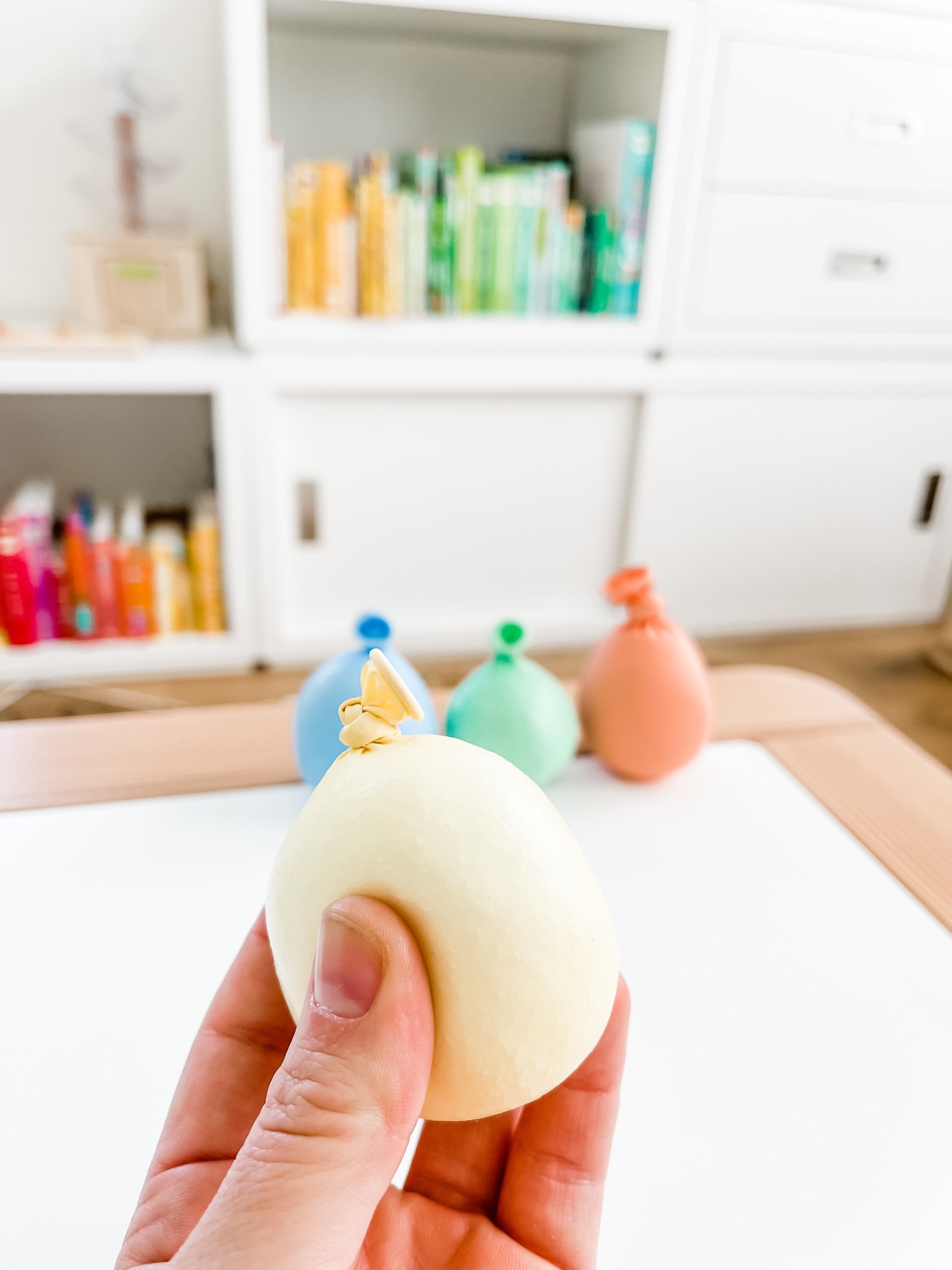
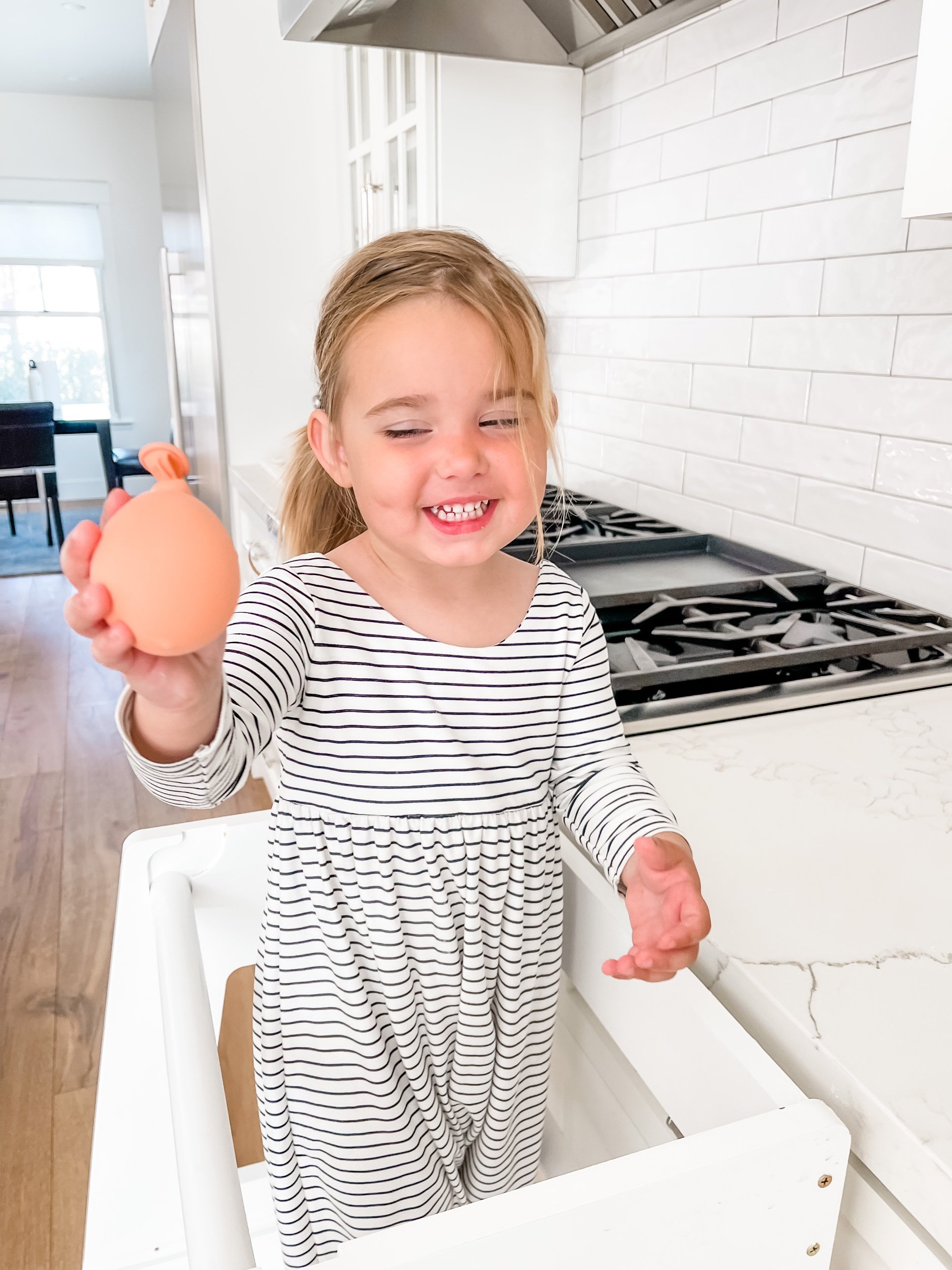
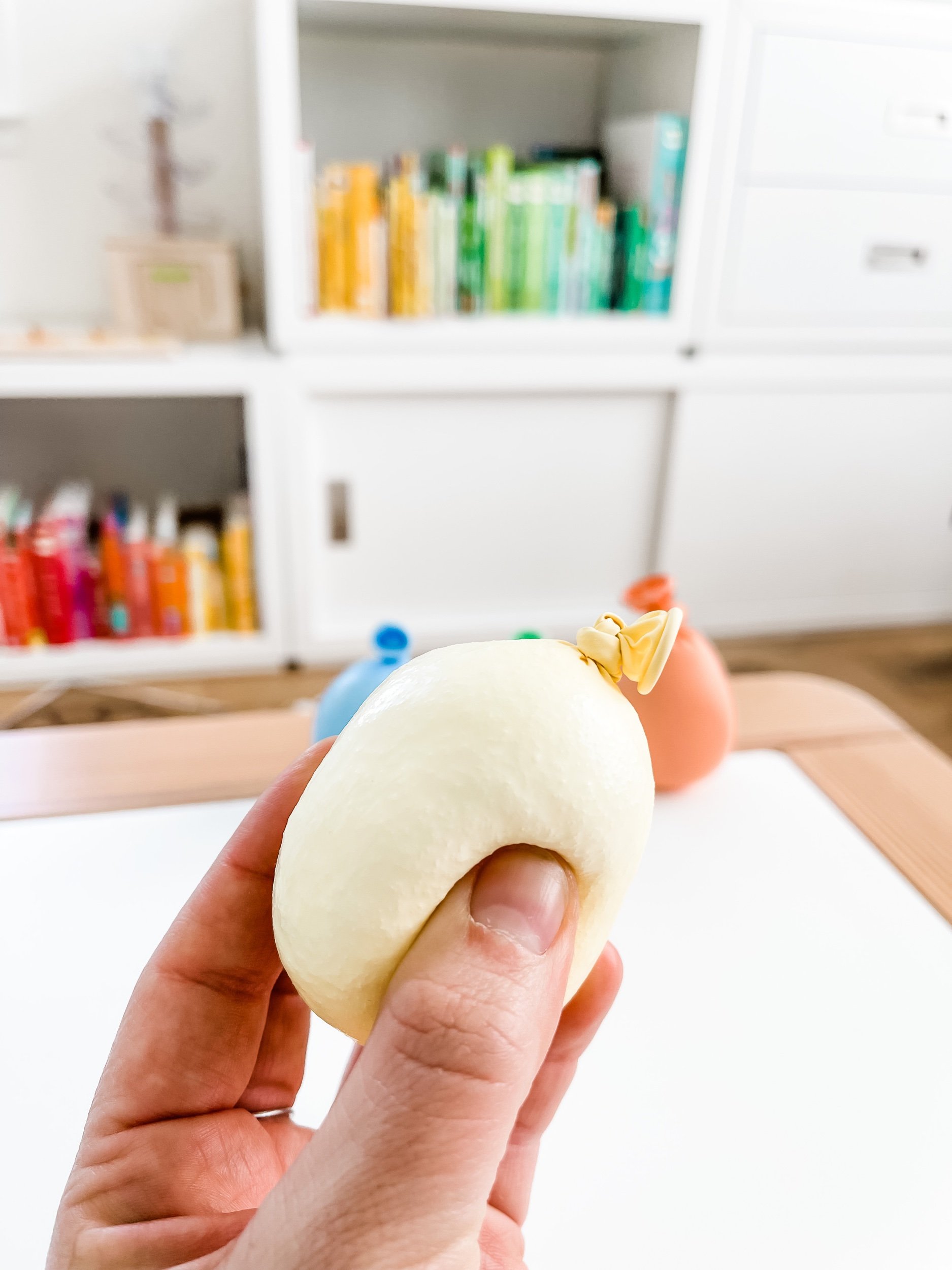
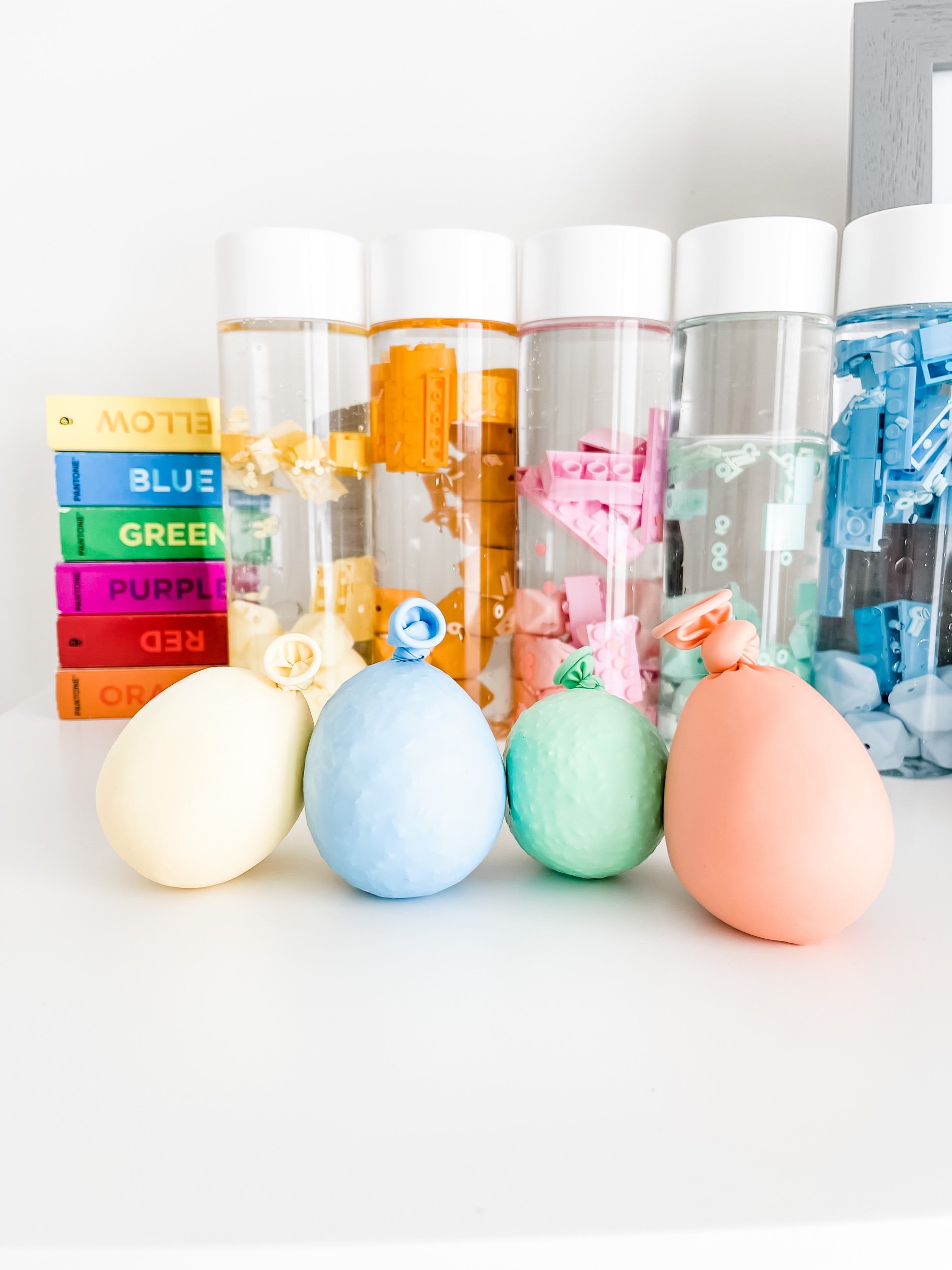
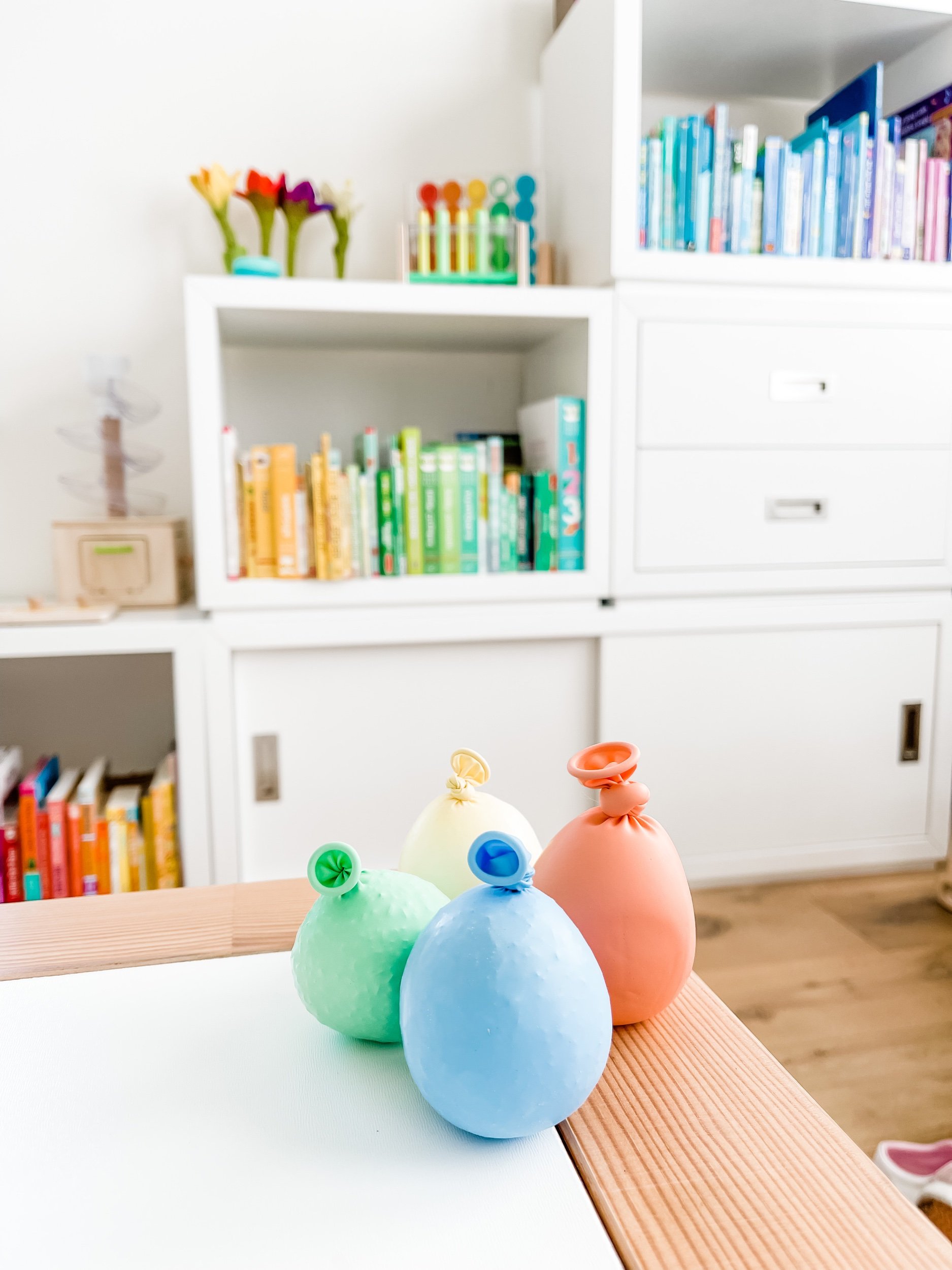
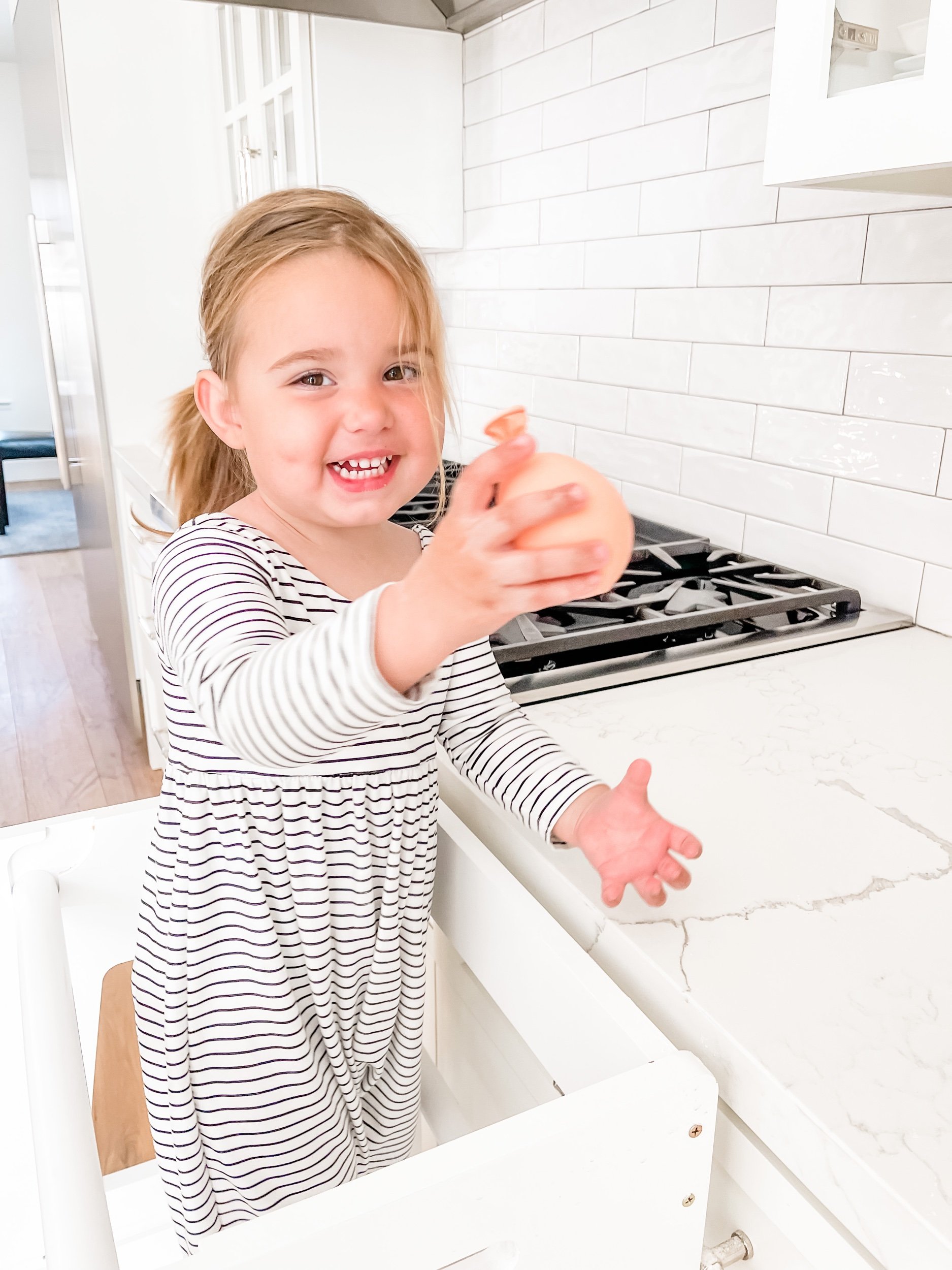
Sensory stress balls are a simple, low-prep sensory activity that supports calm, focus, and fine motor development in young children. Made with everyday household materials, these squishy balls are especially helpful for toddlers who benefit from tactile input during quiet play, emotional regulation moments, or calming corner routines.
This easy DIY project is budget-friendly, customizable, and fits naturally into a sensory-rich home or homeschool environment.
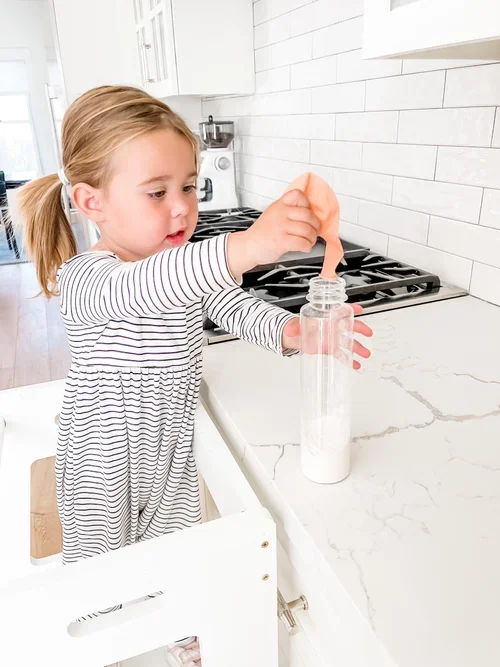
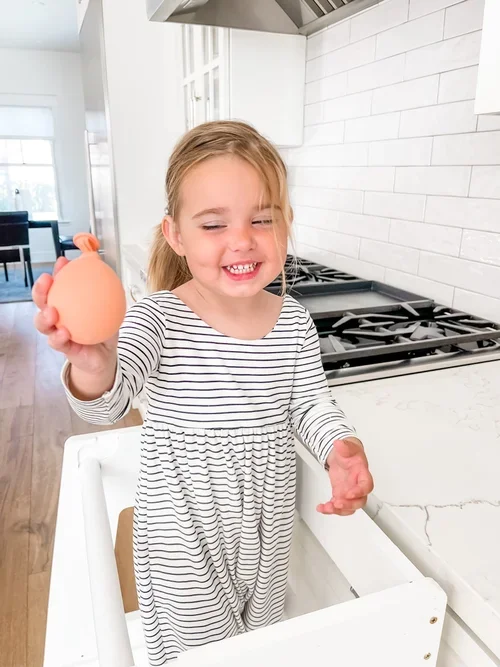
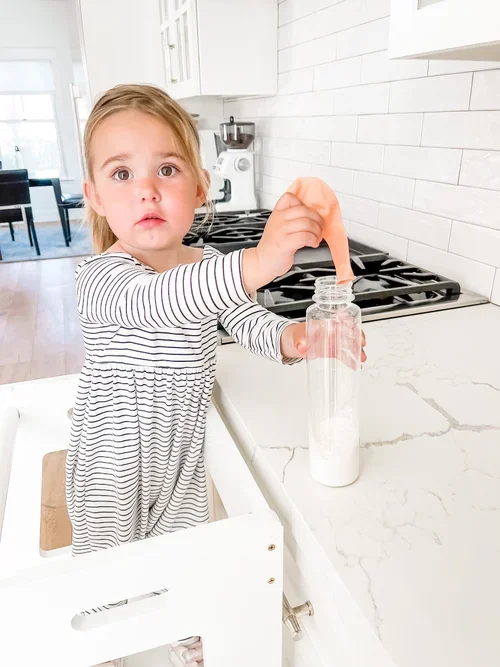
Sensory stress balls are soft, squeezable objects filled with different materials that provide tactile feedback through touch and pressure. For toddlers and preschoolers, this type of sensory input can be grounding and calming, especially during moments of frustration, overstimulation, or transition.
Unlike store-bought versions, DIY stress balls allow you to control the texture, firmness, and size to match your child’s developmental stage and sensory preferences.
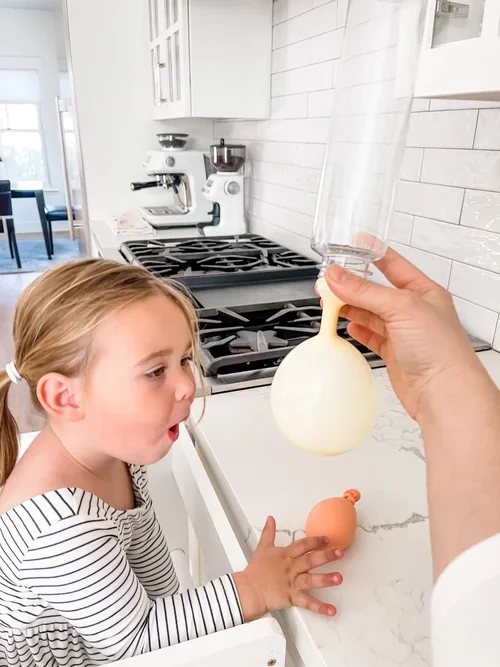
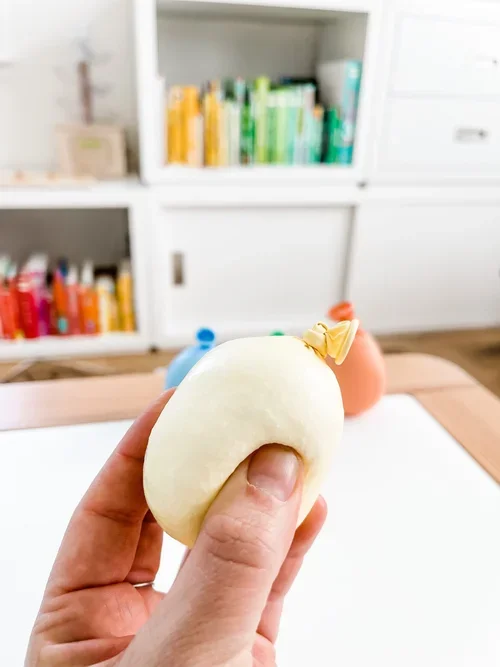
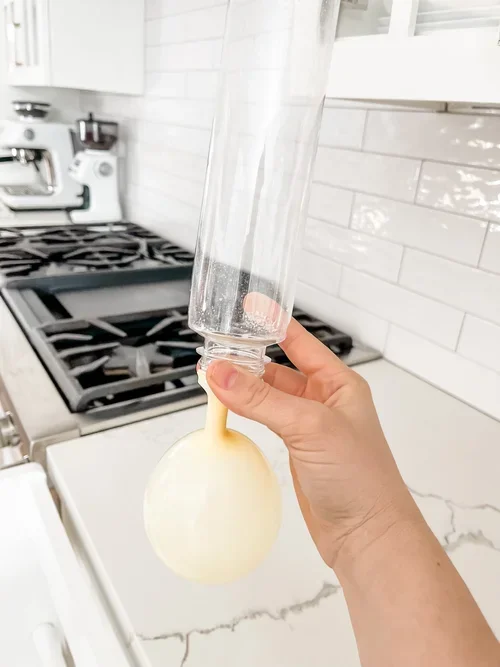
Sensory play is a foundational way young children learn about the world. Stress balls support several key areas of development:
Squeezing and manipulating a stress ball gives children a physical outlet for big feelings. This repetitive motion can help them slow down and reset, making stress balls a useful tool in calming corners or quiet play spaces.
The act of squeezing strengthens hand and finger muscles, which are important for later skills like writing, cutting, and self-help tasks.
Different fillers create different tactile experiences. Comparing textures helps children build sensory awareness and descriptive language.
Tactile input can help some children remain engaged during storytime, transitions, or seated activities.
This activity is best for toddlers ages 18 months and up with close supervision.
Younger toddlers benefit from softer fillers and adult-made stress balls.
Preschool-age children can help pour and explore textures with guidance.
Always double-layer balloons and supervise play to prevent breakage.
You likely already have everything you need at home:
Sensory fillers such as:
Salt
Flour
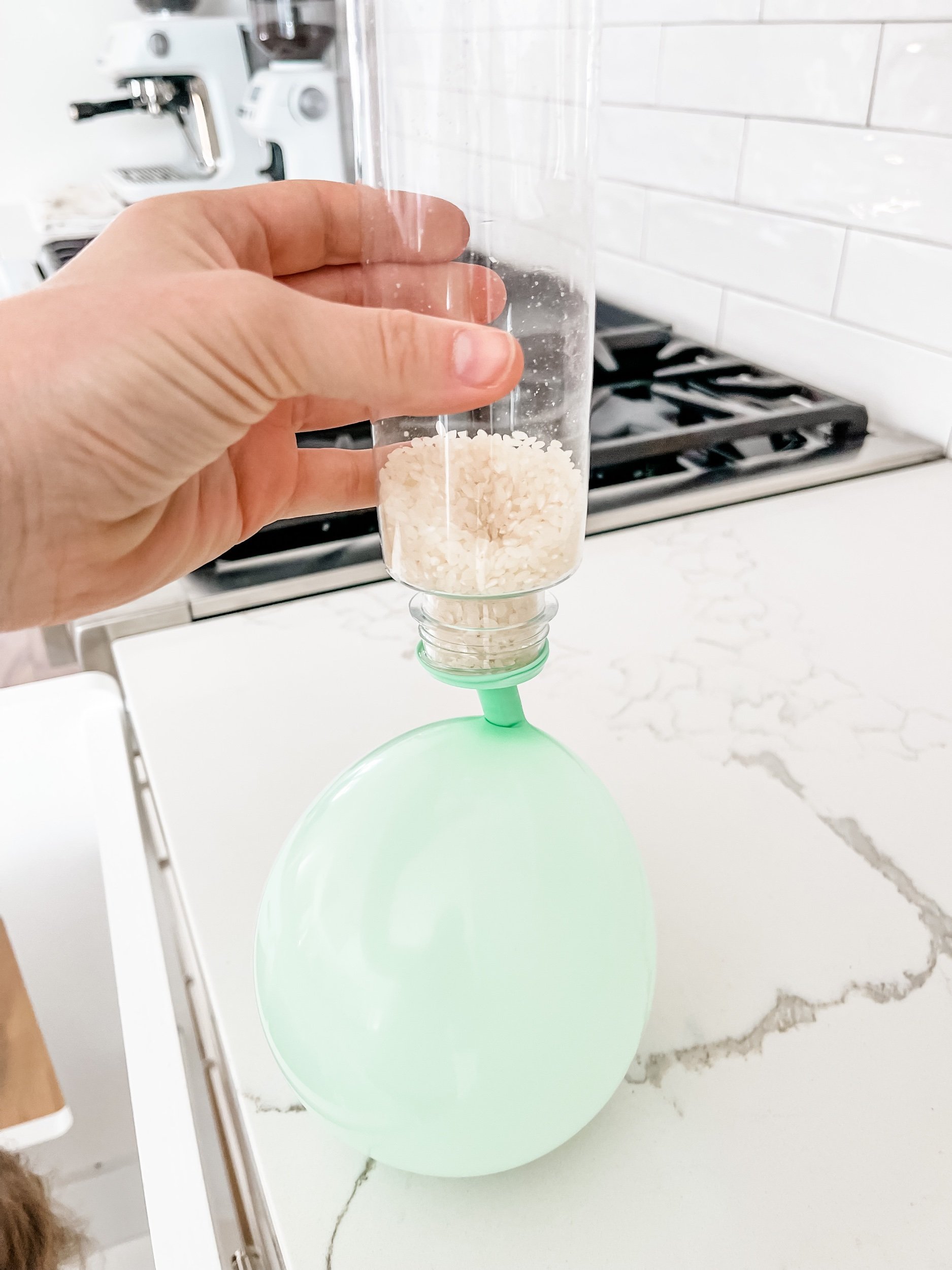
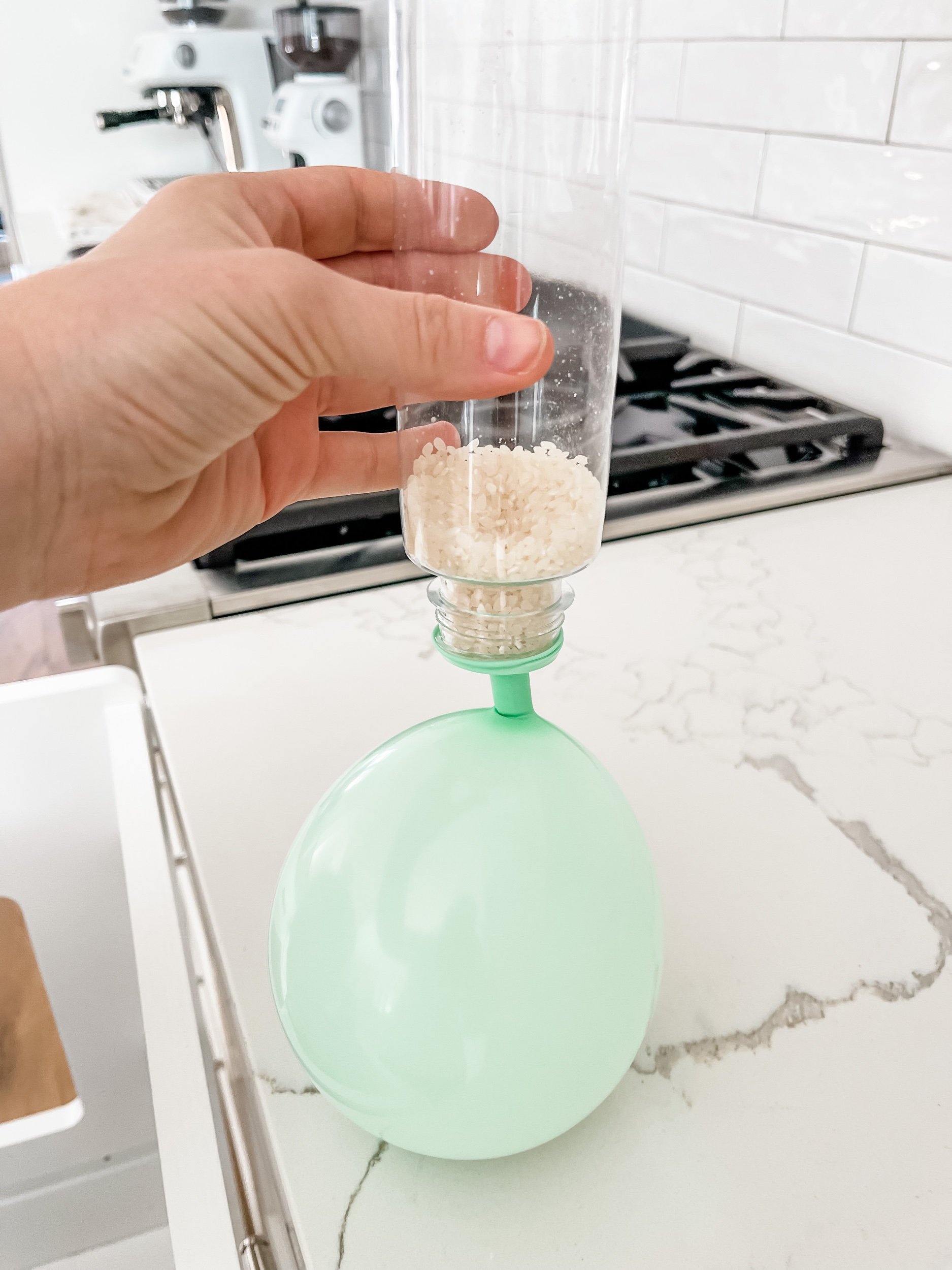
Rice (including sushi rice)
Oatmeal
Optional: markers or stickers for labeling or decorating
Using different fillers allows you to create a full set of stress balls with varied textures and weights.
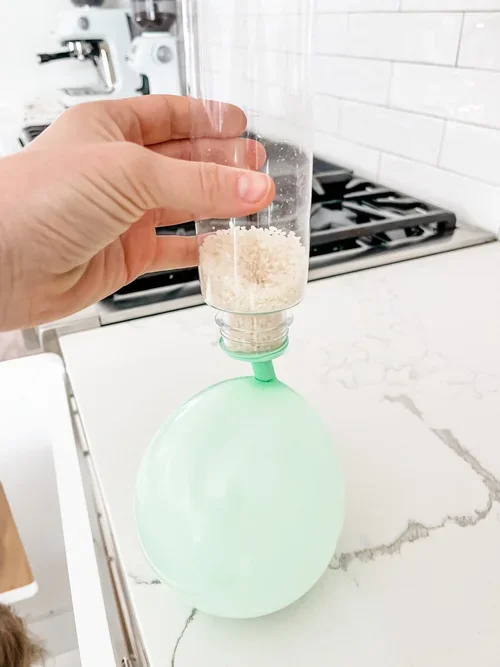
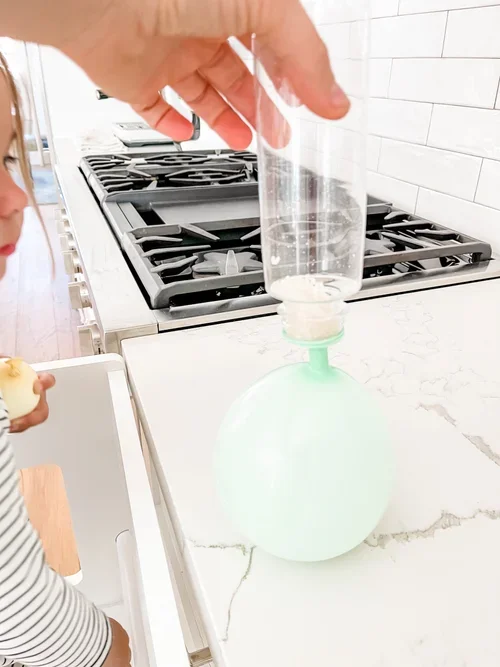
Set up your workspace with a tray or towel to catch spills.
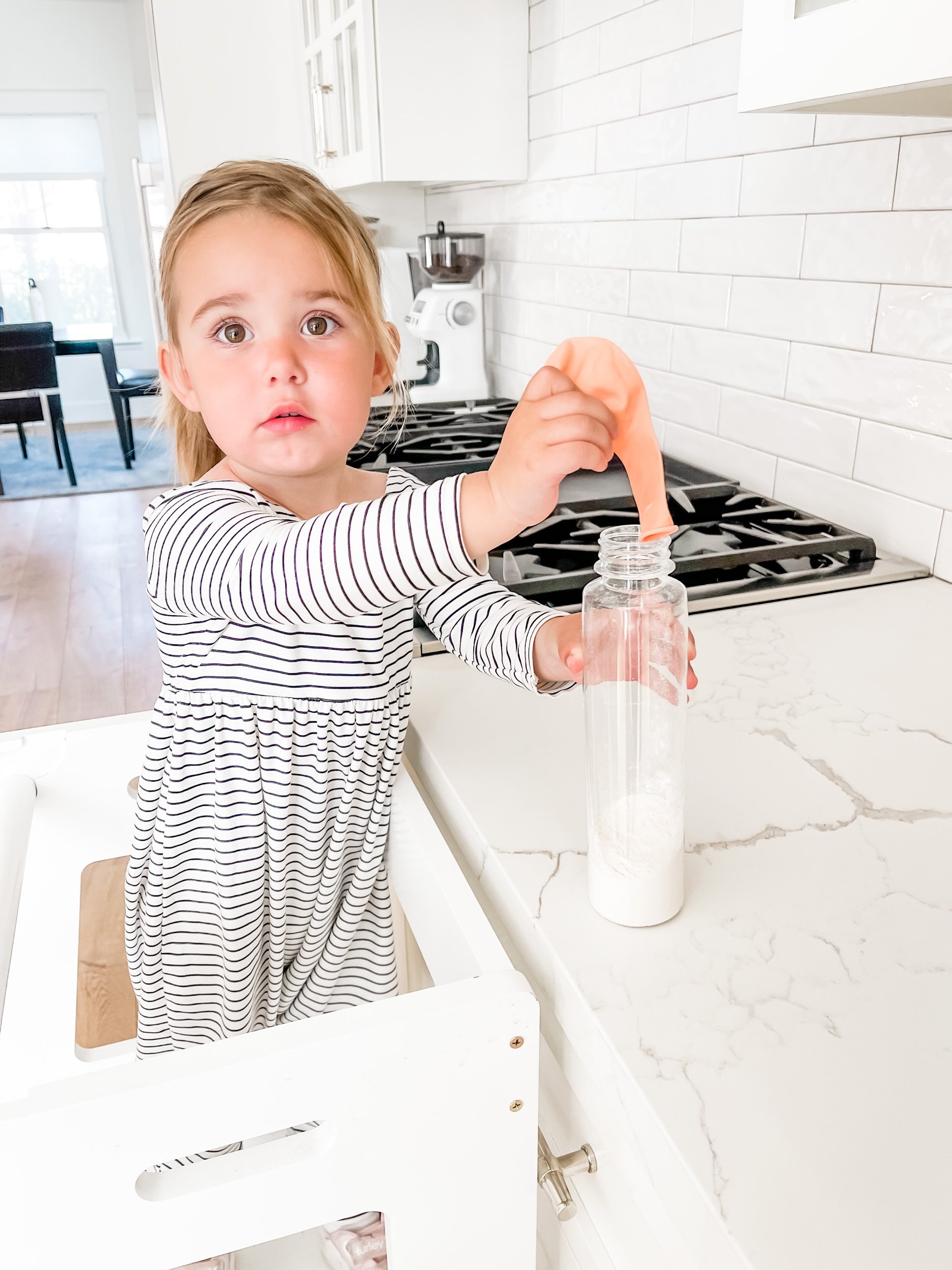
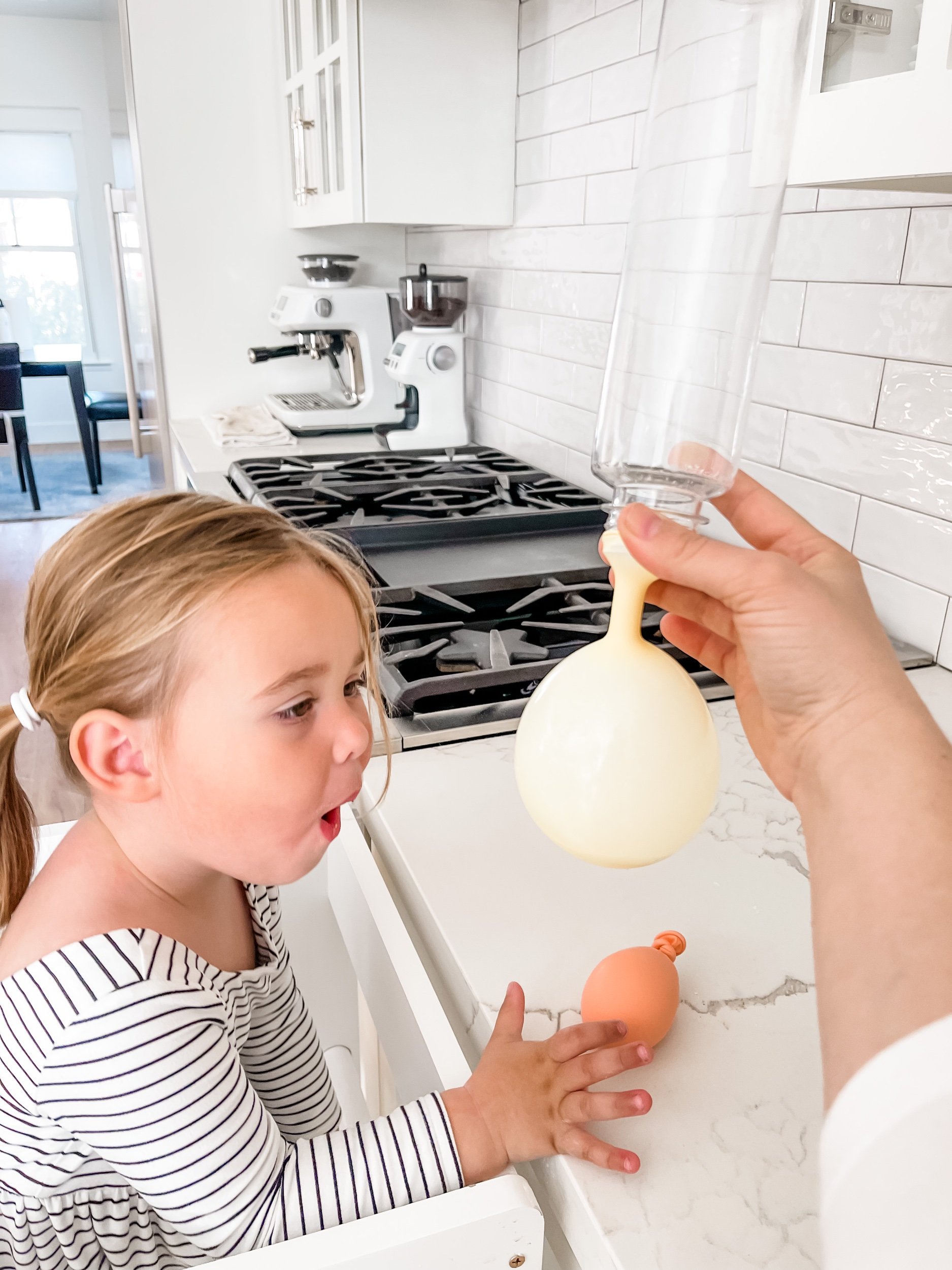
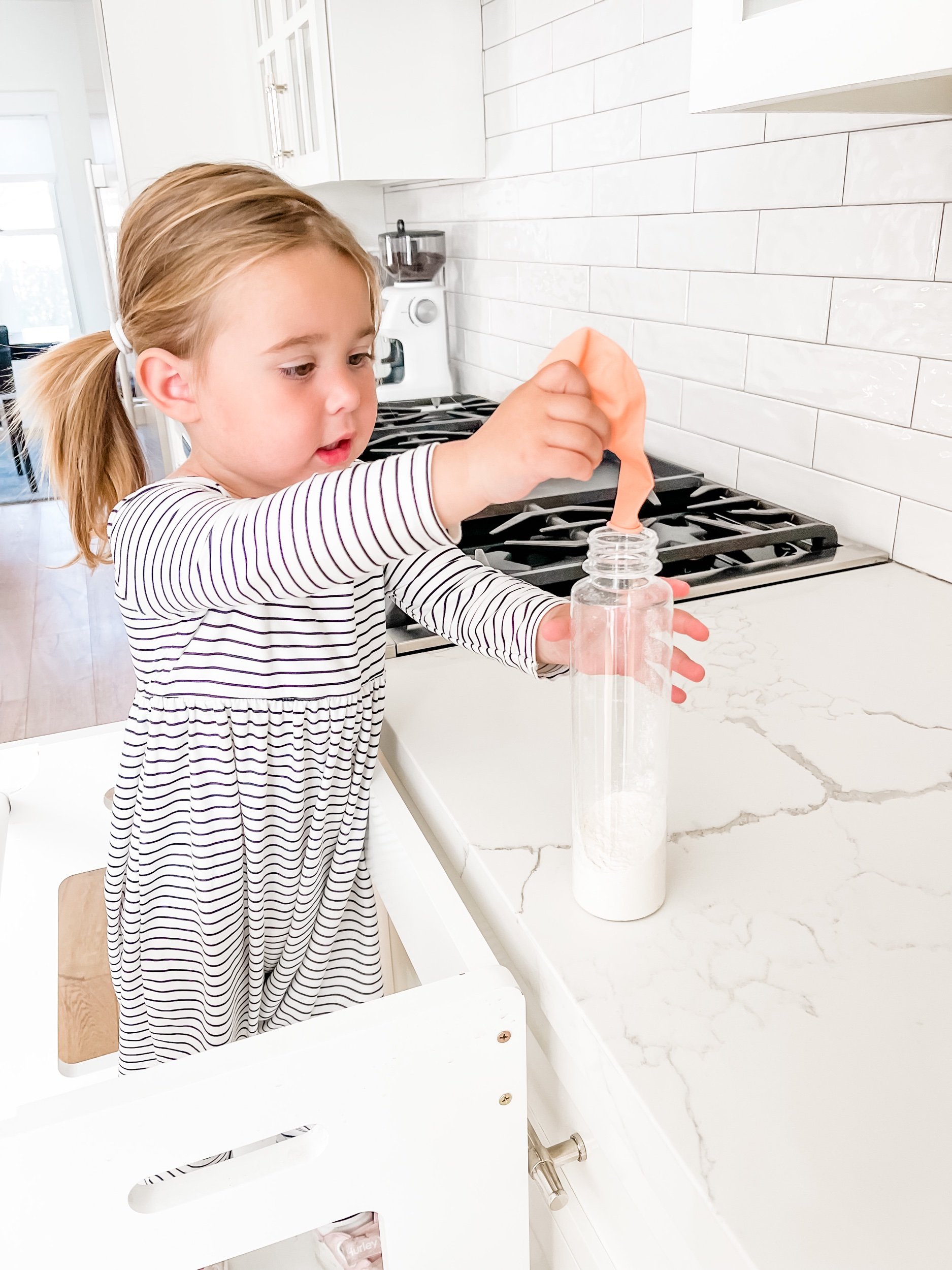
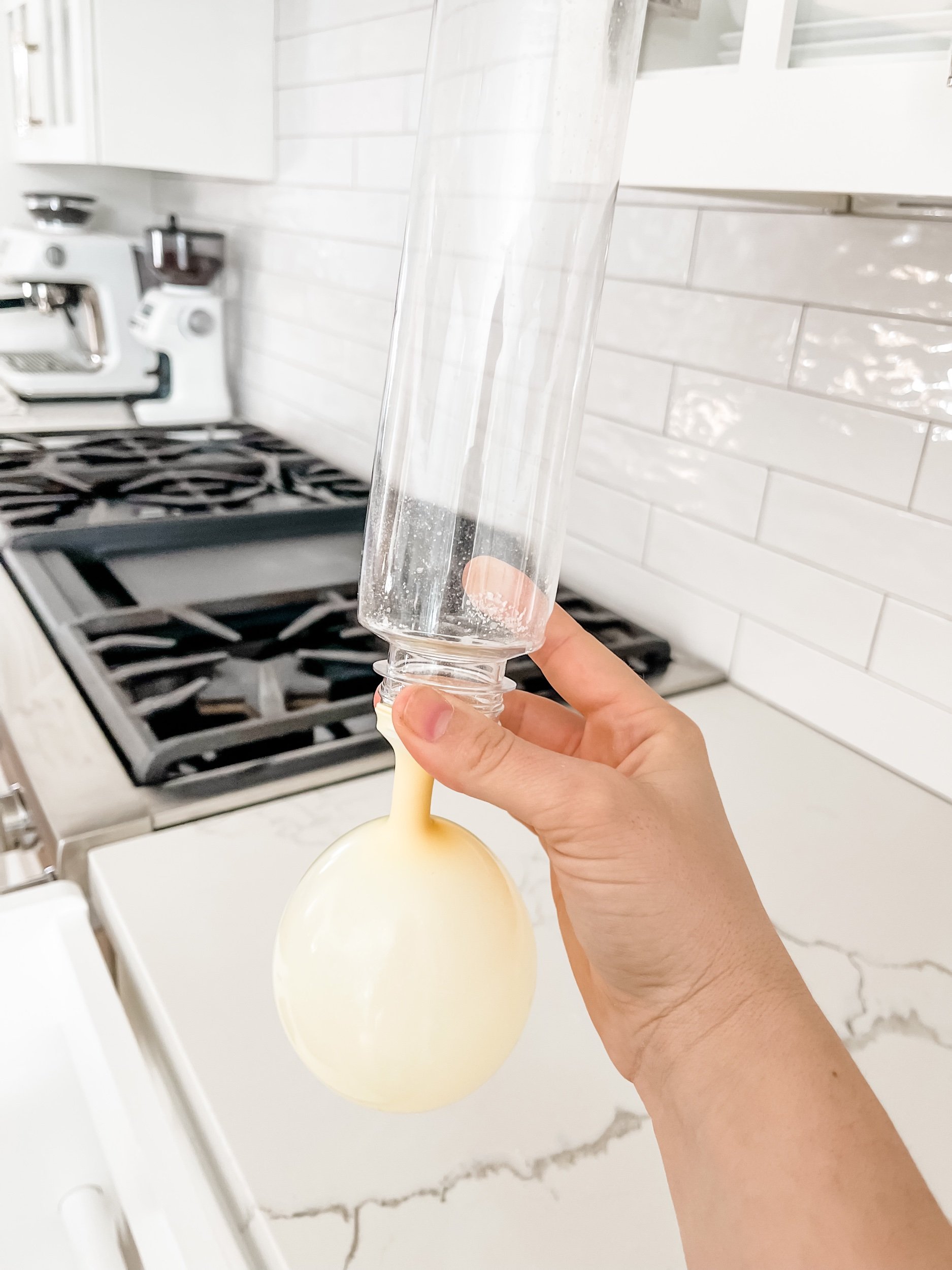
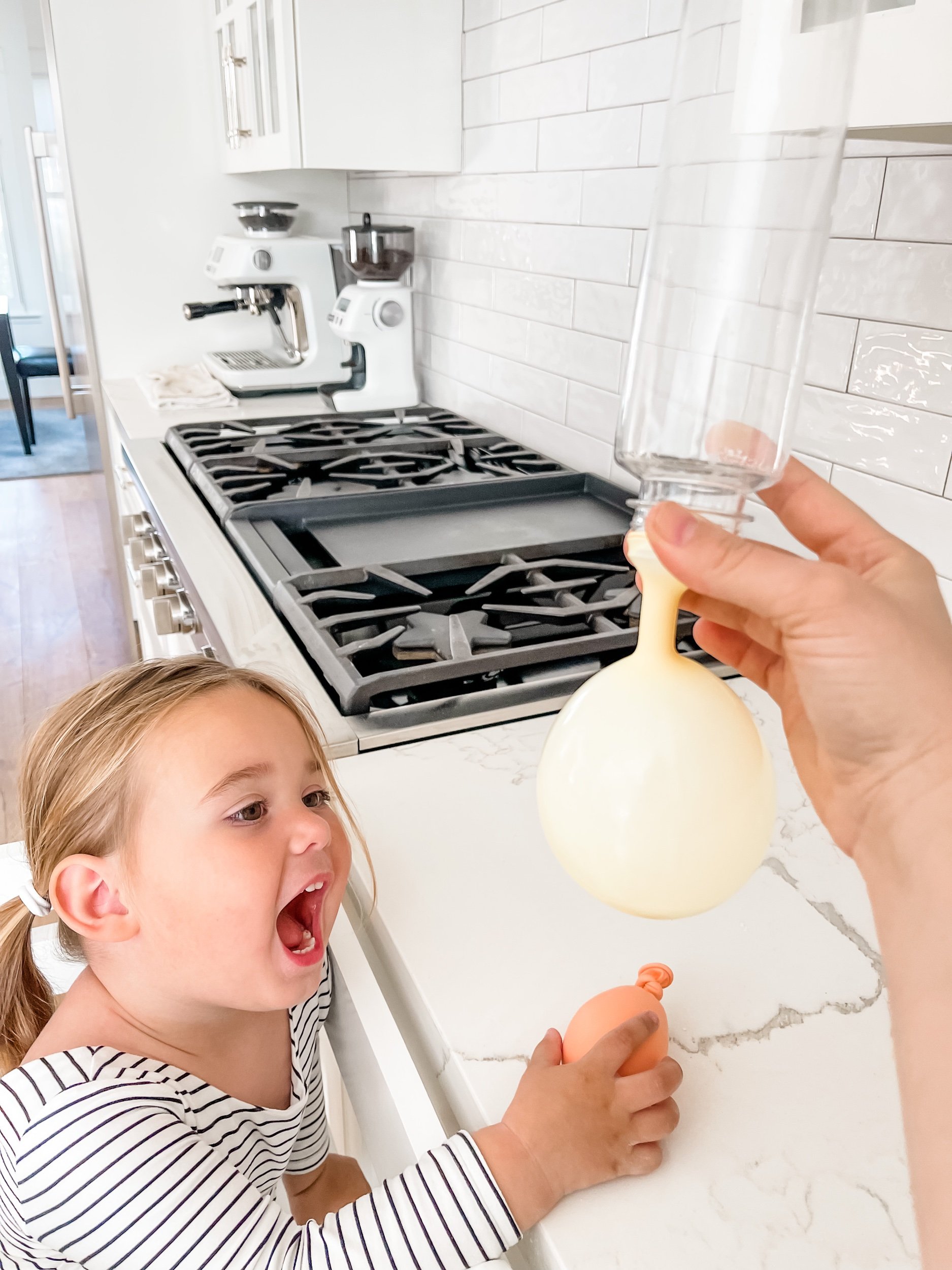
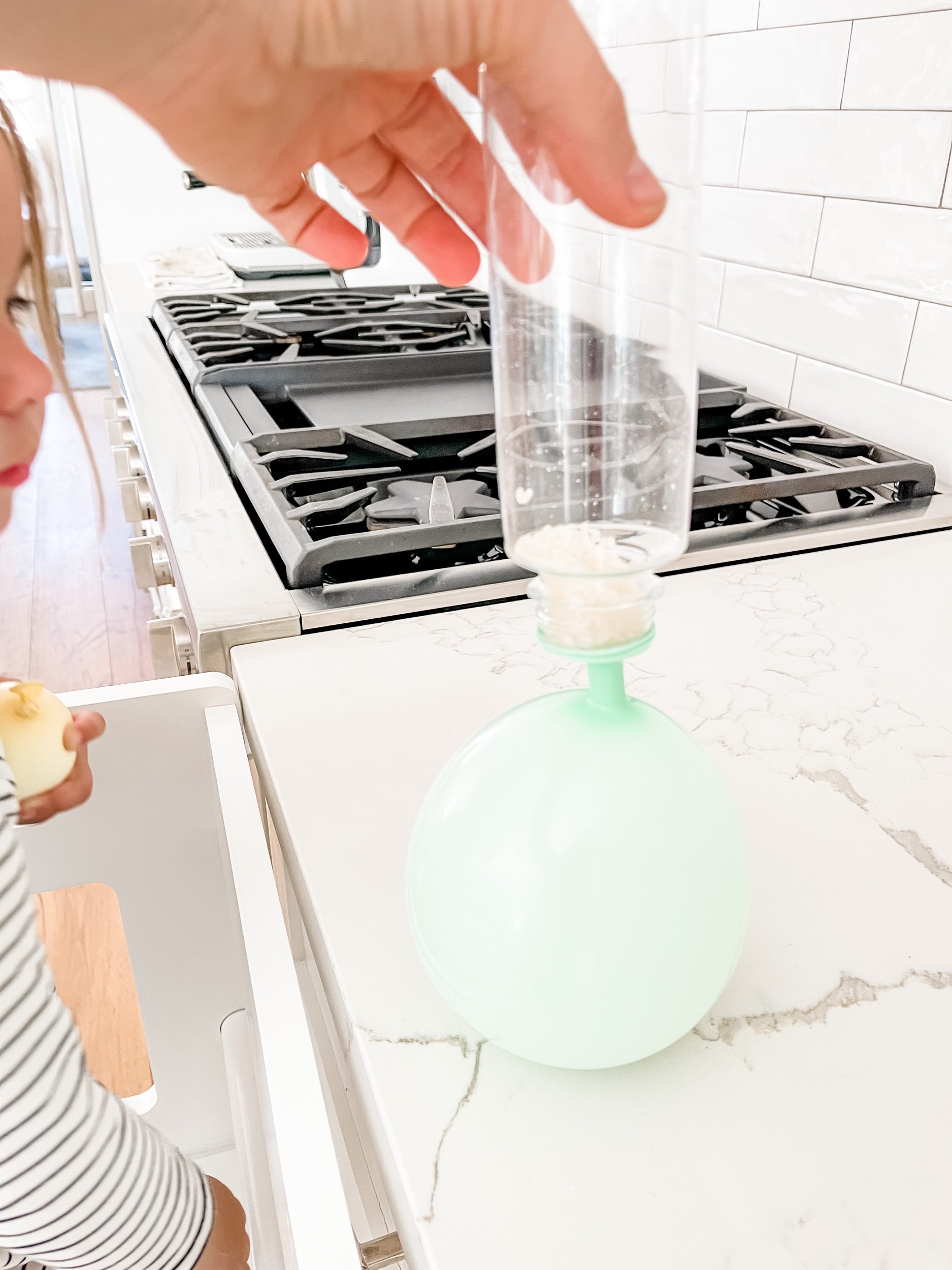
Stretch a balloon over the funnel or bottle opening.
Slowly pour in the chosen filler. Thicker fillers may need gentle tapping or a spoon to help them through.
Remove the balloon and tie it securely.
For durability, place the filled balloon inside a second balloon and tie again.
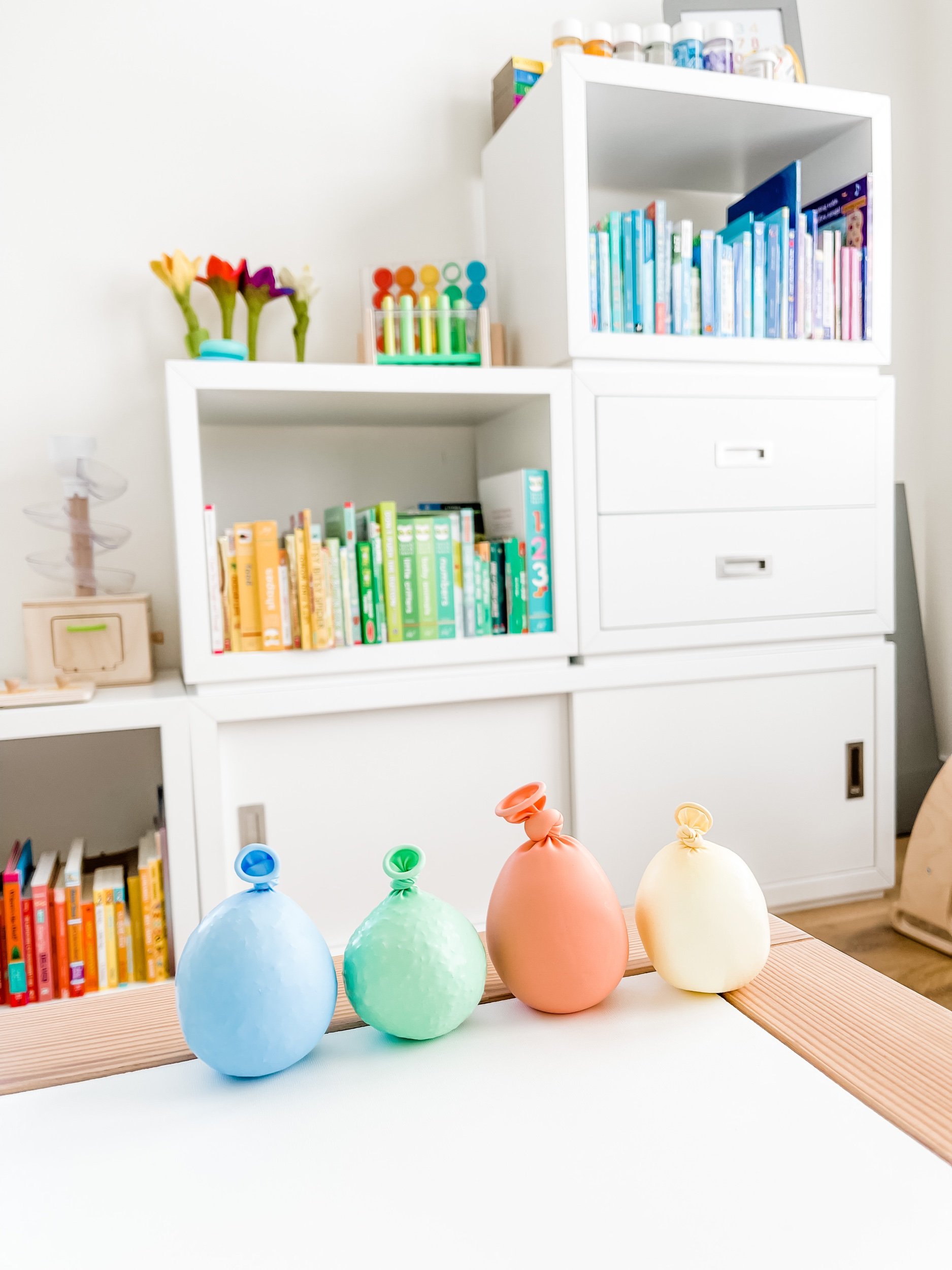
Repeat with different fillers to create a variety of sensory experiences.
Once your stress balls are made, there are many ways to extend the activity:
Compare textures by touch and talk about how each ball feels.
Line them up from softest to firmest.
Use descriptive language such as soft, squishy, heavy, grainy, or smooth.
Add stress balls to a sensory tray alongside other tactile materials.
Include them in a calming corner with books, soft seating, and quiet activities.
Stress balls also pair well with sensory bins and fillers found here.
Calming corners give children a safe, supportive place to regulate emotions. Stress balls work especially well in these spaces because they are portable, quiet, and intuitive to use.
If you’re building or refreshing a calming corner at home, you may also find this helpful.
For children who benefit from emotional language and mindfulness tools, affirmations and calm-focused activities can complement sensory tools.
If you’re looking to build a collection of easy, intentional activities for toddlers, you can explore the GoodnightFox free printable library. It includes sensory play ideas, dramatic play kits, and learning tools designed for early childhood.
DIY sensory stress balls are a practical, low-cost way to support emotional regulation, fine motor development, and sensory exploration at home. With just a few materials, you can create a versatile calming tool that fits naturally into daily routines, play trays, or calming spaces.
This project is simple to make, easy to adapt, and a meaningful addition to any sensory-rich learning environment.
Have a shop that specializes in baby gifts? I'd love to feature your shop and products in one of my weekly roundups. Email me at goodnightfoxstudio@gmail.com.
Check out GoodnightFox wholesale we’d love to have you carry the GoodnightFox brand.