Phonics for Toddlers: Simple Guide + Free Letter Sounds Cheat Sheet

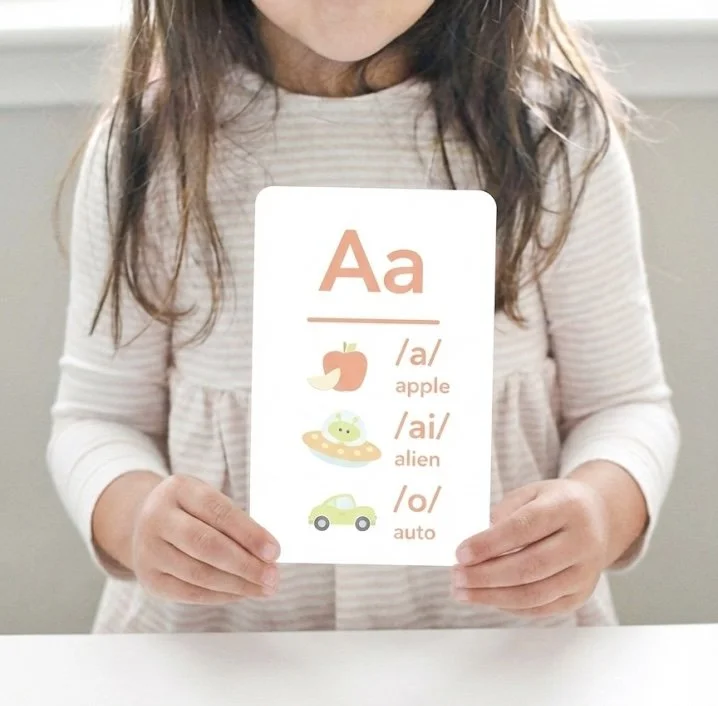
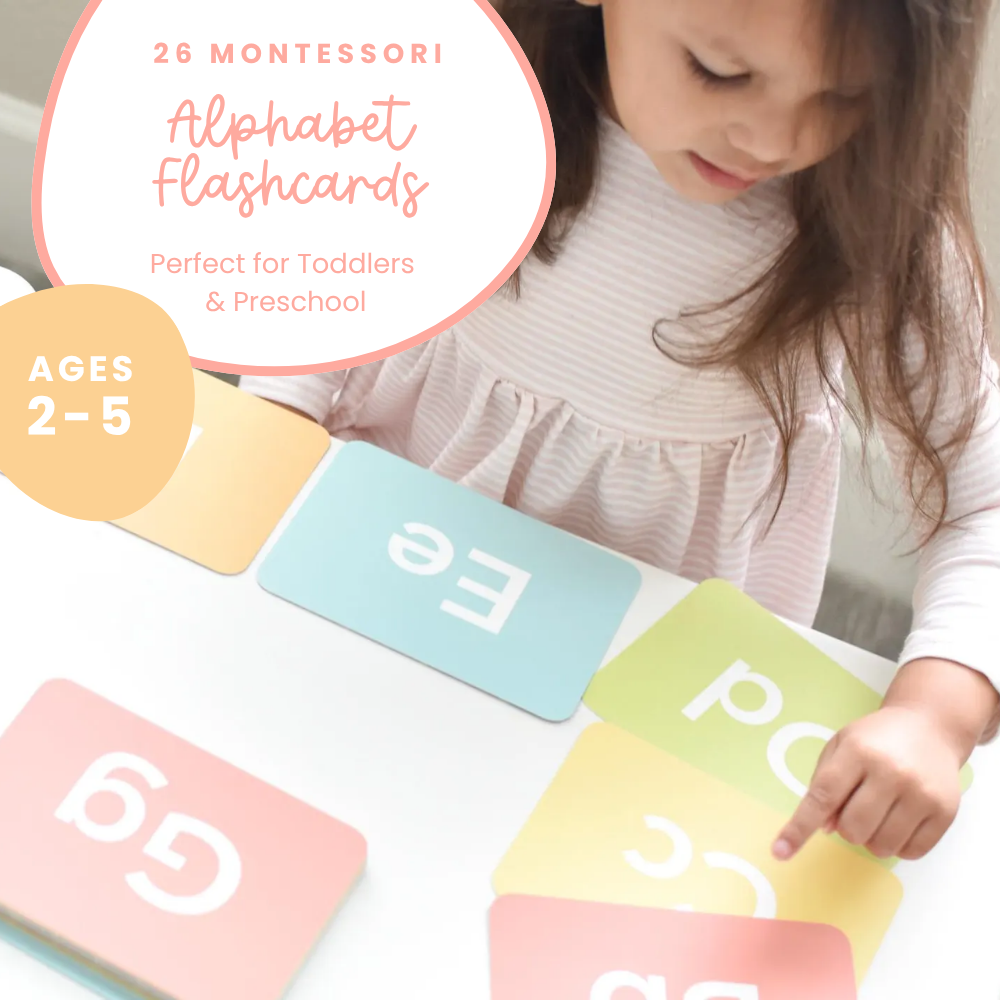
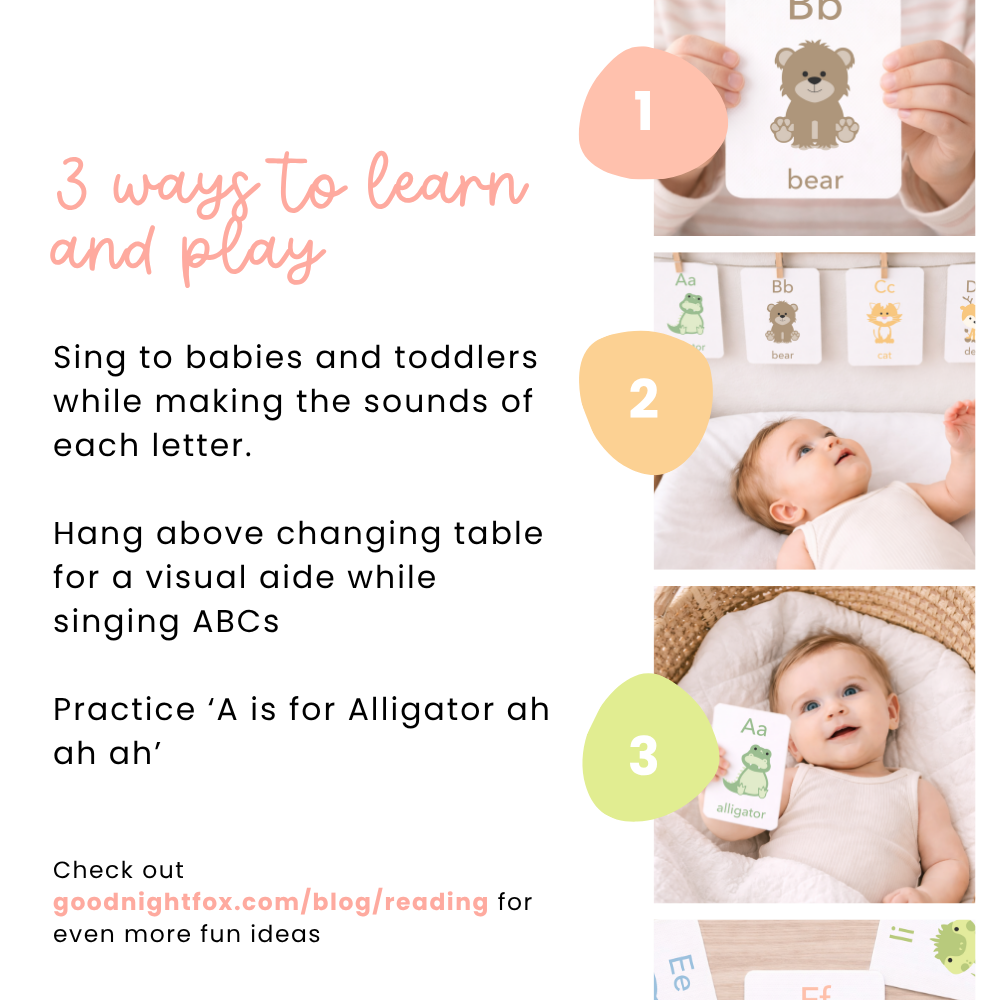
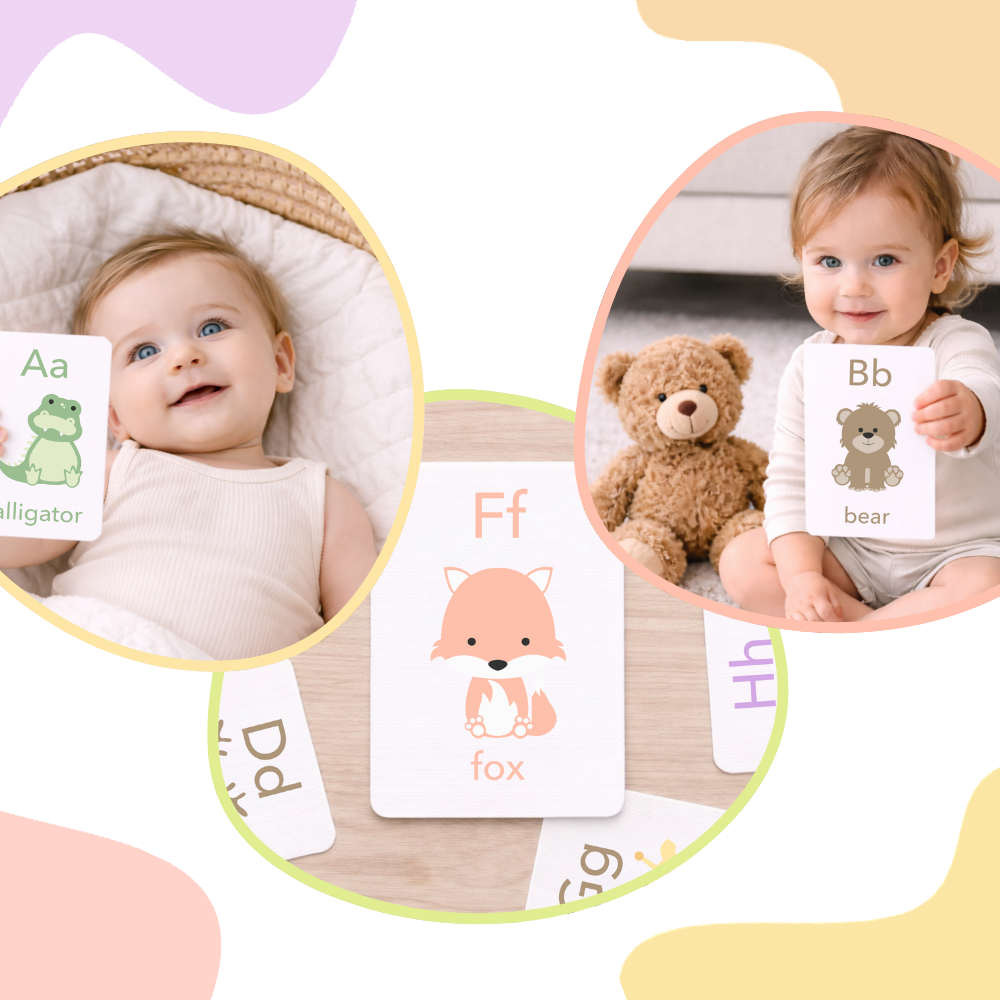
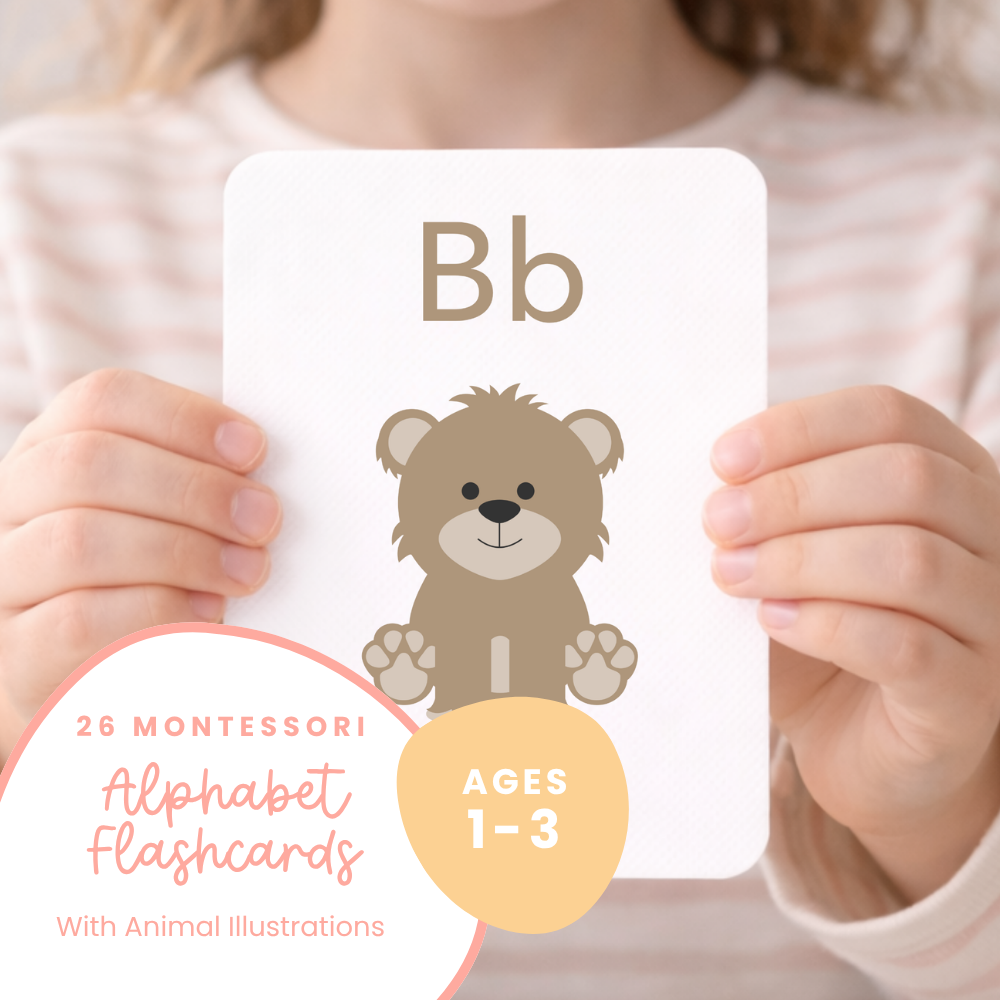
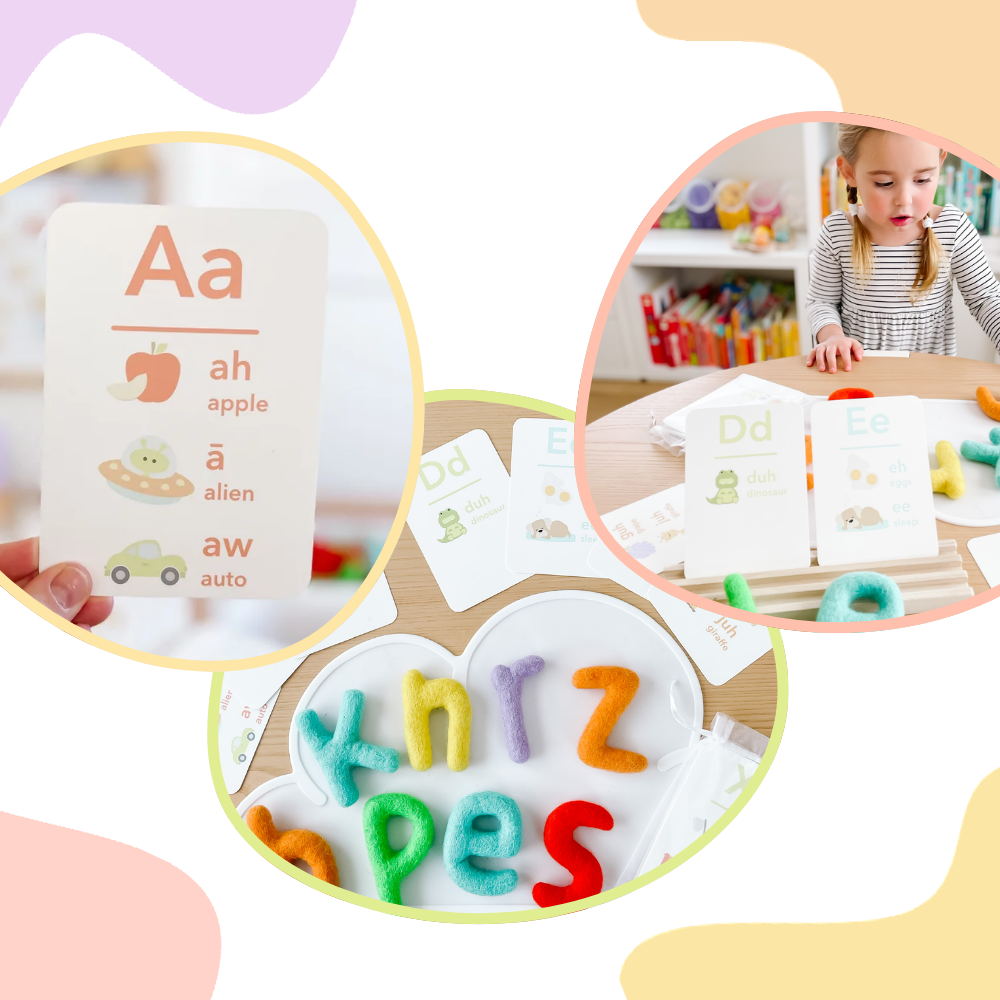
GoodnightFox alphabet flashcards introducing a playful early reading journey for toddlers and preschoolers

A SIMPLE START TO EARLY READING

How to Teach Letter Sounds Without Feeling Overwhelmed

Learning the alphabet is only the beginning. This parent-friendly guide walks you through a playful reading journey—from first letter exposure to phonics, sound blending and early reading fluency.

Free printable · Play-based practice · Flexible guidance for ages 2–6

Age Approximately 2–6
Practice Time 3–5 minutes
Parent Prep Minimal
Learning Style Hands-on and playful

I knew the alphabet—but I still did not know how to teach reading

When I first started helping Sofia learn her letters, I assumed I could simply point to each one and say its sound.

Then I reached letters like A, C and G and realized how quickly phonics becomes confusing for a parent who was never taught how to teach it. Which sound comes first? Should I say the letter name too? When do we begin blending sounds into words?

I did not want reading practice to feel like a lesson she had to sit through. I wanted it to feel like the rest of our learning—short, playful and connected to things she already enjoyed.

So I created a simple reference sheet for myself and began practicing one letter sound at a time. We jumped to letters on the floor, built letter shapes, searched for sounds in books and hid cards inside sensory bins.

That small shift made phonics feel manageable for both of us. This guide is designed to give you the same clear starting point.

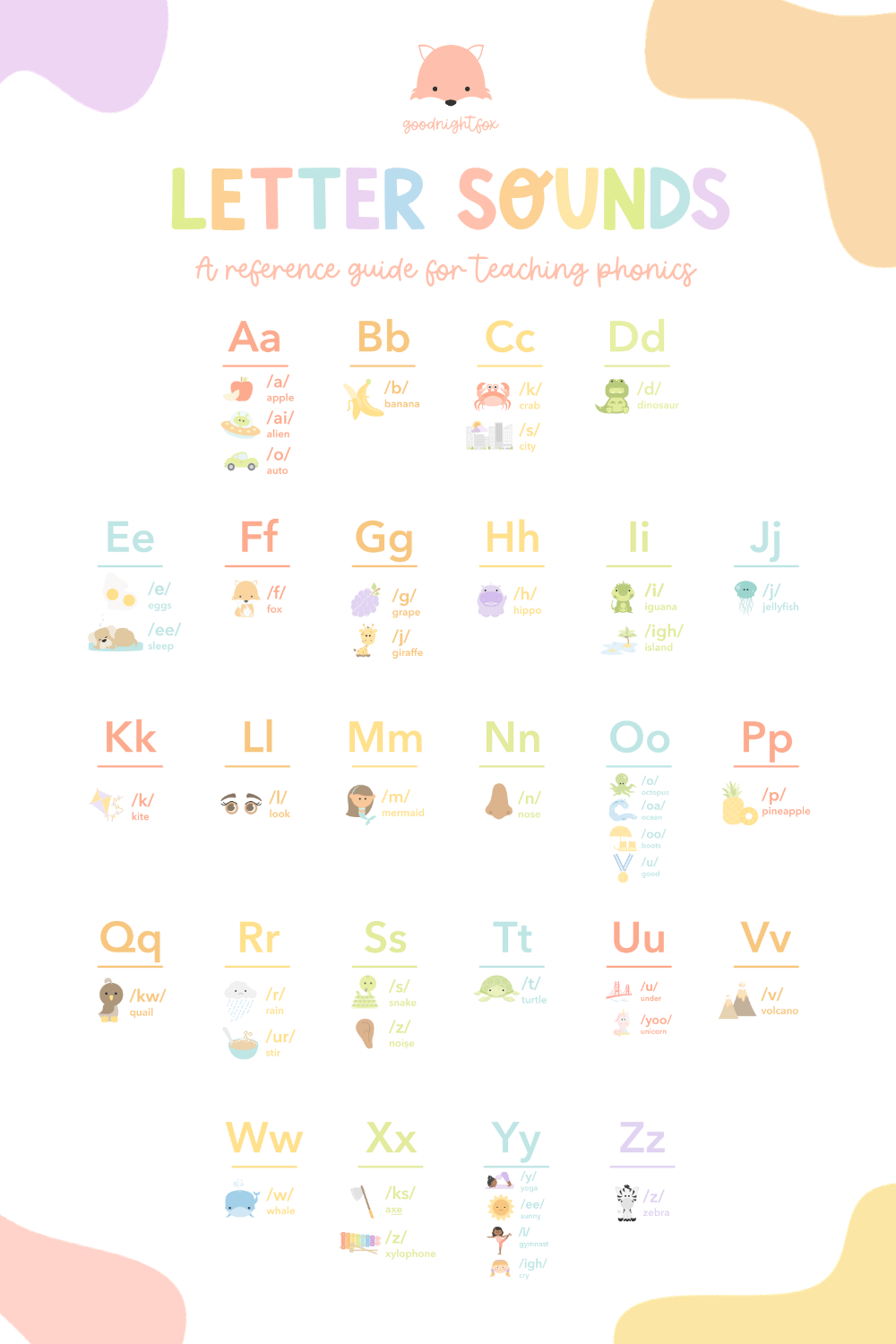
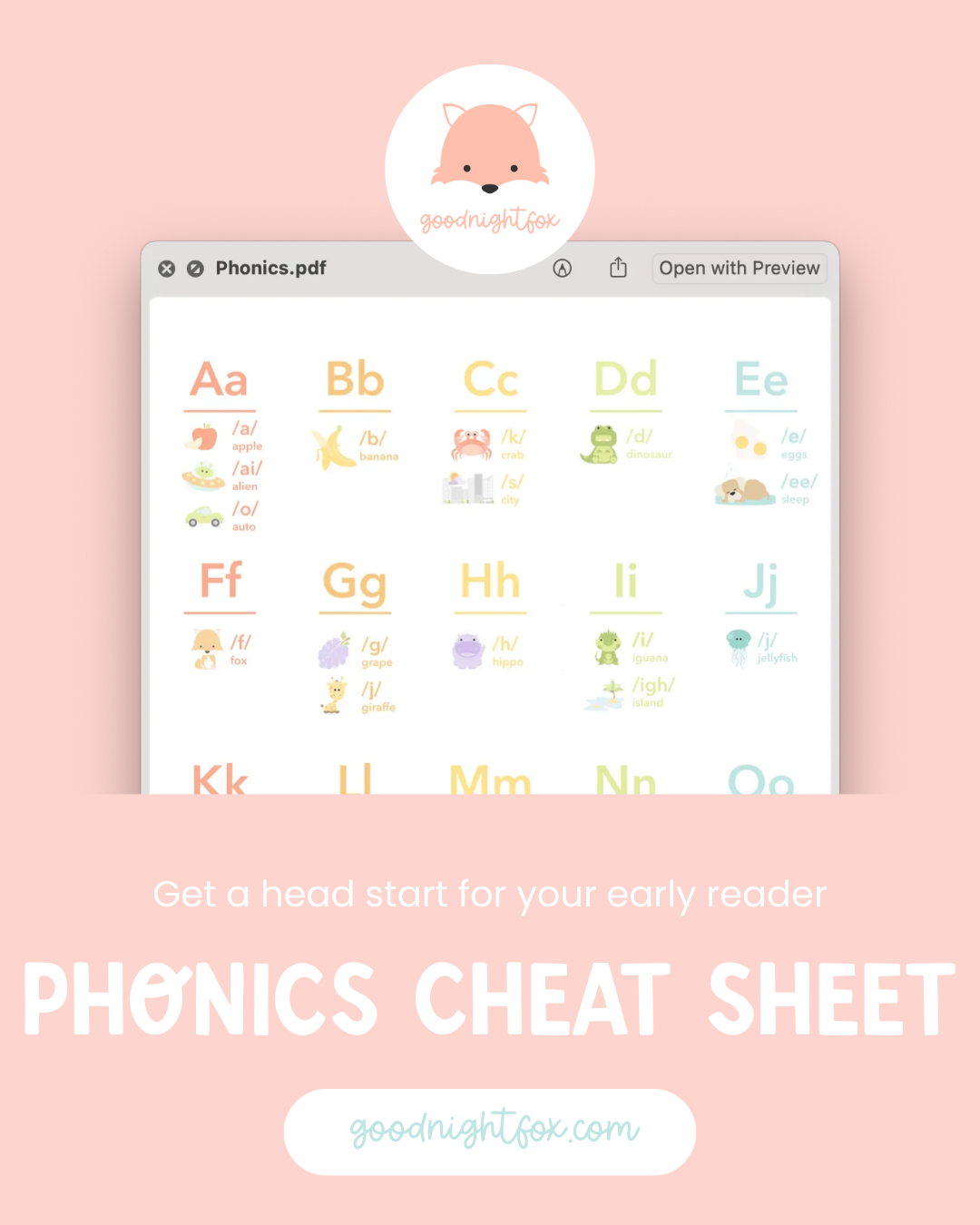
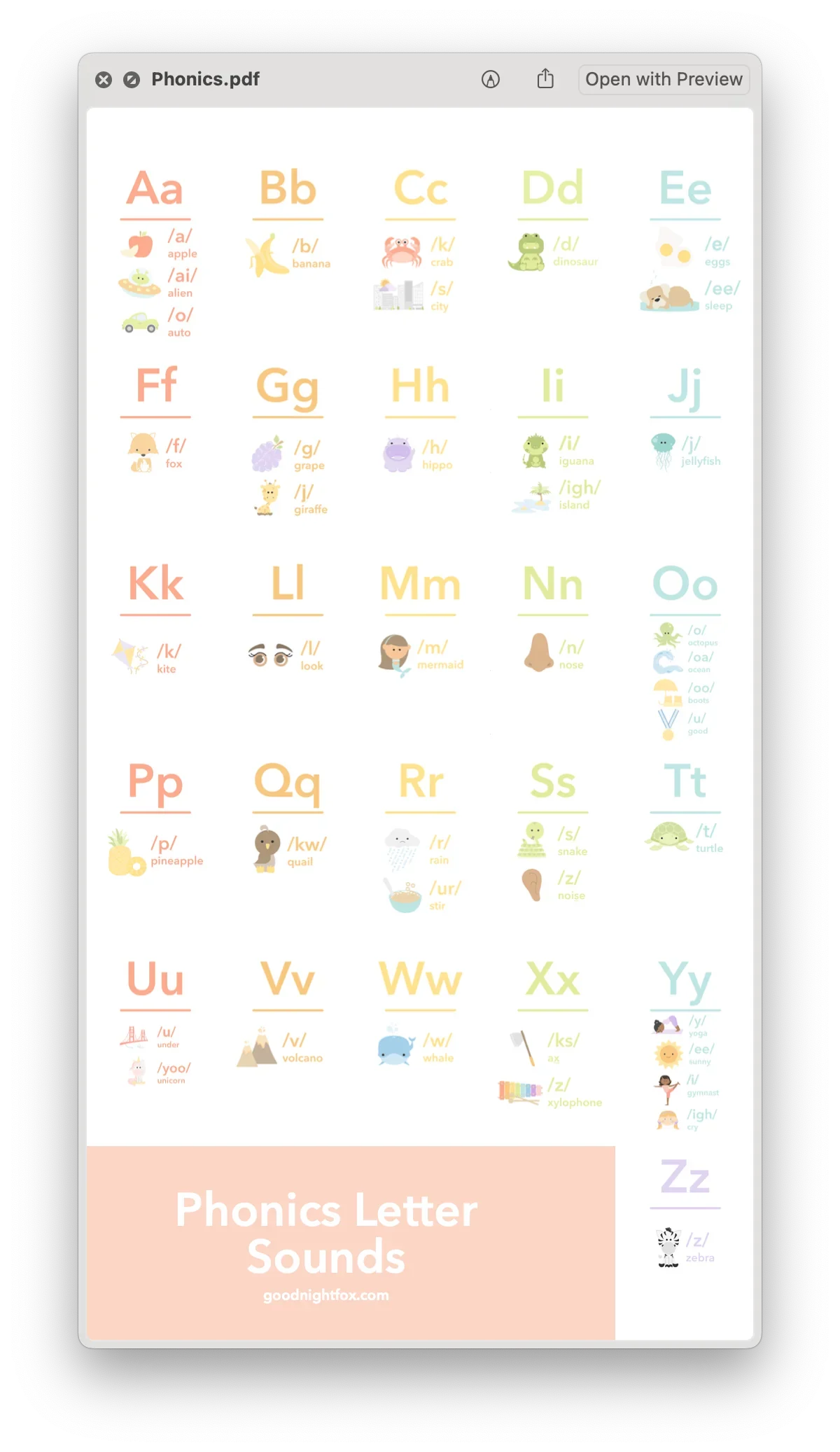
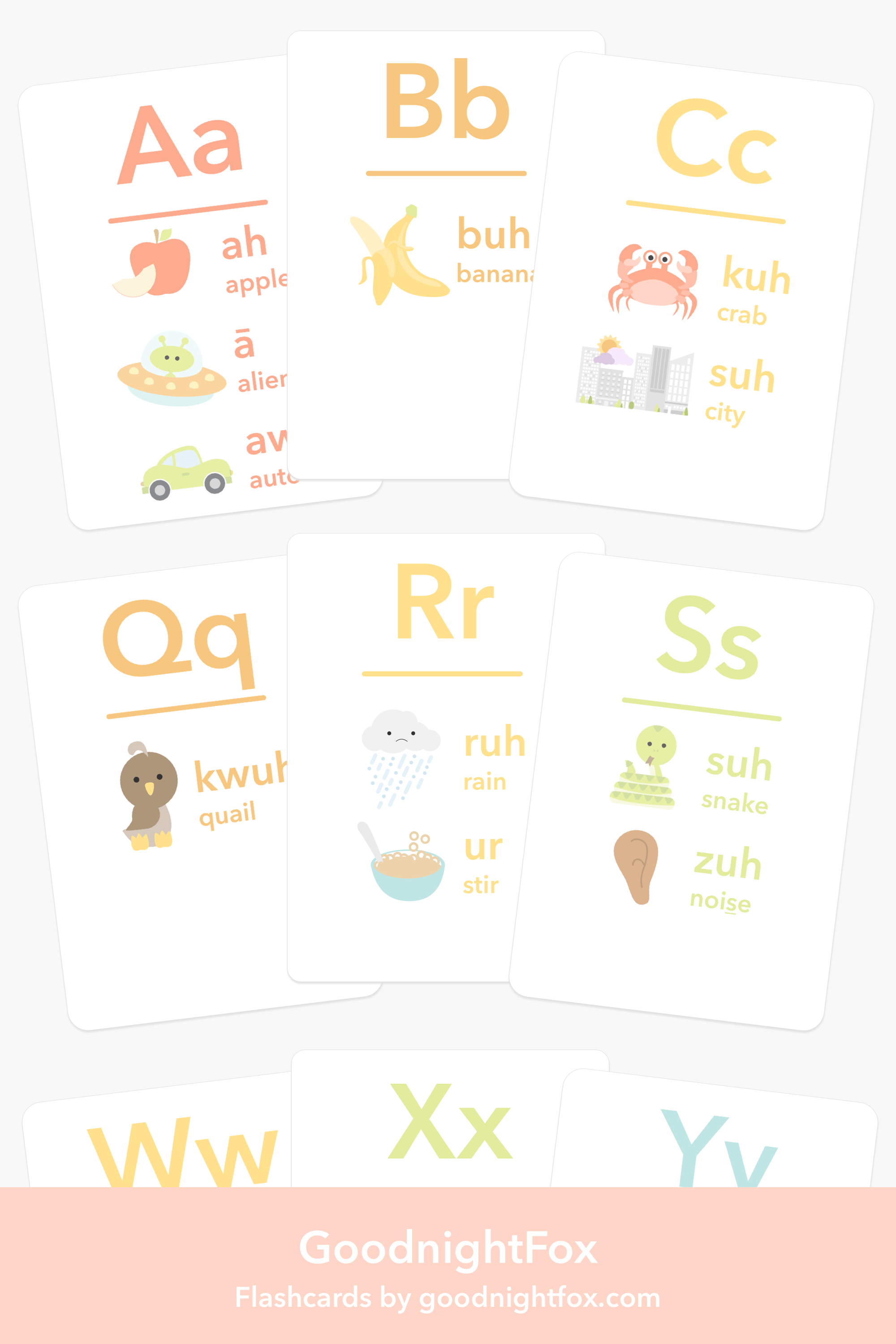
Free GoodnightFox phonics cheat sheet showing common letter sounds

FREE PARENT REFERENCE

Keep Every Letter Sound Within Reach

The free GoodnightFox Phonics Cheat Sheet gives you a clear visual reference for the most useful sound to introduce first, plus additional sounds children may encounter later.

  • Reference for all 26 letters
  • Primary letter sounds
  • Secondary sounds parents often forget
  • Easy visual cues
  • Perfect for a fridge or learning binder
Send Me the Free Cheat Sheet

You will also receive playful early-literacy ideas and occasional GoodnightFox product updates. Unsubscribe anytime.

WHY PHONICS MATTERS

Phonics Connects Spoken Language With Print

Phonics helps children understand that written letters and letter combinations represent sounds in spoken words.

As children strengthen this connection, they become better able to hear beginning sounds, blend simple words and attempt unfamiliar words instead of relying only on memorization.

Letter Recognition Phonemic Awareness Beginning Sounds Sound Blending Reading Confidence

WHY THIS FEELS HARD

Letters Do Not Always Make Just One Sound

Parents are often told to “teach the letter sounds” without being shown which sound to introduce first or how much information a young child actually needs.

A apple · acorn · father
C cat · city
G goat · giraffe
Parent Tip

You do not need to teach every possible sound at once. Begin with one common, easy-to-hear sound and introduce variations naturally as your child encounters them in books and conversation.

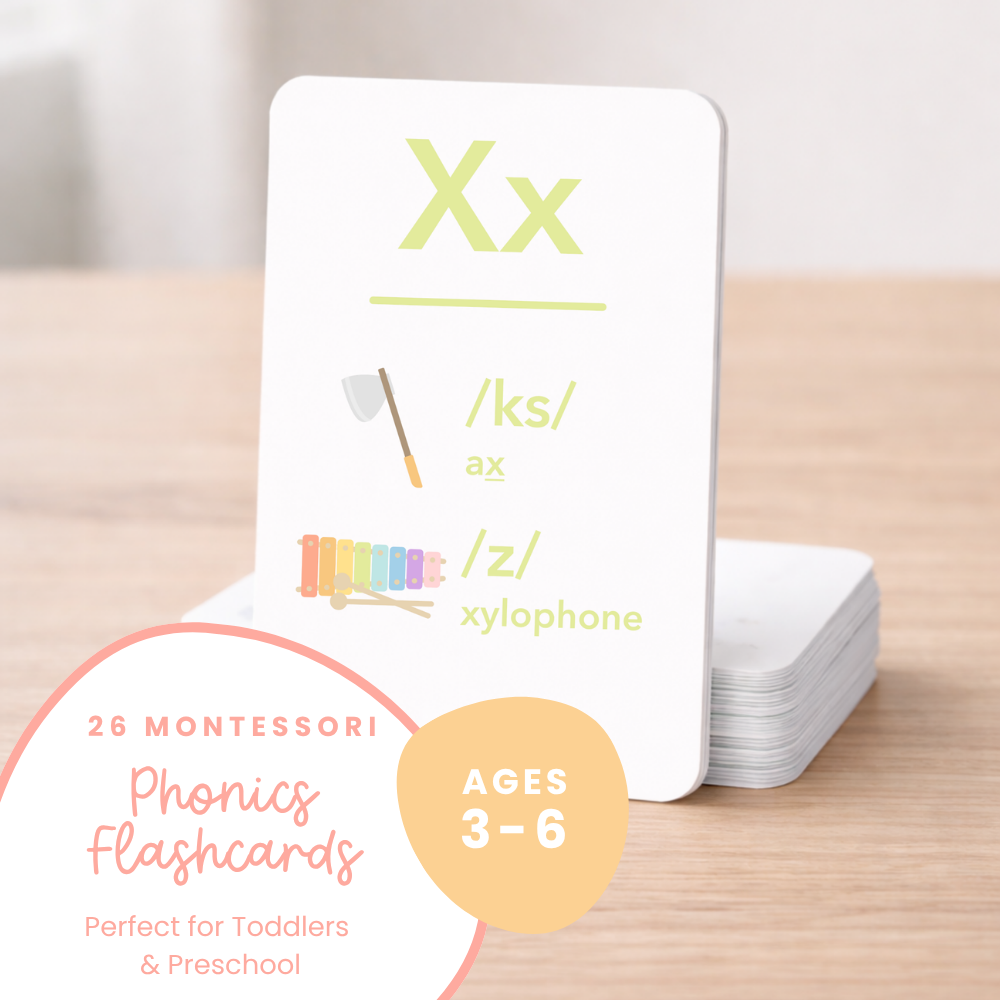
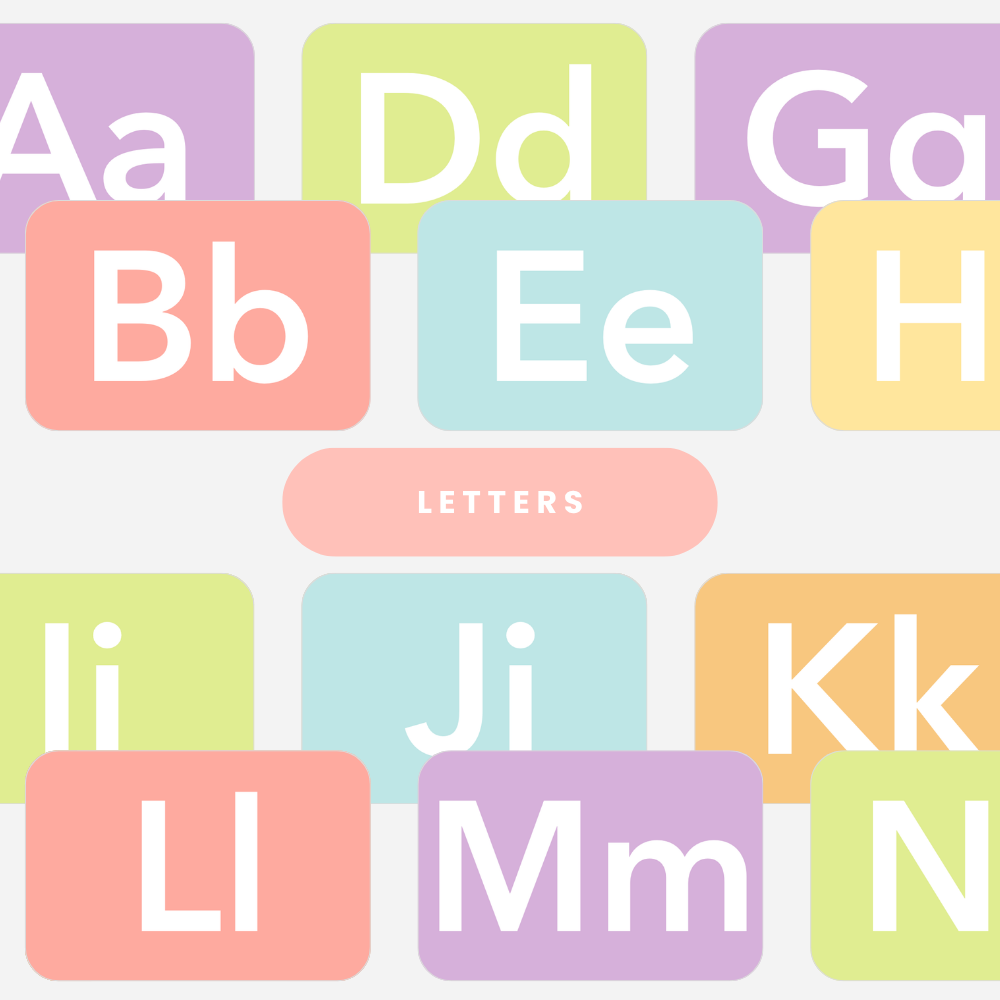
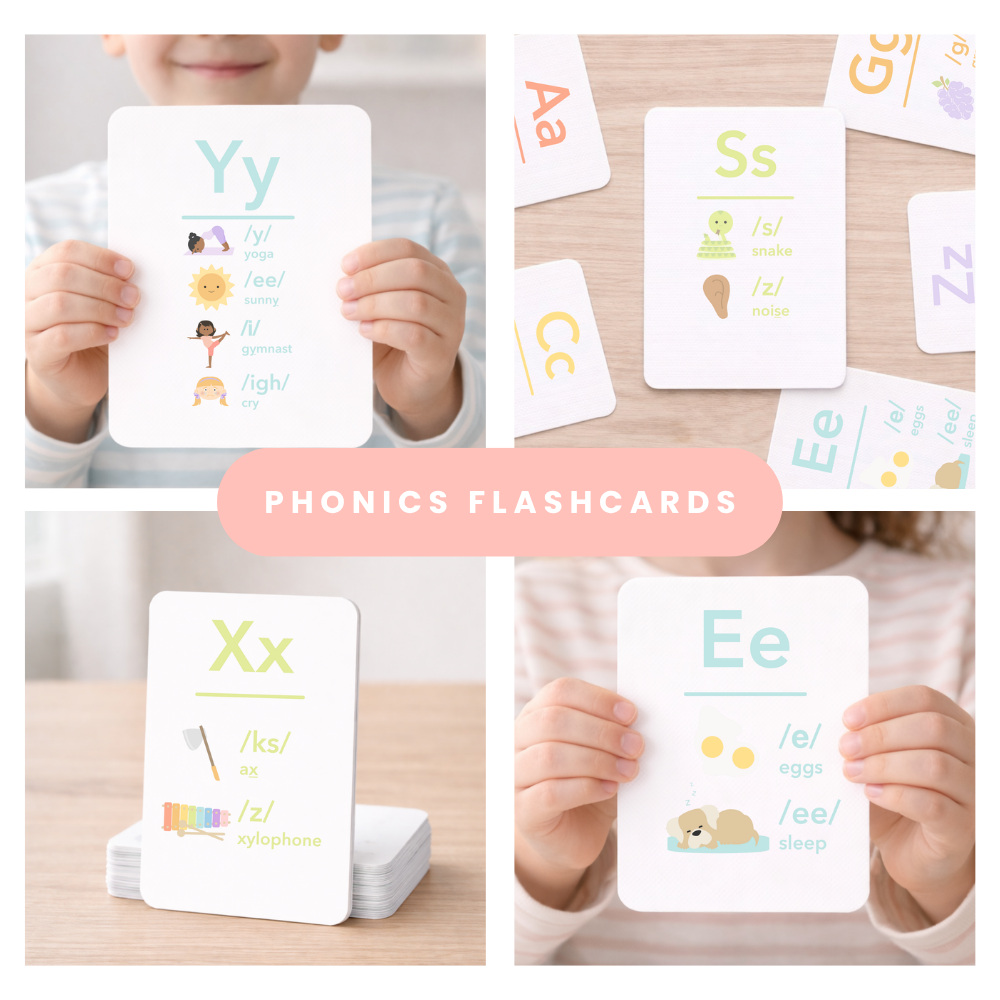
GoodnightFox phonics flashcard graphic for learning letter sounds

THE GOODNIGHTFOX READING SYSTEM

A Clear Path From First Letters to First Words

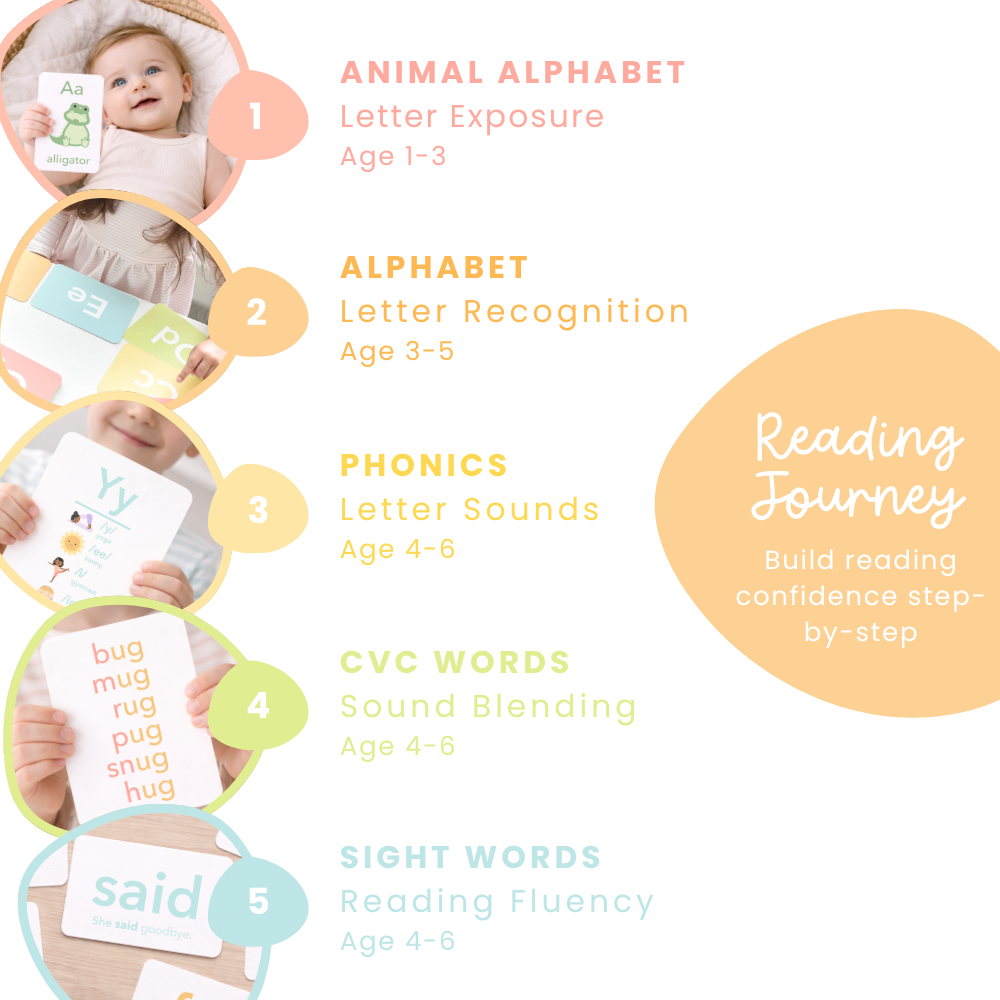
Children do not move from seeing the alphabet to independently reading books in one leap. Reading develops through connected stages: letter exposure, recognition, phonics, sound blending and increasingly fluent word reading.

The GoodnightFox Reading Journey helps you identify the stage your child is currently exploring and choose a playful next step.

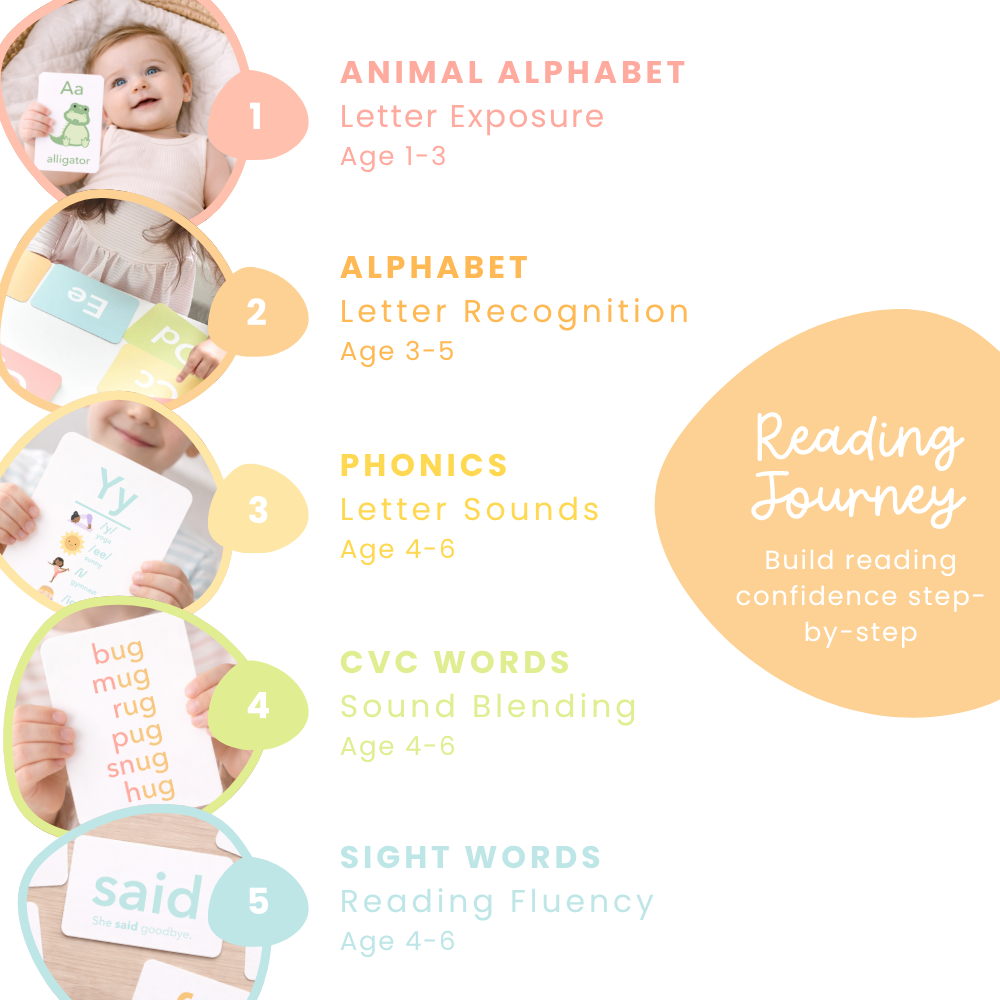
GoodnightFox Reading Journey from Animal Alphabet and letter recognition through phonics, CVC words and sight words
1

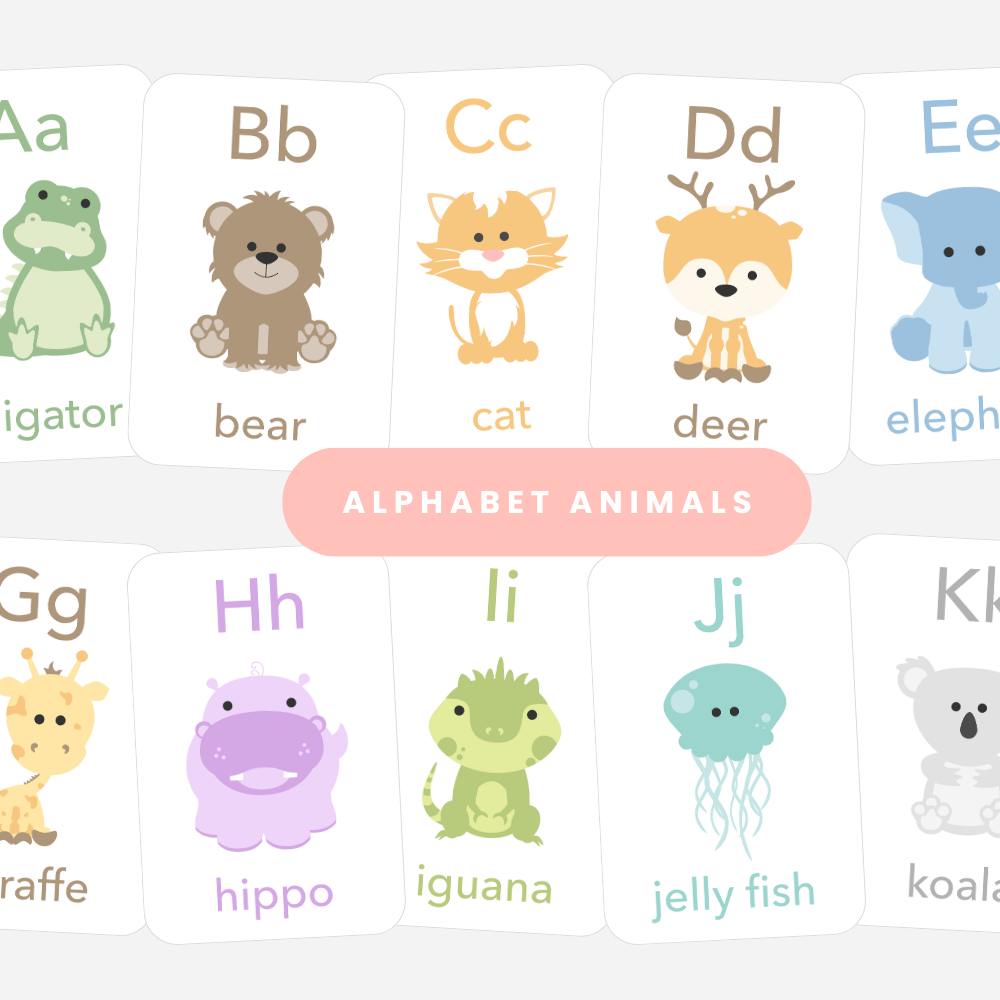
ANIMAL ALPHABET

Letter Exposure

Approximately ages 1–3

Children begin noticing letters through memorable animal illustrations, familiar words and playful visual associations.

Explore Animal Alphabet Cards →
2

ALPHABET

Letter Recognition

Approximately ages 3–5

Children learn to recognize, name and match uppercase and lowercase letters.

Explore Alphabet Flashcards →
4

CVC WORDS

Sound Blending

Approximately ages 4–6

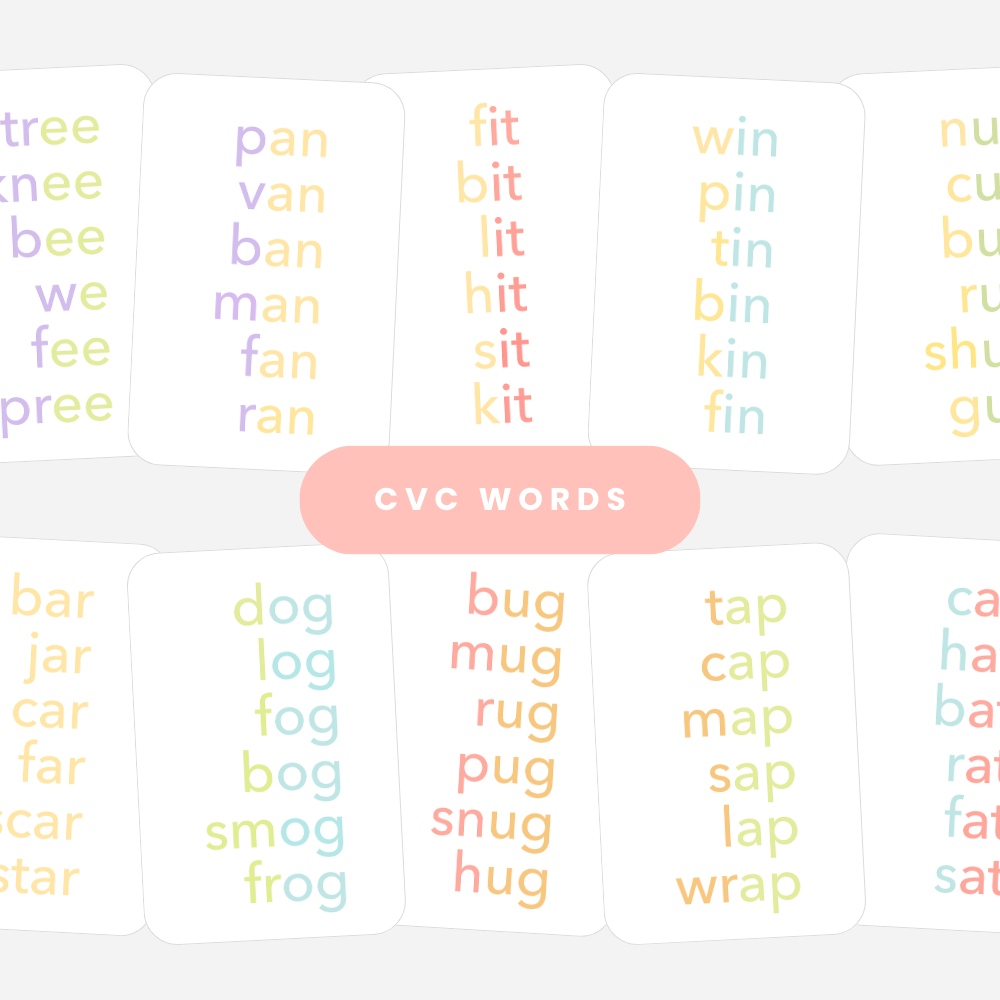
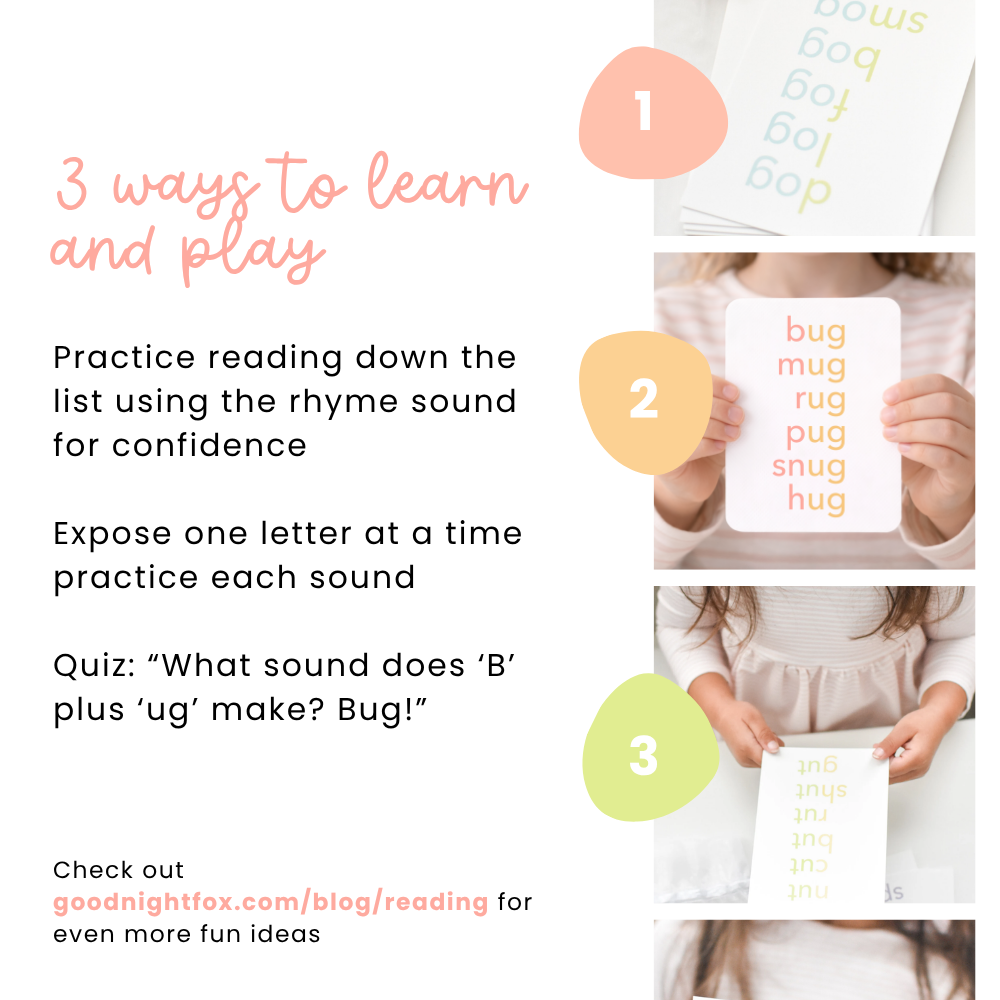
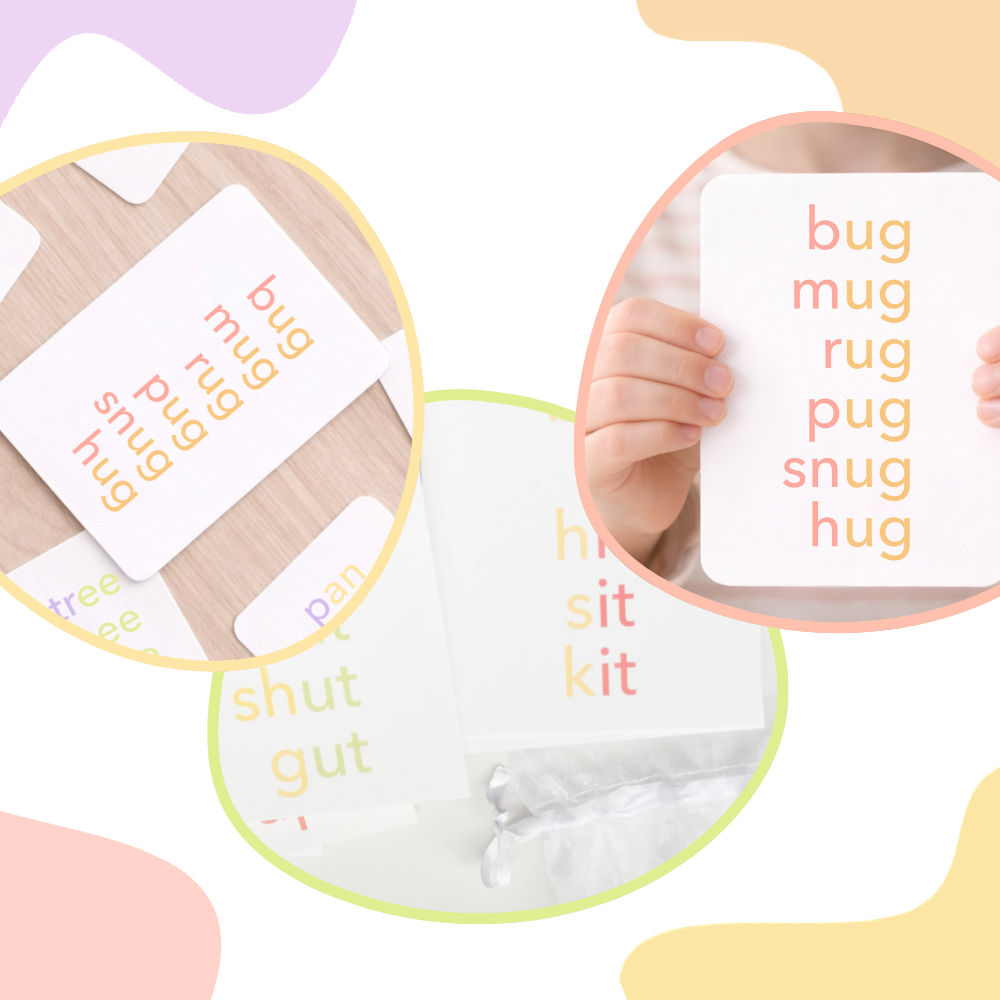
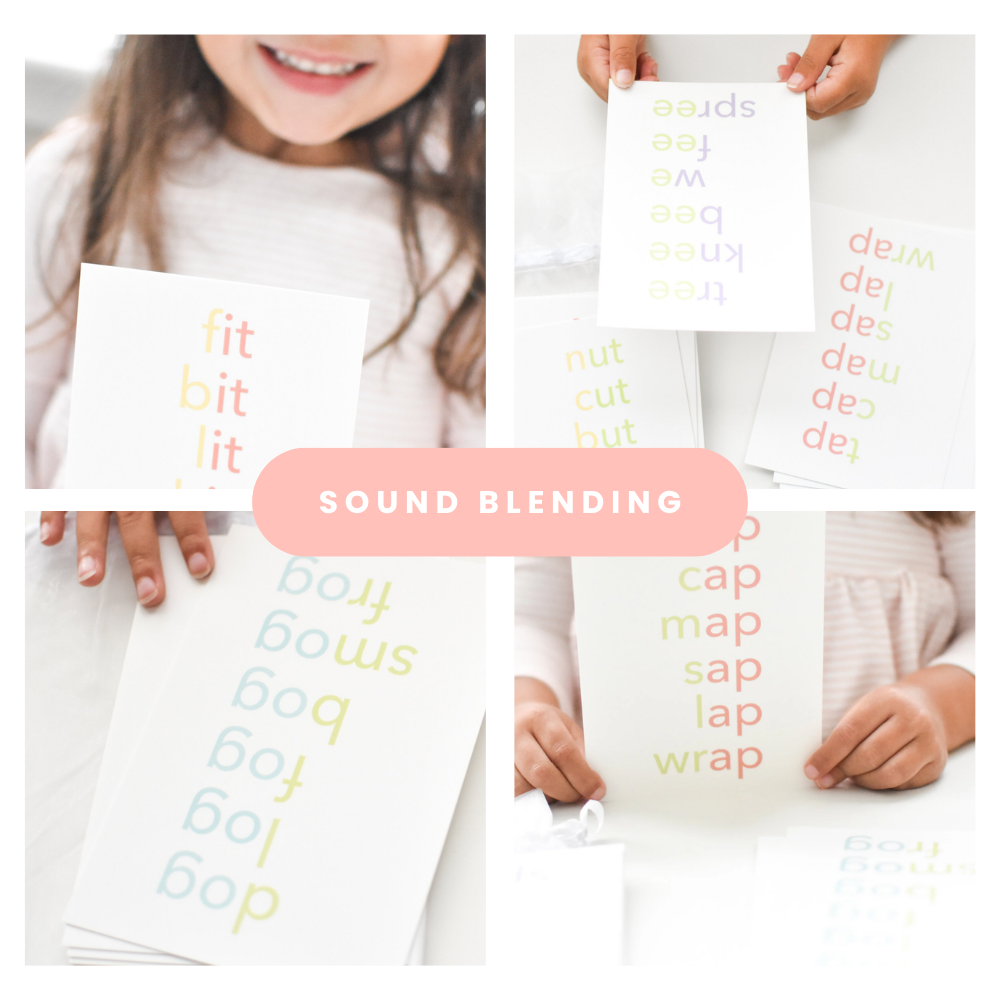
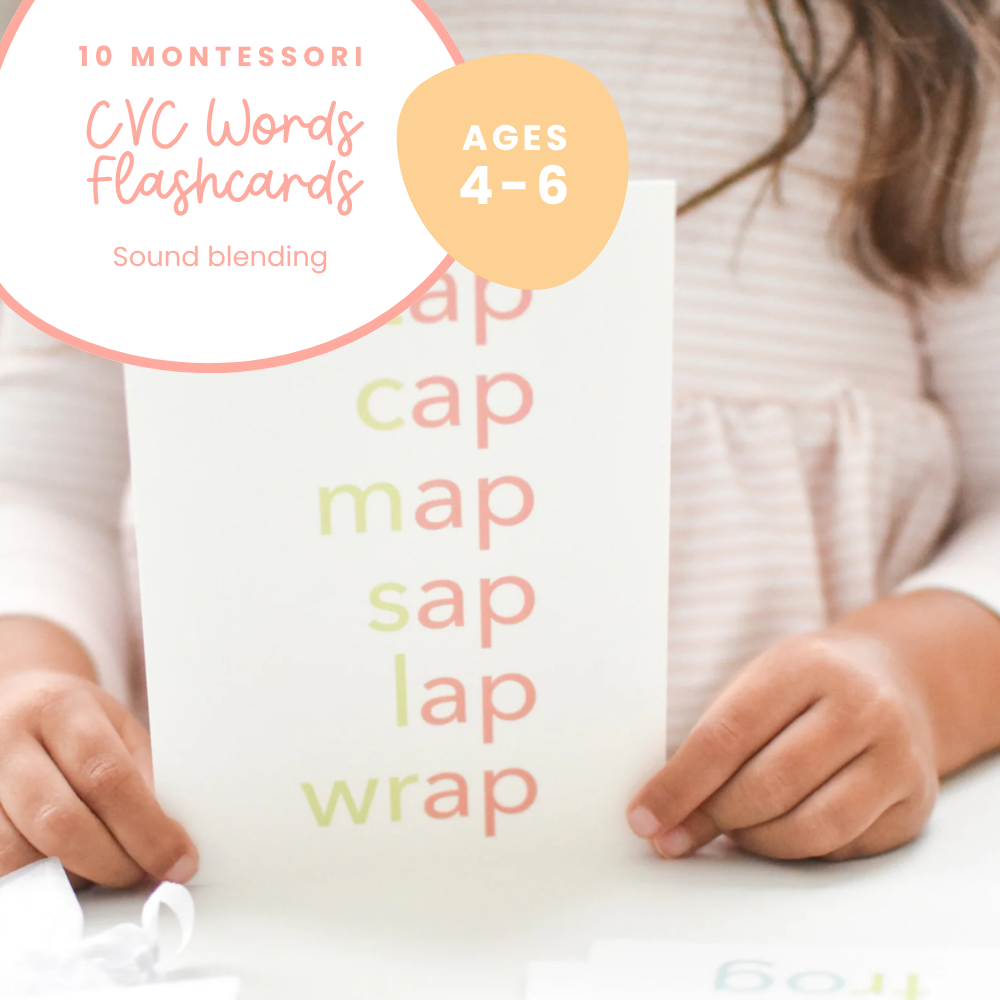
Children combine individual letter sounds to read short words such as cat, dog, sun and pig.

Explore the Reading Bundle →
5

SIGHT WORDS

Reading Fluency

Approximately ages 4–6

Children build automatic recognition of frequently encountered words while continuing to use phonics to decode unfamiliar words.

Explore the Reading Bundle →

Skills That Connect the Stages

Digraphs

Letter pairs such as sh, ch, th and wh help children move beyond one-letter, one-sound patterns.

Rhyming Words

Hearing shared endings and sound patterns supports phonological awareness and prepares children to recognize word families.

GoodnightFox CVC word flashcards supporting sound blending

WHERE SHOULD WE BEGIN?

Start With the Skill Your Child Is Exploring Today

My child enjoys pictures but does not recognize letters. Start with Animal Alphabet picture associations.
My child recognizes only a few letters. Practice uppercase and lowercase Alphabet cards.
My child knows letters but not their sounds. Use the Phonics Cheat Sheet and Letter Sounds cards.
My child knows sounds but cannot combine them. Begin CVC word-building and simple blending.
My child reads simple words slowly. Continue phonics while adding sight-word practice.
My child is working across several stages. The coordinated Reading Bundle gives you room to grow.

These age ranges and stages are flexible guides—not deadlines. Children may move back and forth between skills or work on several at the same time.

START SMALL

A Simple Five-Minute Phonics Routine

1

Choose One Sound

Introduce one primary sound and keep the explanation short.

“This is B. B makes the /b/ sound, like ball.”
2

Find Something Familiar

Connect the sound to your child’s name, a favorite animal, toy or food.

3

Add Movement or Touch

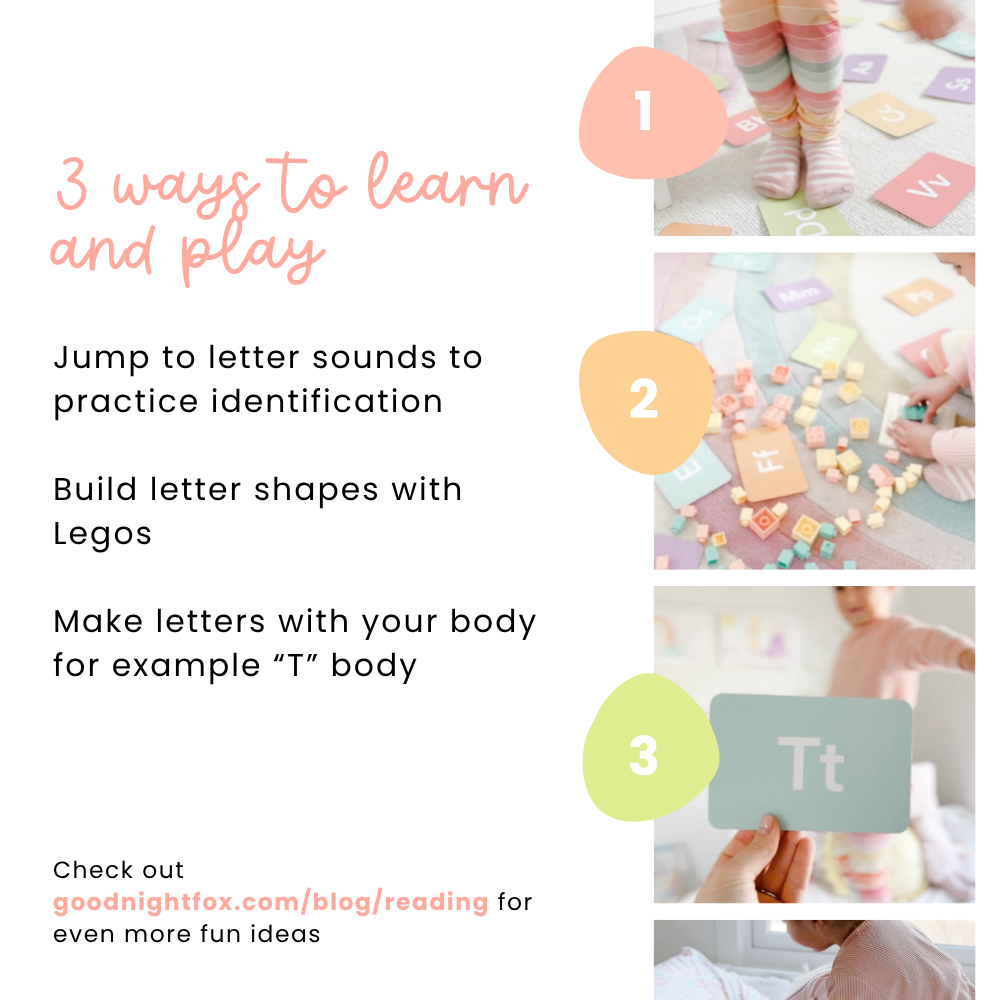
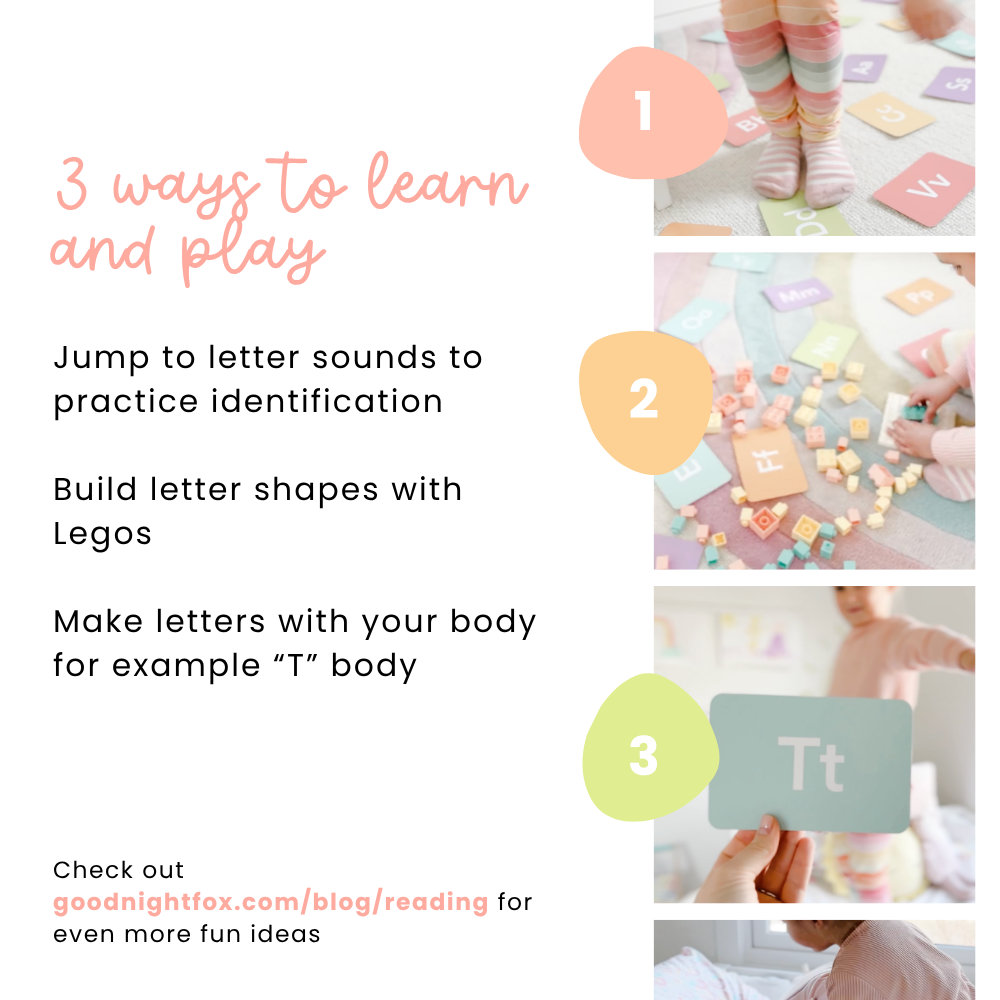
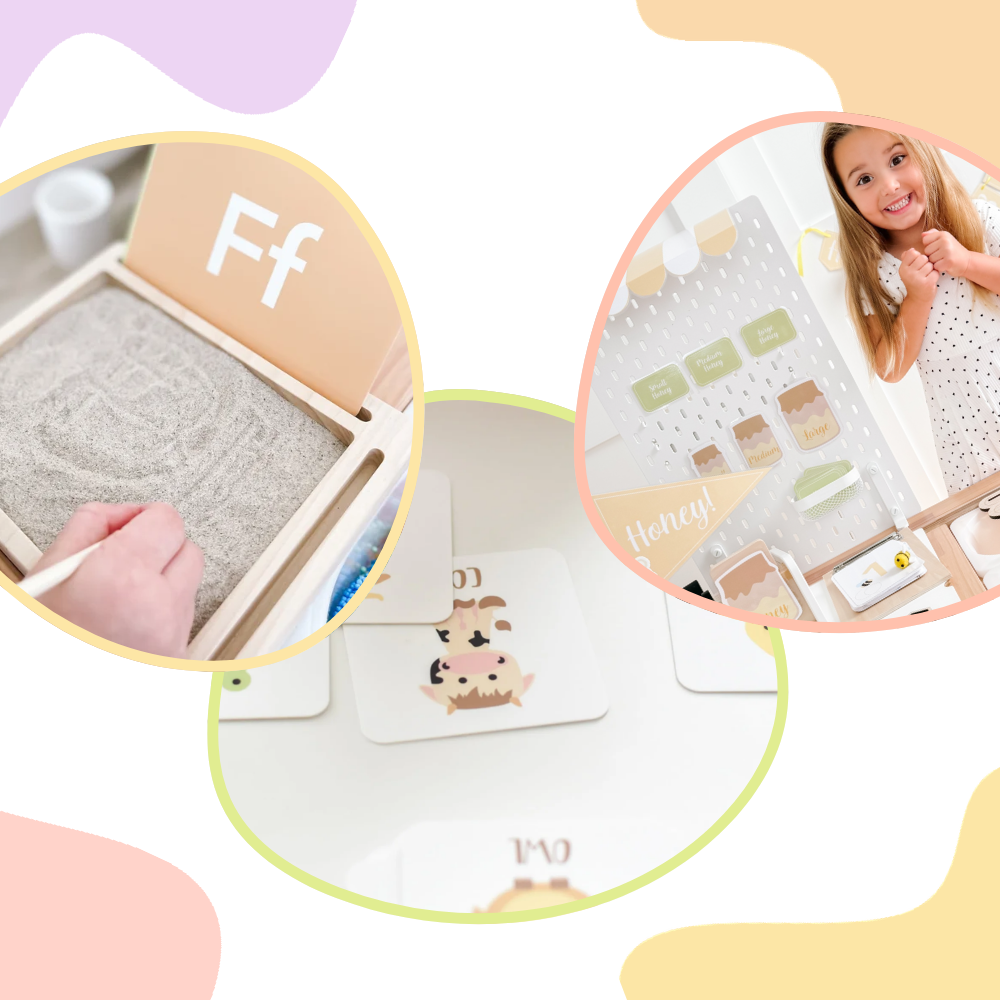
Trace the letter, build it with dough, hop to it or hide its card in a sensory bin.

4

Notice It in a Book

Point out the sound naturally in a title, character name or familiar word.

5

Stop While It Is Still Fun

End after a few successful repetitions rather than continuing until your child is frustrated.

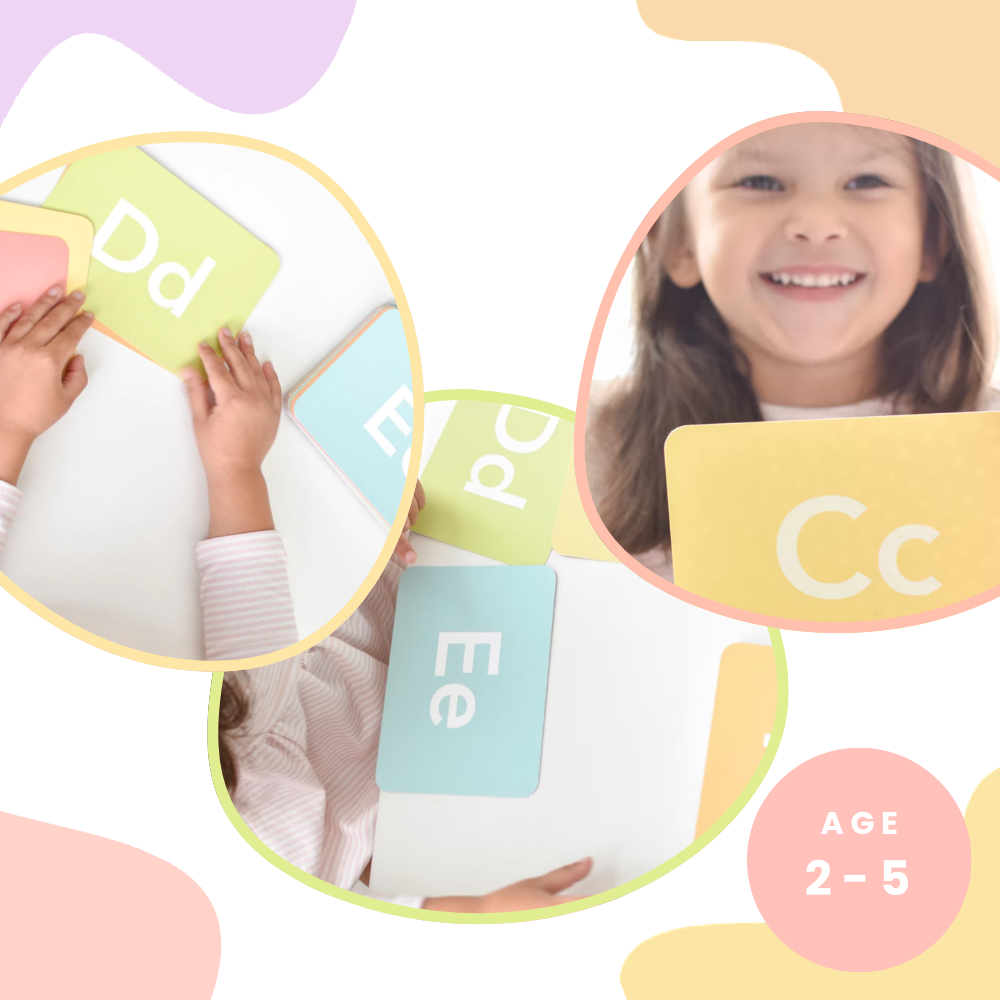
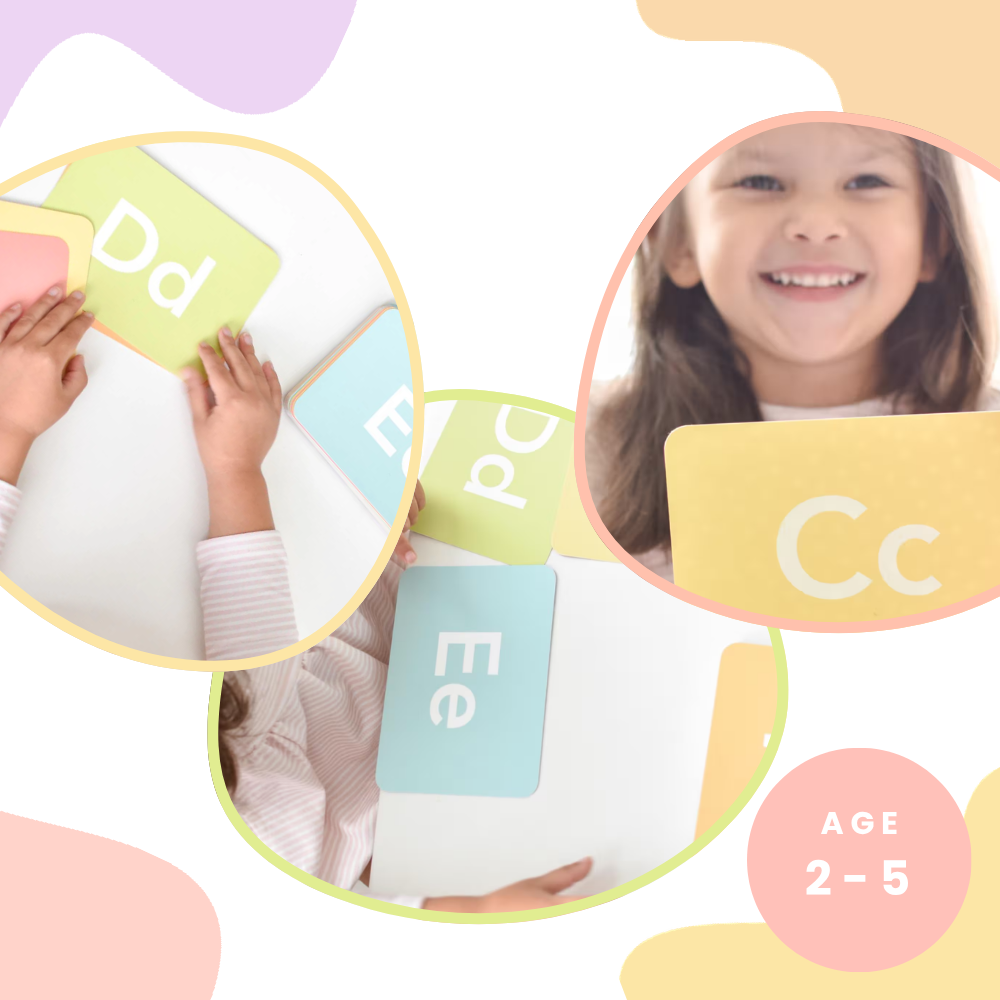
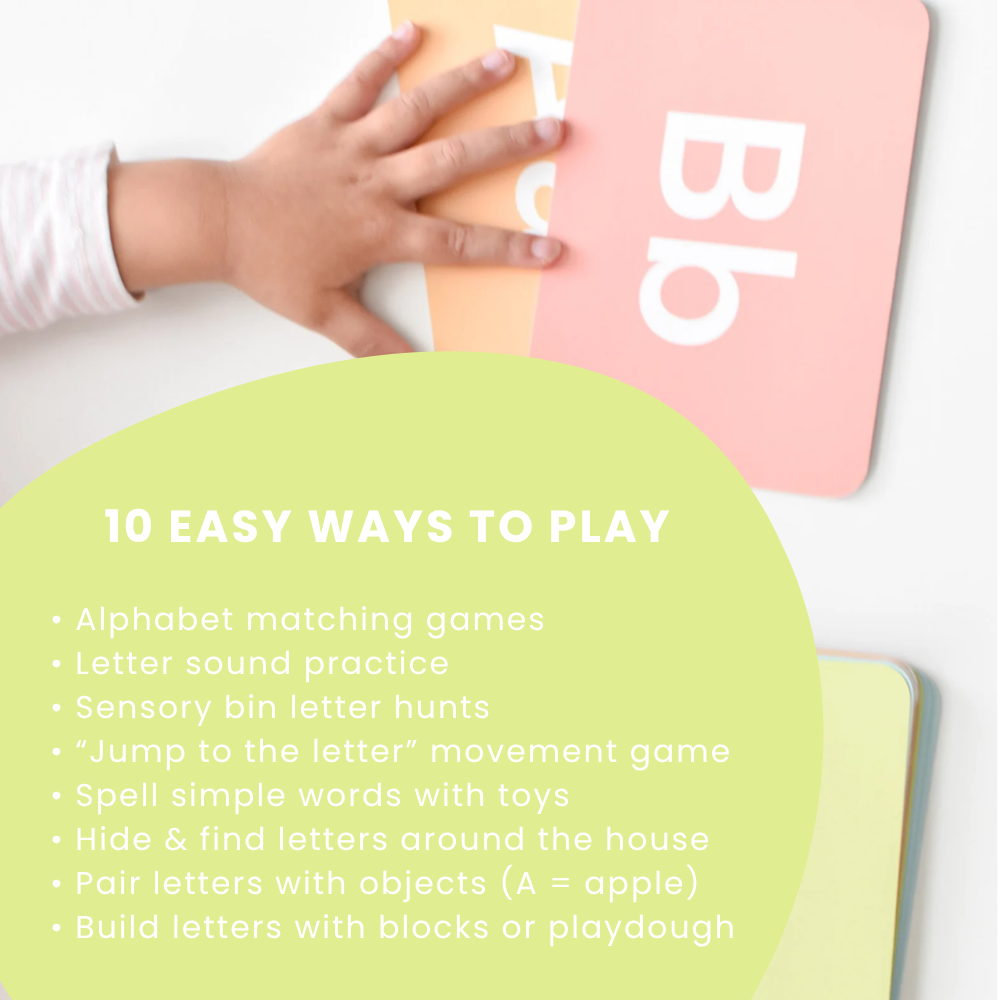
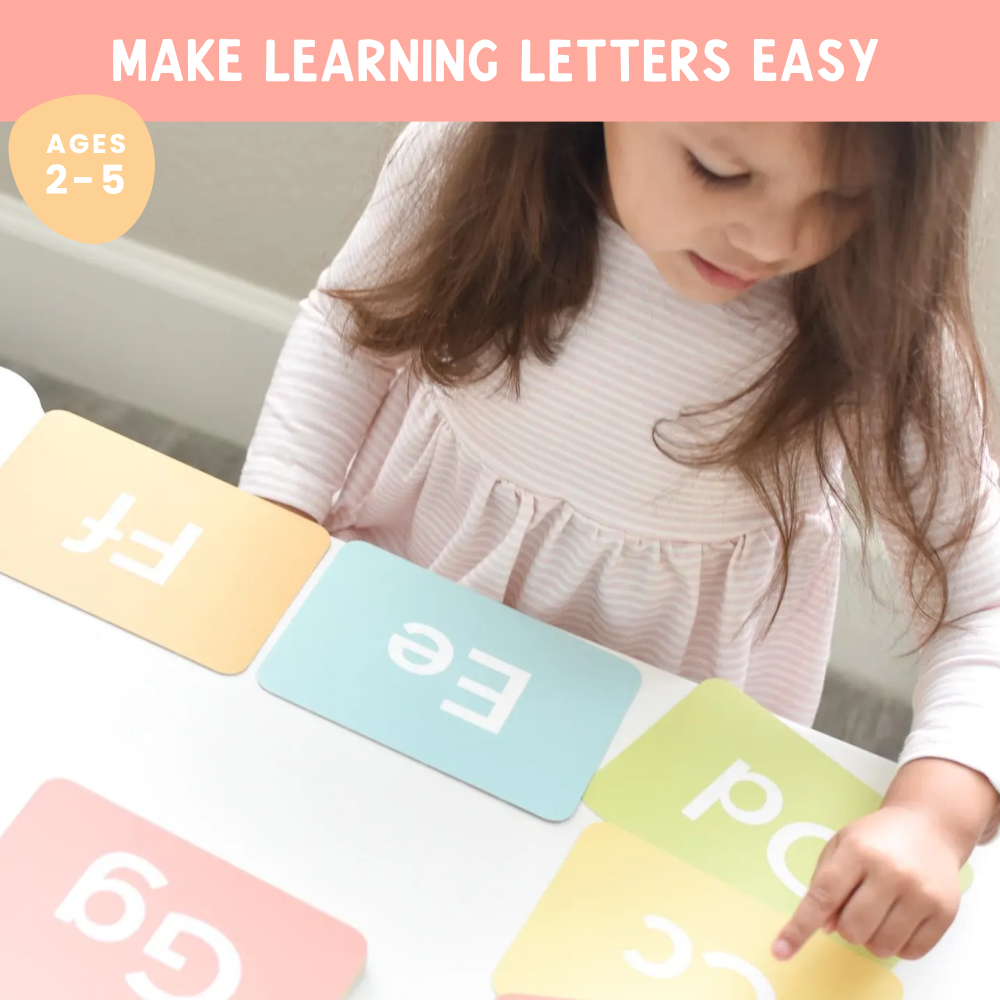
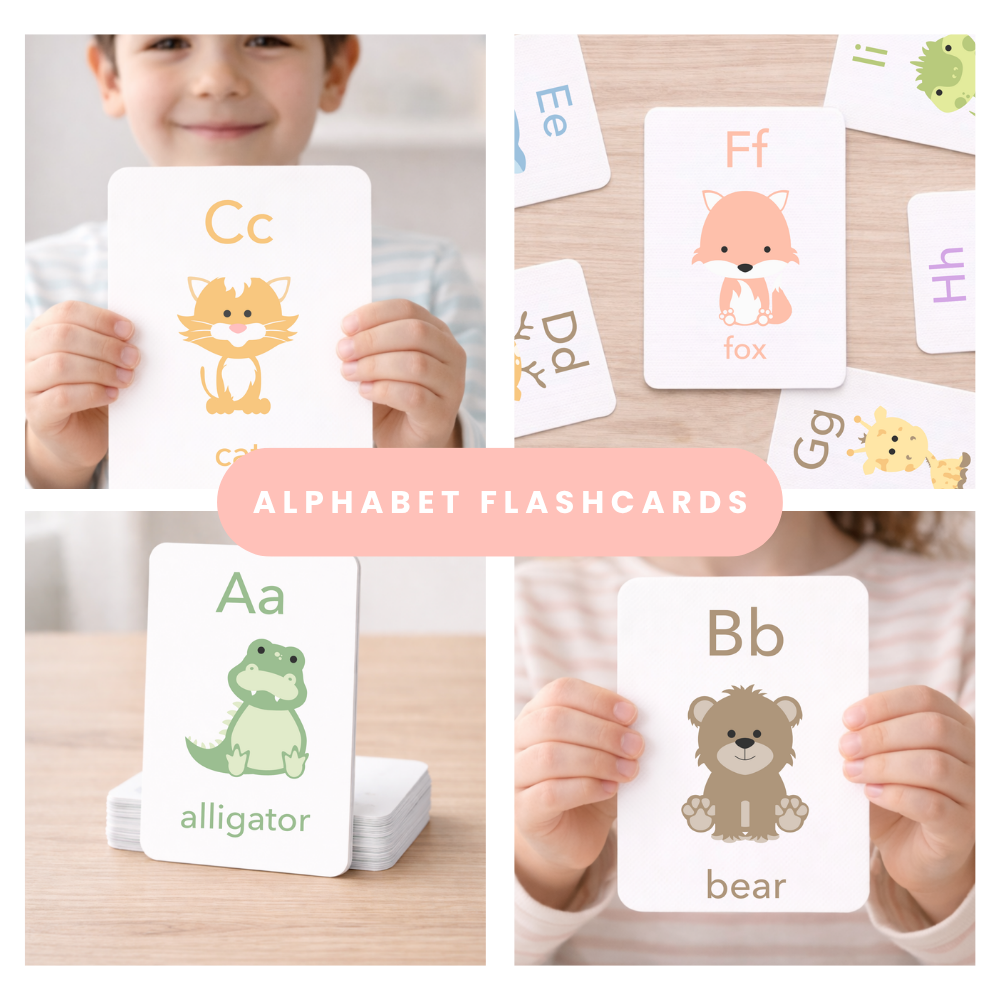
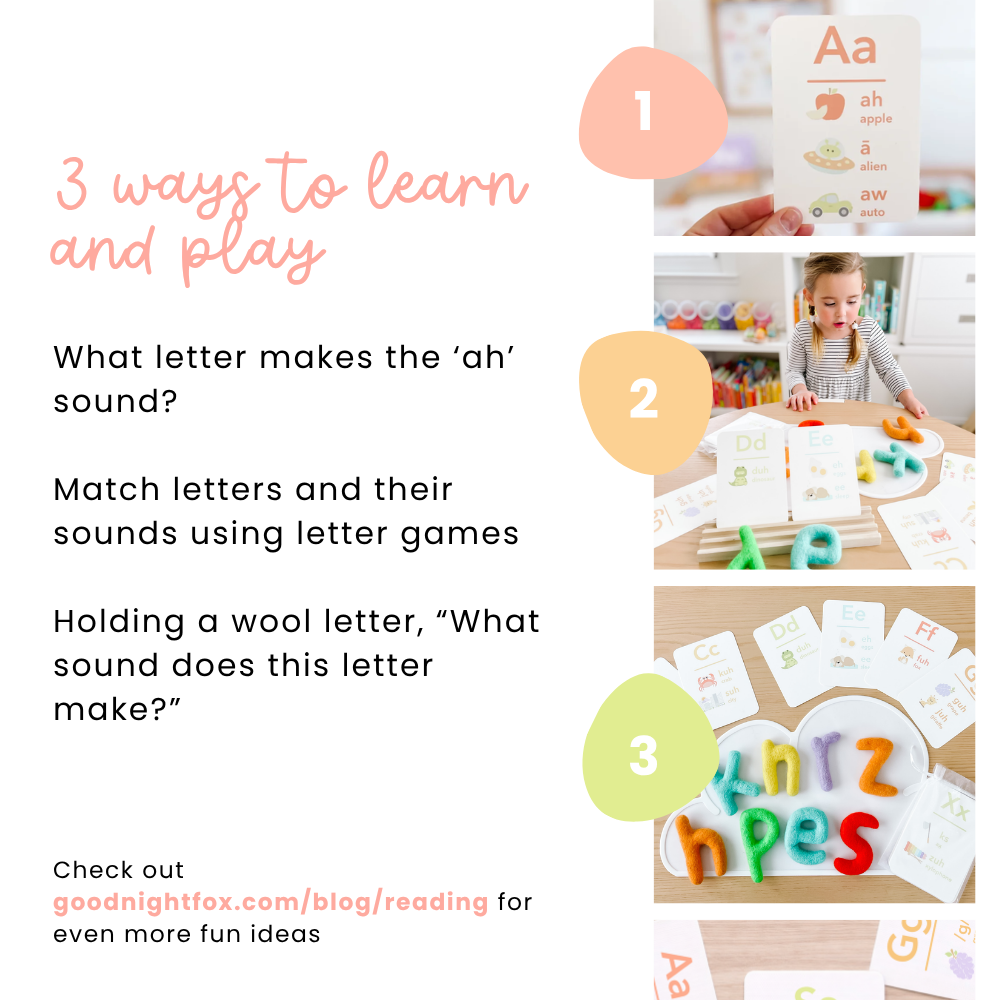
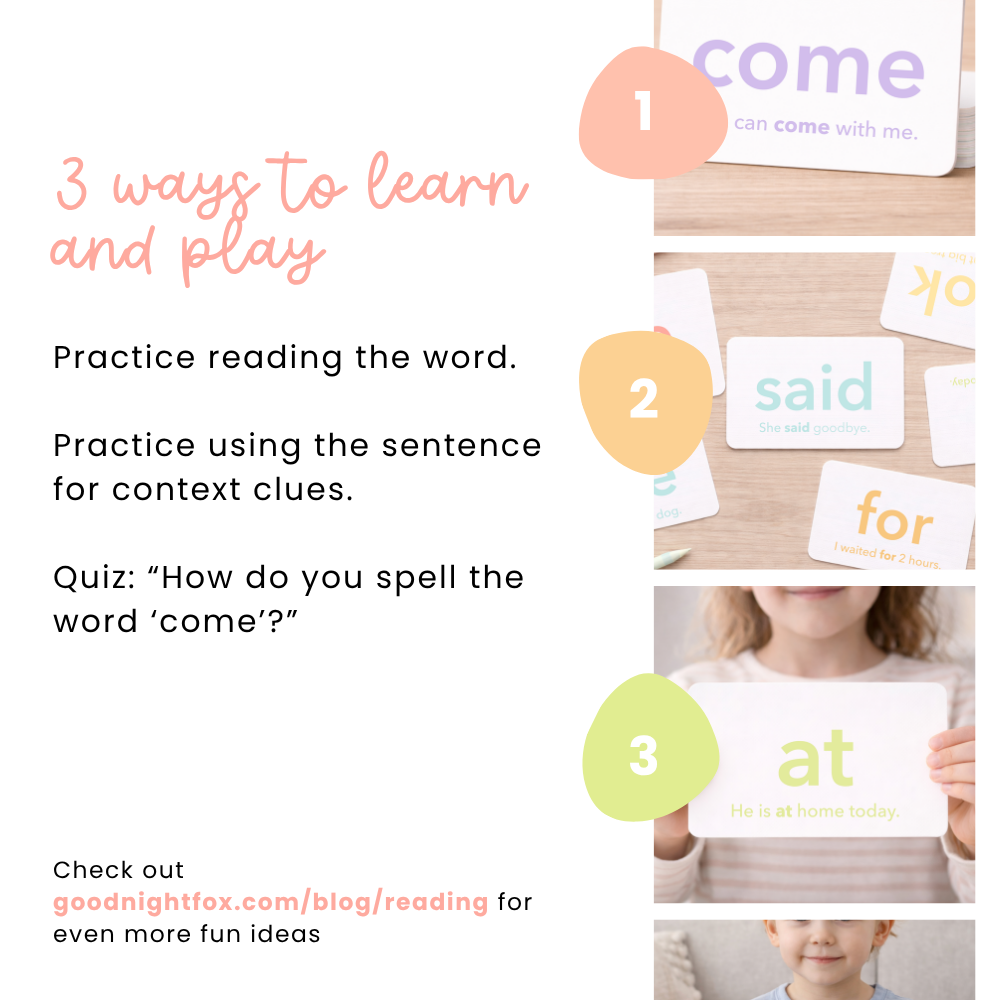
GoodnightFox alphabet flashcards shown in playful learning activities for ages two to five

LEARNING THROUGH PLAY

Flashcards Do Not Have to Feel Like a Quiz

The cards are most effective when they become part of a game, sensory invitation, movement activity or conversation—not when a child is asked to sit through an entire stack.

Alphabet matching games Letter-sound practice Sensory-bin letter hunts “Jump to the letter” movement games Build letters with blocks or play dough Hide and find cards around the house Pair letters with familiar objects Build simple CVC words Match rhyming pairs Search for sight words inside books
Three playful ways to learn letters using movement, building and body shapes

LATER IN THE JOURNEY

Adding Sight Words Without Abandoning Phonics

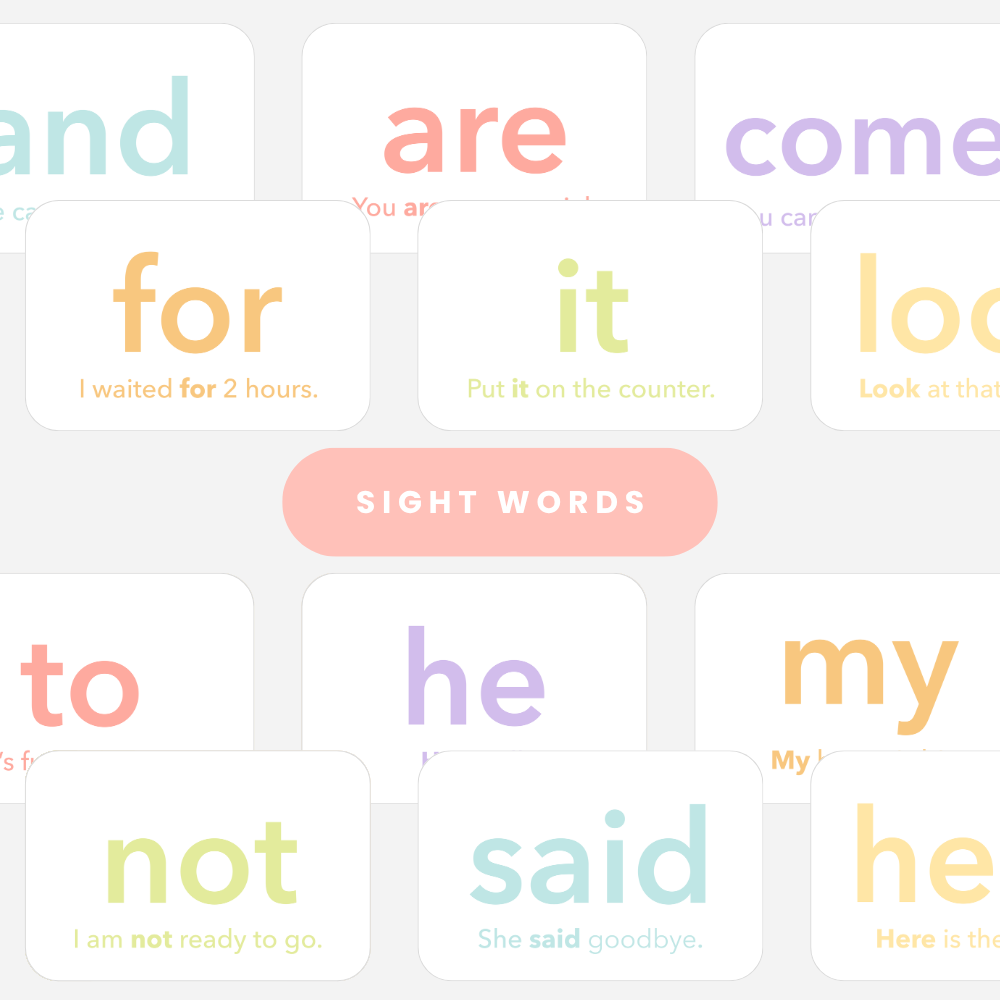
Sight-word practice should support phonics rather than replace it. Children can learn to recognize frequently encountered words while still sounding out unfamiliar words and studying how letters work together.

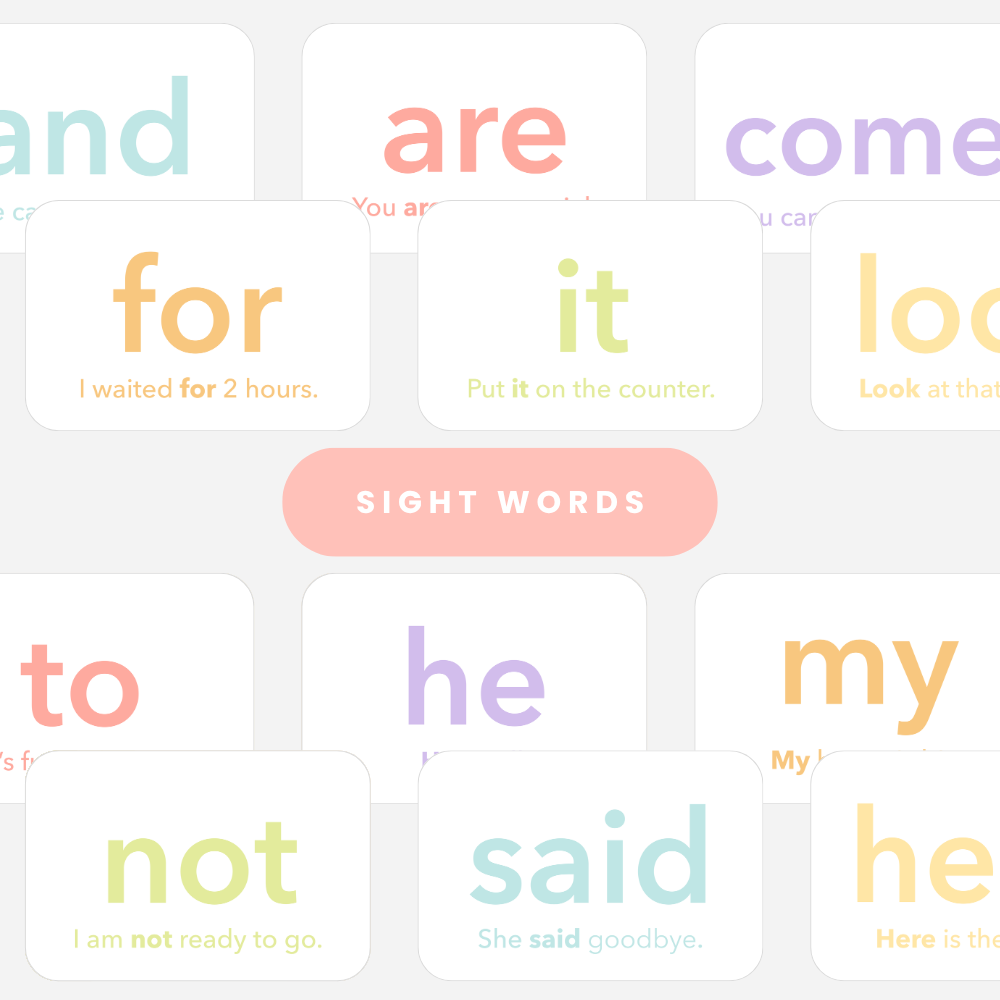
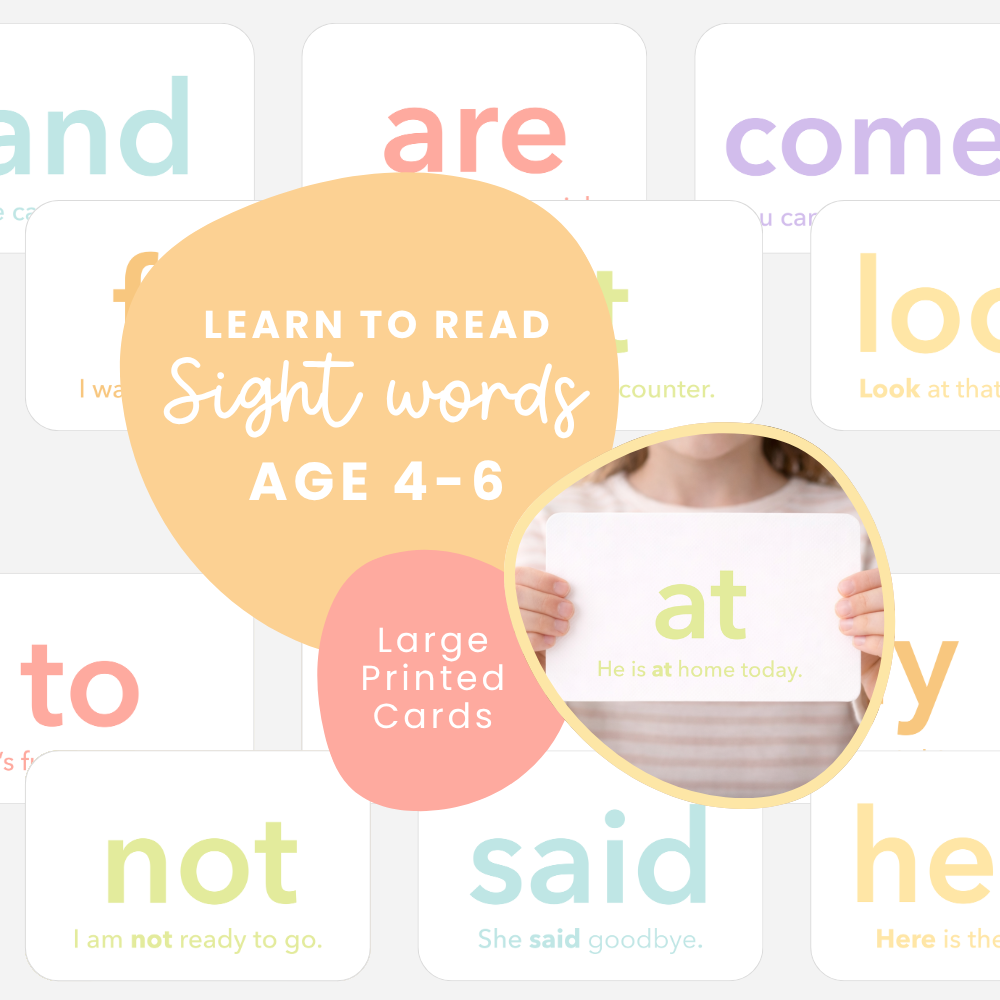
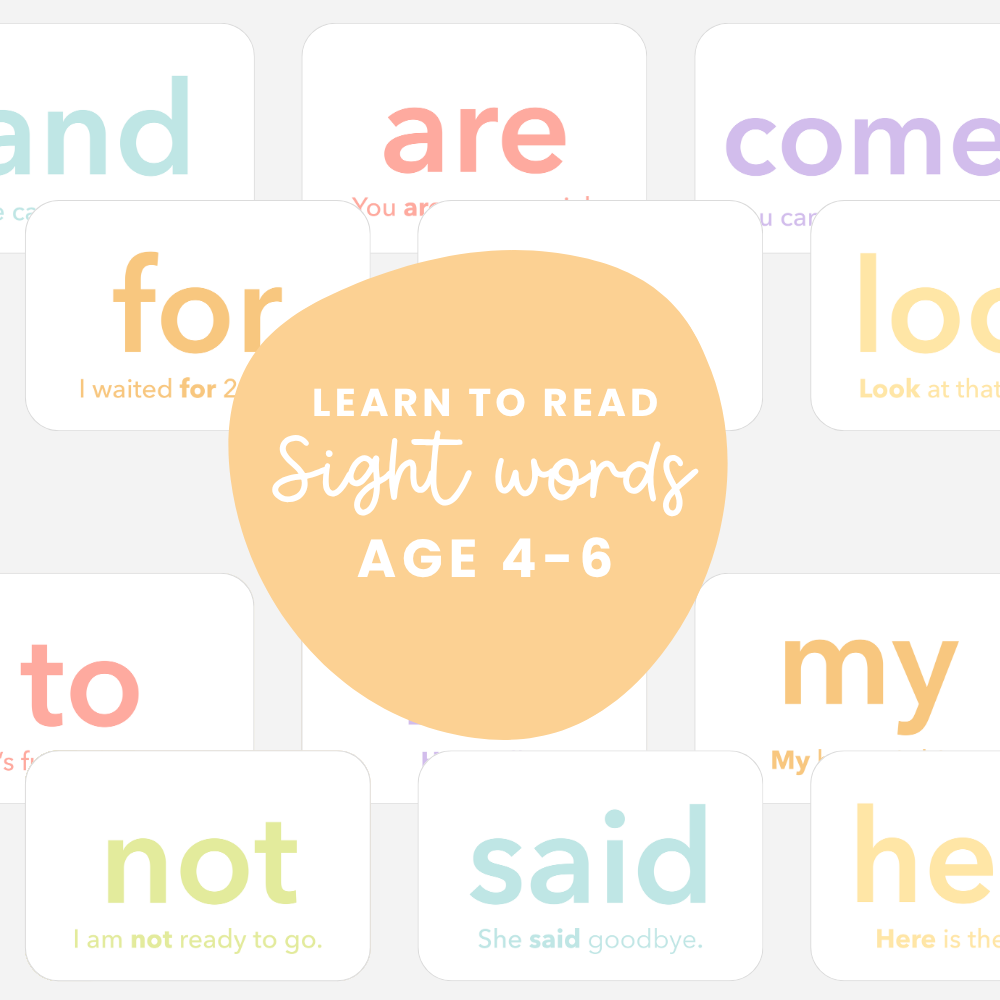
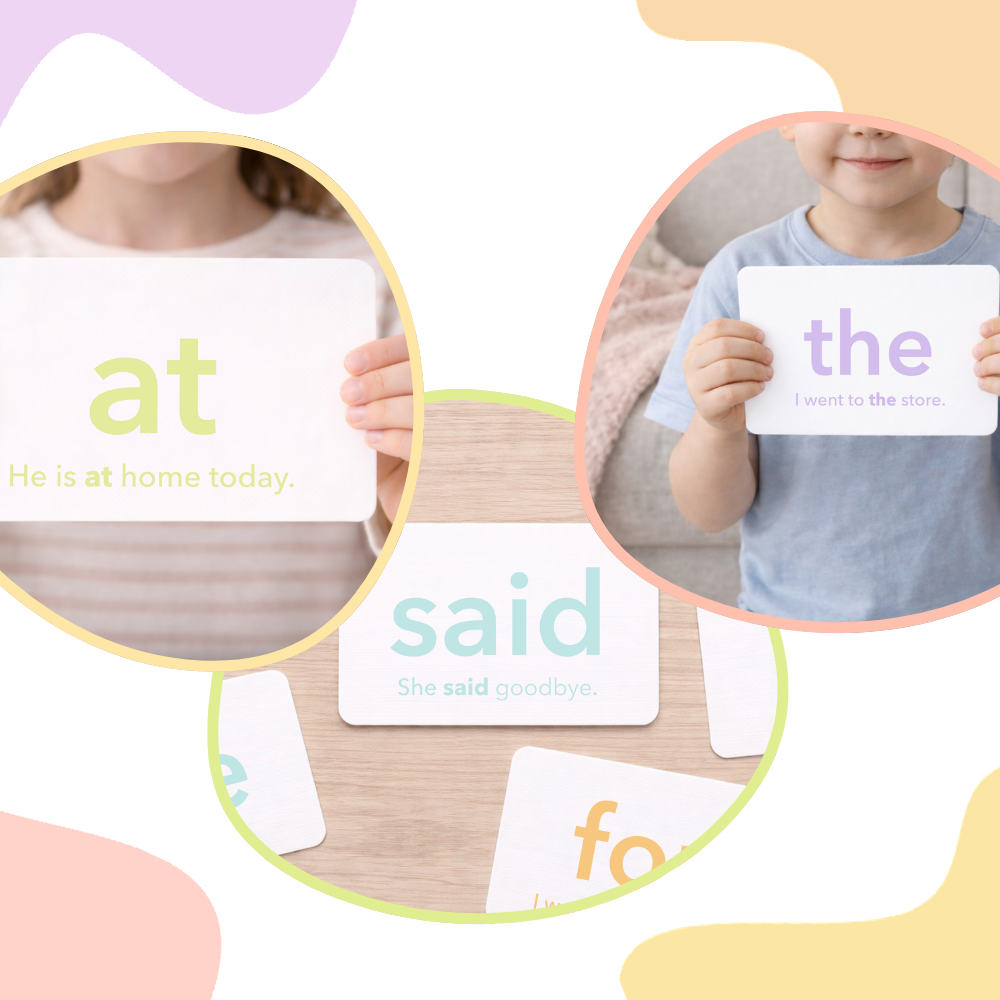
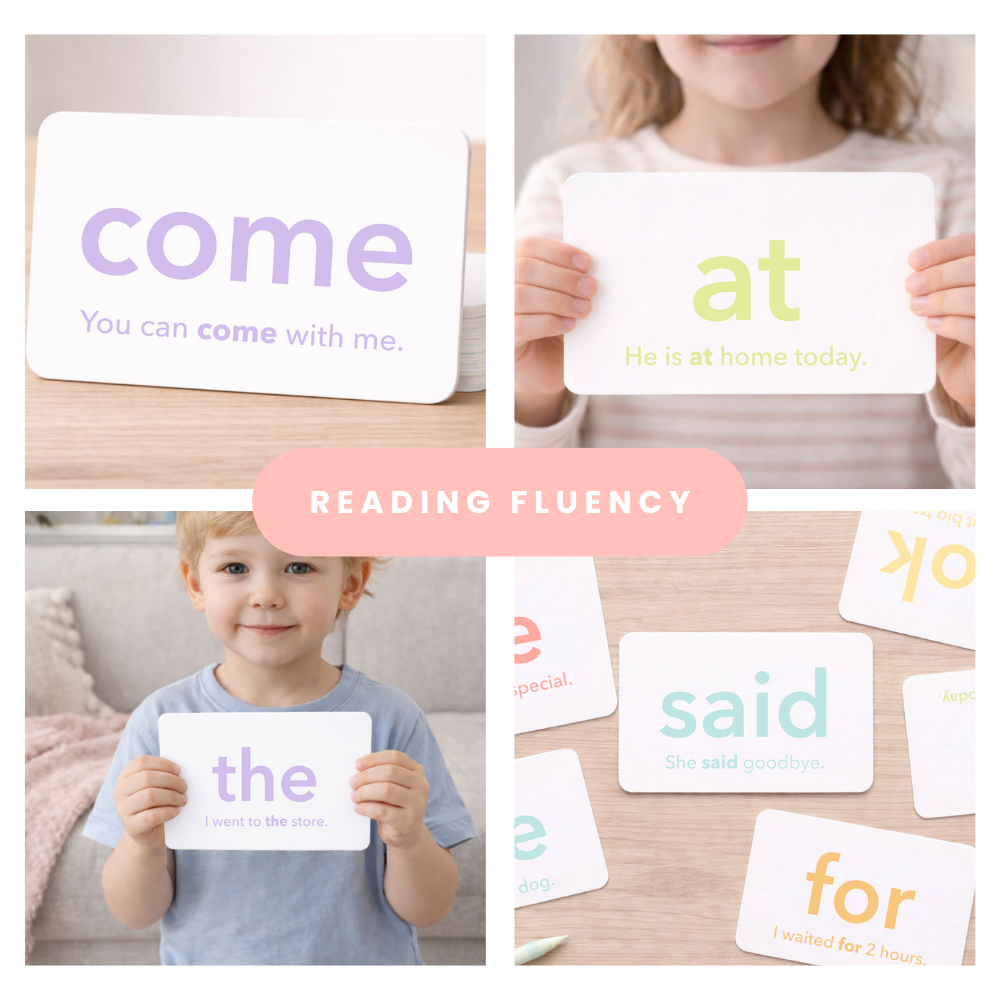
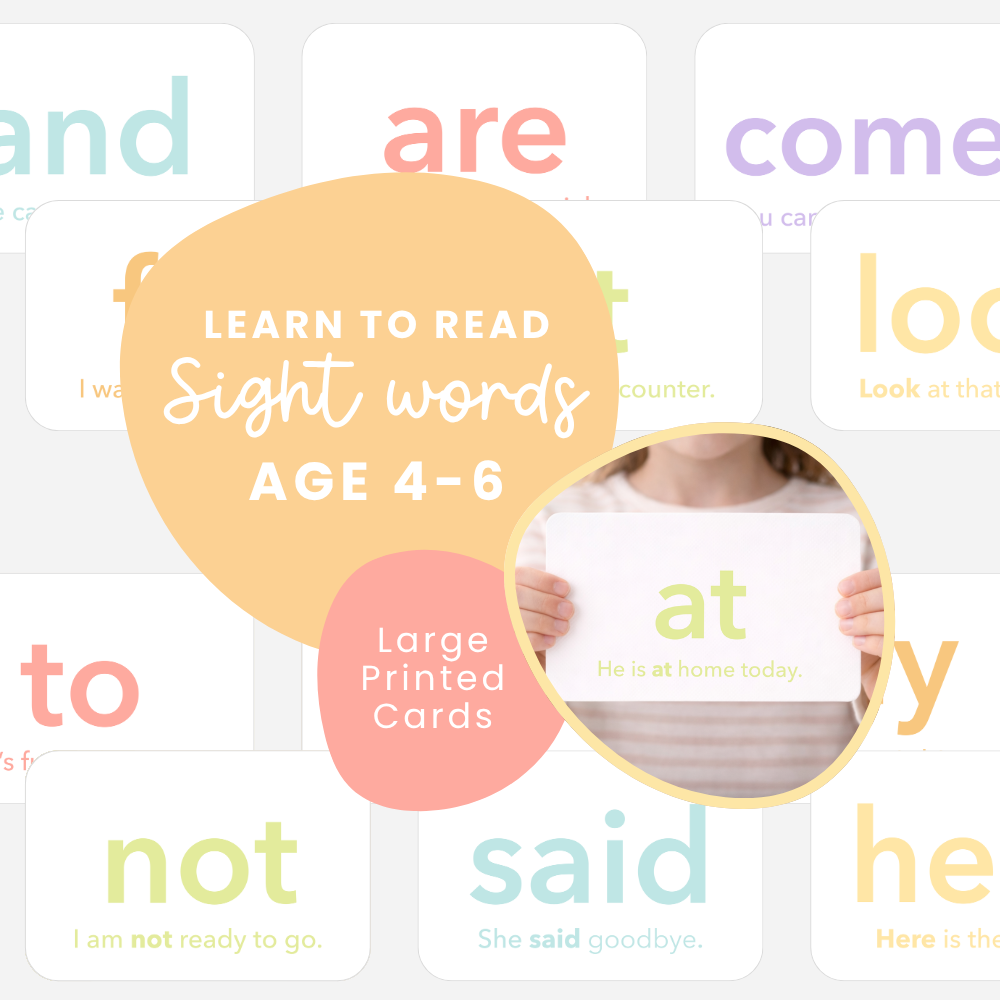
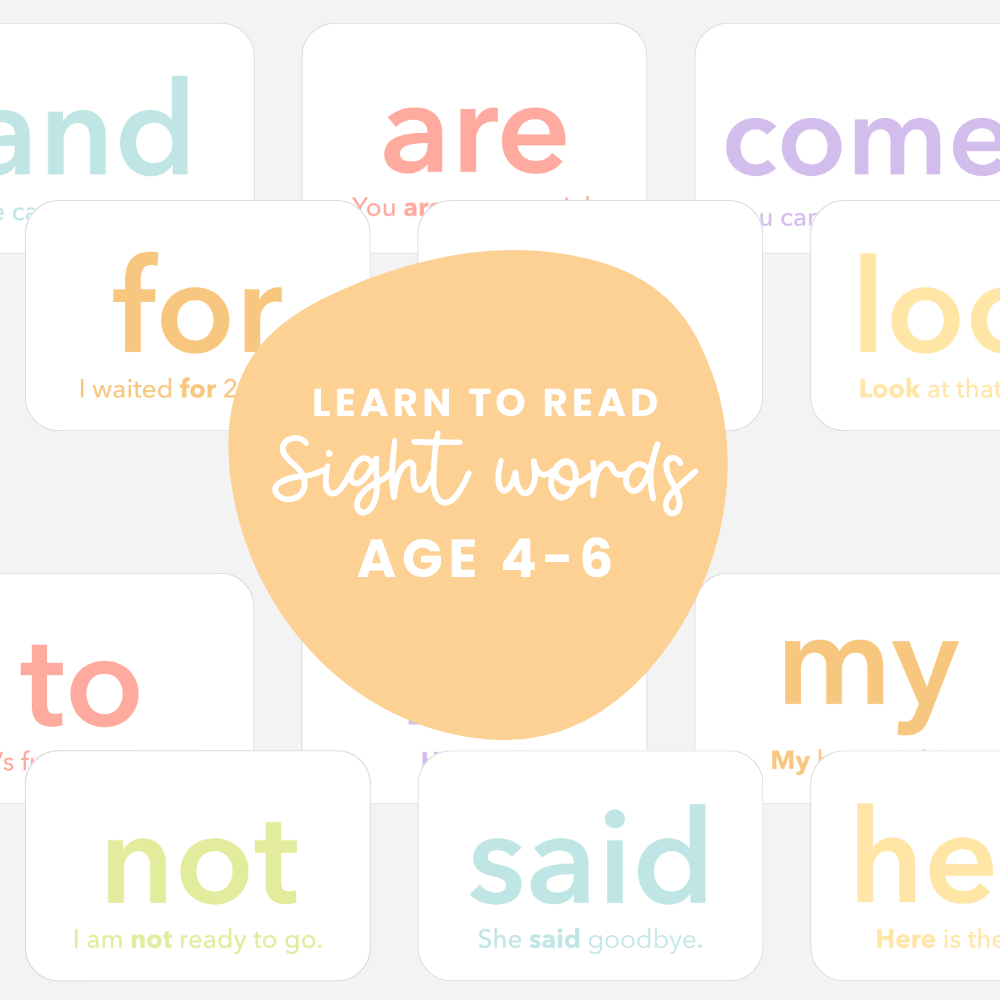
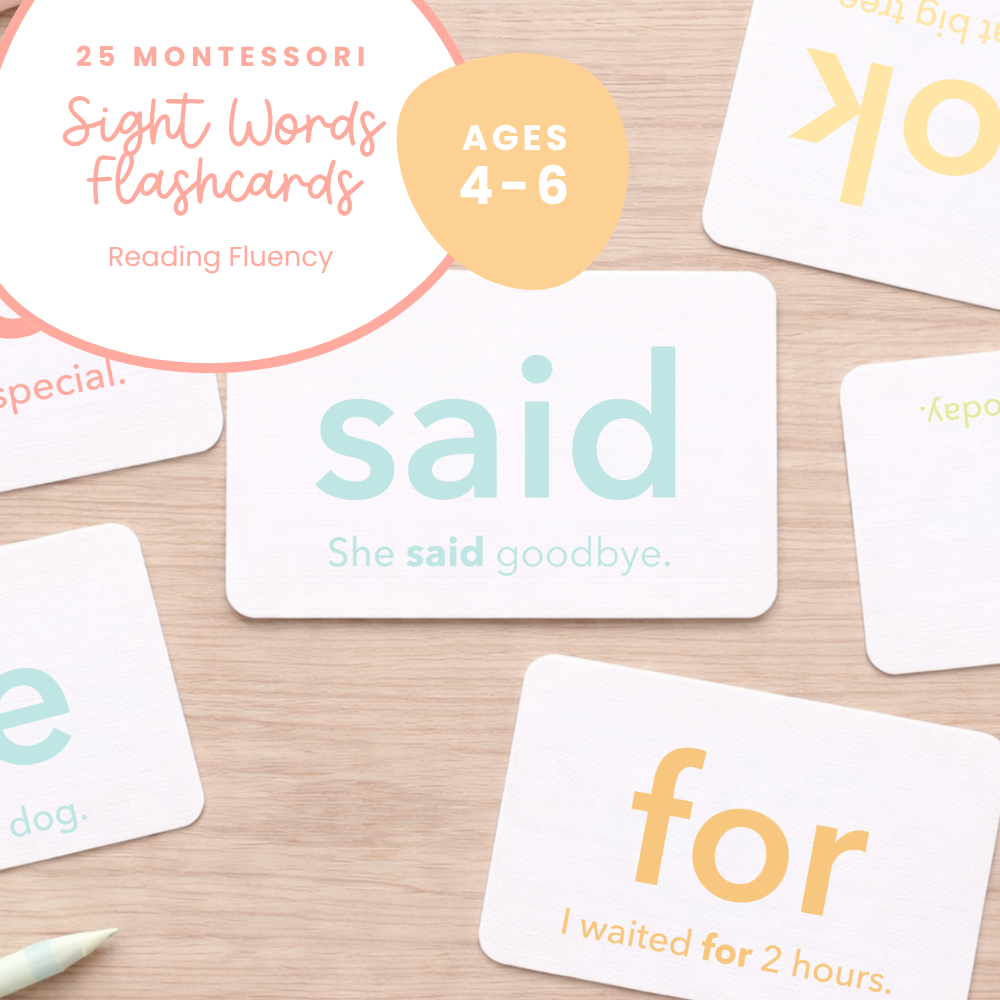
GoodnightFox sight-word flashcards used during early reading practice Pastel GoodnightFox sight-word flashcards Hands-on sight-word learning with GoodnightFox flashcards
Physical GoodnightFox Reading Flashcards Bundle

THE COMPLETE HANDS-ON SYSTEM

Support Every Step of Their Early Reading Journey

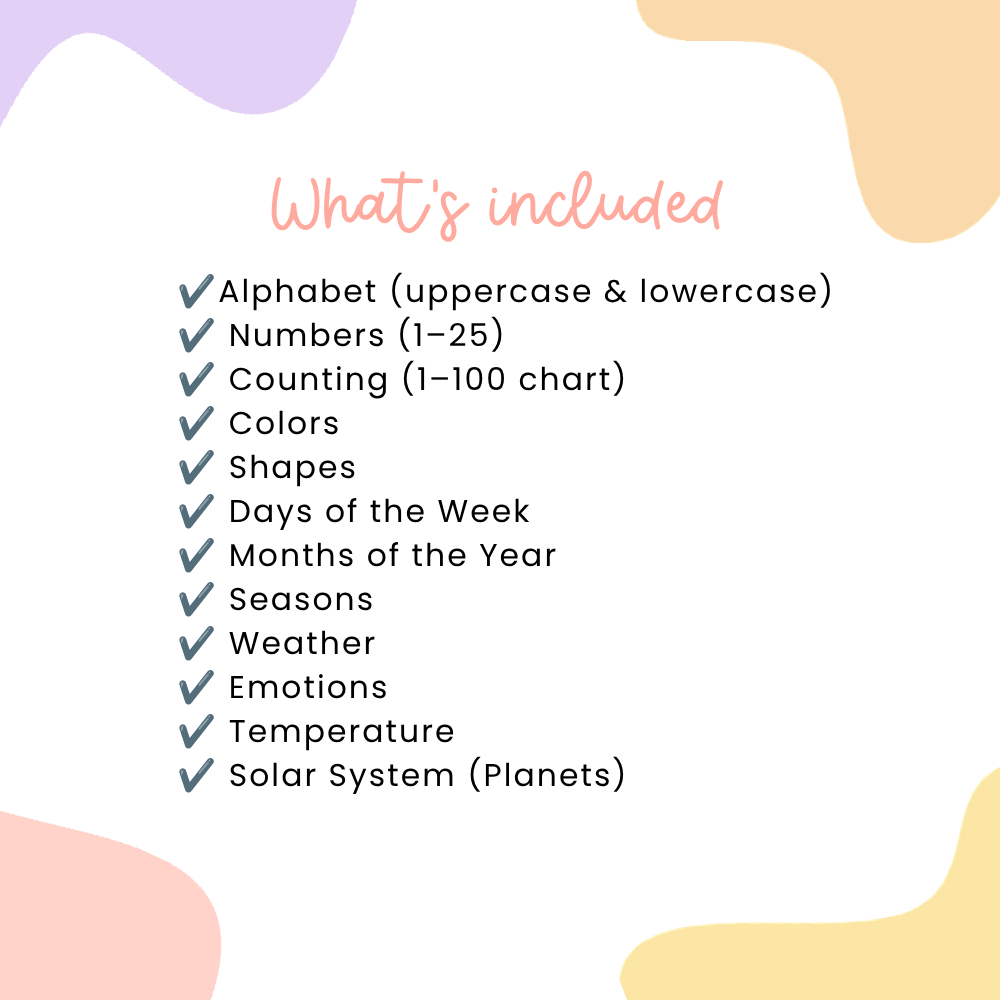
The free cheat sheet gives you a reference for teaching letter sounds. The physical Reading Flashcards Bundle gives your child coordinated, reusable tools for practicing the skills that come before and after phonics.

Alphabet Letters Uppercase and lowercase recognition
Phonics Letter Sounds Clear picture and sound associations
Digraphs Common two-letter sound patterns
Rhyming Words Shared endings and sound awareness
Sight Words Frequently encountered early-reading words
CVC Skill Building Practice blending simple short-vowel words
  • Physical, professionally printed flashcards
  • Designed for early learners approximately ages 3–6
  • Use in sensory bins, morning baskets and homeschool preschool
  • Supports multiple stages of the reading journey
Explore the Physical Reading Bundle Prefer to print at home? See the printable version →

A CALMER WAY TO PRACTICE

Common Questions From Parents

“My child will not sit for flashcards.”

They do not need to. Hide cards, spread them across the floor, use only two at a time or combine them with movement and sensory play.

“I am worried I will teach the sounds incorrectly.”

Keep the free phonics cheat sheet nearby and begin with the primary sound shown.

“My child knows the alphabet but is not reading.”

Letter recognition is one stage. Continue building sound awareness, blending, rhyme and word-pattern knowledge.

“We already own alphabet cards.”

The Reading Bundle supports the skills that come after basic alphabet recognition, including phonics, digraphs, rhyme and sight words.

NOT READY FOR THE BUNDLE?

Start With One Sound Today

Download the free reference, practice for a few playful minutes and return to the Reading Journey whenever you are unsure what comes next.

Get the Free Cheat Sheet

Keep the phonics fun going

Ready for the next step? These pair perfectly with the activities above:

PHONICS FAQ

PHONICS FAQ

Questions Parents Commonly Ask

What age should I begin teaching phonics?

Many children begin noticing letters and sounds during the preschool years. Follow your child’s interest and keep practice playful and pressure-free.

Should I teach letter names or sounds first?

Children can learn both. The name identifies the letter symbol, while the sound explains how the letter functions inside words.

Which sound should I teach first?

Begin with a common, easy-to-hear sound. Use the phonics cheat sheet as a practical reference for primary and secondary sounds.

How long should phonics practice last?

Three to five focused minutes can be plenty for a young child. Stop before the activity becomes frustrating.

Does my child need to learn letters alphabetically?

No. You can begin with the letters in your child’s name, follow their interests or use a structured progression.

Are sight words a replacement for phonics?

No. Sight words can be practiced alongside phonics, but children still need to learn how letters and sounds work together.

What are digraphs?

Digraphs are two letters that work together to represent one sound, such as sh, ch and th.

When should we begin CVC words?

Begin simple blending once your child knows several common letter sounds and can hear individual sounds inside short words.

Are the Reading Bundle cards physical or printable?

The primary Reading Flashcards Bundle is a physical product. A separate printable version is also available.

START WHERE YOU ARE

One Sound Today Can Become One Word Tomorrow

Begin with the free parent reference. Practice for a few playful minutes. When your child is ready for the next stage, use the Reading Bundle to continue building.

Teaching your toddler letter sounds shouldn’t feel overwhelming… but for many parents, it does.
If you’ve ever sat down to teach the alphabet and thought:

  • “Why does letter A make so many sounds?”

  • “What do I actually teach first?”

  • “Am I doing this right?”

You’re not alone — and that’s exactly why I created a super simple Phonics Cheat Sheet that breaks everything down in a clear, visual way.

Before you dive in, grab the FREE printable phonics cheat sheet below — it’s the perfect quick-reference guide for teaching letter sounds the stress-free way.


Why Phonics Matters for Toddlers

Phonics is the foundation of early reading. When toddlers learn letter sounds, they’re building:

  • Early decoding skills

  • Sound awareness (phonemic awareness)

  • Confidence with letters

  • The ability to blend sounds later

This is one of the biggest predictors of future reading success — and starting early (in a playful, low-pressure way!) makes all the difference.


The Problem Most Parents Run Into

Letters don’t just make one sound.
For example:

  • A → /a/ /ā/ /ah/

  • C → /k/ /s/

  • G → /g/ /j/

It’s no wonder parents feel unsure about teaching phonics at home.

That’s why I designed the Phonics Cheat Sheet — it lists every common letter sound in a toddler-friendly format that matches how you’ll teach them in preschool and kindergarten.

💡 Pro Tip: Keep the cheat sheet on your fridge or in your homeschool binder for quick reference during activities.


How to Teach Letter Sounds (The Easy Way)

1. Start with the most common sound
Each letter has multiple sounds, but toddlers should begin with the one they’ll use most often. The free cheat sheet highlights these clearly.

2. Use real objects and sensory play
Examples:

  • Hide objects that begin with /b/ in a sensory bin

  • Make letter-sound “scooping” stations

  • Use playdough to form letters while saying the sound

3. Keep practice short and playful
Think: 3–5 minutes of focused phonics paired with hands-on fun.

4. Repeat sounds often and casually
Point out letter sounds while cooking, driving, reading — the more repeated exposure, the better.


Free Phonics Cheat Sheet (Must-Have for Toddler Learning!)

This printable includes:

  • The most common sound for every letter

  • Secondary sounds parents often forget

  • A toddler-friendly layout that builds confidence

  • Beautiful pastel illustrations that make learning feel fun

  • A quick-reference tool you can use with ANY activity


Want to Take Phonics Further? Try the Letter Sounds Flashcards

If your toddler loves hands-on learning, my Letter Sounds Flashcards are the perfect companion to the cheat sheet. They help toddlers:

  • Practice sounds through play

  • Match objects to beginning sounds

  • Build fine motor skills through sorting, matching, and sensory play

  • Gain confidence before preschool or kindergarten

Parents tell me all the time how these cards completely transformed their reading routine — making it something their child asks to do.

✨ After downloading the cheat sheet, keep an eye on your inbox.
I’ll send you a few playful phonics activities + an exclusive discount on the physical flashcards.


Playful Ways to Practice Phonics at Home

Here are easy, low-prep ideas that work with the cheat sheet and flashcards:

  • Sensory sound hunt — hide cards or objects that begin with the same sound in a sensory bin

  • Letter sorting tray — match picture cards to their beginning letter

  • Sound hop — place letters on the floor and let your toddler hop to the sound you call

  • Mini sound stations — set up 3 baskets labeled with letters and let your toddler sort objects

These are the kinds of activities that make learning feel like PLAY — and get those little neurons firing.


Ready to Make Phonics Simple?

Download your free cheat sheet below and start feeling confident teaching letter sounds — in minutes.


5 New Fall Autumn Themed Sensory Play Ideas

Tired of the typical fall sensory bins? Need to slice it up with something simple yet fun? Check out these creative ideas for new sensory table fun that’s fit for fall. Pin this post to save all of these ideas for later!

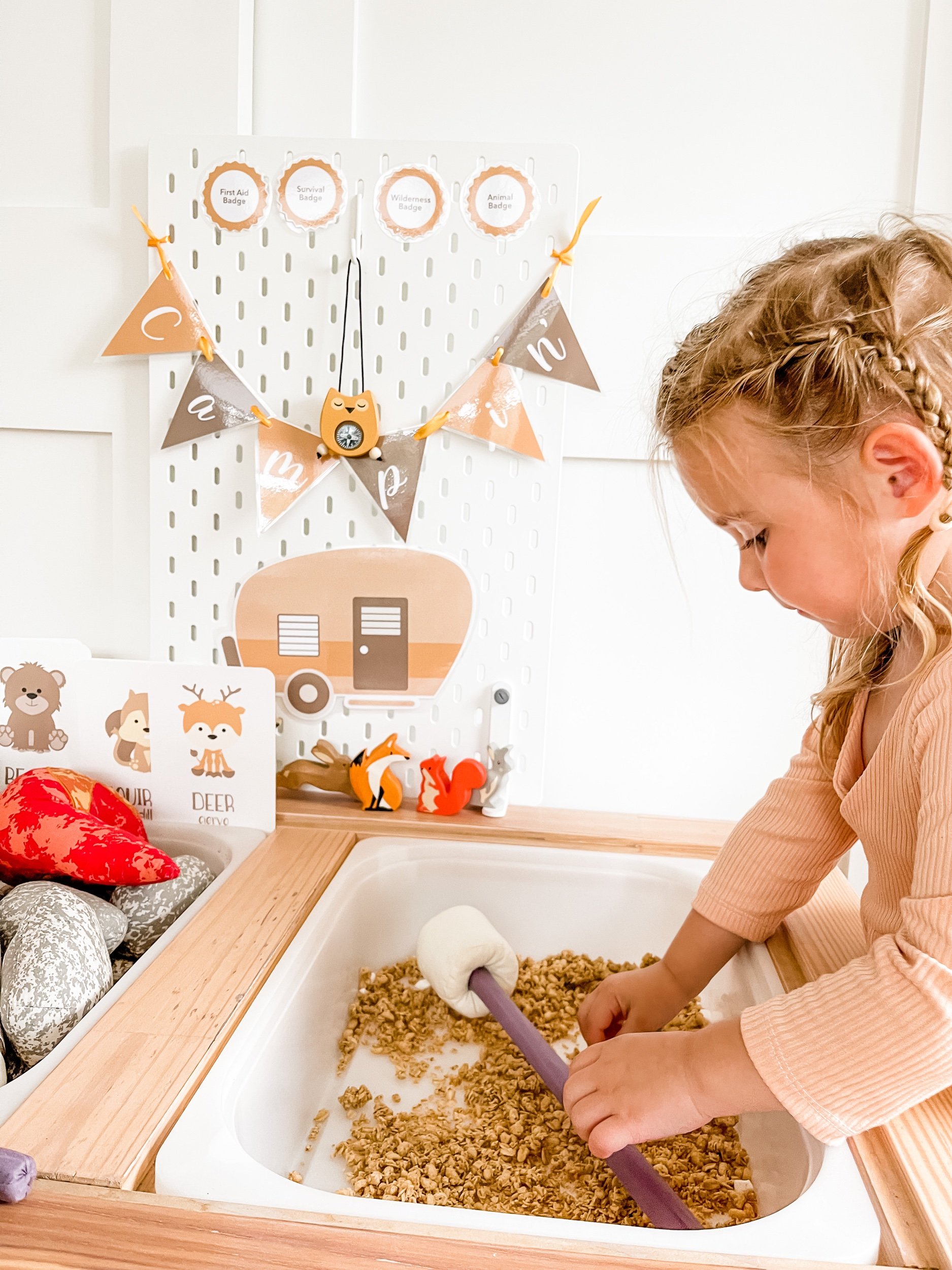
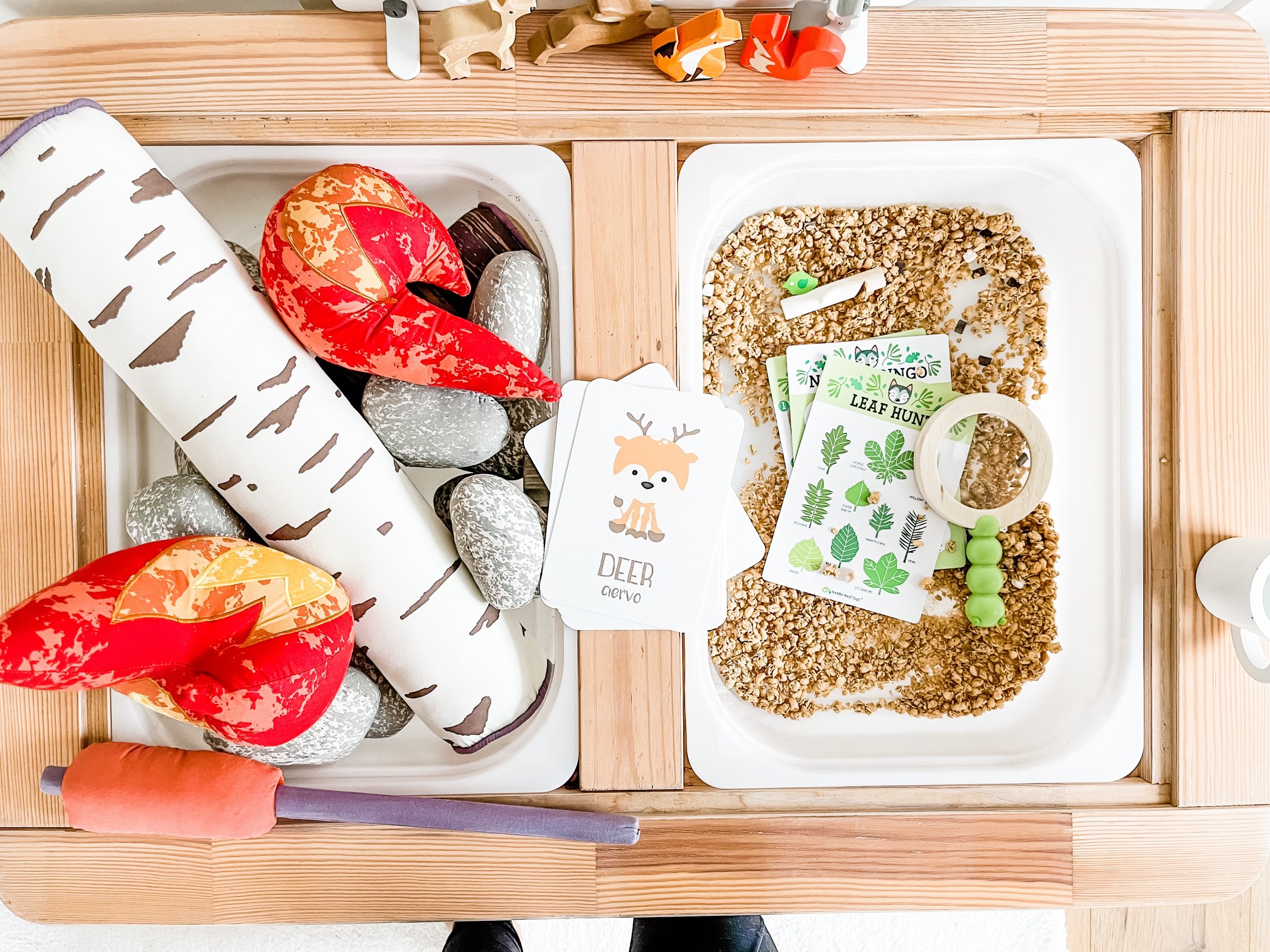
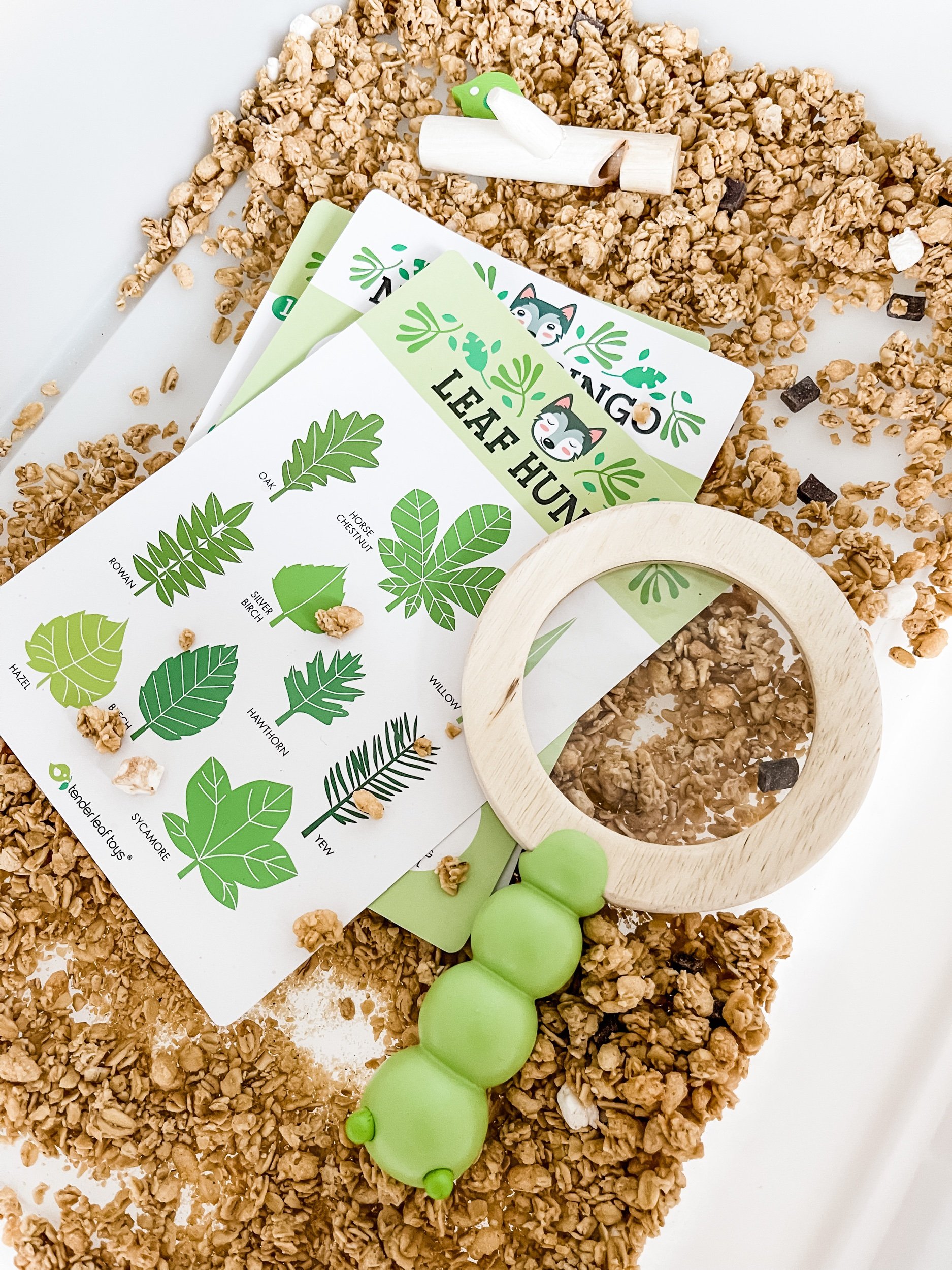
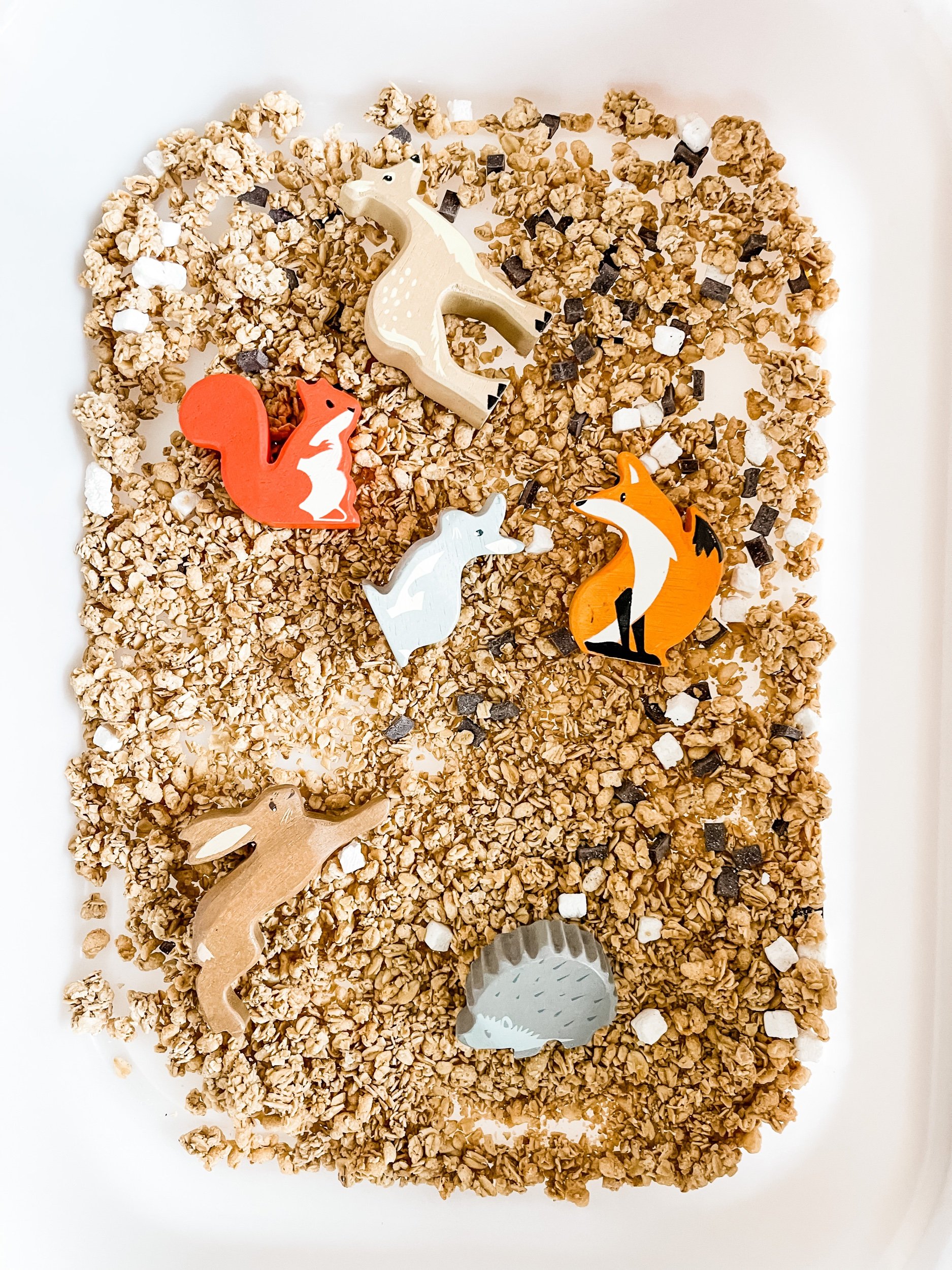
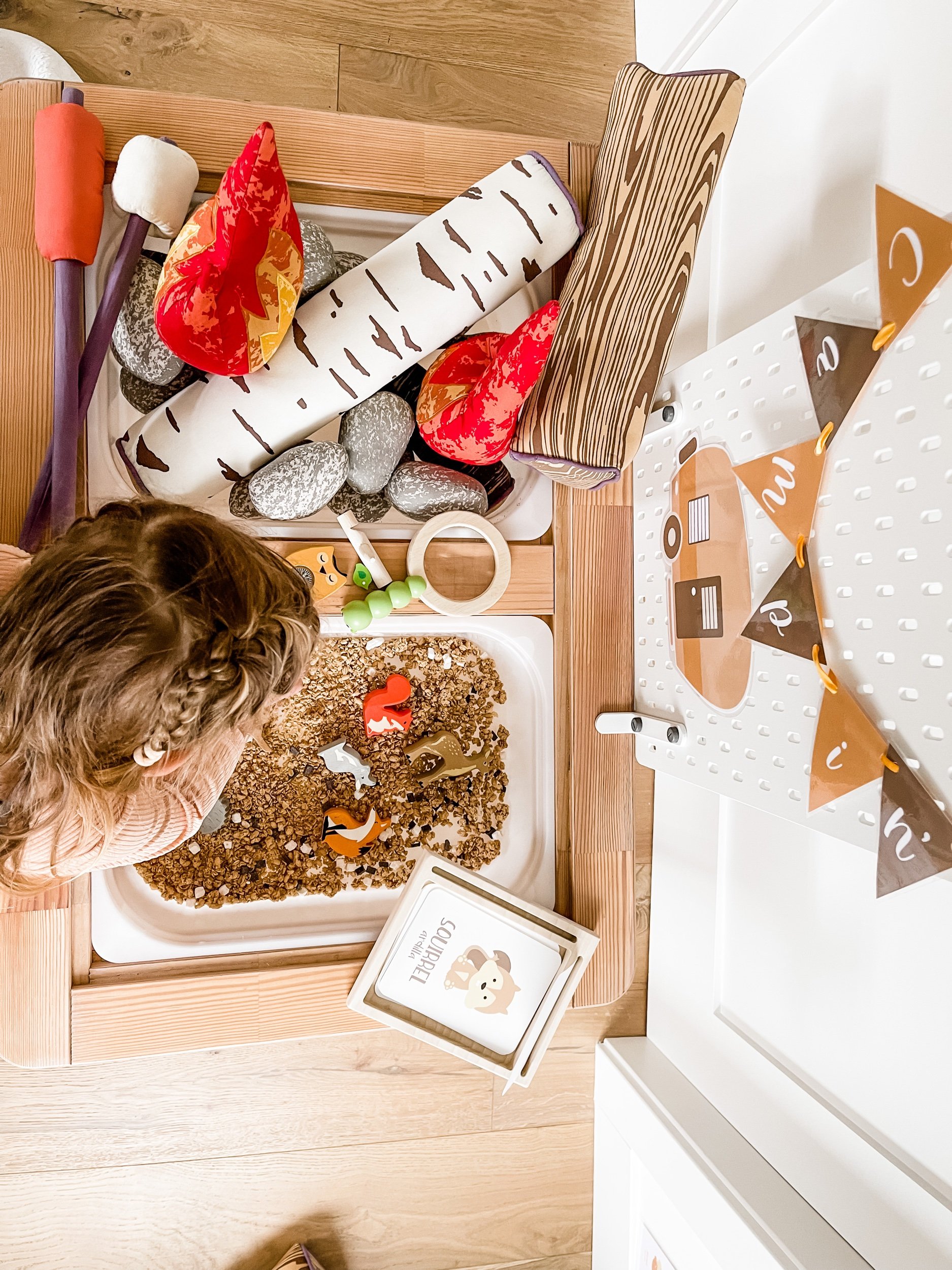
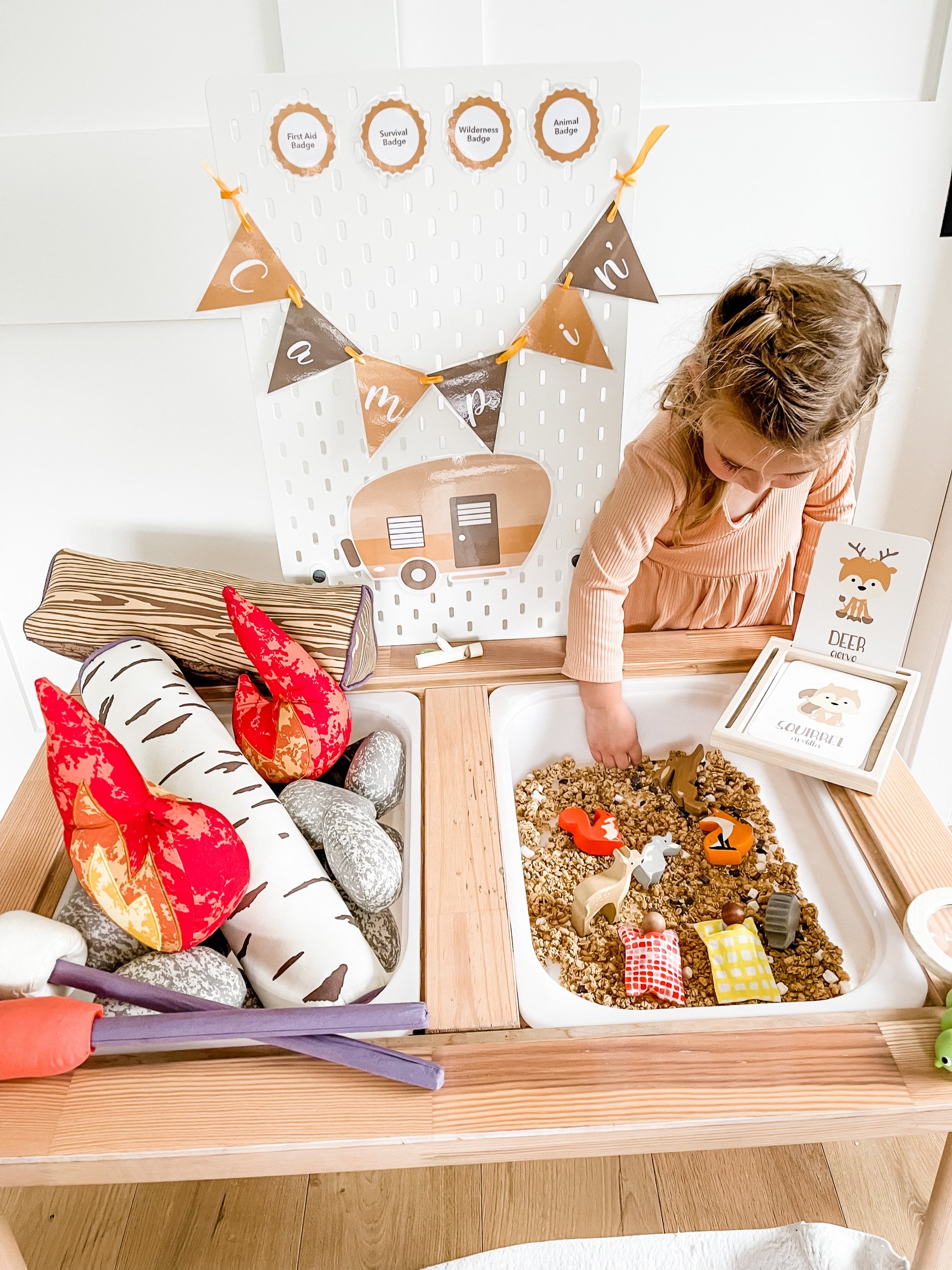
First up we have this awesome fall themed camping setup complete with camping printables from Goodnightfoxstudio.etsy.com, camping adventure toys from @tenderleaftoys, and a pretend play campfire kit from @crateandkids. Sofie loves to snack and play so we paired this setup with some yummy s’mores granola which was a total hit.

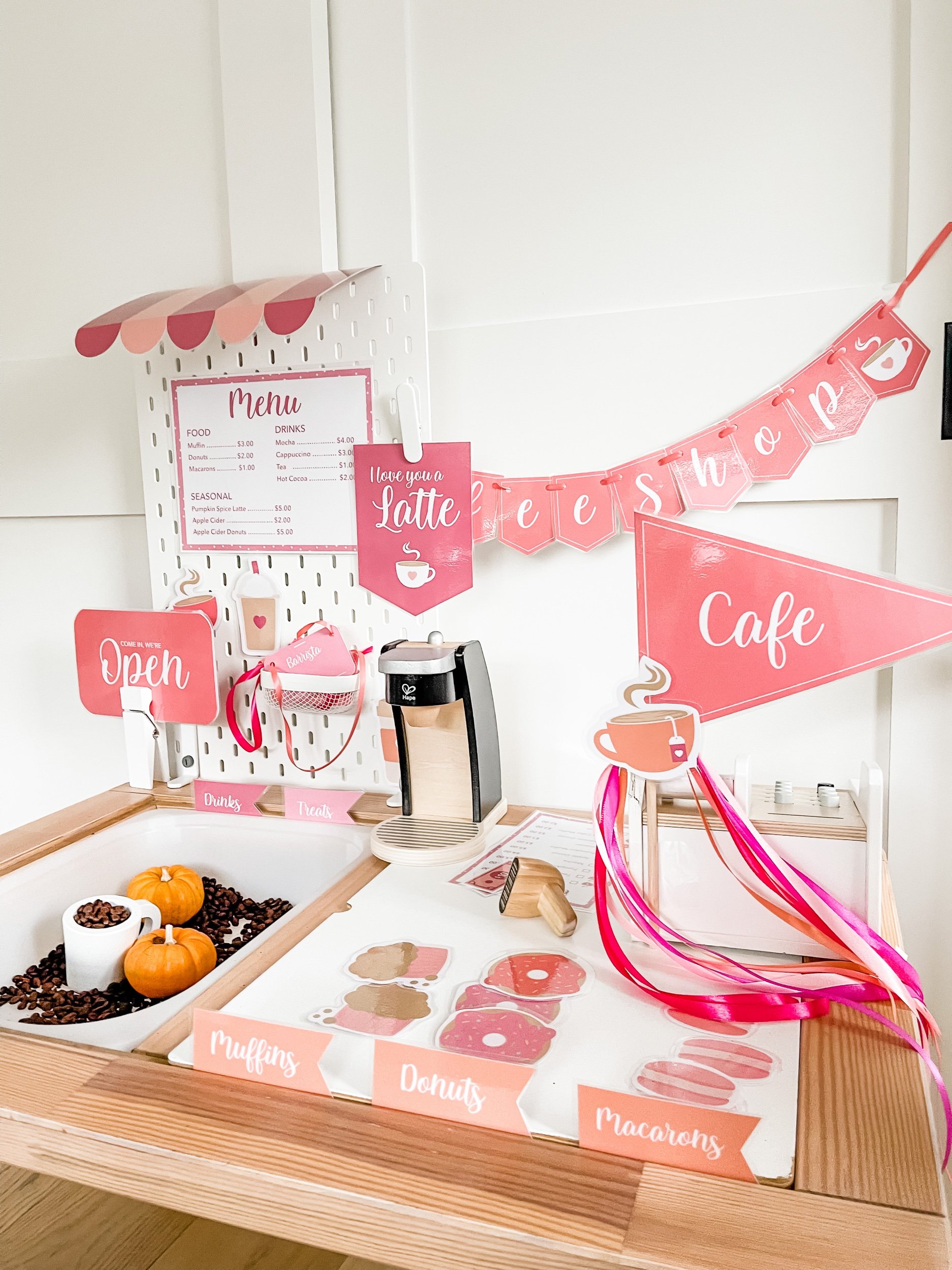
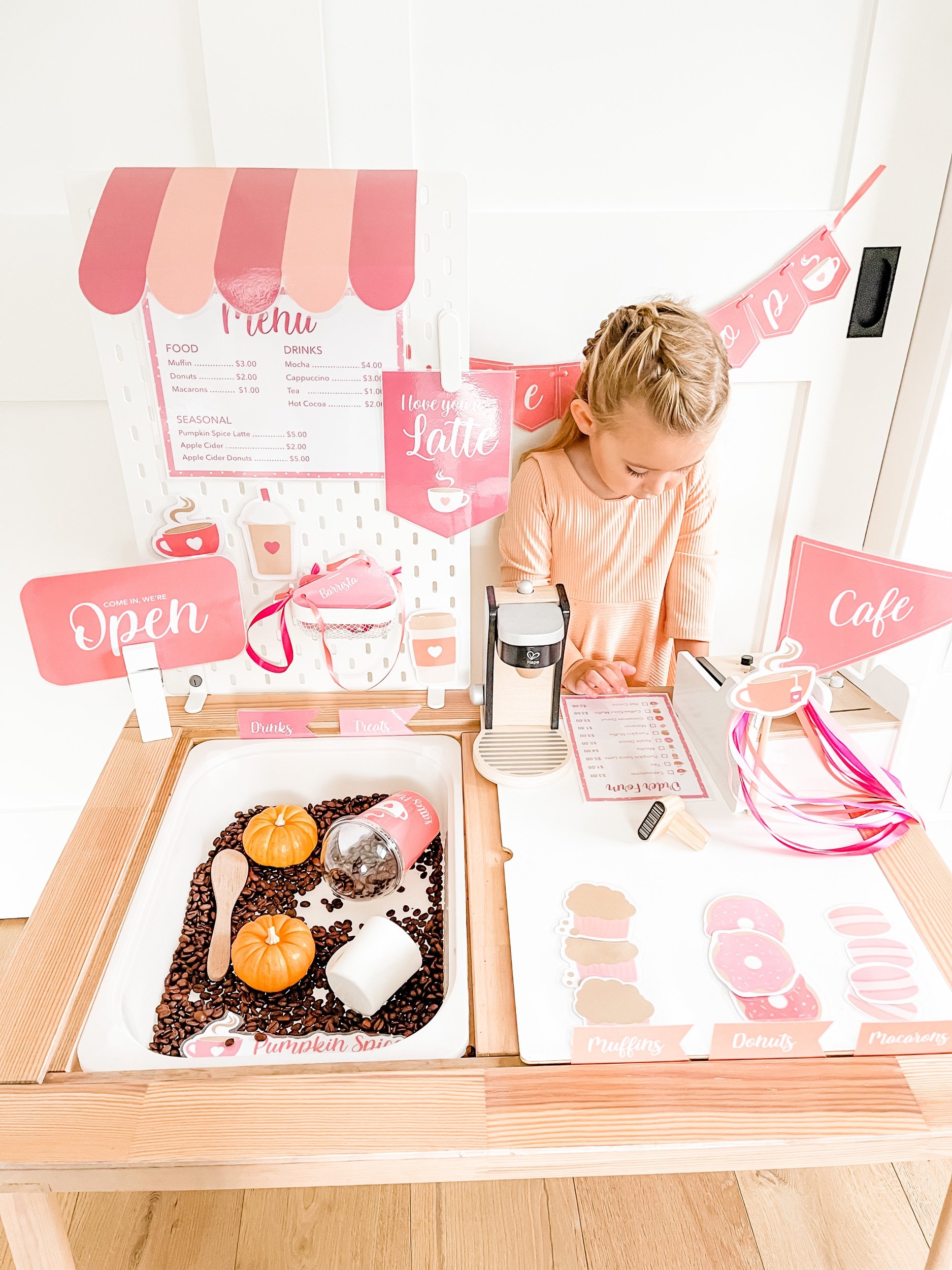
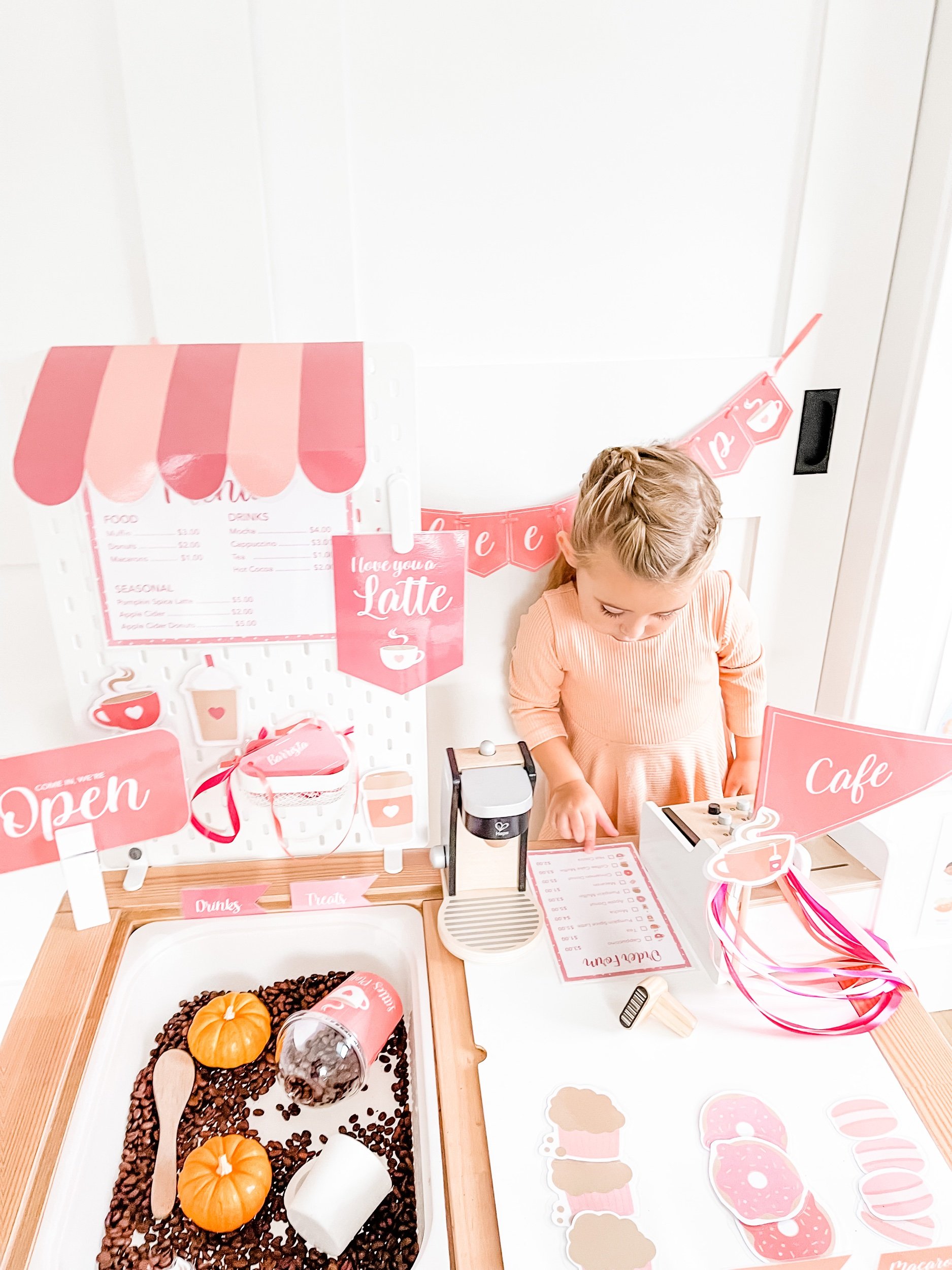
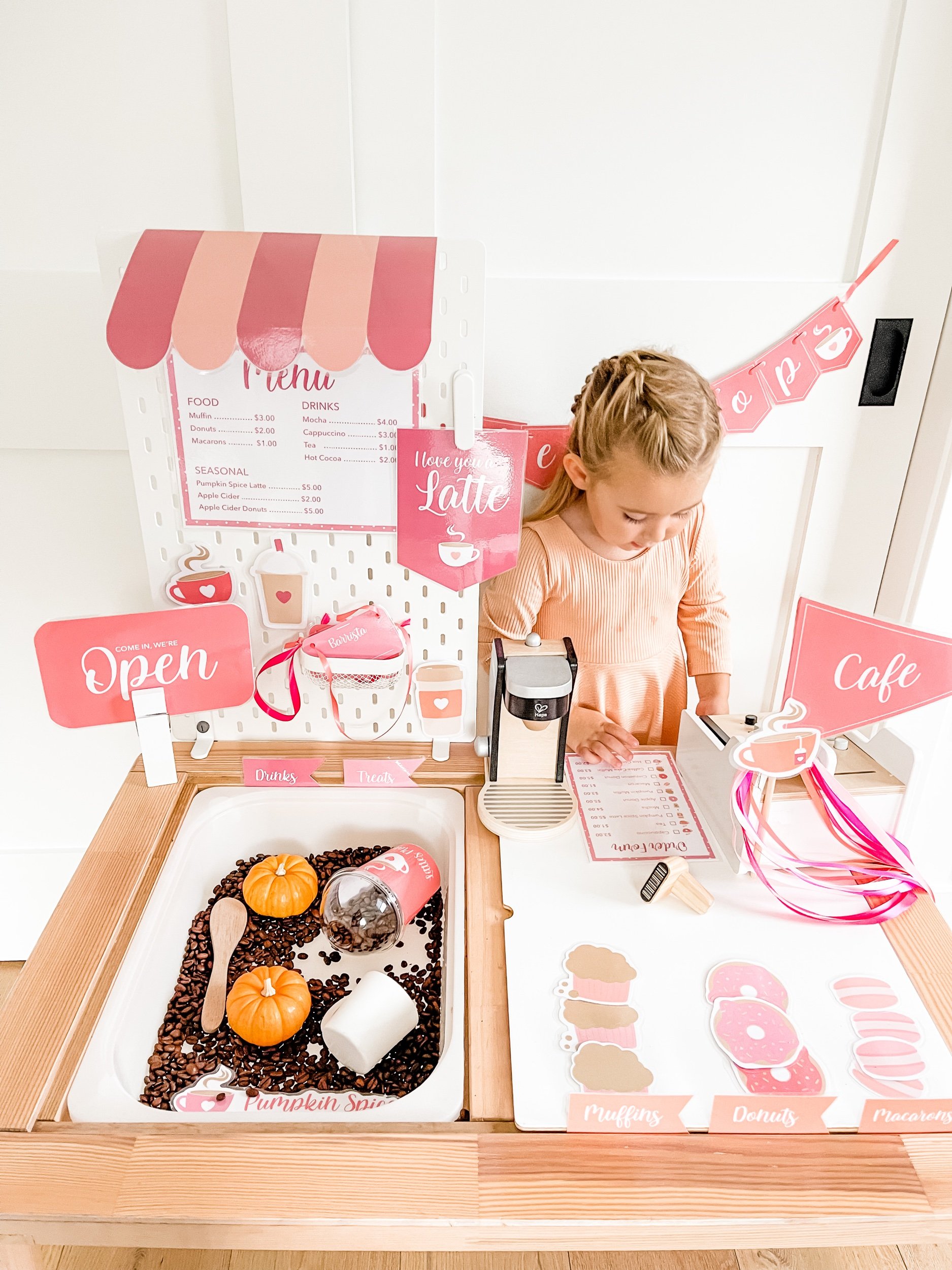
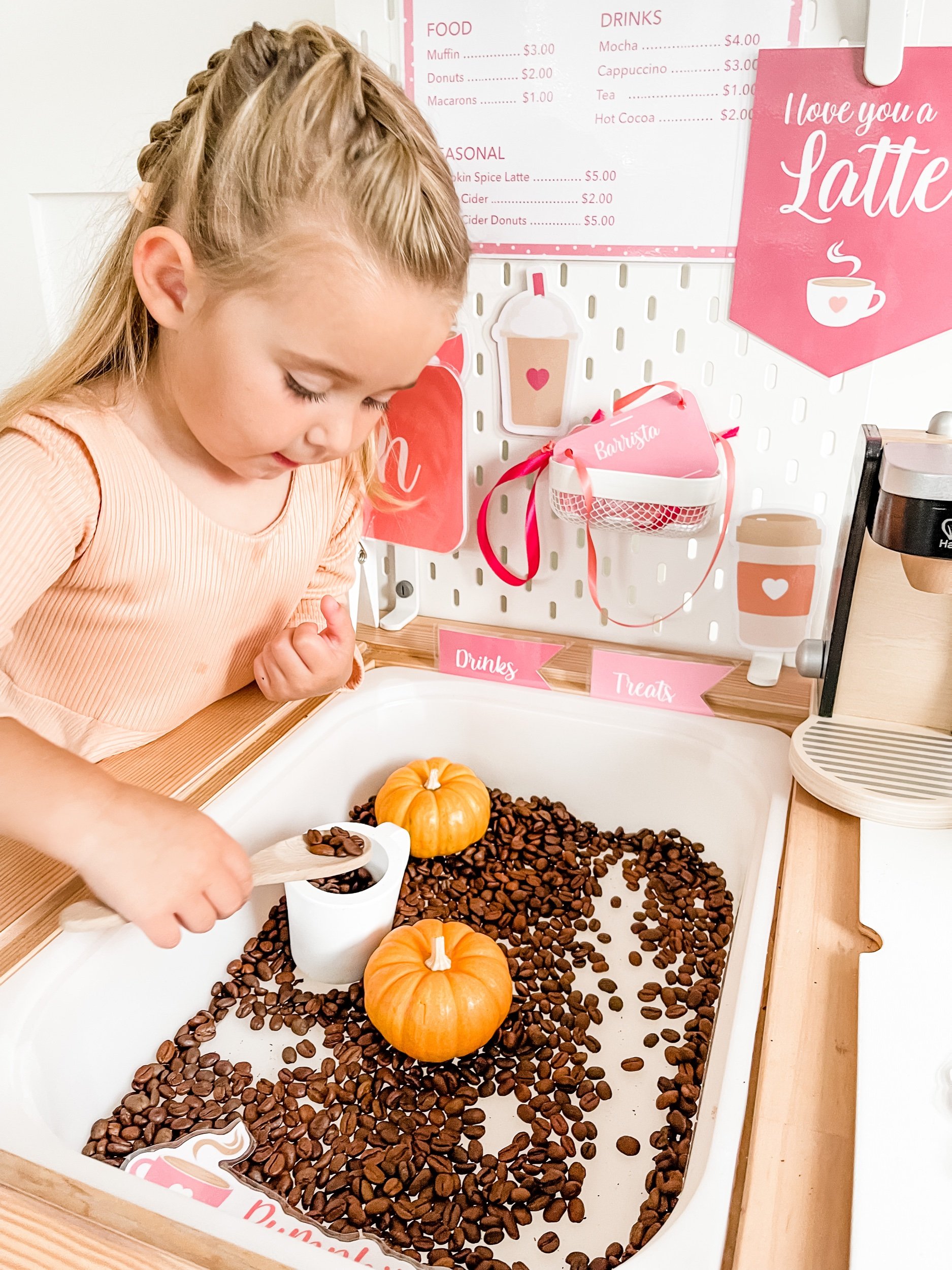
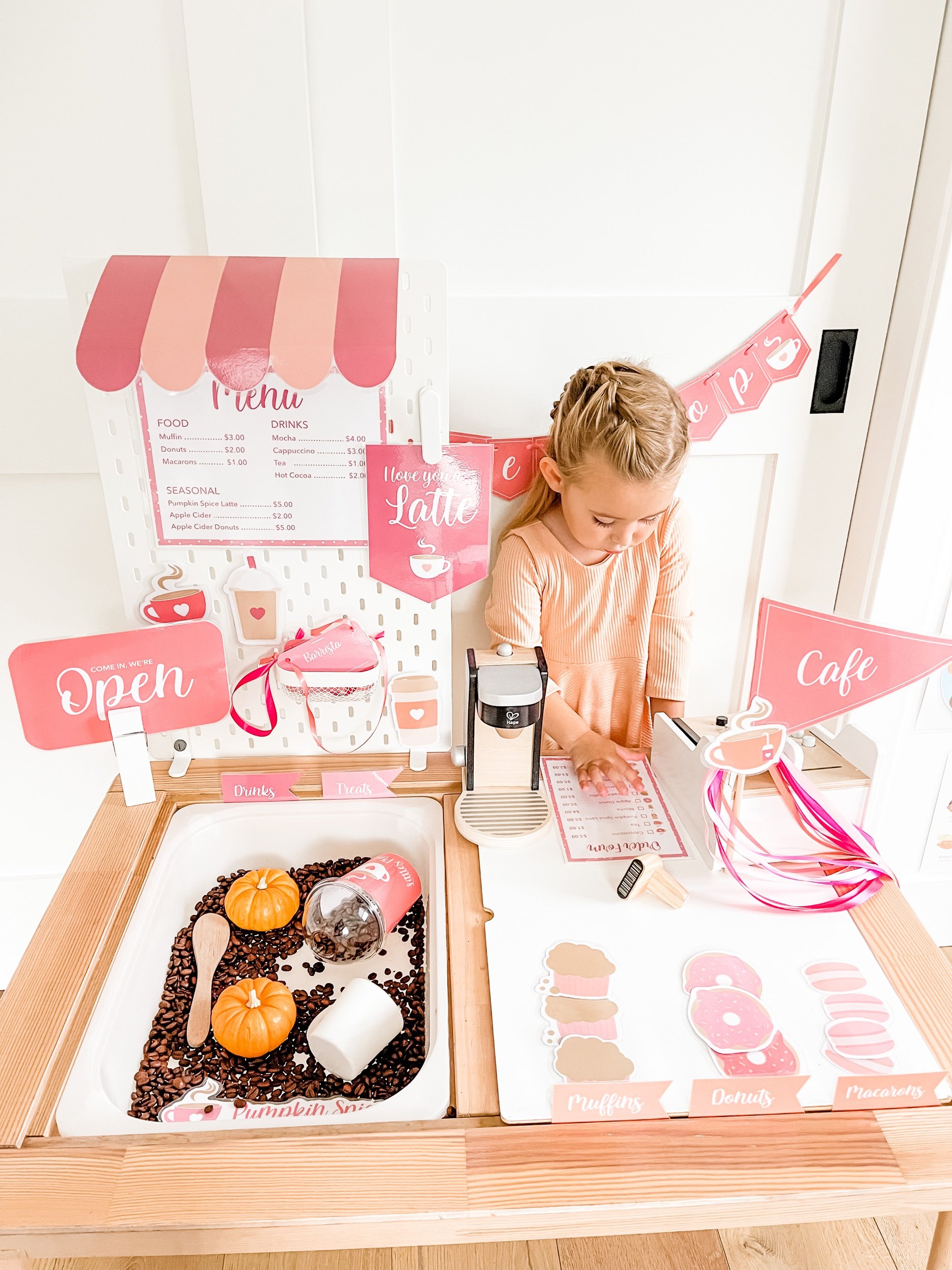
Next up we have this awesome pumpkin spice coffee shop setup perfect for all the fall vibes. Plus the smell of the coffee beans really made it a hit for mom too!

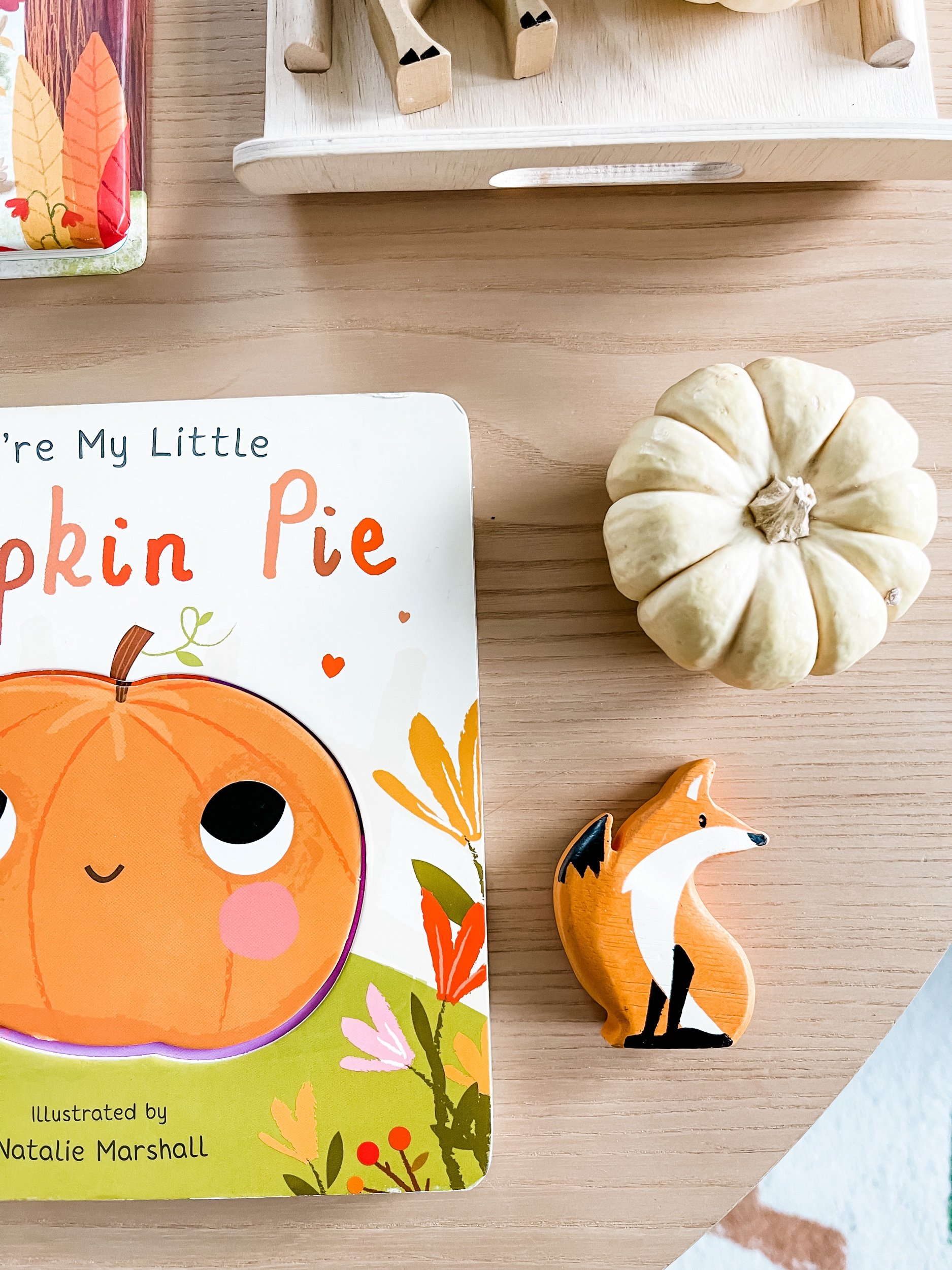
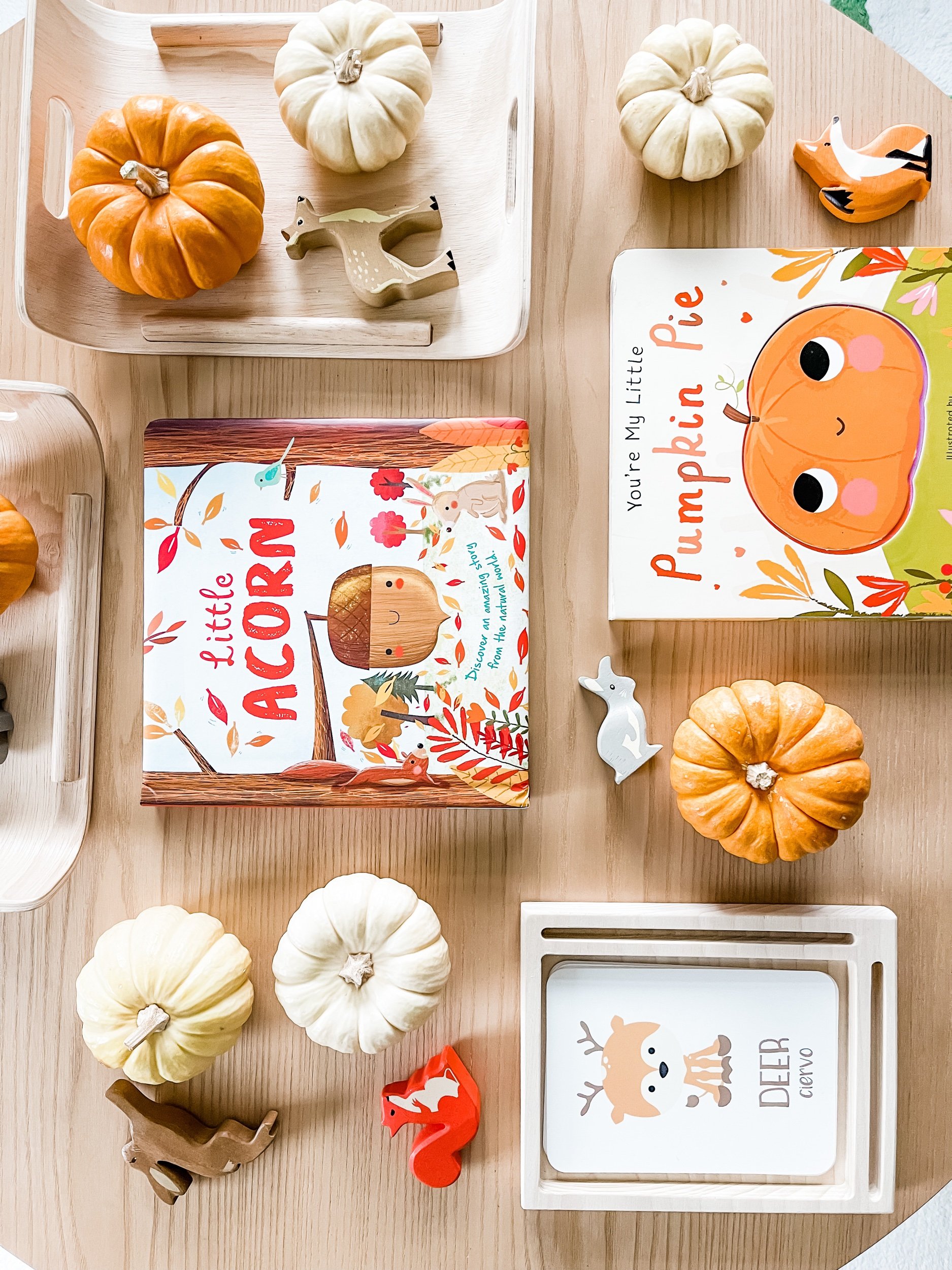
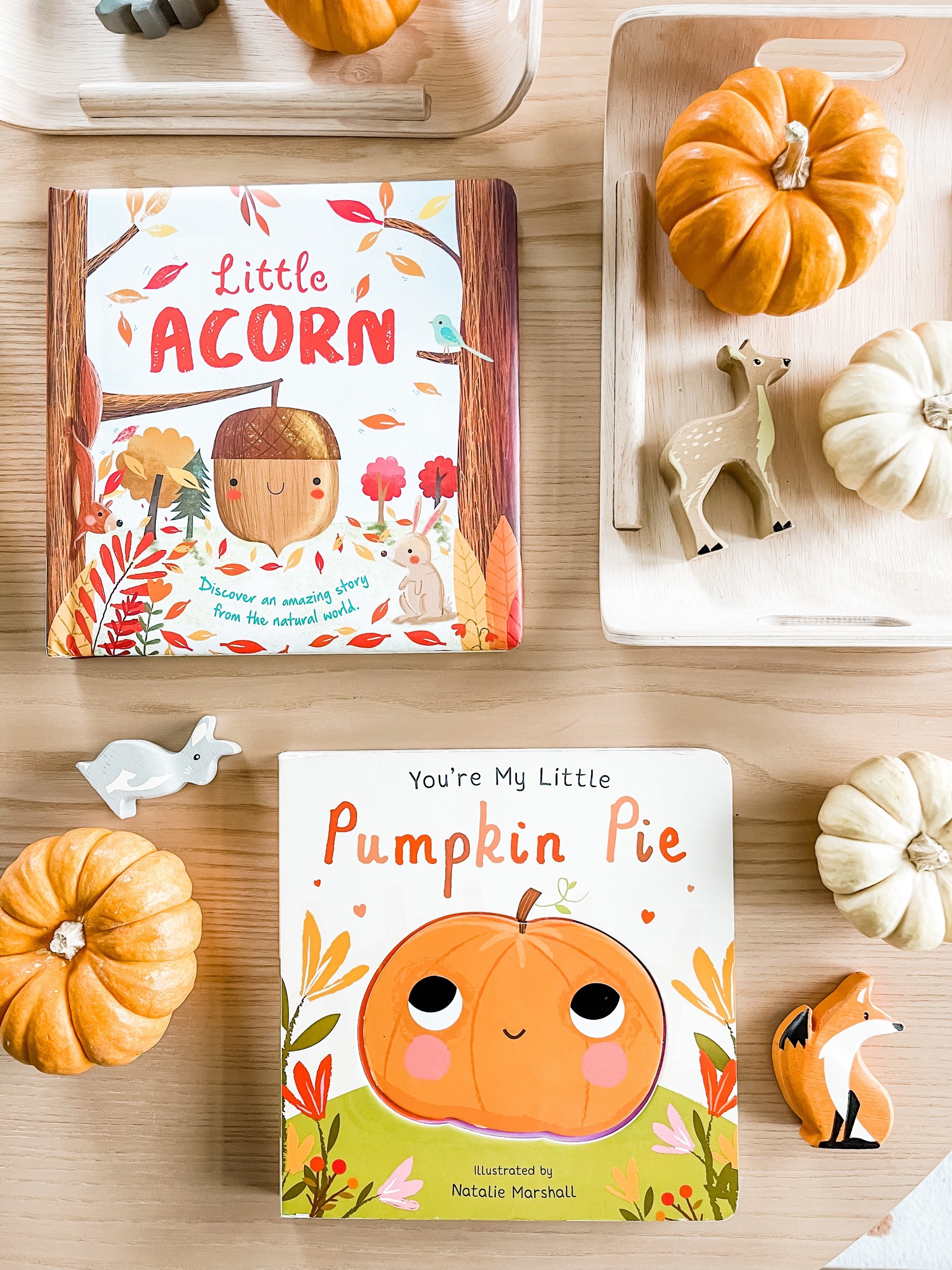
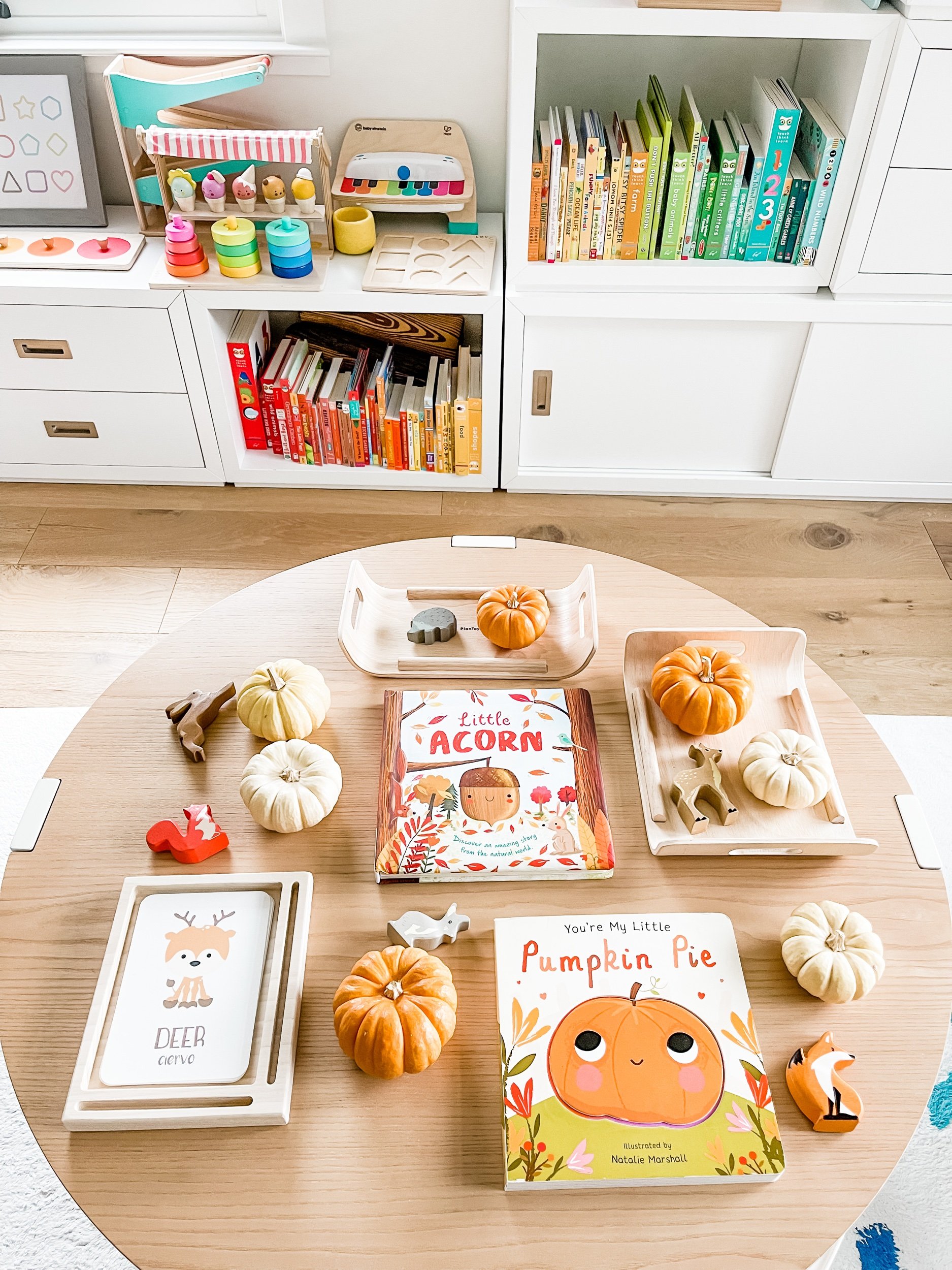
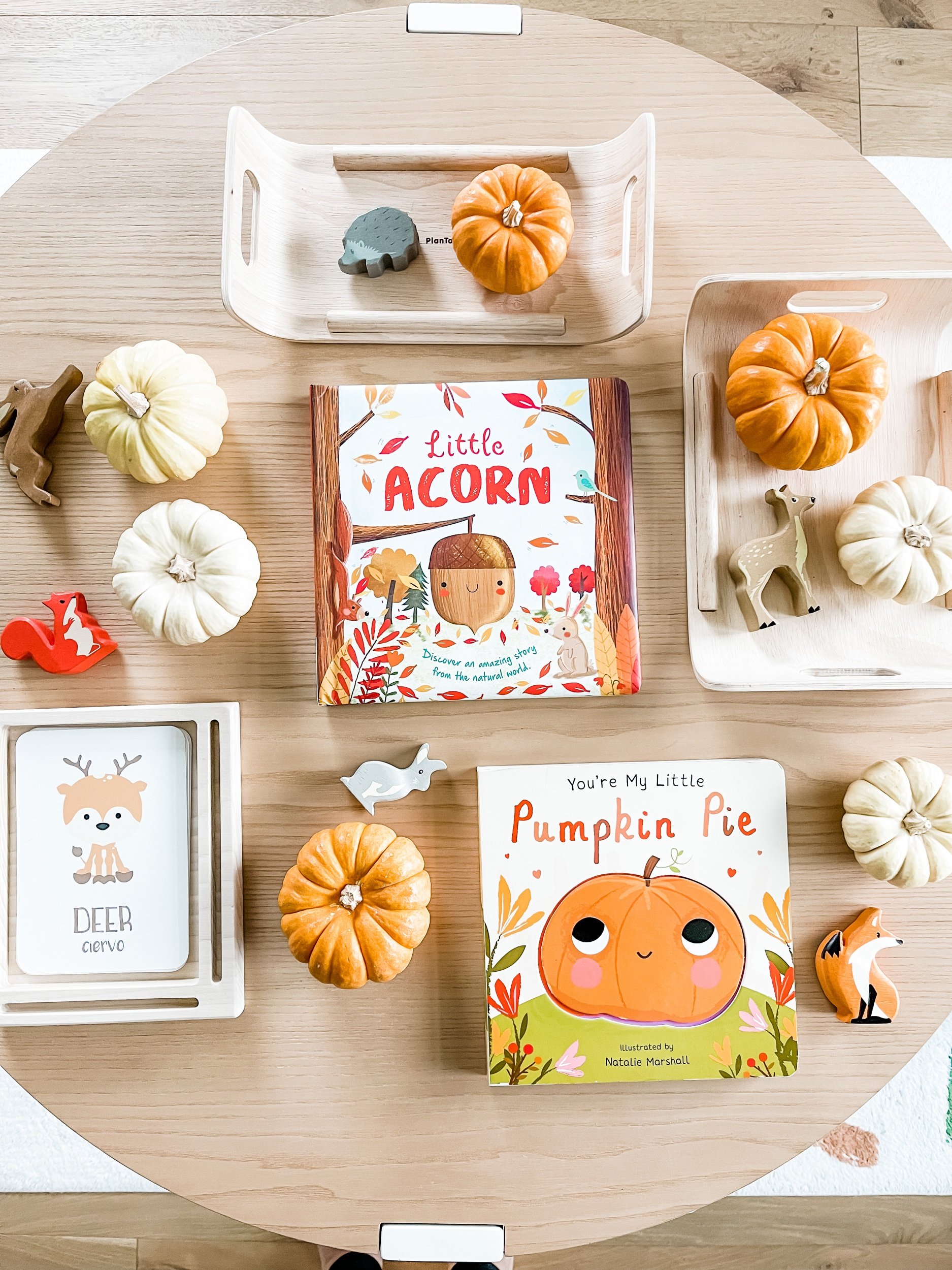
This one was a super last minute invitation to play that I set up when Sofie woke up early from her nap. Because obviously #momlife we simply can’t make gorgeous setups everyday. the good news is Sofie loves to read books on my lap and tinker with small objects so this was still a great fall activity. For this setup we used the Little Acorn board book and the Pumpkin Pie board book.

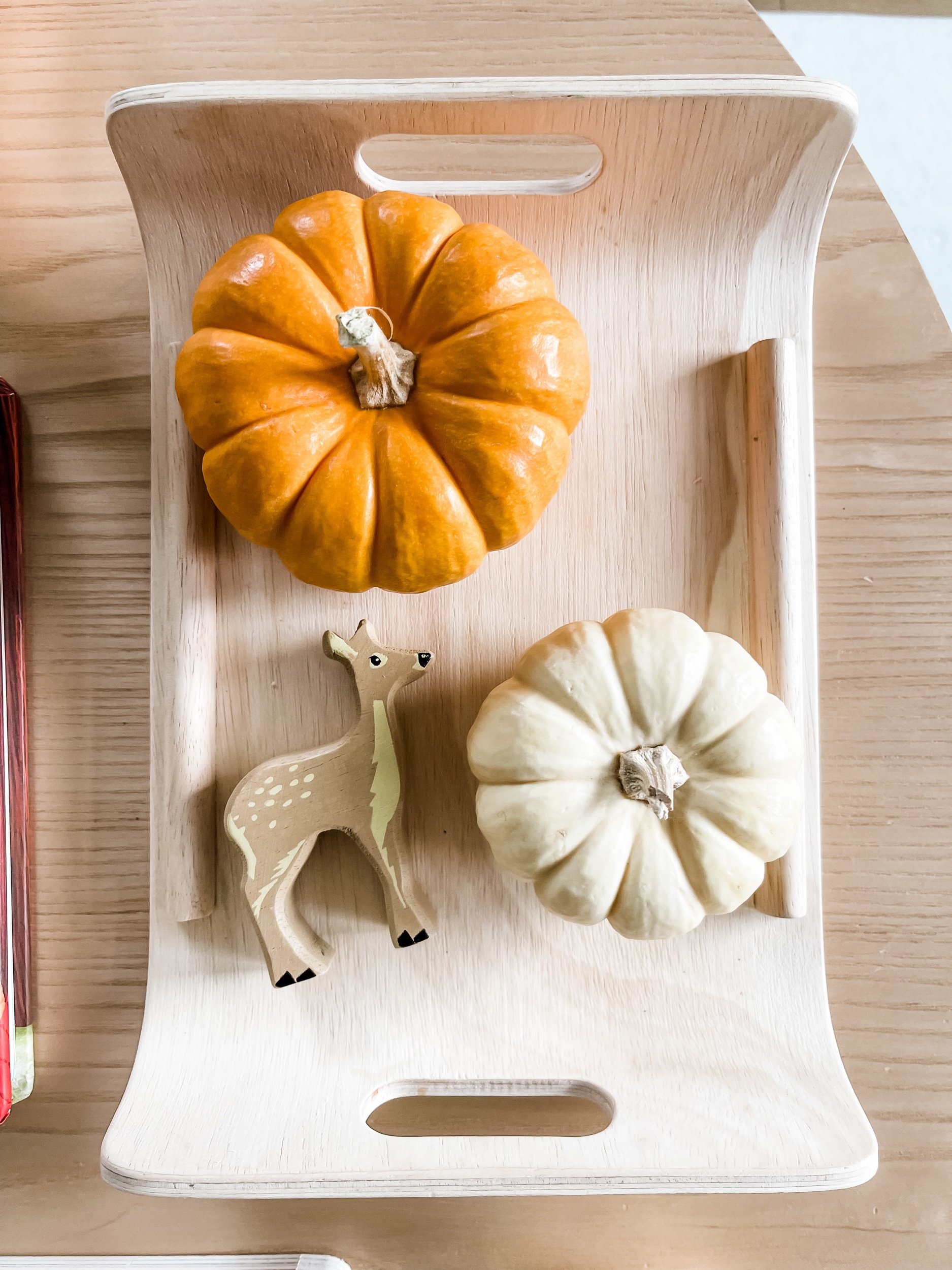
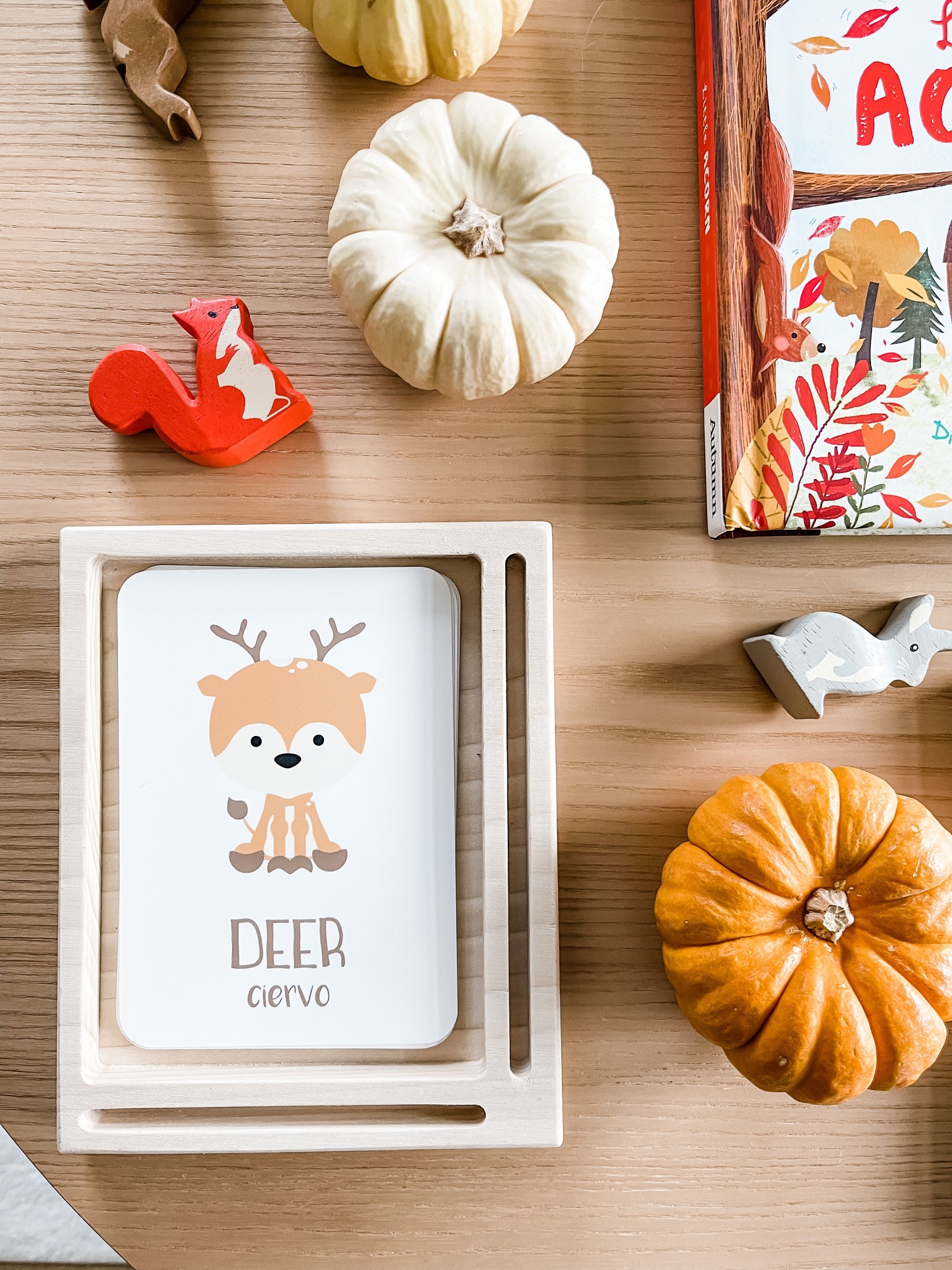
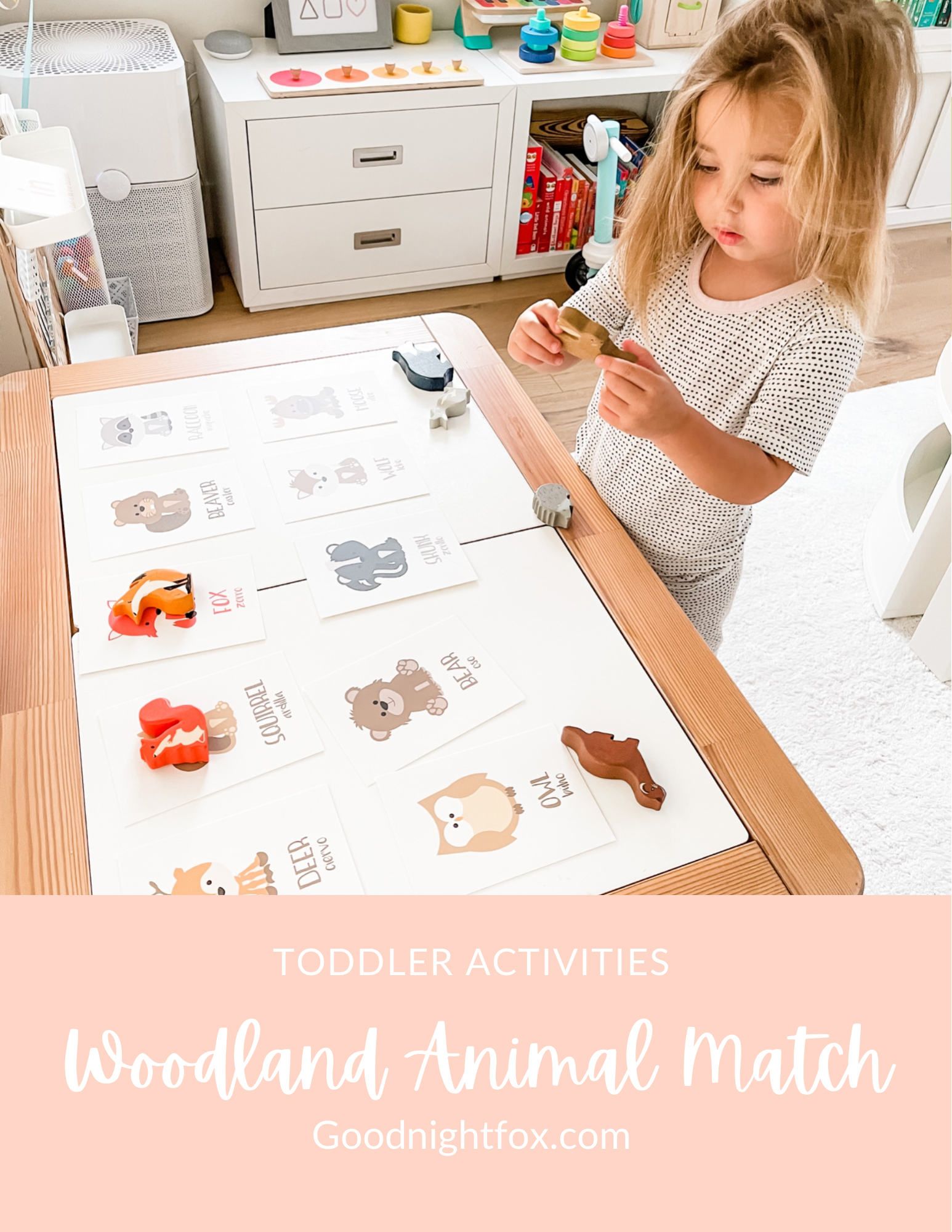
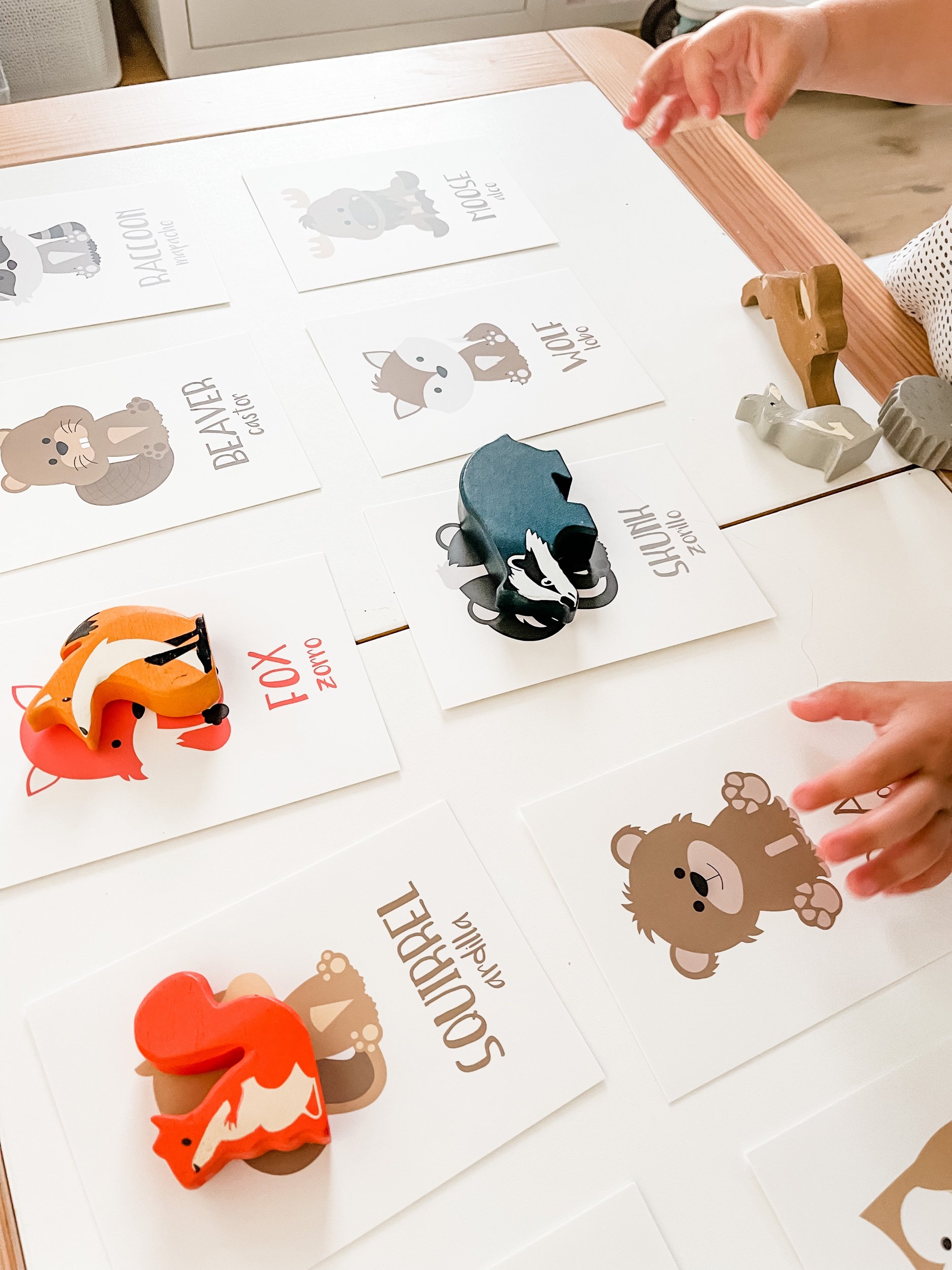
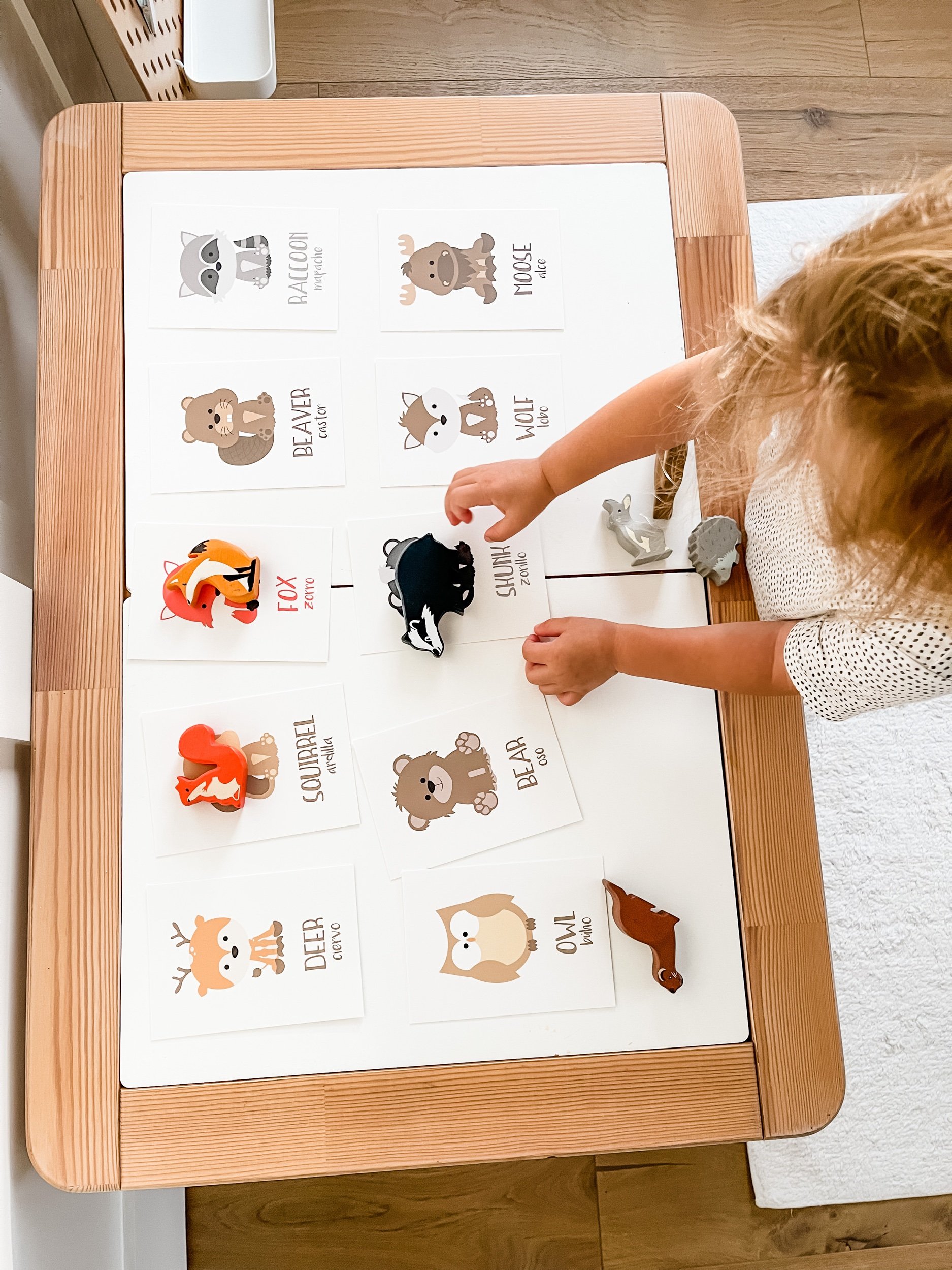
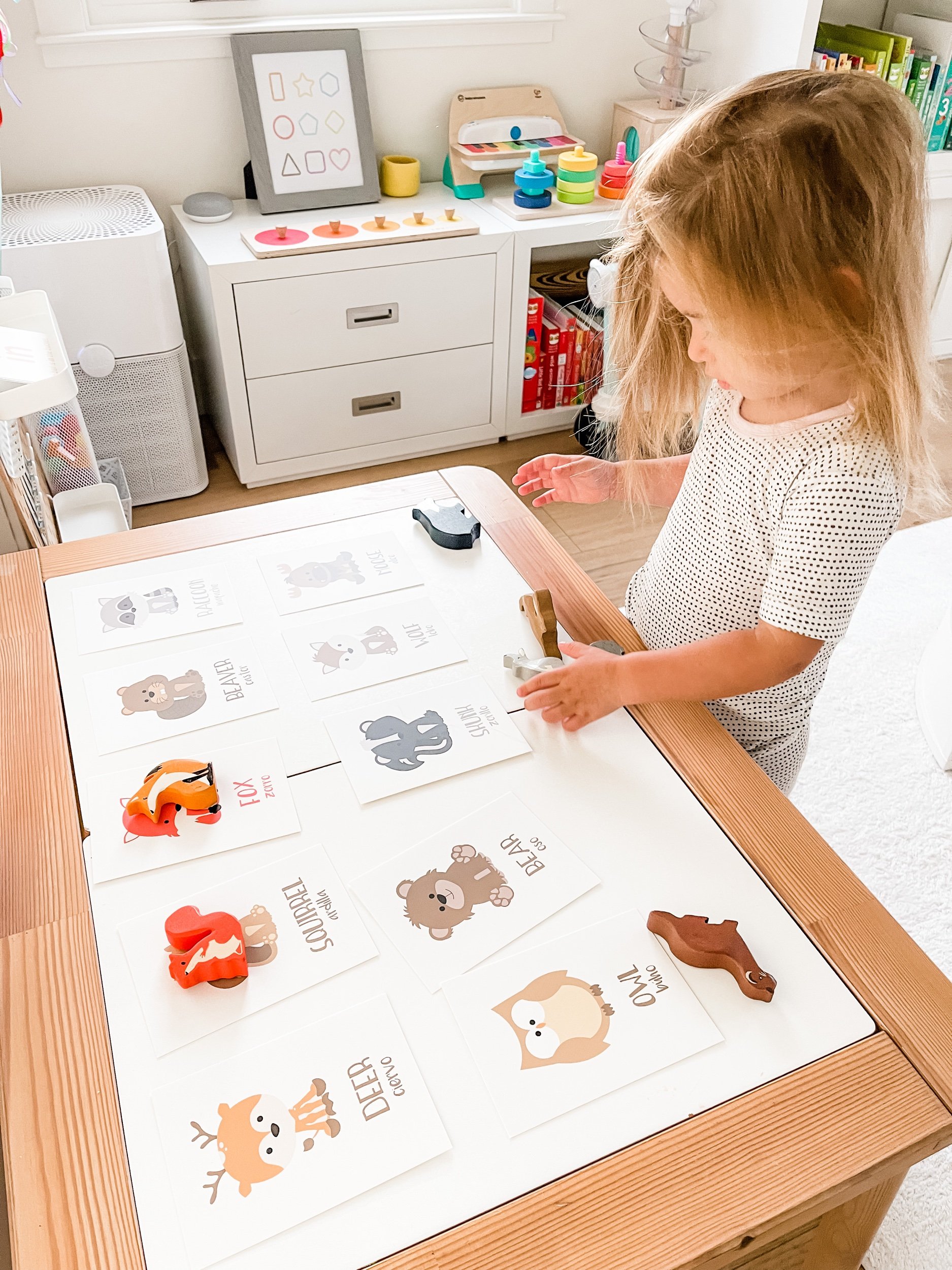
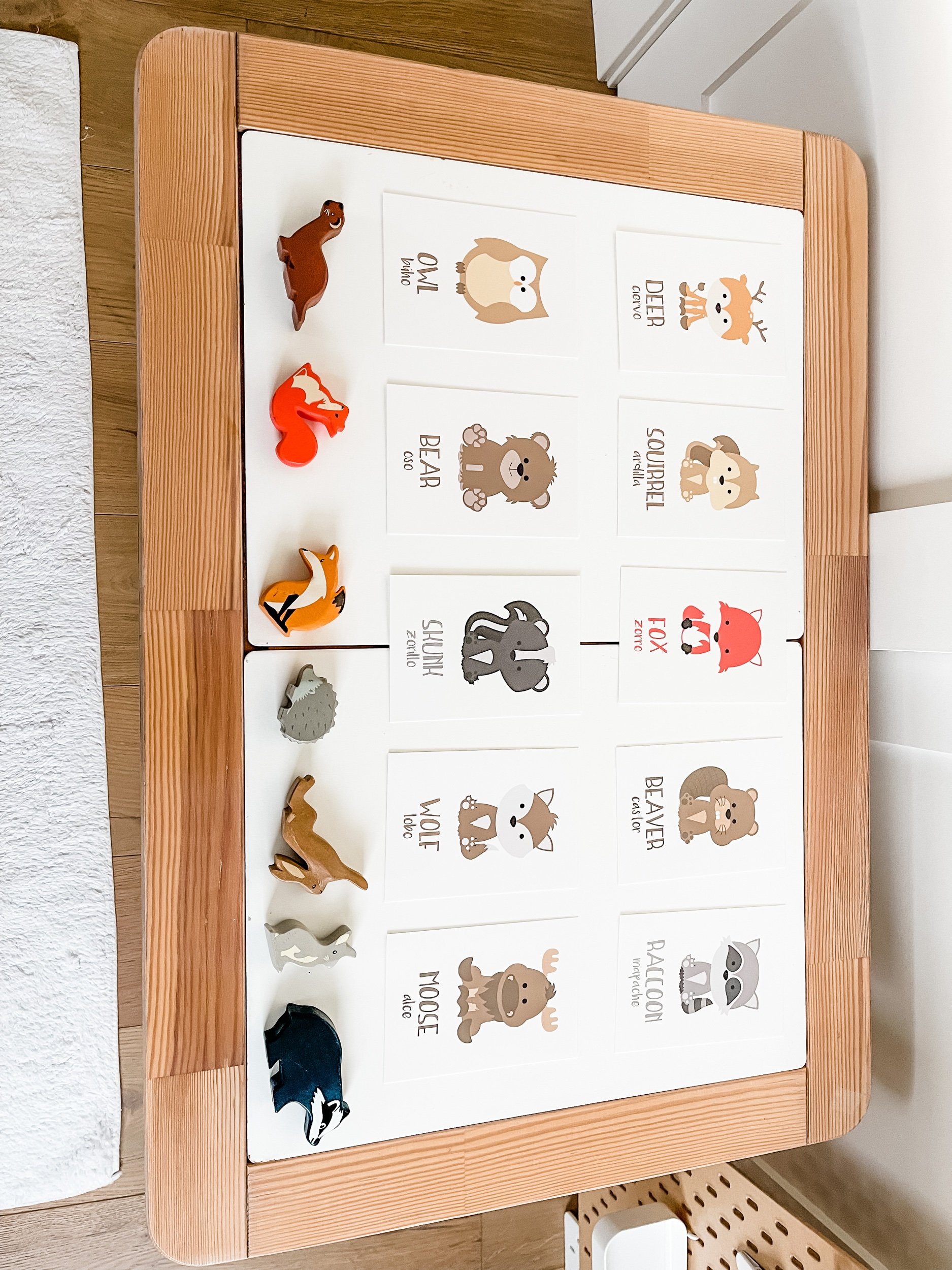
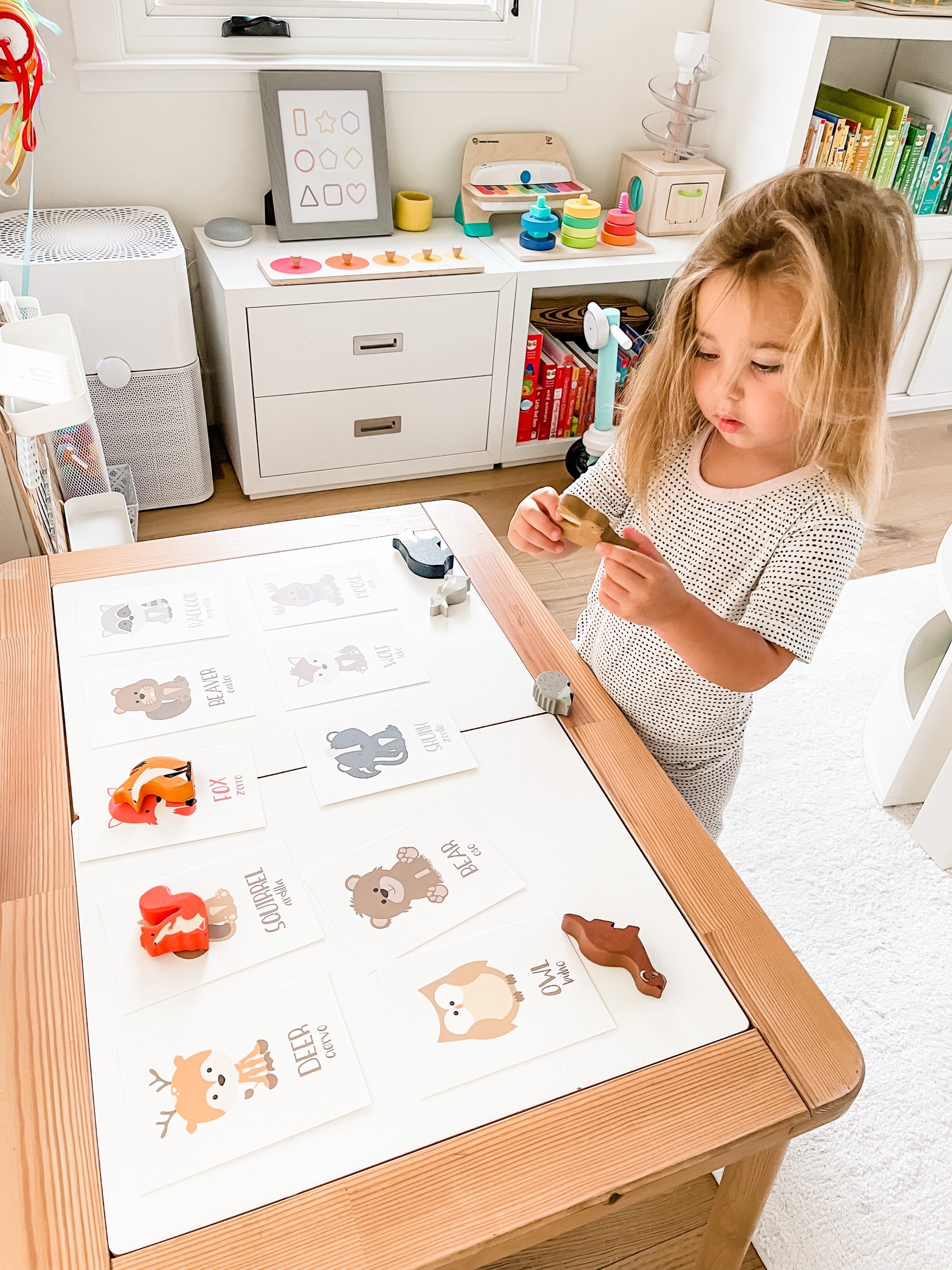
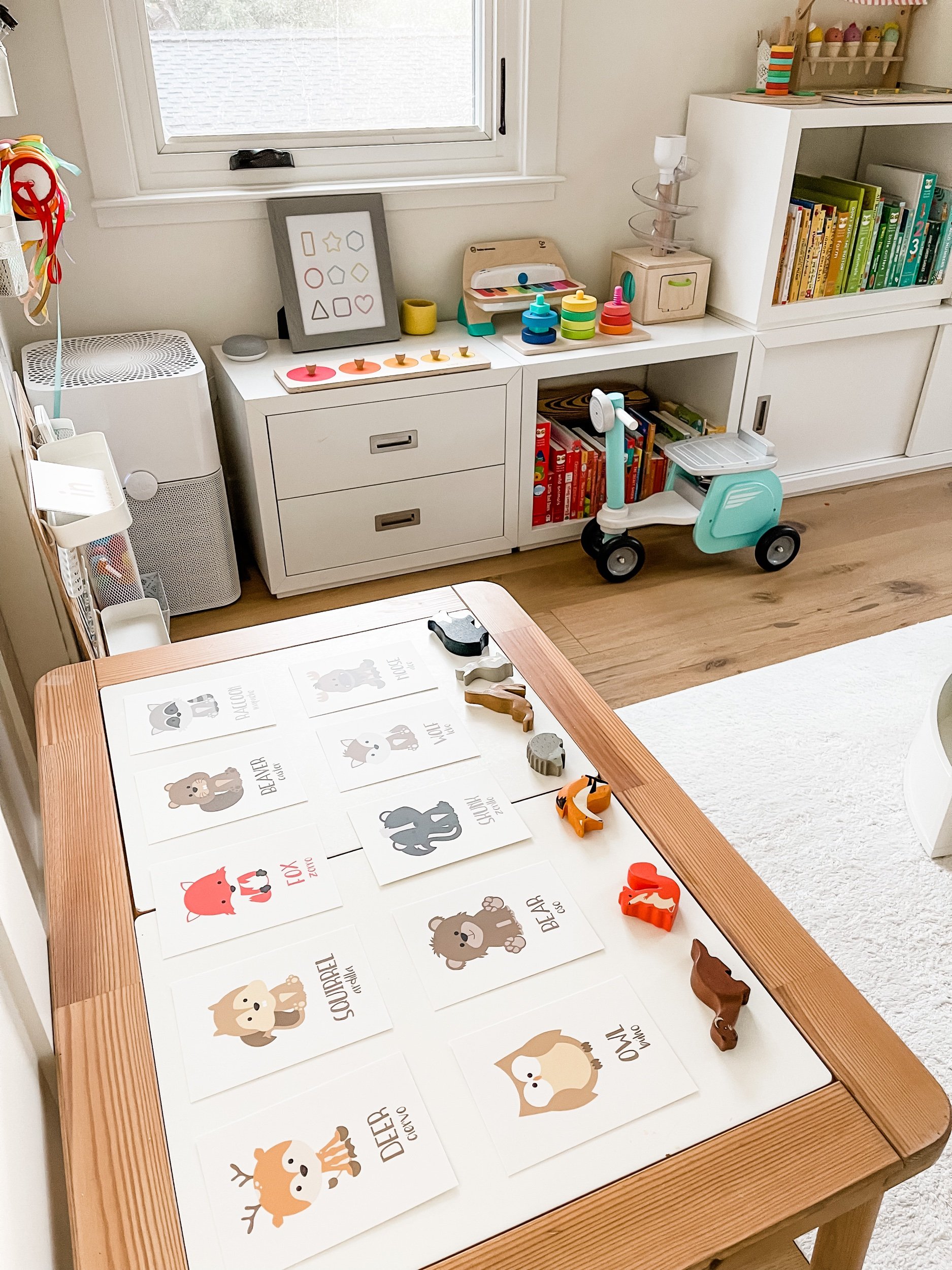
This was another easy one. We took our Tender Leaf Toys Woodland animals and paired them up with our Woodland Animal Learning cards. It was so fun to watch Sofie match the animals and also make up little stories about each one.

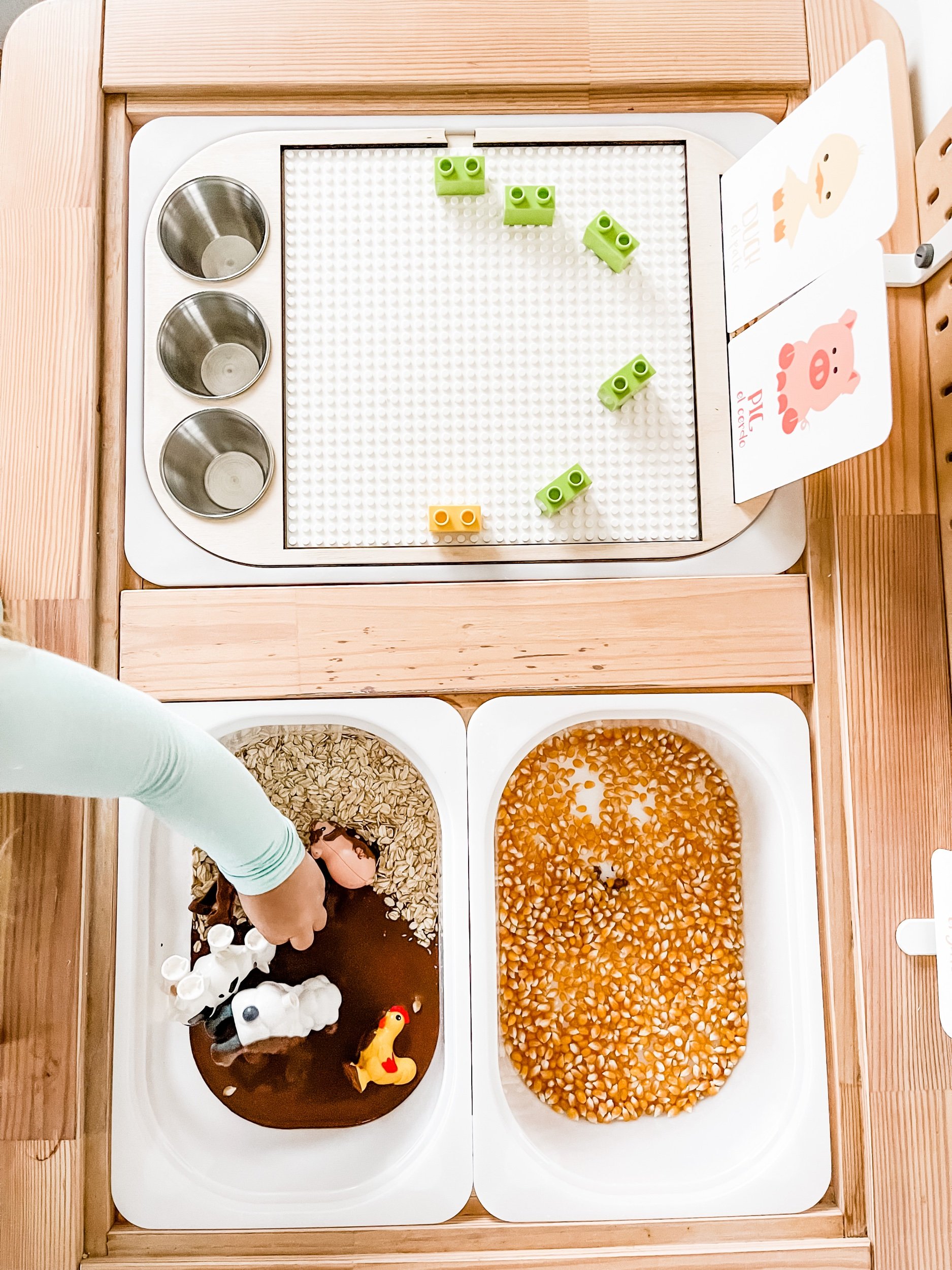
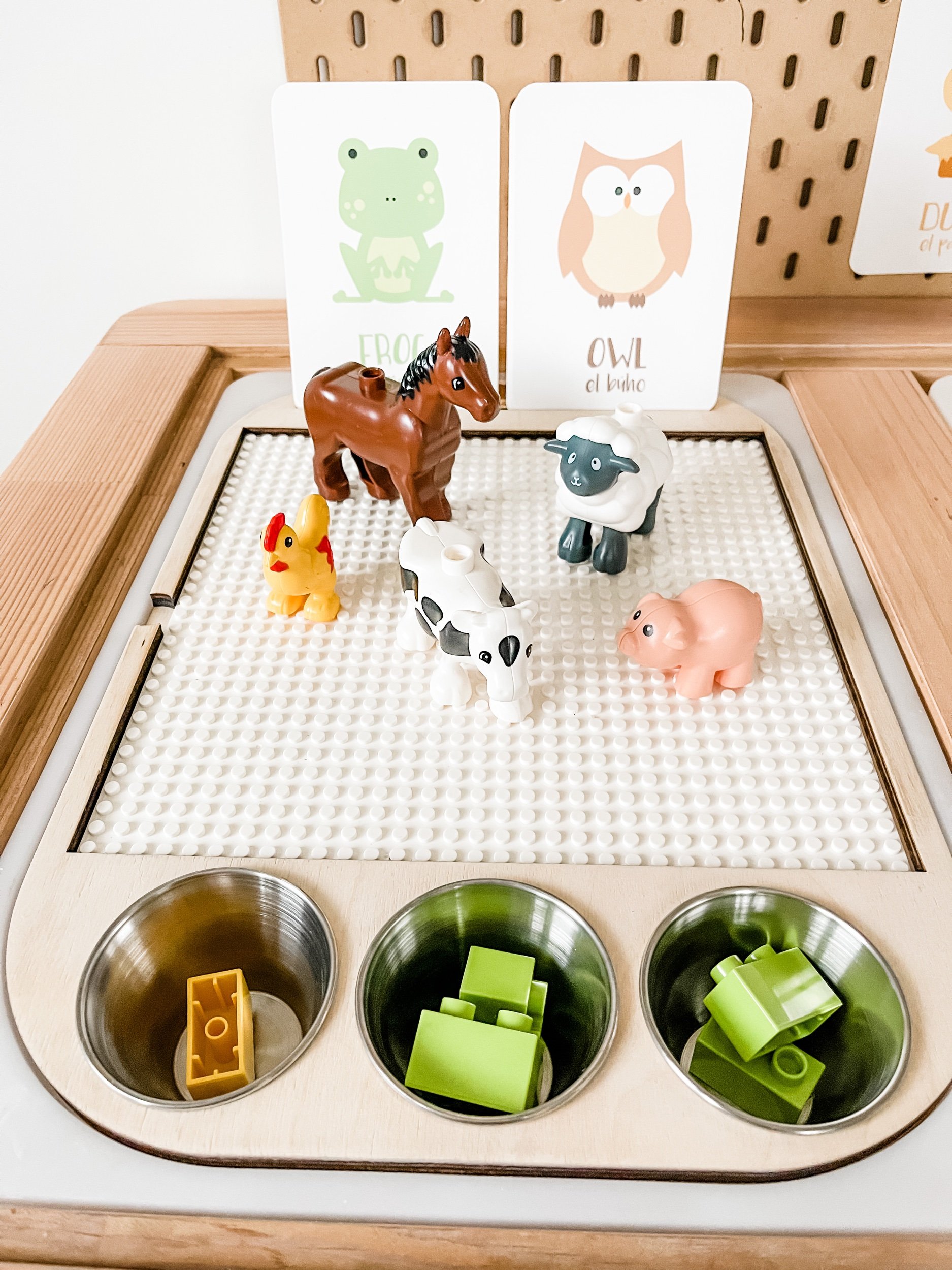
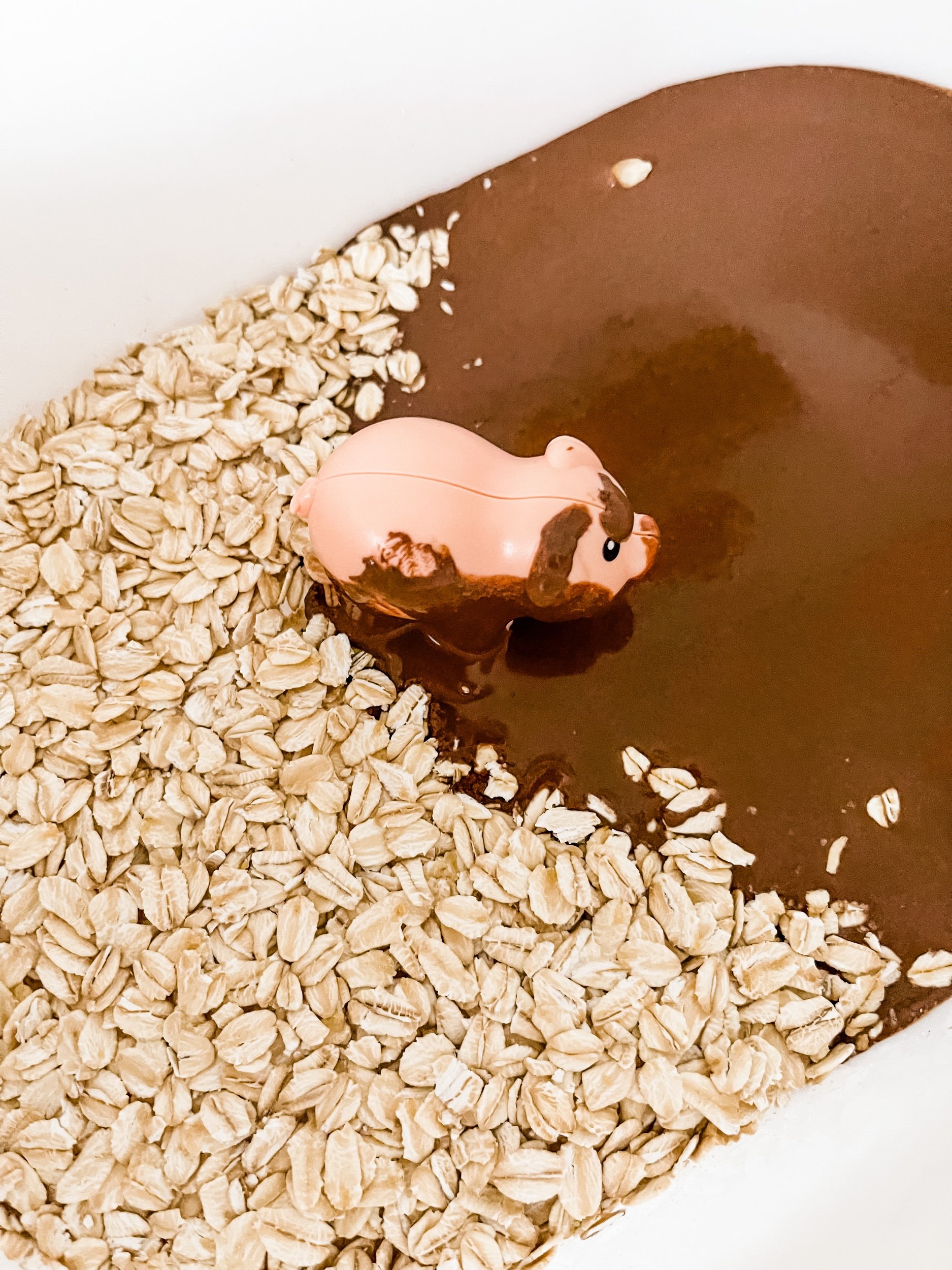
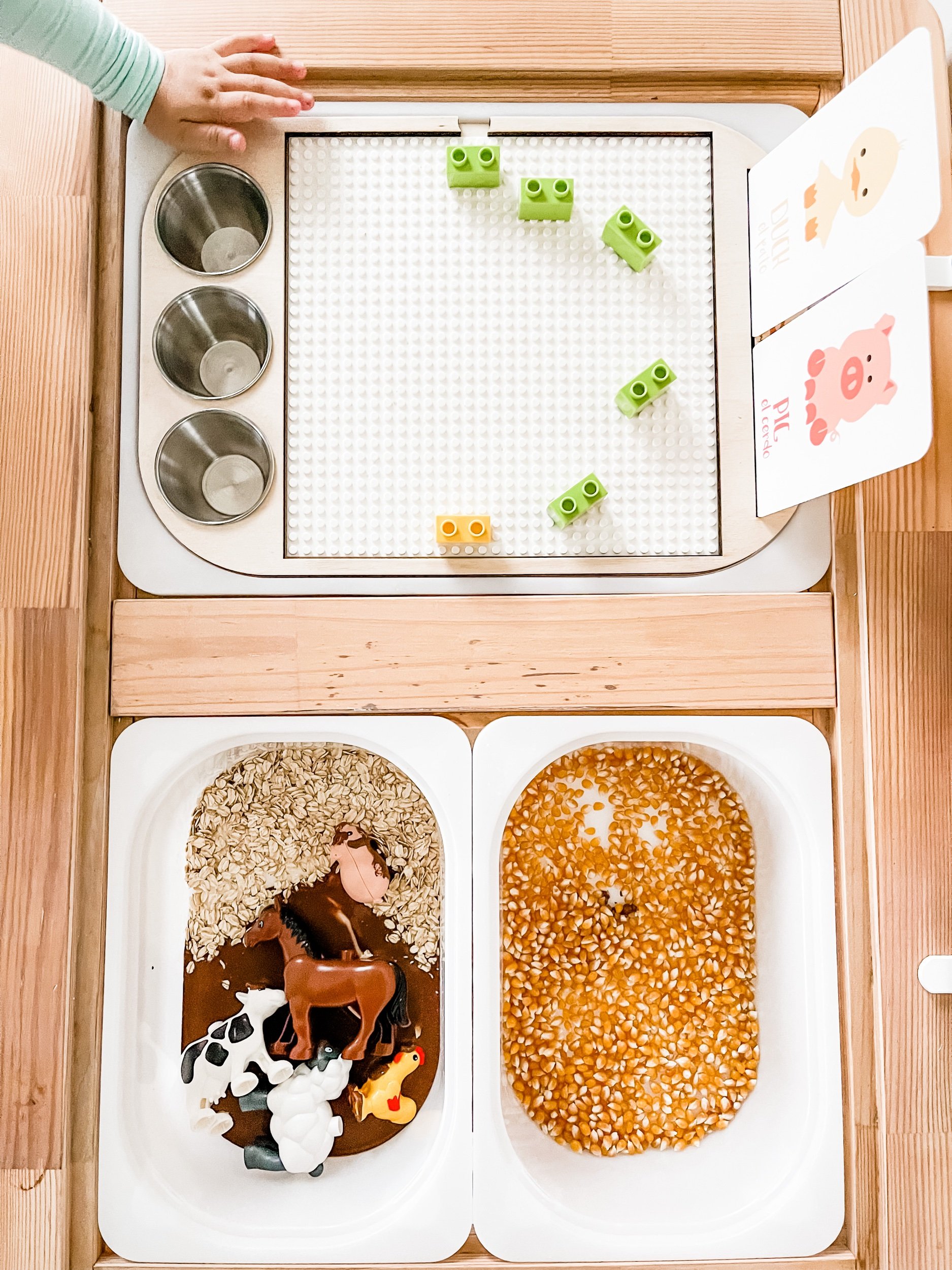
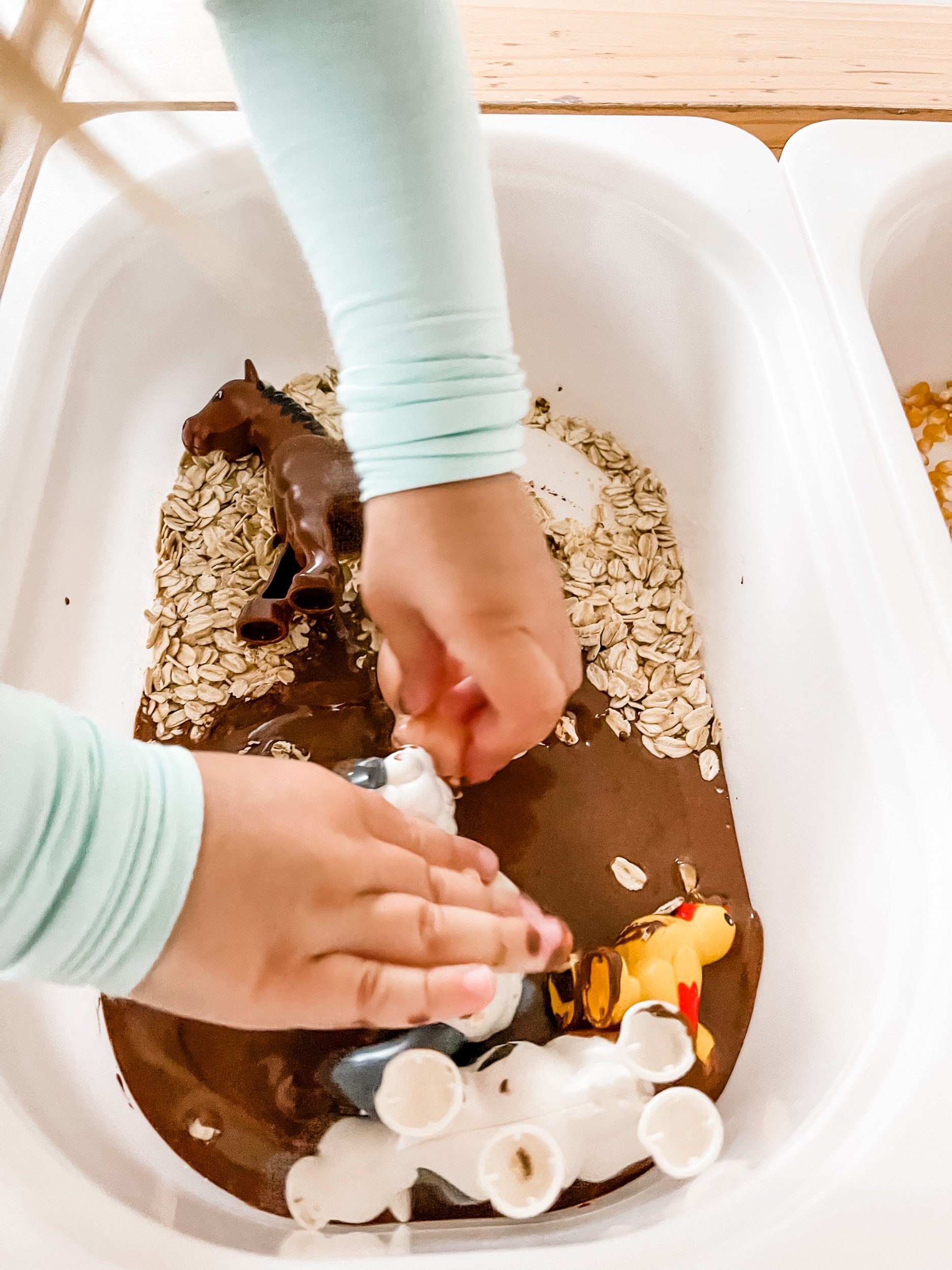
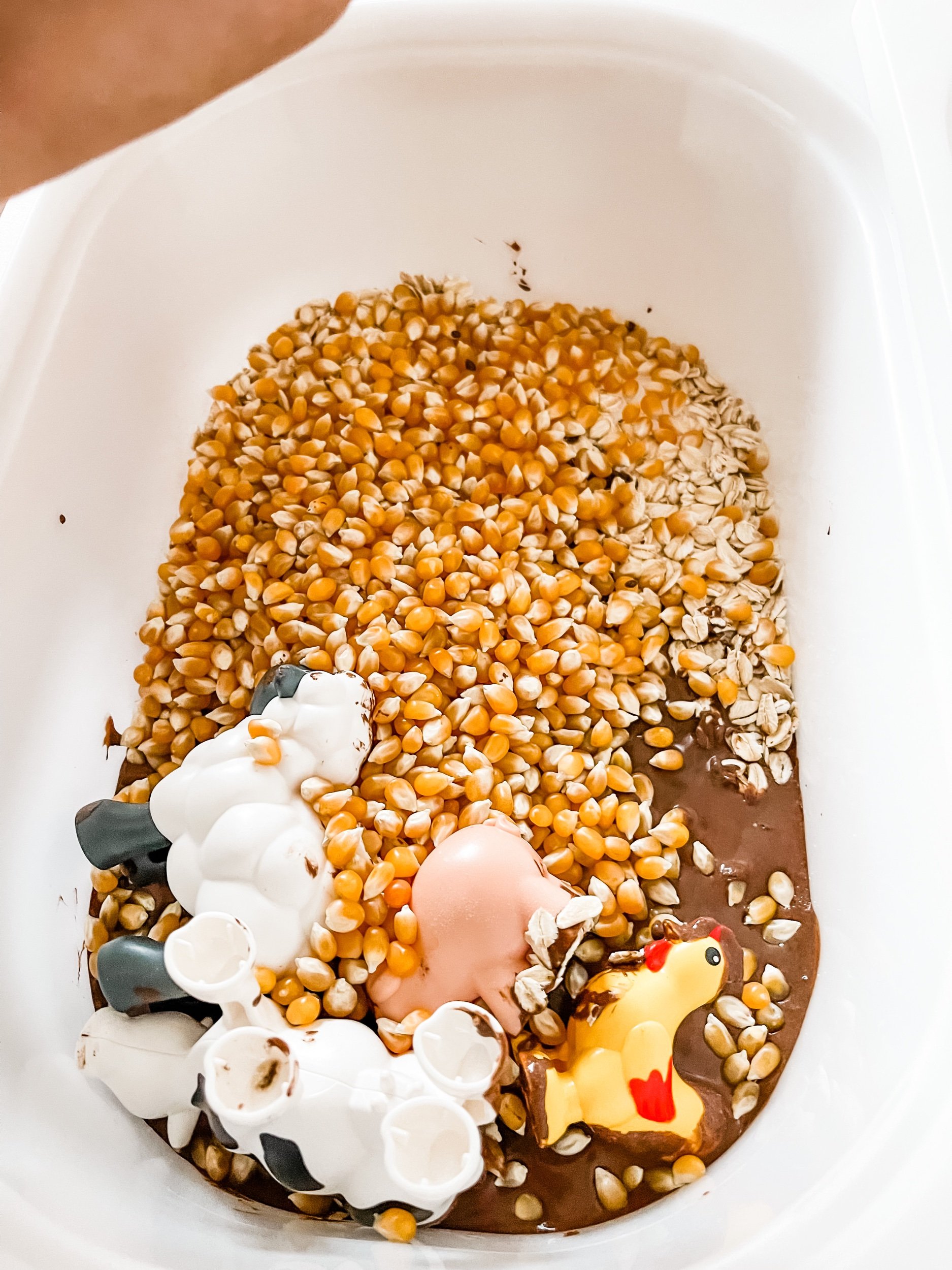
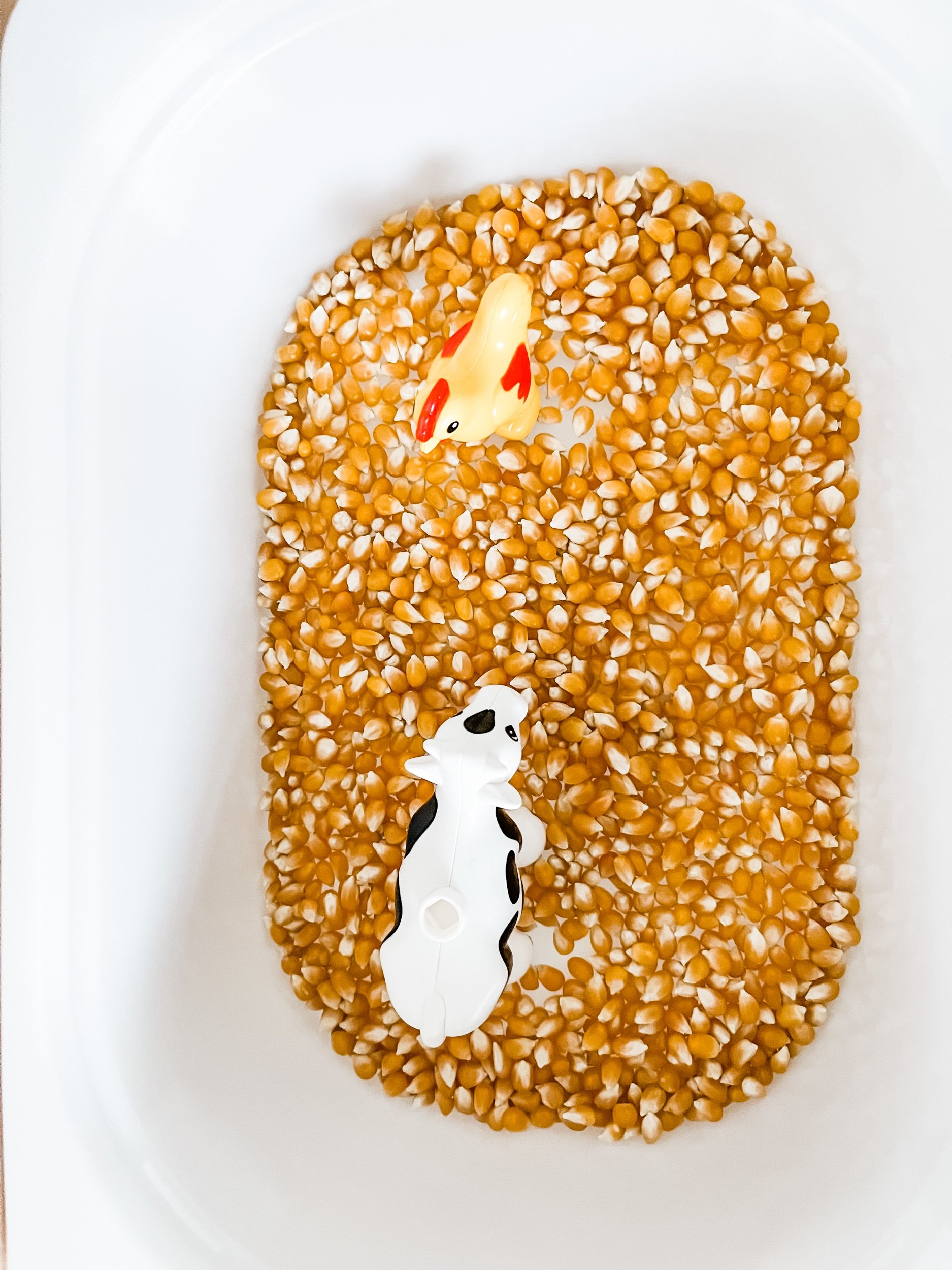
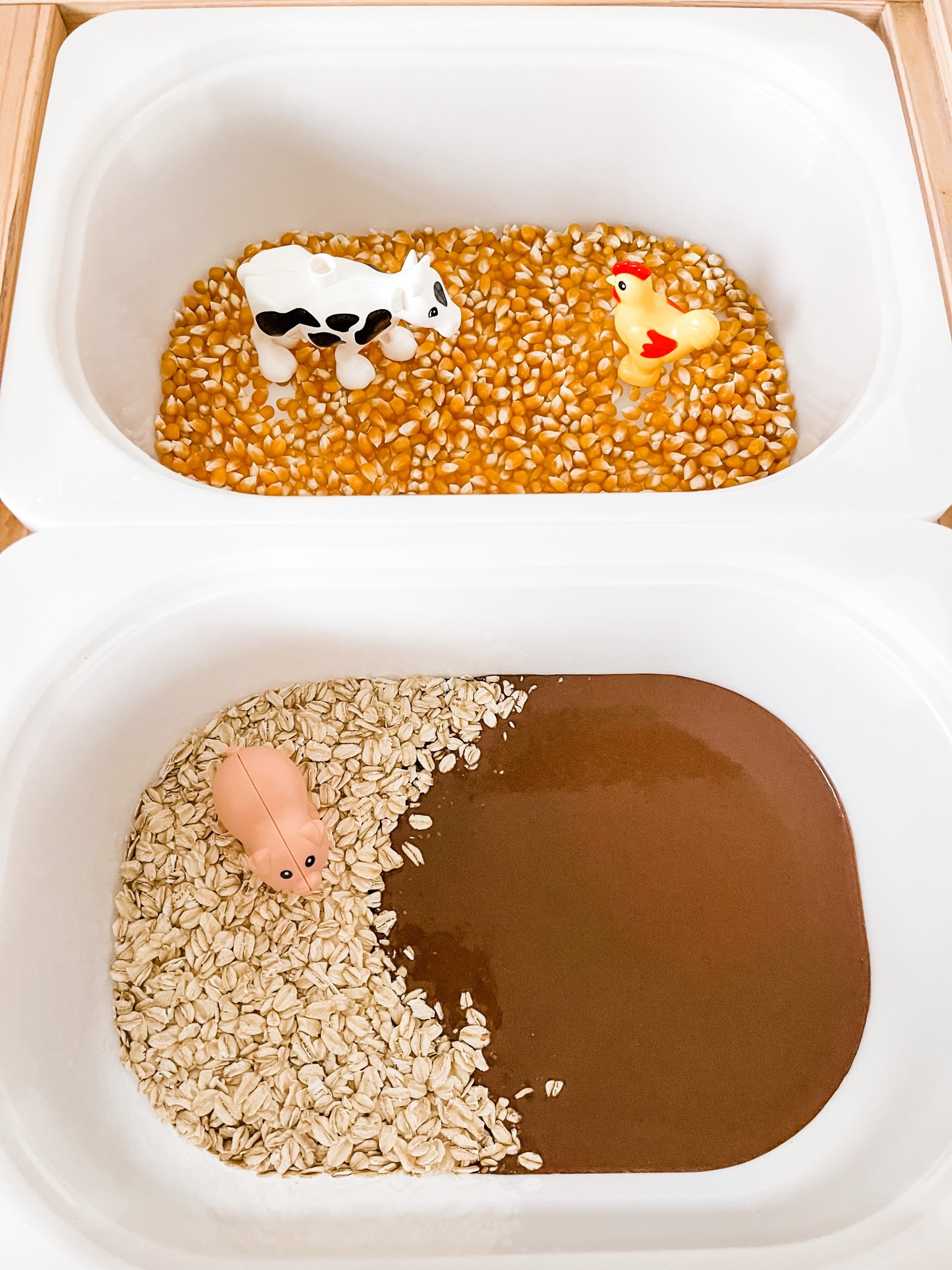
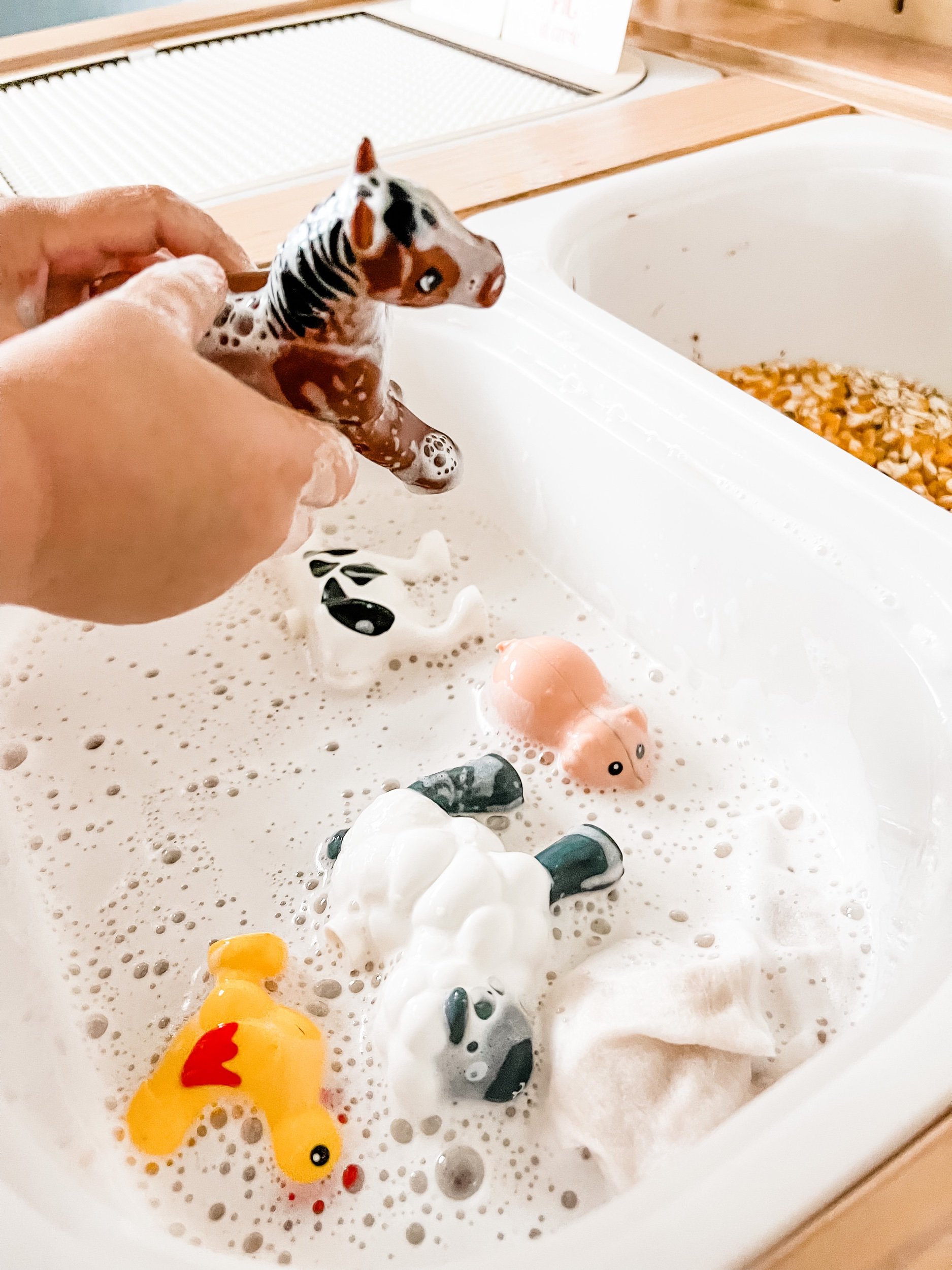
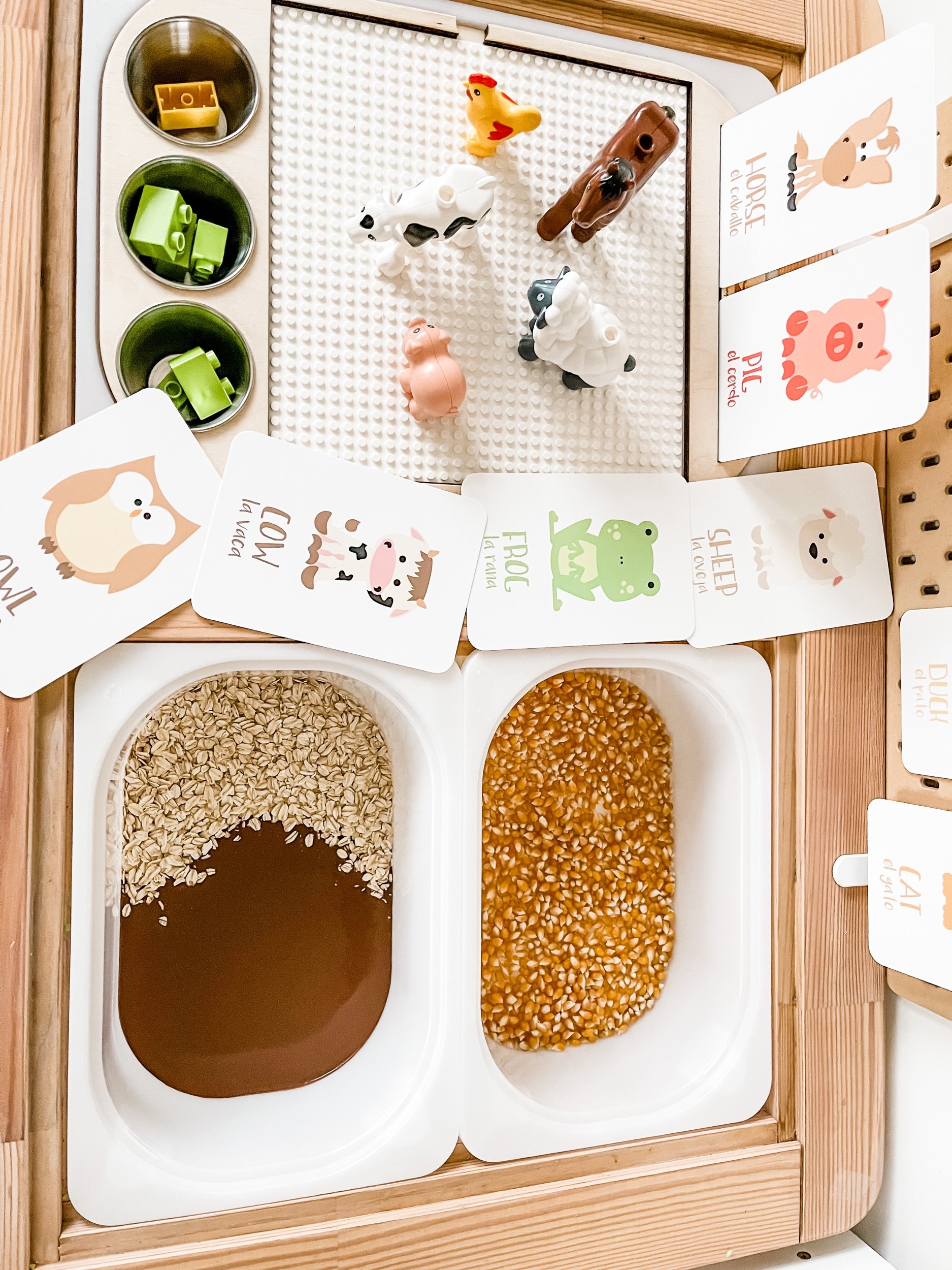
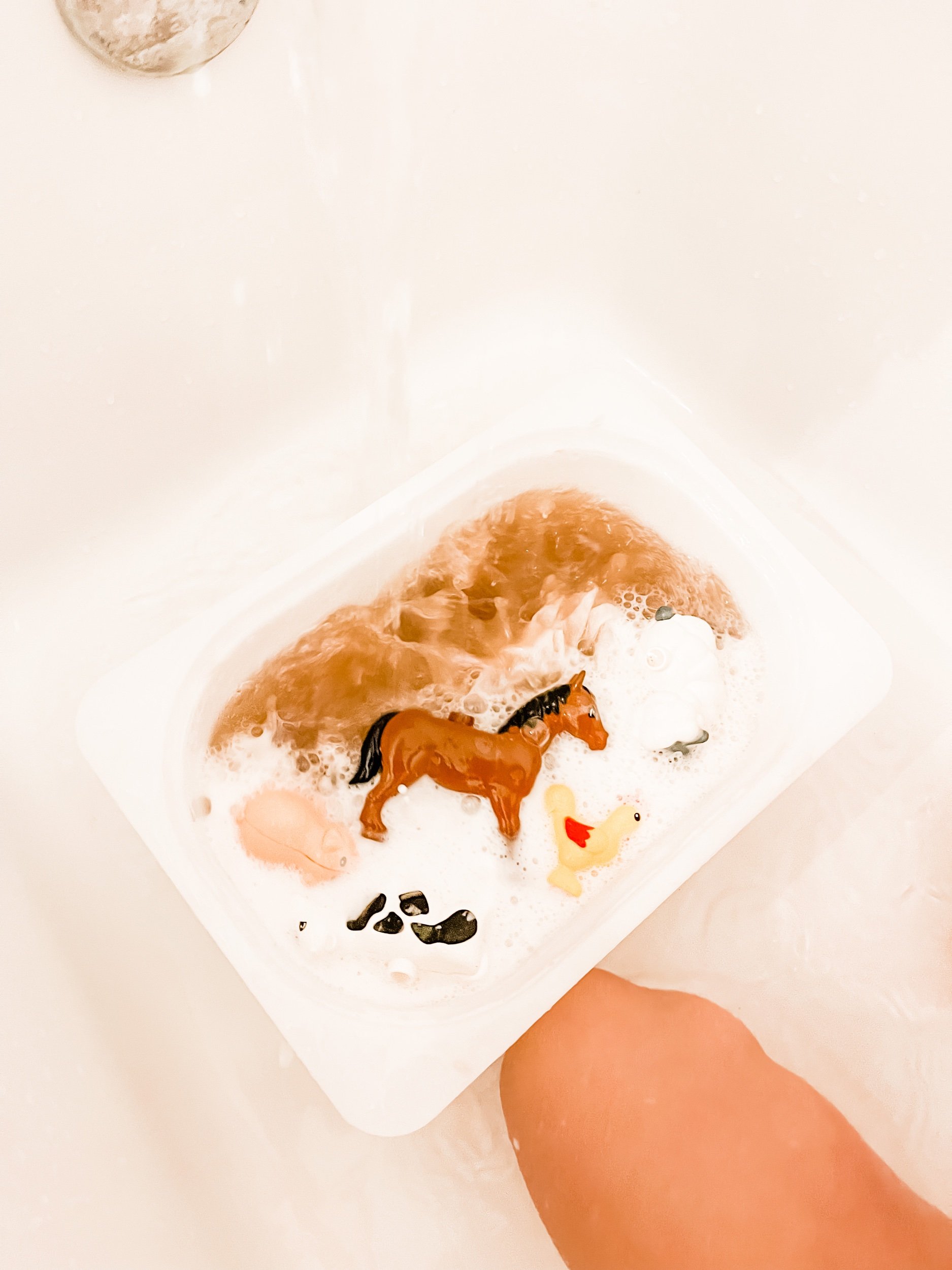
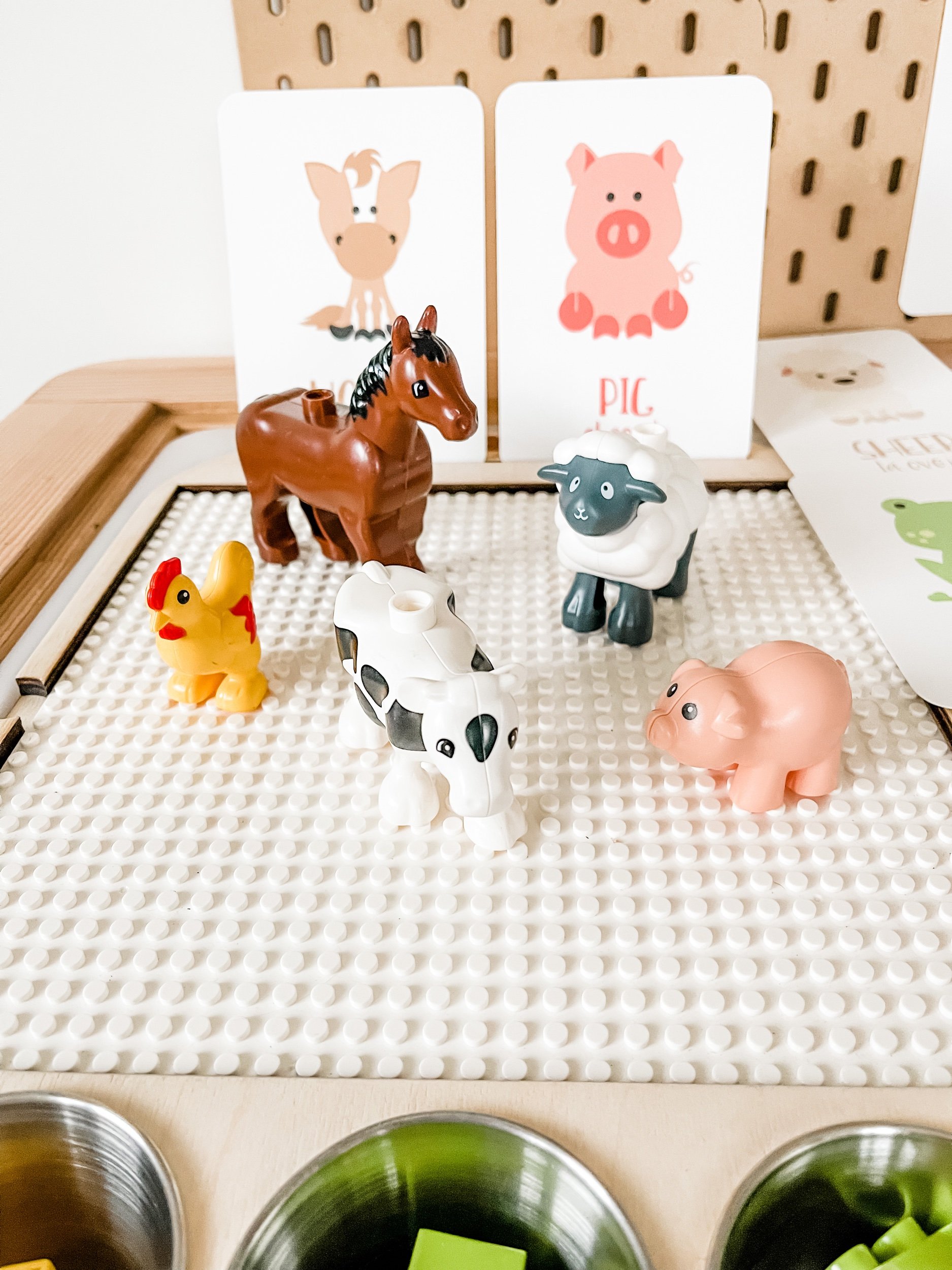
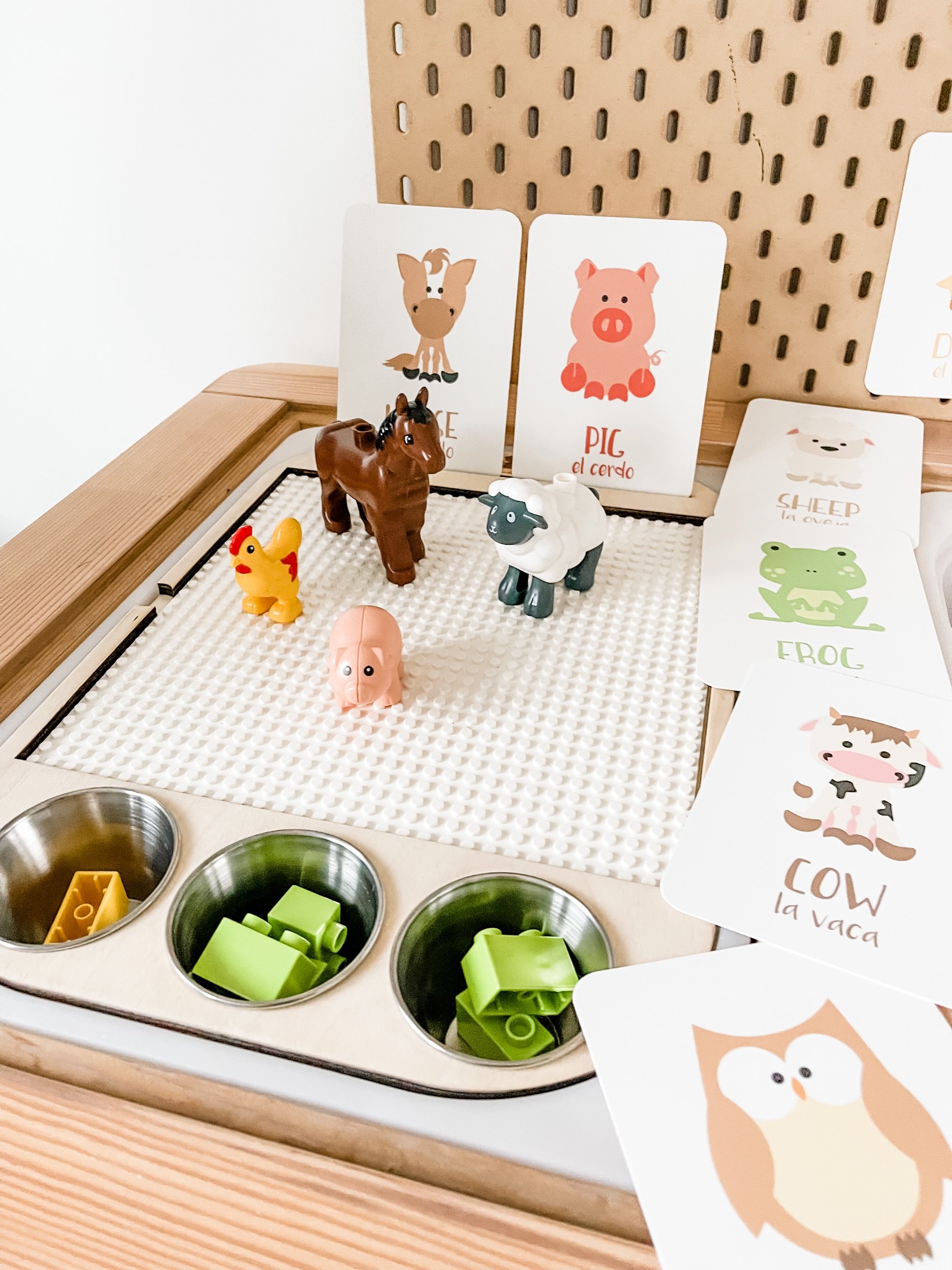
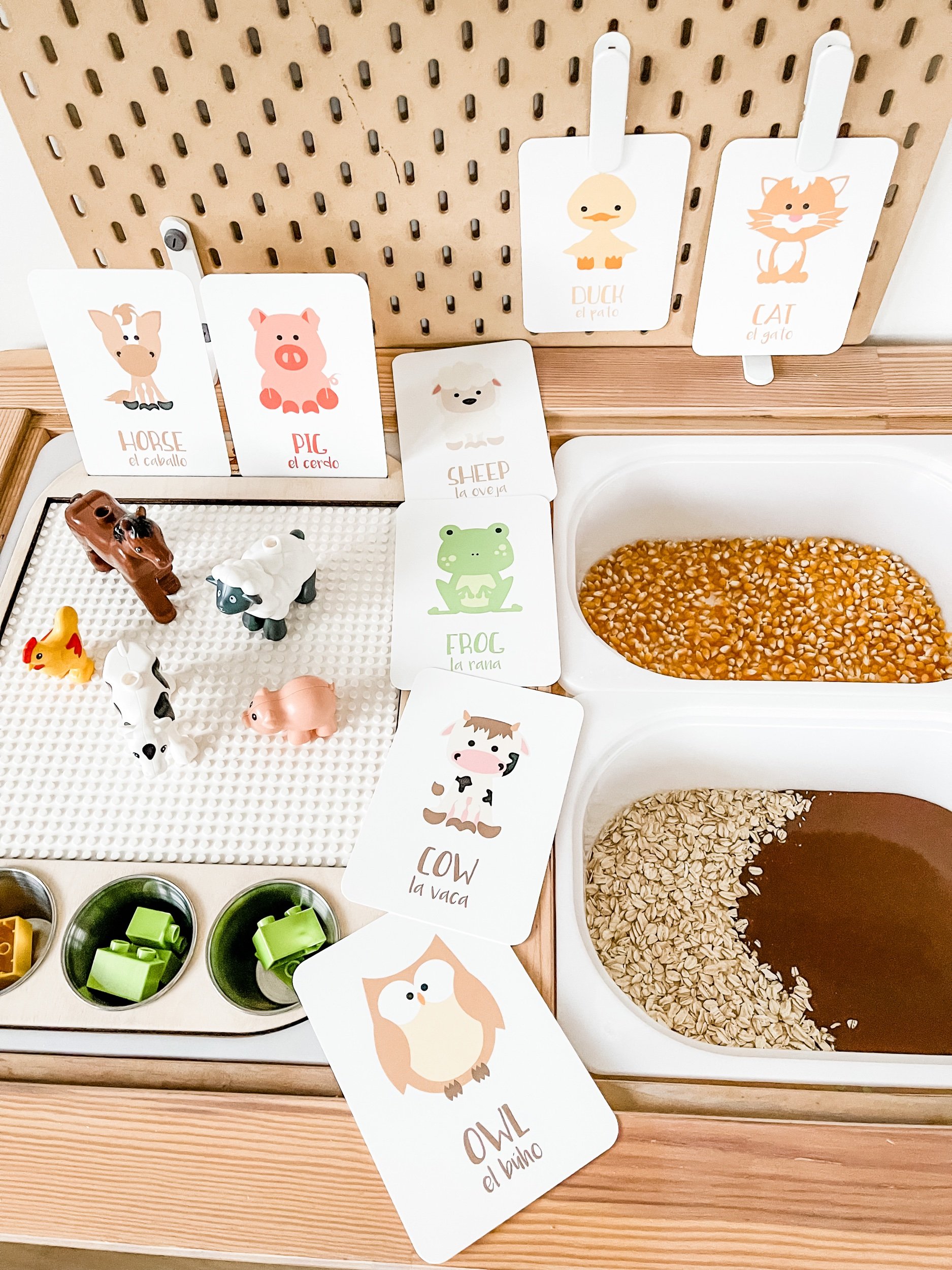
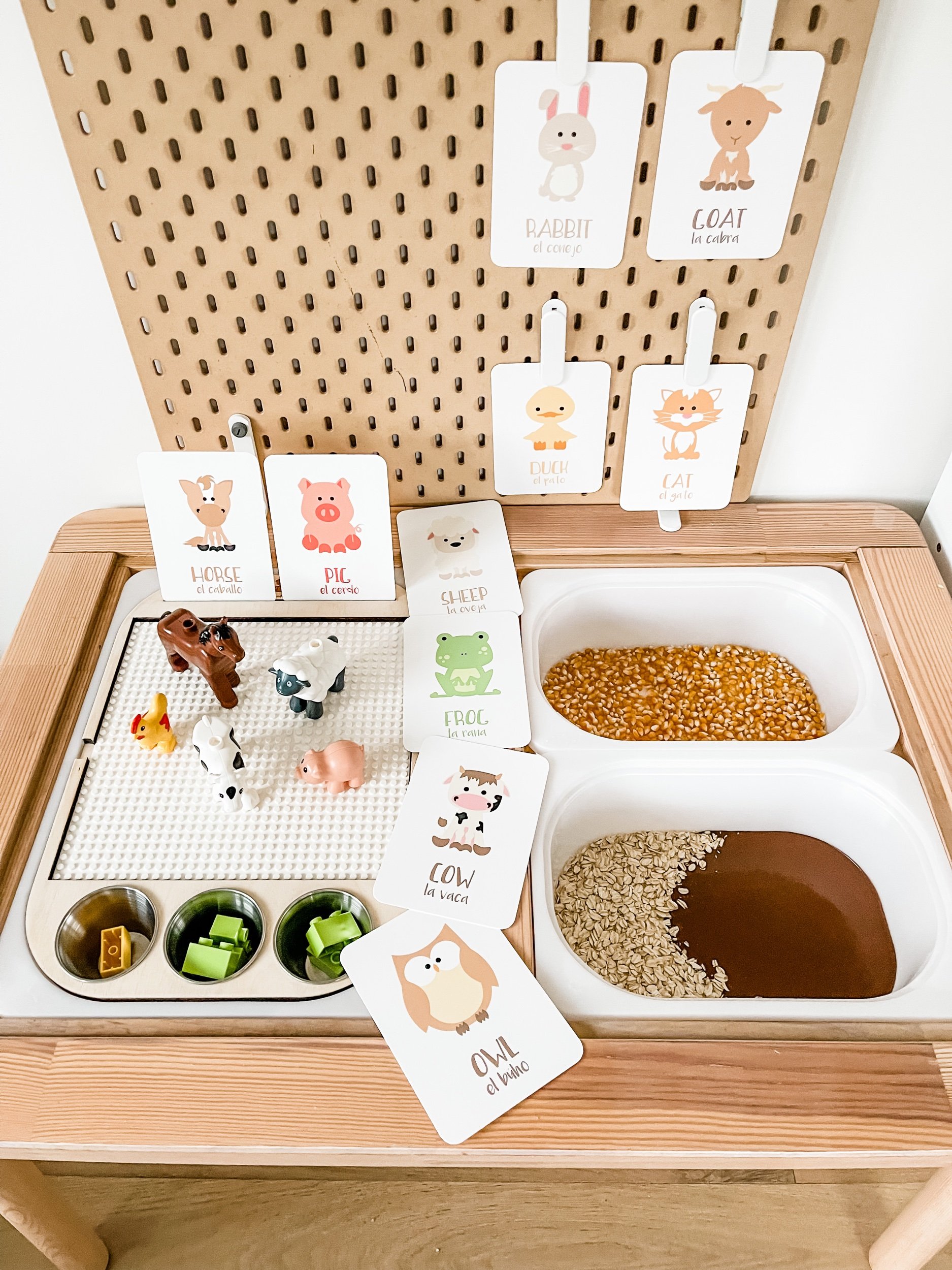
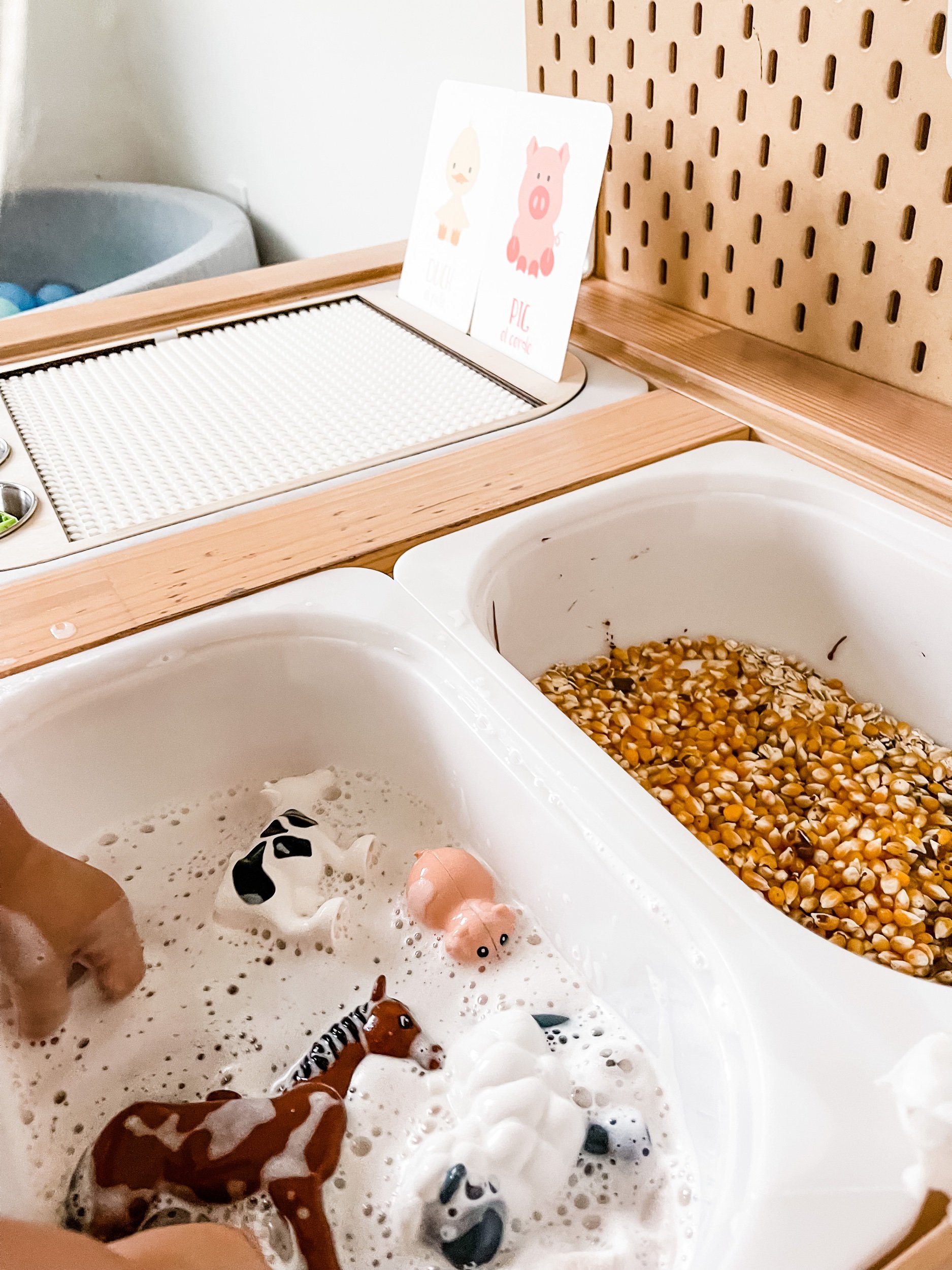
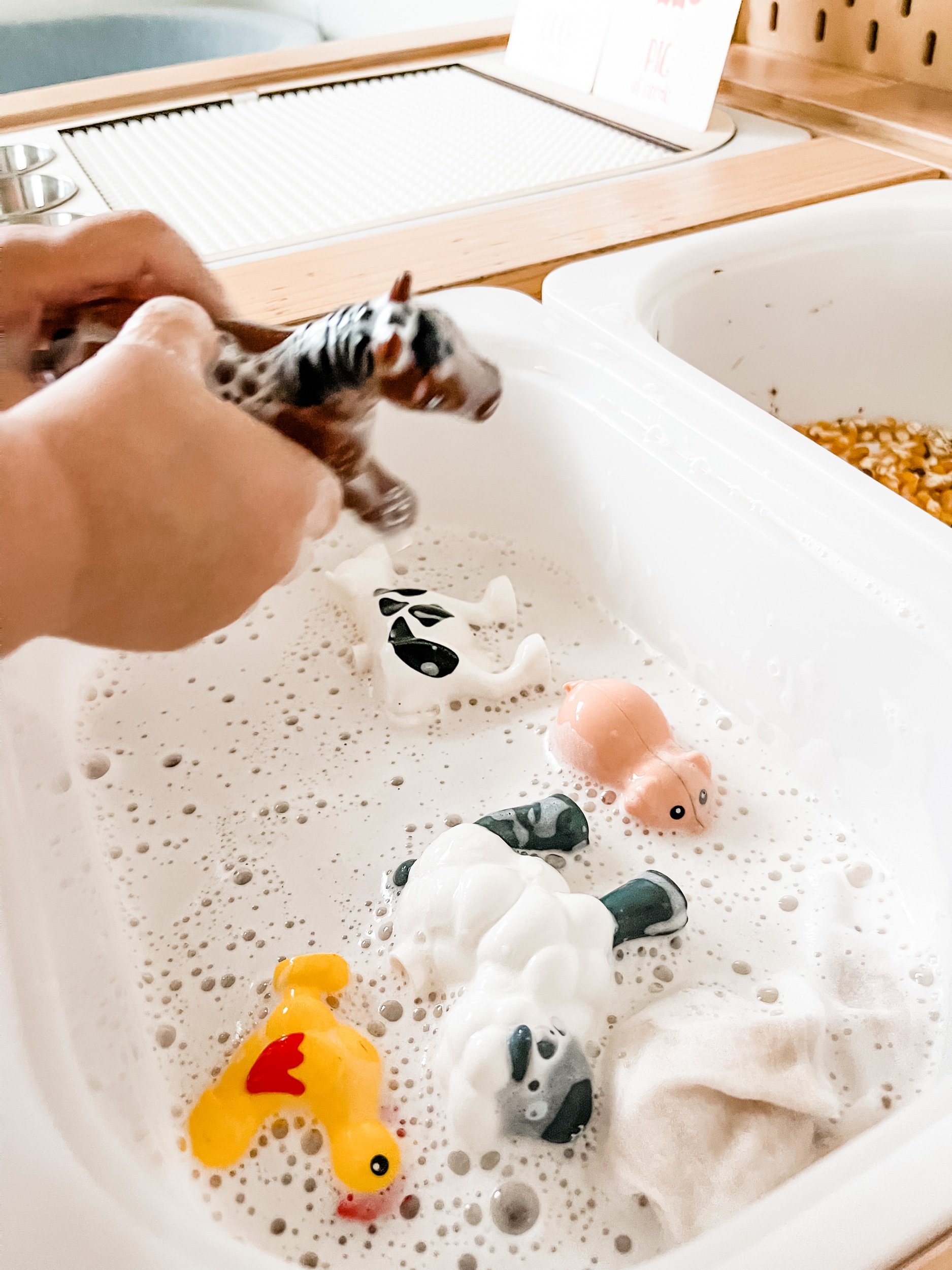
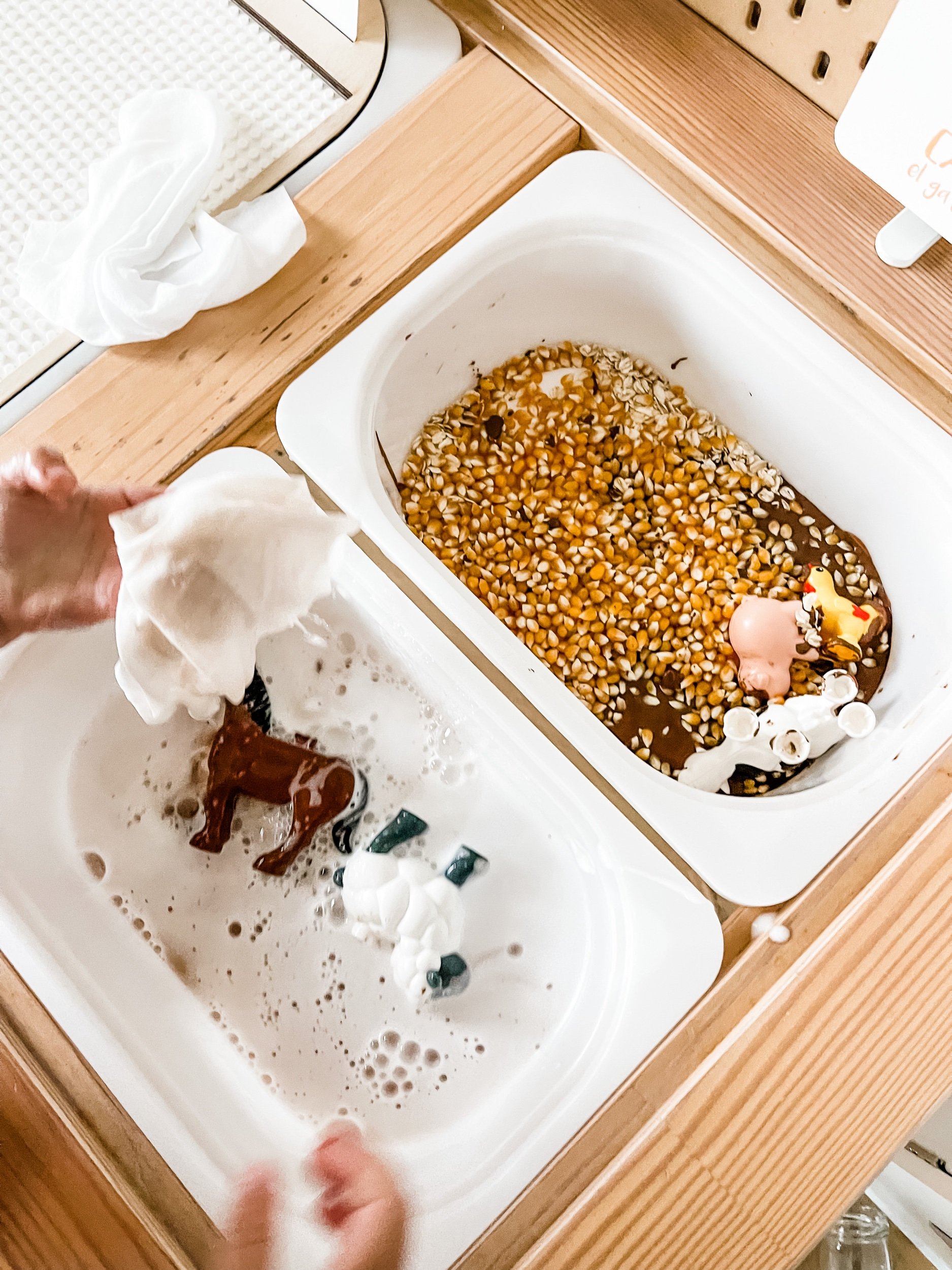
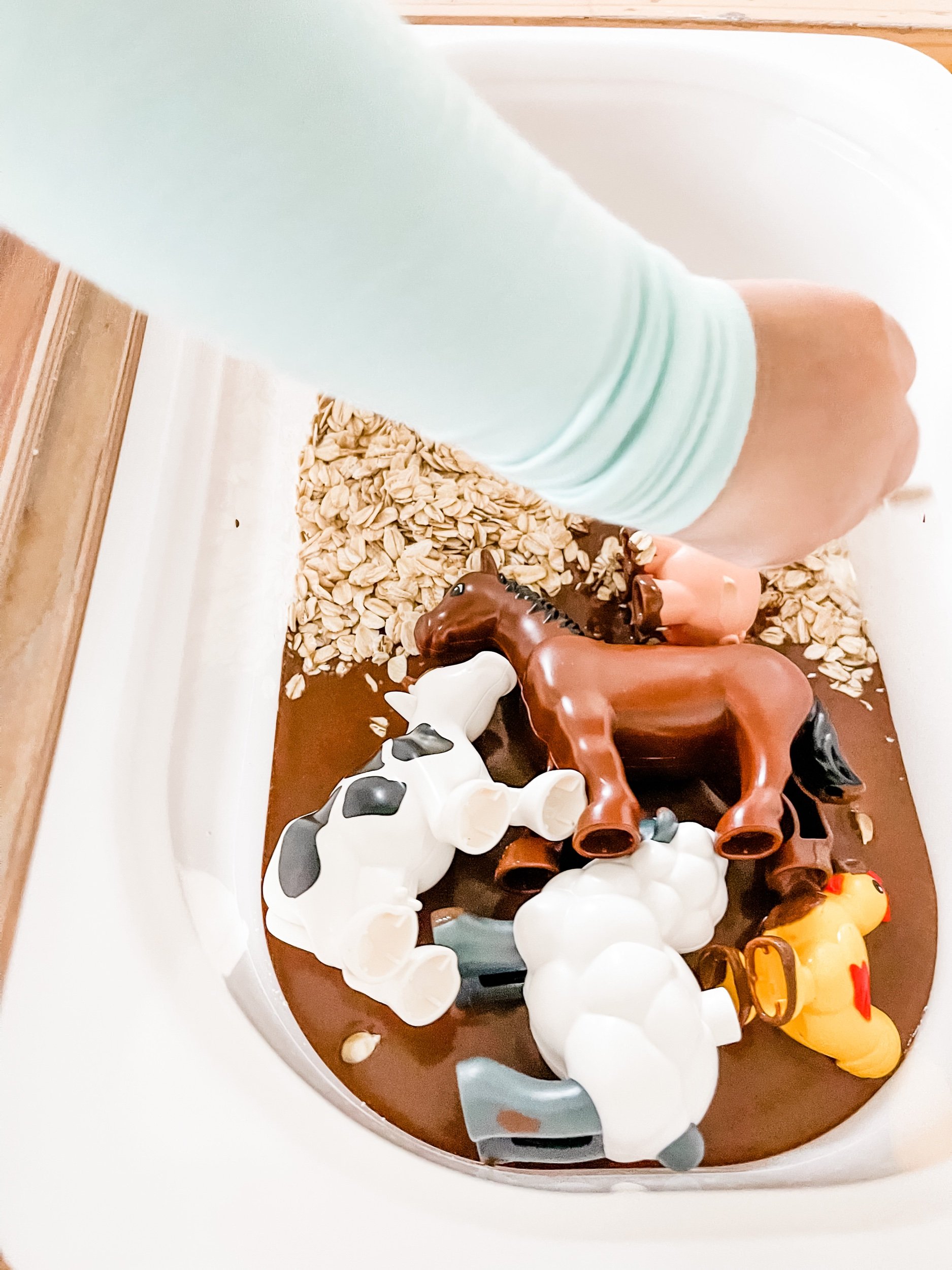
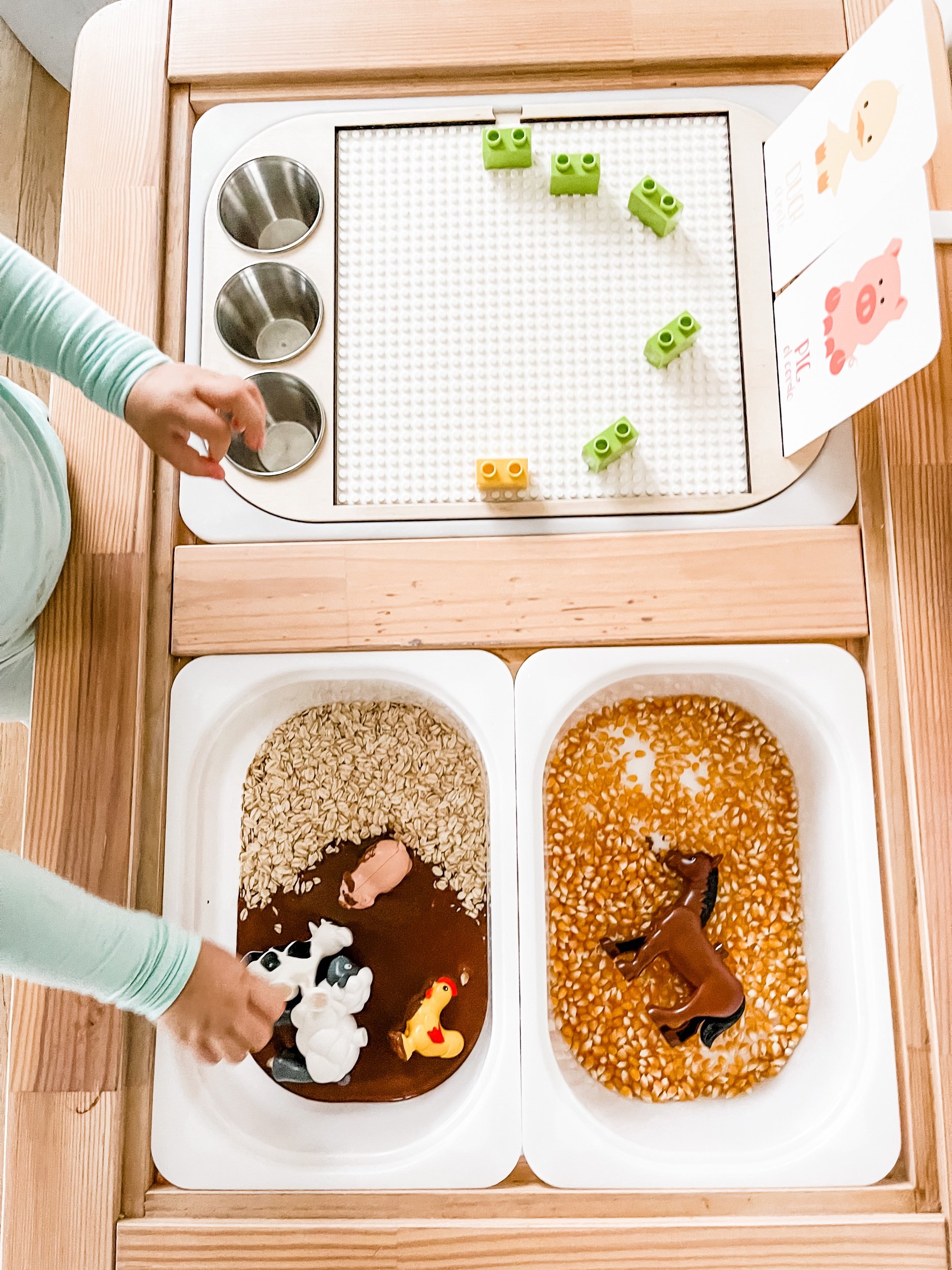
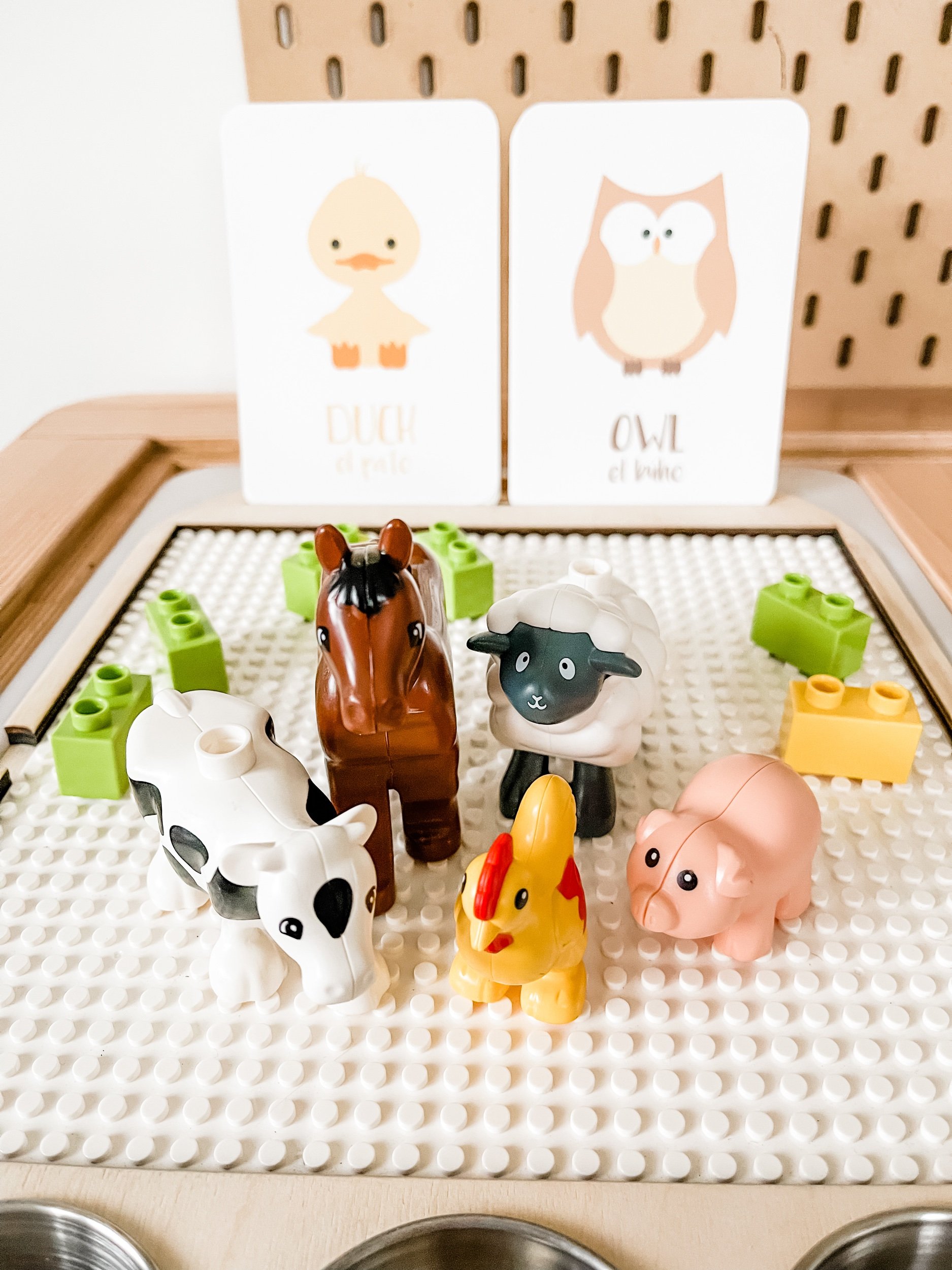
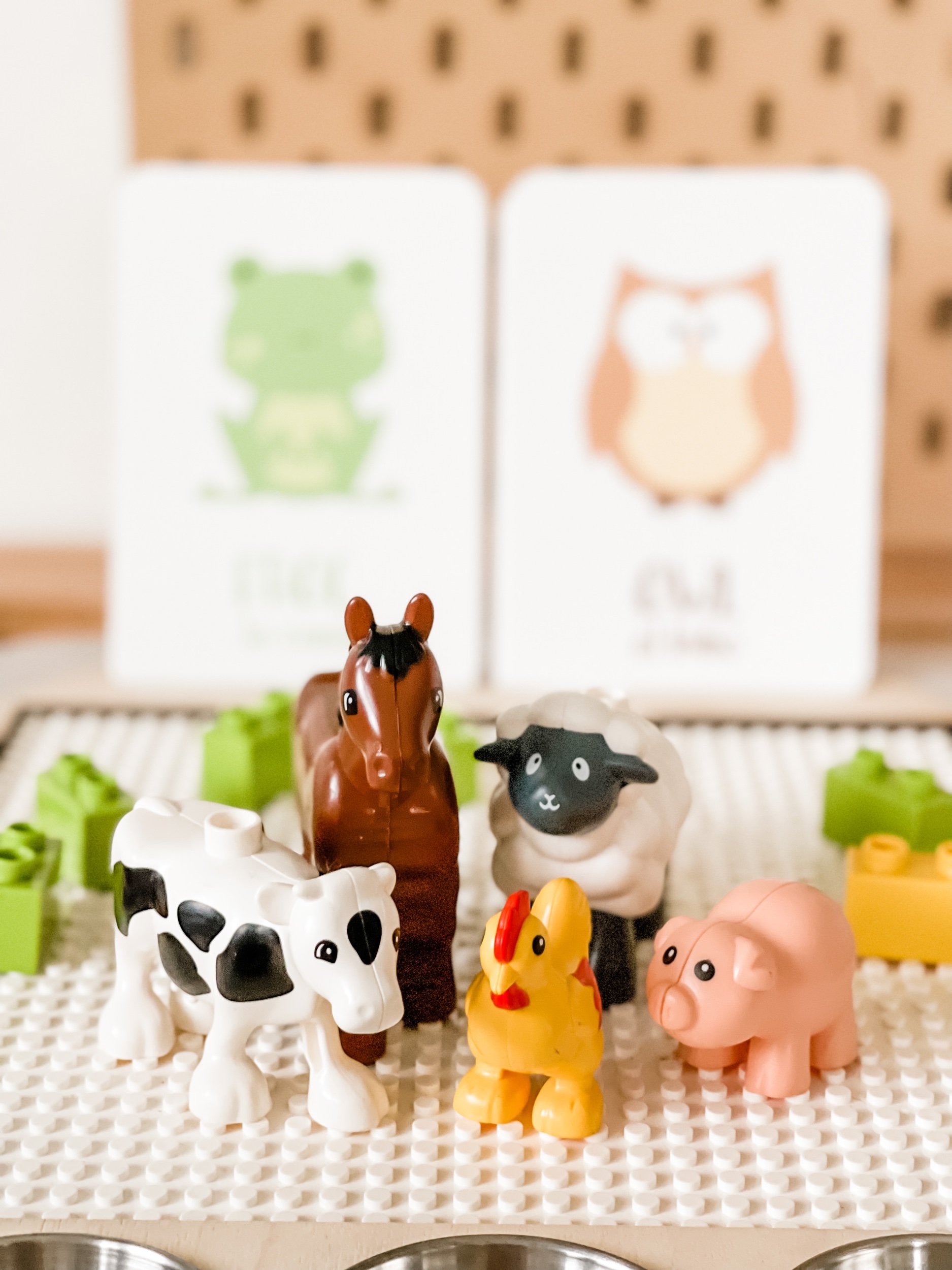
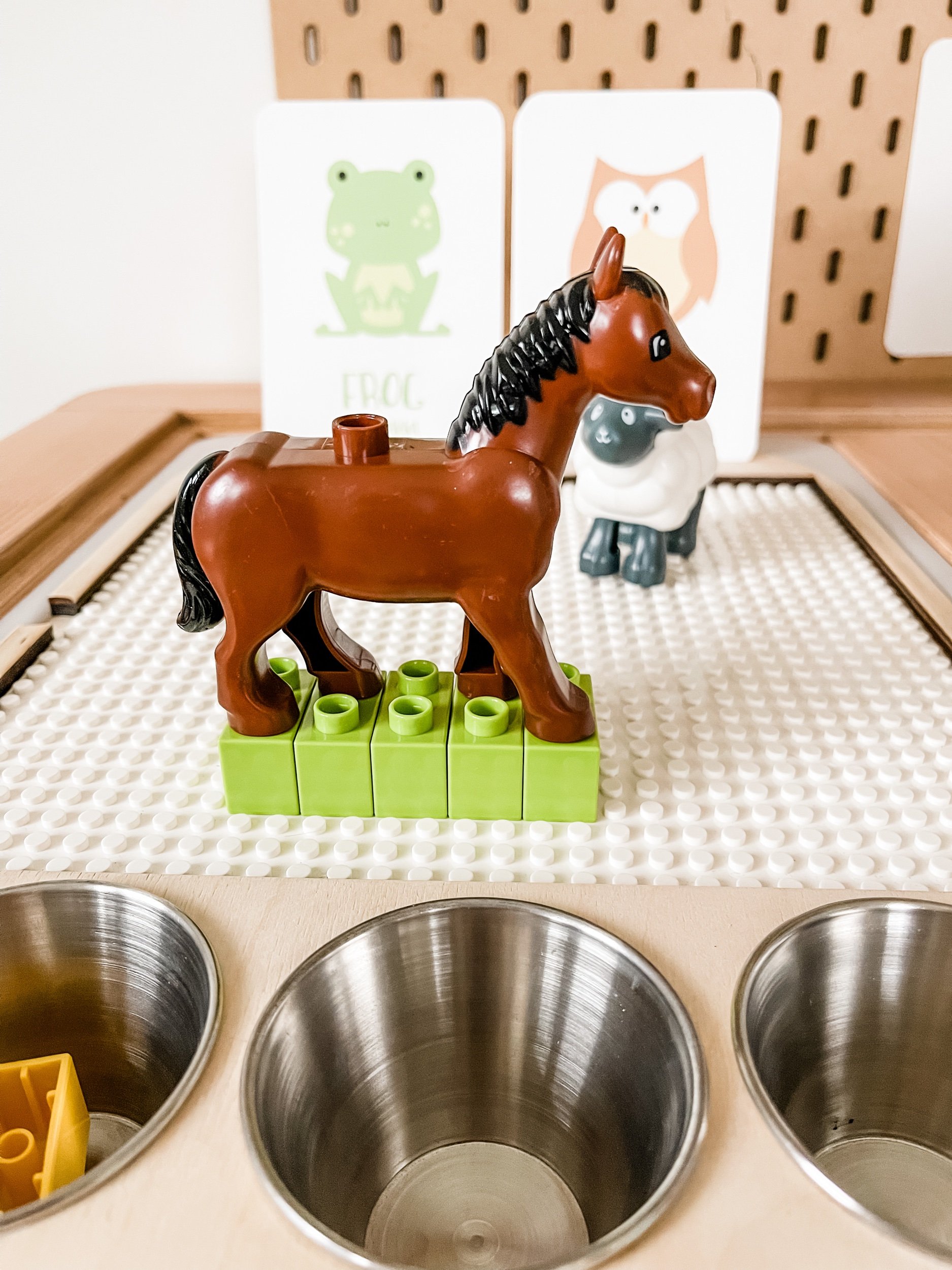
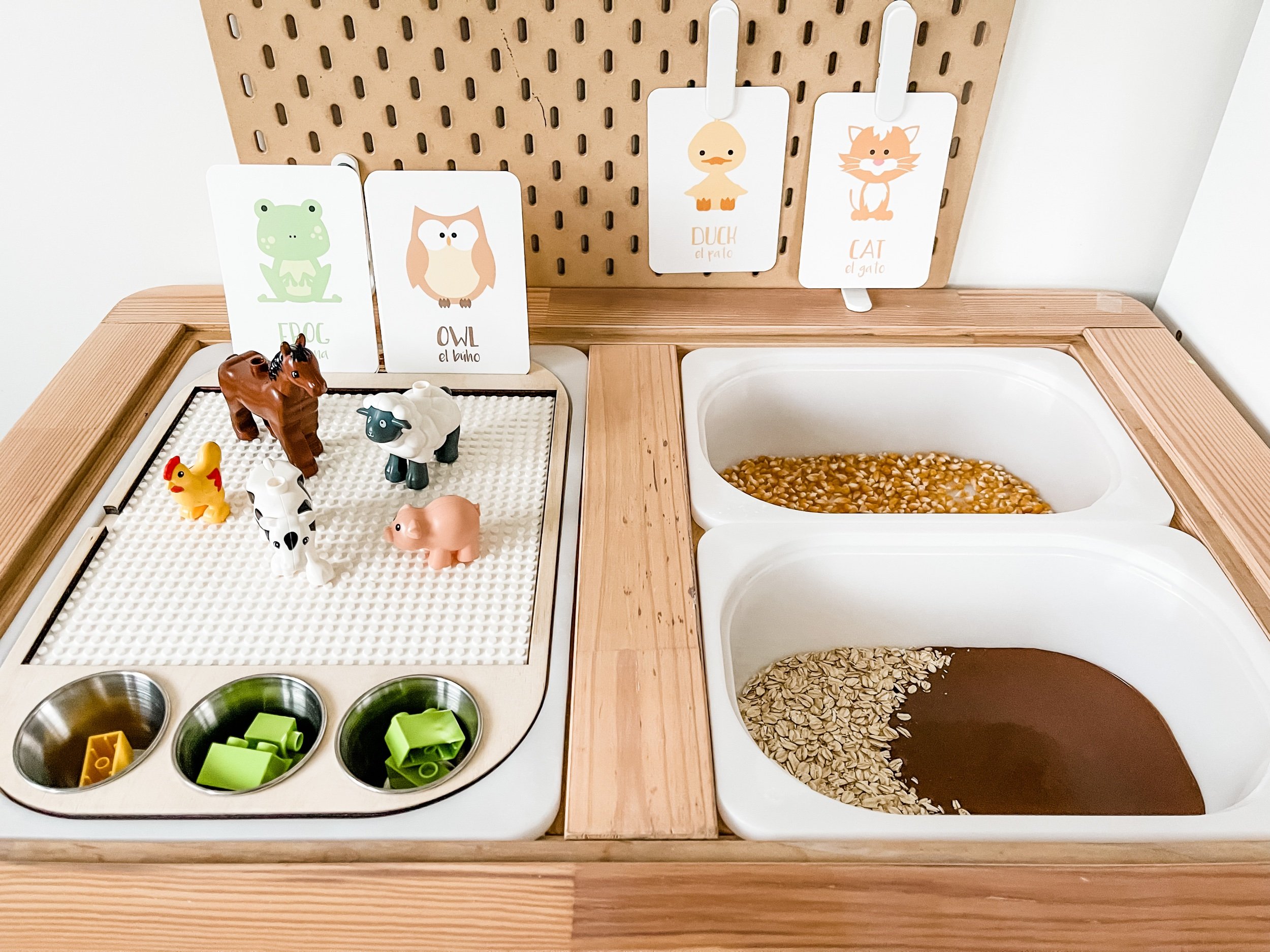
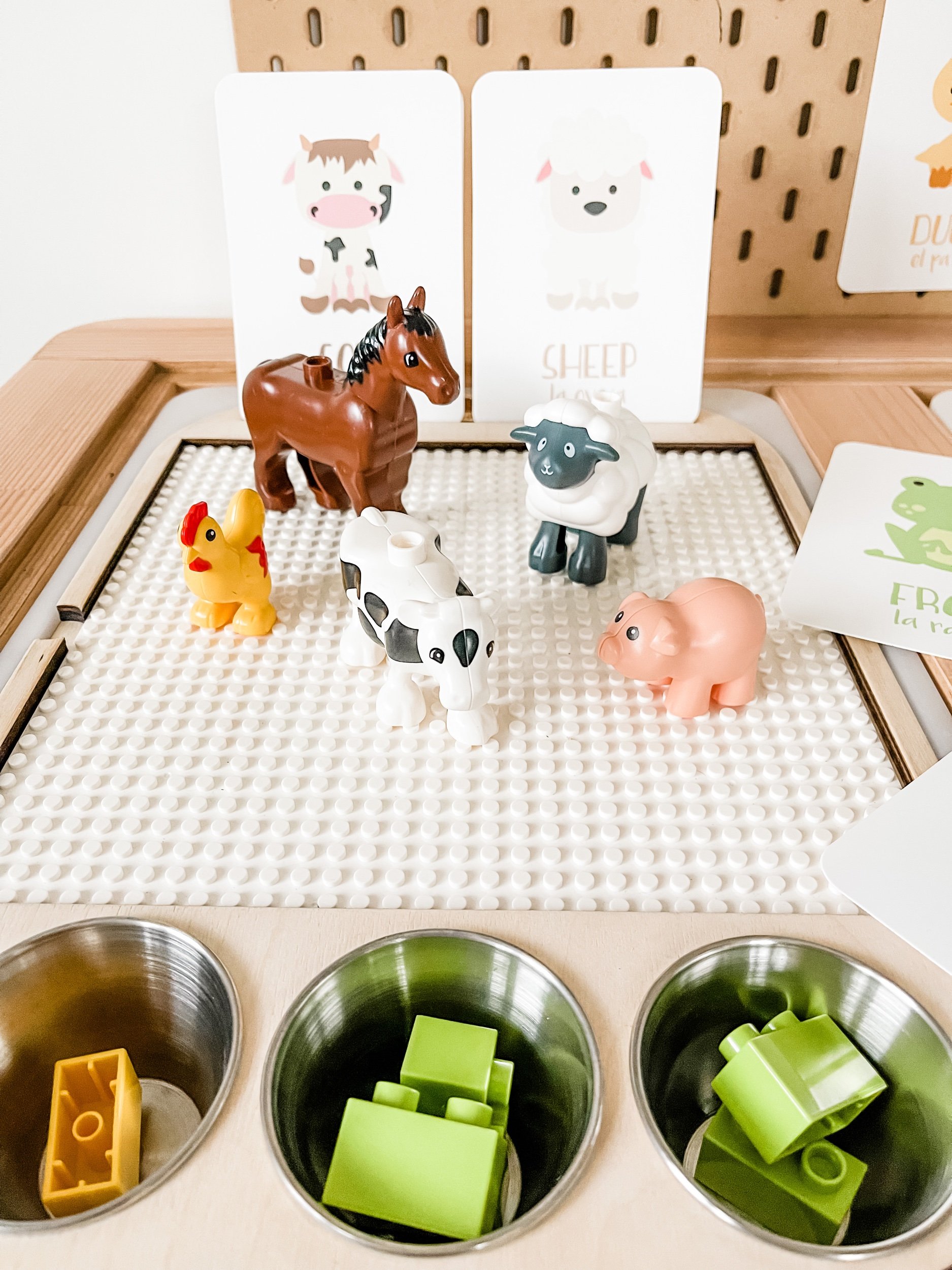
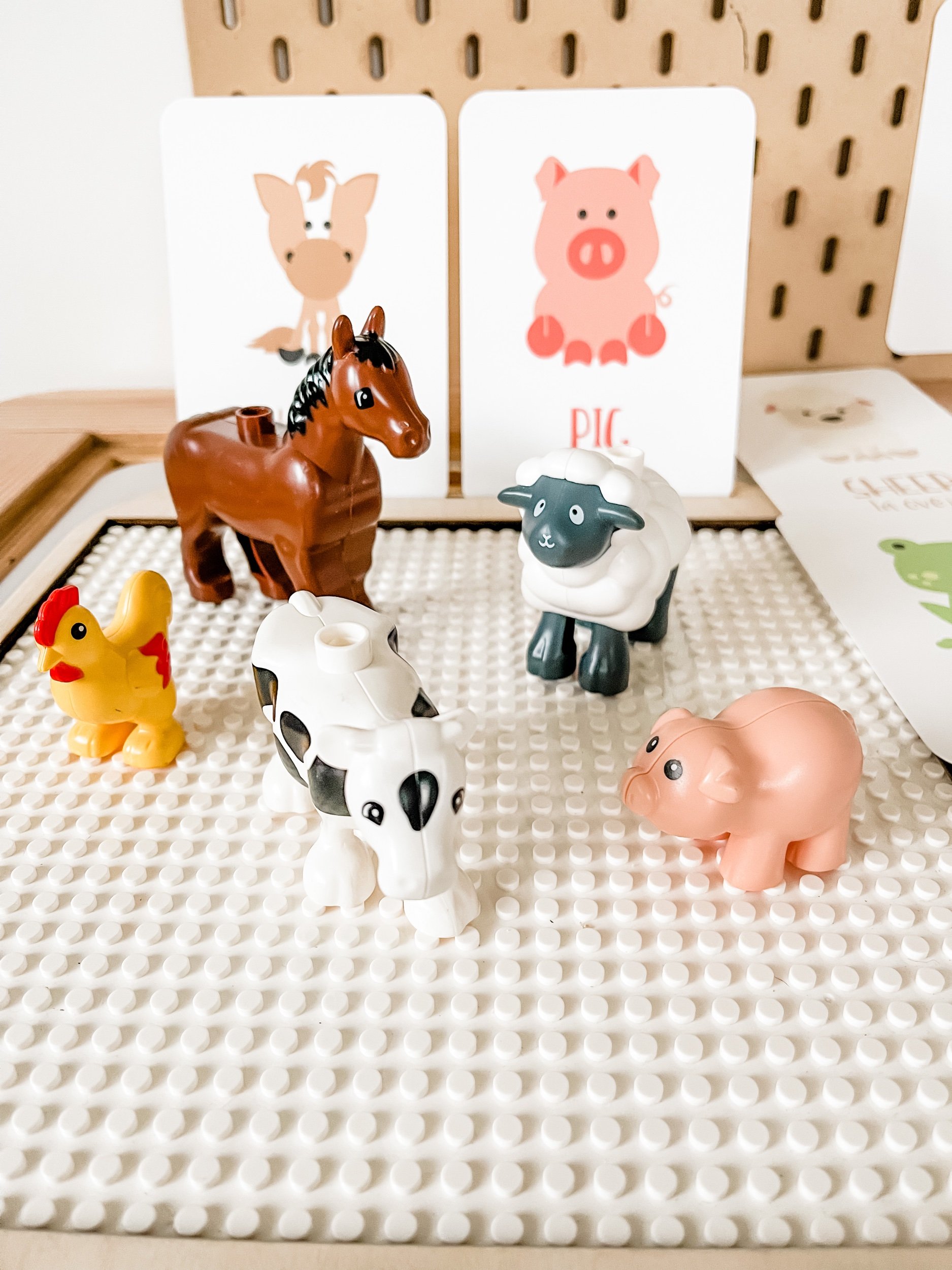
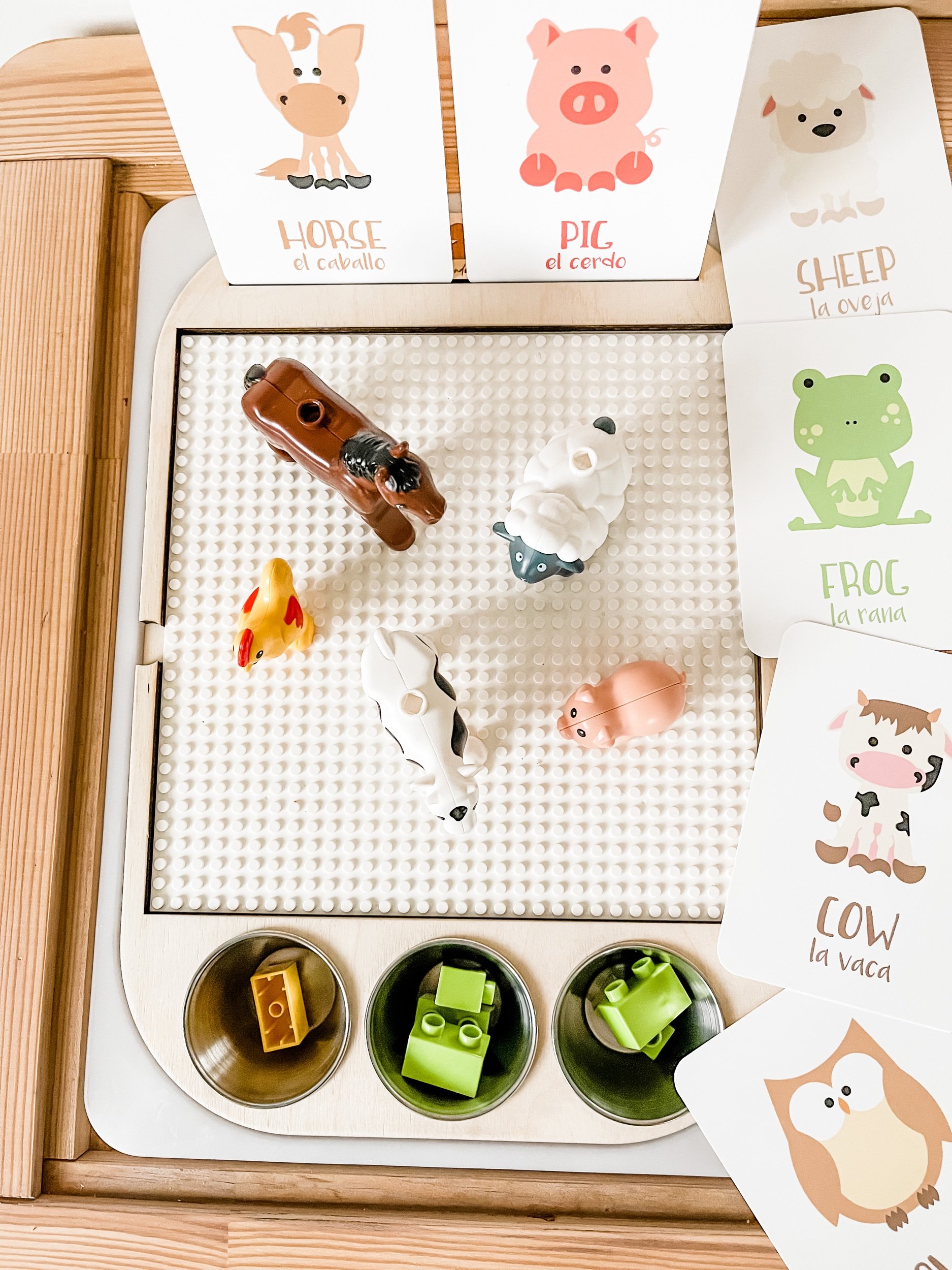
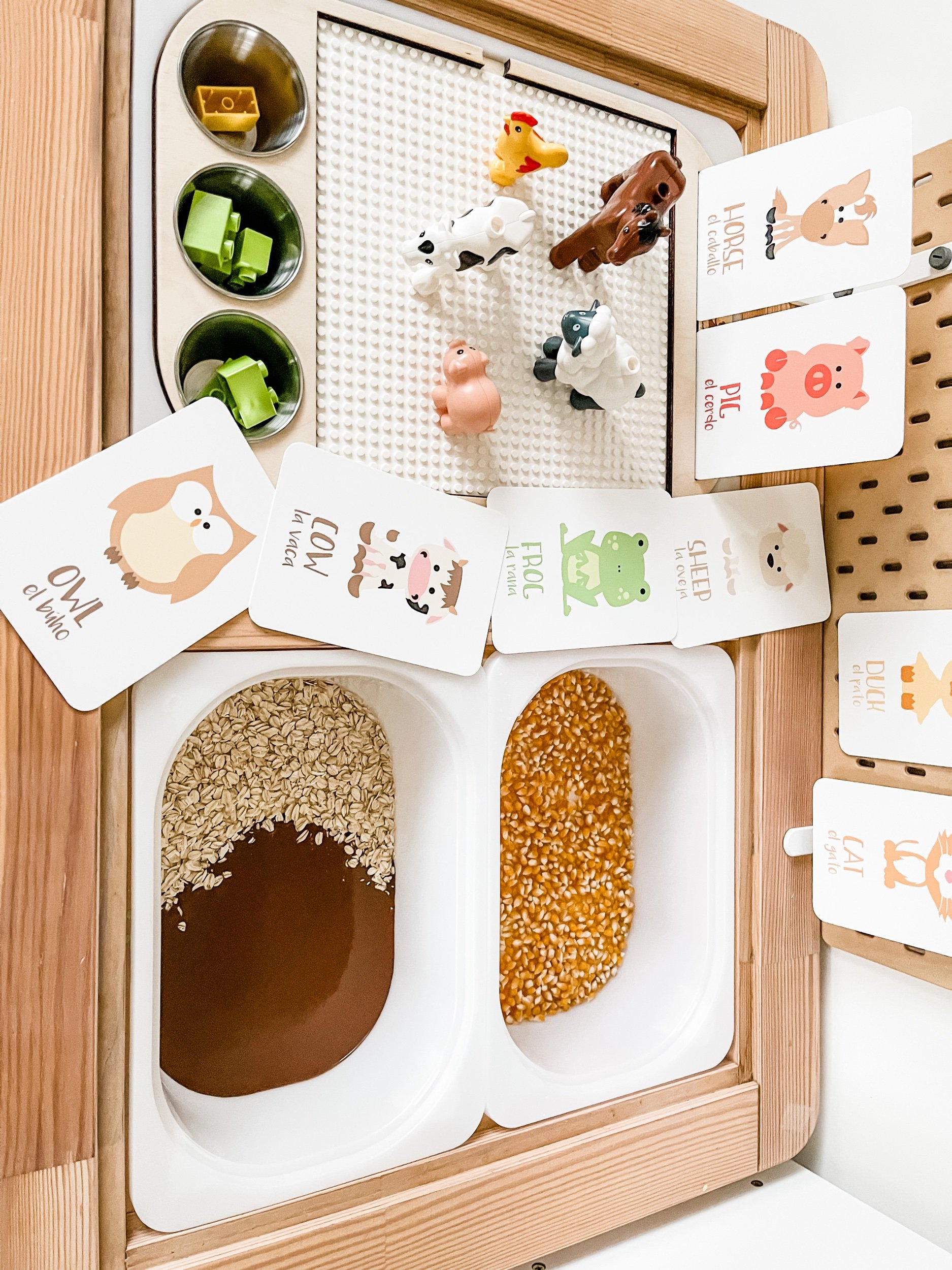
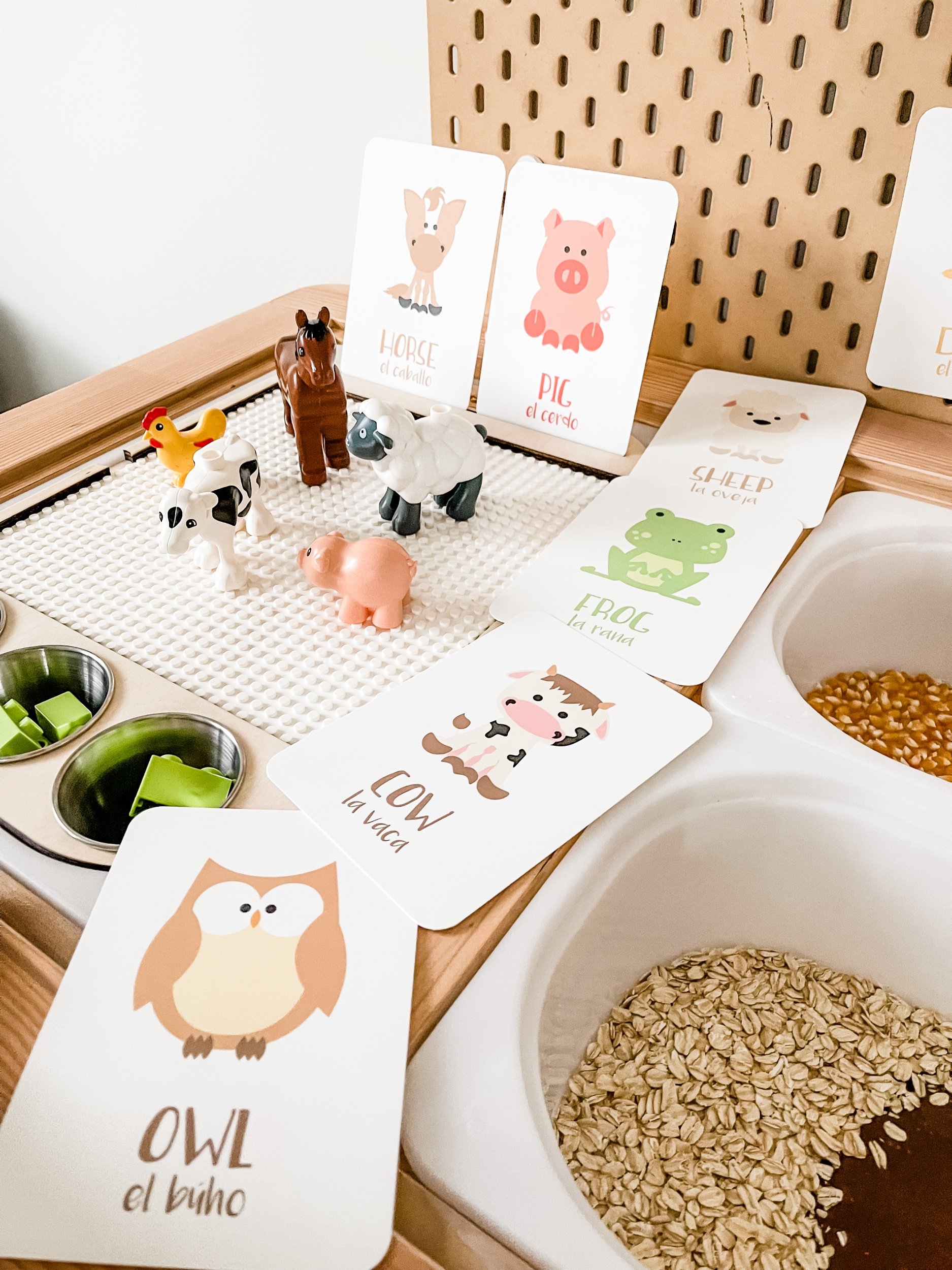
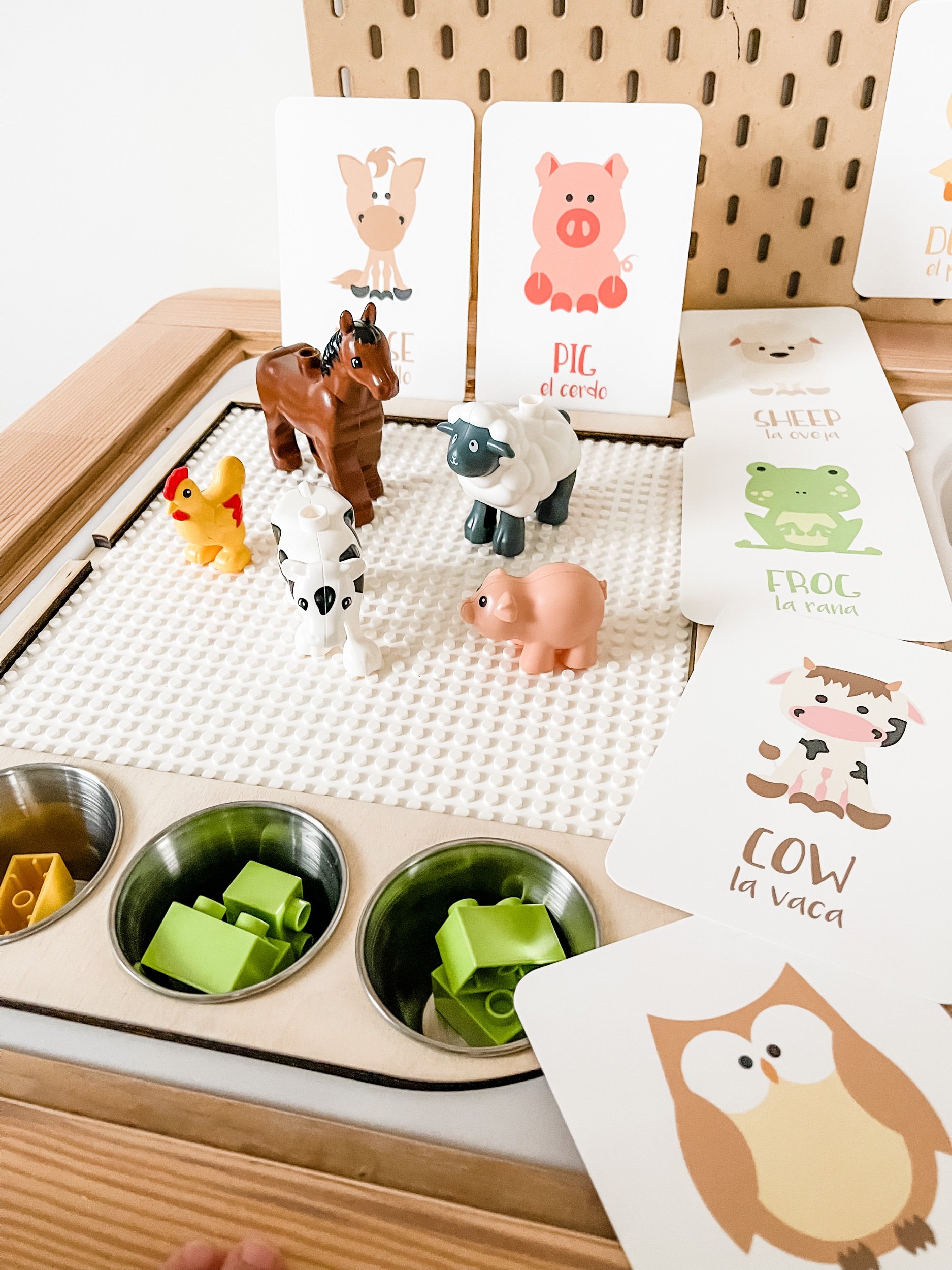
And last but not least, this farm animal Lego setup was an absolute blast. This one was definitely messy and we ended up covered in fake mud! I used a mixture of cacao powder, water and cornstarch to make it edible but not tasty. Oatmeal and corn of course for the farm. And then paired it with Duplo Farm Animals and Farm Animal Matching Cards.

Calm and Soothe: The Magic of Sensory Bottles for Kids

DIY Sensory Bottles: How to Make Sensory Bottles for Toddlers

A clear bottle, some water, and a handful of treasures — sensory bottles are the easiest calm-down tool you'll ever make, and kids are mesmerized by them.

Best forAges 1–6
Time15 minutes per bottle
CostA few dollars each
SkillsCalm-down tool + visual tracking

A sensory bottle is exactly what it sounds like: a sealed bottle filled with things to watch. Shake it, flip it, roll it — beads swirl, glitter drifts, little charms tumble slowly to the bottom. They are wonderful for car rides, waiting rooms, quiet time, and the top of a calming corner, because they give busy hands and busy minds one slow, beautiful thing to follow.

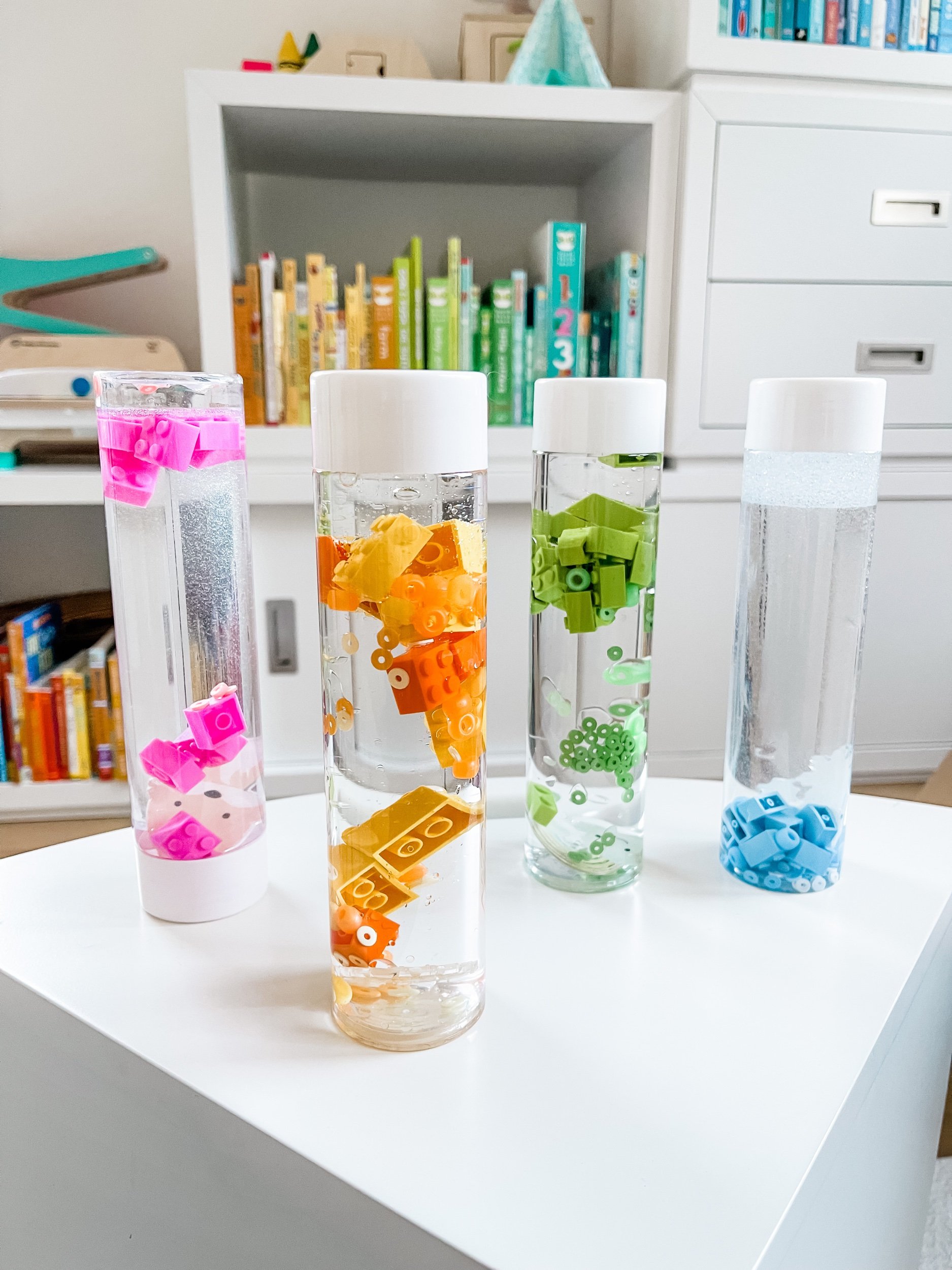
Four finished DIY sensory bottles in pink, yellow, green, and blue with beads and charms
Four bottles, four color themes — pink, sunshine yellow, green, and blue.

What you need

  • Clear plastic bottles with caps — tall, slim bottles show off the swirl best
  • Water — fill nearly to the top
  • Clear glue or glitter glue — thickens the water so everything drifts slowly
  • Small treasures: pony beads, LEGO bricks, acrylic charms, sequins
  • Food coloring (optional, for tinted water)
  • Hot glue or super glue — to seal the cap (adults only)
Sensory bottle materials spread on a table: bead organizer, bags of LEGO bricks, acrylic charms, and empty bottles
The whole materials spread — everything gets sorted by color first.

How to make a sensory bottle

Step 1: Pick a theme and a color

One color per bottle keeps it beautiful instead of muddy. We did pink, sunshine yellow, green, and blue — each with matching beads, bricks, and charms. Let your child pick their color; choosing is half the fun.

Top-down view of sorted sensory bottle fillers: rainbow bead organizer, LEGO bags, and acrylic charms
Sorted and ready: beads, bricks, and charms in every color.

Step 2: Add the glue

Squeeze a generous ribbon of clear glue into the empty bottle — about a quarter of the bottle. More glue means slower, dreamier movement. Then fill almost to the top with warm water and shake gently to mix.

Step 3: Drop in the treasures

Add a small handful of beads, a few LEGO bricks, and one or two acrylic charms. Less is more — you want to watch each piece drift, not a traffic jam. Our favorites were the little fox, sun, rainbow, and snow-cloud charms.

Close-up of sensory bottle fillers: rainbow bead bags and smiling cloud and rainbow acrylic charms
The treasures: rainbow beads and the sweetest little acrylic charms.
Pink LEGO bricks, fox acrylic charm, and green beads beside an empty sensory bottle
Pink bottle ingredients: bricks, beads, and one fox charm.

Step 4: Seal it tight

Top off with water, leaving just a finger of air at the top. Run a ring of hot glue around the inside of the cap (adults only), screw it on tight, and let it set. This is the step that keeps the bottle a toy instead of a spill.

Four sealed sensory bottles with matching charms and bead bags in front
Sealed and ready — shake, flip, and watch everything drift.

Four seasons sensory bottles

One of our favorite versions of this craft: a set of four bottles, one for each season. Same method, different treasures — and a lovely way to talk about the seasons with toddlers.

  • Spring: pastel beads, flower sequins, a butterfly or bunny charm
  • Summer: blue water, shell beads, a sun charm, extra glitter for sparkle
  • Fall: orange and red beads, tiny leaf shapes, a fox charm
  • Winter: white and silver beads, snowflake sequins, a snow-cloud charm
Four seasons sensory bottles: spring, summer, fall, and winter themed discovery bottles
Spring, summer, fall, winter — one bottle per season.

More theme ideas

  • Rainbow bottle: a pinch of beads in every color, no glue — everything falls fast and bright
  • Weather bottle: cloud, sun, and rainbow charms with blue beads for rain
  • LEGO bottle: bricks in one color plus matching beads — great for little builders
  • Calm-down bottle: extra glue, fine glitter, and one charm to follow with sleepy eyes
  • Find-it bottle: hide one tiny charm among plain filler and make a game of spotting it
Yellow sensory bottle with sun charm, yellow LEGO bricks, and beads
The sunshine bottle: yellow bricks, beads, and a smiling sun.
Close-up of finished sensory bottles: an orange bottle with LEGO bricks lying beside a green bottle
Finished bottles up close: orange and green, packed with LEGO bricks.

How do you keep sensory bottles from leaking?

Hot-glue the cap on — run glue around the inside rim, screw it tight, and let it cure. Check the seal every few months with heavy use.

What liquid goes in a sensory bottle?

Warm water plus clear glue. More glue = slower movement. A drop of dish soap can help glitter spread instead of clumping.

Are sensory bottles safe for toddlers?

Yes once sealed — there are no small parts accessible. Always supervise, and retire any bottle with a cracked cap or cloudy seal.

How long do they last?

Months. If the water gets cloudy, unscrew, rinse, and refill — the treasures can be reused.