• Activity ideas by age
    • Seasonal activities
    • Materials & fillers
    • Getting Started
    • Taste Safe
    • All activity ideas
  • Shop
  • Freebies
  • About
Menu

Goodnight Fox

1974 San Luis Ave
Mountain View
16502243796
Dramatic & Sensory Play for Early Learners

Your Custom Text Here

Goodnight Fox

  • Activities
    • Activity ideas by age
    • Seasonal activities
    • Materials & fillers
    • Getting Started
    • Taste Safe
    • All activity ideas
  • Shop
  • Freebies
  • About

DIY Sensory Stress Balls for Toddlers (Calming Play at Home)

June 5, 2022 Kylie Tuosto
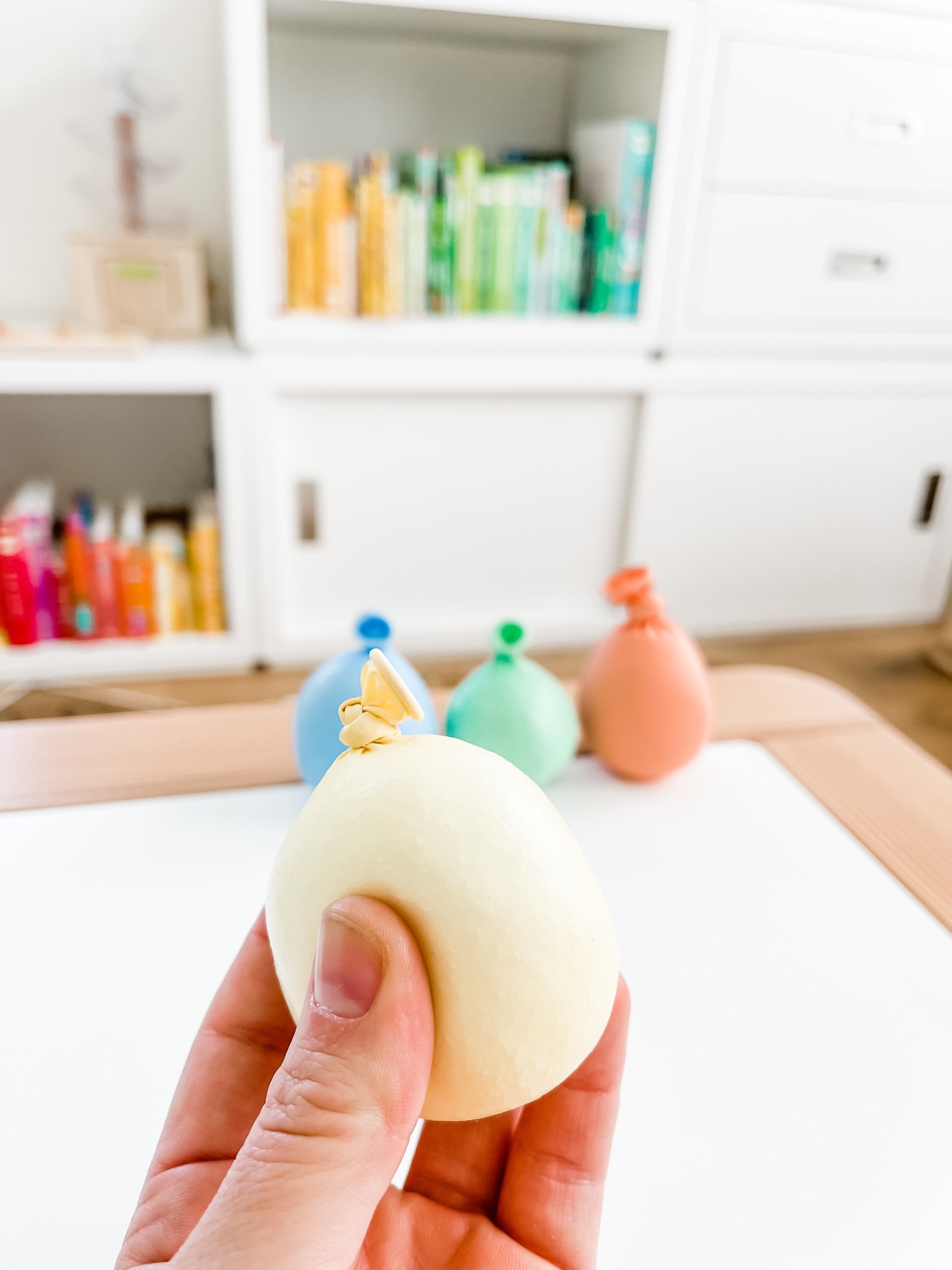
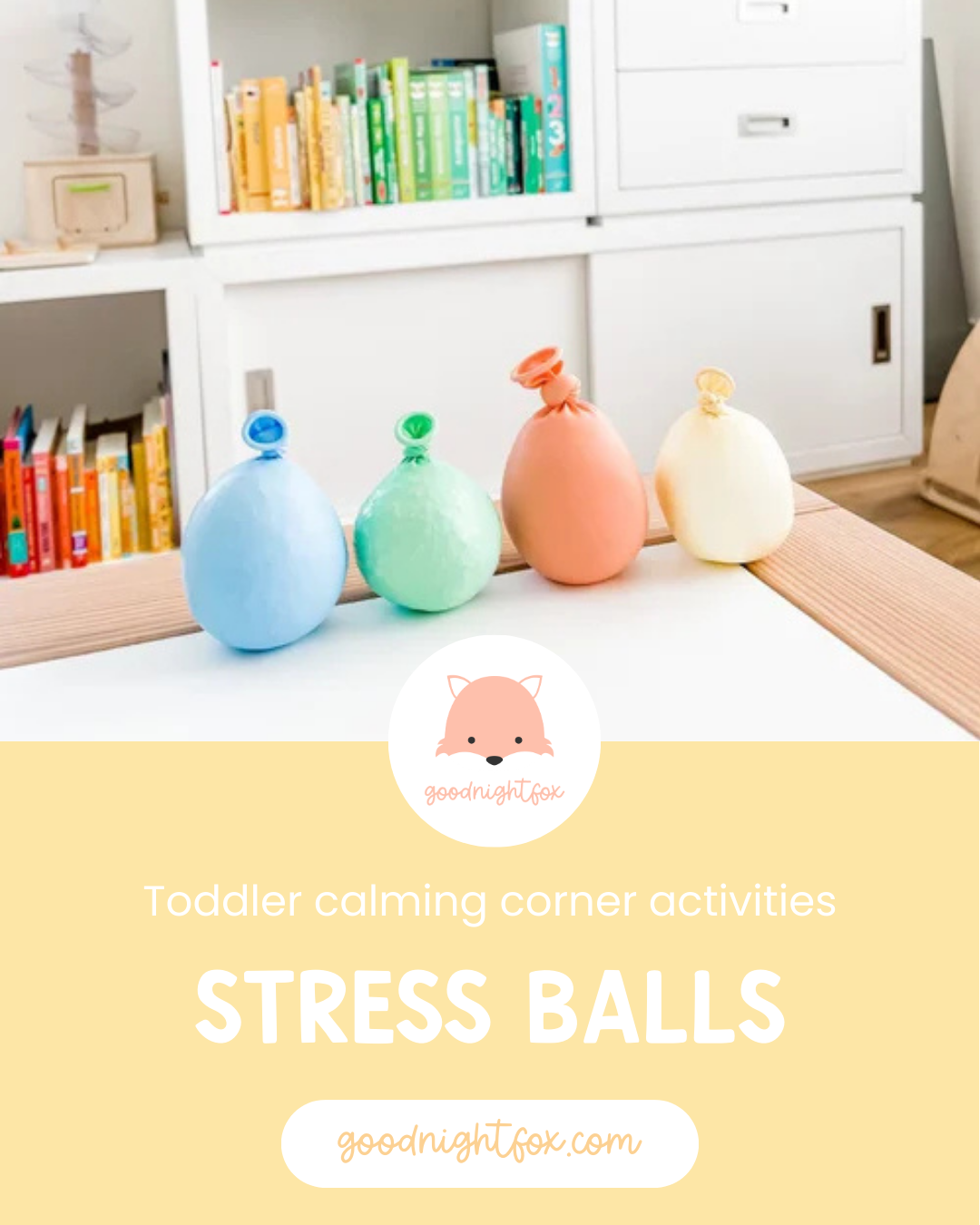
DIY sensory stress balls made with rice, flour, and salt for toddlers

Sensory stress balls are a simple, low-prep sensory activity that supports calm, focus, and fine motor development in young children. Made with everyday household materials, these squishy balls are especially helpful for toddlers who benefit from tactile input during quiet play, emotional regulation moments, or calming corner routines.

This easy DIY project is budget-friendly, customizable, and fits naturally into a sensory-rich home or homeschool environment.
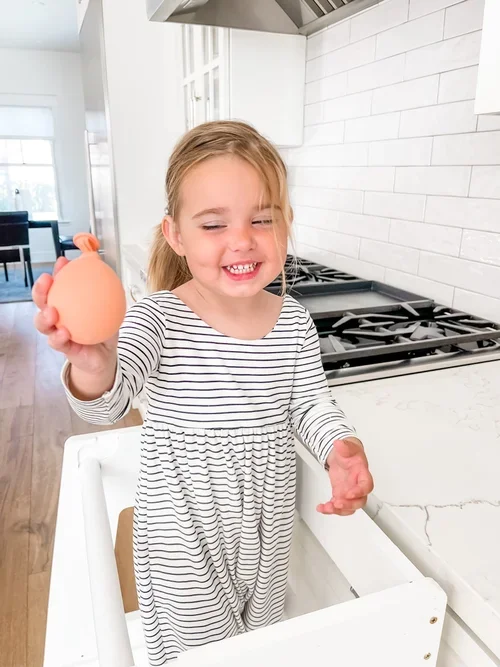
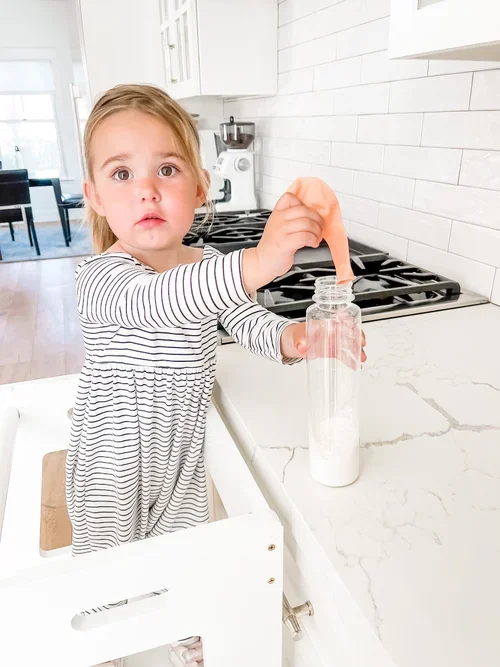
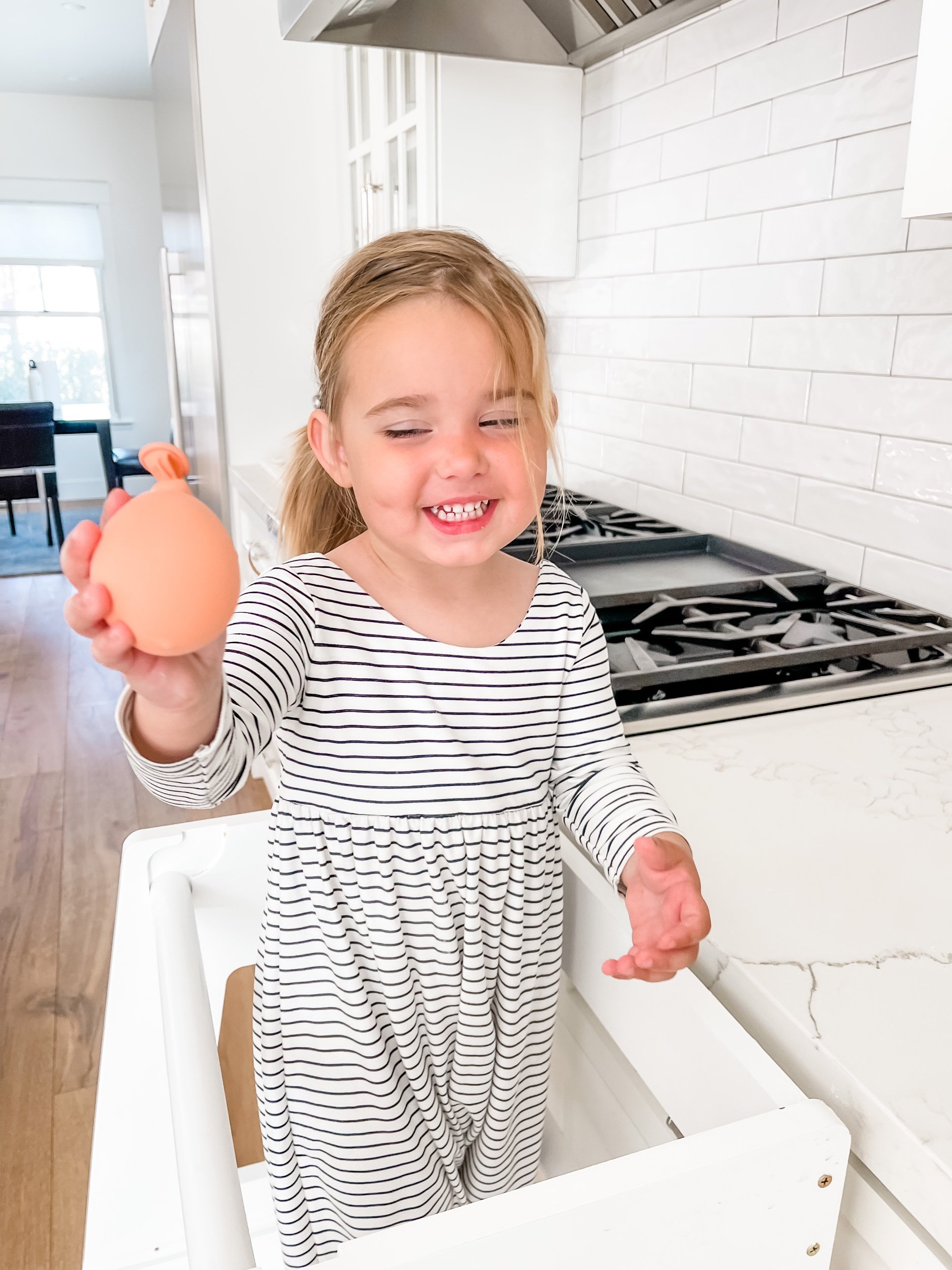
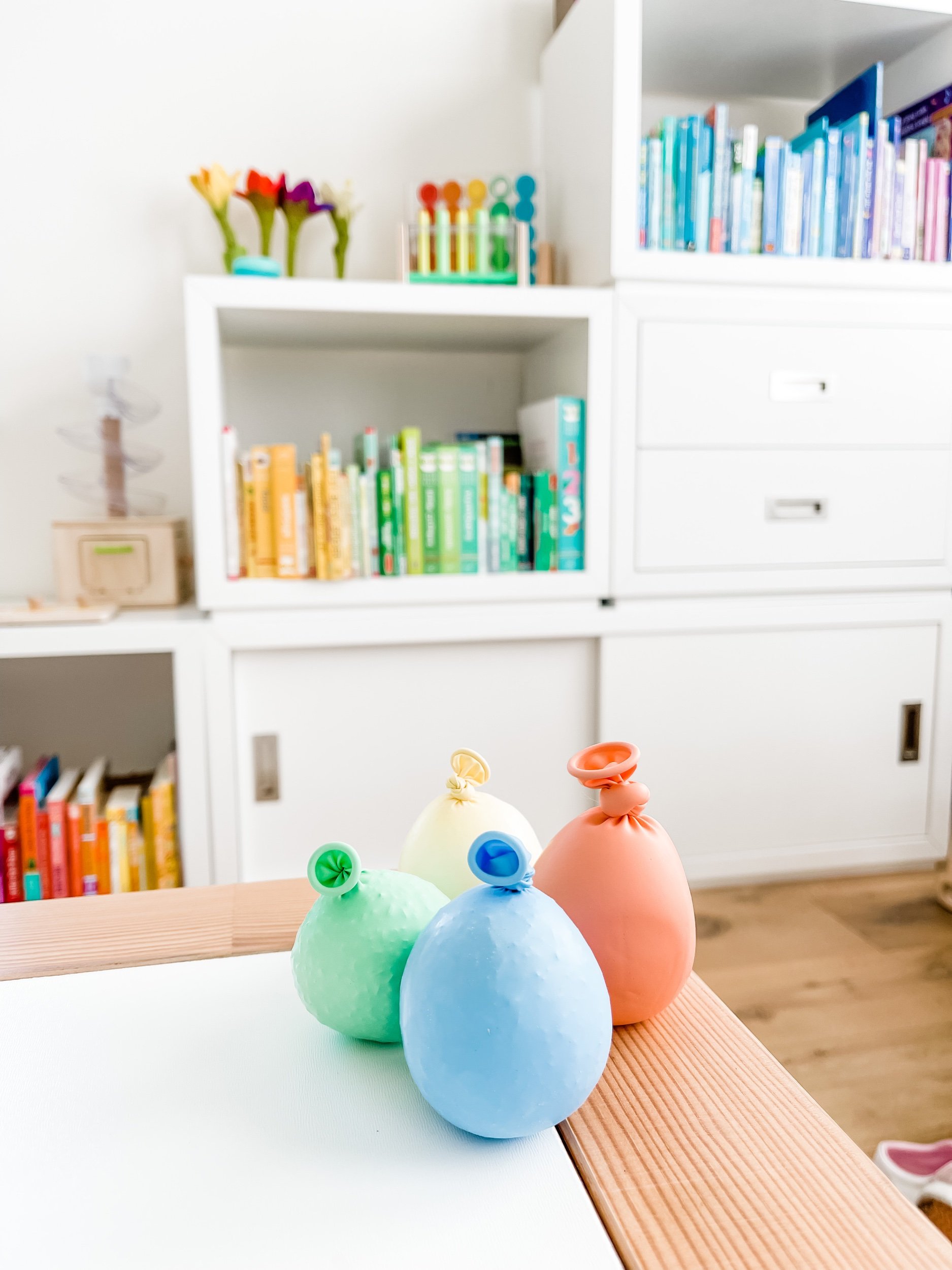
Homemade stress balls sensory activity for toddlers at home
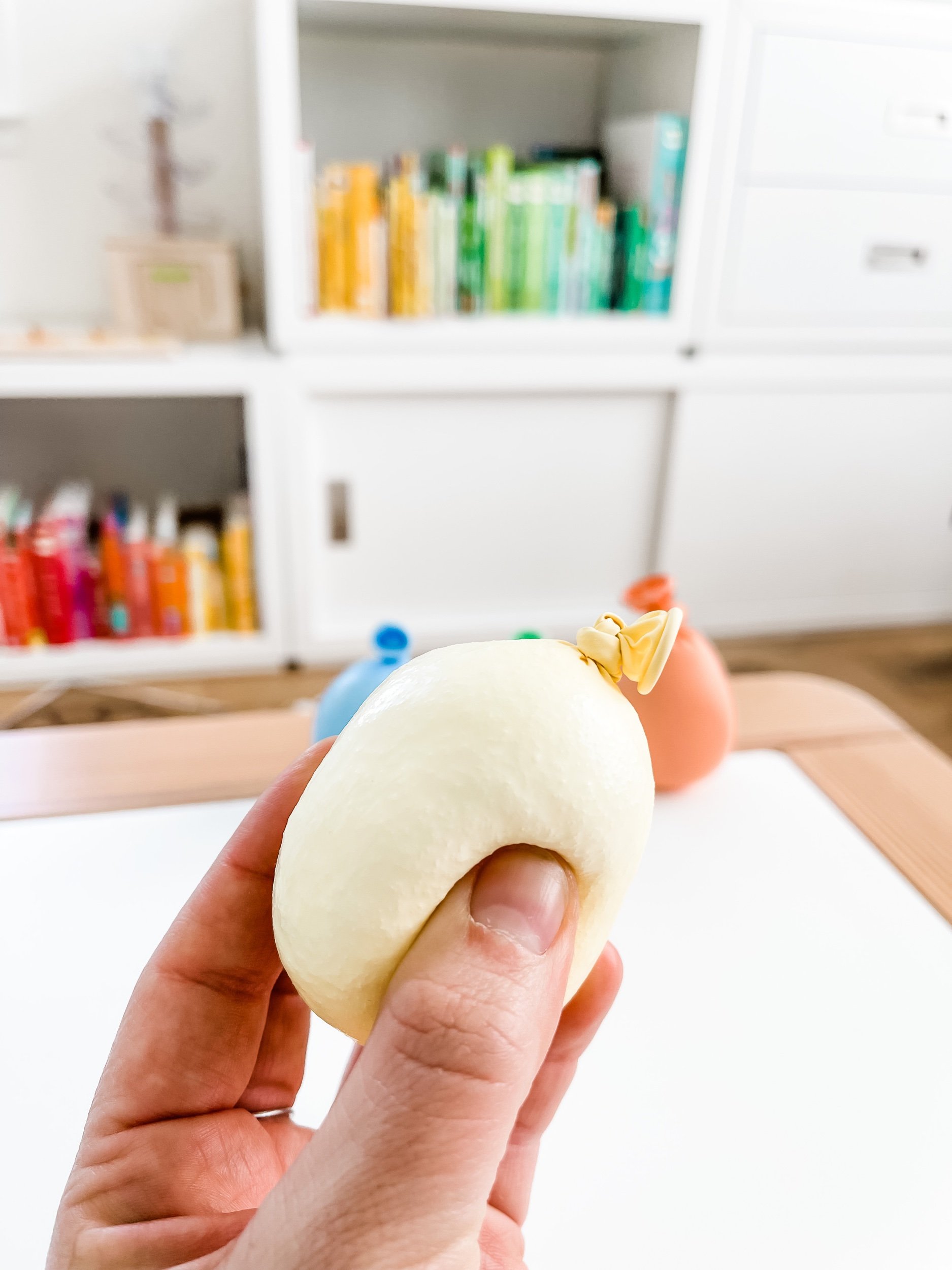
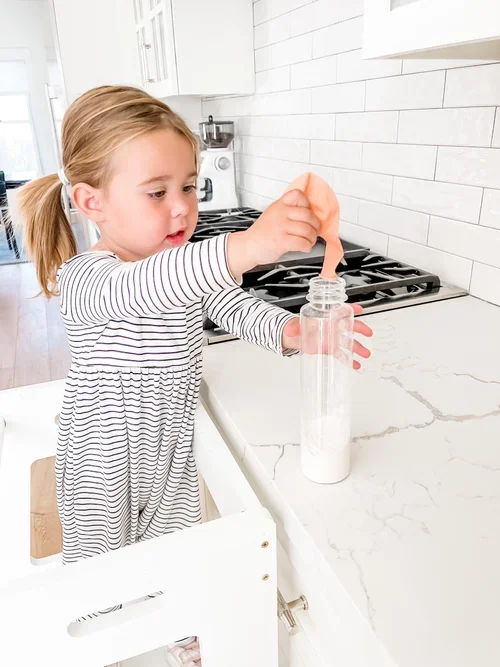
Toddler squeezing DIY stress ball for fine motor development
Sensory stress balls used in a calming corner for toddlers

What Are Sensory Stress Balls?

Sensory stress balls are soft, squeezable objects filled with different materials that provide tactile feedback through touch and pressure. For toddlers and preschoolers, this type of sensory input can be grounding and calming, especially during moments of frustration, overstimulation, or transition.

Unlike store-bought versions, DIY stress balls allow you to control the texture, firmness, and size to match your child’s developmental stage and sensory preferences.
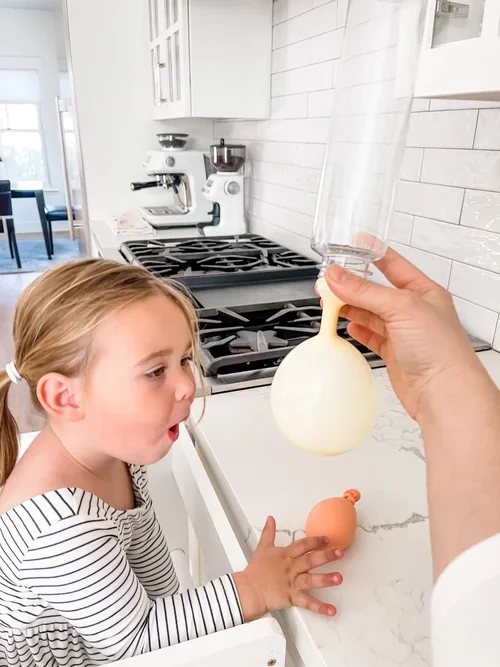
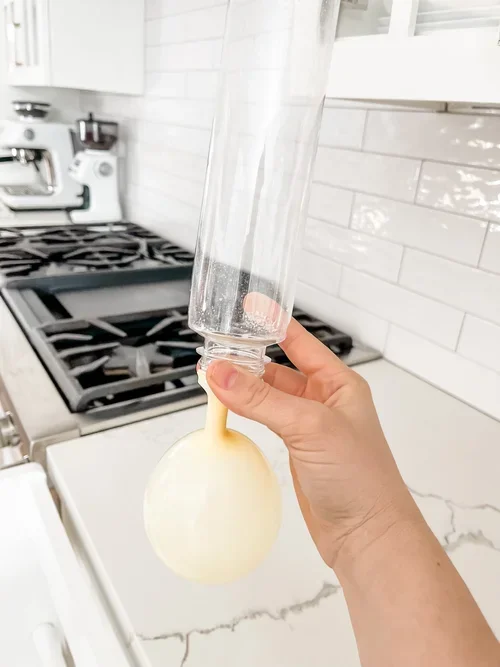
Simple DIY stress ball activity using household materials
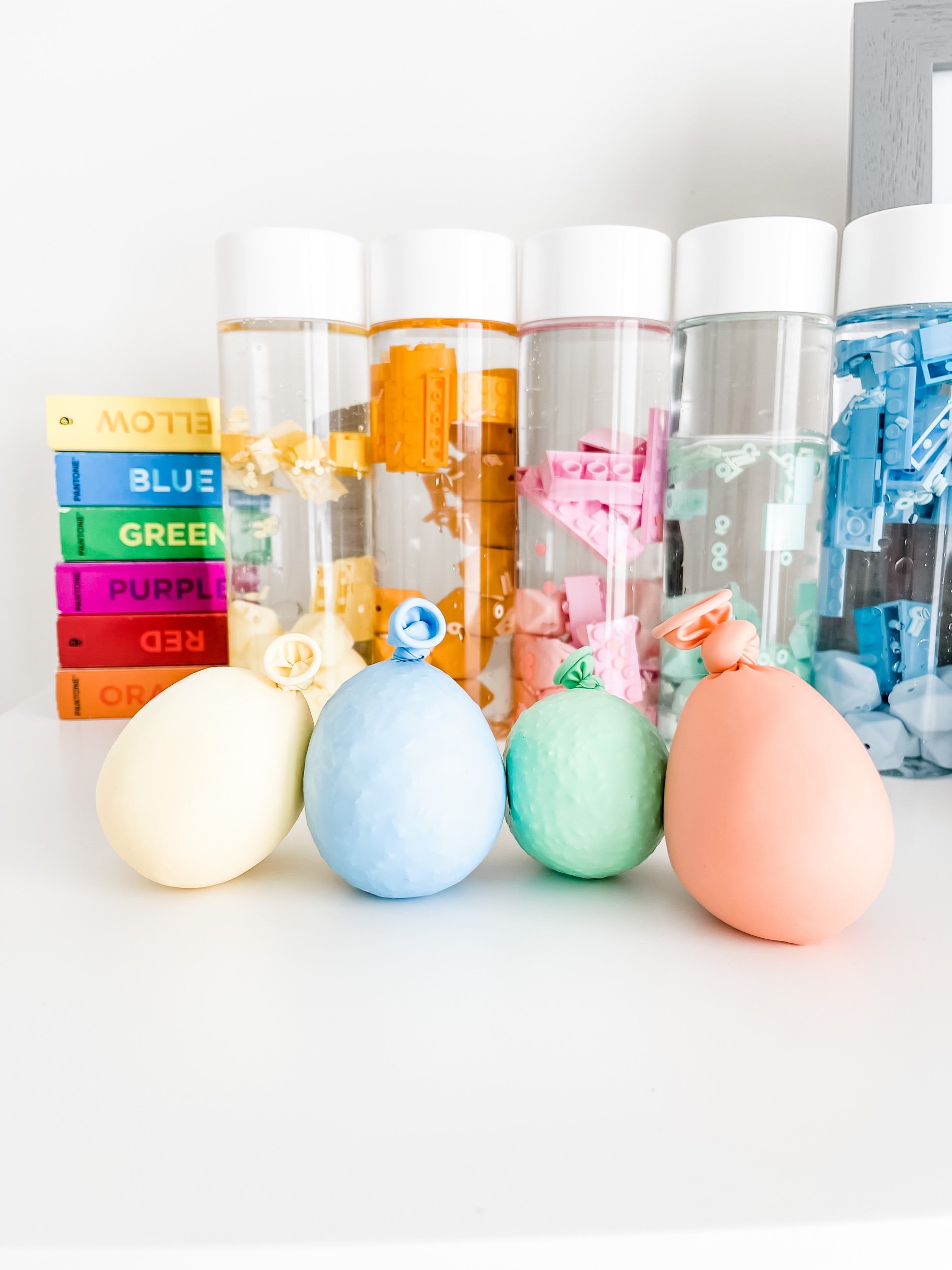
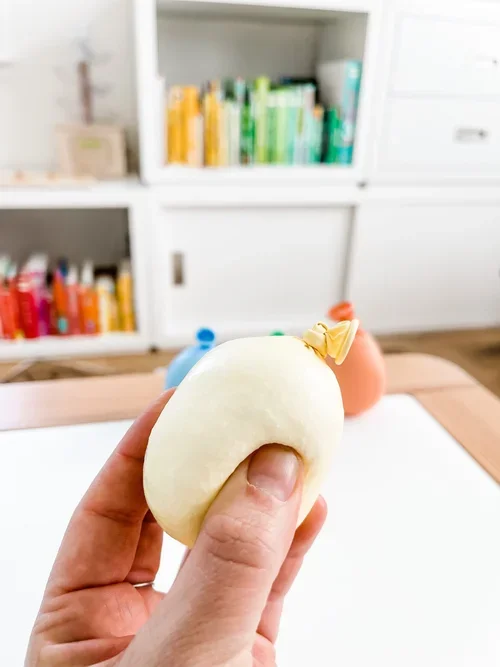
Close up of homemade sensory stress balls with different textures
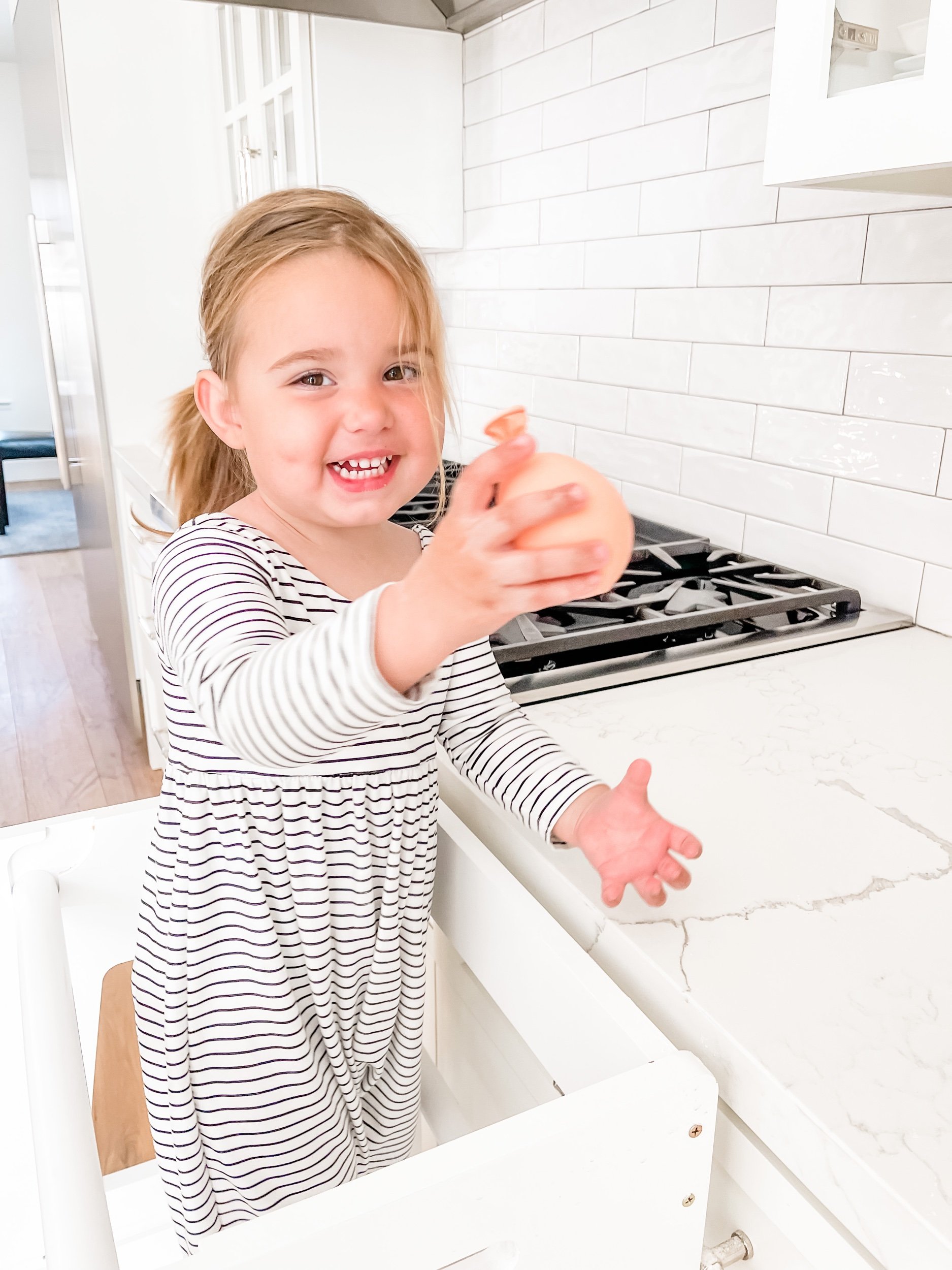
Easy calming sensory play activity for toddlers indoors

Why Sensory Stress Balls Are Helpful for Toddlers

Sensory play is a foundational way young children learn about the world. Stress balls support several key areas of development:

Emotional Regulation

Squeezing and manipulating a stress ball gives children a physical outlet for big feelings. This repetitive motion can help them slow down and reset, making stress balls a useful tool in calming corners or quiet play spaces.

Fine Motor Development

The act of squeezing strengthens hand and finger muscles, which are important for later skills like writing, cutting, and self-help tasks.

Sensory Exploration

Different fillers create different tactile experiences. Comparing textures helps children build sensory awareness and descriptive language.

Focus and Attention

Tactile input can help some children remain engaged during storytime, transitions, or seated activities.


Recommended Ages and Safety Notes

This activity is best for toddlers ages 18 months and up with close supervision.

  • Younger toddlers benefit from softer fillers and adult-made stress balls.

  • Preschool-age children can help pour and explore textures with guidance.

  • Always double-layer balloons and supervise play to prevent breakage.


Materials Needed

You likely already have everything you need at home:

  • Balloons (regular size, preferably latex)

  • A funnel or a plastic bottle with the top cut off

  • Sensory fillers such as:

    • Salt

    • Flour

    • Rice (including sushi rice)

    • Oatmeal

  • Optional: markers or stickers for labeling or decorating

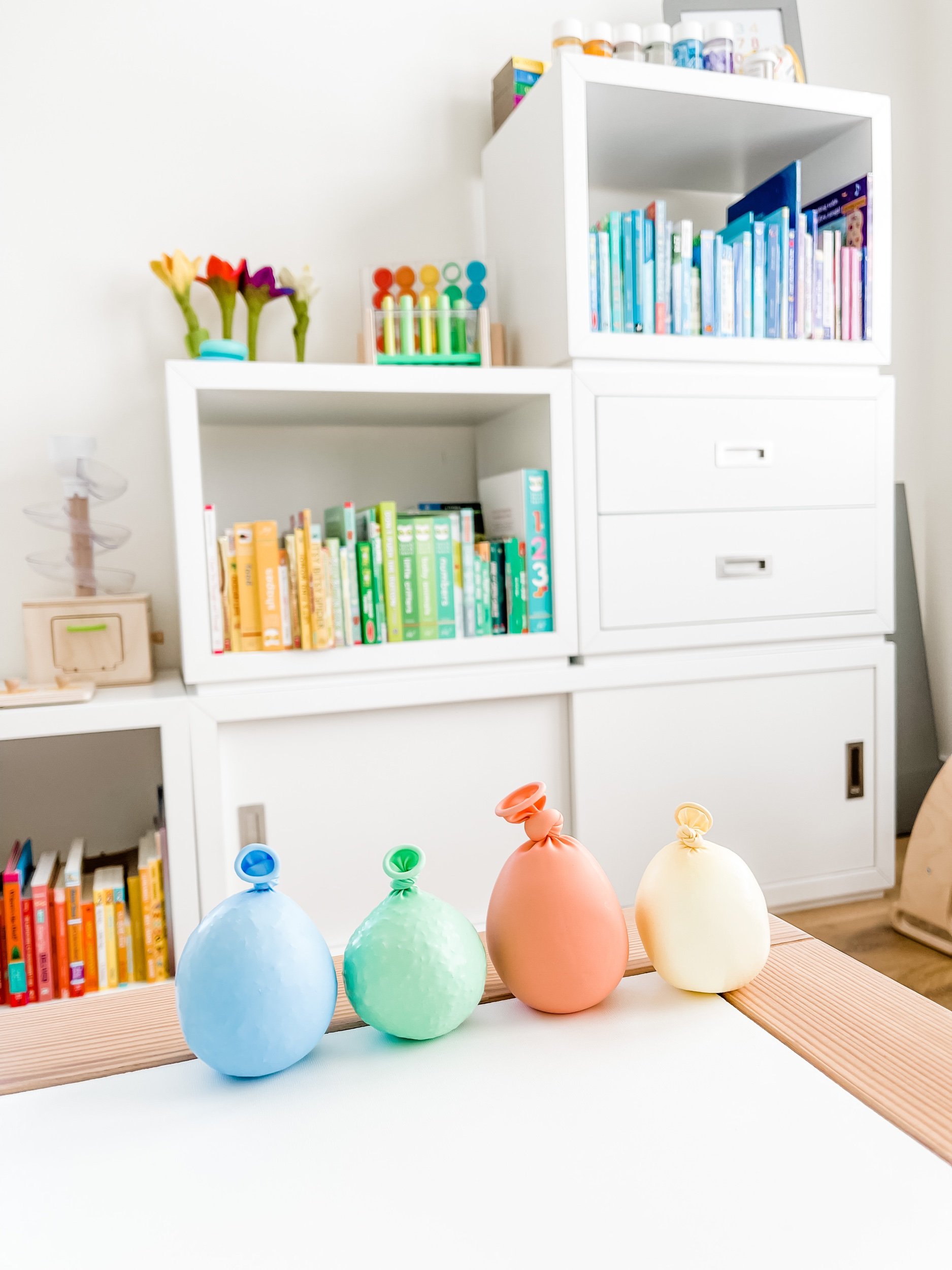
Using different fillers allows you to create a full set of stress balls with varied textures and weights.
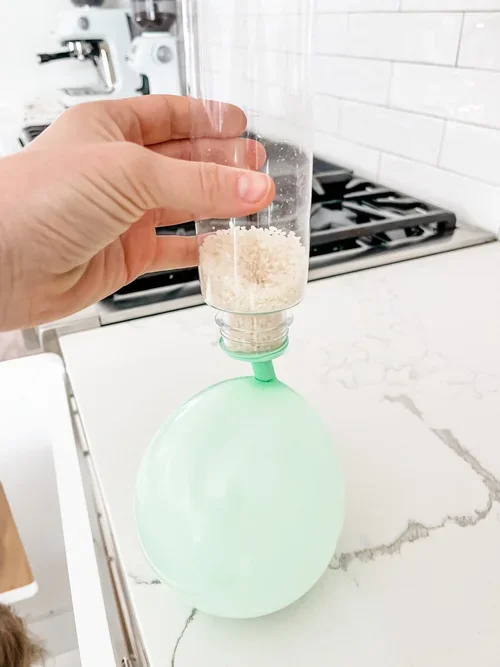
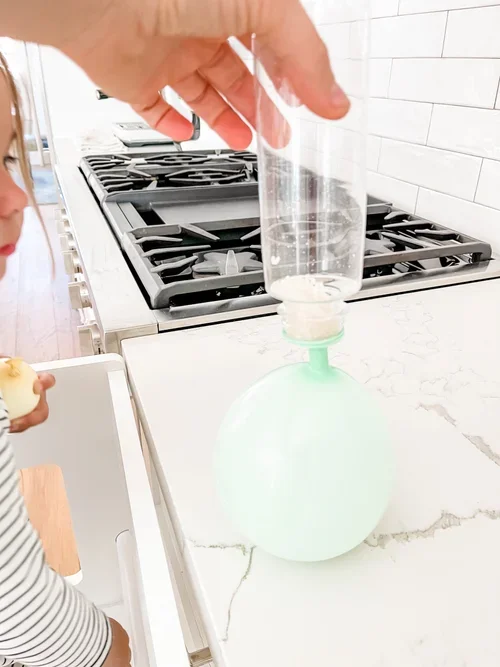
Fine motor sensory play with homemade stress balls
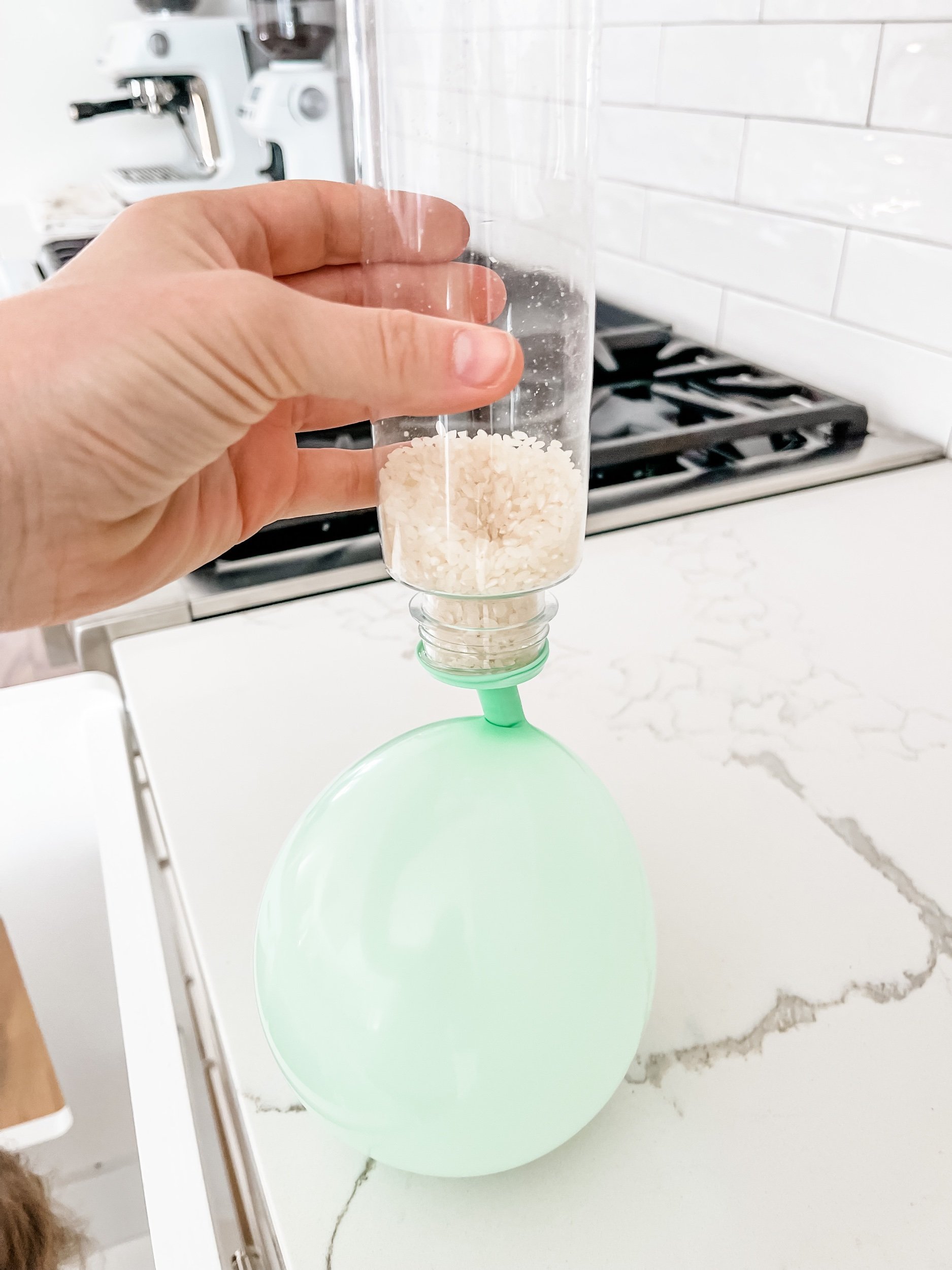
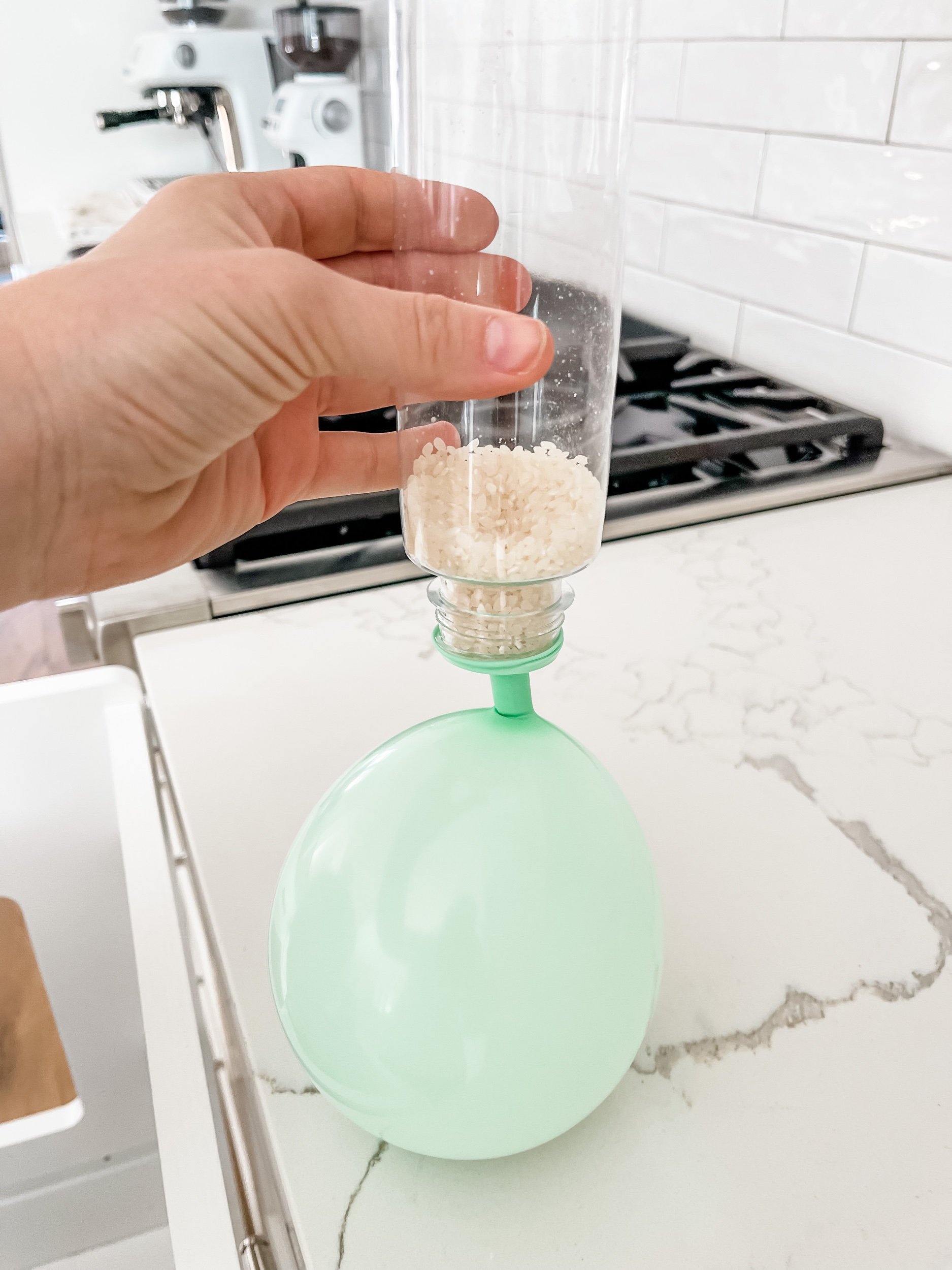
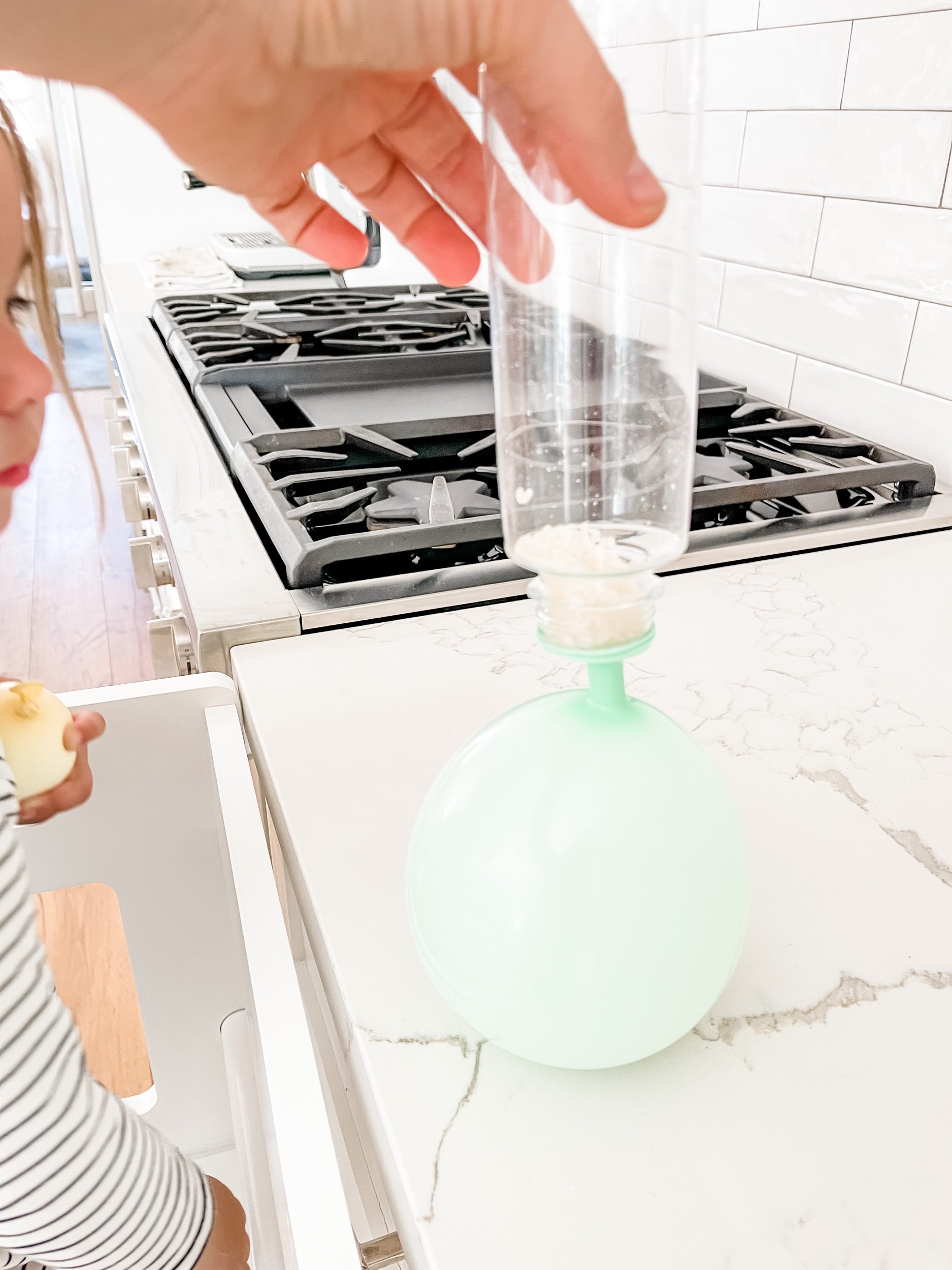
DIY sensory toy for toddlers using balloons and rice

How to Make Sensory Stress Balls

  1. Set up your workspace with a tray or towel to catch spills.

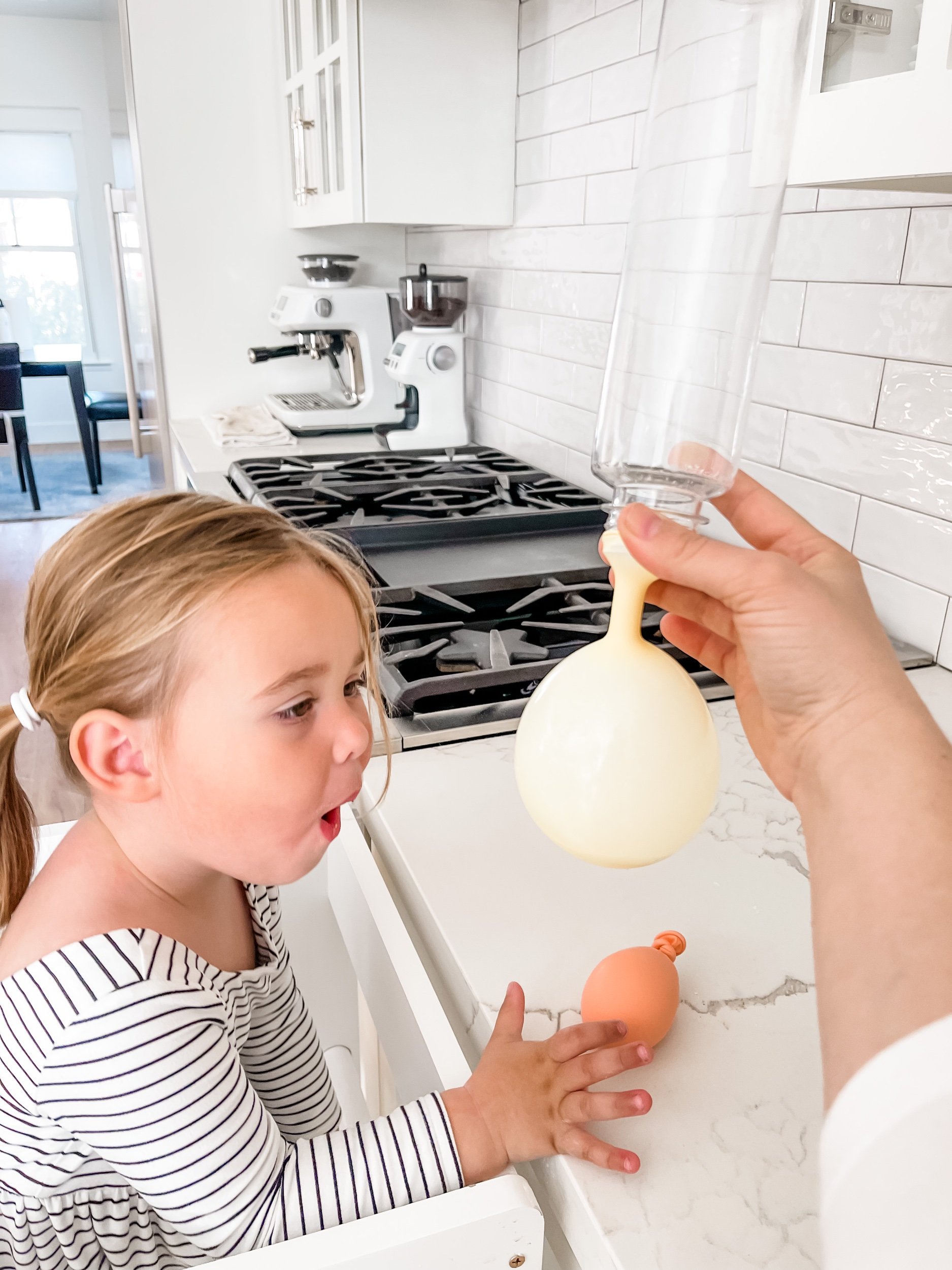
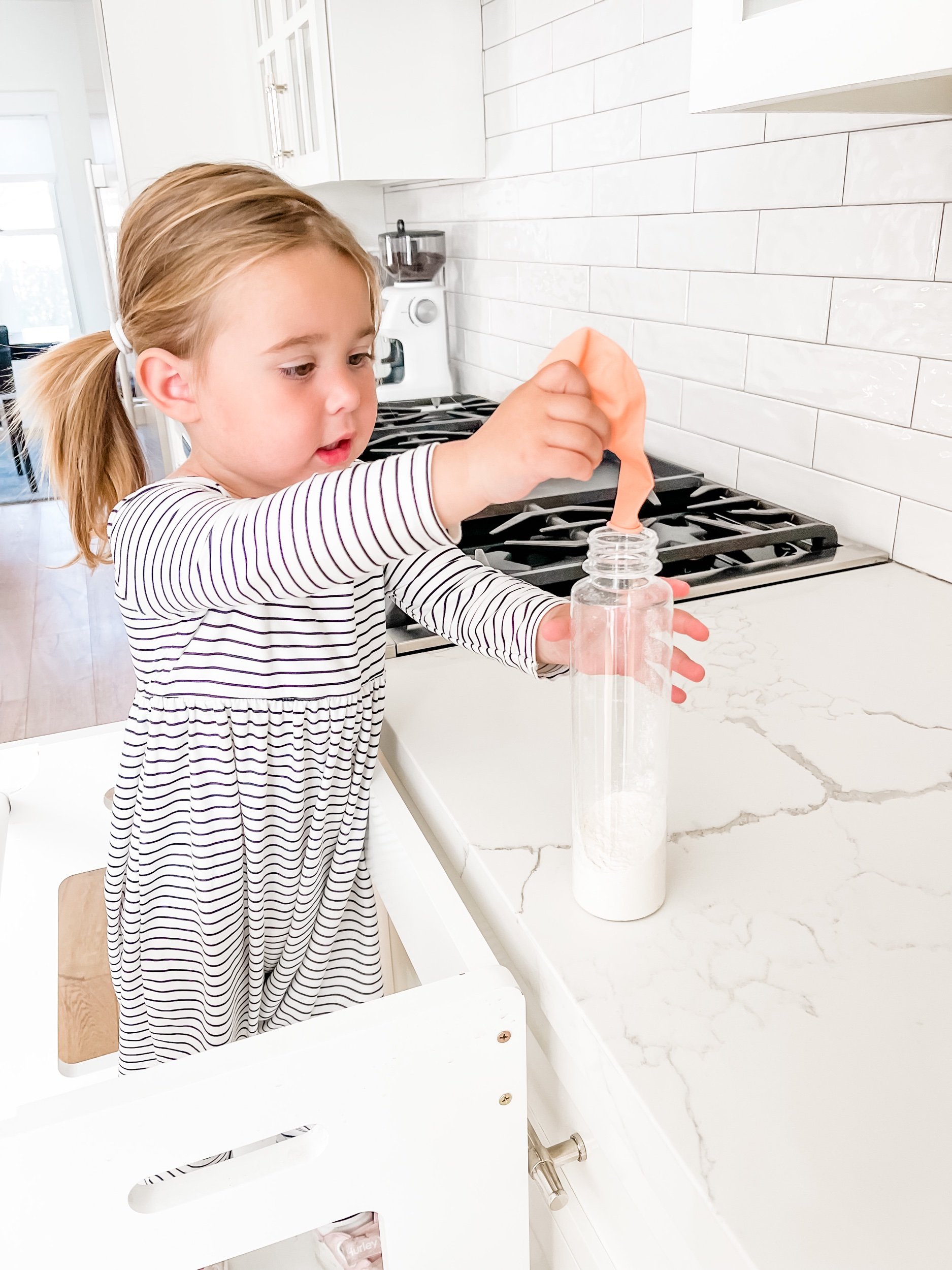
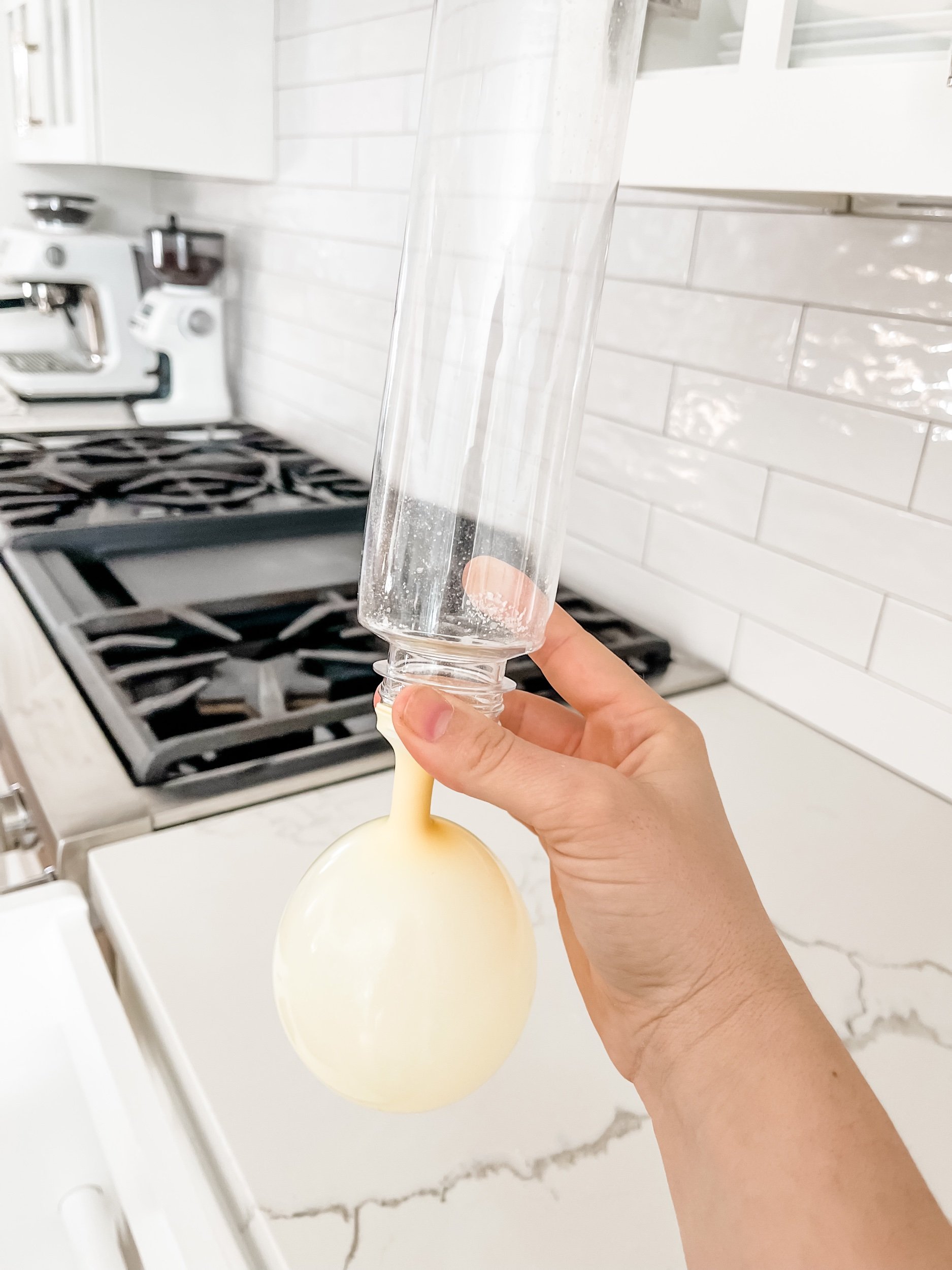
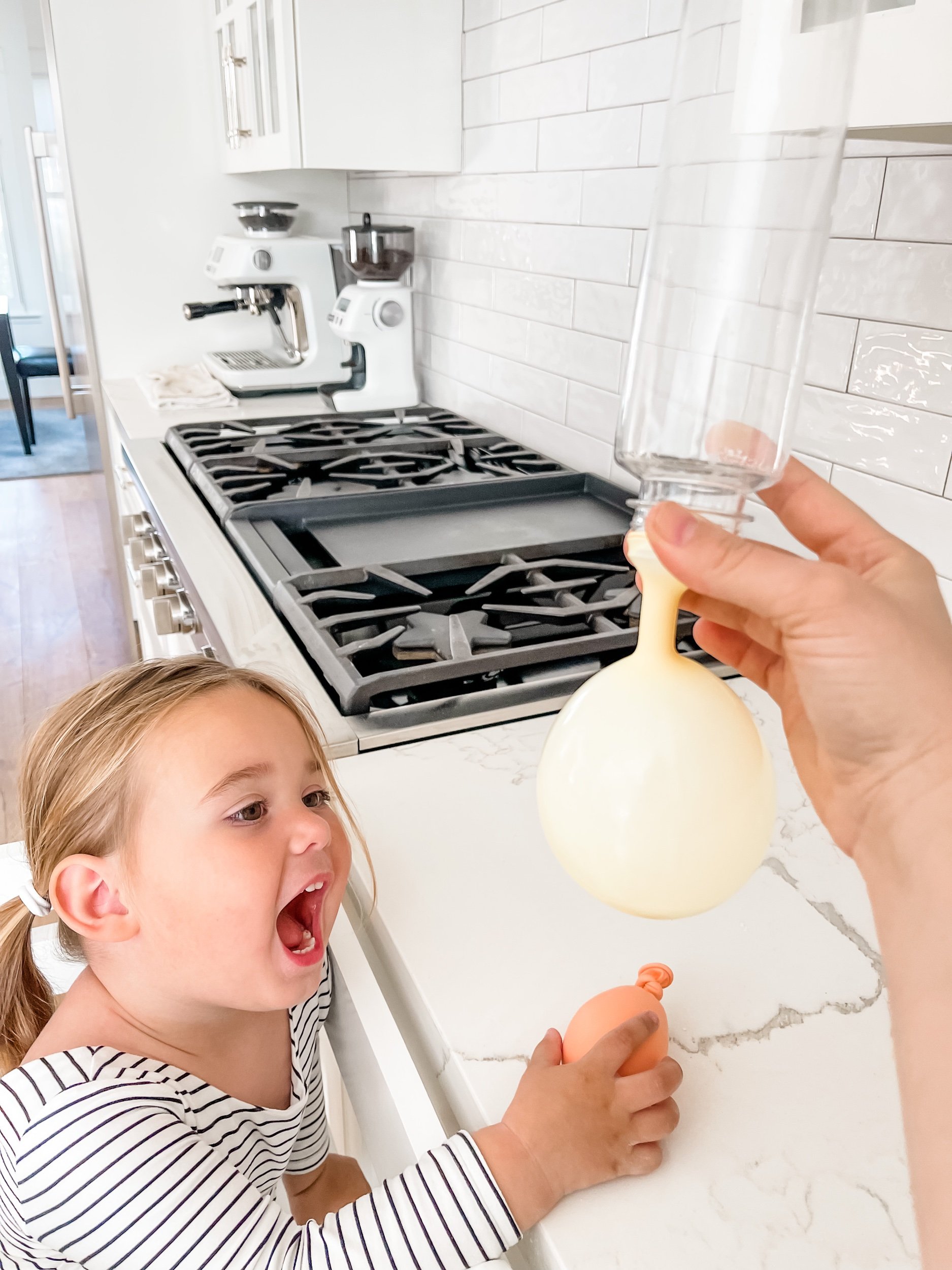
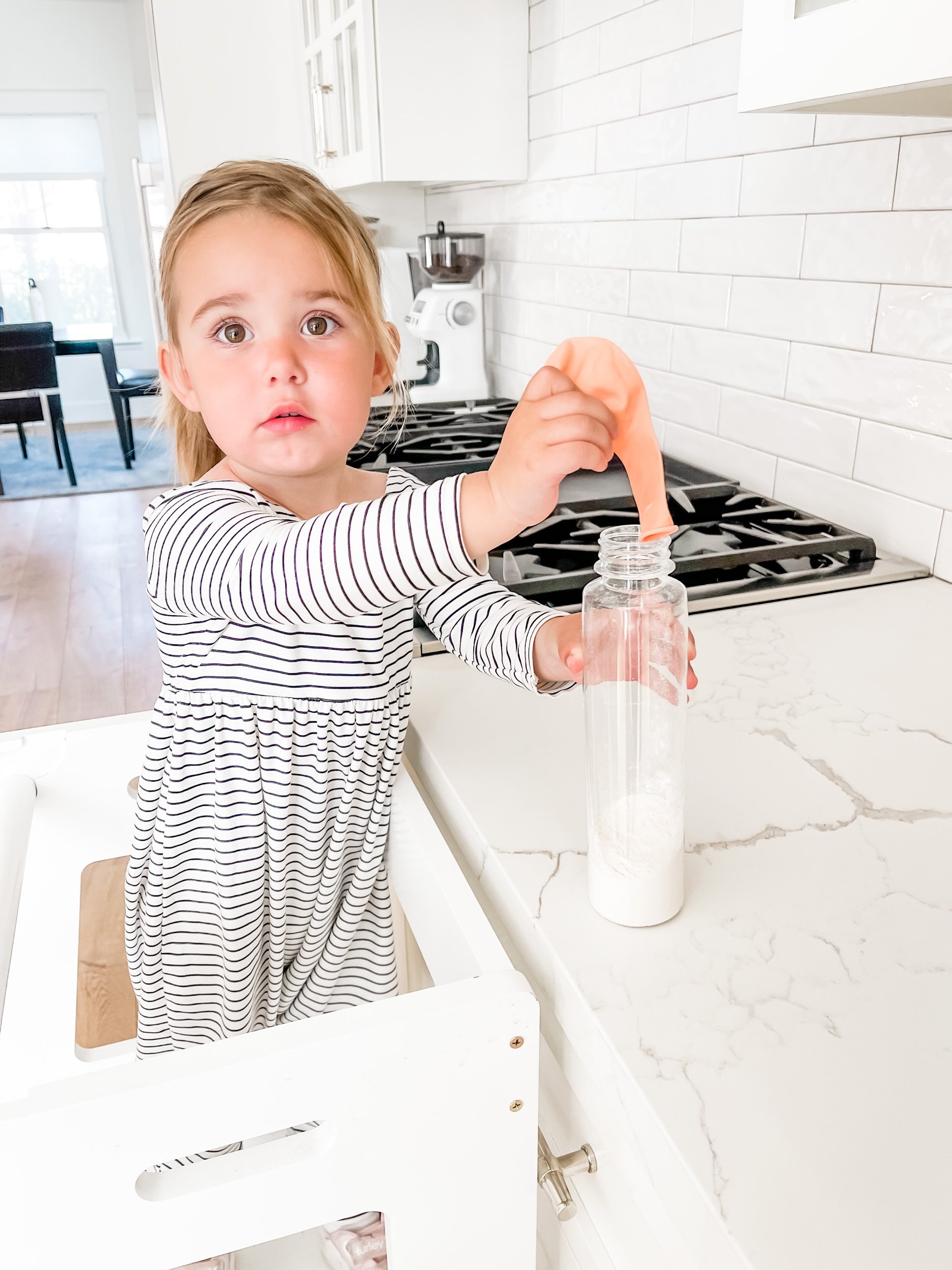
  2. Stretch a balloon over the funnel or bottle opening.

  3. Slowly pour in the chosen filler. Thicker fillers may need gentle tapping or a spoon to help them through.

  4. Remove the balloon and tie it securely.

  5. For durability, place the filled balloon inside a second balloon and tie again.

  6. Repeat with different fillers to create a variety of sensory experiences.


Sensory Play and Learning Extensions

Once your stress balls are made, there are many ways to extend the activity:

  • Compare textures by touch and talk about how each ball feels.

  • Line them up from softest to firmest.

  • Use descriptive language such as soft, squishy, heavy, grainy, or smooth.

  • Add stress balls to a sensory tray alongside other tactile materials.

  • Include them in a calming corner with books, soft seating, and quiet activities.

Stress balls also pair well with sensory bins and fillers found here.


Using Stress Balls in a Calming Corner

Calming corners give children a safe, supportive place to regulate emotions. Stress balls work especially well in these spaces because they are portable, quiet, and intuitive to use.

If you’re building or refreshing a calming corner at home, you may also find this helpful.

For children who benefit from emotional language and mindfulness tools, affirmations and calm-focused activities can complement sensory tools.


Free Resources to Extend Sensory Play

If you’re looking to build a collection of easy, intentional activities for toddlers, you can explore the GoodnightFox free printable library. It includes sensory play ideas, dramatic play kits, and learning tools designed for early childhood.

Free printable library


Final Thoughts

DIY sensory stress balls are a practical, low-cost way to support emotional regulation, fine motor development, and sensory exploration at home. With just a few materials, you can create a versatile calming tool that fits naturally into daily routines, play trays, or calming spaces.

This project is simple to make, easy to adapt, and a meaningful addition to any sensory-rich learning environment.
IMG_1367.jpeg
IMG_1297.jpeg
IMG_1368.jpeg
IMG_1304.jpeg
IMG_1310.jpeg
IMG_1295.jpeg
IMG_1369.jpeg
IMG_1365.jpeg
IMG_1366.jpeg
IMG_1303.jpeg
IMG_1307.jpeg
IMG_1308.jpeg
IMG_1312.jpeg
IMG_1313.jpeg
IMG_1315.jpeg
Tags calming corner, sensory ball, stress ball, sensory rice, sensory play, play bin, textures, materials, toddler life, toddlerhood, rainbow activities

Calm and Soothe: The Magic of Sensory Bottles for Kids

June 5, 2022 Kylie Tuosto
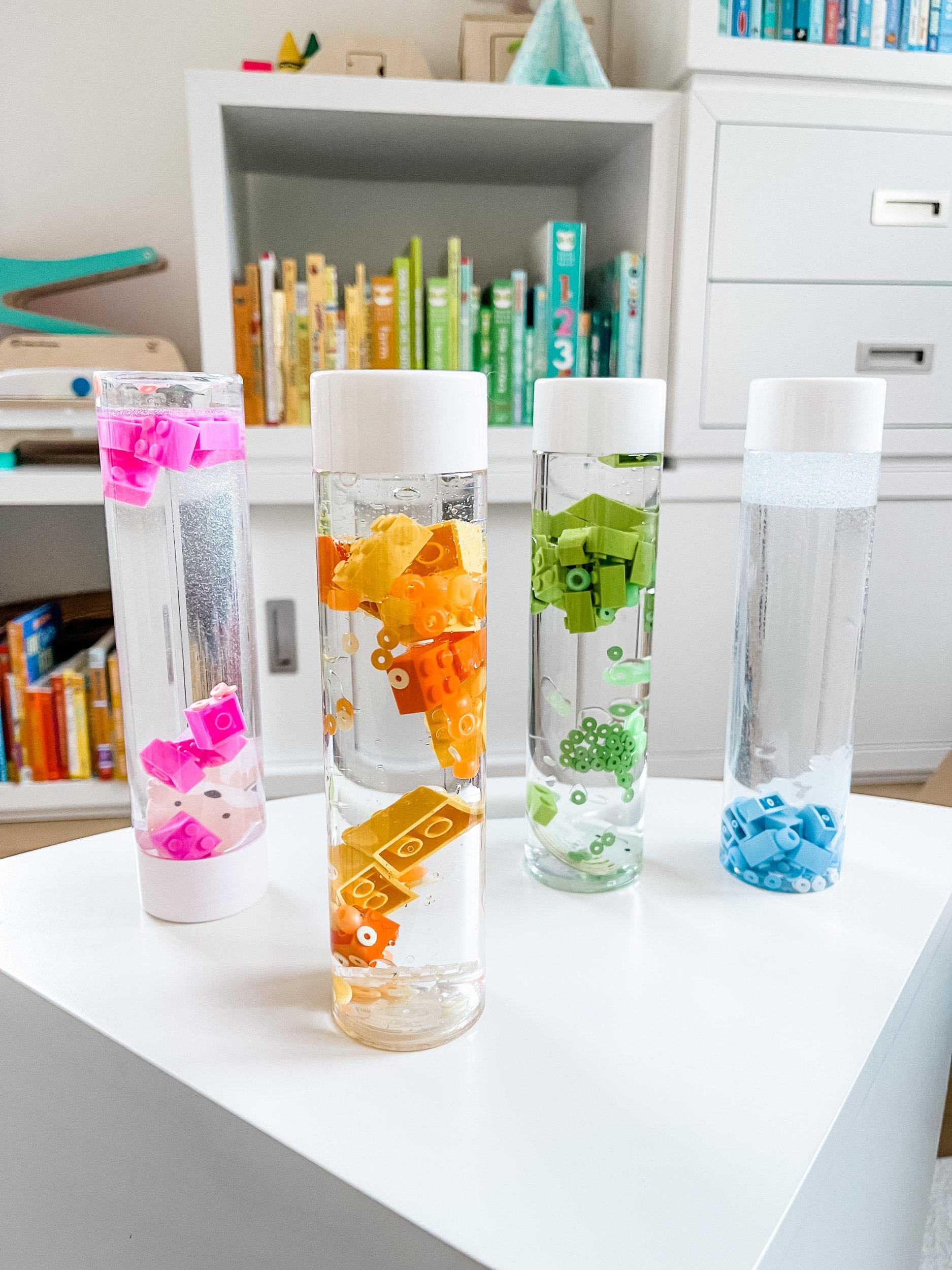
Rainbow Sensory Bottles

As a mom of a toddler, I understand the daily challenges of helping kids navigate through overwhelming feelings. In my journey, I've found sensory bottles to be a game-changer. Not only do they provide a calming effect, but they also offer a myriad of developmental benefits for little ones. In this post, I'll share the wonders of sensory bottles, how they assist kids with sensory issues, and provide a step-by-step guide on creating your own sensory bottles at home.

Here’s what you’ll need to create them yourself.

  1. Clear white plastic bottles

  2. Colorful legos

  3. Colorful teething beads

  4. Plastic sprinkles

  5. Baby Oil

DSCF9707_Original.jpeg DSCF9718_Original.jpeg DSCF9721_Original.jpeg

Understanding the Magic of Sensory Bottles

Sensory bottles, also known as calm-down or discovery bottles, are transparent containers filled with materials that engage the senses. The mesmerizing effect of watching colorful items float and swirl inside the bottle can effectively capture a child's attention, bringing a sense of tranquility and focus. These magical bottles are particularly beneficial for children with sensory processing challenges as they provide a safe and controlled sensory experience, promoting self-regulation and emotional well-being.

Benefits of Sensory Bottles for Kids with Sensory Issues

1. Calming Effect: Sensory bottles serve as a visual sensory tool helping children to self-soothe and regulate overwhelming emotions. The gentle movement and intriguing colors can provide a sense of relaxation during anxious moments.
2. Sensory Exploration: By creating and exploring sensory bottles, children engage in tactile, visual, and auditory experiences that can aid in sensory integration, assisting them in processing sensory information more effectively.
3. Encourages Focus and Attention: The captivating nature of sensory bottles captivates children's attention, making them an excellent tool for promoting concentration and minimizing distractions, especially for kids with attention difficulties.

Incorporating Other Calming Techniques

In addition to sensory bottles, various calming techniques can be incorporated to create a supportive environment for kids with sensory sensitivities. These techniques include deep pressure activities, sensory-friendly play spaces, and breathing exercises that encourage relaxation and self-regulation.

DSCF9651_Original.jpeg DSCF9589_Original.jpeg DSCF9619_Original.jpeg DSCF9628_Original.jpeg DSCF9585_Original.jpeg DSCF9607_Original.jpeg DSCF9674_Original.jpeg DSCF9679_Original.jpeg DSCF9658_Original.jpeg DSCF9680_Original.jpeg DSCF9675_Original.jpeg DSCF9655_Original.jpeg DSCF9654_Original.jpeg DSCF9646_Original.jpeg DSCF9645_Original.jpeg DSCF9644_Original.jpeg DSCF9624_Original.jpeg DSCF9595_Original.jpeg DSCF9593_Original.jpeg

Let's Make Your Own Sensory Bottles!

Materials Needed:

  • Clear plastic bottles with secure lids

  • Clear baby oil, glue or glycerin

  • Water

  • Food coloring

  • Glitter, sequins, beads, or small toys

Step-by-Step Instructions:

1. Begin by selecting a few plastic bottles with secure lids to prevent leaks and spills.
2. Fill the bottles halfway with warm water.
3. Add clear glue or glycerin to the water. They help slow down the movement of the items inside the bottle.
4. Drop a few drops of food coloring into the bottle. Choose colors that your child finds soothing.
5. Next, add glitter, sequins, beads, or small toys to the bottle. These items will create an exciting visual effect when the bottle is shaken. I used teething beads, colorful legos, and resin sprinkles.
6. Once all the components are in the bottle, seal the lid tightly and secure it with hot glue if necessary.

DSCF9728_Original.jpeg DSCF9742_Original.jpeg DSCF9729_Original.jpeg

Enjoy the Calming Magic

Shake and tilt the sensory bottle gently and observe the mesmerizing dance of colors and objects within. If your child is feeling overwhelmed, encourage them to focus on the bottle's movements, taking deep breaths as they watch the sensory magic unfold.
In conclusion, the benefits of sensory bottles for children, especially those with sensory issues, are vast. They not only provide a calming effect but also offer opportunities for sensory exploration and focus enhancement. By incorporating sensory bottles and other calming techniques into your child's routine, you can create a supportive environment that nurtures their emotional well-being and sensory development.

Remember, every child is unique, so have fun experimenting with different materials and colors to create sensory bottles that resonate with your little one's individual preferences and needs. Enjoy the journey of creating these enchanting tools and witnessing the calming magic they bring to your child's world.
Wishing you and your little ones moments of peace and tranquility,

xoxo,
Kylie

DSCF9688_Original.jpeg DSCF9711_Original.jpeg DSCF9740_Original.jpeg DSCF9718_Original.jpeg DSCF9717_Original.jpeg DSCF9729_Original.jpeg DSCF9722_Original.jpeg DSCF9755_Original.jpeg DSCF9758_Original.jpeg DSCF9756_Original.jpeg DSCF9727_Original.jpeg DSCF9744_Original.jpeg DSCF9724_Original.jpeg DSCF9710_Original.jpeg DSCF9699_Original.jpeg DSCF9752_Original.jpeg DSCF9760_Original.jpeg DSCF9749_Original.jpeg DSCF9745_Original.jpeg DSCF9742_Original.jpeg DSCF9736_Original.jpeg DSCF9731_Original.jpeg DSCF9728_Original.jpeg DSCF9726_Original.jpeg DSCF9725_Original.jpeg DSCF9721_Original.jpeg DSCF9707_Original.jpeg DSCF9703_Original.jpeg DSCF9692_Original.jpeg
In sensory bottle, calming corner, Lego activity , Lego Tags sensory bottles, sensory activities, toddler, calming corner, leanring activity, preschool, emotions, calm, rainbow activities, playroom, montessori, diy toddler, diy activity, two year old activity, three year old activity

Get Featured

Have a shop that specializes in baby gifts? I'd love to feature your shop and products in one of my weekly roundups. Email me at goodnightfoxstudio@gmail.com.

Have a small shop?

Check out GoodnightFox wholesale we’d love to have you carry the GoodnightFox brand.

Free Letter of the Week Guide

Sign up with your email address to get a weekly Letter Guide A-Z for 26 weeks of sensory play inspiration.

You’ll also get access to free printables, new products and promotions.

Thank you! Check your email for your free 26-Letter of the Week activity guide printable poster.


Free Printable Activities

Check out our free printable library of resources. From activity books, dramatic play kits, memory games, flashcards and more, you can try the entire goodnightFox collection free.


GOODNIGHTFOX

Play-based learning resources that help toddlers learn through play. Sensory play ideas, free printables, and hands-on learning tools designed for busy parents and curious little learners.

Get Free Printables →

EXPLORE

  • Start Here

  • Toddler Activities by Age

  • Seasonal Toddler Activities

  • Sensory Play Ideas

All Activity Ideas →

SHOP

  • Flashcards

  • Learning Kits

  • Memory Games

  • Dramatic Play

  • Playschool Planner

Shop All →

ABOUT

  • Our Story

  • Contact

  • FAQ

  • Privacy Policy

  • Terms & Conditions

  • Wholesale

  • Newsletter

© 2026 GoodnightFox
Play-Based Learning for Toddlers