Science Lab Printable Dramatic Play and Sensory Play Activity Kit
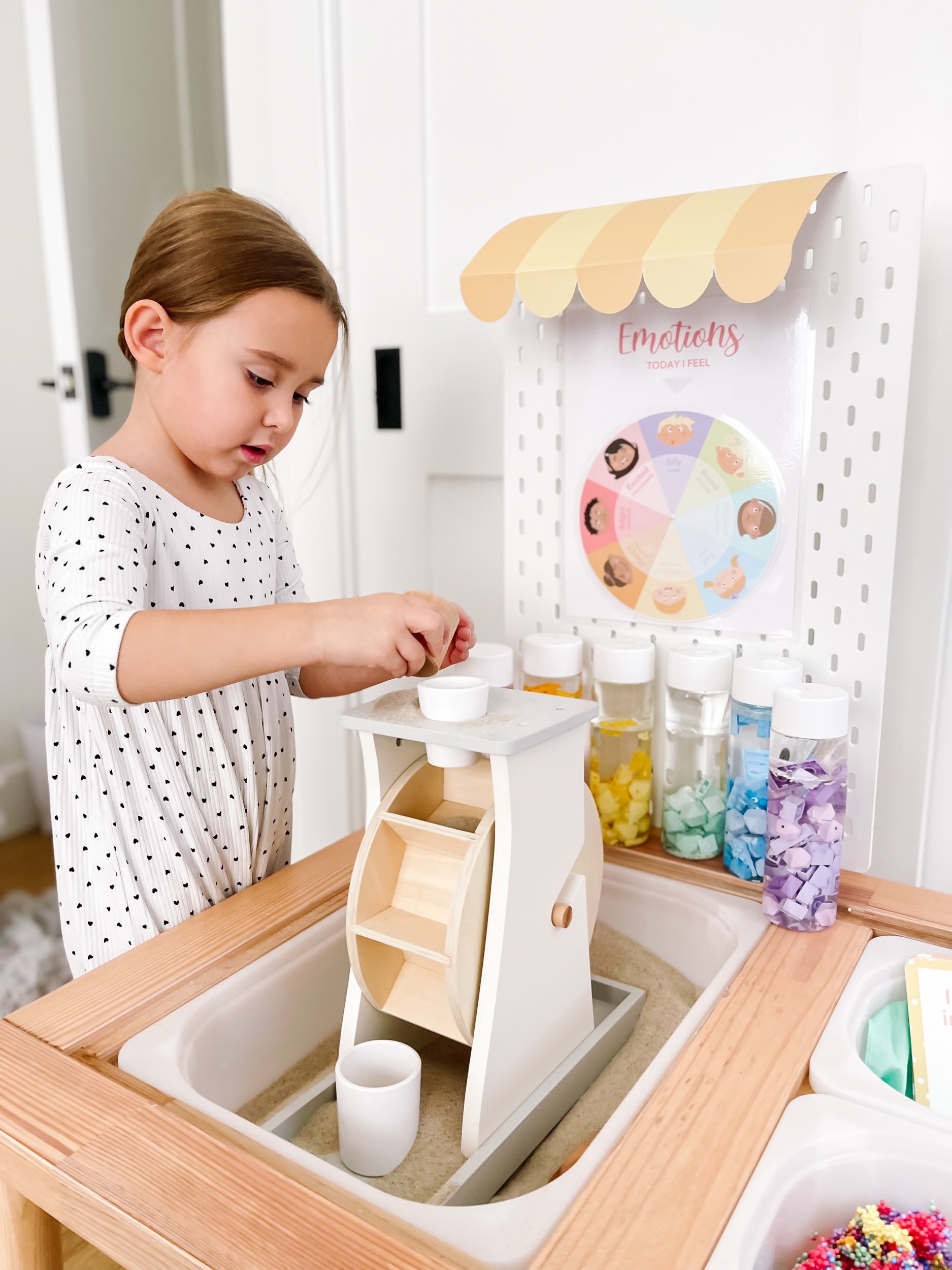
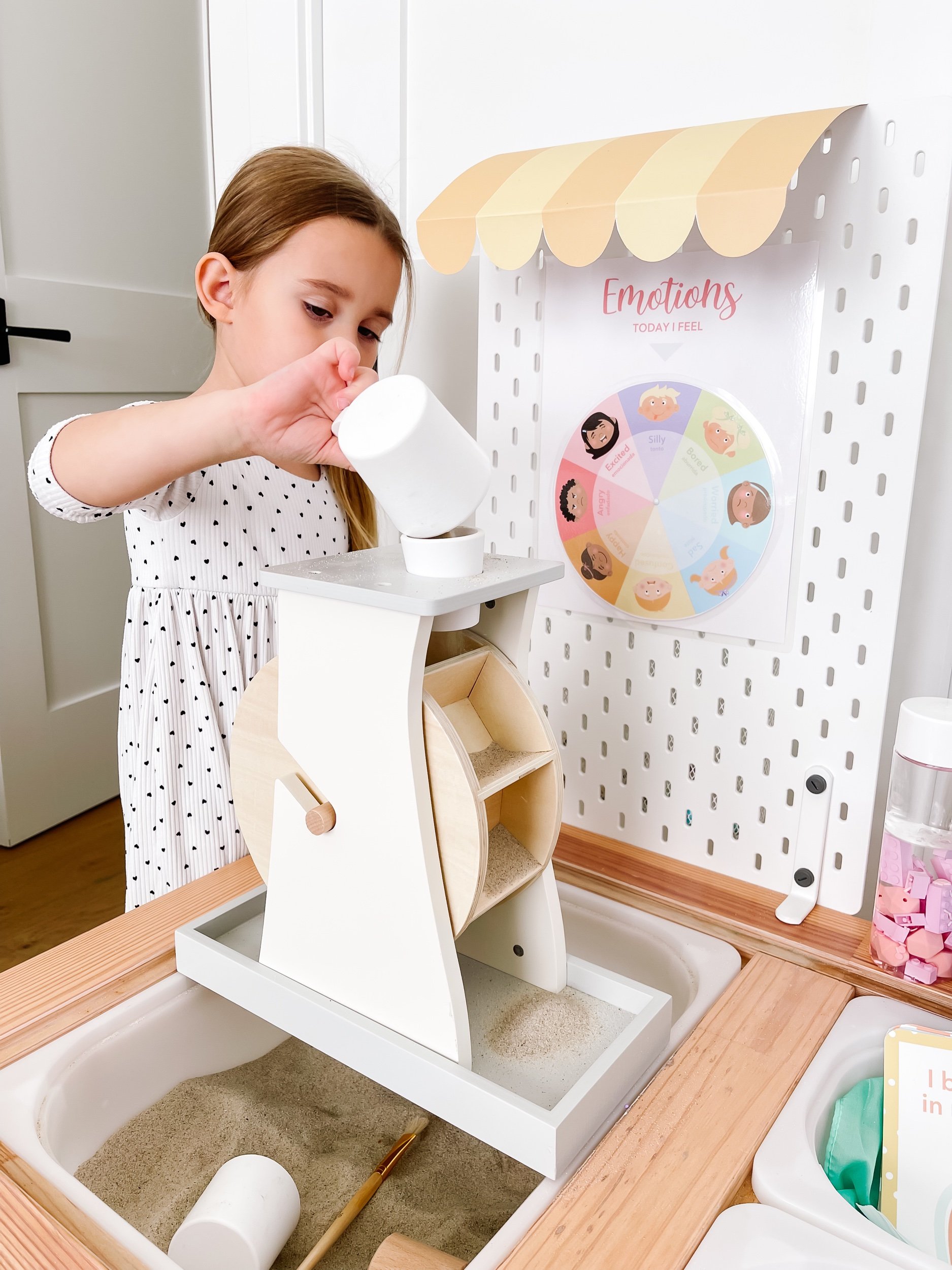
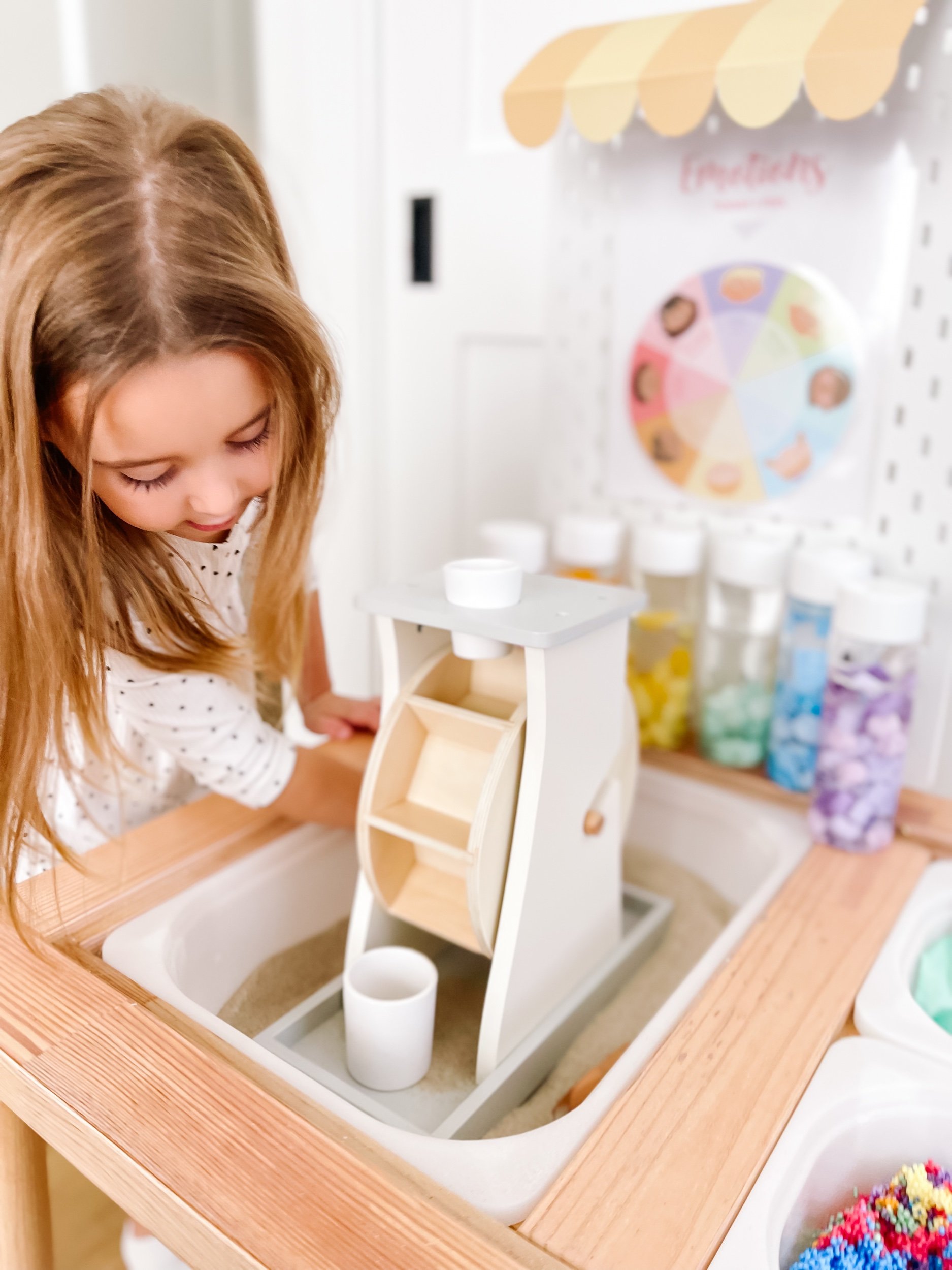
This Science Lab Printable Dramatic Play is the perfect way to stimulate your child's curiosity while helping them learn essential science concepts from an early age. In this blog post, we'll describe two exciting sensory play activities that you can set up using the printable kit and a Flisat table. Plus, we'll showcase the delightful decor included in the kit that will help create an immersive science lab experience for your child. Let's dive in!
New to the table itself? My IKEA FLISAT beginner guide covers the setup these activities use.


Decor: Creating a Science Lab Atmosphere
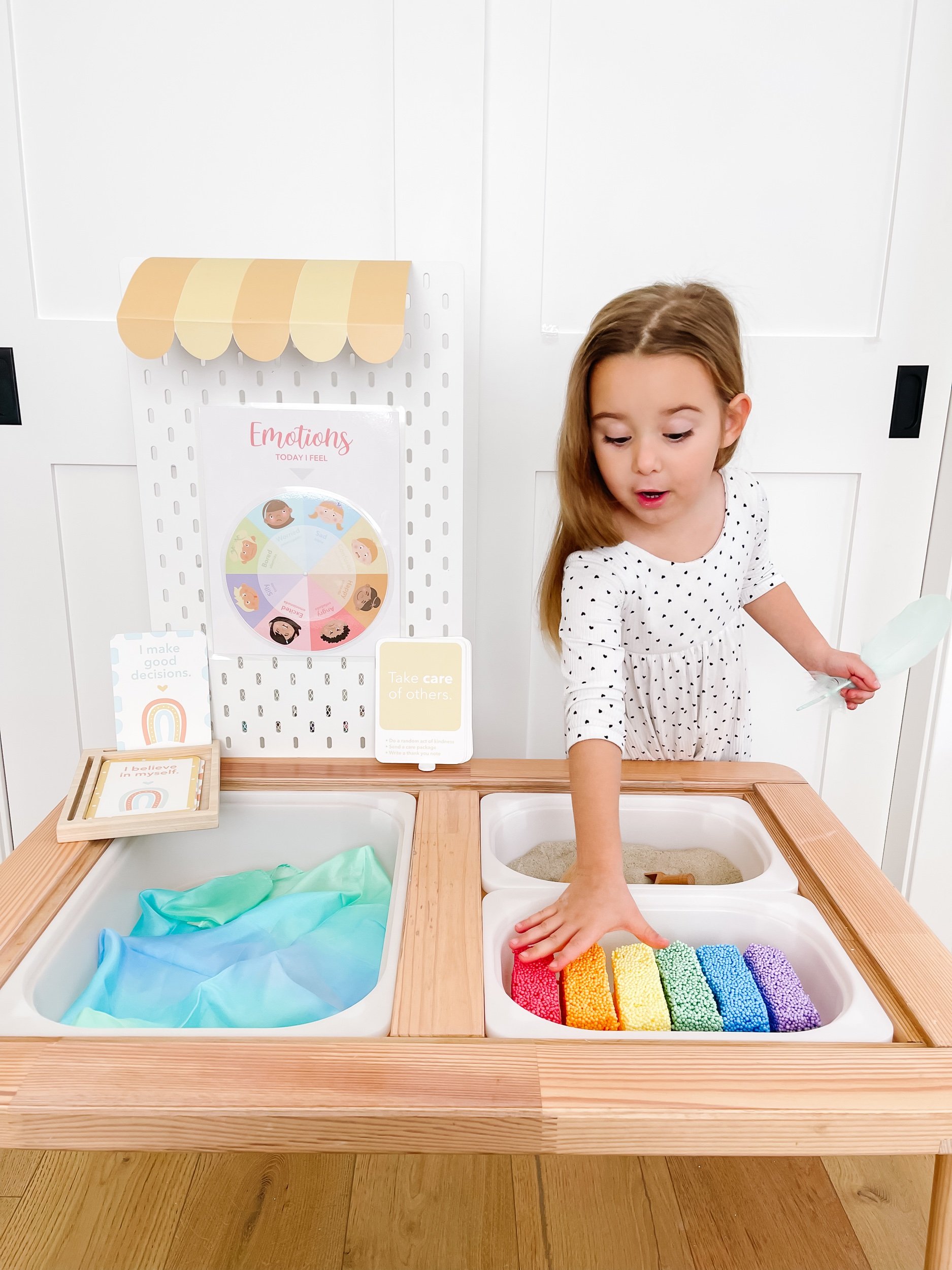
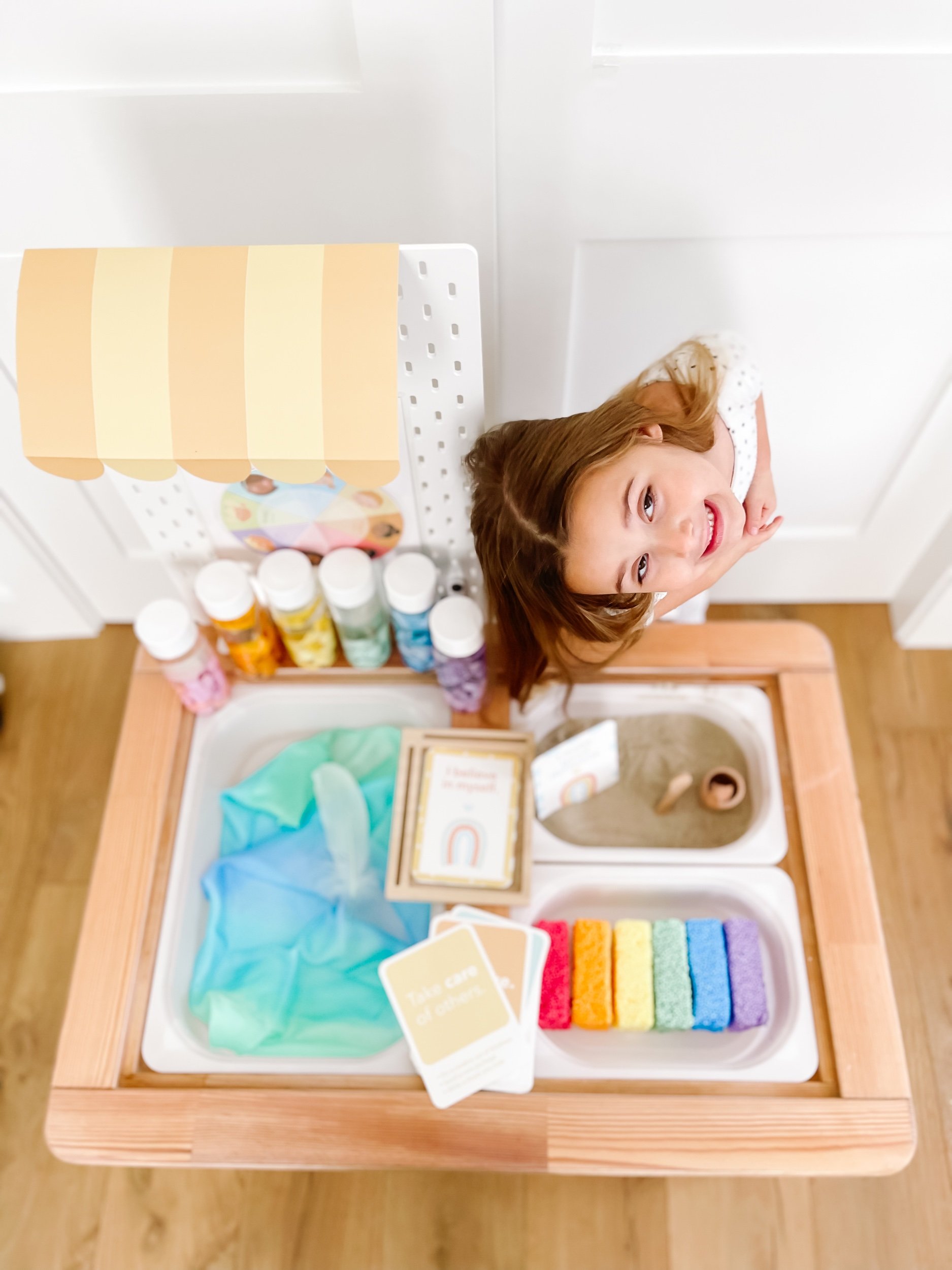
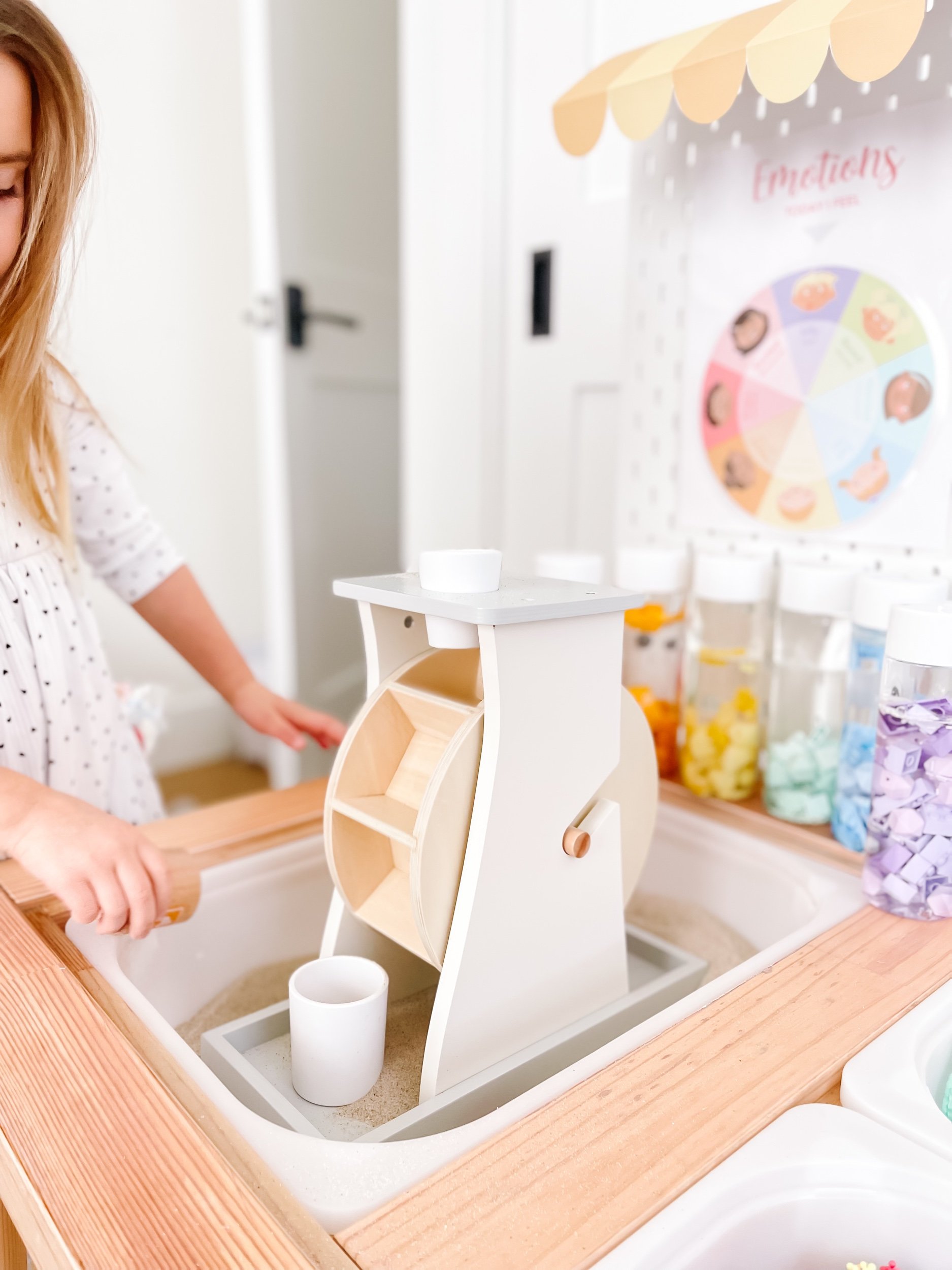
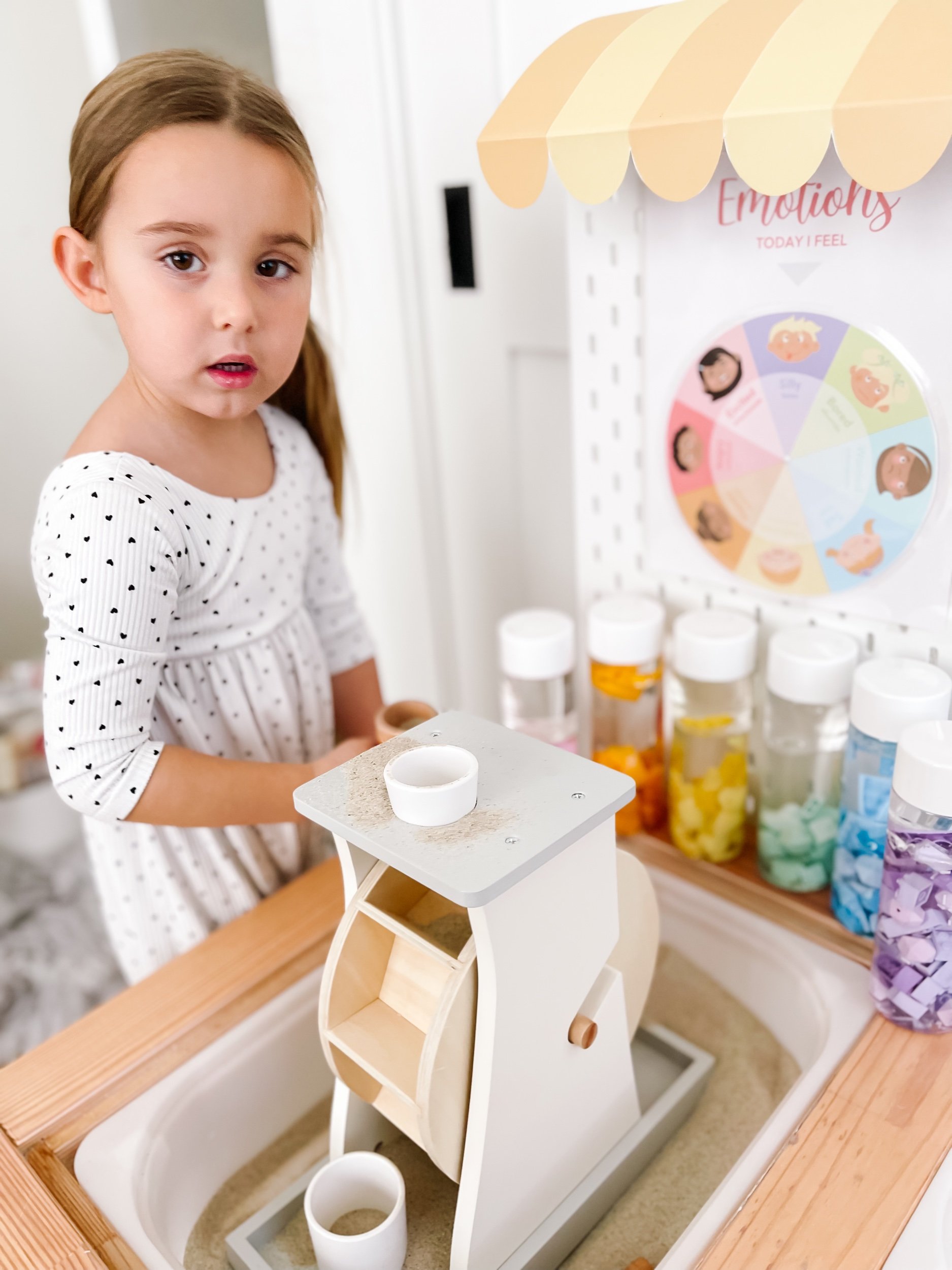
Our Science Lab Printable Dramatic Play and Sensory Play Activity Kit includes an array of decorative elements to transform any space into a captivating science lab. Start by hanging the science lab sign to set the mood. Use the open/closed sign to indicate when the lab is available for play. The addition of an awning and banner adds a touch of realism and visual appeal. Don't forget to include science symbols and a flag to complete the authentic lab decor. With these elements in place, your child will feel like a true scientist!


Activity 1: Exploring Secondary Colors
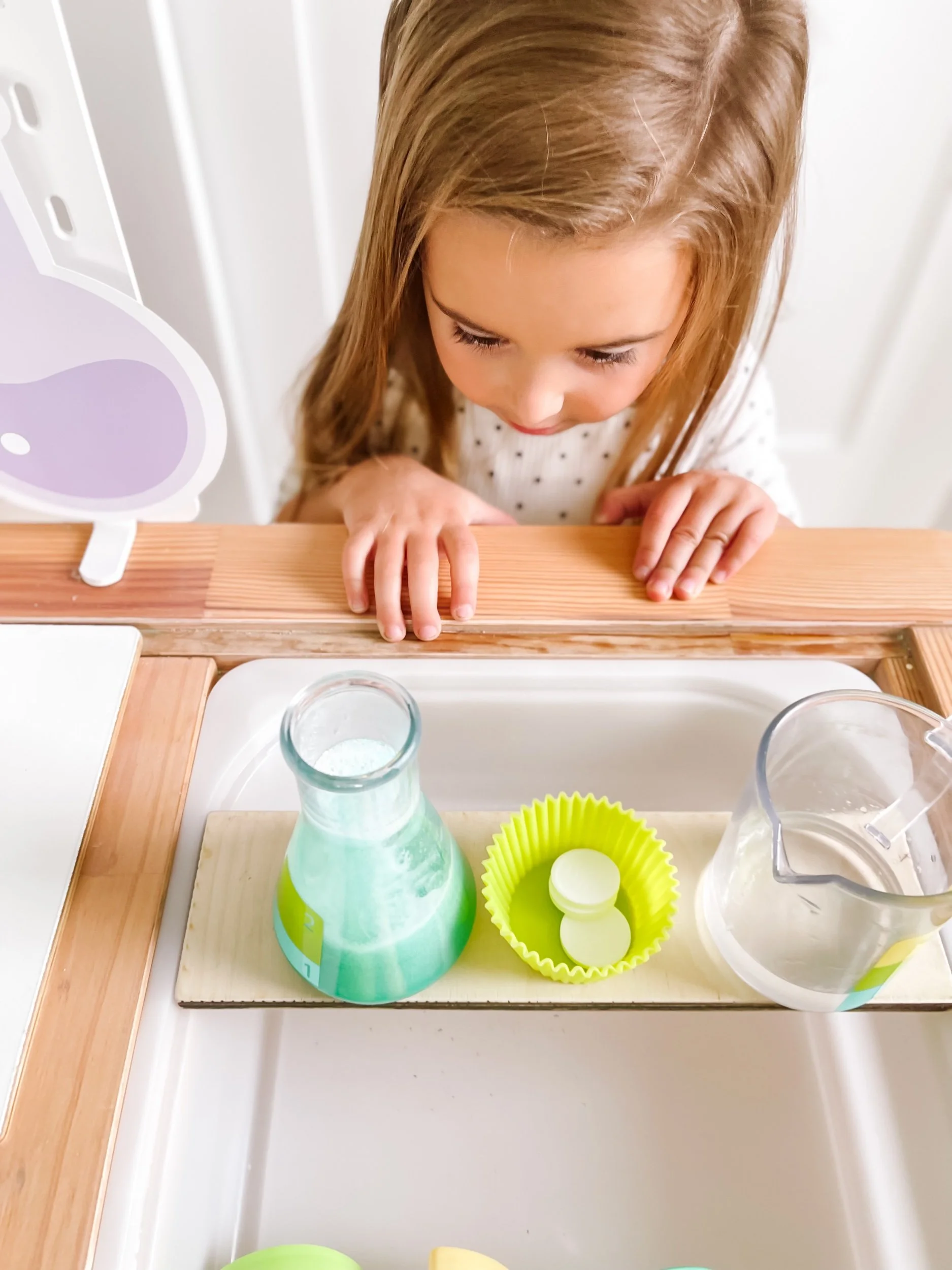
One of the sensory play activities you can set up using our printable kit and a Flisat table involves exploring the fascinating world of colors. With the help of the Lovevery beaker set and primary colored food coloring, your child can learn about color mixing and create secondary colors. Start with three beakers filled with water, each containing red, yellow, and blue food coloring. Encourage your child to pour the colored water into a fourth empty beaker, observing how the primary colors combine to create a secondary color. Experiment with mixing red and yellow for orange, blue and yellow for green, and red and blue for purple. This hands-on activity not only teaches color theory but also helps develop fine motor skills.
We used a simple teal plastic container from Dollar Tree which fit perfectly in the Trofast Bin as a little shelf on which to conduct the experiments. This was helpful so that everything could be at eye level, but she still didn’t have to worry about making a mess because all of the extra liquid just spilled over into the bin.


Activity 2: Creating a Lava Lamp
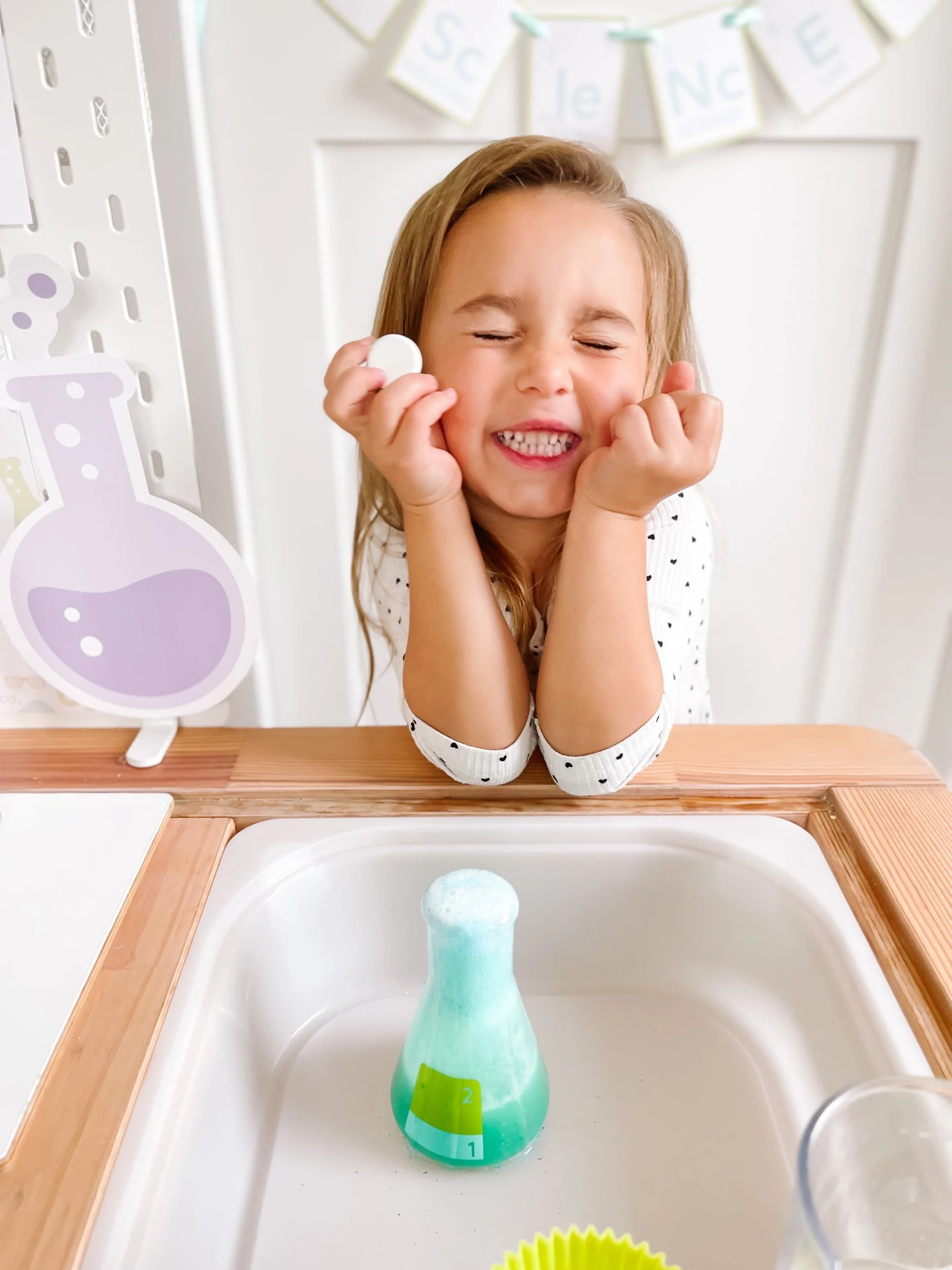
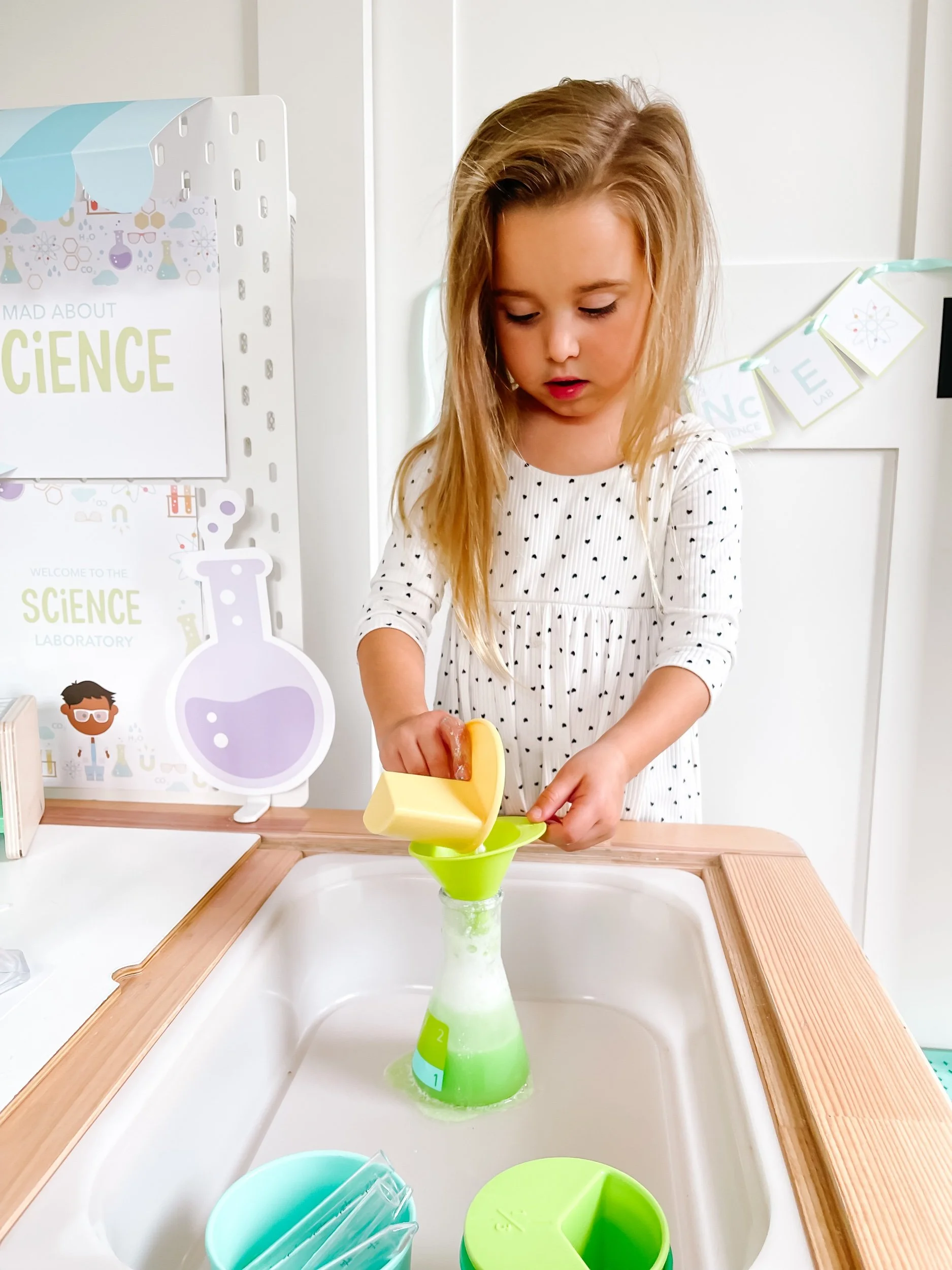
Get ready for some mesmerizing sensory play! With baby oil, blue and teal colored water, alkaseltzer tablets, and a beaker from the kit, your child can create their very own lava lamp. Start by filling the beaker halfway with baby oil. In a separate container, mix blue and teal colored water. Slowly pour the colored water into the beaker, watching as it floats on top of the oil. Drop an alkaseltzer tablet into the beaker and witness the fascinating lava lamp effect. For an extra sensory element, mix in some bath salts to experiment with different smell combinations. This activity promotes observation, prediction, and cause-and-effect understanding.




Activity 3: BATH TUB TIME & CLEAN UP
When you’re using baby oil, the bin and beakers will get oily! We moved everything to the bath tub for some bath time play and did a added a loofa and some soap to wash the bins and beakers down. This was a fun way to do the clean up after a fun day of play. You’ll want to do extra soap and scrubbing if you don’t want your Trofast Bin to feel oily afterward.


The Importance of Early Science Learning
At GoodnightFox, we believe that learning about science from an early age is crucial for a child's development. By engaging in hands-on trial and error learning and experiments, children gain a deeper understanding of scientific concepts. They learn to ask questions, make predictions, and explore the world around them. Sensory play activities, such as the ones described above, offer an engaging way for children to explore and discover scientific principles while having fun.




Top 25 Science Vocabulary Words for Kids 3-6
As part of the Science Lab Printable Dramatic Play and Sensory Play Activity Kit, we've compiled a list of the top 25 science vocabulary words for children aged 3-6. These words can enhance your child's understanding of the activities and expand their scientific knowledge. Here are some of the words included in the kit:
1. Experiment
2. Observation
3. Hypothesis
4. Variables
5. Conclusion
6. Magnetism
7. Gravity
8. Inertia
9. Force
10. Chemistry
11. Biology
12. Ecology
13. Organism
14. Solar System
15. Fossils
16. Energy
17. Matter
18. Motion
19. Temperature
20. Evaporation
21. Condensation
22. Solid
23. Liquid
24. Gas
25. Reaction
With the Science Lab Printable Dramatic Play and Sensory Play Activity Kit, your child can embark on a wonderful journey of scientific exploration. Encourage their curiosity, let them make their own discoveries, and watch their love for science flourish. Happy experimenting!