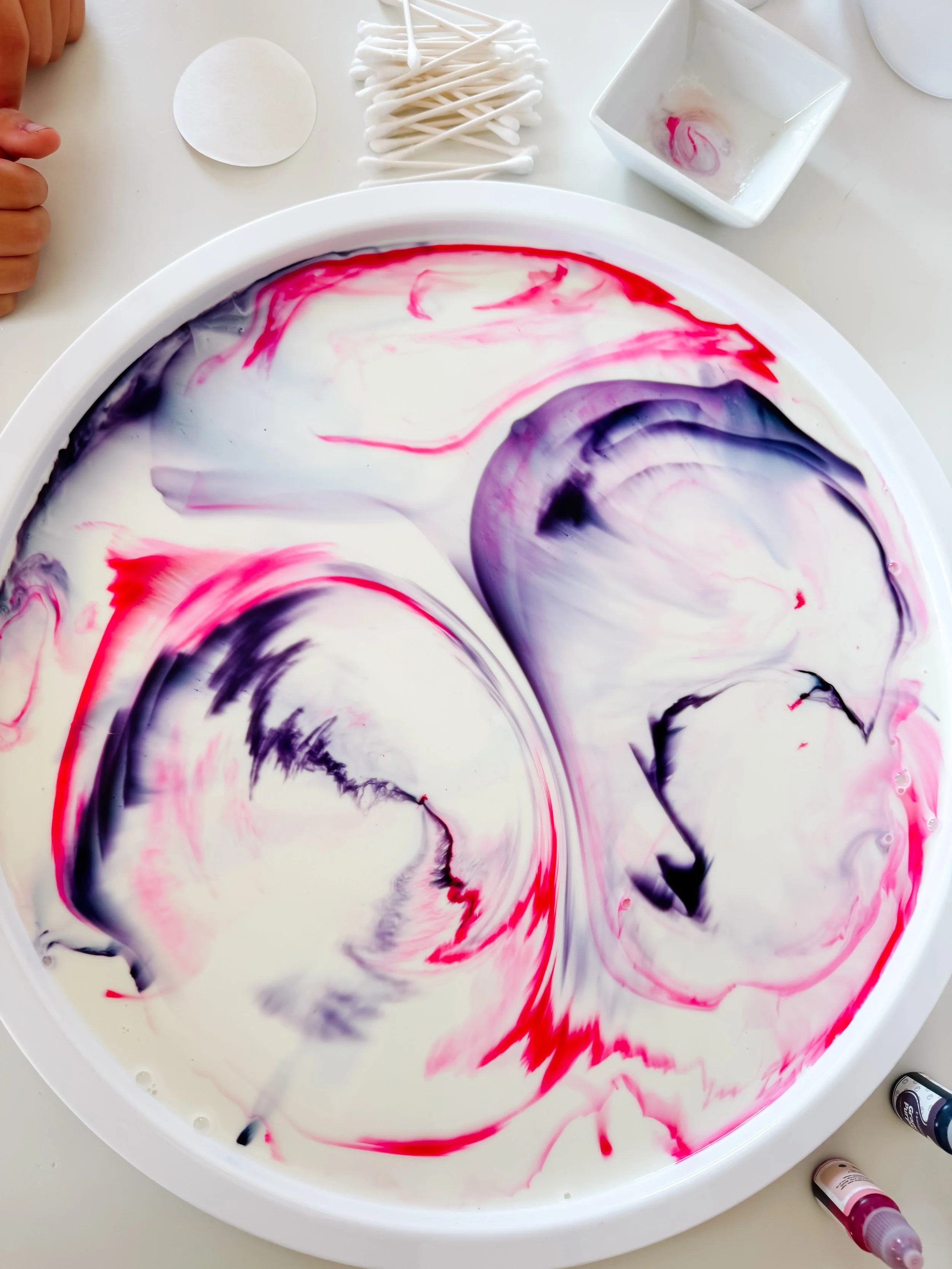
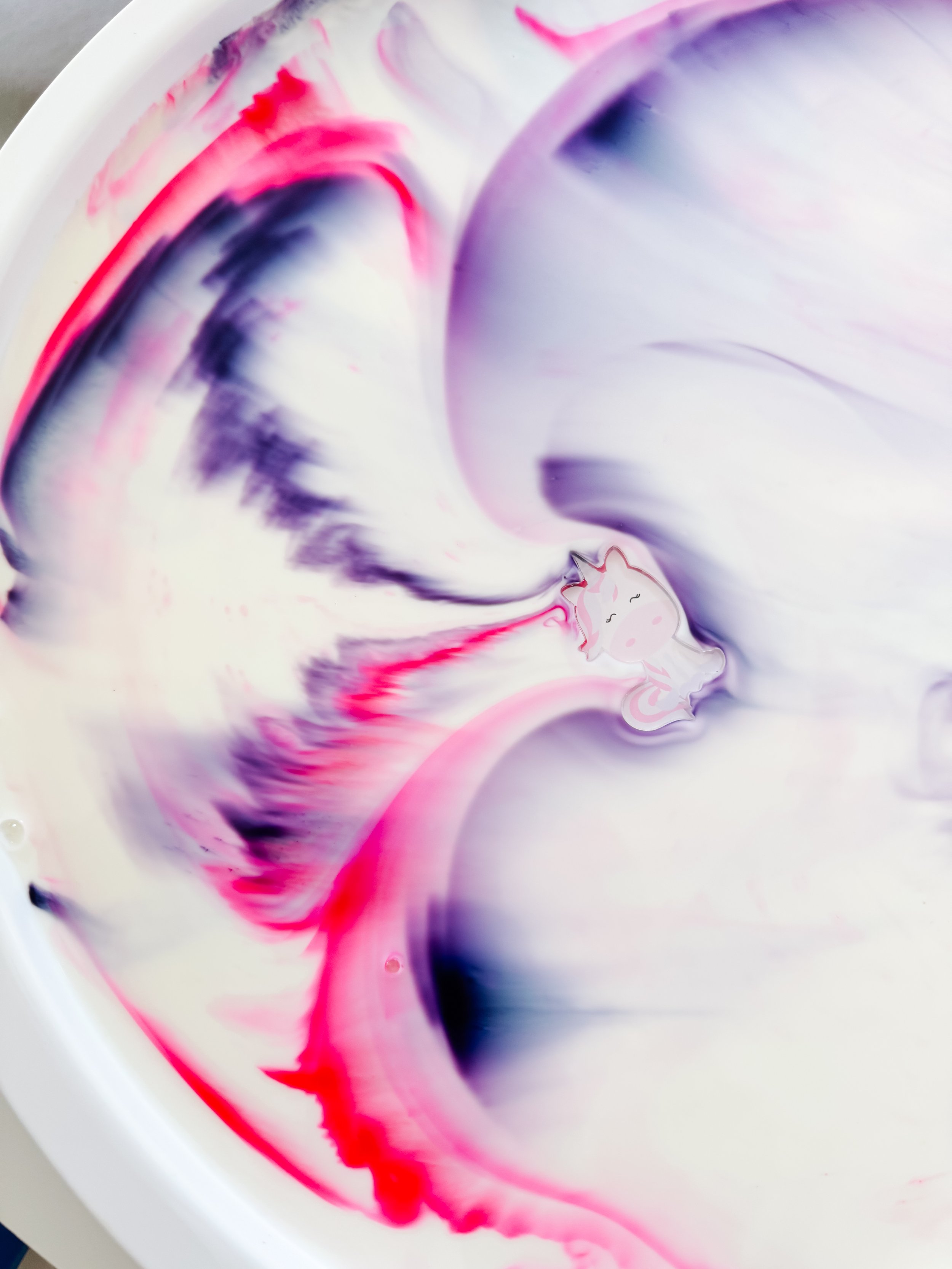
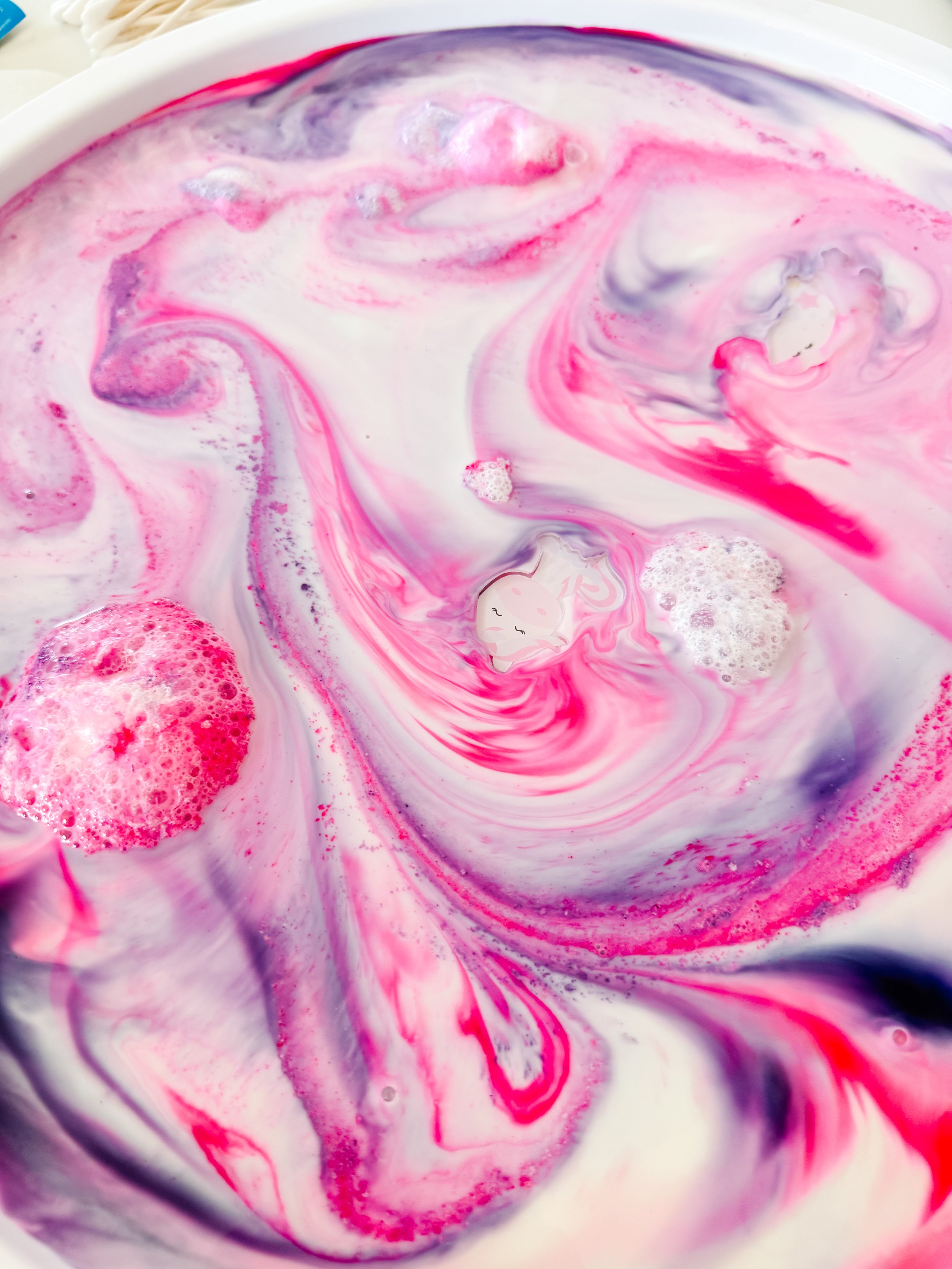
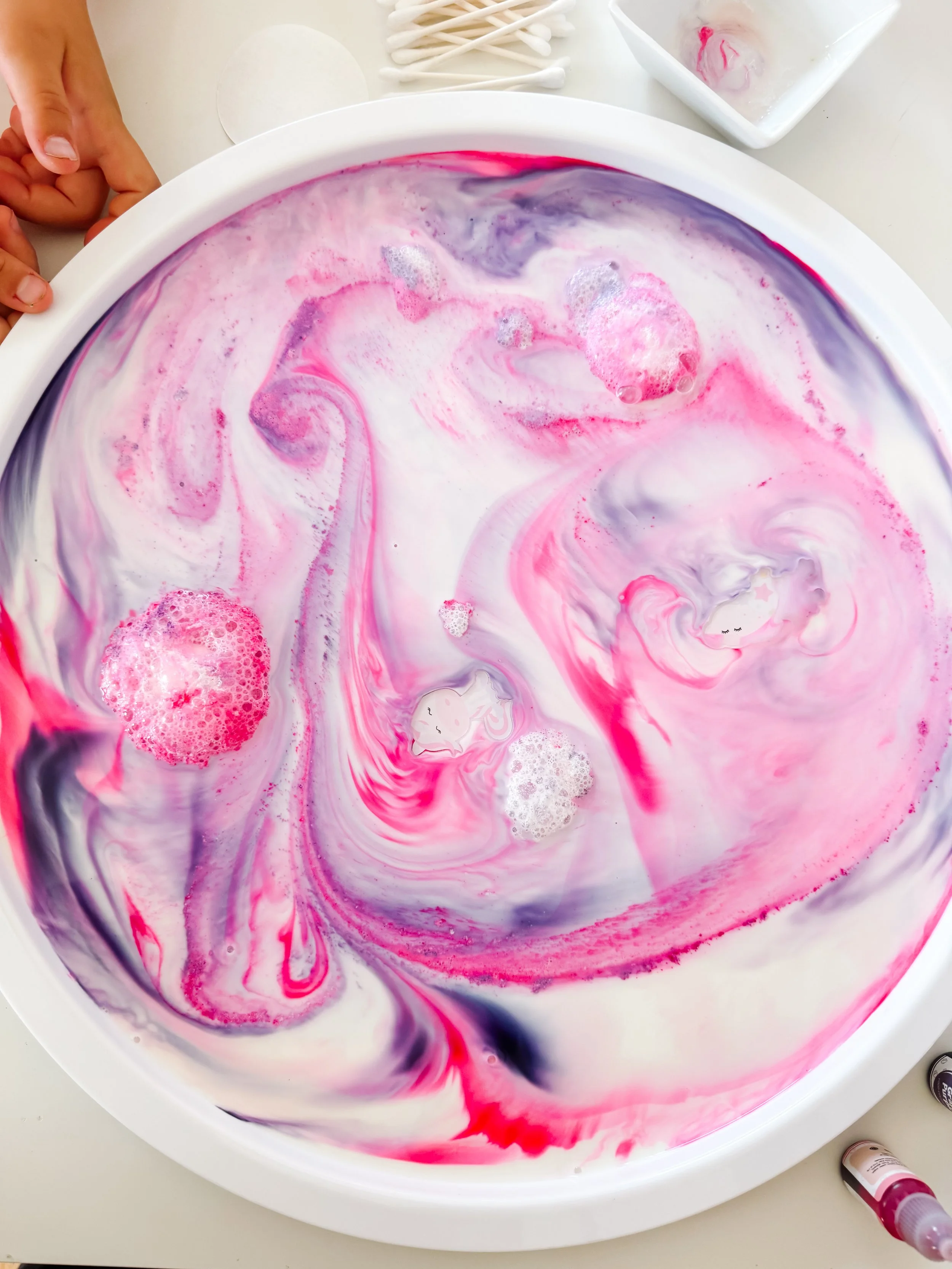
Northern Lights Magic Milk Experiment
Recreate the glowing green and blue ribbons of the aurora borealis with an easy milk-and-soap science experiment—then turn it into a complete Northern Lights unit study for preschool and early elementary learners.
Bringing the Northern Lights to our kitchen table
The real northern lights feel almost impossible to describe to a child. They are not quite a rainbow, not quite a cloud, and not quite a beam of light. They move like glowing curtains, ribbons, waves, and brushstrokes across a dark sky.
Since we could not simply step outside and see the aurora borealis from our backyard, I wanted to create an activity that helped Sofia imagine how those glowing colors might move.
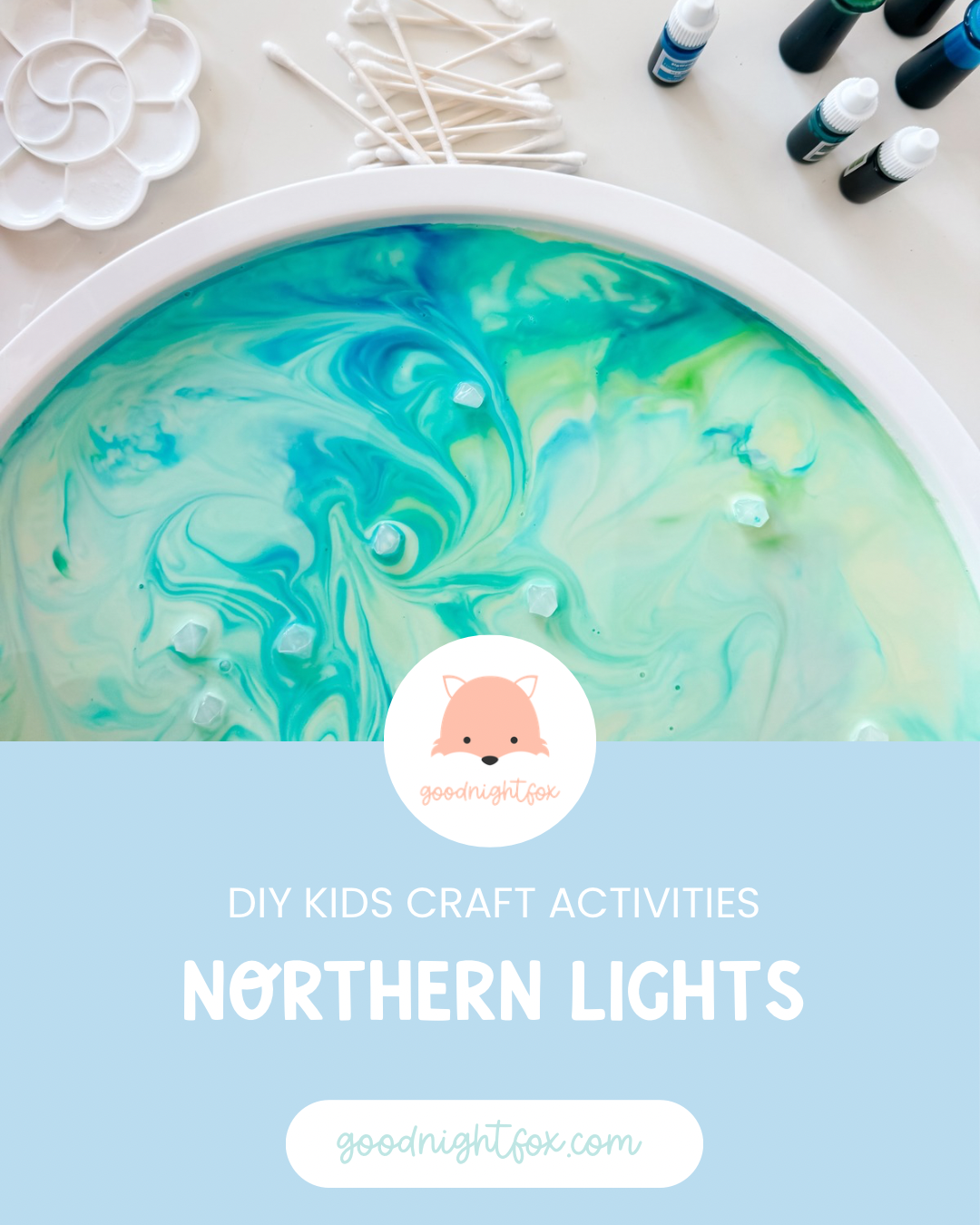
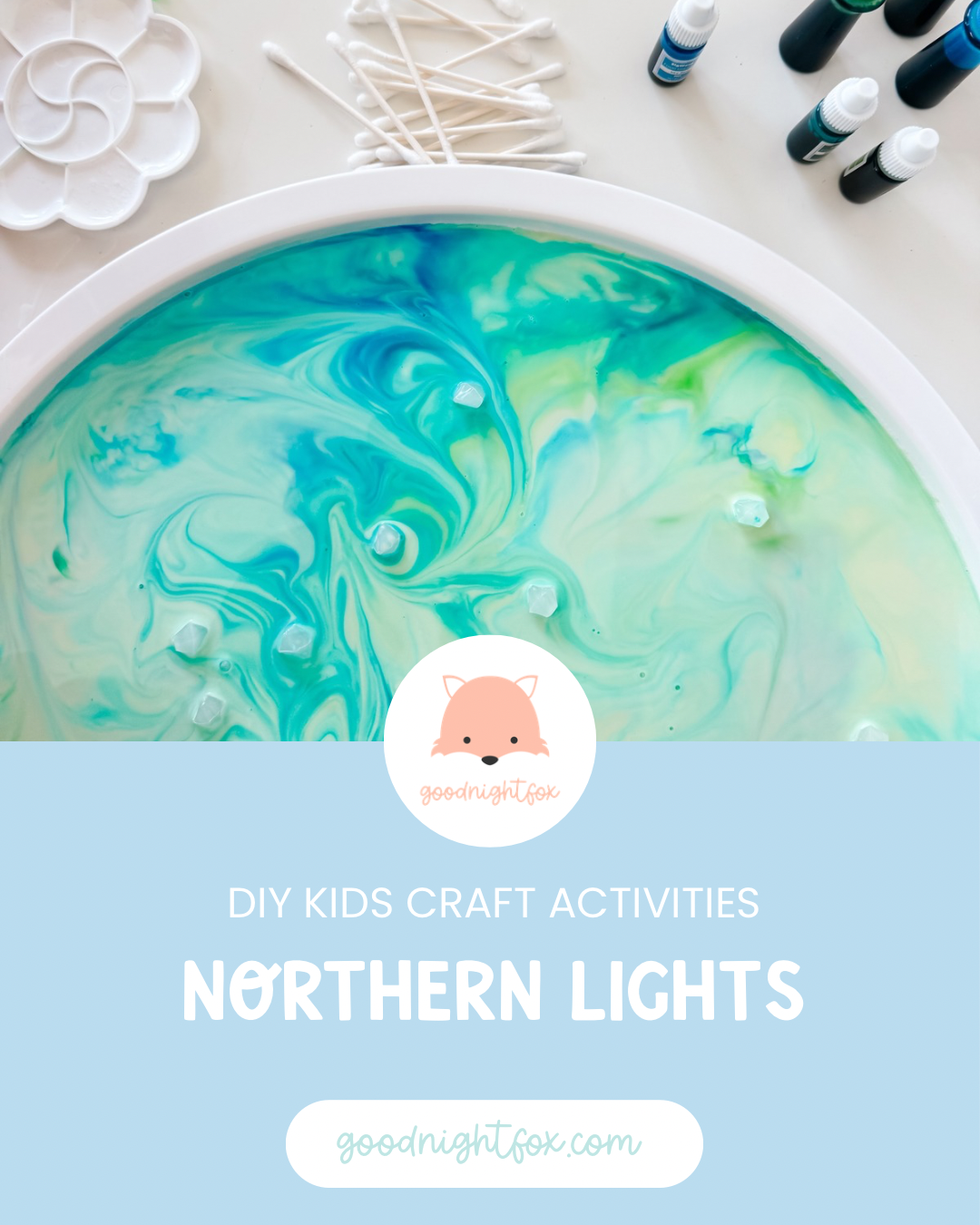
Magic Milk was the perfect starting point. When dish soap touches the milk, the food coloring races, curls, stretches, and folds into flowing patterns. With deep blue, turquoise, teal, and green, the tray began to look like a tiny Arctic sky.
We added clear gems to resemble stars and pieces of ice, then watched the colors travel around them. The activity became part science experiment, part process art, and part geography lesson.
More importantly, it gave us a reason to ask bigger questions: What are the northern lights? Why do they glow? Why are they usually seen near Earth’s poles? And could another planet have an aurora too?
What are the northern lights?
The northern lights are glowing patterns that appear in the sky, most often in areas near the Arctic. Their scientific name is the aurora borealis.
The Sun constantly releases a stream of tiny electrically charged particles called the solar wind. When some of those particles reach Earth, they interact with Earth’s magnetic field.
Earth’s magnetic field guides many of the particles toward the polar regions. High above the ground, the particles collide with gases in our atmosphere. Those gases release energy as visible light, creating the aurora.
A child-friendly way to explain it is:
The Sun sends tiny particles toward Earth. Earth’s invisible magnetic shield guides them toward the poles. When the particles bump into gases in the sky, those gases glow.
Why is it called the aurora borealis?
“Aurora” refers to dawn or light, while “borealis” means northern. Together, the phrase describes the glowing lights of the north.
Auroras also appear near the South Pole. The southern version is called the aurora australis, or southern lights.
Both are created by the same basic interaction between particles from the Sun, a planet’s magnetic environment, and gases in its atmosphere.
What colors can the northern lights be?
| Color | Main atmospheric source | What children may notice |
|---|---|---|
| Green | Oxygen | The most frequently observed aurora color |
| Red | Oxygen at higher altitudes | A rarer glow that may appear above green aurora |
| Blue | Nitrogen | Often seen near lower portions of a display |
| Purple or violet | Nitrogen | Can appear along edges and lower areas |
| Pink | A mixture of emissions | May appear where colors overlap |
Explain aurora colors to a preschooler
Different gases are like different crayons. When the Sun’s particles give those gases energy, each kind can glow in its own colors.
Where can families see the northern lights?
Auroras are most commonly seen at high northern latitudes beneath a region known as the auroral oval.
Well-known viewing areas include parts of:
- Alaska
- Northern Canada
- Greenland
- Iceland
- Northern Norway
- Sweden
- Finland
- Russia
Strong geomagnetic storms can push auroras farther from the poles, occasionally making them visible at much lower latitudes.
To see an aurora, the sky needs to be dark enough and reasonably clear. City lights, clouds, and daylight can hide even an active display.
Materials needed
- Whole milk
- Liquid dish soap
- Blue food coloring
- Green food coloring
- Optional turquoise, purple, or neon food coloring
- Cotton swabs
- A shallow white tray or plate
- A small bowl for dish soap
- Optional round cotton pad for stamping a color pattern
- Optional clear, white, blue, or green acrylic gems
- Paper towels for cleanup
Safety note
Although this activity uses milk and food coloring, it also contains dish soap and is not edible. Supervise children closely and keep the mixture away from eyes and mouths. Small acrylic gems can be a choking hazard.
Shop the science supplies
These are the basic supplies we reuse for Northern Lights, rainbow, fireworks, sunset, and unicorn Magic Milk experiments.
This section contains affiliate links, which means I may earn a small commission at no additional cost to you.
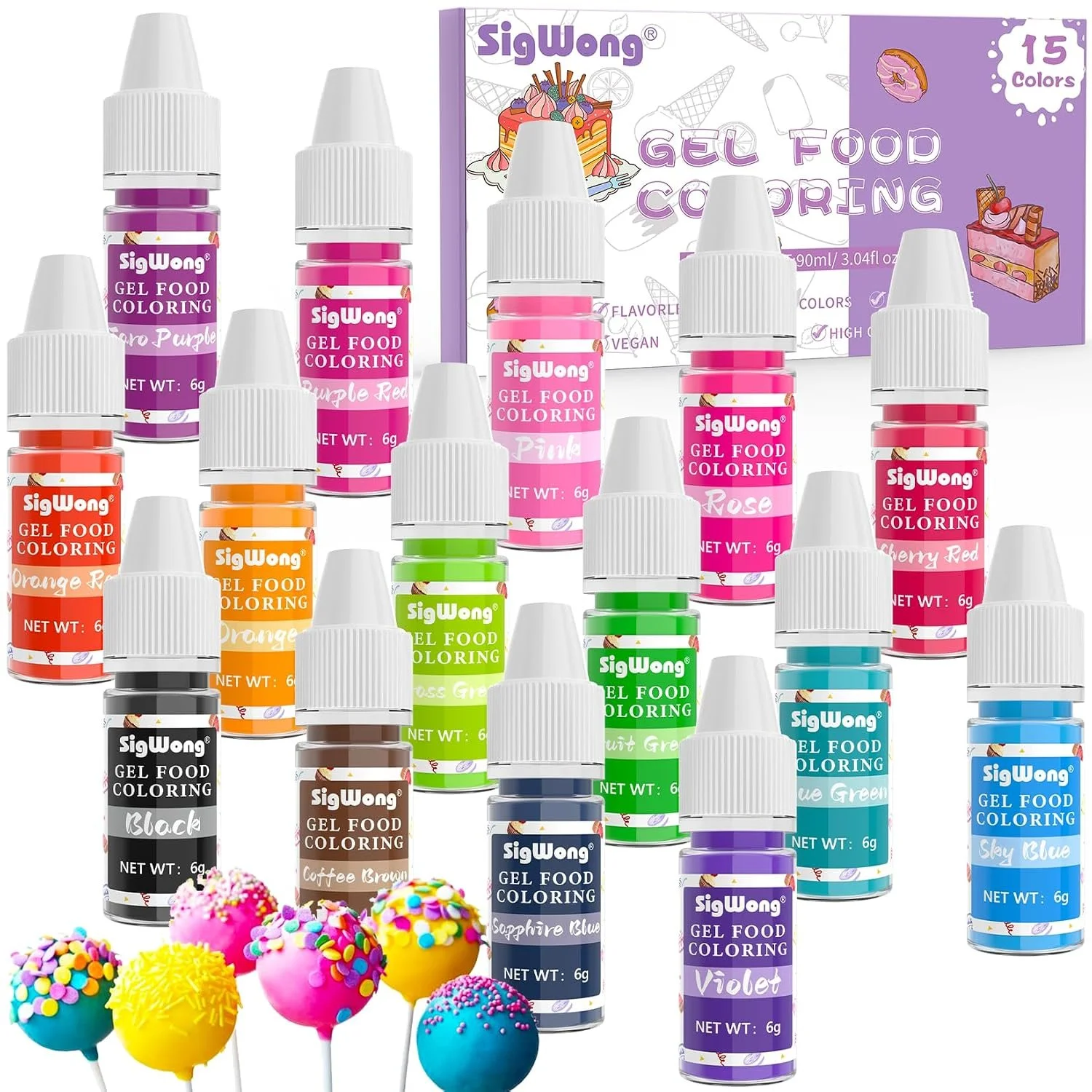
Liquid food coloring
Use blue, green, turquoise, and a touch of purple to recreate a cool-toned aurora palette.
View on Amazon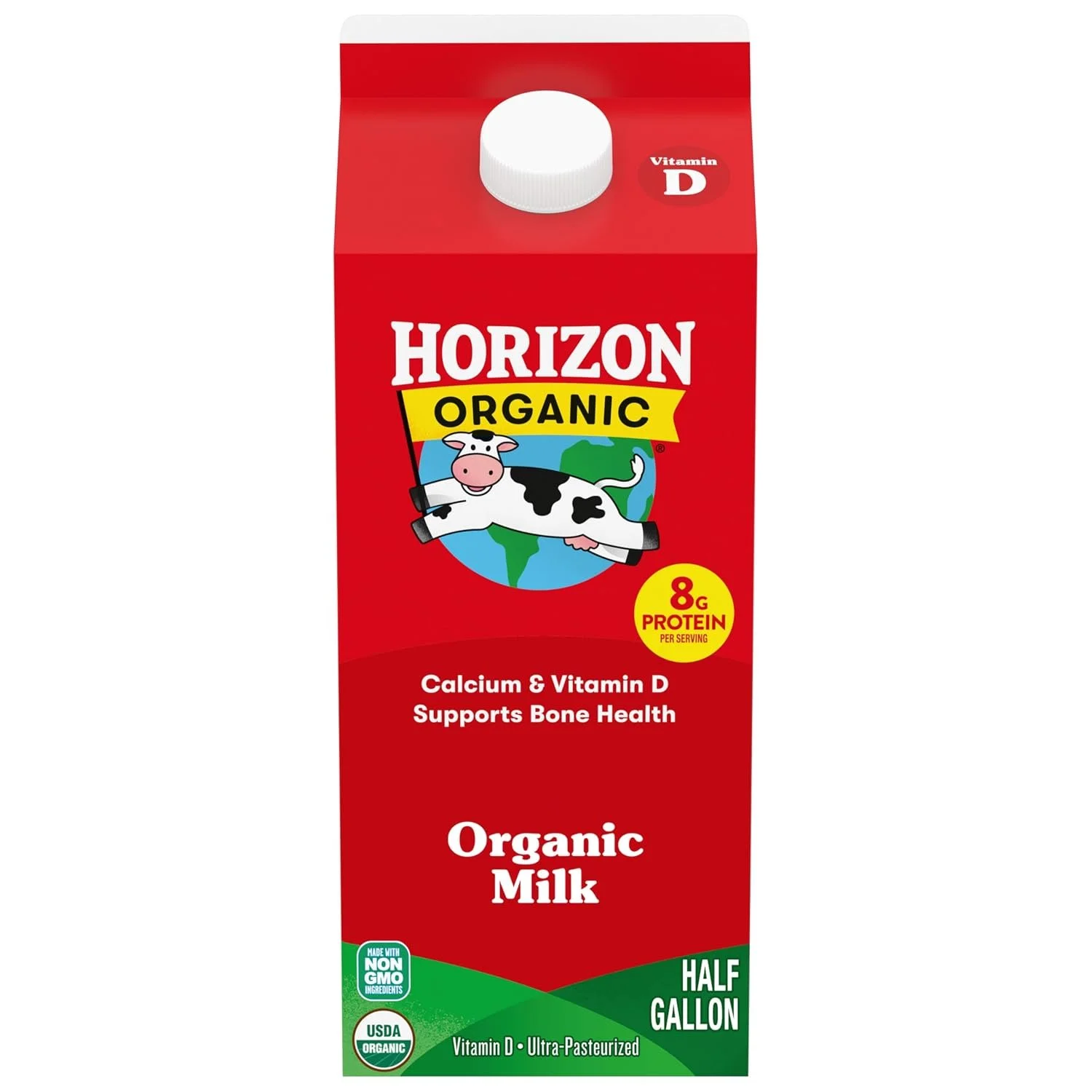
Whole milk
The higher fat content usually gives the experiment a bold and longer-lasting reaction.
View on Amazon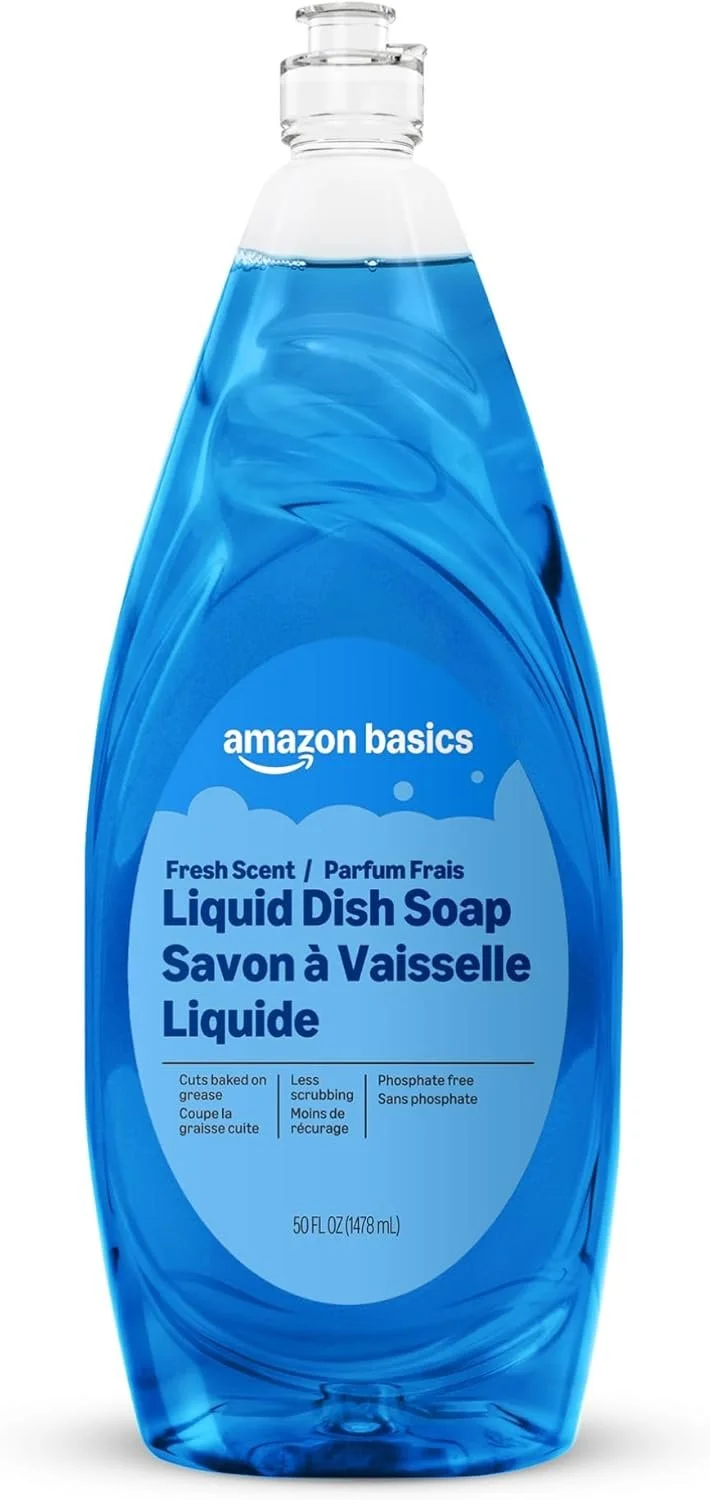
Liquid dish soap
Dish soap disrupts the milk’s surface tension and interacts with its fat, sending the visible colors into motion.
View on AmazonHow to make Northern Lights Magic Milk
Create the Arctic sky
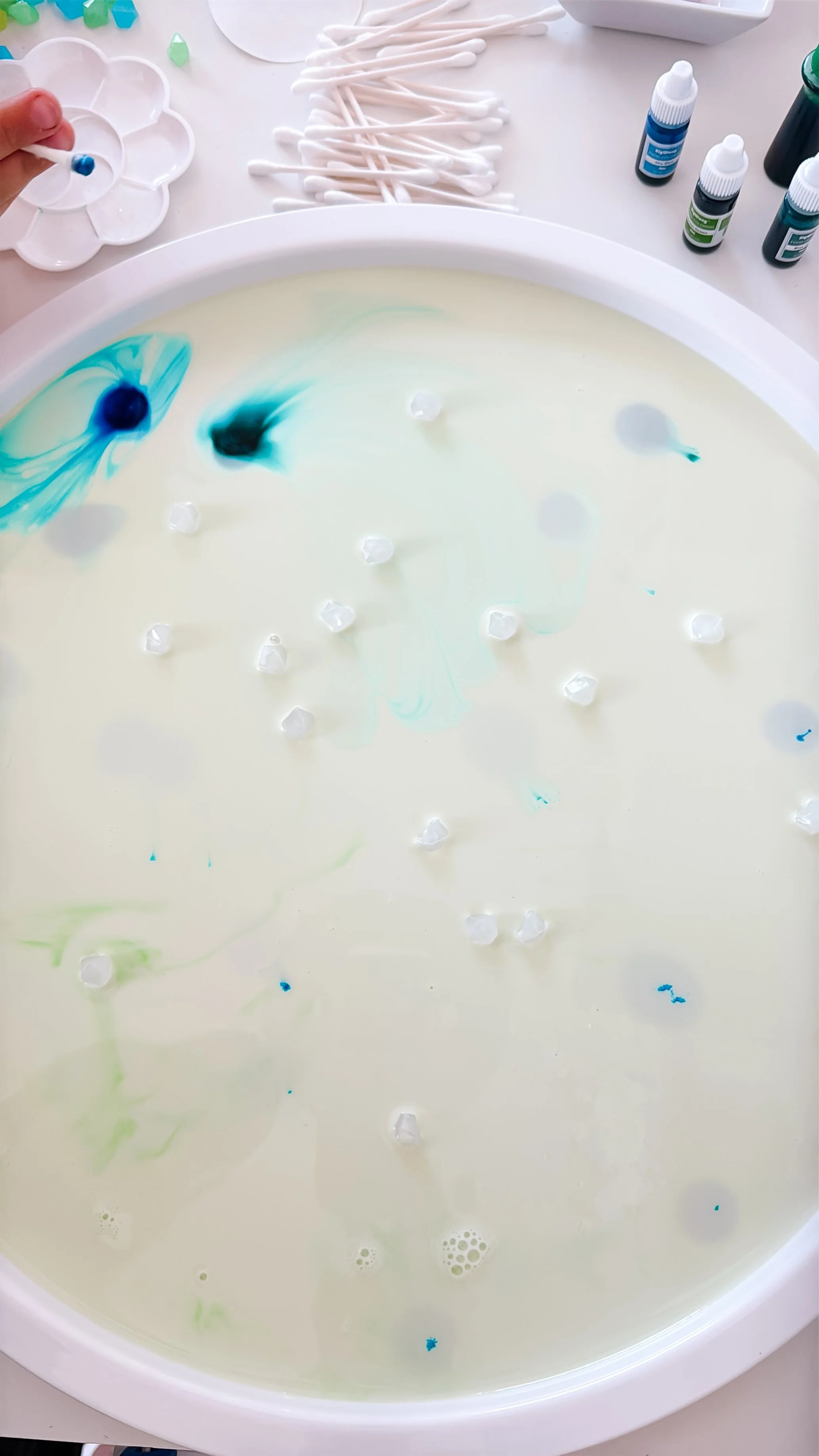
Pour enough whole milk into a shallow white tray to cover the bottom.
Add small drops of blue, turquoise, and green food coloring around the milk. Leave plenty of white space between the drops so the colors have room to travel.
We also scattered clear gems across the tray to resemble sparkling stars and pieces of Arctic ice.
Touch the milk with soap
Pour a small amount of dish soap into a separate dish.
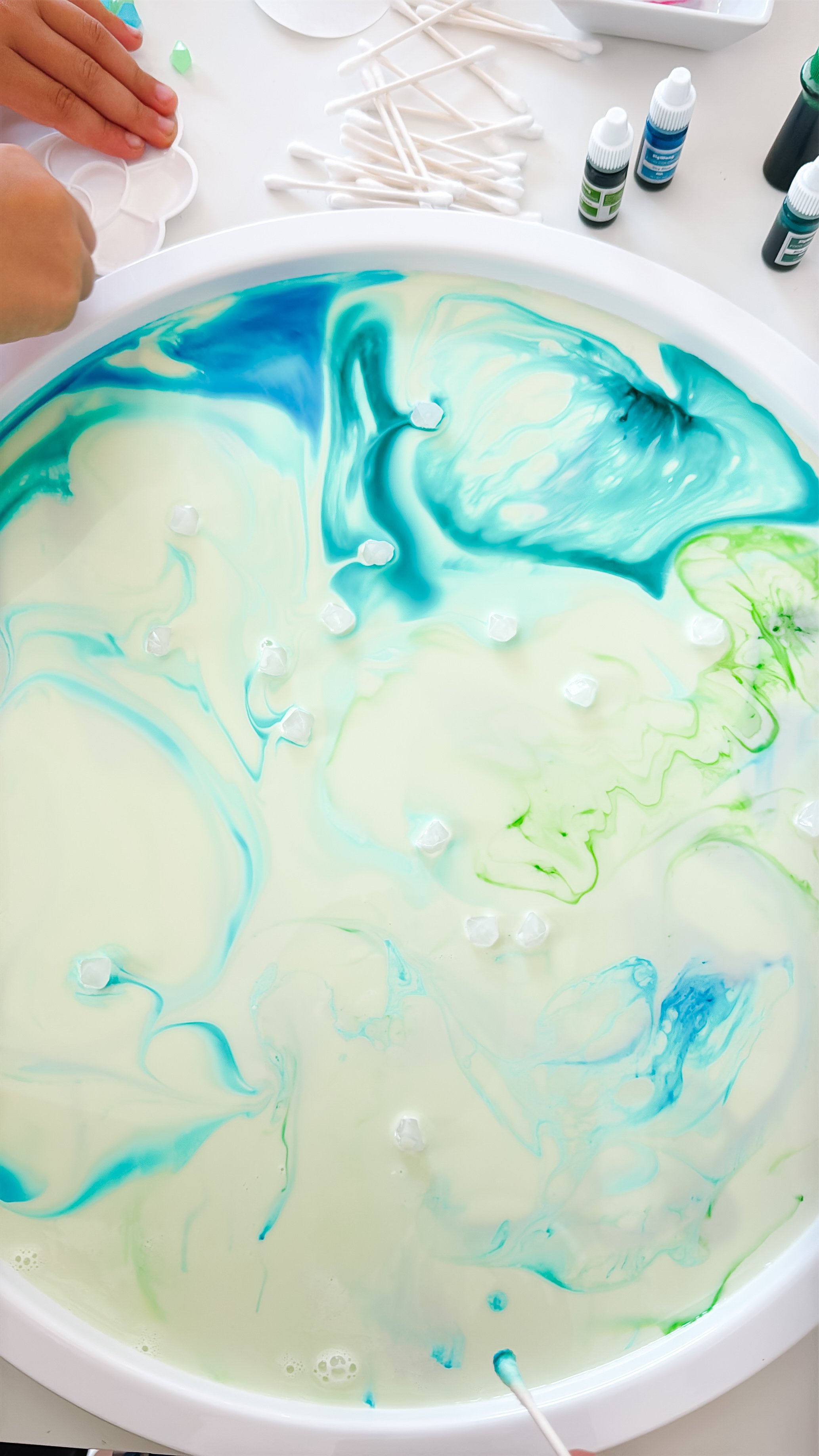
Dip one end of a cotton swab in the soap, then gently touch it to a drop of colored milk. Hold the swab still at first instead of stirring.
Watch as the color quickly pulls away and begins traveling across the tray.
Build glowing ribbons
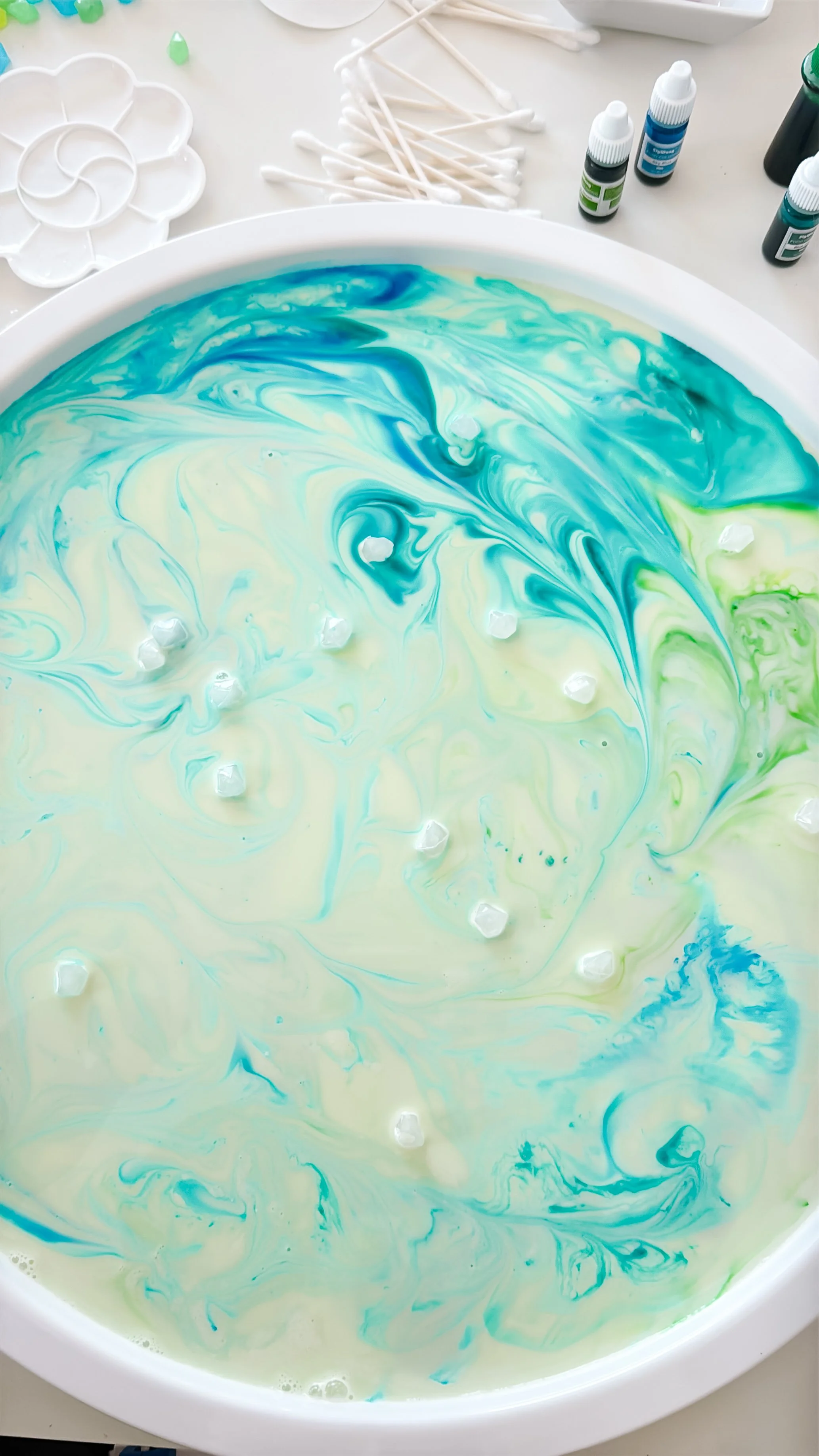
Use fresh soapy cotton swabs to touch several areas around the tray.
Try placing the soap at the center of a dark color drop, along the edge of a swirl, and in a pale area. Compare the movement each touch creates.
The colors will begin forming waves, ribbons, curls, and curtain-like shapes that resemble photographs of the aurora.
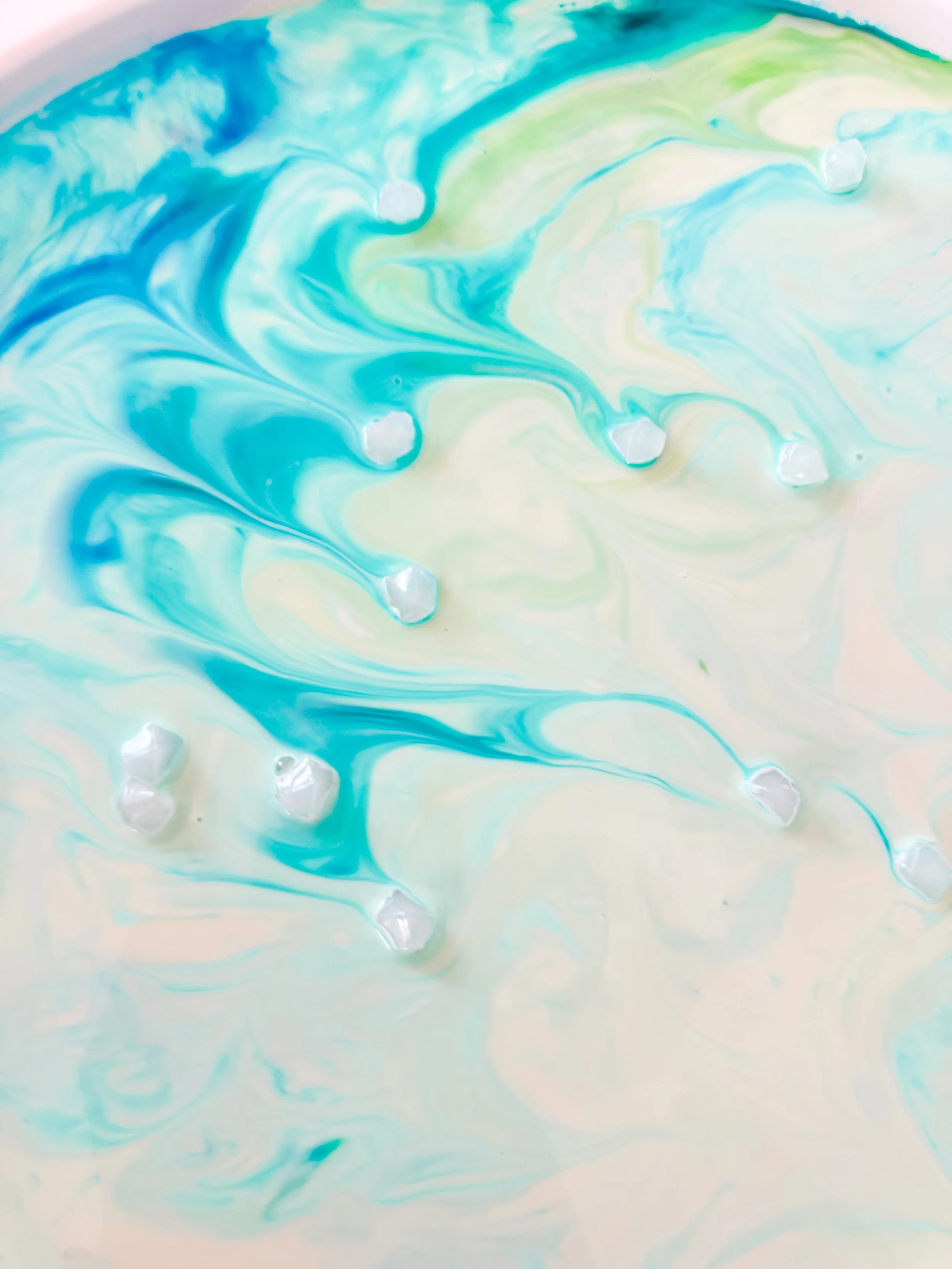
Observe the motion
Pause before adding more soap and watch how the liquid continues moving.
Ask your child to follow one ribbon with their eyes. Does it stretch, curl, fade, separate, or blend with another color?
Compare the clear gems with stars, ice crystals, or distant planets floating in the night sky.
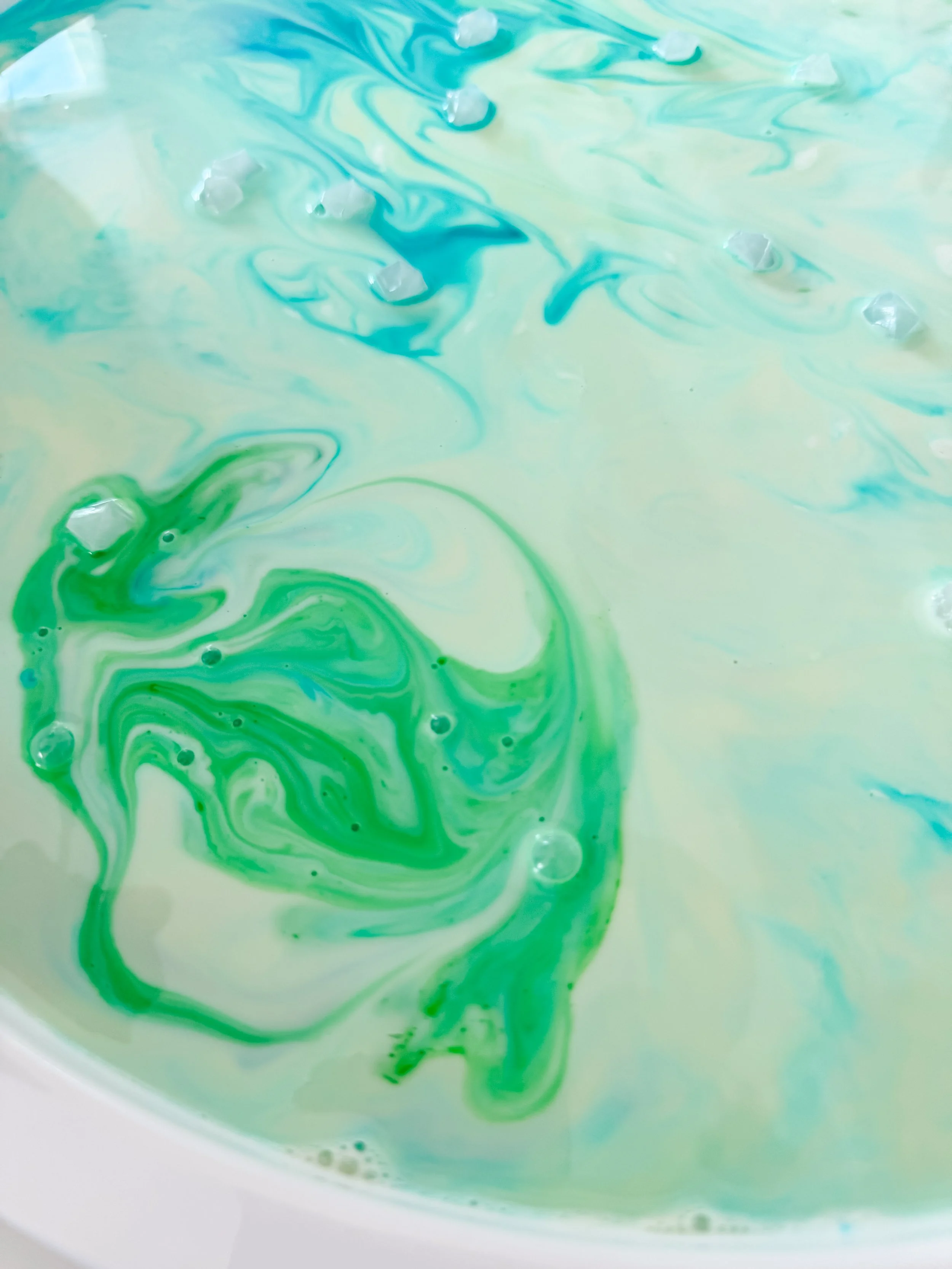
Experiment with green light
Add a fresh green drop in a quieter area and touch it with a clean soapy swab.
Green is the most commonly observed aurora color, so this is a good moment to explain that oxygen high in Earth’s atmosphere can emit green light after being energized.
Compare the green pattern with the blue and turquoise sections already in the tray.
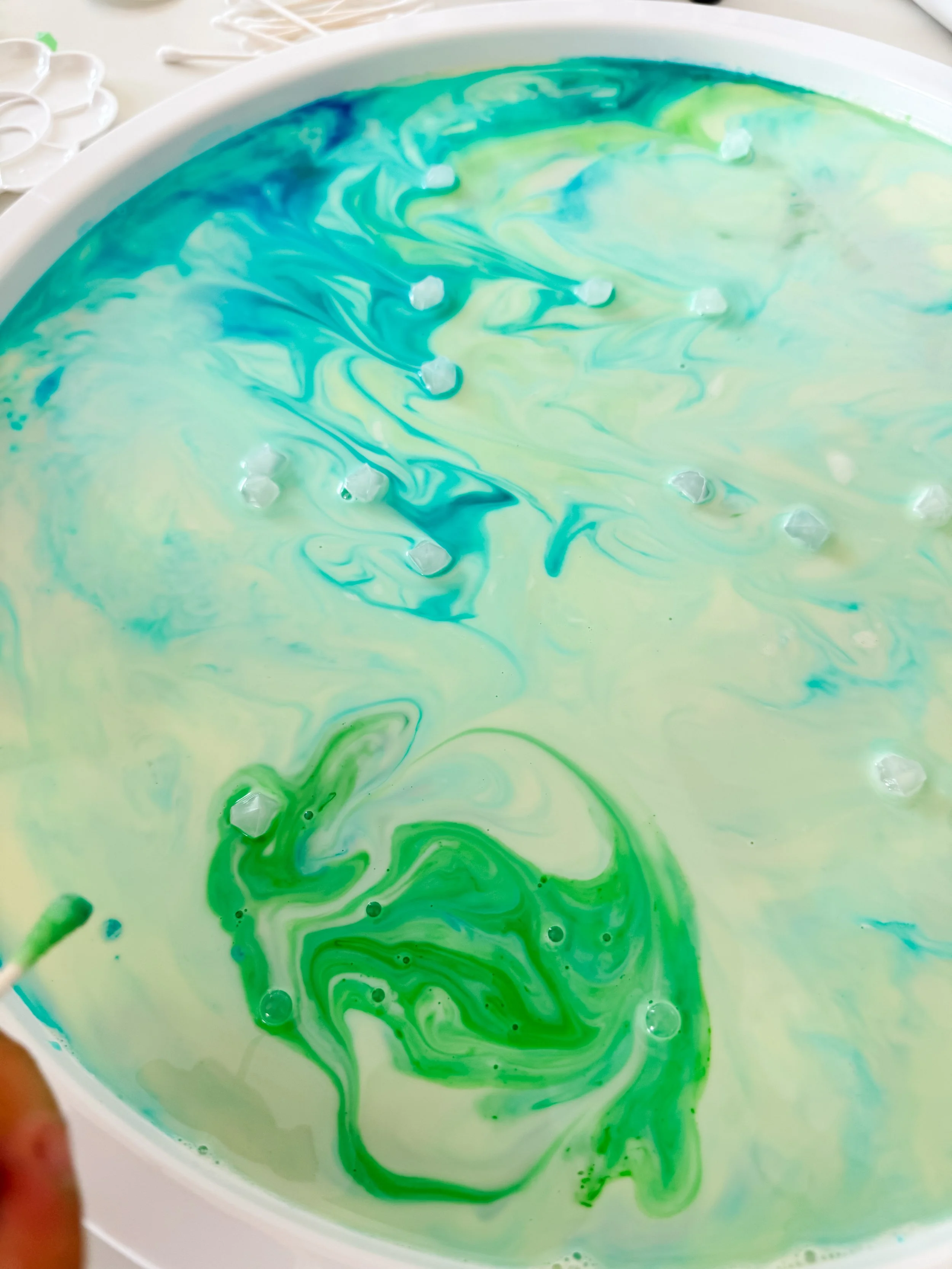
Compare color regions
Look for places where the colors remain separate and places where they blend.
Discuss how a real aurora can have multiple layers and colors at once because particles are interacting with different gases and at different altitudes.
Invite your child to describe the patterns using words such as glowing, rippling, waving, dancing, curling, and shimmering.
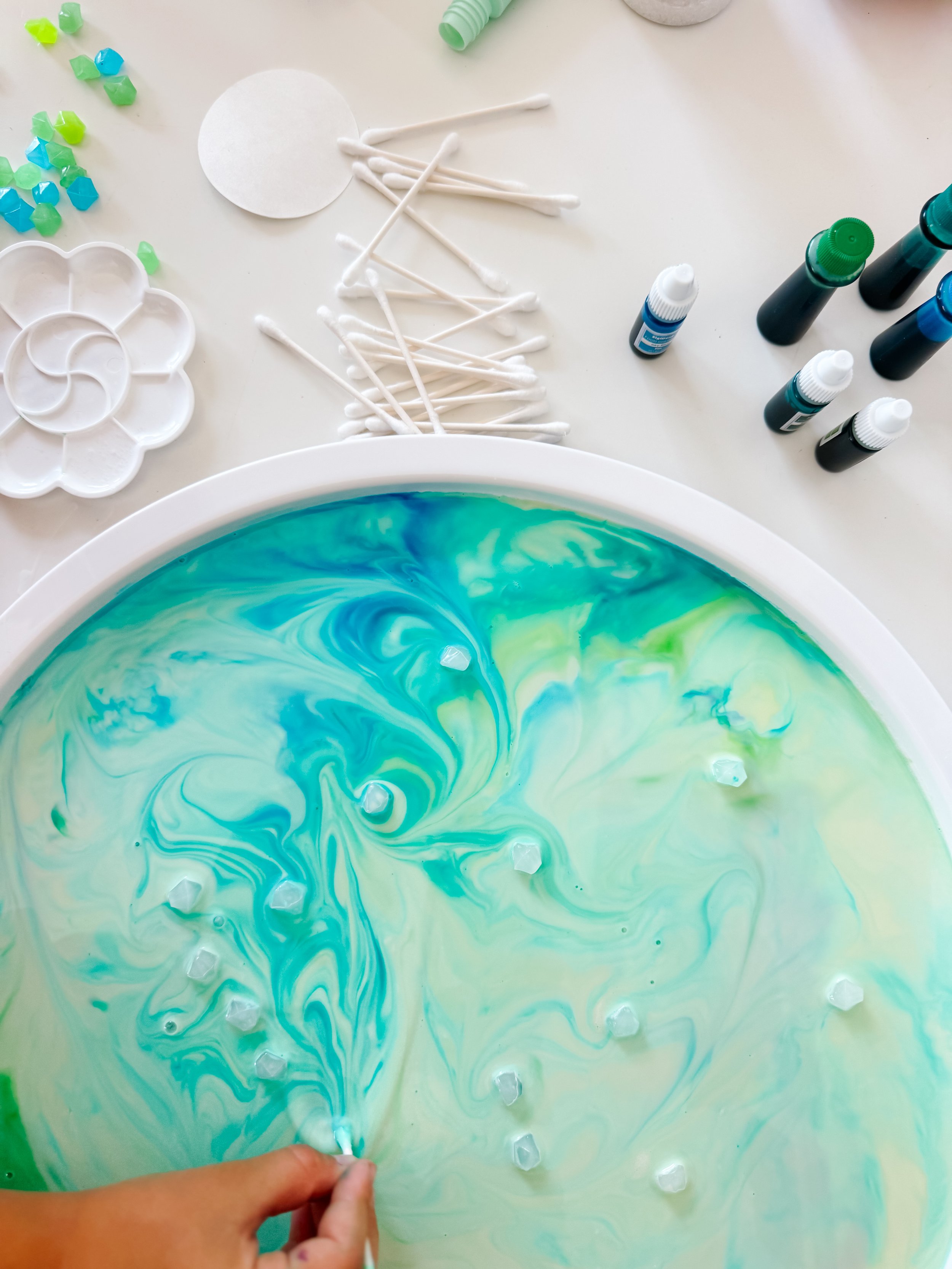
Let your child investigate
Once the first reaction has been observed, allow your child to test different areas independently.
Encourage deliberate experimenting rather than immediately stirring everything together. Ask them to predict where the color will travel before each touch.
If the reaction slows, add one or two fresh drops of coloring in an untouched area.
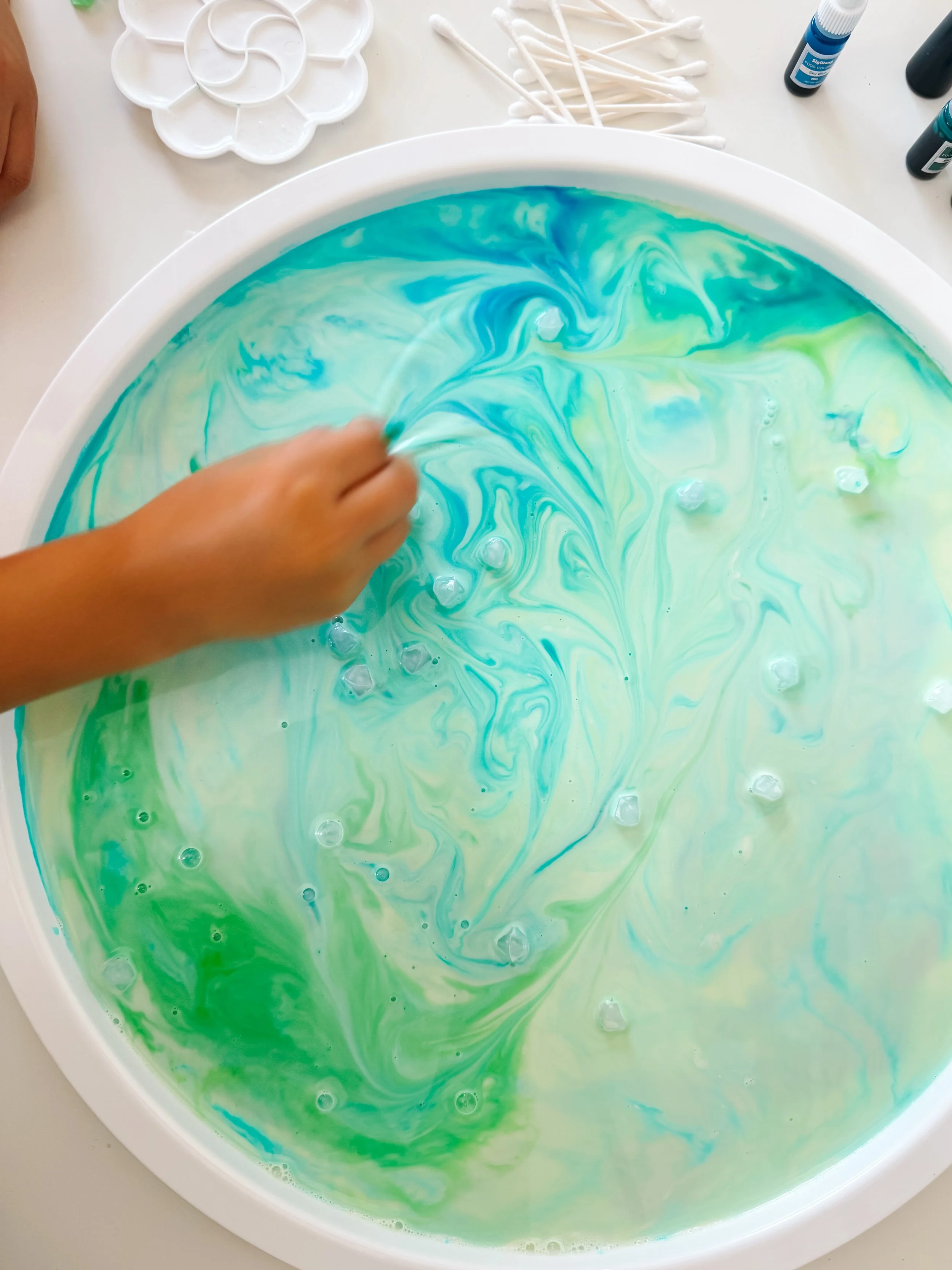
Study the finished aurora
Step back and look at the entire tray as a piece of process art.
Which area looks brightest? Where do the “lights” look like curtains? Can your child find a spiral, wave, animal, mountain, or face hidden in the patterns?
Photograph the final design before cleanup, then use it as inspiration for an aurora painting or drawing.
Parent tip
The activity is most visually dramatic when children touch rather than stir. Let them observe the first several reactions carefully before giving them permission to mix freely at the end.
Why does Magic Milk move?
Milk is made mostly of water, but it also contains fat, protein, sugars, vitamins, and minerals.
Dish soap has molecules that interact with water and fat. When it touches the milk, it reduces surface tension and begins moving through the liquid as it interacts with the fat.
Food coloring makes that otherwise invisible motion easy to see. The coloring is carried into swirls and currents as the soap spreads.
The experiment is not a model of the exact physics that creates an aurora. Instead, it is a visual analogy that helps children imagine flowing, shifting ribbons of light while they investigate a real interaction between household materials.
Northern Lights facts for kids
Auroras happen near both poles
Northern auroras are called aurora borealis. Southern auroras are called aurora australis.
The Sun helps create them
Auroras begin with charged particles carried away from the Sun in the solar wind.
Earth acts like a giant magnet
Earth’s magnetic field helps direct many charged particles toward its polar regions.
Green is the most common color
The familiar pale-green glow is produced when energized oxygen atoms emit light.
Auroras occur high above us
They form in the upper atmosphere, far above normal clouds and weather.
Other planets have auroras
Scientists have observed auroras on planets including Jupiter and Saturn.
Turn this into a Northern Lights unit study
Science
Learn about the Sun, solar wind, Earth’s atmosphere, magnets, charged particles, and light.
Geography
Find the Arctic Circle and countries where families may see the northern lights on a globe or map.
Art
Paint aurora ribbons on black paper with watercolor, chalk pastel, sponges, or diluted paint.
Literacy
Read a picture book, collect descriptive words, and write or dictate a story set beneath an aurora.
Movement
Use ribbons or scarves to move like slow, dancing lights across the night sky.
Technology
Look at a current NOAA aurora forecast and discuss how scientists use observations and models to predict space weather.
Northern Lights books for kids
Pairing the experiment with a picture book helps children connect the scientific explanation with the wonder of seeing the aurora.
The Lights That Dance in the Night
Yuval Zommer’s lyrical picture book follows the northern lights across the Arctic and celebrates the animals and people beneath their glow. A beautiful choice for ages three to seven.
View book on AmazonAurora: A Tale of the Northern Lights
Mindy Dwyer combines an imaginative Arctic story with rich artwork and a child’s search for courage and color.
View book on AmazonSeeking an Aurora
A father and child head into a quiet winter night in search of the aurora. This gentle story captures anticipation, patience, and wonder.
View book on AmazonA Search for the Northern Lights
Elizabeth and Izzi Rusch blend family adventure with accessible science as a mother and child travel in search of the lights.
View book on AmazonLearning skills
Questions to ask kids
- What do you predict will happen when the soap touches the milk?
- Which color begins moving first?
- Do the colors move in straight lines, waves, circles, or spirals?
- What does the pattern remind you of?
- Why do you think auroras are often visible near Earth’s poles?
- What does Earth’s magnetic field do?
- Which gas can make an aurora glow green?
- What would it feel like to stand beneath the northern lights?
- Where in the world would you travel to see them?
- What colors would you put in your own imaginary aurora?
Northern Lights vocabulary
More ways to extend the learning
Aurora chalk art
Blend green, blue, purple, and pink chalk across black paper, then add white stars with a paint pen.
Magnet investigation
Test which household objects are attracted to a magnet and discuss Earth’s invisible magnetic field.
Arctic sensory bin
Add faux snow, ice, Arctic animals, scoops, and cool-colored gems for small-world exploration.
Aurora movement activity
Dim the lights and move green and blue scarves slowly like ribbons dancing through the night sky.
Compare the two poles
Locate the Arctic and Antarctica and compare their land, oceans, animals, temperatures, and aurora names.
Check the aurora forecast
Visit NOAA’s aurora forecast with an adult and look for the colored oval around the magnetic poles.
See NOAA’s forecastMore GoodnightFox science activities
Rainbow Magic Milk
Explore a full spectrum of color while watching the same milk-and-soap reaction unfold.
Try Rainbow Magic MilkSunset Magic Milk
Use orange, pink, and yellow to explore warm colors and sunset-inspired color mixing.
Try Sunset Magic MilkFireworks Magic Milk
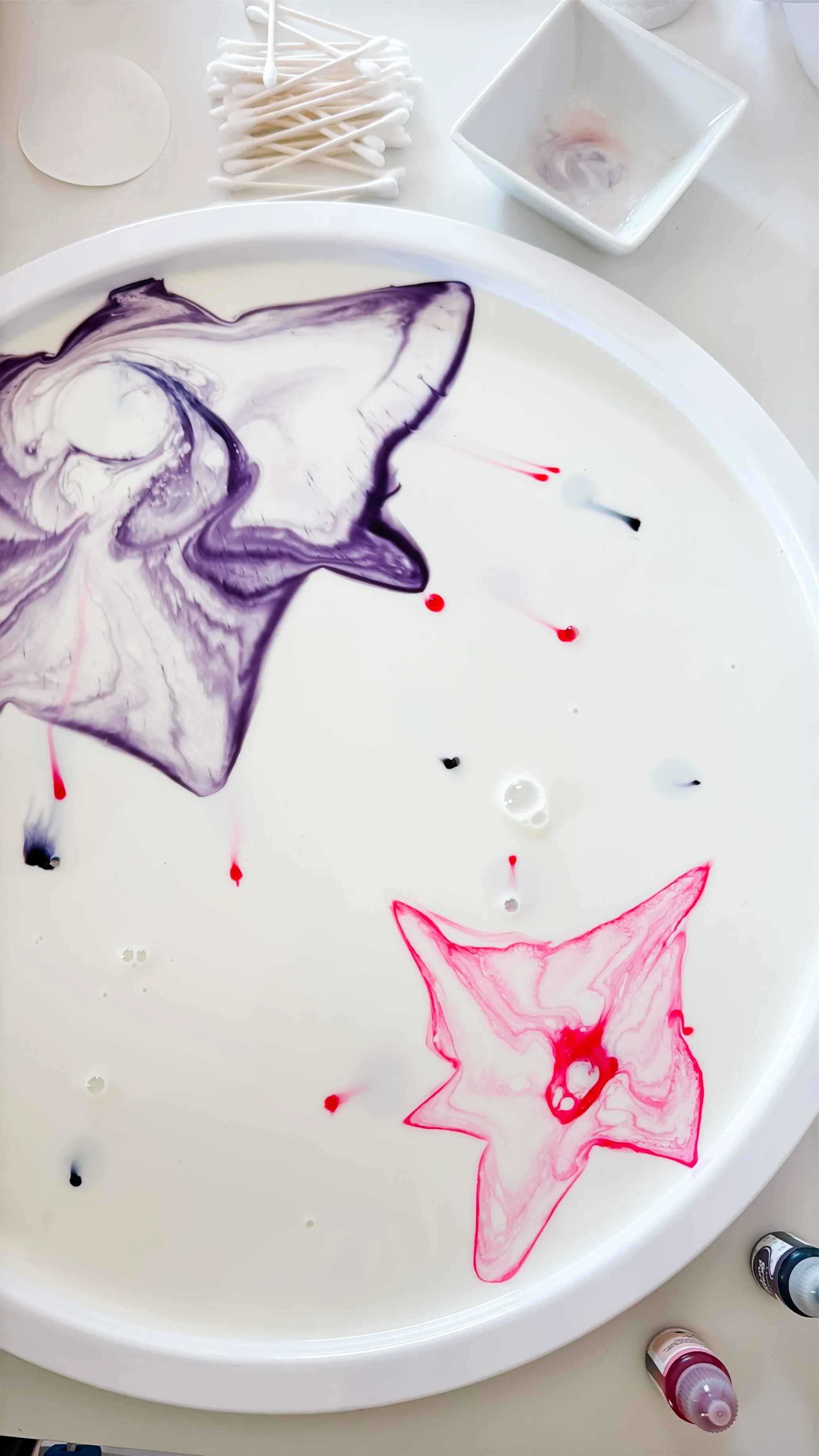
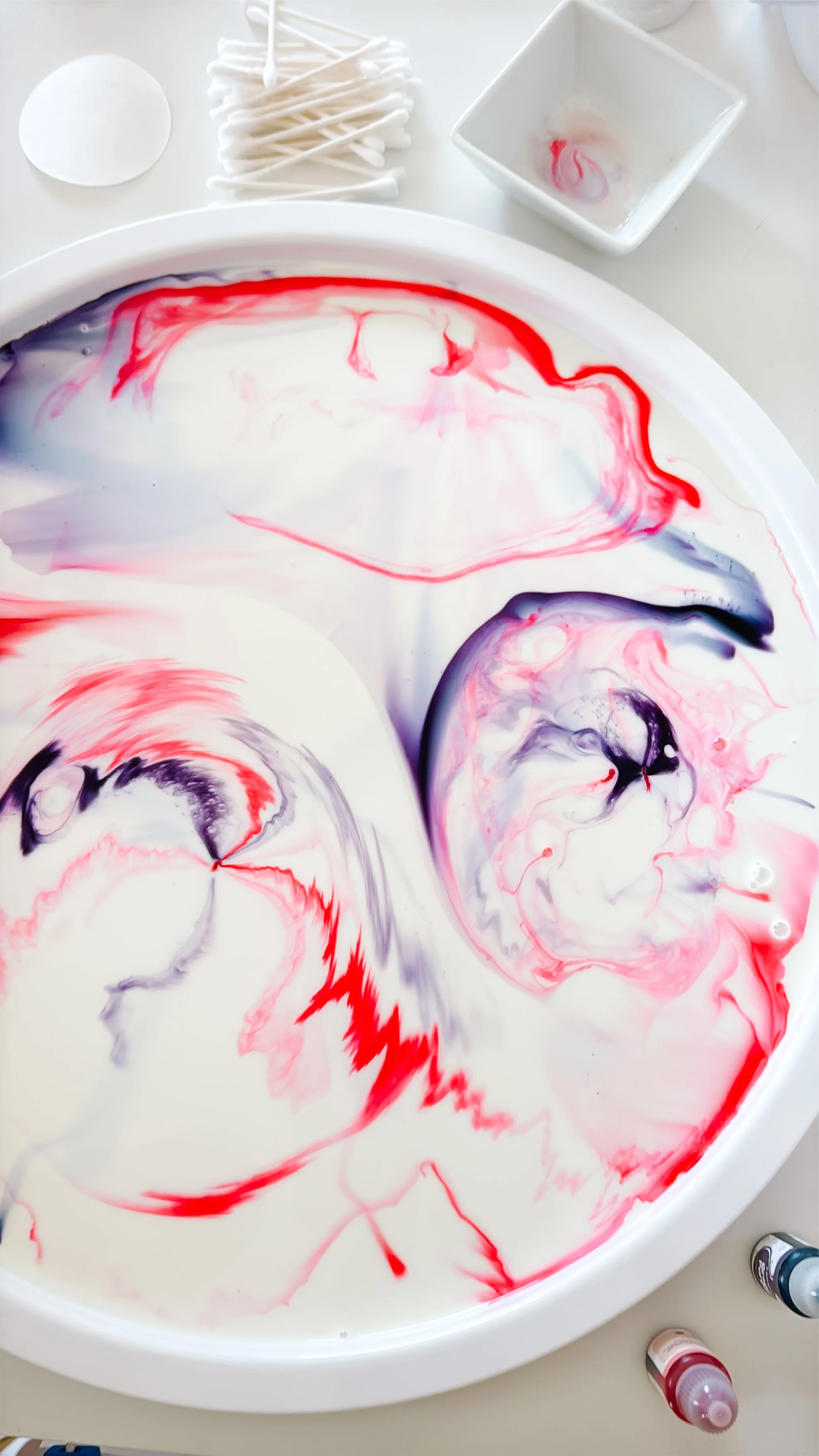
Arrange red and blue coloring around a cotton round to create an explosion-like reaction.
Try Fireworks Magic MilkUnicorn Magic Milk
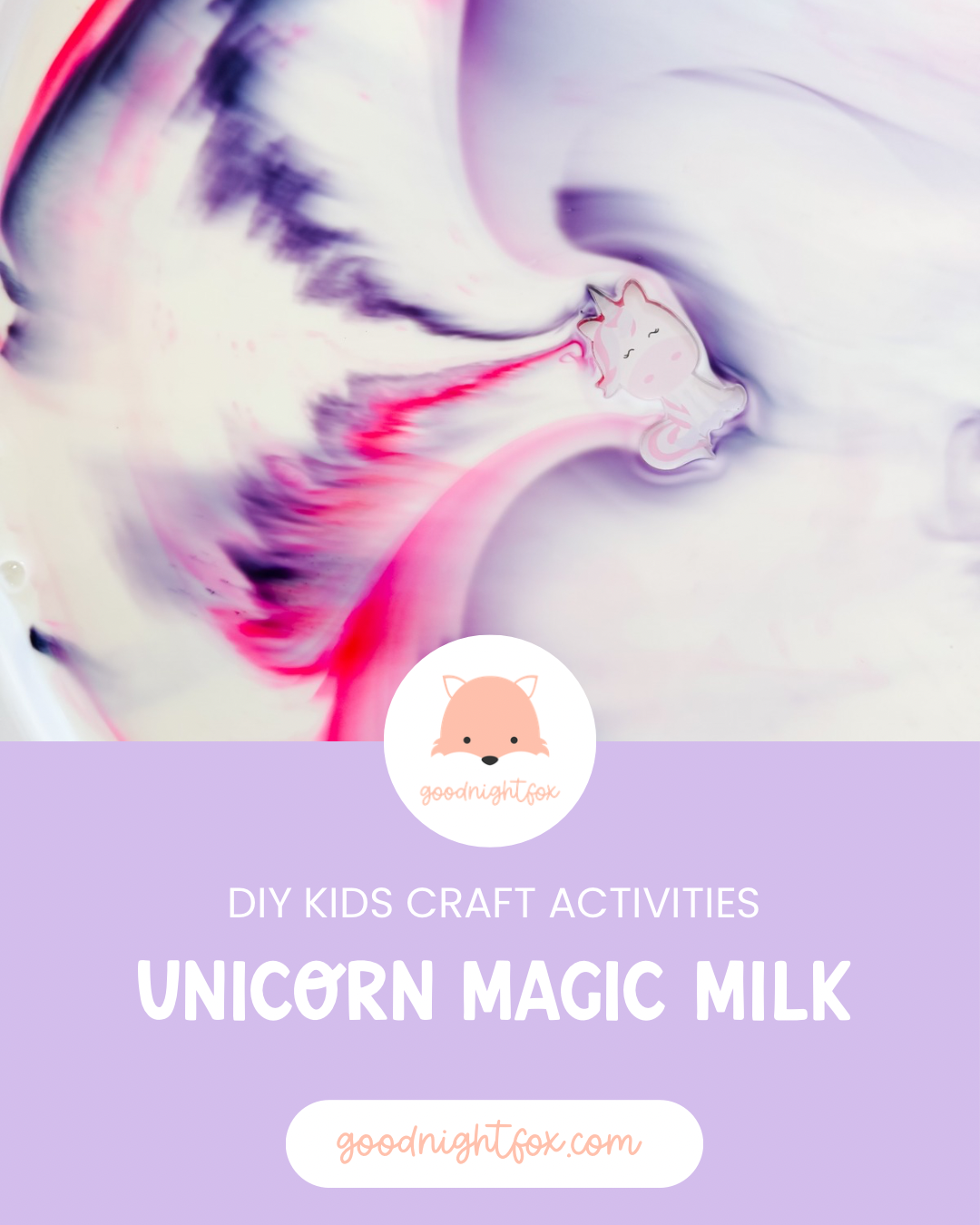
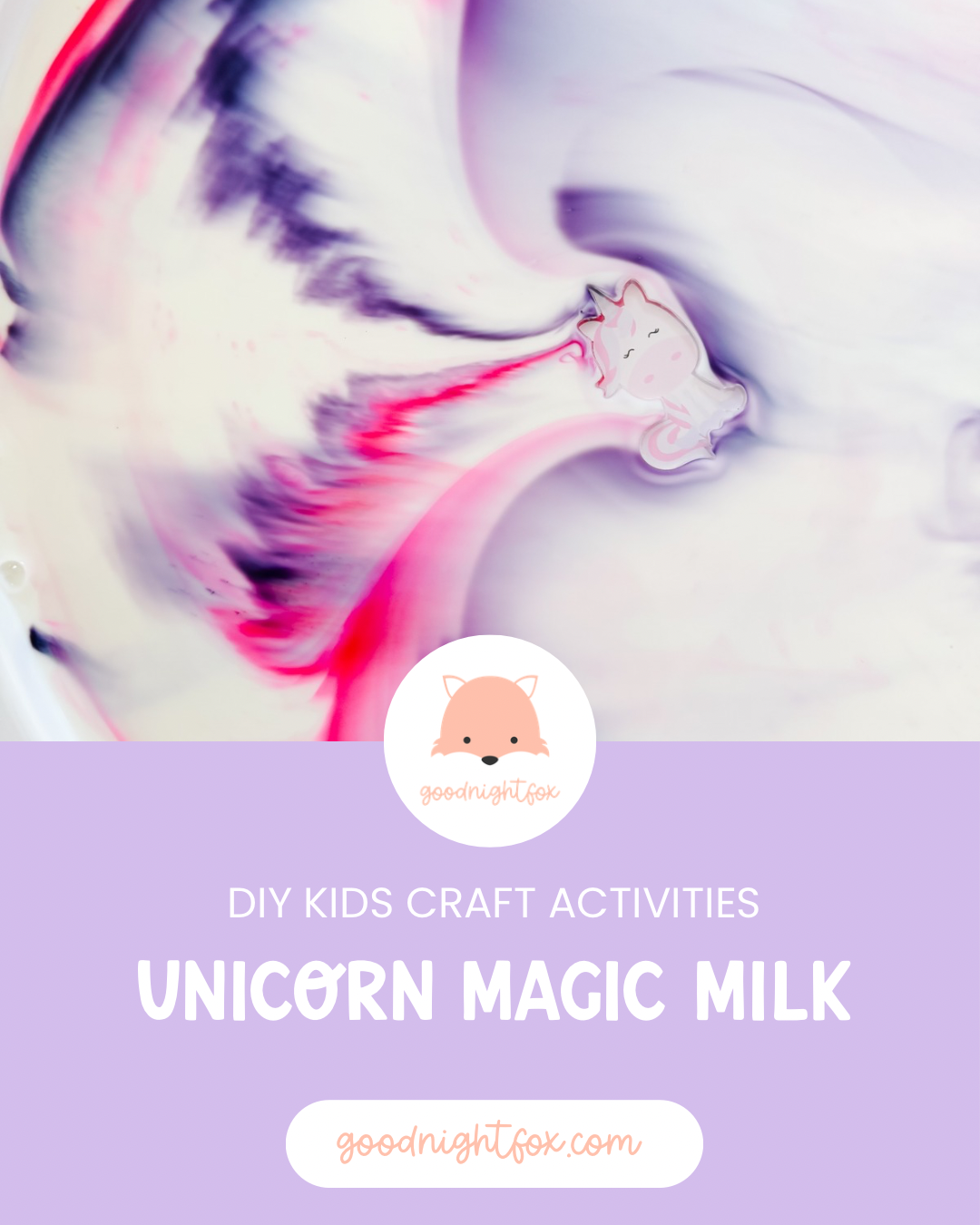
Make pink and purple colors swirl around reusable unicorn charms for magical science play.
Try Unicorn Magic MilkLearn more about auroras
These family-friendly science resources explain auroras, their colors, and how particles from the Sun interact with Earth:
Northern Lights FAQ
What causes the northern lights?
Charged particles from the Sun interact with Earth’s magnetic field and are directed toward polar regions. When the particles collide with gases in the upper atmosphere, those gases release visible light.
Why are the northern lights usually green?
Green is commonly produced when energized atomic oxygen releases light in Earth’s upper atmosphere. It is the color people most frequently associate with auroras.
Can the northern lights be purple, blue, pink, or red?
Yes. Oxygen can produce green and red light, while nitrogen contributes blue and purple. Overlapping emissions can create pink and mixed-color displays.
What is the difference between aurora borealis and aurora australis?
Aurora borealis is the name for northern lights near the Arctic. Aurora australis is the name for southern lights near Antarctica.
Where is the best place to see the northern lights?
They are most commonly visible in high-latitude regions such as Alaska, northern Canada, Greenland, Iceland, Scandinavia, and northern Russia. A dark, clear sky away from bright city lights is important.
Can you see the northern lights during the day?
Auroral activity can occur while the Sun is up, but daylight overwhelms its faint glow. People need a dark sky to see it clearly.
Do other planets have auroras?
Yes. Scientists have observed auroras on several planets, including Jupiter and Saturn. Their appearances differ because the planets have different atmospheres and magnetic environments.
How does the Magic Milk experiment relate to the northern lights?
Magic Milk does not recreate the physics of a real aurora. It creates visible moving ribbons and swirls that offer children a memorable visual analogy while they investigate surface tension and the interaction between soap and milk.
Why does whole milk work best for Magic Milk?
Whole milk contains more fat than lower-fat milk. Since dish soap interacts with the fat, whole milk often creates a stronger and longer-lasting visible reaction.
Is Northern Lights Magic Milk taste-safe?
No. Dish soap is not edible. This activity should be treated as a closely supervised science experiment rather than food or taste-safe sensory play.