
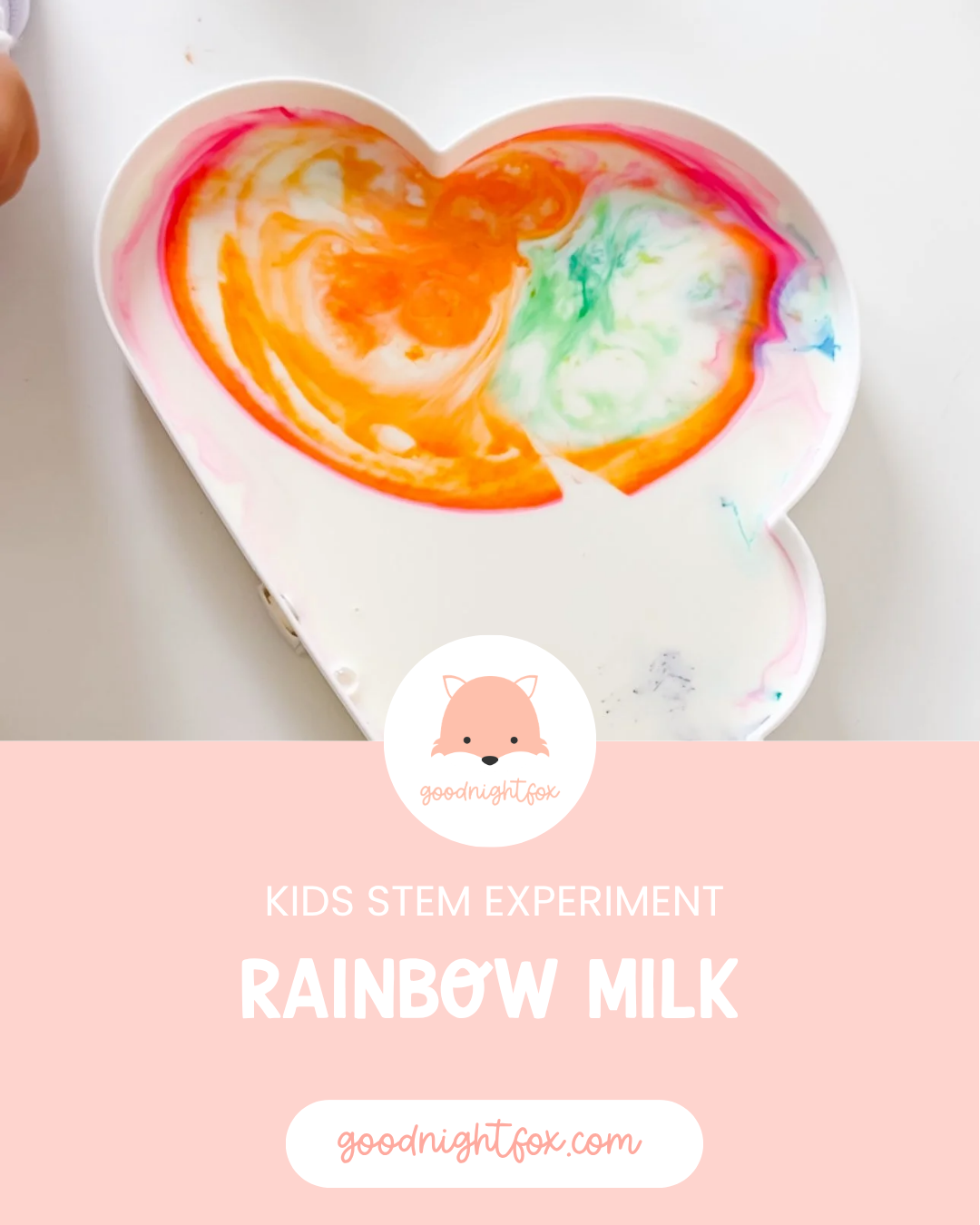
Rainbow Milk Experiment
A simple magic milk science activity using milk, food coloring, and dish soap to teach color mixing, observation, and surface tension.
Why we love this activity
Sometimes the simplest science experiments end up being the most memorable.
One afternoon Sofia wanted to paint, but instead of pulling out paper and brushes, we grabbed a plate of milk, a few bottles of food coloring, and one tiny drop of dish soap.
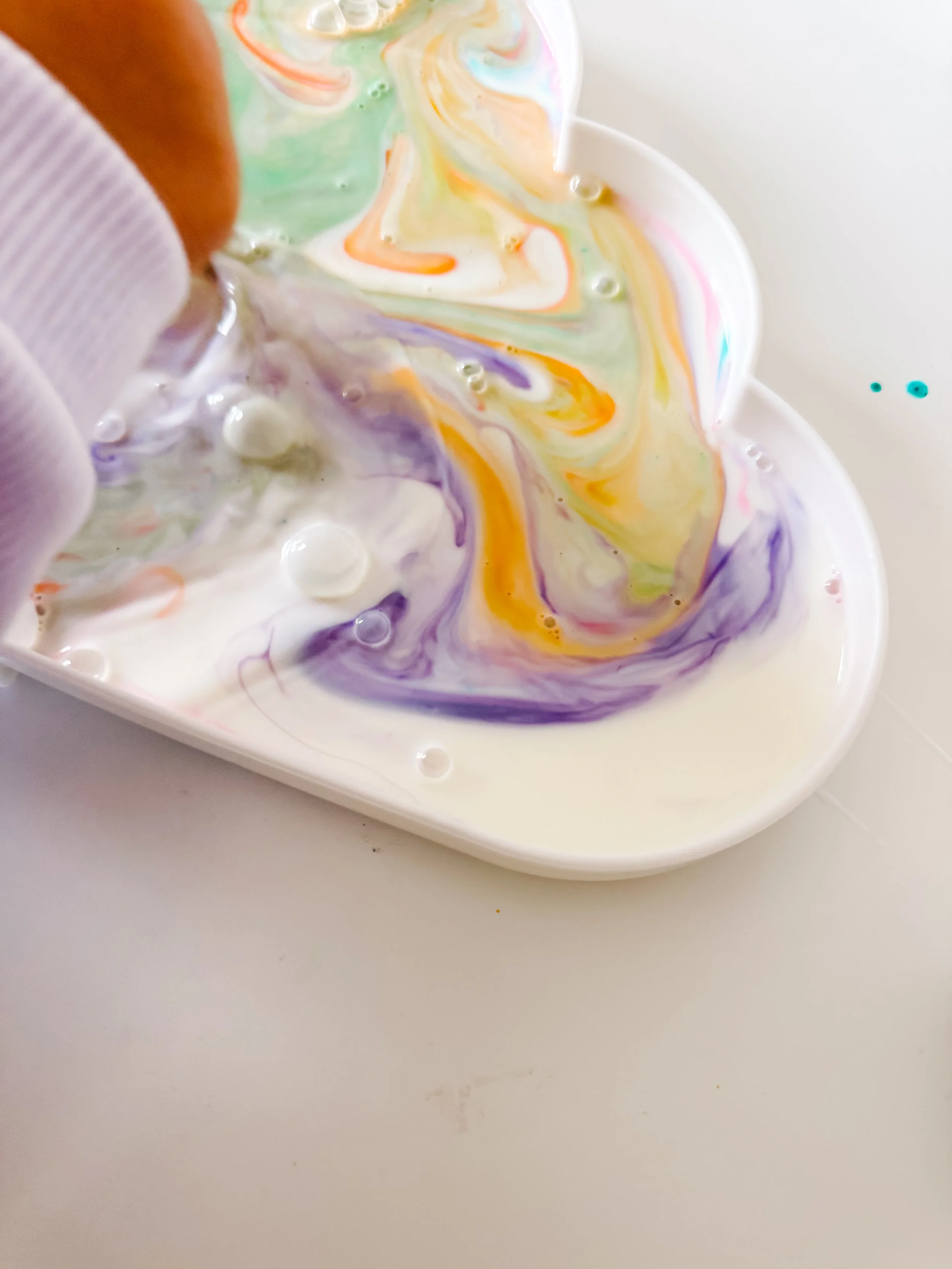
The moment the colors started racing across the milk, she gasped and immediately asked to do it again.
This rainbow milk experiment is easy to set up, beautiful to watch, and a perfect first science activity for preschoolers. Kids get to make predictions, observe what happens, name colors, and explore a real science concept in a hands-on way.
Materials needed
- Whole milk
- Liquid dish soap
- Food coloring
- Cotton swabs
- Shallow plate or dish
- Paper towels for cleanup
Shop this activity
These are the simple supplies we used for our magic milk science experiment.
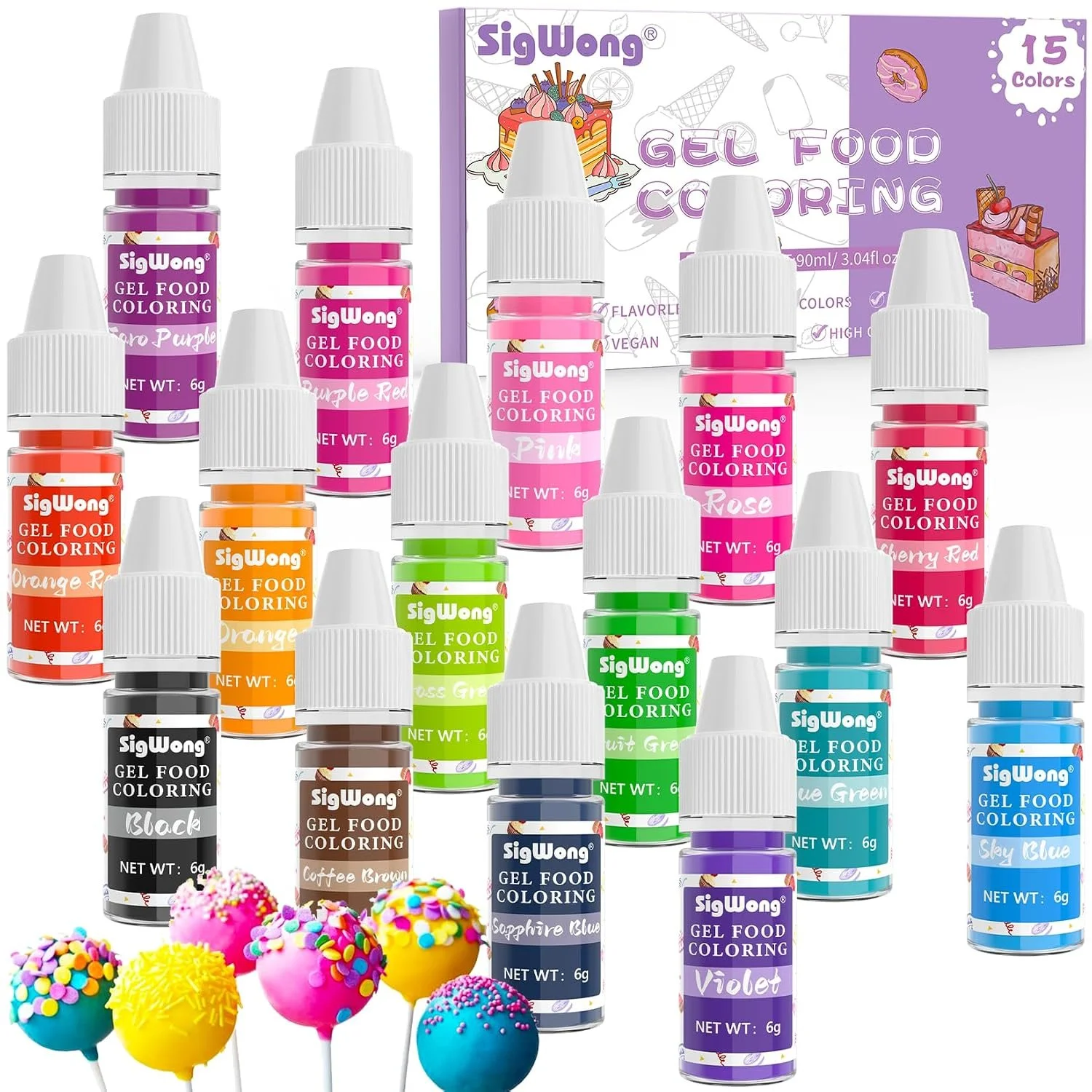
Food coloring
The color source for rainbow milk, fireworks milk, and sunset milk experiments.
View on Amazon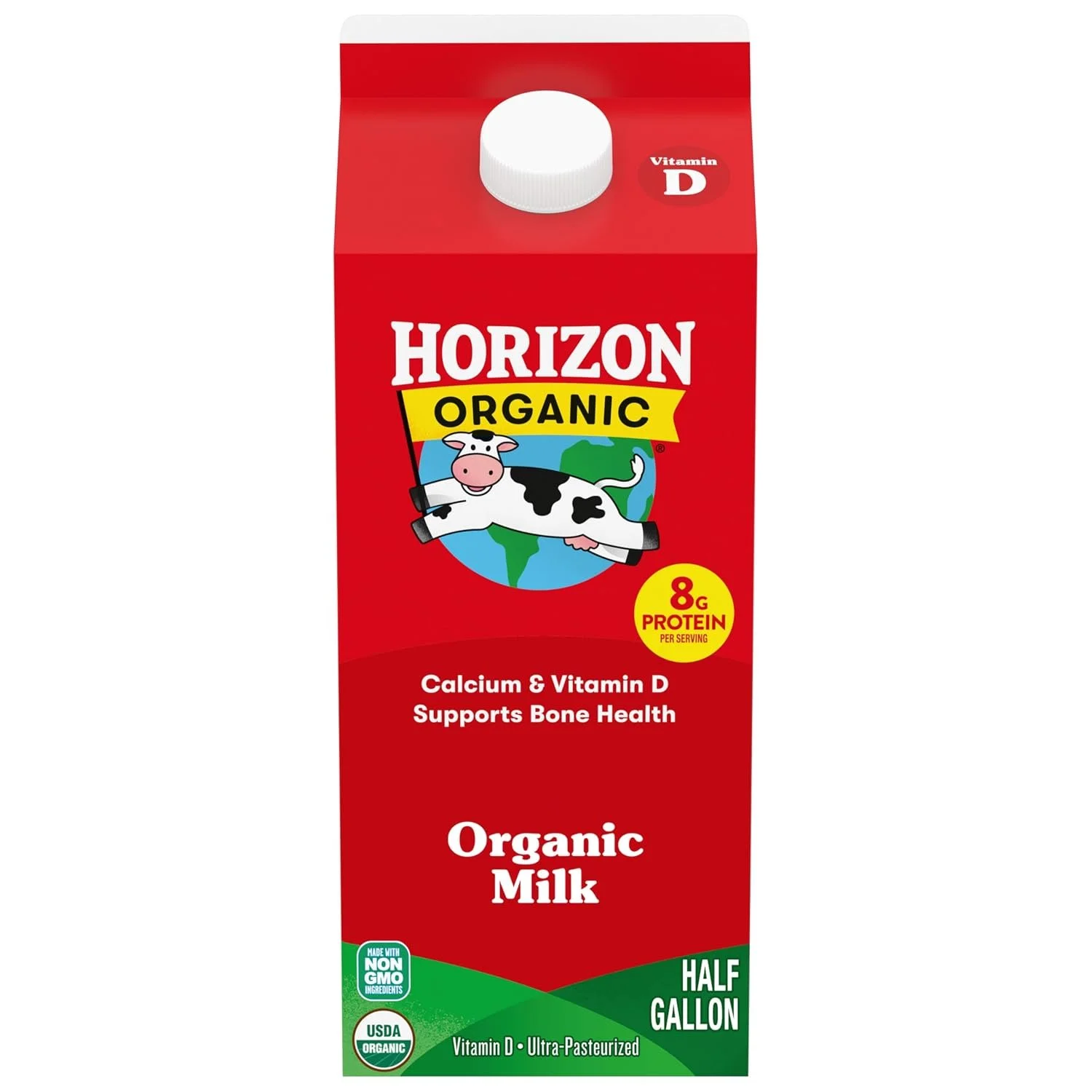
Whole milk
Whole milk creates the strongest magic milk reaction because it has more fat.
View on Amazon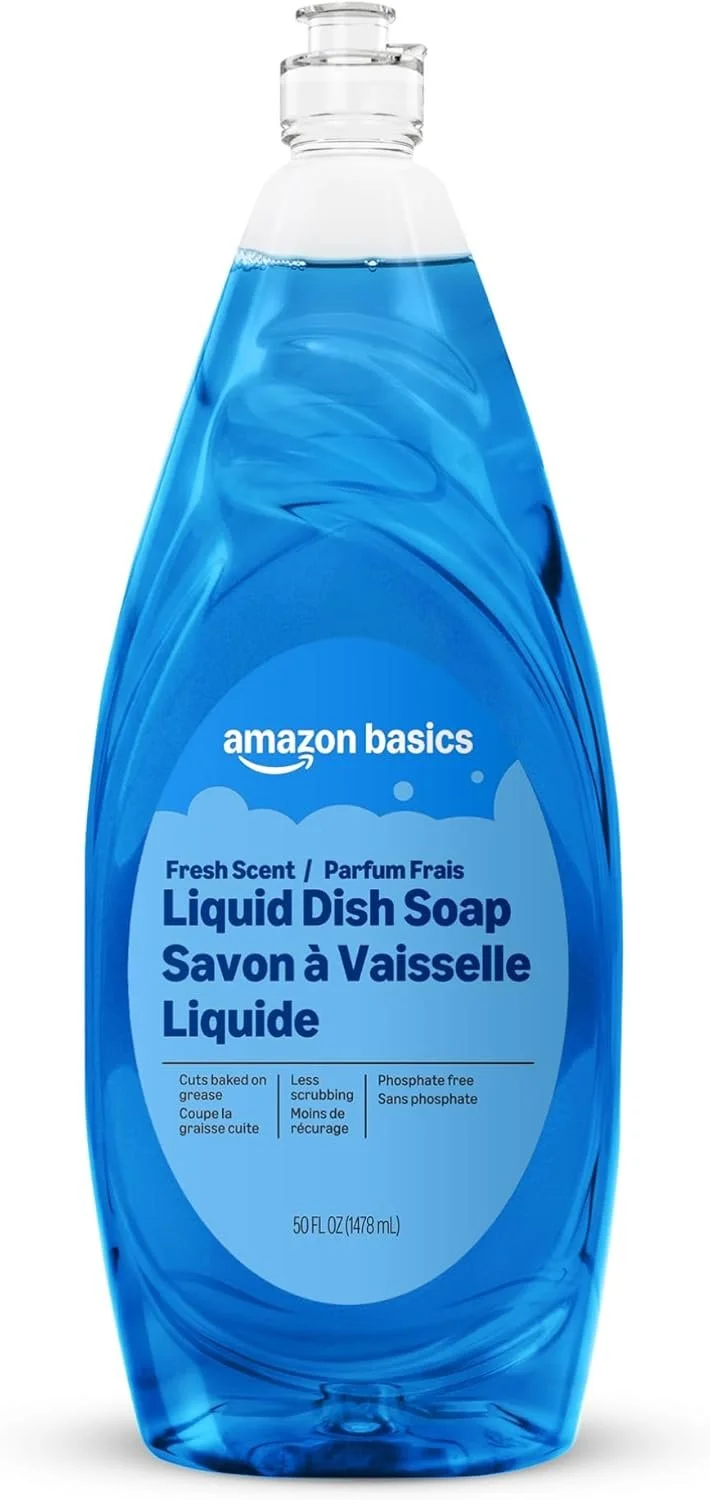
How to make rainbow milk
Pour the milk
Pour enough whole milk into a shallow plate to completely cover the bottom.
Add food coloring
Add drops of food coloring around the plate. Try using every color of the rainbow.
Touch with dish soap
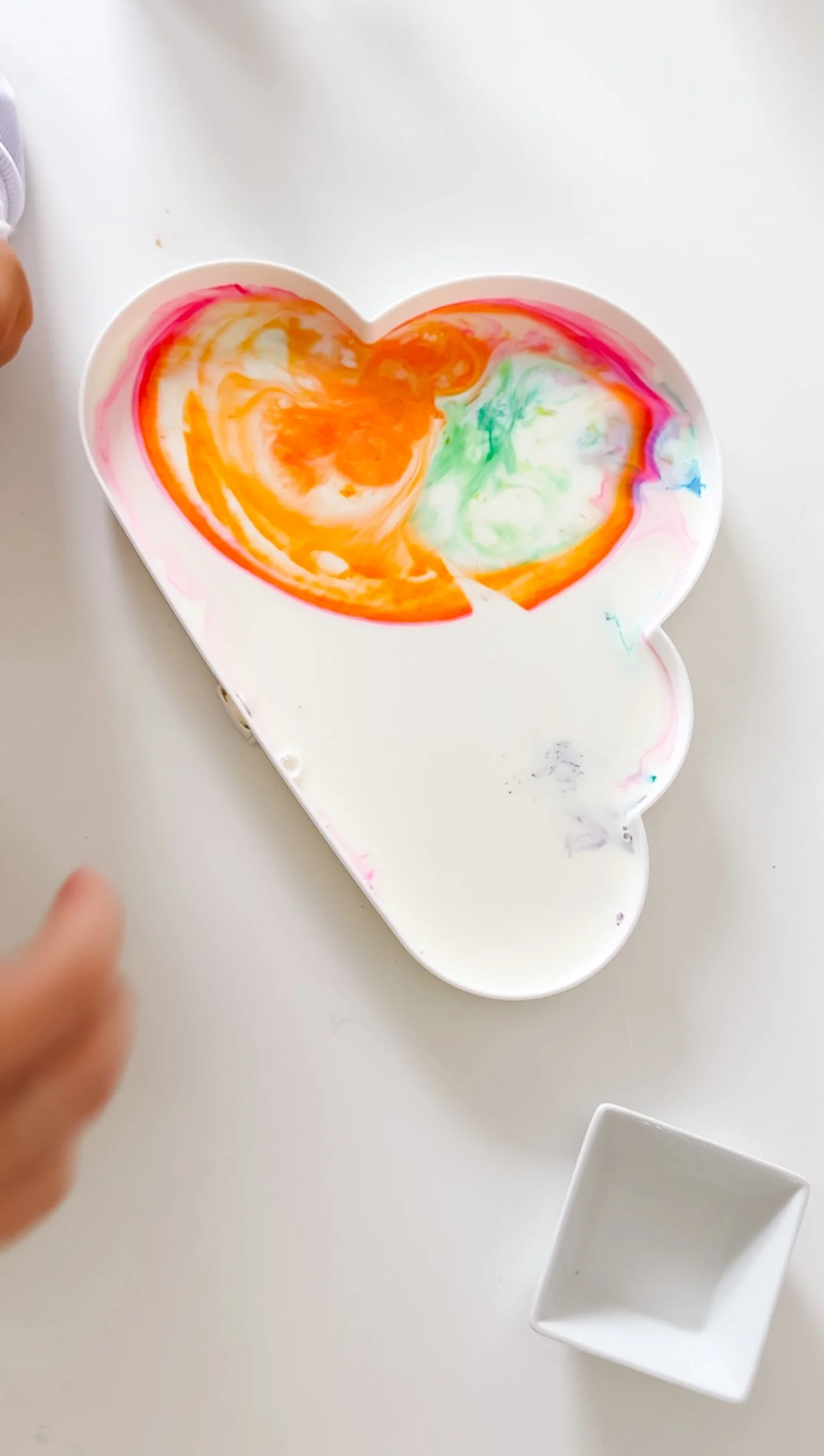
Dip a cotton swab into dish soap. Touch the center of the milk and watch the colors move.
Parent tip
Whole milk works best because it contains more fat. The reaction is usually less dramatic with skim milk or water.
Why does the rainbow milk experiment work?
Milk contains tiny fat molecules floating throughout the liquid. Dish soap is designed to break apart fats.
When the soap touches the milk, it starts pulling those fat molecules in different directions. The food coloring rides along with the moving milk, creating beautiful swirling patterns that look like magic.
This simple activity introduces kids to early chemistry, surface tension, molecules, and cause and effect.
Stem concepts
Questions to ask kids
- What do you think will happen when the soap touches the milk?
- Which color moved first?
- What happens when red and blue mix?
- Can you make green, purple, or orange?
- What happens if you touch the edge instead of the middle?
Vocabulary words
Try another magic milk experiment
Rainbow milk experiment FAQ
Why does dish soap make the colors move in milk?
Dish soap breaks apart the fat molecules in milk. As those molecules move, they carry the food coloring with them, creating colorful swirls.
What kind of milk works best for the magic milk experiment?
Whole milk usually works best because it contains more fat. The extra fat creates a stronger reaction when dish soap is added.
Can toddlers do the rainbow milk experiment?
Yes, with adult supervision. This is a great preschool science activity for children ages three and up.
Is the rainbow milk experiment safe?
The materials are common household items, but this activity is not meant to be eaten. Adults should supervise, especially with younger children.
What does the magic milk experiment teach kids?
It teaches observation, prediction, color mixing, surface tension, cause and effect, and early chemistry concepts.
