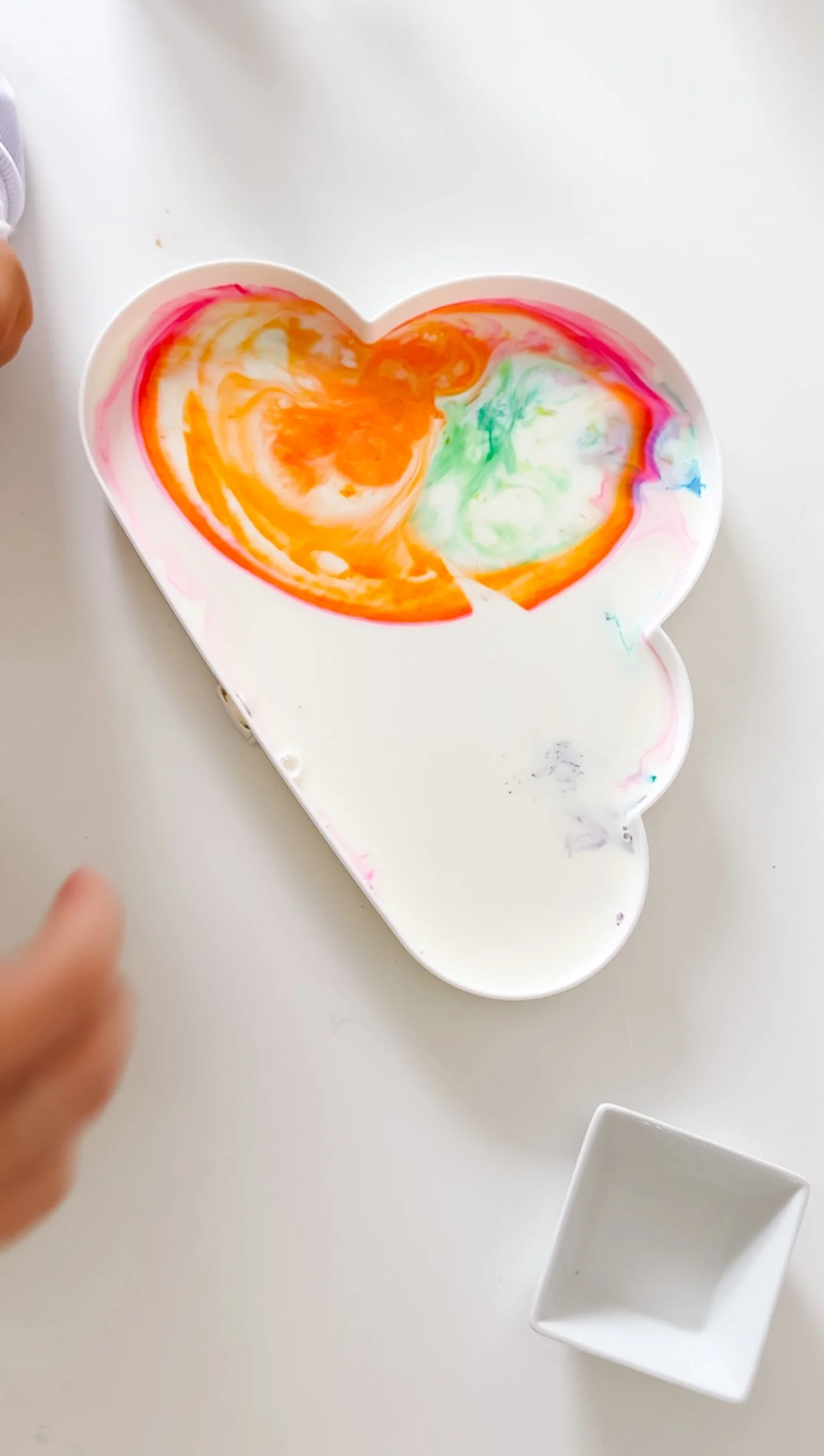
Sunset Milk Experiment
A warm-color magic milk science activity that blends art and STEM while teaching kids about surface tension, color mixing, and warm vs. cool colors.
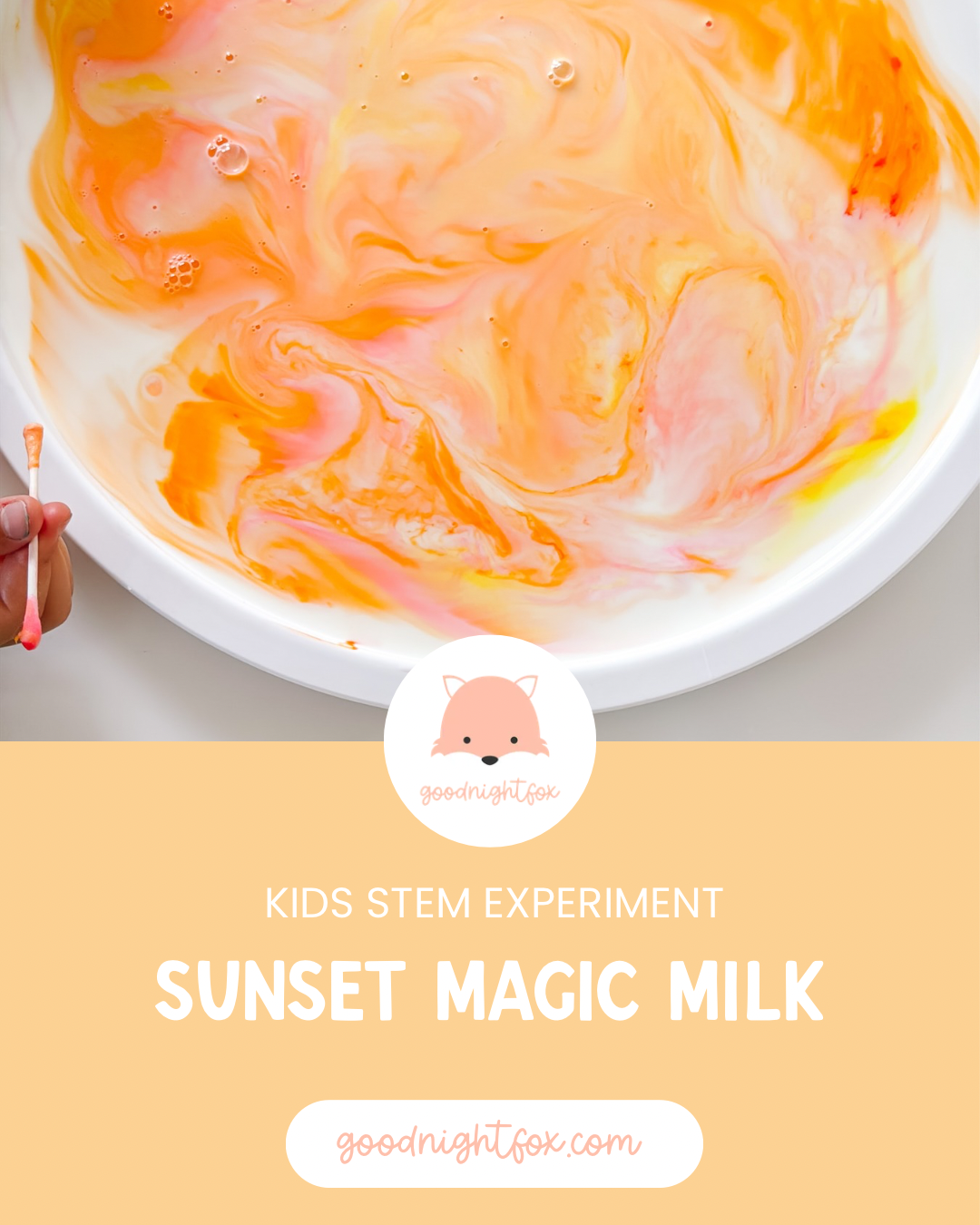
Why we love this activity
After making our rainbow and fireworks versions of Magic Milk, we wanted to try a softer version inspired by the colors of a summer sunset.
Instead of using every color, we chose warm colors like red, orange, yellow, and pink. When the dish soap touched the milk, the colors slowly swirled together like the sky at golden hour.
This sunset milk experiment feels a little calmer than the rainbow version, which makes it a sweet art-and-science activity for winding down at the end of the day.
It is also a wonderful way to introduce preschoolers to warm vs. cool colors while still exploring the same STEM concepts of surface tension, molecules, observation, and cause and effect.
Materials needed
- Whole milk
- Liquid dish soap
- Red food coloring
- Yellow food coloring
- Orange or pink food coloring
- Cotton swabs
- Shallow plate or dish
- Paper towels for cleanup
Shop this activity
These are the simple supplies we used for our magic milk science experiments.
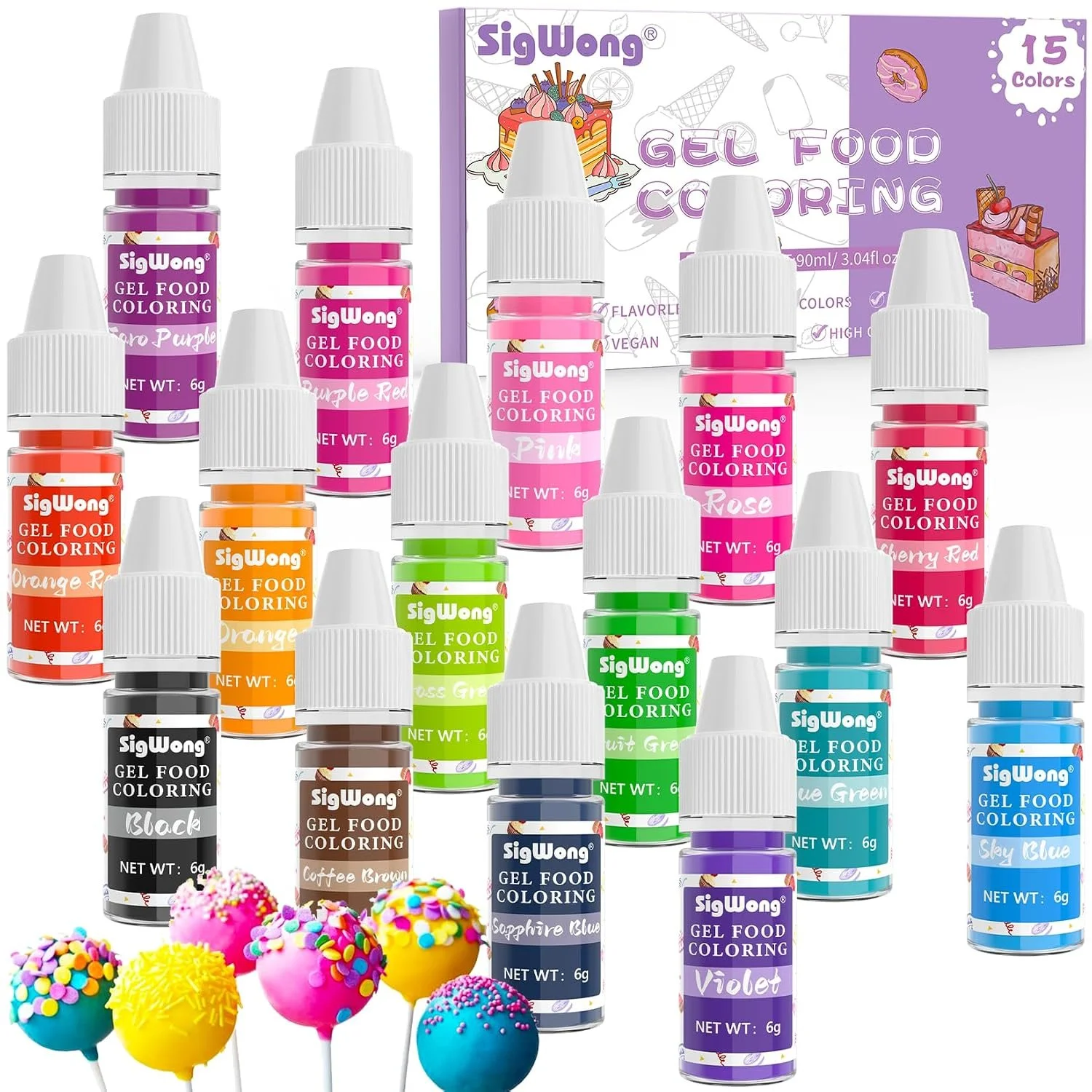
Food coloring
Use red, yellow, orange, and pink food coloring to create a warm sunset-inspired milk experiment.
View on Amazon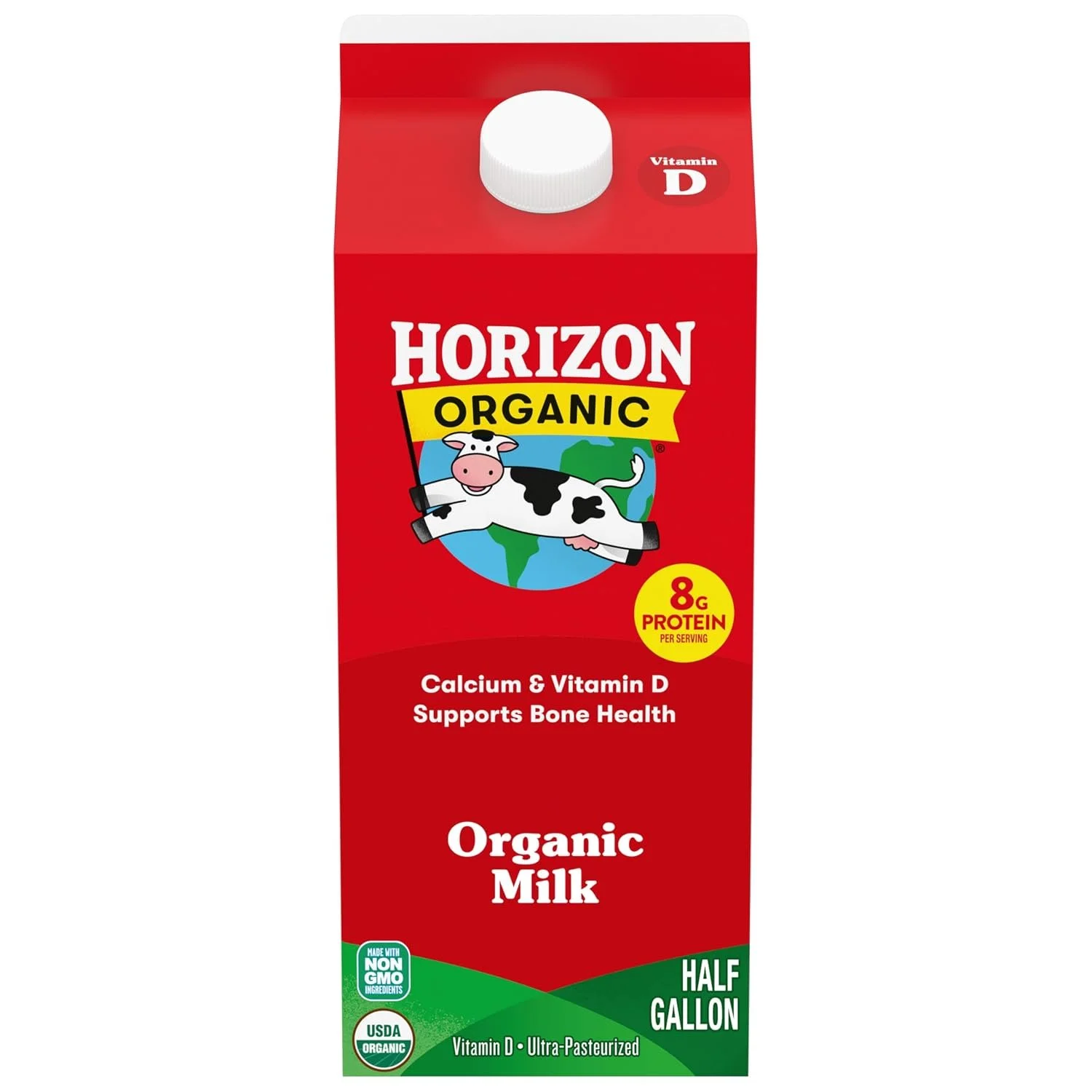
Whole milk
Whole milk creates the strongest magic milk reaction because it has more fat.
View on Amazon
Dish soap
The magic ingredient that sends the sunset colors swirling across the milk.
View on AmazonHow to make sunset milk
Choose warm colors
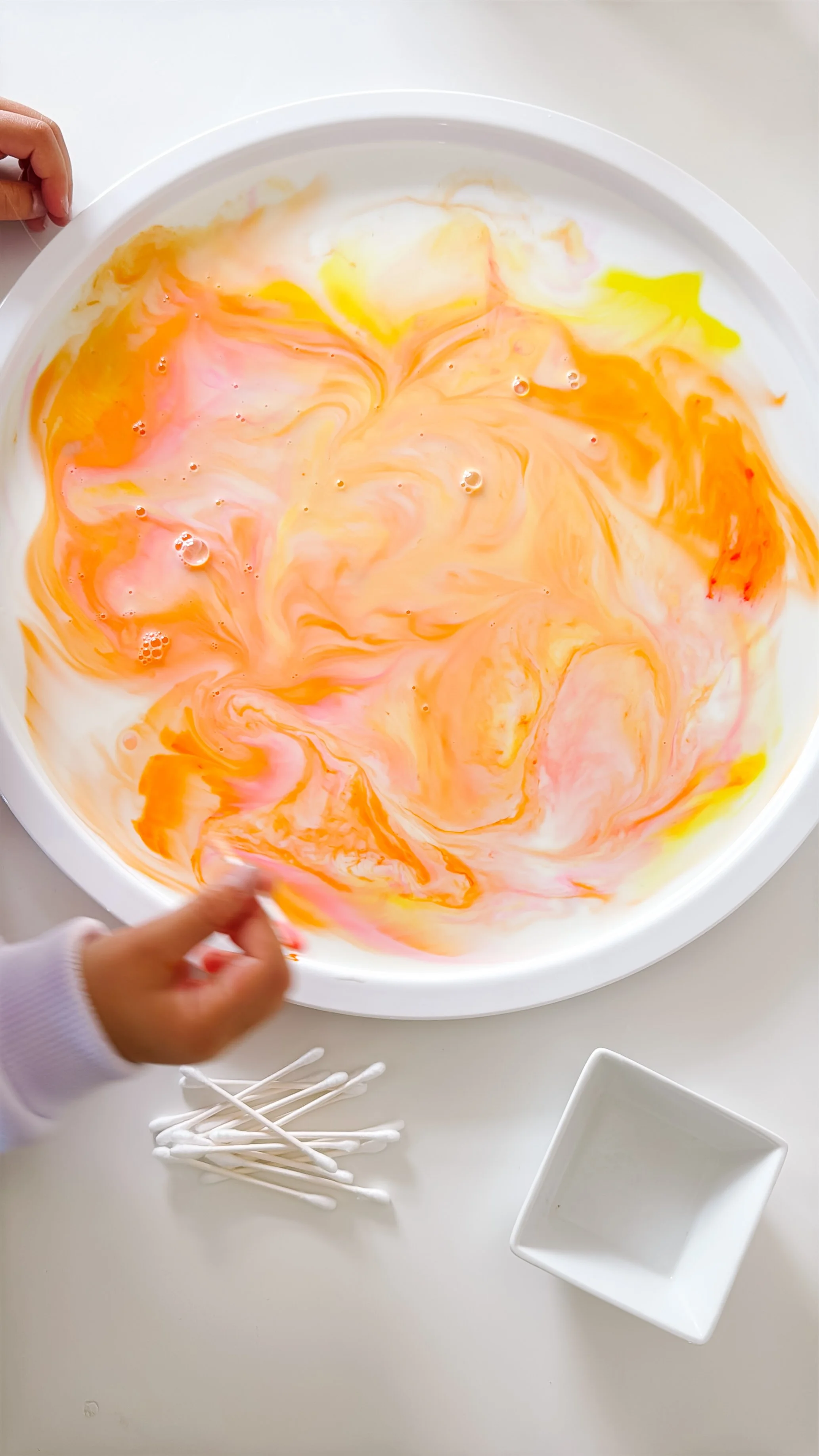
Add drops of red, yellow, orange, and pink food coloring to a shallow dish of whole milk. Talk about how these colors remind us of sunsets, fire, sunshine, and warm summer evenings.
Add dish soap
Dip a cotton swab into dish soap, then gently touch the milk. Watch the warm colors begin to move, swirl, and blend together.
Observe the sunset swirl
Try touching the cotton swab in different areas of the milk. Ask your child which colors look like the sky, sunshine, or clouds at sunset.
Parent tip
Use this activity as both science and art. After the experiment, invite your child to paint or draw a sunset using the same warm colors they saw in the milk.
Warm vs. cool colors
This activity is a simple way to introduce warm colors and cool colors.
Warm colors include red, orange, yellow, and pink. They often remind us of sunshine, fire, warmth, and sunsets.
Cool colors include blue, green, and purple. They often remind us of water, grass, shade, and the night sky.
For this sunset version, we focused mostly on warm colors so the experiment looked like a glowing evening sky.
Why does the sunset milk experiment work?
Milk contains tiny fat molecules floating throughout the liquid. Dish soap is designed to break apart fats.
When the soap touches the milk, it starts pulling those fat molecules in different directions. The food coloring rides along with the moving milk, creating beautiful swirling patterns.
The science is the same as our rainbow milk and fireworks milk experiments, but the warm color palette makes this version feel more like an art project.
Stem concepts
Questions to ask kids
- Which colors remind you of a sunset?
- What do you think will happen when the soap touches the milk?
- Do the colors move quickly or slowly?
- What warm colors can you name?
- What cool colors can you name?
- How is this different from the rainbow milk experiment?
Vocabulary words
Try another magic milk experiment
Rainbow milk
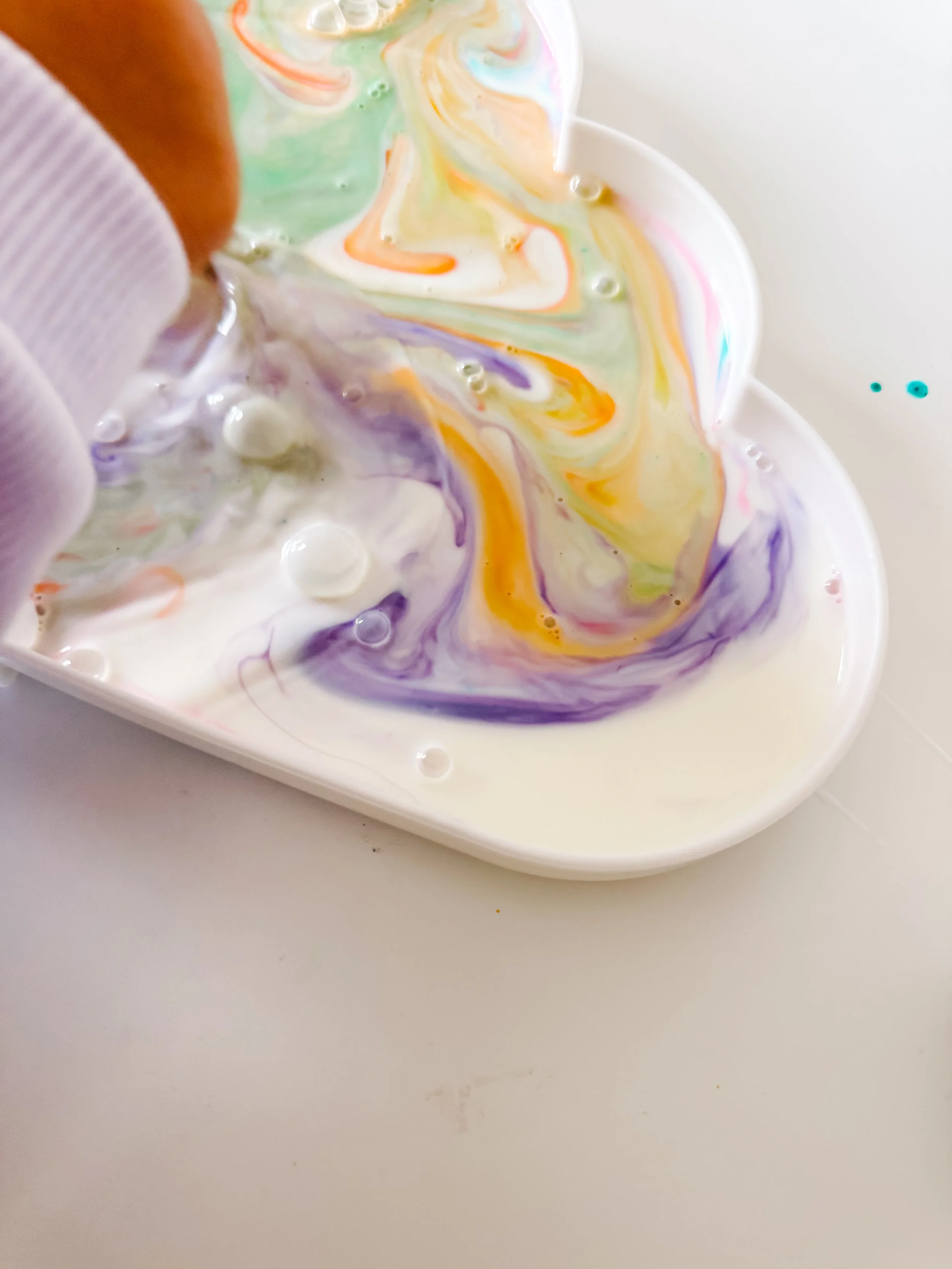
A colorful rainbow version that is perfect for color mixing and preschool science.
Rainbow milkFireworks milk
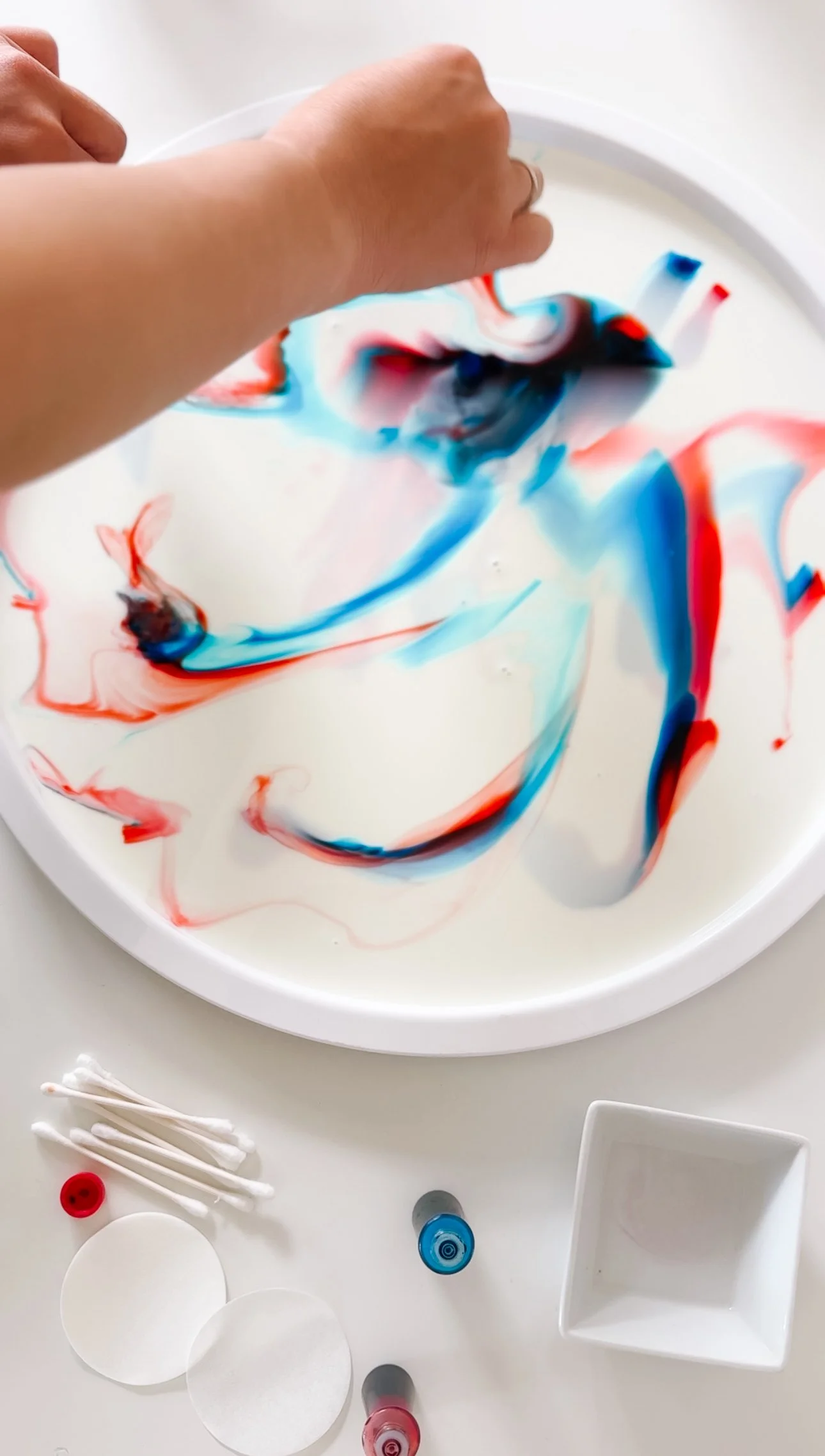
A red and blue version that looks like tiny fireworks bursting across the milk.
Fireworks milkSunset milk experiment FAQ
How do you make a sunset milk experiment?
Pour whole milk into a shallow dish, add warm-colored food coloring like red, yellow, orange, and pink, then touch the milk with a cotton swab dipped in dish soap.
What are warm colors for kids?
Warm colors are colors like red, orange, yellow, and pink. They often remind children of sunshine, fire, warmth, and sunsets.
What are cool colors for kids?
Cool colors include blue, green, and purple. They often remind children of water, grass, shade, and the night sky.
Why does dish soap make the colors move in milk?
Dish soap breaks apart the fat molecules in milk. As the molecules move, they carry the food coloring with them, creating colorful swirls.
Is this an art activity or a science experiment?
It is both. Children explore surface tension and molecules while also learning about warm colors, color mixing, and sunset-inspired art.