
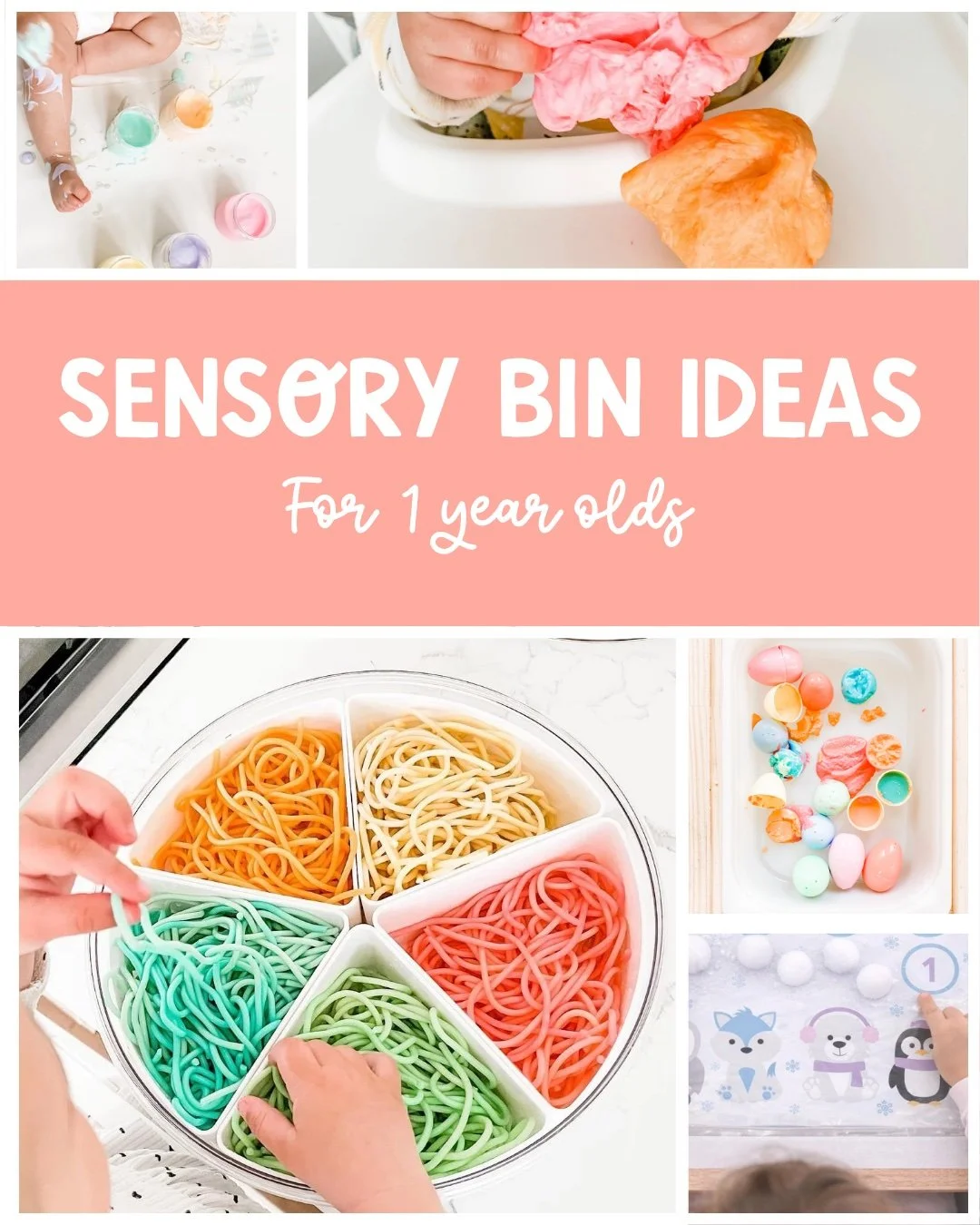
Sensory Play for 1-Year-Olds: 8 Simple Ideas
One is the age of the mouth. Everything my daughter picked up when she was one went straight to her mouth — the spoon, the sock, the leaf, the toy that was definitely too small. These 8 sensory play ideas for 1-year-olds are built for exactly this stage: simple pantry materials, short setups, and play that works with the mouthing instead of fighting it. When my daughter was one, our best sensory play happened on a towel on the kitchen floor: a tray of jello she could squish and taste, a tub of water she could splash with both hands, a bowl of cooked spaghetti she could pull apart strand by strand. Nothing fancy — just things from the pantry, set out where she could reach them, with me sitting right there. No water beads, no small parts, no raw rice or beans left unsupervised — just squishy, splashy play for the age when tasting is learning.
What changes at one — and how the play changes with it
Sensory play at one looks nothing like sensory play at two, and the differences are the whole point of this list. Here's what is actually going on at this age:
- Mouthing is learning. At one, the mouth is a sense organ. Babies explore by shaking, banging, dropping — and tasting. A one-year-old who puts the playdough in their mouth isn't doing it wrong; they're doing exactly what one-year-olds do. So the materials on this list are foods and pantry staples, or sealed inside bottles and bags.
- Foods and pantry staples, or sealed shut. This is the rule that runs the whole list. If it can be mouthed, make it something from the kitchen — jello, cooked pasta, oatmeal, playdough made with pantry ingredients. If it can't be eaten — glitter, water, small objects — it goes inside a bottle or bag that is taped shut and checked before every play. There is no in-between at this age.
- Attention spans are short — and that's fine. Five to ten focused minutes is a great session at one. A one-year-old who plays with the jello for seven minutes, then crawls off to bang a pot, had a complete sensory play session. Set up small, expect short, and call it a win.
- Hands do the exploring, not tools. One-year-olds don't need droppers or tongs yet — their hands are the tools, and squishing, scooping, patting, and splashing are the skills. The fine motor activities that come later grow directly out of this whole-hand play, so the messy handfuls now are doing real work.
- Supervision is always. Water is a kitchen staple and still needs your hands right there. Stay in arm's reach, every time, for every activity on this list.
- Mess is the point, so contain it. A towel under a tray, a bin inside a bigger bin, or the whole setup on the kitchen floor — pick your containment and then stop worrying about the mess. The squish and the splash are the learning.
A few things to skip at this age: no water beads, ever — they look like candy and swell up. No small parts, no buttons, no coins, nothing that fits through a toilet-paper tube. No raw rice or beans left unsupervised — dry fillers are a choking risk at this age, so the only dry filler on this list is oatmeal, and even that gets your eyes on it the whole time. No honey in any activity — honey isn't for under-ones. And water play means shallow water only, an inch or two, with a grown-up's hands right there.
8 sensory play ideas for 1-year-olds
1. The jello dig
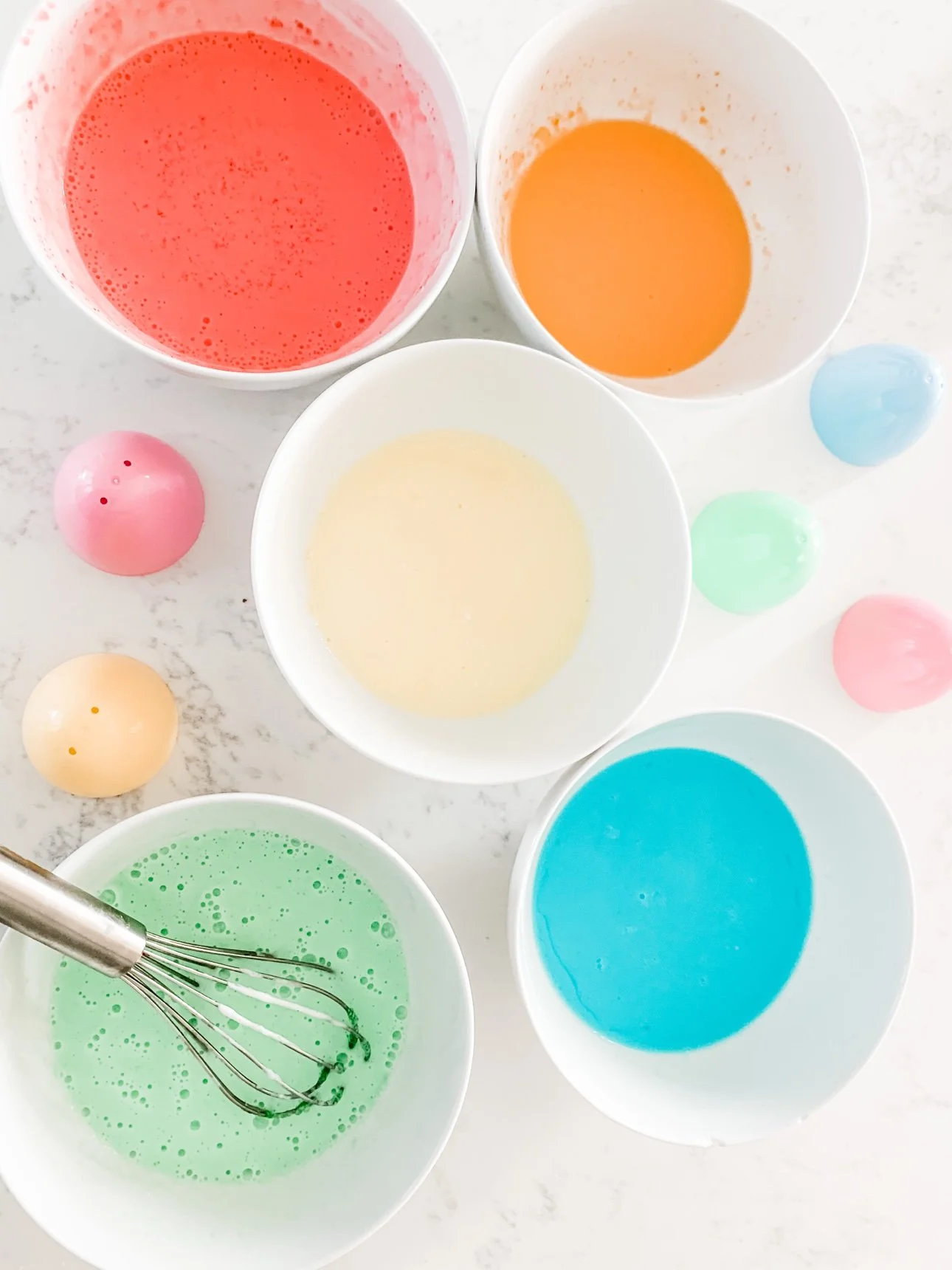
Setup: Make a pan of jello and let it set, then press a few chunky toys into it — big plastic animals, large stacking rings, a rubber duck. Set the pan on a tray on the floor. The game: dig the toys out with both hands. The jello squishes, wobbles, and tears apart, and every bit of it is food.
Why it works for ones: Jello is the perfect first sensory material because it does everything a one-year-old wants a material to do: it jiggles when they poke it, it breaks when they grab it, it feels cold and slippery, and it tastes like dessert. When my daughter was one, the jello dig was the first sensory play she ever asked for again — she would point at the fridge and babble until the pan came out. Our Valentine's jello play post has the full setup from when she was this age, and the recipe works with any color, any season — the Valentine's part is optional.
Make it last: Hide the toys deeper on the second round, or use two colors in one pan so the digging turns into a color hunt. When the jello gets too broken up to dig, tip it into a bin and let them scoop the pieces with a cup — same material, second game.
2. The shallow water pouring station
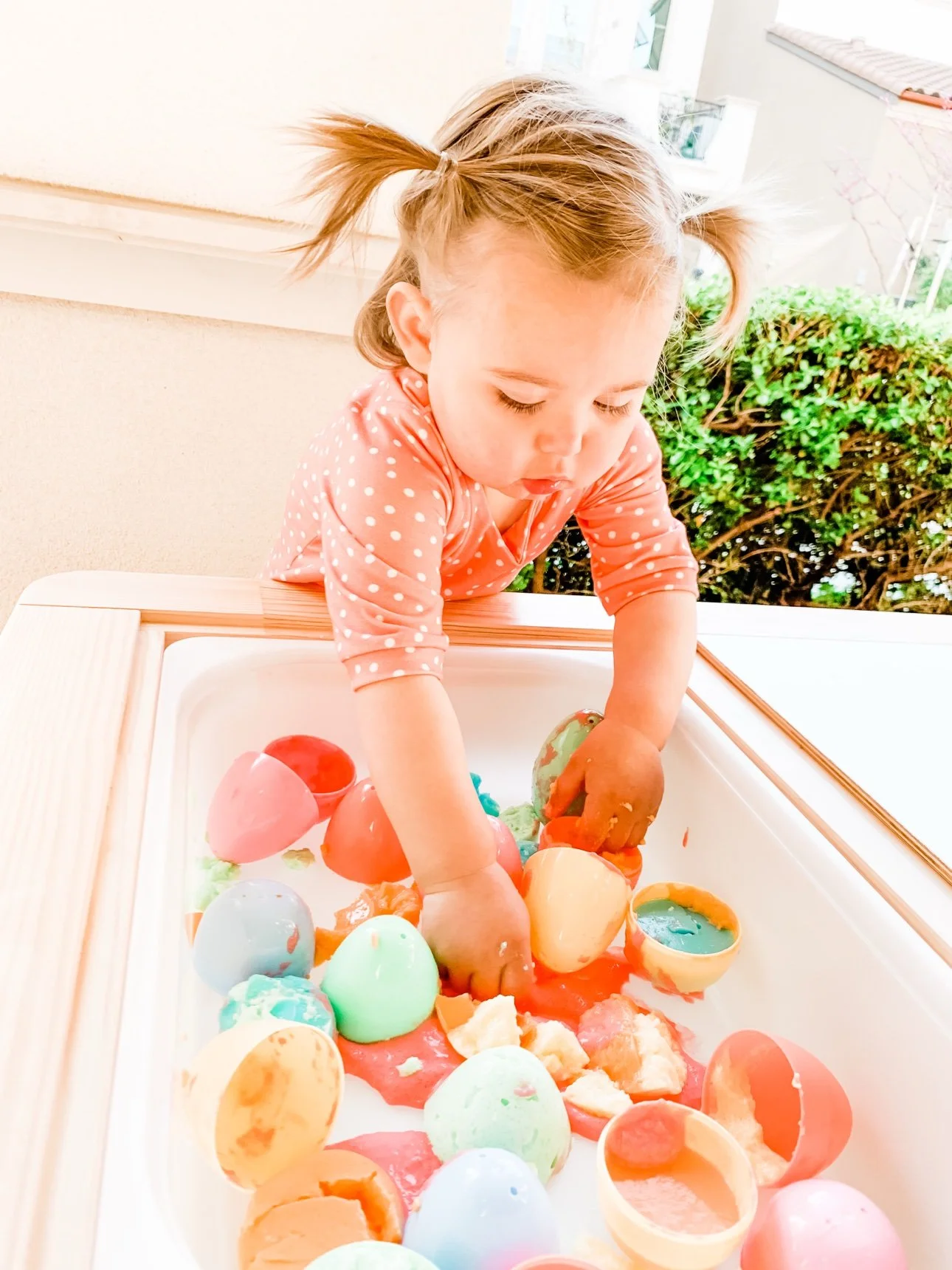
Setup: A bin or baking dish with an inch of water, two or three small cups, and a little jug or measuring cup. Sit on the floor with it between you. The game: scoop, pour, splash, repeat. That's it — and at one, that's plenty.
Why it works for ones: Water is the first sensory material most one-year-olds meet, and pouring is the first skill it teaches: fill the cup, tip it, watch the water go. The cause and effect is instant and obvious, which is exactly what a one-year-old brain is hungry for. When my daughter was one, water play was our rainy-day default — a dish of water on a towel kept her busy longer than any toy we owned, and the pouring she practiced there is the same pouring she used in every bin that came after.
Make it last: Add a sponge to squeeze, or a few floating toys to chase around the bin. When pouring gets easy, offer two cups and a bigger jug so the transfer takes longer — the game grows with the hands.
3. The cooked pasta nest
Setup: Cook a pot of spaghetti, drain it, let it cool completely, and pile it in a bin or on a tray. Add a few big, chunky toys to find inside the nest — a large plastic animal, a ball, a stacking cup. The game: pull the strands apart, find the toys, eat a noodle or two along the way.
Why it works for ones: Cooked spaghetti is the rare filler that is a food first and a toy second, which makes it ideal for the mouthing stage. The strands are slippery and tangly, they pull apart with a satisfying stretch, and they feel completely different from anything else on this list — cool, wet, and endlessly pullable. When my daughter was one, the pasta nest was the messiest play we ever did and the one she laughed at the most; she wore more of it than she played with, and that was fine. Important: this is cooked pasta only. Raw dried pasta is hard, sharp, and a choking risk — never hand a one-year-old a bowl of dry penne as a mouthing toy.
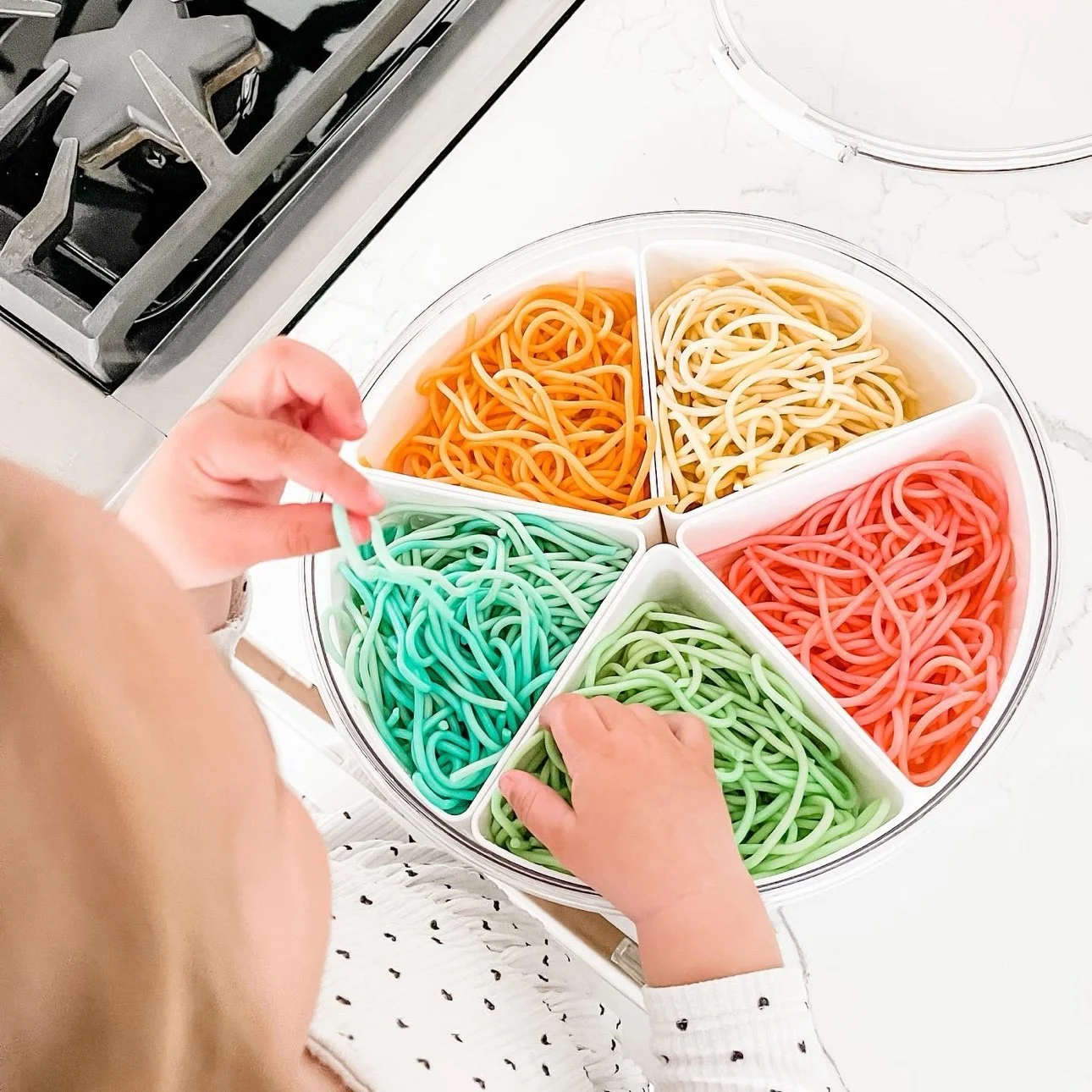
Make it last: Add a little food coloring to the cooking water for colored nests, or cook two shapes — spaghetti and big shells — so the textures are different side by side. Toss the pasta when the session is done; it's a one-day material.
4. The oatmeal scoop bin
Setup: Dry oatmeal in a bin or tray, a couple of scoops, and two or three cups or small bowls. No water, no dye — just oatmeal. The game: scoop and dump, over and over. Count the scoops out loud as they go: one, two, three.
Why it works for ones: Oatmeal is the gentlest dry filler for this age — soft, light, and a food, so a taste is just a taste. Scoop-and-dump is the foundational bin skill: it's the first time a one-year-old learns that a tool can move a material from one place to another, and they will repeat it fifty times without getting bored. When my daughter was little, counting worked best tucked inside play she already loved — scooping oatmeal into a cup while we counted together out loud — and our teaching your toddler to count post has more of these play-first counting ideas for when the scooping starts to feel like a game. Oatmeal is also the simplest way to introduce a dry filler at one: it stays the only dry filler on this list for a reason. (Our sensory bin fillers guide covers the full range of fillers for when they're older — most of them wait until the mouthing stage eases.)
Make it last: When the scooping gets steady, add a funnel or a bottle with a wide mouth so the pouring has a target. Or bury one big toy under the oatmeal and let them dig for it — the first treasure hunt.
5. Playdough
Setup: A ball or two of playdough on a high chair tray or a placemat — no cutters, no rollers, no tools yet. Just the dough and their hands. The game: squish it, poke it, pull it apart, put it back together.
Why it works for ones: Playdough is the first material that holds the shape your child gives it, and that changes the play: poking leaves a mark, squeezing changes the shape, pulling makes it longer. It's also the first material on this list where the recipe matters, because a one-year-old will taste it — so use a recipe made with pantry ingredients, not store-bought dough. Our play dough recipe is the one we used when my daughter was one: simple pantry ingredients, soft enough for little hands.

Make it last: Make two colors and let them mix — the marbling is the first color-mixing lesson, and it happens by accident, which is the best kind. When the dough dries out, make a fresh batch together; stirring the ingredients is its own sensory play.
6. The sealed sensory bottle (and sensory bag)
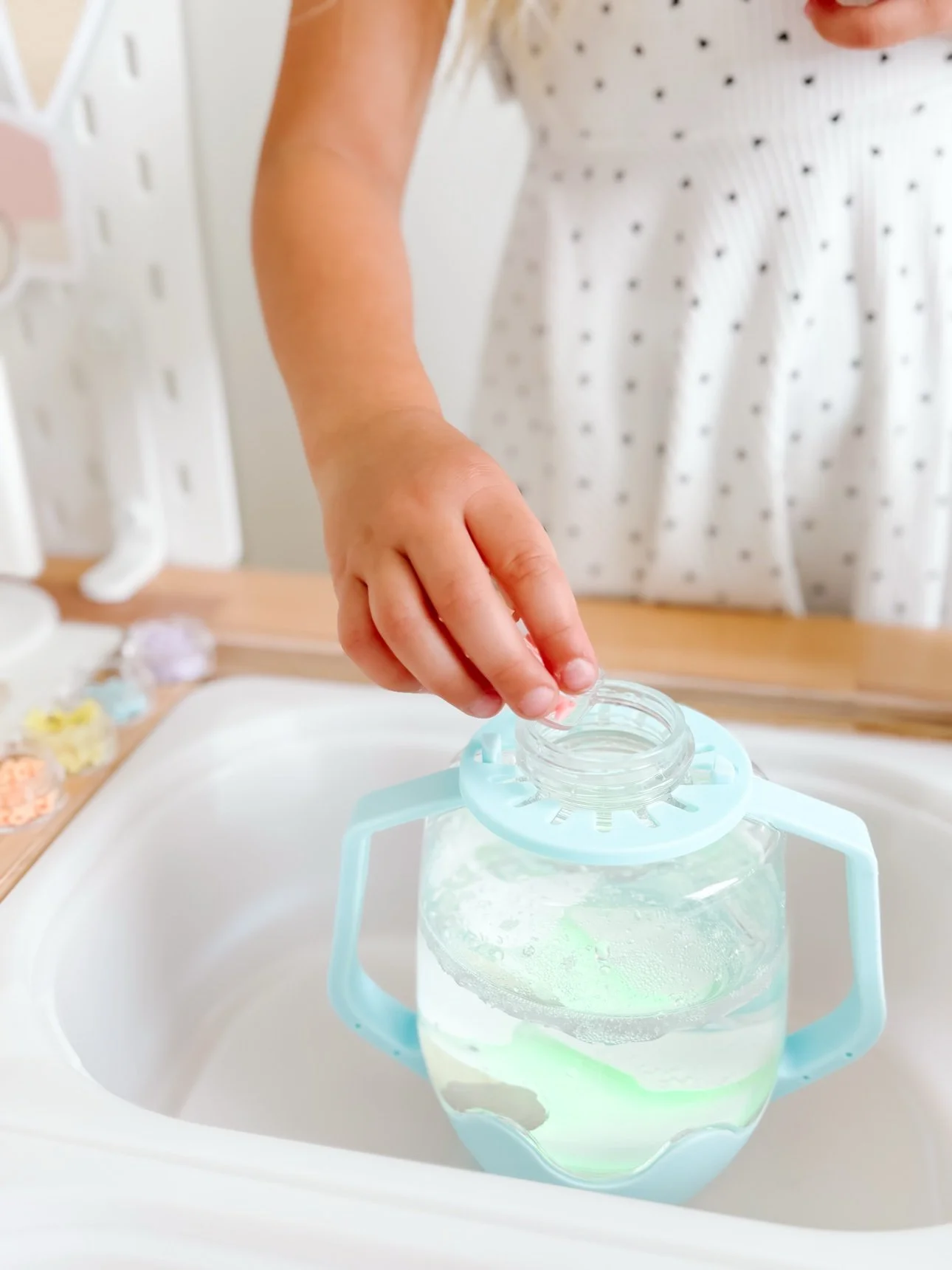
Setup: A clear plastic bottle filled with water, a spoonful of glitter, and a few chunky sequins or beads — then the lid glued and taped shut. Or a zip bag filled with hair gel and glitter, sealed, then taped all the way around and taped to a tray — with one of our free printable play mats slipped underneath, so the bag becomes a counting or tracing game too. The game: shake it, roll it, watch the glitter fall. Check the seal before every single play.
Why it works for ones: This is the one activity on the list where the material is not food — and that's the point. The bottle is how a one-year-old gets to play with glitter, beads, and water without any of it reaching their mouth: the fun is sealed inside. The bag version goes one step further: our free Winter Printable Play Mats slide right under the bag — snowball counting, letter tracing, paths to follow with a finger — turning the same sealed bag into a different game each time. The full setup, recipe, and photos live in our snow play sensory bags post. When my daughter was one, the sensory bottle was our car-seat and waiting-room toy — the one thing that kept her busy without a single thing to clean up. Glue and tape the lid shut, and give it a hard tug before every play — if the seal ever looks loose, retire the bottle on the spot.
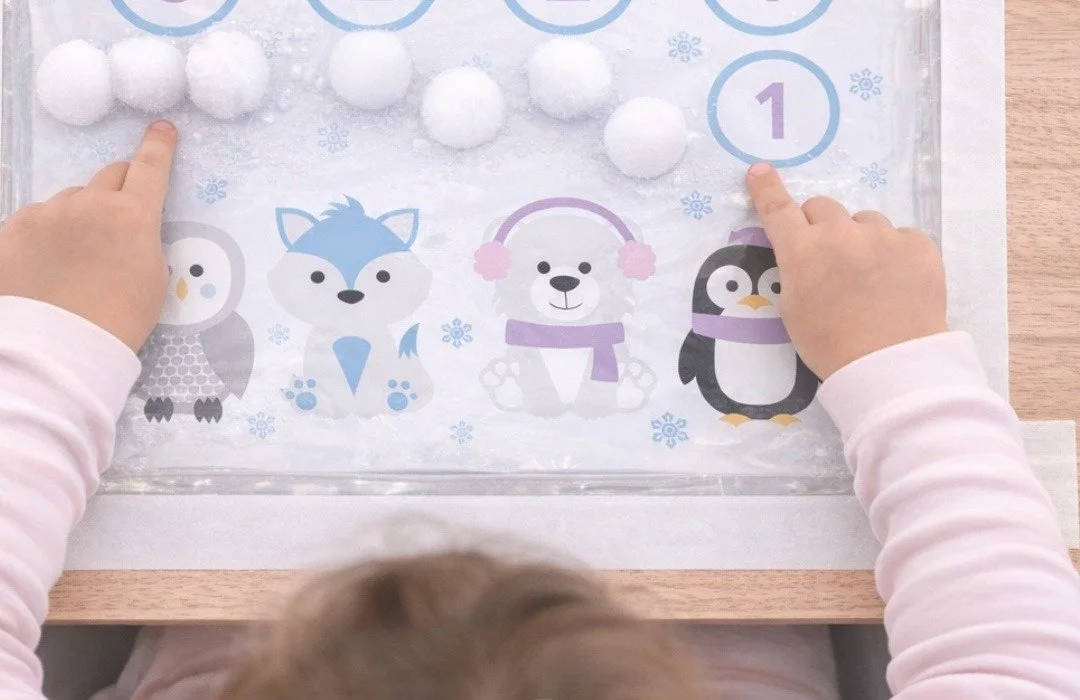
Make it last: Make a second bottle with different contents — colored water and pom-poms, or oil and water that separate when shaken. Two bottles side by side is a matching game waiting to happen, and it costs nothing.
Free: Winter Printable Play Mats for Sensory Bags — $0
The free printable mats that slide under a sealed sensory bag — snowball counting, ABCs, tracing paths. Print them, slip one under the bag, tape the corners down. Our other free play mats (habitat, emotions, Valentine's) work the same way under a bag.
7. Yogurt paint
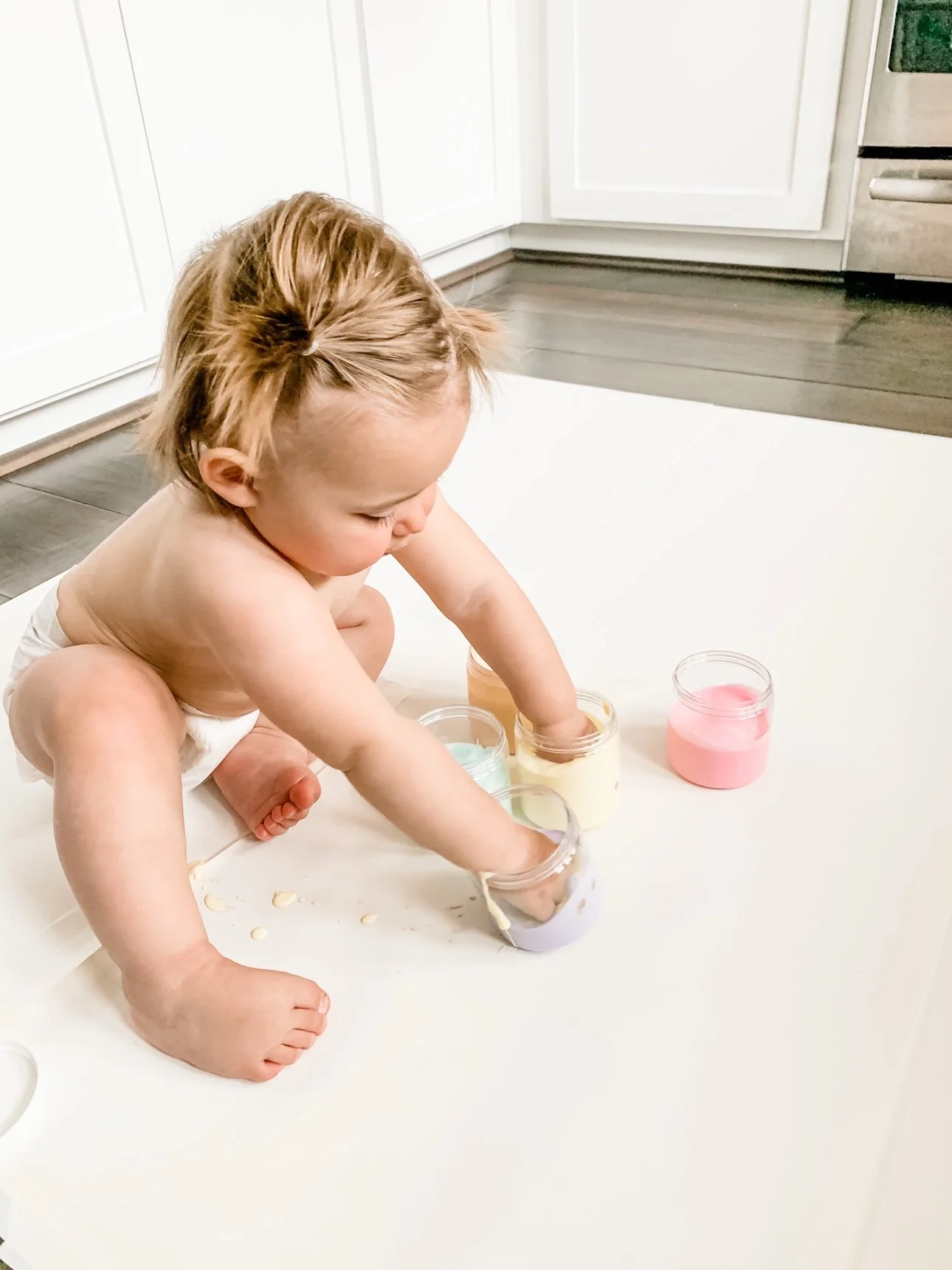
Setup: A few spoonfuls of plain yogurt in small jars or cups, a drop of food coloring in each, and a big sheet of paper or a tray on the floor. Dress them in a diaper or old clothes — this one gets everywhere. The game: dip both hands in and smear, pat, and print.
Why it works for ones: Yogurt paint is the first painting a one-year-old can do properly, because the paint is a food. It tastes like breakfast, it feels cool and creamy, and it does exactly what paint should do — it spreads, it mixes, and it leaves a mark. When my daughter was one, yogurt paint was the messiest thing we ever did on the kitchen floor, and the one she asked for again the fastest: she would point at the fridge and wait for the jars to come out. Use plain yogurt with no honey — honey isn't for under-ones — and a drop of food coloring per jar.
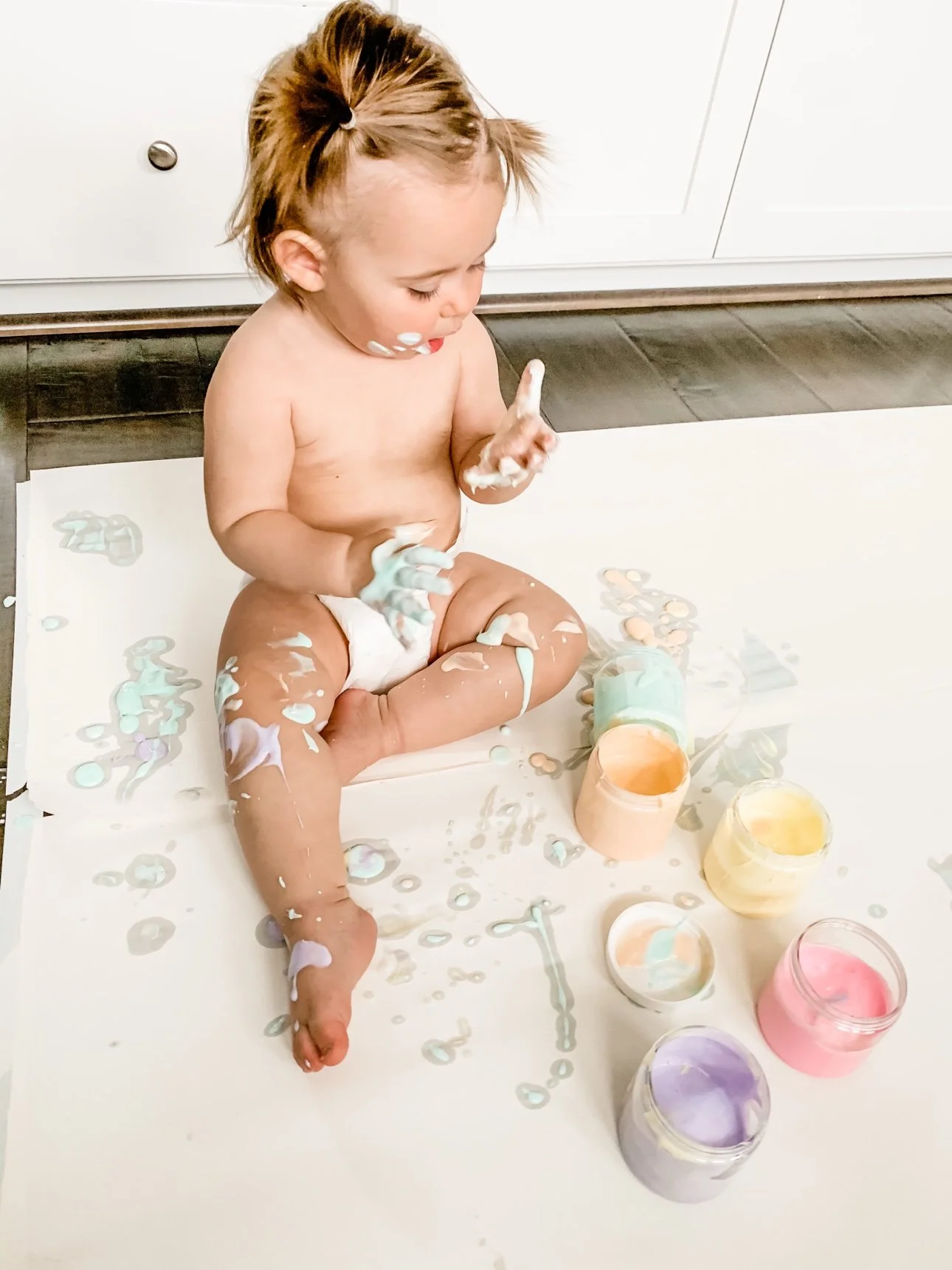
Make it last: Add a third color and let them mix — the marbling is the first color-mixing lesson, and it happens by accident. Or offer a brush or a sponge once the hands are tired; the tool changes the marks completely. When the painting is done, the paper goes in the recycling and the baby goes in the bath — that's the cleanup plan, and it's a good one.
8. The fabric + nature treasure basket
Setup: A low basket or bin filled with soft, touchable things: scarves, a washcloth, a piece of velvet, a big leaf, a pinecone too big to fit in a mouth, a smooth stone. Nothing small, nothing sharp, nothing that breaks into pieces. The game: pull things out one at a time, feel them, put them back — or don't.
Why it works for ones: The treasure basket is the quietest activity on this list and one of the most important: it's pure texture. Soft, rough, smooth, crinkly — a one-year-old learns the words for these feelings long before they can say them, and a basket of real things teaches them faster than any single toy. When my daughter was one, the treasure basket lived by the couch and got played with more than anything we bought: she'd pull out the same scarf twenty times, like it was new every time. Check every item before it goes in the basket — big enough not to mouth whole, sturdy enough not to snap, and washable, because it will go in the mouth anyway.
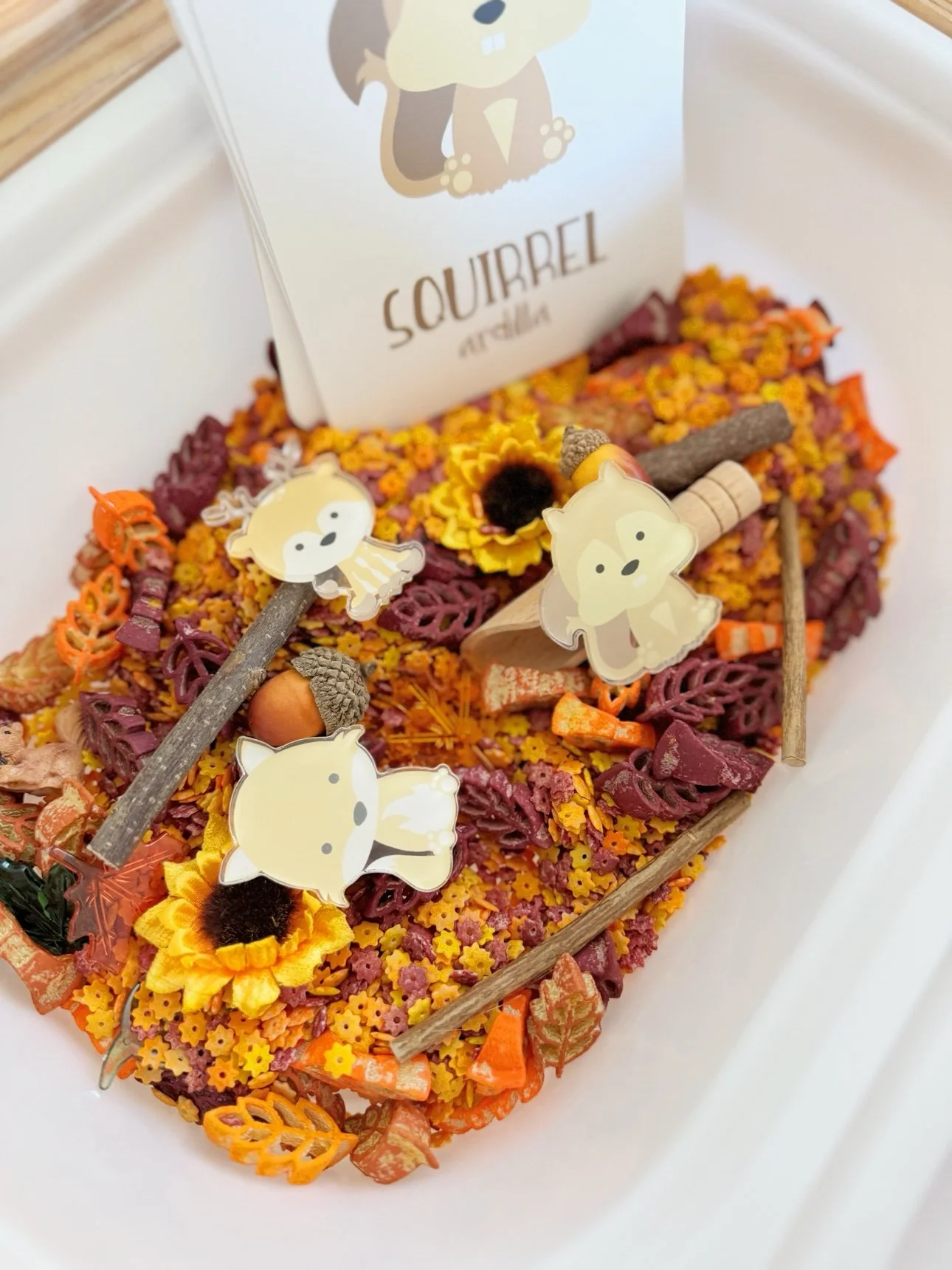
Make it last: Swap the basket's contents weekly — a kitchen basket (wooden spoon, silicone spatula, washcloth), a garden basket (leaves, bark, a big pinecone), a fabric basket (scarves in different textures). A new basket is a new game, and it costs nothing.
How to run sensory play at one
One-year-olds don't need a schedule and they don't need a rotation chart — they need one tray, one material, and you sitting on the floor with them. Keep one activity out at a time (one familiar favorite, one new idea), and swap the new one every few days. Set up on a towel or a tray, keep the session to five or ten minutes, and end while it's still fun — a one-year-old who leaves the jello happy will come back to it tomorrow; a one-year-old who is pushed past tired won't.
And when a session falls apart — the water gets dumped, the oatmeal goes on the floor, the pasta nest becomes a hat — that session still worked. At one, the mess is the play, and the game you planned is never better than the game your child invented instead. Wipe the floor, put the tray away, and let them go again tomorrow. When the mouthing stage starts to ease, the same scoop-and-dump hands graduate naturally into our sensory bin ideas for 2-year-olds — and eventually into small world play, when small figures finally join the play.
Free: Toddler Starter Kit
Want ready-made play ideas for this exact stage? Our free Toddler Starter Kit is a set of simple, low-prep activities for toddlers — the next thing to try when the jello dig and the water station have done their job.
Sensory play for 1-year-olds FAQ
What should I watch for with a 1-year-old?
At one, everything goes in the mouth, so the materials on this list are foods and pantry staples, or locked inside a bottle or bag that can't be opened. Stay in arm's reach for every activity, and keep water play shallow.
What sensory materials should I avoid at one?
Water beads, first and always — they look like candy and swell up. Skip small parts, buttons, coins, and anything that fits through a toilet-paper tube. Skip raw rice and dried beans as unsupervised fillers — they're a choking risk at this age. And never use honey in a sensory activity for a child under one.
How long will a 1-year-old play with a sensory activity?
Five to ten focused minutes is a great session at one. Some days it will be three minutes, some days fifteen — both are normal. Set up small, expect short, and end while it's still fun. A one-year-old who leaves the activity happy will come back to it tomorrow.
What if my 1-year-old tastes everything?
Then the activity is working as designed. Tasting is how one-year-olds explore, and every material on this list is either food or sealed shut for exactly that reason. If they taste more than they play, offer a smaller amount and a bigger tool — a cup instead of a handful — and let the tasting be part of the game.
When can my child move on to regular sensory bins?
When the mouthing stage eases — usually somewhere in the second year. The scoop-and-dump skills from the oatmeal bin and the pouring from the water station carry straight into our sensory bin ideas for 2-year-olds, where dry fillers like rice and beans and smaller tools finally join the play.
One is a short season, and it goes faster than it feels like it will. Start with the jello dig or the water pouring station, and let the pasta nest, the oatmeal bin, and the treasure basket follow. And when they're ready for letters, our Letter of the Week series is waiting — one letter at a time.